Interviews are opportunities to demonstrate your expertise, and this guide is here to help you shine. Explore the essential Ability to learn new skills and technologies interview questions that employers frequently ask, paired with strategies for crafting responses that set you apart from the competition.
Questions Asked in Ability to learn new skills and technologies Interview
Q 1. Describe your approach to learning a new programming language.
My approach to learning a new programming language is structured and iterative. I begin by understanding the fundamental concepts – data types, control structures, and basic syntax. I find a good introductory resource, like a well-reviewed online course or a reputable textbook, to build a solid foundation. I don’t try to memorize everything at once; instead, I focus on practical application.
Next, I work through numerous coding exercises and small projects. This hands-on approach is crucial for reinforcing concepts and identifying knowledge gaps. I’ll often start with simple programs, gradually increasing complexity as my understanding grows. For example, if learning Python, I might start with simple scripts for file manipulation before moving on to more complex data structures and algorithms. Regularly testing my code and debugging errors is essential in this phase – it reveals areas where I need further study. Finally, I aim to contribute to an open-source project or build a more substantial personal project using the new language. This real-world application solidifies my understanding and demonstrates proficiency.
Q 2. What resources do you typically use to learn new technologies?
My resource selection depends on the technology and my learning style. I often start with online courses on platforms like Coursera or Udemy for structured learning with video lectures and quizzes. These platforms provide a comprehensive introduction and often include hands-on projects. For deeper dives into specific topics, I consult official documentation, research papers, and books. I also actively participate in online communities such as Stack Overflow and Reddit, where I can ask questions, learn from others’ experiences, and see real-world code examples. Finally, I find that well-maintained blog posts and tutorials can be excellent resources for specific challenges or new techniques.
Q 3. How do you stay current with the latest advancements in your field?
Staying current is paramount in the tech industry. I subscribe to newsletters and podcasts dedicated to my areas of expertise. This ensures I’m alerted to significant advancements and emerging trends. Attending industry conferences and webinars allows me to network with peers and learn from experts directly. Actively following thought leaders on social media and participating in online discussions are also invaluable. I also regularly scan industry publications and research papers relevant to my field for the latest breakthroughs. This multi-faceted approach keeps me informed about best practices and emerging technologies, which I then integrate into my professional work.
Q 4. Explain a time you had to quickly learn a new skill for a project.
During a recent project, we needed to integrate a new third-party API to enhance our application’s functionality. The API’s documentation was sparse, and the deadline was tight. My approach was to first focus on the core functionality of the API – making a simple successful request. I used the API’s example code as a starting point and gradually incorporated additional features. I utilized the API’s debugging tools and spent significant time carefully reading error messages. When I encountered unfamiliar concepts, I leveraged online resources and community forums. This iterative process, focusing on one problem at a time, enabled me to integrate the API effectively within the project deadline.
Q 5. What strategies do you employ to overcome technical challenges?
My strategy for overcoming technical challenges follows a structured approach: I first thoroughly define the problem, breaking it down into smaller, more manageable parts. Then, I research potential solutions, leveraging online resources and my existing knowledge base. If the solution isn’t immediately obvious, I use a process of elimination, testing hypotheses and identifying what doesn’t work. I find it helpful to write down my thought process and track my progress – this helps in keeping track of what I’ve tried and what still needs exploring. If I’m stuck, I don’t hesitate to seek help from colleagues or online communities – collaboration is a key component of problem-solving. The key is persistence and a systematic approach; rarely is the solution found immediately.
Q 6. How do you prioritize learning new skills when faced with competing deadlines?
Prioritizing skill development with competing deadlines requires careful planning and time management. I use a system where I assess the urgency and importance of each task, including both project deadlines and skill-building activities. I prioritize learning new skills that directly contribute to immediate project needs, while dedicating specific, shorter time blocks for long-term skill development. For example, if I need to learn a specific library for a crucial upcoming deadline, that will take precedence over exploring a new programming language for a project months away. I schedule dedicated learning time, just like any other meeting, to ensure it happens. The key is to strategically allocate time while maintaining a balance between immediate needs and long-term growth.
Q 7. Describe your experience with online learning platforms (e.g., Coursera, Udemy).
I have extensive experience with online learning platforms like Coursera and Udemy. I find them invaluable for structured learning in specific technologies. I appreciate the structured curriculum, video lectures, and hands-on exercises offered by these platforms. The ability to learn at my own pace is a significant advantage. However, I find that supplementing online courses with practical application and community involvement is essential for true mastery. I often use these platforms to learn the fundamentals before diving into more advanced topics through other resources like official documentation or books. For example, I completed a Coursera course on Machine Learning, which provided a strong foundation, but I then augmented this with independent projects and research papers to deepen my understanding.
Q 8. How do you assess the effectiveness of your learning methods?
Assessing the effectiveness of my learning methods is a continuous process. I don’t rely on a single metric but rather a combination of approaches. Firstly, I regularly self-test my understanding through practical application. For example, after learning a new JavaScript framework like React, I’d build a small project utilizing its key features. This allows me to identify knowledge gaps immediately. Secondly, I actively seek feedback. This could involve code reviews from colleagues, participation in online forums discussing the technology, or even presenting my work to a peer group. Constructive criticism helps pinpoint areas needing further attention. Finally, I track my progress over time. I might use a learning journal to note down concepts I found challenging, resources that were particularly helpful, and the time it took me to achieve proficiency. This longitudinal perspective gives me valuable insights into my learning curve and helps me refine my approach.
Q 9. What’s the most challenging technology you’ve learned, and how did you overcome the difficulties?
Learning Kubernetes was the most challenging technological hurdle I’ve faced. Its distributed nature, complex architecture, and steep learning curve initially felt overwhelming. I overcame this by adopting a multi-faceted approach. I started with comprehensive online courses, focusing on core concepts like containers, pods, deployments, and services. Then, I moved on to hands-on practice, setting up a local Kubernetes cluster using Minikube and deploying simple applications. To solidify my understanding, I built more complex projects, experimenting with different deployment strategies, resource management, and networking configurations. Throughout the process, I actively engaged with the Kubernetes community, participating in forums and reading documentation. The key was consistent, deliberate practice combined with active community engagement.
Q 10. How do you handle situations where you encounter unfamiliar technologies or concepts?
When encountering unfamiliar technologies or concepts, I follow a structured approach. First, I break down the problem into smaller, manageable parts. For instance, if I need to learn a new database system, I’d start by understanding its fundamental architecture, then explore key features and commands, and finally work on practical examples. Next, I leverage various learning resources, starting with official documentation, then exploring tutorials, online courses, and community forums. I always prioritize reliable sources and cross-reference information to ensure accuracy. I also utilize the power of experimentation. Setting up test environments and trying out different functionalities is crucial for solidifying my understanding. Finally, I document my learning process, creating notes and examples that I can refer to later. This systematic approach allows me to effectively tackle even the most challenging new technologies.
Q 11. Describe your experience with different learning styles (visual, auditory, kinesthetic).
My learning style is a blend of visual, auditory, and kinesthetic preferences. I find visual aids like diagrams, flowcharts, and videos exceptionally helpful in grasping complex concepts. I often create my own diagrams to visualize the relationships between different parts of a system. Auditory learning works well for me when listening to podcasts, lectures, or discussions about a technology. I also actively use kinesthetic learning by experimenting with code, building prototypes, and actively using the technology. For instance, when learning a new programming language, I’ll write code snippets, experiment with different approaches and run tests to solidify my understanding. It’s about finding the balance that works best for me and utilizing various approaches to maximize learning effectiveness.
Q 12. How do you adapt your learning approach depending on the complexity of the technology?
My learning approach adapts depending on the complexity of the technology. For simpler technologies, a quick overview of documentation or a tutorial might suffice. However, for more complex systems, like distributed databases or machine learning frameworks, I adopt a more structured approach. This involves starting with foundational concepts, moving onto practical implementation, actively seeking feedback from peers, and finally engaging in more advanced topics. I might dedicate more time to hands-on practice, break down complex problems into smaller modules, and utilize debugging tools to gain a better understanding of internal workings. The key is to tailor my learning strategy to the specific demands of the technology.
Q 13. What are your preferred methods for troubleshooting technical issues?
My preferred methods for troubleshooting technical issues are systematic and methodical. I begin by clearly defining the problem and gathering all relevant information, such as error messages, logs, and system configurations. Then, I use a process of elimination, starting with the most probable causes and working my way through. I might utilize debugging tools such as IDE debuggers or network sniffers. I rely heavily on online resources such as documentation, forums, and Stack Overflow to find solutions or similar problems faced by others. If I’m still stuck, I don’t hesitate to seek help from colleagues or mentors, utilizing collaborative problem-solving techniques. The essence of my approach is to remain organized, meticulous, and persistent in finding a resolution.
Q 14. How do you evaluate the reliability of information sources when learning new technologies?
Evaluating the reliability of information sources is crucial when learning new technologies. I prioritize official documentation and reputable publications over less credible sources. I cross-reference information from multiple sources to ensure consistency and accuracy. I pay close attention to the author’s credentials and look for evidence of their expertise. For example, I’d be more likely to trust a tutorial on TensorFlow from a Google engineer than a random blog post. I assess the source’s recency, as technology evolves rapidly, and outdated information can be misleading. Ultimately, critical thinking and a healthy skepticism are essential in sifting through the vast amount of information available online.
Q 15. How do you manage information overload when learning multiple new skills simultaneously?
Managing information overload when learning multiple new skills is crucial for effective learning. It’s like trying to drink from a firehose – overwhelming! My approach involves strategic prioritization and focused learning sessions.
- Prioritization: I identify the most critical skill to master first, based on project deadlines or long-term career goals. This prevents me from spreading myself too thin.
- Time Blocking: I dedicate specific time slots for each skill, preventing multitasking and ensuring focused attention. For example, Mondays might be dedicated to Python programming, Wednesdays to cloud computing concepts, and so on.
- Active Recall and Spaced Repetition: Instead of passively consuming information, I actively test myself through quizzes, flashcards, or teaching the concepts to someone else. Spaced repetition, revisiting the material at increasing intervals, reinforces long-term retention.
- Curated Resources: I carefully select high-quality learning materials, avoiding information overload from too many sources. I prefer concise, well-structured courses, documentation, or tutorials over sprawling volumes of unstructured data.
- Mindfulness Breaks: Regular breaks are essential to prevent burnout and maintain focus. Short meditation or walks help clear my mind and improve cognitive function.
For example, when learning React, Node.js, and Docker simultaneously for a recent project, I prioritized learning React first, as it was the core of the front-end development. I then allocated specific days for each technology, actively practicing each concept with small, achievable projects, and scheduled regular breaks to avoid feeling overwhelmed.
Career Expert Tips:
- Ace those interviews! Prepare effectively by reviewing the Top 50 Most Common Interview Questions on ResumeGemini.
- Navigate your job search with confidence! Explore a wide range of Career Tips on ResumeGemini. Learn about common challenges and recommendations to overcome them.
- Craft the perfect resume! Master the Art of Resume Writing with ResumeGemini’s guide. Showcase your unique qualifications and achievements effectively.
- Don’t miss out on holiday savings! Build your dream resume with ResumeGemini’s ATS optimized templates.
Q 16. Explain your process for breaking down complex technical tasks into manageable steps.
Breaking down complex tasks is crucial for effective project management and problem-solving. My process involves a combination of top-down and bottom-up approaches.
- Define the End Goal: I start by clearly defining the overall objective of the task. What is the desired outcome? This provides a guiding star.
- Identify Key Subtasks: I then break the main task into smaller, more manageable subtasks. Each subtask should contribute directly to the final goal. I find mind mapping or creating a flowchart incredibly useful for visualizing these subtasks.
- Prioritize Subtasks: I prioritize subtasks based on dependencies and criticality. Some subtasks must be completed before others can begin.
- Estimate Time and Resources: I estimate the time and resources required for each subtask, ensuring realistic scheduling. I also build in buffer time for unexpected delays.
- Iterative Refinement: As I work through the subtasks, I regularly review my progress and adjust my plan as needed. This iterative approach ensures flexibility and adaptation to changing circumstances.
For instance, when developing a complex web application, I would first define the overall functionality. Then, I would break it down into modules (user authentication, database interaction, front-end UI, etc.). Each module would be further decomposed into smaller, more manageable tasks. I’d use project management tools like Jira or Trello to track progress and dependencies.
Q 17. How do you apply newly acquired skills to practical projects or problem-solving?
Applying newly acquired skills is the ultimate test of learning. I actively seek opportunities to integrate new knowledge into projects or problem-solving exercises.
- Personal Projects: I often start by working on personal projects that allow me to practice the new skills in a low-pressure environment. This helps build confidence and identify knowledge gaps.
- Contribute to Open Source: Contributing to open-source projects provides valuable experience, allows collaboration with others, and exposes me to real-world applications.
- Volunteer for Tasks: At work, I actively volunteer for tasks that require the newly acquired skills, demonstrating initiative and practical application.
- Seek Feedback: I actively seek feedback on my work, identifying areas for improvement and reinforcing effective techniques.
- Reflective Practice: After completing a project, I reflect on my performance, identifying areas where I excelled and areas where I could improve next time.
For example, after completing a course on machine learning, I built a simple image classification model for a personal project. This allowed me to practice the concepts learned and apply them to a practical problem. Then I sought feedback from online communities and refined the model based on the feedback received.
Q 18. How do you measure your progress when learning a new technology?
Measuring progress in learning a new technology requires a multifaceted approach.
- Define Measurable Goals: Before starting, I define specific, measurable, achievable, relevant, and time-bound (SMART) goals. For example, instead of “learn Python,” I might set a goal like “build a simple web scraper in Python within two weeks.”
- Track Milestones: I break down my learning into smaller milestones, allowing me to celebrate small wins and stay motivated. I might track completion of specific chapters, coding exercises, or successful project iterations.
- Use Metrics: I use metrics relevant to the technology. For example, in programming, I might track lines of code written, bugs fixed, or test coverage. In data science, I might track model accuracy or processing time.
- Portfolio Creation: Building a portfolio of projects showcases practical application and allows for tangible measurement of progress.
- Self-Assessment: Regularly assessing my understanding through quizzes, tests, or coding challenges provides an objective measure of progress.
When learning a new framework like Angular, I would set milestones such as completing the official tutorial, building a simple application, and then building a more complex application with specific features. I’d track the time it took to complete each milestone and note any challenges faced. This approach provides a clear picture of my progress and areas needing further focus.
Q 19. Describe a time you had to teach a colleague a new skill or technology.
Teaching a colleague is a great way to solidify my own understanding and contribute to team growth. I recently had to teach a colleague about using Git for version control.
- Needs Assessment: I started by understanding my colleague’s existing knowledge and identifying their specific needs. This prevented me from overwhelming them with unnecessary information.
- Structured Approach: I used a structured approach, starting with basic concepts and gradually progressing to more advanced features. I provided practical examples and hands-on exercises.
- Visual Aids: I used visual aids like diagrams and screenshots to illustrate complex concepts, making them more accessible.
- Practice and Feedback: We practiced together, and I provided constructive feedback to help them refine their skills. I also encouraged them to ask questions.
- Resources: I provided helpful resources like tutorials and documentation, empowering them to continue learning independently.
The key was to be patient and adapt my teaching style to their learning preferences. By the end, my colleague was comfortable using Git for collaborative projects, and my understanding of Git best practices was further strengthened through the process of explaining them to someone else.
Q 20. How do you maintain your technical skills and knowledge over time?
Maintaining technical skills and knowledge is an ongoing process, not a one-time event. It’s like keeping a garden – you need consistent effort to keep it thriving.
- Continuous Learning: I regularly dedicate time to learning new technologies and staying updated on industry trends. This could involve online courses, attending conferences, or reading technical articles.
- Practice: I actively seek opportunities to apply my skills through personal projects or contributions to open-source projects. This reinforces my knowledge and prevents it from becoming stale.
- Networking: Engaging with other professionals through online communities, conferences, or meetups allows for knowledge sharing and learning from others’ experiences.
- Experimentation: I experiment with new tools and technologies, even if they are not directly related to my current work. This broadens my knowledge and prepares me for future challenges.
- Documentation: I meticulously document my learning process and projects, creating a valuable repository of knowledge for future reference.
For example, I subscribe to several technical newsletters and podcasts to stay informed about the latest developments in my field. I also dedicate a portion of my personal time to experimenting with new programming languages and frameworks.
Q 21. How do you collaborate with others to learn new technologies?
Collaboration is essential for learning new technologies, allowing for shared knowledge and diverse perspectives.
- Pair Programming/Learning: I actively participate in pair programming sessions, learning from the approaches and techniques used by others.
- Knowledge Sharing Sessions: I organize or participate in knowledge-sharing sessions within my team or community, sharing my learnings and benefiting from others’ experiences.
- Online Communities: I participate in online forums, communities, and discussion groups, engaging with other learners and experts.
- Mentorship: I actively seek mentorship from experienced professionals, learning from their expertise and gaining guidance on my career path.
- Open Source Collaboration: Contributing to open-source projects provides opportunities to collaborate with developers worldwide and learn from diverse coding styles and approaches.
For instance, while working on a machine learning project, I collaborated with colleagues with different expertise (data engineers, cloud architects, etc.). This collaboration allowed us to leverage each other’s knowledge and accelerated the project’s progress considerably.
Q 22. What’s your experience with different software development methodologies (Agile, Waterfall)?
My experience encompasses both Agile and Waterfall methodologies, and I’ve found that their effectiveness depends heavily on the project’s nature and scale. Waterfall, with its sequential phases, is well-suited for projects with clearly defined requirements and minimal anticipated changes. I’ve utilized it in situations where a rigid structure was necessary, such as developing a critical system component with stringent regulatory compliance needs. However, its inflexibility can be a drawback.
Agile, on the other hand, thrives in dynamic environments where requirements evolve frequently. I’ve extensively used Scrum, a popular Agile framework, in several projects. This involved iterative development sprints, daily stand-ups, sprint reviews, and retrospectives. A recent project involved building a mobile application, where user feedback was incorporated throughout the development cycle. The Agile approach allowed us to adapt quickly to changing market demands and user preferences. The iterative nature ensured we delivered a high-quality product that met evolving needs efficiently.
I’m adept at adapting my approach based on project needs. For instance, I might use a hybrid approach combining elements of both methodologies, leveraging the strengths of each. My experience allows me to select the most appropriate methodology and tailor my workflow accordingly for optimal results.
Q 23. How do you handle setbacks or failures during the learning process?
Setbacks are inevitable in the learning process; they’re opportunities for growth. My approach is systematic. First, I analyze the root cause of the failure. What specific skills or knowledge gaps contributed to it? Was it a misunderstanding of a concept, a lack of practice, or an ineffective learning strategy? Once identified, I address the gap through focused learning. This could involve revisiting the relevant documentation, seeking mentorship, or engaging in practice exercises. For example, when struggling to grasp a complex algorithm, I might break it down into smaller, more manageable parts, working through each component individually before integrating them.
I document my learning journey, including both successes and failures. This helps me identify patterns and refine my learning techniques. Crucially, I avoid dwelling on the failure itself. Instead, I focus on what I’ve learned and how I can improve. This mindset fosters resilience and ensures that each setback contributes positively to my overall growth.
Q 24. Describe your experience with version control systems (e.g., Git).
I have extensive experience with Git, using it daily for version control. My proficiency includes branching strategies like Gitflow, managing pull requests, resolving merge conflicts, and utilizing Git for collaborative coding. I’m comfortable using the command line interface and several GUI clients.
For instance, in a recent team project, we adopted the Gitflow branching model. This allowed us to manage feature development, bug fixes, and releases effectively. My understanding of Git helped me contribute to smooth collaboration, preventing conflicts and ensuring code integrity. I also use Git’s functionalities for reviewing others’ code, providing constructive feedback and enhancing the overall quality of the project. I’m familiar with best practices surrounding commit messages, clear and concise documentation, and using tags to mark milestones.
git checkout -b feature/new-loginThis command demonstrates creating a new branch for developing a new login feature. This is a basic yet fundamental example showcasing my practical understanding of Git.
Q 25. How do you identify your strengths and weaknesses in terms of learning new technologies?
Identifying strengths and weaknesses in learning new technologies requires self-reflection and a willingness to seek feedback. My strengths lie in my ability to quickly grasp underlying concepts and apply them to practical scenarios. I’m a fast learner and I actively seek out opportunities to apply new skills. For example, I learn best through hands-on projects that provide immediate feedback.
My weakness, if I had to identify one, is sometimes getting bogged down in detail before seeing the bigger picture. I’m actively working on mitigating this by focusing on high-level understanding first before diving into the specifics. To understand my strengths and weaknesses objectively, I regularly seek feedback from colleagues and mentors. This provides valuable insights that I can use to further refine my learning approach.
Q 26. What steps do you take to ensure you understand the underlying principles of a technology, rather than just its surface features?
Understanding the underlying principles of a technology is paramount to truly mastering it. Surface-level knowledge is insufficient for tackling complex problems or adapting to evolving technologies. My approach involves several steps.
First, I dissect the technology’s architecture and design patterns. I aim to understand the ‘why’ behind its design choices. Second, I explore its core algorithms and data structures. For example, if learning a new database system, I would focus on understanding how data is indexed, queried, and stored. Third, I read source code (where accessible), which gives valuable insights into implementation details. Finally, I actively engage in building projects that apply the technology. This helps to solidify my understanding and identify areas where I might need further clarification. The combination of theoretical understanding and practical application forms the foundation of my approach.
Q 27. How do you balance independent learning with collaborative learning?
Balancing independent and collaborative learning is crucial for efficient and effective skill development. Independent learning allows for focused study, allowing me to delve into the topics at my own pace and focus on areas where I need more clarification. For example, I dedicate time each week to study new technologies through online courses, documentation, and reading relevant publications.
Simultaneously, collaborative learning is equally important. It provides valuable insights, different perspectives, and the opportunity for knowledge sharing. I actively participate in study groups, pair programming sessions, and attend workshops and conferences to engage with others. Collaborative learning helps me overcome hurdles faster, identify blind spots, and enhance my problem-solving abilities. This blended approach, combining focused individual study with collaborative discussions and peer learning, provides a well-rounded and effective learning experience.
Key Topics to Learn for Ability to Learn New Skills and Technologies Interview
- Growth Mindset: Understanding and demonstrating a proactive attitude towards learning, embracing challenges, and viewing failures as learning opportunities. This includes articulating your learning style and strategies.
- Learning Strategies: Describing your approach to acquiring new skills – active recall, spaced repetition, seeking mentorship, utilizing online resources (courses, documentation), etc. Provide specific examples.
- Transferable Skills: Identifying and highlighting skills you’ve learned in one context and successfully applied in another. This showcases adaptability and efficient learning.
- Technical Proficiency: Demonstrating your ability to quickly grasp new technologies. This could involve discussing projects where you learned a new language or framework in a short timeframe, highlighting the methods you used and the results achieved.
- Problem-Solving Approach: Explaining your systematic approach to tackling unfamiliar technical problems – breaking down complex issues, researching solutions, testing and iterating. Illustrate with real-world examples.
- Resourcefulness and Self-Learning: Articulating your ability to independently find and utilize resources to fill knowledge gaps. Examples include using online documentation, attending webinars, or engaging with online communities.
- Adaptability and Resilience: Highlighting your ability to adapt to changing priorities and technologies, and to persevere through challenges in the learning process. Showcasing your ability to learn from mistakes is crucial.
Next Steps
Mastering the ability to learn new skills and technologies is paramount for long-term career success in today’s rapidly evolving technological landscape. It demonstrates adaptability, a crucial trait for employers. To significantly boost your job prospects, creating an ATS-friendly resume that effectively showcases these skills is essential. ResumeGemini is a trusted resource to help you build a professional and impactful resume that highlights your learning abilities. Examples of resumes tailored to emphasize your ability to learn new skills and technologies are available to help guide you.
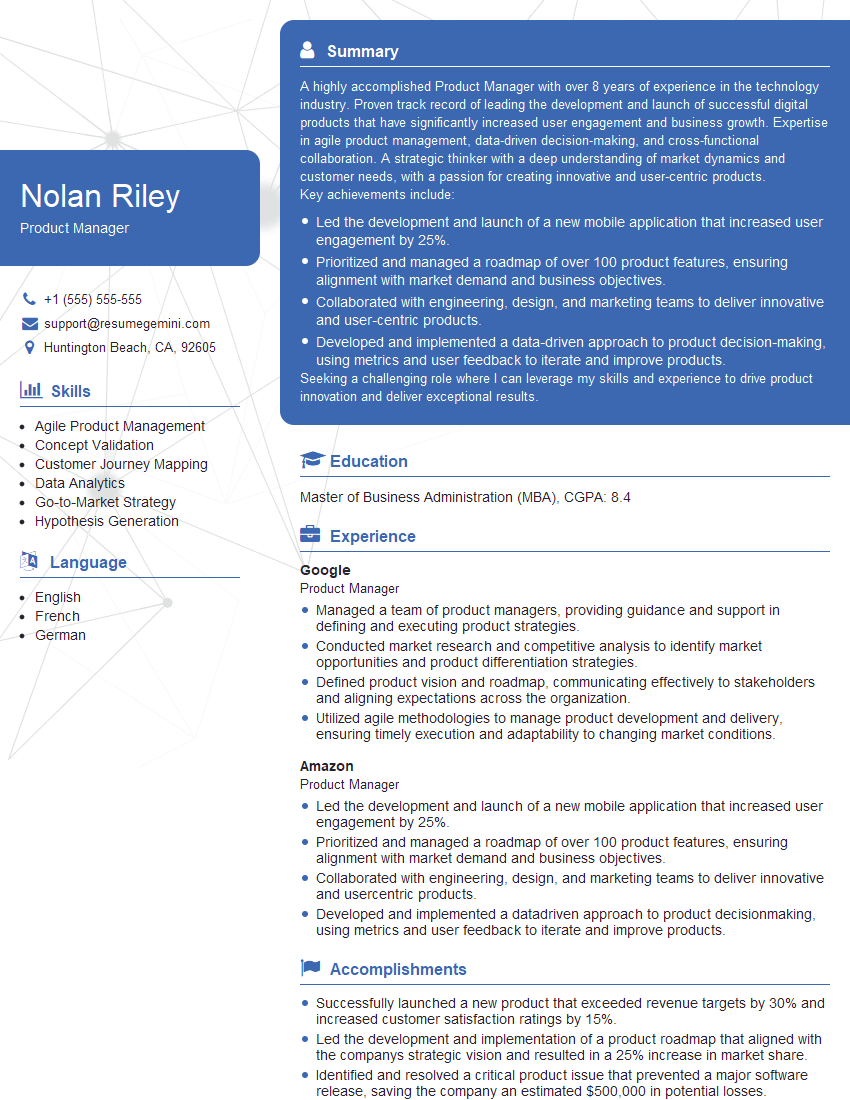
Product Manager Resume Sample
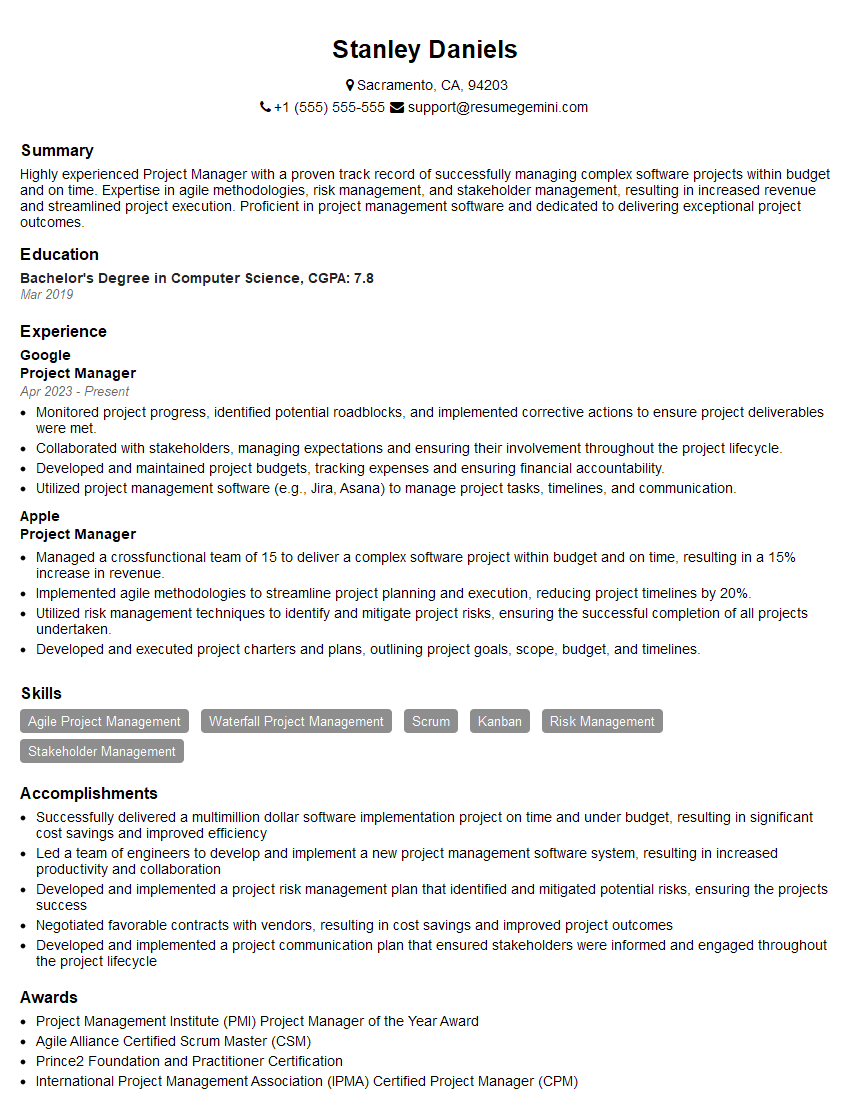
Project Manager Resume Sample
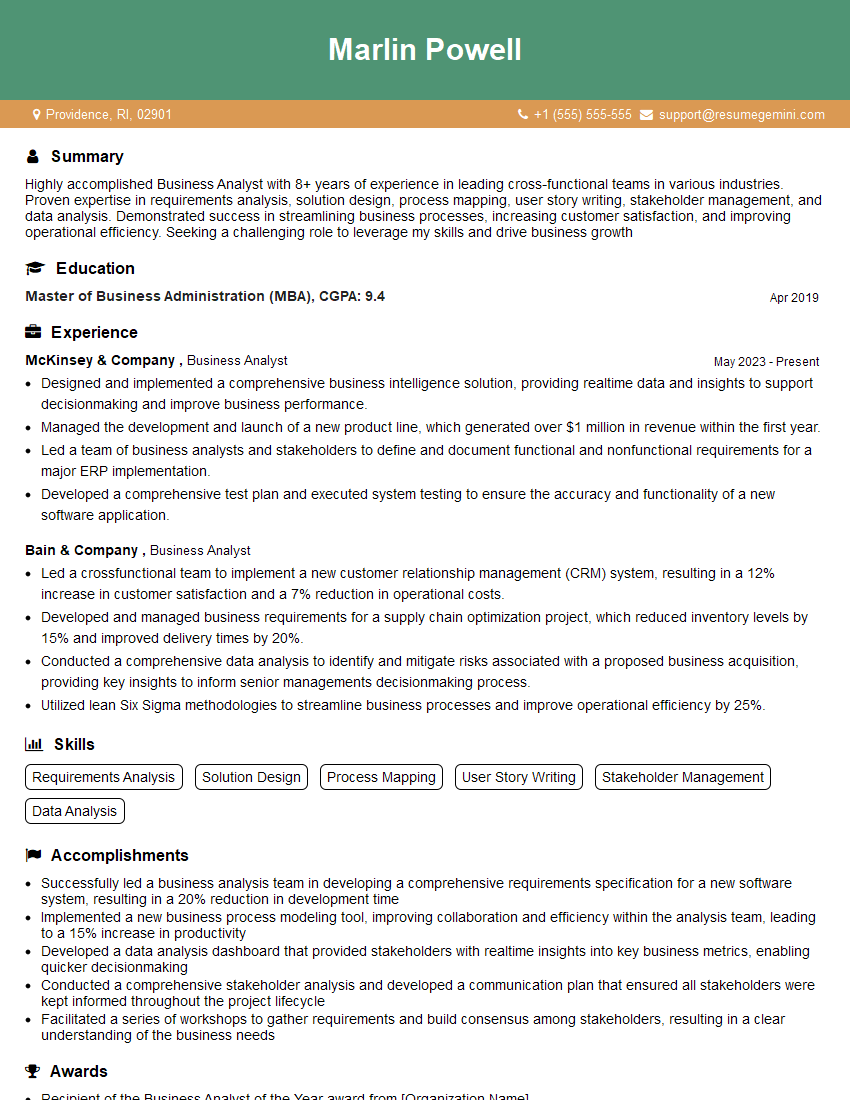
Business Analyst Resume Sample
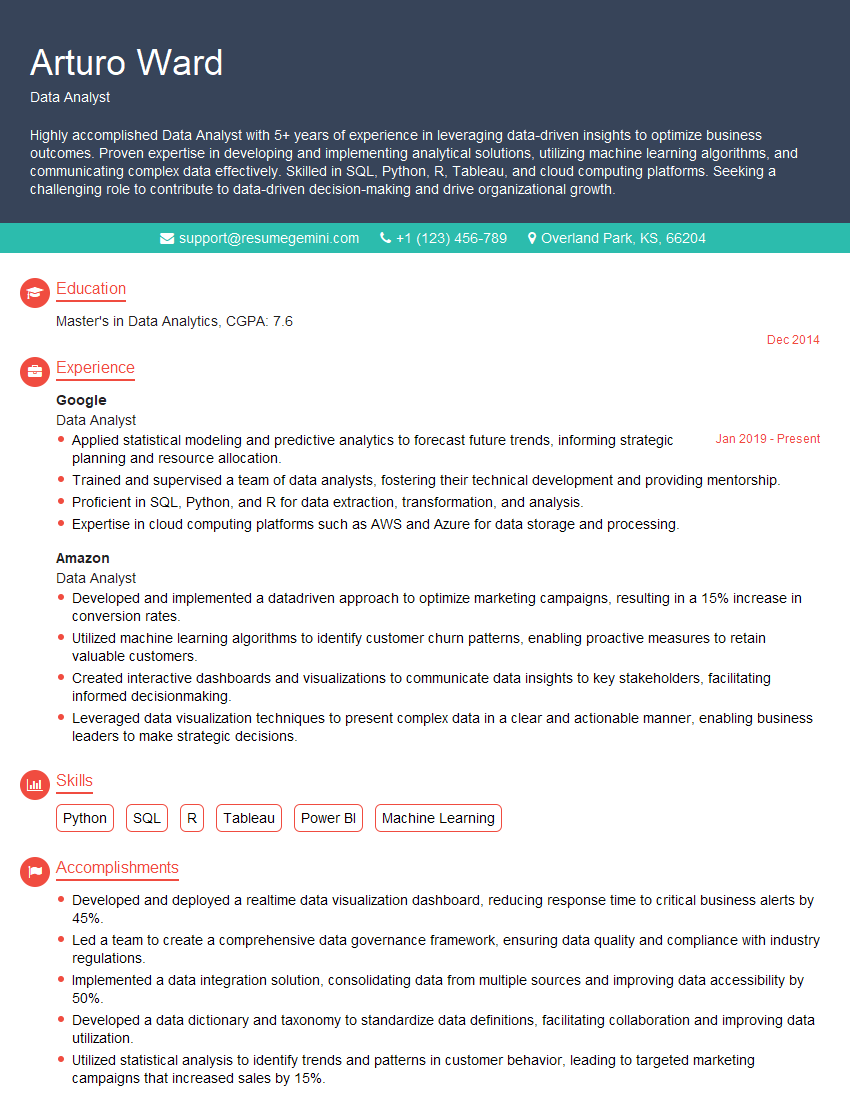
Data Analyst Resume Sample
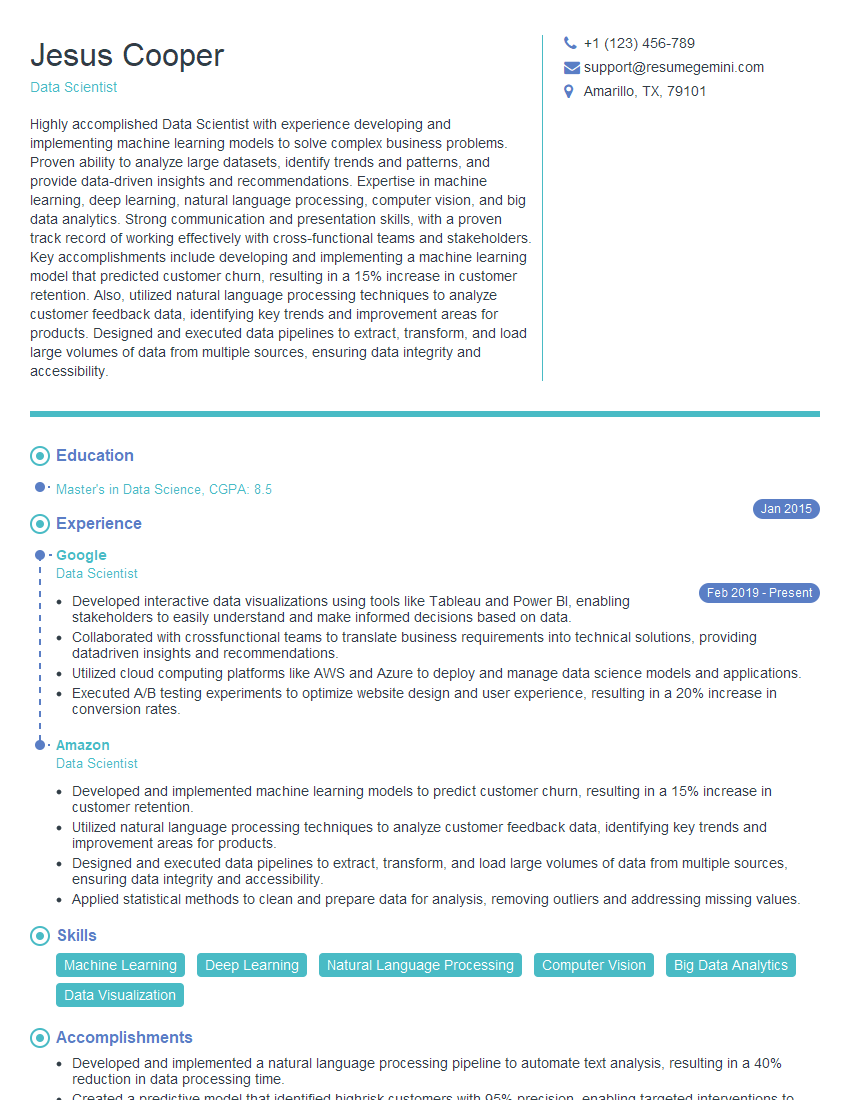
Data Scientist Resume Sample
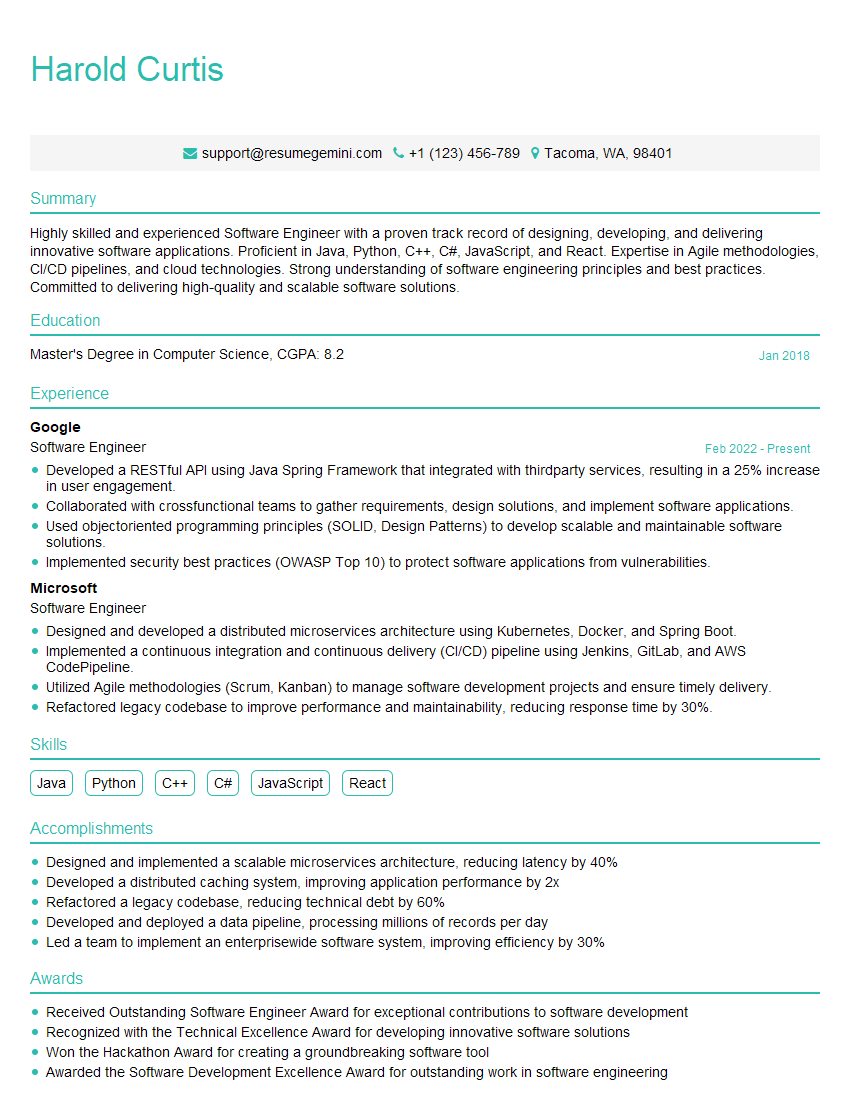
Software Engineer Resume Sample
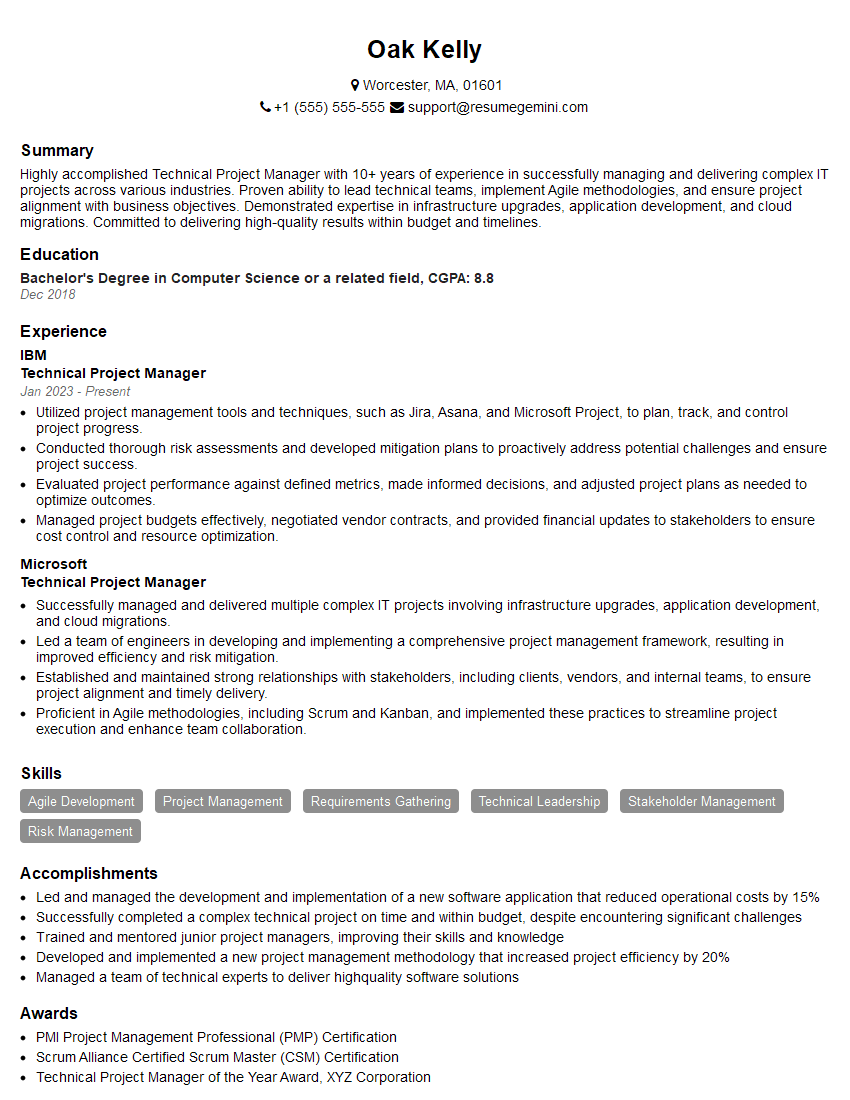
Technical Project Manager Resume Sample
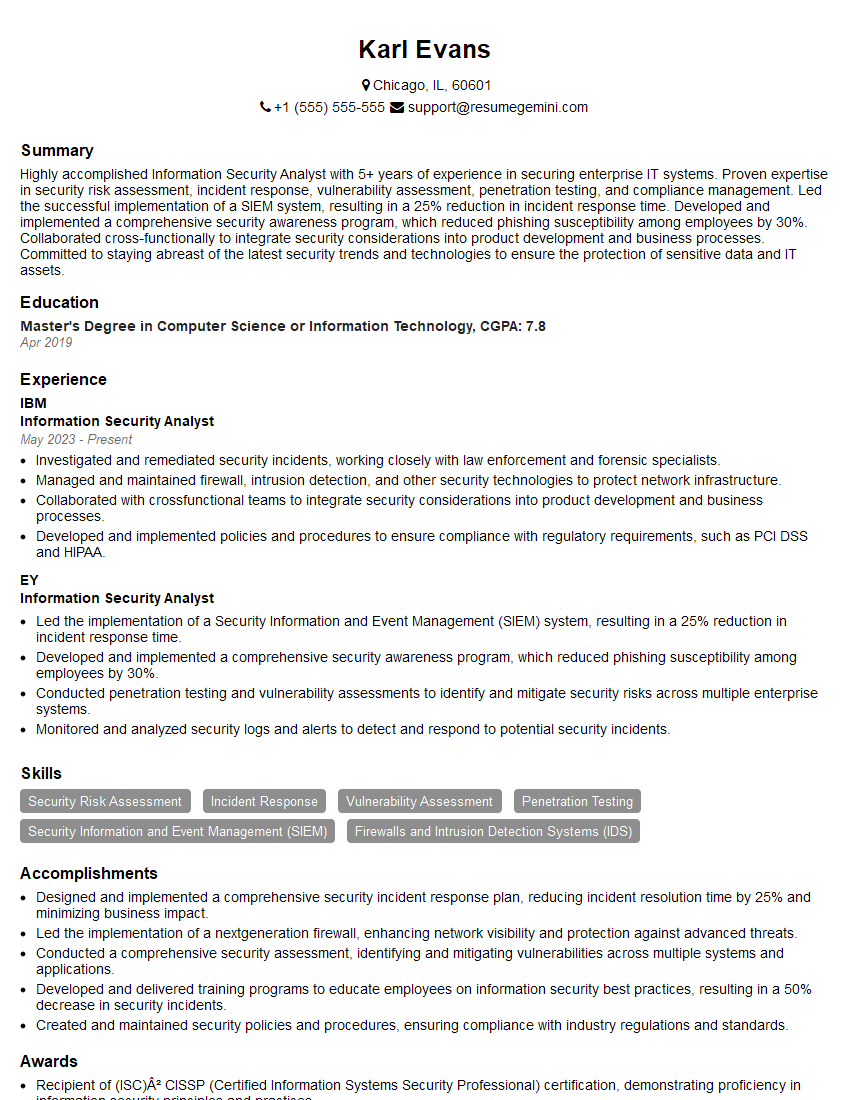
Information Security Analyst Resume Sample
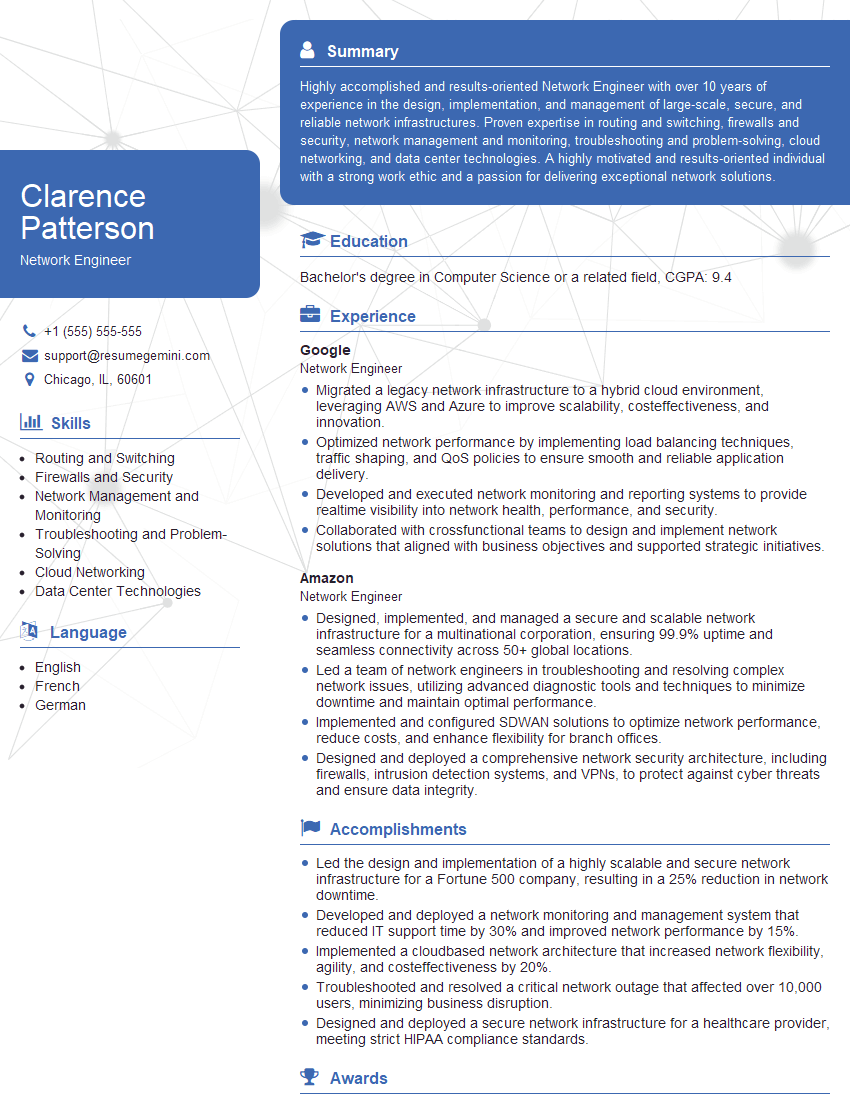
Network Engineer Resume Sample
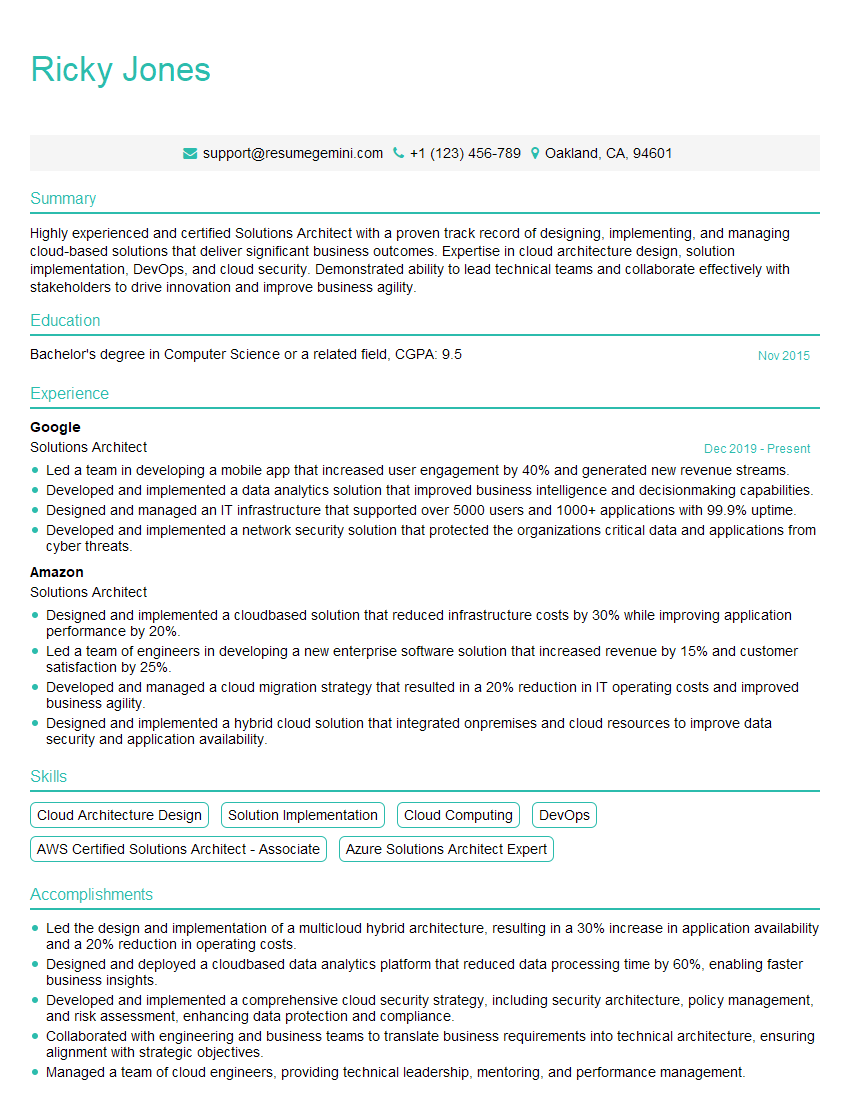
Solutions Architect Resume Sample
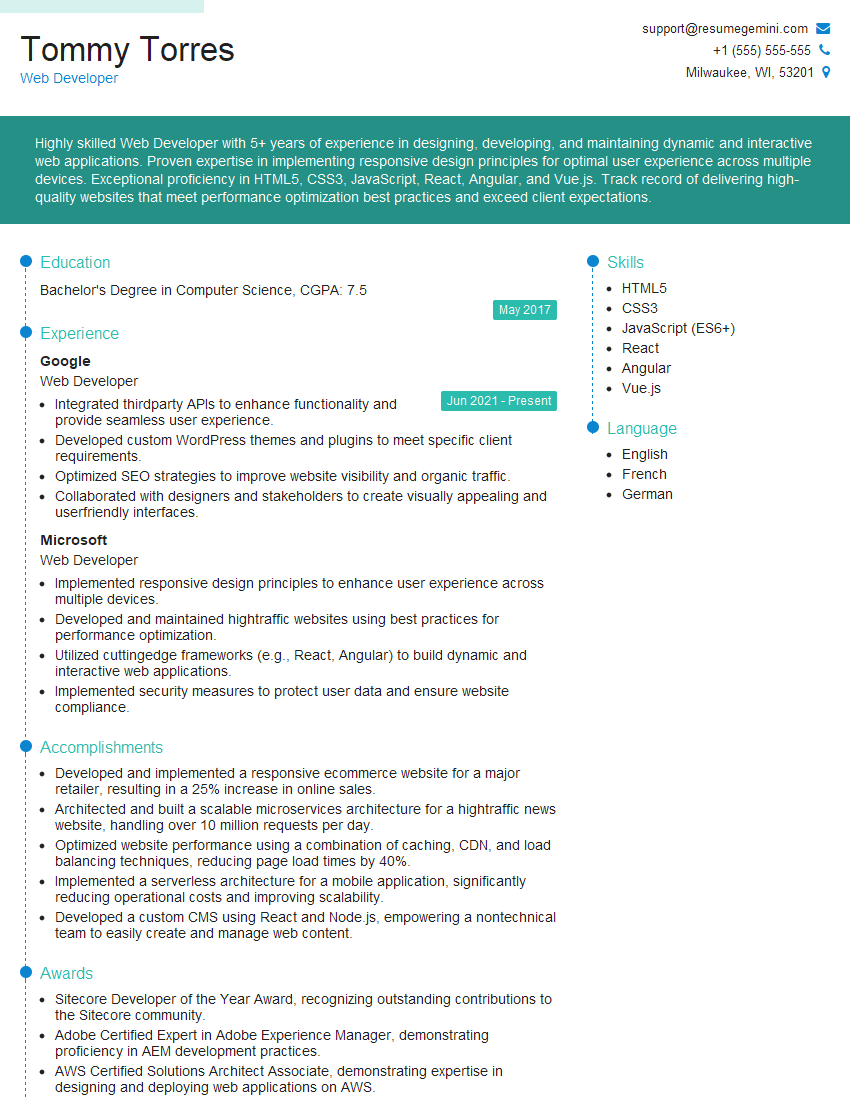
Web Developer Resume Sample
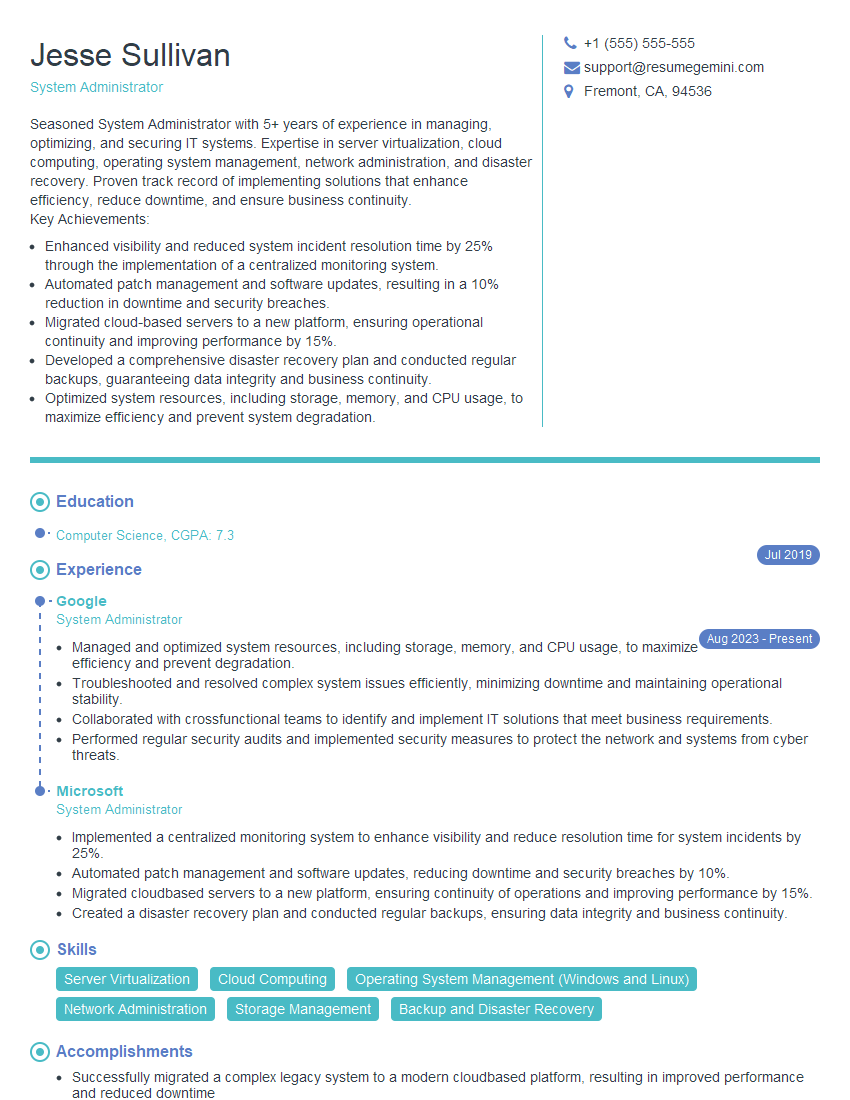
System Administrator Resume Sample
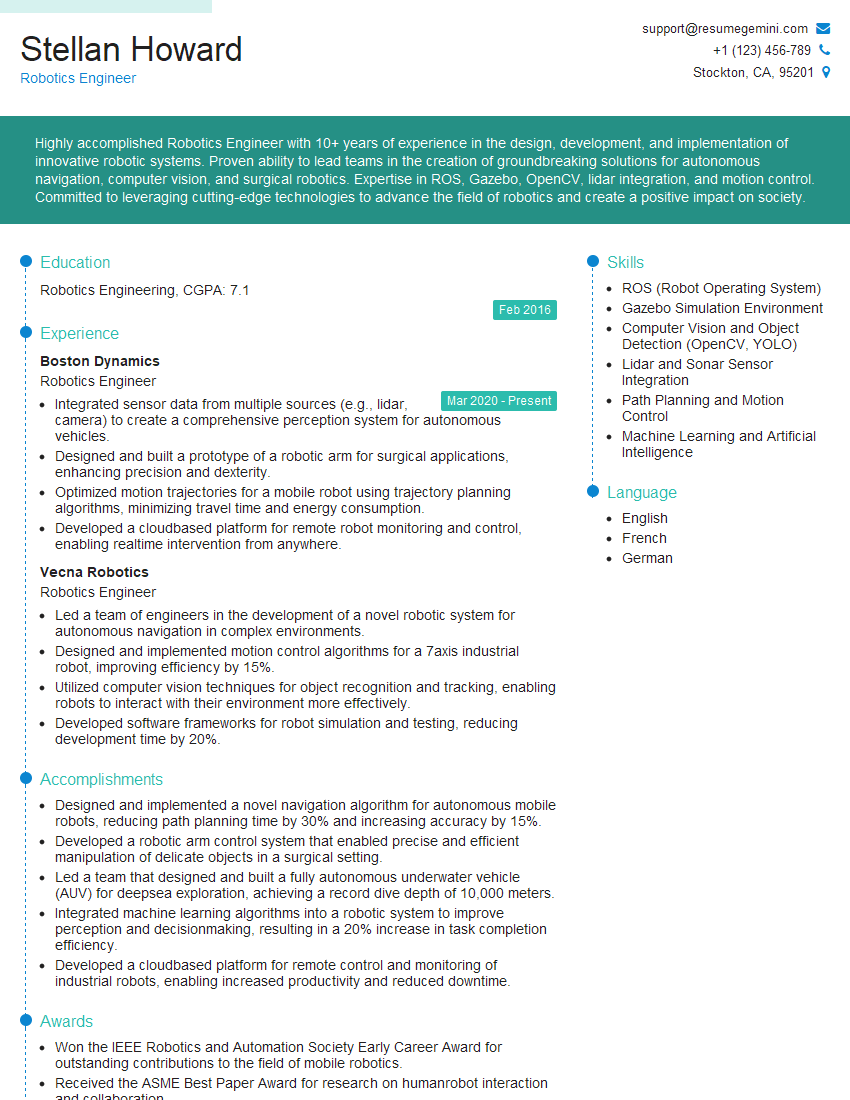
Robotics Engineer Resume Sample

Technical Writer Resume Sample
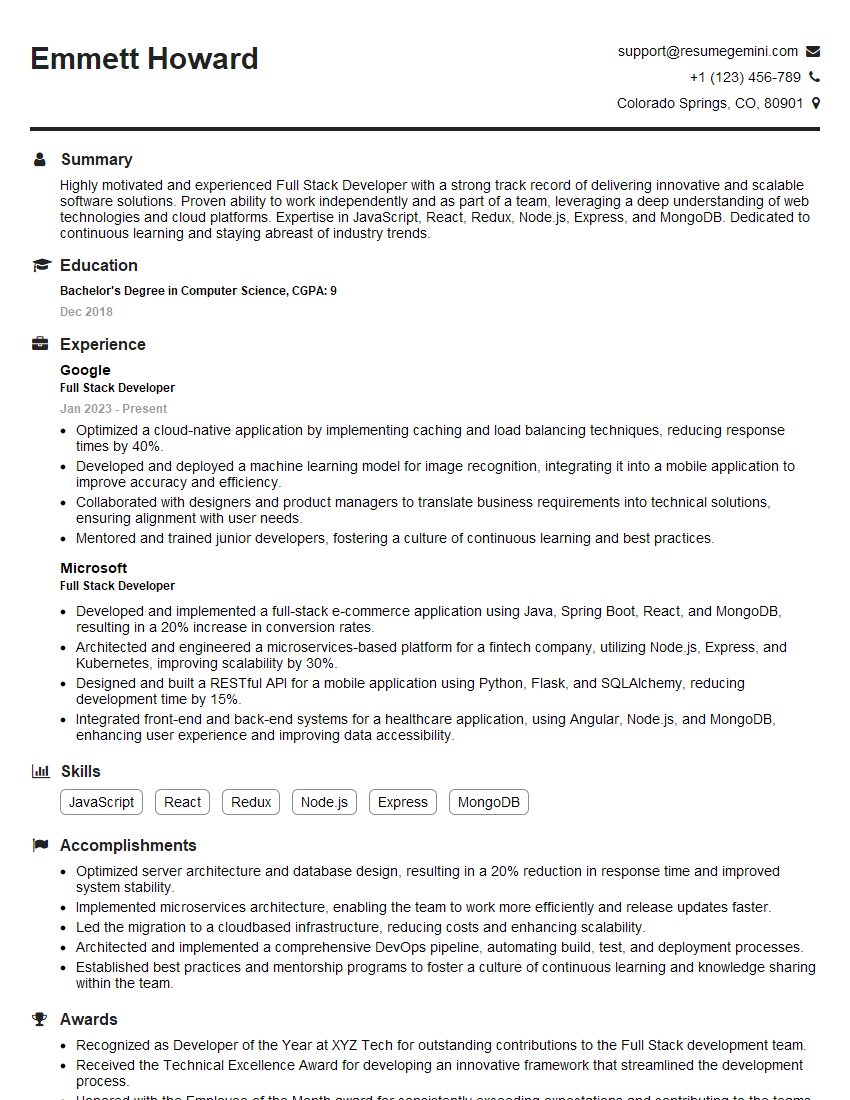
Full Stack Developer Resume Sample
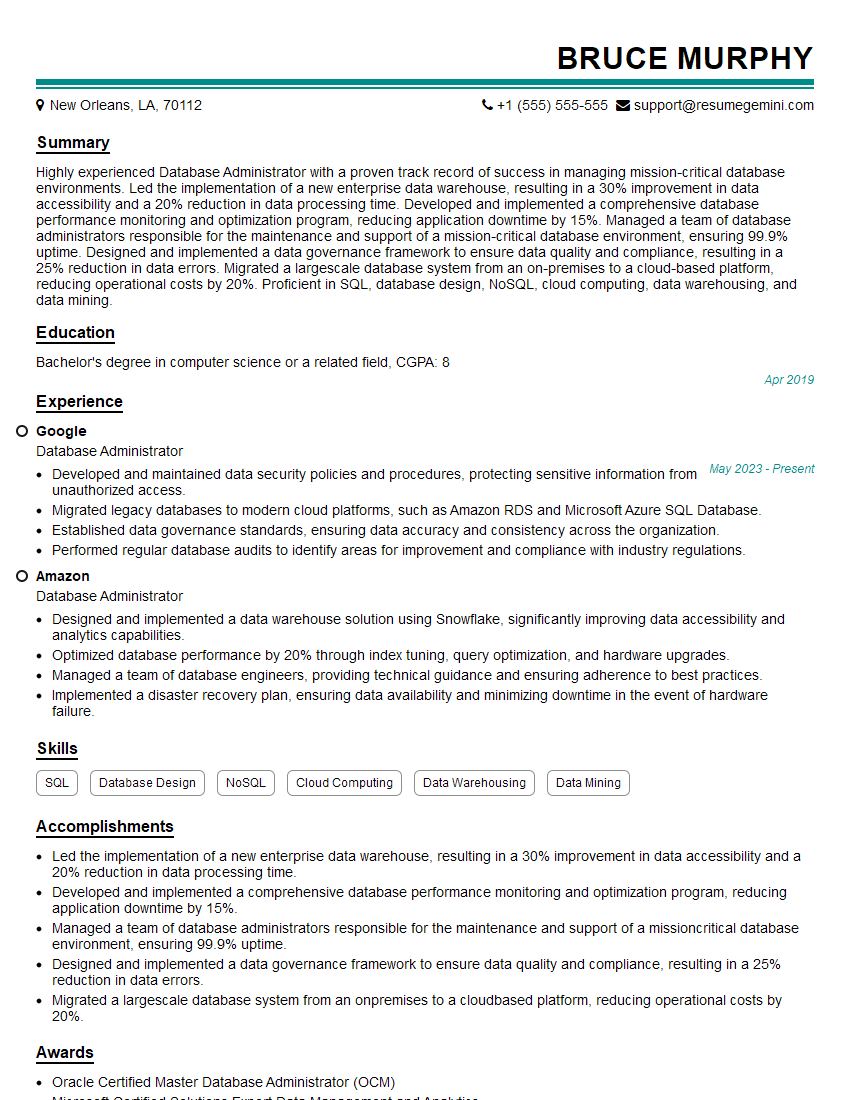
Database Administrator Resume Sample
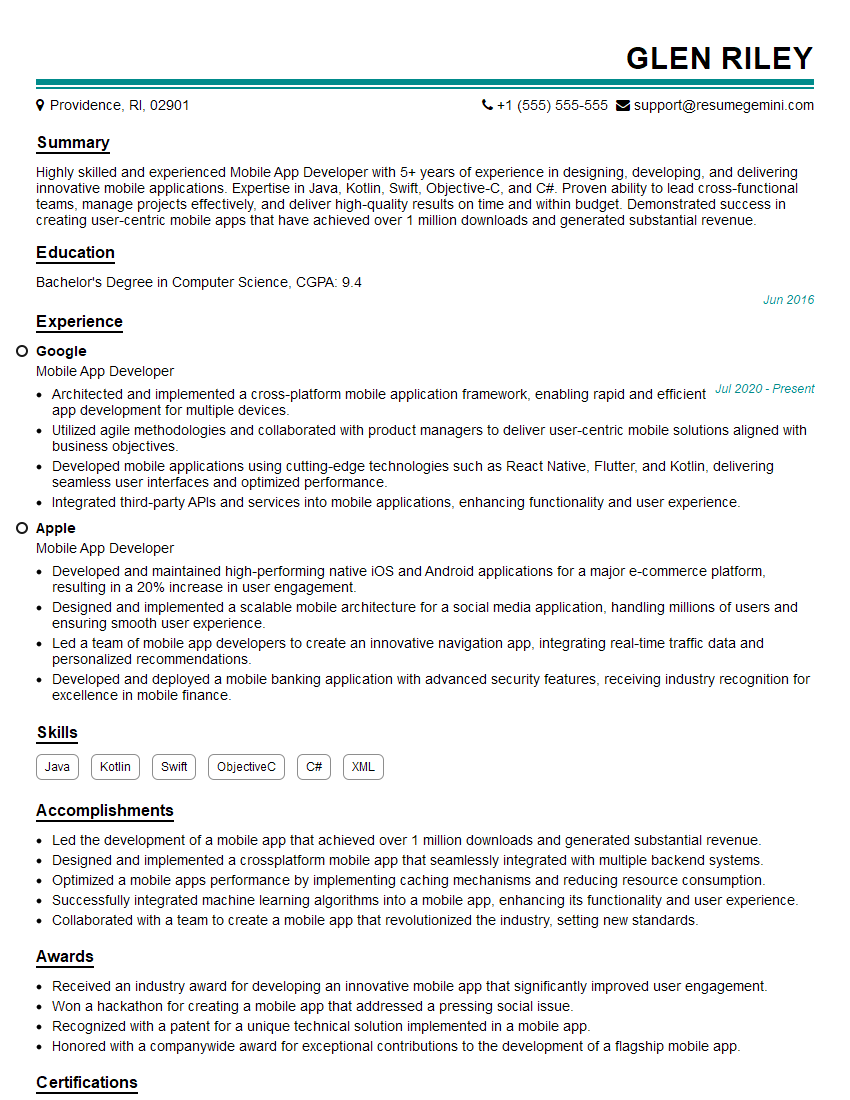
Mobile App Developer Resume Sample
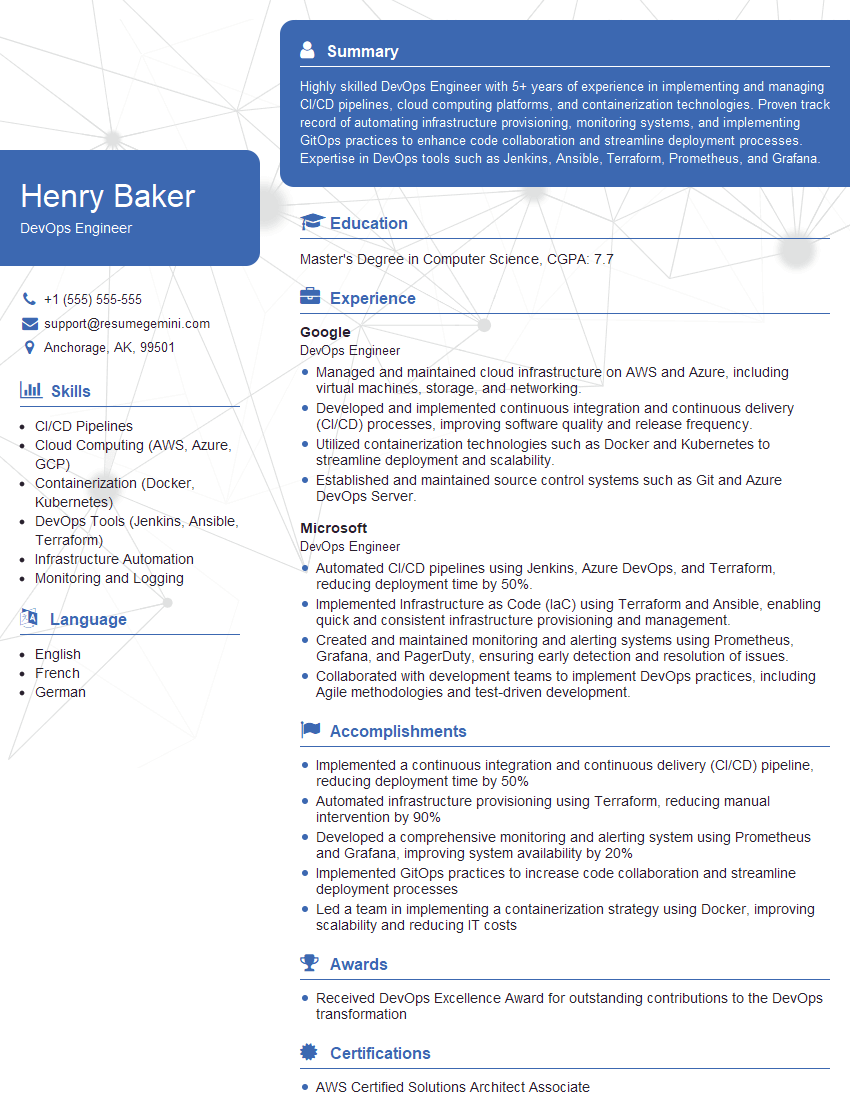
DevOps Engineer Resume Sample
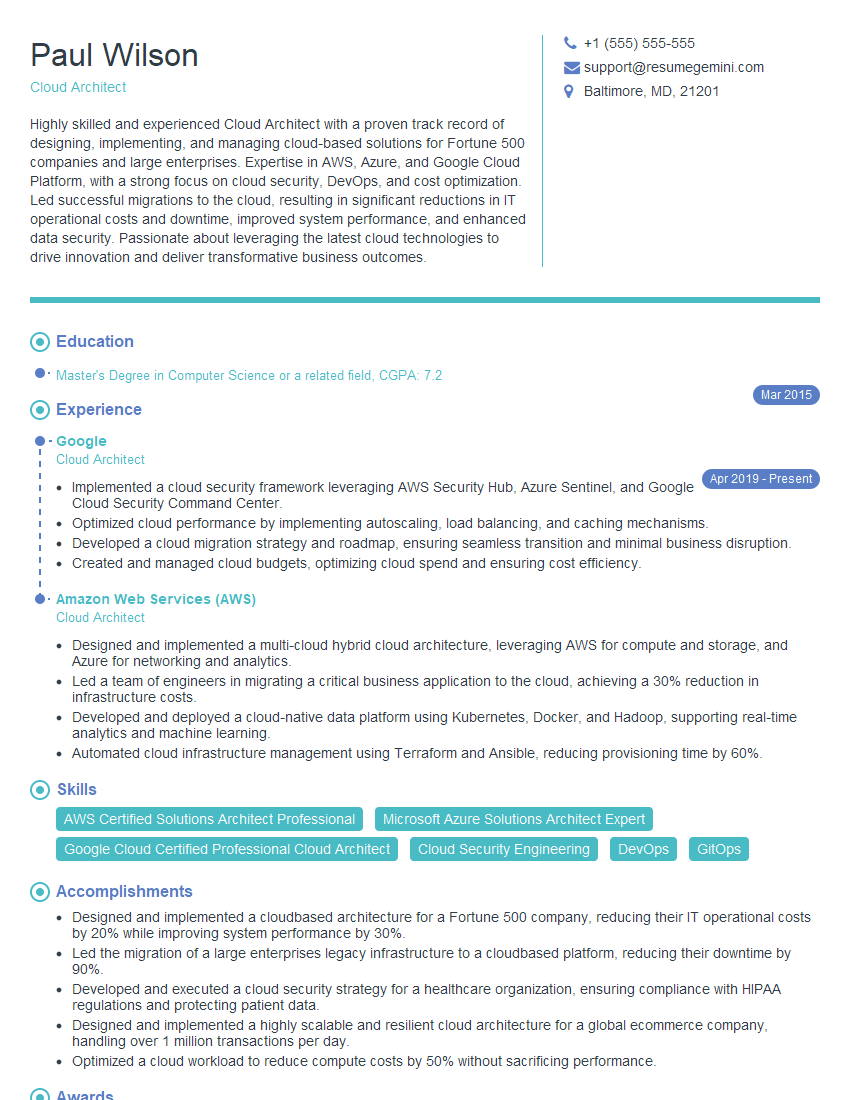
Cloud Architect Resume Sample
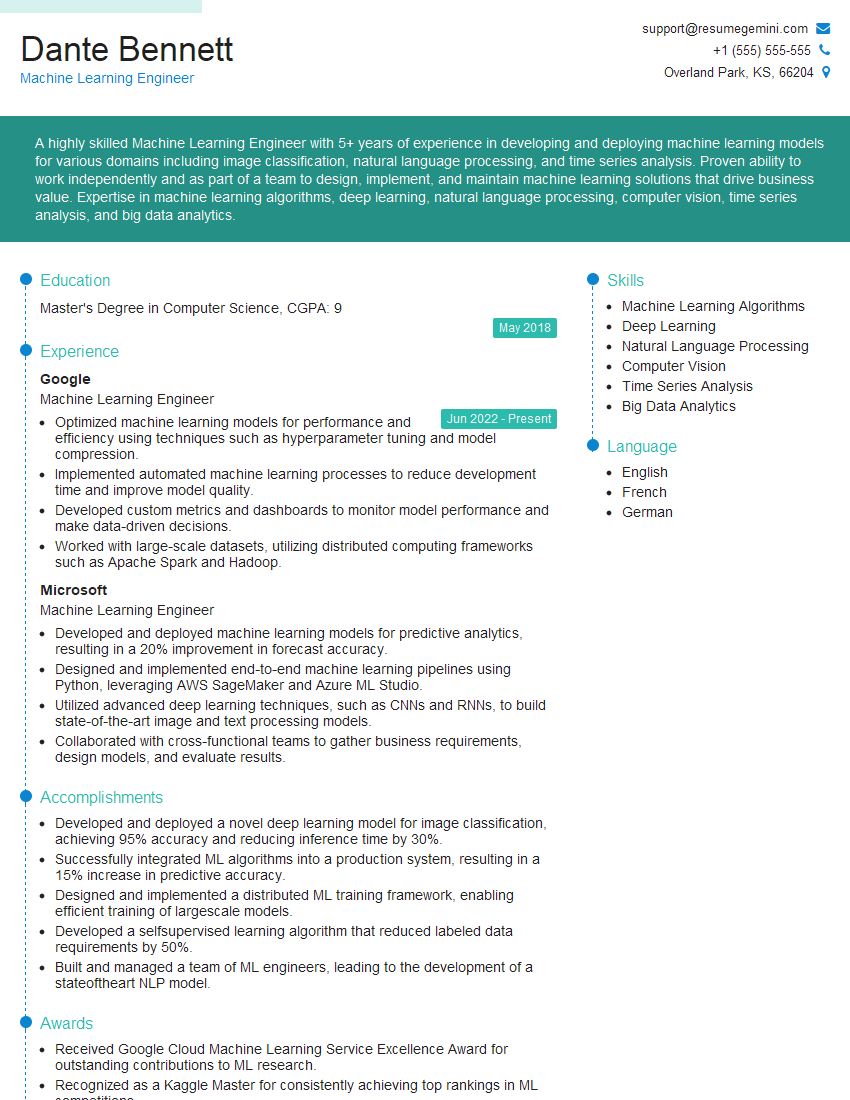
Machine Learning Engineer Resume Sample
- Product Manager
- Project Manager
- Business Analyst
- Data Analyst
- Data Scientist
- Software Engineer
- Technical Project Manager
- Information Security Analyst
- Network Engineer
- Solutions Architect
- Web Developer
- System Administrator
- Robotics Engineer
- Technical Writer
- Full Stack Developer
- Database Administrator
- Mobile App Developer
- DevOps Engineer
- Cloud Architect
- Machine Learning Engineer
Explore more articles
Users Rating of Our Blogs
Share Your Experience
We value your feedback! Please rate our content and share your thoughts (optional).
What Readers Say About Our Blog
Really detailed insights and content, thank you for writing this detailed article.
IT gave me an insight and words to use and be able to think of examples