Interviews are more than just a Q&A session—they’re a chance to prove your worth. This blog dives into essential Ability to operate a variety of service vehicles interview questions and expert tips to help you align your answers with what hiring managers are looking for. Start preparing to shine!
Questions Asked in Ability to operate a variety of service vehicles Interview
Q 1. Describe your experience operating different types of service vehicles.
Throughout my career, I’ve operated a wide range of service vehicles, from compact vans for local deliveries to heavy-duty trucks for long-haul transportation. This includes experience with:
- Cargo Vans: Proficient in loading, securing, and delivering various types of goods, ensuring cargo integrity and safety. I’ve used smaller vans for quick, local deliveries and larger vans for more extensive routes and heavier loads. For example, I successfully managed a daily schedule of over 20 deliveries within a metropolitan area using a cargo van, ensuring on-time delivery and minimizing fuel consumption.
- Box Trucks: Experienced in operating box trucks of varying sizes, including loading and unloading using pallet jacks and hand trucks, adhering to all weight limits and safety regulations. I remember one instance where I had to carefully plan the load distribution in a box truck to ensure balance and prevent accidents during transit.
- Heavy-Duty Trucks: I have experience operating Class 6-8 trucks, including specialized vehicles with various attachments like cranes or lifts. This involved meticulous pre-trip inspections, adherence to hours-of-service regulations, and the use of specialized equipment. For instance, I regularly hauled construction materials using a heavy-duty truck with a crane attachment, ensuring safe and efficient on-site delivery.
My experience spans various driving conditions and environments, from city streets to highways and challenging terrains. I am comfortable and confident operating any service vehicle within my license and certification limits.
Q 2. What is your experience with pre-trip vehicle inspections?
Pre-trip vehicle inspections are paramount for safety and operational efficiency. My inspections are thorough and follow a checklist that covers several critical areas:
- Exterior Check: Inspecting tires for wear and tear, checking for any damage to the body, lights, and mirrors. I also look for any leaks or signs of damage to the vehicle’s undercarriage.
- Interior Check: Verifying the functionality of the gauges, lights, wipers, and other controls. I always make sure the seatbelts are in good working order and that there is a clear and unobstructed view.
- Fluid Levels: Checking engine oil, coolant, brake fluid, power steering fluid, and windshield washer fluid levels. Low fluids are noted and addressed before operation.
- Mechanical Check: This includes a quick check of the brakes, steering, suspension, and horn. I listen for any unusual sounds that might indicate a problem.
Documentation is key. I always complete a pre-trip inspection report, noting any defects found and reporting them to my supervisor immediately. A proactive approach to vehicle maintenance minimizes potential breakdowns and safety hazards. Thinking of it like a health check for the vehicle prevents bigger issues down the line.
Q 3. How do you handle vehicle maintenance issues while on the job?
When maintenance issues arise on the job, my immediate priority is safety. I will safely pull over to the side of the road, away from traffic, if possible. Then I assess the situation:
- Minor Issues: For minor issues such as a flat tire or a blown bulb, I’ll attempt a repair myself if I’m equipped and trained to do so, following safety procedures rigorously. I always prioritize my safety and the safety of others.
- Major Issues: For more significant issues like engine trouble or brake failure, I will contact my supervisor or dispatch immediately for assistance. I will remain with the vehicle, ensuring its security until help arrives.
- Documentation: I meticulously document all maintenance issues, including the time, location, nature of the problem, and any actions taken. This information is crucial for maintenance scheduling and analysis.
Preventative maintenance is equally critical. I regularly check fluid levels and tire pressure, reporting any potential problems early on. This proactive approach reduces the likelihood of unexpected breakdowns and ensures vehicle reliability.
Q 4. Explain your understanding of defensive driving techniques.
Defensive driving is a proactive approach to driving that anticipates potential hazards and takes steps to avoid accidents. It’s about being prepared for the unexpected and reacting responsibly.
- Maintaining a Safe Following Distance: This allows sufficient time to react to sudden stops or changes in traffic conditions. I typically use the three-second rule (or more in adverse conditions).
- Scanning the Road Ahead: Continuously scanning the road ahead, checking mirrors frequently, and being aware of my surroundings helps me anticipate potential hazards, such as merging traffic or pedestrians.
- Adjusting Speed to Conditions: I adjust my speed based on weather conditions, road conditions (e.g., construction zones), and traffic density. I understand the importance of slowing down in hazardous situations.
- Communicating with Other Drivers: I use signals effectively, allowing other drivers to understand my intentions, and maintain a courteous driving style. This reduces misunderstandings and potential conflicts.
Defensive driving is more than just following traffic laws; it’s about a mindset of anticipating potential dangers and making safe driving choices. It’s like chess, thinking several steps ahead to avoid unexpected ‘checkmates’ on the road.
Q 5. Describe your experience with navigation systems and route planning.
I am proficient in using various navigation systems, including GPS devices and smartphone apps. Effective route planning is essential for timely and efficient service delivery:
- Familiarization with GPS Systems: I can confidently input addresses, utilize real-time traffic updates, and recalculate routes as needed. I understand the limitations of GPS and always double-check route information, especially in unfamiliar areas.
- Route Optimization: I consider various factors when planning routes, including traffic conditions, construction zones, and delivery windows. I aim to select the most efficient and safest routes, minimizing travel time and fuel consumption.
- Alternative Route Planning: I anticipate potential delays and have contingency plans in place. I’m adept at finding alternative routes if encountering unexpected road closures or traffic congestion.
- Paper Maps & Backup: Even in the age of GPS, I still value the skill of reading and understanding traditional maps as a backup in case of technological failures.
Efficient navigation isn’t just about reaching the destination; it’s about doing so safely and efficiently, especially when handling multiple service requests throughout the day. It saves both time and resources.
Q 6. How do you prioritize tasks when dealing with multiple service requests?
Prioritizing tasks when dealing with multiple service requests involves a systematic approach:
- Time Sensitivity: I prioritize requests based on urgency and deadlines. Time-sensitive requests, such as emergency repairs or urgent deliveries, take precedence.
- Location Optimization: I group requests geographically to minimize travel time between locations. I use route optimization software to create the most efficient routes, minimizing wasted time and fuel.
- Communication: I communicate clearly with clients and dispatchers, providing updates on my progress and any potential delays. Transparent communication keeps everyone informed.
- Flexibility: I am adaptable and can adjust my schedule as needed to accommodate unforeseen circumstances or unexpected requests. Flexibility is key to effective task management.
Efficient task prioritization isn’t just about completing tasks; it’s about doing it in the most organized and efficient way, minimizing travel time, maximizing efficiency, and ensuring client satisfaction.
Q 7. How do you ensure the safety of yourself and others while operating a service vehicle?
Ensuring the safety of myself and others is my top priority while operating a service vehicle. This involves a multifaceted approach:
- Following Traffic Laws: I strictly adhere to all traffic laws and regulations, including speed limits, traffic signals, and right-of-way rules.
- Safe Driving Practices: I maintain a safe following distance, use my signals properly, and avoid distractions while driving. This includes minimizing the use of cell phones and other devices.
- Vehicle Maintenance: Regular vehicle maintenance is critical for safety. I ensure the vehicle is in good working order before each trip, checking tires, brakes, lights, and other essential components.
- Defensive Driving Techniques: I am always alert and prepared for the unexpected, anticipating potential hazards and reacting responsibly to avoid accidents.
- Load Security: When transporting cargo, I always secure it properly to prevent shifting or falling during transit, protecting myself and others on the road.
Safety is not just a procedure; it’s a mindset. I approach every trip with a commitment to safe driving practices to ensure the wellbeing of myself and everyone around me.
Q 8. What is your experience with loading and unloading cargo?
Loading and unloading cargo safely and efficiently is paramount in service vehicle operation. My experience encompasses a wide range of cargo types and sizes, from delicate electronics requiring specialized handling to heavier materials demanding the use of forklifts or pallet jacks. I’m proficient in securing cargo using appropriate straps, netting, and other restraints to prevent shifting during transit, ensuring both the safety of the cargo and the vehicle’s stability.
For example, while working for a courier service, I regularly handled packages of varying weights and fragility. I developed a system for prioritizing deliveries based on urgency and location, ensuring timely delivery while maintaining careful handling procedures to prevent damage. I also trained new employees on proper loading techniques, emphasizing weight distribution and securing methods to minimize risk.
In another role, involving the transportation of construction materials, I employed a forklift to load and unload heavy pallets, adhering strictly to safety regulations and utilizing appropriate safety gear at all times. This included understanding the weight limits of both the vehicle and the forklift, and ensuring appropriate load distribution to prevent tipping.
Q 9. How do you manage your time effectively while operating a service vehicle?
Effective time management is critical in service vehicle operation. It involves meticulous planning, prioritization of tasks, and efficient route optimization. I utilize various tools and techniques, including GPS navigation, route planning apps, and communication with dispatch to ensure that I’m always operating as efficiently as possible.
For instance, I always review my daily schedule the evening before, prioritizing urgent tasks and grouping deliveries or pickups that are geographically close together to minimize travel time and fuel consumption. Unexpected delays are inevitable, however, so I always build in buffer time into my schedule and regularly communicate my progress to dispatch to provide realistic delivery estimates and avoid any unnecessary stress.
Additionally, I maintain a clean and organized vehicle, ensuring that all tools and equipment are readily accessible, which helps streamline the process and reduces the time spent searching for items. This organized approach ensures I can swiftly respond to changing situations and unexpected tasks.
Q 10. What are the different types of service vehicles you are familiar with?
My experience encompasses a diverse range of service vehicles, including:
- Cargo Vans: I’m proficient in operating various sizes of cargo vans, from small panel vans for smaller deliveries to larger box trucks for bulk transport. I understand the limitations and capabilities of each vehicle type.
- Pickup Trucks: Experienced in operating both standard and heavy-duty pickup trucks, often utilizing them for deliveries requiring off-road capabilities or handling heavier, less-fragile goods.
- Box Trucks: Proficient in operating various sizes of box trucks, understanding the nuances of backing and maneuvering larger vehicles in tight spaces.
- Delivery Vans: Specialized knowledge in route optimization and package handling specific to delivery services, ensuring timely and efficient delivery of packages.
- Forklift Equipped Trucks: Experienced in operating vehicles equipped with forklifts, capable of handling palletized goods safely and efficiently.
The specific vehicle I operate is dictated by the task at hand. Understanding the unique features of each vehicle, including loading capacity, maneuverability and fuel efficiency, is key to ensuring job completion.
Q 11. Describe your experience with emergency vehicle operation (if applicable).
While my primary experience lies in commercial service vehicle operation, I have completed specialized training in emergency vehicle operation. This included comprehensive instruction on emergency driving techniques, including safe high-speed driving and emergency vehicle response procedures.
The training emphasized situational awareness, defensive driving strategies, and the importance of following all traffic laws and regulations while prioritizing safety for both myself and others. I regularly practiced emergency maneuvers in a controlled environment, learning how to effectively manage a crisis and prioritize passenger and public safety. While I’m comfortable operating under pressure, safety is always my top priority.
Q 12. How do you handle difficult driving conditions, such as inclement weather?
Operating a service vehicle in difficult conditions requires heightened awareness and a proactive approach. Inclement weather, such as snow, ice, or heavy rain, necessitates a significant reduction in speed and increased following distances.
I utilize my experience and training to adjust my driving style accordingly. This includes using lower gears for better control on hills and slippery surfaces, maintaining a greater following distance to allow for longer braking distances, and always using caution when navigating corners. I prioritize safety by anticipating potential hazards and reacting appropriately. Visibility is significantly reduced in poor weather, so I employ hazard lights when necessary and take additional precautions to ensure the safety of myself and others.
For instance, in heavy snowfall, I’ve adjusted my route to avoid known hazardous areas and prioritized the safety of the cargo. A proactive approach to these challenging conditions is essential to prevent accidents and delays.
Q 13. Describe a time you had a vehicle malfunction. How did you handle it?
During a long-haul delivery, I experienced a flat tire. My immediate reaction was to safely pull over to the side of the road, away from traffic. I activated my hazard lights and assessed the situation. Since I was trained in tire changes, I proceeded to change the tire, following all safety precautions.
However, I encountered a problem – the lug nuts were unusually tight. I didn’t want to risk damaging the wheel, so I contacted dispatch for assistance. They sent a roadside assistance team, which arrived within an hour. The situation was resolved quickly and professionally, and the delivery was only minimally delayed. The incident highlighted the importance of preparedness and the value of having a reliable support system.
Q 14. What is your experience with using GPS and mapping software?
GPS and mapping software are integral to my daily operations. I’m proficient in using various GPS systems and mapping applications to plan efficient routes, track my progress, and receive real-time traffic updates. This ensures timely deliveries and minimizes travel time.
For example, I routinely use Google Maps and similar applications to plan optimal routes, considering traffic conditions and potential delays. The ability to adjust my route in real-time based on traffic incidents is invaluable for maintaining efficient operations. I also understand the limitations of GPS technology and always maintain a backup map in case of technology failure.
Beyond navigation, many GPS systems provide valuable data such as fuel efficiency tracking, which assists in monitoring vehicle performance and identifying areas for potential improvement. This data is vital for optimizing fuel consumption and reducing operational costs.
Q 15. How do you adhere to all relevant traffic laws and regulations?
Adhering to traffic laws is paramount for safe and responsible driving. It’s not just about avoiding tickets; it’s about ensuring the safety of myself, my passengers, and other road users. My approach involves a multi-faceted strategy.
- Constant Awareness: I continuously monitor speed limits, traffic signals, road signs, and the surrounding environment. I anticipate potential hazards and adjust my driving accordingly.
- Defensive Driving Techniques: I practice defensive driving, which means anticipating the actions of other drivers and being prepared for unexpected events. This includes maintaining a safe following distance, scanning the road ahead, and checking blind spots regularly.
- Knowledge of Regulations: I stay updated on all relevant traffic laws and regulations, including those specific to the types of vehicles I operate. This might involve knowing specific rules for oversized loads, hazardous materials transport, or operating in different geographical areas.
- Regular Vehicle Checks: Before each trip, I conduct a thorough vehicle inspection to ensure everything is functioning correctly – lights, signals, brakes – contributing to safe and legal operation.
For example, when driving a larger vehicle like a box truck, I’m extra cautious around intersections and make sure I have ample space to maneuver safely, exceeding the standard following distance for better reaction time. I always ensure my load is properly secured to comply with weight and safety regulations.
Career Expert Tips:
- Ace those interviews! Prepare effectively by reviewing the Top 50 Most Common Interview Questions on ResumeGemini.
- Navigate your job search with confidence! Explore a wide range of Career Tips on ResumeGemini. Learn about common challenges and recommendations to overcome them.
- Craft the perfect resume! Master the Art of Resume Writing with ResumeGemini’s guide. Showcase your unique qualifications and achievements effectively.
- Don’t miss out on holiday savings! Build your dream resume with ResumeGemini’s ATS optimized templates.
Q 16. Explain your familiarity with vehicle maintenance schedules.
Familiarity with vehicle maintenance schedules is critical for preventing breakdowns and ensuring optimal vehicle performance. I approach this proactively by referring to the owner’s manual for recommended service intervals and keeping detailed records of all maintenance performed.
- Preventative Maintenance: I adhere strictly to the manufacturer’s recommended maintenance schedules, including oil changes, filter replacements, tire rotations, and fluid checks. Regular checks prevent small problems from escalating into costly repairs.
- Record Keeping: I meticulously maintain a logbook documenting all maintenance activities, including dates, mileage, and services performed. This allows me to track maintenance history and identify potential patterns or emerging issues.
- Visual Inspections: I perform regular visual inspections of the vehicle, checking for any signs of wear and tear, leaks, or damage. This proactive approach helps in early detection and prevention of problems.
For instance, with a delivery van, I’m particularly attentive to tire pressure as this significantly impacts fuel efficiency and handling. I also pay close attention to the braking system, given the frequent stops and starts inherent in delivery work.
Q 17. How do you manage fuel consumption efficiently?
Efficient fuel consumption is crucial for both cost savings and environmental responsibility. My strategies focus on optimizing driving techniques and vehicle maintenance.
- Smooth Driving: I avoid aggressive acceleration and braking, opting for gradual and smooth movements. This reduces fuel consumption considerably.
- Proper Tire Inflation: Maintaining correct tire pressure reduces rolling resistance and improves fuel economy. Under-inflated tires significantly increase fuel consumption.
- Regular Maintenance: Regular vehicle maintenance, including air filter changes and tune-ups, helps optimize engine performance and reduces fuel consumption.
- Route Planning: When possible, I plan routes that minimize idling and traffic congestion, opting for more direct routes to reduce overall travel time and fuel usage.
- Speed Control: Maintaining a consistent speed, avoiding excessive speeding, significantly improves fuel efficiency. High speeds drastically increase air resistance.
For example, when delivering to multiple locations, I strategically plan my route to minimize backtracking and idling. I also adapt my driving style to account for varying road conditions. On highways, I maintain a steady speed within the legal limit, while in city traffic, I anticipate stops to avoid harsh braking.
Q 18. Describe your experience with different types of transmissions.
I’m proficient in operating vehicles with various transmission types, including manual, automatic, and automated manual transmissions (AMT).
- Manual Transmissions: I understand the importance of smooth shifting, clutch control, and engine RPM management to maximize fuel efficiency and minimize wear and tear.
- Automatic Transmissions: I’m experienced with various automatic transmission systems, including those with different gear ratios and shift patterns. I understand how to optimize shifting for various driving conditions.
- Automated Manual Transmissions (AMT): I’m familiar with AMTs, understanding their strengths and limitations and how to adjust driving style for optimal performance.
In my experience, manual transmissions offer greater control, especially when driving in challenging terrain or with heavy loads. Automatic transmissions provide convenience and are better suited for long-distance driving or frequent stop-and-go traffic. AMTs are a middle ground, offering some of the fuel efficiency of manuals with the ease of use of automatics.
Q 19. How do you handle challenging customers or situations?
Handling challenging customers or situations requires a combination of patience, empathy, and effective communication skills. My approach is based on de-escalation and problem-solving.
- Active Listening: I listen attentively to the customer’s concerns, allowing them to fully express their frustration or issues without interruption.
- Empathy and Understanding: I try to understand the customer’s perspective and acknowledge their feelings. Even if I don’t agree, showing empathy can diffuse tension.
- Clear and Concise Communication: I communicate clearly and concisely, avoiding jargon, and providing straightforward explanations.
- Problem-Solving: I work collaboratively with the customer to find mutually acceptable solutions. This might involve adjusting schedules, offering alternatives, or escalating the issue to a supervisor if needed.
- Professional Demeanor: I maintain a professional and respectful demeanor throughout the interaction, even in the face of challenging behavior.
For example, if a customer is upset about a late delivery, I first apologize for the inconvenience, then explain the reasons for the delay, and finally offer a solution, such as a discount on their next delivery or expedited service for their next order. My goal is always to find a resolution that satisfies the customer while upholding company policies.
Q 20. What is your understanding of vehicle weight limitations and load capacity?
Understanding vehicle weight limitations and load capacity is crucial for safe and legal operation. Exceeding these limits can lead to accidents, fines, and vehicle damage.
- Weight Limits: I always check the vehicle’s Gross Vehicle Weight Rating (GVWR), which is the maximum allowable weight of the vehicle including its load, passengers, and fuel.
- Load Capacity: I ensure that the weight of the cargo does not exceed the vehicle’s payload capacity, which is the difference between the GVWR and the vehicle’s curb weight (weight without cargo).
- Weight Distribution: I ensure proper weight distribution within the vehicle to maintain stability and prevent overloading of any specific axle.
- Compliance with Regulations: I adhere to all relevant regulations concerning weight limits, load securing, and documentation requirements. This might include obtaining permits for overweight loads.
Before loading any vehicle, I always check the weight of the cargo and ensure it falls within the vehicle’s permitted weight limits. If the load exceeds the capacity, I will take necessary steps to ensure proper distribution or arrange alternative transportation. For example, I would never overload a small delivery truck, even if it meant multiple trips. Safety is always my highest priority.
Q 21. How do you handle stressful situations while driving?
Handling stressful situations while driving requires a combination of proactive measures and reactive responses. Safety and responsible driving are my top priorities, even under pressure.
- Planning and Preparation: I always plan my routes in advance, allowing for potential delays and unexpected events. This reduces stress by minimizing surprises.
- Maintaining Calmness: When faced with unexpected events, I consciously take deep breaths and try to maintain a calm and focused demeanor. Panic only exacerbates the situation.
- Safe Driving Practices: I maintain a safe following distance, scan the road ahead continuously, and avoid distractions. This leaves me time to react to unexpected situations.
- Appropriate Breaks: If I feel fatigued or stressed, I pull over to a safe location and take a break. Fatigue greatly impairs driving ability.
- Avoiding Distractions: I avoid distractions like cell phones and loud music to maintain focus on driving.
If I encounter aggressive driving from another driver, for example, I prioritize my own safety by avoiding confrontation. I might slow down, change lanes, or pull over if necessary to allow the aggressive driver to pass. My goal isn’t to engage, but to safely reach my destination.
Q 22. What steps do you take to ensure the security of the vehicle and its contents?
Vehicle and cargo security is paramount. My approach is multi-layered, starting with a thorough pre-trip inspection. This includes checking for any signs of tampering, ensuring all locks are engaged, and verifying that the cargo is properly secured using appropriate restraints. For valuable or sensitive goods, I utilize additional security measures like seal verification and, if required, GPS tracking devices. After delivery, I immediately report any discrepancies or damage to the appropriate personnel and complete necessary paperwork. Think of it like a layered security system – each step builds on the last to minimize risk.
For example, during a recent delivery of medical supplies, I noticed a damaged seal. I immediately photographed the damage, contacted dispatch, and followed protocol for reporting potential breaches. The prompt reporting allowed for a quick investigation and prevented any potential loss or compromise.
Q 23. How do you maintain accurate records of mileage, hours worked, and deliveries?
Maintaining accurate records is crucial for accountability and efficient operations. I utilize both electronic and paper-based systems depending on the specific requirements. Electronic logging devices (ELDs) are commonly used for recording mileage and hours, automatically tracking driving time and providing comprehensive reports. For deliveries, I meticulously document each drop-off, including timestamps, recipient signatures, and any relevant notes about the condition of the goods upon arrival. Paper logs are used as a backup and for details not captured electronically. This dual system ensures data integrity and traceability.
For instance, I use a handheld device to scan barcodes on each package upon delivery, creating a digital record that is instantly synced with the company’s system. This eliminates manual entry errors and provides real-time tracking of deliveries.
Q 24. Describe your experience with using two-way radios or other communication devices.
I have extensive experience using two-way radios and other communication devices, including cell phones and company-provided tablets. Clear and concise communication is vital for safety and efficiency. I am proficient in using radio etiquette, employing standard phrases and clear pronunciation to ensure messages are understood correctly, even in noisy environments. I regularly check channels for important updates, weather alerts, and changes in routes.
In one instance, I used my two-way radio to alert dispatch about a road closure ahead of schedule, allowing them to reroute other drivers and avoid delays. Effective communication prevented a potential traffic jam and kept operations running smoothly.
Q 25. How do you adapt your driving to different types of terrain?
Adapting to different terrains requires careful judgment and a good understanding of vehicle capabilities. My approach involves assessing the terrain before proceeding, adjusting speed and driving style accordingly. On rough terrain, I maintain a slow and steady pace, avoiding sudden movements that could cause loss of control. In snowy or icy conditions, I increase following distances, reduce speed significantly, and use controlled braking to maintain traction.
For example, when navigating a muddy construction site, I selected a lower gear to maintain better control and momentum. I also avoided sharp turns to prevent getting stuck. Understanding the limits of the vehicle and adapting the driving style is key to safe navigation.
Q 26. What is your experience with using different types of vehicle attachments or equipment?
I’m experienced with various vehicle attachments and equipment, including trailers, liftgates, and specialized cargo containers. This involves understanding the safe operation procedures for each type of equipment. Before using any attachment, I always conduct a pre-operation check, ensuring everything is properly secured and functioning correctly. This includes checking hydraulics, lights, and safety mechanisms.
For instance, I’ve worked with refrigerated trailers, ensuring the temperature is maintained throughout transport and regularly monitoring the unit’s functionality. This requires knowledge of the refrigeration system and the ability to troubleshoot minor issues.
Q 27. How do you stay updated on all relevant safety regulations and best practices?
Staying updated on safety regulations and best practices is an ongoing process. I regularly attend safety training sessions, review company policies, and stay informed about changes in relevant legislation. I also actively participate in safety meetings and actively seek feedback to improve my techniques and identify potential hazards. Industry publications and online resources are valuable tools for continuing education in this field.
For example, I recently completed a training course on defensive driving techniques, enhancing my ability to anticipate and react to hazardous situations on the road, which significantly improves road safety.
Q 28. Describe your experience with using vehicle telematics systems (if applicable).
My experience with vehicle telematics systems is extensive. I’m proficient in using systems that track location, speed, engine performance, and other vehicle data. This information is valuable for optimizing routes, improving fuel efficiency, and identifying potential maintenance issues early. The data also helps with performance monitoring and contributes to safer operations. I understand how to interpret the data provided by these systems and use it to make informed decisions during my workday.
For instance, telematics data helped me identify a pattern of slightly increased fuel consumption on a particular route. This allowed us to investigate the cause and implement a more efficient route, saving fuel and contributing to environmental sustainability.
Key Topics to Learn for Ability to Operate a Variety of Service Vehicles Interview
- Vehicle Operation Fundamentals: Understanding basic vehicle mechanics, including engine operation, braking systems, and transmission types. This includes both manual and automatic transmissions.
- Safety Procedures and Regulations: Demonstrating knowledge of pre-trip inspections, safe driving practices, defensive driving techniques, and adherence to all relevant traffic laws and company regulations.
- Vehicle Maintenance and Troubleshooting: Understanding basic preventative maintenance, recognizing common vehicle malfunctions, and knowing when to seek professional assistance. This also includes knowing how to safely handle minor repairs on the road.
- Navigation and Route Planning: Efficiently navigating to various destinations using maps, GPS systems, and other navigational tools. This includes understanding route optimization for efficiency and safety.
- Load Management and Securement: Properly securing cargo or equipment to prevent accidents and damage during transportation. This includes understanding weight limits and distribution for different vehicle types.
- Emergency Procedures: Knowing how to respond to various emergency situations, such as breakdowns, accidents, or hazardous material spills. This includes understanding proper communication protocols.
- Different Vehicle Types and Their Specific Operations: Demonstrating familiarity with operating various types of service vehicles, such as vans, trucks, and specialized equipment, highlighting differences in handling and safety procedures.
- Customer Service and Professionalism: Maintaining a professional demeanor while interacting with clients or the public, demonstrating effective communication and problem-solving skills in various situations.
Next Steps
Mastering the ability to operate a variety of service vehicles is crucial for career advancement in many industries. It demonstrates reliability, responsibility, and a strong understanding of safety protocols – all highly valued attributes. To significantly increase your chances of landing your dream job, crafting an ATS-friendly resume is paramount. This ensures your application gets noticed by recruiters and hiring managers. ResumeGemini is a trusted resource that can help you build a professional, impactful resume tailored to highlight your skills and experience in this area. Examples of resumes tailored to “Ability to operate a variety of service vehicles” are available to guide you. Take advantage of these resources to present yourself in the best possible light and unlock your career potential.
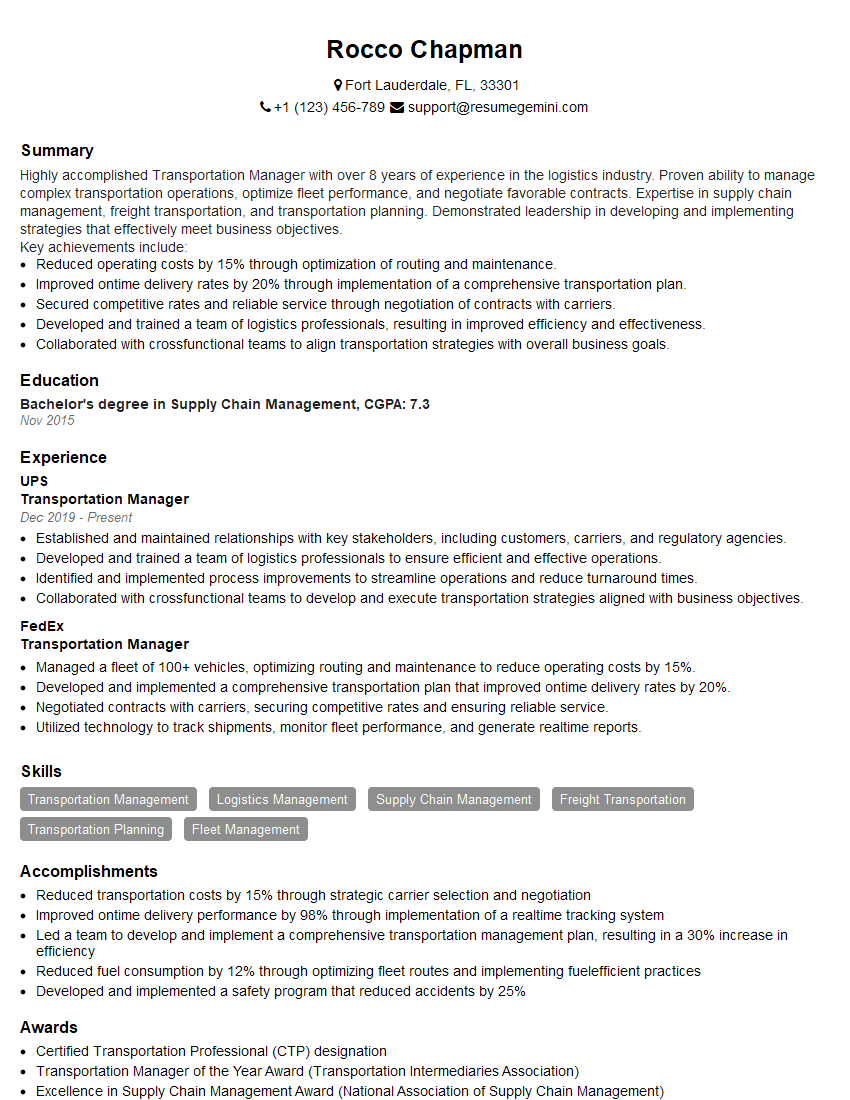
Transportation Manager Resume Sample
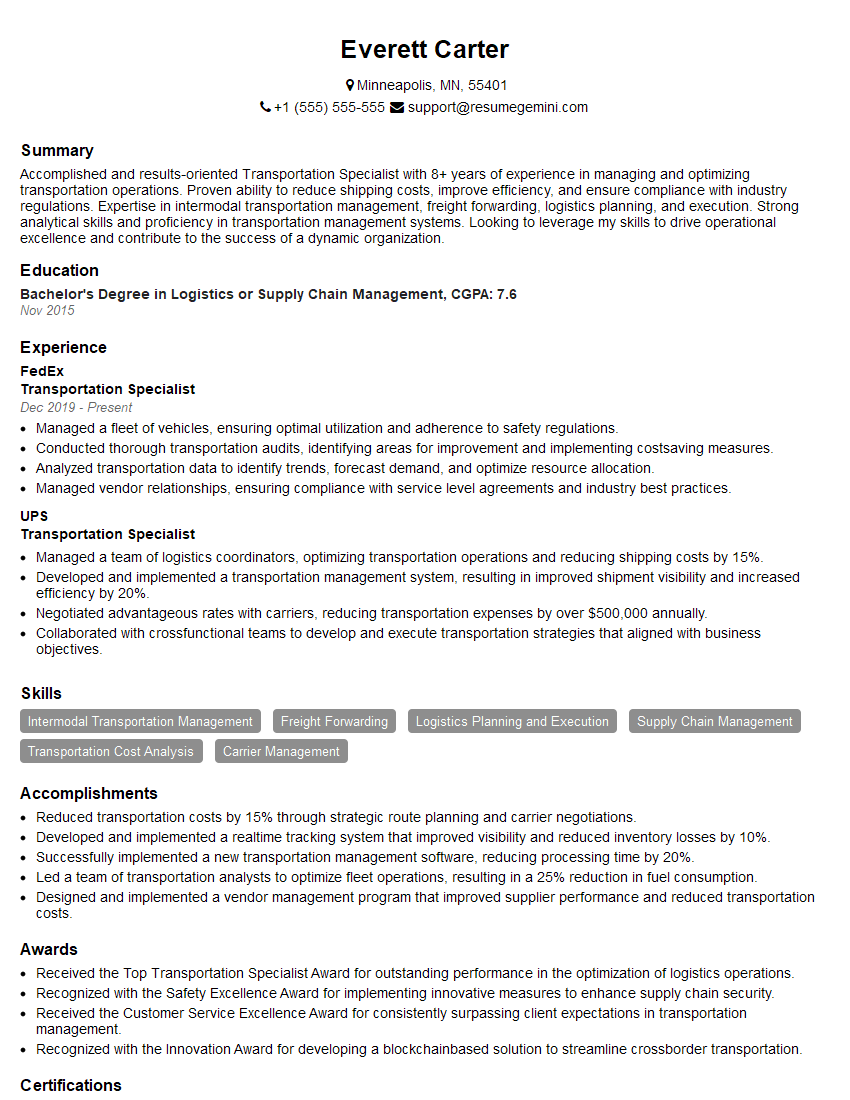
Transportation Specialist Resume Sample
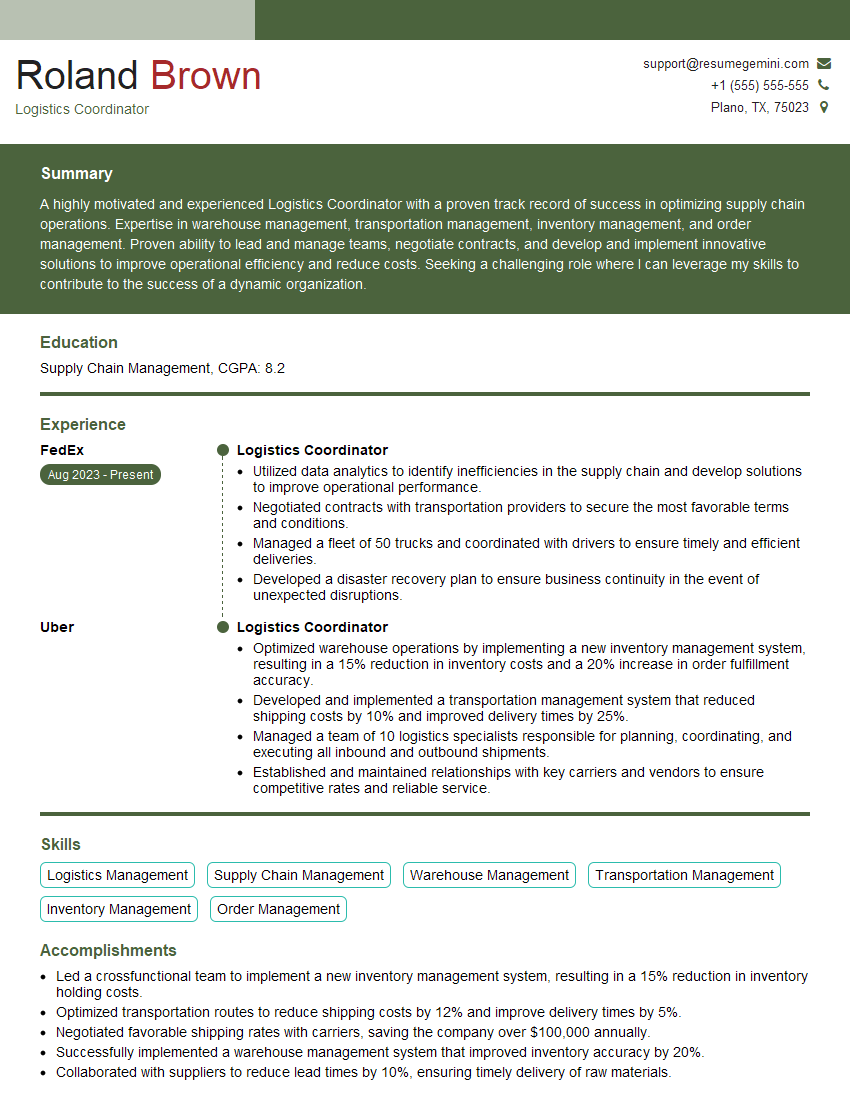
Logistics Coordinator Resume Sample
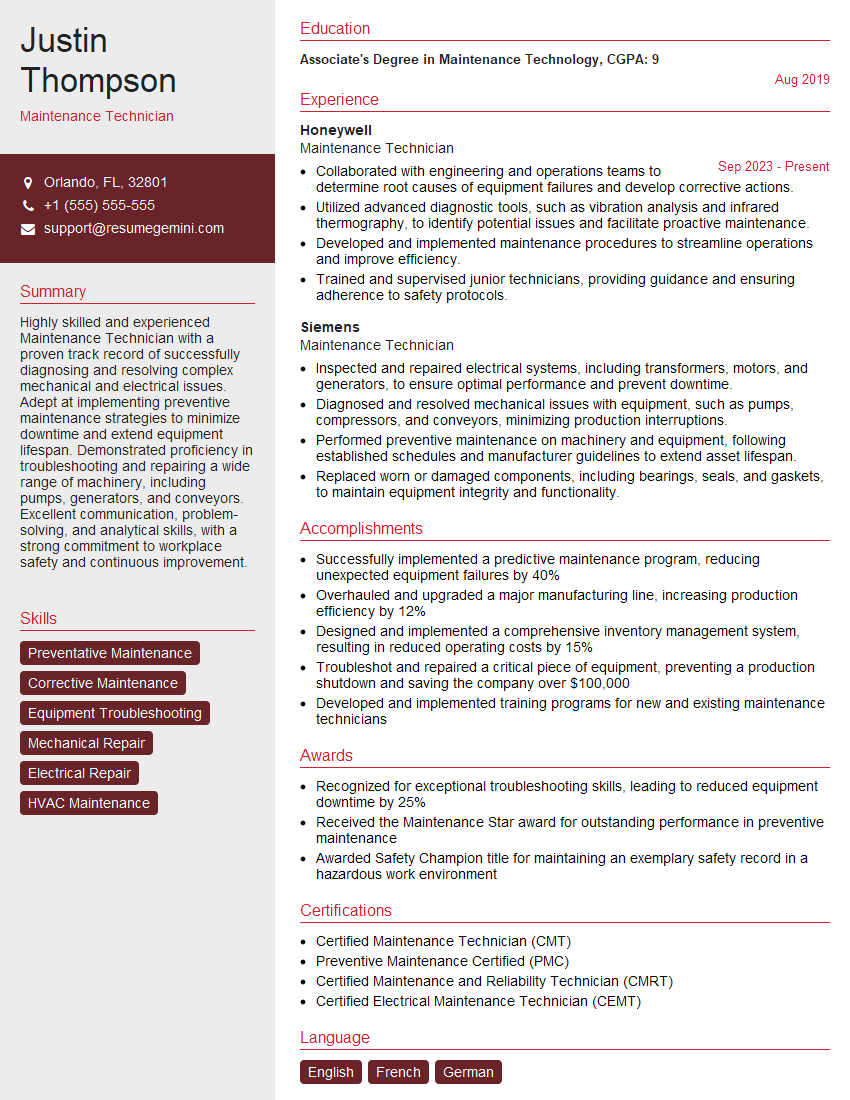
Maintenance Technician Resume Sample
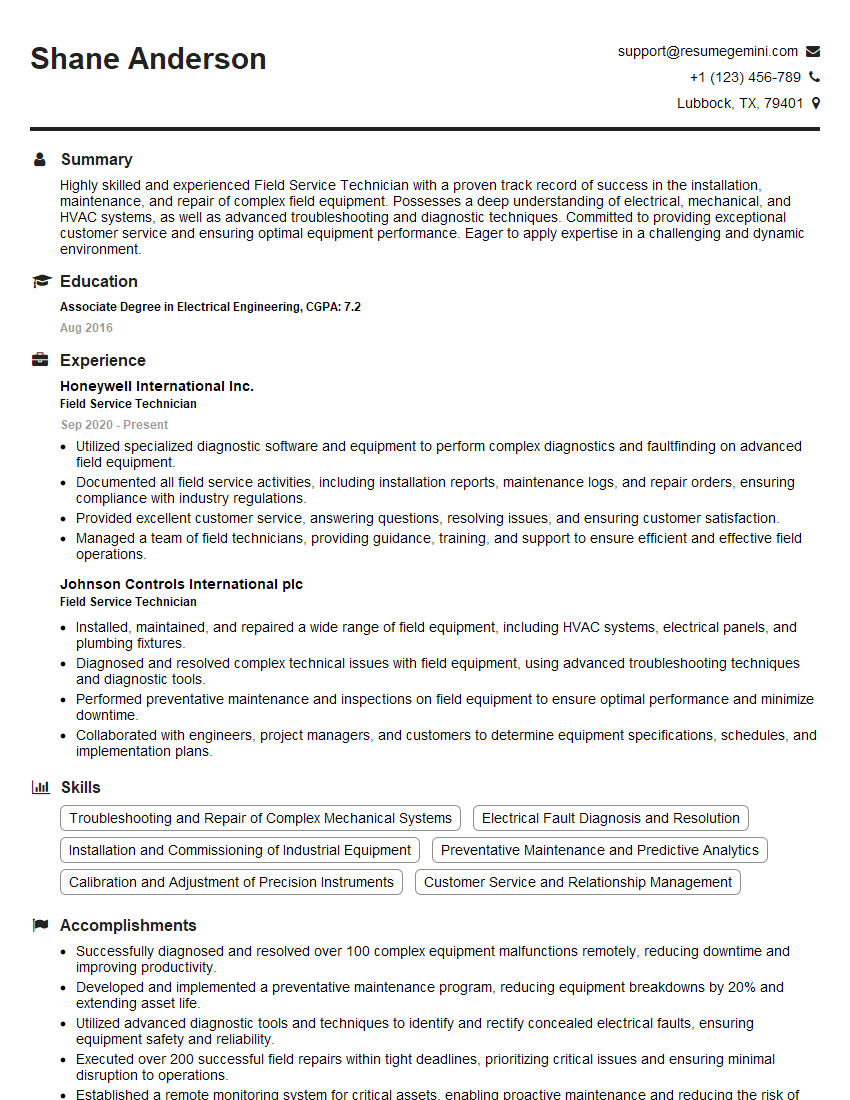
Field Service Technician Resume Sample
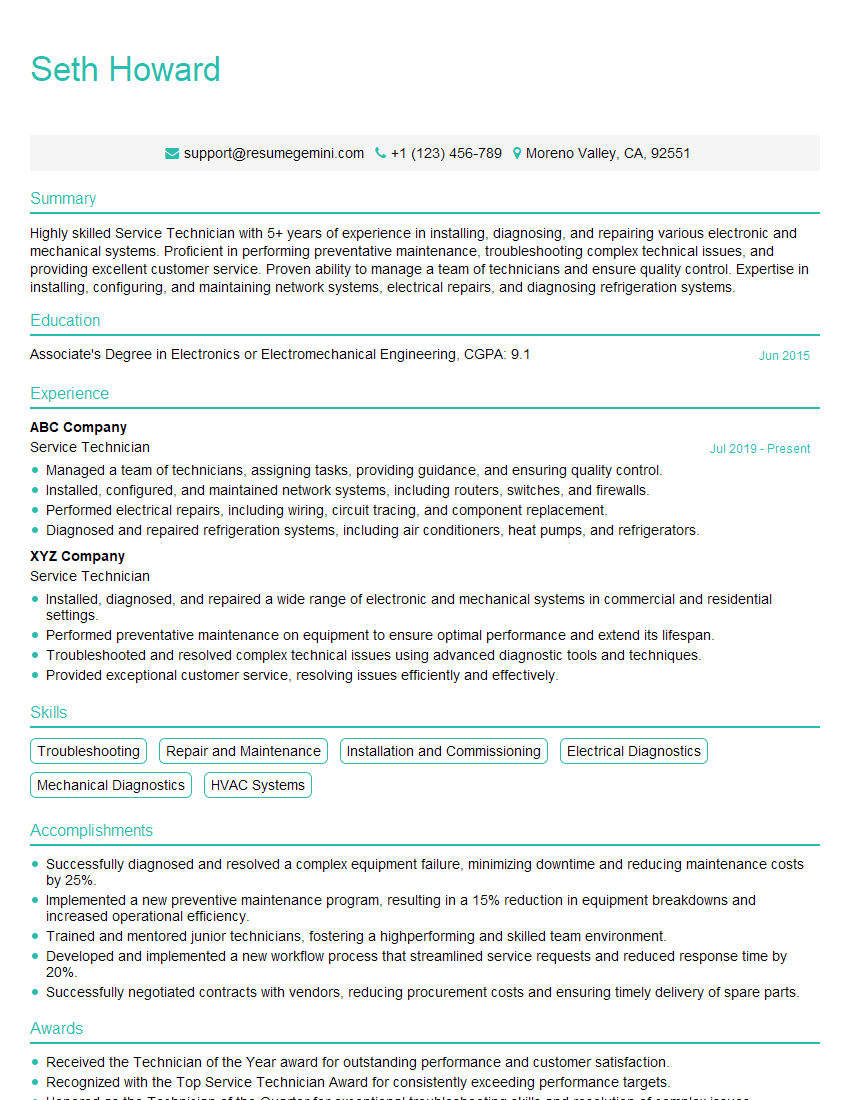
Service Technician Resume Sample
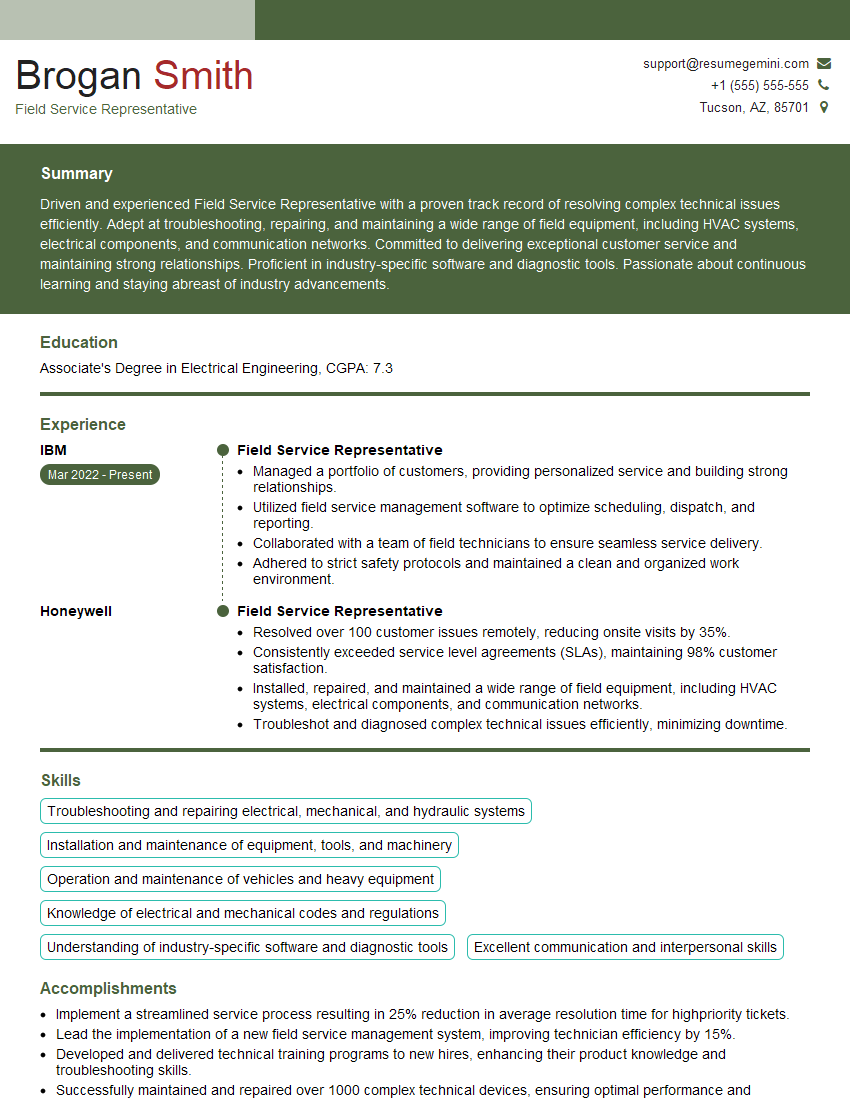
Field Service Representative Resume Sample
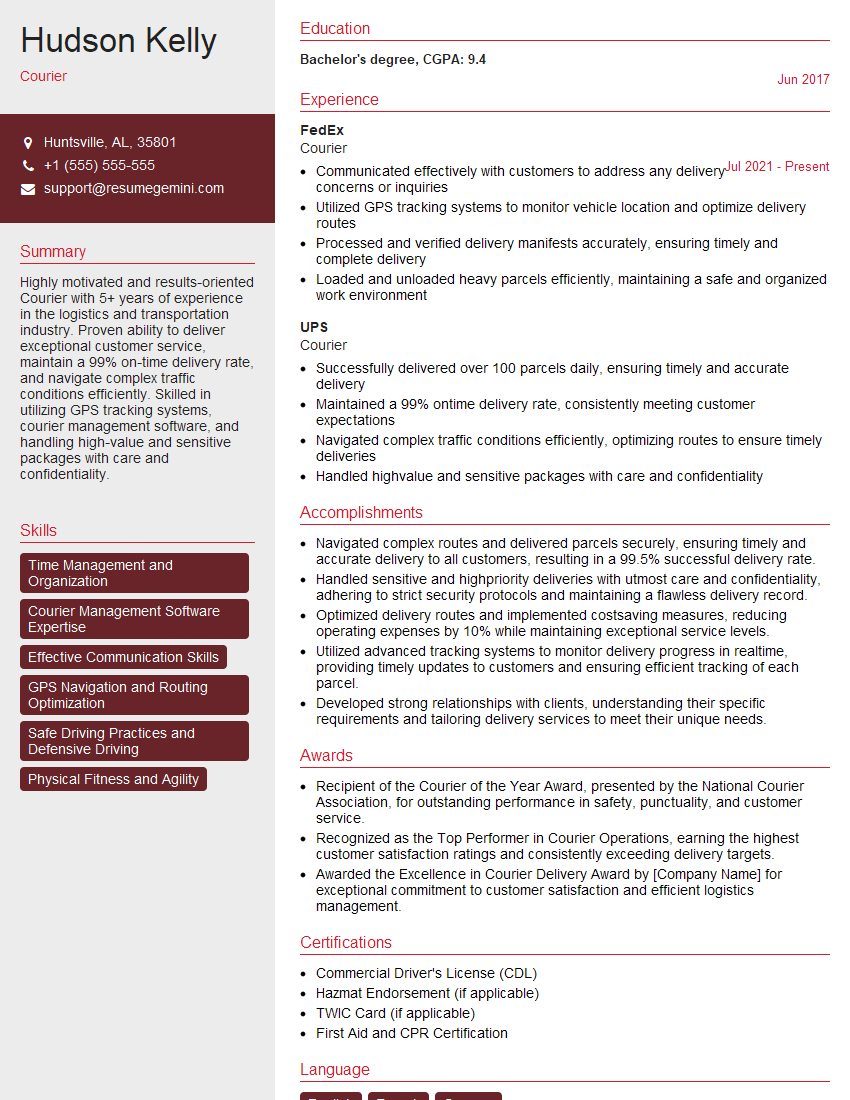
Courier Resume Sample
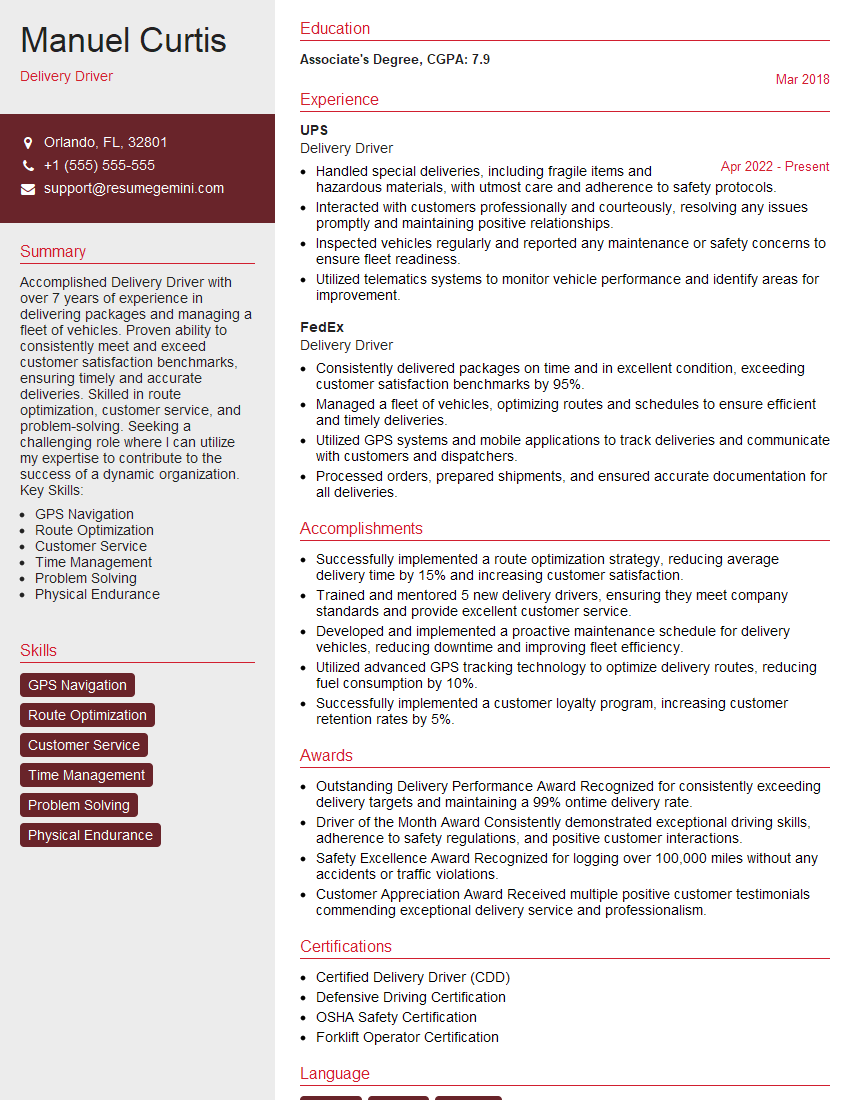
Delivery Driver Resume Sample
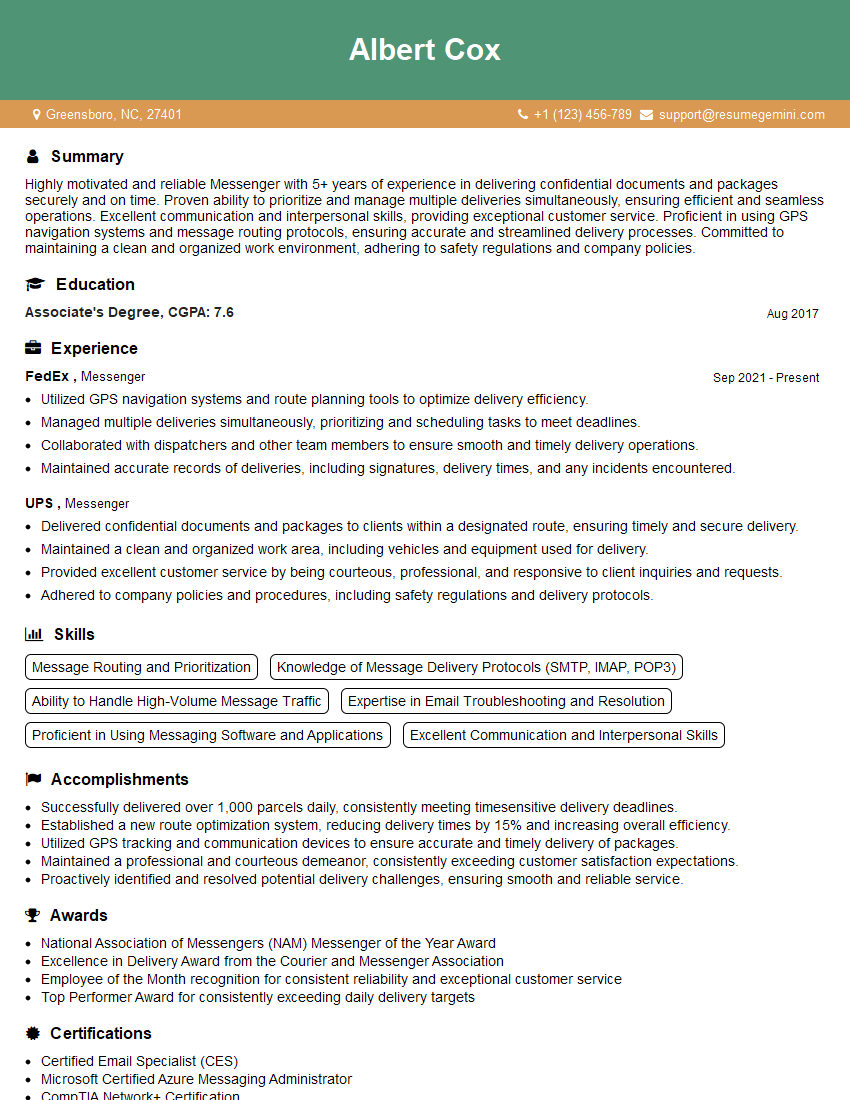
Messenger Resume Sample
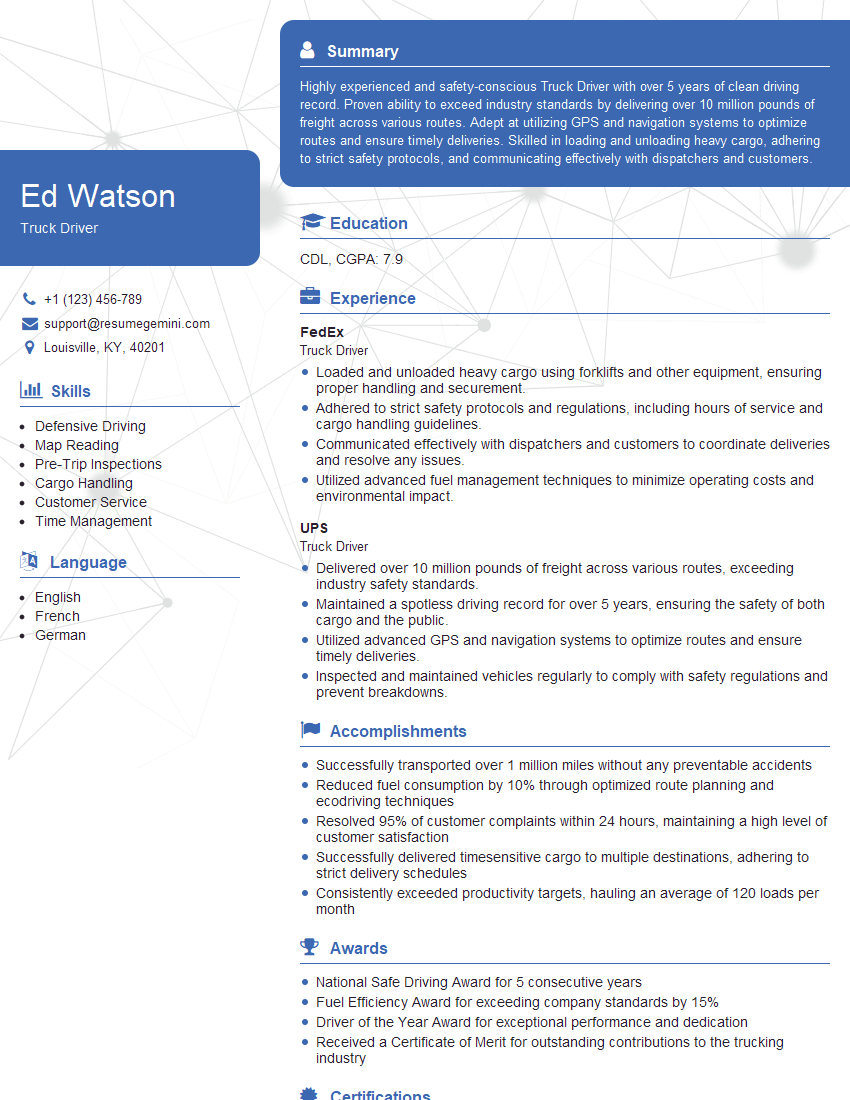
Truck Driver Resume Sample
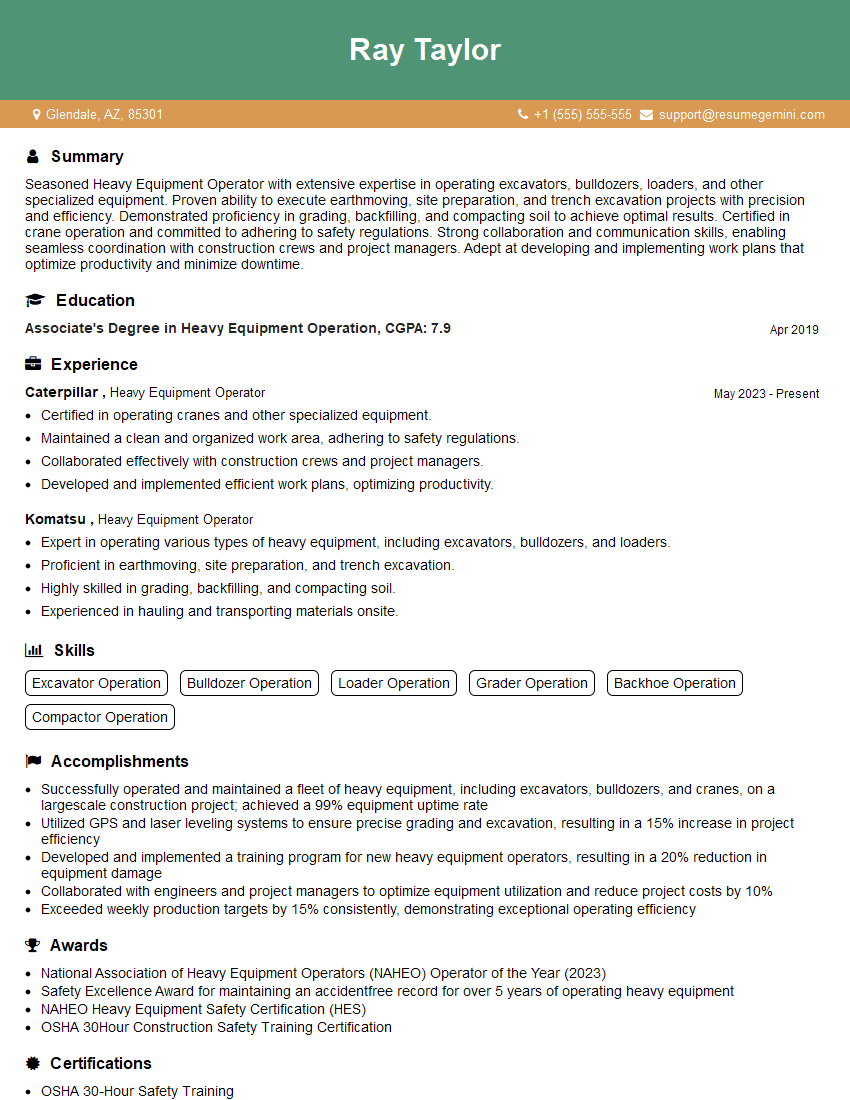
Heavy Equipment Operator Resume Sample
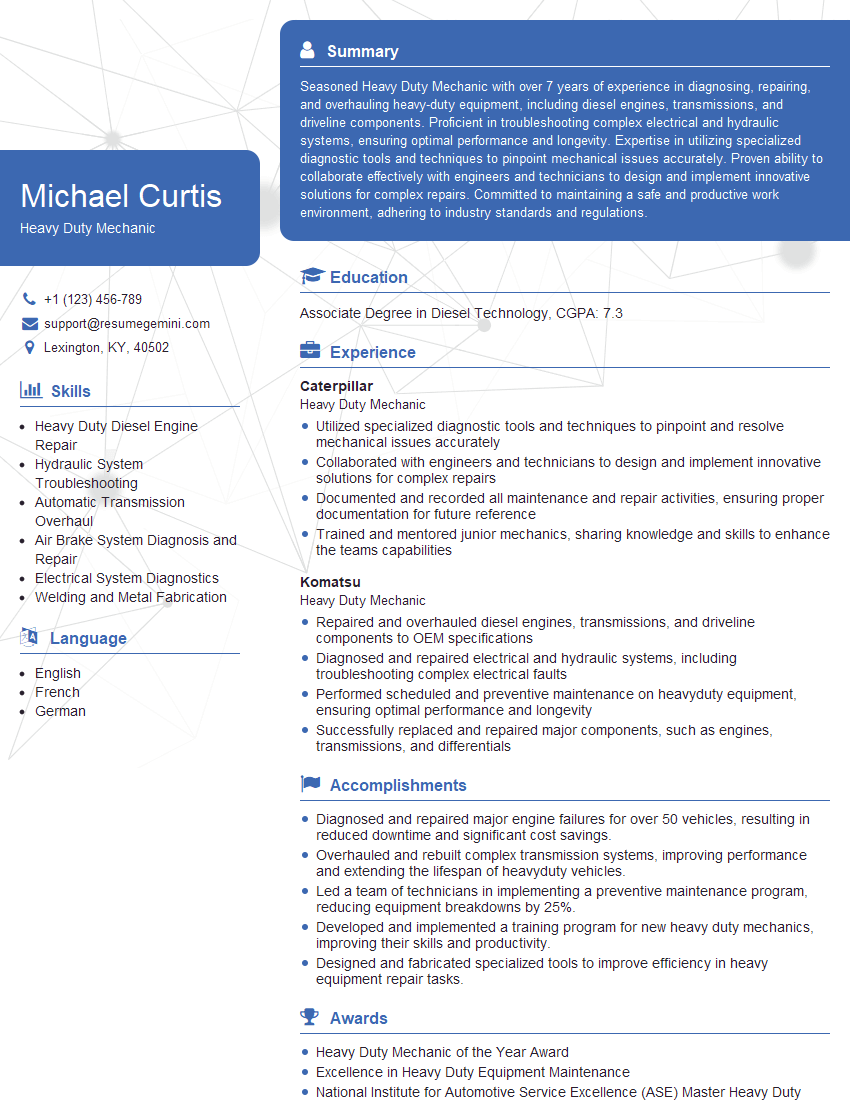
Heavy Duty Mechanic Resume Sample
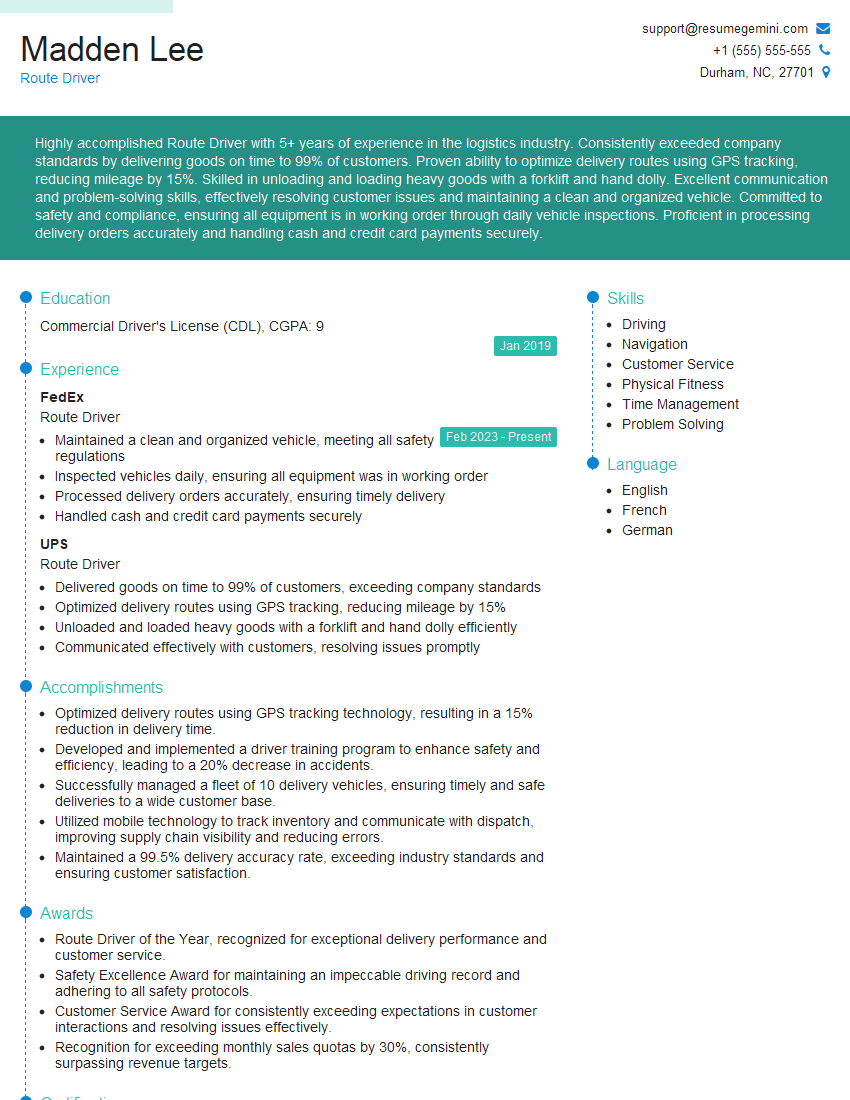
Route Driver Resume Sample
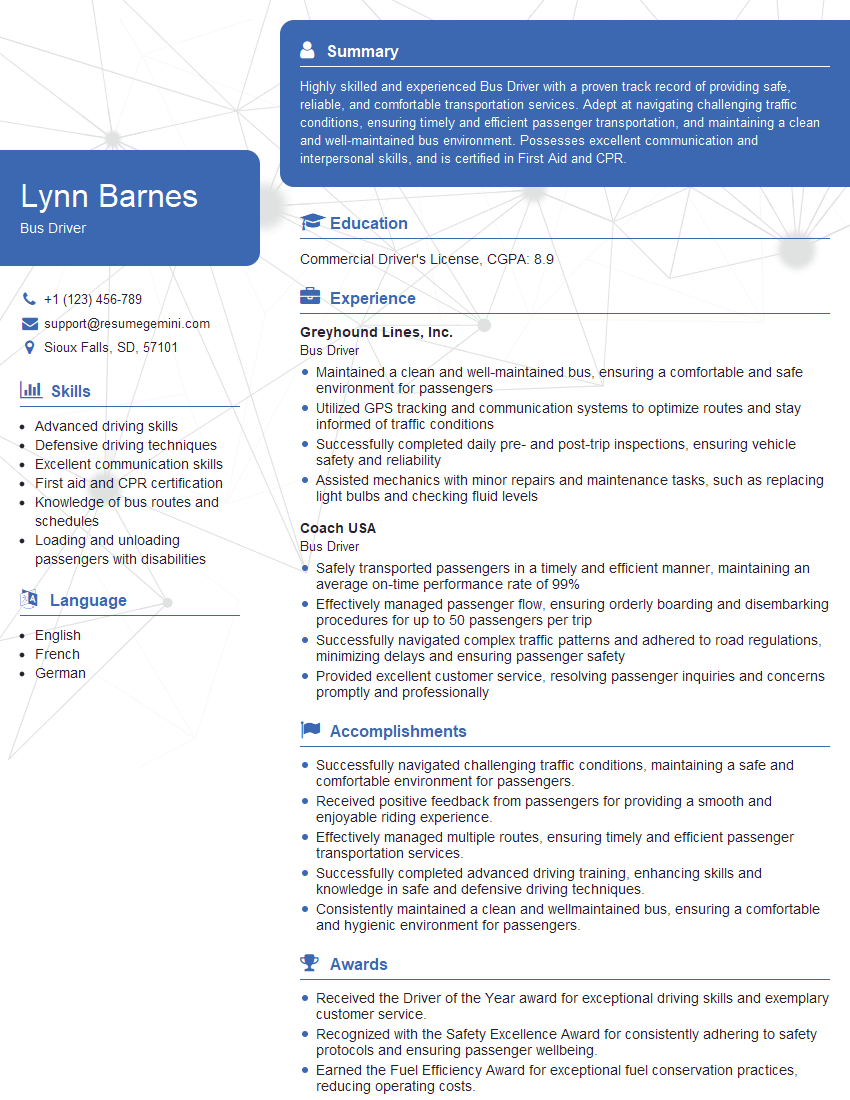
Bus Driver Resume Sample

Van Driver Resume Sample
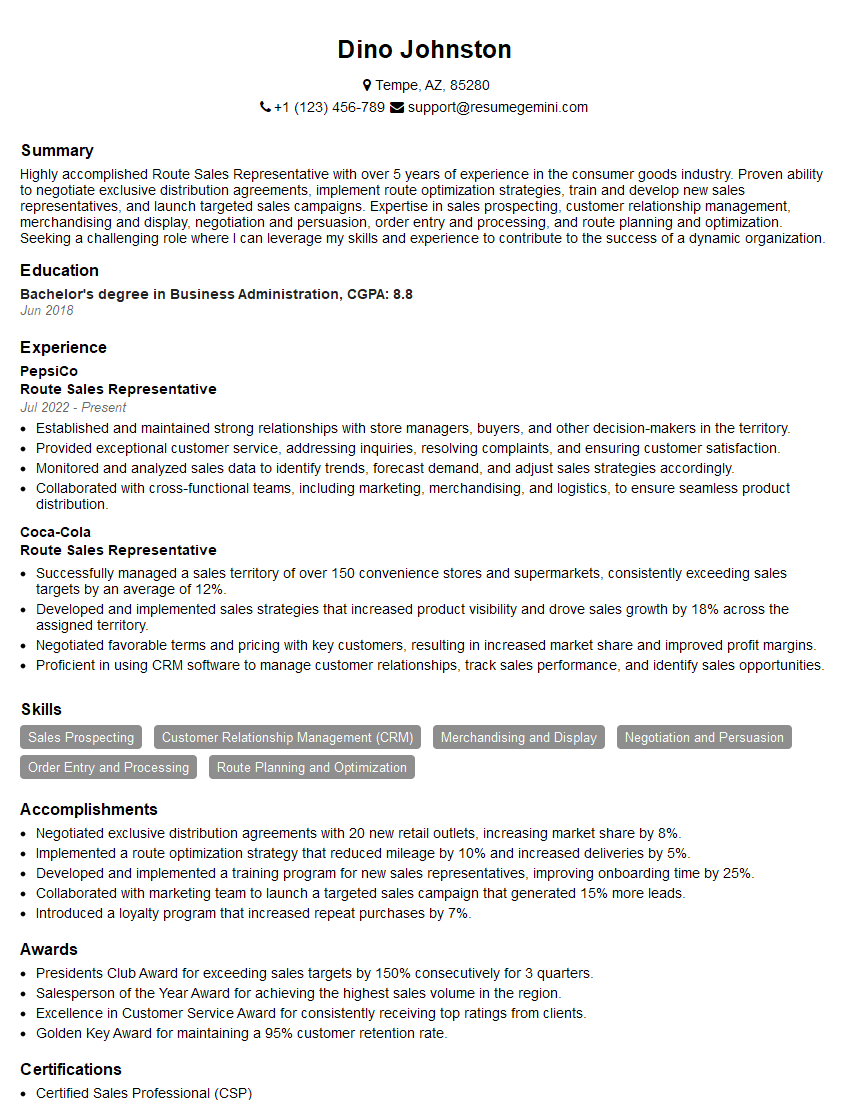
Route Sales Representative Resume Sample
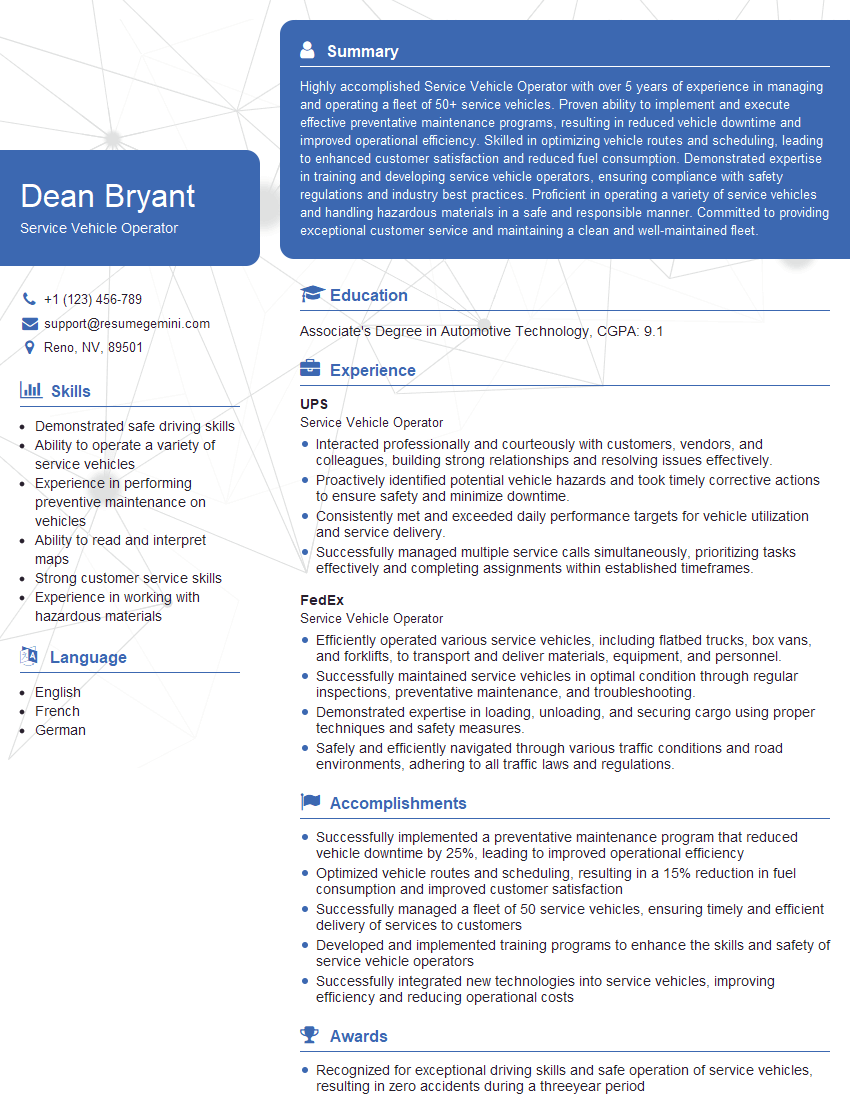
Service Vehicle Operator Resume Sample
- Transportation Manager
- Transportation Specialist
- Logistics Coordinator
- Maintenance Technician
- Field Service Technician
- Service Technician
- Field Service Representative
- Courier
- Delivery Driver
- Messenger
- Truck Driver
- Heavy Equipment Operator
- Heavy Duty Mechanic
- Route Driver
- Bus Driver
- Van Driver
- Route Sales Representative
- Service Vehicle Operator
Explore more articles
Users Rating of Our Blogs
Share Your Experience
We value your feedback! Please rate our content and share your thoughts (optional).
What Readers Say About Our Blog
Really detailed insights and content, thank you for writing this detailed article.
IT gave me an insight and words to use and be able to think of examples