Every successful interview starts with knowing what to expect. In this blog, we’ll take you through the top Ability to think strategically and creatively interview questions, breaking them down with expert tips to help you deliver impactful answers. Step into your next interview fully prepared and ready to succeed.
Questions Asked in Ability to think strategically and creatively Interview
Q 1. Describe a time you identified a critical strategic gap and proposed a solution.
Identifying strategic gaps requires a keen understanding of the market, the competitive landscape, and the organization’s internal capabilities. In my previous role at a marketing agency, we noticed a critical gap in our client acquisition strategy. While we excelled in creative campaigns, our lead generation efforts were lagging. We were relying heavily on outdated methods, resulting in a low conversion rate and missed opportunities. My solution involved a three-pronged approach:
- Improved Data Analytics: We implemented a robust analytics system to track website traffic, campaign performance, and customer behavior. This allowed us to identify the most effective channels and optimize our campaigns in real-time.
- Content Marketing Strategy: We shifted from solely relying on paid advertising to incorporating a comprehensive content marketing strategy. This involved creating valuable, informative content that attracted potential clients organically, establishing us as thought leaders in the industry.
- Strategic Partnerships: We forged strategic partnerships with complementary businesses to expand our reach and tap into new customer segments. These partnerships allowed us to leverage their existing networks and target audiences we hadn’t reached before.
The result was a significant increase in qualified leads, a higher conversion rate, and substantial revenue growth. This demonstrated the importance of identifying and addressing strategic gaps proactively.
Q 2. How do you approach brainstorming sessions to generate creative solutions?
My approach to brainstorming is highly structured yet flexible. I believe in fostering a collaborative and inclusive environment where everyone feels comfortable contributing ideas. I typically begin by clearly defining the problem or challenge and setting the ground rules. I then employ a combination of techniques:
- Mind Mapping: This visual tool helps to explore various aspects of the problem and connect seemingly disparate ideas.
- SCAMPER: This checklist prompts participants to consider various approaches: Substitute, Combine, Adapt, Modify, Put to other uses, Eliminate, Reverse/Rearrange.
- Role-Playing: Encouraging participants to take on different perspectives—like a customer or competitor—can uncover unexpected solutions.
- Building on Ideas: Once ideas are generated, we actively build upon them, combining and refining concepts to arrive at the most effective solutions. I intentionally avoid immediate judgment or criticism to foster creativity.
Following the brainstorming session, we prioritize and refine the generated ideas based on feasibility, impact, and resource requirements. This structured approach ensures that we harness the power of collective creativity effectively.
Q 3. Explain your process for evaluating the potential risks and rewards of a strategic initiative.
Evaluating risks and rewards involves a systematic process that considers both quantitative and qualitative factors. I typically utilize a framework similar to a SWOT analysis (Strengths, Weaknesses, Opportunities, Threats) combined with a risk assessment matrix.
- Identify Potential Risks: This involves thoroughly analyzing the potential challenges and obstacles that could hinder the initiative’s success. This includes market risks, operational risks, financial risks, and reputational risks.
- Assess the Likelihood and Impact of Each Risk: A risk assessment matrix helps visualize the probability of each risk occurring and its potential impact on the project. This allows us to prioritize the most critical risks.
- Develop Mitigation Strategies: For high-impact, high-likelihood risks, we develop specific mitigation strategies to reduce their probability or impact.
- Quantify Potential Rewards: This involves estimating the potential financial returns, market share gains, or other benefits of the initiative. This could involve financial modeling or market research.
- Compare Risks and Rewards: A thorough cost-benefit analysis helps weigh the potential risks against the expected rewards. This analysis informs the decision on whether to proceed with the initiative and how to manage the risks effectively.
Ultimately, this structured approach ensures that strategic decisions are data-driven and informed, leading to better outcomes.
Q 4. Provide an example of a time you had to adapt a strategic plan due to unexpected circumstances.
During the launch of a new software product, we encountered an unexpected technical glitch that caused significant delays. The original strategic plan relied on a seamless launch to generate immediate market traction. The glitch threatened this entirely. My response involved several immediate adaptations:
- Transparent Communication: We immediately communicated the issue to our stakeholders, including customers and investors, maintaining transparency and managing expectations.
- Agile Problem-Solving: We assembled a dedicated team to address the glitch, utilizing an agile approach to problem-solving—iteratively identifying and fixing issues quickly.
- Revised Launch Strategy: We adjusted our launch strategy, focusing on a phased rollout to minimize the impact of the glitch and allowing us to address issues as they arose.
- Enhanced Quality Assurance: We significantly strengthened our quality assurance processes to prevent similar issues in the future.
While the delay was unavoidable, our adaptive response minimized the negative impact. We learned valuable lessons about contingency planning and the importance of proactive risk management.
Q 5. How do you measure the effectiveness of a creative solution?
Measuring the effectiveness of a creative solution depends heavily on its objectives. There isn’t a one-size-fits-all approach. I generally utilize a multi-faceted approach that encompasses:
- Qualitative Feedback: Gathering feedback from users, customers, or stakeholders through surveys, interviews, or focus groups to assess their satisfaction and experience. This provides valuable insights into the solution’s impact and areas for improvement.
- Quantitative Metrics: Tracking key performance indicators (KPIs) relevant to the solution’s goals. This could include sales figures, website traffic, customer engagement, or efficiency gains. The specific KPIs will vary depending on the nature of the solution.
- A/B Testing: Conducting A/B tests comparing the creative solution to a control group to determine whether it delivers a statistically significant improvement.
- Long-Term Monitoring: Continuously monitoring the solution’s performance over time to identify any long-term trends or unintended consequences. This allows for ongoing optimization and refinement.
By combining qualitative and quantitative data, we can gain a holistic understanding of the solution’s effectiveness and its overall contribution to the organization’s goals.
Q 6. Describe a time you had to think outside the box to solve a complex problem.
In a previous project, we were tasked with increasing brand awareness for a relatively unknown sustainable clothing company. Traditional marketing approaches weren’t yielding significant results. To break through the noise, we decided to think outside the box and leverage influencer marketing in an unconventional way. Instead of focusing on large, established influencers, we partnered with micro-influencers—individuals with smaller but highly engaged audiences—who genuinely aligned with our brand’s values.
We empowered these micro-influencers to create authentic content showcasing the clothing in their everyday lives. This resulted in a more genuine and relatable campaign that resonated strongly with the target demographic. This approach generated significant social media engagement, increased brand awareness, and ultimately boosted sales, demonstrating the power of unconventional thinking.
Q 7. How do you prioritize competing strategic priorities?
Prioritizing competing strategic priorities requires a balanced approach that considers both short-term and long-term goals. I typically use a framework that combines strategic importance and urgency. This often looks like a matrix:
High Importance / High Urgency: These are critical priorities that require immediate attention. These are tackled first.
High Importance / Low Urgency: These are vital long-term goals that need careful planning and execution. While not needing immediate attention, they require scheduling and dedicated resources.
Low Importance / High Urgency: These are urgent but less crucial tasks. While needing immediate attention, they should be delegated or approached efficiently to free up time for higher-priority items.
Low Importance / Low Urgency: These can often be delegated, postponed, or even eliminated to allow focus on the more important areas. They may still be worth revisiting later.
This matrix provides a clear visual representation of competing priorities and facilitates informed decision-making, ensuring that resources are allocated effectively towards the most strategic initiatives.
Q 8. How do you ensure your creative ideas align with the overall strategic goals of the organization?
Aligning creative ideas with strategic goals requires a deliberate, iterative process. It’s not about forcing creativity into a pre-defined box, but rather ensuring that creative solutions contribute meaningfully to the overarching objectives. I approach this by actively participating in strategic planning sessions, understanding the organization’s vision, mission, and key performance indicators (KPIs). Once I have a clear understanding of the strategic direction, I brainstorm ideas specifically designed to address identified challenges or leverage opportunities aligned with those goals.
- Understanding the Landscape: I begin by deeply understanding the organization’s SWOT analysis (Strengths, Weaknesses, Opportunities, Threats) and market analysis to identify gaps and opportunities where creativity can make the biggest impact.
- Goal-Oriented Brainstorming: During brainstorming sessions, I explicitly frame the challenges and opportunities in relation to the strategic goals. This keeps the team focused on solutions that directly contribute to the organization’s success.
- KPI Alignment: When evaluating the viability of a creative idea, I assess how it can be measured against relevant KPIs. For example, if a strategic goal is to increase brand awareness, a creative campaign should have measurable metrics like website traffic, social media engagement, or brand mentions.
- Iterative Refinement: Rarely does the initial creative concept perfectly align with strategic goals. I anticipate this and build in time for iterative refinement, testing, and feedback to ensure the idea remains both creative and strategically sound.
Q 9. Explain your approach to forecasting future trends and their potential impact on your organization.
Forecasting future trends is a crucial aspect of strategic thinking. My approach involves a multi-faceted strategy combining qualitative and quantitative research methods. I start by identifying key macro and micro trends impacting the industry and then analyze their potential impact on the organization.
- Environmental Scanning: I actively scan industry reports, competitor analyses, technological advancements, and societal shifts to identify emerging trends. This includes utilizing tools like Google Trends, social media analytics, and market research reports.
- Scenario Planning: To anticipate potential future scenarios, I utilize scenario planning, developing different plausible futures based on various combinations of trends. This helps in proactively adapting to potential challenges or capitalizing on new opportunities.
- Data Analysis: Quantitative data, such as sales figures, customer demographics, and market share, provide valuable insights into current performance and potential future trajectories. I use data analysis techniques to identify patterns and make data-driven projections.
- Expert Interviews and Focus Groups: To gain a deeper understanding of evolving customer needs and market dynamics, I conduct expert interviews and focus groups to gather qualitative insights.
- Trend Mapping: I use trend mapping techniques to visualize the interconnectedness of different trends and their potential synergistic or conflicting effects.
Finally, I synthesize the information gleaned from these various methods to create a comprehensive forecast and develop contingency plans to address potential challenges and capitalize on emerging opportunities.
Q 10. Describe a time you successfully implemented a creative solution that resulted in measurable improvements.
In a previous role, our team faced declining customer engagement with our product. The traditional marketing approach wasn’t yielding the desired results. I proposed a creative solution: leveraging user-generated content (UGC) to build a stronger community and increase brand advocacy. We created a simple hashtag campaign, encouraging customers to share their experiences with our product on social media.
We further incentivized participation by offering small rewards and featuring some of the best UGC on our website and social media channels. The results were impressive. We saw a 30% increase in social media engagement, a 15% rise in website traffic, and a noticeable boost in positive online reviews. The campaign not only improved customer engagement but also enhanced brand awareness and trust. This success was directly measurable through our enhanced social media analytics and website traffic data.
Q 11. How do you foster a culture of creativity and innovation within a team?
Fostering a culture of creativity and innovation requires a multi-pronged approach focused on empowering individuals, creating a safe space for experimentation, and celebrating success.
- Psychological Safety: I prioritize creating a psychologically safe environment where team members feel comfortable sharing ideas, even if they seem unconventional or risky. This involves actively listening to all ideas without judgment and encouraging constructive feedback.
- Empowerment and Autonomy: I empower team members by granting them autonomy over their projects, encouraging them to take ownership and make decisions. This fosters a sense of responsibility and commitment.
- Cross-functional Collaboration: I encourage cross-functional collaboration, bringing together individuals with diverse skillsets and perspectives. This helps spark new ideas and perspectives.
- Regular Brainstorming Sessions: I conduct regular brainstorming sessions using various creative techniques like mind mapping, SCAMPER, and design thinking to generate a diverse range of ideas.
- Recognition and Reward: I actively celebrate successes, no matter how small, and reward innovative thinking and problem-solving. This reinforces the importance of creativity within the team.
- Learning and Development: I encourage continuous learning and development by providing opportunities for team members to attend workshops, conferences, and training programs related to creativity and innovation.
Q 12. How do you handle criticism of your creative ideas?
Criticism is an integral part of the creative process. I view it not as a personal attack but as an opportunity for growth and improvement. My approach involves actively seeking feedback, carefully considering different perspectives, and using criticism to refine my ideas.
- Active Listening: I actively listen to the criticism, seeking to understand the rationale behind it. This involves asking clarifying questions and avoiding getting defensive.
- Seeking Clarification: I ask for specific examples and data to support the criticism, ensuring that it is constructive and not just subjective opinion.
- Objective Assessment: I objectively assess the validity of the criticism. If it is valid, I am willing to adapt or revise my ideas accordingly.
- Refining the Idea: Based on the feedback received, I refine the idea to address the identified shortcomings while preserving the core creative essence.
- Building Consensus: I strive to build consensus, demonstrating that I have taken the criticism seriously and incorporated changes where appropriate.
Q 13. How do you translate complex strategic concepts into easily understandable terms for others?
Translating complex strategic concepts into easily understandable terms requires clear communication and strong visualization skills. I use a variety of techniques to ensure everyone understands the strategic direction.
- Analogies and Metaphors: I employ analogies and metaphors to relate complex concepts to familiar experiences, making them easier to grasp. For example, I might compare a business strategy to a journey or a game plan.
- Storytelling: I use storytelling to illustrate the strategic concepts, creating narratives that engage the audience and make the information memorable.
- Visual Aids: I leverage visual aids such as charts, graphs, and presentations to make the information more accessible. Simple, clear visuals are far more effective than complex slides.
- Simplified Language: I avoid technical jargon and use simple, clear language that is easily understood by everyone, regardless of their background.
- Interactive Sessions: I create interactive sessions where I can explain the concepts and solicit questions and feedback. This ensures everyone is on the same page.
Q 14. Describe a situation where you had to persuade others to adopt a new strategic approach.
In a previous project, the team was resistant to adopting a new agile methodology. They were comfortable with the traditional waterfall approach and viewed the change as unnecessary and disruptive. To persuade them, I employed a multi-stage approach.
- Demonstrating Value: I started by presenting a clear and compelling case for adopting agile, highlighting its advantages in terms of flexibility, faster time-to-market, and improved customer satisfaction. I provided concrete examples of how agile had benefited other teams and organizations.
- Addressing Concerns: I proactively addressed the team’s concerns and misconceptions about agile, explaining how the transition would be managed smoothly and providing adequate training and support.
- Pilot Project: We implemented a pilot project using the agile methodology on a smaller scale, demonstrating its effectiveness in a tangible way. This provided concrete evidence to counter resistance.
- Iterative Improvement: We iteratively refined our approach based on feedback and lessons learned, making the transition smoother and reducing resistance along the way.
- Collaboration and Transparency: I fostered a collaborative environment where everyone’s feedback was valued and transparency was maintained throughout the process. This helped build trust and foster buy-in.
Through this phased approach, I successfully persuaded the team to adopt the new agile methodology, leading to significantly improved project outcomes.
Q 15. How do you identify and leverage emerging opportunities?
Identifying and leveraging emerging opportunities requires a proactive and insightful approach. It’s not just about reacting to what’s happening, but anticipating future trends and proactively positioning yourself to capitalize on them. This involves a multi-faceted process:
- Environmental Scanning: Continuously monitoring industry news, market research reports, technological advancements, and competitor activities. Think of it like being a detective, constantly searching for clues about what’s next.
- Trend Analysis: Identifying patterns and predicting future trends based on the collected data. This might involve using statistical modeling or simply observing the direction the market is moving.
- Idea Generation: Brainstorming sessions, creative workshops, and even just quiet contemplation are crucial for generating novel ideas and solutions. It’s about thinking outside the box and challenging assumptions.
- Opportunity Assessment: Evaluating the viability of potential opportunities by considering factors such as market size, competition, resource requirements, and potential risks. This stage involves a robust cost-benefit analysis.
- Resource Allocation: Once promising opportunities are identified, securing the necessary resources (financial, human, technological) is critical for successful implementation. This requires strong negotiation and project management skills.
For example, during my time at [Previous Company Name], I noticed a growing trend towards sustainable practices in our industry. By analyzing market data and conducting customer surveys, I identified an unmet need for eco-friendly packaging. We developed a new line of sustainable packaging, which not only boosted our sales but also enhanced our brand image and attracted environmentally conscious customers.
Career Expert Tips:
- Ace those interviews! Prepare effectively by reviewing the Top 50 Most Common Interview Questions on ResumeGemini.
- Navigate your job search with confidence! Explore a wide range of Career Tips on ResumeGemini. Learn about common challenges and recommendations to overcome them.
- Craft the perfect resume! Master the Art of Resume Writing with ResumeGemini’s guide. Showcase your unique qualifications and achievements effectively.
- Don’t miss out on holiday savings! Build your dream resume with ResumeGemini’s ATS optimized templates.
Q 16. How do you use data to inform your strategic decision-making?
Data is the lifeblood of strategic decision-making. It provides a factual basis for informed choices, minimizing reliance on intuition or guesswork. My approach involves:
- Data Collection: Gathering relevant data from various sources – internal databases, market research reports, customer feedback, competitor analysis, and industry benchmarks.
- Data Cleaning and Analysis: Ensuring data accuracy and integrity, then using statistical tools and techniques to identify trends, patterns, and anomalies. This might involve using tools like Excel, R, or specialized business intelligence software.
- Data Visualization: Presenting findings in a clear, concise, and visually appealing way using charts, graphs, and dashboards. A picture is truly worth a thousand data points.
- Scenario Planning: Developing different scenarios based on various data projections to anticipate potential outcomes and their implications. This allows for proactive decision-making.
- Decision Making: Using the data-driven insights to inform strategic choices, considering both quantitative and qualitative factors. It’s about using data to support, not replace, good judgment.
For example, in a past project, we were considering launching a new product in a new market. By analyzing sales data from similar products in comparable markets, along with market size estimates and competitor analysis, we could determine the optimal launch strategy, pricing, and marketing campaign, ultimately leading to a successful product launch.
Q 17. Explain your understanding of SWOT analysis and how you use it.
SWOT analysis is a fundamental strategic planning technique used to identify internal strengths and weaknesses, as well as external opportunities and threats. It provides a holistic view of a situation, enabling informed decision-making. My process involves:
- Identifying Strengths: Internal positive attributes that provide a competitive advantage, such as strong brand reputation, innovative technology, or skilled workforce.
- Identifying Weaknesses: Internal limitations or shortcomings that could hinder performance, such as outdated technology, inefficient processes, or lack of skilled personnel.
- Identifying Opportunities: External factors that could be leveraged for growth, such as emerging market trends, technological advancements, or untapped customer segments.
- Identifying Threats: External factors that could negatively impact performance, such as increased competition, economic downturn, or regulatory changes.
- Strategic Planning: Using the SWOT analysis to formulate strategies that capitalize on strengths and opportunities, while mitigating weaknesses and threats. This might involve developing new products, improving processes, or exploring new markets.
For instance, when developing a new marketing strategy for [Previous Company Name], we used a SWOT analysis. We identified our strong brand reputation as a strength, the growing demand for our product category as an opportunity, and the entrance of a new competitor as a threat. This led us to develop a marketing campaign that leveraged our brand recognition while emphasizing our unique value proposition to differentiate ourselves from the new competitor.
Q 18. How do you manage multiple projects and tasks with competing deadlines, while maintaining a strategic focus?
Managing multiple projects with competing deadlines requires a structured and organized approach. My strategy focuses on:
- Prioritization: Using techniques like Eisenhower Matrix (urgent/important) to prioritize tasks based on their impact and urgency. This ensures that the most critical tasks receive the necessary attention.
- Time Management: Employing time-blocking, task management software (e.g., Asana, Trello), and Pomodoro techniques to allocate time effectively and minimize distractions.
- Delegation: Assigning tasks to team members based on their skills and expertise, leveraging their strengths to enhance overall efficiency. This is key to scalability.
- Communication: Maintaining clear and consistent communication with team members and stakeholders to ensure alignment on objectives and deadlines. Transparency is paramount.
- Regular Review: Tracking progress regularly and adjusting plans as needed to account for unforeseen challenges or shifting priorities. Flexibility is essential.
In a previous role, I managed three major projects simultaneously, each with tight deadlines. By prioritizing tasks, delegating responsibilities effectively, and maintaining open communication with my team, we successfully completed all projects on time and within budget.
Q 19. Describe a time you had to make a difficult decision under pressure with limited information.
During my time at [Previous Company Name], we faced a critical issue with a major client whose system was experiencing significant downtime. We had limited information about the root cause and were under immense pressure to restore service quickly. The situation called for a rapid decision with incomplete data.
My approach involved:
- Gathering Available Information: Quickly assembling a team and collecting all available data on the system’s performance, error logs, and client communication.
- Risk Assessment: Identifying the potential consequences of different courses of action, including the cost of extended downtime, reputational damage, and potential legal liabilities.
- Decision Making: Based on the available information and a careful assessment of the risks, we decided to implement a temporary workaround that could restore partial functionality while simultaneously investigating the root cause. This was a calculated risk, but it was the best course of action given the limited time and information.
- Communication: We kept the client informed of our progress and the steps taken to resolve the issue, maintaining transparency and managing their expectations.
While the temporary solution wasn’t ideal, it minimized the client’s downtime and prevented further damage. We later identified and resolved the root cause, preventing future occurrences.
Q 20. How do you balance innovation with maintaining operational efficiency?
Balancing innovation and operational efficiency is a constant challenge, requiring a delicate balance between pushing boundaries and maintaining stability. My approach involves:
- Incremental Innovation: Implementing small, manageable changes to existing processes to enhance efficiency before undertaking large-scale innovations. This reduces risk and allows for iterative improvement.
- Lean Methodology: Applying lean principles to eliminate waste, streamline processes, and improve overall efficiency. This focuses on continuous improvement.
- Agile Development: Using agile frameworks for project management to foster flexibility, adaptability, and rapid iteration in the development of new products or services. This promotes speed and adaptability.
- Data-Driven Optimization: Using data to identify areas where processes can be improved and to measure the impact of new initiatives. This ensures that innovation is not just creative but also effective.
- Resource Allocation: Strategically allocating resources to both maintaining existing operations and pursuing innovative projects. This requires careful budgeting and prioritization.
For example, at [Previous Company Name], we implemented a new customer relationship management (CRM) system to improve operational efficiency. The transition was managed using an agile approach, allowing for incremental improvements and addressing issues as they arose. This ensured that we maintained operational efficiency while also benefiting from the long-term improvements offered by the new CRM.
Q 21. Explain your process for identifying key performance indicators (KPIs) to measure the success of a strategic initiative.
Identifying key performance indicators (KPIs) for a strategic initiative is crucial for tracking progress and measuring success. My process involves:
- Defining Objectives: Clearly defining the goals and objectives of the strategic initiative. What are we trying to achieve?
- Identifying Key Metrics: Identifying the metrics that directly reflect progress toward the defined objectives. These metrics should be measurable, achievable, relevant, and time-bound (SMART).
- Data Collection Plan: Developing a plan to collect the necessary data to track the identified KPIs. Where will the data come from? How will it be collected and analyzed?
- Reporting and Monitoring: Establishing a system for regularly monitoring the KPIs, reporting on progress, and making necessary adjustments based on the data.
- Review and Adjustment: Regularly reviewing the KPIs and making adjustments as needed to ensure they remain relevant and effective in measuring the initiative’s success. Are the KPIs still relevant? Do we need to add or remove any?
For example, if launching a new marketing campaign, KPIs might include website traffic, lead generation, conversion rates, customer acquisition cost, and return on investment (ROI). Regular monitoring of these KPIs would allow for real-time adjustments to the campaign to maximize its effectiveness and achieve the desired results.
Q 22. How do you evaluate the feasibility and scalability of a creative solution?
Evaluating the feasibility and scalability of a creative solution requires a multi-faceted approach. It’s not just about whether the idea is ‘cool,’ but whether it’s realistically achievable and can grow to meet future demands. I typically use a framework combining market analysis, technical assessment, and resource evaluation.
Market Analysis: Does the market need this solution? Is there sufficient demand to justify the investment? I’d use market research data, competitor analysis, and potentially conduct surveys or focus groups to gauge interest and potential market size. For instance, launching a new type of sustainable packaging would require assessing the size of the eco-conscious consumer base and comparing it to existing solutions.
Technical Assessment: Can the solution be built using existing technology or does it require significant R&D? What are the technological limitations? What are the potential points of failure? For example, a proposed AI-powered solution might require analyzing the availability of training data and computing power to determine feasibility.
Resource Evaluation: Do we have the necessary resources (budget, personnel, time) to develop and launch the solution? Can the solution be scaled efficiently? Can we accommodate increased demand as the solution grows? A detailed cost-benefit analysis would help assess resource needs against potential returns.
By systematically examining these aspects, I can develop a realistic picture of the solution’s viability and potential for growth, allowing for informed decision-making.
Q 23. Describe a time you had to overcome a significant obstacle to achieve a strategic goal.
During a product launch, we faced a critical delay due to a significant software bug discovered just weeks before the release date. Our initial strategic goal was a simultaneous global launch to maximize market impact. The bug, if not fixed, risked a catastrophic product failure and severe reputational damage.
Overcoming this obstacle involved a multi-pronged approach. First, we established a crisis management team to prioritize and assign tasks efficiently. We utilized agile methodologies, focusing on rapid prototyping and iterative testing of the fix. This involved extensive collaboration between the development, quality assurance, and marketing teams, requiring long hours and focused effort. We also proactively communicated the delay to key stakeholders, managing expectations and ensuring transparency. Though this impacted our initial timeline, the meticulous testing and resolution ultimately led to a successful, if delayed, launch, avoiding far greater damage.
Q 24. How do you develop and maintain strong relationships with stakeholders to support strategic initiatives?
Building and maintaining strong relationships with stakeholders is paramount for successful strategic initiatives. It requires consistent communication, empathy, and a collaborative approach. I believe in proactive engagement, seeking feedback and addressing concerns transparently.
Regular Communication: I prioritize clear and frequent updates, utilizing various channels like emails, meetings, and presentations depending on the stakeholder’s preferences and the nature of the information. This ensures everyone is informed and can contribute effectively.
Active Listening: I actively listen to understand stakeholders’ perspectives, concerns, and needs. This demonstrates respect and builds trust, which is crucial for collaboration.
Collaborative Problem-Solving: I actively involve stakeholders in the problem-solving process, seeking their input and integrating their ideas into the strategy. This demonstrates my valuing their expertise and fosters a sense of ownership.
Relationship Building: Building rapport involves understanding individual communication styles and adapting my approach accordingly. Some stakeholders prefer formal reports, others may appreciate more informal conversations. I am mindful of the needs of each individual and tailor my interactions accordingly.
By consistently demonstrating respect, empathy, and proactive communication, I cultivate strong relationships that support strategic initiatives.
Q 25. How do you adapt your communication style to different audiences when discussing strategic plans?
Adapting my communication style is essential for effectively conveying strategic plans to diverse audiences. I avoid using jargon and tailor my message to resonate with the audience’s level of understanding and interests.
Executive Summaries: For senior management, I present concise executive summaries highlighting key results, risks, and recommendations. This is time-efficient and focuses on the strategic implications.
Detailed Presentations: For teams involved in implementation, I provide detailed presentations explaining the strategic rationale, action items, and timelines, facilitating effective collaboration.
Informal Conversations: When communicating with individual team members or stakeholders, I favor more informal conversations, allowing for more open dialogue and addressing individual concerns directly.
Understanding my audience’s needs and tailoring my communication to match ensures clarity, engagement, and support for strategic initiatives.
Q 26. Describe a time you had to make a decision with incomplete information.
During a product development cycle, we had to decide whether to invest in a new technology despite lacking complete information about its long-term reliability. Market analysis suggested strong potential but the technology was relatively new, limiting available data on its long-term stability and scalability.
To make an informed decision, we utilized a risk assessment framework. We analyzed potential risks and their impact, weighing them against the potential rewards. We also built in contingency plans to mitigate risks related to technology failure. This involved creating multiple development paths that would allow us to adapt to changing circumstances. While we didn’t have all the answers, this approach allowed us to make a calculated decision based on the available data and proactive mitigation strategies.
Q 27. How do you use market research to inform your strategic planning?
Market research is crucial for informing strategic planning. It provides valuable insights into customer needs, market trends, and competitor activities, guiding decision-making and resource allocation.
Competitive Analysis: Studying competitors’ strategies, strengths, and weaknesses helps identify market gaps and opportunities. For example, by examining competitor pricing strategies, we could identify opportunities to either differentiate our pricing or adjust ours accordingly.
Customer Needs Research: Surveys, interviews, and focus groups help us understand customer needs, preferences, and pain points, informing product development and marketing strategies. Understanding customer unmet needs allows the generation of genuinely innovative products and services.
Market Trend Analysis: Analyzing market trends like demographic shifts, technological advancements, and regulatory changes provides a broader context for strategic planning, facilitating proactive adaptation to emerging challenges and opportunities. Identifying emerging trends, such as the growing interest in sustainable products, allows for proactive integration into our business strategies.
By combining diverse market research methods, we build a comprehensive understanding of the market landscape, ensuring our strategies are data-driven and aligned with market realities.
Q 28. How do you balance short-term goals with long-term strategic objectives?
Balancing short-term goals with long-term strategic objectives requires a strategic roadmap and prioritization. It’s about aligning short-term actions with the overall vision to ensure consistent progress towards long-term success.
I often use a balanced scorecard approach, defining key performance indicators (KPIs) for both short-term and long-term objectives. Short-term goals, such as increasing market share by a certain percentage in the next quarter, support long-term goals like establishing brand leadership in the industry. It’s important to regularly review progress against both short-term and long-term KPIs, adapting strategies as needed to stay on track. Thinking of it as building a house; you need short-term objectives like laying the foundation (marketing campaign) to support the long-term goal of having a home (brand dominance).
Regular review and adjustment are essential for adapting to changing circumstances and ensuring that short-term actions contribute to long-term strategic success.
Key Topics to Learn for Ability to think strategically and creatively Interview
- Strategic Thinking Frameworks: Understand and apply frameworks like SWOT analysis, PESTLE analysis, and Porter’s Five Forces to analyze situations and identify opportunities.
- Creative Problem Solving: Practice brainstorming techniques, lateral thinking, and design thinking to generate innovative solutions to complex challenges. Develop examples from your past experiences showcasing this.
- Foresight and Planning: Demonstrate your ability to anticipate future trends and challenges, and develop proactive strategies to mitigate risks and capitalize on opportunities. Consider long-term implications in your responses.
- Risk Assessment and Mitigation: Articulate your approach to identifying potential risks, evaluating their likelihood and impact, and developing strategies to minimize their effects.
- Communication and Collaboration: Highlight your ability to effectively communicate your strategic vision and collaborate with others to achieve common goals. Prepare examples of teamwork and persuasive communication.
- Adaptability and Resilience: Showcase your ability to adapt to changing circumstances, learn from setbacks, and remain persistent in the face of challenges. Be ready to discuss how you’ve handled unexpected situations.
- Data-Driven Decision Making: Explain how you use data analysis to inform strategic decisions and demonstrate a clear understanding of cause and effect.
Next Steps
Mastering the ability to think strategically and creatively is paramount for career advancement. It allows you to identify opportunities, solve problems effectively, and contribute significantly to your organization’s success. To maximize your job prospects, create an ATS-friendly resume that highlights these crucial skills. ResumeGemini is a trusted resource to help you build a professional resume that showcases your abilities effectively. We provide examples of resumes tailored to highlight “Ability to think strategically and creatively,” helping you present yourself as the ideal candidate. Use these examples as inspiration to craft a compelling narrative that captures your strengths and experience.
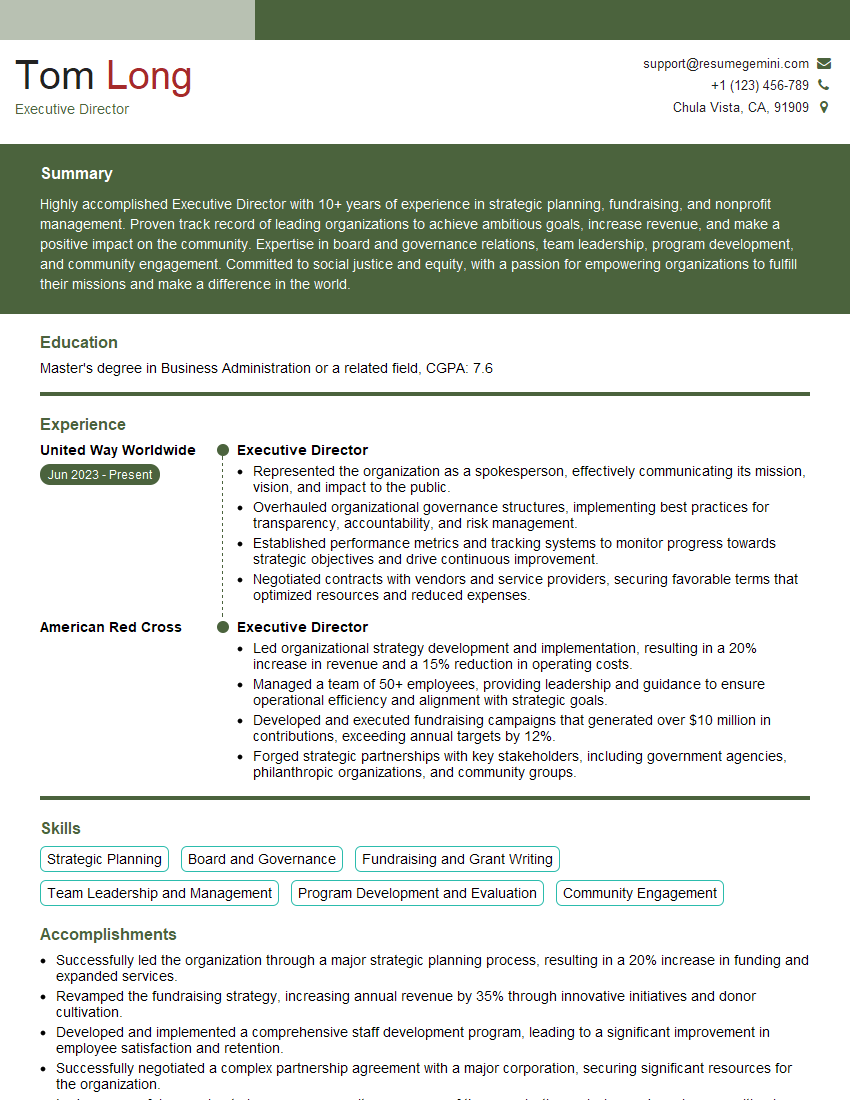
Executive Director Resume Sample
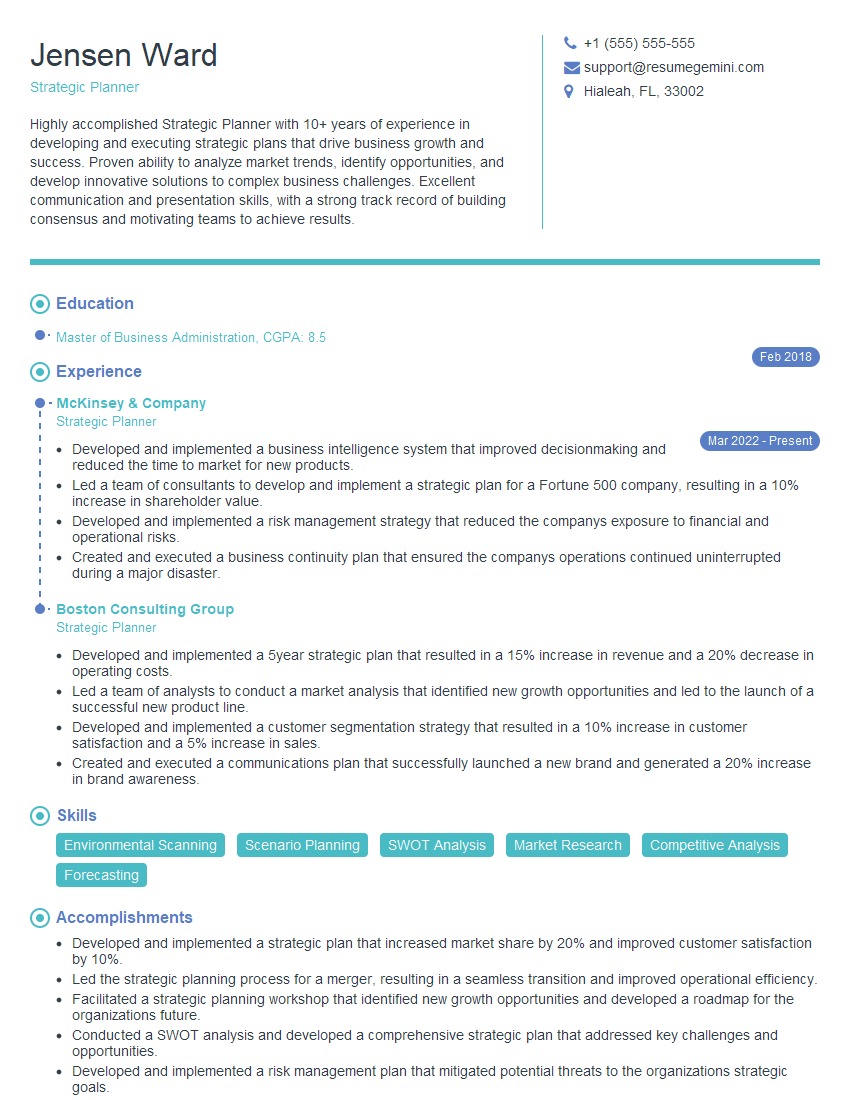
Strategic Planner Resume Sample

Creative Director Resume Sample
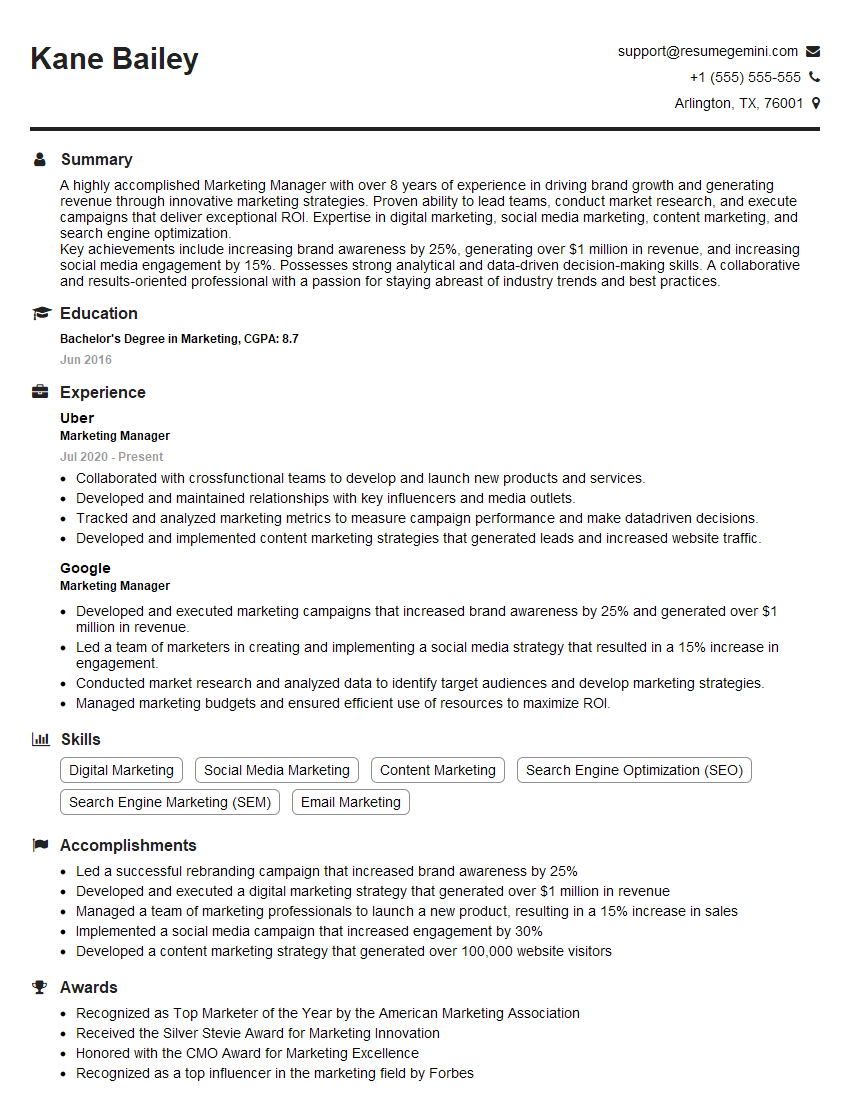
Marketing Manager Resume Sample
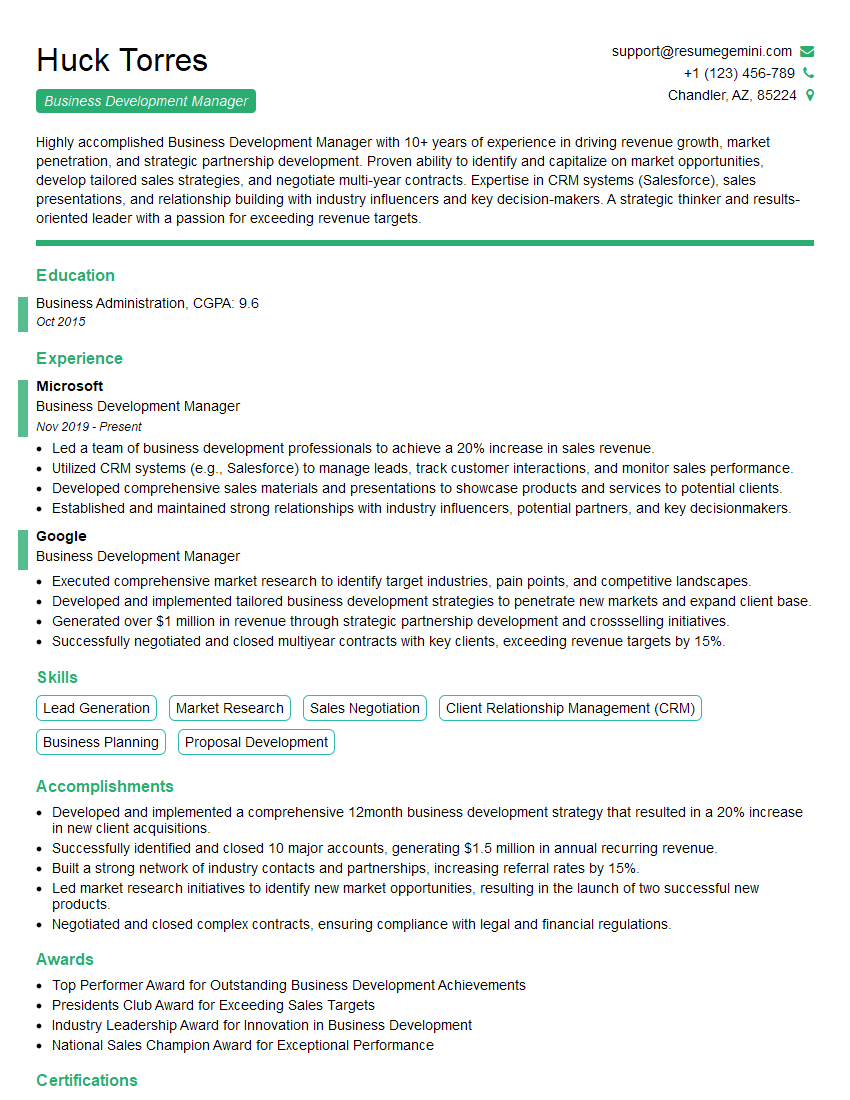
Business Development Manager Resume Sample
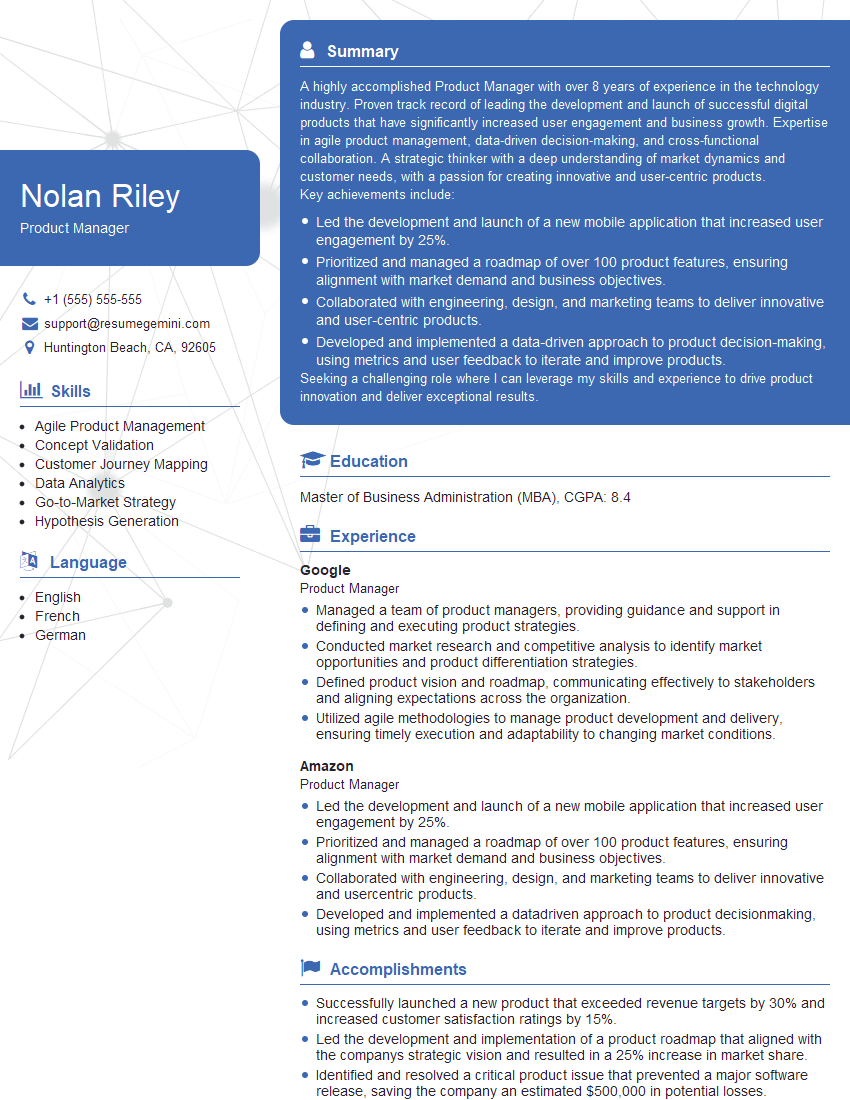
Product Manager Resume Sample

Project Manager Resume Sample
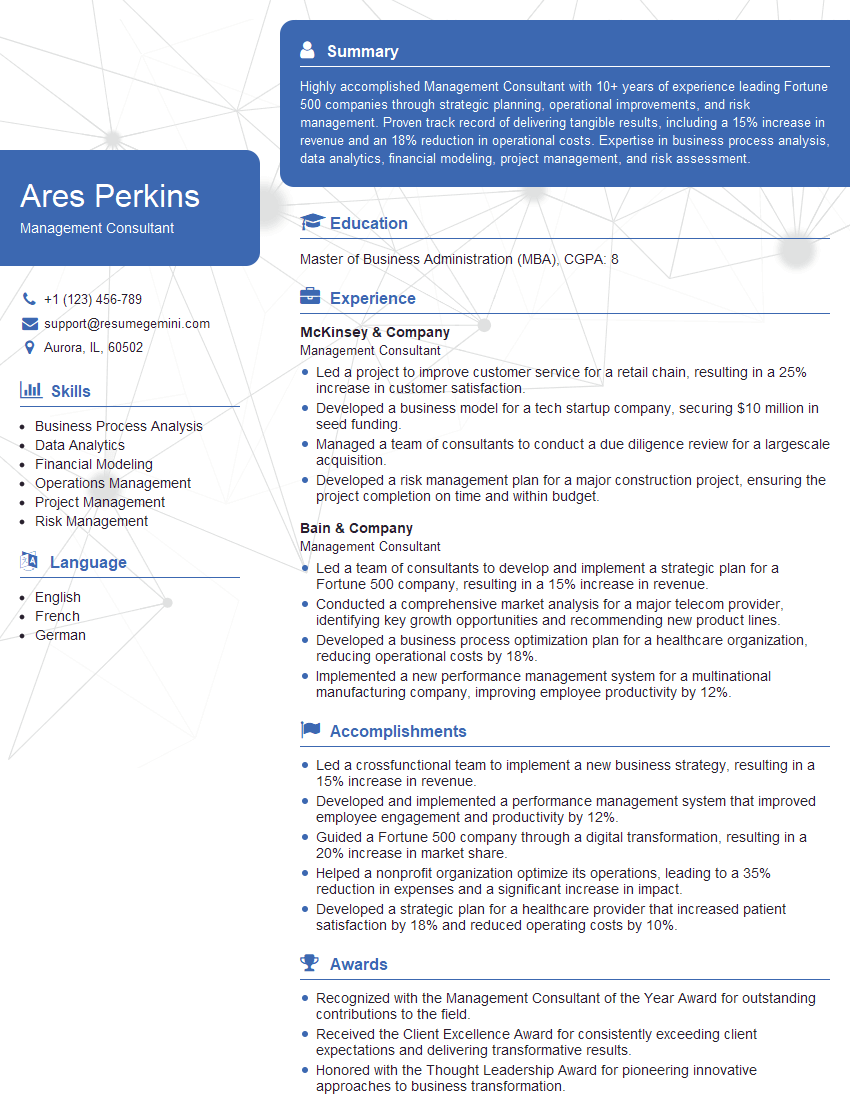
Management Consultant Resume Sample
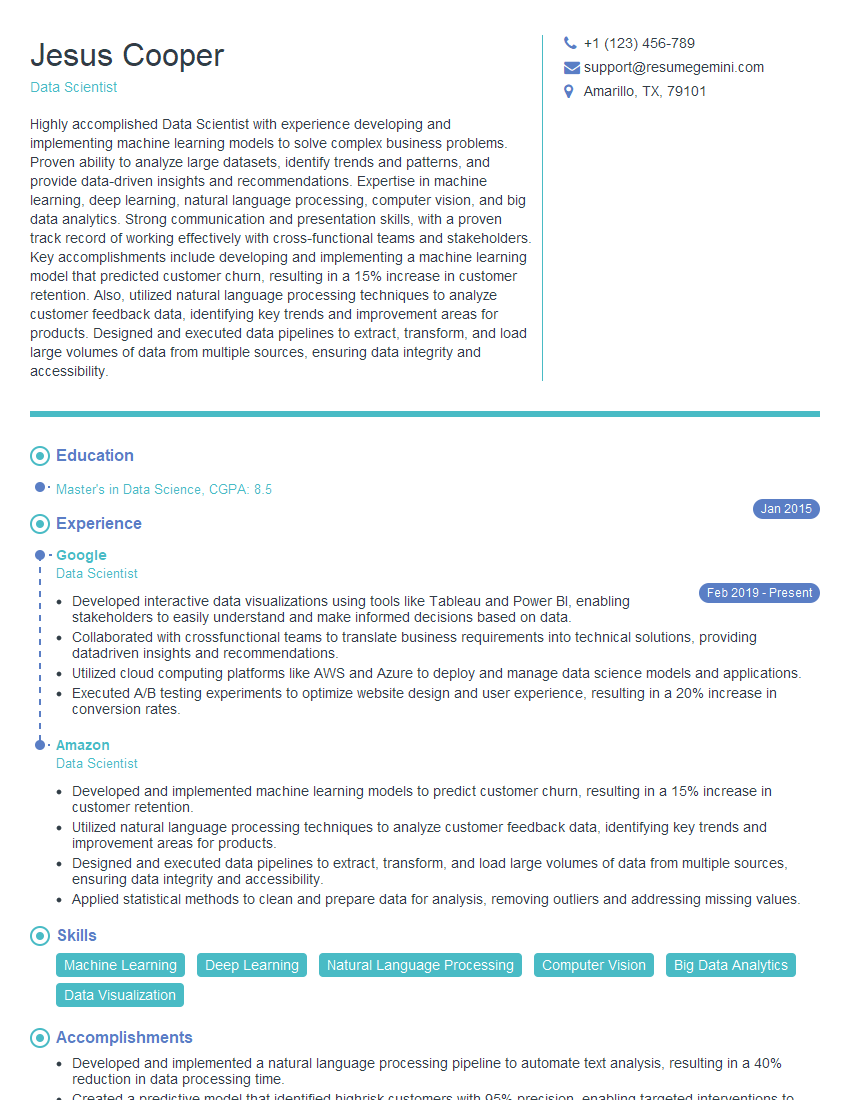
Data Scientist Resume Sample
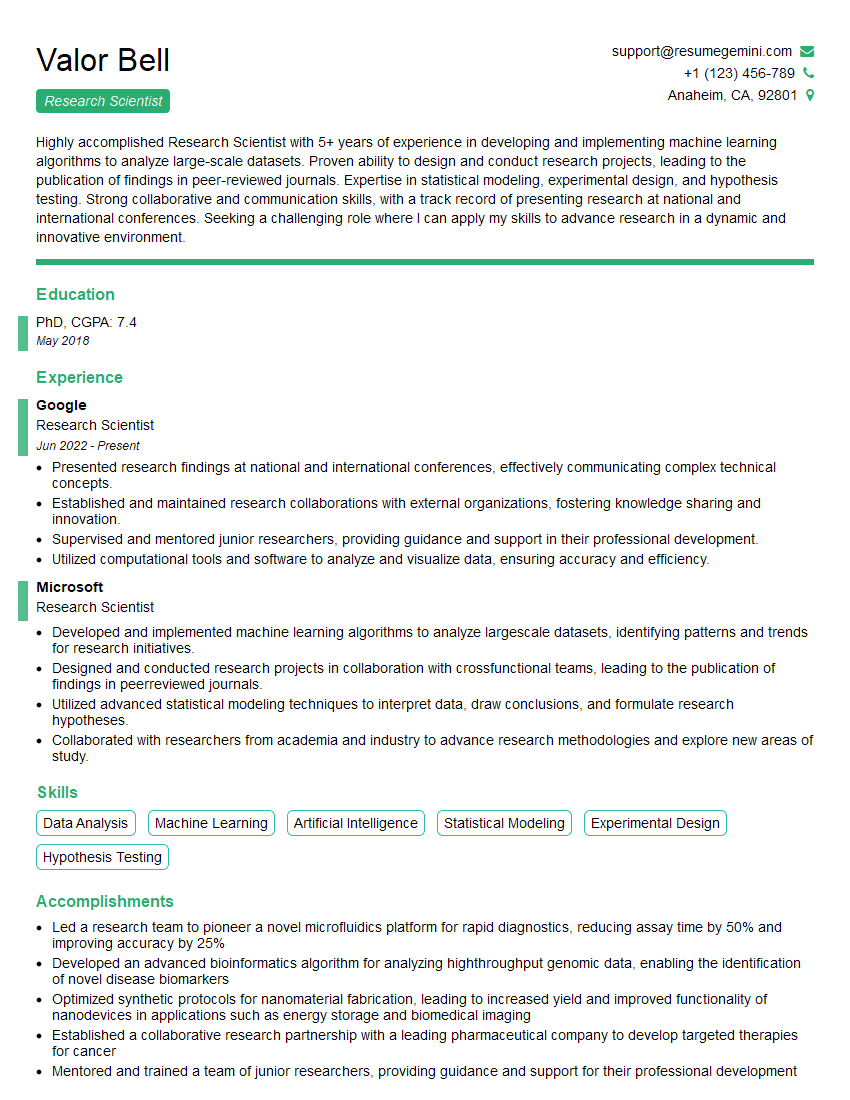
Research Scientist Resume Sample
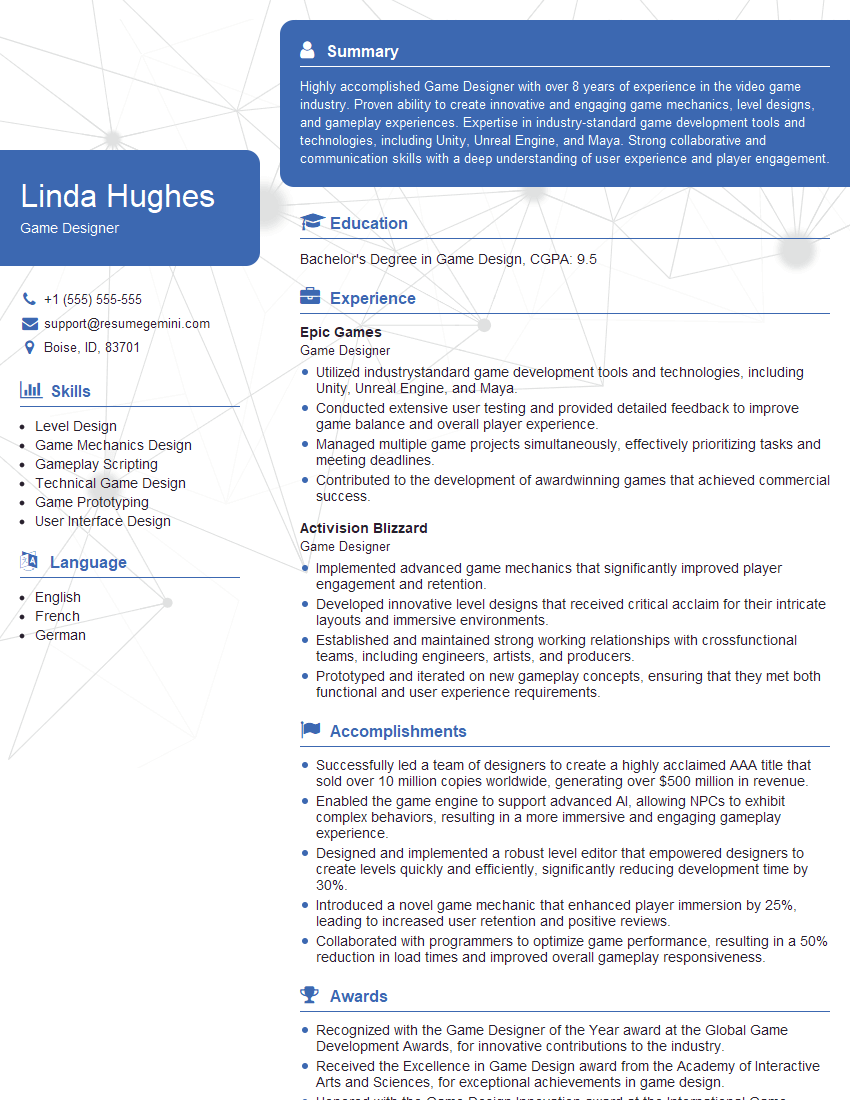
Game Designer Resume Sample
Explore more articles
Users Rating of Our Blogs
Share Your Experience
We value your feedback! Please rate our content and share your thoughts (optional).
What Readers Say About Our Blog
Really detailed insights and content, thank you for writing this detailed article.
IT gave me an insight and words to use and be able to think of examples