The thought of an interview can be nerve-wracking, but the right preparation can make all the difference. Explore this comprehensive guide to Ability to Use Specialized Equipment interview questions and gain the confidence you need to showcase your abilities and secure the role.
Questions Asked in Ability to Use Specialized Equipment Interview
Q 1. Describe your experience operating a CNC milling machine.
My experience with CNC milling machines spans over five years, encompassing both programming and operation. I’m proficient in using a variety of machines, including 3-axis and 5-axis models from different manufacturers. I’ve worked on projects ranging from simple prototyping to complex, high-precision parts requiring tight tolerances. For example, I was instrumental in creating a custom fixture for an automotive component that required incredibly accurate milling to ensure proper functionality. This involved designing the toolpaths in CAM software, setting up the machine, running the program, and performing quality checks. My expertise includes selecting appropriate tooling, setting up workholding, and optimizing machining parameters for optimal surface finish and material removal rates. I’m familiar with various materials, including aluminum, steel, and plastics, and have experience adjusting parameters depending on material properties.
One project I’m particularly proud of involved machining a complex mold for a medical device. It required meticulous planning and execution, utilizing a 5-axis machine to achieve the intricate geometries. This highlighted my ability to handle challenging projects requiring advanced CNC programming and machine operation skills.
Q 2. What safety protocols do you follow when using heavy machinery?
Safety is paramount when operating heavy machinery. My safety protocols begin with a thorough pre-operation inspection of the machine and its surroundings, checking for any loose parts, obstructions, or potential hazards. I always ensure that all guards and safety interlocks are in place and functioning correctly. I wear appropriate personal protective equipment (PPE), including safety glasses, hearing protection, and steel-toed boots. Before starting the machine, I carefully review the program and make sure it aligns with the material and tooling being used. During operation, I maintain a safe distance from the moving parts and never reach into the machine while it’s running. I regularly monitor the machine’s performance and immediately shut it down if I notice anything unusual or unsafe. Following the machine’s lockout/tagout procedures before any maintenance is crucial.
For instance, I once noticed a slight vibration in a CNC lathe during operation. Rather than ignoring it, I immediately stopped the machine, investigated the cause (a loose bolt), and secured it before restarting the operation. This quick reaction prevented a potential accident.
Q 3. Explain the troubleshooting steps you take when a piece of equipment malfunctions.
Troubleshooting equipment malfunctions starts with a systematic approach. First, I identify the problem by carefully observing the machine’s behavior, checking error messages, and listening for unusual sounds. Then I consult the machine’s manual and any available troubleshooting guides. I often begin with the simplest solutions, like checking power connections and ensuring proper lubrication. If the issue persists, I might check for programming errors, inspect tooling for wear or damage, and verify the accuracy of the workholding. More complex issues may require contacting a technician or manufacturer for support.
For example, I once experienced a recurring error message on a laser cutter. By carefully reviewing the logs, I discovered that the issue was due to a sensor malfunction. Replacing the sensor solved the problem, demonstrating my ability to diagnose and fix equipment issues efficiently.
Q 4. How do you perform preventative maintenance on specialized equipment?
Preventative maintenance is crucial for ensuring the longevity and accuracy of specialized equipment. My approach includes regular cleaning, lubrication, and inspection of all moving parts, following the manufacturer’s recommendations. I keep detailed logs of all maintenance activities, including dates, tasks performed, and any observed issues. This includes checking for wear and tear on tooling, belts, and other components. Regular calibration of measuring equipment is also a vital part of preventative maintenance, ensuring accurate results. Furthermore, I implement a schedule of preventative maintenance for each machine, including replacing worn-out components before they cause significant issues.
For instance, I developed a detailed checklist for preventative maintenance on our 3D printer, which included cleaning the nozzle, replacing worn-out belts, and checking the alignment of the print head. This proactive approach greatly reduces the downtime caused by unscheduled repairs.
Q 5. What is your experience with calibration procedures for measuring equipment?
I have extensive experience with calibration procedures for various measuring instruments, including calipers, micrometers, dial indicators, and coordinate measuring machines (CMMs). Calibration ensures the accuracy and reliability of measurements, which is critical for ensuring quality and consistency in production. I understand the importance of using certified reference standards and following established calibration procedures. This includes recording calibration data, generating reports, and adhering to relevant ISO standards. My experience extends to using various software for data acquisition and analysis during calibration processes.
For example, I was responsible for calibrating the CMM used in our quality control department. This involved using certified gauge blocks to verify the machine’s accuracy and generating a comprehensive calibration report to ensure compliance with our quality management system.
Q 6. Describe a time you had to repair a piece of specialized equipment.
During a critical production run, our CNC router experienced a sudden failure. After a thorough inspection, I diagnosed the problem as a faulty motor controller. Instead of waiting for a technician, I researched the issue, identified the correct replacement part, and successfully repaired the machine myself. This involved carefully replacing the controller, testing its functionality, and ensuring the machine was operating safely before resuming production. By resolving the issue quickly, I prevented significant production delays and associated costs.
This experience highlighted the importance of problem-solving skills and the need to have a fundamental understanding of the equipment’s internal workings.
Q 7. What software are you proficient in for operating or controlling specialized equipment?
I am proficient in several software packages used for operating and controlling specialized equipment. This includes Mastercam for CNC programming, Siemens NX for CAD/CAM integration, and various proprietary software packages for specific machines. I’m also familiar with data acquisition software used for calibration and quality control, as well as machine monitoring and diagnostic software. My skills extend to programming PLC (Programmable Logic Controller) systems for automated processes and integrating different software platforms for optimized workflow. I am also comfortable learning and adapting to new software as needed.
For example, I recently mastered a new CAM software package to optimize toolpaths for a particularly complex part, significantly reducing machining time and improving surface finish.
Q 8. How do you ensure the accuracy and precision of measurements using specialized equipment?
Ensuring accurate and precise measurements with specialized equipment involves a multi-faceted approach. It starts with proper calibration – verifying the equipment against known standards. Think of it like calibrating a kitchen scale with known weights to ensure it’s giving accurate readings. This is typically done before each use, or at defined intervals specified by the manufacturer. Beyond calibration, meticulous technique is key. This includes understanding the equipment’s limitations, such as its resolution and accuracy specifications. For example, a micrometer offers much higher precision than a ruler. Finally, environmental factors like temperature and humidity can affect measurements; maintaining a controlled environment whenever possible minimizes these errors. Regular maintenance, including cleaning and proper storage, also plays a crucial role in preserving accuracy.
For instance, when using a spectrophotometer, I always ensure it’s properly warmed up, the cuvettes are clean and free of scratches, and the blank is prepared accurately. I repeat measurements several times and check for consistency to identify any outliers, potentially indicative of errors. The use of statistical analysis, such as calculating the standard deviation, can further enhance the accuracy and precision of reported values.
Q 9. What are the common causes of equipment failure and how do you identify them?
Equipment failure can stem from various sources. Neglecting routine maintenance is a primary culprit; think of a car that’s never serviced – eventual breakdown is almost certain. This includes things like lack of lubrication, accumulation of dust and debris, and corrosion. Operator error – improper use or overloading the equipment – is another significant cause. Imagine using a drill press to work beyond its designed load capacity. Finally, normal wear and tear inevitably lead to deterioration over time. This is especially true for moving parts, which can wear out through friction and repeated stress.
Identifying failures involves a systematic approach. First, I carefully observe the equipment for any visible signs of damage or malfunction – loose connections, visible cracks, unusual noises, or abnormal readings. Detailed inspection logs, coupled with regular preventative maintenance schedules, can help identify potential problems before they escalate into major failures. Understanding the equipment’s operational parameters and recognizing deviations from normal behavior are critical. Sometimes, troubleshooting guides, specific to the equipment, are very helpful. If the problem persists, I would consult the manufacturer’s specifications or seek expert assistance.
Q 10. Explain your understanding of different types of specialized equipment safety locks and interlocks.
Specialized equipment safety locks and interlocks are crucial for preventing accidents. Safety locks, in general, prevent unintended access to or activation of hazardous components. Interlocks, on the other hand, ensure that certain operations can only proceed in a specific sequence; they inter-depend. For instance, a machine might have an interlock preventing its operation unless the safety guard is in place.
There’s a wide variety: mechanical locks (using physical barriers), electrical interlocks (using circuits), pneumatic interlocks (using compressed air), and even software-based interlocks (controlling processes through software). Consider a CNC machine: a mechanical lock might prevent access to the cutting area, an electrical interlock might halt operation if the emergency stop is pressed, and a software interlock might ensure the machine doesn’t start until the correct program is loaded and verified. The selection of lock and interlock systems depends on the specific hazards associated with the equipment and the required level of safety.
Q 11. How do you handle hazardous materials when using specialized equipment?
Handling hazardous materials during operation of specialized equipment requires strict adherence to safety protocols. This begins with proper personal protective equipment (PPE), such as gloves, respirators, eye protection, and specialized clothing tailored to the specific material’s hazards. Proper ventilation is also crucial, especially when dealing with volatile substances. Knowing the chemical properties of the materials is essential for selecting appropriate PPE and safety measures. Storage and disposal of these materials are subject to strict regulatory requirements and must be followed precisely.
For example, when working with solvents, I would ensure adequate ventilation to prevent inhalation hazards. I would use chemical-resistant gloves and eye protection to prevent skin and eye contact. Furthermore, all actions would follow a detailed safety data sheet (SDS) for the particular solvent in use and would ensure proper waste disposal methods are followed.
Q 12. Describe your experience with different types of welding equipment.
My experience encompasses several types of welding equipment, including shielded metal arc welding (SMAW), gas metal arc welding (GMAW), gas tungsten arc welding (GTAW), and resistance spot welding. SMAW, or stick welding, uses a consumable electrode and is relatively straightforward, making it suitable for various applications. GMAW, or MIG welding, uses a continuous wire feed for high deposition rates. It’s commonly used for automotive and sheet metal work. GTAW, or TIG welding, offers excellent control and produces high-quality welds, making it ideal for precision work on thin materials. Finally, resistance spot welding utilizes high current to weld sheet metal together, particularly common in the automotive industry. I am proficient in setting up and operating these machines, ensuring safety precautions are followed meticulously, and producing high-quality welds that meet the required specifications.
Q 13. What is your experience with quality control procedures for specialized equipment?
Quality control procedures for specialized equipment are central to ensuring reliable operation and consistent results. These procedures often involve regular calibration checks, as mentioned previously, and visual inspections for wear and tear. Performance testing under controlled conditions allows to evaluate the equipment’s output against predetermined standards. Record-keeping is essential here, documenting all calibration results, maintenance activities, and performance data. Statistical process control (SPC) techniques can be used to monitor the consistency of equipment performance over time. Failure to meet specified quality standards leads to prompt investigations to identify root causes and implement corrective actions.
For instance, I’ve been involved in regular audits of our lab equipment, ensuring calibration certificates are up to date and documented. We also run regular quality control samples through our analytical instruments to verify accuracy and precision, checking for systematic errors and drift.
Q 14. How do you maintain detailed records of equipment use and maintenance?
Maintaining detailed records of equipment use and maintenance is crucial for ensuring accountability, traceability, and efficient management. I typically use a combination of electronic and paper-based systems. Electronic databases provide comprehensive storage and easy retrieval of information. They track equipment location, usage history, maintenance schedules, calibration dates, and any repairs or replacements. Paper-based logs can supplement electronic records, especially for recording immediate observations during equipment use and maintenance. These logs are often kept within the equipment’s designated storage area.
Data within these records usually include the equipment’s identification number, date of use, operator’s name, duration of use, any issues encountered during operation, maintenance performed, and parts used. This detailed information provides a historical record for analyzing equipment performance and facilitating timely maintenance to prevent unexpected failures.
Q 15. What are the key performance indicators (KPIs) you monitor when using specialized equipment?
Key Performance Indicators (KPIs) for specialized equipment vary greatly depending on the type of equipment and its application. However, some common KPIs I consistently monitor include:
- Uptime/Downtime: This measures the percentage of time the equipment is operational versus undergoing maintenance or repair. High uptime is crucial for productivity. For example, in a manufacturing setting, extended downtime on a CNC machine directly impacts production output and potentially deadlines. I track this using daily logs and specialized software where applicable.
- Throughput/Production Rate: This KPI measures the quantity of output generated by the equipment within a given timeframe. A decrease in throughput might indicate a need for maintenance or recalibration. Think of a packaging machine in a food processing plant – tracking the number of units packaged per hour is essential for efficiency.
- Accuracy/Precision: For equipment involved in precise measurements or operations (e.g., a 3D printer or a laboratory instrument), accuracy and precision are vital KPIs. Regular calibration and maintenance are essential to maintain these metrics. In a pharmaceutical lab, even minor inaccuracies in dispensing could have significant consequences.
- Maintenance Costs: Tracking maintenance expenses allows for proactive management and helps identify potential areas for cost optimization. Regular lubrication and preventative maintenance can significantly reduce long-term maintenance costs. I utilize spreadsheets and specialized equipment management software to monitor and analyze these costs.
- Safety Incidents: This KPI tracks the number of near misses and accidents related to equipment operation. Zero incidents should be the ultimate goal, requiring strict adherence to safety protocols and regular training.
By monitoring these KPIs, I can identify areas for improvement, schedule preventative maintenance, and optimize equipment performance, ultimately contributing to enhanced efficiency and safety.
Career Expert Tips:
- Ace those interviews! Prepare effectively by reviewing the Top 50 Most Common Interview Questions on ResumeGemini.
- Navigate your job search with confidence! Explore a wide range of Career Tips on ResumeGemini. Learn about common challenges and recommendations to overcome them.
- Craft the perfect resume! Master the Art of Resume Writing with ResumeGemini’s guide. Showcase your unique qualifications and achievements effectively.
- Don’t miss out on holiday savings! Build your dream resume with ResumeGemini’s ATS optimized templates.
Q 16. How familiar are you with the relevant safety regulations for operating specialized equipment?
I’m very familiar with relevant safety regulations. My knowledge encompasses OSHA standards (in the US context), as well as industry-specific regulations and best practices. This includes understanding lockout/tagout procedures, personal protective equipment (PPE) requirements, emergency shutdown protocols, and hazard communication. I’ve completed numerous safety training courses, and I always prioritize safety above all else.
For instance, before operating any equipment, I conduct a thorough pre-operational inspection, verifying that all safety guards are in place, emergency stops are functional, and PPE is readily available. I understand the importance of following the manufacturer’s instructions meticulously and reporting any safety concerns immediately.
My experience includes working with equipment ranging from high-pressure hydraulic systems to automated machinery in different settings, and in each case, adhering to specific safety protocols was paramount. I’m confident in my ability to identify and mitigate potential hazards, ensuring a safe work environment for myself and my colleagues.
Q 17. Describe your proficiency in using diagnostic tools for specialized equipment.
My proficiency with diagnostic tools varies depending on the type of specialized equipment. However, I’m adept at using a wide array of diagnostic tools and techniques. This includes:
- Specialized Software: I’m proficient in using manufacturer-specific software for troubleshooting and diagnostics. This software often provides real-time data on equipment performance, error codes, and sensor readings. I find this invaluable for identifying root causes of malfunctions.
- Multimeters and Oscilloscopes: I can use multimeters to measure voltage, current, and resistance, while oscilloscopes are essential for analyzing signal waveforms and identifying electrical problems. I understand how to interpret the readings and apply this knowledge to diagnose various equipment issues.
- Pressure Gauges and Flow Meters: For hydraulic and pneumatic systems, I rely on pressure gauges and flow meters to identify leaks, blockages, and pressure imbalances. These tools allow me to quickly diagnose problems in these critical systems.
- Thermal Imaging Cameras: These cameras help to identify overheating components, a key indicator of potential failures. Early detection through thermal imaging often prevents catastrophic equipment failure.
I approach diagnostics systematically, starting with a visual inspection, followed by the use of appropriate diagnostic tools and the interpretation of data. My experience allows me to effectively pinpoint the source of problems and implement effective solutions, minimizing downtime.
Q 18. How do you prioritize tasks when working with multiple pieces of specialized equipment?
Prioritizing tasks when working with multiple pieces of specialized equipment requires a structured approach. I typically employ a combination of techniques, including:
- Urgency and Impact Assessment: I assess the urgency of each task based on factors such as potential production downtime, safety risks, and deadlines. I prioritize tasks with the highest impact on overall operations. For instance, a malfunctioning critical piece of equipment in a production line takes precedence over routine maintenance on less critical machinery.
- Dependency Analysis: I identify task dependencies to ensure a logical sequence. Some tasks may need to be completed before others can begin. This prevents bottlenecks and ensures efficient workflow. For example, calibrating a sensor before using it in an automated system is crucial.
- Time Management Techniques: Using time management techniques like time blocking or the Eisenhower Matrix (urgent/important) helps allocate sufficient time for each task. This also helps prevent rushing and potential mistakes.
- Documentation and Communication: I maintain detailed logs of completed and pending tasks, allowing for transparency and effective communication with colleagues and supervisors. Clear communication helps avoid conflicts and ensures that everyone is aligned on priorities.
By combining these methods, I can effectively manage multiple tasks, ensuring timely completion and minimizing disruptions to overall operations.
Q 19. Explain your understanding of hydraulic and pneumatic systems in specialized equipment.
My understanding of hydraulic and pneumatic systems is extensive. I’m familiar with their principles of operation, common components, and troubleshooting techniques. Hydraulic systems use pressurized liquids to transmit power, while pneumatic systems use pressurized air or gas. Both are prevalent in specialized equipment.
Hydraulic Systems: I understand the role of pumps, valves, actuators, and reservoirs in a hydraulic system. I can diagnose problems such as leaks, pressure loss, and component failures. I’m familiar with different types of hydraulic fluids and their properties.
Pneumatic Systems: Similarly, I understand the function of compressors, air filters, regulators, valves, and actuators in pneumatic systems. I can identify issues like air leaks, pressure drops, and component malfunctions. I also understand the importance of proper air filtration to prevent contamination.
In practice, this knowledge helps me maintain and troubleshoot equipment effectively. For example, I can diagnose a hydraulic leak by checking pressure readings and visually inspecting seals and lines. Understanding these systems also helps me maintain safety protocols for high-pressure components.
Q 20. Describe your experience with programmable logic controllers (PLCs).
I have significant experience working with Programmable Logic Controllers (PLCs). PLCs are the brains behind many automated systems, controlling various functions through programmed logic. My experience encompasses:
- Programming: I’m proficient in various PLC programming languages, such as Ladder Logic (LD), Function Block Diagram (FBD), and Structured Text (ST). I can develop and modify PLC programs to control different equipment functions and processes. For example, I’ve programmed PLCs to control robotic arms in a manufacturing process.
- Troubleshooting: I can effectively troubleshoot PLC programs by analyzing error codes, examining program logic, and using diagnostic tools. This includes utilizing simulation tools to test program modifications before deploying them in real-world applications.
- Hardware Integration: I understand how to connect various sensors, actuators, and other devices to a PLC, configuring them properly for effective system operation. This involves understanding input/output (I/O) modules and addressing.
- Safety: I’m aware of the safety implications of PLC programming, especially when dealing with industrial automation equipment. I follow strict safety protocols and best practices when developing and deploying PLC programs.
My PLC programming skills have been instrumental in automating various processes and improving overall efficiency in different settings. I’m comfortable working with different PLC brands and their respective programming software.
Q 21. How do you ensure the cleanliness and hygiene of specialized equipment in a medical setting?
Ensuring cleanliness and hygiene of specialized equipment in a medical setting is paramount to prevent cross-contamination and maintain patient safety. My approach involves adhering to strict protocols and guidelines:
- Standard Operating Procedures (SOPs): I follow established SOPs for cleaning and disinfecting each piece of equipment. These procedures are usually specific to each device and clearly outline the required cleaning agents, methods, and frequency.
- Appropriate Cleaning Agents: I use only approved cleaning agents and disinfectants compatible with the equipment’s materials. This prevents damage to equipment and ensures effective sterilization.
- Personal Protective Equipment (PPE): I always wear appropriate PPE, including gloves, masks, and gowns, to protect myself and prevent contamination.
- Sterilization Techniques: I’m familiar with different sterilization techniques such as autoclaving, chemical sterilization, and UV sterilization, choosing the most appropriate method for each piece of equipment. For example, autoclaving is common for surgical instruments, while UV sterilization may be more suitable for surfaces.
- Regular Maintenance and Calibration: Regular maintenance, including thorough cleaning, helps maintain equipment’s integrity and prolong its lifespan. Calibration ensures accuracy of measurements, which is crucial in a medical environment.
- Documentation: Maintaining meticulous records of cleaning and sterilization procedures is vital for traceability and compliance with regulations. This includes documenting the date, time, cleaning agents used, and the person performing the cleaning.
A rigorous approach to cleanliness and hygiene is not just a matter of good practice; it’s a crucial aspect of patient safety and prevents the spread of infections. I understand and diligently follow the stringent requirements of this environment.
Q 22. What is your experience with sterilization procedures for medical equipment?
Sterilization of medical equipment is paramount to prevent infections. My experience encompasses various methods, including steam sterilization (autoclaving), which uses high-pressure steam to kill microorganisms; ethylene oxide sterilization, a gas sterilization process effective for heat-sensitive instruments; and low-temperature sterilization methods like plasma sterilization and peracetic acid sterilization.
For example, in my previous role, I was responsible for ensuring the proper sterilization of surgical instruments. This involved meticulously following established protocols, including pre-cleaning instruments, packaging them correctly, loading the autoclave according to manufacturer instructions, and verifying sterilization cycles through biological indicators and printouts to confirm complete sterilization. I also have experience troubleshooting malfunctioning sterilizers and implementing corrective actions.
Understanding the specific requirements for each instrument and material is crucial. For instance, delicate endoscopes require different sterilization protocols than stainless steel surgical tools. Proper documentation and record-keeping are essential to maintain traceability and compliance with regulatory standards.
Q 23. How do you interpret technical manuals and schematics for specialized equipment?
Interpreting technical manuals and schematics is fundamental to safely and effectively operating specialized equipment. My approach involves a systematic process: I start by reviewing the table of contents and index to familiarize myself with the document’s organization. Then, I carefully read through the sections related to the specific equipment or task, paying close attention to safety precautions, operational procedures, and troubleshooting guides. I often create visual aids, such as flowcharts or annotated diagrams, to enhance my understanding of complex systems.
For schematics, I focus on understanding the relationship between different components and how they interact. I utilize color-coding and labeling to map out the system’s functionality. For example, when working with a complex laser system, I carefully examined the optical path diagram to trace the beam’s trajectory and identify potential points of failure.
I’m proficient in using various software and tools to aid in this process, including CAD software for visualizing three-dimensional models and specialized diagnostic software for equipment maintenance and troubleshooting. I also rely on online forums and manufacturer websites to access updated information and clarification when necessary.
Q 24. Explain your process for selecting the appropriate tools and equipment for a given task.
Selecting the right tools and equipment is crucial for efficiency and safety. My process starts with a thorough understanding of the task’s requirements. This includes considering the material being worked on, the desired outcome, the workspace limitations, and any safety regulations. Then, I evaluate the available tools based on their capabilities, precision, and ease of use.
I prioritize tools that minimize risks and maximize accuracy. For instance, if working with delicate components, I’d opt for fine-tipped tweezers and specialized anti-static tools rather than potentially damaging general-purpose pliers. I also check for the tools’ condition, ensuring they are properly calibrated and functioning correctly before starting any task.
A recent example involves assembling a complex microfluidic device. After carefully analyzing the assembly instructions and component specifications, I selected a set of micro-manipulators, precision screwdrivers, and specialized adhesives to ensure precision and prevent damage to the delicate components. This methodical selection ensured a successful and timely assembly.
Q 25. Describe a time you had to adapt your approach when using specialized equipment due to unforeseen circumstances.
During a clinical trial, we experienced a malfunction with a high-precision robotic arm used for microsurgery. The system unexpectedly shut down mid-procedure due to a power surge. Our initial protocol involved restarting the system, but this was unsuccessful. Instead of panicking, I calmly assessed the situation, referring to the troubleshooting guide and contacting the manufacturer’s support team.
The support team guided us through a series of diagnostics, ultimately revealing a faulty power supply module. Since we lacked a replacement module onsite, I adapted our approach by using a manual alternative procedure. This involved utilizing a less precise but functional surgical tool to complete the crucial remaining steps of the surgery, maintaining the patient’s safety and minimizing any negative consequences.
This experience underscored the importance of having backup plans, understanding the capabilities of alternative equipment, and maintaining clear communication during critical situations. Furthermore, it highlighted the necessity of staying calm and focusing on problem-solving, rather than succumbing to pressure.
Q 26. What are your strategies for continuous learning and improvement in the use of specialized equipment?
Continuous learning is vital in this field due to rapid technological advancements. My strategies involve actively participating in professional development programs, attending workshops and conferences to stay updated on new equipment and techniques. I also regularly review relevant scientific publications and industry journals.
Furthermore, I actively seek out opportunities to work with new and diverse equipment, broadening my skillset. I’m always looking for opportunities to expand my knowledge by shadowing experts, participating in online courses, and actively engaging in professional networking activities. Regular self-assessment, involving critical reflection on past experiences and identifying areas for improvement, allows me to refine my skills and enhance my efficiency.
For example, I recently completed an online course on advanced laser microscopy techniques, directly improving my ability to perform intricate procedures that require high-level precision and analysis. This proactive approach guarantees that my skills and knowledge remain at the cutting edge.
Q 27. How would you train a new employee on the safe and effective operation of specialized equipment?
Training a new employee on specialized equipment demands a structured and layered approach. I begin with a thorough review of safety protocols, emphasizing the importance of personal protective equipment (PPE) and emergency procedures. Then, I provide a comprehensive overview of the equipment’s functionality and operational characteristics, using both theoretical instruction and hands-on demonstrations.
The training includes step-by-step instructions on how to operate the equipment, followed by supervised practice sessions. I start with basic tasks and gradually increase the complexity, providing constant feedback and guidance. Regular assessments are conducted to evaluate the trainee’s understanding and proficiency. Throughout the training, I emphasize the importance of meticulous record-keeping, proper maintenance, and troubleshooting techniques.
Finally, I create a comprehensive training manual, including visual aids and checklists to reinforce learning and ensure consistent application of procedures. This comprehensive approach ensures that the new employee can safely and effectively operate the specialized equipment, contributing to a productive and safe working environment.
Key Topics to Learn for Ability to Use Specialized Equipment Interview
- Understanding Equipment Functionality: Go beyond basic operation; grasp the underlying principles and how different components interact. Consider the theoretical design and its practical implications.
- Safety Procedures and Protocols: Demonstrate a thorough understanding of safety regulations, emergency procedures, and preventative maintenance related to the specific equipment. Be prepared to discuss real-world scenarios requiring safety intervention.
- Troubleshooting and Maintenance: Explain your approach to diagnosing malfunctions, performing basic maintenance, and identifying when professional assistance is needed. Highlight your problem-solving skills and ability to work methodically.
- Calibration and Accuracy: Discuss the importance of calibration for accurate results and the procedures involved. Be ready to explain how you ensure the equipment delivers reliable data.
- Data Interpretation and Analysis: Explain how you interpret data generated by the equipment, identify potential errors or inconsistencies, and utilize this information for decision-making.
- Technological Advancements: Stay updated on the latest advancements in the relevant equipment and technologies. Discuss your ability to adapt to new tools and techniques.
- Working within a Team: Describe your experience collaborating with colleagues, sharing knowledge, and contributing to a positive and productive work environment. This is crucial for many specialized equipment roles.
Next Steps
Mastering the ability to use specialized equipment is paramount for career advancement in many high-demand fields. It signifies a commitment to professional excellence and opens doors to exciting opportunities. To maximize your job prospects, crafting a strong, ATS-friendly resume is crucial. ResumeGemini is a trusted resource that can help you build a professional resume that highlights your skills and experience effectively. We provide examples of resumes tailored to showcasing your Ability to Use Specialized Equipment, enabling you to present yourself confidently to potential employers. Take advantage of these resources to showcase your expertise and land your dream job!
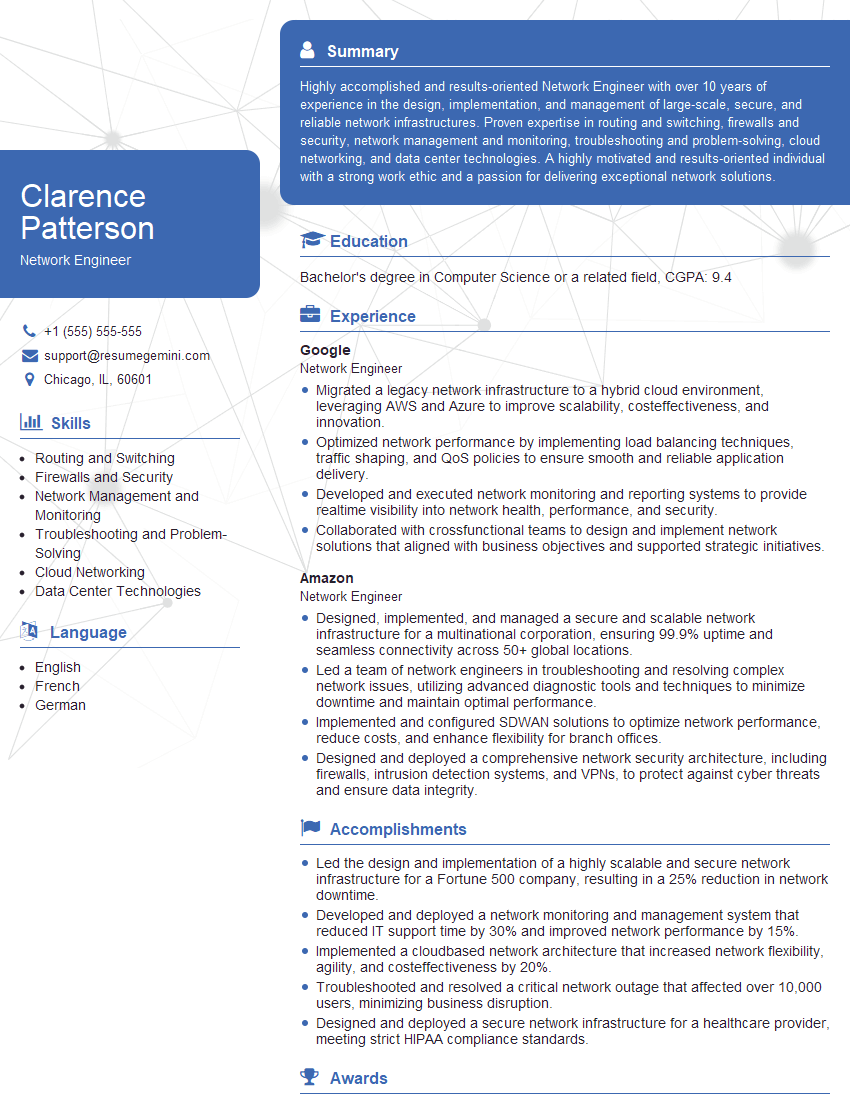
Network Engineer Resume Sample

Engineering Technician Resume Sample
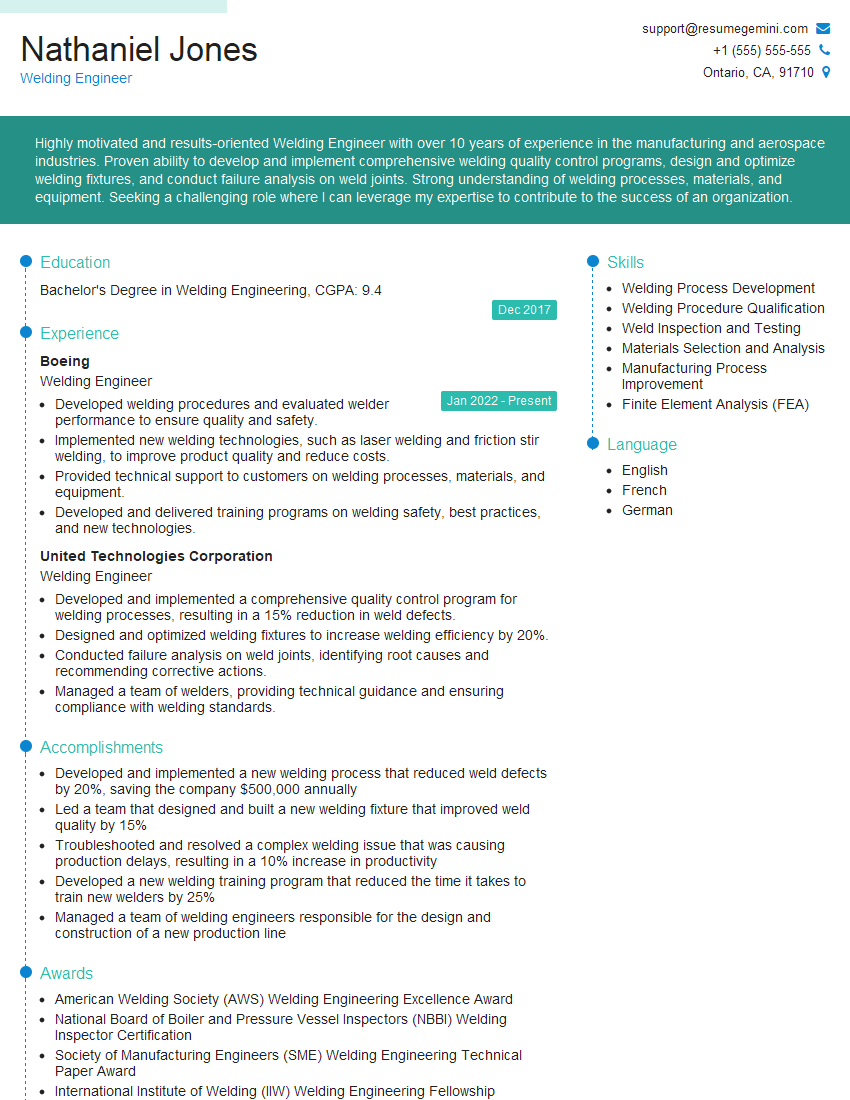
Welding Engineer Resume Sample
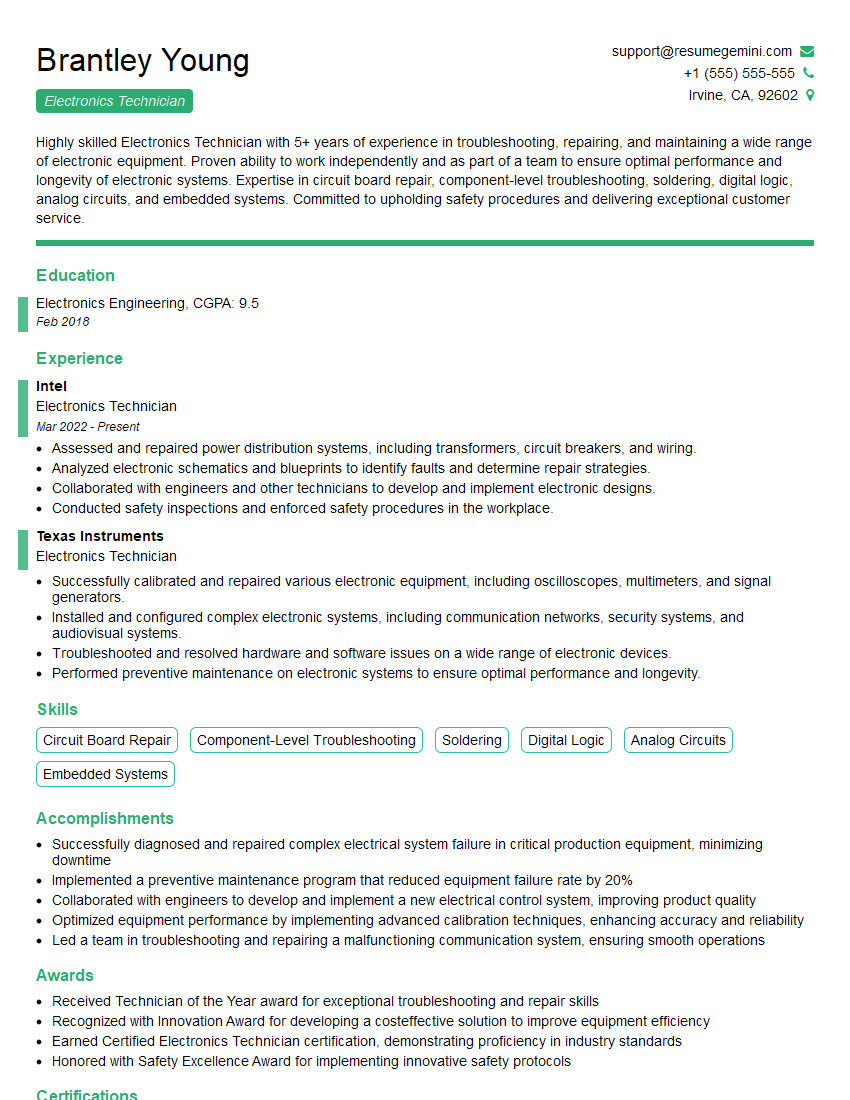
Electronics Technician Resume Sample
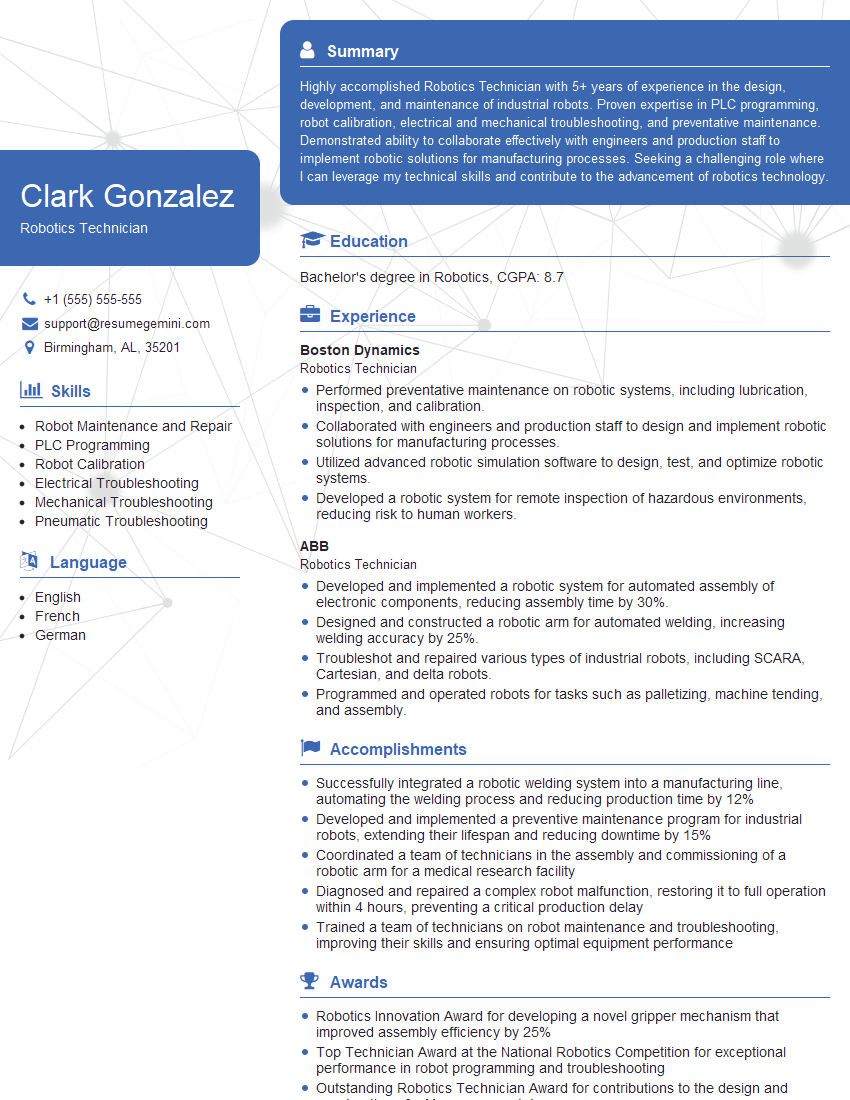
Robotics Technician Resume Sample
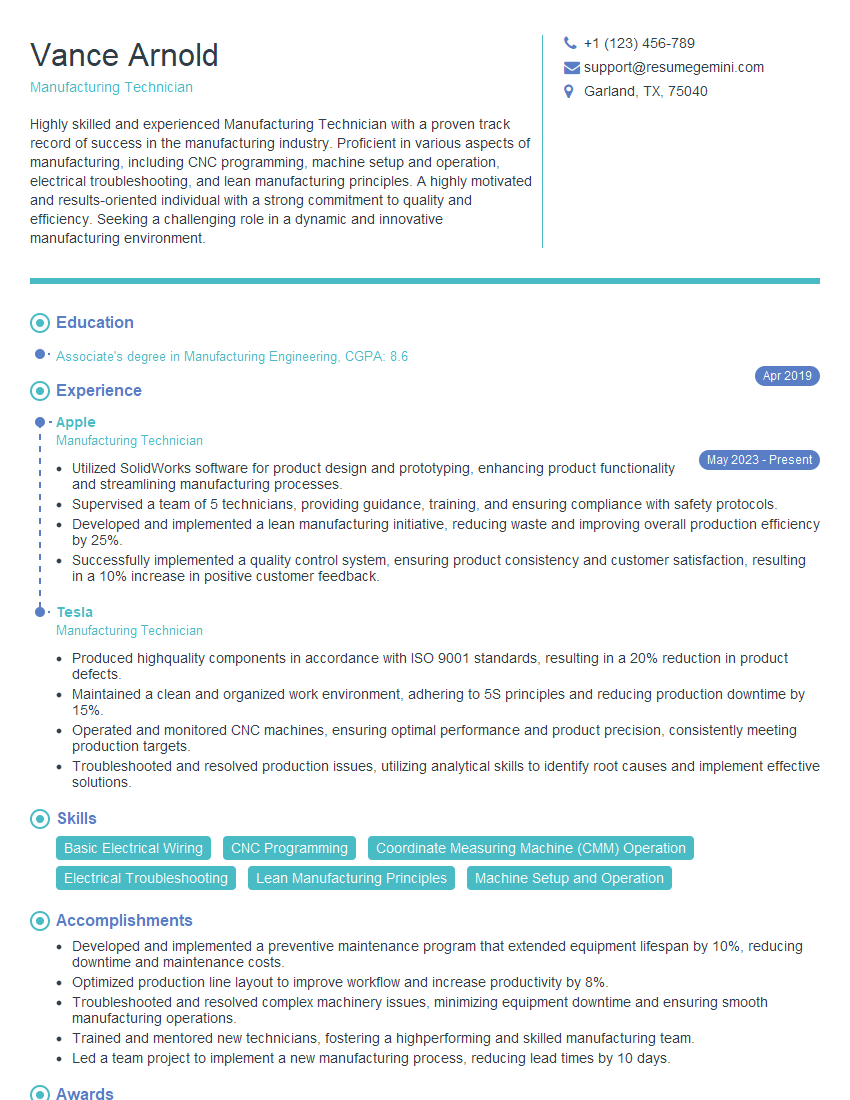
Manufacturing Technician Resume Sample
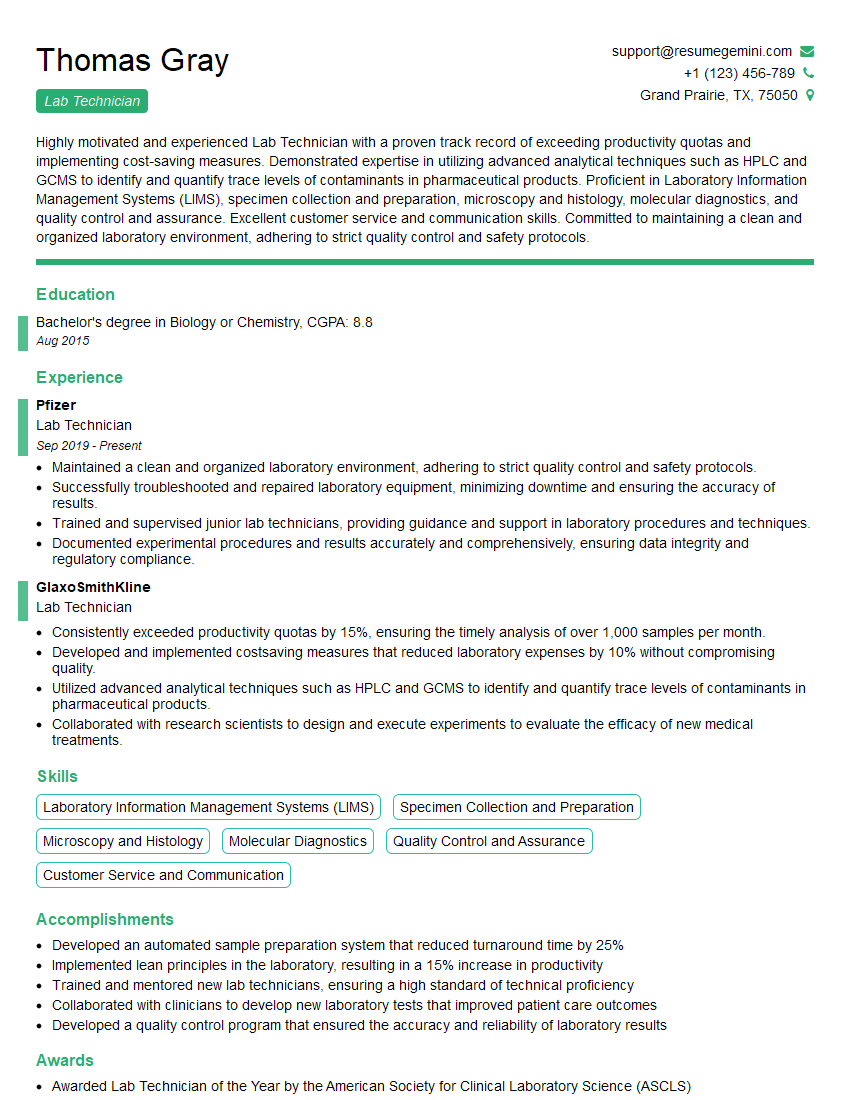
Lab Technician Resume Sample
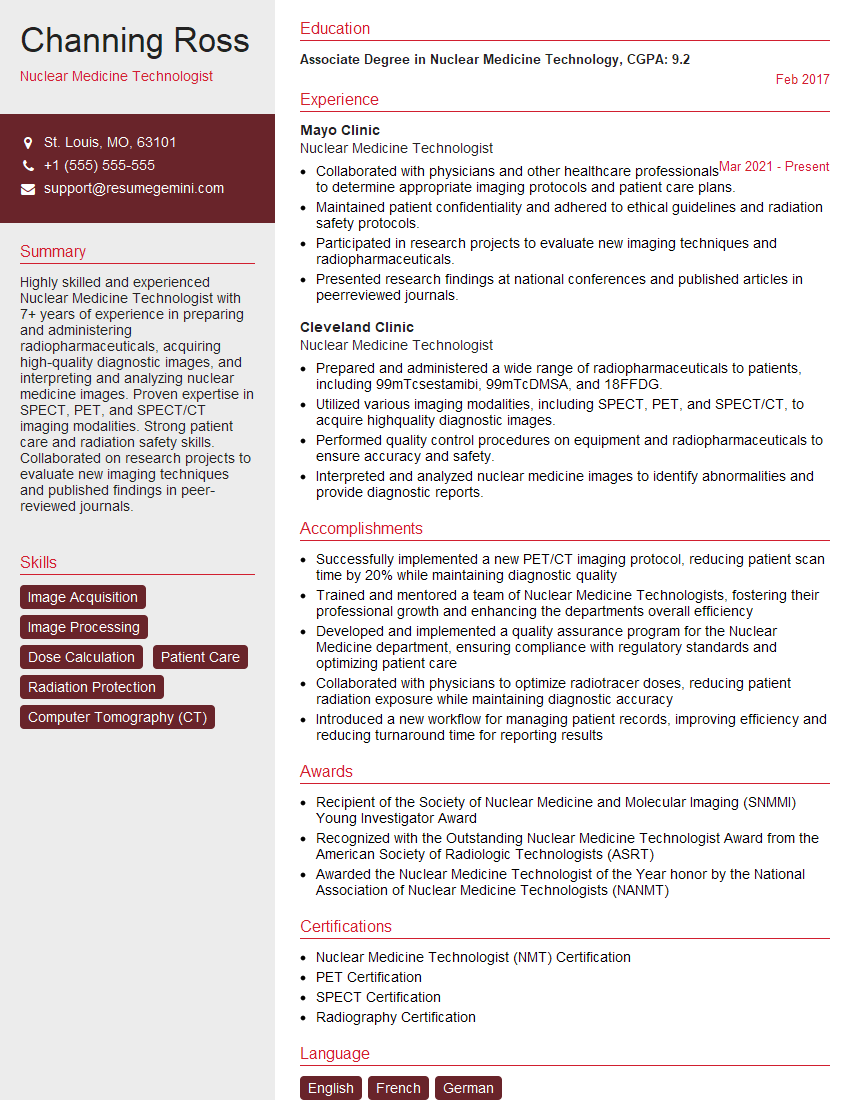
Nuclear Medicine Technologist Resume Sample
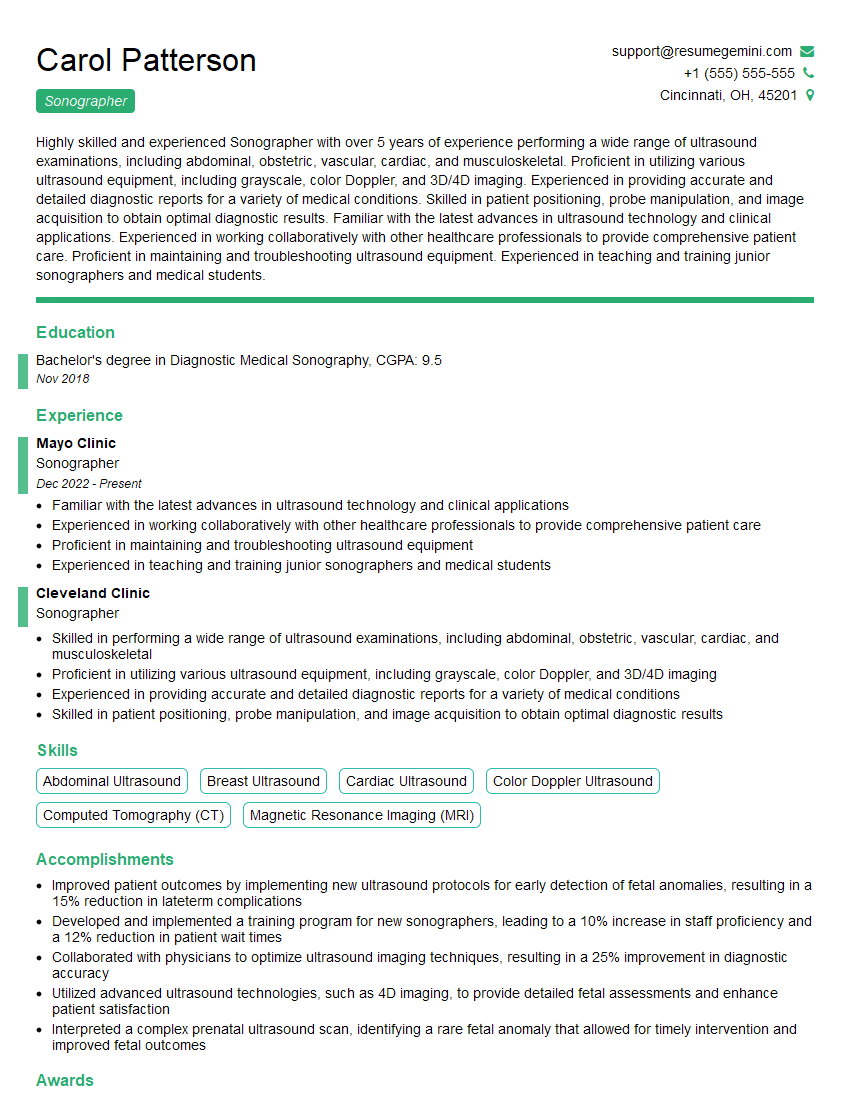
Sonographer Resume Sample
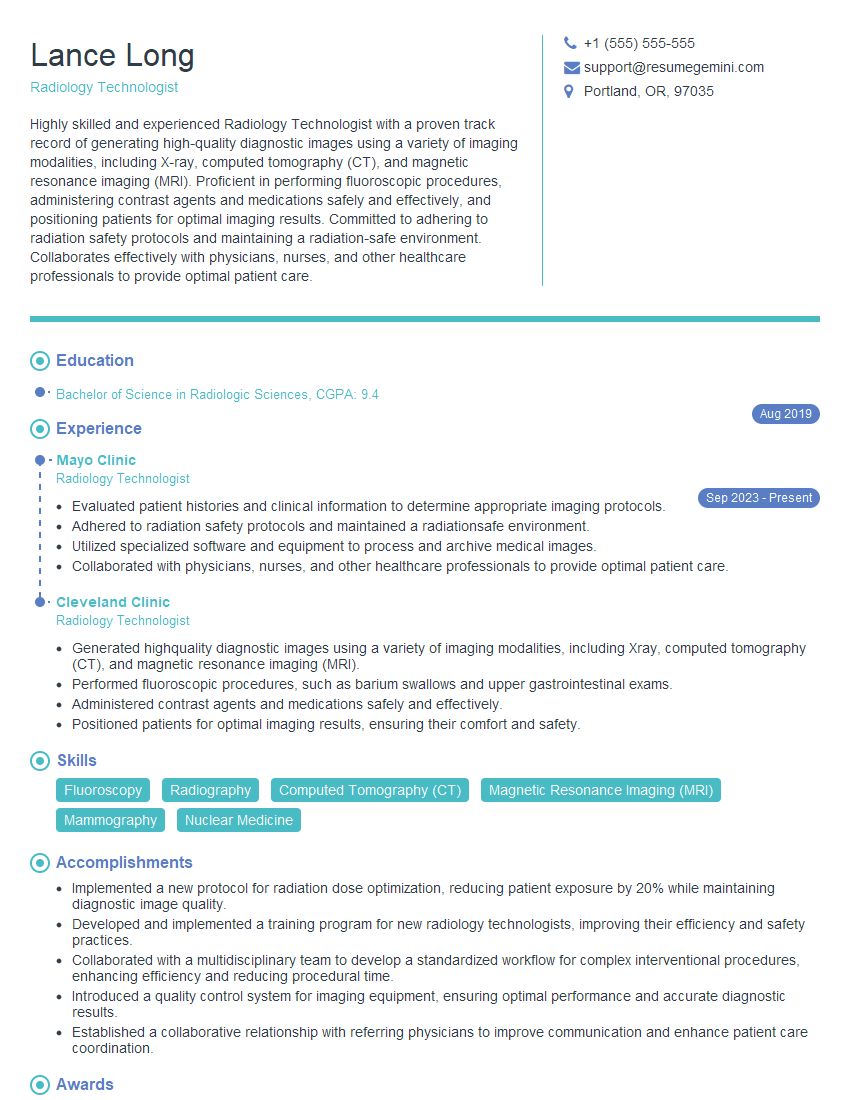
Radiology Technologist Resume Sample
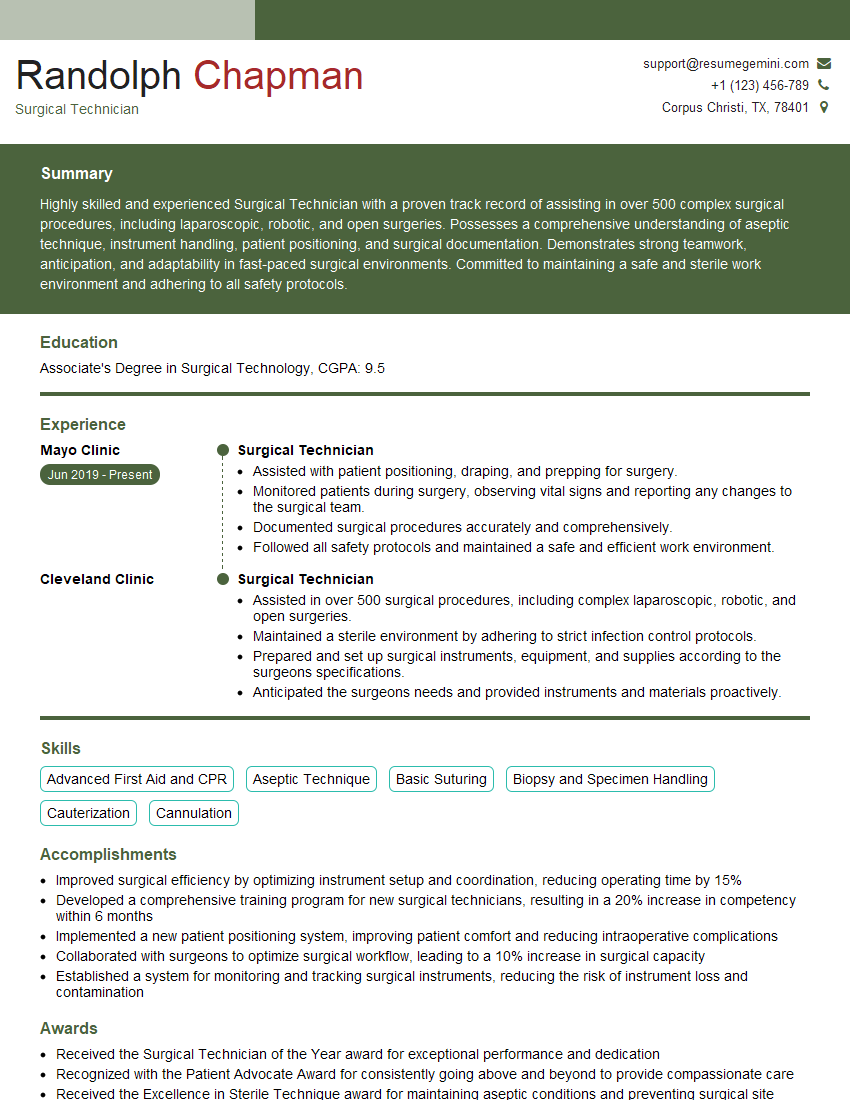
Surgical Technician Resume Sample
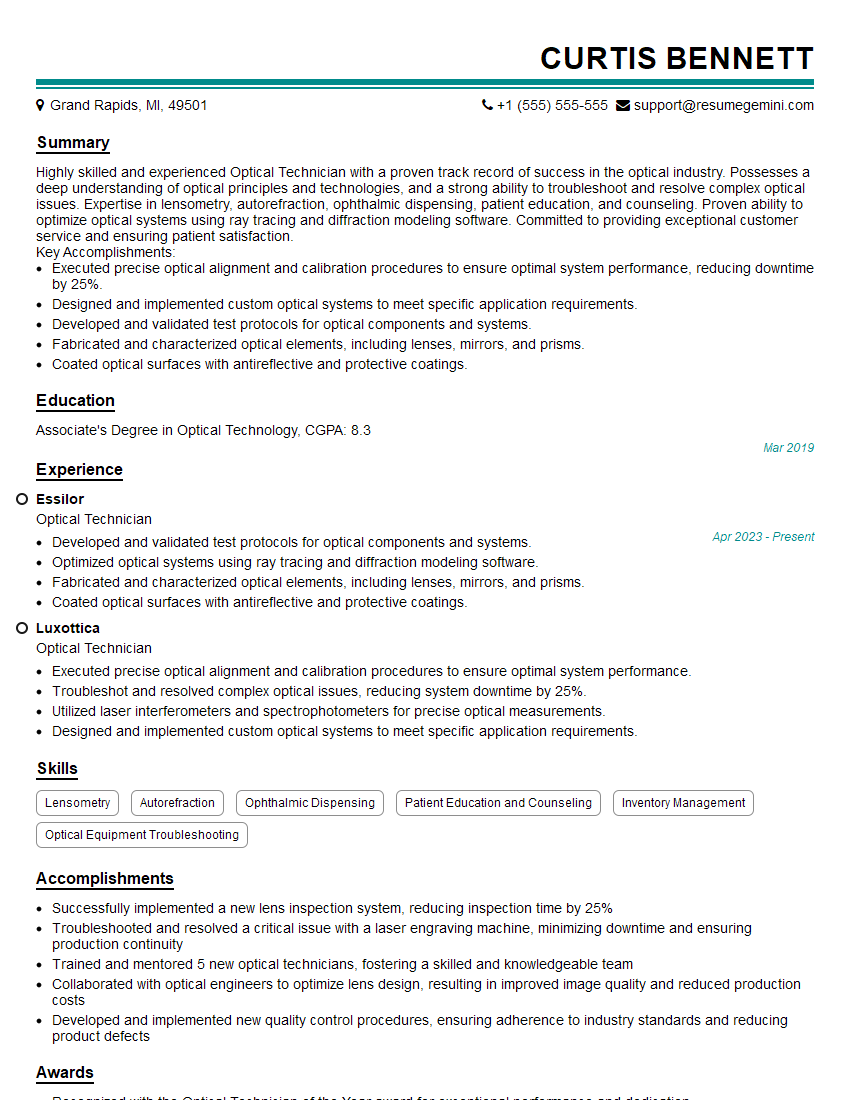
Optical Technician Resume Sample

Crane Operator Resume Sample
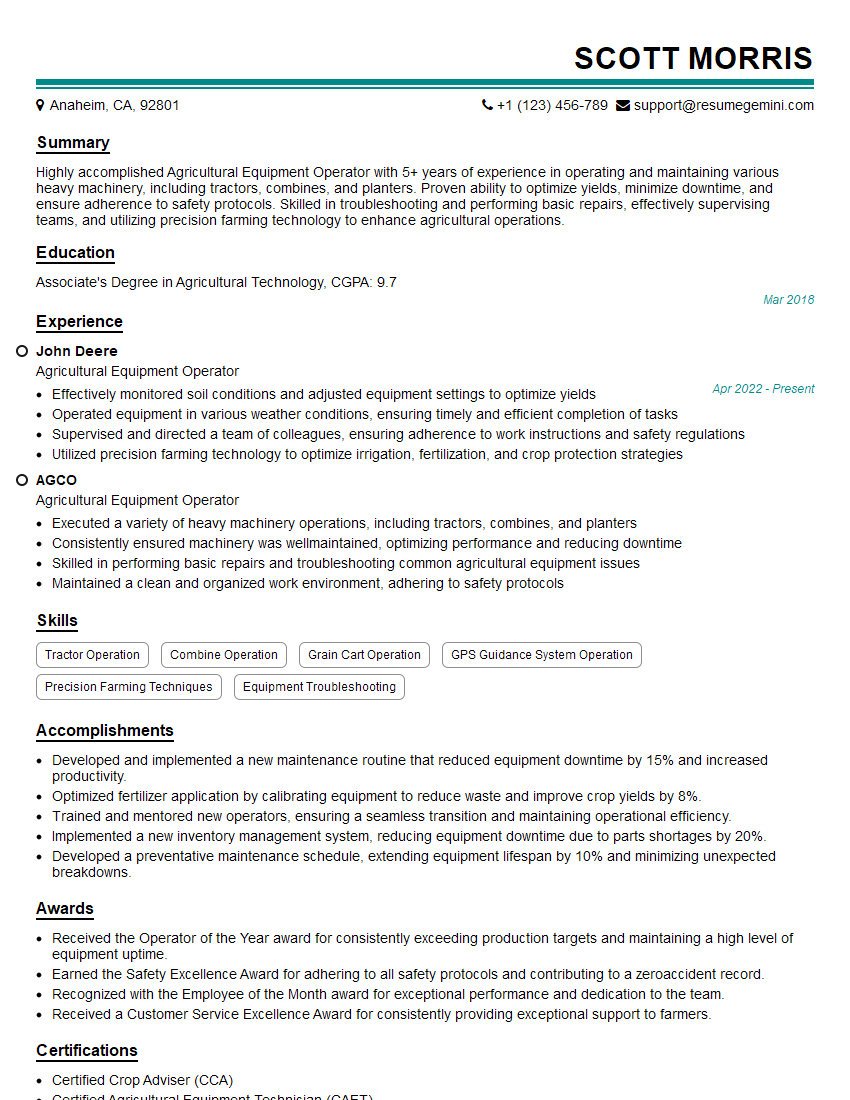
Agricultural Equipment Operator Resume Sample
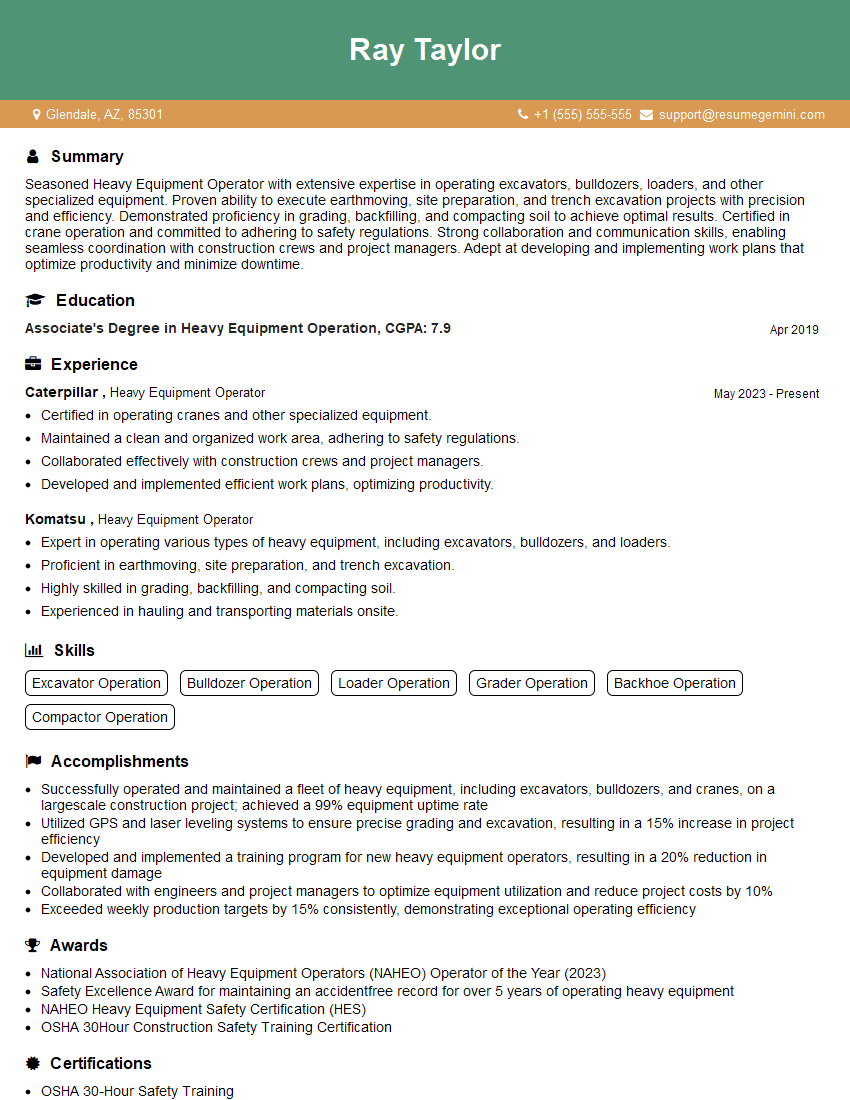
Heavy Equipment Operator Resume Sample
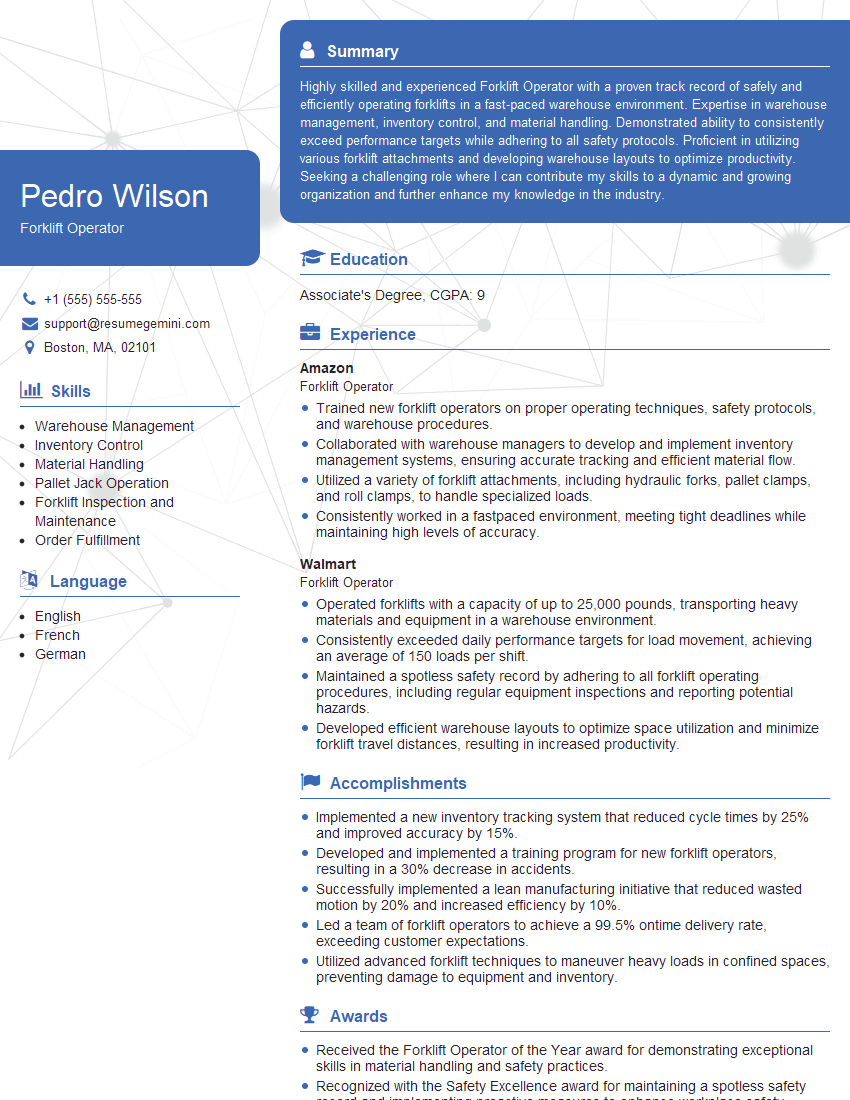
Forklift Operator Resume Sample
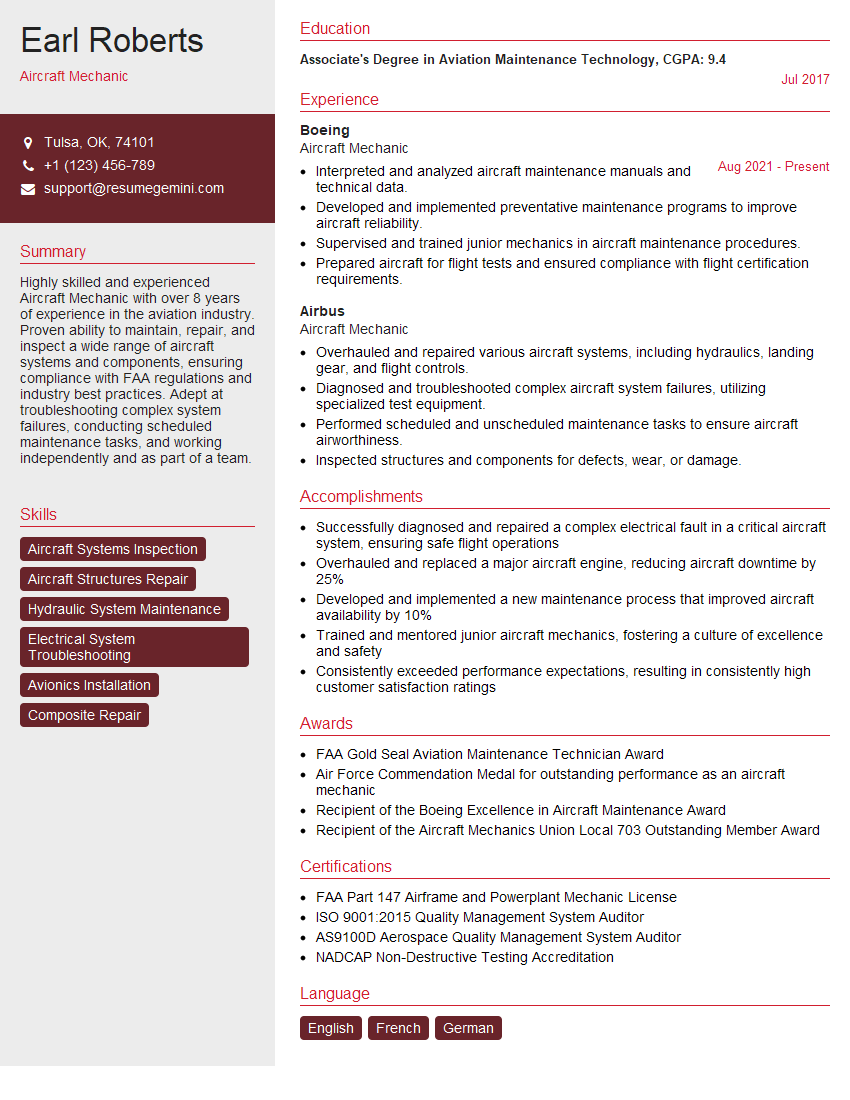
Aircraft Mechanic Resume Sample
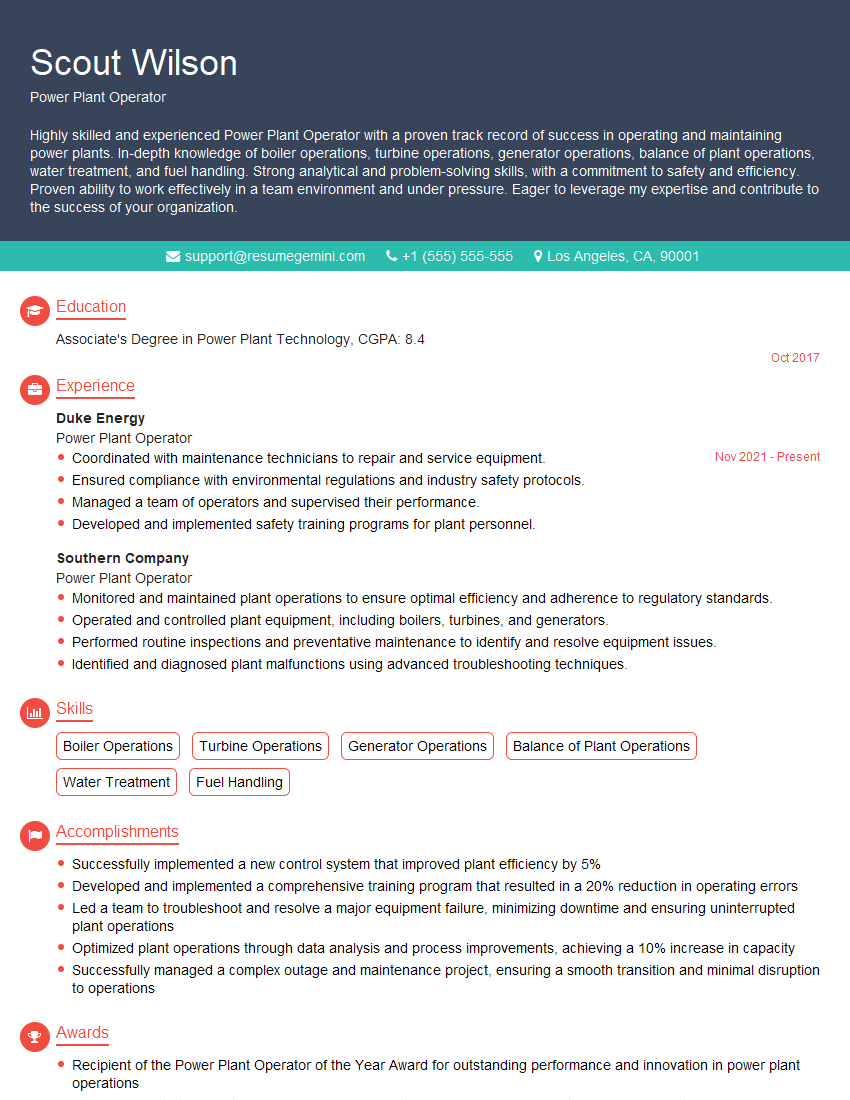
Power Plant Operator Resume Sample
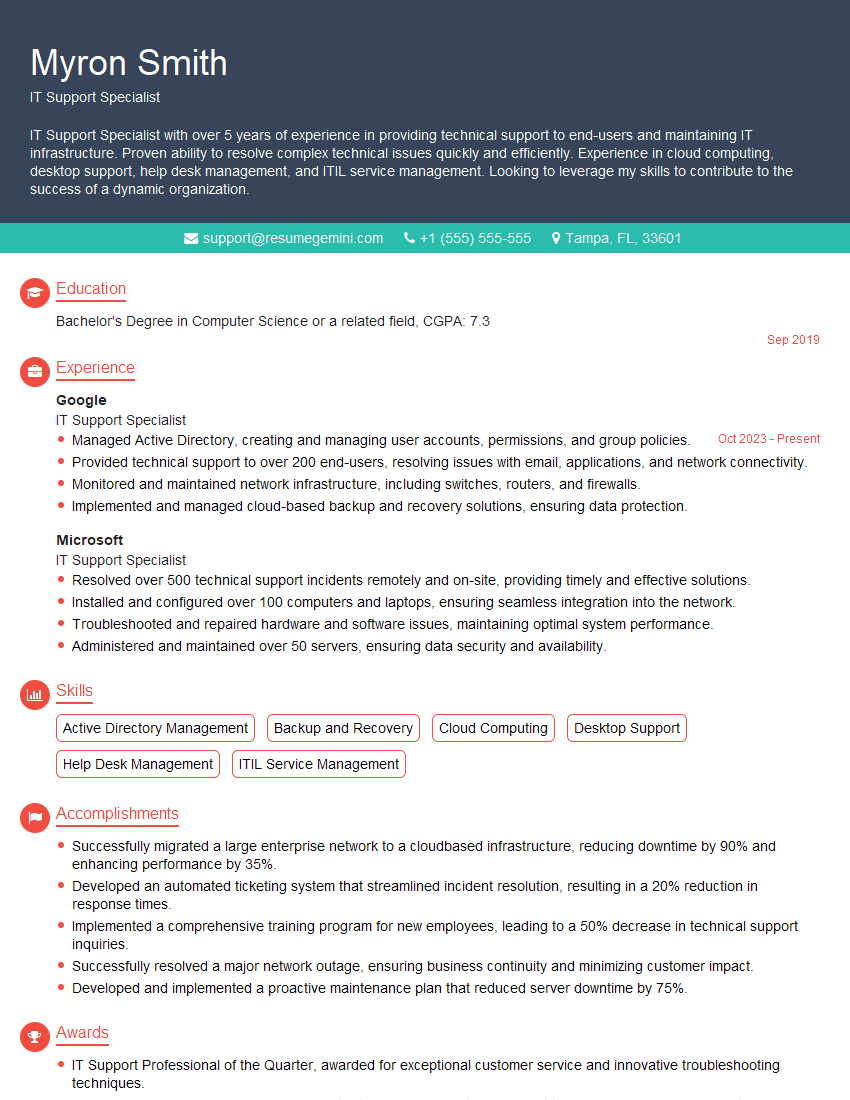
IT Support Specialist Resume Sample
- Network Engineer
- Engineering Technician
- Welding Engineer
- Electronics Technician
- Robotics Technician
- Manufacturing Technician
- Lab Technician
- Nuclear Medicine Technologist
- Sonographer
- Radiology Technologist
- Surgical Technician
- Optical Technician
- Crane Operator
- Agricultural Equipment Operator
- Heavy Equipment Operator
- Forklift Operator
- Aircraft Mechanic
- Power Plant Operator
- IT Support Specialist
Explore more articles
Users Rating of Our Blogs
Share Your Experience
We value your feedback! Please rate our content and share your thoughts (optional).
What Readers Say About Our Blog
Really detailed insights and content, thank you for writing this detailed article.
IT gave me an insight and words to use and be able to think of examples