Interviews are opportunities to demonstrate your expertise, and this guide is here to help you shine. Explore the essential Academic and Test Standards interview questions that employers frequently ask, paired with strategies for crafting responses that set you apart from the competition.
Questions Asked in Academic and Test Standards Interview
Q 1. Explain the difference between formative and summative assessment.
Formative and summative assessments are two crucial types of evaluation used in education, differing primarily in their purpose and timing. Formative assessment is ongoing, integrated into the learning process, and designed to improve teaching and learning. Think of it as a ‘check-in’ during a journey. It provides feedback to both the teacher and the student, guiding adjustments to instruction and learning strategies. Examples include quizzes, class discussions, and informal observations. Summative assessment, on the other hand, occurs at the end of a learning unit, course, or program, providing a summary of student achievement. It’s like the ‘final destination’ assessment. Examples include final exams, standardized tests, and projects that encapsulate the entire learning experience. The key difference lies in their purpose: formative assessments are for improvement, while summative assessments are for evaluation.
Consider a teacher teaching fractions. Formative assessments might involve quick checks for understanding throughout the lesson, allowing the teacher to address misconceptions immediately. A summative assessment would be a unit test at the end, measuring overall mastery of the fraction concepts.
Q 2. Describe different types of validity and reliability in educational assessment.
Validity and reliability are essential qualities of any good assessment, ensuring that it measures what it intends to measure (validity) and does so consistently (reliability). Several types of validity exist:
- Content Validity: Does the assessment adequately cover the content intended to be measured? For example, a math test should cover all relevant topics in the curriculum, in proportion to their importance.
- Criterion-Related Validity: How well does the assessment predict performance on an external criterion? For example, does a college entrance exam accurately predict a student’s first-year GPA?
- Construct Validity: Does the assessment accurately measure the underlying construct it is intended to measure? This is often more abstract. For instance, does an intelligence test truly measure intelligence, and not something else?
Reliability refers to the consistency of the assessment. Types include:
- Test-Retest Reliability: Does the test yield similar scores when taken at different times? A reliable test should provide consistent results over time.
- Internal Consistency Reliability: Do different parts of the test measure the same construct? This is often assessed using Cronbach’s alpha, a statistic indicating the extent to which test items correlate.
- Inter-rater Reliability: For subjective assessments like essays, do multiple raters score the same response consistently?
Ensuring both validity and reliability requires careful test design, clear instructions, appropriate item selection, and rigorous statistical analysis.
Q 3. How do you ensure alignment between curriculum standards and assessments?
Alignment between curriculum standards and assessments is paramount for effective evaluation. This means the assessment should accurately reflect what students are expected to learn. Several strategies ensure this alignment:
- Detailed Curriculum Mapping: Create a clear map outlining all learning objectives, standards, and related concepts. This map then becomes the foundation for test development.
- Item Analysis: Each assessment item should be reviewed to determine if it accurately reflects a specific learning objective or standard. This involves careful consideration of the cognitive skills being assessed.
- Table of Specifications: A table is developed showing the relationship between the curriculum standards and the assessment items, ensuring adequate representation of all topics. This table visually demonstrates the alignment.
- Pilot Testing and Review: Before widespread use, assessments should be piloted with a sample of students, followed by a review process to identify areas where alignment is weak.
For example, if a curriculum standard states that students should be able to solve quadratic equations, the assessment must include questions that test this specific skill. Lack of alignment leads to assessments that do not accurately measure student learning and misguides instructional decisions.
Q 4. What are the key principles of good test design?
Good test design is crucial for obtaining valid and reliable results. Key principles include:
- Clear Learning Objectives: The test must directly assess the specific learning objectives of the curriculum.
- Appropriate Item Types: Select item types that accurately measure the desired cognitive skills (e.g., multiple-choice for recall, essays for critical thinking).
- Item Clarity and Conciseness: Items should be unambiguous and easy to understand, avoiding jargon or overly complex language.
- Appropriate Difficulty Level: Items should be challenging but not impossible, striking a balance that discriminates effectively between students of different proficiency levels.
- Balanced Representation of Content: The test should cover all relevant content areas in proportion to their importance in the curriculum.
- Test Length: The test should be long enough to adequately assess the domain but not so long as to cause fatigue or decrease accuracy.
- Thorough Review and Piloting: Before deployment, tests should undergo thorough review and piloting to identify and correct any flaws.
A poorly designed test, with ambiguous questions or uneven distribution of difficulty, will not provide accurate or reliable information about student learning.
Q 5. Explain the concept of Item Response Theory (IRT).
Item Response Theory (IRT) is a sophisticated statistical model used to analyze test data and develop more precise assessments. Unlike classical test theory, which focuses on total test scores, IRT models the probability of a student responding correctly to an item based on their underlying ability and the item’s difficulty. This allows for more nuanced understanding of student performance and item characteristics.
IRT involves estimating two key parameters for each item:
- Item Difficulty: How likely is it that a student of average ability will answer the item correctly?
- Item Discrimination: How well does the item differentiate between students of high and low ability?
IRT models also estimate the ability of each student. This allows for adaptive testing, where the difficulty of the items presented to a student is adjusted based on their responses, making the test more efficient and precise.
Think of it as a more advanced and personalized approach to assessing student knowledge compared to traditional methods. IRT is commonly used in the development of high-stakes standardized tests and adaptive assessments.
Q 6. How do you handle bias in test development and administration?
Bias in test development and administration can significantly impact the validity and fairness of assessments. Addressing bias is critical to ensuring equitable evaluation of all students. Key strategies include:
- Careful Item Review: A team of reviewers, representing diverse backgrounds and perspectives, scrutinize each item for potential biases. This involves considering language, content, and imagery to avoid cultural or gender biases.
- Diverse Item Content: Include items that represent various cultural groups and experiences, reflecting the diversity of the student population.
- Statistical Analysis: Analyze test data to identify differential item functioning (DIF), which occurs when an item behaves differently for different groups of students (e.g., males vs. females) even when they have the same underlying ability.
- Equitable Test Administration: Ensure consistent and fair testing conditions for all students, providing accommodations as necessary for students with disabilities.
- Use of Multiple Assessment Methods: Employ a variety of assessment methods to reduce reliance on a single type of assessment which might be susceptible to bias.
For example, an item referring to a specific cultural activity might be biased against students unfamiliar with that culture. Identifying and mitigating these biases is essential to create assessments that are fair and accurately reflect student knowledge.
Q 7. Describe your experience with different assessment formats (e.g., multiple-choice, essay, performance-based).
My experience encompasses a wide range of assessment formats, each with its own strengths and weaknesses. I’ve extensively worked with:
- Multiple-choice Questions: Efficient for assessing factual knowledge and recall, but can be susceptible to guessing and may not assess higher-order thinking skills.
- Essay Questions: Excellent for evaluating critical thinking, writing skills, and in-depth understanding, but scoring can be subjective and time-consuming.
- Performance-based Assessments: These involve practical demonstrations of skills, such as science experiments or presentations. They offer a more authentic assessment of learning but require careful planning and scoring rubrics.
- Short-answer Questions: A good compromise between multiple choice and essays, allowing for more flexibility in response while reducing the subjectivity of essay scoring.
- Portfolio Assessments: Gathering samples of student work over time, providing a holistic view of learning progress.
The selection of an appropriate format depends on the specific learning objectives and the cognitive skills being assessed. In my practice, I often utilize a combination of these formats to gain a comprehensive understanding of student learning.
Q 8. What are some common challenges in developing standardized tests?
Developing standardized tests presents numerous challenges, often intertwined and requiring careful consideration. One major hurdle is ensuring content validity – making sure the test accurately measures what it intends to measure. This requires extensive subject matter expertise and careful item analysis to eliminate bias and ambiguity. For example, a math test aiming to assess algebra skills shouldn’t include calculus problems. Another challenge lies in establishing reliability. A reliable test produces consistent results over time and across different administrations. This involves statistical analyses like Cronbach’s alpha to assess internal consistency and test-retest reliability. Furthermore, achieving fairness is crucial. The test must be equally accessible and unbiased for all test-takers, regardless of background, gender, or ethnicity. This necessitates careful item review to eliminate culturally biased questions or those that might disadvantage certain groups. Finally, the logistical aspects of test development, including budget constraints, time limitations, and the need for effective scoring and reporting systems, add significant complexity.
- Content Validity Issue Example: A history test focusing on American history inadvertently includes questions heavily reliant on knowledge of European history, disadvantaging students with less exposure to that content.
- Reliability Issue Example: A test with poorly written questions or inconsistent grading procedures may yield drastically different scores for the same student on different occasions.
- Fairness Issue Example: A test containing colloquialisms or idioms unfamiliar to students from diverse linguistic backgrounds creates an unfair advantage for native speakers.
Q 9. How do you interpret and use assessment data to inform instructional decisions?
Assessment data is the cornerstone of informed instructional decision-making. The process begins with a careful analysis of student performance data, going beyond simply looking at overall scores. We examine individual student strengths and weaknesses, identifying areas where students excel and areas requiring further instruction. For instance, if a significant portion of students struggle with a particular concept on a test, it suggests a need to revisit that topic, perhaps using different instructional methods or providing additional support. This might involve differentiated instruction, tailoring teaching strategies to meet individual student needs. We also analyze patterns in student errors. Identifying common mistakes can pinpoint misconceptions and guide future instruction. Analyzing data across different student groups (e.g., by gender, ethnicity, or learning style) can reveal potential biases in the curriculum or instruction. The analysis should lead to concrete actions, such as revising lesson plans, modifying assessments, or implementing targeted interventions. It’s important to remember that assessment data is just one piece of the puzzle. Teacher observations, student self-assessments, and other qualitative data also contribute to a comprehensive understanding of student learning.
Example: If data shows that many students are struggling with solving word problems in mathematics, it might indicate a need to provide more explicit instruction on translating word problems into mathematical equations. We could use small group instruction, provide additional practice problems, or incorporate visual aids to help students understand the problem-solving process.
Q 10. Explain the role of standard setting in test development.
Standard setting is a critical process in test development that determines the cut scores or performance levels on a test. It bridges the gap between raw test scores and meaningful interpretations of student performance. Essentially, it answers the question: ‘What constitutes mastery or proficiency on this test?’ Several methods exist for standard setting, each with its own strengths and weaknesses. Angoff method involves expert judges rating the probability that a minimally competent individual would answer each item correctly. Bookmark method asks judges to identify the point on the score scale that separates minimally competent from non-competent individuals. Contrasting groups method compares the performance of known high- and low-performing groups to identify the score that distinguishes between them. The choice of method depends on the test’s purpose, resources available, and the expertise of the judges. The entire process requires careful planning and documentation to ensure transparency and defensibility. The result of standard setting is a set of cut scores that define different performance levels (e.g., proficient, basic, below basic), providing a meaningful context for interpreting test scores.
Example: In a standardized reading test, standard setting might determine that a score of 70% correctly answered items indicates proficiency, while a score below 50% indicates a need for remedial support.
Q 11. What are some ethical considerations in educational assessment?
Ethical considerations in educational assessment are paramount. Fairness is central – ensuring that all students have an equal opportunity to demonstrate their knowledge and skills, regardless of their background or learning style. This includes avoiding biased items and providing accommodations for students with disabilities. Integrity is also crucial – maintaining the security and confidentiality of test materials and ensuring the accuracy and validity of assessment results. Transparency is essential – providing clear explanations of assessment procedures and criteria to students and stakeholders. Accountability demands responsible use of assessment data to improve teaching and learning, avoiding high-stakes testing practices that could lead to undue stress or narrow curriculum. Respect for students’ rights and dignity involves creating a supportive and respectful assessment environment. This means avoiding practices that could be perceived as humiliating or demeaning and ensuring that students are treated with respect throughout the assessment process. Failing to address these ethical concerns can lead to inaccurate results, inequitable outcomes, and damage to the credibility of the assessment process.
Q 12. How do you ensure the accessibility and fairness of assessments for diverse learners?
Ensuring accessibility and fairness for diverse learners requires a multifaceted approach. Firstly, assessments must be designed to be understandable by all students. This involves using clear and concise language, avoiding jargon and complex sentence structures. Secondly, format and presentation should be flexible, providing alternative formats (e.g., audio, large print) for students with disabilities. Thirdly, testing accommodations should be provided to students with documented needs (e.g., extended time, use of assistive technologies). These accommodations must be appropriate to the student’s specific needs and justified based on documentation. Fourthly, the content of the assessment should reflect the diversity of the student population, avoiding culturally biased items or items that might disadvantage certain groups. Finally, alternative assessment methods (e.g., portfolios, performance-based tasks) may be necessary to provide fair and equitable opportunities for students with diverse learning styles and needs. Regular review of assessment materials and practices through a lens of equity and accessibility is critical. We should regularly consult with specialists in special education and cultural responsiveness to ensure our assessments are truly fair and inclusive.
Q 13. Describe your experience with different types of scoring rubrics.
I have extensive experience with various scoring rubrics, including holistic rubrics, which provide a single overall score based on an integrated assessment of the student’s work, and analytic rubrics, which offer separate scores for different aspects or criteria of the performance. For example, in a writing assessment, a holistic rubric might provide a single score reflecting overall quality, while an analytic rubric might provide separate scores for organization, grammar, and content. I’ve also worked with checklist rubrics, which simply indicate whether specific criteria have been met, and numerical rubrics, assigning numerical values to various levels of performance. The choice of rubric depends on the specific assessment task and the level of detail needed in the evaluation. I’m proficient in designing, using, and refining rubrics to ensure they are clear, consistent, and reliable. My experience includes adapting rubrics to various contexts and ensuring inter-rater reliability through training and calibration sessions. Furthermore, I’m comfortable working with both quantitative and qualitative data generated from rubrics to inform instructional decisions.
Example: In assessing a science experiment, a holistic rubric might assess the overall quality of the experiment, while an analytic rubric could separately assess the procedure, data analysis, and conclusion.
Q 14. How do you ensure the security and integrity of assessments?
Ensuring the security and integrity of assessments involves several key strategies. Secure test storage and distribution are paramount. Tests should be stored in a safe, controlled environment, with access limited to authorized personnel only. The use of secure online platforms with robust authentication and authorization mechanisms is vital for digital assessments. Proctoring procedures should be implemented to prevent cheating and ensure that test-takers are completing the assessments independently. This may involve human proctors, technological proctoring tools, or a combination of both. Item security requires protecting test items from unauthorized access or disclosure. This might involve using unique item banks, implementing strategies to prevent item leakage, and routinely updating test items. Data security is crucial to protect student data and prevent unauthorized access. This includes encrypting data, implementing robust access controls, and complying with data privacy regulations. Regular audits and reviews of security protocols are necessary to identify and address vulnerabilities. Finally, investigating potential breaches is vital if security concerns arise. Addressing any instances of cheating or security breaches promptly and fairly is crucial to maintain the credibility of the assessment.
Q 15. What software or tools are you familiar with for test development and analysis?
My experience encompasses a range of software and tools for test development and analysis. For item creation and test assembly, I’m proficient in tools like TestGen, which allows for efficient question banking and randomized test generation, ensuring test fairness and preventing item memorization. For psychometric analysis, I frequently utilize R with packages like psych and ltm for item response theory (IRT) modeling, reliability analysis (Cronbach’s alpha, KR-20), and factor analysis. I’m also familiar with dedicated assessment platforms such as ExamView and Blackboard’s test tools, offering features for test delivery, grading, and performance tracking. Finally, for data visualization and reporting, I utilize Microsoft Excel and Tableau to create clear and insightful summaries of assessment data for stakeholders.
Career Expert Tips:
- Ace those interviews! Prepare effectively by reviewing the Top 50 Most Common Interview Questions on ResumeGemini.
- Navigate your job search with confidence! Explore a wide range of Career Tips on ResumeGemini. Learn about common challenges and recommendations to overcome them.
- Craft the perfect resume! Master the Art of Resume Writing with ResumeGemini’s guide. Showcase your unique qualifications and achievements effectively.
- Don’t miss out on holiday savings! Build your dream resume with ResumeGemini’s ATS optimized templates.
Q 16. Explain your understanding of criterion-referenced and norm-referenced assessments.
Criterion-referenced assessments compare a student’s performance against a predefined standard or criterion. The focus is on what a student knows and can do relative to specific learning objectives. A driver’s test is a great example – you must demonstrate mastery of specific driving skills to pass, regardless of how other drivers performed. The grading is absolute; passing or failing is determined by achieving a pre-determined performance level. In contrast, norm-referenced assessments compare a student’s performance to the performance of other students in a similar group. The goal is to rank students along a distribution, identifying high, average, and low performers. A standardized aptitude test like the SAT is a classic example; scores are interpreted relative to the scores of other test-takers. The interpretation is relative; a high score means you performed better than most of your peers. Choosing between the two depends on the assessment’s purpose. Criterion-referenced tests are best for measuring mastery of specific skills, while norm-referenced tests are best for comparing individuals or ranking them within a larger group.
Q 17. How would you address concerns about test anxiety among students?
Test anxiety is a significant concern that can negatively impact student performance. My approach to addressing it is multifaceted. First, I advocate for a test-taking skills curriculum, where students learn effective strategies such as time management, efficient reading, and eliminating answer choices. Second, I believe in creating a supportive classroom environment that emphasizes learning over grades, reducing pressure and fostering a growth mindset. Third, desensitization strategies can help, such as low-stakes practice tests and providing opportunities for students to ask questions and clarify any ambiguities in the test instructions or content before the actual assessment. Fourth, I firmly believe in implementing effective communication, informing students about the assessment format and expectations well in advance, clarifying assessment criteria, providing ample time for the assessment, and offering various assessment formats to accommodate diverse learning styles. For students with severe anxiety, collaboration with school counselors or psychologists is crucial to provide personalized support and strategies.
Q 18. Describe your experience with the development and implementation of assessment blueprints.
Developing and implementing assessment blueprints is a cornerstone of effective assessment design. I have extensive experience in this process. It begins with clearly defining the learning objectives. These objectives then inform the content to be assessed, forming the basis of the blueprint’s content domain. Next, we determine the cognitive levels to be tested (e.g., knowledge, comprehension, application, analysis, synthesis, evaluation) using a taxonomy like Bloom’s. The blueprint is a matrix showing the alignment between content domains and cognitive levels, specifying the number of items for each cell. For instance, a blueprint for a history exam might allocate 10% of items to knowledge recall of dates, 20% to comprehension of historical events, and 30% to application of historical concepts to analyze contemporary issues. Finally, we consider the item types (multiple choice, essay, etc.) and scoring methods. The blueprint serves as a roadmap, ensuring the test covers the intended curriculum adequately and fairly.
Q 19. How do you stay current with best practices in academic and test standards?
Staying current with best practices is vital in this field. I actively participate in professional development workshops offered by organizations like the American Educational Research Association (AERA) and the National Council on Measurement in Education (NCME). I regularly read peer-reviewed journals such as Educational Measurement: Issues and Practice and Applied Measurement in Education. I also participate in online communities and forums dedicated to assessment and testing, connecting with other professionals and engaging in discussions about evolving methodologies and emerging technologies. Monitoring updates from relevant professional organizations and government agencies (e.g., changes in standards for standardized tests) ensures that my work aligns with the latest guidelines and best practices.
Q 20. What is your experience with analyzing student performance data?
Analyzing student performance data is crucial for improving instruction and assessment. My experience involves using descriptive statistics to summarize performance (means, standard deviations, percentiles) and employing inferential statistics to identify significant differences between groups (t-tests, ANOVA). I utilize item analysis techniques to evaluate item difficulty, discrimination, and distractor effectiveness, informing future test development. Furthermore, I’m experienced in using IRT modeling to create more precise and efficient assessments. For example, analyzing data from a science test might reveal that a particular topic is consistently difficult for students, indicating a need for more instructional time or alternative teaching strategies. Analyzing item responses can highlight ambiguous or poorly written questions, requiring revision. Ultimately, data analysis informs a continuous improvement cycle for both teaching and assessment.
Q 21. Explain the importance of using clear and concise language in assessment items.
Clear and concise language in assessment items is paramount for ensuring valid and fair assessments. Ambiguous wording can lead to misinterpretations and unfairly penalize students. I always strive for plain language, avoiding jargon and complex sentence structures. Each question should have one, and only one, correct answer. I use precise wording, defining key terms when necessary. For example, instead of asking ‘Discuss the causes of the American Revolution,’ a clearer question might be ‘List three primary causes of the American Revolution.’ Furthermore, distractors (incorrect answer choices in multiple-choice items) should be plausible but clearly distinguishable from the correct answer. Regular pilot testing and review by colleagues are critical steps to identify and eliminate any potential ambiguities before the actual assessment.
Q 22. How do you differentiate between formative and summative assessment data?
Formative and summative assessments are two key approaches to evaluating student learning, differing primarily in their purpose and timing. Formative assessments are ongoing evaluations designed to monitor student progress and inform instruction. Think of them as ‘check-ins’ throughout the learning process. Summative assessments, on the other hand, are end-of-unit or end-of-course evaluations that measure overall learning outcomes. These are the ‘final exams’ that summarize what a student has learned.
- Formative Assessment Examples: Exit tickets, quizzes, class discussions, informal observations, and drafts of written assignments. These assessments provide valuable feedback to both the student and the teacher, allowing for adjustments to teaching strategies mid-course.
- Summative Assessment Examples: Final exams, major projects, standardized tests, and semester-long research papers. These assessments offer a comprehensive overview of a student’s mastery of a specific topic or skill.
In essence, formative assessments guide the learning process, while summative assessments gauge its overall success. Imagine building a house: formative assessments are like regularly checking the foundation and walls throughout the construction, ensuring everything is aligned, while summative assessment is the final inspection to see if the entire house meets standards.
Q 23. How would you approach a situation where test results don’t align with expectations?
When test results don’t meet expectations, a systematic investigation is crucial. This shouldn’t be about assigning blame, but rather about understanding the root causes and implementing effective solutions. My approach involves these steps:
- Analyze the Data: Begin by carefully reviewing the test results, identifying specific areas of weakness. Look for patterns and trends—are particular concepts consistently missed? Are certain student demographics performing significantly below average?
- Examine the Assessment Itself: Evaluate the quality of the assessment. Was it appropriately aligned with learning objectives? Was the test format appropriate? Was there sufficient time allocated? Were there any ambiguities in the questions that might have led to misunderstandings?
- Consider Instructional Practices: Reflect on teaching methods. Were the concepts adequately explained? Were diverse learning styles accommodated? Did students have sufficient opportunities for practice and feedback? Were there any gaps in instruction?
- Gather Feedback: Talk to students, teachers, and parents (where appropriate) to gain additional insights. Ask students about their experiences with the material and the test itself. Teachers can offer valuable feedback on instructional strategies.
- Develop and Implement Interventions: Based on the analysis, design targeted interventions to address the identified weaknesses. This might involve reteaching concepts, providing additional practice, offering differentiated instruction, or modifying assessment strategies.
- Monitor Progress: Track student progress after implementing the interventions. This might involve using additional formative assessments to monitor understanding and make further adjustments as needed.
For example, if a significant number of students struggle with a particular math concept, it might indicate a need for additional practice, small-group tutoring, or a review of the instructional materials. The key is to use the data to inform instructional decisions, creating a continuous cycle of improvement.
Q 24. What strategies do you use to promote student engagement during assessments?
Promoting student engagement during assessments is vital for obtaining accurate and meaningful results. It’s not simply about administering a test; it’s about creating an environment where students feel motivated and confident to demonstrate their knowledge.
- Real-World Connections: Frame assessment questions within relatable contexts. Instead of abstract problems, use scenarios that students can connect to their own lives or experiences.
- Varied Assessment Formats: Move beyond multiple-choice tests. Incorporate a variety of formats, such as short-answer questions, essays, projects, presentations, or performance-based tasks. This caters to different learning styles and keeps students engaged.
- Choice and Autonomy: Offer students choices in their assignments or assessments whenever possible. This allows them to demonstrate their understanding in ways that align with their strengths and interests.
- Collaborative Assessments: Encourage teamwork and collaboration in certain assessment tasks. This fosters a sense of community and allows students to learn from one another.
- Clear and Concise Instructions: Ensure that all instructions are clear, concise, and easy to understand. Ambiguity can lead to frustration and decreased engagement.
- Positive and Supportive Environment: Create a classroom climate that is supportive, encouraging, and free from undue pressure. Focus on effort and learning growth rather than simply grades.
For instance, instead of a purely written exam on historical events, students might create a historical documentary or a role-playing activity. The aim is to make assessment a meaningful learning experience rather than a stressful ordeal.
Q 25. Describe your experience working with stakeholders (teachers, administrators, parents) in the assessment process.
Collaboration with stakeholders—teachers, administrators, and parents—is essential for creating effective and equitable assessment systems. My approach involves open communication, shared decision-making, and a commitment to transparency.
- Teacher Collaboration: I work closely with teachers to align assessments with curriculum goals, ensuring that assessments accurately reflect what is taught in the classroom. This includes providing professional development opportunities to enhance teachers’ assessment literacy.
- Administrator Collaboration: I collaborate with administrators to ensure that assessment practices align with school-wide policies and goals. This often involves providing data-driven reports to inform decision-making and resource allocation.
- Parent Communication: I believe in keeping parents informed about assessment practices and their child’s progress. This might involve parent workshops, individual meetings, or the use of online platforms to share assessment data and provide feedback.
For example, in one school district, I worked with teachers to develop a common assessment system across different grade levels, ensuring consistency and comparability of results. This involved regular meetings to review assessment items, discuss scoring rubrics, and share best practices. This collaborative approach led to a more streamlined and equitable assessment system, ultimately benefiting all students.
Q 26. How do you ensure the cultural appropriateness of assessment materials?
Ensuring the cultural appropriateness of assessment materials is critical for achieving assessment fairness and validity. Assessments should not disadvantage any student because of their cultural background or linguistic preferences.
- Content Analysis: Carefully review assessment materials to ensure that the content is relevant and accessible to students from diverse cultural backgrounds. Avoid using language, imagery, or scenarios that could be offensive or culturally biased.
- Language Accessibility: Provide assessments in multiple languages or formats for students who are not proficient in the dominant language. Consider using translation services or bilingual assessment materials.
- Diverse Representation: Include diverse representations of people and cultures in assessment materials. Avoid using stereotypes or limited representations that might reinforce biases.
- Cultural Sensitivity Training: Provide training to assessment developers and administrators on cultural sensitivity and bias awareness.
- Community Engagement: Involve community members and cultural representatives in the development and review of assessment materials to ensure cultural appropriateness.
For example, if a science assessment uses a scenario that is specific to a particular culture or geographical region, it could be modified to be more inclusive or replaced with a more universal scenario. The goal is to create assessments that are fair, equitable, and provide accurate measures of student learning, regardless of their cultural background.
Q 27. Explain your understanding of different types of test accommodations for students with disabilities.
Test accommodations are modifications or adjustments to the standard testing process designed to provide students with disabilities equal access to assessment opportunities. These accommodations are crucial for ensuring that assessments accurately reflect a student’s knowledge and skills, rather than their disability.
- Time Extensions: Allowing extra time to complete the assessment, recognizing that some students may require more time due to processing speed or other factors.
- Alternative Formats: Providing assessments in alternative formats, such as Braille, large print, audio, or digital versions with text-to-speech capabilities, to meet the sensory needs of the student.
- Assistive Technology: Providing access to assistive technology, such as screen readers, speech-to-text software, or other devices that support the student’s unique learning needs.
- Environmental Modifications: Adjusting the testing environment to reduce distractions, such as providing a quiet testing room or minimizing background noise.
- Reader/Scribe: Providing a reader to read aloud the assessment instructions and questions, and/or a scribe to write down the student’s responses. This caters to students with reading difficulties or physical limitations.
- Calculator Use: Allowing the use of calculators in math assessments, if needed, to focus on conceptual understanding rather than computational skills.
The selection of appropriate accommodations should be based on the individual student’s needs, as identified through a comprehensive assessment of their strengths and weaknesses. It’s crucial to remember that accommodations are not a form of lowering expectations, but rather a way to ensure fair and accurate evaluation.
Key Topics to Learn for Academic and Test Standards Interview
- Curriculum Development and Alignment: Understanding principles of curriculum design, aligning assessments with learning objectives, and ensuring standards-based instruction.
- Assessment Design and Implementation: Developing valid and reliable assessments (e.g., formative and summative), analyzing assessment data to inform instruction, and applying appropriate assessment methods for diverse learners.
- Test Validity and Reliability: Understanding concepts of validity (content, criterion, construct) and reliability (internal consistency, test-retest), and interpreting statistical data related to test quality.
- Standardized Testing and Accountability: Familiarity with standardized testing programs, interpreting test scores, and understanding the role of accountability in educational systems.
- Fairness and Equity in Assessment: Addressing issues of bias and ensuring equitable assessment practices for all students, including those with diverse learning needs and backgrounds.
- Data Analysis and Interpretation: Utilizing assessment data to track student progress, identify areas needing improvement, and inform instructional decisions. This includes understanding descriptive and inferential statistics relevant to educational contexts.
- Legal and Ethical Considerations: Understanding relevant laws and ethical guidelines related to assessment, student privacy (FERPA), and test security.
- Technology Integration in Assessment: Utilizing technology effectively for assessment purposes, including online testing platforms and adaptive assessment tools.
- Professional Development and Collaboration: Demonstrating a commitment to ongoing professional development and collaborative work in the field of assessment and standards.
Next Steps
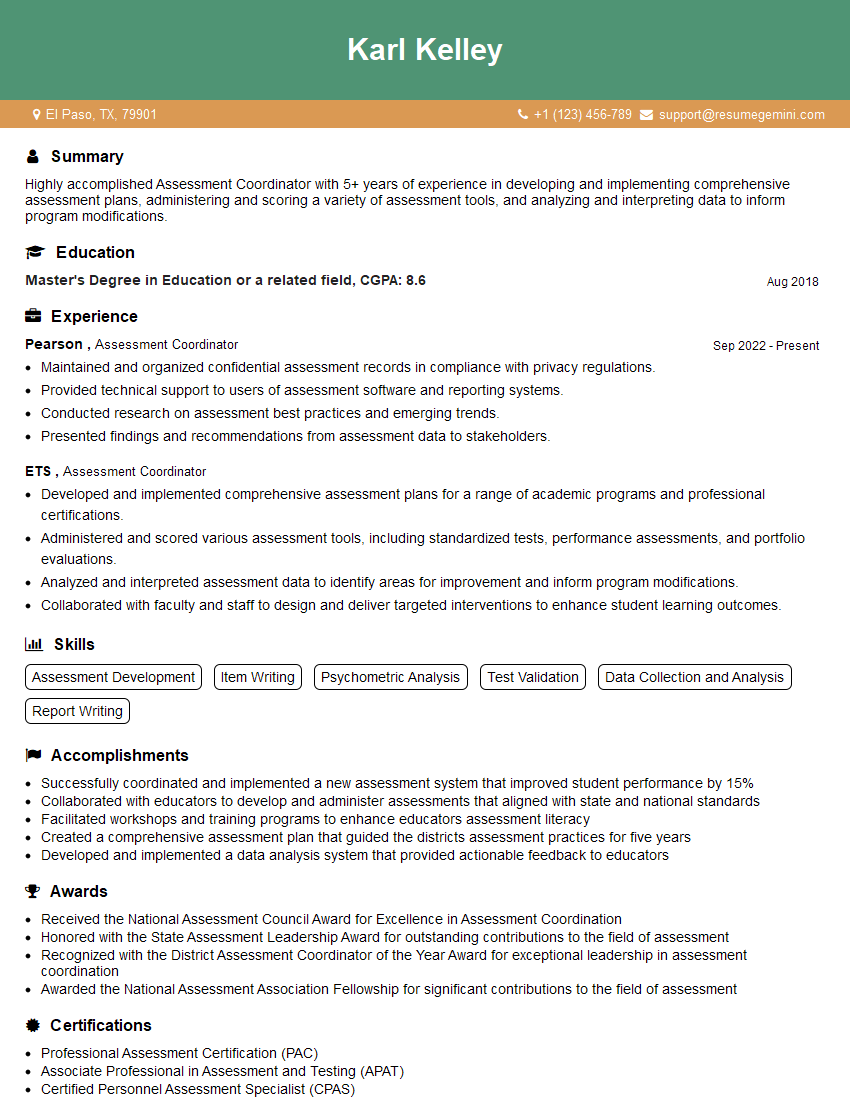
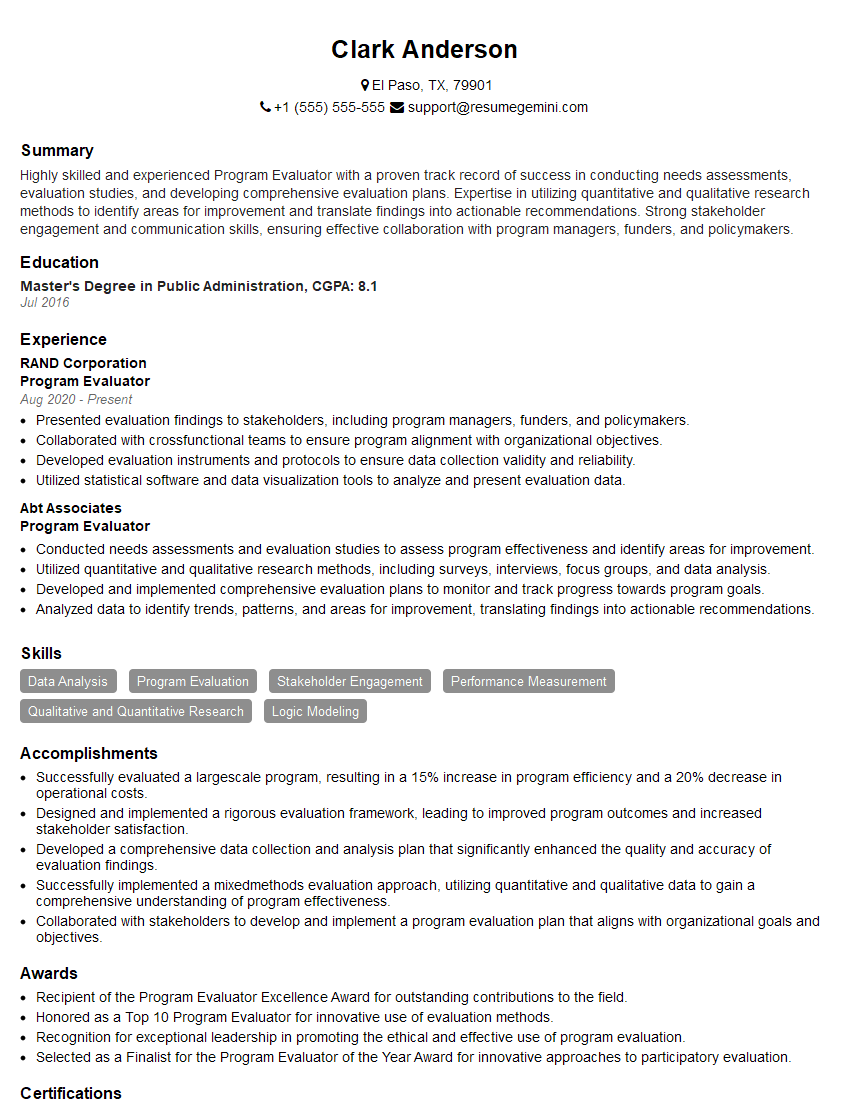
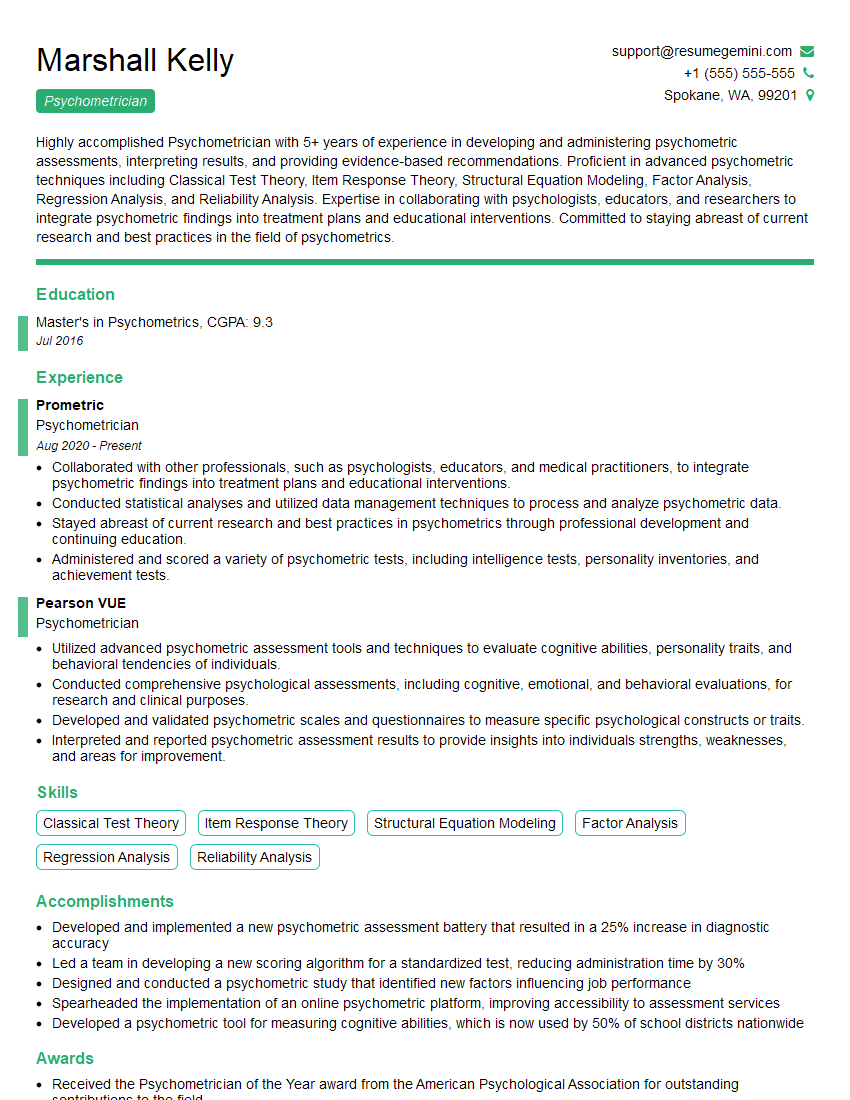
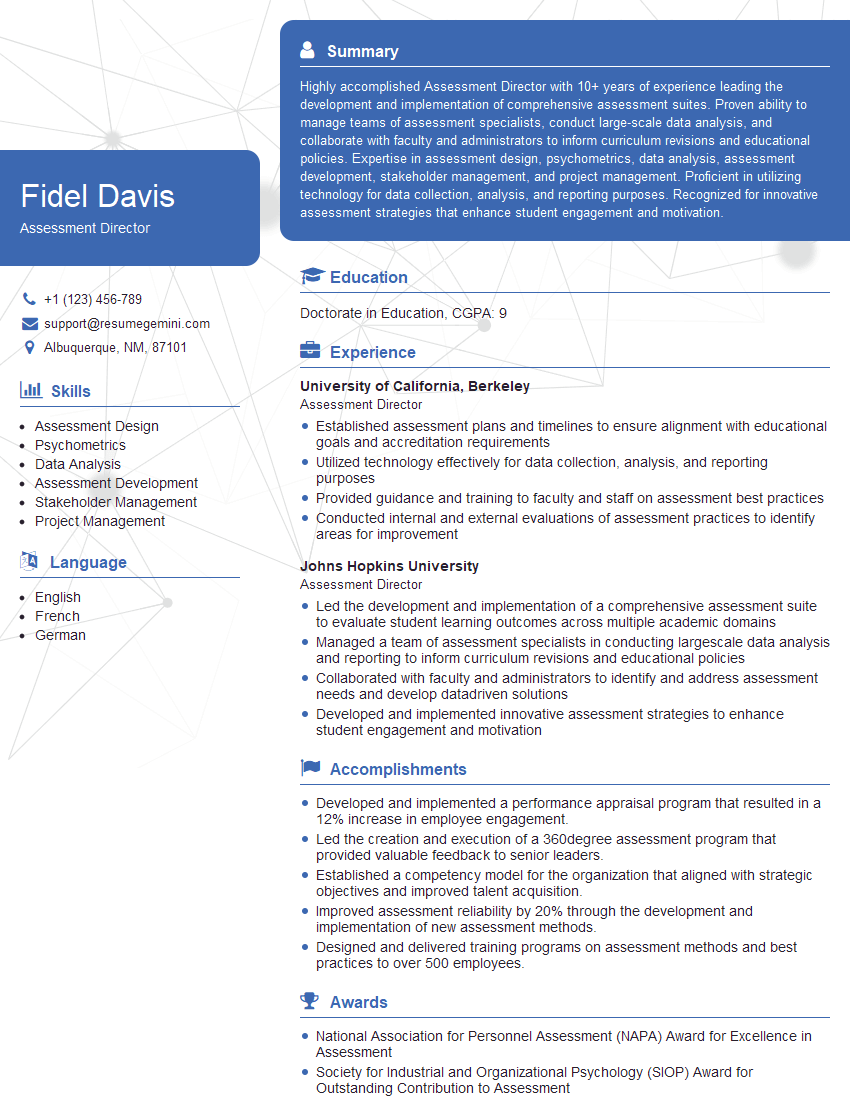
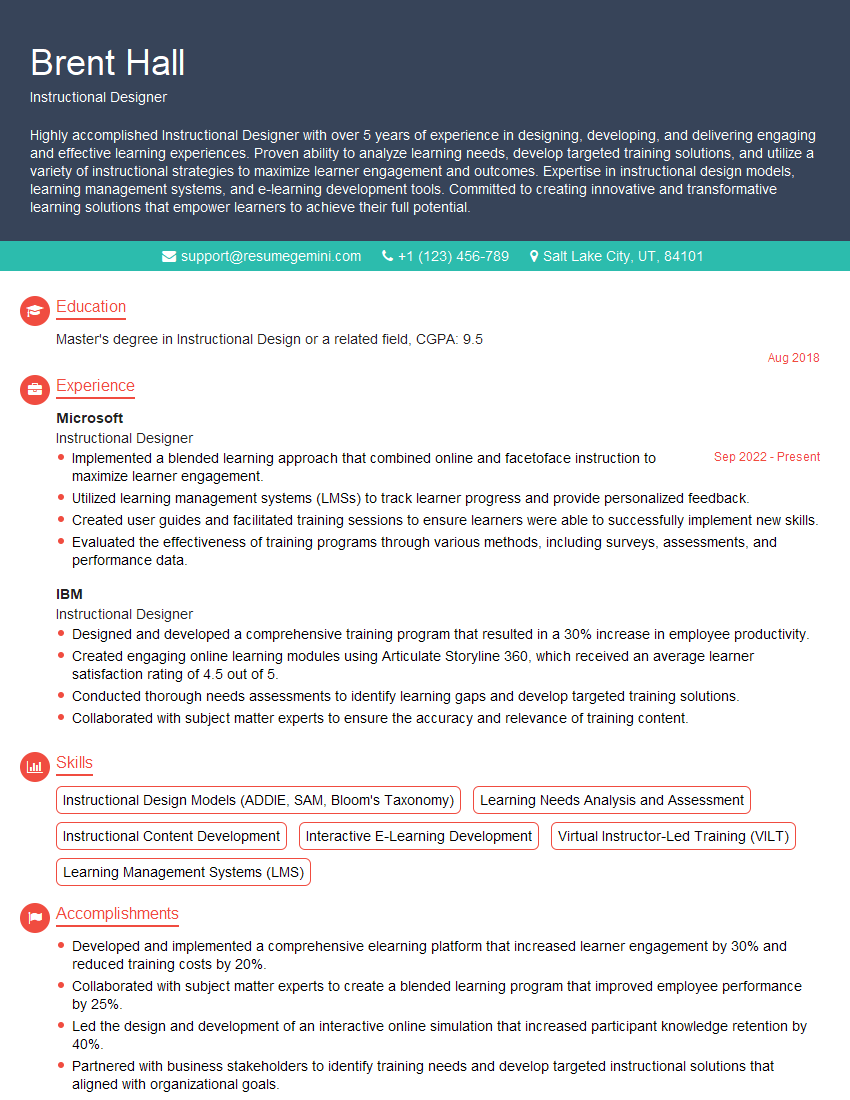
Mastering Academic and Test Standards is crucial for career advancement in education and related fields. A strong understanding of these principles demonstrates your commitment to quality instruction and student success. To enhance your job prospects, create an ATS-friendly resume that highlights your relevant skills and experience. ResumeGemini is a trusted resource that can help you build a professional resume tailored to your specific needs. Examples of resumes tailored to Academic and Test Standards are available within ResumeGemini to guide you through the process. Take the next step and craft a compelling resume that showcases your expertise – your dream career awaits!

Explore more articles
Users Rating of Our Blogs
Share Your Experience
We value your feedback! Please rate our content and share your thoughts (optional).
What Readers Say About Our Blog
Really detailed insights and content, thank you for writing this detailed article.
IT gave me an insight and words to use and be able to think of examples