The thought of an interview can be nerve-wracking, but the right preparation can make all the difference. Explore this comprehensive guide to Acetylene Torch Operation interview questions and gain the confidence you need to showcase your abilities and secure the role.
Questions Asked in Acetylene Torch Operation Interview
Q 1. What are the safety precautions when using an acetylene torch?
Safety is paramount when working with an acetylene torch. Acetylene is highly flammable and can be explosive under certain conditions. Here’s a breakdown of key precautions:
- Proper Ventilation: Always work in a well-ventilated area to prevent the buildup of acetylene gas, which can lead to explosions or asphyxiation. Think of it like this: you wouldn’t cook in a sealed room – the same principle applies here.
- Protective Gear: This includes safety glasses or a face shield to protect your eyes from sparks and intense heat, welding gloves to shield your hands, and flame-resistant clothing to protect your body from burns. Think of it as your personal suit of armor against potential hazards.
- Cylinder Handling: Acetylene cylinders must be stored and handled upright to prevent damage to the valves and potential leaks. Never drag or drop them. Keep them away from heat sources and ignition sparks. Remember, these cylinders contain pressurized gas – treat them with the utmost respect.
- Leak Detection: Regularly inspect hoses, regulators, and connections for leaks using a soapy water solution. Bubbles indicate a leak that needs immediate attention. Don’t ever use an open flame to check for leaks – use soap and water instead.
- Fire Extinguisher: Always have a readily available fire extinguisher rated for Class B (flammable liquids) and Class C (electrical) fires nearby. Know how to use it!
- Training: Proper training from a qualified instructor is essential before operating an acetylene torch. Never attempt to use the torch without proper training. This isn’t something you can learn from a YouTube video!
Q 2. Explain the process of lighting and extinguishing an acetylene torch.
Lighting and extinguishing an acetylene torch involves a specific procedure to ensure safety and prevent accidents.
Lighting:
- Ensure adequate ventilation and wear appropriate safety gear.
- Open the acetylene valve slightly and then the oxygen valve slightly.
- Strike a spark using a lighter or flint striker near the torch tip.
- Slowly increase the acetylene flow, followed by oxygen, observing the flame characteristics, until you achieve the correct flame type for the task (neutral, oxidizing, or carburizing – explained in the next question).
Extinguishing:
- First, close the acetylene valve completely.
- Then, close the oxygen valve.
- Allow the torch to cool down completely before storing it. The residual heat could ignite flammable materials if not careful.
Never leave a lit torch unattended.
Q 3. Describe the different types of acetylene torch tips and their applications.
Acetylene torch tips are categorized by size and design to optimize performance for various applications. The size refers to the diameter of the orifice, influencing the flame size and heat output. The design impacts the type of flame and its suitability for welding or cutting.
- Welding Tips: These tips produce a concentrated flame suitable for joining metals. Different sizes cater to varying metal thicknesses and welding types.
- Cutting Tips: These are designed with an additional preheating orifice surrounding a central oxygen jet. The preheating flames heat the metal to the kindling point, allowing the oxygen jet to cut through it.
- Neutral Flame Tip: The most common welding tip type. It creates a balanced flame which is essential for high quality welds.
- Oxidizing Flame Tip: This flame contains excessive oxygen and is used for applications such as brazing, where rapid oxidation is desirable.
- Carburizing Flame Tip: This flame contains excessive acetylene and is generally used in specialized applications or when welding certain types of metals.
Choosing the correct tip size and type is crucial for optimal results. An incorrectly sized tip can result in poor welds or cuts, potentially leading to failure and waste.
Q 4. How do you adjust the flame for different welding/cutting tasks?
Adjusting the flame involves manipulating the flow of acetylene and oxygen gases. The desired flame characteristics depend on the task:
- Neutral Flame: This flame, ideal for welding, has an inner cone that is sharply defined and bright white with a light blue outer envelope. Achieved by balanced acetylene and oxygen flow.
- Oxidizing Flame: Has a shorter inner cone and a bluish-purple outer envelope, indicating excessive oxygen. Used for brazing and sometimes for cutting thin materials.
- Carburizing Flame: Exhibits a long, feathery inner cone and a yellowish outer envelope, indicating an excess of acetylene. Used for applications that require higher carbon content in the metal.
Adjustment is done by carefully controlling the gas flow using the valves on the torch handle. For example, to increase the flame size, you’d increase the acetylene flow. To make it more oxidizing, you increase the oxygen flow.
Q 5. What are the signs of a faulty acetylene torch setup?
Recognizing a faulty setup is crucial for safe operation. Signs can include:
- Weak or erratic flame: This might indicate low gas pressure, a clogged tip, or a leak in the system. Weak flame means insufficient heat for welding/cutting.
- Sooting or excessive smoke: Suggests an excessively rich (acetylene-rich) flame. Improper flame balance leads to poor welds and potential hazards.
- Backfiring or popping noises: Could signal a flashback or issues with the gas mixture. A very dangerous sign. Always take proper safety measures.
- Leaks: Detected by using a soapy water solution along the hoses, regulators, and connections. Any bubbles indicate a leak and the need for immediate attention.
- Unusual sounds from regulator or cylinders: Noises might point to a problem with the pressure control mechanisms.
If any of these issues are observed, cease operation immediately and investigate the problem. Never force gas flow. Remember, safety is always paramount.
Q 6. How do you identify and prevent flashback in an acetylene torch?
Flashback occurs when the flame travels back into the torch hose or regulator. This is extremely dangerous, potentially causing explosions or severe burns. The most common reason is improper gas mixture or a clogged tip, causing flame impingement.
Identifying Flashback:
- A loud whooshing sound from the torch.
- A sudden increase in temperature.
- A change in the flame characteristics, or the flame traveling into the hose.
Preventing Flashback:
- Regular maintenance: Keep the torch tip clean and free of obstructions.
- Proper gas mixture: Ensure the correct acetylene/oxygen ratio for the intended task.
- Flashback arrestors: Install flashback arrestors in the acetylene and oxygen hoses to prevent the flame from propagating backward. These are crucial safety devices.
- Careful operation: Avoid rapid changes in gas flow or using excessive pressure.
By observing careful procedures and regular checks, the risk of flashback can be significantly reduced.
Q 7. What are the hazards associated with acetylene gas?
Acetylene gas presents several hazards, primarily due to its flammability and potential for explosion:
- Flammability: Acetylene is highly flammable, igniting easily and burning rapidly.
- Explosiveness: Under certain conditions, especially high pressure and confinement, acetylene can form explosive mixtures with air.
- Toxicity: In high concentrations, acetylene can displace oxygen in the air, leading to asphyxiation.
- Decomposition: Under high temperatures or pressure, acetylene can decompose explosively, releasing significant energy.
Understanding these hazards and implementing appropriate safety measures is essential for safe operation. Remember to always work in a well-ventilated area and never use acetylene gas carelessly.
Q 8. What are the proper procedures for handling and storing acetylene cylinders?
Acetylene cylinders are highly volatile and require careful handling and storage. Think of them like pressurized balloons filled with a highly reactive gas – you need to treat them with respect.
- Securely upright: Always store cylinders upright and secured to prevent them from tipping over. Imagine what could happen if one falls – a serious safety hazard!
- Away from ignition sources: Keep them far away from any heat sources, sparks, or open flames. Think of it like storing gasoline – you wouldn’t keep it near a lit match!
- Proper ventilation: Ensure adequate ventilation in the storage area to prevent the build-up of flammable gases. Fresh air is crucial for safety.
- Protective caps: Always keep the protective caps on the cylinder valves when not in use. This is like keeping a lid on a pressure cooker – it prevents accidental release.
- Designated area: Store acetylene cylinders separately from oxygen cylinders and other flammable materials. Separation minimizes the risk of a catastrophic event.
- Away from direct sunlight: Heat from direct sunlight can increase pressure inside the cylinder, potentially leading to a dangerous situation.
- Regular inspection: Periodically inspect cylinders for any damage, corrosion, or leaks. Regular checks prevent potential accidents down the line.
Following these procedures is not just a guideline, it’s a safety imperative, reducing the risk of fire, explosion and injury.
Q 9. How do you check for leaks in an acetylene torch system?
Checking for leaks in an acetylene torch system is a crucial safety precaution. A small leak can quickly escalate into a dangerous situation.
- Soap solution test: This is the most common method. Mix a solution of water and dish soap. Apply it liberally to all connections, valves, and hoses. Bubbles will form where there’s a leak. The size of the bubble indicates the leak severity.
- Pressure gauge monitoring: Observe the pressure gauge on the acetylene cylinder. A slow but steady drop in pressure when the torch is turned off indicates a leak somewhere in the system.
- Listen carefully: A hissing sound may indicate a leak, especially in high-pressure sections of the system.
- Smell test (with caution): Acetylene has a distinctive odor. However, relying solely on smell is dangerous because small leaks might not be noticeable, and prolonged exposure can be harmful.
If a leak is detected, immediately shut off the gas supply, and ventilate the area before attempting any repairs. Remember, prevention is always better than cure, and addressing leaks quickly can prevent serious accidents.
Q 10. Explain the process of preheating metal before welding with an acetylene torch.
Preheating the metal before welding with an acetylene torch is essential for achieving a strong, quality weld. It’s like preparing the ground before planting a seed – proper preparation ensures healthy growth.
The process involves using a lower flame to gradually heat the metal to a suitable temperature. This is often referred to as the ‘cherry red’ temperature, where the metal glows a dull reddish-orange. The specific temperature will depend on the metal’s type and thickness. This reduces thermal shock, preventing cracking and ensuring proper fusion of the weld metal with the base material.
The preheating step helps in:
- Better fusion: It allows for a better bond between the base metal and the filler rod.
- Reduced warping: It minimizes the risk of distortion during the welding process.
- Improved penetration: By ensuring even heat distribution, it allows for deeper penetration of the weld.
Proper preheating depends on understanding the material properties and using proper techniques.
Q 11. What are the different types of welds that can be made using an acetylene torch?
Oxy-acetylene welding offers versatility allowing for different weld types. The choice depends on the project’s needs and desired weld characteristics.
- Butt welds: Joining two pieces of metal end-to-end.
- Lap welds: Overlapping two pieces of metal and welding along the overlap.
- T-welds: Joining two pieces of metal at a right angle, forming a ‘T’ shape.
- Corner welds: Joining two pieces of metal at a right angle along their edges.
- Edge welds: Welding along the edges of two pieces of metal.
The choice of weld type and technique depends on the specific application and requires skill and experience in controlling the flame and metal flow.
Q 12. How do you control the penetration depth during welding with an acetylene torch?
Controlling penetration depth during oxy-acetylene welding requires precision and skill. It’s like controlling the depth of a hole you’re drilling – too shallow, and it’s weak; too deep, and you risk damage.
Key factors influencing penetration depth:
- Flame size and type: A larger, more concentrated flame increases penetration. Choosing the right flame type (neutral, oxidizing, or carburizing) is also critical.
- Welding speed: Slower speeds allow for deeper penetration. It’s like drawing a line slowly versus quickly – a slow, steady movement creates a deeper line.
- Torch angle: The angle of the torch relative to the workpiece significantly impacts penetration. Experimentation and practice will show what angle works best for the material.
- Filler rod technique: The way the filler rod is fed into the weld pool influences penetration and weld bead formation.
Mastering these factors takes experience. You’ll learn to adjust the variables to achieve the desired penetration for a given material thickness and application.
Q 13. Describe the process of cutting metal using an oxy-acetylene torch.
Metal cutting with an oxy-acetylene torch relies on the heat of the flame to raise the metal’s temperature to its ignition point. Then, a high-velocity jet of oxygen is introduced to rapidly oxidize and cut through the metal. Imagine a controlled burn, but instead of ash, you have molten metal being expelled.
The process generally involves:
- Preheating: The metal is heated with a neutral flame to the ignition point.
- Oxygen introduction: Once the metal is hot enough, the oxygen valve is opened. The oxygen jet reacts with the heated metal, producing a highly exothermic reaction (which generates heat) and melts the metal.
- Cutting action: The intensely heated metal is then pushed out of the kerf (the cut) by the force of the oxygen jet.
Safety is paramount. Always use appropriate safety equipment, including eye protection and gloves, and work in a well-ventilated area.
Q 14. What factors affect the quality of a weld made with an acetylene torch?
Several factors influence the quality of an acetylene torch weld. Achieving a high-quality weld requires attention to detail in each aspect.
- Surface preparation: Clean, dry metal surfaces are critical for proper fusion. Think of it like gluing two pieces of wood together – a clean surface guarantees a strong bond.
- Flame adjustment: A correctly adjusted neutral flame is crucial for achieving good penetration and preventing oxidation or carbonization.
- Welding speed: Maintaining a consistent welding speed ensures a uniform weld bead.
- Filler metal: Using the correct filler metal for the base metal is essential for a strong and durable weld.
- Post-weld heat treatment: Depending on the metal and application, post-weld heat treatment may be necessary to relieve stress and improve the weld’s properties. This is like tempering steel – it improves its overall strength and durability.
- Operator skill: Experienced welders consistently produce high-quality welds due to years of practice and experience.
Producing consistently high-quality welds requires meticulous attention to detail, skillful technique, and a thorough understanding of the process. Continuous learning and improvement are key to becoming an expert.
Q 15. How do you determine the appropriate gas pressure for welding/cutting different metals?
Determining the correct gas pressure for oxy-acetylene welding and cutting is crucial for achieving quality welds and clean cuts. It depends on several factors, primarily the thickness and type of metal being worked. Thicker metals require higher pressures to generate the necessary heat for melting and cutting. Different metals also have varying melting points and require adjusted pressure settings.
For example, cutting mild steel might require an oxygen pressure of around 15-20 PSI and an acetylene pressure of around 5 PSI. However, for thicker steel or cutting stainless steel, significantly higher pressures may be necessary. Always consult a pressure chart specific to your equipment and the metal you’re working with. These charts are usually provided by the equipment manufacturer or found in welding handbooks. Think of it like adjusting the heat on a stove – a delicate piece of fish needs low heat, while a steak requires higher heat. Similarly, different metals need different ‘heat’ settings (pressures) to be properly welded or cut. Improper pressure can lead to weak welds, incomplete cuts, or even equipment damage.
It’s also important to remember that the pressures are not fixed values; you’ll need to fine-tune them based on your specific setup, torch tip size and the ambient temperature.
Career Expert Tips:
- Ace those interviews! Prepare effectively by reviewing the Top 50 Most Common Interview Questions on ResumeGemini.
- Navigate your job search with confidence! Explore a wide range of Career Tips on ResumeGemini. Learn about common challenges and recommendations to overcome them.
- Craft the perfect resume! Master the Art of Resume Writing with ResumeGemini’s guide. Showcase your unique qualifications and achievements effectively.
- Don’t miss out on holiday savings! Build your dream resume with ResumeGemini’s ATS optimized templates.
Q 16. What are the common problems encountered when using an acetylene torch and how do you solve them?
Several common problems can occur during acetylene torch operation. One frequent issue is incomplete combustion, resulting in a smoky, sooty flame instead of a clean, sharp blue flame. This is often due to improper gas mixture, insufficient oxygen pressure, or a clogged torch tip. To resolve this, check and adjust the oxygen and acetylene pressures, ensuring a proper oxygen-acetylene ratio. Clean or replace the torch tip if necessary.
Another problem is backfiring, where the flame retracts into the torch body. This can be dangerous and is usually caused by an obstructed tip, a sudden change in gas pressure, or an incorrect ignition procedure. To avoid this, always preheat the tip before igniting the gases, avoid sudden pressure changes, and ensure the torch tip is clear. Regular cleaning of the torch is key.
Weak welds or cuts can result from insufficient heat, improper pressure adjustment, or a lack of operator skill. Ensure appropriate gas pressures, proper tip size selection, and efficient technique. Finally, safety issues should always be prioritized. Leaking gas connections should be identified and corrected by tightening connections or replacing faulty equipment. Protective clothing, goggles and gloves are paramount and need to be part of the process. Safety is not an option but a critical part of the workflow.
Q 17. Explain the importance of proper ventilation when using an acetylene torch.
Proper ventilation is absolutely essential when using an acetylene torch because the combustion process produces various harmful gases, including carbon monoxide, which is odorless, colorless, and highly toxic. Acetylene itself also poses risks if not properly handled. Inadequate ventilation can lead to asphyxiation or carbon monoxide poisoning, which can be fatal. Always work in a well-ventilated area or use local exhaust ventilation to remove harmful gases. Think of it like using a charcoal grill indoors – extremely dangerous. The same principle applies to using an acetylene torch; you need to ensure that you are in a well-ventilated area, which will allow the fumes to be safely dispersed. In confined spaces this needs even more emphasis and consideration.
Q 18. What are the different types of metals that can be welded/cut using an acetylene torch?
Oxy-acetylene welding and cutting can be used on a wide variety of metals, including mild steel, stainless steel, cast iron, brass, bronze, copper, and aluminum. However, the ease and effectiveness of welding/cutting can vary significantly based on the metal’s properties. Some metals weld more readily than others. For example, welding mild steel is quite common, whereas welding some aluminum alloys may require specialized techniques and filler metals.
The choice of welding rod also depends on the base metal. Using the wrong filler metal can compromise the weld’s quality and strength. Always choose the appropriate filler metal and flux depending on your chosen material.
Q 19. What are the limitations of acetylene torch welding/cutting compared to other methods?
While oxy-acetylene welding and cutting are versatile and useful techniques, they do have limitations compared to other modern methods. One major limitation is the relatively lower welding speed compared to methods like MIG or TIG welding. The process also produces more heat-affected zones (HAZ) around the weld, which can sometimes negatively affect the base metal. Acetylene welding is not usually as precise as other methods and requires a higher level of skill and expertise to produce high-quality welds.
Additionally, the portability of acetylene equipment can be limited compared to some other welding methods, especially on large-scale projects. It also has a higher risk of safety hazards, including burns, explosions, and gas poisoning if proper safety measures are not followed. In modern industrial settings, other welding methods frequently offer better efficiency, quality, and safety.
Q 20. Describe your experience with different types of acetylene torch regulators.
My experience encompasses various acetylene torch regulators, from single-stage to two-stage regulators. Single-stage regulators provide a simple pressure reduction from the cylinder pressure to the working pressure. They’re relatively inexpensive but offer less precise control. Two-stage regulators, on the other hand, provide a more refined control over the gas flow. They’re typically preferred for precision welding and cutting applications as they offer better pressure stability and consistency. I’ve worked with various brands and models of both types, learning how to properly adjust and maintain each type to ensure optimal performance and safety. Understanding their differences is key to success; a two-stage regulator will provide a smoother and more consistent workflow.
I also have experience with regulators that incorporate safety features, like pressure relief valves and pressure gauges that provide visual confirmation of the working pressure, which is an important component in ensuring a safe working environment. Safety is paramount, and these features are crucial in preventing accidents.
Q 21. How do you maintain and clean an acetylene torch?
Maintaining and cleaning an acetylene torch is crucial for its longevity and safe operation. After each use, the torch tip should be thoroughly cleaned to remove any slag, spatter, or carbon deposits. This can usually be done using a wire brush or specialized cleaning tools. It is important that the cleaning is thorough and the tip is clear to ensure proper gas flow.
Regular inspection of the hoses and connections for leaks or damage is also vital. Any signs of wear or damage should be addressed promptly. The hoses should be inspected for cracks and/or kinks, and should be replaced if needed. Always use proper safety measures during any maintenance activity, ensuring that the cylinders are turned off and the system is depressurized before performing any maintenance. The proper care and maintenance of your equipment will prolong its life and minimize the chance of accidents.
Q 22. What are the different types of welding rods used with an acetylene torch and their applications?
The choice of welding rod depends heavily on the base metal being welded and the desired properties of the weld. Different filler metals offer varying strengths, corrosion resistance, and weldability.
Mild Steel Rods: These are the most common, used for joining mild steel components. They offer good strength and are relatively easy to weld. I’ve used these extensively in construction projects, welding steel frames and support structures.
Stainless Steel Rods: Used for welding stainless steel, these rods provide excellent corrosion resistance. The welding technique requires more precision due to the higher melting point and susceptibility to oxidation. I’ve employed these in projects involving food processing equipment where hygiene and durability are paramount.
Aluminum Rods: Welding aluminum requires specific rods and techniques due to its high thermal conductivity and tendency to oxidize quickly. These rods usually contain alloying elements to match the base metal. I’ve worked with these in aerospace applications, specifically in aircraft repair and maintenance, demanding extremely high quality welds.
Cast Iron Rods: Welding cast iron is challenging due to its brittle nature and tendency to crack. Special rods are designed to minimize cracking and ensure a strong weld. I’ve had experience with this in repairing antique machinery where preserving the integrity of the original casting was critical.
The selection process always begins with identifying the base metal and its composition. The data sheet for the base metal will often specify compatible filler rods. Consulting these resources and my experience has been key to successful projects.
Q 23. Explain the importance of using appropriate personal protective equipment (PPE) when using an acetylene torch.
Using appropriate PPE is paramount for safety in acetylene torch operation. The intense heat, UV radiation, and potential for sparks and molten metal make protection absolutely essential. Neglecting safety can lead to serious injury.
Welding Helmet with Shade 5 or higher: This protects the eyes from intense UV radiation and the glare from the welding arc, preventing eye damage like welder’s flash. The shade number indicates the level of protection, and higher numbers offer more protection.
Welding Gloves: Heavy-duty leather gloves protect hands from burns and sparks. These should be specifically designed for welding and in good condition.
Welding Jacket and Apron: A flame-resistant jacket and apron made of leather or special fabrics shield the body from sparks, spatters, and radiant heat.
Safety Shoes: Steel-toe boots prevent foot injuries from falling objects or accidental impacts.
Hearing Protection: The operation of the torch and the intense heat can generate loud noise. Earplugs or muffs are necessary to prevent hearing loss.
In my experience, consistently using proper PPE has not only protected me from injuries but has also improved my concentration and overall performance during welding operations. Safety is never a compromise.
Q 24. Describe your experience working with different types of metal thicknesses using an acetylene torch.
My experience encompasses working with a wide range of metal thicknesses using an acetylene torch, from thin sheet metal to thicker plates. The techniques and equipment need adjustments to handle varying thicknesses.
Thin Sheet Metal: Requires a small tip size and a low gas pressure to prevent burning through. A gentle, controlled flame is critical. I’ve used this in automotive repair, working on body panels and sheet metal components.
Medium Thickness Metal: Uses a medium-sized tip and appropriately adjusted gas pressures. The technique balances speed and penetration to achieve a strong, clean weld. I’ve used this often in general fabrication and structural work.
Thick Plates: Welding thick plates necessitates a large tip, higher gas pressures, and a preheating process to achieve penetration and prevent cracking. This requires more experience and control. I’ve encountered this in heavy machinery repairs and industrial construction projects.
The key is understanding the relationship between tip size, gas pressure, and travel speed. Adjusting these parameters based on metal thickness is crucial for achieving quality welds and preventing defects. Experience allows for an intuitive adjustment of these parameters, minimizing trial and error.
Q 25. What safety procedures do you follow after completing a welding task with an acetylene torch?
After completing a welding task, thorough safety procedures are essential to prevent accidents and ensure a safe work environment. My routine always includes:
Turn off the acetylene and oxygen supply: Always close the valves on the cylinders and the regulators first, then disconnect the hoses.
Allow the torch and metal to cool completely: This prevents accidental burns or fires.
Inspect the work area for sparks or embers: Ensure that all potential ignition sources are extinguished.
Properly store the acetylene and oxygen cylinders: These should be stored upright, secured, and away from ignition sources.
Clean the work area: Remove any slag, spatter, or debris from the welding area to prevent accidents.
These steps might seem simple, but they are crucial. Many accidents happen during post-welding activities due to complacency. Following a strict routine helps make post-welding as safe as the welding process itself.
Q 26. How would you respond to a flashback during acetylene torch operation?
A flashback is a dangerous event where the flame travels back into the torch and hoses, potentially causing serious damage or injury. The telltale sign is a loud roar and a very intense flame emanating from the hose connection.
Immediate Actions:
Immediately shut off both the acetylene and oxygen valves at the cylinders. This is the most crucial step; do it quickly and decisively. Don’t worry about the torch; your safety is paramount.
Move away from the area. The flashback might damage the torch or hoses, and there’s a risk of explosion or fire.
Allow the equipment to cool completely. Never attempt to handle the equipment while it is hot.
Inspect the torch and hoses for damage. If damage is present, replace the components before resuming welding. Never reuse damaged equipment.
If possible, have the equipment checked by a qualified technician to prevent reoccurrence.
Prevention is key. Regularly inspect your hoses and fittings for cracks or leaks to minimize the risk of flashbacks. Proper maintenance and a methodical approach to operation are vital to prevent them.
Q 27. How do you select the correct size of the tip for the specific application?
Tip selection is crucial for achieving quality welds. The correct tip size ensures efficient gas mixing and the appropriate flame size for the metal thickness. Incorrect tip selection can lead to poor penetration, excessive heat, or incomplete fusion.
The tip size is usually indicated by a number, typically ranging from 000 to 10 or higher. Larger numbers indicate larger tips.
Thin Metals: Use smaller tip numbers (e.g., 000, 0).
Thicker Metals: Use larger tip numbers (e.g., 1, 2, 3, or higher).
Manufacturers provide charts that correlate tip size to metal thickness. This is usually indicated in the torch manual and on packaging for replacement tips. I always consult these charts, then adjust based on my experience and the specific situation.
Choosing the incorrect tip can lead to difficulties like poor penetration, excessive spatter, or even burning through thin materials. A proper tip selection makes the job easier, quicker, and significantly safer.
Q 28. What are the signs of a backfire in an acetylene torch and how do you address it?
A backfire is a minor and less dangerous event than a flashback. It occurs when the flame momentarily pops back into the mixing chamber of the torch. It’s usually accompanied by a distinct ‘popping’ sound. While less severe, repeated backfires can damage the torch tip and are a sign of potential problems.
Addressing Backfires:
Reduce the acetylene flow rate. A backfire often indicates that there is too much acetylene relative to oxygen.
Check the tip for clogging. A clogged or dirty tip can disrupt the gas flow, causing backfires. Clean or replace the tip as necessary.
Inspect the hoses for leaks. Leaks can disrupt the gas mixture, leading to backfires. Replace any damaged sections of hose.
Ensure proper gas pressure settings. Incorrect gas pressures can contribute to backfires. Consult the manufacturer’s recommendations.
Repeated backfires are a clear indication of a problem. Ignoring them can lead to more serious issues and potentially damage the torch. Addressing the cause of backfires is important not just for the immediate issue but for the overall health and safety of the process.
Key Topics to Learn for Acetylene Torch Operation Interview
- Acetylene Generation and Properties: Understand the chemical process of acetylene production, its properties (flammability, reactivity), and safety precautions related to its storage and handling.
- Torch Setup and Adjustment: Master the proper techniques for assembling and adjusting the acetylene torch, including regulating gas flow and achieving the correct flame type (neutral, carburizing, oxidizing).
- Welding Techniques: Familiarize yourself with various welding techniques using an acetylene torch, such as butt welding, lap welding, and fillet welding. Understand the importance of proper joint preparation.
- Cutting Techniques: Learn different cutting techniques with an acetylene torch, including the principles of preheating and oxygen cutting. Understand the factors affecting cut quality and speed.
- Safety Procedures and Regulations: Thoroughly understand all safety protocols associated with acetylene torch operation, including personal protective equipment (PPE), fire prevention, and emergency procedures. Be prepared to discuss relevant OSHA regulations.
- Troubleshooting and Maintenance: Learn to identify and troubleshoot common problems encountered during acetylene torch operation, such as flame instability, improper gas mixing, and equipment malfunctions. Understand routine maintenance procedures for the torch and related equipment.
- Material Selection and Compatibility: Understand the types of metals that can be effectively welded or cut using an acetylene torch and the considerations for material selection based on the application.
- Practical Applications: Be prepared to discuss real-world applications of acetylene torch operation in various industries, such as fabrication, repair, and maintenance.
Next Steps
Mastering acetylene torch operation opens doors to rewarding careers in diverse industries. Demonstrating proficiency in this skill significantly enhances your job prospects. To increase your chances of landing your dream role, create a compelling and ATS-friendly resume that effectively showcases your skills and experience. We highly recommend using ResumeGemini to build a professional and impactful resume. ResumeGemini provides a user-friendly platform and offers examples of resumes tailored to Acetylene Torch Operation to help you create a document that stands out. Invest the time to craft a strong resume; it’s a crucial step towards a successful career in this field.
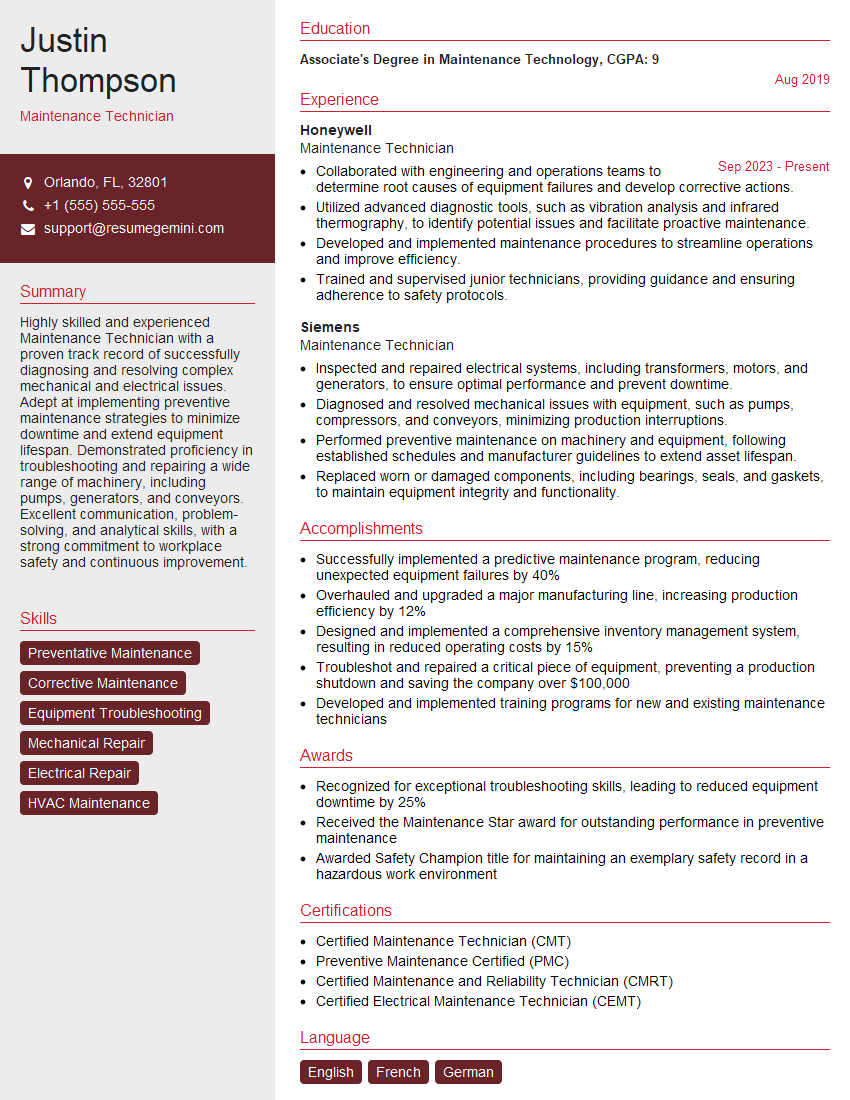
Maintenance Technician Resume Sample
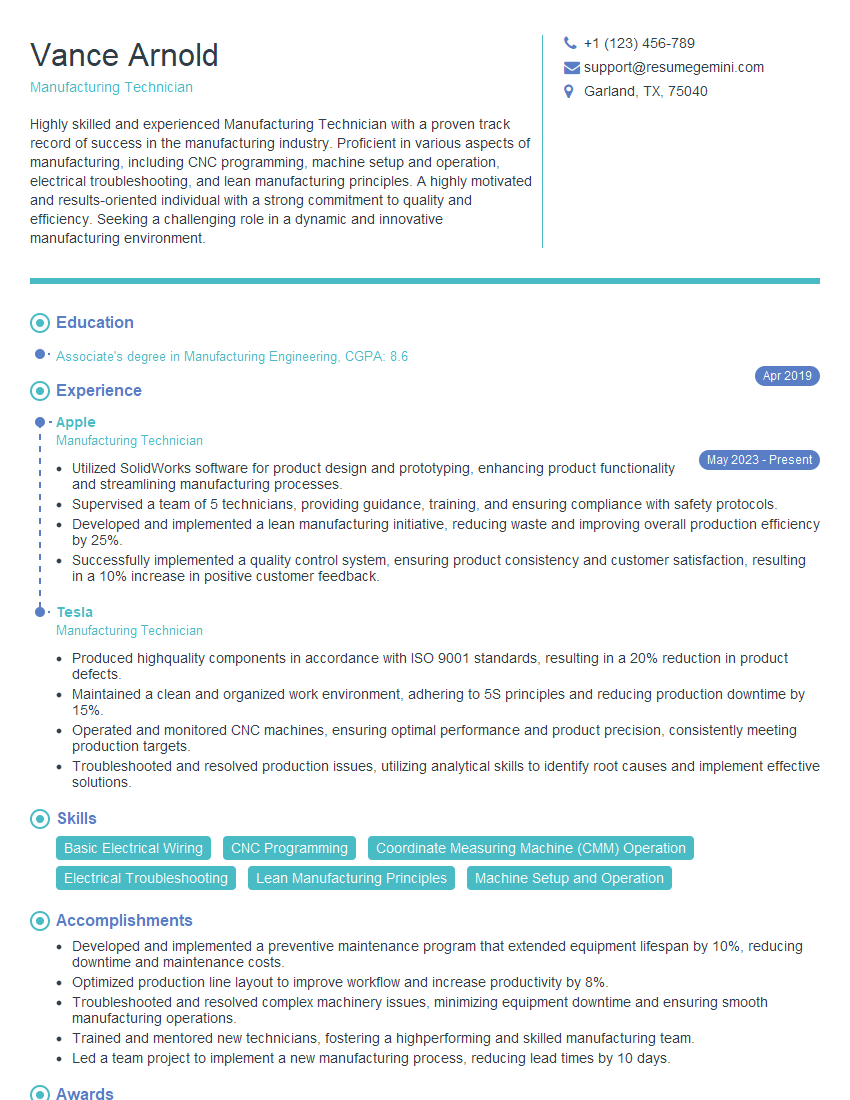
Manufacturing Technician Resume Sample
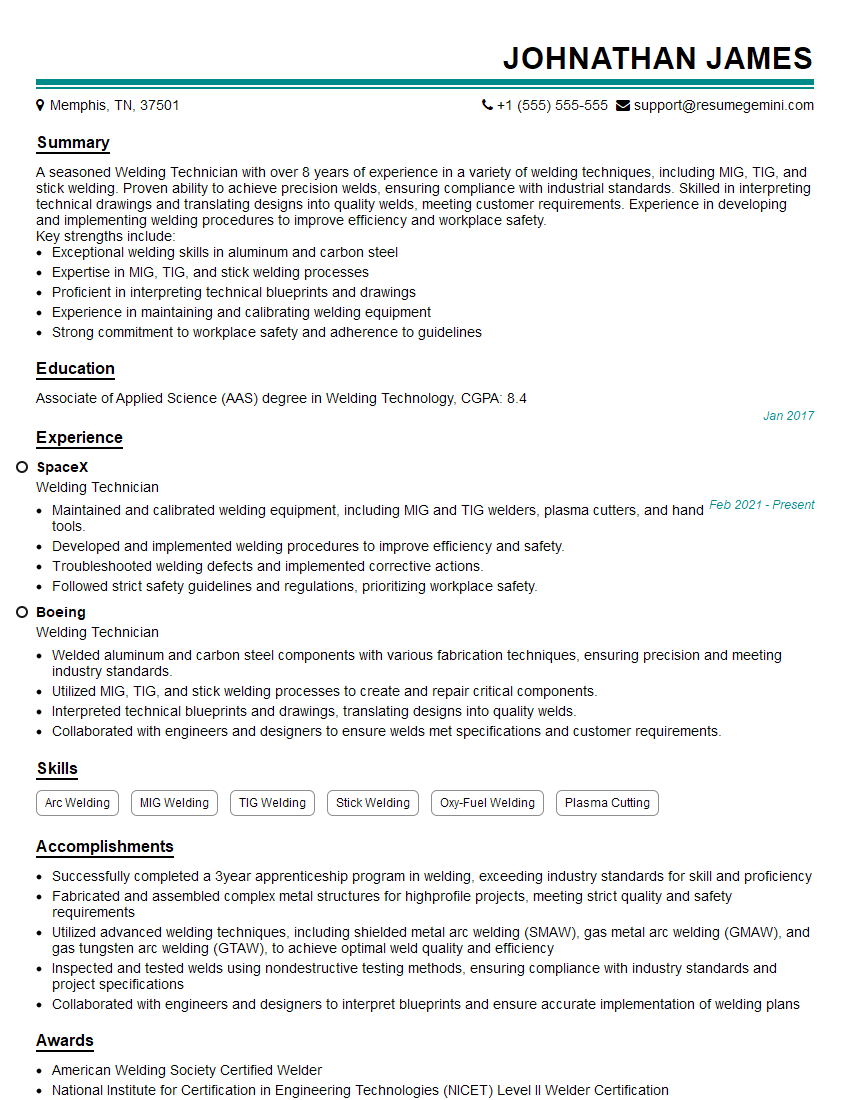
Welding Technician Resume Sample

Welding Instructor Resume Sample
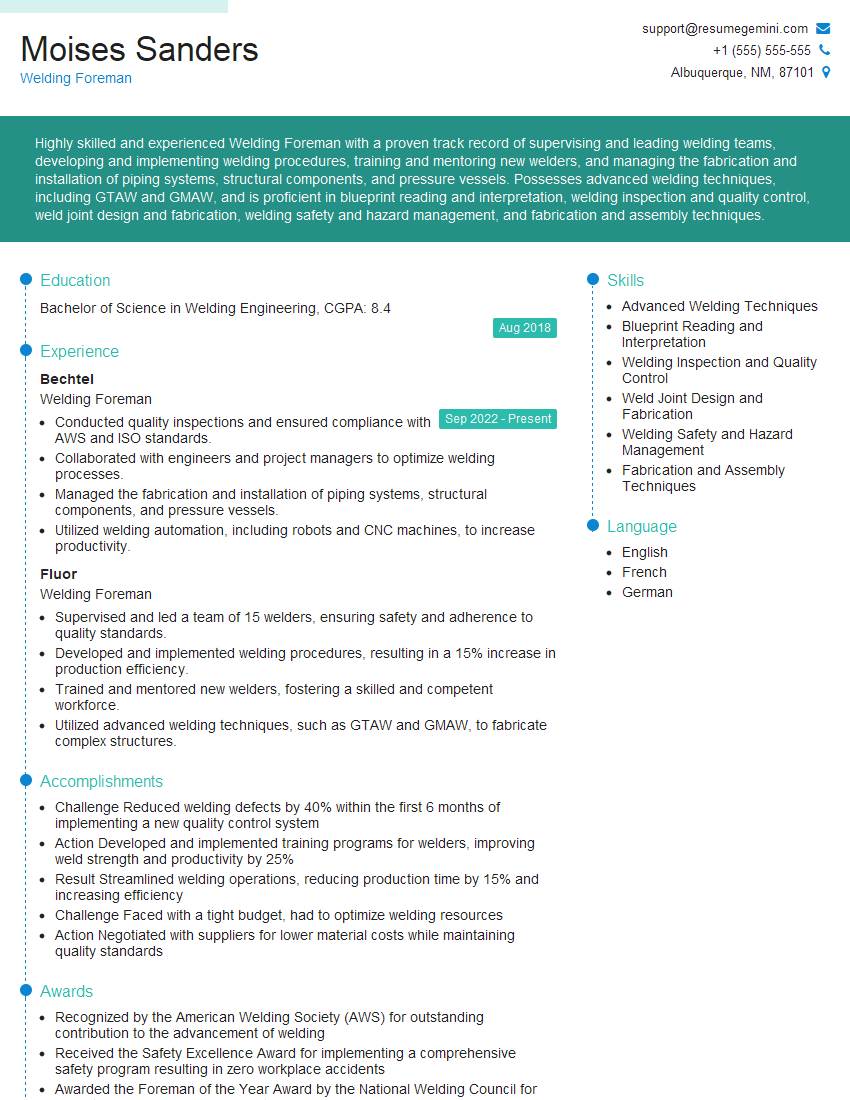
Welding Foreman Resume Sample

Plumbing Technician Resume Sample
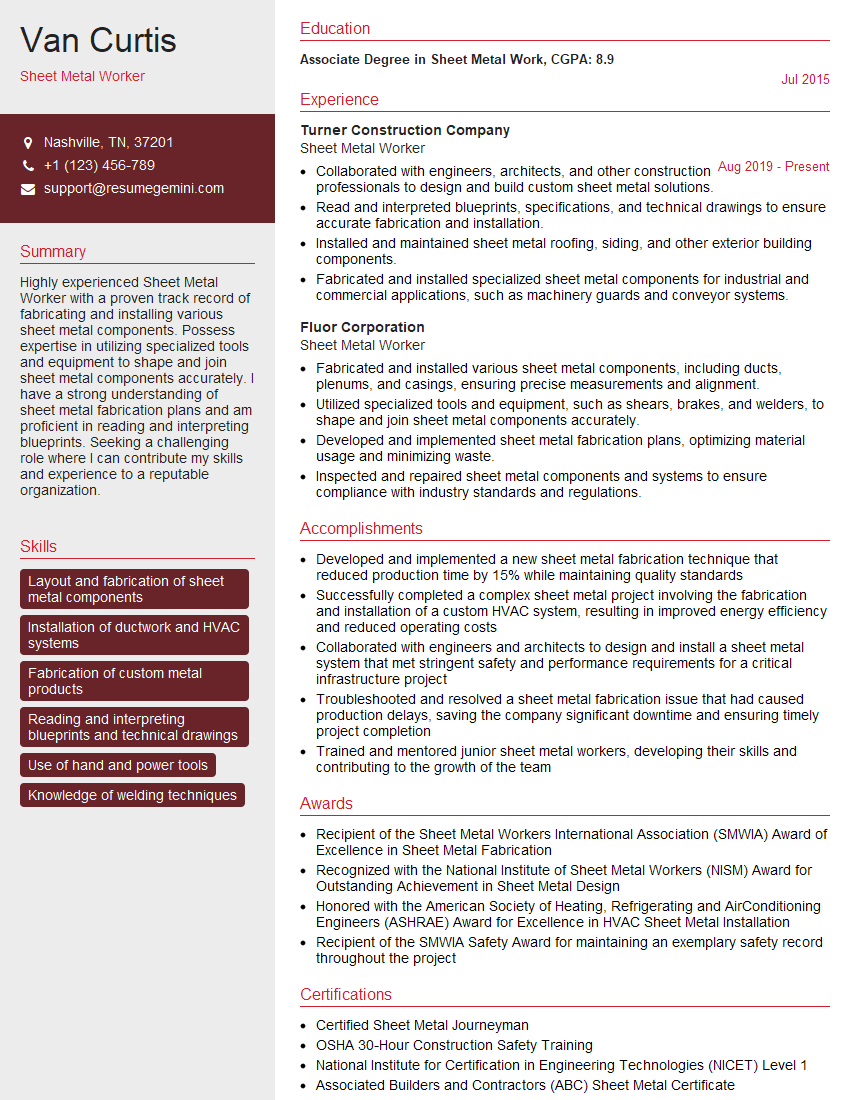
Sheet Metal Worker Resume Sample
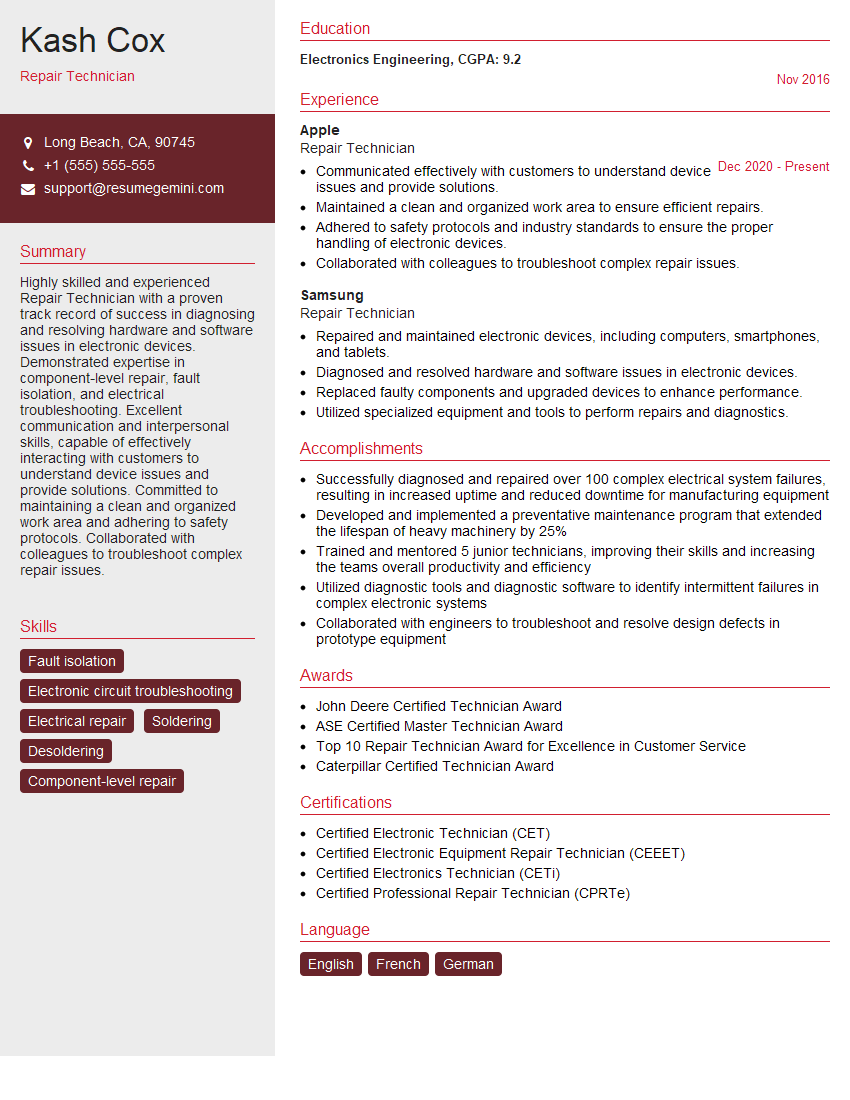
Repair Technician Resume Sample
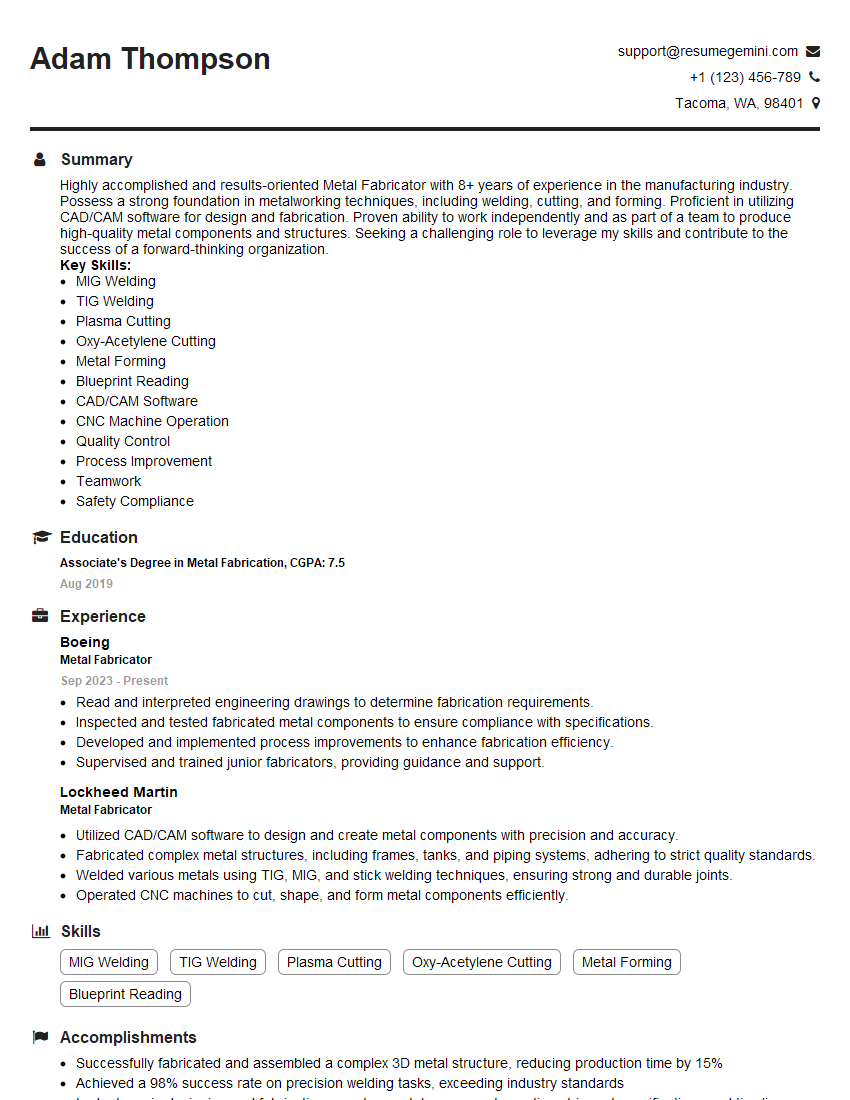
Metal Fabricator Resume Sample

Welder Resume Sample
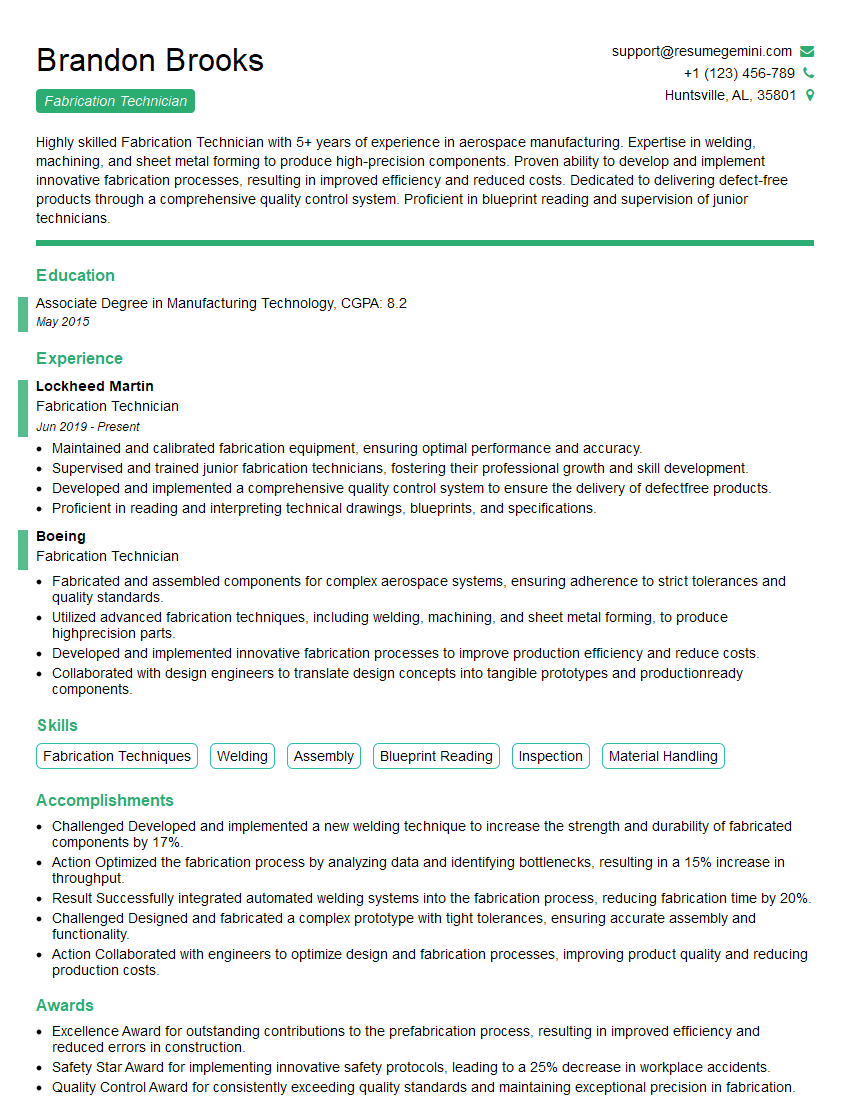
Fabrication Technician Resume Sample
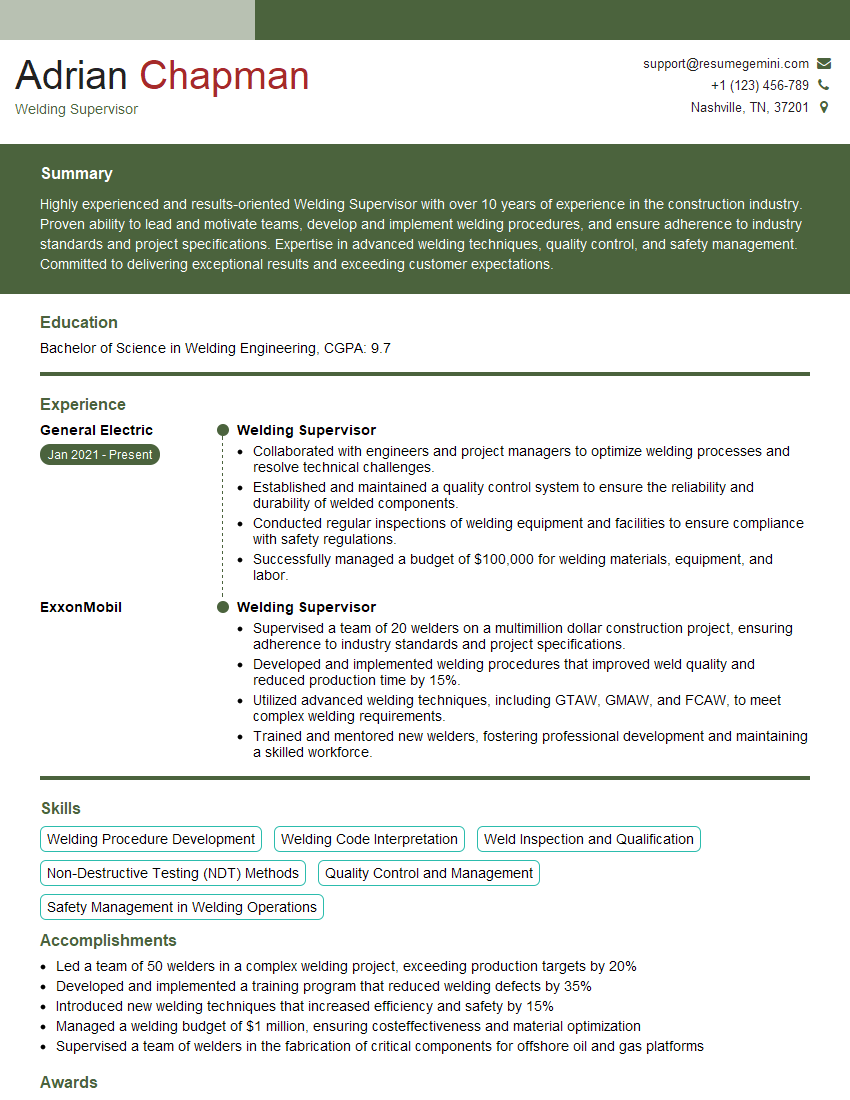
Welding Supervisor Resume Sample

Cutting Torch Operator Resume Sample
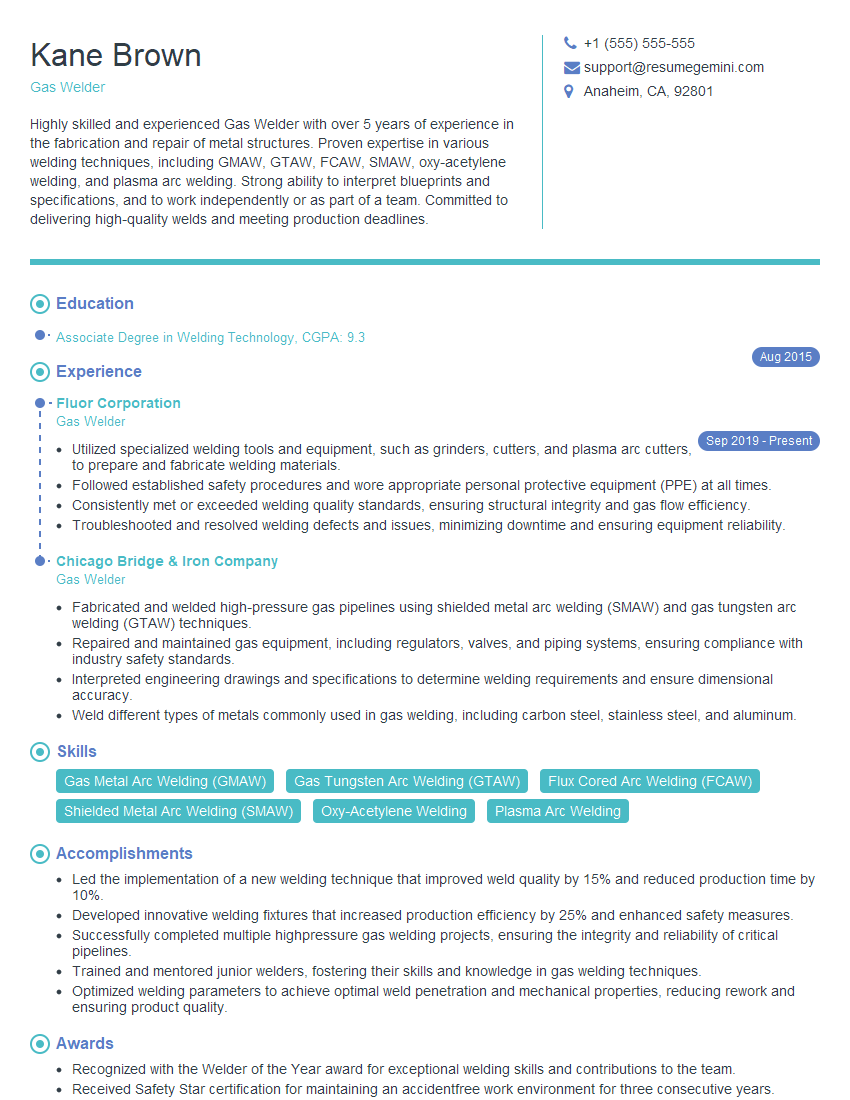
Gas Welder Resume Sample
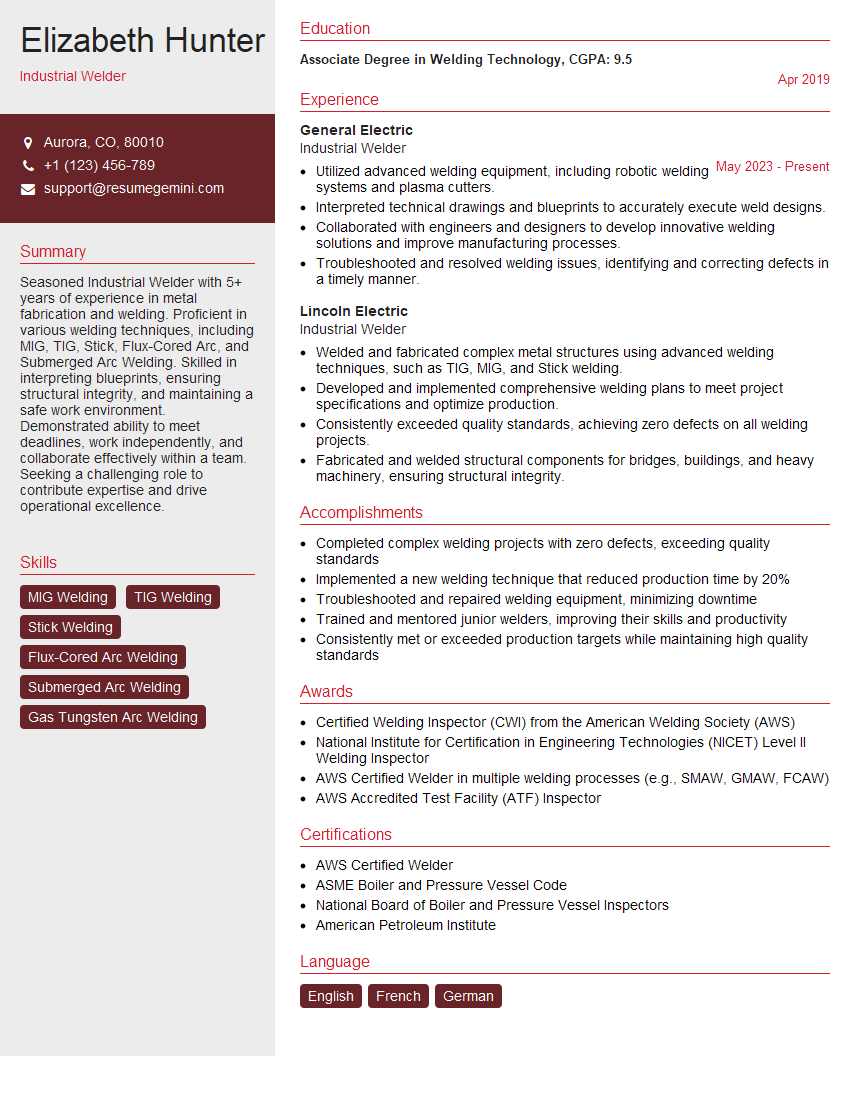
Industrial Welder Resume Sample
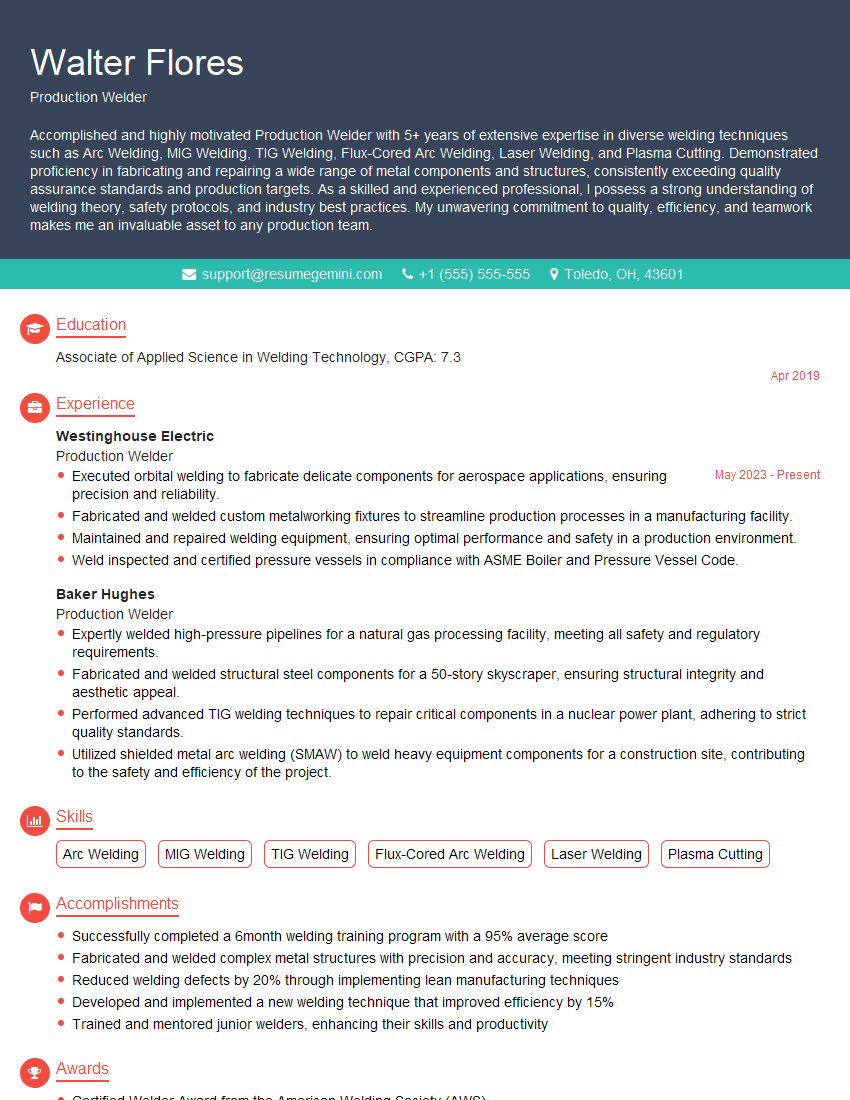
Production Welder Resume Sample
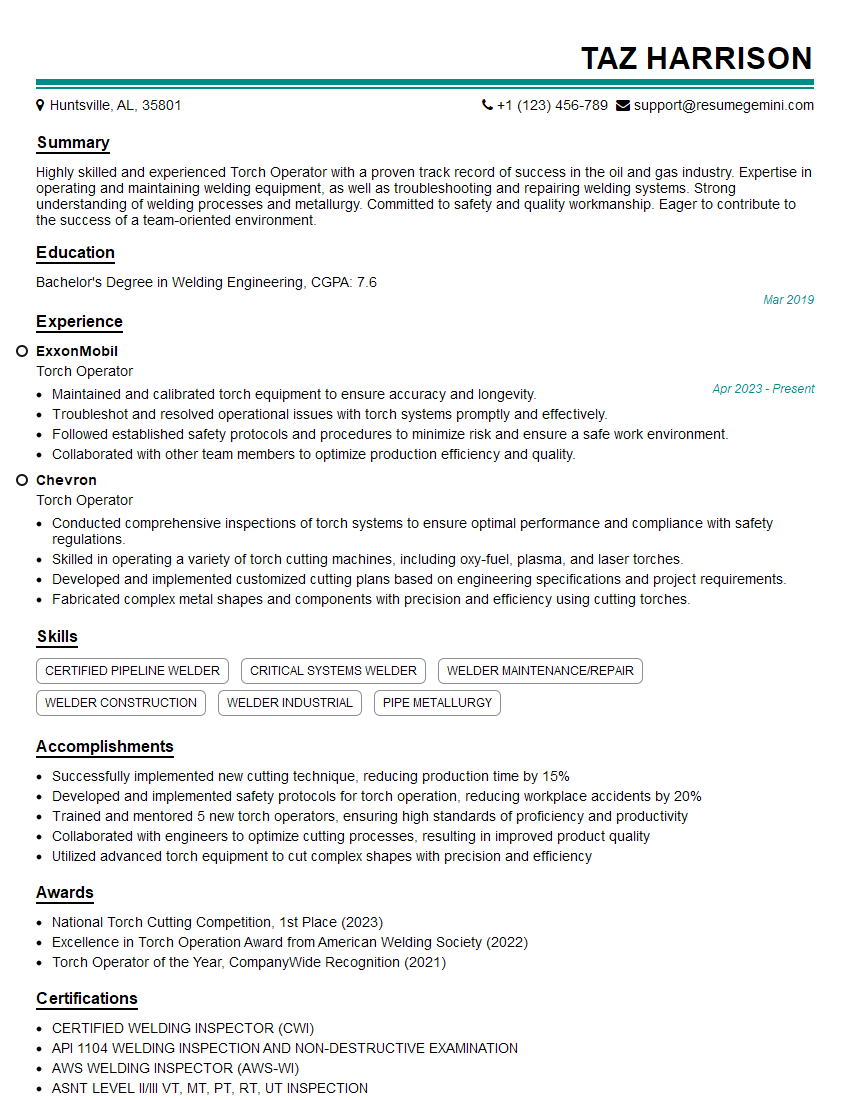
Torch Operator Resume Sample
- Maintenance Technician
- Manufacturing Technician
- Welding Technician
- Welding Instructor
- Welding Foreman
- Plumbing Technician
- Sheet Metal Worker
- Repair Technician
- Metal Fabricator
- Welder
- Fabrication Technician
- Welding Supervisor
- Cutting Torch Operator
- Gas Welder
- Industrial Welder
- Production Welder
- Torch Operator
Explore more articles
Users Rating of Our Blogs
Share Your Experience
We value your feedback! Please rate our content and share your thoughts (optional).
What Readers Say About Our Blog
Really detailed insights and content, thank you for writing this detailed article.
IT gave me an insight and words to use and be able to think of examples