Preparation is the key to success in any interview. In this post, we’ll explore crucial Advanced Cardiac Life Support (ACLS) Certification interview questions and equip you with strategies to craft impactful answers. Whether you’re a beginner or a pro, these tips will elevate your preparation.
Questions Asked in Advanced Cardiac Life Support (ACLS) Certification Interview
Q 1. Describe the steps involved in managing pulseless ventricular tachycardia (VT) according to ACLS guidelines.
Managing pulseless ventricular tachycardia (VT) requires immediate action. Pulseless VT is a life-threatening rhythm where the heart is beating rapidly but ineffectively, failing to pump blood. The treatment algorithm is straightforward and time-sensitive:
- Immediate CPR: Begin high-quality chest compressions and rescue breaths immediately. Every second counts.
- Defibrillation: As soon as possible, deliver a 200 joule biphasic or 360 joule monophasic shock. This aims to reset the heart’s rhythm.
- Post-shock Rhythm Check & CPR: After defibrillation, immediately check the rhythm. If the VT persists or pulseless electrical activity (PEA) appears, resume high-quality CPR immediately.
- Advanced Life Support Medications: While CPR continues, administer epinephrine 1mg IV/IO push every 3-5 minutes. Amiodarone (300mg IV/IO) should be given after the first dose of epinephrine, or as an alternative to epinephrine after the second or third dose if VT persists. Consider Lidocaine as an alternative if amiodarone is unavailable or contraindicated. Precise dosing and administration guidelines should be followed based on institutional protocols and drug availability.
- Repeat Defibrillation and Rhythm Assessment: Continue the cycle of defibrillation (using the same energy levels), rhythm checks, CPR, and medication administration as per ACLS guidelines.
Imagine a scenario where a patient collapses during a marathon. If pulseless VT is identified, the immediate and coordinated implementation of this algorithm, from defibrillation to epinephrine administration, dramatically improves the chance of survival.
Q 2. Explain the differences between stable and unstable angina.
Angina is chest pain caused by reduced blood flow to the heart muscle (myocardium). The key difference between stable and unstable angina lies in the predictability and severity of the pain:
- Stable Angina: This is predictable chest pain that typically occurs during exertion or stress and resolves with rest or nitroglycerin. The pain pattern is consistent, and the severity remains relatively unchanged over time. Think of it as a predictable warning signal.
- Unstable Angina: This is unpredictable chest pain that may occur at rest or with minimal exertion. It often worsens in frequency, duration, or intensity. Unstable angina represents a significant increase in risk for a myocardial infarction (heart attack). It’s an unreliable warning, potentially escalating rapidly.
A patient with stable angina might experience chest discomfort when climbing stairs but not while resting. In contrast, a patient with unstable angina might experience severe chest pain even while sleeping, signifying a critical reduction in blood flow and increased risk of a heart attack requiring immediate medical attention.
Q 3. What are the indications for administering amiodarone in the setting of cardiac arrest?
Amiodarone is a potent antiarrhythmic drug used during cardiac arrest in specific situations. It’s primarily indicated for:
- Ventricular fibrillation (VF) or pulseless VT refractory to initial defibrillation and epinephrine: If the heart doesn’t respond to initial treatment with shocks and epinephrine, amiodarone helps to suppress abnormal heart rhythms.
- VF or pulseless VT that recurs after successful defibrillation: Amiodarone helps prevent the recurrence of VF or pulseless VT after successful defibrillation.
Amiodarone is usually given after epinephrine, but the exact sequence depends on local guidelines and the provider’s assessment. It is important to note that amiodarone has potential side effects, such as hypotension and bradycardia, and it requires close monitoring.
Q 4. How do you differentiate between PEA and asystole?
Both pulseless electrical activity (PEA) and asystole represent cardiac arrest scenarios, but they differ fundamentally in the heart’s electrical activity as seen on an electrocardiogram (ECG):
- Pulseless Electrical Activity (PEA): In PEA, there is organized electrical activity on the ECG (e.g., sinus rhythm, atrial fibrillation) but no palpable pulse. The heart is trying to beat, but it’s failing to generate sufficient pressure to produce a palpable pulse. Think of it like a car with the engine running, but the transmission isn’t engaging the wheels.
- Asystole: Asystole, or cardiac standstill, represents the complete absence of electrical activity on the ECG. The heart is electrically silent, and there is no mechanical activity. This is akin to a completely stalled car engine; there’s no activity at all.
Differentiating between them is crucial because the treatment strategies differ. PEA often points to a reversible cause needing immediate identification and treatment, while asystole requires aggressive CPR and potential consideration of advanced cardiac life support measures.
Q 5. What are the key elements of high-quality CPR?
High-quality CPR is essential for maximizing the chances of survival during cardiac arrest. Key elements include:
- Minimizing Interruptions in Chest Compressions: Minimize pauses between compressions to maintain continuous blood flow to the brain and other vital organs. Aim for interruptions of less than 10 seconds.
- Appropriate Compression Depth and Rate: Compressions should be at least 2 inches deep for adults and at the appropriate rate of 100-120 compressions per minute.
- Complete Chest Recoil: Allow the chest to fully recoil after each compression to allow for adequate blood return to the heart.
- Avoid Excessive Ventilation: Over-ventilation can be detrimental. Provide breaths only as recommended by the guidelines, and avoid excessive or forceful ventilation.
- Proper Hand Placement: Correct hand placement in the center of the chest is crucial to maximize the effectiveness of compressions.
High-quality CPR involves a coordinated team effort, with clear communication and efficient execution of each step to deliver the most effective chest compressions and rescue breathing.
Q 6. What are the potential causes of PEA?
Pulseless Electrical Activity (PEA) has many potential causes, often categorized as the ‘5Hs and 5Ts’:
- 5Hs: Hypovolemia (low blood volume), Hypoxia (low oxygen), Hydrogen ion (acidosis), Hyperkalemia/Hypokalemia (electrolyte imbalances), Hypothermia (low body temperature)
- 5Ts: Tension pneumothorax (collapsed lung), Tamponade (cardiac), Toxins, Thrombosis (pulmonary or coronary), Trauma
Identifying the underlying cause is vital for successful treatment. For instance, if PEA is caused by a tension pneumothorax, immediate needle decompression is crucial. If it’s due to hypovolemia, fluid resuscitation is necessary. A systematic approach to identifying the cause of PEA is crucial to improving the chance of successful resuscitation.
Q 7. Describe the algorithm for managing pulseless electrical activity (PEA).
The algorithm for managing PEA focuses on identifying and treating the underlying cause. It’s a systematic approach:
- Immediate High-Quality CPR: Begin CPR immediately, focusing on high-quality chest compressions and rescue breaths.
- Identify and Treat Reversible Causes (5Hs and 5Ts): Systematically assess for and address potential causes such as hypovolemia (IV fluids), hypoxia (oxygen), tension pneumothorax (needle decompression), tamponade (pericardiocentesis), and other reversible causes. This is crucial as PEA often signifies an underlying reversible problem.
- Epinephrine Administration: Administer epinephrine 1mg IV/IO push every 3-5 minutes to enhance myocardial contractility and potentially restore spontaneous circulation. However, epinephrine is not the primary solution to PEA; it supports the effective CPR while the underlying cause is identified and addressed.
- Rhythm Check and CPR Continuation: Regularly assess the heart rhythm, and continue CPR until ROSC (return of spontaneous circulation) or the decision to discontinue resuscitation is made.
Think of it like troubleshooting a complex machine; you need to find the root cause of the problem before you can fix it. In PEA, addressing the underlying cause, whether hypovolemia or tension pneumothorax, is the key to reversing the arrest, and CPR and epinephrine act as supporting therapies.
Q 8. Explain the role of epinephrine in cardiac arrest.
Epinephrine is a crucial medication in ACLS because it acts as a potent vasoconstrictor and inotrope. As a vasoconstrictor, it narrows blood vessels, increasing blood pressure. This improved perfusion can help deliver oxygen to vital organs during cardiac arrest. As an inotrope, it increases the force of the heart’s contractions, improving cardiac output. Think of it like this: during cardiac arrest, the heart is struggling; epinephrine gives it a boost, making it pump harder and more effectively. It’s important to remember that epinephrine doesn’t directly address the underlying cause of the arrest (like a heart rhythm problem), but it buys valuable time for other interventions like defibrillation and advanced airway management to be successful.
In practical terms, epinephrine is typically administered intravenously or intraosseously during ACLS, according to established protocols. The exact dose and frequency will depend on the patient’s response and the overall ACLS algorithm being followed.
Q 9. Discuss the use of defibrillation in ACLS.
Defibrillation is a life-saving technique in ACLS that uses a controlled electric shock to reset the heart’s rhythm in cases of ventricular fibrillation (VF) or pulseless ventricular tachycardia (pVT). These rhythms represent a chaotic electrical activity that prevents the heart from effectively pumping blood. The shock aims to depolarize a large mass of cardiac muscle cells simultaneously, allowing the heart’s natural pacemaker (the sinoatrial node) to resume its normal rhythm. Imagine the heart’s electrical system as a tangled mess of wires; defibrillation is like untangling them with a powerful jolt.
The process involves placing defibrillator pads on the patient’s chest, analyzing the heart rhythm, and delivering the shock if indicated. It’s critical to ensure patient safety during this process, including checking the machine settings and verifying the placement of the pads to prevent burns or other complications.
Q 10. What are the potential complications of defibrillation?
While defibrillation is a vital intervention, it does carry potential risks. One common complication is burns, which can occur if the pads are not properly placed or if the skin is moist. Burns can range from minor to severe, requiring further medical attention. Another risk is the possibility of inducing further arrhythmias, though this is less common with modern defibrillators. Rarely, defibrillation can cause chest wall injury. There’s also a risk of pauses in CPR during the defibrillation process, which can reduce the effectiveness of resuscitation efforts. Therefore, it’s crucial that defibrillation be performed by trained professionals following established safety guidelines.
Minimizing these risks involves meticulous pad placement, ensuring good contact with the skin, and utilizing appropriate energy levels depending on the type of defibrillator and patient factors.
Q 11. How do you assess the effectiveness of CPR?
Assessing the effectiveness of CPR involves a combination of observation and monitoring. Immediately after a cycle of compressions, we check for a palpable carotid pulse and a return of spontaneous circulation (ROSC). The presence of a pulse indicates that the heart is at least partially functioning. ROSC, meaning the heart is pumping blood sufficiently on its own, is the ultimate goal. We also monitor the patient’s rhythm using an ECG, looking for signs of improved heart function.
Other indicators of effective CPR include improving SpO2 (oxygen saturation levels) and improving blood pressure. If the patient is intubated, we monitor the end-tidal CO2 (EtCO2) levels. Rising EtCO2 levels suggest improved cardiac output and perfusion. Remember, effective CPR aims to maintain blood flow and oxygenation until advanced interventions can be employed and the underlying cause of the cardiac arrest can be treated.
Q 12. Describe the medication dosages and administration routes for common ACLS drugs (e.g., epinephrine, amiodarone, atropine).
Dosage and administration routes for common ACLS drugs vary and are protocol-dependent. Always consult your local ACLS guidelines. However, I can give you some general examples:
- Epinephrine: 1 mg IV/IO push, repeated every 3-5 minutes as needed. May also be given via endotracheal tube (ET) route in emergency situations.
- Amiodarone: First dose is typically 300 mg IV/IO push, followed by 150 mg IV/IO push if the rhythm persists. It’s crucial to administer amiodarone slowly over at least 20-60 seconds to minimize the risk of hypotension.
- Atropine: The dose is usually 1 mg IV/IO push, and can be repeated every 3-5 minutes up to a maximum of 3 mg. Atropine is primarily used for symptomatic bradycardia (slow heart rate) if it’s causing hemodynamic compromise.
Important note: These are examples; actual dosages and administration techniques might differ based on patient factors and local protocols. Precise adherence to guidelines is essential to ensure patient safety and efficacy of treatment.
Q 13. What are the different types of cardiac rhythms that require immediate defibrillation?
Immediate defibrillation is indicated for two primary shockable rhythms: ventricular fibrillation (VF) and pulseless ventricular tachycardia (pVT). In VF, the heart’s electrical activity is chaotic, resulting in no effective pumping action. In pVT, the heart rate is rapid and chaotic, also leading to no effective pumping action. These rhythms are life-threatening and require immediate defibrillation to restore a perfusing rhythm.
Recognizing these rhythms on an ECG is critical. VF appears as a disorganized, erratic wave pattern without identifiable P waves, QRS complexes, or T waves. Pulseless VT shows wide QRS complexes with a rapid rate, but no palpable pulse. These are the only rhythms where immediate defibrillation is indicated in the ACLS algorithm.
Q 14. What are the signs and symptoms of a myocardial infarction (MI)?
A myocardial infarction (MI), or heart attack, occurs when blood flow to a part of the heart is blocked, typically due to a clot in a coronary artery. The lack of blood flow causes damage to the heart muscle. Symptoms can vary widely, but common signs and symptoms include:
- Chest pain or discomfort: This is often described as pressure, squeezing, fullness, or pain in the center of the chest. It can last more than a few minutes or go away and come back.
- Shortness of breath: Difficulty breathing can occur with or without chest pain.
- Pain in other areas: Pain can radiate to the left arm, jaw, neck, back, or abdomen.
- Other symptoms: These can include sweating, nausea, vomiting, lightheadedness, or dizziness.
It’s crucial to remember that some people, especially women or those with diabetes, might experience atypical symptoms or no chest pain at all. Any suspicion of an MI requires immediate medical attention.
Q 15. How would you manage a patient experiencing symptomatic bradycardia?
Symptomatic bradycardia, a slow heart rate causing symptoms like hypotension, dizziness, or altered mental status, requires immediate intervention. The goal is to increase the heart rate to restore adequate tissue perfusion.
Management typically begins with assessing the patient’s airway, breathing, and circulation (ABCs). Next, we administer oxygen and establish IV access.
- Atropine: The initial treatment is usually Atropine, a medication that increases the heart rate. We start with 0.5 mg IV push and may repeat this dose up to 3 times at 3-5 minute intervals if necessary.
- Transcutaneous Pacing (TCP): If Atropine is ineffective, TCP is the next step. This involves delivering electrical impulses to stimulate the heart and increase the rate.
- Dopamine or Epinephrine: If TCP is unavailable or unsuccessful, medications like Dopamine or Epinephrine can be used to increase heart rate and blood pressure. These are potent drugs requiring careful monitoring.
- Consider Underlying Cause: It’s crucial to remember that bradycardia is a symptom, not a disease. Identifying and treating the underlying cause (e.g., hypothermia, heart block) is essential for long-term management.
For instance, I once treated a patient with symptomatic bradycardia secondary to a severe heart block. Atropine was initially ineffective, so we successfully used TCP to stabilize his heart rate before transferring him to the cardiac catheterization lab for permanent pacemaker placement.
Career Expert Tips:
- Ace those interviews! Prepare effectively by reviewing the Top 50 Most Common Interview Questions on ResumeGemini.
- Navigate your job search with confidence! Explore a wide range of Career Tips on ResumeGemini. Learn about common challenges and recommendations to overcome them.
- Craft the perfect resume! Master the Art of Resume Writing with ResumeGemini’s guide. Showcase your unique qualifications and achievements effectively.
- Don’t miss out on holiday savings! Build your dream resume with ResumeGemini’s ATS optimized templates.
Q 16. How would you manage a patient experiencing symptomatic tachycardia?
Symptomatic tachycardia, a rapid heart rate causing symptoms like chest pain, shortness of breath, or altered mental status, requires prompt management to prevent serious complications.
The approach depends heavily on the underlying rhythm and the patient’s clinical presentation. We start with the ABCs, assessing the patient’s overall condition. Oxygen is immediately administered, and IV access is established.
- Vagal Maneuvers: In stable patients with supraventricular tachycardias (SVTs), we may initially attempt vagal maneuvers (such as carotid sinus massage – with extreme caution and only by trained personnel – or the Valsalva maneuver) to slow the heart rate.
- Adenosine: This medication is a rapid-acting antiarrhythmic drug used to treat SVTs. It’s given as rapid IV boluses, often followed by a saline flush. It can cause brief periods of asystole (absence of heartbeat), so careful monitoring is crucial.
- Synchronized Cardioversion: For unstable patients with rapid ventricular rates, synchronized cardioversion delivers a timed electrical shock to reset the heart’s rhythm. The “sync” function prevents delivering the shock during a vulnerable part of the cardiac cycle.
- Amiodarone or Lidocaine: Antiarrhythmic drugs like Amiodarone or Lidocaine may be used to control ventricular tachycardia (VT) or other rhythms unresponsive to other treatments.
Imagine a patient presenting with chest pain and a rapid, irregular heart rhythm (VT). After administering oxygen and securing IV access, we would proceed to synchronized cardioversion if the patient remains unstable.
Q 17. Describe the proper placement of AED pads.
Proper AED pad placement is crucial for effective defibrillation. The pads deliver an electrical shock to the heart, aiming to reset the abnormal rhythm. Incorrect placement can be ineffective or even dangerous.
- Anterior-Posterior Placement: One pad is placed on the right upper chest, just below the clavicle (collarbone). The second pad is placed on the left lower chest, below the armpit, but above the diaphragm.
- Avoid Interference: Ensure the pads do not overlap, and that they are not placed over implanted devices like pacemakers, as this could cause damage. Also, avoid placing pads directly over metal objects or wet areas.
- Specific Scenarios: Variations exist for different patient sizes and anatomies (e.g., children, pregnant patients require specific pad sizes and placements).
In essence, visualization and proper positioning are paramount. Thinking of the upper right chest and the lower left chest as two distinct and strategically placed points is a valuable way to visualize correct pad placement.
Q 18. What is the difference between ventricular fibrillation (VF) and ventricular tachycardia (VT)?
Ventricular fibrillation (VF) and ventricular tachycardia (VT) are both life-threatening arrhythmias originating from the ventricles of the heart, but they differ significantly in their electrical activity.
- Ventricular Fibrillation (VF): This is characterized by chaotic, disorganized electrical activity in the ventricles. The heart quivers ineffectively, failing to pump blood. VF shows as a completely disorganized waveform on an ECG. It’s a pulseless rhythm, requiring immediate defibrillation.
- Ventricular Tachycardia (VT): This involves a rapid, repetitive firing of electrical impulses from the ventricles. While the heart is contracting, it may be too fast to effectively pump blood, leading to hemodynamic collapse. VT on an ECG shows relatively regular, but wide QRS complexes. It can be pulseless or have a pulse present. Pulseless VT requires immediate defibrillation, whereas pulseless VT requires synchronized cardioversion or other treatment strategies.
The key difference lies in the organization of the electrical activity. VF is completely chaotic, while VT, despite being fast, shows a repetitive pattern. This distinction dictates the treatment approach: immediate defibrillation for VF and synchronized cardioversion or medication for pulseless VT.
Q 19. Explain the significance of pulse checks during ACLS procedures.
Pulse checks are fundamentally important during ACLS procedures to assess cardiac output and guide treatment decisions. A lack of a palpable pulse indicates cardiac arrest, requiring immediate intervention like CPR and defibrillation.
Pulse checks must be performed quickly and efficiently, ideally by multiple team members simultaneously. We typically check for a carotid or femoral pulse, which are readily accessible and easily palpable.
- Determining Need for Defibrillation: The absence of a pulse in VF or pulseless VT signals the immediate need for defibrillation.
- Evaluating Effectiveness of Interventions: Pulse checks after defibrillation or CPR assess the success of the interventions. The return of a pulse indicates effective resuscitation efforts.
- Guiding Medication Administration: Pulselessness guides medication administration in cardiac arrest.
In short, pulse checks are not just a routine step; they are critical indicators of the patient’s status and guide our life-saving actions. The absence of a pulse immediately changes the entire treatment plan.
Q 20. What are the post-resuscitation care priorities?
Post-resuscitation care focuses on optimizing organ function and preventing further complications after a successful resuscitation. It’s a crucial phase requiring a multidisciplinary approach.
- Maintaining Airway and Ventilation: Ensuring adequate oxygenation and ventilation is paramount. This may involve mechanical ventilation and close monitoring of blood gases.
- Hemodynamic Support: Managing blood pressure, heart rate, and fluid balance is crucial. Medications and fluids may be required to support cardiac function.
- Neurological Assessment: Frequent neurological assessments are necessary to evaluate the brain’s response to the resuscitation event.
- Temperature Management: Targeted temperature management (cooling) may be implemented to reduce the risk of neurological damage.
- Monitoring and Treatment of Complications: Close monitoring for complications like hypoxemia, hypotension, arrhythmias, and organ dysfunction is essential. Early intervention is critical.
Post-resuscitation care is not simply a continuation of ACLS; it is a transition to intensive care, focusing on stabilizing the patient and preventing long-term damage. The goal is to provide the best possible chance of a positive outcome.
Q 21. Describe the roles of different team members during an ACLS resuscitation.
Effective ACLS resuscitation relies on a coordinated team effort, with each member playing a vital role. Clear communication and roles are essential for success.
- Team Leader: Coordinates the resuscitation, gives clear directions, and oversees the overall management of the emergency. The team leader needs to be assertive and efficient.
- Compressor: Performs high-quality chest compressions, ensuring proper depth, rate, and minimal interruptions.
- Airway Manager: Manages the patient’s airway, ensuring patency and adequate ventilation (often involves bag-valve-mask ventilation or intubation).
- Medication/Defibrillation Administerer: Prepares, administers medications, and operates the defibrillator efficiently and safely.
- Recorder/Monitor: Documents the resuscitation events, monitors vital signs, ECG rhythm, and drug administration. They also communicate with other team members as needed.
Effective team dynamics are key. Clear communication, designated roles, and shared situational awareness are crucial. Regular practice and training enhance the team’s ability to respond effectively in high-pressure scenarios. A successful resuscitation is a testament to the synergy of a well-coordinated team.
Q 22. How do you manage airway compromise in an ACLS scenario?
Airway compromise is a critical issue in ACLS, as it prevents oxygen from reaching the lungs and subsequently the heart and brain. Managing it requires a systematic approach, starting with assessing the airway for patency.
- Open the airway: Use techniques like the head-tilt-chin-lift or jaw-thrust maneuver (if cervical spine injury is suspected). A simple but critical first step!
- Suctioning: If secretions or vomitus obstruct the airway, immediately suction the mouth and pharynx. Quick action is vital here.
- Insertion of an advanced airway: If the patient is unable to maintain a patent airway despite initial interventions, consider insertion of an oropharyngeal or nasopharyngeal airway, followed by endotracheal intubation or a supraglottic airway device (e.g., laryngeal mask airway). This requires advanced skills and training.
- Ventilation: Once a patent airway is established, ensure adequate ventilation with supplemental oxygen (high-flow oxygen via a non-rebreather mask). Bag-valve-mask ventilation may be necessary prior to advanced airway placement, or if there are ventilation issues even after placement. Proper ventilation is crucial to oxygenating the patient.
Think of it like this: a blocked airway is like a clogged pipe – you need to clear the blockage before water (oxygen) can flow freely.
Q 23. Explain the importance of effective communication during ACLS.
Effective communication is the backbone of a successful ACLS resuscitation. During a high-stress situation like cardiac arrest, clear and concise communication ensures coordinated efforts and prevents confusion. Think of it as a well-orchestrated team, each member playing their role perfectly.
- SBAR (Situation-Background-Assessment-Recommendation): This structured approach ensures consistent information transfer. For example, ‘Situation: Pulseless arrest. Background: 65-year-old male with history of heart failure. Assessment: No pulse, no respirations. Recommendation: Initiate CPR and defibrillation.’
- Clear roles and responsibilities: Each team member should understand their duties, avoiding duplication and omissions. One person should lead, coordinating activities.
- Closed-loop communication: Confirming instructions and receiving feedback ensures everyone is on the same page. For example, ‘Can you confirm you’re compressing at a rate of 100-120 compressions per minute?’
- Debriefing: After the event, a debriefing session allows the team to reflect on the resuscitation and identify areas for improvement. This helps everyone learn and avoid making the same mistakes in the future. It’s a critical learning opportunity for professional growth.
Q 24. What are the common causes of cardiac arrest?
Cardiac arrest, the sudden cessation of cardiac function, has various underlying causes. They can be broadly categorized into:
- Ischemic heart disease (e.g., myocardial infarction): The most common cause, resulting from reduced blood flow to the heart muscle due to blocked arteries.
- Arrhythmias (e.g., ventricular fibrillation, ventricular tachycardia): Irregular heartbeats that prevent effective blood circulation.
- Cardiomyopathy: Weakening or thickening of the heart muscle, impairing its ability to pump efficiently.
- Congenital heart defects: Structural abnormalities present since birth.
- Pulmonary embolism: A blood clot in the lungs that interferes with blood flow to the heart.
- Tension pneumothorax: Collapsed lung due to air accumulating in the pleural space.
- Hypovolemia: Reduced blood volume, often due to severe bleeding or dehydration.
- Hyperkalemia: High potassium levels in the blood.
- Drug overdose or toxicity: Certain drugs can disrupt the heart’s electrical activity.
It’s important to note that often, cardiac arrest is a result of a combination of factors.
Q 25. What are the criteria for declaring death according to ACLS guidelines?
According to ACLS guidelines, the criteria for declaring death usually involve a combination of factors confirming irreversible cessation of cardiopulmonary function. These factors might include:
- Absence of pulse: No palpable pulse in the carotid or femoral artery.
- Absence of spontaneous breathing: No respiratory efforts despite airway maneuvers.
- Unresponsiveness: Lack of response to verbal or painful stimuli.
- Fixed, dilated pupils: Often indicative of irreversible brain damage.
- Absence of electrical activity (as evidenced by ECG): Flatline or asystole on the electrocardiogram.
- Documentation of unsuccessful resuscitation attempts: A comprehensive record of interventions and their lack of effectiveness.
The process usually involves a systematic assessment by multiple healthcare providers and adherence to hospital protocols. It’s crucial to follow local guidelines and legal requirements regarding the declaration of death.
Q 26. Discuss the importance of ongoing education and updates in ACLS.
Ongoing education and updates in ACLS are paramount for maintaining proficiency and ensuring the delivery of high-quality care. The field of cardiology and emergency medicine is constantly evolving, with new research, guidelines, and techniques emerging regularly.
- Staying abreast of updated guidelines: ACLS guidelines are periodically revised to reflect advancements in resuscitation techniques and scientific evidence. Regular participation in refresher courses is necessary to keep up.
- Participation in continuing medical education (CME) activities: Conferences, workshops, and online modules offer opportunities to learn about the latest research and best practices.
- Reviewing case studies and critical incidents: Analyzing past experiences helps identify areas for improvement and enhances decision-making skills under pressure.
- Seeking feedback and self-reflection: Seeking constructive feedback from colleagues and engaging in self-reflection after resuscitation attempts can help identify personal strengths and weaknesses, ultimately refining performance.
Think of it as a pilot constantly updating their flight skills and knowledge of aviation technology – consistent learning is essential for maintaining safety and effectiveness.
Q 27. Describe your experience with managing various cardiac rhythms and arrest scenarios.
My experience encompasses managing a wide range of cardiac rhythms and arrest scenarios, including:
- Ventricular fibrillation (VF) and pulseless ventricular tachycardia (VT): Successfully managing these life-threatening rhythms involves rapid defibrillation followed by CPR and the administration of appropriate medications (e.g., amiodarone, lidocaine).
- Asystole and pulseless electrical activity (PEA): These rhythms require immediate high-quality CPR, addressing potential reversible causes (the ‘H’s and ‘T’s), and administering medications as indicated.
- Bradycardia and tachycardia: Management involves addressing underlying causes and using medications or pacing as needed to restore normal heart rate.
I have hands-on experience with various airway management techniques, including endotracheal intubation and the use of supraglottic airway devices. I have participated in numerous successful resuscitations and have learned from both successful and unsuccessful attempts. Each experience serves as a valuable lesson, shaping my approach to future emergencies.
Q 28. How would you handle a disagreement with a team member during a stressful resuscitation?
Disagreements during a stressful resuscitation can be detrimental. My approach involves:
- Maintaining respectful communication: Even under pressure, I strive for calm and respectful dialogue.
- Active listening: Understanding the team member’s perspective is crucial before addressing the disagreement.
- Clearly stating concerns: Expressing my concerns in a professional manner, outlining the rationale behind my suggestions.
- Seeking consensus: Trying to reach a mutually acceptable solution, prioritizing patient care above individual opinions. If a consensus cannot be reached, deferring to the highest authority on the team, ensuring a consistent approach.
- Post-resuscitation debriefing: Addressing the disagreement in a constructive manner after the event to learn from it and prevent similar occurrences in the future.
Remember, a successful resuscitation depends on teamwork. Addressing disagreements respectfully and professionally is essential for maintaining a collaborative environment and delivering effective care.
Key Topics to Learn for Advanced Cardiac Life Support (ACLS) Certification Interview
Ace your ACLS certification interview by mastering these key areas. Remember, understanding the why behind the procedures is as important as knowing the how.
- Basic Life Support (BLS) Integration: Understanding how ACLS protocols build upon and integrate with BLS skills is crucial. Be prepared to discuss the seamless transition between the two.
- Rhythm Recognition and Interpretation: Demonstrate proficiency in identifying various cardiac rhythms, including their characteristics and implications for treatment. Practice analyzing EKG strips and explaining your reasoning.
- Advanced Airway Management: Discuss different airway management techniques, their indications, contraindications, and potential complications. Be ready to explain the decision-making process behind choosing a particular method.
- Pharmacology in ACLS: Understand the mechanisms of action, dosages, and side effects of commonly used ACLS medications. Emphasize safe administration and monitoring practices.
- Defibrillation and Cardioversion: Master the principles and techniques of defibrillation and cardioversion, including energy levels, electrode placement, and post-shock management. Practice explaining the rationale for your choices.
- Post-Resuscitation Care: Explain the importance of post-resuscitation care, including monitoring, supportive measures, and the ongoing assessment of the patient’s condition.
- Team Dynamics and Communication: Discuss the importance of effective communication and teamwork in ACLS scenarios. Highlight your leadership skills and ability to contribute in a high-pressure environment.
- Case Studies and Scenario Analysis: Practice applying your knowledge to various clinical scenarios. This will help you develop your problem-solving abilities and demonstrate your understanding of ACLS protocols in real-world situations.
Next Steps
Mastering ACLS significantly enhances your career prospects in the healthcare field, opening doors to advanced roles and increased earning potential. To stand out, you need a resume that showcases your skills effectively. Create an ATS-friendly resume that highlights your ACLS certification and related experience. ResumeGemini is a trusted resource that can help you build a professional and impactful resume. They offer examples of resumes specifically tailored for Advanced Cardiac Life Support (ACLS) Certification holders to guide you in crafting yours.
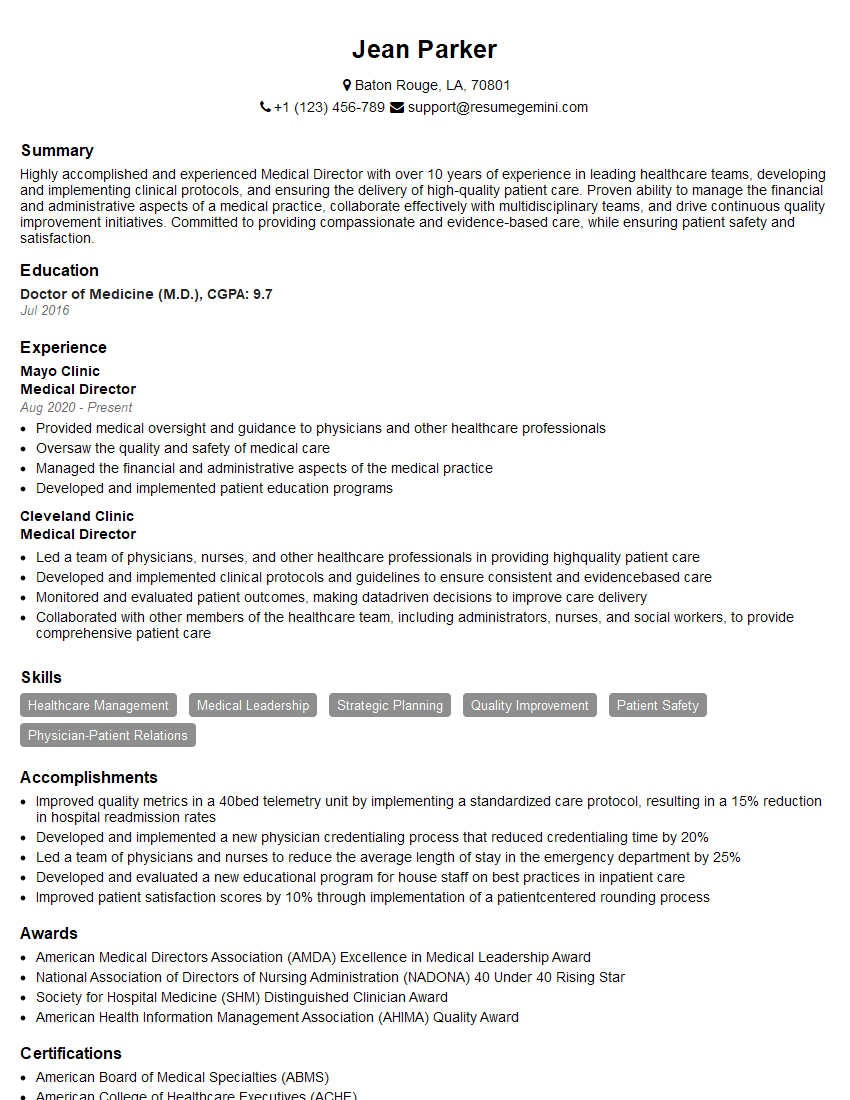
Medical Director Resume Sample
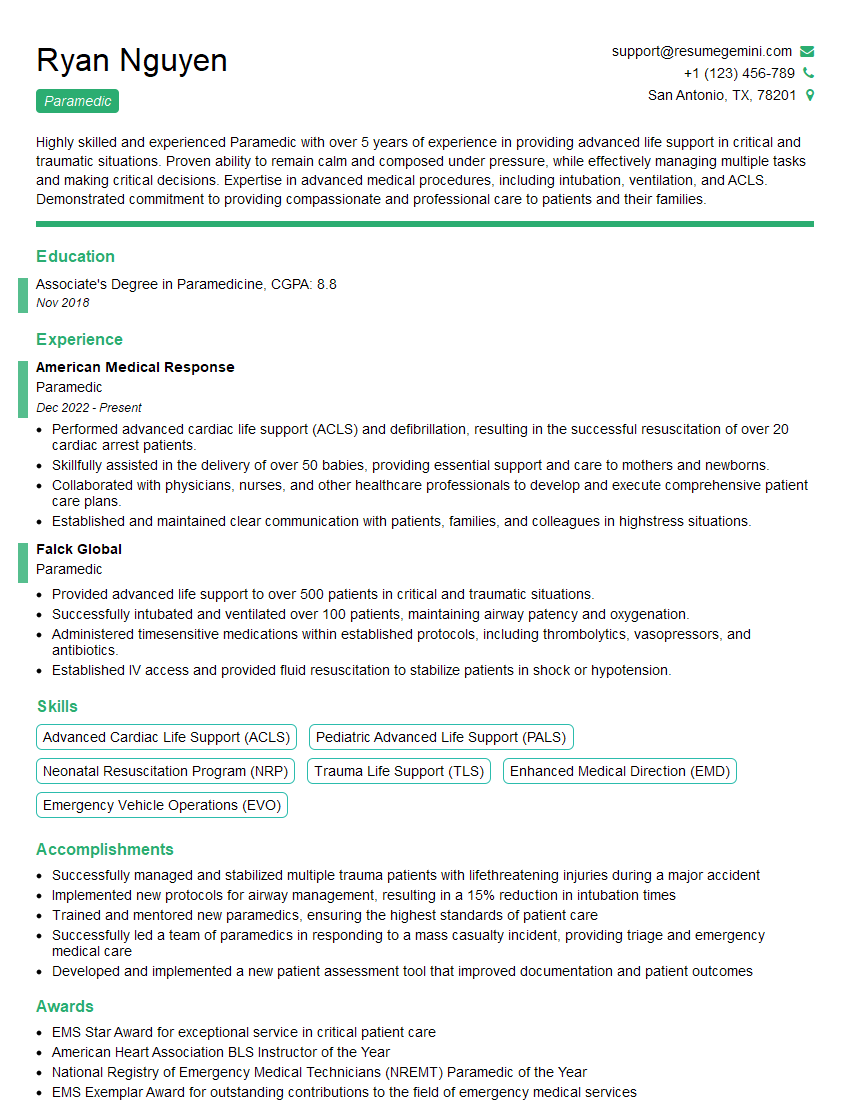
Paramedic Resume Sample
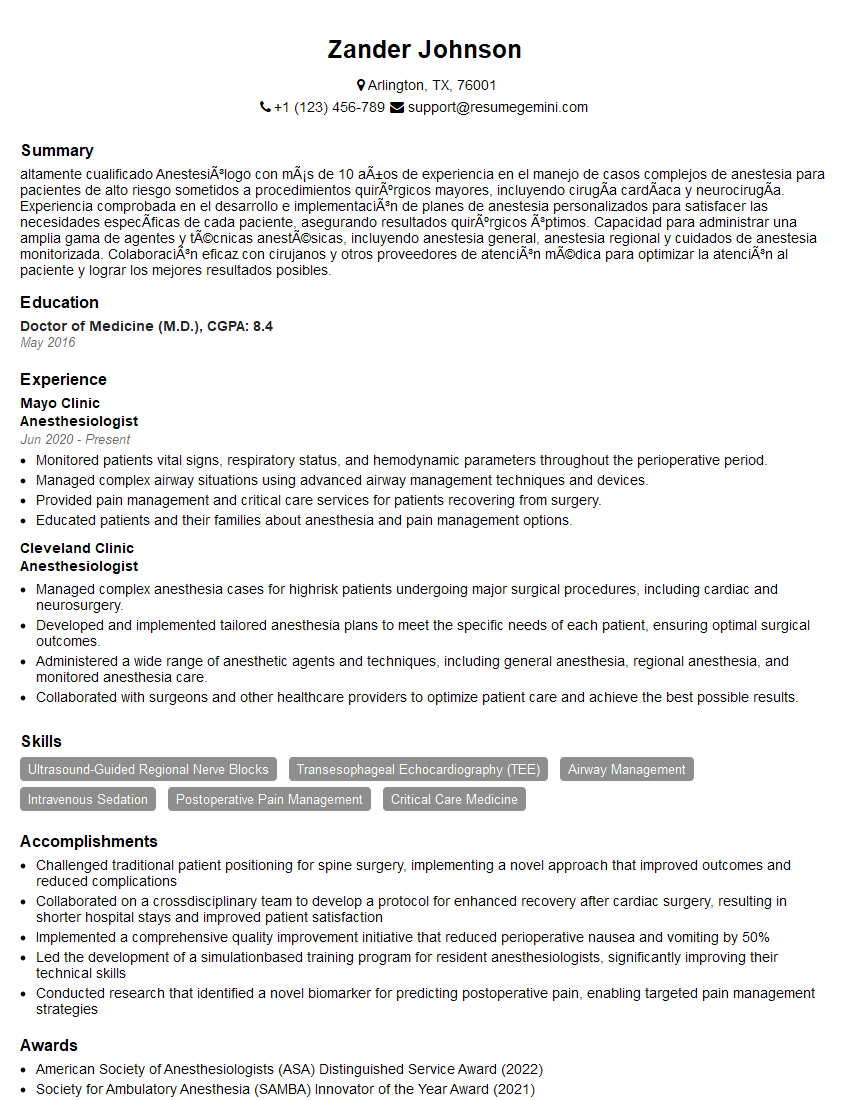
Anesthesiologist Resume Sample

Physician Assistant Resume Sample
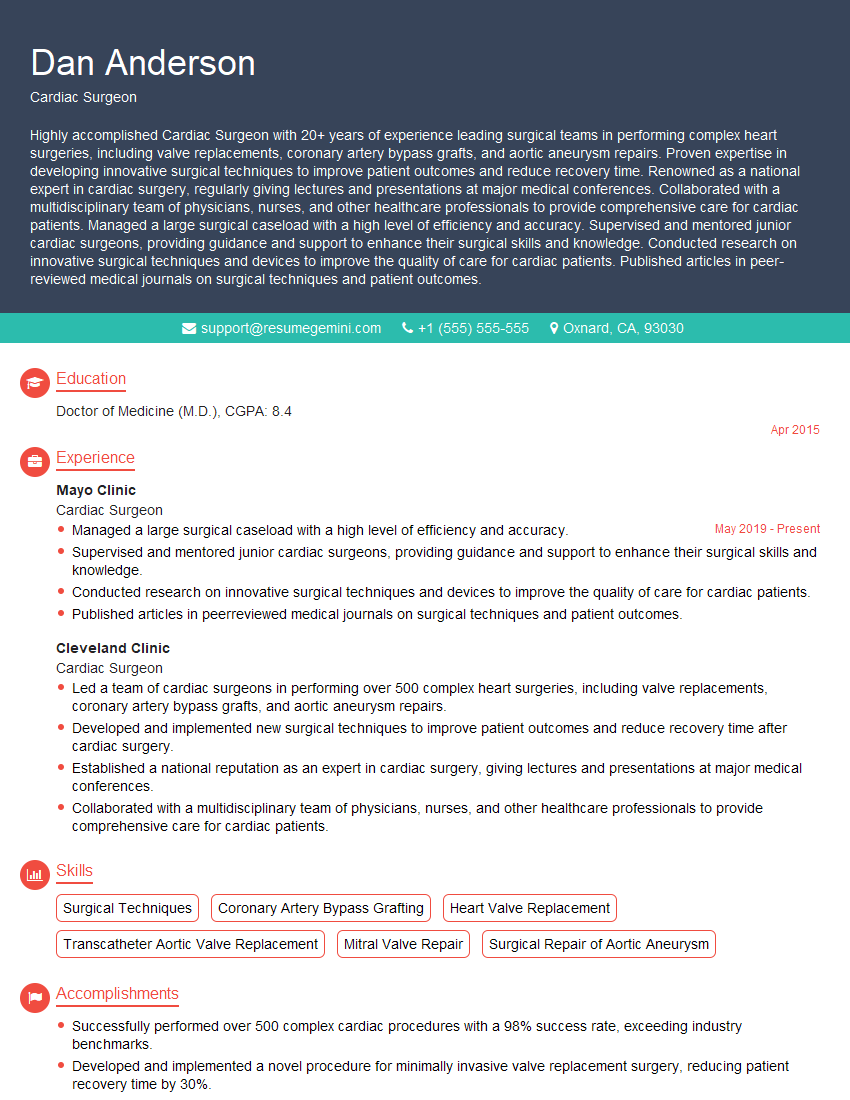
Cardiac Surgeon Resume Sample
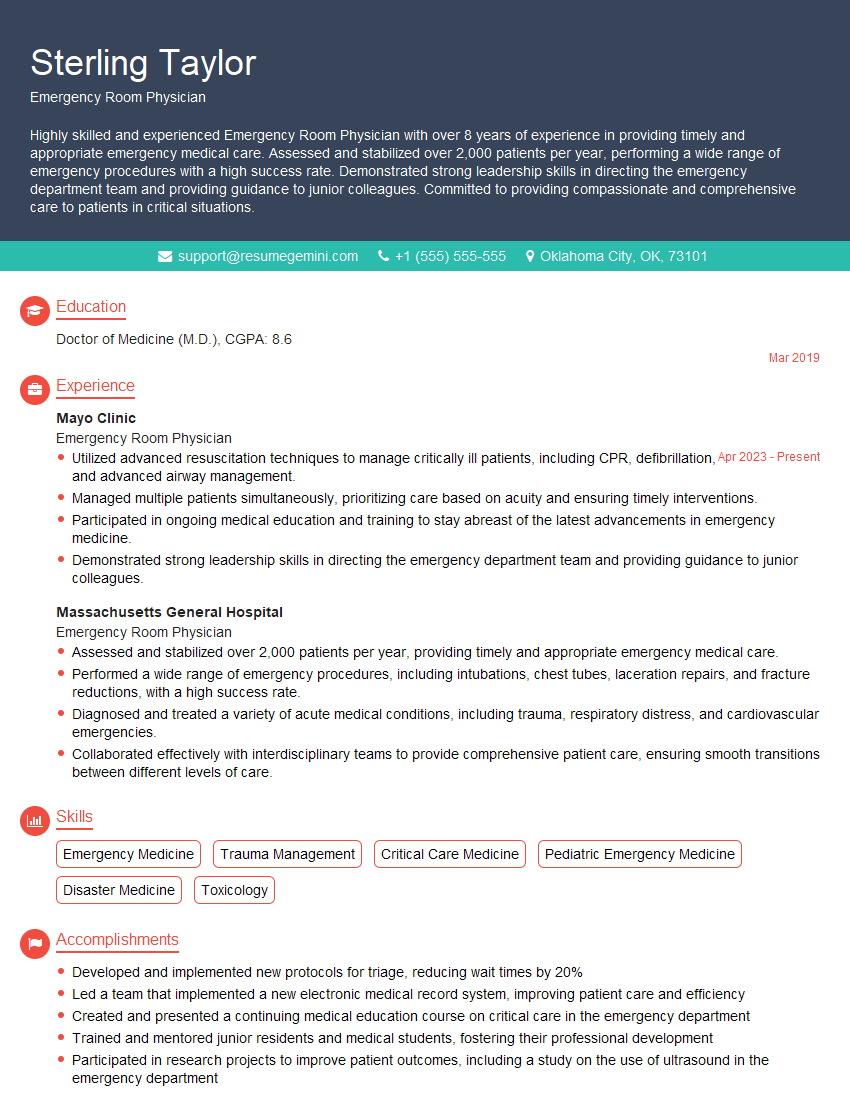
Emergency Room Physician Resume Sample
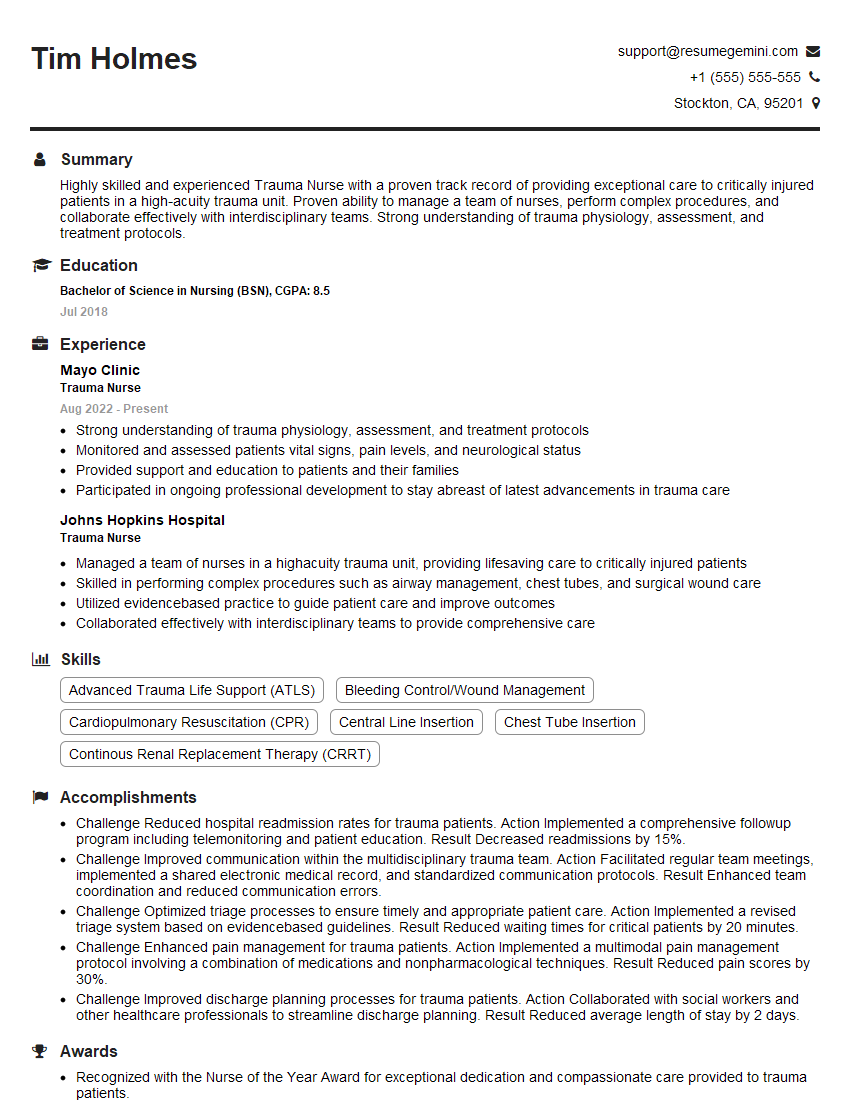
Trauma Nurse Resume Sample
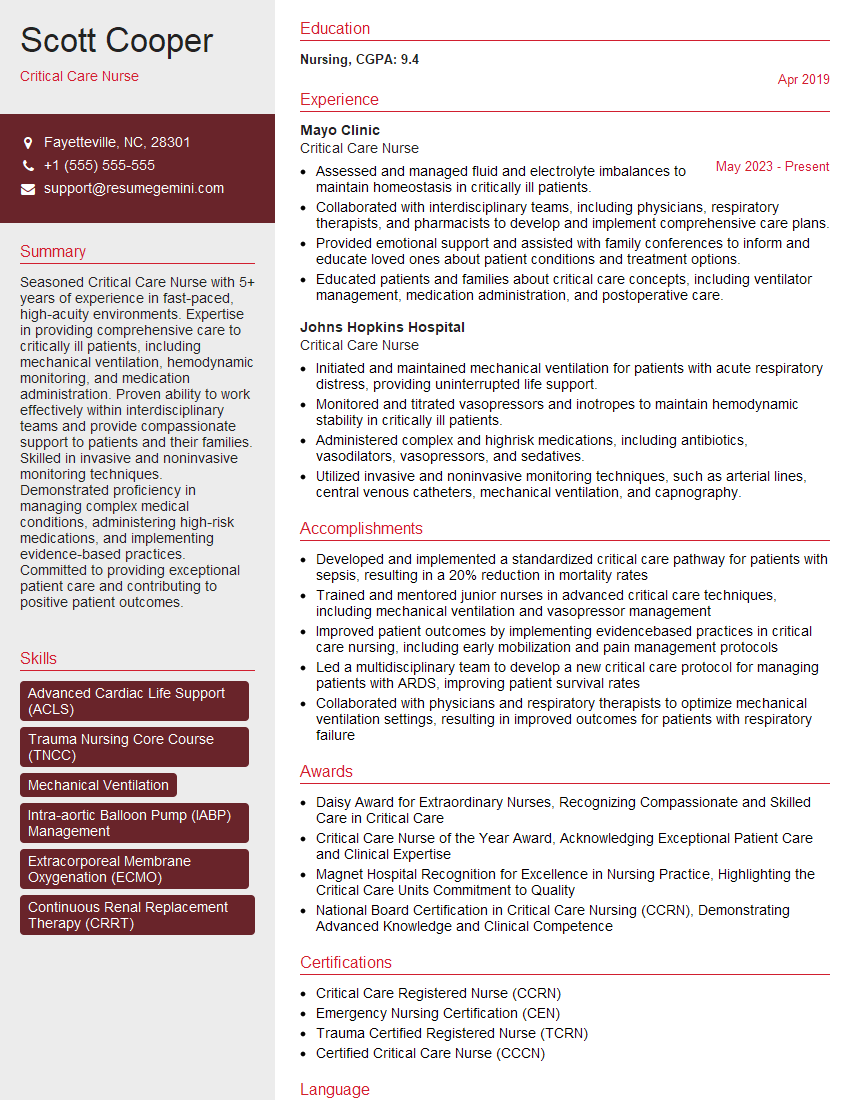
Critical Care Nurse Resume Sample
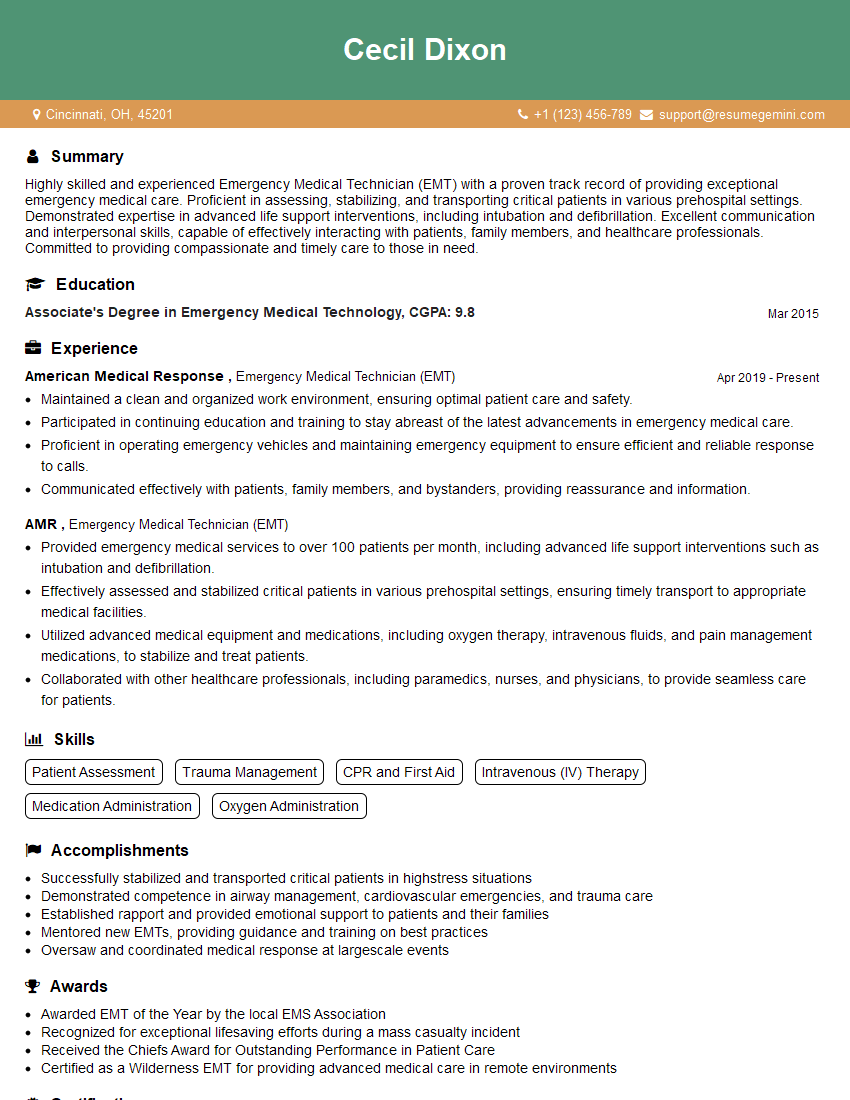
Emergency Medical Technician (EMT) Resume Sample
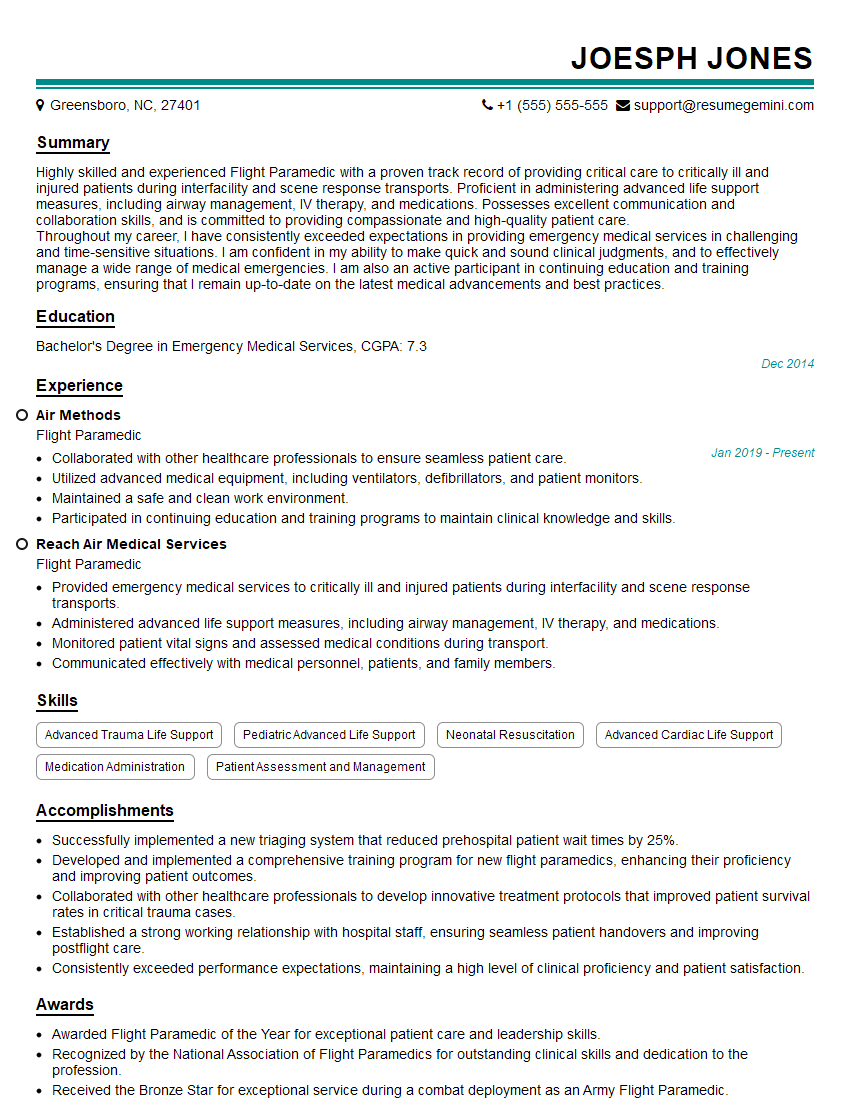
Flight Paramedic Resume Sample
Explore more articles
Users Rating of Our Blogs
Share Your Experience
We value your feedback! Please rate our content and share your thoughts (optional).
What Readers Say About Our Blog
Really detailed insights and content, thank you for writing this detailed article.
IT gave me an insight and words to use and be able to think of examples