Feeling uncertain about what to expect in your upcoming interview? We’ve got you covered! This blog highlights the most important Aerial and Underground Cable Installation interview questions and provides actionable advice to help you stand out as the ideal candidate. Let’s pave the way for your success.
Questions Asked in Aerial and Underground Cable Installation Interview
Q 1. Explain the difference between aerial and underground cable installation.
Aerial and underground cable installation differ significantly in their methods, infrastructure requirements, and vulnerability to environmental factors. Aerial installations involve suspending cables on poles or towers using insulators, exposing them to weather and making them susceptible to damage from storms or accidental contact. Underground installations, conversely, bury cables in trenches, protecting them from the elements and physical damage. This added protection comes at the cost of increased installation complexity and expense.
Think of it like this: aerial cable is like an overhead power line – visible, readily accessible, but vulnerable to the elements. Underground cable is like a hidden water pipe – protected, more durable, but harder to access and repair.
- Aerial: Less expensive initially, easier access for maintenance in some cases, but vulnerable to weather, vandalism, and requires significant right-of-way.
- Underground: More expensive and labor-intensive to install, requires specialized equipment like trenchers and cable pullers, but offers superior protection from environmental damage and longevity.
Q 2. Describe the safety procedures for working with high-voltage cables.
Safety is paramount when working with high-voltage cables. The risk of electrocution is ever-present, necessitating strict adherence to established safety protocols. These include:
- Lockout/Tagout Procedures: Always de-energize cables before working on them, using lockout/tagout procedures to prevent accidental re-energization. This involves physically locking and tagging circuit breakers or switches to ensure they cannot be closed.
- Personal Protective Equipment (PPE): Utilizing appropriate PPE such as insulated gloves, safety glasses, arc flash suits (depending on voltage), and safety footwear is essential. Regular inspection and maintenance of PPE is crucial.
- Grounding: Proper grounding of the cable and equipment is vital to prevent electrical shock. Grounding eliminates stray voltage paths and provides a safe route for fault currents.
- Trained Personnel: Only trained and qualified personnel should work with high-voltage cables. Regular safety training and refresher courses are necessary to maintain competence and awareness of potential hazards.
- Permit-to-Work Systems: Formal permit-to-work systems are often employed to ensure all safety measures are followed before commencing work. These systems involve careful risk assessment and hazard identification.
Ignoring these procedures can lead to severe injury or death. A thorough understanding of safety regulations is not just recommended – it’s mandatory.
Q 3. What are the common types of cables used in aerial and underground installations?
The choice of cable depends on factors like voltage level, current capacity, environmental conditions, and installation method. Common cable types include:
- Aerial: Aluminum Conductor Steel Reinforced (ACSR) cables are commonly used for overhead power lines due to their high strength and conductivity. Other types include all-aluminum conductors (AAC) and copper conductors.
- Underground: High-pressure fluid-filled (HPFF) cables are used for high-voltage applications, offering superior insulation and protection against water ingress. Cross-linked polyethylene (XLPE) insulated cables are widely used for their good insulation properties and flexibility. Other types include polyethylene (PE) insulated cables for lower voltage applications.
The selection process is crucial, as the wrong cable can lead to premature failure, safety hazards, or non-compliance with regulations.
Q 4. How do you identify and troubleshoot common cable faults?
Identifying and troubleshooting cable faults requires systematic approaches. Common faults include cable breaks, insulation failure, and short circuits. Techniques for fault identification include:
- Visual Inspection: Checking for visible damage to the cable’s outer jacket or insulation.
- Continuity Testing: Using an ohmmeter to check for continuity in the conductors.
- Insulation Resistance Testing (Megger): Measuring the insulation resistance to detect insulation breakdown.
- Time Domain Reflectometry (TDR): Using TDR equipment to pinpoint the location of faults within the cable.
- High-Voltage Testing: To identify insulation weaknesses in higher-voltage applications.
Once a fault is located, repair or replacement of the damaged section is needed. In many cases, specialized equipment such as cable locators and fault finders is essential for efficient troubleshooting.
Q 5. Explain the process of splicing different types of cables.
Splicing cables requires precision and adherence to manufacturer’s instructions to ensure electrical continuity and mechanical strength. The process involves carefully preparing the cable ends, joining the conductors using appropriate connectors or techniques (e.g., soldering, crimping, or using specialized splice kits), and then insulating and protecting the splice with appropriate materials. Different cable types require different splicing techniques; for example, splicing high-voltage cables necessitates special precautions to maintain the integrity of the insulation and prevent flashover.
For example, splicing XLPE cables involves using a heat-shrinkable sleeve to provide insulation and mechanical protection. This process requires proper heat application to ensure a secure and reliable connection.
Improper splicing can result in poor electrical connections, leading to overheating, power loss, and fire hazards. The process necessitates skilled technicians and often includes testing after the splice is completed to confirm electrical integrity.
Q 6. What are the different methods for grounding cables?
Grounding cables is crucial for safety and to prevent voltage surges and electrical hazards. Several grounding methods exist:
- Ground Rods: Driving copper-clad steel rods into the earth to create a low-impedance path to ground.
- Grounding Grids: Installing a network of interconnected conductors buried underground to provide extensive grounding coverage.
- Grounding Wires: Attaching grounding wires to the cable sheath or armor at multiple points along the cable route.
- Building Grounding Systems: Connecting the cable grounding to a building’s grounding system.
The choice of grounding method depends on factors such as the cable voltage, soil conditions, and grounding requirements. Effective grounding helps protect against electrical surges, lightning strikes, and equipment malfunction.
Q 7. What are the regulations and safety standards you must follow for cable installation?
Cable installation must strictly adhere to national and international standards and regulations. These vary by location but generally include:
- National Electrical Code (NEC) or equivalent: This provides detailed guidelines on safe cable installation practices, including grounding, spacing, and trenching requirements.
- OSHA (Occupational Safety and Health Administration) regulations: These regulations dictate safety procedures for workers involved in cable installation, including PPE requirements and hazard prevention.
- Manufacturer’s specifications: Always adhere to the manufacturer’s guidelines for cable installation, including bending radius, installation temperature limits, and environmental considerations.
- Local utility company regulations: Utilities often have specific requirements for cable installation within their service areas.
Failure to comply with these regulations can result in fines, project delays, and safety hazards. Staying informed about the latest updates and revisions to these codes and regulations is crucial for responsible and compliant cable installation.
Q 8. Describe your experience with trenching and cable laying techniques.
Trenching and cable laying are fundamental to underground cable installation. My experience spans various techniques, from hand-digging for smaller projects to employing mechanized trenchers for large-scale deployments. The process begins with careful site surveying to identify obstacles like underground utilities and to determine the optimal trench depth and width based on factors such as cable type, soil conditions, and local regulations.
For hand-digging, we prioritize accuracy and safety, ensuring proper shoring to prevent cave-ins. Mechanized trenching, using equipment like excavators or trenchers, offers efficiency for larger jobs. However, meticulous control is crucial to avoid damaging existing utilities. After the trench is prepared, a bedding layer of sand or other suitable material is placed to protect the cable from sharp objects and provide a stable base. The cables are carefully laid in the trench, avoiding kinks and sharp bends. Once laid, a covering layer of sand is added before backfilling the trench with soil, compacted to prevent settling and damage.
For example, on a recent project involving fiber optic cable installation across a university campus, we used a combination of hand-digging for delicate areas near existing buildings and a tracked trencher for open areas to maximize efficiency and minimize disruption. Each method was chosen based on site-specific needs and safety considerations.
Q 9. How do you handle different soil conditions during underground cable installation?
Different soil conditions significantly impact underground cable installation. Rocky soil requires specialized equipment like rock saws or breakers to create the trench. Clay soil presents challenges due to its tendency to collapse, necessitating careful shoring techniques and potentially the use of trench boxes for worker safety. Sandy soil, while generally easier to work with, can be prone to erosion and requires compaction after backfilling. Waterlogged or unstable soil might need dewatering solutions or even alternative routing strategies to ensure the stability and long-term integrity of the cable installation.
We utilize various techniques to handle these complexities. For rocky terrain, we might employ directional drilling to avoid extensive trenching. In clay soils, we carefully shore the trenches and employ techniques like adding geotextile fabric to improve soil stability. For sandy soils, we ensure proper compaction during backfilling to prevent settlement. In waterlogged areas, we may install drainage systems or adjust the cable route to avoid problematic zones. Regular soil testing before any excavation allows for informed decision-making and the selection of the most appropriate methods.
Q 10. What are the best practices for protecting cables from damage during installation?
Protecting cables during installation is paramount to ensuring their longevity and performance. Several best practices are employed to mitigate damage: Proper bedding and backfilling, as previously discussed, provide crucial initial protection. We also use cable markers and warning tapes to clearly indicate the cable’s location, preventing accidental damage during future excavation work. Cable duct systems provide an added layer of protection, particularly in high-traffic areas, shielding the cables from external forces.
Furthermore, we utilize protective coatings on cables, like polyethylene jackets, which add a buffer against abrasion and environmental factors. In particularly vulnerable areas, we might consider using conduits or protective sleeves to further shield the cables. During handling and transportation, careful measures are taken to prevent kinks and damage; this includes using cable rollers and employing skilled personnel who are aware of the cables’ sensitivity.
For instance, on a highway project, the cables were installed within a high-density polyethylene (HDPE) duct system, buried deeply, and marked with highly visible, durable warning tape to prevent accidental digging damage.
Q 11. How do you ensure cable continuity and signal integrity?
Ensuring cable continuity and signal integrity involves a multi-step process starting before installation, during the installation process, and after. During the design phase, appropriate cable selection is crucial; factors such as cable length, type, and attenuation characteristics are carefully considered to minimize signal loss.
During installation, careful handling of cables is essential to prevent damage that could compromise continuity. Regular visual inspections during and after laying are conducted to identify any issues. After installation, thorough testing is performed using specialized equipment (discussed in the next answer) to verify continuity and signal quality along the entire cable length. Testing results are meticulously documented. Any identified faults are promptly addressed through repair or replacement. Regular maintenance and inspections further help maintain the long-term integrity of the cable network.
For example, in a long-haul fiber optic network, optical time-domain reflectometry (OTDR) is used to identify any breaks or attenuation issues within the fiber optic cable.
Q 12. Explain your experience with using cable testing equipment.
My experience with cable testing equipment is extensive. I’m proficient in using various tools, including time-domain reflectometers (TDRs) for identifying faults and breaks in cables, ohmmeters to measure cable resistance and ensure continuity, and cable testers to verify the proper functioning of communication lines. For fiber optic cables, OTDRs are crucial for detecting signal attenuation and identifying breaks or splices.
I understand the significance of interpreting test results accurately and using the data to troubleshoot and resolve any issues effectively. For instance, a high resistance reading on an ohmmeter might indicate a break or poor connection. An OTDR can pinpoint the exact location of a fault within a fiber optic cable, speeding up repair times and minimizing downtime. I am also familiar with the operation and maintenance of the equipment, ensuring accurate and reliable testing outcomes.
Q 13. Describe your experience with aerial cable placement using different methods.
Aerial cable placement involves various methods depending on factors like terrain, cable type, and required capacity. Common methods include direct burial (where applicable), stringing cables along existing structures like utility poles using specialized pulling equipment and techniques, or deploying self-supporting aerial cables.
Stringing cables along utility poles involves using tensioning equipment to maintain the appropriate sag, minimizing stress on the cables and preventing breaks. Self-supporting cables, often used in areas with limited access to utility poles, are designed with sufficient strength to remain taut without the need for support structures. In each case, safety is paramount. Proper planning and risk assessment are essential prior to commencing any aerial cable installation. Weather conditions are a critical factor considered in planning, as are environmental considerations.
For example, when installing fiber optic cable across a mountainous region, we used self-supporting aerial cable due to the challenging terrain and limited accessibility. In a densely populated urban setting, we utilized existing utility poles, stringing the cable between them after careful planning to avoid obstacles and ensure safety.
Q 14. How do you manage cable slack and prevent sagging?
Managing cable slack and preventing sagging is vital for the longevity and performance of aerial and underground cables. In aerial installations, the amount of slack is carefully calculated during design considering factors such as temperature variations (cables expand and contract with temperature changes), wind loading, and the cable’s weight. Stringing equipment helps control tension and ensures uniform sag across spans.
For underground installations, excess slack is often managed through the use of cable reels, proper cable routing, and strategic placement of pull boxes. Sagging in underground cables can lead to stress points and potential damage. Proper trenching, bedding, and backfilling minimize the risk of settling and subsequent sagging. Regular inspections are crucial for identifying and addressing any issues before they escalate. Addressing sagging quickly, either through adjustments to cable placement or supportive measures, is vital to prevent further damage and ensure continuous operation.
For example, on an aerial cable project, we used tensioning equipment and pre-determined sag calculations based on anticipated temperature fluctuations and wind conditions to optimize cable placement and prevent excessive sagging.
Q 15. What is your experience with fiber optic cable installation and splicing?
My experience with fiber optic cable installation and splicing is extensive, spanning over 10 years. I’ve worked on numerous projects, from small-scale residential installations to large-scale network deployments for telecommunication companies. This involves everything from careful cable handling to precision splicing using fusion splicing machines. I’m proficient in various splicing techniques, including mechanical splicing, which is crucial for quick repairs in the field, and fusion splicing, offering superior performance and reliability for long-haul networks. I am also experienced in testing fiber optic cables using OTDRs (Optical Time Domain Reflectometers) to identify faults and ensure signal integrity. For example, on a recent project installing fiber optic cable in a challenging underground environment, my expertise in fusion splicing ensured minimal signal loss, exceeding client expectations.
- Proficient in Fusion Splicing and Mechanical Splicing techniques.
- Experienced in OTDR testing and fault identification.
- Knowledge of different fiber optic cable types (single-mode, multi-mode).
Career Expert Tips:
- Ace those interviews! Prepare effectively by reviewing the Top 50 Most Common Interview Questions on ResumeGemini.
- Navigate your job search with confidence! Explore a wide range of Career Tips on ResumeGemini. Learn about common challenges and recommendations to overcome them.
- Craft the perfect resume! Master the Art of Resume Writing with ResumeGemini’s guide. Showcase your unique qualifications and achievements effectively.
- Don’t miss out on holiday savings! Build your dream resume with ResumeGemini’s ATS optimized templates.
Q 16. Describe the process of pulling cables through conduits.
Pulling cables through conduits requires a systematic approach, prioritizing safety and minimizing damage. The process starts with thorough planning, including inspecting the conduit route for obstructions, ensuring proper lubrication, and selecting the appropriate pulling equipment. We usually start by attaching a pulling rope or fish tape to a pulling head, carefully feeding it through the conduit. Then, we attach the cable to the pulling head, applying controlled tension using a winch or similar equipment. It’s crucial to monitor the tension to avoid damaging the cable or conduit. Lubricants, such as cable lubricant gel, are essential to reduce friction and prevent damage. Regular checks along the route help to detect any snags or blockages. For long pulls, we may use intermediate pull points to ease the strain. Finally, after successful cable pulling, we perform a thorough inspection of the cable to verify its condition. In one instance, we encountered a sharp bend in an underground conduit. By using a specialized bending guide and carefully monitoring tension, we successfully navigated the obstacle without cable damage.
Q 17. How do you handle cable damage during installation?
Cable damage during installation is a serious concern. Our approach prioritizes prevention through meticulous planning and execution. However, when damage does occur, immediate action is vital. First, we carefully assess the extent of the damage. Minor scratches or abrasions might only require cleaning and protective sleeving. More significant damage, such as cable breaks or crushing, requires more extensive repairs or cable replacement. For fiber optic cables, even minor damage can compromise signal integrity, necessitating careful repair or splicing. We meticulously document all damage incidents, including location, cause, and repair actions. For instance, if a cable is damaged by a construction crew, we’ll collaborate with them to prevent similar incidents and document the event thoroughly. Accurate documentation is crucial for insurance claims and future maintenance planning.
Q 18. How do you work effectively as part of a team?
Effective teamwork is fundamental in cable installation. Clear communication, mutual respect, and shared responsibility are key to our success. I actively participate in pre-job briefings, contributing my expertise to planning and problem-solving. During installation, I consistently communicate with my team members, sharing updates and addressing concerns promptly. I actively assist colleagues when needed, fostering a collaborative atmosphere where everyone feels supported. On one occasion, a team member encountered difficulty with a particularly challenging pull. By working together and suggesting alternative pulling techniques, we successfully completed the installation without any delays or setbacks. I believe a strong team dynamic leads to higher productivity, improved safety, and a superior final product.
Q 19. What is your experience with using GPS and GIS technology for cable mapping?
I’m experienced in using GPS and GIS technology for accurate cable mapping and as-built documentation. GPS devices provide precise location data, while GIS software allows us to integrate this data with other information, such as cable type, depth, and ownership. This is critical for efficient maintenance, repair, and future planning. For example, when planning an excavation project near existing underground cables, accurate GIS mapping prevents accidental cable damage. Using GIS to overlay cable locations with proposed excavation sites avoids costly repairs and potential service disruptions. I’m proficient in using various GIS software packages and understand the importance of maintaining accurate and up-to-date cable records in the GIS system.
Q 20. Describe your experience with cable documentation and record-keeping.
Comprehensive cable documentation and record-keeping are crucial for efficient management and maintenance. I maintain detailed records of all aspects of cable installation, including cable type, length, route, depth, splicing points, and any damage or repairs. This involves both physical documentation and digital records within our company’s GIS system. Accurate record-keeping simplifies future maintenance tasks, minimizes downtime, and reduces costs associated with locating and repairing cables. We use standardized reporting formats to ensure consistency and clarity. For instance, each splicing point is meticulously documented with photos, splice details, and test results. This meticulous record-keeping minimizes confusion and ensures that vital information is readily available whenever required.
Q 21. What is your experience with different types of cable terminations?
My experience encompasses a wide range of cable terminations, depending on the cable type and application. For example, I’m proficient in terminating coaxial cables using compression connectors for optimal signal transfer and in terminating fiber optic cables using fusion splicing or mechanical splice techniques. For underground power cables, I’m familiar with various termination methods, including heat-shrink terminations and potting compounds, ensuring proper insulation and waterproofing. Each termination method demands precision and adherence to safety standards. In a recent project, I successfully terminated high-voltage power cables using heat-shrink terminations, ensuring safe and reliable operation. Understanding the nuances of different termination techniques is critical to ensuring the longevity and performance of the installed cabling systems.
Q 22. How do you prioritize different tasks and meet deadlines?
Prioritizing tasks and meeting deadlines in cable installation requires a structured approach. I utilize project management techniques like creating detailed work breakdown structures (WBS) to break down large projects into smaller, manageable tasks. This allows for better estimation of time and resource allocation. I then use tools like Gantt charts or Kanban boards to visualize the schedule, identify dependencies between tasks, and track progress. Critical Path Method (CPM) analysis helps pinpoint the most time-sensitive tasks, allowing me to prioritize those and allocate resources effectively. For example, in a recent project involving both aerial and underground cable installation, I prioritized the underground portion due to its longer lead times for permitting and excavation. This ensured that the entire project remained on schedule. Regular progress meetings and proactive communication with the team and clients are crucial for identifying and addressing potential delays early on. Finally, I always build in buffer time to account for unexpected issues, such as weather delays or equipment malfunctions.
Q 23. Describe your problem-solving skills in a challenging cable installation scenario.
During a challenging cable installation, my problem-solving approach focuses on systematic investigation and creative solutions. For instance, I once encountered an unexpected rock formation during underground cable trenching that deviated significantly from the planned route. My first step was to thoroughly assess the situation: I used ground-penetrating radar to map the extent of the rock and evaluated alternative routes. This involved considering factors like accessibility, environmental impact, and the existing infrastructure. I then collaborated with the engineering team to develop a revised plan that included directional drilling to bypass the rock formation while maintaining the cable’s integrity and minimizing disruption. This collaborative approach, combined with my technical expertise in utilizing specialized equipment, ensured that we completed the project safely and efficiently, albeit with some necessary adjustments to the schedule.
Q 24. Explain your understanding of the National Electrical Code (NEC) or relevant industry standards.
My understanding of the National Electrical Code (NEC) and other relevant industry standards is comprehensive. I’m thoroughly familiar with articles relating to cable installation, including those concerning grounding, bonding, trenching and backfilling, cable types and their applications, and safety regulations. The NEC dictates crucial aspects of cable installation, such as minimum burial depths, the use of proper grounding techniques to protect against electrical shock and surges, and the appropriate size and type of conduit for various applications. For example, I always ensure that all underground cables are installed at the NEC-mandated minimum depth to prevent damage from excavation and to minimize the risk of electrocution. I also understand and adhere to OSHA (Occupational Safety and Health Administration) regulations for trenching and excavation, including shoring and slope protection. Staying up-to-date with the latest NEC revisions is crucial, as it ensures that my work consistently meets the highest safety and performance standards.
Q 25. How do you ensure that your work meets quality control standards?
Maintaining quality control is paramount in cable installation. I implement a multi-layered approach that starts with meticulous planning and continues through every stage of the project. This includes carefully inspecting all materials upon delivery to verify their quality and specifications. During installation, I follow stringent procedures, adhering to all relevant codes and standards. Regular quality checks are performed throughout the process, involving thorough testing of cable continuity, insulation resistance, and grounding. Detailed documentation is maintained, including records of all inspections, tests, and any deviations from the plan. I also utilize specialized testing equipment, such as a cable fault locator, to identify potential issues early on. Finally, upon completion, a comprehensive final inspection is conducted to ensure that the installation meets all quality standards before commissioning. This commitment to quality control not only guarantees the longevity and reliability of the cable system but also contributes to overall project success.
Q 26. What are the different types of cable connectors and their applications?
There’s a wide variety of cable connectors, each suited for specific applications. Common types include compression connectors, which use crimping to secure the connection; splice connectors, which join cables of the same type; and heat-shrink connectors, which use heat to create a watertight seal. For aerial installations, we frequently use compression connectors for their reliability and ease of use with aluminum conductors. Underground installations often involve splice connectors for joining lengths of cable in a trench, ensuring a seamless electrical path. The choice of connector depends on the cable type (e.g., coaxial, fiber optic, power), environmental conditions, and the specific requirements of the application. For example, in a high-vibration environment, I might opt for a connector with additional strain relief to prevent cable damage. Selecting the right connector is crucial for ensuring a reliable and long-lasting connection.
Q 27. How do you identify and address potential safety hazards during cable installation?
Safety is paramount during cable installation. I begin by conducting a thorough site-specific risk assessment, identifying potential hazards such as underground utilities, overhead power lines, and hazardous materials. Appropriate safety measures are implemented, including the use of personal protective equipment (PPE) such as safety helmets, high-visibility clothing, and safety glasses. When working near power lines, I adhere to strict lockout/tagout procedures to prevent electrical shock. Trenching and excavation activities require adherence to OSHA regulations for shoring and slope protection, to prevent cave-ins. I also ensure that all team members are properly trained and aware of the safety procedures. Regular safety meetings and toolbox talks are used to reinforce safe work practices and address any emerging risks. Proactive hazard identification and risk mitigation are integral to my approach, making safety a top priority in every aspect of cable installation projects.
Q 28. What are your career goals in the field of cable installation?
My career goals in the field of cable installation involve continuous professional development and a commitment to excellence. I aim to expand my expertise in advanced cable technologies, such as fiber optics and high-voltage systems. I’m particularly interested in pursuing certifications in specialized areas like directional drilling and cable splicing. Beyond technical skills, I aspire to take on leadership roles, mentoring junior technicians and contributing to a safe and efficient work environment. Ultimately, I envision myself as a respected industry expert, contributing to innovative solutions in cable installation and helping to shape the future of this crucial infrastructure sector.
Key Topics to Learn for Aerial and Underground Cable Installation Interview
- Cable Selection and Design: Understanding the different types of cables (coaxial, fiber optic, etc.), their applications, and how to select the appropriate cable for a specific installation environment. Consider factors like voltage, bandwidth, and environmental conditions.
- Aerial Cable Installation Techniques: Mastering the principles of stringing, splicing, and terminating aerial cables. This includes understanding safety procedures, proper use of tools and equipment, and adhering to industry best practices.
- Underground Cable Installation Techniques: Familiarize yourself with trenching methods, cable laying techniques (direct burial, duct banks), and the importance of proper cable protection and grounding. Consider the impact of soil conditions and environmental factors.
- Splicing and Termination: Develop a strong understanding of different splicing and termination methods for various cable types. Practice your skills and be prepared to discuss troubleshooting common issues.
- Safety Regulations and Best Practices: Demonstrate a thorough understanding of relevant safety regulations (OSHA, NEC, etc.) and industry best practices for working at heights, underground, and around energized equipment.
- Troubleshooting and Repair: Be ready to discuss your experience with identifying and resolving common cable faults, including open circuits, shorts, and signal degradation. Explain your problem-solving methodology.
- Testing and Measurement: Understand the various testing methods used to verify cable integrity and performance, such as OTDR testing for fiber optics or continuity testing for copper cables.
- Project Management and Coordination: Discuss your experience (if any) with planning and executing cable installation projects, including coordinating with other trades and managing resources effectively.
Next Steps
Mastering Aerial and Underground Cable Installation opens doors to a rewarding career with excellent growth potential in the telecommunications, energy, and infrastructure sectors. To maximize your job prospects, creating a strong, ATS-friendly resume is crucial. ResumeGemini is a trusted resource that can help you build a professional and effective resume tailored to your skills and experience. We provide examples of resumes specifically designed for Aerial and Underground Cable Installation professionals to help you present your qualifications in the best possible light. Invest time in crafting a compelling resume – it’s your first impression on potential employers.

Field Technician Resume Sample
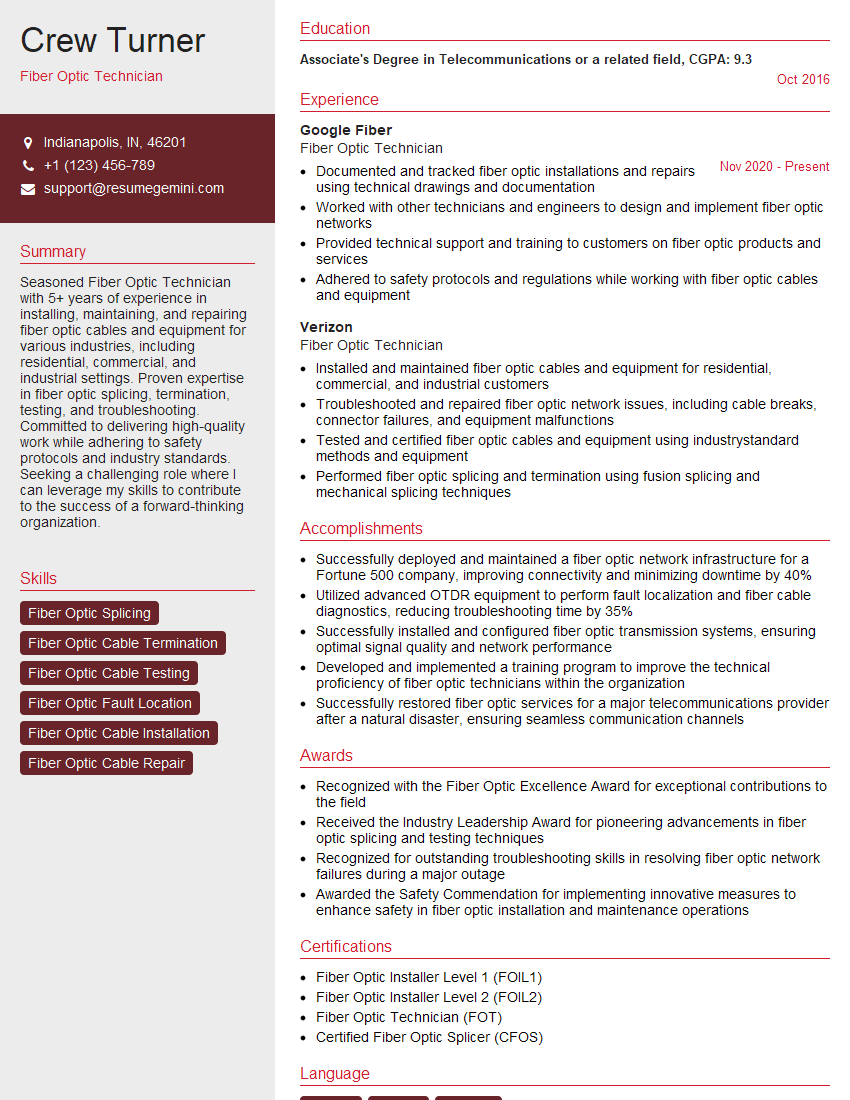
Fiber Optic Technician Resume Sample
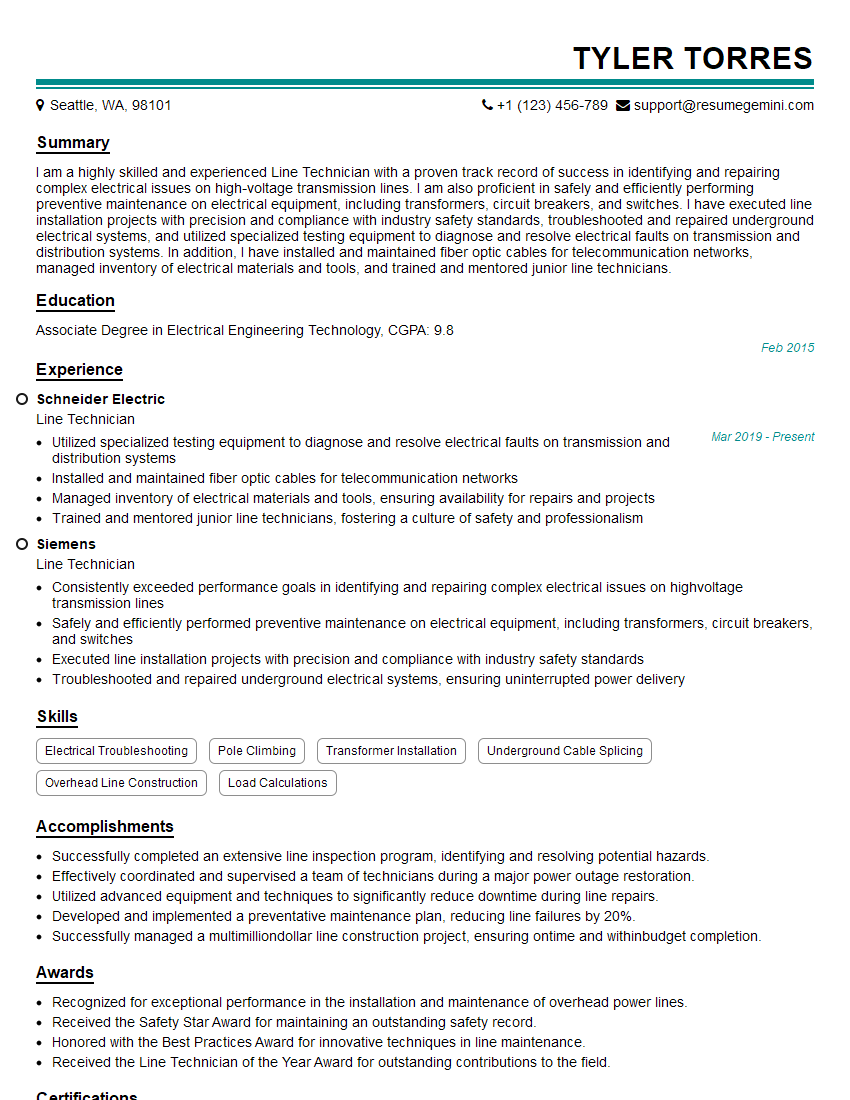
Line Technician Resume Sample
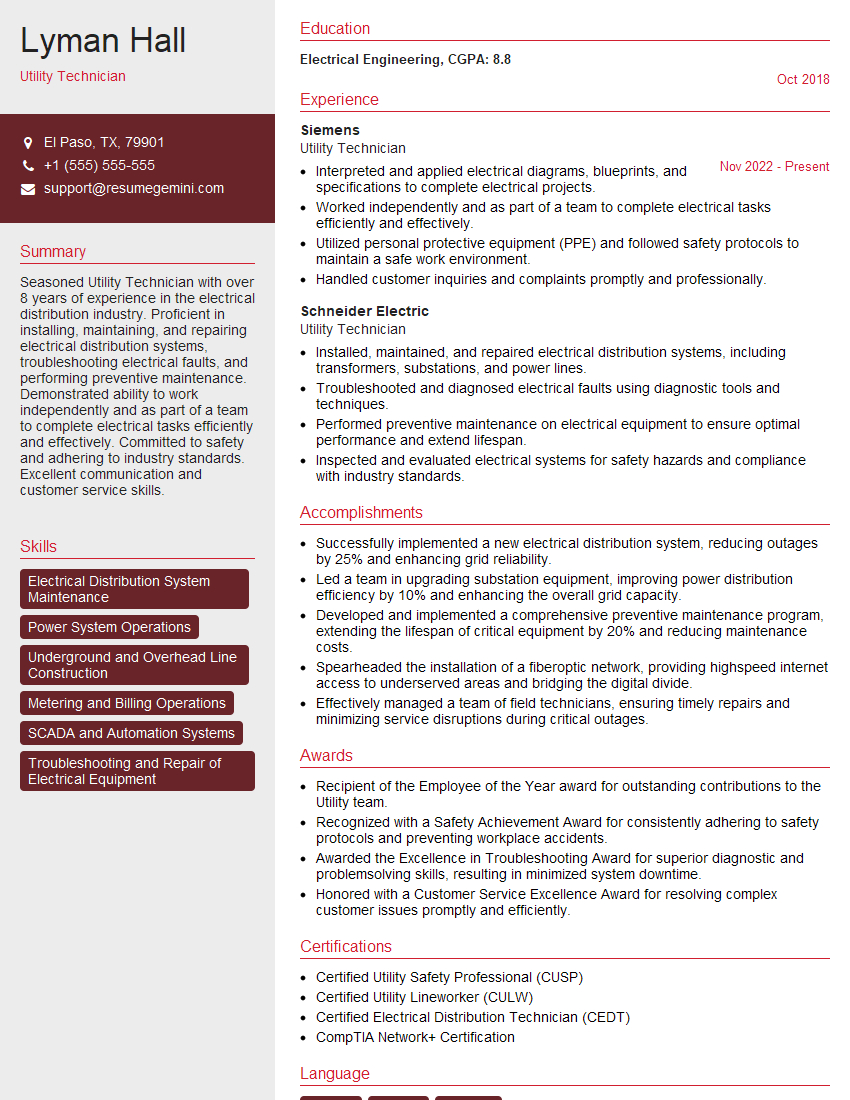
Utility Technician Resume Sample
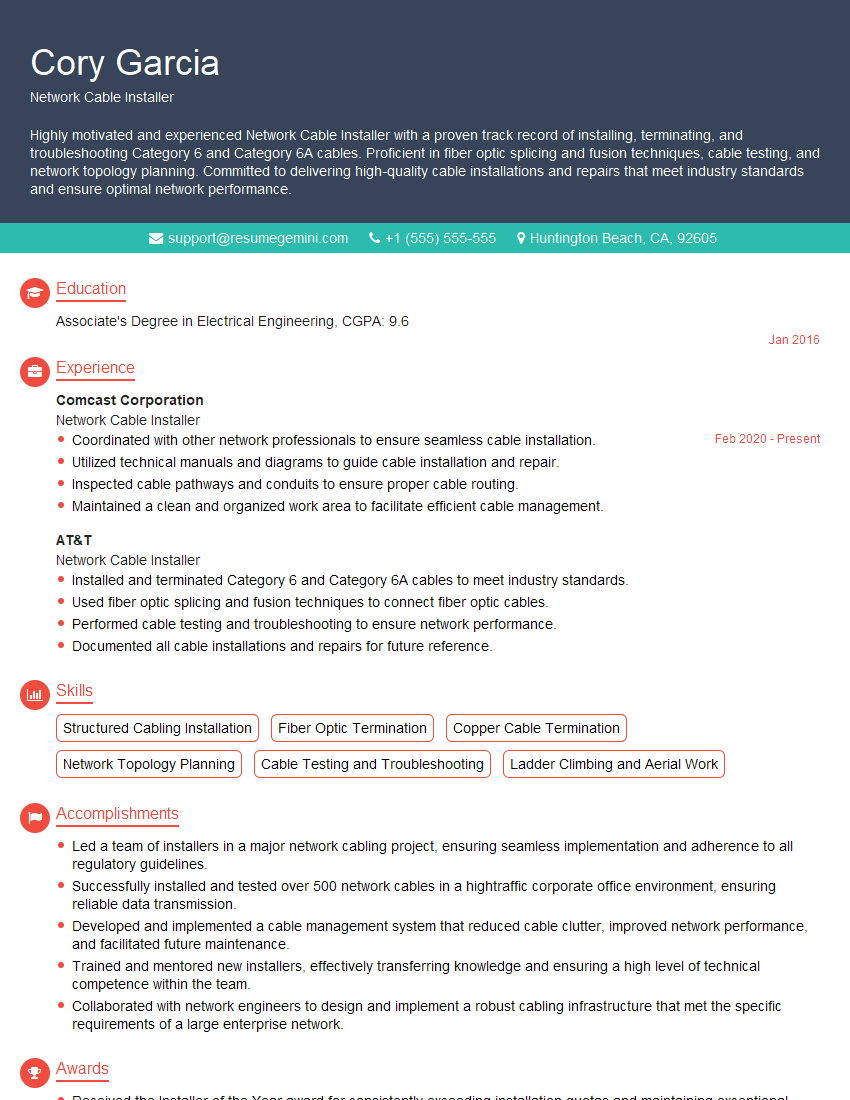
Network Cable Installer Resume Sample
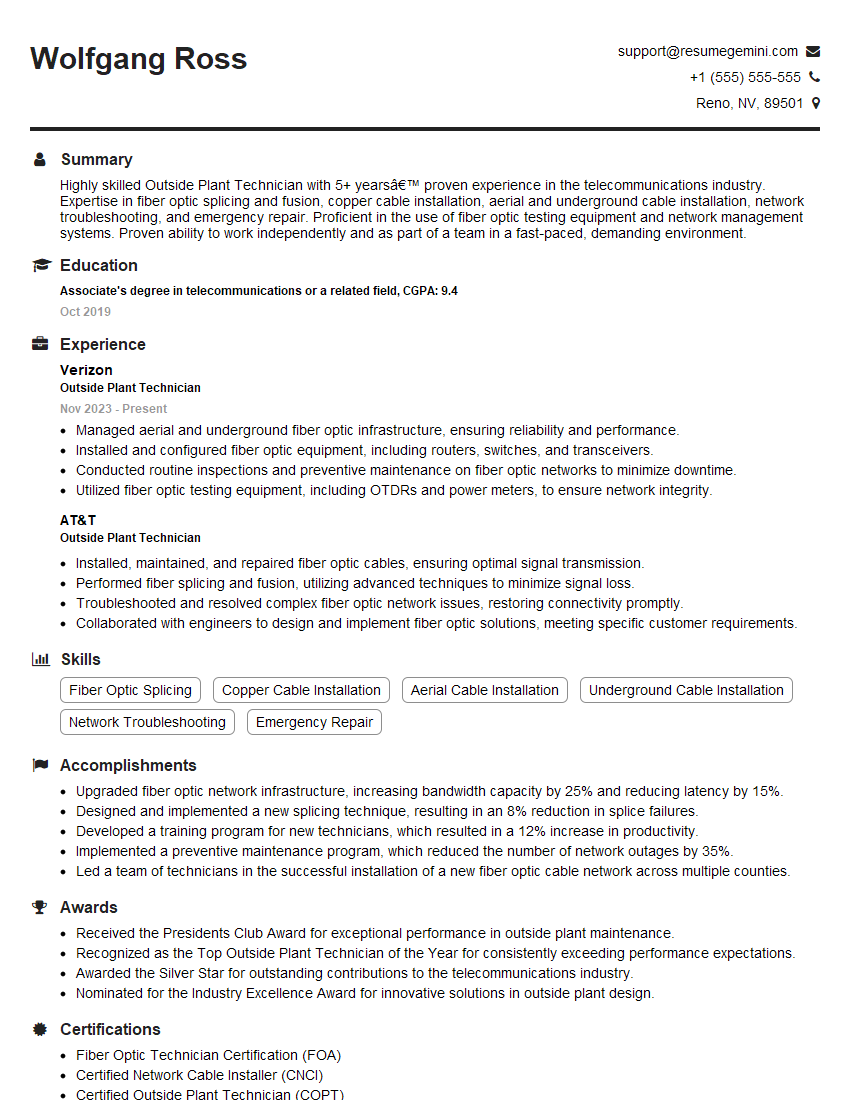
Outside Plant Technician Resume Sample
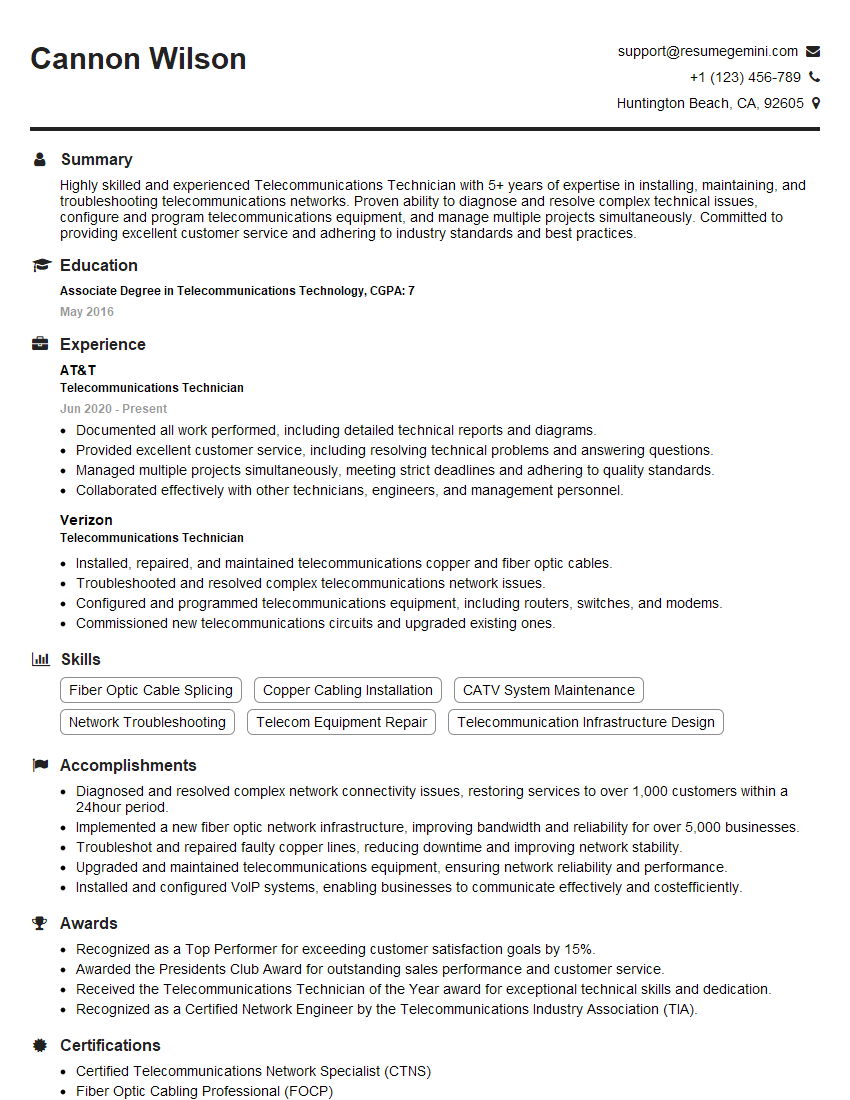
Telecommunications Technician Resume Sample
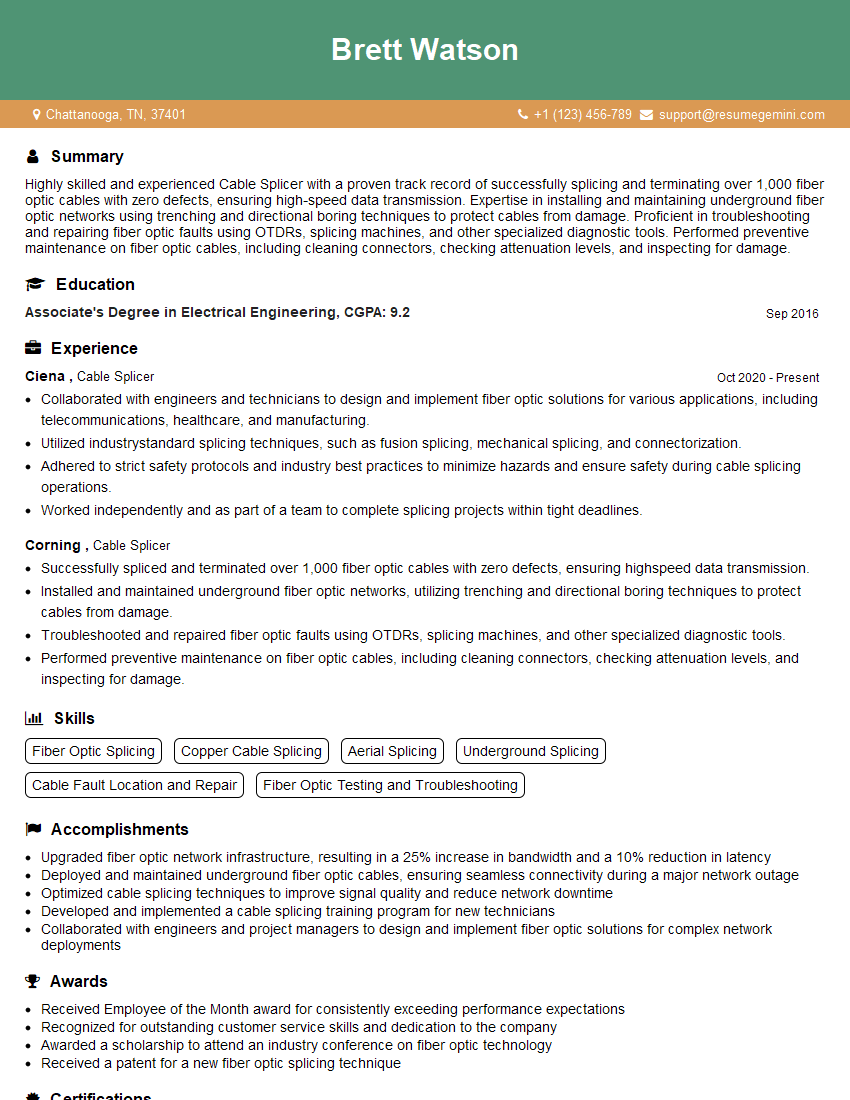
Cable Splicer Resume Sample
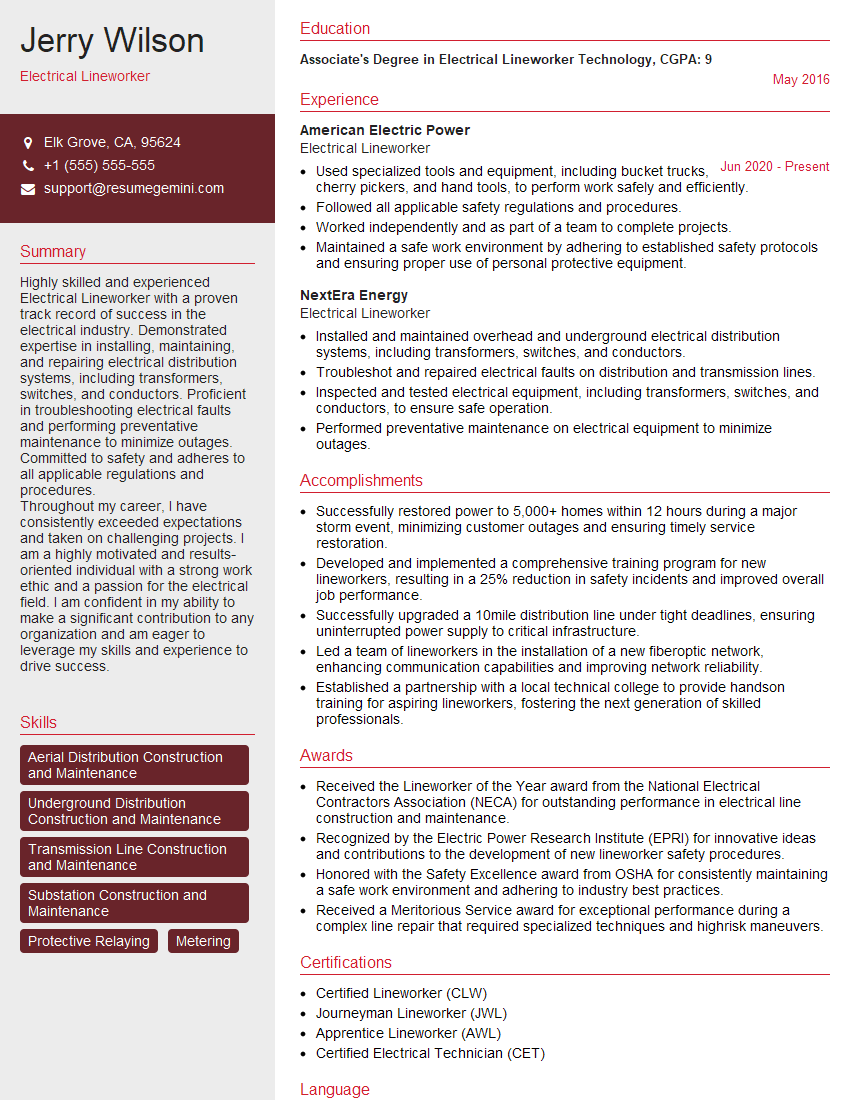
Electrical Lineworker Resume Sample
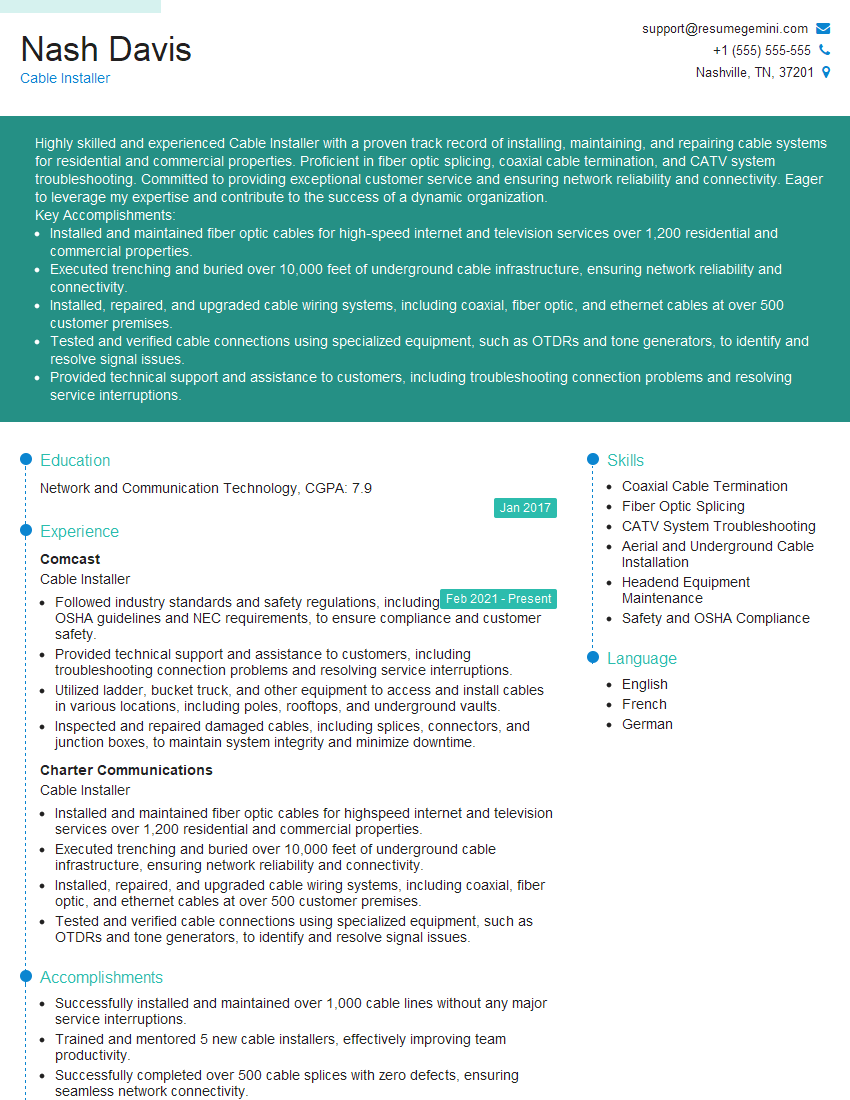
Cable Installer Resume Sample
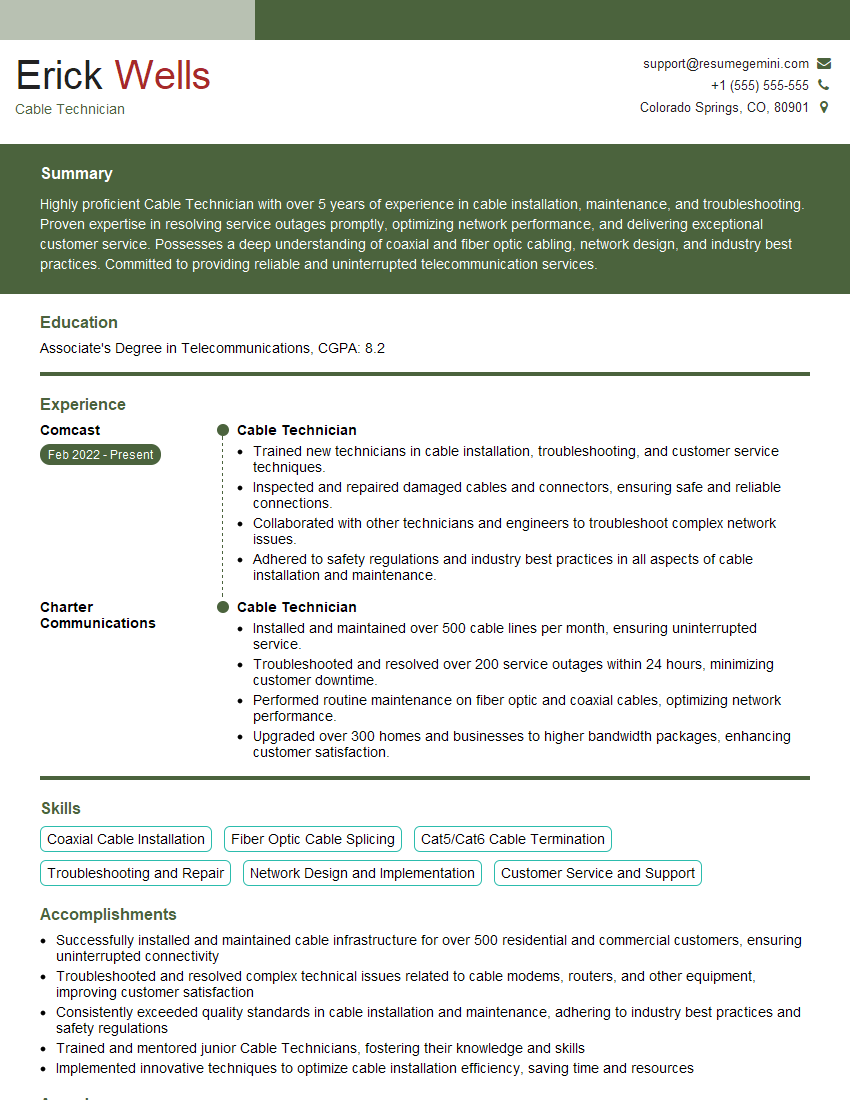
Cable Technician Resume Sample
Explore more articles
Users Rating of Our Blogs
Share Your Experience
We value your feedback! Please rate our content and share your thoughts (optional).
What Readers Say About Our Blog
Really detailed insights and content, thank you for writing this detailed article.
IT gave me an insight and words to use and be able to think of examples