The thought of an interview can be nerve-wracking, but the right preparation can make all the difference. Explore this comprehensive guide to Agricultural and Livestock Production interview questions and gain the confidence you need to showcase your abilities and secure the role.
Questions Asked in Agricultural and Livestock Production Interview
Q 1. Describe your experience with different irrigation systems.
Irrigation systems are crucial for optimizing crop yields, especially in arid and semi-arid regions. My experience encompasses several types, each with its own advantages and drawbacks. I’ve worked extensively with surface irrigation, which includes flood and furrow irrigation – simple and cost-effective, but prone to water waste and uneven distribution. Drip irrigation, where water is delivered directly to plant roots through a network of tubes, is highly efficient, minimizing water loss and maximizing nutrient delivery. I’ve also utilized sprinkler irrigation, offering better coverage than surface methods, but potentially less efficient in windy conditions. Finally, my experience includes subsurface drip irrigation, where water is delivered below the soil surface, further reducing evaporation loss and weed growth. The choice of system depends heavily on factors like terrain, soil type, crop type, and water availability. For instance, drip irrigation is ideal for high-value crops like fruits and vegetables, while flood irrigation might be suitable for less demanding crops on flat land with abundant water.
In my previous role, we compared the water use efficiency of drip and furrow irrigation for a tomato crop. The results showed a 40% reduction in water consumption with drip irrigation while achieving a 15% higher yield, showcasing the benefits of precision irrigation techniques.
Q 2. Explain your understanding of soil nutrient management.
Soil nutrient management is the art and science of supplying essential nutrients to plants in a way that maximizes crop yield while minimizing environmental impact. This involves understanding the soil’s nutrient content, the crop’s nutrient requirements, and the most efficient methods of nutrient application. Key aspects include soil testing to determine nutrient deficiencies, followed by the application of fertilizers, either organically (compost, manure) or synthetically (NPK fertilizers). The timing and method of application are critical – for instance, applying nitrogen fertilizer too early can lead to losses through leaching or volatilization. Understanding the soil’s organic matter content is also vital, as it plays a crucial role in nutrient retention and availability. Furthermore, responsible nutrient management considers the potential for nutrient runoff, which can pollute water sources. Cover crops can play a valuable role in improving soil health and reducing nutrient runoff.
In one project, we implemented a precision nutrient management system using GPS-guided fertilizer application, which reduced fertilizer use by 20% while maintaining crop yields. This approach minimizes environmental impact and improves profitability by reducing input costs.
Q 3. What are the common diseases affecting dairy cattle and their treatments?
Dairy cattle are susceptible to a range of diseases, many with significant economic consequences. Mastitis, an inflammation of the udder, is a common and costly issue, often caused by bacterial infections. Treatment typically involves antibiotics tailored to the specific bacterial pathogen identified through laboratory testing. Metritis, an inflammation of the uterus, often occurs after calving and can lead to reproductive problems. Treatment might include antibiotics and uterine lavage. Ketosis, a metabolic disorder, occurs when the cow’s energy needs exceed its intake, leading to a buildup of ketone bodies in the blood. Treatment often involves intravenous fluids and oral propylene glycol to increase energy intake. Johne’s disease, a chronic intestinal infection, is challenging to treat and often requires culling infected animals. Foot and mouth disease is a highly contagious viral disease affecting the mouth and feet, requiring strict biosecurity measures and vaccination programs. Prevention through good hygiene, vaccination, and proper nutrition is crucial in managing these diseases. Early detection and prompt veterinary intervention are key to minimizing their impact.
Q 4. How do you monitor and manage livestock feed efficiency?
Monitoring and managing livestock feed efficiency is critical for profitability and sustainability. It involves tracking the relationship between feed intake and animal production. Feed conversion ratio (FCR) is a key indicator, representing the amount of feed required to produce a unit of weight gain or milk. Lower FCR values indicate greater efficiency. Accurate feed records, including the quantity and composition of feedstuffs, are essential. Regular weighing of animals to monitor growth rates is also crucial. Data on milk yield (for dairy cattle) or meat production (for beef cattle) needs to be collected to calculate FCR. Factors influencing FCR include genetics, animal health, feed quality, and environmental conditions. Improvements can be achieved through selective breeding for improved feed efficiency, optimizing feed formulation to meet nutrient requirements, and implementing strategies to reduce feed waste and improve feed digestibility.
For example, I once helped a farm optimize their feed ration for dairy cows, leading to a 10% reduction in FCR and a 5% increase in milk yield.
Q 5. Discuss your experience with crop rotation and its benefits.
Crop rotation involves planting different crops in a planned sequence on the same piece of land over several growing seasons. It’s a cornerstone of sustainable agriculture offering multiple benefits. By rotating crops, farmers can break pest and disease cycles, reducing the reliance on pesticides. For example, planting a legume like alfalfa in one year can improve nitrogen levels in the soil, reducing the need for nitrogen fertilizers in subsequent years. Different crops have different rooting depths and nutrient requirements; crop rotation helps maintain soil structure and improve water infiltration. It can also reduce weed pressure and improve overall soil health. The specific rotation plan should be tailored to the local climate, soil type, and market demands. A common example is a three-year rotation of corn, soybeans, and wheat, which provides a good balance of nutrient requirements and pest control.
In a previous project, we implemented a crop rotation program that reduced pest infestations by 30% and increased soil organic matter by 15%, resulting in improved yields and reduced input costs.
Q 6. Explain your knowledge of different livestock breeding techniques.
Livestock breeding techniques aim to improve animal productivity and desirable traits. Artificial insemination (AI) allows for the controlled selection of superior genetics, maximizing the use of high-performing sires. This enables the rapid dissemination of desirable traits throughout the herd. Embryo transfer allows for the multiplication of superior genetics from elite females. This technology enables the production of multiple offspring from a single superior female in a short period. Genetic selection involves tracking and analyzing animal performance data to identify superior animals for breeding. This typically includes measures of growth rate, milk production, meat quality, and disease resistance. Marker-assisted selection (MAS) uses DNA markers to identify genes associated with desired traits, enhancing the accuracy of selection. Genomic selection is an advanced form of MAS utilizing high-density genomic data to predict the genetic merit of animals even before they express the desired trait. These techniques, combined with sound management practices, are instrumental in improving animal productivity and sustainability.
Q 7. What are your strategies for pest and disease control in crops?
Pest and disease control in crops requires an integrated approach that minimizes environmental impact while maximizing effectiveness. Integrated Pest Management (IPM) emphasizes prevention through practices like crop rotation, resistant varieties, and proper sanitation. Monitoring pest and disease levels is crucial to timely intervention. Biological control methods, such as introducing natural predators or parasites, can effectively control pest populations. Cultural controls, including appropriate planting dates, crop spacing, and weed management, can also minimize pest and disease pressure. Chemical pesticides should be used as a last resort, selecting the least toxic and most targeted options. Careful consideration should be given to pesticide application techniques to minimize environmental contamination and protect beneficial insects. Regular field scouting and record-keeping are essential for informed decision-making. A proactive and holistic approach is key to minimizing the impact of pests and diseases while ensuring environmental stewardship.
For example, in one project, we successfully implemented an IPM program that reduced pesticide use by 50% while maintaining crop yields by utilizing beneficial nematodes to control root-knot nematodes in a vegetable crop.
Q 8. How do you manage livestock waste and ensure environmental compliance?
Managing livestock waste effectively is crucial for environmental compliance and farm sustainability. It involves a multi-pronged approach focusing on minimizing waste production, proper storage, and responsible disposal or utilization.
- Minimization: This starts with optimized feeding strategies to reduce waste, improved animal health to minimize manure volume, and efficient housing designs to improve waste management.
- Storage: Proper storage prevents runoff and leaching of nutrients into waterways. This often involves anaerobic lagoons (large, oxygen-free ponds), solid-liquid separators, and covered storage to reduce odor and manage pathogens. For smaller farms, concrete pads with proper drainage can suffice.
- Utilization and Disposal: Waste can be utilized as fertilizer through composting, biogas production (generating renewable energy), or direct application to fields (following strict regulations). Disposal, where utilization isn’t feasible, must adhere to local and national regulations, potentially involving specialized waste haulers and licensed facilities.
For example, on a dairy farm I managed, we implemented a system combining anaerobic digestion for biogas production with the remaining digestate used as organic fertilizer. This significantly reduced our environmental footprint while generating a supplementary income stream.
Q 9. Describe your experience with precision agriculture technologies.
Precision agriculture technologies have revolutionized farming practices, allowing for data-driven decision-making. My experience encompasses the use of GPS-guided machinery for precise planting and spraying, yield monitoring systems using sensors and remote sensing, and variable rate technology (VRT) for optimizing fertilizer and water application.
I’ve used GPS-guided tractors and sprayers to apply inputs only where needed, reducing waste and improving efficiency. Yield mapping, obtained from sensors on combine harvesters, helped me identify areas needing improved soil management or targeted interventions. VRT systems allowed me to optimize fertilizer application based on real-time soil nutrient data, maximizing crop yield while minimizing environmental impact. For example, we used soil sensors to identify nitrogen-deficient areas in a cornfield and applied precisely targeted doses of fertilizer leading to a 15% increase in yield in those specific zones.
Q 10. Explain your understanding of animal welfare and ethical considerations.
Animal welfare is paramount in ethical and sustainable livestock production. It’s not just about meeting minimum legal requirements, but also about proactively ensuring the animals’ physical and psychological well-being. This involves providing adequate space, nutrition, and enrichment, minimizing stress, and promptly addressing any health concerns.
- Five Freedoms: I adhere to the ‘Five Freedoms’ framework: freedom from hunger and thirst, freedom from discomfort, freedom from pain, injury, or disease, freedom to express normal behavior, and freedom from fear and distress.
- Housing and Management: This includes designing appropriate housing that considers species-specific needs, implementing proper ventilation and temperature control, and implementing humane handling practices. Providing appropriate social interaction among animals is also crucial.
- Health and Veterinary Care: Regular veterinary checks, vaccination programs, and prompt treatment of illnesses are essential components of responsible animal husbandry.
In my previous role, we implemented a pain-management protocol for routine procedures, which drastically reduced stress levels in the animals and improved their overall health. We also designed our barns to maximize natural light and provide access to outdoor grazing areas, promoting healthier, more content animals.
Q 11. How do you handle challenging weather conditions affecting crop yields?
Managing the impact of challenging weather conditions on crop yields requires a proactive and adaptable approach. This includes careful planning, using weather forecasting tools, and implementing appropriate mitigation strategies.
- Crop Selection: Choosing drought-tolerant or frost-resistant varieties is a fundamental step. This ensures resilience against expected climatic challenges.
- Soil Management: Improving soil structure through practices like no-till farming or cover cropping enhances water retention and reduces the impact of drought. Proper drainage is crucial to mitigate flooding risks.
- Irrigation: Implementing efficient irrigation systems, like drip irrigation, can significantly reduce the impact of drought. However, this needs careful management to prevent waterlogging.
- Insurance: Crop insurance can provide financial protection against losses due to unexpected weather events.
For instance, during a severe drought, we used a combination of drought-resistant wheat varieties, precision irrigation based on soil moisture sensors, and supplemental irrigation to minimize yield losses. In another case, we used early frost warnings to effectively protect our fruit crops using frost protection covers.
Q 12. What are your strategies for optimizing livestock productivity?
Optimizing livestock productivity involves a holistic approach that integrates several key strategies.
- Genetics: Selecting animals with superior genetics through selective breeding or artificial insemination improves traits like milk yield, growth rate, and disease resistance.
- Nutrition: Providing balanced and high-quality feed tailored to the specific needs of the animals at each stage of their life cycle maximizes their potential.
- Health Management: Implementing preventative health programs, including vaccination and parasite control, minimizes disease and mortality, improving overall productivity.
- Environment: Creating a comfortable and stress-free environment with proper ventilation, temperature control, and sufficient space positively influences animal welfare and performance.
- Data Management: Recording and analyzing performance data (e.g., milk yield, weight gain) helps identify areas for improvement and track progress.
In one instance, we implemented a precision feeding system that tailored feed rations based on individual cow milk production, leading to a 10% increase in milk yield. Regular veterinary checks and rapid responses to health issues also helped drastically reduce animal mortality.
Q 13. Describe your experience with various agricultural machinery.
My experience encompasses a wide range of agricultural machinery, from traditional equipment to sophisticated precision technologies.
- Tractors: I have extensive experience operating and maintaining various tractor types, from smaller utility tractors to large, high-horsepower models, used for plowing, planting, and harvesting operations.
- Planting and Harvesting Equipment: My experience includes using various planting machines (e.g., planters, seed drills), harvesters (e.g., combines, forage harvesters), and other specialized equipment tailored to different crops.
- Sprayers and Fertilizer Spreaders: I’m proficient in operating GPS-guided sprayers and fertilizer spreaders for precise application, minimizing input waste.
- Post-Harvest Handling Equipment: I have experience with grain dryers, storage facilities, and other equipment essential for proper crop preservation and handling.
I’m comfortable with both manual and automated equipment and possess skills in troubleshooting and maintenance. For example, my knowledge of combine harvesters allowed me to quickly diagnose a malfunction and prevent significant downtime during harvest season, saving significant costs.
Q 14. How do you assess the financial health and profitability of a farm?
Assessing the financial health and profitability of a farm involves a comprehensive analysis of income, expenses, and assets.
- Income Analysis: This includes evaluating revenue from crop sales, livestock sales, government subsidies, and other income sources. It’s important to account for fluctuations in market prices and production levels.
- Expense Analysis: A detailed breakdown of all expenses, including land rent, seeds, fertilizers, machinery, labor, veterinary care, and marketing costs is necessary. This allows for identifying areas for potential cost savings.
- Asset Valuation: Assessing the value of land, buildings, machinery, livestock, and other assets helps determine the farm’s net worth.
- Profitability Ratios: Key financial ratios, such as return on assets (ROA), return on equity (ROE), and net profit margin, provide insights into the farm’s profitability and efficiency.
- Cash Flow Analysis: Monitoring cash flow – the movement of money in and out of the farm – is crucial for managing working capital and ensuring liquidity. A strong cash flow is essential for weathering economic downturns.
I often use spreadsheet software and farm management software to track income and expenses, conduct profitability analysis, and prepare financial projections. For example, by analyzing cost-benefit data across different farming techniques, we were able to implement changes that saved the farm over 15% in operational costs annually, without impacting the farm’s profitability.
Q 15. Explain your knowledge of various crop varieties and their suitability.
Choosing the right crop variety is crucial for maximizing yield and profitability. My knowledge encompasses a wide range of crops, considering factors like climate, soil type, pest resistance, and market demand. For example, in arid regions, drought-resistant varieties like certain sorghum or millet types are essential. Conversely, in humid climates, disease-resistant rice or maize hybrids are preferred. I consider the specific needs of each farm and location to recommend suitable varieties. I’m familiar with the different classifications of crops – from C3 and C4 plants (affecting photosynthesis efficiency) to various maturity groups within a species (e.g., early, mid, and late-season soybeans). My expertise extends to understanding the genetic makeup of varieties, including GMOs and their potential advantages (like herbicide tolerance) and disadvantages (like potential ecological impacts). I also stay updated on the latest advancements in crop breeding and the release of new, improved varieties.
- Example 1: Selecting a disease-resistant wheat variety for a region prone to fungal infections can significantly reduce crop losses and minimize the need for chemical pesticides.
- Example 2: Choosing a high-yielding corn hybrid optimized for specific soil conditions can increase the overall harvest and improve farm profitability.
Career Expert Tips:
- Ace those interviews! Prepare effectively by reviewing the Top 50 Most Common Interview Questions on ResumeGemini.
- Navigate your job search with confidence! Explore a wide range of Career Tips on ResumeGemini. Learn about common challenges and recommendations to overcome them.
- Craft the perfect resume! Master the Art of Resume Writing with ResumeGemini’s guide. Showcase your unique qualifications and achievements effectively.
- Don’t miss out on holiday savings! Build your dream resume with ResumeGemini’s ATS optimized templates.
Q 16. How do you monitor and manage herd health?
Herd health monitoring and management are critical for efficient livestock production. My approach is proactive, combining regular observation with sophisticated diagnostic tools. This starts with daily visual checks for signs of illness (e.g., lameness, reduced appetite, changes in fecal consistency). We implement regular vaccination programs tailored to the specific diseases prevalent in the region. I utilize record-keeping software to track individual animal health data, including weight, vaccination history, and any treatments administered. This allows for early detection of potential outbreaks. Diagnostic tools such as blood tests and fecal exams help identify pathogens and parasites. Furthermore, I emphasize biosecurity measures to prevent the introduction and spread of diseases, such as strict hygiene protocols and quarantine procedures for new animals. A crucial aspect is promptly contacting a veterinarian for any suspected disease or unusual health issues. For example, in a dairy herd, mastitis (udder infection) is a major concern, and regular udder checks along with somatic cell count monitoring are critical to manage this efficiently.
Q 17. What are your strategies for reducing greenhouse gas emissions in agriculture?
Reducing greenhouse gas emissions in agriculture is paramount for environmental sustainability. My strategies focus on several key areas. First, improving feed efficiency in livestock through better nutrition management reduces methane emissions (a potent greenhouse gas). For example, adding feed additives like seaweed or specific oilseeds can lower methane production in ruminant animals. Second, implementing precision agriculture techniques, like variable-rate fertilization and irrigation, optimizes resource use and reduces emissions associated with fertilizer production and transportation. Third, adopting no-till farming and cover cropping practices improves soil health, sequesters carbon in the soil, and reduces nitrous oxide emissions from fertilizers. Fourth, managing manure effectively through anaerobic digestion (producing biogas for energy) significantly reduces methane emissions from livestock waste. Finally, I promote the adoption of renewable energy sources on farms, such as solar panels, reducing reliance on fossil fuels.
Q 18. Describe your experience with sustainable agricultural practices.
My experience with sustainable agricultural practices is extensive. I have actively promoted and implemented integrated pest management (IPM), minimizing reliance on synthetic pesticides and promoting natural pest control methods. I’ve worked with farmers to transition to organic farming practices, emphasizing soil health and biodiversity. This involves crop rotation, cover cropping, and the use of organic fertilizers like compost. I’ve implemented water-efficient irrigation techniques like drip irrigation to conserve water resources. I have also helped farmers integrate agroforestry, combining trees with crops or livestock to enhance biodiversity and provide additional income streams. A successful example involved helping a farm implement a closed-loop system, where livestock manure is composted and used to fertilize crops, reducing waste and reliance on external inputs.
Q 19. How do you handle livestock emergencies?
Handling livestock emergencies requires a calm, swift, and systematic response. My approach is based on preparedness and established protocols. This involves having readily available emergency contact information for veterinarians, transportation services, and regulatory agencies. A crucial element is having an established plan for isolating sick animals to prevent disease spread. We also ensure access to emergency medical supplies, including medications and equipment for treating injuries or illnesses. For example, during a heat wave, providing adequate shade, water, and cooling measures is essential to prevent heat stress. In the event of an outbreak, quick actions such as implementing strict biosecurity measures, notifying relevant authorities, and cooperating with veterinary interventions are crucial to minimize losses and prevent further spread.
Q 20. What is your experience with record-keeping and data analysis in agriculture?
Record-keeping and data analysis are integral parts of modern agriculture. I’m proficient in using various farm management software and databases to track production data, such as yields, costs, and livestock performance metrics. This data is essential for informed decision-making and evaluating the effectiveness of different management strategies. I utilize statistical methods and data visualization techniques to identify trends, pinpoint areas for improvement, and optimize farm operations. For example, analyzing yield data over several years can reveal the impact of different fertilization regimes or irrigation strategies. Similarly, tracking livestock weight gain can inform decisions on feed management and breeding strategies. I’m also adept at using precision agriculture technologies, including GPS-guided machinery and sensors, to collect detailed field data for optimized resource allocation and yield enhancement.
Q 21. Explain your understanding of different fertilization techniques.
Fertilization techniques are crucial for maximizing crop yields and ensuring soil health. My understanding encompasses various methods, each with its own advantages and disadvantages. These include broadcasting (uniform spreading of fertilizer over the entire field), banding (placing fertilizer in a narrow band near the seed row), side-dressing (applying fertilizer alongside established plants), and foliar feeding (applying nutrients directly to leaves). The choice depends on the crop, soil type, nutrient requirements, and environmental conditions. I also consider different fertilizer types, including inorganic (synthetic) and organic (manure, compost). Organic fertilizers improve soil structure and nutrient retention but might have slower release compared to inorganic fertilizers. Precision fertilization, using soil tests and GPS technology, allows for targeted nutrient application, maximizing efficiency and minimizing environmental impact. For example, in sandy soils, frequent and smaller applications of fertilizer might be more efficient than large, infrequent applications because of higher nutrient leaching potential.
Q 22. How do you ensure the quality and safety of agricultural products?
Ensuring the quality and safety of agricultural products is paramount, encompassing every stage from planting or breeding to post-harvest handling and distribution. It’s a multifaceted process that hinges on adhering to strict protocols and best practices.
Good Agricultural Practices (GAPs): These are standardized procedures focusing on minimizing environmental impact while maximizing product quality. This involves careful selection of seeds/breed stock, appropriate soil management (fertilization, irrigation, pest control), and timely harvesting. For example, adhering to GAPs means employing integrated pest management strategies that prioritize biological controls over chemical pesticides, thereby reducing pesticide residues and enhancing food safety.
Hazard Analysis and Critical Control Points (HACCP): This systematic, preventative approach identifies potential hazards throughout the production process and implements controls to minimize or eliminate risks. A common example is implementing temperature controls during storage and transportation to prevent bacterial growth.
Traceability: Establishing a system to track the product’s journey from origin to consumer is crucial for identifying the source of any contamination or quality issues. This usually involves labeling and documentation at every stage.
Post-harvest Handling: Proper cleaning, sorting, grading, packaging, and storage are essential to maintain quality and prevent spoilage. For instance, proper ventilation during storage of grains is crucial to prevent mold growth.
Regular Testing and Inspections: Routine testing for pesticide residues, heavy metals, and microbial contamination ensures compliance with safety standards. Independent third-party audits can also verify adherence to quality and safety protocols.
In my experience, a proactive and integrated approach, where quality is built into every step of the process, rather than being checked only at the end, is the most effective way to ensure consistently safe and high-quality agricultural products.
Q 23. Describe your experience with budgeting and resource allocation in agriculture.
Budgeting and resource allocation in agriculture are critical for profitability and sustainability. It requires a thorough understanding of costs, potential yields, and market dynamics. My approach involves a multi-step process:
Detailed Cost Analysis: This includes land costs, seeds/breeding stock, fertilizers, pesticides, labor, machinery, irrigation, transportation, processing, marketing, and storage. A clear breakdown of fixed versus variable costs is essential.
Yield Projection: Based on historical data, soil conditions, and anticipated weather patterns, I develop realistic yield projections for each crop or livestock type. This requires a good understanding of agricultural techniques and their effect on productivity.
Market Analysis: Understanding market prices, demand, and potential risks is crucial for determining the profitability of different crops or livestock. This includes analyzing pricing trends and identifying potential buyers.
Resource Allocation: After analyzing costs and projections, I allocate resources – including financial capital, labor, machinery, and land – to maximize returns while minimizing risks. This may involve prioritizing investments in areas with the highest potential return or mitigating risks by diversifying production.
Monitoring and Adjustment: Regularly tracking expenses, yields, and market conditions allows for timely adjustments to the budget and resource allocation strategy throughout the growing season. For example, if pest infestations occur, adjustments may need to be made to pesticide use and labor costs.
For example, in one project, I successfully optimized irrigation scheduling using sensor data, leading to a 15% reduction in water usage and a 10% increase in yield, demonstrating the effectiveness of data-driven resource allocation.
Q 24. Explain your understanding of government regulations affecting agriculture.
Government regulations significantly impact agricultural production, covering various aspects like environmental protection, food safety, animal welfare, and labor practices. Understanding these regulations is crucial for compliance and sustainable operation.
Environmental Regulations: These may include restrictions on pesticide use, water usage, soil erosion control, and waste management. For instance, regulations might limit the application of specific pesticides to protect pollinators and reduce water pollution. This requires farmers to adopt sustainable farming practices such as crop rotation and integrated pest management.
Food Safety Regulations: These aim to ensure the safety of food products by setting standards for pesticide residues, microbial contamination, and labeling. Adherence to HACCP principles and regular testing are critical for compliance.
Animal Welfare Regulations: These define humane treatment standards for livestock, covering areas like housing, transportation, and slaughter. Compliance is essential for ethical and legal operation.
Labor Regulations: These cover aspects like minimum wage, working conditions, and worker safety. Farmers must ensure compliance with relevant labor laws.
Subsidies and Incentives: Governments often offer subsidies and incentives to promote sustainable agricultural practices and support farmers. Understanding these programs is important for accessing financial support.
Staying updated on changes in legislation and working closely with relevant regulatory bodies is critical for navigating these regulations effectively. Ignoring these regulations can result in significant penalties and damage to the farm’s reputation.
Q 25. How do you manage labor and human resources on a farm?
Managing labor and human resources on a farm requires careful planning, training, and effective communication. It’s crucial to balance productivity with employee well-being and compliance with labor laws.
Recruitment and Training: Finding skilled and reliable workers is essential. Providing adequate training on safe farming practices, machinery operation, and specific tasks is crucial for efficiency and safety.
Team Building and Motivation: Creating a positive and supportive work environment increases employee morale and productivity. Recognizing achievements and providing opportunities for advancement can improve employee retention.
Fair Wages and Benefits: Offering competitive wages and benefits, including health insurance and paid time off, is critical for attracting and retaining skilled labor.
Compliance with Labor Laws: Adhering to all relevant labor laws and regulations, including minimum wage, overtime pay, and worker safety standards, is essential for legal and ethical operation.
Workload Management: Efficiently scheduling tasks and distributing workload among employees is essential to maximize productivity and avoid burnout. Using technology like farm management software can assist in planning and scheduling.
In my experience, fostering a culture of open communication, collaboration, and mutual respect is essential for creating a highly productive and satisfied workforce. I’ve found that investing in employee training and development not only improves productivity but also reduces safety incidents and worker turnover.
Q 26. What is your experience with marketing and selling agricultural products?
Marketing and selling agricultural products require a strategic approach that considers product quality, target market, pricing, and distribution channels. My experience involves a range of strategies:
Direct Sales: Selling directly to consumers through farmers’ markets, farm stands, or community-supported agriculture (CSA) programs allows for building strong customer relationships and achieving premium prices.
Wholesale Sales: Selling to wholesalers, retailers, or food processors is an effective way to reach a wider market, though typically with lower profit margins. Negotiating contracts and managing inventory are crucial for success.
Value-Added Products: Processing agricultural products into value-added items like jams, pickles, or processed meats can increase profitability and market appeal. This often requires additional investment in processing equipment and expertise.
Branding and Marketing: Creating a strong brand identity and effective marketing materials – including websites, social media, and printed materials – helps to differentiate products and attract customers. Highlighting the unique qualities of your products, such as sustainable farming practices or local origin, can be a powerful marketing tool.
Market Research: Thorough market research helps identify target customers, assess competition, and determine optimal pricing strategies. Understanding customer preferences and trends is crucial for marketing success.
For example, I successfully established a CSA program that resulted in a 20% increase in farm revenue and fostered a strong relationship with our community.
Q 27. Describe your experience with risk management in agricultural production.
Risk management in agricultural production is crucial for ensuring the long-term viability of the operation. Agricultural production is inherently risky, subject to unpredictable weather patterns, pest infestations, market fluctuations, and various other factors. My approach involves identifying potential risks, assessing their likelihood and impact, and developing strategies to mitigate them.
Crop and Livestock Diversification: Producing a variety of crops or livestock reduces the impact of losses from a single source. For instance, a farm growing both corn and soybeans would be less vulnerable to a poor corn harvest.
Weather Risk Management: Utilizing weather forecasts, drought-resistant crops, irrigation systems, and crop insurance can help mitigate weather-related risks.
Pest and Disease Management: Employing integrated pest management (IPM) techniques, disease-resistant varieties, and crop rotation minimizes risks from pests and diseases.
Market Risk Management: Using forward contracts, hedging strategies, and diversification of markets can reduce the impact of price fluctuations. Careful market analysis and strategic planning are essential.
Financial Risk Management: Maintaining sufficient financial reserves, budgeting carefully, and exploring financing options can help navigate financial challenges such as equipment breakdowns or unexpected expenses. Diversifying income streams can also help mitigate financial risks.
Effective risk management requires continuous monitoring, adaptation, and a proactive approach. Regularly assessing risks and adjusting strategies based on new information and market conditions are key to success.
Key Topics to Learn for Agricultural and Livestock Production Interview
- Sustainable Farming Practices: Understanding and applying principles of sustainable agriculture, including crop rotation, integrated pest management, and conservation tillage. Consider the environmental and economic impacts of different approaches.
- Livestock Management: Explore various animal husbandry techniques, focusing on animal health, nutrition, breeding, and welfare. Be prepared to discuss practical examples of managing different livestock species.
- Precision Agriculture Technologies: Familiarize yourself with the application of technology in agriculture, such as GPS, GIS, remote sensing, and data analytics for optimizing farm operations and resource management. Be ready to discuss how these tools improve efficiency and decision-making.
- Crop Production and Physiology: Understand plant growth cycles, nutrient requirements, and the impact of environmental factors on crop yield. Be prepared to discuss various cropping systems and their suitability for different climates and soil types.
- Soil Health and Management: Discuss the importance of maintaining soil health through practices such as cover cropping, composting, and minimizing soil erosion. Understand the impact of soil fertility on crop production.
- Livestock Disease Prevention and Control: Develop a strong understanding of common livestock diseases, their prevention, and control strategies. Be prepared to discuss biosecurity measures and vaccination protocols.
- Post-Harvest Handling and Processing: Learn about the techniques and technologies involved in post-harvest handling, storage, and processing of agricultural products to minimize losses and maintain quality.
- Farm Financial Management: Understanding basic accounting principles, budgeting, and financial planning is crucial for successful farm operations. Be prepared to discuss cost management strategies and profitability analysis.
- Agricultural Policy and Regulations: Be aware of relevant agricultural policies, regulations, and safety standards at local, national, and international levels.
Next Steps
Mastering Agricultural and Livestock Production opens doors to a rewarding and impactful career, offering opportunities for innovation and contributing to global food security. To maximize your job prospects, it’s crucial to present your skills and experience effectively. Creating an ATS-friendly resume is paramount in today’s competitive job market. ResumeGemini is a trusted resource to help you build a professional and impactful resume that gets noticed. We provide examples of resumes tailored to Agricultural and Livestock Production to guide you in crafting a compelling document that showcases your unique qualifications. Take the next step towards your dream career – build a powerful resume with ResumeGemini.
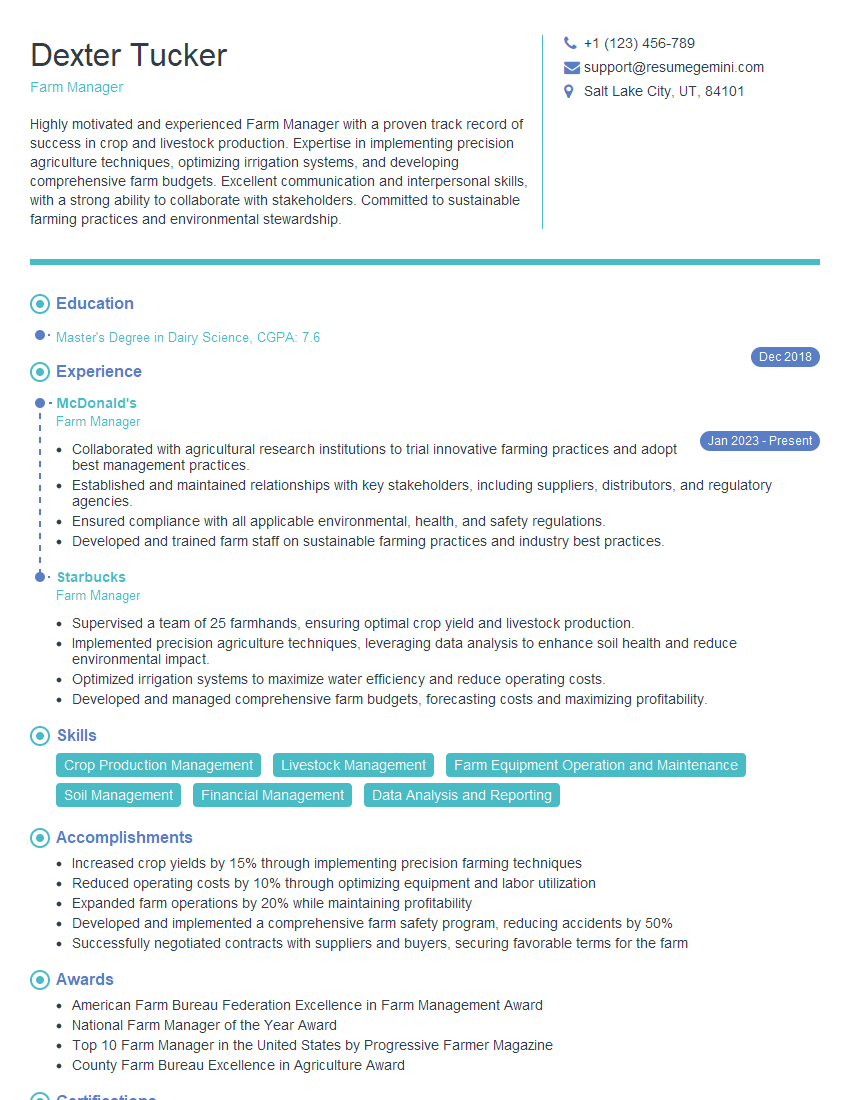
Farm Manager Resume Sample
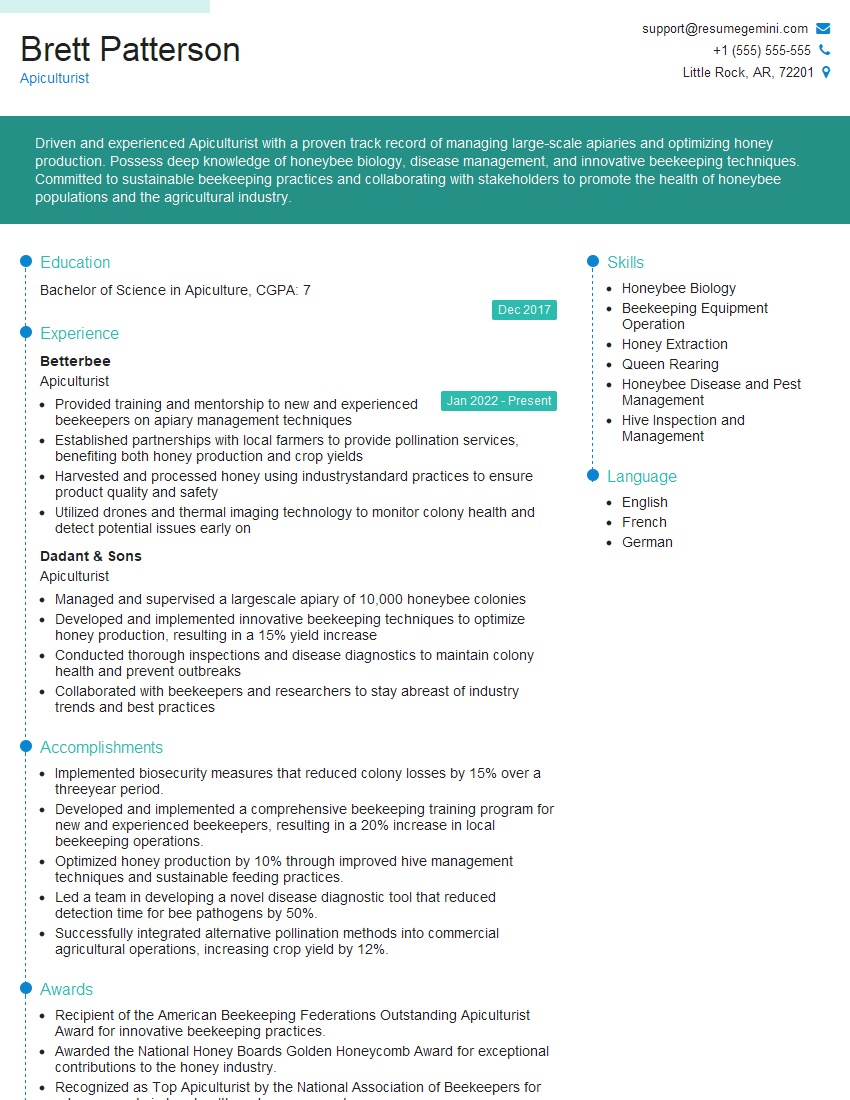
Apiculturist Resume Sample
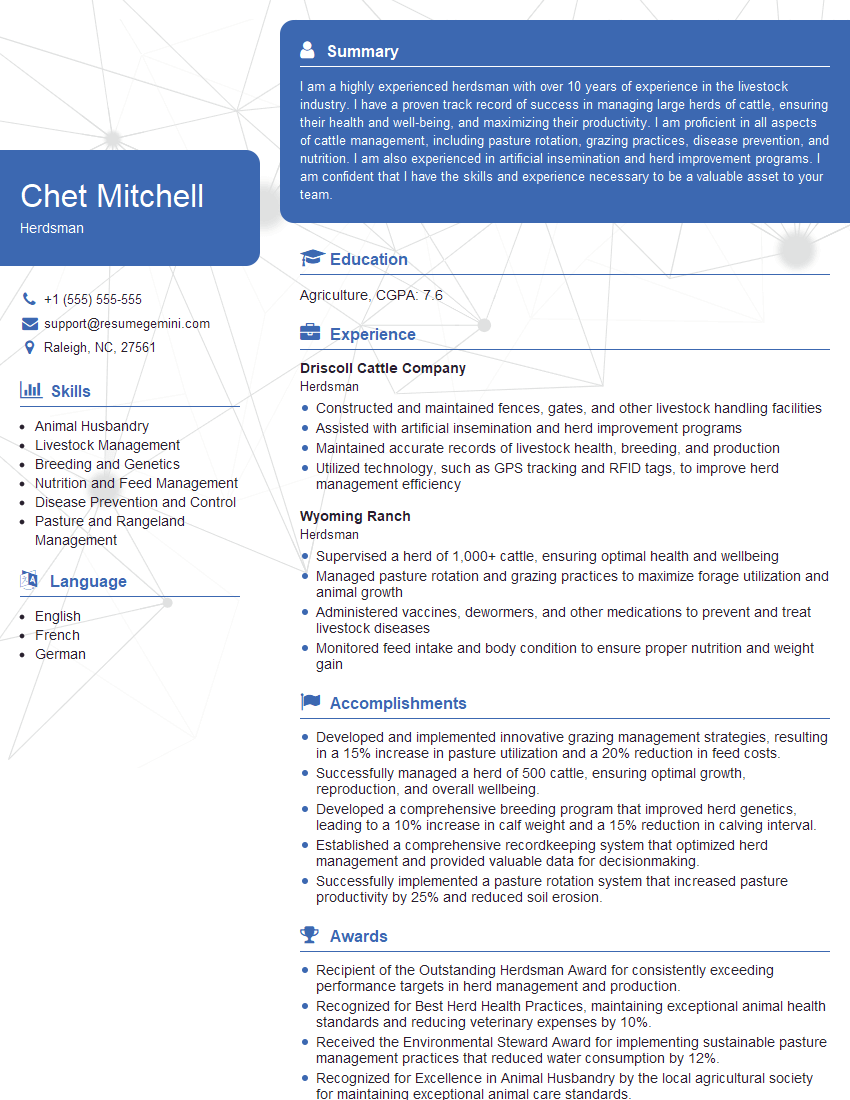
Herdsman Resume Sample
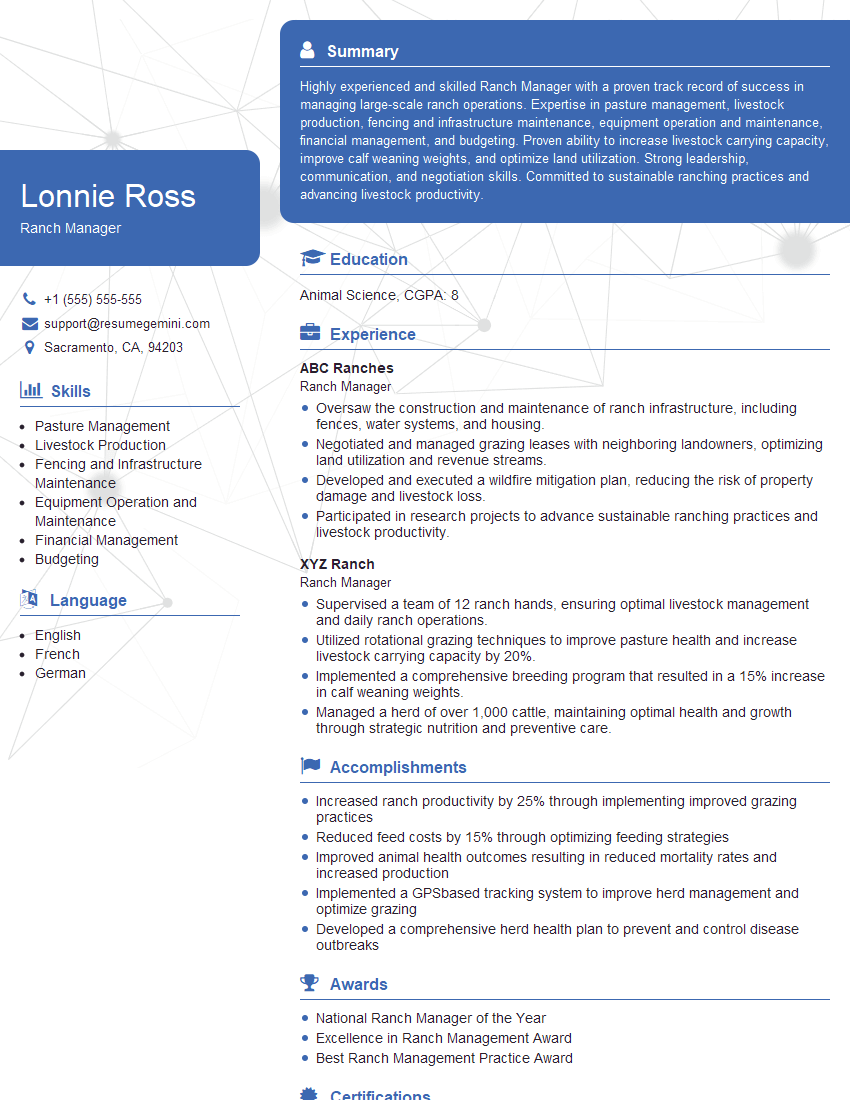
Ranch Manager Resume Sample
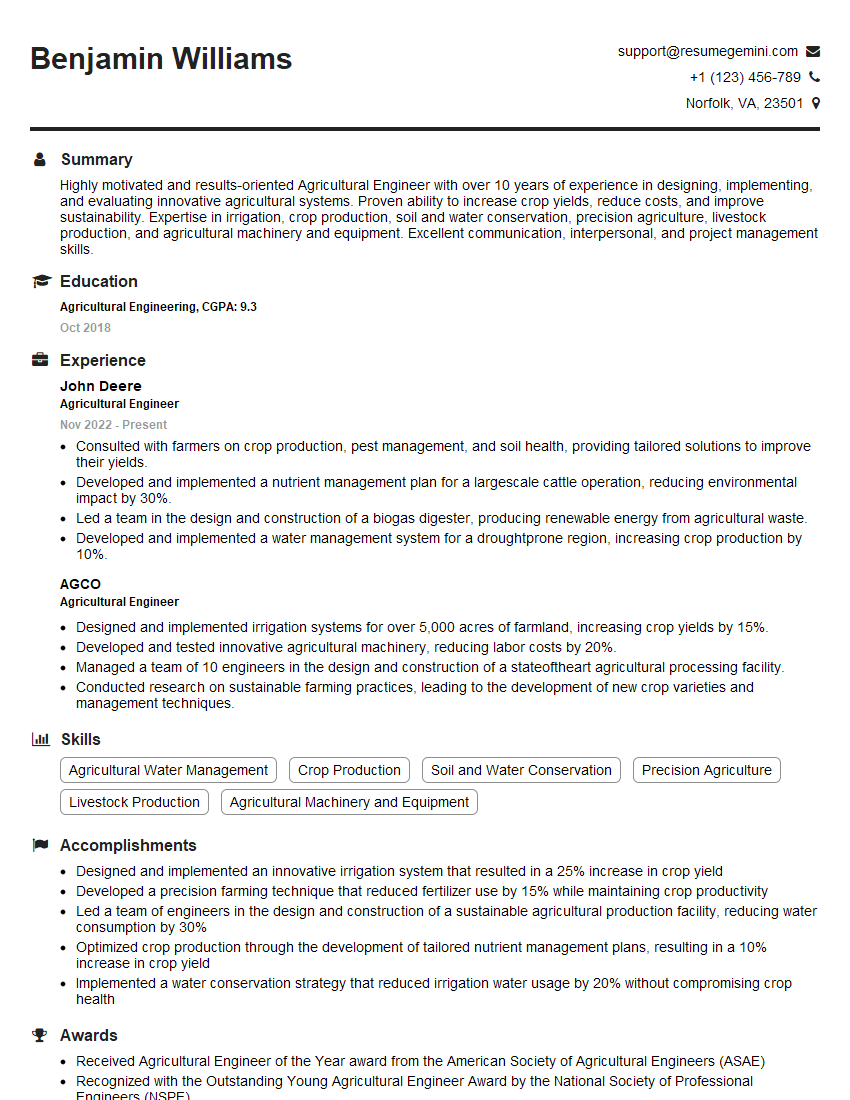
Agricultural Engineer Resume Sample
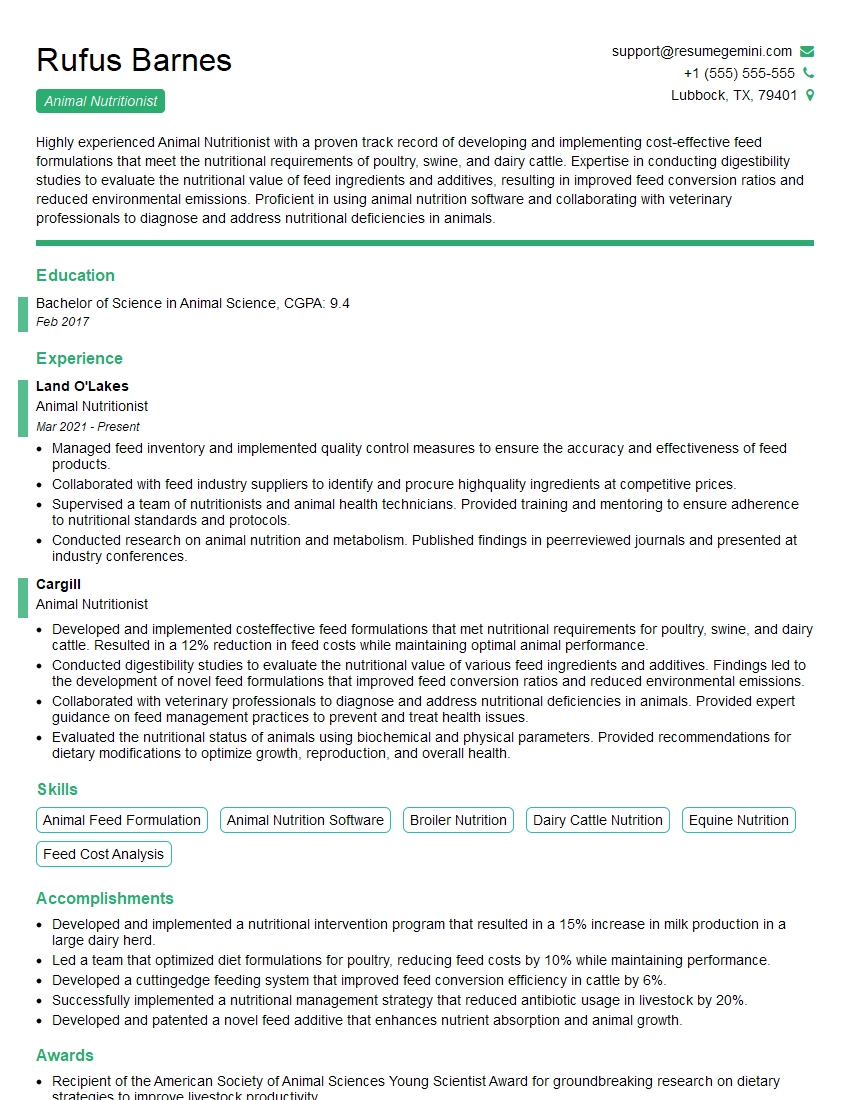
Animal Nutritionist Resume Sample

Soil Scientist Resume Sample
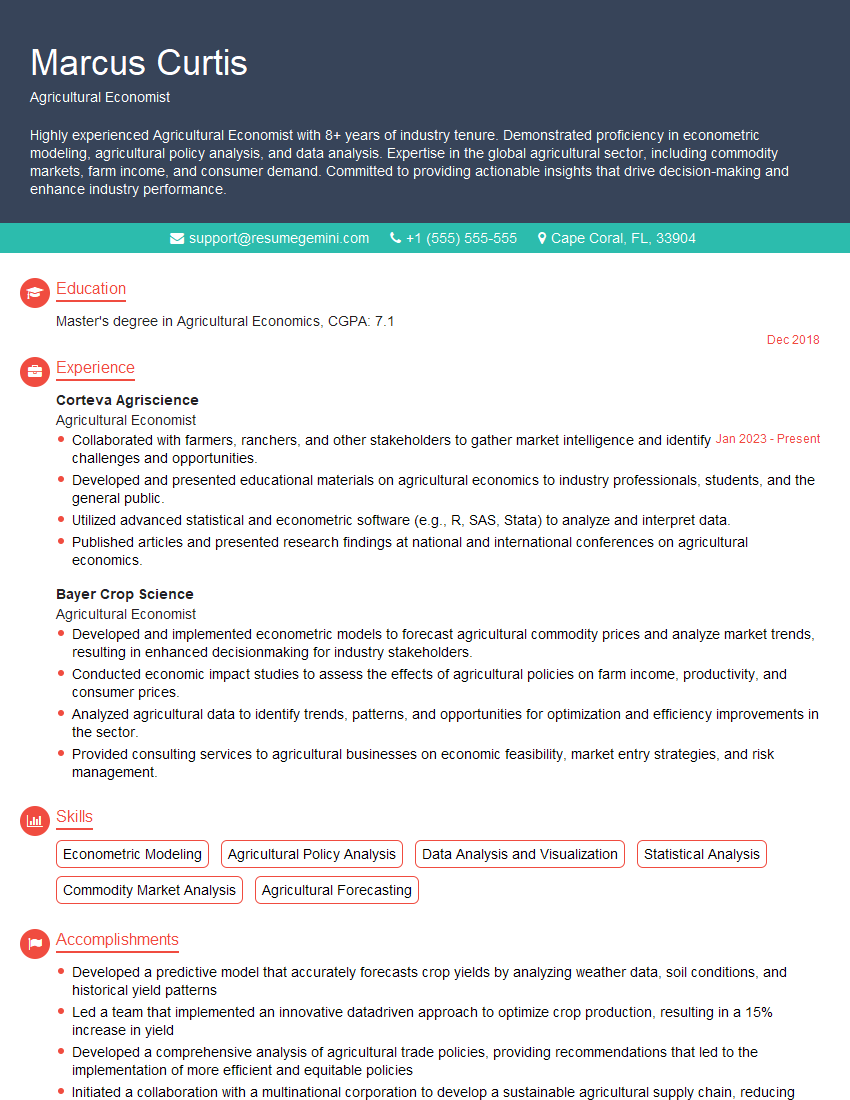
Agricultural Economist Resume Sample
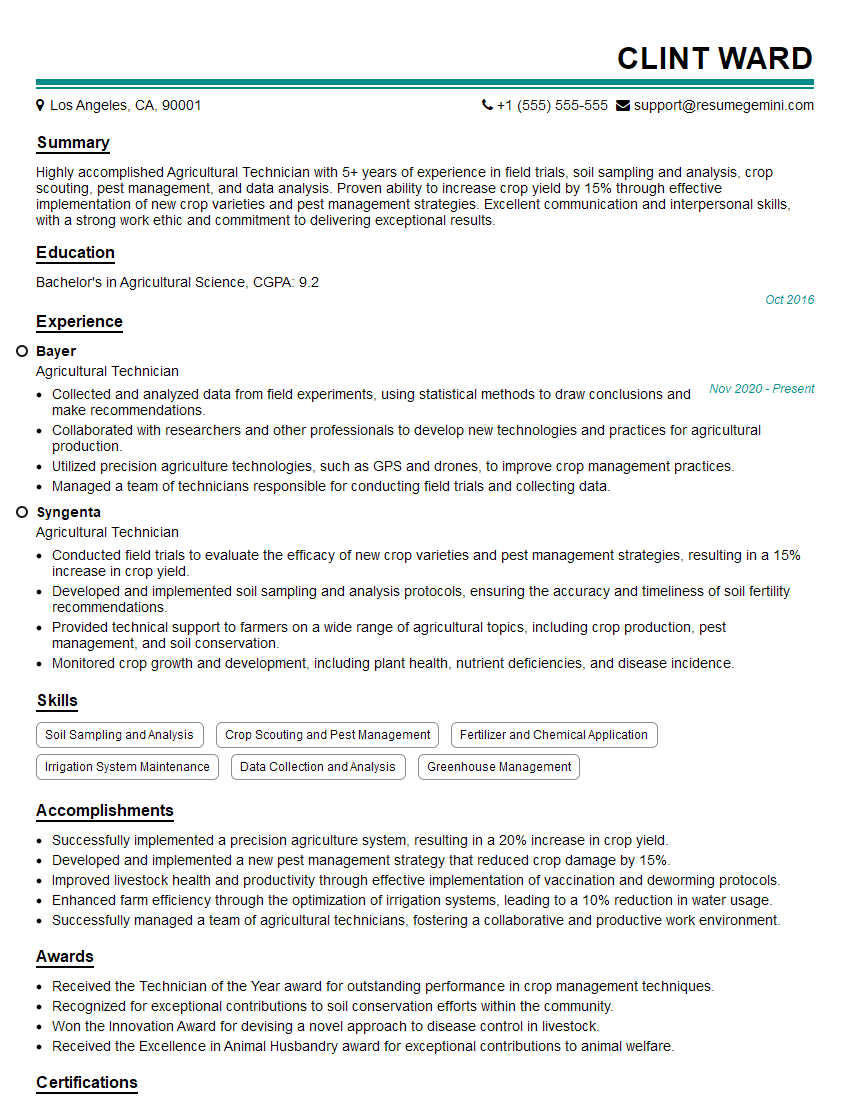
Agricultural Technician Resume Sample
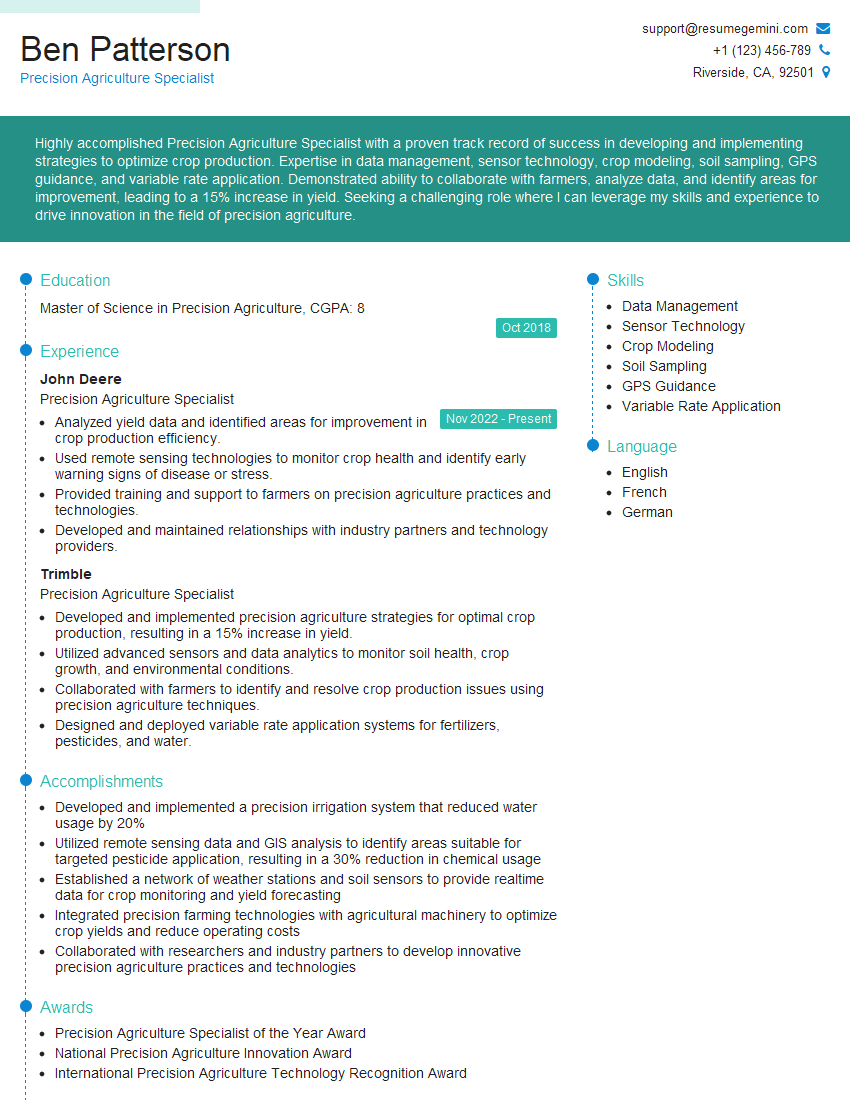
Precision Agriculture Specialist Resume Sample
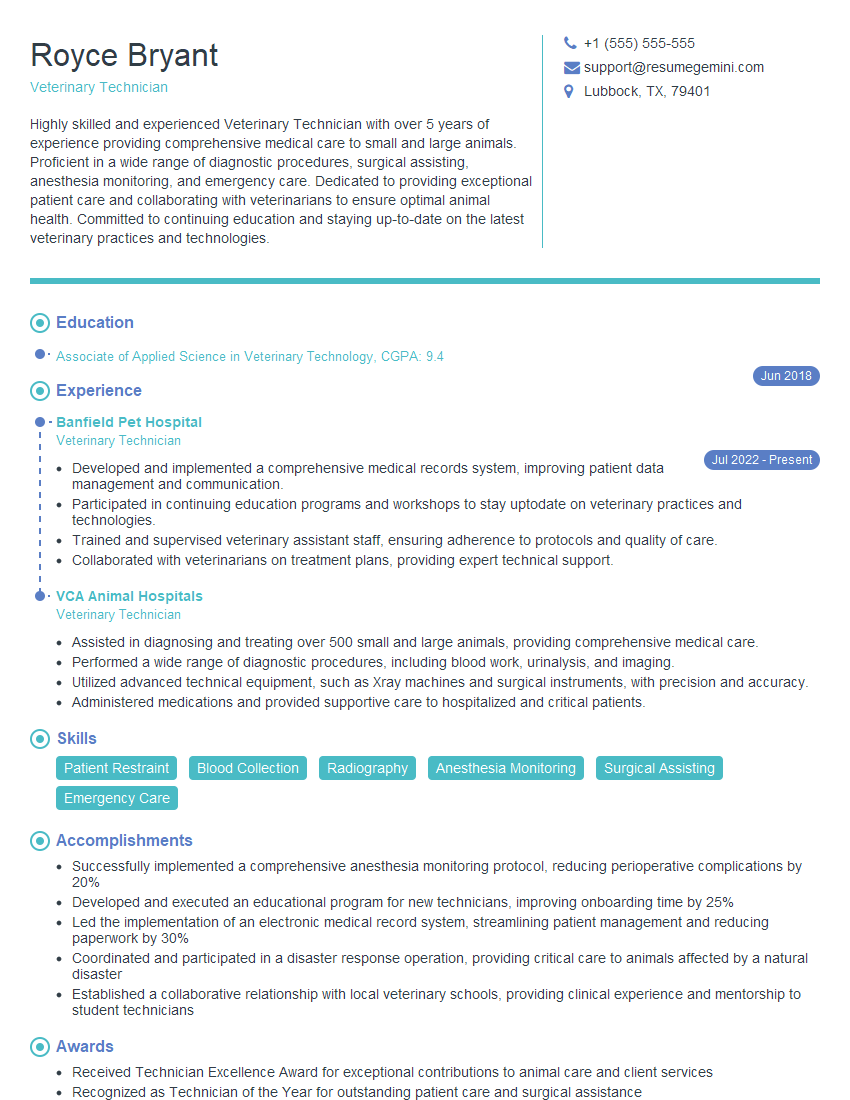
Veterinary Technician Resume Sample
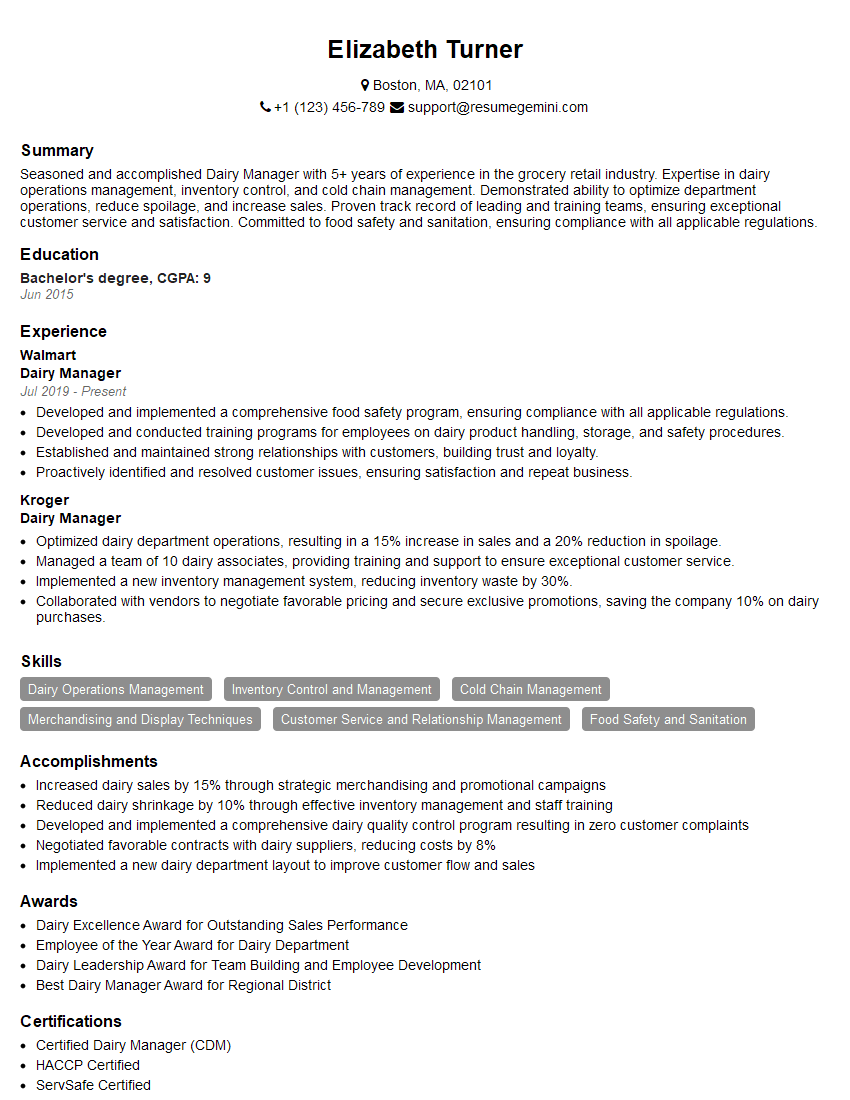
Dairy Manager Resume Sample
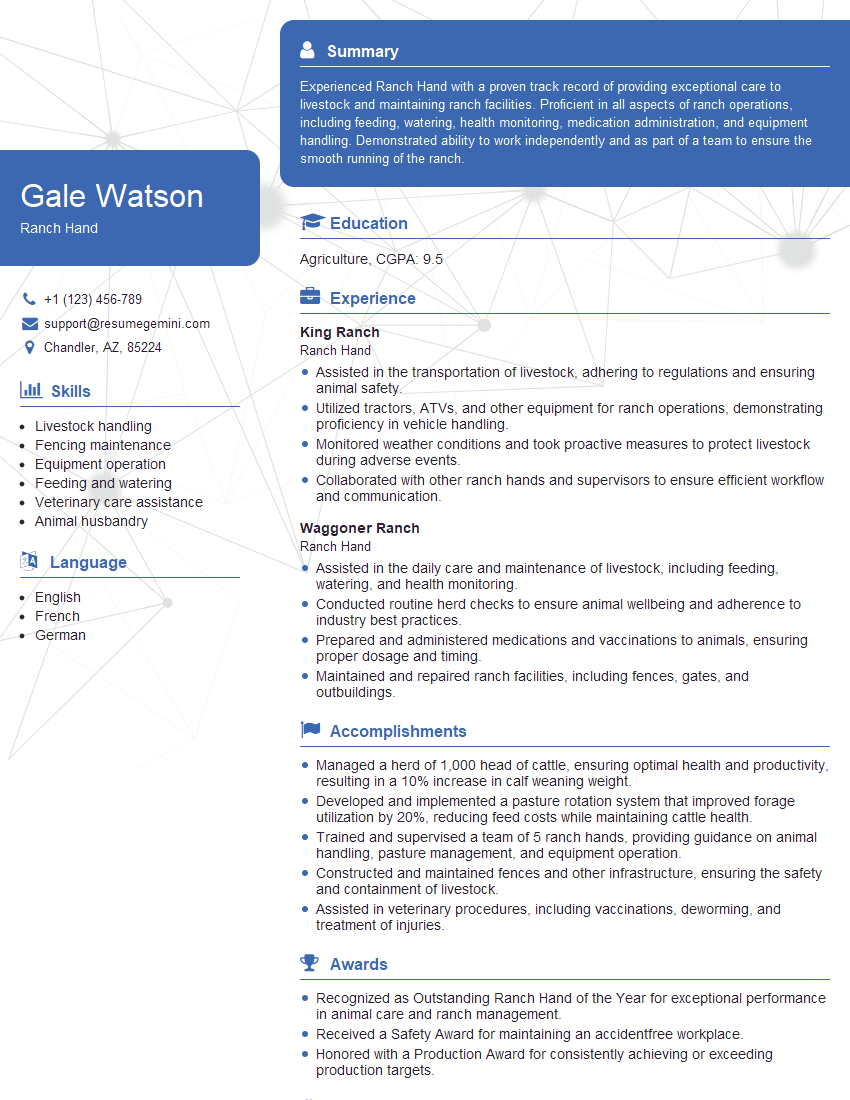
Ranch Hand Resume Sample

Shepherd Resume Sample
Explore more articles
Users Rating of Our Blogs
Share Your Experience
We value your feedback! Please rate our content and share your thoughts (optional).
What Readers Say About Our Blog
Really detailed insights and content, thank you for writing this detailed article.
IT gave me an insight and words to use and be able to think of examples