Unlock your full potential by mastering the most common Aircraft Ground Handling and Operations interview questions. This blog offers a deep dive into the critical topics, ensuring you’re not only prepared to answer but to excel. With these insights, you’ll approach your interview with clarity and confidence.
Questions Asked in Aircraft Ground Handling and Operations Interview
Q 1. Describe your experience with different types of aircraft and their specific ground handling requirements.
My experience spans a wide range of aircraft, from small regional jets like the Embraer ERJ-145 to large wide-body aircraft such as the Boeing 777 and Airbus A380. Each aircraft presents unique ground handling challenges. For example, the ERJ-145 requires a smaller ground support equipment footprint and less manpower compared to the A380 which needs specialized high-lift loaders and larger tug vehicles. Similarly, the delicate nature of a smaller business jet requires extra caution during pushback and towing, while the weight and dimensions of a freighter necessitate robust loading and unloading procedures. I’m familiar with the specific requirements for different aircraft types, including those related to their weight and balance, access points, emergency exits, and auxiliary power unit (APU) locations.
Consider the difference between handling a narrow-body aircraft like an Airbus A320 and a wide-body aircraft like a Boeing 787. The A320’s relatively smaller size means baggage and cargo loading is often quicker and simpler using standard belt loaders and container dollies. The 787, however, due to its size, requires more sophisticated equipment and a larger team to manage the increased volume and weight of cargo and passenger baggage efficiently and safely. I’ve successfully managed ground handling for diverse aircraft types under varying operational conditions, adapting my approach based on the specific needs of each aircraft.
Q 2. Explain the process of pre-flight inspection for ground handling equipment.
Pre-flight inspection of ground handling equipment is crucial for safety and operational efficiency. It’s a systematic process following a standardized checklist. This checklist typically includes checks for:
- Mechanical Functionality: Checking for proper functioning of brakes, steering, hydraulic systems, and other mechanical components. This might involve visual inspections for leaks, damage, or wear and tear and even operational tests to ensure smooth functionality.
- Electrical Systems: Testing the lights, warning systems, and any electrical components for proper operation to ensure visibility and safety signals work correctly.
- Tire Condition: Examining the tires for wear, cuts, or proper inflation to prevent accidents caused by tire failure during operation.
- Safety Features: Verifying the functionality of safety features like emergency stops, horns, and warning lights. These features are critical for averting potential hazards.
- Documentation: Checking for relevant documentation, including maintenance records and operator licenses, confirming that the equipment is in compliance with safety regulations.
Any issues identified during the inspection are immediately reported and rectified before the equipment is used. The goal is to ensure all equipment is in perfect working order and poses no safety risks to personnel or aircraft.
Q 3. How do you ensure the safety of personnel and equipment during ground operations?
Ensuring the safety of personnel and equipment is paramount. This involves a multi-layered approach encompassing strict adherence to safety protocols, proper training, effective communication, and the use of appropriate safety equipment.
- Safety Training: All ground handling personnel undergo rigorous training on safety procedures, risk assessment, and emergency response. This training covers safe operating procedures for equipment, communication protocols, and emergency response plans.
- Clear Communication: Effective communication between ground handling crews, pilots, and air traffic control is essential. This typically involves standardized communication procedures and the use of two-way radios or other communication systems.
- Risk Assessment: Regular risk assessments are conducted to identify potential hazards and implement mitigation strategies. This may involve identifying potential collision points and establishing clear procedures to avoid them.
- Safety Equipment: The use of appropriate safety equipment, such as high-visibility vests, safety shoes, and hearing protection, is mandatory. This is complemented by regular inspections and maintenance of this equipment.
- Emergency Procedures: Well-defined emergency response procedures are established and regularly practiced to ensure that teams know how to react effectively in unforeseen circumstances, such as equipment malfunctions or accidents.
For instance, designated marshalling signals ensure clear communication during aircraft pushback, and defined working zones minimize the risk of collisions between equipment and personnel. Safety is not an afterthought but a fundamental principle ingrained in every aspect of our operations.
Q 4. What are the standard procedures for baggage handling and loading?
Standard procedures for baggage handling and loading prioritize efficiency and safety. This begins with the careful sorting and segregation of baggage based on destination and aircraft loading configurations.
- Baggage Sorting: Baggage is typically sorted using automated systems or manually by trained personnel, ensuring it’s efficiently routed to the appropriate aircraft and loading location. This may include separating oversized, fragile, or dangerous goods.
- Containerization: Many airports use standardized containers to facilitate efficient loading and unloading. This method helps in organizing and securing baggage safely during transit and improves loading speed.
- Loading Procedures: Baggage is loaded into the aircraft using belt loaders, container loaders, or manual handling, depending on the aircraft type and airport infrastructure. Loading teams follow specific procedures to ensure proper weight distribution and compliance with safety regulations.
- Weight and Balance: The weight and balance of the loaded baggage is meticulously recorded to comply with the aircraft’s specifications. Exceeding weight limits or improper weight distribution can compromise flight safety.
- Security: Strict security protocols are followed to prevent unauthorized access and ensure the safety of passengers and crew. This might involve screening systems, security checks of personnel, and secure storage of baggage until loading.
Imagine a busy international airport; a smooth baggage handling process is vital to on-time departures. A well-coordinated effort is needed from baggage handlers, to the systems that guide the baggage, and the loading crews to ensure a streamlined operation.
Q 5. Describe your experience with weight and balance calculations for aircraft.
Weight and balance calculations are critical for flight safety. It ensures the aircraft’s center of gravity remains within the prescribed limits to maintain stability and control during flight. I’m proficient in using specialized software and manual methods to perform these calculations.
The process involves accurately determining the weight of the aircraft, fuel, cargo, passengers, and crew. This data is then input into a weight and balance program or calculated manually using established formulas to determine the aircraft’s center of gravity. Any deviations from acceptable limits are flagged, and adjustments may be made to ensure the aircraft is within safe operating parameters before departure. I’ve extensively used weight and balance software like those offered by manufacturers like Boeing and Airbus, allowing for quick and accurate calculations. Any discrepancy is investigated meticulously and corrective action is taken to ensure the flight operates safely within the aircraft’s performance envelope. I understand the importance of maintaining detailed records of each calculation, which are essential for safety audits and investigations.
Q 6. How do you handle unexpected delays or emergencies during ground operations?
Handling unexpected delays or emergencies requires quick thinking, clear communication, and decisive action. My approach centers around maintaining a calm and efficient response, prioritizing safety while minimizing disruption.
- Assessment: The first step is to quickly assess the situation, identifying the cause of the delay or emergency and the potential impact on operations.
- Communication: Immediate and clear communication is crucial. This involves notifying all relevant parties, including the airline, air traffic control, and other ground handling personnel.
- Problem Solving: Depending on the nature of the issue, various solutions might be employed: rerouting aircraft, arranging alternate equipment, coordinating with maintenance teams for repairs, or coordinating with emergency services if required.
- Documentation: Meticulous documentation of the event, including the cause, actions taken, and outcomes, is crucial for future analysis and improvement. This is valuable for identifying areas to improve future response and safety.
For example, during a sudden thunderstorm, we might need to quickly reposition aircraft to prevent damage, implement emergency procedures for passengers, and communicate delays to relevant stakeholders.
Q 7. Explain your knowledge of different types of Ground Support Equipment (GSE).
My knowledge of Ground Support Equipment (GSE) encompasses a wide range of equipment crucial for efficient and safe aircraft operations. This includes:
- Pushback Tractors: These powerful vehicles are used to tow aircraft away from the gate, preventing damage to the aircraft and surrounding infrastructure.
- Belt Loaders: These conveyors are used to efficiently load and unload baggage and cargo into the aircraft’s hold.
- Container Loaders: Specialized equipment designed to handle and load standardized cargo containers into aircraft.
- Stairs and Passenger Steps: These provide safe access to aircraft for passengers and crew.
- Aircraft Tugs: More powerful than pushback tractors, tugs are used to move the aircraft across the tarmac.
- Power Units: Provide electrical power to aircraft while they are on the ground.
- Water and Fuel Trucks: Used for refueling and providing water for aircraft services.
- Baggage Tractors and Trailers: Used for transporting baggage to and from the aircraft.
Understanding the capabilities and limitations of each type of GSE is essential for safe and efficient ground handling. For example, using the correct type of tug for a specific aircraft is critical; using an inappropriate tug could damage the aircraft or cause injuries.
Q 8. What are the regulations and safety procedures related to aircraft fueling?
Aircraft fueling is a critical operation governed by stringent regulations to prevent accidents. These regulations, which vary slightly by country and governing body (like the FAA in the US or EASA in Europe), focus primarily on fire prevention and the safe handling of highly flammable jet fuel.
- Pre-fueling checks: Before fueling begins, a thorough inspection of the aircraft’s fuel tanks, surrounding areas, and the fueling equipment is mandatory. This includes checking for leaks, static electricity buildup (fueling often involves grounding procedures), and ensuring the correct type of fuel is being used for the aircraft type.
- Fueling procedures: Fueling is typically done using specialized fueling trucks with grounding connections to prevent static discharge. The process involves monitoring fuel levels precisely to avoid overfilling and verifying the fuel quantity delivered against the aircraft’s requirements. Operators wear appropriate personal protective equipment (PPE), including flame-resistant clothing.
- Post-fueling checks: After fueling, another inspection is performed to ensure no spills or leaks have occurred. Fuel caps are securely fastened, and any potential hazards are addressed. Fueling documentation, including quantity and type of fuel, is meticulously recorded.
- Emergency procedures: Comprehensive emergency plans are in place to handle fuel spills, fires, or other incidents. This includes having readily available fire extinguishers and knowing evacuation routes.
For example, a miscalculation in fuel quantity could lead to weight and balance issues impacting aircraft stability during flight. A failure to ground the aircraft properly during fueling can result in a potentially catastrophic fire. Adherence to these procedures ensures safe and efficient fueling operations.
Q 9. How do you manage communication and coordination with flight crews and other ground handling teams?
Effective communication is paramount in ground handling. We use a multi-faceted approach, combining technology with established protocols.
- Flight crew communication: We use standardized communication channels like the Aircraft Operations Board (AOB) and direct radio communication with the pilots. This ensures clear instructions regarding pushback timing, baggage loading, fueling requirements, and any specific requests from the flight crew. Clear, concise, and unambiguous communication prevents misunderstandings.
- Ground handling team coordination: Internal communication is facilitated through digital systems and direct communication channels. Dispatch uses software to allocate tasks, assigning individuals or teams to specific responsibilities, like baggage handling, cargo loading, and catering services. Real-time updates allow us to monitor progress and address any delays or issues proactively.
- Third-party coordination: We maintain close contact with third-party service providers, such as catering companies or baggage handlers, to ensure coordinated execution. This often involves shared digital platforms or scheduled meetings to review daily operations and address any foreseeable challenges.
For instance, if a delay occurs in baggage handling, we immediately inform the flight crew and adjust our schedule accordingly to minimize the impact on the departure time. Coordination is key to ensuring a smooth and efficient workflow, preventing delays and potential safety hazards.
Q 10. What is your experience with aircraft de-icing procedures?
De-icing is a crucial procedure to remove snow, ice, and frost from aircraft surfaces before takeoff. Failure to do so can severely impact flight safety.
- Assessment: Before commencing, a thorough visual inspection of the aircraft is done to assess the type and extent of contamination. This includes checking wing surfaces, tail, fuselage, and engine inlets.
- De-icing fluid application: Specialized de-icing fluids are applied using high-pressure spray equipment. The type of fluid used depends on the temperature and the type of ice or snow accumulation. The process is often repeated to ensure complete removal of contaminants.
- Holdover time: After de-icing, a holdover time is determined based on the type of fluid used, ambient temperature, and the type of precipitation. This is the time before re-icing becomes likely and the aircraft needs to be de-iced again. The aircraft must be ready for takeoff before the holdover time expires.
- Post-de-icing inspection: After de-icing and before departure, another thorough inspection is carried out to verify the effectiveness of the process.
I’ve personally overseen hundreds of de-icing operations, ensuring all procedures were strictly followed. A typical example involves a situation where a slight delay in departure is preferred over a potential safety hazard of taking off with residual ice. Safety is always paramount.
Q 11. Describe your knowledge of Dangerous Goods regulations and handling.
Dangerous Goods (DG), including hazardous materials, require meticulous handling to mitigate risks. Regulations, like those set by IATA (International Air Transport Association), dictate how these goods are packaged, labeled, documented, and transported.
- Identification and classification: Accurate identification of DG is critical. This is done using the UN number assigned to each type of hazardous material. These numbers specify the hazard class (explosives, flammable liquids, etc.).
- Packaging and labeling: Specific packaging requirements are needed to ensure containment and prevent leakage. Each package must be clearly labeled with the appropriate UN number and hazard symbols.
- Documentation: Detailed documentation, including the Shipper’s Declaration for Dangerous Goods, is required to communicate the nature of the hazardous materials to all involved parties.
- Storage and handling: DG is stored in designated areas, often segregated based on hazard class, with appropriate safety precautions in place. Trained personnel handle them using the necessary PPE.
For instance, improperly labeled or packaged lithium batteries can pose a fire hazard. A meticulous approach involving thorough checks and adherence to regulations safeguards against accidents. I have a strong background in ensuring compliance with DG regulations, including conducting regular training and inspections.
Q 12. How do you ensure compliance with all relevant safety regulations?
Maintaining compliance is an ongoing process, not a one-time event. It involves a multi-layered approach encompassing training, documentation, and regular audits.
- Training programs: We provide comprehensive training to all ground handling personnel on relevant safety regulations, including emergency procedures. This training includes hands-on practice and regular refresher courses.
- Documentation and record-keeping: Meticulous record-keeping is essential. This includes maintaining detailed logs of all operations, safety incidents, and training records.
- Regular audits and inspections: Internal and external audits are conducted to assess compliance with safety standards. This identifies areas for improvement and ensures continuous adherence to best practices.
- Incident reporting and investigation: A robust system for reporting and investigating incidents is crucial for identifying root causes and preventing recurrence. Lessons learned are incorporated into updated training and procedures.
For example, a minor incident like a near miss during fueling is rigorously investigated to determine the cause and implement corrective actions. This proactive approach minimizes the risk of future incidents.
Q 13. Explain the process of pushback and towing aircraft.
Pushback and towing are procedures for moving aircraft on the ground, usually performed before taxiing to the runway.
- Pushback: A pushback tug, a specialized vehicle, is connected to the aircraft’s nose gear. The tug then pushes the aircraft backward away from the gate. Precise communication between the tug driver and the pilot is critical to ensure safe maneuvering.
- Towing: For larger aircraft or when longer distances need to be covered, towing is used. A towing bar is attached to the aircraft’s nose gear, and the aircraft is pulled by a specialized towing vehicle. Towing speed is usually slower than pushback.
- Safety procedures: Both pushback and towing necessitate a thorough pre-operation check of the equipment and the aircraft. The tug driver and pilots use hand signals and/or radio communication to coordinate the movement. Safety personnel, such as marshals, may be involved to guide the aircraft.
Imagine pushback as carefully reversing a large vehicle out of a parking spot—precision and communication are vital. Towing is akin to moving a large trailer, requiring extra caution and slower speeds. Proper technique and coordination are key to prevent accidents.
Q 14. How do you handle situations involving damaged baggage or cargo?
Damaged baggage or cargo requires a structured approach to ensure proper documentation, accountability, and customer satisfaction.
- Immediate assessment: Upon discovery of damage, the extent of the damage is assessed. Photographs or video recordings are taken to document the condition.
- Documentation: A detailed report is created, including the baggage tag number, flight details, description of the damage, and witness statements if applicable.
- Notification: The appropriate airline representative is notified immediately. If the damage involves cargo, the shipper and consignee are informed.
- Claims processing: Assistance is provided to the passenger or shipper in filing a claim with the airline or cargo carrier. The documentation collected helps facilitate the claims process.
A damaged piece of luggage, for instance, requires a thorough description of the damage, including photos. This helps determine liability and ensure the passenger receives fair compensation. Efficient handling of such situations minimizes inconvenience to passengers or clients and upholds professional standards.
Q 15. What is your experience with cargo loading and securing procedures?
Cargo loading and securing is a critical aspect of aircraft ground handling, ensuring safety and preventing damage during flight. My experience encompasses the entire process, from receiving cargo manifests and verifying contents against documentation to physically loading, securing, and documenting the placement of each item. This involves understanding and adhering to strict weight and balance regulations, as well as the specific requirements for different types of cargo, including hazardous materials (HazMat).
For example, I’ve handled everything from delicate electronics requiring specialized padding and bracing to palletized goods needing secure lashing. I’m proficient in using various securing methods, including nets, straps, and bulkheads, always prioritizing safety and preventing shifting during transit. I’m also familiar with the use of cargo tracking systems to monitor the location and condition of goods throughout the handling process. A crucial aspect is meticulous documentation, ensuring a clear record of loading procedures for traceability and accountability.
One time, we had a shipment of sensitive medical equipment. I personally supervised the loading, ensuring that each piece was individually wrapped and secured to prevent damage, and closely followed temperature guidelines to maintain the integrity of the shipment. This careful attention to detail prevented a potential delay or damage to critical medical supplies.
Career Expert Tips:
- Ace those interviews! Prepare effectively by reviewing the Top 50 Most Common Interview Questions on ResumeGemini.
- Navigate your job search with confidence! Explore a wide range of Career Tips on ResumeGemini. Learn about common challenges and recommendations to overcome them.
- Craft the perfect resume! Master the Art of Resume Writing with ResumeGemini’s guide. Showcase your unique qualifications and achievements effectively.
- Don’t miss out on holiday savings! Build your dream resume with ResumeGemini’s ATS optimized templates.
Q 16. Describe your experience with aircraft marshaling.
Aircraft marshaling is the process of guiding an aircraft safely and efficiently on the ground, using hand signals and communication to direct the pilot. My experience includes marshaling a wide variety of aircraft, from small regional jets to large wide-body airliners, in various conditions, including low visibility and challenging wind situations. I am highly proficient in the use of internationally recognized hand signals and understand the importance of clear, concise communication with the flight crew. Safety is always paramount, and I am meticulous in ensuring that the aircraft is positioned correctly for loading, unloading, and departure, avoiding hazards such as ground equipment or other aircraft.
I’ve had situations where unexpected weather changes required quick adaptation of marshaling techniques to ensure a safe aircraft movement. For instance, during a strong crosswind, I adjusted my hand signals and communication to clearly convey the necessary corrections to the pilot, keeping the aircraft stable and aligned with the designated route, preventing any potential accidents.
Q 17. Explain your understanding of the different types of ground power units.
Ground Power Units (GPUs) provide electrical power to aircraft on the ground, essential for various functions including starting engines, powering onboard systems, and climate control. There are several types, each with specific capabilities:
- Constant Current GPUs: These provide a stable current output, ideal for sensitive aircraft systems.
- Constant Voltage GPUs: These maintain a consistent voltage, suitable for various onboard needs.
- Hydraulic GPUs: These provide hydraulic power for functions like ground steering or braking systems.
- Start Units: These specialize solely in providing the power needed for engine starting.
The choice of GPU depends on the aircraft’s requirements and the specific task at hand. My experience includes operating and troubleshooting various types of GPUs, ensuring they’re properly connected and functioning correctly before use. Safety checks are paramount, ensuring correct voltage and current are provided, avoiding potential damage to aircraft systems. I understand the limitations of each GPU type and am adept at selecting the appropriate unit for the situation, preventing potential operational issues and ensuring aircraft safety.
Q 18. How do you handle customer complaints related to ground handling services?
Handling customer complaints is a crucial aspect of providing excellent ground handling services. My approach emphasizes empathy, professionalism, and a commitment to finding effective solutions. I begin by actively listening to the customer, showing sincere understanding of their concerns. I then gather all relevant information to ascertain the facts and understand the context of the complaint. Once a clear picture is established, I work diligently to find a solution, following established company procedures and prioritizing quick resolution. If compensation is required, I ensure it’s appropriate to the situation, and I always maintain open communication throughout the process, keeping the customer informed of the progress being made.
For instance, if a customer complained about a delayed baggage handling, I’d first apologize, then investigate to determine the cause of the delay (e.g., equipment malfunction, unforeseen circumstances). Depending on the situation, I might offer solutions such as expedited delivery of their baggage or a travel voucher as compensation. Throughout this process, I strive to ensure the customer feels valued and respected. Customer satisfaction is my ultimate goal.
Q 19. What is your experience with aircraft cleaning and servicing?
Aircraft cleaning and servicing are essential for maintaining aircraft hygiene, safety, and operational efficiency. My experience includes both interior and exterior cleaning, using appropriate cleaning agents and techniques to prevent damage to the aircraft’s surfaces. Interior cleaning involves vacuuming, wiping down surfaces, cleaning lavatories, and replenishing supplies. Exterior cleaning includes washing, waxing, and de-icing or anti-icing, as required by weather conditions. Servicing involves inspecting for any damage or required maintenance and reporting these issues through the appropriate channels. I am familiar with the use of specialized equipment and understand the importance of following safety procedures to minimize risks.
For example, I’ve dealt with situations requiring immediate attention, such as bird strikes or minor damage to the exterior. In these cases, thorough cleaning and documentation are critical, allowing for prompt assessment and repair. Proper cleaning and servicing are not only about aesthetics but also about ensuring the aircraft’s airworthiness and the safety of passengers and crew.
Q 20. Describe your proficiency in using ground handling software and systems.
I’m proficient in using various ground handling software and systems, including those for flight tracking, load planning, cargo management, and communication. This includes systems for managing operational data, assigning resources, and generating reports. My skills encompass data entry, data analysis, and the use of reporting tools to track key performance indicators (KPIs) such as on-time performance and baggage handling efficiency. I’m familiar with both on-site and cloud-based systems, and I’m adept at learning new software applications quickly. I understand the importance of data accuracy and integrity and adhere to strict data security protocols.
For example, I’ve used software to optimize aircraft loading, ensuring efficient use of space and preventing weight imbalances. This type of software allows for real-time updates, providing valuable insights that help to streamline operations and improve efficiency, minimizing delays and maximizing productivity.
Q 21. Explain your understanding of load planning and optimization.
Load planning and optimization are crucial for efficient and safe aircraft operations. It involves strategically planning the placement of cargo and baggage to ensure weight and balance are within the aircraft’s limitations. This includes considering the center of gravity, weight distribution, and the physical dimensions of the cargo. Optimization goes beyond simple placement; it aims to maximize cargo capacity while adhering to safety regulations. This might involve using specialized software to model different loading configurations and select the most efficient one.
Improper load planning can lead to serious consequences, including instability during flight, exceeding weight limits, or even structural damage. My expertise ensures that every load plan is meticulously checked and verified before implementation, ensuring compliance with all regulations and contributing to overall flight safety and efficiency. For example, I’ve used software to simulate different loading scenarios to minimize fuel consumption by optimizing weight distribution, thereby reducing costs and environmental impact.
Q 22. How do you ensure the timely and efficient turnaround of aircraft?
Ensuring timely and efficient aircraft turnaround is crucial for maintaining operational efficiency and on-time departures. It’s a coordinated effort involving meticulous planning and seamless execution of various tasks, all working like a well-oiled machine. Think of it as a complex choreography where every move counts.
- Pre-arrival planning: This includes reviewing the flight plan, anticipating potential delays, and ensuring all necessary ground handling resources – baggage handlers, caterers, fuel trucks, cleaning crews – are available and ready at the designated time. This often involves using specialized software to optimize resource allocation and minimize waiting times.
- Efficient gate assignments: Strategic gate allocation minimizes taxiing time, saving both fuel and time. This often considers the aircraft’s size, the connecting flights it may have, and the availability of jet bridges.
- Parallel processing: We employ a strategy of parallel processing, where multiple tasks occur simultaneously without interfering with each other. For example, while the aircraft is being refueled, the cleaning crew can be inside, and baggage handlers can be loading and unloading simultaneously.
- Real-time monitoring and communication: Constant communication among all stakeholders – pilots, ground crews, maintenance personnel, air traffic control – is vital. Any delays or issues are addressed immediately through efficient communication channels to mitigate impact on overall turnaround time.
- Post-departure analysis: After each turnaround, we analyze the process to identify areas for improvement. Data analysis helps us optimize procedures, identify bottlenecks, and enhance efficiency. This is a continuous improvement process.
For example, during my time at [Previous Company Name], I implemented a new scheduling software that reduced average aircraft turnaround time by 15% through optimized resource allocation and real-time monitoring. This directly translated into improved on-time performance and cost savings.
Q 23. What is your experience with performance monitoring and reporting in ground handling?
Performance monitoring and reporting is critical in ground handling to ensure efficiency, identify areas for improvement, and demonstrate accountability. We track Key Performance Indicators (KPIs) that reflect the effectiveness of our operations. These are not just numbers; they tell a story about the quality of our service.
- KPIs tracked: Typical KPIs include aircraft turnaround time, on-time performance, baggage handling efficiency (percentage of mishandled bags), fuel efficiency, and safety incidents. We also monitor resource utilization rates – for example, the percentage of time our equipment is actively used.
- Data collection methods: We employ various methods like manual data entry, automated systems that capture real-time data (e.g., flight tracking, equipment usage), and barcode scanning for baggage handling. Data quality is paramount; inaccurate data leads to flawed conclusions.
- Reporting and analysis: Collected data is analyzed using various tools and techniques to identify trends, bottlenecks, and areas for improvement. Regular reports are generated, often using dashboards and visualizations to communicate key findings to management and stakeholders.
- Continuous improvement: The insights from performance monitoring drive continuous improvement efforts. We use the data to refine our processes, implement new technologies, and optimize resource allocation. This is a cyclical process – monitor, analyze, improve, and repeat.
In my previous role, I developed a custom reporting dashboard that provided real-time visibility into key ground handling metrics. This allowed for proactive issue identification and enabled data-driven decision-making, ultimately leading to a 10% reduction in aircraft turnaround time.
Q 24. Describe your problem-solving skills in a high-pressure ground handling environment.
Ground handling is inherently high-pressure, requiring quick thinking and decisive action. Problem-solving in this environment relies on a structured approach and adaptability. Think of it like firefighting – you need to assess the situation, contain the damage, and then strategize for a solution.
- Rapid Assessment: First, we assess the situation thoroughly – what’s the problem, what are its potential impacts (on flights, passengers, resources), and what are the constraints?
- Prioritize and Delegate: Prioritize tasks based on urgency and impact. Delegate responsibilities to team members with appropriate skills and ensure clear communication of expectations.
- Resource Allocation: Depending on the issue, we may need to reallocate resources, such as personnel or equipment, to address the problem efficiently.
- Communication and Collaboration: Maintaining clear and consistent communication with all stakeholders – team members, supervisors, airlines, air traffic control – is paramount. Collaboration is vital to finding solutions quickly and effectively.
- Post-Incident Review: After resolving the situation, we conduct a thorough review to understand the root cause, identify areas for improvement in our procedures or training, and prevent similar issues in the future. Learning from mistakes is crucial.
For example, I once had to manage a situation where a major snowstorm caused significant flight delays. I quickly mobilized the snow removal team, re-allocated ground handling personnel, and maintained constant communication with the airlines and air traffic control to minimize disruption, preventing significant delays.
Q 25. How do you prioritize tasks and manage multiple assignments simultaneously?
Prioritizing tasks and managing multiple assignments is a core skill in ground handling. It’s like being an air traffic controller, but instead of airplanes, we manage ground resources and tasks. We employ a blend of organizational tools and strategic thinking.
- Prioritization Matrix: We frequently use a prioritization matrix (e.g., Eisenhower Matrix – urgent/important) to categorize tasks based on urgency and importance. This helps in focusing on the most critical tasks first.
- Time Management Techniques: Techniques like time blocking, Pomodoro technique, and task batching help in allocating time effectively to different tasks. This is especially useful in handling the high volume and diverse nature of tasks.
- Delegation: We skillfully delegate tasks to team members with appropriate skills and experience, optimizing resource utilization and efficiency. This also provides training and development opportunities for the team.
- Technology: Utilizing project management software and task management tools helps in tracking progress, monitoring deadlines, and ensuring accountability. This allows for clear visibility of the workload.
- Flexibility: A willingness to adapt to changing priorities and unexpected events is key in this dynamic environment. Remaining flexible allows for efficient response to unforeseen challenges.
I consistently use project management tools to track progress across multiple simultaneous projects. This helps to ensure tasks are completed on time and to the required standard, maintaining efficient workflow even under pressure.
Q 26. Explain your experience with training and mentoring other ground handling personnel.
Training and mentoring are integral aspects of my role. I believe in fostering a culture of continuous learning and development. Think of it as building a strong team, where everyone feels supported and empowered.
- On-the-job training: I provide hands-on training to new recruits, guiding them through the various aspects of ground handling procedures and safety protocols. This includes practical demonstrations, shadowing experienced personnel, and interactive exercises.
- Formal training programs: I participate in the development and delivery of formal training programs, covering topics such as safety regulations, equipment operation, and emergency procedures. This ensures consistency and standardization across the team.
- Mentorship: I mentor junior staff, providing guidance, support, and feedback on their performance. This fosters a supportive environment and helps them grow professionally.
- Performance feedback: Regular performance feedback and constructive criticism are essential to improve individual and team performance. This is a two-way process – I also benefit from receiving feedback from my team.
- Knowledge sharing: I actively encourage knowledge sharing within the team through regular meetings, workshops, and informal discussions. This fosters a culture of collaboration and continuous improvement.
I’ve mentored several junior ground handling staff, helping them progress into supervisory roles. One mentee, in particular, has become a highly skilled and reliable supervisor, a testament to the effectiveness of the mentorship program.
Q 27. Describe a time you had to deal with a challenging situation during ground operations. What was the outcome?
During a busy summer season, a significant mechanical failure occurred on a baggage handling system just before a peak departure period. This could have led to major flight delays and passenger disruptions.
- Immediate Response: I immediately activated the emergency response plan, assembling a team of technicians and supervisors to assess the situation and begin repairs.
- Contingency Planning: While repairs were underway, I implemented a contingency plan, utilizing manual baggage handling procedures and re-allocating available resources to minimize delays.
- Communication: I maintained open and transparent communication with the airlines, passengers, and airport authorities, keeping them informed of the situation and the steps taken to mitigate its impact.
- Problem Resolution: Thanks to the swift response and collaboration of the team, the mechanical issue was resolved quickly, and the contingency plan successfully minimized the disruption to flight operations.
- Post-Incident Review: Following the incident, we conducted a thorough review, identifying weaknesses in our contingency plans and preventive maintenance procedures. We implemented improvements to prevent similar incidents in the future.
The outcome was that despite the initial setback, we successfully minimized passenger disruption and maintained operational efficiency, demonstrating our adaptability and ability to handle unexpected challenges.
Q 28. What are your salary expectations for this position?
My salary expectations are in line with the market rate for a seasoned professional with my experience and skillset in aircraft ground handling. I’m open to discussing a competitive compensation package that reflects the value I bring to this role and aligns with the company’s compensation structure. I am more interested in the long-term growth opportunities and the contribution I can make to the success of your team.
Key Topics to Learn for Aircraft Ground Handling and Operations Interview
- Safety Procedures and Regulations: Understanding and applying safety protocols for all ground handling activities, including aircraft pushback, towing, baggage handling, and passenger boarding/disembarkation. This includes familiarity with relevant international and national regulations.
- Aircraft Servicing and Maintenance: Knowledge of basic aircraft systems and the procedures for refuelling, lavatory servicing, catering services, and pre-flight inspections. Be prepared to discuss practical applications and potential problem-solving scenarios.
- Ground Support Equipment (GSE): Familiarity with various types of GSE, including pushback tugs, baggage loaders, and aircraft stairs. Understand their operational procedures, safety features, and maintenance requirements.
- Communication and Coordination: Effective communication with pilots, air traffic controllers, and other ground crew members is vital. Discuss your experience in coordinating complex operations and resolving communication challenges.
- Emergency Procedures: Knowledge of emergency response protocols for various situations, including aircraft incidents, security threats, and medical emergencies on the ground. Be prepared to describe your understanding of these procedures and how you’d respond effectively.
- Logistics and Operations Management: Understanding of the logistical aspects of ground handling, including scheduling, resource allocation, and efficient workflow management. Highlight your ability to optimize processes and improve efficiency.
- Cargo Handling and Security: Safe and secure handling of cargo, including dangerous goods. Discuss your knowledge of security protocols and procedures for preventing unauthorized access or damage.
- Operational Efficiency and Cost Management: Be prepared to discuss strategies for improving operational efficiency and minimizing costs within a ground handling operation. This may include suggesting improvements to processes or resource management.
Next Steps
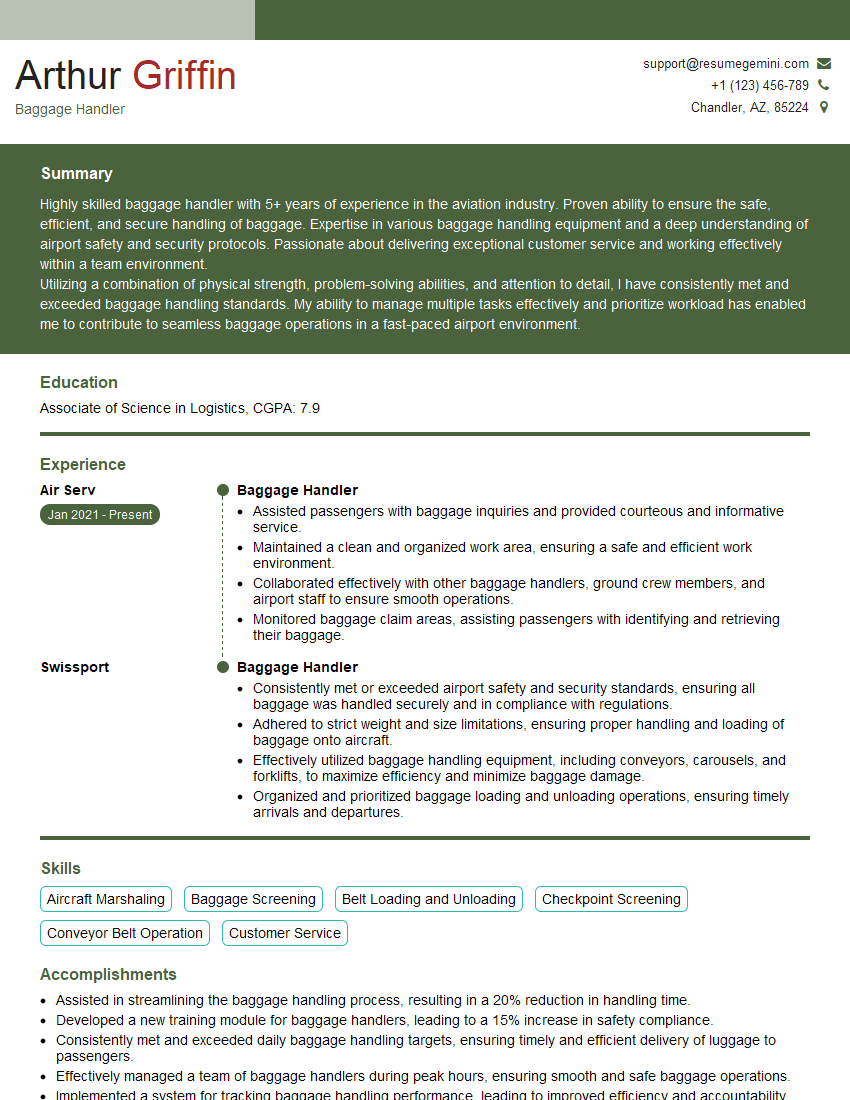
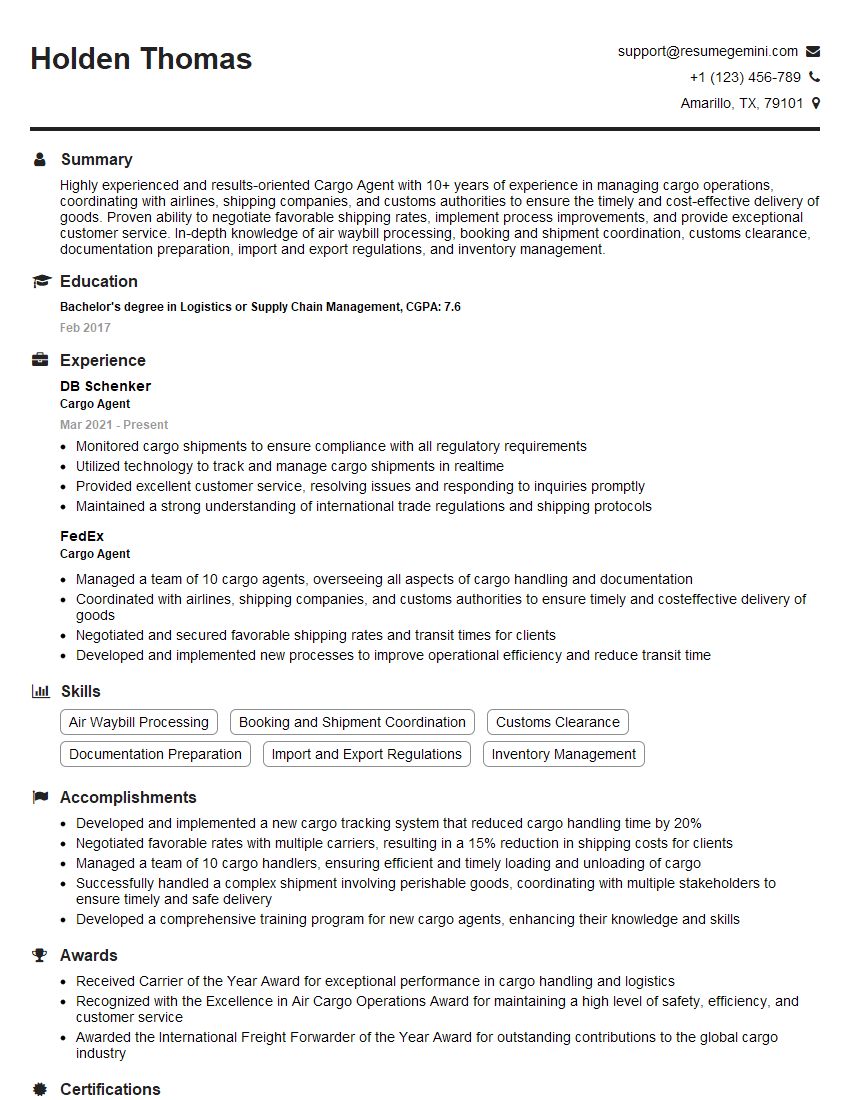
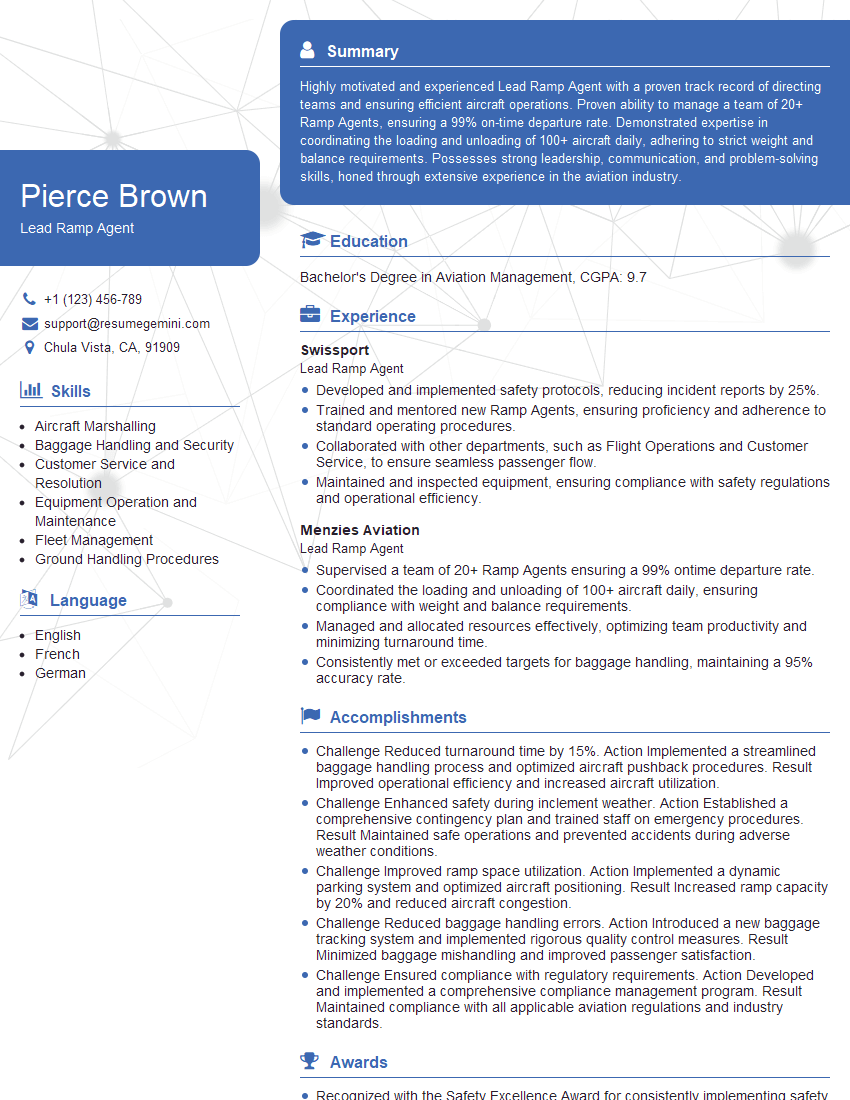
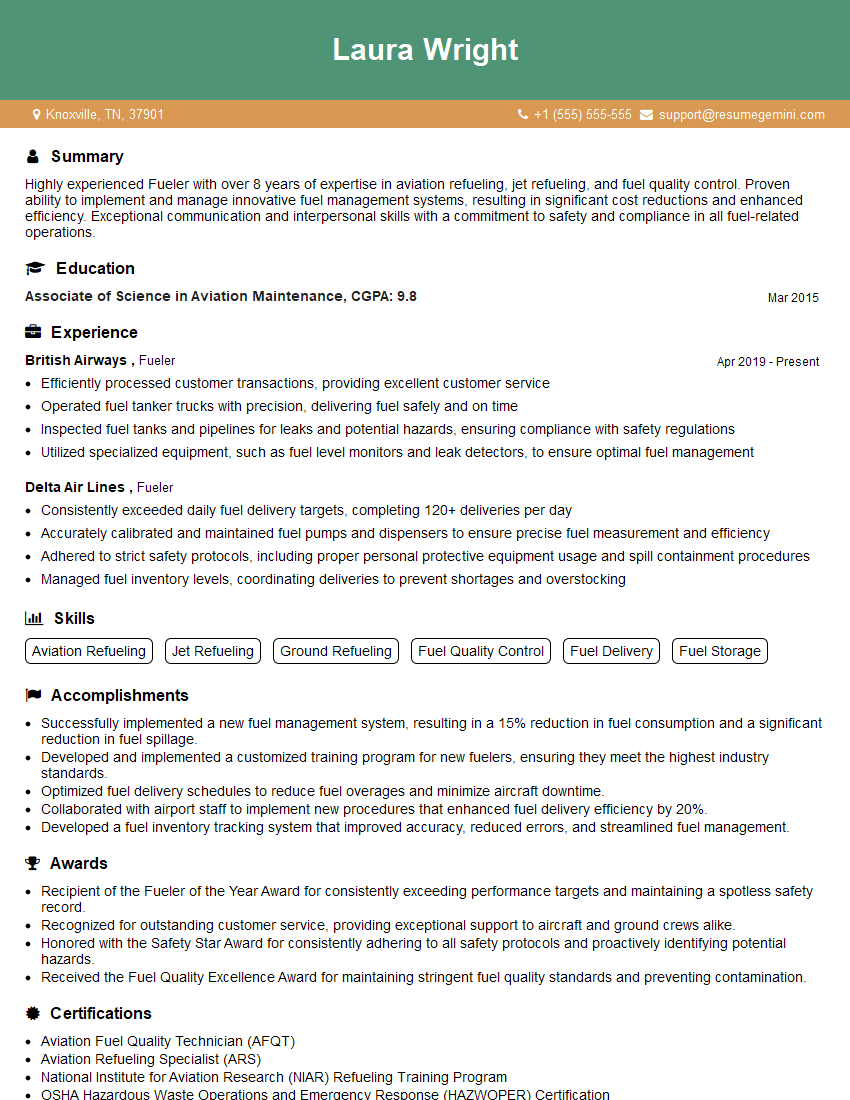
Mastering Aircraft Ground Handling and Operations opens doors to exciting career advancements, offering opportunities for specialization and leadership roles within the aviation industry. A strong resume is crucial for showcasing your skills and experience to potential employers. Creating an ATS-friendly resume maximizes your chances of getting noticed by recruiters. To build a compelling and effective resume that highlights your qualifications, we strongly recommend using ResumeGemini. ResumeGemini provides a user-friendly platform with tools to craft a professional resume and offers examples of resumes tailored to Aircraft Ground Handling and Operations to help guide your creation.

Explore more articles
Users Rating of Our Blogs
Share Your Experience
We value your feedback! Please rate our content and share your thoughts (optional).
What Readers Say About Our Blog
Really detailed insights and content, thank you for writing this detailed article.
IT gave me an insight and words to use and be able to think of examples