Are you ready to stand out in your next interview? Understanding and preparing for ArtCenter College of Design interview questions is a game-changer. In this blog, we’ve compiled key questions and expert advice to help you showcase your skills with confidence and precision. Let’s get started on your journey to acing the interview.
Questions Asked in ArtCenter College of Design Interview
Q 1. Describe your understanding of ArtCenter’s design philosophy.
ArtCenter’s design philosophy centers around a hands-on, industry-focused approach. It emphasizes problem-solving through creative exploration and iterative design processes. The core belief is that designers should not only be technically proficient but also possess strong critical thinking skills, a deep understanding of user needs, and the ability to effectively communicate their design solutions. This philosophy is instilled through rigorous studio projects, collaboration with industry professionals, and a strong emphasis on real-world application. It’s less about adhering to a specific aesthetic and more about developing a versatile and adaptable design process that can be applied to a wide range of challenges.
Think of it like this: instead of teaching you *what* to design, ArtCenter teaches you *how* to design – equipping you with a toolbox of skills and methodologies to tackle any design problem effectively.
Q 2. Which ArtCenter program aligns best with your design aspirations and why?
My design aspirations align best with ArtCenter’s Transportation Design program. I’ve always been fascinated by the intersection of art, engineering, and human experience, and automotive design perfectly embodies this. The program’s focus on sketching, modeling, digital design tools, and the understanding of vehicle ergonomics and engineering principles directly supports my goal of creating innovative and user-centric transportation solutions. The opportunity to work on both conceptual and production-ready designs within a collaborative environment is particularly appealing. I believe the rigorous curriculum and industry connections offered at ArtCenter would provide the ideal launchpad for my career aspirations.
Q 3. Explain your chosen specialization within your ArtCenter program.
Within the Transportation Design program, I’m specializing in automotive exterior design. This specialization allows me to focus on the aesthetic and functional aspects of a vehicle’s outer shell – from the initial sketches and concept development to the final surface modeling and refinement. My interest lies in creating designs that are not only visually striking but also aerodynamically efficient and user-friendly. I am particularly interested in exploring sustainable and innovative materials and manufacturing processes as part of this specialization.
Q 4. Detail a project where you had to overcome a significant design challenge.
During a senior-level project focused on designing a future electric vehicle, I faced the challenge of balancing aerodynamic efficiency with the aggressive styling demands of the brief. Initial designs, while aesthetically pleasing, suffered from poor drag coefficients, hindering the vehicle’s performance. To overcome this, I employed Computational Fluid Dynamics (CFD) software to analyze air flow around my models. I iteratively refined the design, making subtle changes to the vehicle’s bodywork, based on the CFD data. This required a strong understanding of both aesthetic design principles and the technical aspects of aerodynamics. Ultimately, this process led to a design that achieved a balance between striking aesthetics and optimal aerodynamic performance. This experience taught me the value of iterative design and the importance of utilizing technology to optimize design solutions.
Q 5. How did your ArtCenter education prepare you for this role?
My ArtCenter education has comprehensively prepared me for this role by providing me with a strong foundation in design thinking, advanced technical skills, and a deep understanding of industry practices. The rigorous curriculum, demanding projects, and collaborative learning environment fostered a highly competitive skillset and cultivated my ability to work effectively under pressure. Furthermore, the program’s emphasis on professional networking and industry connections has provided me with valuable insights into real-world design challenges and expectations.
Specifically, the focus on client interaction, presentation skills, and the ability to articulate design decisions effectively have all been invaluable in my career preparation. ArtCenter instilled a culture of continuous learning and improvement, qualities that are essential for success in this fast-paced industry.
Q 6. What specific design software are you proficient in?
I am proficient in a range of design software, including:
Alias Automotive: For surface modeling and Class A surfacing.SolidWorks: For 3D modeling and engineering analysis.Adobe Creative Suite (Photoshop, Illustrator, InDesign): For image editing, illustration, and presentation materials.Keyshot: For rendering and visualization.Rhino 3D: For 3D modeling and prototyping.
My skills in these software packages allow me to efficiently create and refine designs, from initial concept sketches to final production-ready models.
Q 7. Discuss your experience with design thinking methodologies.
My experience with design thinking methodologies is extensive. Throughout my education at ArtCenter, the design process was heavily centered around human-centered design, emphasizing understanding user needs and developing solutions that address those needs effectively. This involved employing a range of methods, including user research (interviews, surveys, ethnographic studies), ideation workshops (brainstorming, sketching, prototyping), and iterative testing and refinement. I’m familiar with frameworks such as the double diamond model, and I routinely apply design thinking principles to approach design challenges systematically.
For example, in a recent project, I used a user-centered approach to design a bicycle helmet. I conducted user interviews to understand the needs and pain points of cyclists and then used this information to inform my design iterations. Through prototyping and testing, I was able to create a helmet that was both safer and more comfortable than existing designs.
Q 8. Describe your approach to user research and its role in your design process.
My approach to user research is deeply rooted in the human-centered design principles I learned at ArtCenter. It’s not just about gathering data; it’s about understanding the user’s needs, motivations, and frustrations on a deeply empathetic level. I begin with a clear definition of the problem and the target audience. This involves secondary research, reviewing existing data like market analyses and competitor studies. Then, I move into primary research using methods like user interviews, contextual inquiries (observing users in their natural environment), surveys, and usability testing. For example, while working on a project involving redesigning a mobile app for a non-profit, I conducted in-depth interviews with users from diverse backgrounds to understand how they currently interact with the app and what challenges they faced.
This research directly informs my design process. The insights gained shape the design direction, features, and overall usability. I use affinity mapping and other qualitative analysis techniques to synthesize the research findings, identifying key themes and patterns that guide the design decisions. Iterative testing throughout the design process allows for constant refinement based on user feedback, ensuring the final product meets the needs of the target audience. At ArtCenter, we were constantly drilled on the importance of iteration and how user research is a continuous process, not just a one-time activity.
Q 9. How do you manage your time and workload effectively in a design environment?
Time management is crucial in the fast-paced design world. At ArtCenter, juggling multiple projects simultaneously was the norm. My strategy is based on a combination of planning, prioritization, and time-blocking. I start with a detailed project plan outlining all tasks and deadlines. I then prioritize tasks based on urgency and importance using methods like the Eisenhower Matrix (urgent/important). Time blocking helps allocate specific time slots for focused work on individual tasks, minimizing distractions. I leverage tools like Asana or Trello to manage tasks and collaborate with teammates. For instance, during my final year project, which involved a collaborative design of a sustainable packaging system, effectively managing individual contributions and deadlines was key to successful completion. Regular check-ins with my team ensured we stayed on track and addressed potential bottlenecks promptly.
Q 10. Illustrate your understanding of design trends in your field.
The design landscape is constantly evolving. Currently, I see a strong emphasis on sustainability, inclusivity, and personalized experiences. In transportation design, for example, the focus is shifting towards electric and autonomous vehicles, emphasizing sleek aesthetics and efficient energy usage. The principles of biomimicry are gaining traction, drawing inspiration from nature to create innovative and sustainable designs. In user interface design, there’s a growing trend towards minimalist aesthetics and micro-interactions. The influence of AI in design tools is also transforming the creative process, enabling designers to work more efficiently. I keep abreast of these trends through attending industry conferences, reading design publications, and following leading designers and design firms on social media. My education at ArtCenter heavily emphasized the importance of staying updated on the latest developments in the field, ensuring my designs remain contemporary and relevant.
Q 11. How do you integrate feedback into your design process?
Integrating feedback is vital to the design process. I actively seek feedback throughout, not just at the end. I use various methods such as usability testing, peer reviews, and client presentations. I find that a structured approach is crucial. This starts with clear communication on what type of feedback is needed and then actively listening to the feedback without getting defensive. I utilize a feedback matrix to categorize feedback by source, type (positive, negative, suggestions), and priority. Then, I analyze the feedback, prioritizing suggestions based on user impact and feasibility. This allows me to systematically incorporate valuable feedback and improve the design iteratively. During a product design project at ArtCenter involving a smart home device, rigorous feedback sessions with potential users helped in identifying and rectifying usability issues early in the development process.
Q 12. Describe your preferred collaboration style in a design team.
My preferred collaboration style is collaborative and open. I believe in a transparent process where everyone feels comfortable sharing ideas and contributing. I’m a strong believer in brainstorming sessions and collaborative design reviews where we openly discuss concepts and designs. I’m a firm advocate for constructive criticism and value diverse perspectives. At ArtCenter, our collaborative projects trained us to work effectively in teams, respecting individual roles and responsibilities. I value open communication through regular updates, clear task assignments, and utilization of project management tools. Clear roles and responsibilities avoid confusion and ensure everyone’s contribution is valued. My experience shows that open communication fosters a positive and productive work environment which is essential for high quality design.
Q 13. Explain a time when you had to revise your initial design concept.
During a project involving designing a new line of ergonomic office chairs, my initial design, while aesthetically pleasing, proved to be uncomfortable and impractical upon usability testing. The feedback revealed that the armrests were positioned incorrectly, and the lumbar support was inadequate. My initial concept focused heavily on the visual appeal, neglecting crucial ergonomic aspects. This highlighted a significant weakness in my design process – insufficient user-centricity. After receiving the feedback, I revised the design, conducting further user research and incorporating ergonomic principles. The revised design significantly improved comfort and support and ultimately received overwhelmingly positive feedback. This experience reinforced the importance of iterative design and the critical role of user testing in validating design choices.
Q 14. What are your strengths and weaknesses as a designer?
My strengths lie in my ability to understand and empathize with users, translating their needs into innovative and user-friendly designs. I’m a strong visual communicator and proficient in various design tools. My experience at ArtCenter has equipped me with a strong foundation in design thinking and a highly iterative approach. However, my biggest weakness is sometimes getting overly attached to initial ideas. I’m working on improving this by actively seeking diverse feedback early on in the design process and practicing more objective self-critique. I believe in continuous learning and actively seeking feedback helps improve my design process and mitigate my weaknesses. At ArtCenter, this constant feedback loop helped me recognize my strengths and overcome my weaknesses, building a much stronger design process.
Q 15. How do you stay current with developments in the design industry?
Staying current in the design industry is crucial. I employ a multi-pronged approach. Firstly, I actively follow industry publications like Design Quarterly and Communication Arts, attending online webinars and conferences offered by organizations such as AIGA and the Art Directors Club. Secondly, I maintain a robust network with ArtCenter alumni and industry professionals through LinkedIn and professional design communities. This allows for the exchange of ideas and insights into emerging trends. Thirdly, I dedicate time to exploring the work of renowned designers and studios, examining their processes and innovations. Finally, I regularly analyze design trends across various platforms, from social media to interactive installations, looking for patterns and emerging technologies.
Career Expert Tips:
- Ace those interviews! Prepare effectively by reviewing the Top 50 Most Common Interview Questions on ResumeGemini.
- Navigate your job search with confidence! Explore a wide range of Career Tips on ResumeGemini. Learn about common challenges and recommendations to overcome them.
- Craft the perfect resume! Master the Art of Resume Writing with ResumeGemini’s guide. Showcase your unique qualifications and achievements effectively.
- Don’t miss out on holiday savings! Build your dream resume with ResumeGemini’s ATS optimized templates.
Q 16. Describe your experience with visual communication.
My experience in visual communication stems from my education at ArtCenter College of Design, where I honed my skills in typography, graphic design, and illustration. I’ve worked on projects ranging from branding and logo design to website development and interactive media. For example, during my senior year, I collaborated on a project for a non-profit aimed at raising awareness for endangered species, integrating strong visual storytelling with data visualization. This involved researching the target demographic, crafting a compelling narrative, and choosing the most impactful imagery and typography to convey the organization’s message effectively. The entire process reinforced the importance of clear communication and visual hierarchy in successfully reaching the desired audience.
Q 17. How do you balance aesthetics and functionality in your designs?
Balancing aesthetics and functionality is the cornerstone of good design. I approach this by prioritizing user experience (UX) and information architecture (IA) from the outset. A beautiful design is useless if it doesn’t serve its intended purpose. I often begin with user research, identifying user needs and pain points, and building user personas. This informs the design’s structure and functionality. Then, I integrate aesthetics—considering color palettes, typography, and imagery—to create a visually engaging and intuitive experience. For instance, while designing a mobile app, I’d prioritize ease of navigation and clear information display (functionality), but also ensure a visually appealing interface with consistent branding (aesthetics). It’s a continuous process of iteration and testing, ensuring both elements work harmoniously.
Q 18. Explain your experience with prototyping and iteration.
Prototyping and iteration are fundamental to my design process. I believe in building low-fidelity prototypes early to test core concepts and gather feedback. These could range from simple paper sketches to interactive digital mockups using tools like Adobe XD or Figma. I iterate based on user feedback, refining the design progressively through A/B testing or user testing sessions. For example, in a recent website redesign project, I created several different navigation schemes, prototyping each in Figma. Through user testing, we determined the most intuitive and user-friendly option, iteratively refining it until the final product exceeded our initial expectations. This iterative approach allows for continuous improvement and ensures a successful end product.
Q 19. Describe a project demonstrating your design innovation.
During my time at ArtCenter, I worked on a project that involved designing a sustainable packaging system for a local organic farm. The innovation lay in utilizing biodegradable materials and minimizing waste while simultaneously creating a visually appealing and brand-consistent design. We explored various materials, including mushroom packaging and recycled paper pulp, analyzing their sustainability, durability, and printing capabilities. The final design incorporated a unique, modular structure that allowed for different product sizes and reduced transportation costs. The project demonstrated the ability to integrate sustainable practices with effective branding and creative design solutions, proving that environmentally conscious design doesn’t need to compromise aesthetics or functionality. The farm saw a significant increase in customer satisfaction and brand loyalty due to this innovative packaging.
Q 20. How do you approach sustainability in design?
Sustainability is integrated into my design philosophy from the initial concept stage. I consider the entire lifecycle of a product or system, from material sourcing to disposal. This involves opting for eco-friendly materials, minimizing resource consumption, and designing for durability and repairability. For example, when designing a product, I would research sustainable materials like recycled plastics or bamboo, evaluating their environmental impact and cost-effectiveness. I also strive to create modular designs that can be easily disassembled and recycled, reducing landfill waste. The concept of ‘cradle-to-cradle’ design—a circular economy approach—guides my choices, aiming to minimize environmental impact throughout the entire product lifecycle.
Q 21. How do you use design to solve real-world problems?
Design isn’t just about aesthetics; it’s a powerful tool for solving real-world problems. I believe in using design thinking to approach challenges systematically. This begins with understanding the problem deeply, engaging with stakeholders to gather perspectives and information. Then, I use design methodologies like human-centered design to craft solutions that address the underlying needs. For example, I collaborated on a project to improve accessibility for visually impaired individuals in navigating public transportation systems. By incorporating haptic feedback and clear audio cues into wayfinding systems, we designed a more inclusive and accessible experience. Design allows us to create solutions that are both effective and empathetic, improving the lives of those we serve.
Q 22. Discuss your understanding of accessibility in design.
Accessibility in design means creating products and experiences that are usable by everyone, regardless of their abilities. This includes people with disabilities, such as visual, auditory, motor, or cognitive impairments. At ArtCenter, we’re deeply ingrained in this principle, understanding that good design is inclusive design. It’s not just about adhering to WCAG guidelines (Web Content Accessibility Guidelines), although those are crucial, but rather about a fundamental shift in thinking – designing with empathy and considering a wide range of user needs from the outset.
- Visual Accessibility: Providing sufficient color contrast, alternative text for images (alt text), and clear visual hierarchies. For example, a website designed for visually impaired users might rely heavily on semantic HTML and keyboard navigation, enabling screen readers to accurately convey information.
- Auditory Accessibility: Adding captions and transcripts to videos and audio content, ensuring audio levels are appropriate, and avoiding flashing content that could trigger seizures. Think about designing an interactive installation – audio descriptions would be essential for those with visual impairments.
- Motor Accessibility: Designing interfaces that are usable with a variety of input methods, such as touchscreens, keyboards, and assistive technologies like switch controls. At ArtCenter, we often explore the design of interfaces for individuals with limited motor control – this might involve prototyping with alternative input devices.
- Cognitive Accessibility: Using clear and concise language, avoiding jargon, and providing clear instructions and navigation. This is crucial for any design, but especially for users with cognitive impairments, such as autism or dyslexia. A well-designed signage system, for example, requires clear, concise, and intuitive communication.
My experience at ArtCenter has instilled in me a deep understanding of the importance of inclusive design practices, and I strive to incorporate accessibility considerations into every project I undertake.
Q 23. Describe your design process from concept to completion.
My design process is iterative and highly collaborative. It begins with a deep understanding of the problem or brief. I always start with thorough research, which might involve user interviews, competitor analysis, and trend forecasting. Then, I move into ideation, sketching out various concepts and exploring different solutions. At ArtCenter, we’re encouraged to experiment and push boundaries. I then refine these concepts through prototyping, creating tangible models or digital mockups to test and iterate on my ideas. This process allows me to gather feedback and make informed decisions. This feedback loop is crucial, as it helps me adapt and improve the design throughout the process. Finally, I move into production, refining the design for final implementation and ensuring it meets the project’s specifications and accessibility guidelines.
- Research & Analysis: Understanding user needs, market trends, and technical constraints.
- Ideation & Concept Development: Sketching, brainstorming, and developing multiple design concepts.
- Prototyping & Testing: Creating functional prototypes to test usability and gather feedback.
- Refinement & Iteration: Making adjustments based on feedback and testing results.
- Production & Implementation: Finalizing the design and ensuring it meets all requirements.
For instance, during my time at ArtCenter, I worked on a project designing a mobile application for visually impaired users to navigate public transportation. The iterative prototyping phase involved collaborating with members of the target audience to test the design using screen readers, leading to significant improvements in usability.
Q 24. How do you measure the success of a design project?
Measuring the success of a design project goes beyond aesthetics. It’s about evaluating whether the design achieved its intended goals and effectively met the needs of its users. I use a multi-faceted approach, combining quantitative and qualitative data. Quantitative data could include user engagement metrics (e.g., website traffic, app downloads, time spent on task), sales figures, or customer satisfaction surveys. Qualitative data comes from user feedback gathered through interviews, usability testing, and focus groups. At ArtCenter, we’re trained to understand the importance of user-centered design, and data analysis plays a vital role in ensuring a project’s success.
- User Feedback: Gathering user feedback through interviews, surveys, and usability testing.
- Metrics & Analytics: Tracking key performance indicators (KPIs) such as website traffic, conversion rates, and user engagement.
- A/B Testing: Comparing different design iterations to determine which performs better.
- Business Outcomes: Assessing the impact of the design on business goals, such as increased sales or brand awareness.
For example, if I was designing a website for a company, success would be measured by improvements in user engagement, conversion rates, and overall brand perception based on user feedback and analytics. A successful project isn’t just pretty; it solves a problem efficiently and effectively.
Q 25. What are your salary expectations?
My salary expectations are in line with the industry standard for a designer with my experience and skillset. I’m open to discussing a competitive compensation package that reflects my contributions and the value I bring to your team. I’d be happy to provide specific figures after learning more about the details of the role and your company’s compensation structure.
Q 26. What are your long-term career goals?
My long-term career goals involve becoming a leading figure in the field of experience design, focusing on creating innovative and inclusive experiences that make a positive impact on people’s lives. I aim to lead design teams, mentor junior designers, and contribute to pushing the boundaries of what’s possible in the design world. I aspire to develop expertise in emerging technologies and contribute to the advancement of human-computer interaction through user-centered and responsible design practices. My education at ArtCenter has prepared me for this, equipping me with the skills and the creative drive to achieve these aspirations.
Q 27. Why are you interested in this specific position?
I’m interested in this specific position because it offers a unique opportunity to apply my skills and experience in [mention specific area of the job description, e.g., UX design for mobile applications] within a company that values [mention company values or culture aspects from job description, e.g., innovation and user-centered design]. The project description resonates strongly with my passion for [mention specific area of design you’re passionate about, e.g., creating accessible and inclusive experiences]. The opportunity to contribute to [mention a specific project or company goal mentioned in job description] is particularly exciting to me.
Q 28. Why do you want to work at [Company Name]?
I want to work at [Company Name] because of its reputation for [mention specific company attributes, e.g., innovative design, strong company culture, commitment to social responsibility]. I’m particularly impressed by [mention specific project, product, or initiative of the company], and I believe my skills and experience would be a valuable asset to your team. The opportunity to contribute to a company that aligns with my values and offers a challenging and rewarding work environment is very appealing. My time at ArtCenter has instilled in me a strong work ethic, collaborative spirit, and a passion for creating impactful design solutions, and I believe [Company Name] provides the ideal environment to flourish.
Key Topics to Learn for ArtCenter College of Design Interview
- Your Design Philosophy: Articulate your design process, influences, and how your creative vision aligns with ArtCenter’s values and programs. Consider your artistic strengths and weaknesses honestly.
- Portfolio Presentation & Rationale: Be prepared to discuss your portfolio in detail. Explain your design choices, the challenges you overcame, and the lessons you learned from each project. Focus on demonstrating problem-solving skills and creative thinking.
- ArtCenter’s Programs & Faculty: Research the specific program you’re applying to extensively. Understand the faculty’s expertise and how their work resonates with your aspirations. Demonstrate your genuine interest in the program and its unique approach.
- Industry Awareness: Stay updated on current design trends, technologies, and industry challenges. Show your awareness of the broader design landscape and how your work fits within it. Consider discussing relevant design movements or historical contexts.
- Collaboration & Teamwork: ArtCenter emphasizes collaborative learning. Prepare examples showcasing your ability to work effectively in teams, contribute constructively, and navigate diverse perspectives.
- Technical Proficiency: Depending on your chosen program, demonstrate your technical skills in relevant software and tools. Be prepared to discuss your experience and proficiency level honestly and practically.
- Adaptability & Resilience: The design field is dynamic. Highlight your ability to adapt to changing briefs, overcome challenges, and learn from setbacks. Showcase your persistence and growth mindset.
Next Steps
An ArtCenter College of Design education significantly enhances your career prospects, opening doors to exciting opportunities in the creative industries. To maximize your chances of securing your dream position, a strong, ATS-friendly resume is crucial. ResumeGemini is a trusted resource that can help you craft a compelling resume that showcases your skills and experience effectively. ResumeGemini provides examples of resumes tailored to ArtCenter College of Design applicants to guide you further. Invest the time to build a resume that truly reflects your potential and makes a lasting impression on recruiters.
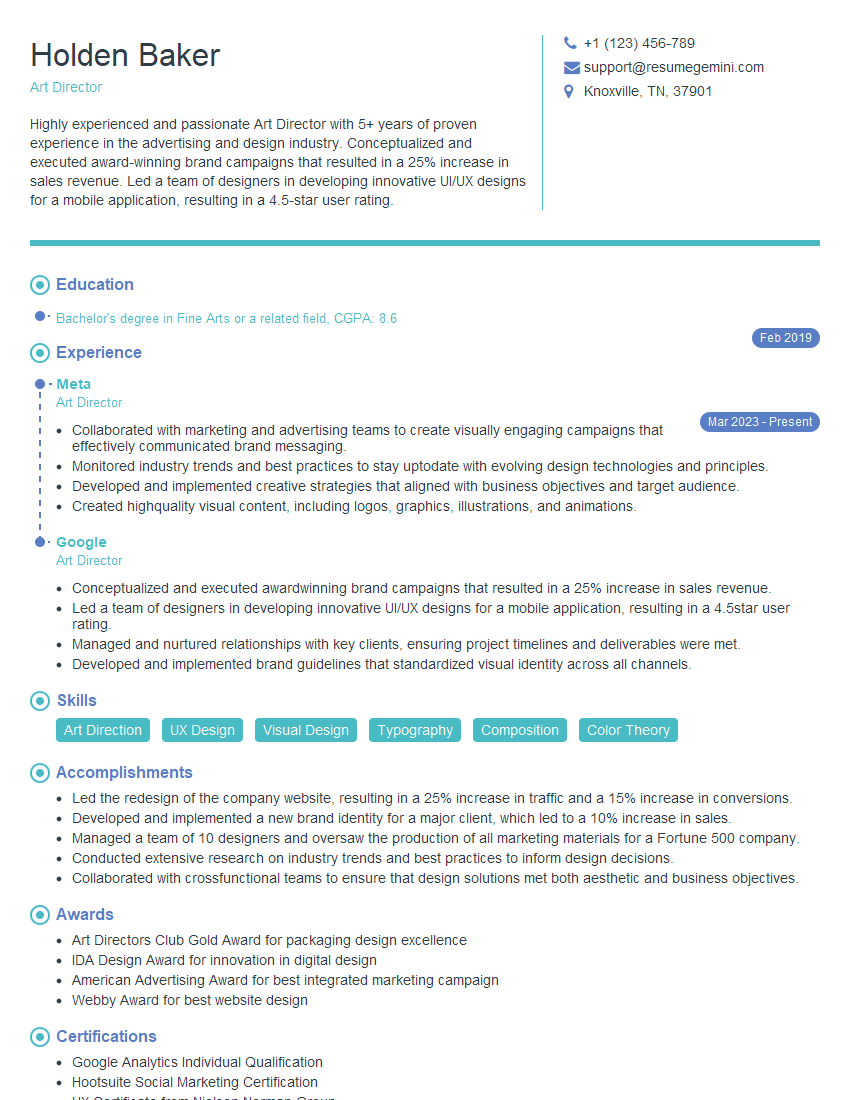
Art Director Resume Sample

Creative Director Resume Sample
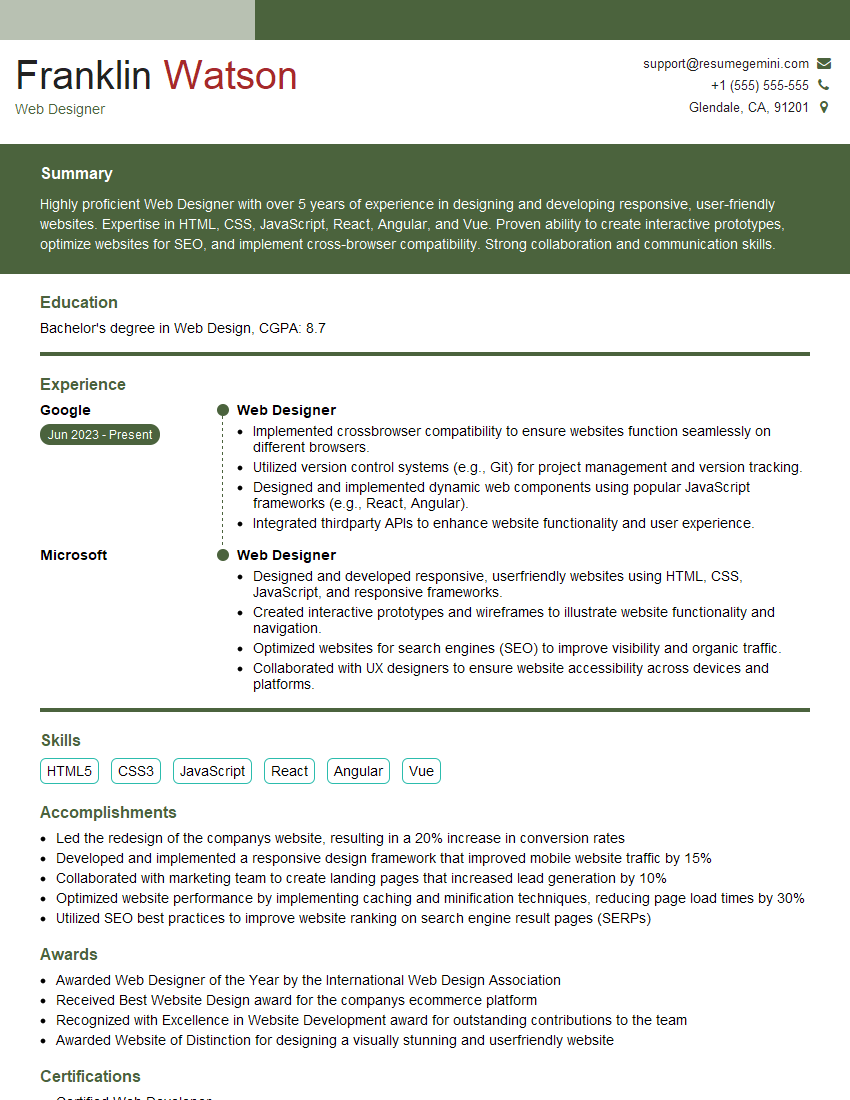
Web Designer Resume Sample
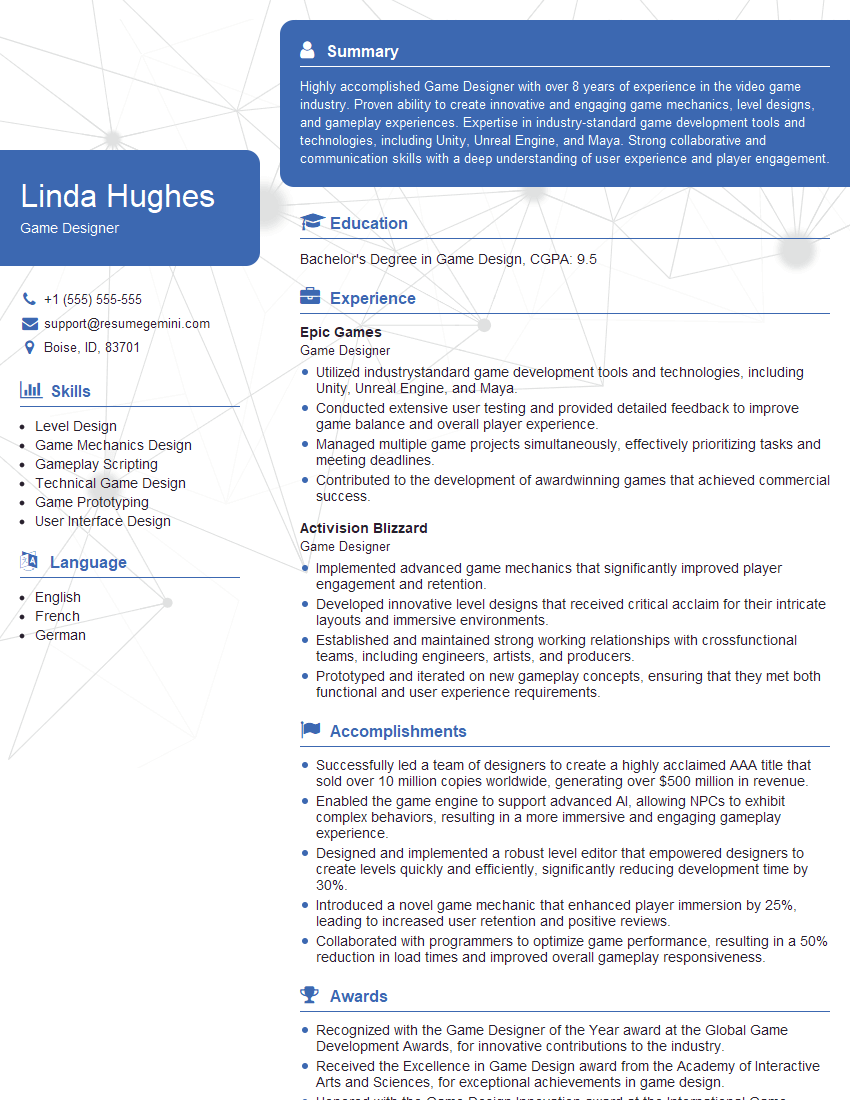
Game Designer Resume Sample
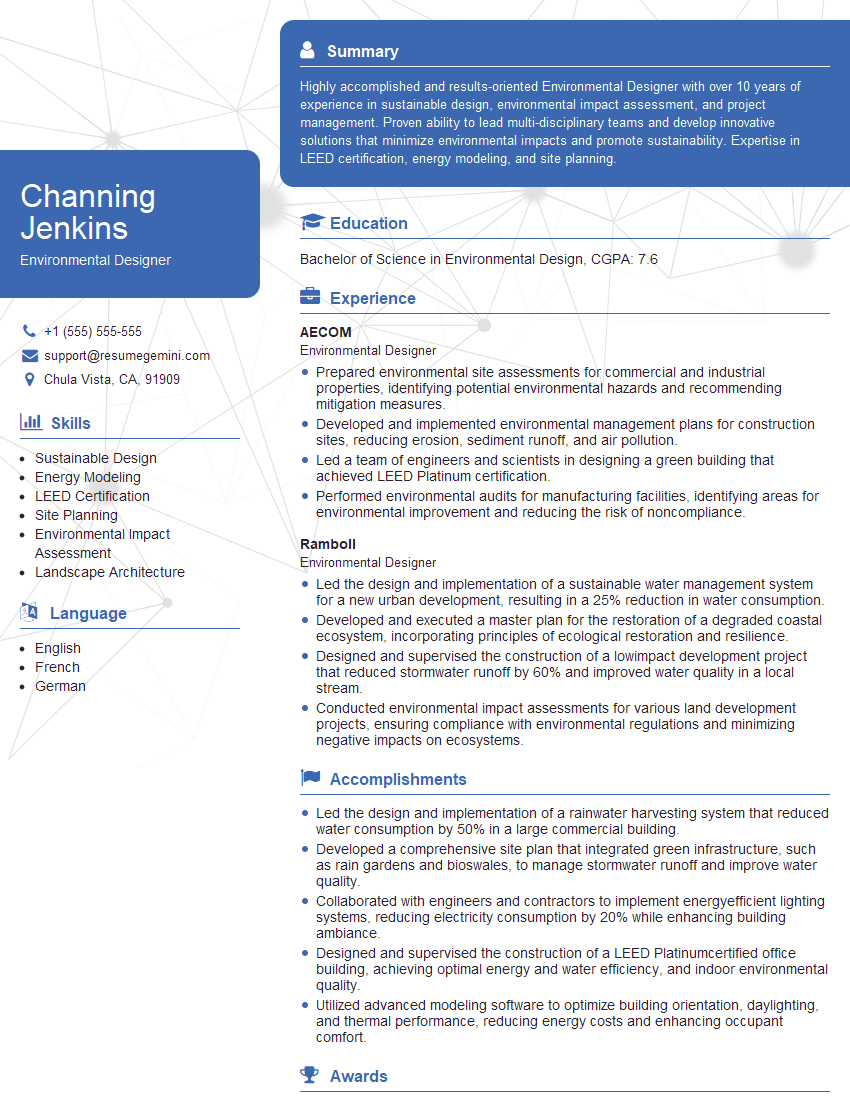
Environmental Designer Resume Sample
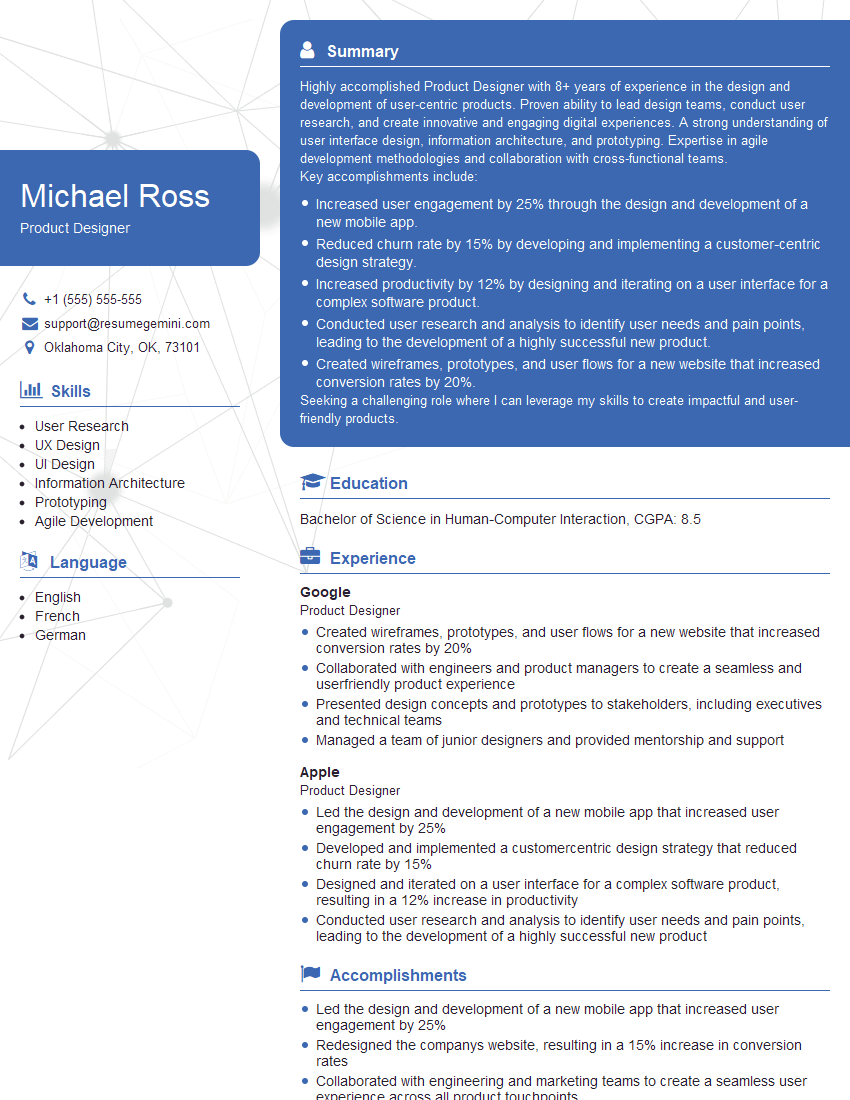
Product Designer Resume Sample
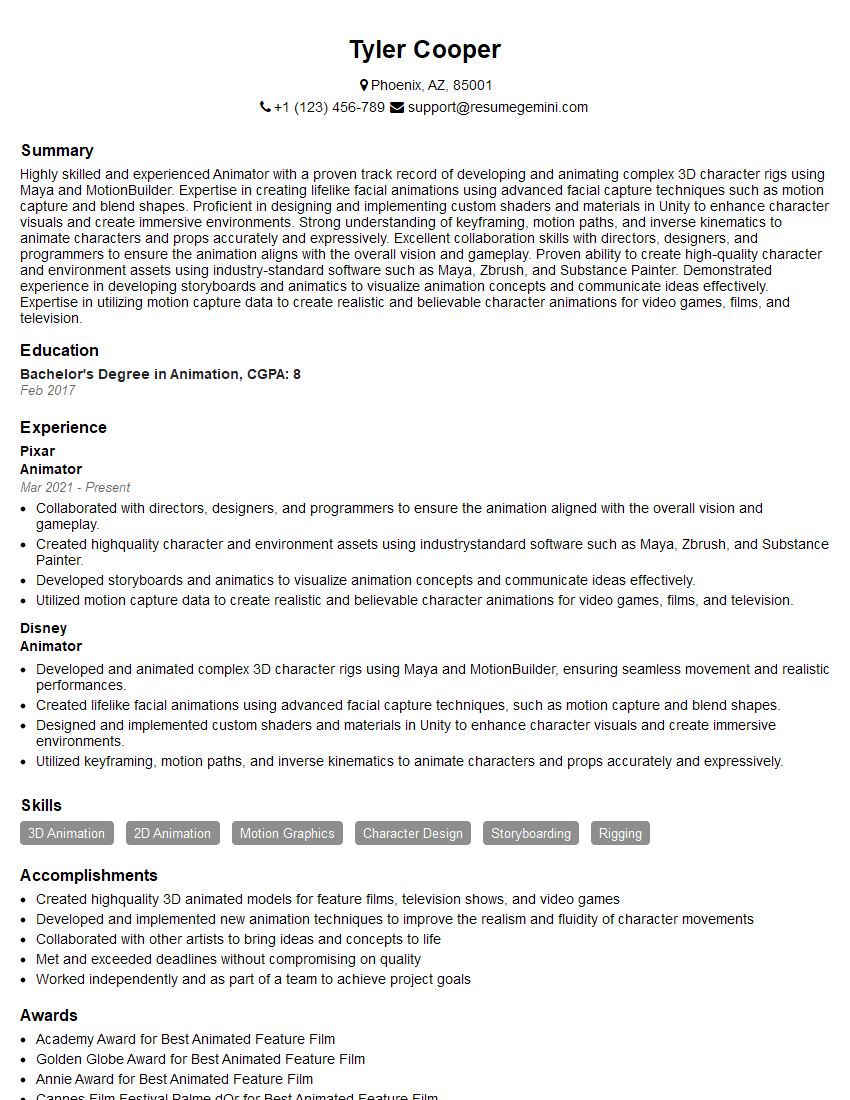
Animator Resume Sample
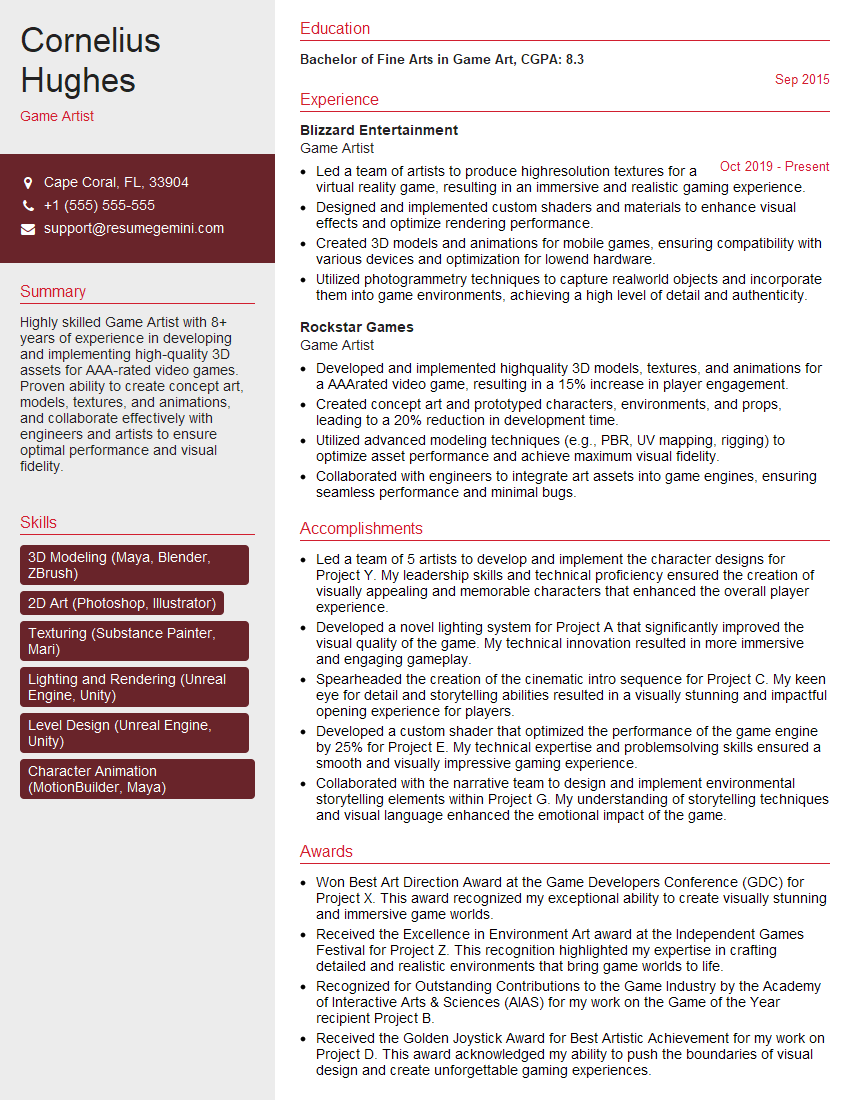
Game Artist Resume Sample
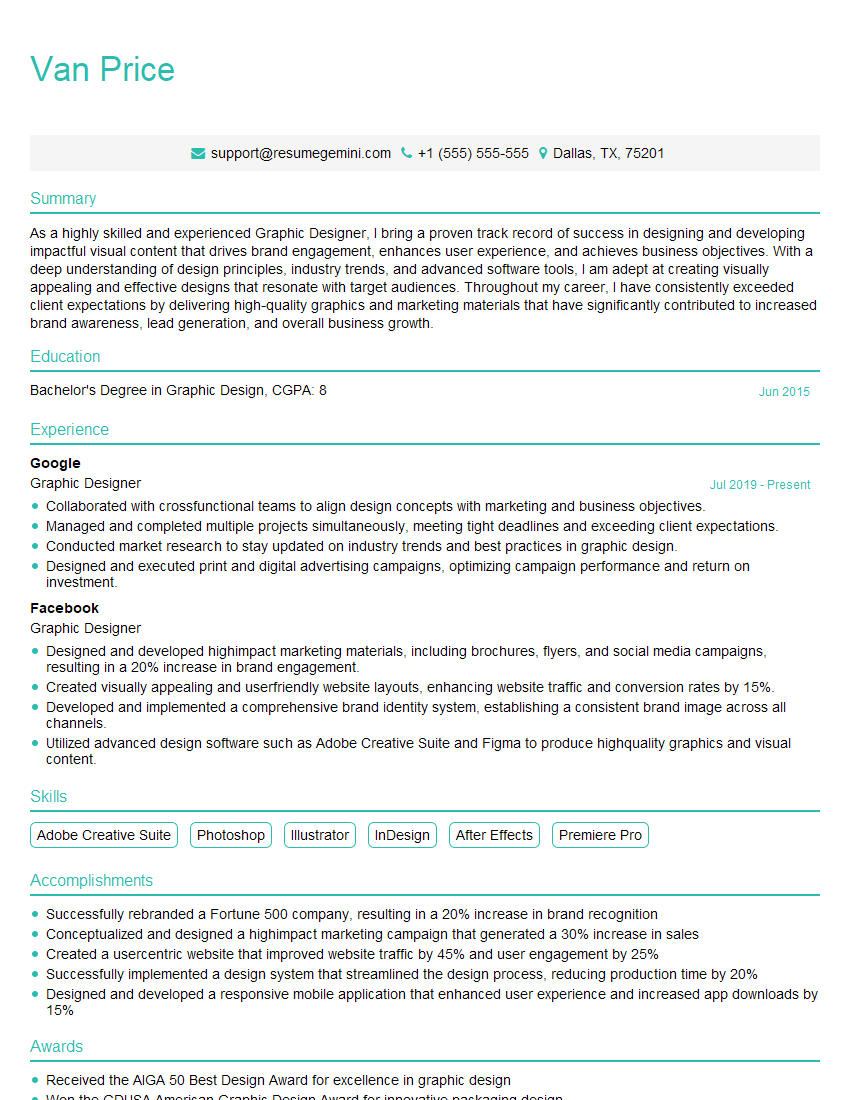
Graphic Designer Resume Sample
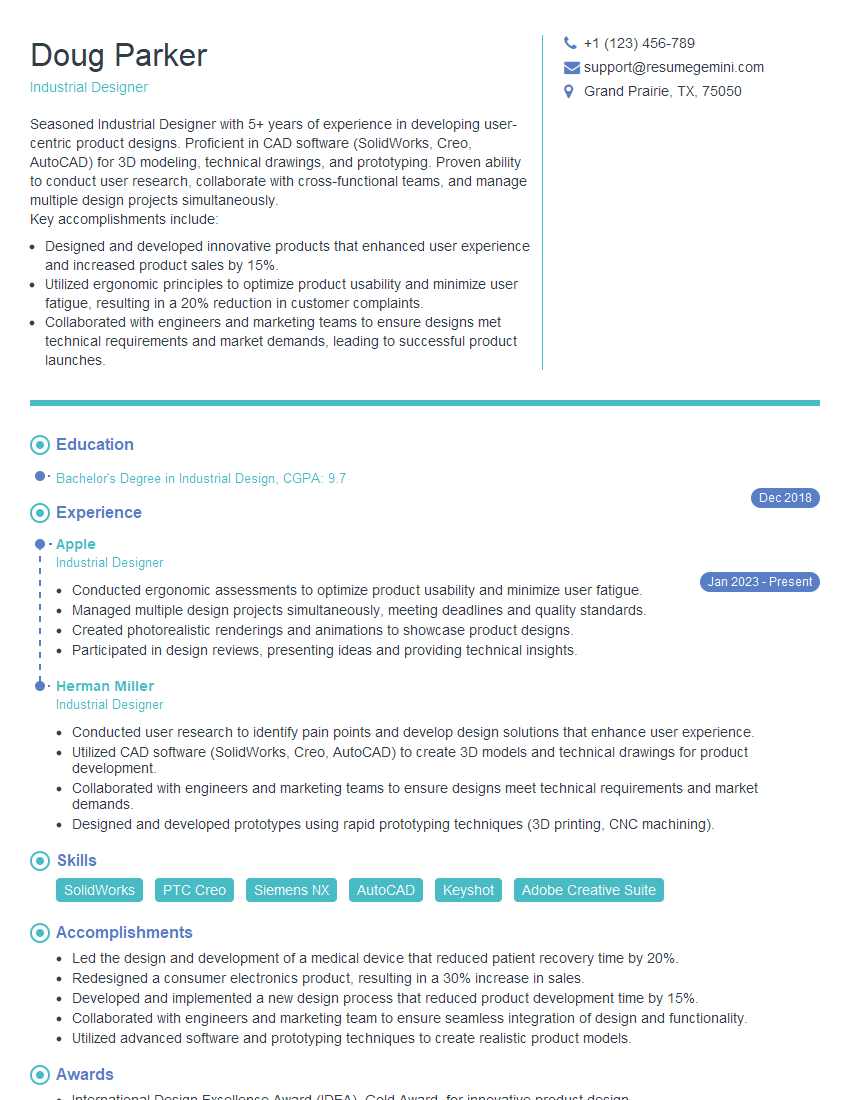
Industrial Designer Resume Sample
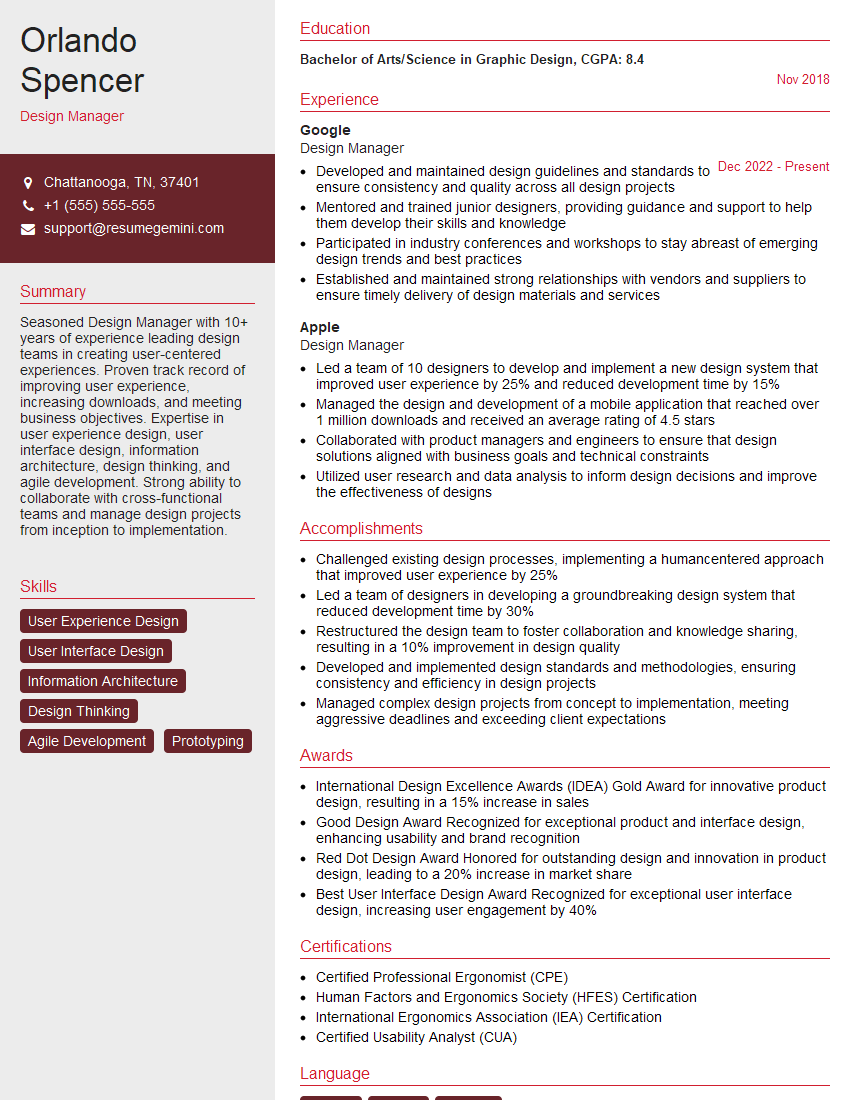
Design Manager Resume Sample
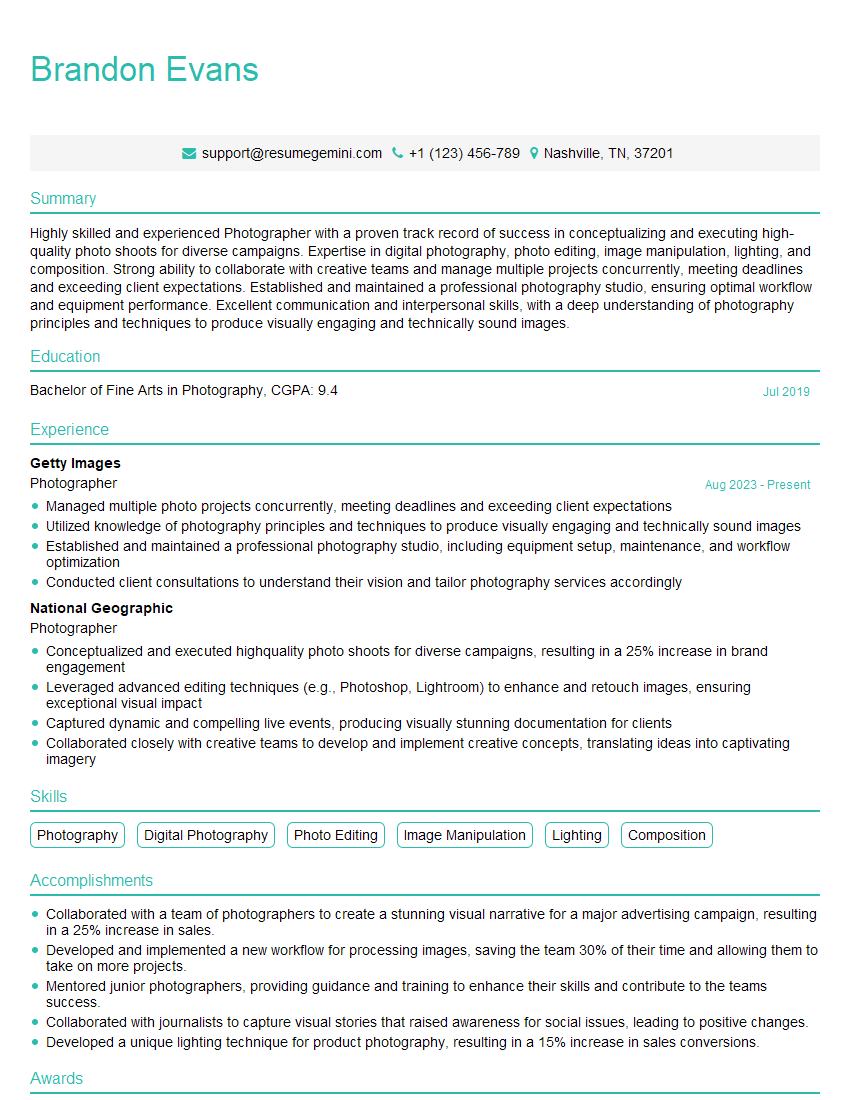
Photographer Resume Sample
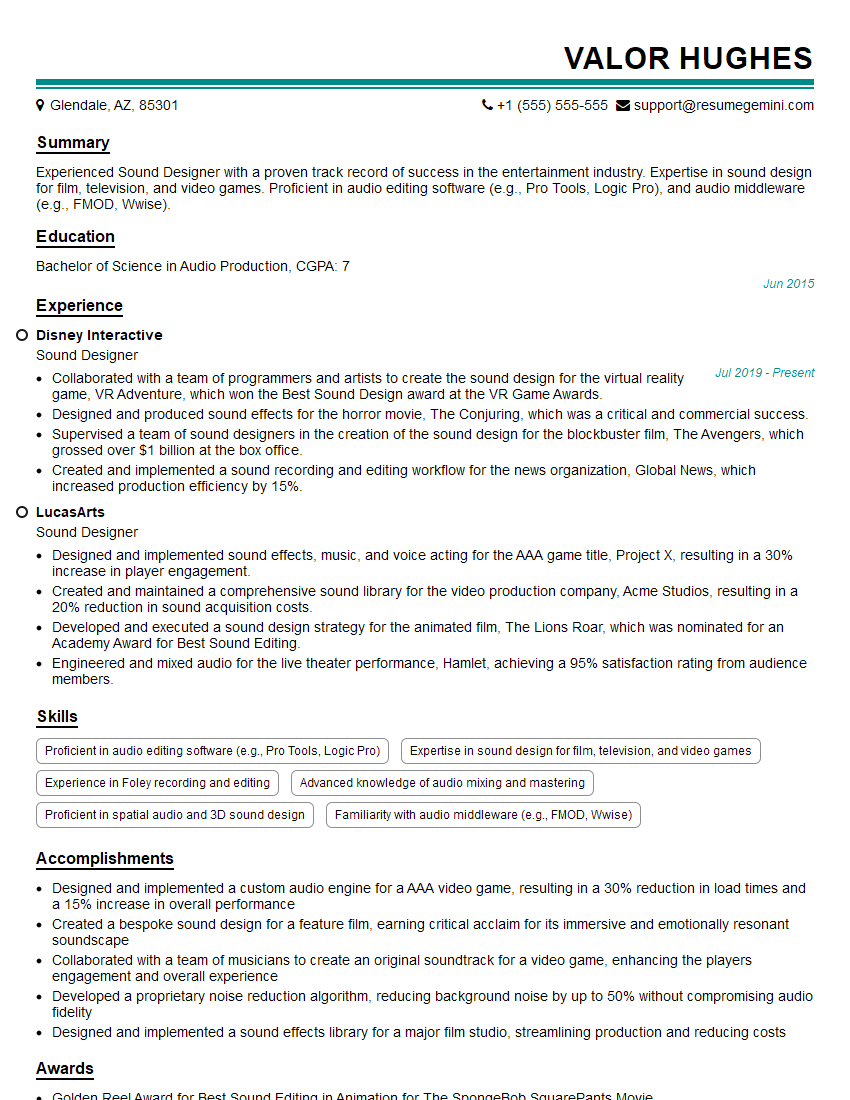
Sound Designer Resume Sample
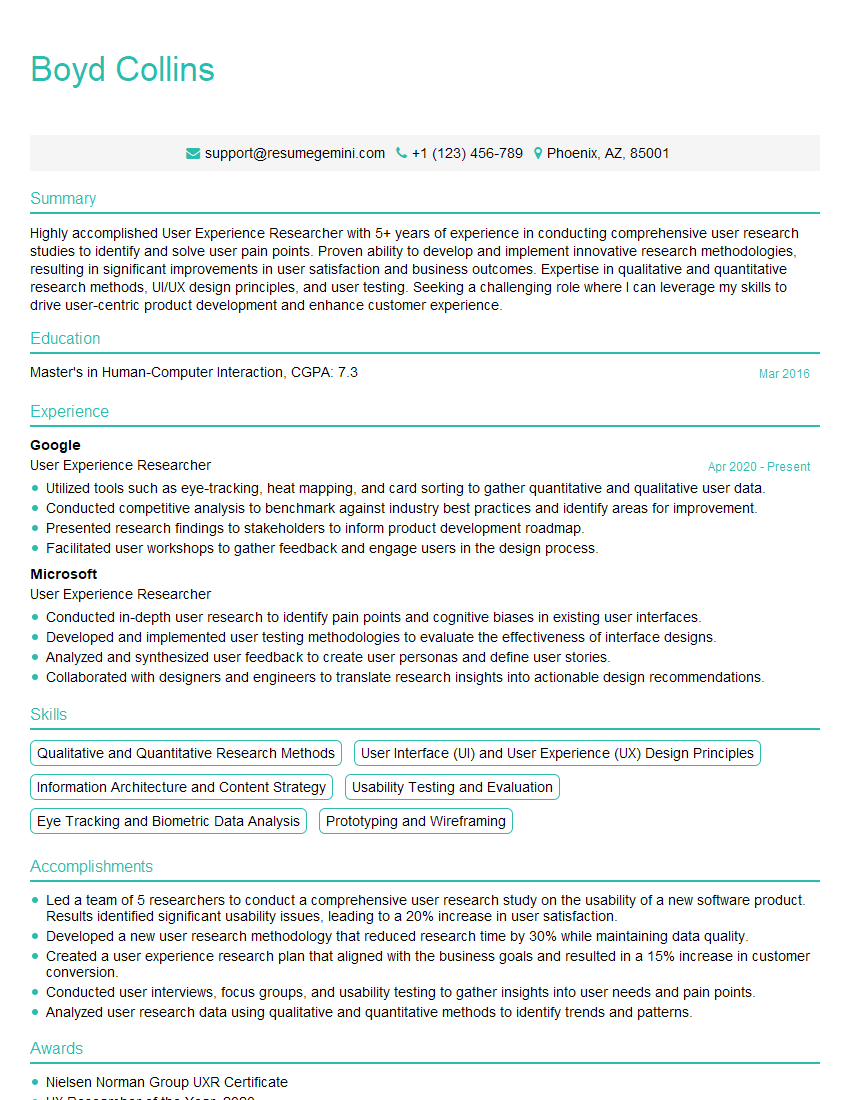
User Experience Researcher Resume Sample
Explore more articles
Users Rating of Our Blogs
Share Your Experience
We value your feedback! Please rate our content and share your thoughts (optional).
What Readers Say About Our Blog
Really detailed insights and content, thank you for writing this detailed article.
IT gave me an insight and words to use and be able to think of examples