Interviews are opportunities to demonstrate your expertise, and this guide is here to help you shine. Explore the essential Assessment Interpretation interview questions that employers frequently ask, paired with strategies for crafting responses that set you apart from the competition.
Questions Asked in Assessment Interpretation Interview
Q 1. Explain the difference between norm-referenced and criterion-referenced assessments.
Norm-referenced and criterion-referenced assessments differ fundamentally in how they interpret scores. Norm-referenced tests compare an individual’s performance to that of a larger group, or norm group, that took the same test. The score reflects the individual’s relative standing within that group. Think of a percentile rank: a score at the 75th percentile means the individual performed better than 75% of the norm group. These tests are useful for identifying individuals who are above or below average in a particular skill or area.
Criterion-referenced tests, on the other hand, evaluate an individual’s performance against a pre-defined standard or criterion. The score reflects mastery of specific skills or knowledge, irrespective of how others performed. For example, a driver’s test assesses whether a candidate meets a minimum driving standard, not how they compare to other test-takers. These are excellent for assessing learning objectives or specific competencies.
In short: Norm-referenced tests tell you where someone stands relative to others, while criterion-referenced tests tell you what someone knows or can do.
Q 2. Describe the process of interpreting results from a Wechsler Adult Intelligence Scale (WAIS).
Interpreting WAIS results involves a multi-step process that goes beyond simply looking at the Full Scale IQ (FSIQ) score. The WAIS provides a comprehensive profile of cognitive abilities, not just a single number. First, we examine the FSIQ, which represents overall cognitive functioning. However, more crucial is understanding the individual’s performance across the various index scores: Verbal Comprehension, Perceptual Reasoning, Working Memory, and Processing Speed. These indices provide insights into specific cognitive strengths and weaknesses.
For example, a high Verbal Comprehension score combined with a low Processing Speed score could suggest a profile consistent with someone who excels at understanding and using language but struggles with quick, efficient tasks. We then analyze the subtest scores within each index to pinpoint specific areas of relative strength and weakness. This detailed analysis often reveals nuances that are not evident from the index scores alone.
Further interpretation considers the individual’s background, history, and the purpose of the assessment. Clinical judgment plays a vital role; we integrate the test results with other information, such as behavioral observations, clinical interviews, and educational records, to create a comprehensive and holistic understanding of the individual’s cognitive functioning and its impact on their life.
Q 3. How do you identify and address potential biases in assessment instruments?
Bias in assessment instruments can significantly distort results, leading to unfair or inaccurate conclusions. Identifying potential biases requires careful examination of several factors. Cultural bias occurs when items or instructions are unfamiliar or disadvantageous to individuals from specific cultural backgrounds. For instance, a test heavily reliant on vocabulary specific to a certain region could disadvantage individuals from other areas. Gender bias can manifest in items that disproportionately favor one gender over another. Racial bias similarly occurs when items reflect the experiences of one race more than another.
Addressing bias requires a multifaceted approach. During instrument development, employing diverse panels for item review and piloting is essential. Careful wording, avoiding culturally specific references, and using diverse stimuli are also crucial. During interpretation, we need to be mindful of potential biases inherent in the instrument and consider contextual factors that might influence performance. We might explore alternative assessments or supplementary data to mitigate the effects of identified bias.
Q 4. What are the ethical considerations when interpreting assessment data?
Ethical considerations are paramount in assessment interpretation. Confidentiality is crucial; results should be shared only with authorized individuals and used solely for their intended purpose. Informed consent must be obtained before assessment administration, ensuring the individual understands the process and purpose of the assessment. Competence necessitates utilizing only assessments that align with one’s expertise and qualifications. Interpretations should be accurate, unbiased, and avoid overgeneralization.
Furthermore, we have an ethical responsibility to avoid misuse of assessment data. Results should not be used to label or stigmatize individuals, and interpretations should focus on strengths as well as weaknesses. Understanding the limitations of any assessment is also crucial; we should avoid drawing conclusions beyond the scope of what the instrument is designed to measure. We also have a responsibility to ensure that the results are communicated in a clear, understandable manner that respects the individual’s dignity and autonomy.
Q 5. Explain the concept of test reliability and its importance in assessment interpretation.
Test reliability refers to the consistency and stability of test scores. A reliable test produces similar results when administered multiple times under similar conditions to the same individual. Think of it as the test’s ‘repeatability’. High reliability is essential because inconsistent scores make interpretation difficult and unreliable. There are various types of reliability, including test-retest reliability (consistency over time), internal consistency reliability (consistency of items within the test), and inter-rater reliability (agreement between raters when scoring is subjective).
For example, if a depression screening tool shows significantly different scores for the same person on different days, its reliability is questionable. Low reliability reduces confidence in the results. In assessment interpretation, we need to consider the reliability coefficient (a statistical measure of reliability). A higher coefficient indicates greater reliability and more confidence in the results.
Q 6. Describe the concept of test validity and its different types.
Test validity refers to how accurately a test measures what it is intended to measure. A valid test is one that accurately reflects the construct it is designed to assess. There are several types of validity. Content validity ensures the test items adequately represent the domain being measured. For example, a math test with content validity would cover all relevant concepts for that grade level.
Criterion-related validity examines the relationship between test scores and an external criterion. Predictive validity assesses the test’s ability to predict future performance (e.g., predicting college success based on SAT scores). Concurrent validity assesses the test’s ability to correlate with a related measure administered at the same time.
Construct validity is the most comprehensive type, encompassing evidence from multiple sources to support the test’s accurate measurement of the underlying construct. This might include examining the test’s internal structure, its relationship to other related constructs, and its response to experimental manipulations. Validity is essential because an invalid test, no matter how reliable, provides inaccurate and meaningless information. During interpretation, we must consider the validity evidence for the assessment, understanding its limitations and ensuring its appropriate use.
Q 7. How do you determine the appropriate assessment instrument for a specific purpose?
Selecting the appropriate assessment instrument depends on several factors. First, clearly define the purpose of the assessment. What specific information do you need to gather? Are you assessing intelligence, personality, achievement, or something else?
Second, consider the characteristics of the individual being assessed: their age, developmental level, cultural background, and any relevant disabilities. The assessment must be appropriate for their specific needs and abilities.
Third, review the psychometric properties of different assessment instruments. Consider the test’s reliability, validity, and normative data. Does it have strong evidence supporting its use for your specific purpose and population? Finally, practical considerations such as cost, time constraints, and availability should also be taken into account. The ideal assessment is one that is accurate, reliable, valid, and feasible for the given context.
Q 8. What statistical methods are commonly used in assessment interpretation?
Several statistical methods are crucial for interpreting assessment data, ensuring accurate and meaningful conclusions. These methods help us move beyond raw scores to understand an individual’s performance relative to a larger group.
Descriptive Statistics: These provide a summary of the data. For example, the mean (average score) and standard deviation (spread of scores) tell us about the central tendency and variability of the scores. Imagine a test with a mean of 80 and a standard deviation of 10; a score of 90 is relatively higher than a score of 70.
Inferential Statistics: These methods help us make inferences about a population based on a sample. For instance, we might use a t-test to compare the average scores of two groups, or correlation analysis to examine the relationship between two variables. This could help us see if scores on a vocabulary test correlate with performance on a reading comprehension test.
Norm-Referenced Scoring: This uses a comparison group to interpret individual scores. Standard scores (like z-scores or T-scores) and percentiles are derived from this process. A percentile rank indicates the percentage of individuals in the comparison group who scored at or below a given score. For example, a percentile rank of 75 means the individual scored higher than 75% of the comparison group.
Item Analysis: This examines individual items (questions) within an assessment to assess their effectiveness. It helps to identify poorly performing items or items that might be biased. This ensures the accuracy and validity of the assessment itself.
Q 9. How do you handle missing data in an assessment?
Handling missing data is critical for maintaining the integrity of assessment interpretations. Ignoring missing data can lead to biased results. Several strategies exist:
Listwise Deletion: This involves removing any participant with missing data from the analysis. It’s simple but can lead to a significant reduction in sample size, especially if missing data is prevalent. This method is most appropriate when missing data is minimal and random.
Pairwise Deletion: This uses all available data for each analysis. For instance, if a participant has missing data on one subscale but completed another, their data is still used in the analysis of the completed subscale. This preserves more data but can lead to slightly different results across analyses.
Imputation: This involves replacing missing data with estimated values. Common methods include mean imputation (replacing with the average score), regression imputation (predicting missing scores based on other variables), and multiple imputation (creating multiple plausible datasets with imputed values and combining the results). This method is more sophisticated and requires careful consideration of the potential bias introduced.
The best approach depends on the amount of missing data, the pattern of missing data (random versus non-random), and the characteristics of the dataset. A thorough analysis of the missing data is necessary before deciding on a strategy.
Q 10. Explain the concept of standard scores and percentiles.
Standard scores and percentiles are essential for interpreting assessment results and comparing performance across different assessments or individuals. They convert raw scores into standardized metrics that are easier to understand and compare.
Standard Scores: These transform raw scores into a standardized scale with a predefined mean and standard deviation. Common types include z-scores (mean=0, SD=1), T-scores (mean=50, SD=10), and IQ scores (mean=100, SD=15). Standard scores allow for easy comparison of performance across different tests or scales, even if they have different raw score ranges. For instance, a z-score of 1.5 on a vocabulary test indicates a similarly high level of performance as a z-score of 1.5 on a mathematical reasoning test.
Percentiles: These indicate the percentage of individuals in a norm group who scored at or below a given raw score. A percentile of 80 means the individual scored better than 80% of the norm group. Percentiles are easy to understand and communicate to clients, even without a strong statistical background. For example, if a child scores in the 90th percentile on a reading test, it is easy to understand that they performed better than 90% of other children their age.
Both standard scores and percentiles are valuable for providing a comprehensive understanding of an individual’s performance relative to a reference group.
Q 11. How do you communicate assessment results effectively to clients or stakeholders?
Effective communication of assessment results is paramount. It requires tailoring the information to the client’s or stakeholder’s understanding and needs. Here’s a structured approach:
Start with an Overview: Briefly explain the purpose of the assessment and what was measured.
Use Clear and Simple Language: Avoid jargon. Use analogies and examples to illustrate key findings. Instead of saying “The client scored in the 75th percentile,” consider saying “The client performed better than 75% of the comparison group.”
Focus on Strengths and Areas for Improvement: Don’t just report scores; discuss what they mean in practical terms. Connect assessment results to the client’s goals and aspirations.
Provide Specific Recommendations: Based on the assessment results, offer concrete strategies or interventions to address areas needing improvement.
Visual Aids: Use graphs, charts, or other visuals to present data in an accessible manner. A simple bar graph showing strengths and weaknesses can be very effective.
Answer Questions: Allow ample time for questions and clarify any uncertainties.
Follow-up: Provide written summaries of the results and recommendations for future reference.
Remember, the goal is to empower the client with information, not to overwhelm them with technical details. Adapting the communication style based on the audience’s knowledge level is crucial.
Q 12. Describe your experience with different types of assessments (e.g., personality, cognitive, achievement).
My experience encompasses a wide range of assessment types, each with its unique interpretation challenges and strengths. I’ve worked extensively with:
Cognitive Assessments: Such as the Wechsler Adult Intelligence Scale (WAIS) or Stanford-Binet Intelligence Scales. These assess various cognitive abilities like verbal comprehension, perceptual reasoning, working memory, and processing speed. Interpretation requires understanding the test’s standardization sample and considering factors like cultural background and potential disabilities.
Achievement Assessments: These measure an individual’s knowledge and skills in specific academic areas, such as reading, math, or writing. Interpreting these requires examining the individual’s performance against grade-level expectations and identifying any skill gaps.
Personality Assessments: Like the Minnesota Multiphasic Personality Inventory (MMPI) or NEO PI-R. These evaluate personality traits, emotional functioning, and potential psychological issues. Interpreting these involves careful consideration of response styles, cultural factors, and clinical context. It’s crucial to avoid making definitive diagnoses based solely on personality assessment scores; they should be viewed as one piece of a larger clinical picture.
This diverse experience allows me to integrate findings from different assessments, providing a holistic understanding of the individual’s strengths and challenges.
Q 13. How do you ensure the confidentiality and security of assessment data?
Confidentiality and security of assessment data are paramount. I adhere to strict ethical guidelines and legal regulations to protect client information:
Informed Consent: I ensure clients understand the purpose of the assessment, how their data will be used, and their rights to confidentiality.
Secure Storage: Assessment data is stored securely, both physically and electronically, with access limited to authorized personnel only. This includes password-protected files, encrypted storage, and compliance with relevant data protection regulations.
Data Anonymization: When possible, I anonymize data before analysis and reporting to further protect client identity.
Compliance with Regulations: I follow all relevant regulations, including HIPAA (in the US) or GDPR (in Europe), regarding the handling of protected health information (PHI).
Disposal of Data: Once data is no longer needed, it is disposed of securely, in accordance with established procedures.
Maintaining client confidentiality is not just an ethical obligation but a legal requirement. I take this responsibility very seriously.
Q 14. Explain your understanding of different assessment scoring methods.
Various scoring methods exist, each with its strengths and limitations. The choice of method depends on the nature of the assessment and the purpose of the interpretation.
Raw Scores: These are the initial, unadjusted scores obtained directly from the assessment. They’re rarely used independently for interpretation because they lack context.
Norm-Referenced Scores: These compare an individual’s performance to a norm group. Examples include standard scores (z-scores, T-scores), percentiles, and stanines. These offer context by comparing the individual’s score to others in the same group.
Criterion-Referenced Scores: These assess performance against a predefined standard or criterion. For instance, a student might receive a score indicating mastery of a specific learning objective. These scores focus on what a person knows or can do, rather than relative standing.
Ipsative Scores: These compare an individual’s performance across different aspects of the same assessment. For example, an interest inventory might provide ipsative scores showing the relative strength of various interests within the individual. These scores don’t provide information about absolute performance but rather focus on internal comparisons.
Understanding the scoring method used is crucial for accurate interpretation. The report should clearly describe the scoring system used and how the scores should be interpreted.
Q 15. How do you interpret and integrate data from multiple assessment sources?
Interpreting and integrating data from multiple assessment sources is crucial for a comprehensive understanding. It’s like piecing together a puzzle – each assessment provides a piece of the picture, but only by combining them do you get the full image.
My approach involves a systematic process: First, I carefully review each assessment individually, noting strengths, weaknesses, and potential biases of each instrument. Then, I look for converging and diverging patterns. For example, if a self-report measure shows high anxiety, but behavioral observations show calm and adaptive coping mechanisms, I explore the discrepancies. This might involve considering the individual’s self-awareness, the specific context of the assessment, or even the reliability of the instruments themselves.
Finally, I synthesize the information, weighing the relative strengths and limitations of each source. This might involve qualitative data (like interview transcripts) to contextualize quantitative data (like test scores). The goal is a holistic profile that goes beyond any single assessment and provides a nuanced understanding of the individual.
- Example: A child might score poorly on a standardized achievement test but excel in a portfolio assessment showcasing creative problem-solving skills. Integrating both reveals a potential learning disability that is not reflected in raw test scores alone.
Career Expert Tips:
- Ace those interviews! Prepare effectively by reviewing the Top 50 Most Common Interview Questions on ResumeGemini.
- Navigate your job search with confidence! Explore a wide range of Career Tips on ResumeGemini. Learn about common challenges and recommendations to overcome them.
- Craft the perfect resume! Master the Art of Resume Writing with ResumeGemini’s guide. Showcase your unique qualifications and achievements effectively.
- Don’t miss out on holiday savings! Build your dream resume with ResumeGemini’s ATS optimized templates.
Q 16. Describe your experience with using assessment software or platforms.
I have extensive experience using various assessment software and platforms, including Pearson Assessments, Q-global, and TestDome. My proficiency extends beyond simply administering tests; I’m adept at utilizing the reporting features to generate comprehensive reports, track progress, and manage large datasets. I’m familiar with data security protocols and ethical considerations related to handling sensitive assessment data.
For instance, using Pearson Assessments' platform, I’ve efficiently managed the administration, scoring, and reporting of multiple assessments for large groups of students, streamlining the process and improving data analysis. Beyond the technical aspects, my expertise also involves using these platforms to accurately interpret the generated reports and integrate them with other data sources for a holistic evaluation.
Q 17. How do you stay current with best practices in assessment interpretation?
Staying current in assessment interpretation requires continuous professional development. I actively participate in professional organizations such as the American Psychological Association (APA) and attend relevant conferences and workshops to stay abreast of the latest research and best practices. I regularly review peer-reviewed journals and publications related to psychometrics and assessment.
Furthermore, I maintain a network of colleagues in the field, engaging in discussions and sharing knowledge to stay informed about emerging trends and challenges. I also actively seek out continuing education opportunities focused on specific assessment instruments and emerging technologies in assessment.
Q 18. What is your experience with using qualitative data in assessment interpretation?
Qualitative data plays a vital role in enriching the interpretation of assessment results. It adds depth and context to quantitative findings, providing a more nuanced and holistic understanding. Think of it as adding color and texture to a black-and-white picture.
My experience includes using qualitative data from various sources, such as interviews, observations, and open-ended questionnaire responses, to gain a richer understanding of an individual’s experiences, perspectives, and behaviors. I use qualitative data analysis techniques like thematic analysis to identify recurring patterns and themes within the data, which I then integrate with quantitative data to create a comprehensive assessment.
Example: In a case involving a student struggling academically, quantitative data from standardized tests might point to a learning disability. However, qualitative data from interviews with the student and teachers might reveal additional factors like social anxiety or a challenging home environment that contribute to the academic difficulties. This integrated approach leads to a more accurate and helpful intervention plan.
Q 19. How would you explain complex assessment findings to someone with limited psychological knowledge?
Explaining complex assessment findings to individuals without psychological backgrounds requires clear, concise communication, avoiding technical jargon. I use analogies and relatable examples to help them understand the concepts.
For example, instead of saying “The individual’s score on the MMPI-2 indicated elevated levels of depression,” I might say, “The assessment suggests the person is experiencing feelings of sadness and hopelessness that are significantly impacting their daily life.” I would then explain what those impacts might look like in concrete terms, such as difficulty sleeping, loss of interest in activities, or changes in appetite. I might also use visuals like graphs or charts to illustrate key findings, making the information more accessible and understandable.
Transparency is key. I explain the limitations of the assessment and emphasize that it’s one piece of a larger puzzle. It’s important to foster a collaborative dialogue, ensuring the individual understands the findings and feels empowered to make informed decisions.
Q 20. Describe a situation where you had to make a critical decision based on assessment data.
In a previous role, I was involved in a case where a young child exhibited increasingly aggressive behaviors at school. Initial teacher observations and behavioral checklists suggested significant challenges, but standardized assessments yielded inconclusive results. This created a critical decision point: how to best support the child without potentially mislabeling them.
I integrated data from multiple sources – teacher observations, parent interviews, play-based assessments, and informal classroom observations – to create a more complete picture. This revealed that the child was experiencing significant stress at home due to a recent family separation. The aggressive behaviors were a manifestation of this underlying stress, rather than an inherent behavioral disorder.
Based on this integrated understanding, we developed a multi-pronged intervention plan focusing on addressing the child’s home environment, building coping mechanisms, and providing in-school support. This approach proved more effective than a purely behaviorally-focused intervention, demonstrating the importance of considering the broader context when interpreting assessment data.
Q 21. What are some limitations of assessment instruments?
Assessment instruments, while valuable tools, have inherent limitations. It’s crucial to be aware of these limitations to avoid misinterpretations and inaccurate conclusions.
- Cultural Bias: Many assessments are developed within a specific cultural context and may not accurately reflect the experiences or abilities of individuals from different cultural backgrounds.
- Test Anxiety: An individual’s anxiety level can significantly impact their performance, leading to scores that don’t accurately reflect their actual abilities.
- Limited Scope: Assessments typically measure a specific range of abilities or characteristics, leaving other important aspects unassessed.
- Sampling Error: The sample used to develop and validate an assessment can influence its generalizability to other populations.
- Interpretation Bias: The assessor’s own biases and expectations can influence how they interpret the results.
Understanding these limitations is paramount to responsible assessment interpretation. It necessitates a holistic approach, considering multiple data sources and avoiding over-reliance on any single assessment.
Q 22. How do you manage conflicting results from different assessment methods?
Conflicting results from different assessment methods are common and require careful consideration. Instead of dismissing any single result, I treat them as pieces of a puzzle, seeking to understand the discrepancies rather than simply averaging or prioritizing one over the other. My approach involves several key steps:
- Reviewing Assessment Methods: First, I critically examine the methodologies used. Were the assessments designed to measure the same construct? Do they have comparable psychometric properties (reliability and validity)? Differences in assessment formats (e.g., self-report vs. observational) can naturally lead to variance.
- Considering Contextual Factors: I investigate potential contextual influences that could have affected the results. Was the client experiencing stress, fatigue, or other factors that might impact performance on a particular assessment? Were the testing conditions optimal for each assessment?
- Qualitative Data Integration: I incorporate qualitative data like interview notes or observations to triangulate the findings. A discrepancy might be resolved by a clarifying statement from the client or an observational note that explains a behavior.
- Exploring Potential Biases: I carefully check for biases in the assessments themselves or in the administration of the assessments. For instance, cultural biases can affect test performance, leading to inaccurate or misleading results.
- Integrating Multiple Data Points: Ultimately, I aim to develop a comprehensive and nuanced understanding by integrating all available data. This often means forming a hypothesis based on the convergence of data and further investigation if necessary.
For example, if a self-report measure of anxiety yields a high score, but behavioral observations show relatively calm behavior, I might explore whether the self-report reflects underlying anxiety that hasn’t yet manifested in overt behaviors, or if there’s a discrepancy in understanding of what constitutes anxiety. Further investigation might involve discussing the self-report scores with the client.
Q 23. Explain your experience with conducting assessment feedback sessions.
Feedback sessions are crucial for translating assessment results into actionable insights. My approach focuses on collaboration and empowerment. I start by building rapport, ensuring a safe and comfortable environment where the client feels heard and understood. The sessions follow a structured yet flexible format:
- Presenting Results Clearly: I avoid jargon and explain results in plain language, using visual aids when appropriate (e.g., graphs, charts). I focus on strengths as well as areas for improvement, highlighting the positive aspects first.
- Collaborative Interpretation: I encourage the client to share their perspectives and interpretations of the results. This helps build ownership and engagement.
- Goal Setting: We collaboratively identify specific, measurable, achievable, relevant, and time-bound (SMART) goals based on the assessment findings. These goals should address the client’s concerns and build on their strengths.
- Developing Action Plans: We collaboratively develop a tailored action plan with concrete steps to achieve those goals. This might involve recommending specific strategies, resources, or referrals.
- Follow-up and Support: I provide ongoing support and encouragement as needed, scheduling follow-up sessions to monitor progress and adjust the action plan as necessary. This demonstrates continued commitment to the client’s success.
I always remember that the feedback session is a partnership. It’s not simply about delivering a report; it’s about fostering growth and empowerment. One memorable session involved a client who initially felt overwhelmed by the results. By focusing on strengths and collaboratively setting realistic goals, we transformed a potentially negative experience into a positive and motivating one.
Q 24. How do you address discrepancies between self-reported and observed behaviors in assessments?
Discrepancies between self-reported and observed behaviors are common and often highlight important aspects of the individual’s functioning. It’s critical to avoid jumping to conclusions. My approach involves a thorough investigation:
- Exploring Possible Explanations: I consider various factors that might contribute to the discrepancy. These could include social desirability bias (the tendency to present oneself in a favorable light), lack of self-awareness, defensiveness, or situational factors impacting behavior.
- Further Assessment: In some cases, additional assessment methods may be needed to clarify the discrepancy. For instance, projective techniques or additional observational data might offer a more comprehensive perspective.
- Client Interview: A focused interview is essential to gain a deeper understanding of the client’s perspective. I use open-ended questions to explore the reasons behind any inconsistencies.
- Contextual Factors: I examine the context in which self-reports and observations were collected. Were the self-reports completed in a stressful environment? Were the observations limited in scope?
- Integration and Interpretation: I integrate the self-reported and observed data to arrive at a more holistic understanding. The goal is not to choose one over the other but to find a narrative that coherently explains the observed patterns.
For instance, a client might report high levels of social confidence in a self-report but exhibit shyness during an observation. An interview might reveal that the client’s self-report reflects their aspirations rather than their current social comfort level. Understanding this distinction is crucial for effective intervention.
Q 25. What are some common errors in assessment interpretation to avoid?
Avoiding errors in assessment interpretation is crucial for ethical and effective practice. Common errors include:
- Over-reliance on a Single Assessment: No single assessment provides a complete picture. Relying on only one instrument can lead to inaccurate and incomplete conclusions.
- Ignoring Contextual Factors: Failing to consider the individual’s background, cultural context, and current life circumstances can lead to misinterpretations.
- Confirmation Bias: The tendency to seek out and interpret information that confirms pre-existing beliefs should be actively avoided.
- Ignoring Base Rates: Failing to consider the base rates of certain behaviors or characteristics in the population can lead to inaccurate inferences.
- Overgeneralization: Extrapolating findings beyond the specific scope of the assessment is a frequent pitfall.
- Lack of Cultural Sensitivity: Assessments and interpretations should always be culturally sensitive, acknowledging potential biases in the instruments and interpreting results in light of the individual’s cultural background.
- Failure to maintain Confidentiality: Breaches in confidentiality can have severe consequences. Results must be kept confidential unless authorized for release.
To avoid these errors, it’s essential to have a strong understanding of psychometrics, assessment design, and ethical guidelines. Regularly reviewing one’s interpretations with peers and supervisors is invaluable for maintaining objectivity and minimizing biases.
Q 26. Describe your approach to evaluating the appropriateness of a specific assessment for a particular client.
Selecting the appropriate assessment for a particular client is paramount. My approach involves a systematic evaluation process:
- Clarifying Referral Question: I begin by clearly defining the referral question. What specific information is needed to address the client’s concerns? This guides the assessment selection process.
- Considering Psychometric Properties: I carefully review the psychometric properties of potential assessments, including reliability, validity, and normative data. Is the assessment reliable and valid for the specific population and purpose?
- Assessing Appropriateness for the Client: I consider the client’s age, developmental level, cognitive abilities, language proficiency, and cultural background to ensure the assessment is appropriate and accessible. Will the client be able to understand and complete the assessment?
- Evaluating Practical Considerations: I assess the practicality of the assessment, such as time constraints, cost, and availability of resources. Is the assessment feasible given the available time and resources?
- Considering Ethical Implications: I carefully consider any potential ethical implications associated with the selected assessment and ensure adherence to ethical guidelines.
For example, if a client presents with difficulties in their workplace, a personality assessment might be appropriate to explore potential contributing factors, but if their concerns relate to cognitive functioning, a neuropsychological assessment would be more relevant. I always prioritize client-centered decision-making, discussing assessment options with the client and ensuring informed consent.
Q 27. How do you ensure cultural sensitivity in your assessment interpretation practices?
Cultural sensitivity is fundamental to ethical assessment interpretation. My approach involves:
- Understanding Cultural Context: I strive to understand the client’s cultural background, including their beliefs, values, and experiences. This involves actively listening and engaging in respectful dialogue.
- Selecting Culturally Appropriate Assessments: I prioritize assessments that have been validated for use with diverse populations, recognizing that norms derived from one cultural group may not be applicable to another.
- Avoiding Cultural Bias: I’m mindful of potential biases in assessment instruments and interpretation processes. This might include considering linguistic factors, cultural references in test items, and potential cultural differences in response styles.
- Using Interpretive Flexibility: I adapt my interpretation strategies to account for cultural influences. Rigid adherence to normative data without considering contextual factors can lead to inaccurate conclusions.
- Collaborating with Cultural Experts: When needed, I consult with cultural experts or colleagues with relevant experience to ensure culturally sensitive assessments and interpretations.
For example, when working with clients from collectivist cultures, I would be mindful that their self-perception and responses might differ from those of clients from individualistic cultures. I’d also consider the impact of family dynamics and community values on their behaviors.
Q 28. What is your experience working with diverse populations in assessment settings?
I have extensive experience working with diverse populations, including individuals from various ethnic backgrounds, socioeconomic statuses, and with diverse abilities. This experience has instilled a deep appreciation for the importance of cultural sensitivity and individualized approaches in assessment. My work has encompassed:
- Individuals with Disabilities: I am experienced in adapting assessment procedures to accommodate diverse learning styles and cognitive abilities, ensuring accessibility and equitable testing experiences.
- Immigrant and Refugee Populations: I have worked with clients from various cultural backgrounds, considering linguistic factors, cultural biases, and trauma when conducting assessments and interpreting results. I am also well-versed in navigating cultural nuances in communication and rapport building.
- Low-Income Communities: I am sensitive to the specific challenges faced by individuals from low-income backgrounds, including limited access to resources and potential systemic barriers to accessing mental health services.
- LGBTQ+ Communities: I create a safe and affirming space for individuals identifying as LGBTQ+, mindful of potential biases in traditional assessment instruments and prioritizing culturally sensitive approaches.
My experience working with diverse populations has highlighted the critical need for inclusive assessment practices. It has further honed my skills in building rapport, communicating effectively, and adapting my approaches to meet the unique needs of each individual.
Key Topics to Learn for Assessment Interpretation Interview
- Test Selection & Validity: Understanding the appropriateness of different assessment types (e.g., cognitive, personality, behavioral) for specific job roles and the importance of ensuring test validity and reliability.
- Data Analysis & Interpretation: Proficiency in analyzing quantitative and qualitative data from assessments, including statistical measures like percentiles, standard deviations, and correlations. Practical application: Explaining how to translate raw scores into meaningful interpretations about candidate strengths and weaknesses.
- Bias & Fairness: Recognizing and mitigating potential biases in assessment design and interpretation, ensuring fair and equitable evaluation of candidates from diverse backgrounds.
- Legal & Ethical Considerations: Understanding relevant legal frameworks (e.g., ADA compliance) and ethical guidelines concerning assessment use and data privacy.
- Integrating Assessment Data with Other Information: Demonstrating the ability to synthesize assessment results with information from resumes, interviews, and references to create a holistic candidate profile.
- Report Writing & Communication: Clearly and concisely communicating assessment findings and recommendations to stakeholders, tailoring the language and format to the audience (e.g., hiring managers, candidates).
- Different Assessment Types: Deep understanding of various assessment methodologies, including their strengths, limitations, and appropriate applications (e.g., aptitude tests, personality inventories, situational judgment tests).
- Problem-Solving & Critical Thinking: Applying critical thinking to interpret ambiguous or contradictory assessment data, identifying potential inconsistencies, and formulating sound conclusions.
Next Steps
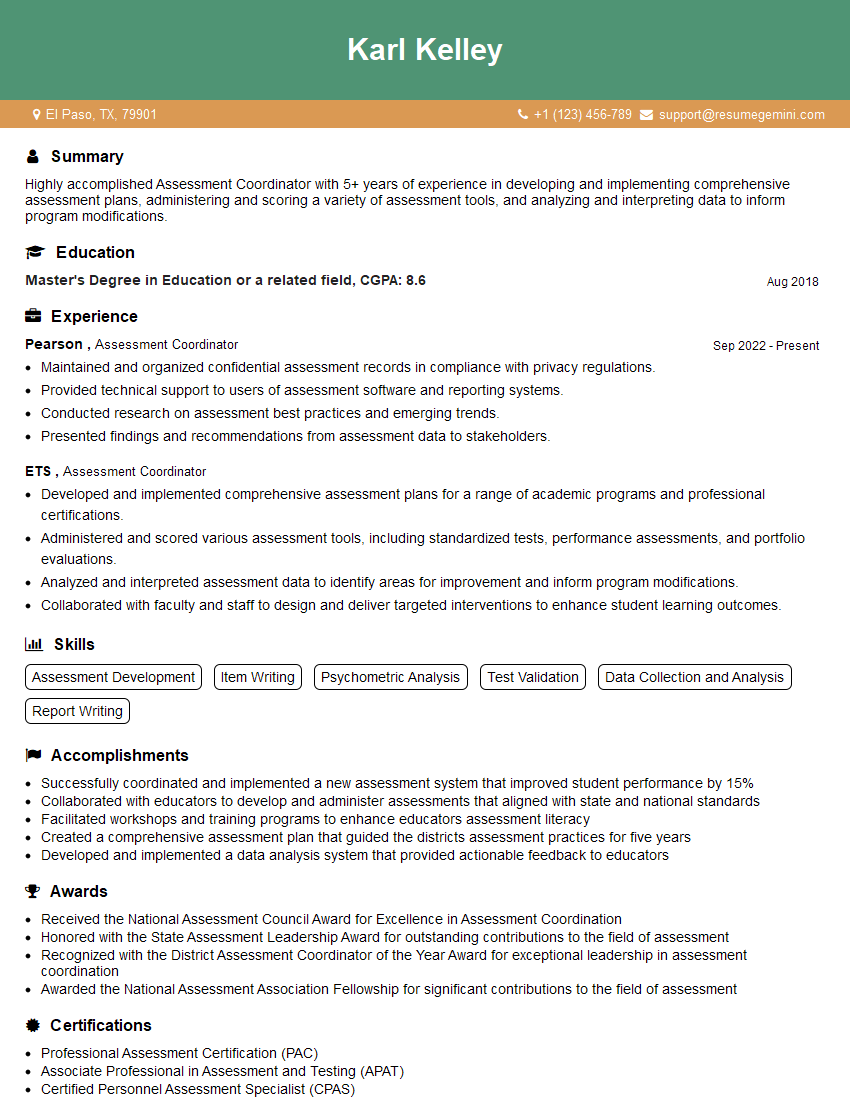
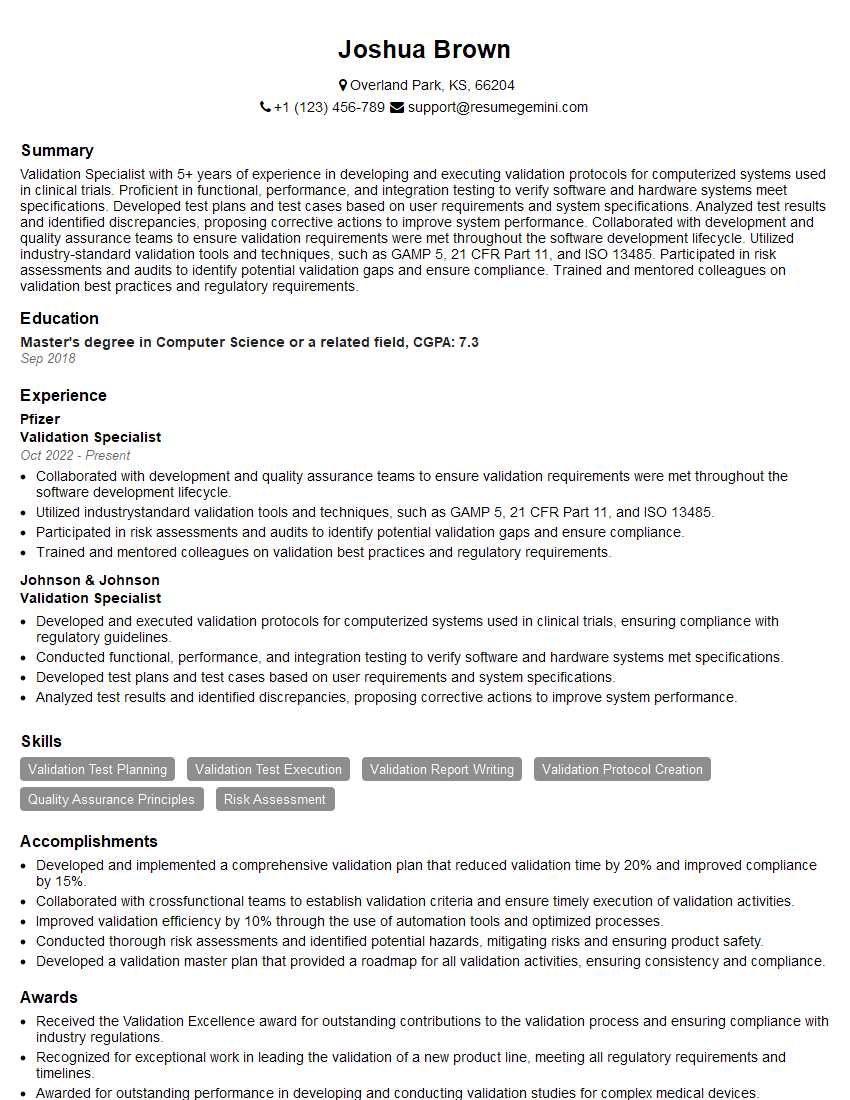
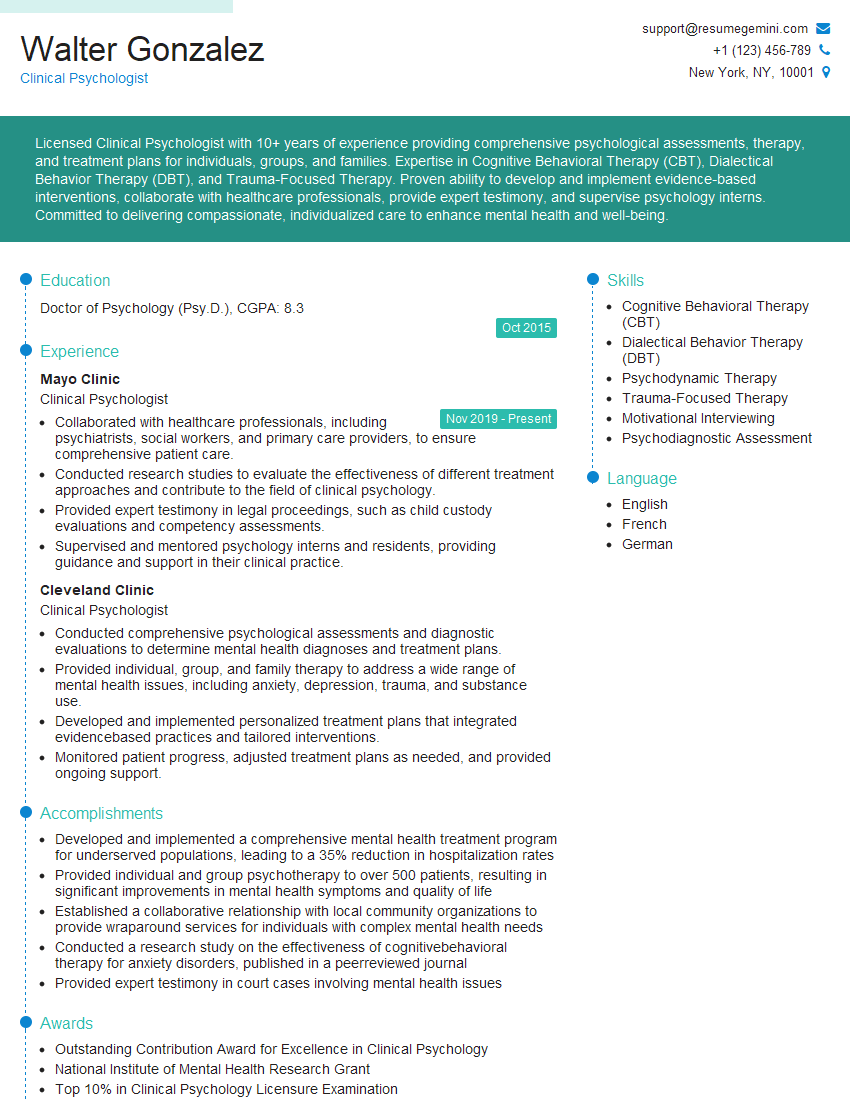
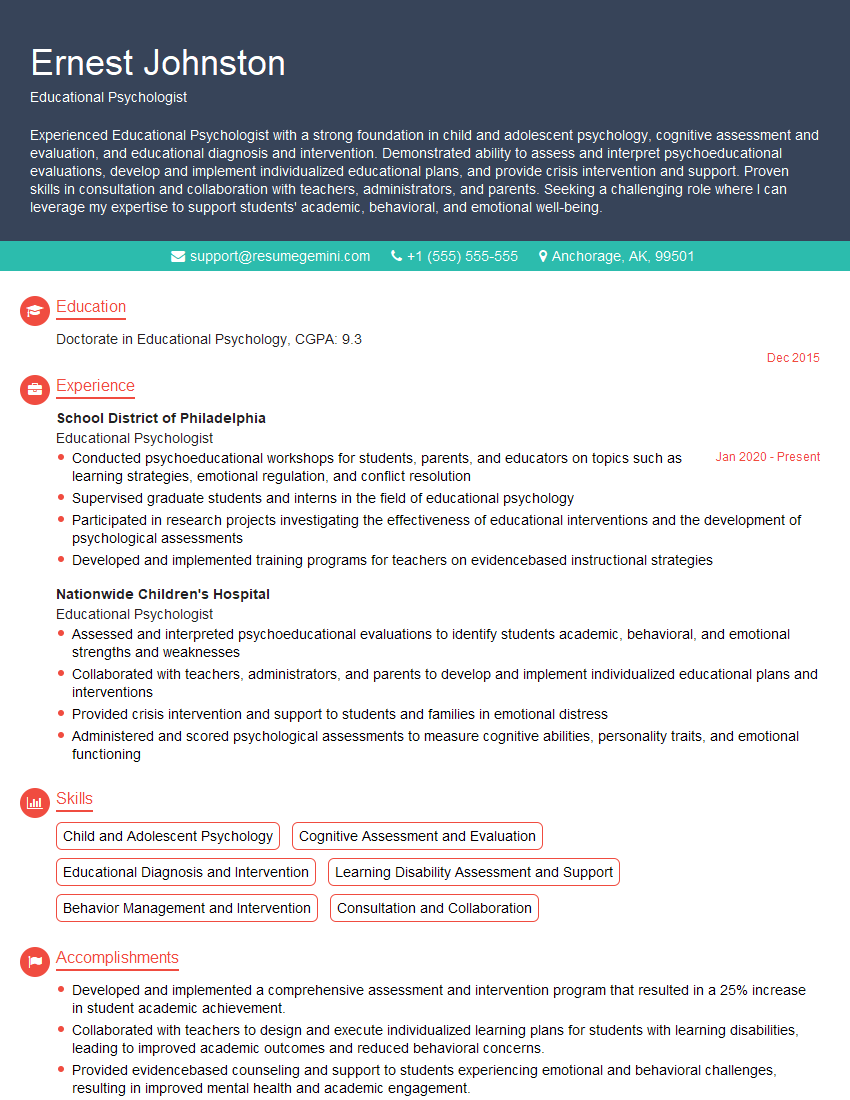
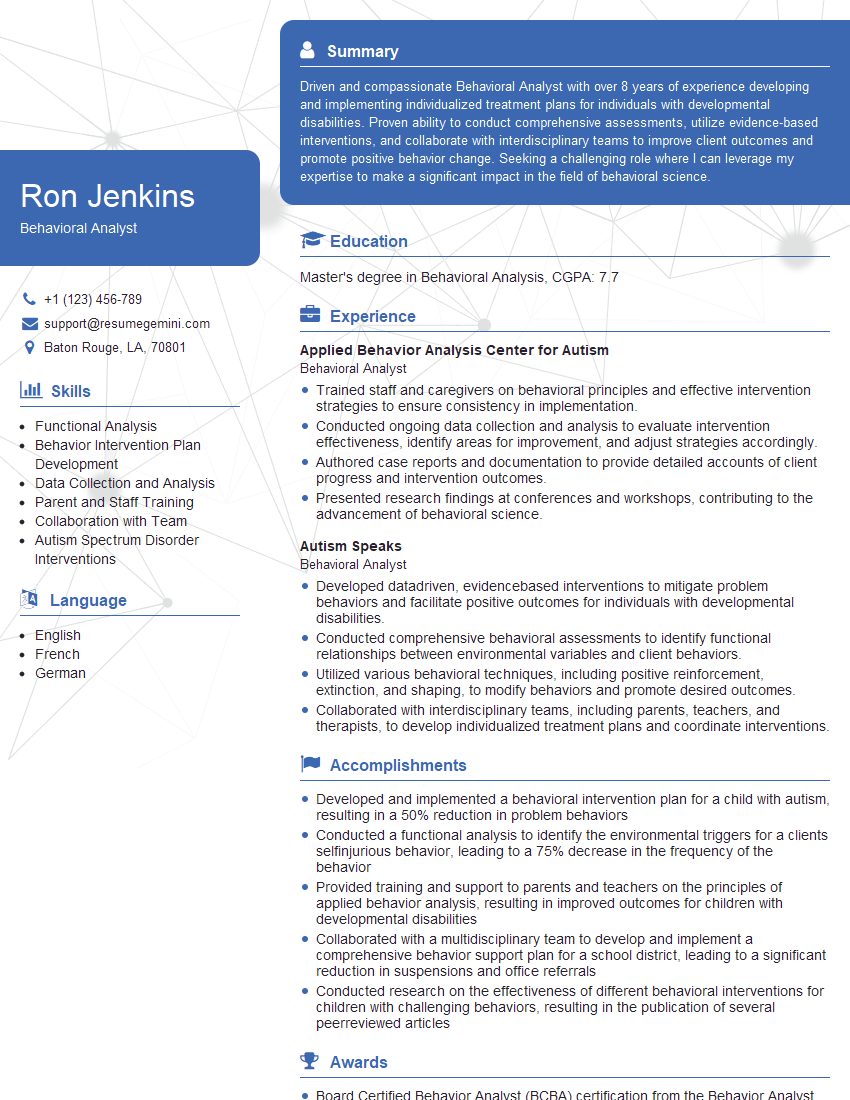
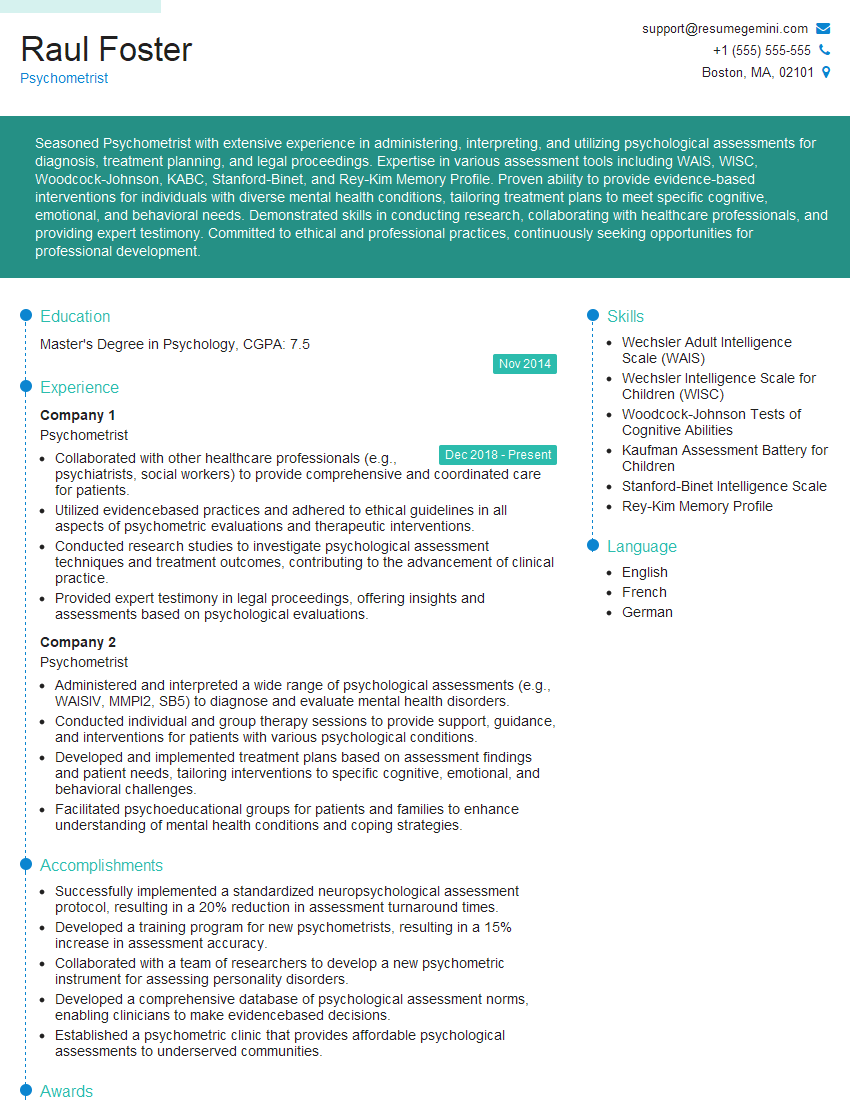
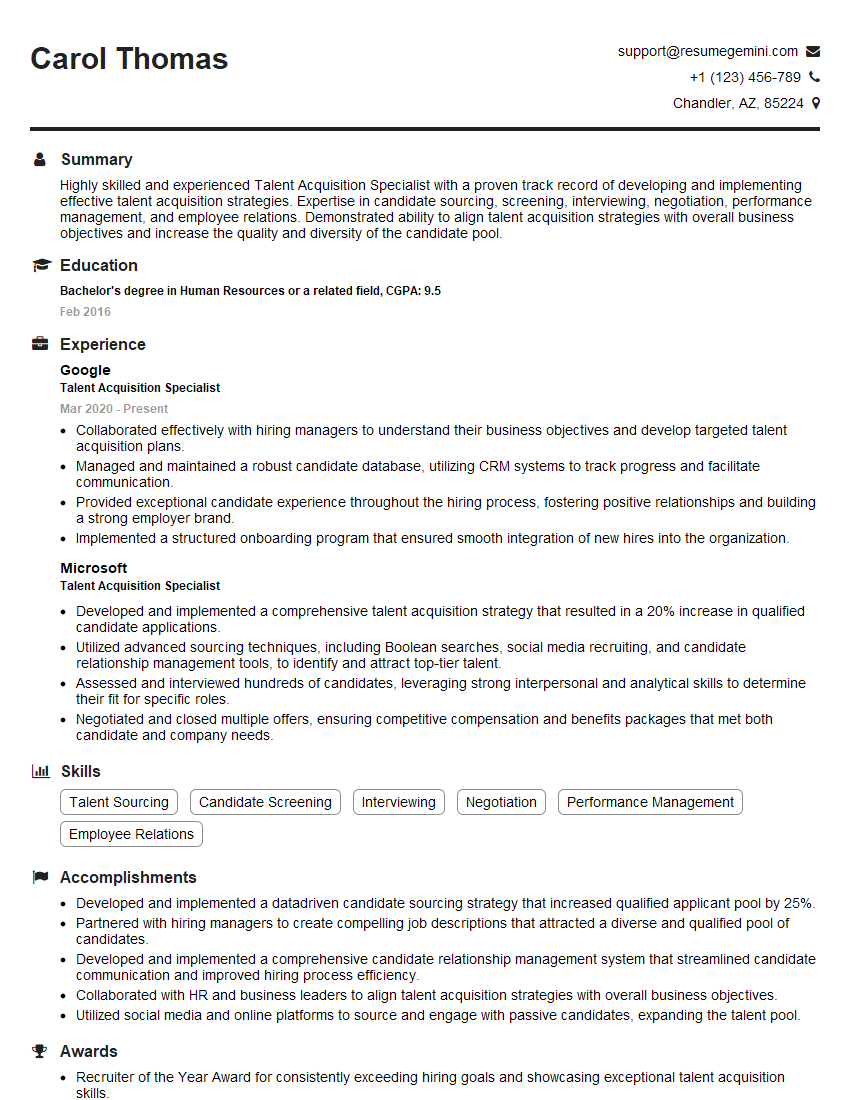
Mastering Assessment Interpretation is crucial for career advancement in Human Resources, Talent Acquisition, and Organizational Psychology. A strong understanding of these concepts opens doors to higher-level roles with increased responsibility and earning potential. To maximize your job prospects, create an ATS-friendly resume that highlights your skills and experience effectively. ResumeGemini is a trusted resource to help you build a professional and impactful resume. Examples of resumes tailored to Assessment Interpretation are available to guide you in showcasing your expertise. Investing time in crafting a strong resume is a significant step toward securing your dream job.
Explore more articles
Users Rating of Our Blogs
Share Your Experience
We value your feedback! Please rate our content and share your thoughts (optional).
What Readers Say About Our Blog
Really detailed insights and content, thank you for writing this detailed article.
IT gave me an insight and words to use and be able to think of examples