Interviews are opportunities to demonstrate your expertise, and this guide is here to help you shine. Explore the essential Basic Mechanical and Electrical Knowledge interview questions that employers frequently ask, paired with strategies for crafting responses that set you apart from the competition.
Questions Asked in Basic Mechanical and Electrical Knowledge Interview
Q 1. Explain Ohm’s Law and its applications.
Ohm’s Law is a fundamental principle in electrical circuits that describes the relationship between voltage, current, and resistance. It states that the current (I) flowing through a conductor is directly proportional to the voltage (V) across it and inversely proportional to its resistance (R). This relationship is expressed mathematically as: V = IR
Applications: Ohm’s Law is incredibly versatile and finds applications in numerous areas. For example, it’s crucial for designing circuits, calculating power dissipation in components (using the formula P = IV = I²R = V²/R, where P is power), and troubleshooting electrical systems. Imagine you’re designing a lighting system – Ohm’s Law helps you determine the appropriate resistor to use with an LED to prevent it from burning out due to excessive current.
Consider a simple example: if you have a 12V battery connected to a 6Ω resistor, the current flowing through the resistor will be I = V/R = 12V / 6Ω = 2A. This calculation helps you choose wires and other components capable of handling that current safely.
Q 2. What are the different types of electrical circuits?
Electrical circuits can be broadly classified into several types:
- Series Circuit: In a series circuit, components are connected end-to-end, forming a single path for current flow. The current is the same through all components, but the voltage is divided across them. If one component fails, the entire circuit breaks.
- Parallel Circuit: In a parallel circuit, components are connected across each other, providing multiple paths for current flow. The voltage is the same across all components, but the current is divided among them. If one component fails, the others continue to function.
- Series-Parallel Circuit: This type combines both series and parallel configurations, offering a more complex arrangement with varying current and voltage across different parts of the circuit.
- Closed Circuit: A complete circuit where current can flow because the path is unbroken.
- Open Circuit: An incomplete circuit where the path is broken, preventing current flow.
Understanding these circuit types is essential for designing and troubleshooting electrical systems. For instance, household wiring often employs parallel circuits to ensure that if one appliance malfunctions, others continue to operate.
Q 3. Describe the function of a capacitor and an inductor.
Capacitors and inductors are passive components that store energy, but in different forms:
- Capacitor: A capacitor stores energy in an electric field. It consists of two conductive plates separated by an insulator (dielectric). When a voltage is applied, charge accumulates on the plates, storing energy. Capacitors are used in various applications, including filtering, smoothing out voltage fluctuations, and timing circuits. Think of a capacitor as a tiny rechargeable battery that charges and discharges quickly.
- Inductor: An inductor stores energy in a magnetic field. It’s essentially a coil of wire. When current flows through the coil, a magnetic field is generated, storing energy. Inductors are used in applications such as filtering, energy storage, and creating resonant circuits. An inductor resists changes in current; the larger the inductor, the more it resists rapid current changes.
Both capacitors and inductors are essential in electronic circuits for various functionalities, including filtering noise, tuning circuits, and energy storage.
Q 4. What is the difference between AC and DC current?
The primary difference between AC and DC current lies in the direction of electron flow:
- Direct Current (DC): Electrons flow in one direction only. Batteries and solar cells produce DC current. It’s a constant flow, like water flowing steadily downhill.
- Alternating Current (AC): Electrons periodically reverse direction, changing polarity. AC is the standard for household electricity and is generated by power plants. Think of AC like a water wave that oscillates back and forth.
AC’s ability to be easily stepped up or down in voltage using transformers makes it ideal for long-distance power transmission, while DC is often preferred for electronic devices due to its simplicity.
Q 5. Explain the concept of voltage, current, and resistance.
These three fundamental electrical quantities are interconnected and essential for understanding how circuits function:
- Voltage (V): Voltage, also known as electromotive force, is the electrical potential difference between two points in a circuit. It’s the ‘push’ that drives electrons through a conductor. It’s measured in volts (V).
- Current (I): Current is the rate of flow of electric charge (electrons) through a conductor. It’s measured in amperes (A) or amps.
- Resistance (R): Resistance is the opposition to the flow of current in a conductor. It’s measured in ohms (Ω). Different materials have different resistances; some conduct electricity easily (low resistance), while others resist the flow (high resistance).
Imagine a water pipe analogy: voltage is the water pressure, current is the flow rate, and resistance is the pipe’s narrowness. Higher pressure (voltage) results in a higher flow rate (current) if the pipe’s resistance is constant.
Q 6. How do you troubleshoot a simple electrical circuit?
Troubleshooting a simple electrical circuit involves systematic steps:
- Visual Inspection: Begin by carefully examining the circuit for any obvious problems like loose connections, damaged components, or broken wires.
- Check Power Source: Verify that the power source (battery or power supply) is working correctly and providing the expected voltage.
- Measure Voltage: Use a multimeter to measure the voltage at different points in the circuit. Compare the measured values with the expected values to identify voltage drops or unexpected voltage levels.
- Measure Current: Measure the current flowing through various parts of the circuit. Discrepancies from expected values point to a problem.
- Check Resistance: Measure the resistance of individual components to check if they’re within their specified range. A significantly deviated resistance indicates a faulty component.
- Component Replacement: If a faulty component is identified, replace it with a new one of the same specifications.
Remember safety precautions when working with electricity. Always turn off the power before making any physical changes to the circuit.
Q 7. What are the safety precautions when working with electricity?
Safety is paramount when working with electricity. Here are some crucial precautions:
- Always turn off the power: Before working on any electrical circuit or device, always disconnect it from the power source. Never assume a circuit is de-energized.
- Use appropriate tools: Use insulated tools designed for electrical work. Avoid using damaged or worn-out tools.
- Wear protective gear: Wear safety glasses, insulated gloves, and appropriate clothing to protect yourself from electrical shock and injury.
- Work in a dry environment: Water is a conductor of electricity, increasing the risk of shock. Avoid working in damp or wet conditions.
- Be aware of potential hazards: Be mindful of overhead power lines, and never work near them. Understand the risks of electrical shock, burns, and arc flashes.
- Follow safety regulations: Adhere to all relevant safety regulations, codes, and best practices for electrical work.
Ignoring these precautions can lead to severe injuries or even fatalities. Always prioritize safety!
Q 8. What are the different types of mechanical fasteners?
Mechanical fasteners are devices used to join or secure two or more objects together. They come in a wide variety of types, each suited to different applications and load requirements. The choice of fastener depends on factors like the materials being joined, the strength needed, the accessibility of the joint, and the cost.
- Bolts and Nuts: These are arguably the most common fasteners. A bolt is a rod with a head on one end and threads on the other, while a nut has internal threads to engage with the bolt. They provide a strong and readily adjustable connection.
- Screws: Similar to bolts, but they are designed to be driven into material, often forming their own threads. Common types include machine screws, wood screws, self-tapping screws, and sheet metal screws. They are useful for applications where pre-drilled holes are not feasible or where a more permanent joint is desired.
- Rivets: Permanent fasteners that are deformed after installation, creating a strong bond. They are typically used in applications where disassembly is not required, such as aircraft construction.
- Nails: Simple, inexpensive fasteners driven into material using a hammer. Primarily used for joining wood.
- Welding: Although not strictly a fastener, welding is a joining method that fuses materials together, often providing a very strong and permanent bond.
- Adhesives: Similar to welding, adhesives are another joining method that are suitable for many materials and applications.
For example, imagine assembling a bicycle frame. Bolts and nuts would be ideal for connecting the handlebars and seat post, allowing for easy adjustments. Rivets, on the other hand, would be suited to joining the metal tubing of the frame itself, ensuring a strong, permanent connection.
Q 9. Explain the principles of levers and pulleys.
Levers and pulleys are simple machines that amplify force, making it easier to move or lift heavy objects. They work on the principles of torque and mechanical advantage.
Levers: A lever consists of a rigid bar that pivots around a fixed point called the fulcrum. By applying a force (effort) at one point on the lever, a larger force (load) can be moved at another point. The distance from the fulcrum to the effort and the load determines the mechanical advantage. The closer the effort is to the fulcrum relative to the load, the greater the mechanical advantage.
Imagine using a crowbar to lift a heavy rock. The crowbar acts as the lever, the point where it touches the ground is the fulcrum, the force you apply is the effort, and the rock is the load. The longer the crowbar, the easier it is to lift the rock.
Pulleys: A pulley is a wheel with a groove around its circumference, used to change the direction or magnitude of a force. A simple pulley changes the direction of the force, allowing you to pull down to lift a weight up. Multiple pulleys can be combined in systems known as block and tackle to significantly increase mechanical advantage. Each additional pulley effectively multiplies the force you apply.
Consider lifting a heavy sail on a boat. A system of pulleys (block and tackle) allows a single sailor to lift the sail with significantly less effort than if they were lifting it directly. The more pulleys, the less effort required to lift the sail.
Q 10. What are the different types of gears and their applications?
Gears are toothed wheels used to transmit rotational motion and torque between shafts. Different types of gears are designed for specific applications based on the required speed ratio, torque transmission, and space constraints.
- Spur Gears: The simplest type, with straight teeth parallel to the shaft axis. They are efficient for transmitting power between parallel shafts.
- Helical Gears: Have angled teeth, providing smoother and quieter operation than spur gears. They can also handle higher loads. Used in applications where noise reduction is crucial.
- Bevel Gears: Have teeth on a conical surface, used to transmit power between shafts that intersect. Commonly found in automotive differentials.
- Worm Gears: Consist of a worm (screw-like gear) and a worm wheel. They provide high gear ratios in a compact space, but are less efficient than other gear types. Often used in applications requiring high reduction ratios, like a winch.
- Rack and Pinion Gears: A linear gear (rack) meshes with a circular gear (pinion) converting rotary motion to linear motion or vice versa. Used in steering systems of vehicles.
For instance, in a bicycle, the chainring and rear cassette are spur gears. They are designed to give different gear ratios depending on the terrain and the rider’s strength. A car’s transmission system uses a variety of gear types, including helical gears for smooth operation and bevel gears to transfer power to the wheels.
Q 11. Describe the function of a bearing.
A bearing is a machine element that constrains relative motion to only the desired motion, and reduces friction between moving parts. They allow for smooth rotation or linear movement with minimal resistance. This is crucial in machinery to reduce wear, increase efficiency, and prolong the lifespan of components.
Bearings achieve this by using rolling elements (balls or rollers) or a lubricating fluid to separate the moving surfaces. Common types include:
- Ball bearings: Use spherical balls to reduce friction between rotating shafts and their housings.
- Roller bearings: Utilize cylindrical or tapered rollers, offering higher load-carrying capacity than ball bearings.
- Sleeve bearings (journal bearings): Use a lubricating fluid (oil or grease) to reduce friction between a shaft and its bearing surface.
Think about the wheels on your car. They rely on bearings to allow them to spin freely with minimal friction. Without bearings, the wheels would be difficult to rotate, resulting in increased wear and decreased fuel efficiency.
Q 12. What are the different types of mechanical power transmission systems?
Mechanical power transmission systems are used to transfer power from a source (like an engine or motor) to a load (like a wheel or pump). Several systems exist, each with its own advantages and disadvantages:
- Belt Drives: Use belts to transmit power between pulleys. Simple, inexpensive, and easily adjustable, but can be less efficient and prone to slippage.
- Chain Drives: Employ chains to transmit power between sprockets. More efficient than belt drives and less prone to slippage, but require more maintenance.
- Gear Drives: Use gears to transmit power. Offer high efficiency and precise speed ratios, but can be more complex and expensive.
- Fluid Drives (Hydraulic or Pneumatic): Utilize fluids (liquids or gases) to transmit power. Can transmit power over longer distances and allow for flexible control, but are less efficient and require specialized components.
For example, a bicycle uses a chain drive to transfer power from the pedals to the rear wheel. A car’s transmission system uses gear drives to provide different speed ratios. Heavy machinery often uses hydraulic systems to transmit large amounts of power to various components.
Q 13. Explain the concept of mechanical advantage.
Mechanical advantage is the ratio of the output force to the input force in a simple machine. It essentially tells us how much a machine multiplies the effort we put in. A mechanical advantage greater than 1 means the machine amplifies the force, making it easier to do work.
For example, a lever with a mechanical advantage of 5 means that if you apply a force of 10N, the lever will exert a force of 50N on the load. This is due to the lever’s geometry, the positions of effort and load in relation to the fulcrum. A pulley system also provides mechanical advantage by distributing the load across multiple ropes.
Calculating Mechanical Advantage: Mechanical Advantage (MA) = Output Force / Input Force
Q 14. How do you calculate mechanical efficiency?
Mechanical efficiency is the ratio of the useful work output of a machine to the total work input. It represents the effectiveness of the machine in converting the input energy into useful work. It is always less than 1 (or 100%) due to energy losses from friction, heat, and other inefficiencies.
Calculating Mechanical Efficiency: Mechanical Efficiency (%) = (Useful Work Output / Work Input) x 100%
For example, if a machine requires 100 Joules of energy input to produce 80 Joules of useful work output, its mechanical efficiency would be (80/100) x 100% = 80%. The remaining 20 Joules are lost due to friction and other factors within the machine.
Q 15. What are the different types of motors and their applications?
Motors are devices that convert electrical energy into mechanical energy, enabling movement. There are numerous types, each suited to different applications. Here are some key examples:
- DC Motors: These operate on direct current (DC) electricity. They are known for their speed controllability and are commonly found in applications requiring precise speed adjustment, like robotic arms and electric vehicles. There are brushed DC motors (simpler, but require maintenance) and brushless DC motors (more efficient, longer lifespan).
- AC Motors: Powered by alternating current (AC), these are widely used due to their robustness and readily available power source. Key sub-types include:
- Induction Motors (Asynchronous): These are the workhorses of industry, known for their simplicity, reliability, and cost-effectiveness. They are found in pumps, fans, compressors, and conveyor belts. They don’t require external excitation.
- Synchronous Motors: These run at a speed directly proportional to the frequency of the AC supply. They are used in applications requiring precise speed control and high torque at low speeds, such as clocks, timers, and some industrial machinery. They need external excitation.
- Stepper Motors: These rotate in discrete steps, making them ideal for precise positioning in applications like printers, CNC machines, and robotics.
- Servomotors: These are precise motors often used in closed-loop control systems that require high accuracy and responsiveness, like industrial robots or aircraft control surfaces. They provide feedback on their position and speed.
The choice of motor depends on factors like required speed, torque, efficiency, cost, and the overall system design.
Career Expert Tips:
- Ace those interviews! Prepare effectively by reviewing the Top 50 Most Common Interview Questions on ResumeGemini.
- Navigate your job search with confidence! Explore a wide range of Career Tips on ResumeGemini. Learn about common challenges and recommendations to overcome them.
- Craft the perfect resume! Master the Art of Resume Writing with ResumeGemini’s guide. Showcase your unique qualifications and achievements effectively.
- Don’t miss out on holiday savings! Build your dream resume with ResumeGemini’s ATS optimized templates.
Q 16. Describe the working principle of a hydraulic system.
A hydraulic system uses pressurized liquid (usually oil) to transmit power from one point to another. Think of it like a network of veins and arteries, but instead of blood, it’s oil under high pressure.
The working principle hinges on Pascal’s Law, which states that pressure applied to an enclosed fluid is transmitted undiminished to every portion of the fluid and the walls of the containing vessel. A hydraulic system typically involves a pump to pressurize the fluid, valves to control flow and direction, actuators (e.g., hydraulic cylinders or motors) to convert the fluid pressure into mechanical work, and a reservoir to store the fluid.
In essence: The pump generates high-pressure fluid. This fluid travels through valves that regulate its flow to actuators. The actuators convert the fluid’s pressure into mechanical force and movement, such as lifting a heavy object or rotating a shaft. The used fluid returns to the reservoir.
Example: A hydraulic jack uses a small force on a small piston to generate a large force on a larger piston by leveraging the pressure amplification effect. The small piston’s movement pushes the fluid, creating pressure that moves the large piston, allowing it to lift a heavy car.
Q 17. Explain the working principle of a pneumatic system.
Pneumatic systems utilize compressed air to transmit power. Similar to hydraulics, they employ pressure to perform work, but with air instead of oil. Air is compressible, offering unique advantages and disadvantages compared to hydraulic systems.
A typical pneumatic system consists of an air compressor to generate compressed air, air tanks for storage and pressure regulation, valves to control airflow, and actuators (e.g., pneumatic cylinders or motors) to convert the compressed air energy into mechanical work.
Working Principle: Compressed air, stored under pressure, is directed to the actuators via valves. The pressure difference between the two sides of the actuator (cylinder) causes it to extend or retract, creating motion. Exhaust air is released back into the atmosphere.
Advantages over hydraulics: Air is readily available, relatively clean, and safer in many applications (less risk of fires or leaks). The system components tend to be lighter and less expensive. However, pneumatic systems have lower power density compared to hydraulic systems and are less precise in many applications.
Example: The braking system in many large trucks uses compressed air to activate the brakes. Compressed air is used to actuate the cylinder, applying the brake pads to the wheels.
Q 18. What is the difference between a centrifugal pump and a positive displacement pump?
The key difference between centrifugal and positive displacement pumps lies in how they move the fluid:
- Centrifugal Pumps: These pumps use a rotating impeller to increase the velocity of the fluid. The increased velocity converts to pressure as the fluid moves from the impeller into a gradually expanding casing (volute). They are best suited for high-flow, low-pressure applications.
- Positive Displacement Pumps: These pumps trap a fixed volume of fluid and then force it into the discharge line. The fluid is essentially ‘pushed’ out. This leads to higher pressure but lower flow rates compared to centrifugal pumps. Examples include gear pumps, vane pumps, and piston pumps. They are suitable for high-pressure, low-flow applications.
Analogy: Imagine filling a bucket. A centrifugal pump is like swinging the bucket in a circle to fling the water upwards, resulting in a higher flow rate. A positive displacement pump is like scooping up a fixed amount of water with a cup and then pouring it into the bucket—slower, but more precise.
Applications: Centrifugal pumps are used in water supply systems, industrial processes, and irrigation. Positive displacement pumps are used in applications requiring high pressure, such as hydraulic systems, injection molding machines, and fuel injection systems.
Q 19. What are the different types of valves and their applications?
Valves are essential components in fluid power systems, controlling the flow of liquids or gases. Many types exist, each designed for specific purposes:
- Gate Valves: These are used for on/off control of fluid flow. They are not suitable for throttling (controlling the flow rate).
- Globe Valves: These are used for throttling or on/off control. The disc is lifted or lowered to control flow.
- Ball Valves: These are quarter-turn valves that use a rotating ball with a hole to control flow. They are simple and quick to operate, and used for on/off control.
- Butterfly Valves: These valves are similar to ball valves, using a rotating disc to control flow. They are efficient at high flow rates.
- Check Valves: These valves allow fluid to flow in only one direction, preventing backflow.
- Relief Valves: These protect a system from overpressure by relieving excess pressure. They open when pressure exceeds a set point.
The choice of valve depends heavily on the specific application, including the type of fluid, pressure, flow rate, and required control features.
Q 20. Describe the function of a thermostat.
A thermostat is a temperature-sensitive device that automatically regulates temperature. It contains a sensing element (often a bimetallic strip or a thermistor) that responds to temperature changes.
How it works: When the temperature reaches a predefined setpoint, the sensing element changes its shape or electrical resistance. This triggers a switch, activating or deactivating a heating or cooling element (e.g., furnace, air conditioner) to maintain the desired temperature.
Example: In a home heating system, the thermostat senses the room temperature. If it falls below the setpoint, the thermostat closes the circuit, activating the furnace to heat the room. Once the temperature reaches the setpoint, the thermostat opens the circuit, turning off the furnace.
Thermostats are used in a wide range of applications, including home heating and cooling systems, ovens, refrigerators, and industrial processes that require precise temperature control.
Q 21. What is the difference between a relay and a contactor?
Both relays and contactors are electromechanical switches that use an electromagnetic coil to control a set of contacts, but they differ in their application and contact ratings:
- Relays: These are typically used to switch low-power circuits, such as controlling the operation of smaller loads like indicator lights, electronic circuits, or low-voltage control systems. Relays often handle low current and voltage signals.
- Contactors: These are designed to switch high-power circuits, such as controlling motors, heaters, and other high-current electrical devices. Contactors are built for higher voltage and current ratings compared to relays.
Think of it this way: A relay is like a small, precise switch for electronics, while a contactor is a more robust switch for handling powerful electrical loads. A contactor could control the motor of a refrigerator compressor; a relay could control the small internal light.
The key difference lies in their current and voltage handling capabilities. Contactors are much more durable and robust for higher power applications.
Q 22. Explain the concept of torque and horsepower.
Torque and horsepower are two fundamental measures of power in mechanical systems, often used interchangeably but representing distinct concepts. Think of it like this: horsepower is how quickly a job gets done, while torque is the twisting force that *does* the job.
Torque is a rotational force, measured in Newton-meters (Nm) or pound-feet (lb-ft). It’s the force that causes an object to rotate around an axis. Imagine tightening a bolt – the harder you turn the wrench, the greater the torque you’re applying. A high-torque engine is great for towing or hauling heavy loads because it can generate significant rotational force.
Horsepower (hp), on the other hand, represents the rate at which work is done. It combines torque with speed (rotational speed, measured in RPM – revolutions per minute). A higher horsepower engine can accelerate faster and reach higher speeds. A sports car needs high horsepower for rapid acceleration, while a heavy-duty truck might prioritize high torque.
The relationship between horsepower and torque is mathematically defined. Essentially, horsepower is a function of torque and RPM. A powerful engine can have either high torque at lower RPM or high horsepower at higher RPM, depending on its design and application.
Example: A powerful engine for a semi-truck might have very high torque at lower RPMs to pull heavy loads, while a race car engine will prioritize horsepower by achieving high RPMs.
Q 23. How do you interpret a wiring diagram?
Interpreting a wiring diagram involves understanding its symbols and conventions to trace the flow of electricity and identify components. It’s like reading a map for your electrical system. Each line represents a wire, and different symbols denote various components such as switches, resistors, capacitors, motors, and more.
Steps to interpret a wiring diagram:
- Identify the symbols: Familiarize yourself with standard electrical symbols. Most diagrams have a legend explaining the symbols used.
- Trace the circuits: Follow the lines to understand how components are connected. Look for the power source (battery or mains) and how the power flows through the circuit.
- Identify the components: Note each component’s type and function in the circuit. This will help you understand the overall system behavior.
- Understand the circuit function: Once you have traced the circuit and identified the components, try to understand the overall function of the circuit. What does it control? What’s its purpose?
Example: A simple circuit diagram might show a battery connected to a switch, then to a light bulb, and back to the battery. This indicates that the switch controls the flow of electricity to the light bulb.
Q 24. How do you use a multimeter to measure voltage, current, and resistance?
A multimeter is a versatile tool used for measuring various electrical quantities. Before using it, ensure it’s on the correct setting and that the probes are properly connected. Incorrect usage could damage the multimeter or the circuit under test.
Measuring Voltage:
- Select the DCV or ACV setting: Depending on whether you’re measuring direct current (DC) or alternating current (AC) voltage.
- Choose an appropriate range: Start with a higher range and gradually decrease it until you get a stable reading. Too low a range could damage the meter.
- Connect the probes: The red probe to the positive (+) point and the black probe to the negative (-) point. Observe the polarity!
Measuring Current:
- Select the DCA or ACA setting: Depending on whether you’re measuring direct current (DC) or alternating current (AC) current.
- Choose an appropriate range: Always start with a higher range to avoid damaging the meter.
- Connect the probes in series: To measure current, you must break the circuit and insert the multimeter in series with the component. The meter becomes part of the circuit.
Measuring Resistance:
- Select the ohms (Ω) setting: Make sure the circuit is powered off!
- Choose an appropriate range: Start with a higher range.
- Connect the probes: Across the component whose resistance you’re measuring.
Important Note: Always start with a higher range on the multimeter and work your way down to the appropriate range. This prevents damaging the meter and ensures accurate readings. Always double-check your connections and settings before taking any measurements.
Q 25. Describe the different types of sensors used in mechanical and electrical systems.
Sensors are crucial components in mechanical and electrical systems, providing feedback about the system’s state. They convert physical quantities (like temperature, pressure, or position) into electrical signals that can be processed by a control system.
Mechanical Sensors:
- LVDT (Linear Variable Differential Transformer): Measures linear displacement (position).
- Potentiometer: Measures angular or linear displacement.
- Strain gauge: Measures strain or force.
- Accelerometer: Measures acceleration.
- Pressure sensor: Measures pressure.
Electrical Sensors:
- Thermocouple: Measures temperature.
- RTD (Resistance Temperature Detector): Measures temperature.
- Photoresistor (LDR): Measures light intensity.
- Hall effect sensor: Measures magnetic fields.
- Ultrasonic sensor: Measures distance.
Example: In a robotic arm, LVDTs might provide position feedback to ensure precise movements, while temperature sensors could monitor motor temperature to prevent overheating.
Q 26. Explain the concept of PID control.
PID control is a widely used feedback control loop mechanism employed in various industrial and automation systems. It stands for Proportional, Integral, and Derivative. Imagine you’re trying to maintain a specific water temperature in a tank. PID control adjusts the heating element to keep the temperature precisely where you want it.
Proportional (P): This term responds to the current error – the difference between the desired temperature and the actual temperature. A large error leads to a large correction. Think of this like adjusting the heater power directly based on how far off the temperature is.
Integral (I): This term accounts for the accumulated error over time. If the temperature is consistently slightly off, the integral term will gradually increase the correction to eliminate the persistent error. Think of this as remembering past errors and gradually compensating.
Derivative (D): This term anticipates future error based on the rate of change of the error. If the temperature is changing rapidly, the derivative term will provide a quick correction to prevent overshooting. Think of this as predicting and adjusting for any rapid changes.
The three terms work together to optimize the control action. The right balance of P, I, and D gains is essential for achieving stable and accurate control. Tuning these gains involves finding the optimal combination that minimizes error and prevents oscillations or overshoots.
Q 27. How do you troubleshoot a malfunctioning mechanical component?
Troubleshooting a malfunctioning mechanical component is a systematic process. It’s like being a detective, following clues to identify the root cause of the problem.
Steps for Troubleshooting:
- Observe the symptoms: What’s the problem? Is it making unusual noises? Is it moving erratically? Is it completely immobile?
- Gather information: When did the problem start? Has anything changed recently (e.g., new load, environmental conditions)?
- Inspect visually: Look for any obvious signs of damage, wear, or misalignment.
- Check for lubrication: Inadequate lubrication is a frequent cause of mechanical failure.
- Test the component: If possible, test the component independently to isolate the issue.
- Consult documentation: Refer to manuals or schematics for the component’s specifications and operating parameters.
- Systematic elimination: Isolate potential causes one by one using logic and tests.
Example: If a motor is not turning, you might check for power, proper connections, lubrication, seized bearings, or binding. Testing each aspect systematically helps you pinpoint the fault.
Q 28. How do you troubleshoot a malfunctioning electrical component?
Troubleshooting electrical components requires a cautious and methodical approach, because working with electricity can be dangerous. Always ensure the power is off before working on any electrical components.
Steps for Troubleshooting:
- Safety First: Turn off the power before beginning any troubleshooting. Use appropriate safety measures (gloves, eye protection).
- Visual inspection: Look for burnt components, loose connections, or physical damage.
- Use a multimeter: Check voltages, currents, and resistances to identify faulty components. Always respect the meter’s range and polarity.
- Check connections: Examine all connections for tightness and corrosion.
- Trace the circuit: If the problem is not immediately obvious, carefully trace the circuit to identify where the fault might be.
- Component testing: Replace suspected faulty components one at a time. This method helps you isolate and resolve the problem.
- Refer to schematics: Use wiring diagrams or documentation to understand how the system works and which components are affected.
Example: If a light is not working, you might first check the bulb, then the switch, and finally the wiring to ensure there are no breaks or shorts in the circuit.
Key Topics to Learn for Basic Mechanical and Electrical Knowledge Interview
- Mechanical Principles: Understanding concepts like forces, motion, energy, and power; including simple machines (levers, pulleys, gears), and basic thermodynamics (heat transfer, efficiency).
- Practical Application (Mechanical): Analyzing mechanical systems for efficiency improvements, troubleshooting mechanical failures in machinery, understanding basic manufacturing processes.
- Electrical Fundamentals: Grasping concepts such as voltage, current, resistance, power, and Ohm’s Law; familiarity with AC/DC circuits and basic circuit analysis.
- Practical Application (Electrical): Troubleshooting basic electrical circuits, understanding safety protocols related to electricity, interpreting electrical schematics.
- Material Science Basics: Understanding different material properties (strength, ductility, conductivity), and their selection for specific applications in mechanical and electrical systems.
- Problem-Solving Approaches: Developing skills in diagnosing problems, identifying root causes, and proposing effective solutions in both mechanical and electrical contexts. This includes understanding and applying the scientific method.
- Safety Procedures: Understanding and adhering to safety regulations and best practices related to both mechanical and electrical equipment and environments.
Next Steps
Mastering basic mechanical and electrical knowledge is crucial for career advancement in numerous engineering and technical fields. A strong foundation in these areas demonstrates problem-solving abilities and a practical understanding of how systems work, making you a highly valuable asset to any team. To significantly boost your job prospects, it’s essential to create an ATS-friendly resume that highlights your skills and experience effectively. ResumeGemini can help you build a professional, impactful resume tailored to your specific needs. We provide examples of resumes specifically designed for candidates with Basic Mechanical and Electrical Knowledge backgrounds to help guide you.
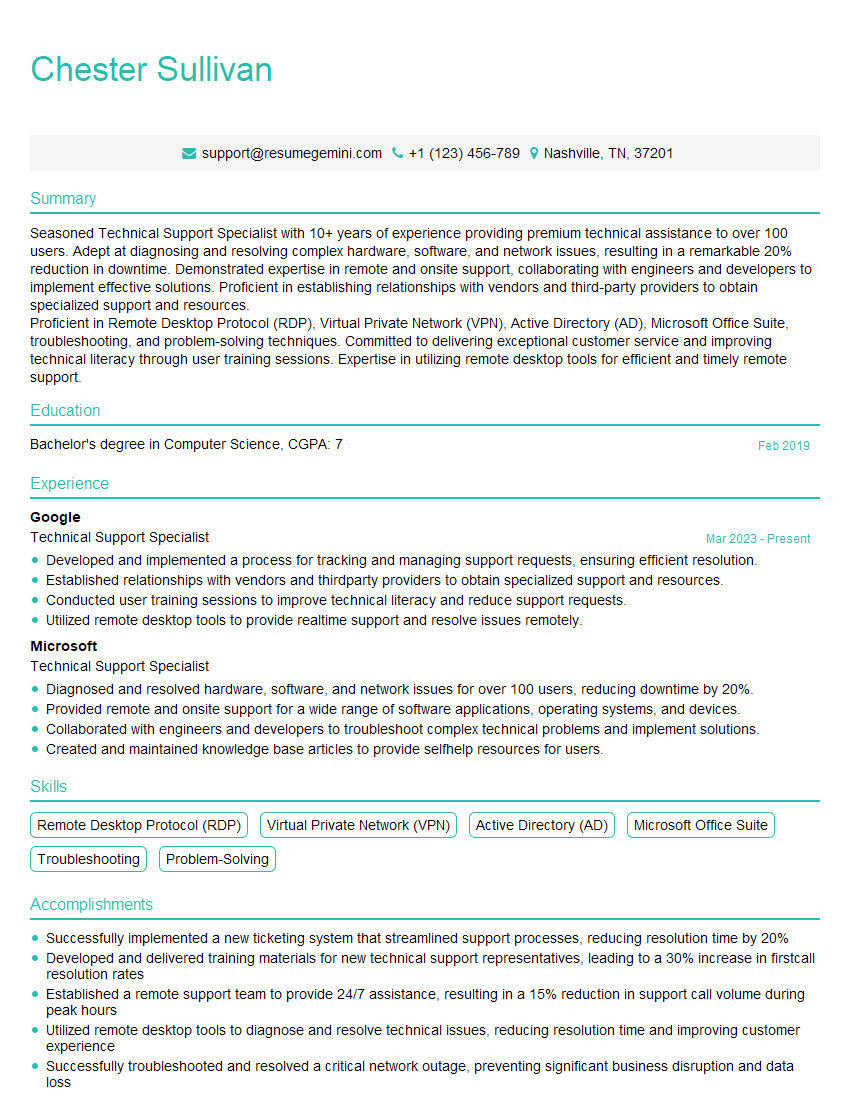
Technical Support Specialist Resume Sample
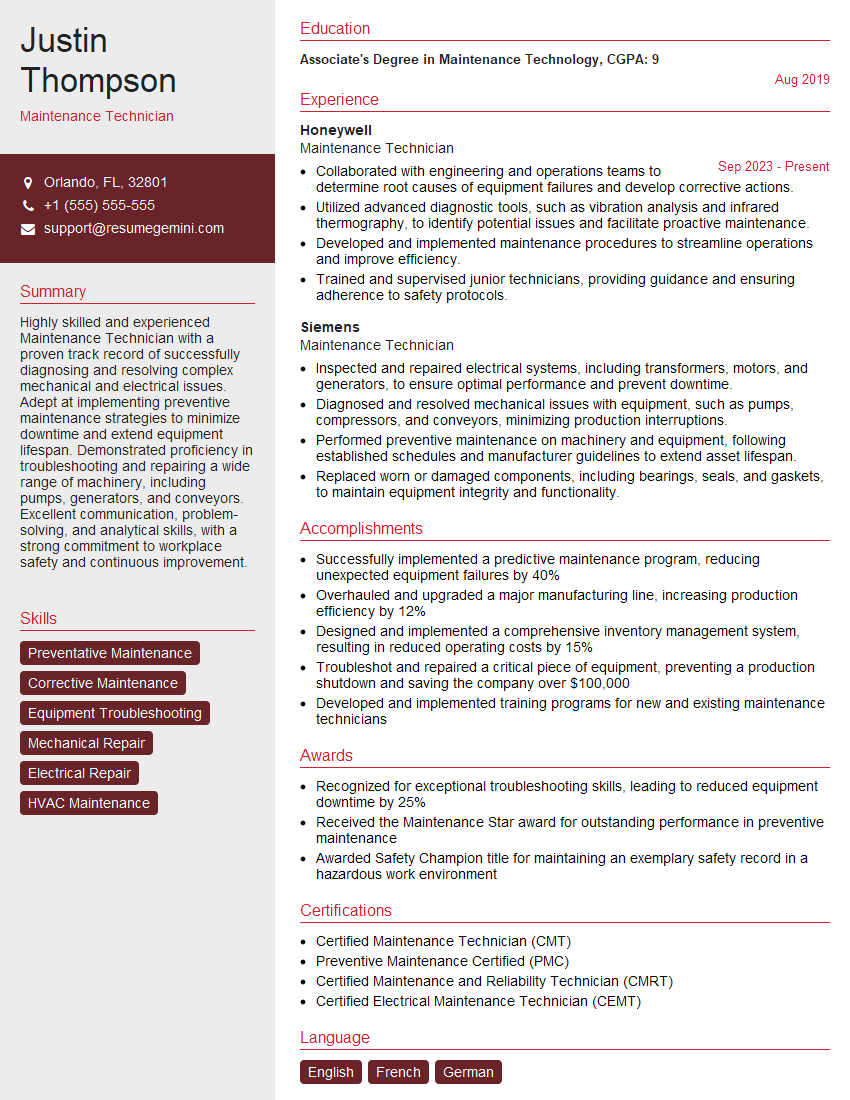
Maintenance Technician Resume Sample
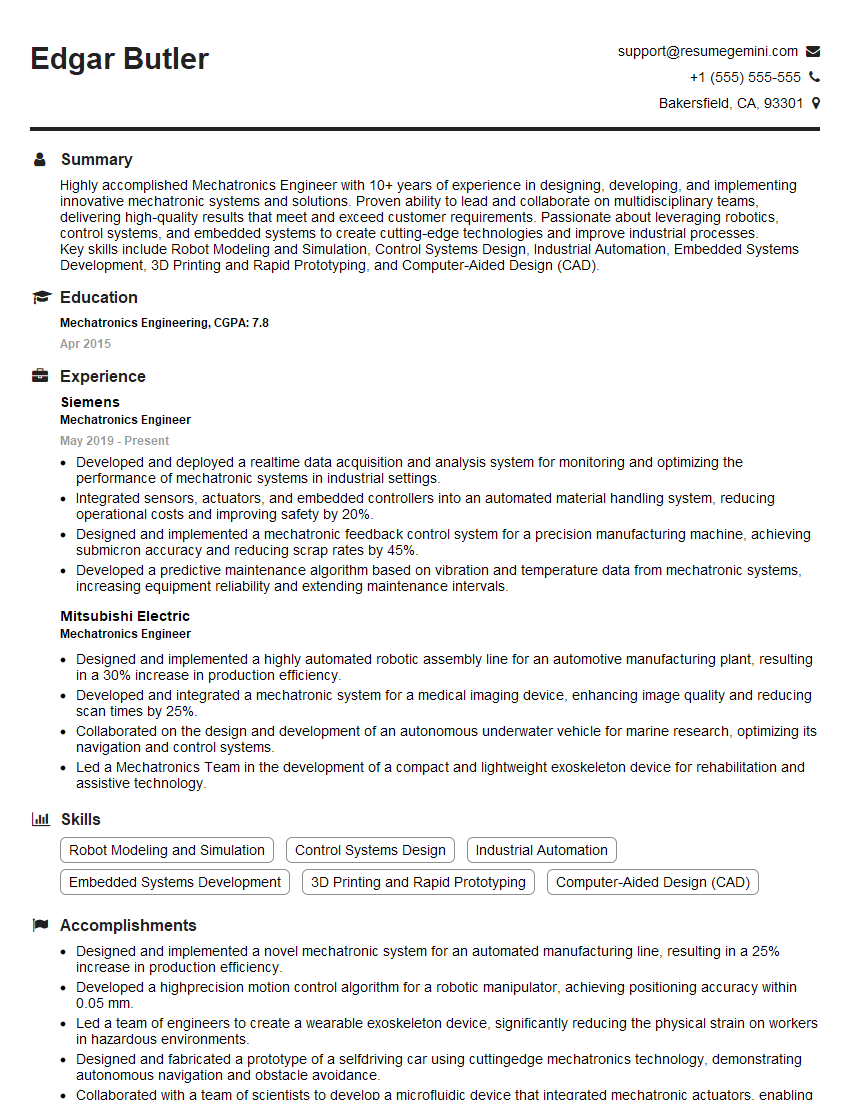
Mechatronics Engineer Resume Sample
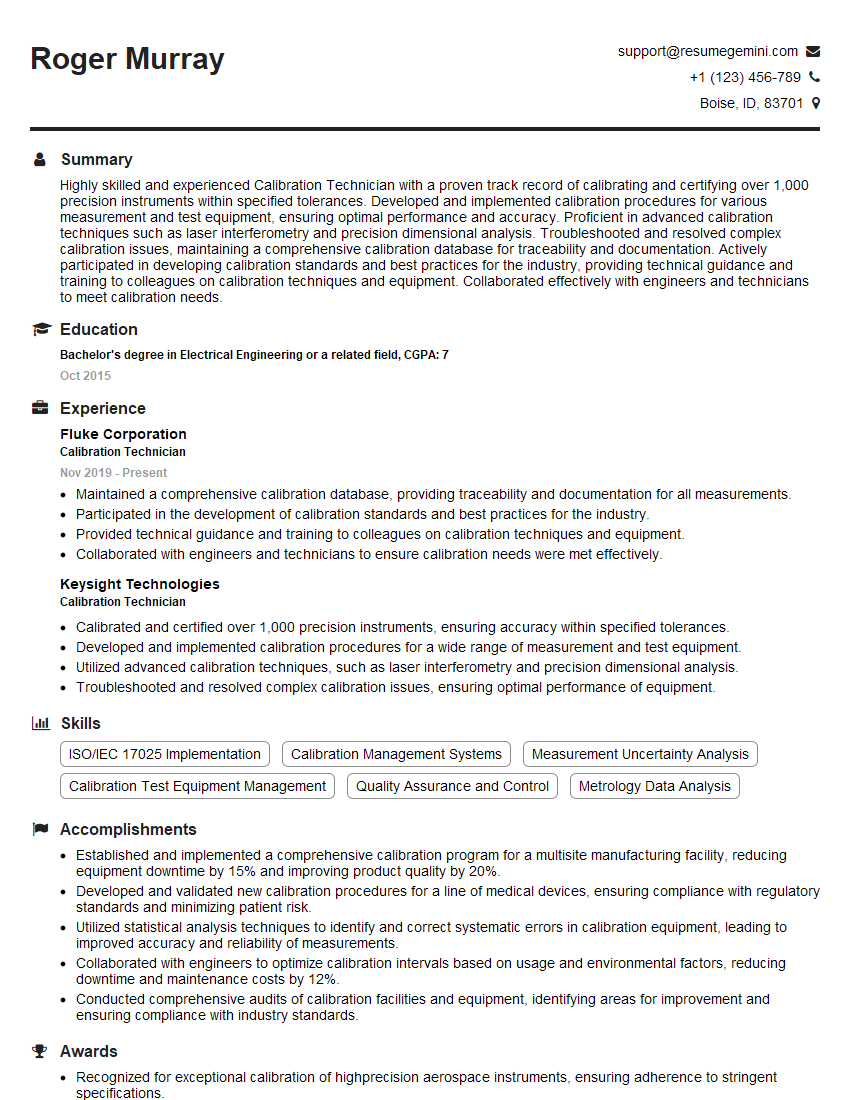
Calibration Technician Resume Sample

Electronics Technician Resume Sample
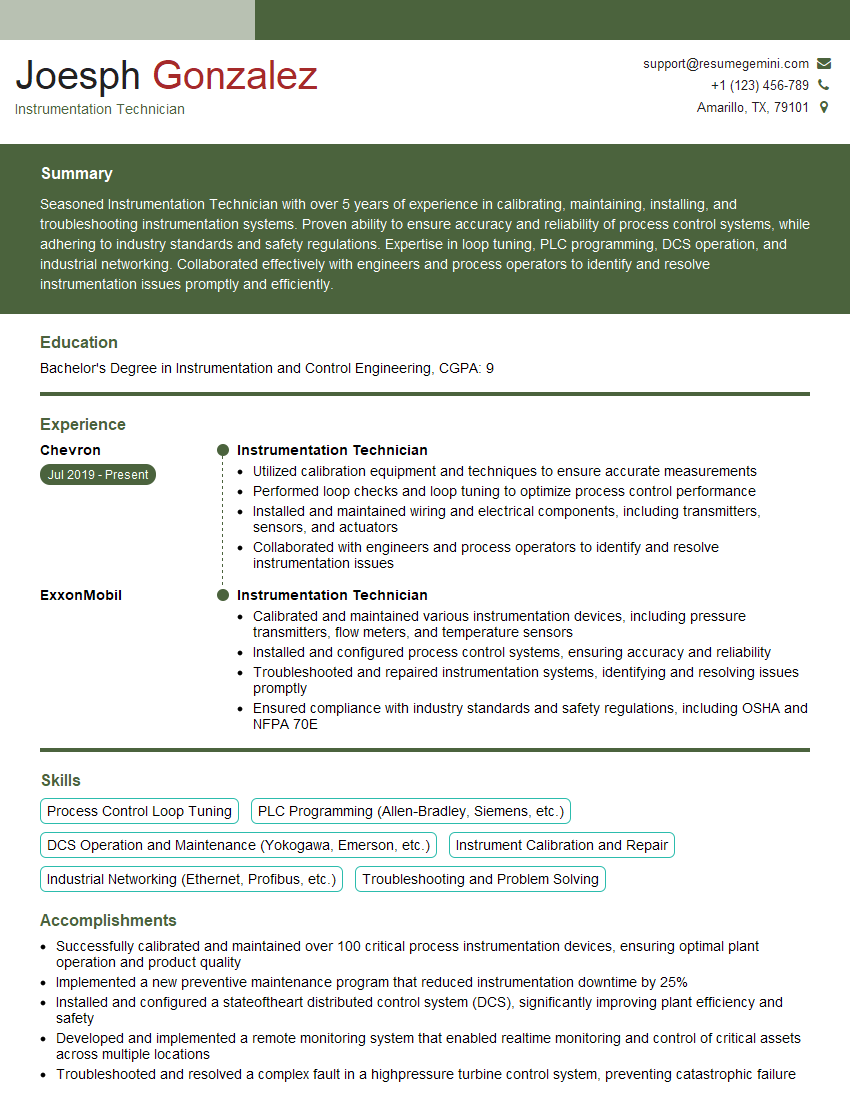
Instrumentation Technician Resume Sample

Automation Technician Resume Sample
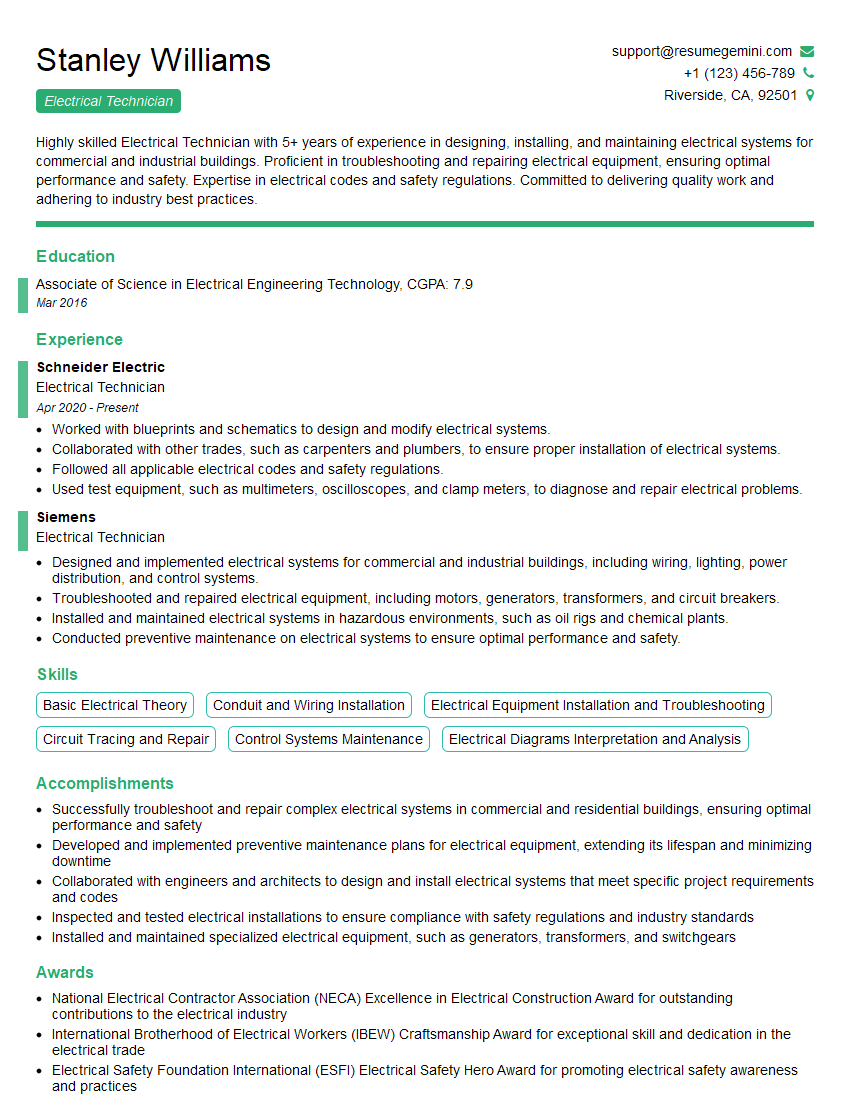
Electrical Technician Resume Sample
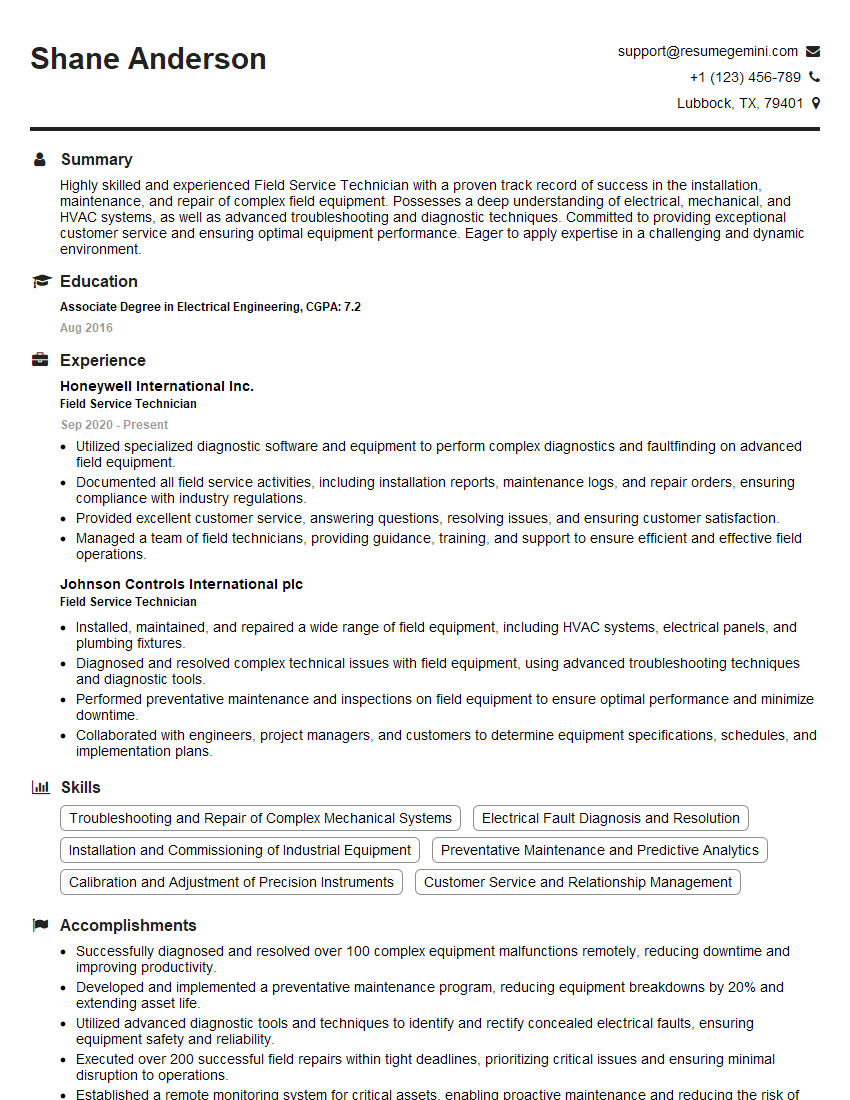
Field Service Technician Resume Sample
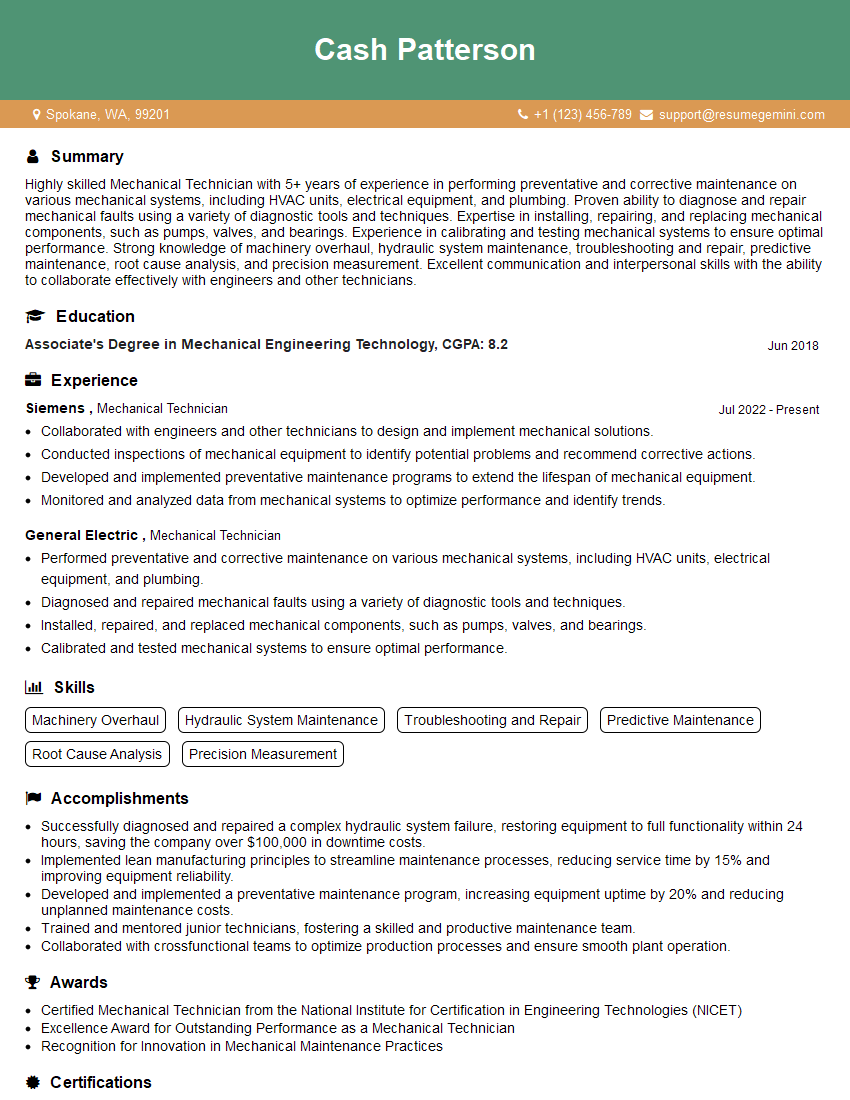
Mechanical Technician Resume Sample
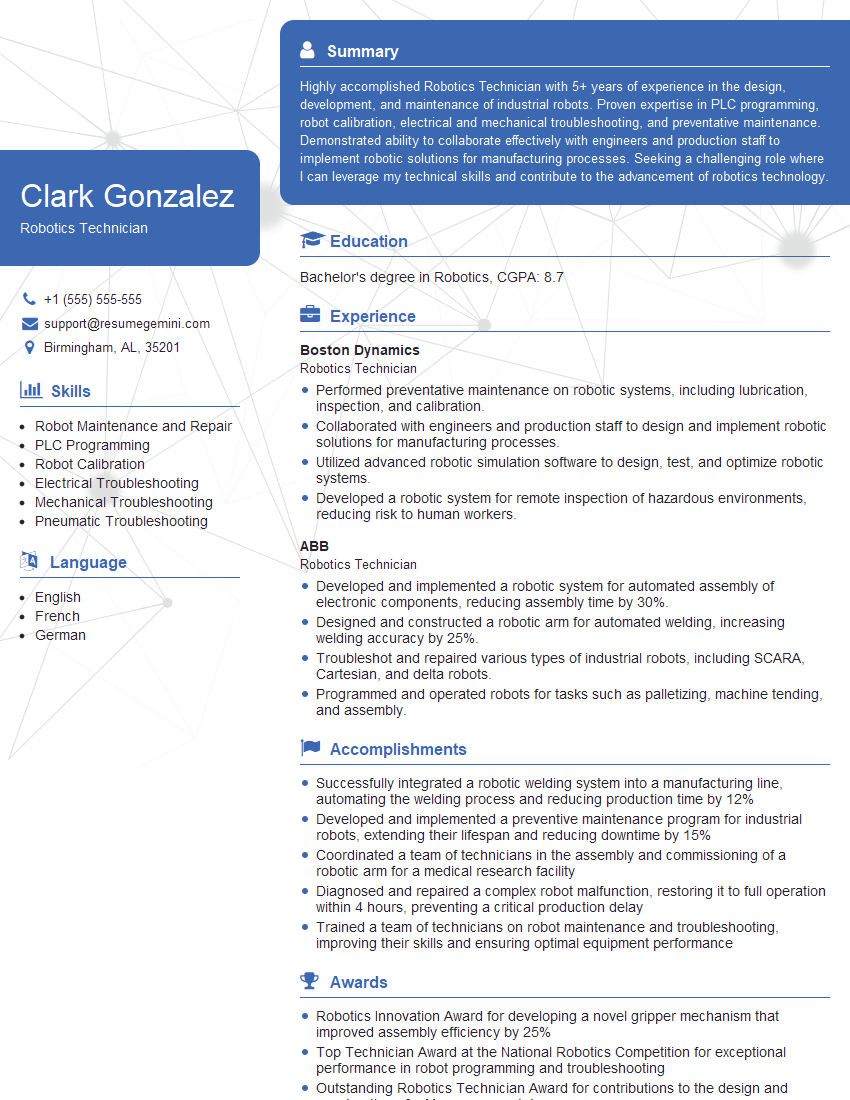
Robotics Technician Resume Sample
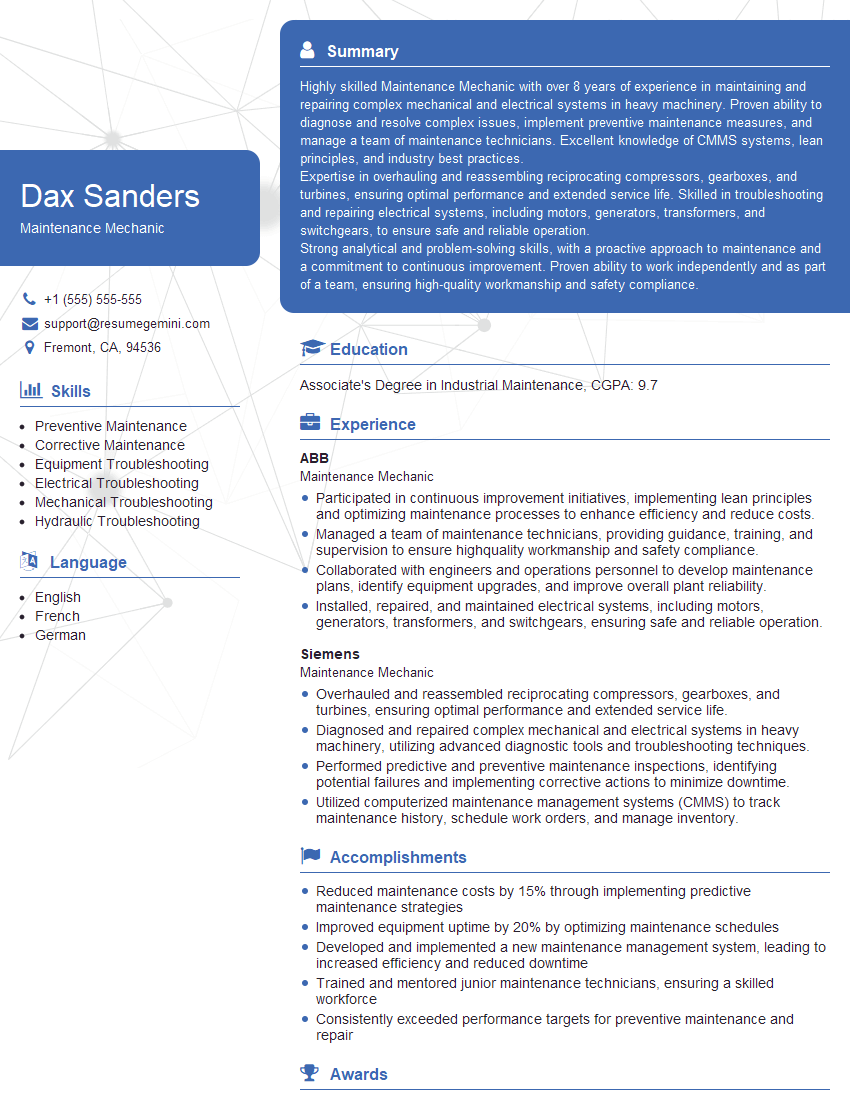
Maintenance Mechanic Resume Sample
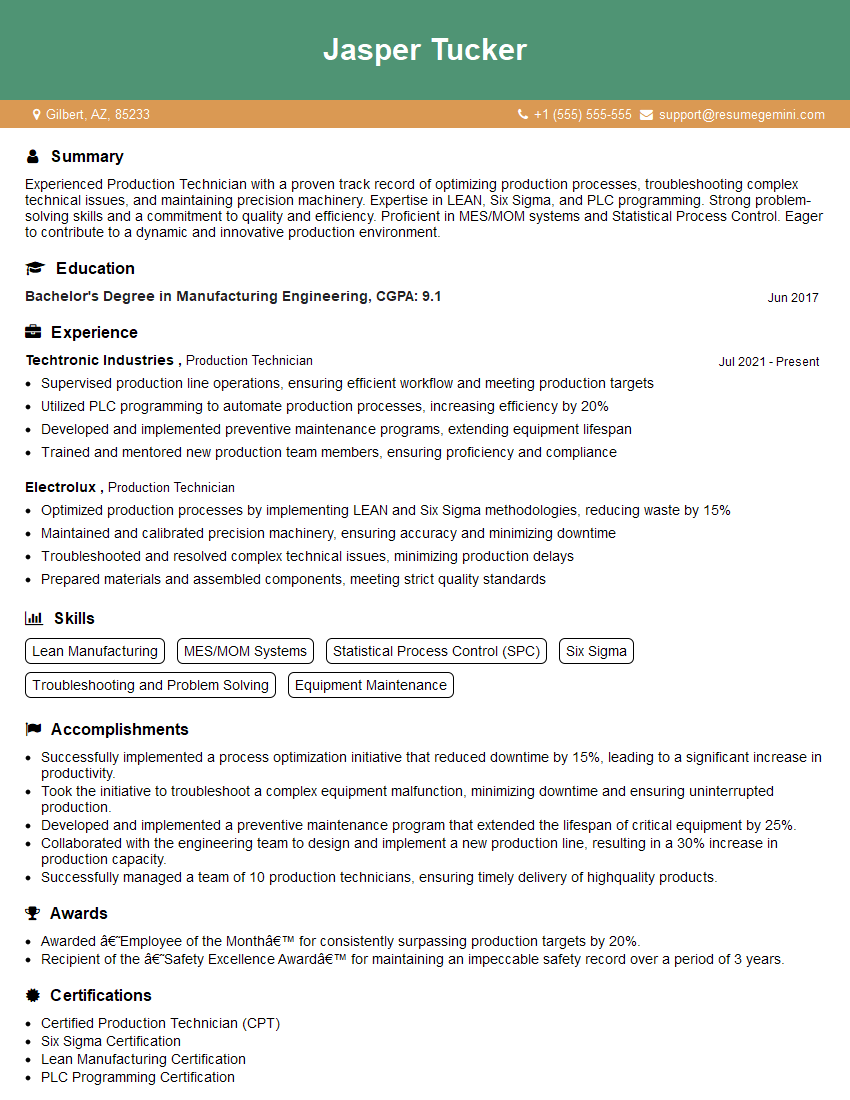
Production Technician Resume Sample

Facilities Maintenance Manager Resume Sample

Building Maintenance Technician Resume Sample
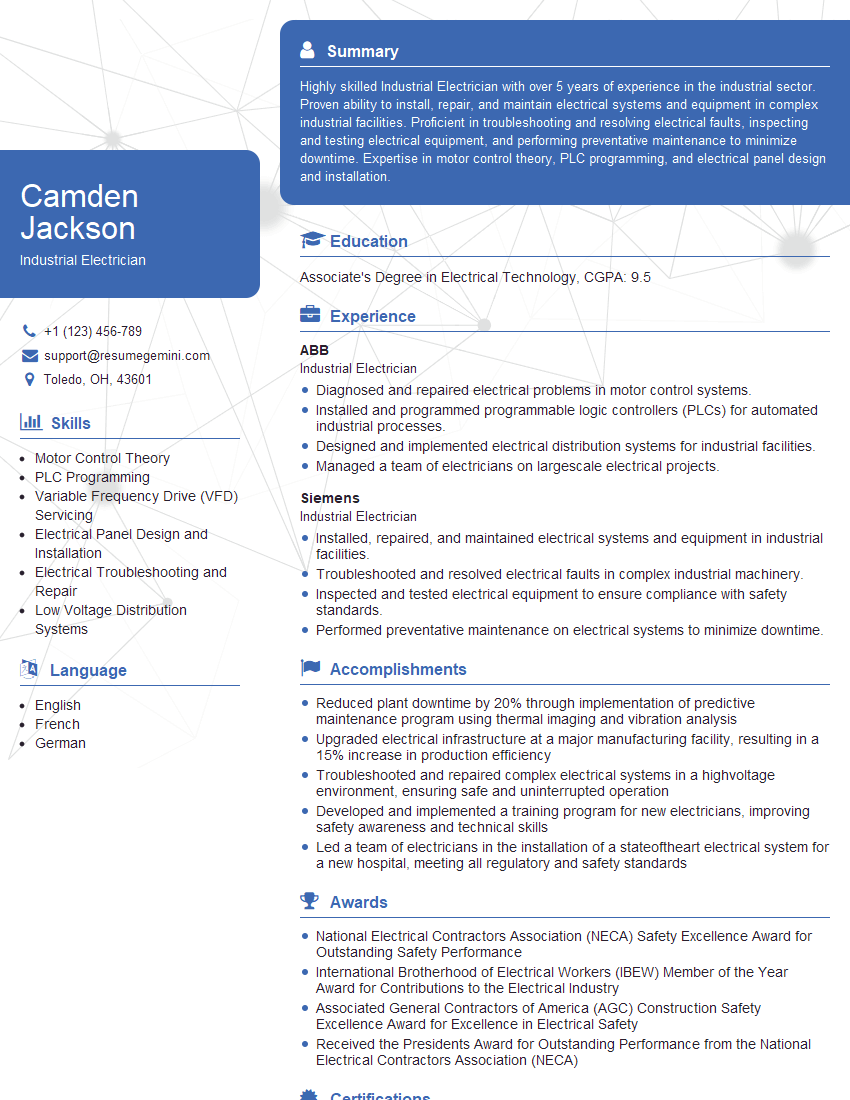
Industrial Electrician Resume Sample
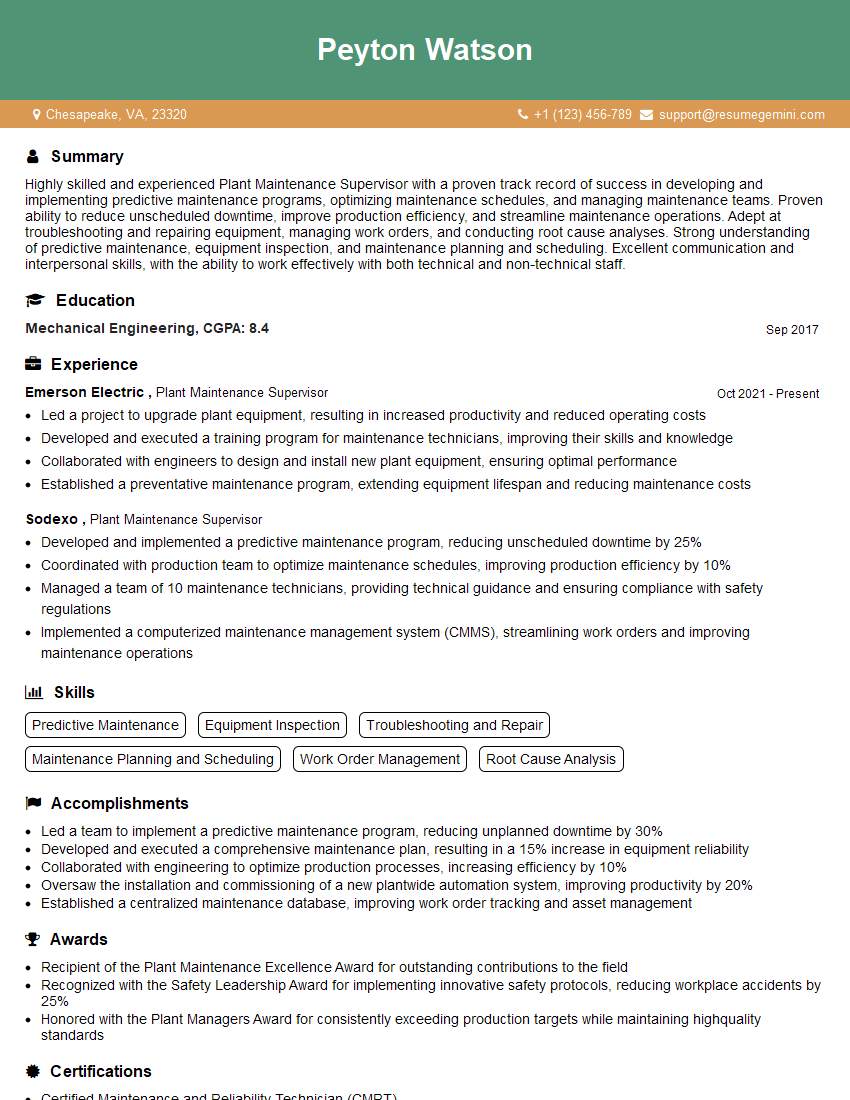
Plant Maintenance Supervisor Resume Sample
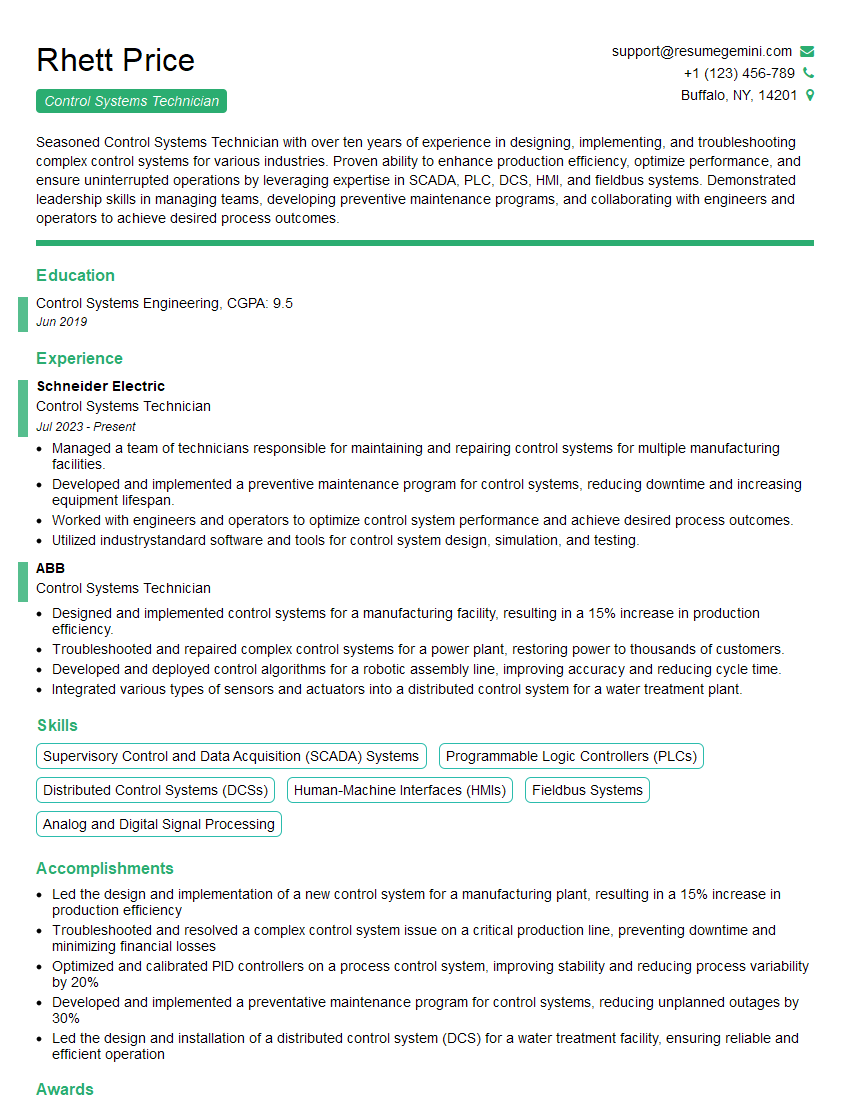
Control Systems Technician Resume Sample
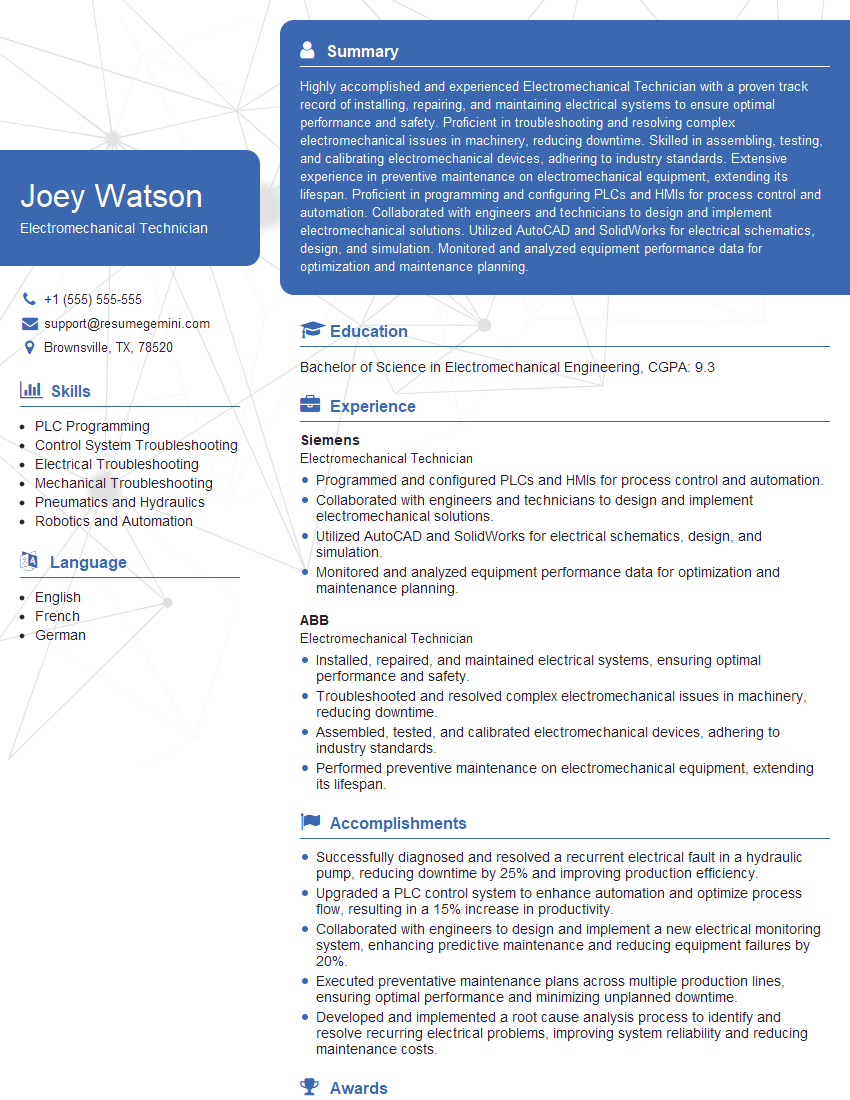
Electromechanical Technician Resume Sample

Quality Control Inspector Resume Sample
- Technical Support Specialist
- Maintenance Technician
- Mechatronics Engineer
- Calibration Technician
- Electronics Technician
- Instrumentation Technician
- Automation Technician
- Electrical Technician
- Field Service Technician
- Mechanical Technician
- Robotics Technician
- Maintenance Mechanic
- Production Technician
- Facilities Maintenance Manager
- Building Maintenance Technician
- Industrial Electrician
- Plant Maintenance Supervisor
- Control Systems Technician
- Electromechanical Technician
- Quality Control Inspector
Explore more articles
Users Rating of Our Blogs
Share Your Experience
We value your feedback! Please rate our content and share your thoughts (optional).
What Readers Say About Our Blog
Really detailed insights and content, thank you for writing this detailed article.
IT gave me an insight and words to use and be able to think of examples