Unlock your full potential by mastering the most common Interest-Only Loans interview questions. This blog offers a deep dive into the critical topics, ensuring you’re not only prepared to answer but to excel. With these insights, you’ll approach your interview with clarity and confidence.
Questions Asked in Interest-Only Loans Interview
Q 1. Explain the mechanics of an interest-only loan.
An interest-only loan is a type of loan where, for a specified period, you only pay the interest accrued on the principal loan amount. You don’t pay down the principal balance during this time. Think of it like renting the money – you’re paying for the privilege of using it, but not yet returning the capital itself. Once the interest-only period ends, the loan typically converts to a fully amortizing loan, meaning you start paying both principal and interest until the loan is repaid.
For example, imagine a $100,000 loan with a 5% annual interest rate. In the first year of an interest-only loan, you would only pay 5% of $100,000, which is $5,000 in interest. Your principal balance remains at $100,000. After the interest-only period (let’s say 5 years), you would start making larger payments that include both principal and interest to repay the loan in full within the remaining loan term.
Q 2. What are the advantages and disadvantages of interest-only loans for borrowers?
Advantages:
- Lower initial payments: Interest-only payments are significantly lower than fully amortizing loan payments, freeing up cash flow for other investments or expenses.
- Potential for increased investment returns: The extra cash flow can be invested, potentially generating higher returns than the interest paid on the loan.
- Flexibility: Useful for borrowers expecting a significant increase in income in the future, enabling them to manage payments more easily in the short term.
Disadvantages:
- No principal reduction during the interest-only period: You don’t own more of the asset until you begin paying principal; this significantly increases the risk if property values decline.
- Higher total interest paid: You end up paying considerably more interest over the life of the loan compared to a fully amortizing loan.
- Increased risk of default: If your income decreases or unexpected expenses arise, you may struggle to make payments once the loan converts to a fully amortizing loan.
Q 3. What are the risks associated with interest-only loans?
The risks associated with interest-only loans are primarily financial. The biggest risk is the potential for negative amortization, which means you are paying only interest, and the principal balance keeps growing. This occurs if interest rates rise or if there are issues repaying on time.
- Interest rate risk: If interest rates rise, your payments could become unaffordable once the loan converts to a fully amortizing structure.
- Negative amortization: In some cases, interest-only loans can lead to negative amortization, increasing the total loan amount over time.
- Balloon payment risk: Some interest-only loans have a large balloon payment due at the end of the interest-only period, potentially leading to default if you haven’t saved enough.
- Credit score impact: Missed payments during the interest-only period or after conversion can severely damage your credit score.
Q 4. How do interest-only loans impact a borrower’s credit score?
Interest-only loans can impact your credit score both positively and negatively. Consistent on-time payments during the interest-only period can help maintain or improve your credit score. However, missing payments, even during the interest-only phase, can significantly damage your score. Once the loan converts to a fully amortizing loan, late or missed payments will have an even greater negative impact. Lenders view consistent repayment as a key indicator of creditworthiness, regardless of whether the payments are for principal or interest.
Q 5. Describe the amortization schedule of an interest-only loan.
The amortization schedule of an interest-only loan is different from a traditional loan. During the interest-only period, each payment is solely the interest calculation on the outstanding principal balance. There’s no principal reduction during this time. The principal remains constant until the interest-only period ends. Then, the schedule changes to a standard amortizing loan where payments cover both principal and interest, gradually reducing the loan balance until it’s fully repaid.
For example, let’s say you have a 5-year interest-only period on a $100,000 loan. Your amortization schedule will show constant interest payments for the first five years. After that, the payments increase significantly to incorporate principal repayment as well, and the remaining balance will be paid off according to the new, standard amortization schedule. It’s crucial to carefully review the entire amortization schedule before committing to an interest-only loan.
Q 6. What are the different types of interest-only loans?
There isn’t a rigid categorization of interest-only loans, but they can be differentiated based on the underlying asset and loan terms.
- Interest-only mortgages: These are the most common type, where the loan is secured by real estate.
- Interest-only business loans: Businesses may utilize interest-only loans for working capital or equipment purchases, offering flexibility during initial stages.
- Interest-only personal loans: Less common, these loans might be used for major purchases or debt consolidation, offering lower payments initially.
- Hybrid interest-only loans: These combine features of interest-only and fully amortizing loans. They might have an interest-only period followed by a period of partially amortized payments before fully amortizing.
The specific terms, interest rates, and repayment schedules vary significantly based on the lender and the borrower’s creditworthiness.
Q 7. How does an interest-only loan affect a lender’s portfolio?
Interest-only loans present a unique risk profile for lenders. While they offer attractive initial returns due to higher interest income, they also pose increased credit risk. The risk of default rises if borrowers face financial hardship after the interest-only period ends, and they are unable to handle the larger, fully amortizing payments. Lenders typically mitigate this risk by carefully assessing borrower creditworthiness, loan-to-value ratios, and the overall economic outlook. They might also require a larger down payment or charge a higher interest rate to compensate for the elevated risk.
From a portfolio management perspective, a high concentration of interest-only loans can increase the volatility and risk of a lender’s portfolio. Diversification across different loan types and rigorous risk assessment are essential for managing this risk effectively.
Q 8. Explain the concept of negative amortization in relation to interest-only loans.
Negative amortization, in the context of interest-only loans, occurs when the monthly payment is not sufficient to cover the interest accrued on the loan. The unpaid interest is then added to the principal balance, causing the loan’s outstanding amount to increase over time. Imagine it like this: you only pay the interest on your credit card each month, but not the principal. Each month, the interest owed increases the overall debt. This is risky because your loan balance grows larger, not smaller, and you’ll face a much larger payment when the interest-only period ends.
For example, if you have a $100,000 interest-only loan with a 5% annual interest rate, your monthly interest payment would be approximately $416.67. If you only pay this amount each month, the principal remains untouched, and interest continues to accrue. After a year, the loan balance may have increased due to the unpaid interest, leading to negative amortization.
Q 9. How do interest-only loans differ from traditional amortizing loans?
Interest-only loans differ significantly from traditional amortizing loans in how the loan is repaid. In an amortizing loan, each monthly payment covers a portion of both the principal and the interest. This steadily reduces the principal balance over the loan term. Think of it as paying down the debt like a staircase—each payment takes you closer to the end. In contrast, with an interest-only loan, for a specified period (e.g., 5, 7, or 10 years), only the interest is paid each month. The principal remains unchanged until the end of the interest-only period, at which point the loan converts to a fully amortizing loan, requiring significantly larger monthly payments.
- Amortizing Loan: Principal and interest paid each month, reducing the principal balance steadily.
- Interest-Only Loan: Only interest paid monthly; principal remains the same during the interest-only period, leading to a much larger payment at the end.
Q 10. What are the regulatory requirements surrounding interest-only loans?
Regulatory requirements surrounding interest-only loans vary significantly depending on the jurisdiction and the type of loan. However, common themes include:
- Consumer Protection Laws: Many countries have laws designed to protect borrowers from predatory lending practices. This may include restrictions on the length of the interest-only period or disclosure requirements to fully inform borrowers of the risks involved.
- Loan-to-Value Ratios (LTV): Regulations often cap the maximum LTV for interest-only loans, especially for higher-risk borrowers. This helps to mitigate the risk of default.
- Creditworthiness Assessments: Stricter lending criteria are generally applied to borrowers seeking interest-only loans compared to those seeking traditional mortgages. This involves a comprehensive assessment of the borrower’s financial stability.
- Documentation and Disclosure: Detailed documentation and clear disclosure of the loan terms, including the potential for negative amortization and the substantial increase in payments at the end of the interest-only period, are usually mandated.
It’s crucial for lenders to comply with all relevant laws and regulations to avoid legal penalties and maintain ethical lending practices.
Q 11. How do you assess the creditworthiness of a borrower applying for an interest-only loan?
Assessing the creditworthiness of a borrower for an interest-only loan requires a rigorous evaluation of their financial stability and risk profile. We go beyond a simple credit score check. Key aspects include:
- Credit Score and History: A strong credit history with a high credit score is paramount, indicating a responsible repayment history.
- Debt-to-Income Ratio (DTI): This ratio shows the percentage of a borrower’s monthly income that goes towards debt payments. A low DTI demonstrates a greater capacity to handle additional debt obligations.
- Income Stability and Verification: Verifying consistent income streams through pay stubs, tax returns, or bank statements is critical. We want to ensure reliable income to meet the payments, even when the principal balance grows.
- Liquidity Assessment: We assess the borrower’s access to readily available cash, emergency funds, and other assets that can provide a financial cushion during economic downturns.
- Future Financial Projections: Analyzing the borrower’s projected income growth and anticipated expenses can help assess the likelihood of meeting future loan obligations, particularly the higher payments at the end of the interest-only period.
Borrowers with higher credit scores and robust financial profiles are more likely to be approved for interest-only loans.
Q 12. What are the key financial ratios used to evaluate the risk of interest-only loans?
Several key financial ratios are used to evaluate the risk of interest-only loans:
- Debt-to-Income Ratio (DTI): The percentage of gross monthly income dedicated to debt payments (including the interest-only loan). A higher DTI indicates increased risk of default.
- Loan-to-Value Ratio (LTV): The percentage of the property’s value covered by the loan. A higher LTV implies greater risk, especially if property values decline.
- Net Operating Income (NOI) for investment properties: If the loan is for an investment property, NOI reveals the property’s profitability after operating expenses. A strong NOI improves the borrower’s ability to cover loan payments.
- Reserve Funds: Assessing the borrower’s liquid assets or reserves available to cover potential payment shortfalls, particularly crucial during the conversion to a fully amortizing loan.
These ratios provide a quantitative assessment of the borrower’s financial health and the risk associated with granting an interest-only loan.
Q 13. How would you explain the risks and benefits of interest-only loans to a potential borrower?
Explaining the risks and benefits of interest-only loans requires a balanced approach. Here’s how I would address it:
Benefits (often short-term):
- Lower initial payments: This can free up cash flow for other financial goals during the interest-only period.
- Potential for increased equity: If property values appreciate significantly during the interest-only period, the borrower could build substantial equity quickly.
Risks (often long-term and significant):
- Negative Amortization: The loan balance can increase over time due to unpaid principal, leading to a much larger debt burden.
- Increased Payment Shock: The significant increase in payments at the end of the interest-only period can cause financial strain or even default, especially if property values have not appreciated or income has decreased.
- Interest Rate Risk: Interest rate hikes could drastically increase the monthly payments, making it difficult to stay current.
- Loss of Equity: If property values decrease, the borrower could end up owing more than the property’s worth.
It’s vital to emphasize that interest-only loans are not suitable for all borrowers. They require careful planning, a strong financial foundation, and a clear understanding of the associated risks. A thorough assessment of individual financial circumstances is essential before considering such a loan.
Q 14. What are some common pitfalls to avoid when structuring an interest-only loan?
Several pitfalls to avoid when structuring an interest-only loan include:
- Ignoring Negative Amortization: Failure to fully understand the implications of negative amortization and the potential for significantly increased debt burden.
- Underestimating Payment Shock: Not adequately planning for the substantial increase in payments at the end of the interest-only period.
- Lack of Financial Buffer: Not having sufficient emergency funds or readily available cash to handle unexpected expenses or financial downturns.
- Overestimating Property Appreciation: Relying solely on the expectation of significant property value appreciation to offset the risks of negative amortization.
- Ignoring Interest Rate Risk: Failing to consider the potential impact of interest rate fluctuations on monthly payments.
- Poor Financial Planning: Not having a comprehensive financial plan in place to manage the loan responsibly and plan for the conversion to a fully amortizing loan.
Careful planning, conservative assumptions, and a thorough understanding of the loan terms are essential to minimize the risks associated with interest-only loans.
Q 15. How do interest rate changes impact interest-only loans?
Interest rate changes directly impact the amount of interest you pay each month on an interest-only loan. Since you’re only paying the interest, a rate increase means higher monthly payments. Conversely, a rate decrease leads to lower monthly payments. Think of it like this: your monthly payment is directly tied to the interest rate, much like how the cost of a product fluctuates based on raw material prices. If the interest rate goes up by 1%, your monthly payment increases proportionally, impacting your cash flow. This sensitivity underscores the importance of understanding interest rate risk when taking out an interest-only loan, particularly if your income is not expected to rise with interest rates.
Career Expert Tips:
- Ace those interviews! Prepare effectively by reviewing the Top 50 Most Common Interview Questions on ResumeGemini.
- Navigate your job search with confidence! Explore a wide range of Career Tips on ResumeGemini. Learn about common challenges and recommendations to overcome them.
- Craft the perfect resume! Master the Art of Resume Writing with ResumeGemini’s guide. Showcase your unique qualifications and achievements effectively.
- Don’t miss out on holiday savings! Build your dream resume with ResumeGemini’s ATS optimized templates.
Q 16. How can interest-only loans be used strategically in investment properties?
Interest-only loans can be strategically beneficial for investment properties, particularly during the initial phases of an investment. By only paying interest initially, investors can conserve cash flow for other crucial aspects of the property, such as renovations, tenant acquisition, or additional investment opportunities. This strategy is especially effective when the property’s projected rental income is expected to cover the interest payments. For example, imagine purchasing a rental property requiring significant renovations. An interest-only loan allows you to channel your cash towards updating the property to increase its rental value, thus maximizing returns after the renovations are completed and you begin principal repayment. However, it’s crucial to have a well-defined plan for principal repayment before the interest-only period ends, to avoid negative equity and financial strain later.
Q 17. What are the tax implications of interest-only loans?
The tax implications of interest-only loans are relatively straightforward. The interest portion of your payments is tax-deductible, provided you itemize your deductions and meet other relevant criteria depending on the loan’s usage. For example, if it is a loan for a residential investment property the interest is deductible. However, the principal isn’t deductible until principal payments begin. Consult a tax professional for personalized guidance as the rules can be complex and depend on your specific financial situation and jurisdiction. Keep thorough records of all your loan payments for accurate tax reporting. Remember that tax laws are subject to change, so staying informed is key.
Q 18. How do you determine the appropriate interest rate for an interest-only loan?
Determining the appropriate interest rate for an interest-only loan is a multi-faceted process, influenced by several factors. Firstly, the prevailing market interest rates are critical; lenders base their rates on these. Secondly, your creditworthiness significantly affects the rate offered; a good credit score often secures better rates. Thirdly, the loan-to-value (LTV) ratio—the loan amount relative to the property’s value—plays a significant role; a higher LTV typically results in a higher interest rate. Finally, the loan term also impacts the rate. Longer terms may have higher interest rates. It’s prudent to shop around for different lenders, compare their rates and fees, and analyze the overall cost before committing to a loan.
Q 19. What are the potential consequences of defaulting on an interest-only loan?
Defaulting on an interest-only loan can have severe financial repercussions. Lenders can initiate foreclosure proceedings, potentially leading to the loss of the property. Your credit score will suffer immensely, making it difficult to secure future loans. You may also face legal action, resulting in potential judgments and further debt. The consequences extend beyond monetary losses; it significantly damages your financial reputation, impacting your ability to rent, purchase a vehicle, or even obtain essential services. It’s essential to understand the risks and maintain responsible financial management to avoid default.
Q 20. How do you manage the risk of borrowers converting from interest-only to principal and interest payments?
Managing the risk of borrowers converting from interest-only to principal and interest payments involves proactive strategies. Firstly, lenders should assess the borrower’s financial capacity thoroughly before approving the loan, ensuring they can handle the increased payments when the conversion occurs. Secondly, clear communication is key; lenders need to outline the conversion process clearly, including the timing and the increased payment amount. Thirdly, financial planning support can be offered to help borrowers prepare for the transition. This might include creating a repayment schedule and exploring options like refinancing if necessary. Finally, offering various conversion options, such as gradual increases in payments instead of a sudden large increase, can improve the chances of a smooth transition. A balanced approach combining thorough risk assessment and supporting the borrower’s financial planning ensures a lower risk of default.
Q 21. What are the factors you would consider when deciding whether to approve an interest-only loan?
Several critical factors influence the approval of an interest-only loan. The borrower’s credit history and credit score are paramount, as these reflect their repayment capacity. The loan-to-value ratio (LTV) is another key factor; lenders are less likely to approve high-LTV loans as they pose a higher risk. The borrower’s income and debt-to-income (DTI) ratio demonstrate their ability to manage the interest payments. The property’s value and condition are also assessed to ensure adequate collateral. Finally, a clear and well-defined plan for principal repayment is crucial, illustrating the borrower’s commitment and reducing the lender’s risk. Lenders comprehensively assess these factors to ensure a responsible lending practice, minimizing the risk of default.
Q 22. Describe a scenario where an interest-only loan would be a suitable option for a borrower.
An interest-only loan is suitable when a borrower anticipates a significant increase in income or asset value during the loan term. This allows them to manage their cash flow initially by only paying interest, deferring principal repayment until later.
Scenario: Imagine a young entrepreneur securing a loan to purchase a commercial property. They expect their business to grow rapidly over the initial five years, leading to substantial revenue. An interest-only loan allows them to focus on business expansion without the burden of high principal payments early on. Once their business flourishes, they can refinance into a conventional loan with amortized principal and interest payments or make significant principal payments.
Another example would be someone buying a property as an investment. They may use an interest-only loan to leverage the potential appreciation in property value. If the property increases in value significantly, the borrower can refinance or sell it for a profit, easily covering the principal amount.
Q 23. Describe a scenario where an interest-only loan would be an unsuitable option for a borrower.
Interest-only loans become unsuitable when a borrower’s financial situation is precarious or uncertain. The lack of principal repayment during the interest-only period means that at the end of that period, the borrower is still obligated to repay the entire principal amount, often leading to a significant payment shock.
Scenario: Consider someone with inconsistent income or high debt already. An interest-only loan, while offering low initial payments, could exacerbate their financial vulnerability. If their income unexpectedly decreases, they might struggle to handle the eventual principal repayment, potentially leading to foreclosure. Also, if the underlying asset (e.g., property) doesn’t appreciate as expected, they could face a difficult situation repaying the loan.
Q 24. How do you calculate the total interest paid over the life of an interest-only loan?
Calculating the total interest paid on an interest-only loan is straightforward. You need the initial loan amount, the interest rate, and the length of the interest-only period. It’s calculated by multiplying the loan principal by the annual interest rate for each year of the interest-only period.
Formula: Total Interest = Principal Amount * Annual Interest Rate * Number of Years (interest-only period)
Example: A $200,000 loan with a 5% annual interest rate over a 5-year interest-only period would result in total interest paid of $50,000 ($200,000 * 0.05 * 5).
Important Note: This calculation only covers the interest paid during the interest-only period. The total interest will be higher once the principal repayment phase begins.
Q 25. What are some alternative loan products that can be compared to interest-only loans?
Several alternatives to interest-only loans exist, each with its own advantages and disadvantages. These include:
- Conventional amortizing loans: These loans have fixed monthly payments that include both principal and interest, gradually reducing the loan balance over time. They provide greater predictability and are generally considered safer.
- Adjustable-rate mortgages (ARMs): These loans offer an initial low interest rate but adjust periodically based on market conditions. They can be riskier due to potential interest rate fluctuations.
- Balloon payment loans: These loans have lower payments than a traditional amortizing loan for the initial period but require a large lump-sum payment (balloon payment) at the end of the term.
- Graduated payment mortgages (GPMs): These loans start with lower payments that gradually increase over time, reflecting an anticipated growth in the borrower’s income.
The best alternative depends heavily on the borrower’s financial situation, risk tolerance, and long-term financial goals.
Q 26. How do you evaluate the long-term financial implications of an interest-only loan for a borrower?
Evaluating the long-term implications requires a thorough assessment of several factors. You should analyze:
- Principal repayment strategy: How will the borrower repay the full principal at the end of the interest-only period? Do they have a clear plan in place? Will they refinance? Are there sufficient savings or other resources available?
- Interest rate fluctuations: If the interest rate rises during the loan term, total interest paid will be higher than initially anticipated.
- Asset appreciation: If the underlying asset (e.g., property) appreciates significantly, it might be easier to repay the principal. However, if it depreciates or stays stagnant, the borrower might be in a precarious position.
- Overall financial health: Assess the borrower’s overall debt-to-income ratio and ability to manage the increased payments once the interest-only period ends. A detailed cash flow analysis is essential.
Without a robust plan for principal repayment, interest-only loans can pose significant risks. Borrowers should conduct a sensitivity analysis to understand how changes in interest rates and asset values can impact their ability to repay the loan.
Q 27. Discuss the role of loan-to-value ratios in interest-only loan underwriting.
Loan-to-value (LTV) ratios play a crucial role in interest-only loan underwriting. The LTV ratio is the percentage of the property’s value that is financed by the loan. Lenders use LTV to assess the risk associated with a loan. Lower LTV ratios generally indicate lower risk for the lender, as there is more equity in the property to act as a buffer against potential losses.
For interest-only loans, lenders typically require lower LTV ratios compared to conventional amortizing loans due to the higher risk profile. A lower LTV implies more financial responsibility and stability on behalf of the borrower, reducing the risk for the lender should the borrower default on the loan later.
For example, a lender might require an LTV of 70% or less for an interest-only loan but might accept an LTV up to 80% for a conventional amortizing loan. The specific LTV requirement will vary based on factors such as the borrower’s credit score, income, and the overall market conditions.
Q 28. Explain how prepayment penalties might affect an interest-only loan.
Prepayment penalties are clauses in loan agreements that charge borrowers a fee for paying off their loan early. In interest-only loans, prepayment penalties can significantly impact the borrower’s financial strategy.
Impact: If the borrower plans to refinance or pay off the loan before the end of the interest-only period, they might face substantial penalties. These penalties could negate the benefits of early repayment and make it more expensive to exit the loan early.
Example: Imagine a borrower with a 5-year interest-only period who decides to refinance after 3 years due to improved financial circumstances. A prepayment penalty could wipe out any savings from the lower interest payments of the interest-only loan. It’s crucial to carefully review the loan agreement to understand the terms and conditions related to prepayment penalties and their potential costs before agreeing to the loan.
Key Topics to Learn for Interest-Only Loans Interview
- Fundamentals of Interest-Only Loans: Understanding the core mechanics – how interest-only payments work, the payment structure, and the implications for principal repayment.
- Loan Amortization Schedules: Analyzing how interest-only payments impact the overall loan amortization schedule and the eventual balloon payment.
- Risk Assessment and Underwriting: Evaluating the risks associated with interest-only loans, including borrower creditworthiness and potential default scenarios. Understanding the underwriting process and relevant criteria.
- Practical Applications: Exploring real-world scenarios where interest-only loans are used, such as real estate investments or bridging finance. Analyzing the advantages and disadvantages in different contexts.
- Comparison with Other Loan Types: Differentiating interest-only loans from fully amortizing loans, adjustable-rate mortgages, and other relevant financing options.
- Financial Modeling and Calculations: Proficiency in calculating interest payments, future values, and total loan costs. Demonstrating the ability to build and interpret financial models related to interest-only loans.
- Regulatory Compliance: Understanding relevant regulations and compliance requirements surrounding interest-only loans, including disclosure requirements and consumer protection laws.
- Potential Pitfalls and Challenges: Identifying potential risks and challenges associated with interest-only loans, such as negative amortization and the impact of rising interest rates.
Next Steps
Mastering the intricacies of interest-only loans significantly enhances your marketability in finance and related fields, opening doors to exciting career opportunities. A strong understanding of these financial instruments demonstrates a sophisticated understanding of financial markets and risk management. To maximize your job prospects, create an ATS-friendly resume that highlights your skills and experience effectively. ResumeGemini is a trusted resource to help you build a professional and impactful resume that gets noticed. Examples of resumes tailored to Interest-Only Loans expertise are available to guide you. Invest time in crafting a compelling resume – it’s your first impression on potential employers.
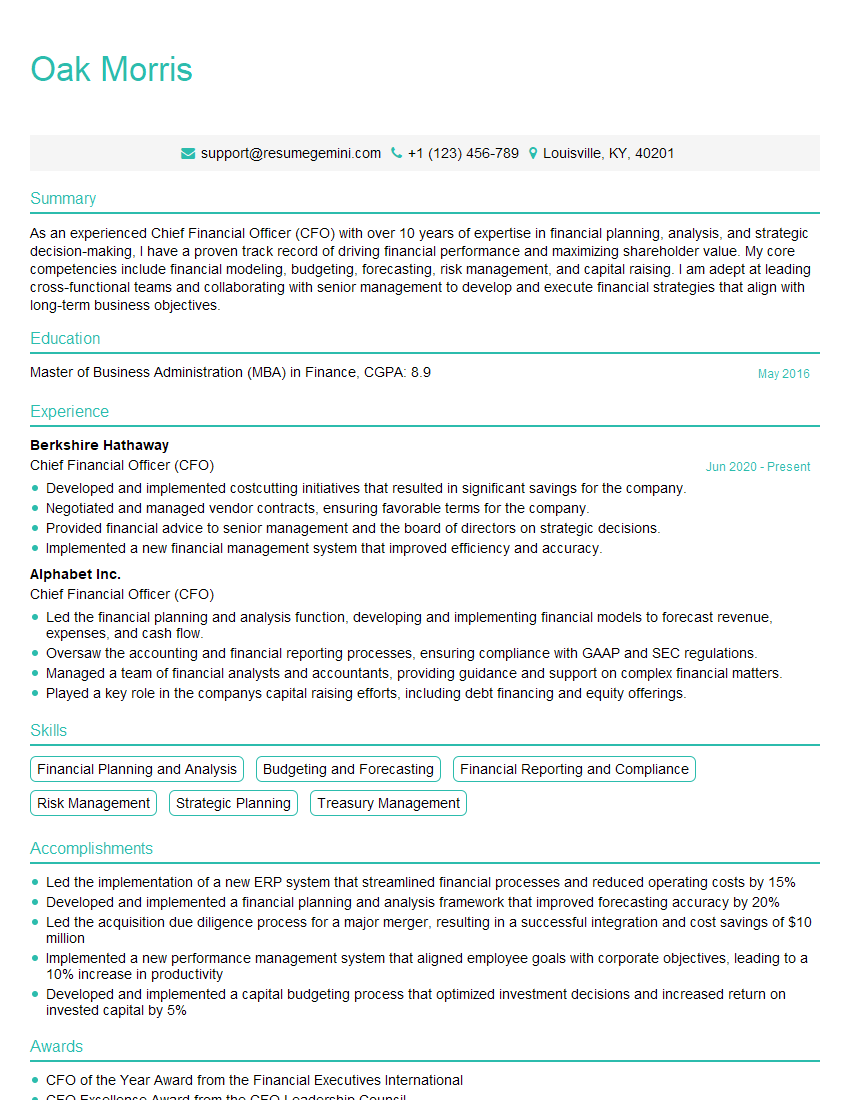
Chief Financial Officer (CFO) Resume Sample
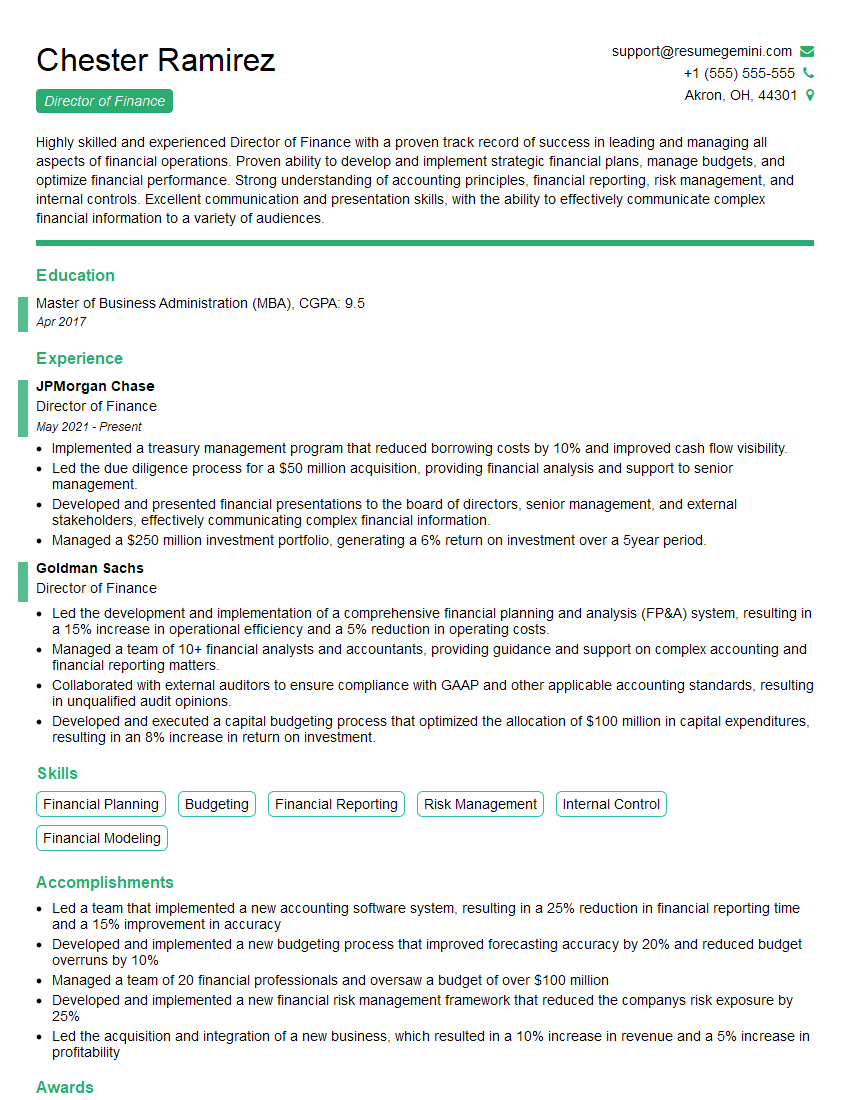
Director of Finance Resume Sample
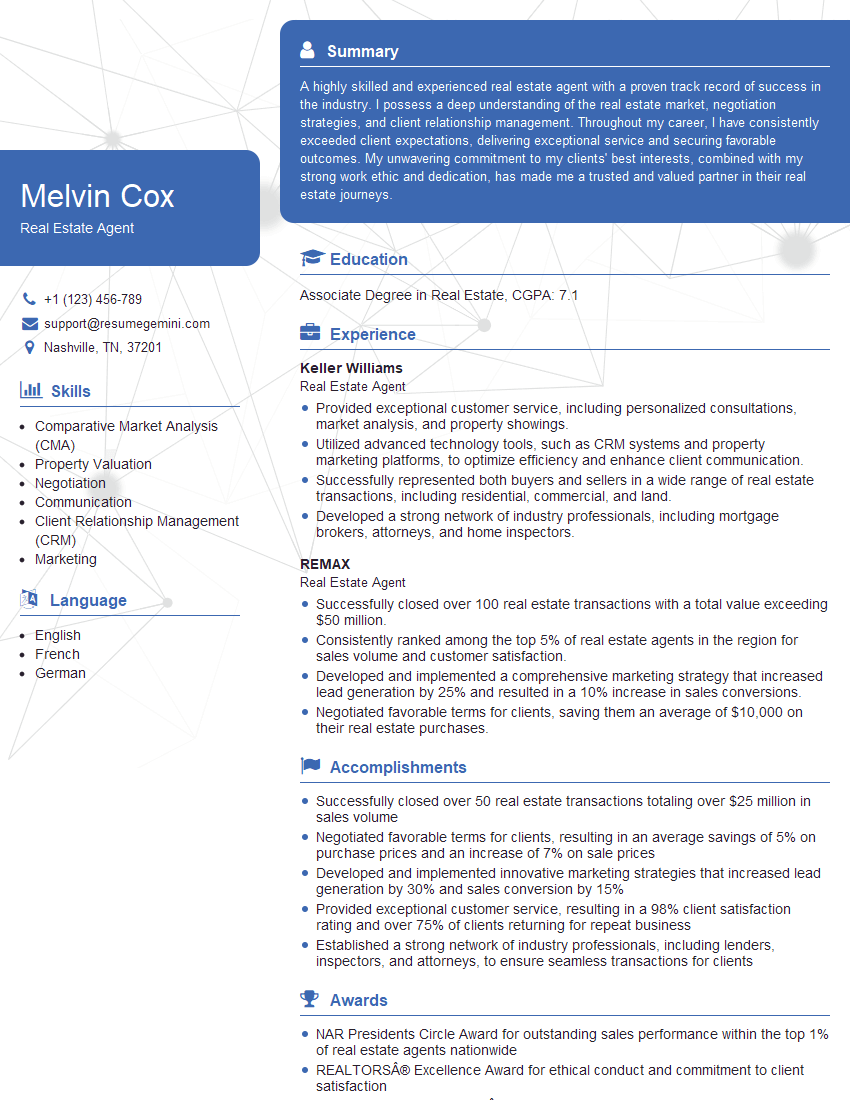
Real Estate Agent Resume Sample
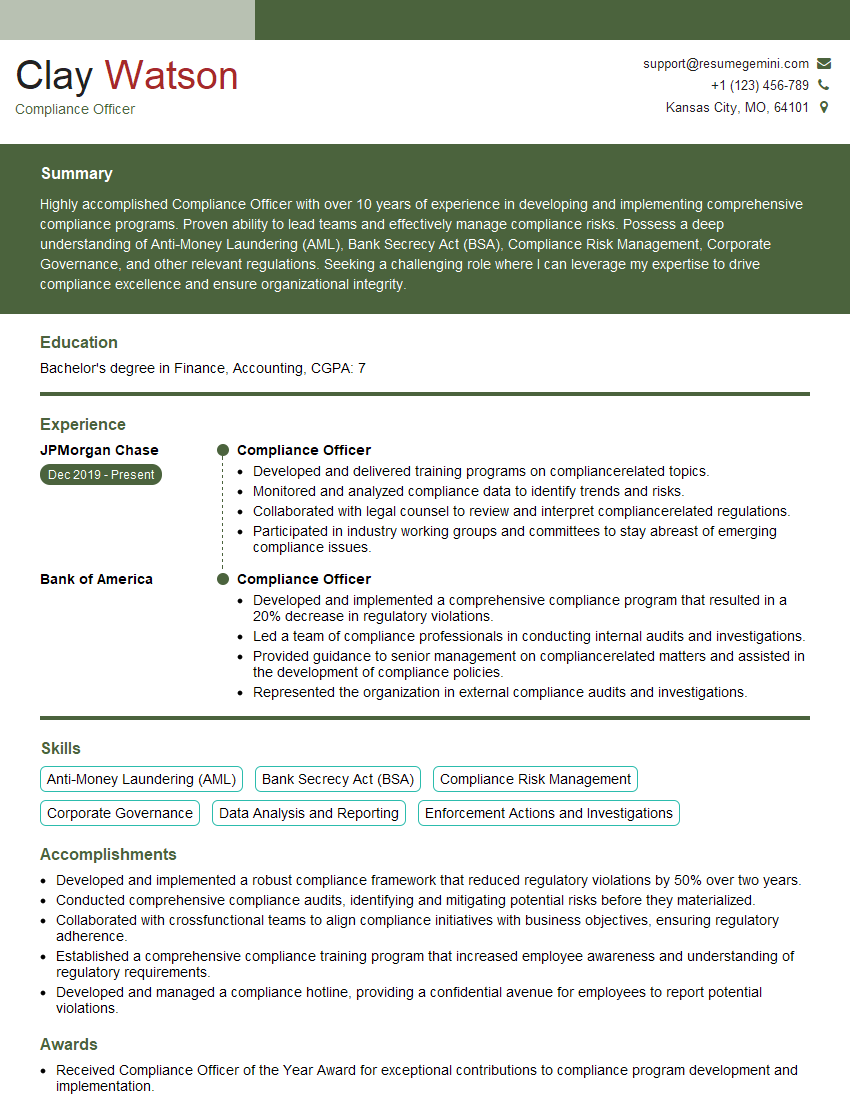
Compliance Officer Resume Sample
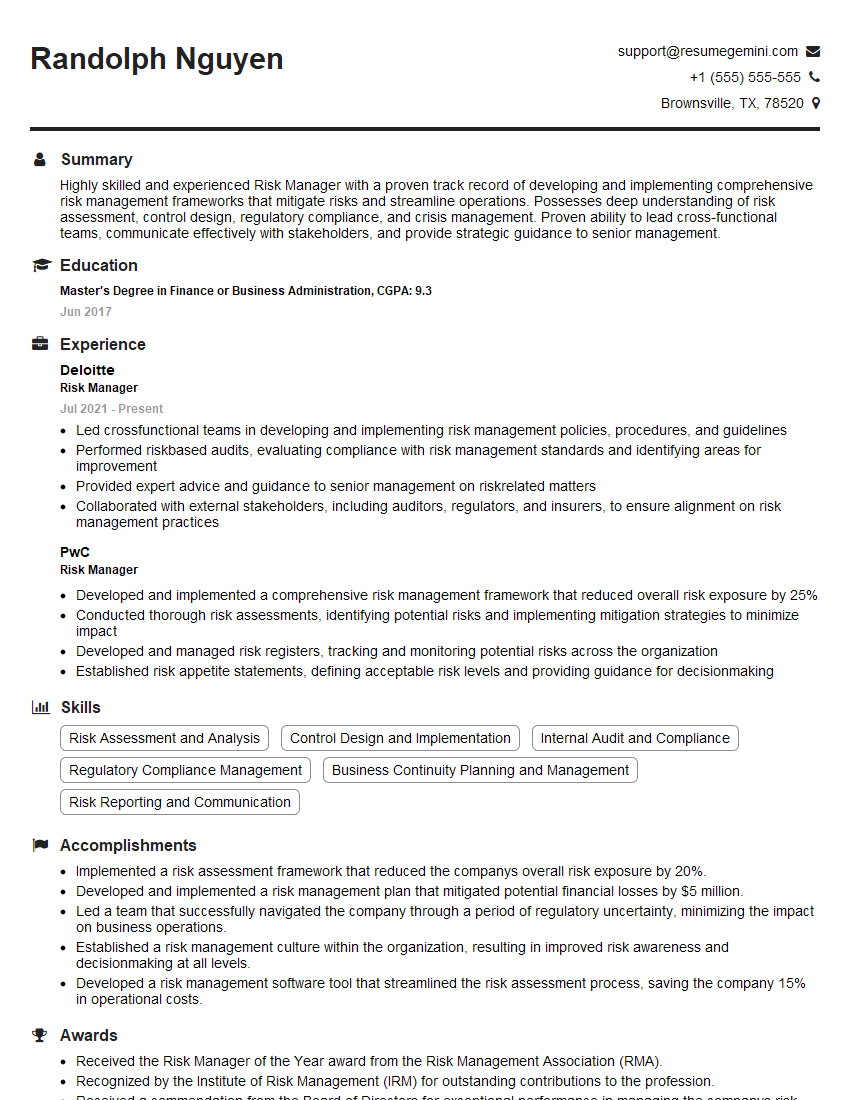
Risk Manager Resume Sample
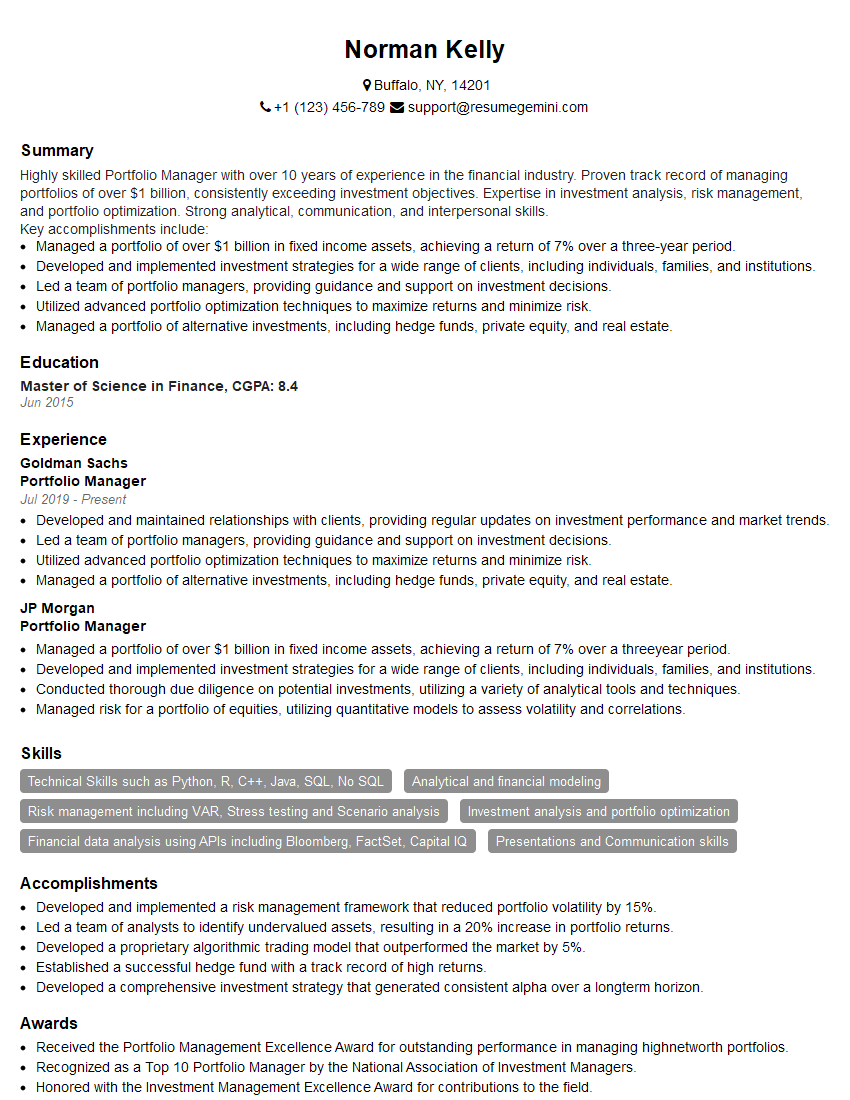
Portfolio Manager Resume Sample
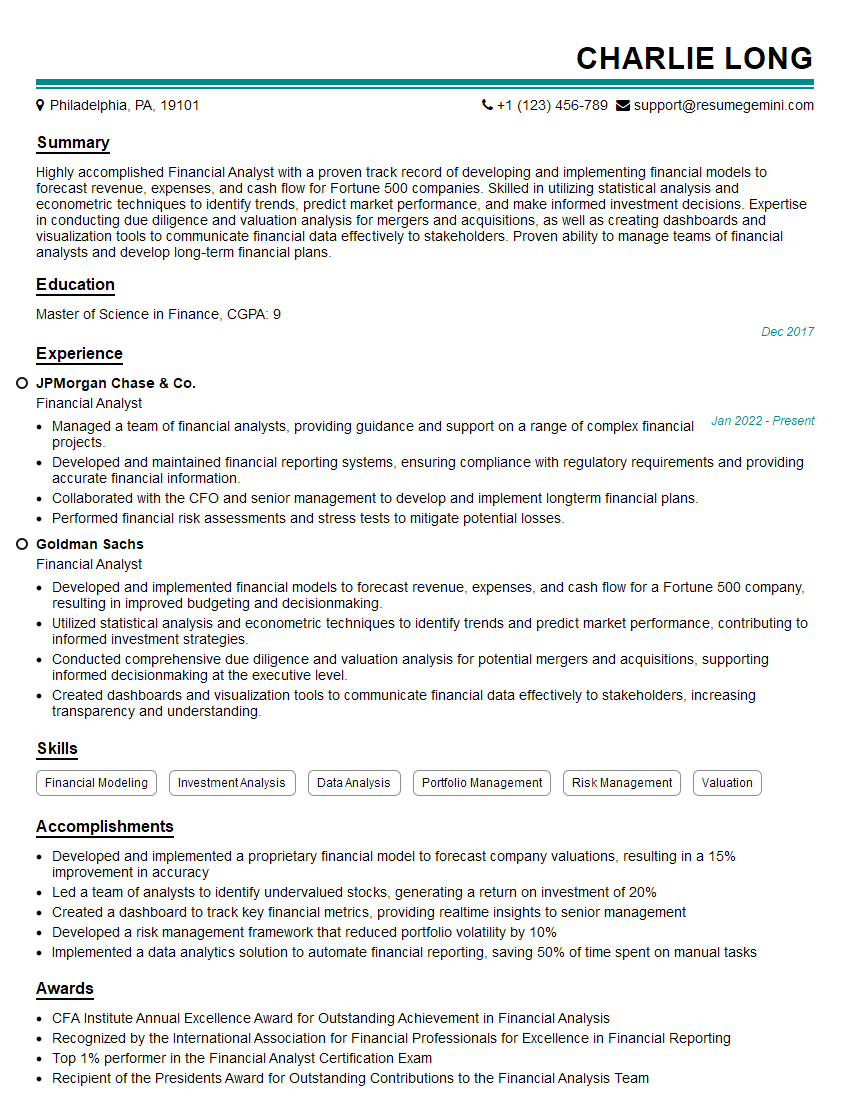
Financial Analyst Resume Sample
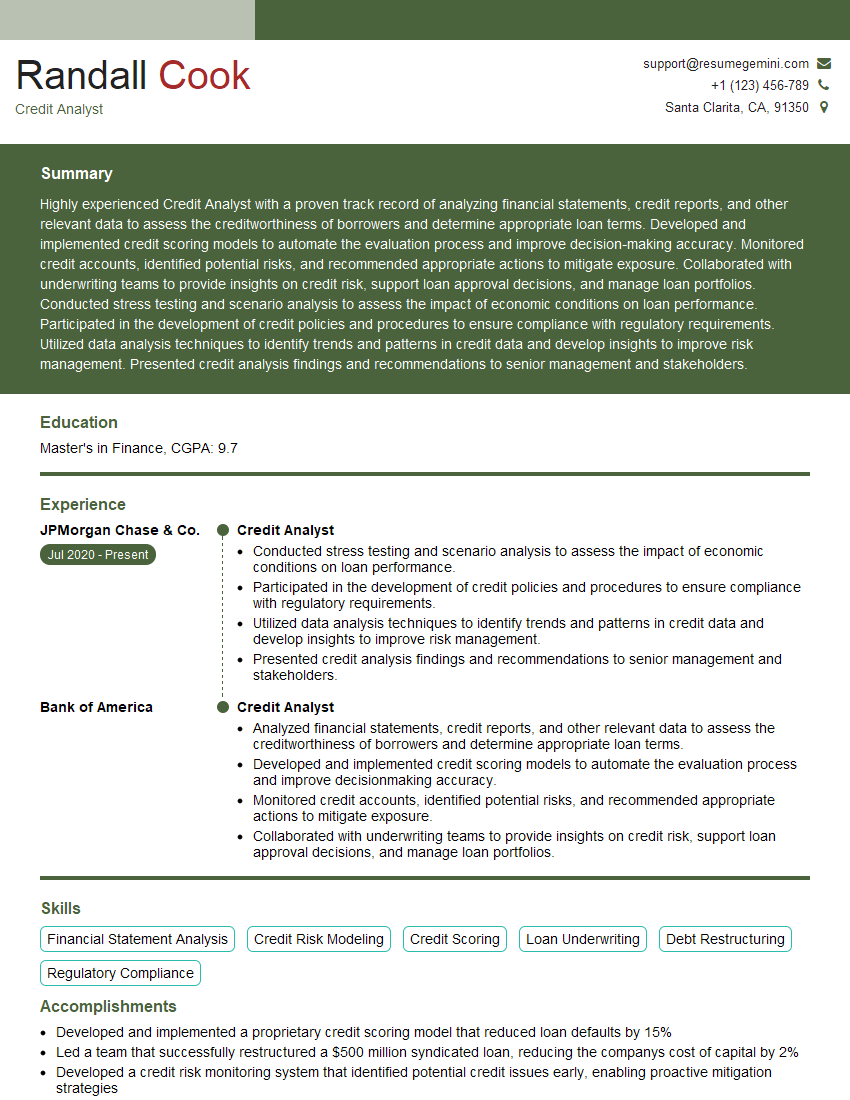
Credit Analyst Resume Sample
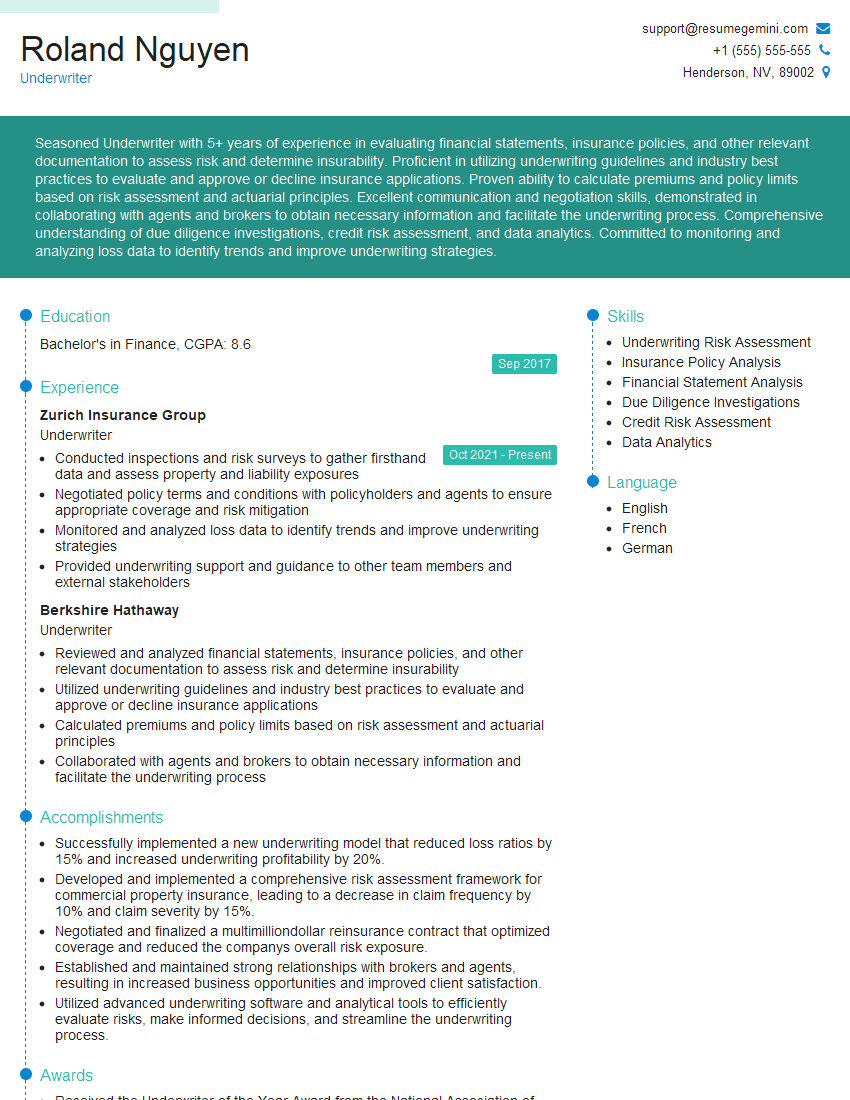
Underwriter Resume Sample
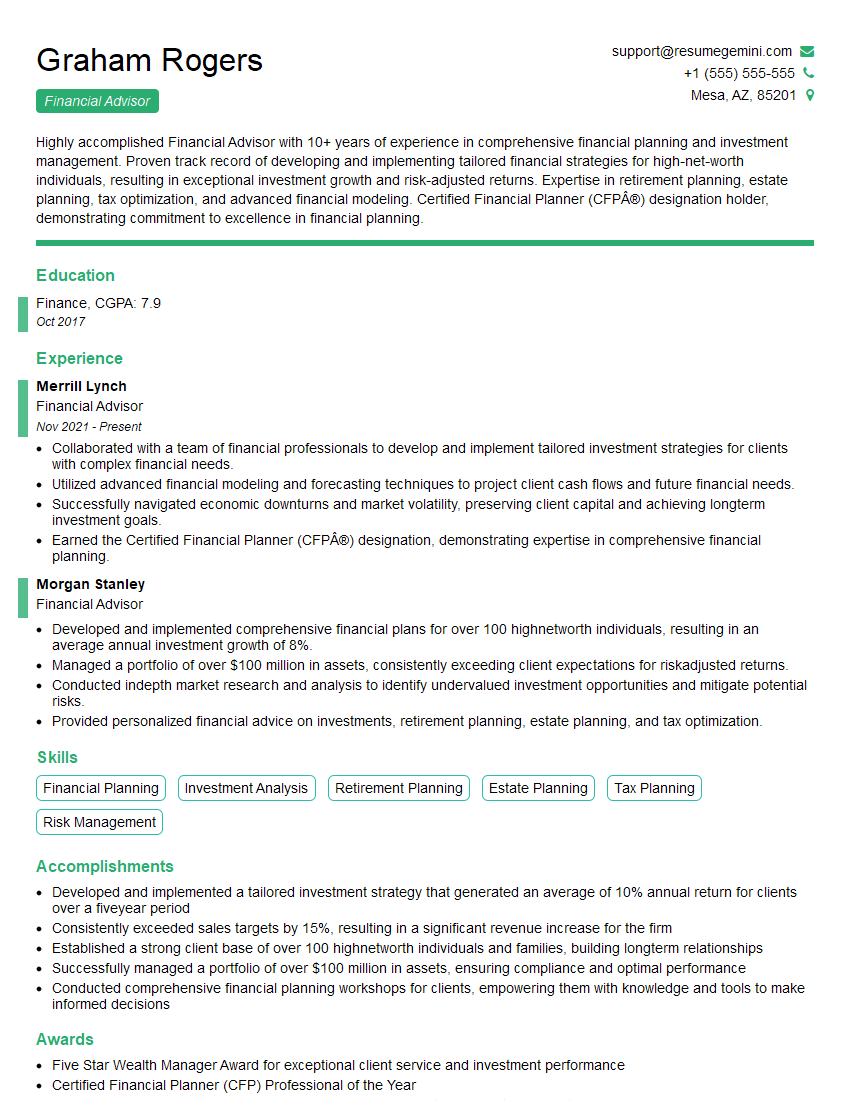
Financial Advisor Resume Sample
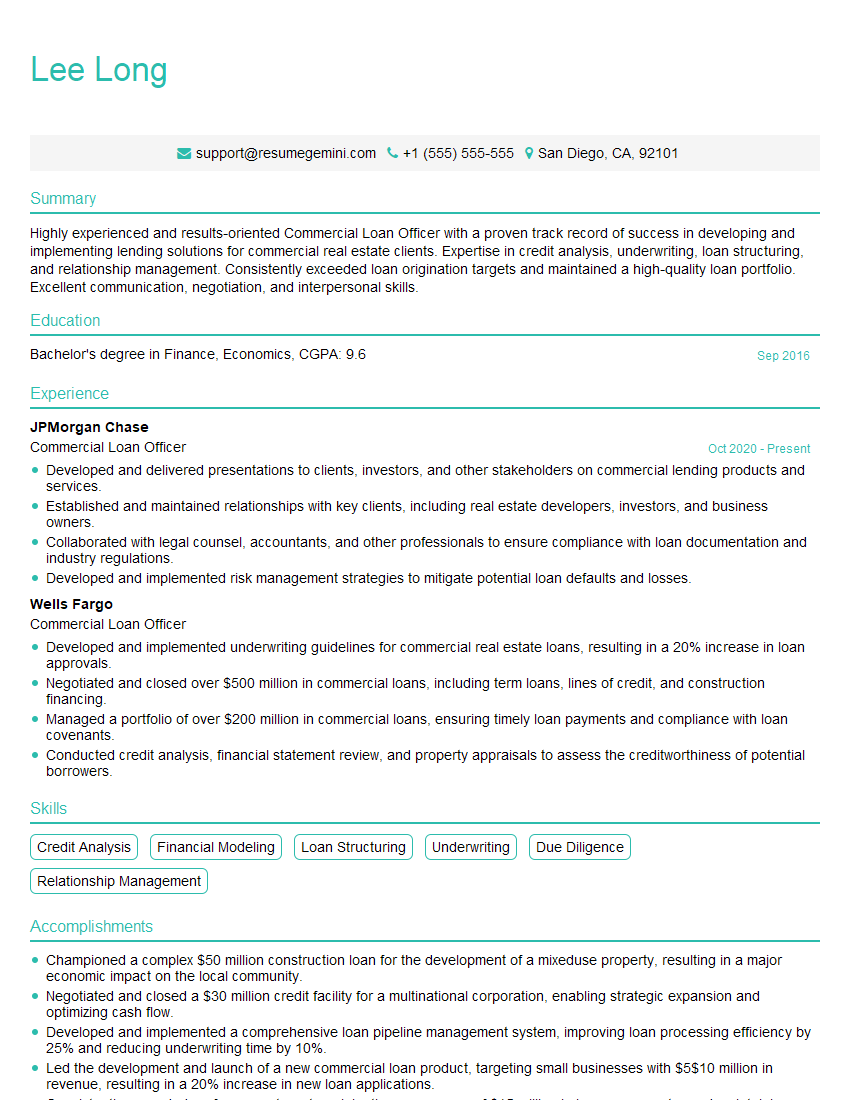
Commercial Loan Officer Resume Sample
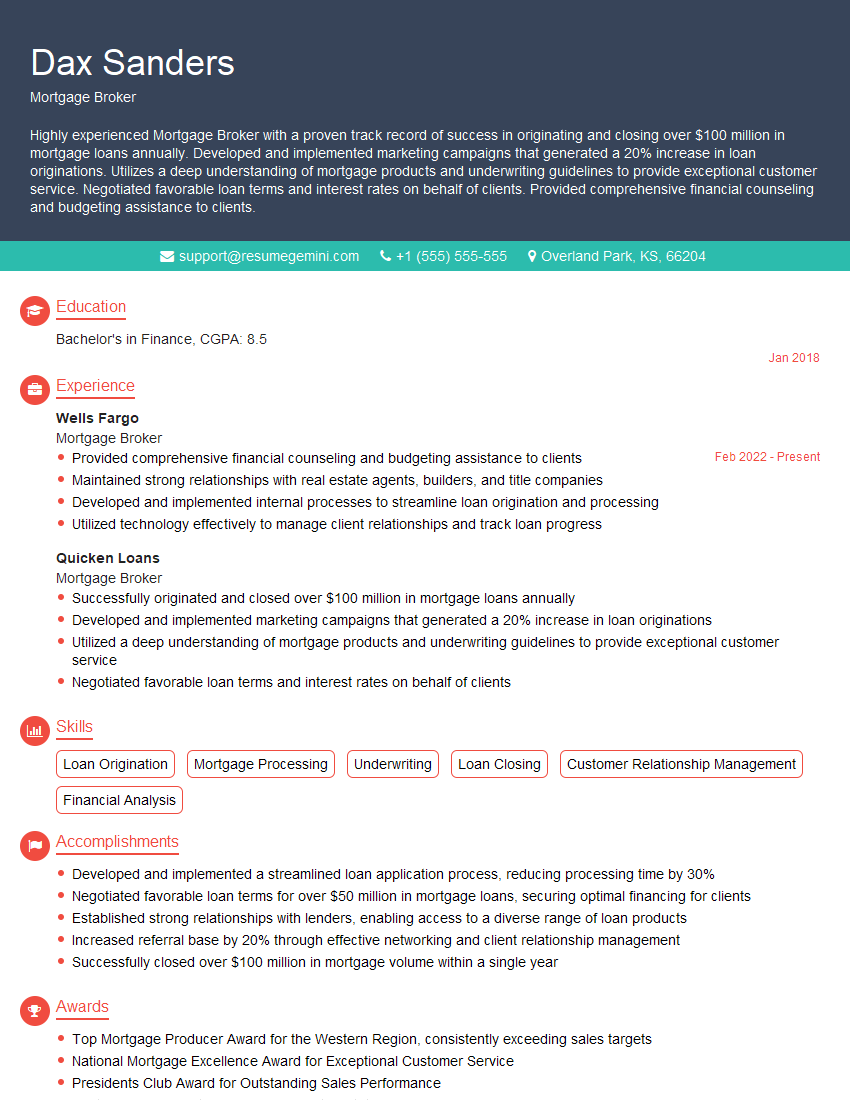
Mortgage Broker Resume Sample
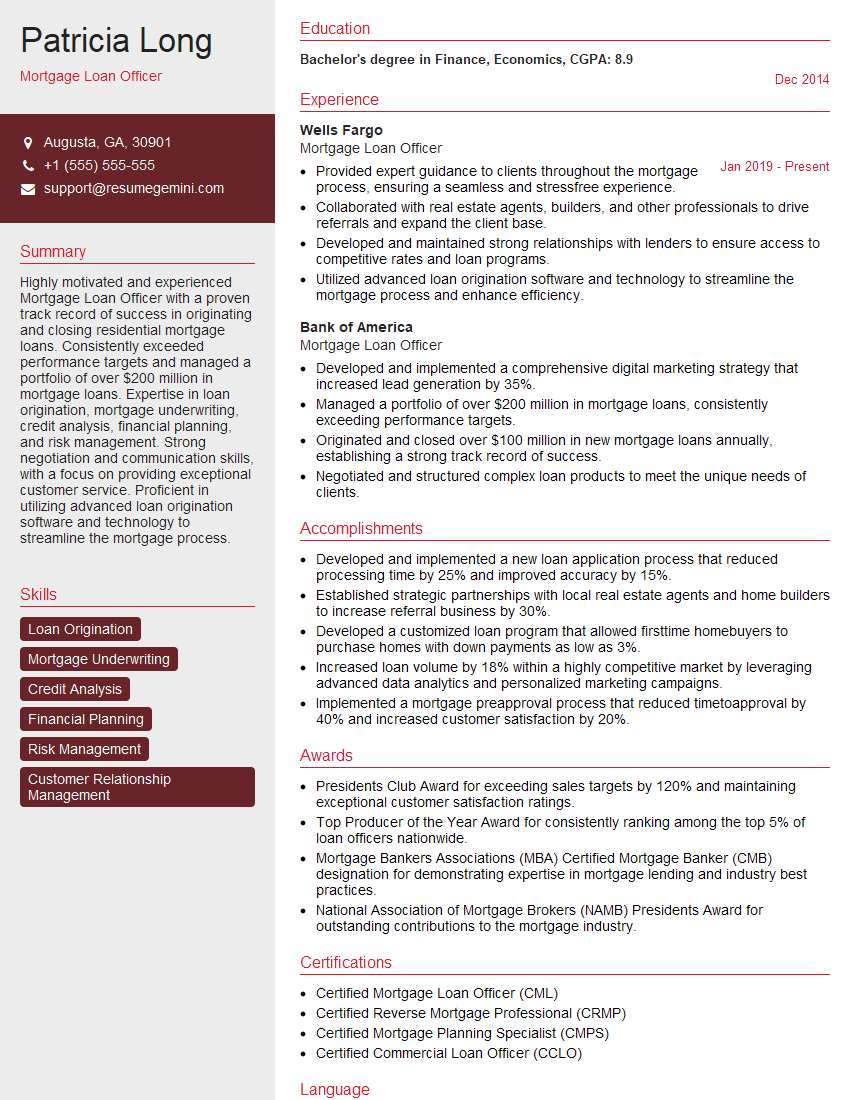
Mortgage Loan Officer Resume Sample
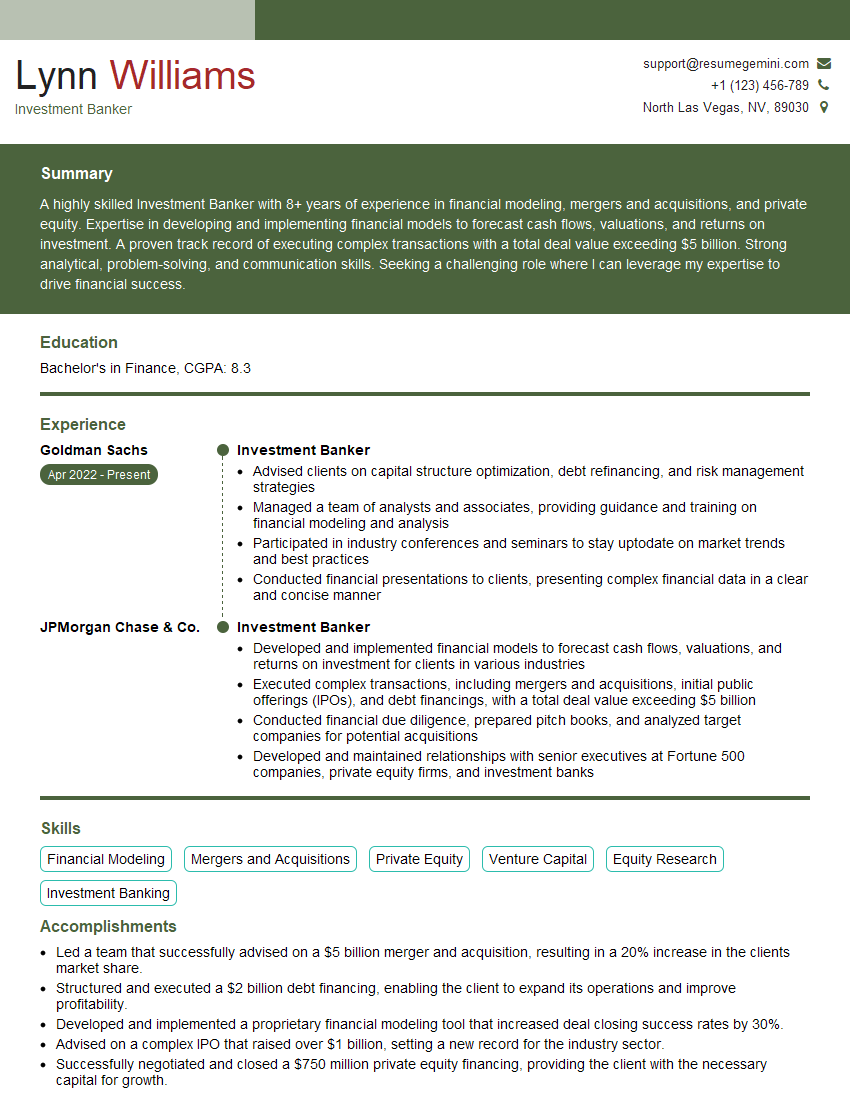
Investment Banker Resume Sample
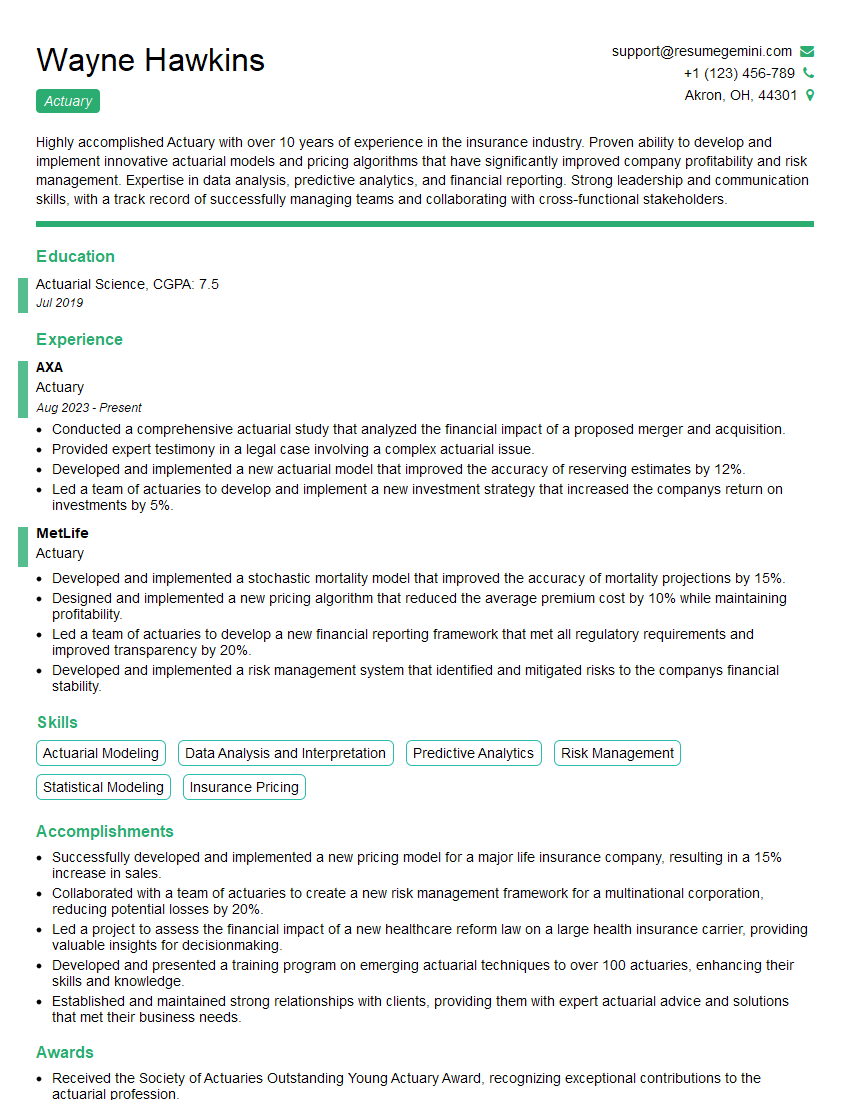
Actuary Resume Sample
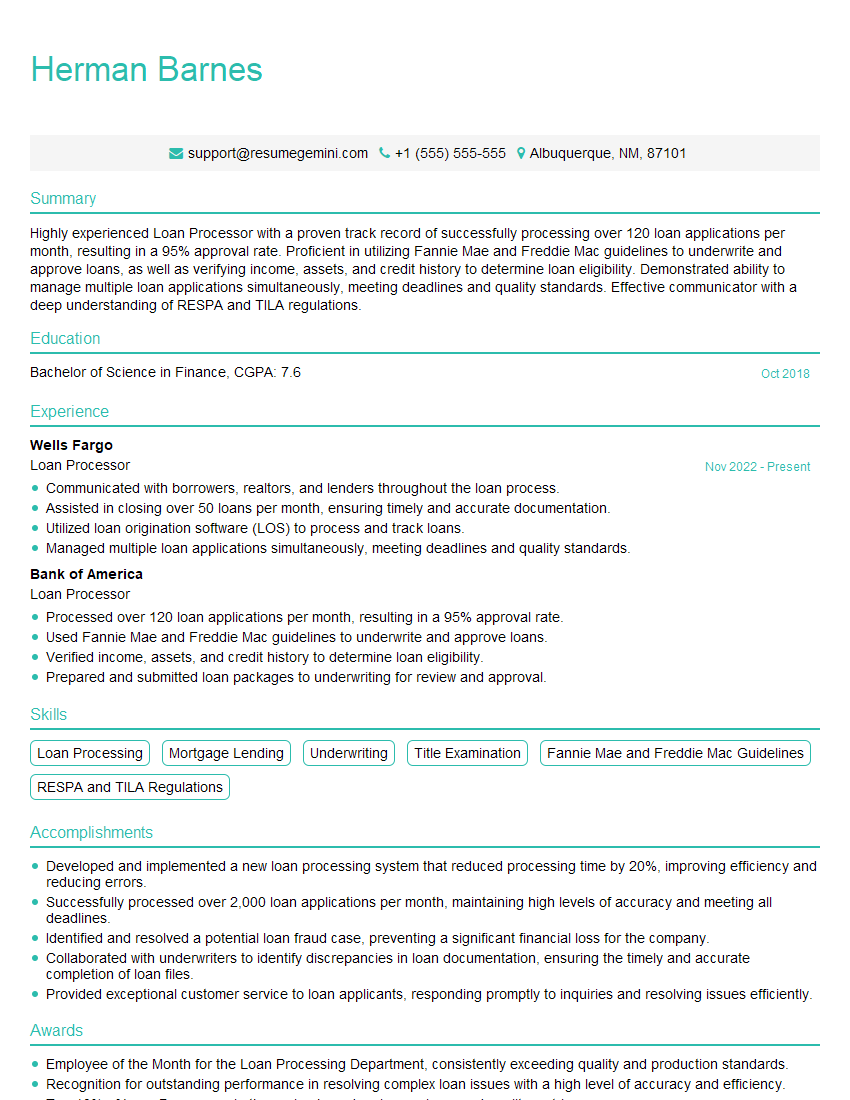
Loan Processor Resume Sample
Explore more articles
Users Rating of Our Blogs
Share Your Experience
We value your feedback! Please rate our content and share your thoughts (optional).
What Readers Say About Our Blog
Really detailed insights and content, thank you for writing this detailed article.
IT gave me an insight and words to use and be able to think of examples