The thought of an interview can be nerve-wracking, but the right preparation can make all the difference. Explore this comprehensive guide to Basic Sanitation and Hygiene interview questions and gain the confidence you need to showcase your abilities and secure the role.
Questions Asked in Basic Sanitation and Hygiene Interview
Q 1. Explain the importance of handwashing in preventing the spread of disease.
Handwashing is a cornerstone of disease prevention, a simple act with profound impact. Our hands are constantly in contact with surfaces and objects carrying countless pathogens – bacteria, viruses, and parasites. These microorganisms can easily transfer to our mouths, noses, and eyes, causing infections. Effective handwashing, using soap and water, physically removes these pathogens, breaking the chain of infection.
Think of it like this: imagine your hands are magnets attracting germs. Soap acts as a detergent, breaking the magnetic force, allowing water to wash away the germs. The friction of rubbing your hands together further dislodges these microbes.
Regular handwashing, especially after using the toilet, before eating, and after handling potentially contaminated items, drastically reduces the transmission of diarrheal diseases, respiratory infections, and other illnesses. In healthcare settings, meticulous hand hygiene is paramount to prevent nosocomial infections (infections acquired in hospitals).
Q 2. Describe the different types of sanitation systems and their effectiveness.
Sanitation systems vary widely in complexity and effectiveness, ranging from simple latrines to advanced wastewater treatment plants. The effectiveness depends on factors like design, construction, operation, and maintenance.
- On-site sanitation systems: These are typically used in rural or less developed areas. Examples include pit latrines (simple holes dug in the ground), pour-flush latrines (where waste is flushed into a pit), and composting toilets (which process waste biologically).
- Sewage systems: These systems collect wastewater from homes and businesses through a network of pipes and transport it to treatment plants. They can be gravity-fed or use pumping systems. The effectiveness hinges on the proper functioning of the pipes and the treatment plant.
- Septic tanks: These systems are common in areas without sewer connections. Wastewater flows into a tank where solids settle, and liquids are discharged into a drain field for further treatment by the soil.
The effectiveness of any sanitation system is measured by its ability to prevent human contact with human waste, thereby reducing the spread of waterborne and fecal-oral diseases. Regular maintenance and proper disposal of sludge are crucial for long-term efficacy.
Q 3. What are the key components of a comprehensive hygiene program?
A comprehensive hygiene program encompasses multiple aspects, going beyond just handwashing. It’s a holistic approach aiming to minimize the risk of disease transmission. Key components include:
- Hand hygiene: This includes proper handwashing techniques, the availability of soap and water (or hand sanitizer), and regular hand hygiene promotion.
- Safe food handling: This covers proper food storage, cooking temperatures, and preventing cross-contamination.
- Water, sanitation, and hygiene (WASH): Access to safe drinking water, adequate sanitation facilities, and hygiene education are essential.
- Environmental hygiene: This involves maintaining clean surroundings, proper waste disposal, and pest control.
- Personal hygiene: This emphasizes practices like bathing, showering, and maintaining personal cleanliness.
- Infection prevention and control: This is crucial in healthcare settings and involves protocols for disinfecting surfaces and handling contaminated materials.
- Behavioral change communication: Educating communities about the importance of hygiene and promoting positive behavioral change is crucial for long-term success.
These components work synergistically to create a healthy environment. For example, effective handwashing is more impactful when combined with safe food practices and clean surroundings.
Q 4. How do you ensure the safe disposal of medical waste?
Safe disposal of medical waste is critical to prevent the spread of infectious diseases and protect the environment. It requires a multi-step process:
- Segregation: Different types of medical waste (e.g., sharps, infectious waste, non-infectious waste) must be separated at the point of generation using color-coded containers.
- Treatment: Waste is treated to render it safe for final disposal. This might involve incineration, autoclaving (high-pressure steam sterilization), or chemical disinfection.
- Packaging and Transportation: Treated waste is packaged in leak-proof containers and transported to a licensed disposal facility.
- Disposal: Final disposal methods vary, depending on the type of waste and local regulations. This might include landfilling, incineration, or other approved methods.
- Documentation: Meticulous record-keeping of all stages of the process is vital for accountability and compliance with regulations.
Ignoring proper medical waste disposal can lead to severe consequences, including outbreaks of infectious diseases amongst healthcare workers and the surrounding community, and environmental pollution.
Q 5. Explain the process of wastewater treatment.
Wastewater treatment is a multi-stage process designed to remove pollutants from wastewater before it’s discharged into the environment. The goal is to protect public health and the environment.
- Preliminary treatment: This involves removing large debris like sticks and rags through screens and grit chambers.
- Primary treatment: Wastewater is passed through settling tanks where solids settle out, forming sludge. This removes about 60% of suspended solids.
- Secondary treatment: This employs biological processes to break down organic matter. Common methods include activated sludge processes and trickling filters. These processes use microorganisms to consume the organic pollutants.
- Tertiary treatment: This is an optional step that further improves the quality of treated wastewater. It might involve processes like filtration, disinfection (e.g., using chlorine or UV light), and nutrient removal (removing nitrogen and phosphorus).
- Sludge treatment: The sludge from primary and secondary treatment needs further processing. This often involves digestion (anaerobic or aerobic) to reduce its volume and stabilize it, followed by dewatering and disposal.
The treated effluent is then typically discharged into a water body or reused for irrigation or other purposes.
Q 6. What are the common sources of water contamination?
Water contamination sources are diverse and can be broadly categorized into:
- Microbial contamination: This includes bacteria, viruses, and parasites from human and animal waste, causing waterborne diseases.
- Chemical contamination: This arises from industrial discharge, agricultural runoff (pesticides, fertilizers), and leachate from landfills. These chemicals can be toxic to humans and wildlife.
- Physical contamination: This includes sediments, suspended solids, and plastics that affect water quality and clarity.
- Radioactive contamination: This stems from nuclear accidents or improper disposal of radioactive materials.
The specific sources vary depending on the geographical location and human activities in the area. For example, rural areas might experience contamination from animal waste, while urban areas are more prone to industrial and sewage pollution.
Q 7. How do you assess the effectiveness of a sanitation program?
Assessing the effectiveness of a sanitation program requires a multi-faceted approach. It’s not just about the infrastructure but also its impact on public health and the environment.
- Monitoring water quality: Regular testing of water sources to detect contamination levels.
- Surveillance of waterborne diseases: Tracking the incidence of diarrheal diseases and other waterborne illnesses in the community.
- Household surveys: Assessing sanitation coverage, handwashing practices, and other hygiene behaviors through household surveys.
- Facility assessments: Evaluating the functionality and maintenance of sanitation facilities.
- Environmental impact assessment: Assessing the impact of sanitation systems on water bodies and the environment.
- Community feedback: Gathering feedback from communities on their experiences with the program.
By combining these indicators, we can obtain a comprehensive picture of the program’s success in improving sanitation and public health.
Q 8. Describe different methods for controlling vector-borne diseases.
Controlling vector-borne diseases, illnesses spread by disease-carrying organisms like mosquitoes, ticks, and fleas, relies on a multi-pronged approach targeting both the vector and the environment. This involves strategies to reduce vector populations and limit human exposure.
Source Reduction: Eliminating breeding grounds for vectors is crucial. This includes removing stagnant water (e.g., emptying flower pots, repairing leaky faucets), filling in potholes, and properly managing waste disposal to prevent the accumulation of organic matter that attracts mosquitoes.
Chemical Control: Insecticides are used judiciously, often as part of a larger integrated pest management (IPM) plan. Examples include indoor residual spraying (IRS) for malaria control and larvicides to control mosquito larvae in standing water. The key is to use them responsibly, considering environmental and human health impacts.
Biological Control: Introducing natural predators of vectors can reduce their population. For instance, introducing specific fish species into water bodies to feed on mosquito larvae. This method is more environmentally friendly than chemical methods.
Environmental Management: Maintaining clean and well-drained environments helps limit vector breeding sites. This can include landscaping modifications, improved sanitation, and proper sewage management.
Personal Protective Measures: Individuals can reduce their risk of infection through the use of mosquito nets, insect repellents, and protective clothing.
Community Engagement: Educating communities about vector-borne diseases, their prevention, and control measures is essential for successful interventions. This promotes community participation in vector control initiatives.
A successful strategy usually combines several of these methods. For example, a program might incorporate IRS with community-based source reduction and education campaigns for maximum effectiveness.
Q 9. What are the key indicators of good sanitation?
Good sanitation is characterized by several key indicators, reflecting the absence of disease-causing agents and the presence of safe and hygienic practices. These indicators can be broadly categorized as:
Safe Disposal of Excreta: A high percentage of the population should have access to and use improved sanitation facilities, like toilets connected to sewage systems or safely managed on-site sanitation. The absence of open defecation is a key sign.
Safe Management of Wastewater: Effective wastewater treatment and disposal systems minimize environmental pollution and the risk of waterborne diseases. This includes proper sewage treatment plants or appropriate on-site systems.
Solid Waste Management: Efficient collection, transportation, and disposal or recycling of solid waste prevent environmental contamination and reduces the risk of vector-borne diseases.
Hygiene Practices: High rates of handwashing with soap, safe food handling practices, and clean water sources are all indicators of good sanitation. This also encompasses the proper cleaning and disinfection of surfaces.
Reduced Prevalence of Waterborne and Sanitation-related Diseases: Monitoring the incidence of diarrheal diseases and other sanitation-related illnesses serves as a crucial indicator of the effectiveness of sanitation interventions. Lower rates strongly suggest improved sanitation.
These indicators are often assessed through surveys, epidemiological studies, and monitoring of sanitation infrastructure.
Q 10. How do you address sanitation challenges in low-resource settings?
Addressing sanitation challenges in low-resource settings requires a holistic and sustainable approach that considers the specific context. It’s not a one-size-fits-all solution. Strategies include:
Community Participation: Engaging the local community in the planning, implementation, and maintenance of sanitation systems is crucial. This ensures ownership and sustainability.
Appropriate Technology: Selecting low-cost, locally appropriate sanitation technologies is important. This may involve constructing simple latrines, promoting composting toilets, or using appropriate wastewater treatment methods suitable to the available resources.
Capacity Building: Training local personnel in the construction, operation, and maintenance of sanitation facilities is essential for long-term sustainability. This includes providing skills in hygiene promotion and sanitation management.
Financial Mechanisms: Exploring sustainable financing mechanisms like community-based financing, micro-credit schemes, or public-private partnerships is essential to ensuring the long-term viability of sanitation projects.
Integrated Approach: Combining sanitation improvements with other interventions, such as access to safe water and hygiene promotion, enhances the overall impact.
Behavior Change Communication: Educating communities about the importance of sanitation and hygiene practices is crucial for behavioral change. This involves using local languages and culturally appropriate methods.
For example, the construction of simple, affordable latrines combined with community-led hygiene education campaigns has proven effective in many contexts.
Q 11. Explain the role of sanitation in food safety.
Sanitation plays a vital role in ensuring food safety by preventing contamination throughout the food chain. Poor sanitation can lead to food contamination through various pathways:
Contamination of Water Sources: Improper sanitation can contaminate water used for irrigation, washing produce, or in food processing, potentially introducing pathogens into the food.
Cross-contamination: Poor sanitation in food handling environments can lead to cross-contamination between raw and cooked foods or between different food items. This can spread harmful bacteria or viruses.
Vector Attraction: Unhygienic conditions attract pests like rodents, insects, and birds, which can contaminate food and transmit disease.
Improper Waste Disposal: Improper disposal of food waste can attract pests and create breeding grounds for pathogens, thereby contaminating surrounding areas and food items.
Ensuring proper sanitation in food production, processing, storage, and handling environments reduces the risk of foodborne illnesses. This includes handwashing, proper waste disposal, pest control, and regular cleaning and disinfection of food contact surfaces.
Q 12. What are the different types of toilets and their suitability for different contexts?
Different toilet types cater to diverse contexts and resource availability. Here are some examples:
Pit Latrines: Simple, low-cost, and suitable for rural areas with limited resources. Requires regular emptying and can pose challenges in terms of hygiene and odor control.
Pour-Flush Latrines: Relatively simple design where wastewater is poured into a pit or septic tank. More hygienic than pit latrines but requires a reliable water source.
Composting Toilets: Convert human waste into compost through natural processes. Environmentally friendly and suitable for areas with limited water resources. Requires proper management to avoid odor and pest problems.
Septic Tank Systems: Treat wastewater on-site through a septic tank and leach field. More suitable for higher-density populations, but requires regular maintenance and proper siting.
Sewerage Systems: Collect and treat wastewater centrally. Suitable for large urban areas but require significant infrastructure investment and maintenance.
The suitability of a toilet type depends on factors like population density, water availability, soil type, climate, and financial resources. In low-resource settings, simple, low-cost options like pit latrines or composting toilets may be more appropriate initially, while in urban areas, centralized sewerage systems may be necessary.
Q 13. Describe the principles of solid waste management.
Solid waste management involves a systematic approach to the collection, transportation, processing, recycling, and disposal of solid waste. The principles include:
Source Reduction: Minimizing the amount of waste generated through reuse, recycling, and composting. This is the most sustainable approach.
Waste Segregation: Separating waste into different categories (e.g., organic, recyclable, hazardous) to facilitate efficient processing and resource recovery.
Collection and Transportation: Efficient and regular collection and transportation of waste from households and businesses to processing facilities.
Processing and Recycling: Processing waste to recover valuable materials for reuse and recycling. This includes composting of organic waste and recycling of paper, plastics, and metals.
Disposal: Safe and environmentally sound disposal of waste that cannot be recycled or reused. This might involve landfilling, incineration (with proper emission controls), or other methods.
Public Awareness and Education: Educating the public on proper waste disposal practices and the importance of waste reduction and recycling.
Monitoring and Evaluation: Regular monitoring and evaluation of the system’s performance to ensure its effectiveness and efficiency.
A successful solid waste management system considers the specific context, including the volume and type of waste generated, available resources, and environmental regulations.
Q 14. How do you ensure proper hygiene in food handling?
Ensuring proper hygiene in food handling is crucial for preventing foodborne illnesses. Key practices include:
Handwashing: Frequent and thorough handwashing with soap and water is the most effective way to prevent the spread of pathogens. This should be done before, during, and after food preparation.
Cleanliness and Sanitization: Maintaining clean and sanitized surfaces, utensils, and equipment is essential. Regular cleaning and disinfection with appropriate chemicals should be followed.
Temperature Control: Maintaining proper temperatures during food storage and preparation is crucial. Keep cold foods cold and hot foods hot to prevent bacterial growth.
Pest Control: Preventing pest infestation is essential. This includes storing food properly, eliminating breeding grounds, and using appropriate pest control measures.
Proper Food Storage: Storing food properly to prevent contamination and spoilage. This includes proper refrigeration and labeling with dates.
Cross-Contamination Prevention: Avoiding cross-contamination between raw and cooked foods. Use separate cutting boards and utensils for raw and cooked foods.
Personal Hygiene: Maintaining good personal hygiene, such as wearing clean clothing and avoiding touching the face while handling food.
Following these guidelines minimizes the risk of foodborne illnesses and ensures food safety.
Q 15. What are the potential health risks associated with poor sanitation?
Poor sanitation poses significant threats to public health, leading to a range of diseases. The lack of proper waste disposal and treatment creates breeding grounds for disease vectors like flies and rodents, which can transmit pathogens. Contaminated water sources are a major pathway for the spread of waterborne illnesses.
- Waterborne diseases: Cholera, typhoid, and diarrhea are common examples. These are often caused by fecal contamination of drinking water sources.
- Foodborne diseases: Improper food handling and storage in unsanitary conditions can lead to food poisoning and other illnesses.
- Vector-borne diseases: Mosquitoes breeding in stagnant water can transmit malaria, dengue fever, and Zika virus. Rats and flies, thriving in unsanitary environments, can carry various bacteria and parasites.
- Parasitic infections: Lack of sanitation facilitates the spread of intestinal parasites such as hookworm, roundworm, and tapeworm, leading to malnutrition and developmental issues, especially in children.
- Respiratory illnesses: Poor air quality, often associated with inadequate waste management, contributes to respiratory problems like pneumonia and asthma.
For example, a community lacking proper latrines might experience outbreaks of cholera due to fecal contamination of the local water supply. This highlights the direct link between poor sanitation and widespread disease outbreaks.
Career Expert Tips:
- Ace those interviews! Prepare effectively by reviewing the Top 50 Most Common Interview Questions on ResumeGemini.
- Navigate your job search with confidence! Explore a wide range of Career Tips on ResumeGemini. Learn about common challenges and recommendations to overcome them.
- Craft the perfect resume! Master the Art of Resume Writing with ResumeGemini’s guide. Showcase your unique qualifications and achievements effectively.
- Don’t miss out on holiday savings! Build your dream resume with ResumeGemini’s ATS optimized templates.
Q 16. How do you educate communities about sanitation practices?
Educating communities about sanitation practices requires a multi-pronged approach that combines various communication methods and considers the specific needs and cultural context of the target population.
- Community engagement: Start by actively involving community members in the planning and implementation process. This fosters ownership and ensures the program’s relevance.
- Interactive workshops and demonstrations: Practical sessions show proper handwashing techniques, safe food handling, and the importance of latrine use.
- Visual aids and storytelling: Use posters, videos, and local narratives to make complex information easily understandable. Storytelling, in particular, is a powerful tool for engagement.
- School-based education: Incorporating hygiene and sanitation education into school curricula ensures that knowledge is passed on to future generations.
- Community leaders and influencers: Working with respected figures within the community helps build trust and disseminate information effectively. This could include religious leaders, village elders, or local health workers.
- Incentives and rewards: Recognizing and rewarding individuals or families who adopt improved sanitation practices can further incentivize behaviour change.
For instance, a successful program might involve demonstrating improved latrine construction techniques, followed by providing subsidized materials to participating families. Regular follow-up visits and feedback loops are crucial for long-term success.
Q 17. Explain the concept of fecal-oral contamination.
Fecal-oral contamination refers to the transmission of disease-causing microorganisms (pathogens) from feces to the mouth. This happens when contaminated feces come into contact with food, water, or surfaces that are then ingested, leading to infection.
It is a primary route for the spread of numerous enteric diseases (diseases affecting the intestines).
- Mechanism: Pathogens present in feces can contaminate water sources (rivers, lakes, wells) through sewage disposal or inadequate sanitation. Similarly, contaminated hands can transfer pathogens to food during preparation or consumption.
- Consequences: Ingestion of these contaminated substances results in infection, leading to symptoms such as diarrhea, vomiting, fever, and dehydration. In severe cases, it can be life-threatening.
Example: Imagine a community where open defecation is practiced. Rainwater can wash fecal matter into a nearby well, contaminating the water source used for drinking. Individuals consuming this water risk contracting waterborne diseases via the fecal-oral route.
Q 18. What are the key regulations concerning sanitation and hygiene in your region?
(Note: This answer will vary greatly depending on the specific region. The following is a generalized example and should be adapted to reflect relevant local regulations.)
Regulations concerning sanitation and hygiene vary widely by region but typically cover areas such as:
- Wastewater management: Standards for sewage treatment and disposal, often including limitations on pollutants discharged into water bodies.
- Solid waste management: Regulations on garbage collection, disposal methods (landfills, incineration), and recycling programs.
- Food safety: Rules governing food handling, storage, and preparation to prevent contamination and foodborne illnesses.
- Water quality: Standards for potable water, ensuring it is free from harmful bacteria and contaminants.
- Public health: Regulations related to disease surveillance, outbreak control, and hygiene practices in public places (restaurants, schools, hospitals).
- Construction and building codes: Requirements for proper sewage systems, waste disposal facilities, and hygiene provisions in new buildings.
Many regions also have specific penalties for non-compliance with these regulations. These regulations are crucial for protecting public health and ensuring environmental sustainability.
Q 19. Describe the process of greywater treatment and reuse.
Greywater, the wastewater from showers, sinks, and laundry (excluding toilet waste), can be treated and reused for non-potable purposes, offering significant water conservation benefits.
The treatment process typically involves:
- Preliminary treatment: This involves removing large debris through screening and sedimentation.
- Biological treatment: This step utilizes microorganisms to break down organic matter. Methods may include constructed wetlands, sand filters, or biofilters.
- Disinfection (optional): Depending on the intended use, disinfection may be necessary to eliminate pathogens. This could involve UV disinfection or chlorination.
- Storage and distribution: The treated greywater is stored in a tank and then distributed to irrigation systems for watering plants or toilets for flushing.
Reuse applications: Treated greywater can be used for toilet flushing, irrigation of non-edible plants (landscaping), and cleaning purposes. It is crucial to ensure that the treated water is not used for activities involving direct contact with food or drinking water.
Example: A household might collect greywater from showers and sinks, filter it through a sand filter, and then use it to irrigate their garden. This reduces their reliance on potable water for non-drinking purposes.
Q 20. What are the common challenges in implementing sanitation projects?
Implementing sanitation projects faces numerous challenges:
- Funding limitations: Sanitation infrastructure development requires significant financial investment, which can be a major obstacle, especially in developing countries.
- Technological limitations: Appropriate and affordable sanitation technologies may not always be available or suitable for the local context.
- Community participation: Lack of community engagement and ownership can hinder project success. Resistance to change and cultural barriers are common challenges.
- Environmental factors: Geographical constraints, such as difficult terrain or water scarcity, can complicate implementation.
- Institutional capacity: Weak governance, inadequate regulatory frameworks, and lack of skilled personnel can impede project implementation and sustainability.
- Political instability and conflict: Political instability and armed conflicts severely disrupt sanitation efforts and endanger the lives of workers.
- Lack of awareness and education: Insufficient public awareness about the importance of sanitation and hygiene practices often leads to poor adoption of improved facilities.
Overcoming these challenges requires a holistic approach, involving community engagement, careful planning, appropriate technology selection, strong governance, and sufficient funding.
Q 21. How do you ensure the sustainability of sanitation initiatives?
Ensuring the long-term sustainability of sanitation initiatives requires a multifaceted strategy focusing on various aspects:
- Community ownership: Involving communities in all stages – from planning to maintenance – fosters a sense of responsibility and ensures the continued use and upkeep of sanitation facilities.
- Affordable and appropriate technologies: Selecting technologies that are locally appropriate, easy to maintain, and affordable for the community is crucial for long-term sustainability.
- Capacity building: Training local personnel on operation and maintenance of sanitation facilities ensures that skilled individuals are available to address issues and perform repairs.
- Financial sustainability: Developing sustainable financing mechanisms, such as user fees or community-based funding models, ensures the long-term financial viability of the project.
- Monitoring and evaluation: Regular monitoring and evaluation of project progress is essential to identify challenges and adjust strategies as needed. This also demonstrates accountability and transparency.
- Policy and regulatory support: Supportive government policies and regulations, coupled with strong enforcement, create an enabling environment for sanitation improvements.
- Partnerships and collaboration: Collaborating with relevant stakeholders, including government agencies, NGOs, and the private sector, enhances resources and expertise.
For example, establishing a community-managed water and sanitation committee responsible for maintenance, billing, and conflict resolution ensures long-term sustainability and community ownership.
Q 22. Explain the role of sanitation in preventing the spread of cholera.
Cholera, a severe diarrheal disease, spreads primarily through contaminated water and food. Effective sanitation plays a crucial role in preventing its spread by interrupting the transmission cycle. This involves several key strategies:
- Safe Water Supply: Providing access to clean, treated drinking water prevents people from ingesting the Vibrio cholerae bacteria, the causative agent of cholera. This often involves water treatment plants, protected wells, and safe storage techniques.
- Wastewater Management: Properly managing human waste through sewage systems and sanitation facilities prevents fecal contamination of water sources. This includes the construction and maintenance of latrines, septic systems, and sewage treatment plants.
- Hygiene Promotion: Educating communities about handwashing with soap, especially after using the toilet and before handling food, significantly reduces the spread of cholera. This simple act prevents the transfer of bacteria from contaminated hands to food or water.
- Food Safety: Ensuring food safety through proper handling, storage, and cooking practices prevents the contamination of food with cholera bacteria. This includes avoiding the consumption of raw or undercooked seafood and ensuring food is prepared in hygienic conditions.
For instance, during a cholera outbreak in a rural community, implementing a temporary water treatment system alongside a comprehensive hygiene awareness campaign can dramatically reduce transmission rates. The combination of these sanitation measures effectively breaks the cycle of infection, preventing further spread.
Q 23. How do you monitor and evaluate the quality of drinking water?
Monitoring and evaluating drinking water quality involves a multi-step process encompassing both physical and microbiological testing. Physical parameters like turbidity (cloudiness), color, odor, and taste are assessed visually and using basic instruments. More importantly, microbiological analysis detects the presence of harmful bacteria and pathogens.
- Physical Tests: These provide a quick assessment of water clarity and potential contamination. For example, high turbidity indicates suspended particles and possible pollution.
- Chemical Tests: These identify the presence of chemicals like chlorine, nitrates, and heavy metals. Kits for chlorine residual testing are common in many water treatment facilities.
- Microbiological Tests: These are crucial for detecting harmful bacteria such as E. coli and other coliforms, indicators of fecal contamination. These tests usually involve culturing water samples in specialized media to observe bacterial growth.
Examples of monitoring include regular sampling from water sources, testing at water treatment plants, and home-based water quality testing kits. Data analysis helps identify trends and potential issues, ensuring the water remains safe for consumption. Regular calibration of instruments and quality control of lab procedures are also essential.
Q 24. Describe different methods for disinfecting surfaces.
Disinfection methods eliminate or significantly reduce the number of harmful microorganisms on surfaces. The choice of method depends on the type of surface, the level of contamination, and the availability of resources. Common methods include:
- Heat Disinfection: Boiling water, steam sterilization, and incineration are effective methods for eliminating microorganisms. Boiling water is a simple household method for disinfecting utensils.
- Chemical Disinfection: This involves using disinfectants like bleach (sodium hypochlorite), alcohol, or quaternary ammonium compounds. Bleach solutions are commonly used for disinfecting surfaces, but appropriate dilutions are critical to avoid damage and ensure effectiveness. Always follow the manufacturer’s instructions.
- Ultraviolet (UV) Disinfection: UV light damages the DNA of microorganisms, rendering them inactive. This method is commonly used in water treatment and air purification systems.
For example, in a healthcare setting, surfaces might be disinfected using alcohol wipes. In a household setting, a bleach solution can be used to disinfect kitchen counters after food preparation. The selection of the best approach always needs careful consideration of safety and effectiveness.
Q 25. What are the different types of personal protective equipment (PPE) used in sanitation?
Personal Protective Equipment (PPE) protects sanitation workers from various hazards, including biological, chemical, and physical risks. The specific PPE required varies depending on the task. Common types include:
- Gloves: Protect hands from contact with contaminants and prevent the transfer of microorganisms.
- Masks: Prevent inhalation of airborne particles or droplets containing pathogens.
- Gowns or Aprons: Protect clothing from spills and splashes of bodily fluids or chemicals.
- Eye Protection (Goggles or Face Shields): Shield eyes from splashes of chemicals or bodily fluids.
- Boots: Protect feet from sharp objects, chemicals, and contaminated materials.
In a situation involving sewage cleanup, workers would wear multiple layers of PPE including gloves, boots, a gown, and a respirator. In contrast, during routine handwashing promotion, gloves and a simple mask might suffice.
Q 26. How do you handle a sanitation emergency or outbreak?
Responding to sanitation emergencies or outbreaks requires a coordinated and rapid response. The steps generally include:
- Assessment: Identify the extent of the problem, the affected population, and the likely cause.
- Immediate Actions: Implement immediate control measures, such as providing safe water, disposing of waste properly, and improving hygiene practices. This may involve temporary water treatment or the distribution of clean water.
- Surveillance: Monitor the situation closely to track the number of cases and assess the effectiveness of control measures.
- Community Engagement: Educate and empower communities to participate in control and prevention efforts. This includes door-to-door awareness campaigns, public service announcements, and community meetings.
- Long-Term Strategies: Develop long-term plans to improve sanitation infrastructure, water management, and hygiene behaviors to prevent future outbreaks. This includes investments in long-term sanitation improvements.
For example, a sudden flood can lead to a sanitation emergency. A coordinated response might involve supplying clean water, providing temporary latrines, and cleaning up debris to prevent disease outbreaks.
Q 27. Explain the difference between sanitation and hygiene.
While both sanitation and hygiene are crucial for preventing disease, they focus on different aspects:
- Sanitation: Refers to the provision of facilities and services for the safe disposal of human urine and feces, the management of wastewater, and the safe disposal of solid waste. It deals with the environment and infrastructure.
- Hygiene: Refers to the practices that individuals undertake to maintain their health and well-being, such as handwashing, food safety practices, and personal cleanliness. It focuses on individual behavior and practices.
Think of it this way: Sanitation provides the infrastructure (toilets, sewage systems), while hygiene is the individual’s actions (washing hands) that utilize that infrastructure for disease prevention. Both are interconnected and essential for public health.
Q 28. Describe your experience with implementing a sanitation program.
During my time at [Organization Name], I was involved in the implementation of a comprehensive sanitation program in a rural community in [Location]. The program aimed to reduce open defecation and improve access to safe water. My responsibilities included:
- Needs Assessment: Conducting surveys and assessments to identify sanitation challenges and community needs.
- Community Engagement: Organizing community meetings, workshops, and educational sessions to promote hygiene behaviors and gain community participation.
- Infrastructure Development: Overseeing the construction and maintenance of latrines and handwashing facilities.
- Water Treatment: Implementing a simple, affordable water treatment system.
- Monitoring and Evaluation: Tracking progress, collecting data on sanitation coverage, and evaluating the effectiveness of the program.
The program led to a significant reduction in open defecation rates and an increase in the use of improved sanitation facilities. The key to success was active community participation and a participatory approach to planning and implementation. The challenges included overcoming cultural barriers and ensuring sustainability of the program after initial implementation.
Key Topics to Learn for Basic Sanitation and Hygiene Interview
- Hand Hygiene: Understanding the principles of effective handwashing, including proper techniques, appropriate times, and the use of hand sanitizers. Consider the different scenarios requiring varying levels of hand hygiene.
- Waste Management: Familiarize yourself with different waste disposal methods, including segregation, collection, and treatment. Be prepared to discuss the environmental impact of improper waste management and safe handling practices.
- Food Safety and Handling: Learn about foodborne illnesses, safe food storage and preparation techniques, and the importance of proper temperature control. Think about practical applications in different settings (e.g., home, restaurant, healthcare).
- Water Sanitation: Understand different water treatment methods, including purification, disinfection, and safe storage. Discuss the importance of access to clean and safe drinking water and the implications of contaminated water sources.
- Infection Control and Prevention: Explore the principles of infection prevention and control, including understanding transmission routes, methods of sterilization, and the use of personal protective equipment (PPE).
- Hygiene in Public Spaces: Discuss the importance of maintaining hygiene in public areas, such as restrooms, transportation systems, and recreational facilities. Consider the role of public awareness campaigns and community engagement.
- Vector Control: Understand methods for controlling disease vectors, such as insects and rodents. This includes understanding their life cycles, breeding grounds, and effective control strategies.
- Hygiene Practices in Specific Settings: Be prepared to discuss sanitation and hygiene practices relevant to the specific job setting you’re applying for (e.g., healthcare, food service, schools).
- Relevant Regulations and Standards: Familiarize yourself with any relevant local, national, or international standards and regulations related to sanitation and hygiene.
- Problem-solving: Practice identifying and solving sanitation and hygiene-related problems in various scenarios. Think about how to approach challenges practically and efficiently.
Next Steps
Mastering Basic Sanitation and Hygiene is crucial for career advancement in numerous fields. A strong understanding of these principles demonstrates your commitment to public health and safety, making you a highly desirable candidate. To maximize your job prospects, create an ATS-friendly resume that highlights your relevant skills and experience. We strongly recommend using ResumeGemini, a trusted resource, to build a professional and impactful resume. ResumeGemini provides examples of resumes tailored to the Basic Sanitation and Hygiene field to help guide you. Invest time in crafting a compelling resume – it’s your first impression on potential employers.
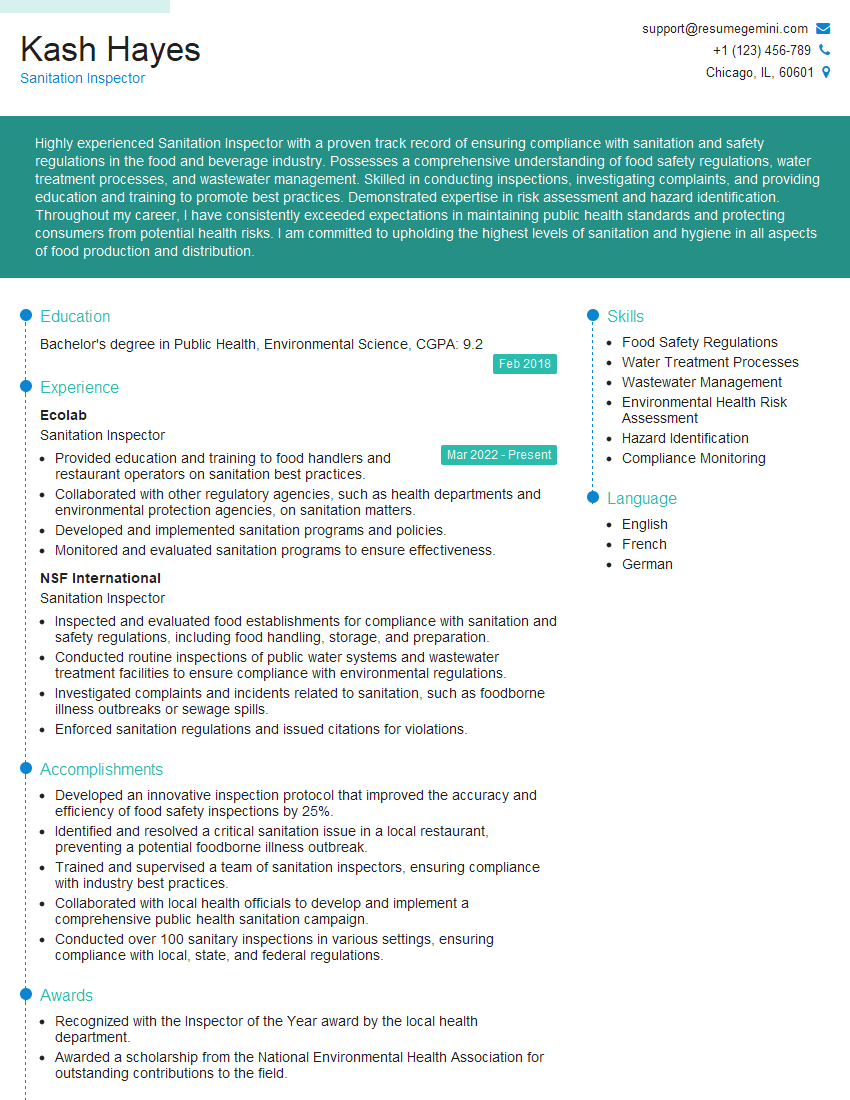
Sanitation Inspector Resume Sample
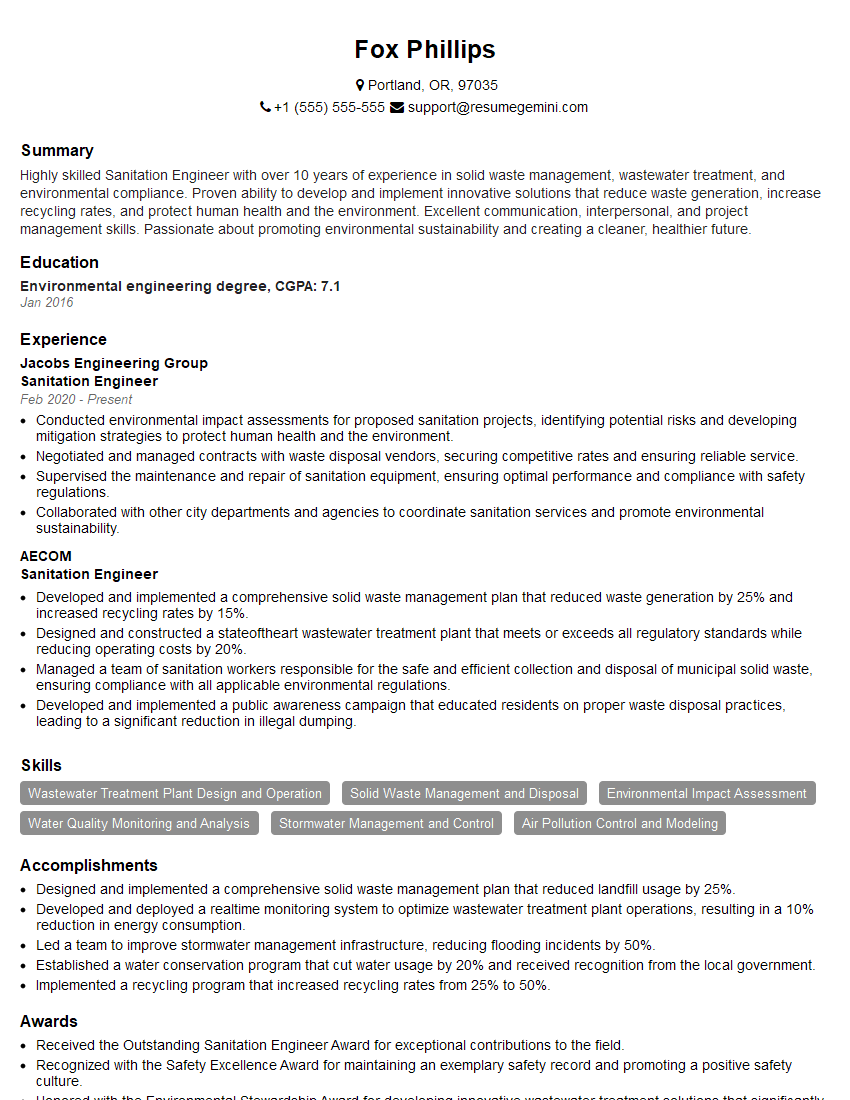
Sanitation Engineer Resume Sample
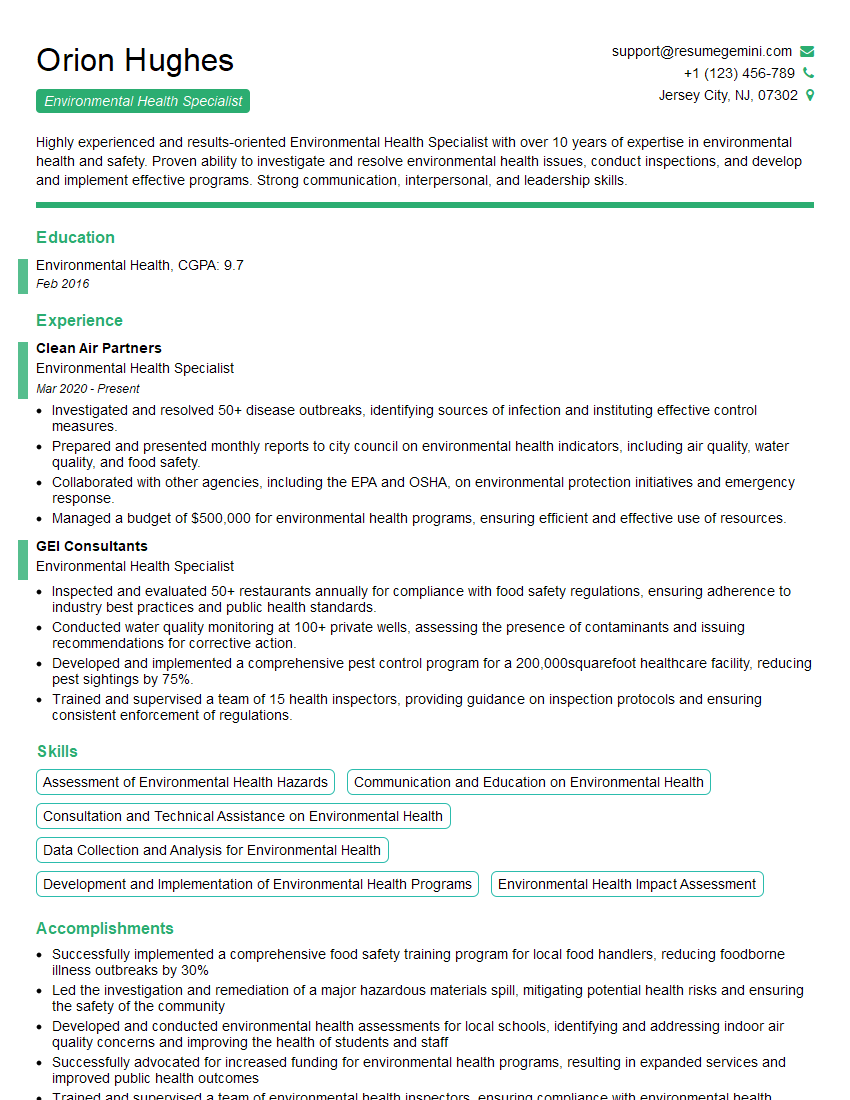
Environmental Health Specialist Resume Sample
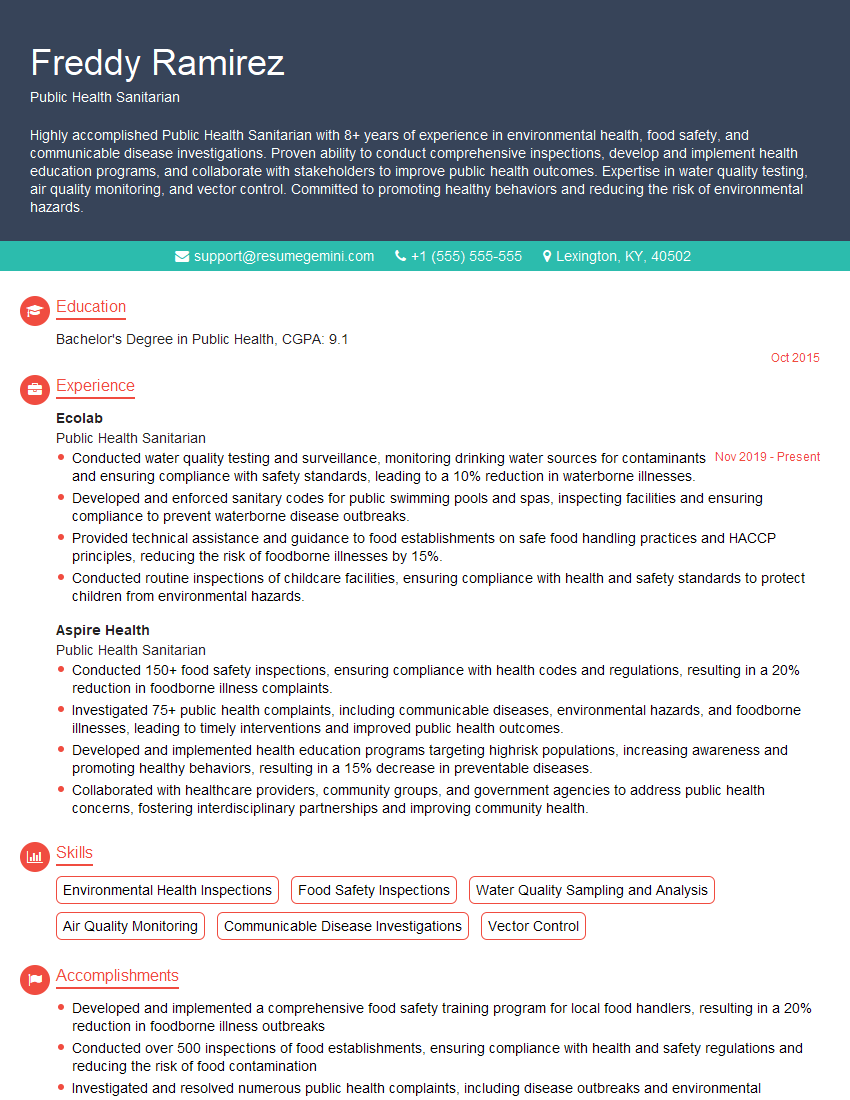
Public Health Sanitarian Resume Sample
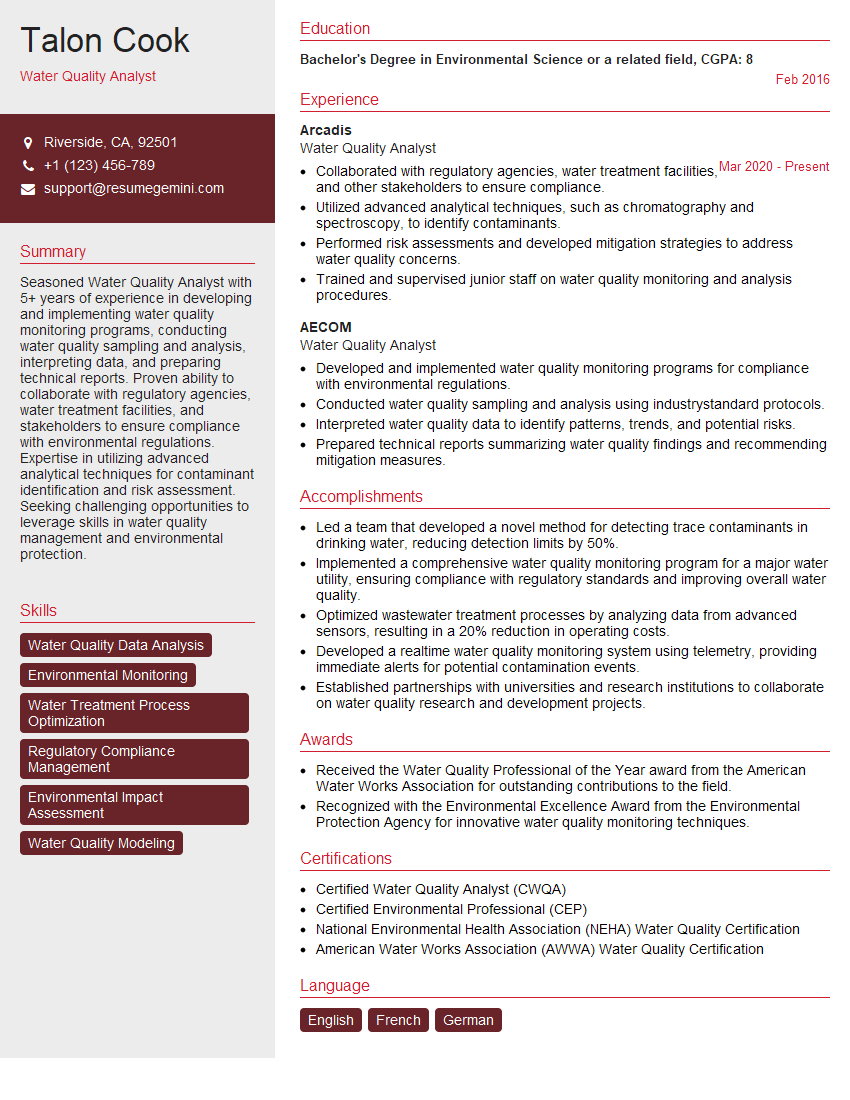
Water Quality Analyst Resume Sample
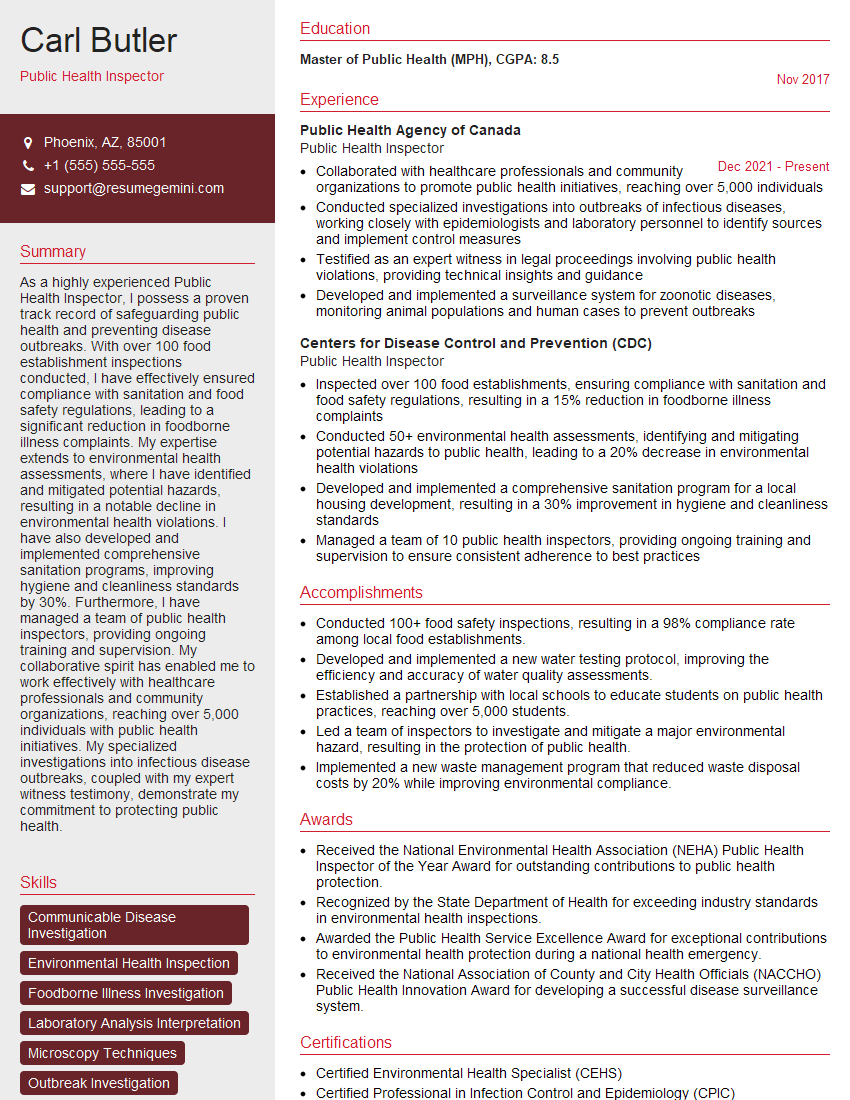
Public Health Inspector Resume Sample
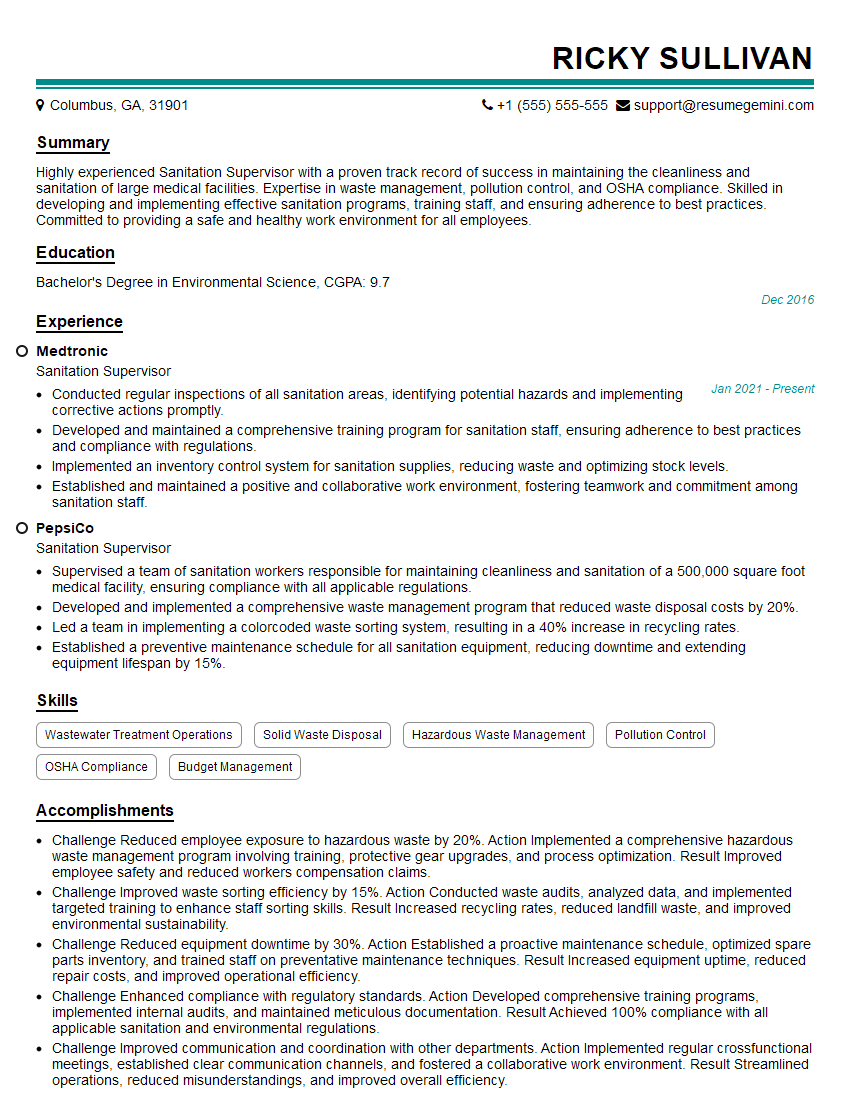
Sanitation Supervisor Resume Sample
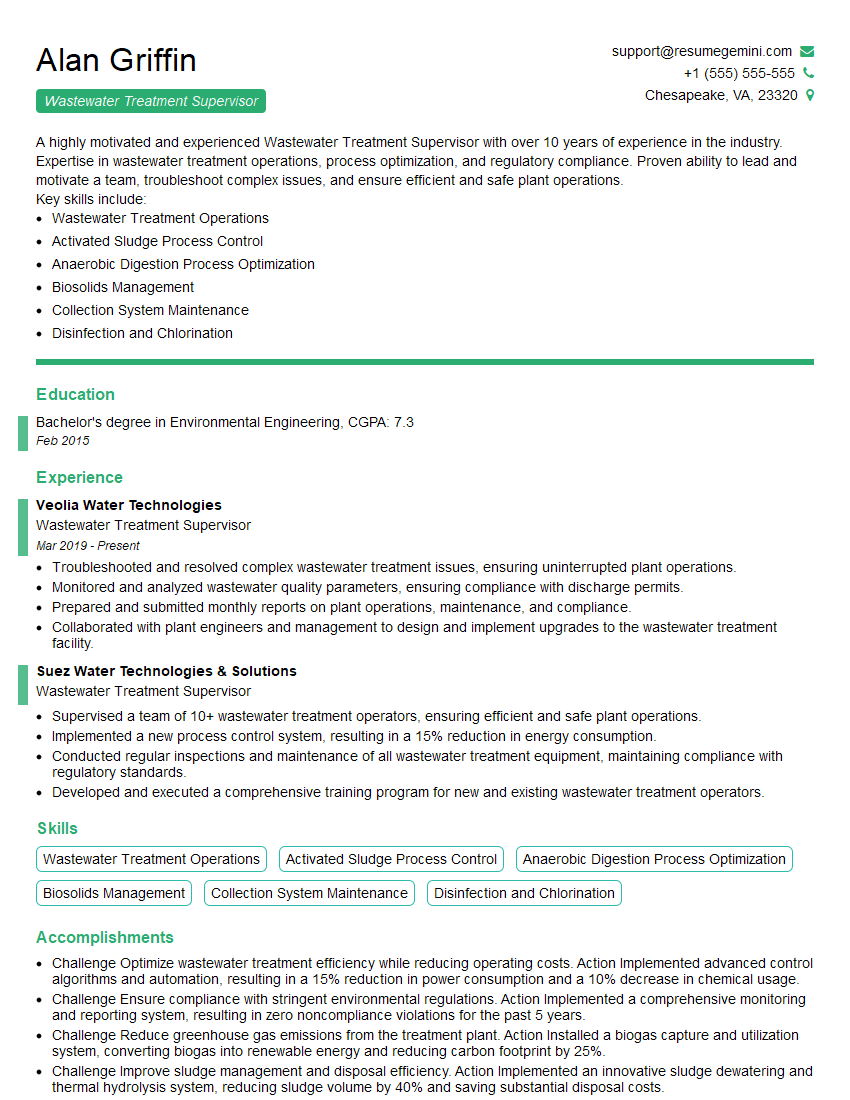
Wastewater Treatment Supervisor Resume Sample
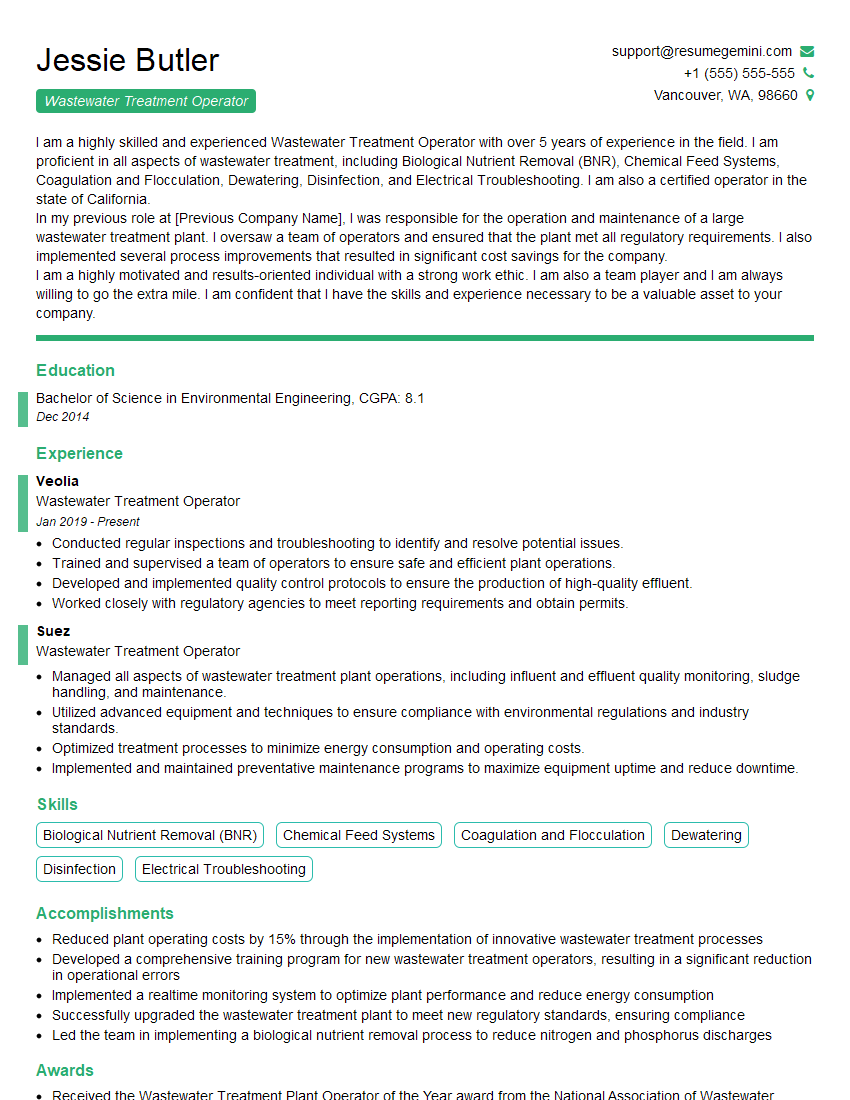
Wastewater Treatment Operator Resume Sample
Explore more articles
Users Rating of Our Blogs
Share Your Experience
We value your feedback! Please rate our content and share your thoughts (optional).
What Readers Say About Our Blog
Really detailed insights and content, thank you for writing this detailed article.
IT gave me an insight and words to use and be able to think of examples