Unlock your full potential by mastering the most common Beef Management interview questions. This blog offers a deep dive into the critical topics, ensuring you’re not only prepared to answer but to excel. With these insights, you’ll approach your interview with clarity and confidence.
Questions Asked in Beef Management Interview
Q 1. Describe your experience in pasture management and rotational grazing.
Effective pasture management and rotational grazing are crucial for maximizing forage utilization, improving animal health, and minimizing environmental impact. My approach centers on optimizing grazing periods and rest periods to allow for pasture recovery and prevent overgrazing.
For instance, I divide pastures into multiple paddocks and move the herd between them regularly, typically every 2-3 days depending on pasture growth and herd size. This prevents selective grazing, allowing the plants to regrow fully, leading to increased productivity and improved forage quality. I meticulously monitor pasture conditions, including plant height, species composition, and overall health, adjusting grazing periods accordingly. For example, in a drought, I might shorten the grazing period to avoid overgrazing and ensure sufficient pasture reserves for later in the season. I also utilize strategic supplementation, such as providing protein or mineral supplements during periods of nutrient deficiency in the forage.
Further, I employ techniques like water management to ensure even distribution of livestock across paddocks and use electric fencing for efficient paddock management. Careful planning and monitoring are key – I track pasture growth rates, animal performance, and manure distribution to ensure the system’s effectiveness. This data helps me refine my rotational grazing plan, adapting to seasonal changes and herd requirements.
Q 2. Explain your approach to breeding and selection of beef cattle.
My breeding and selection program focuses on improving both the genetic merit and overall health of the herd. I primarily employ a multi-trait selection strategy, considering traits such as growth rate, carcass quality, reproductive performance, and disease resistance. This ensures a balanced approach, avoiding overemphasis on a single trait at the expense of others. I use Expected Progeny Difference (EPD) data from genetic evaluations, incorporating both maternal and paternal lines to improve the overall performance of the herd. This ensures superior genetics for traits that are economically important.
For instance, I prioritize sires with high EPDs for weaning weight and yearling weight, but also consider their EPDs for maternal traits like milk production and calving ease to ensure the progeny’s success. I maintain detailed records of animal performance and use genetic evaluations to identify superior animals for breeding. Furthermore, I carefully assess the animals’ phenotypes, observing their health, conformation, and overall vigor. Visual assessment is key to selecting strong and robust animals. I regularly cull animals that don’t meet the required standards, prioritizing genetics for disease resistance and adaptability to the environment.
Q 3. What are the key indicators of a healthy beef herd?
A healthy beef herd exhibits several key indicators. Firstly, consistent, high reproductive rates are essential; this includes high conception rates and calving ease. Secondly, animals should display strong growth rates and good body condition scores, indicative of proper nutrition and efficient feed conversion. A healthy herd will also show minimal disease incidence and mortality rates. Furthermore, good hoof health and overall physical condition are crucial indicators.
I routinely monitor these indicators through regular health checks, weight monitoring, and careful observation of individual animals. Any deviations from the norm, such as reduced feed intake, lameness, or unusual discharges, are immediately investigated. Regular fecal egg counts are important to monitor parasite burdens. Maintaining accurate records, including vaccination history and treatment records, is essential for early detection and management of health issues. A proactive approach, emphasizing preventive measures, is critical for maintaining a healthy herd.
Q 4. How do you manage feed costs and optimize feed efficiency?
Managing feed costs and optimizing feed efficiency are critical for profitability. My approach involves a combination of strategies. Firstly, I optimize forage utilization through efficient pasture management and rotational grazing (as discussed earlier). This maximizes the utilization of home-grown forages, minimizing reliance on expensive purchased feed. Secondly, I utilize strategic supplementation; providing only the necessary nutrients in the right quantities, avoiding unnecessary expenditure on excessive feed. I analyze forage samples to understand nutrient composition and adjust the supplementation accordingly.
Moreover, I use feed conversion ratios to monitor efficiency. By tracking feed intake and weight gain, I can identify animals with superior feed efficiency and select them for breeding. I also evaluate different feed sources, comparing their costs and nutritional value. For instance, I might compare the cost-effectiveness of using high-quality hay versus supplementing with grain, factoring in the animal’s growth stage and nutritional requirements. This data-driven approach ensures the most economical and effective feed strategy.
Q 5. Detail your experience with different feeding strategies (e.g., pasture, hay, grain).
My experience encompasses various feeding strategies, tailored to the specific needs of the animals and the resources available. Pasture-based feeding forms the foundation, supplemented strategically with hay and grain as needed. During periods of high pasture growth, the herd relies primarily on pasture, ensuring efficient utilization of resources. However, during winter months or periods of drought, I supplement with high-quality hay, ensuring adequate nutritional intake. Grain supplementation is used strategically to meet specific nutritional needs, such as promoting growth in young animals or enhancing reproductive performance in breeding females.
For example, I might feed a high-energy grain ration to breeding bulls prior to breeding season to enhance fertility. Or I might provide a protein supplement to growing heifers to support muscle development. I carefully monitor the animals’ body condition scores and adjust the feeding strategy accordingly. A combination of these feeding methods provides a flexible and effective strategy that responds effectively to changes in seasonal conditions and the animals’ individual needs.
Q 6. How do you monitor and control parasite infestations in beef cattle?
Controlling parasite infestations is paramount for maintaining a healthy and productive beef herd. My approach is multi-faceted. Regular fecal egg counts (FECs) are crucial for monitoring parasite burdens in the herd. This provides baseline data to guide treatment decisions. I utilize strategic deworming programs, focusing on targeted treatment based on FEC results rather than blanket deworming of the entire herd. This minimizes the risk of developing anthelmintic resistance. I also implement pasture management practices to minimize parasite build-up. Rotational grazing, as described earlier, is very effective in reducing parasite loads.
Moreover, I implement pasture rotation to reduce parasite buildup, ensuring sufficient time for parasite larvae to die off. I also consider using natural methods for parasite control, such as incorporating parasite-resistant plant species into pasture mixes. Breeding animals with inherent parasite resistance is an ongoing goal. In the rare case of severe infestation, I consult with a veterinarian to develop a customized treatment plan. Careful record-keeping of FEC results, treatments, and animal performance is crucial for evaluating the effectiveness of the control program.
Q 7. What are your strategies for preventing and managing common beef cattle diseases?
Preventing and managing common beef cattle diseases requires a proactive and comprehensive approach. My strategy centers on biosecurity measures to prevent disease introduction. This includes strict quarantine procedures for new animals, regular cleaning and disinfection of facilities, and controlled access to the herd. Vaccination is a cornerstone of my disease prevention program; I work closely with a veterinarian to develop a tailored vaccination schedule that addresses the specific diseases prevalent in my area. This schedule accounts for the age and reproductive status of the animals. I maintain accurate vaccination records to ensure optimal protection.
Furthermore, regular health checks are crucial for early disease detection. I observe animals closely for any signs of illness, and any abnormalities are promptly investigated. I maintain a close relationship with my veterinarian to ensure rapid diagnosis and treatment of any health issues. Good nutrition and proper pasture management are also essential, as these strengthen the animals’ immune systems and reduce their susceptibility to disease. Record-keeping is essential, allowing me to track disease incidence, treatment efficacy, and identify any trends that may indicate potential problems.
Q 8. Describe your experience with cattle handling and restraint techniques.
Safe and efficient cattle handling is paramount in beef production. My experience encompasses a wide range of techniques, prioritizing the animal’s welfare and minimizing stress. This includes understanding cattle behavior – their natural tendency to follow, their flight zone, and points of balance. I’m proficient in using various restraint methods, from low-stress handling techniques like curved chutes and solid-sided alleys, to more controlled methods like head catches and squeeze chutes when necessary for procedures like vaccinations or branding.
For example, I’ve implemented a system using properly designed facilities that encourage the smooth movement of cattle through the process. This reduces injuries to both the animals and handlers. In one instance, I redesigned a poorly designed chute system which was causing significant animal stress and worker fatigue. By incorporating gentler curves and reducing noise and shadows, we drastically reduced the time needed for processing and improved the overall calm of the animals.
I also train all personnel in safe handling protocols, emphasizing consistent, calm movements, and the avoidance of sudden or loud noises. The goal is always to minimize stress on the animals, which leads to better health and productivity.
Q 9. How do you assess and manage the reproductive health of a beef herd?
Assessing and managing reproductive health is critical for herd profitability. It begins with regular observation of the herd for signs of estrus (heat), using visual cues and potentially heat detection aids like tail paint or activity monitors. We then utilize breeding soundness examinations (BSE) for bulls, evaluating semen quality and fertility. This ensures we are using genetically superior and fertile sires.
Pregnancy diagnosis is conducted using ultrasound or rectal palpation, typically around 30-45 days post-breeding. This allows us to identify open (non-pregnant) cows early on and manage them accordingly, perhaps through rebreeding or culling. We also monitor calving intervals, aiming for consistent intervals around 365 days. Any deviations are investigated to identify potential issues like nutritional deficiencies, disease, or breeding problems.
Data management is key. We meticulously record breeding dates, pregnancy diagnoses, calving dates, and any reproductive problems encountered. This data informs management decisions, allowing us to identify trends and improve overall herd reproductive efficiency. For instance, tracking pregnancy rates over time might reveal a need for better heat detection protocols or a change in breeding management strategies.
Q 10. Explain your knowledge of various beef cattle breeds and their characteristics.
My knowledge of beef cattle breeds extends across a wide range, including both British breeds and Continental breeds, each with distinct characteristics suited to different production systems and environments. For instance, Angus cattle are known for their excellent marbling and carcass quality, making them popular for the high-end beef market. Herefords, known for their hardiness and adaptability, excel in harsher climates.
Continental breeds like Limousin and Charolais are prized for their rapid growth rates and muscularity. However, they often have less marbling than British breeds. Breed selection is a strategic decision; a producer might choose to crossbreed to combine desirable traits, such as the marbling of Angus with the growth rate of Limousin. This creates a hybrid vigor known as heterosis, resulting in improved offspring.
Understanding the strengths and weaknesses of each breed, as well as their suitability to different management systems, is crucial for optimal production. I am adept at matching breeds to specific environmental and economic factors to maximize herd profitability.
Q 11. What are the common challenges in beef cattle production and your solutions?
Beef cattle production faces numerous challenges, from disease outbreaks to fluctuating market prices. Disease management is critical, requiring proactive vaccination programs and biosecurity measures to prevent outbreaks. Parasite control, through strategic deworming and pasture management, is also vital.
Nutritional management is another key area. Providing animals with appropriate feed based on their age, breed, and production stage is essential for optimal growth and reproduction. A well-balanced diet can minimize issues like metabolic diseases. For example, a deficiency in minerals can lead to reproductive problems.
Market volatility poses a constant challenge. To mitigate risk, producers can utilize strategies like hedging or forward contracting to lock in prices, or diversify their product offerings, perhaps by direct marketing through farmers’ markets.
Finally, maintaining good record-keeping allows producers to track costs, monitor productivity and identify areas for improvement. For instance, detailed weight records allow a producer to assess feed efficiency and make better decisions on feeding strategies.
Q 12. How do you implement biosecurity measures on a beef cattle operation?
Biosecurity is a cornerstone of any successful beef operation. Its primary goal is to prevent the introduction and spread of infectious diseases. A comprehensive biosecurity plan begins with restricting access to the farm, limiting visitors and implementing strict vehicle hygiene protocols. This often involves disinfection mats at entrances and designated parking areas.
Quarantine of new animals is crucial. Newly introduced animals should be isolated and observed for signs of disease before integrating them into the main herd. Implementing a strict vaccination schedule and regular parasite control programs are also essential components.
Maintaining high standards of hygiene in facilities is vital. Regular cleaning and disinfection of barns, feed troughs, and other equipment are crucial to minimizing disease transmission. Proper waste management, including manure disposal, also plays a significant role in controlling disease vectors. The overall objective is to create a farm environment that is as disease-resistant as possible.
Q 13. What is your experience with record-keeping and data analysis in beef management?
Record-keeping and data analysis are fundamental to efficient beef management. I utilize various software and spreadsheet programs to track key performance indicators (KPIs) such as breeding records, weight gain, feed efficiency, and health data. This data allows us to monitor herd health, identify trends, and make informed decisions.
For example, tracking daily weight gain enables us to fine-tune feeding strategies, optimizing feed efficiency. Similarly, analyzing breeding records helps us evaluate reproductive performance, identifying problem areas for correction. The use of data analysis tools allows us to pinpoint areas for improvement and ultimately improve herd profitability.
I also use this data to prepare reports for stakeholders, demonstrating herd performance, financial outcomes and justifying investments in management practices. Detailed, accurate record-keeping provides a clear picture of the health and efficiency of the herd.
Q 14. How do you ensure the welfare and humane treatment of beef cattle?
Ensuring animal welfare is not only ethically responsible but also crucial for productivity. My approach focuses on providing the five freedoms of animal welfare: freedom from hunger and thirst, freedom from discomfort, freedom from pain, injury, and disease, freedom to express normal behavior, and freedom from fear and distress.
This means providing adequate feed, water, and shelter, ensuring appropriate veterinary care, minimizing stress during handling, and providing opportunities for natural behaviors like grazing and socializing. We regularly assess animal health and condition, taking prompt action when problems arise.
Implementing low-stress handling techniques, as discussed earlier, is vital. This includes properly designed facilities and trained personnel who understand animal behavior. Consistent monitoring of animal behavior and health ensures early detection and treatment of any welfare issues, making sure that animals live comfortably and productively throughout their lives.
Q 15. Explain your understanding of different marketing strategies for beef cattle.
Marketing beef cattle involves strategically selling animals to maximize profit. Strategies depend on factors like the type of operation (e.g., cow-calf, stocker, feedlot), the market conditions (supply and demand), and the quality of the cattle.
- Direct Marketing: Selling directly to consumers at farmers’ markets, through on-farm sales, or via Community Supported Agriculture (CSA) programs. This offers premium prices but requires more time and effort in marketing and logistics. For example, I’ve had success selling high-quality grass-fed beef directly to restaurants, commanding a significantly higher price per pound than through traditional channels.
- Auction Markets: Selling cattle through livestock auctions, a traditional method offering convenience but with price fluctuations depending on market conditions and competition. Careful monitoring of market reports is crucial here. I’ve used auction markets for larger groups of cattle, strategically timing sales to capitalize on peak demand periods.
- Contract Sales: Negotiating contracts with feedlots or packers ahead of time to secure a predetermined price. This reduces price risk but might limit flexibility if market prices surge unexpectedly. For instance, I’ve utilized contract sales with a local feedlot, guaranteeing a consistent income stream for my feeder cattle.
- Video Marketing and Online Auctions: Utilizing online platforms and videos to showcase the cattle’s quality, genetics, and health. This expands market reach, particularly for high-value breeding stock or specialized cattle. We recently started using online video to showcase our breeding bulls, increasing interest and broadening our buyer pool.
The best strategy is often a combination of these approaches, tailored to the specific circumstances of the operation.
Career Expert Tips:
- Ace those interviews! Prepare effectively by reviewing the Top 50 Most Common Interview Questions on ResumeGemini.
- Navigate your job search with confidence! Explore a wide range of Career Tips on ResumeGemini. Learn about common challenges and recommendations to overcome them.
- Craft the perfect resume! Master the Art of Resume Writing with ResumeGemini’s guide. Showcase your unique qualifications and achievements effectively.
- Don’t miss out on holiday savings! Build your dream resume with ResumeGemini’s ATS optimized templates.
Q 16. Describe your experience with using technology in beef cattle management.
Technology has revolutionized beef cattle management, improving efficiency and profitability. My experience includes using a variety of tools:
- Precision Livestock Farming (PLF) technologies: I utilize sensors and data loggers to monitor animal health, feed intake, and activity levels. This allows for early detection of illness or stress, enabling timely intervention and reducing losses. For example, we use automated water troughs with sensors that monitor water consumption, alerting us to potential health problems if consumption drops unexpectedly.
- GPS tracking and herd management software: Tracking cattle movement via GPS collars helps in managing grazing rotation, identifying stray animals, and improving pasture utilization. Software helps to manage animal records, including vaccinations, breeding dates, and health treatments, streamlining data management and improving decision-making.
- Drone technology: Drones with thermal imaging cameras help in monitoring animal health from a distance, particularly in large pastures. This reduces the need for frequent physical checks and allows for early identification of animals requiring attention.
- Data analytics: I use software to analyze data collected from various sources to identify trends and patterns, optimize resource allocation, and improve overall management practices. This might involve comparing feed conversion rates between different groups of cattle or analyzing the impact of different management strategies on animal health and performance.
Integrating these technologies has significantly improved our ability to make data-driven decisions, enhancing the overall efficiency and profitability of our operation.
Q 17. How do you comply with relevant regulations and industry standards?
Compliance with regulations and industry standards is paramount. This includes adhering to:
- Animal Welfare Regulations: Ensuring proper animal handling, providing adequate food, water, and shelter, and complying with regulations on transportation and slaughter. We undergo regular audits to ensure compliance with animal welfare regulations and best practices.
- Food Safety Regulations: Following strict protocols regarding feed safety, biosecurity, and record-keeping to ensure the safety and quality of the beef products. We meticulously maintain records of feed sources, vaccinations, and medications, adhering to traceability standards.
- Environmental Regulations: Managing manure and waste properly to minimize environmental impact, complying with regulations on water quality and soil conservation. We employ sustainable grazing practices and utilize manure management strategies to comply with environmental regulations.
- Industry Best Practices: Staying updated on the latest industry standards and best practices for cattle management, breeding, and health. We actively participate in industry conferences and workshops to stay informed about new developments and regulatory changes.
Maintaining detailed records and engaging in proactive compliance measures are crucial in ensuring smooth operations and mitigating potential risks.
Q 18. Explain your budget management experience within a beef cattle operation.
Budget management in beef cattle operations requires careful planning and monitoring. This involves:
- Developing a detailed budget: Projecting income from cattle sales, considering factors such as market prices, production costs, and anticipated yields. We build our budget using historical data, market projections, and anticipated production levels.
- Tracking expenses: Monitoring expenses related to feed, veterinary care, labor, land management, and equipment maintenance. Regular reviews and adjustments help to identify areas for cost savings.
- Analyzing profitability: Evaluating the profitability of different aspects of the operation, such as different cattle breeds, grazing strategies, or marketing approaches. This information helps in strategic decision-making.
- Managing cash flow: Ensuring sufficient cash flow to meet ongoing expenses, taking into account seasonal variations in income. We use financial forecasting to ensure sufficient cash reserves to cover expenses during lean periods.
- Utilizing financial tools: Employing financial management software and seeking advice from agricultural economists to help in decision-making. We regularly utilize agricultural extension services for financial planning and analysis.
Effective budget management ensures the financial stability and long-term success of the operation.
Q 19. How do you identify and manage stress factors in beef cattle?
Stress in beef cattle can significantly impact their health, productivity, and welfare. Identifying and managing stress factors is crucial. Key stress factors include:
- Heat Stress: Providing shade, access to water, and potentially using fans or sprinklers during periods of extreme heat. We monitor temperature and humidity levels and adjust management strategies accordingly.
- Nutritional Stress: Ensuring access to sufficient high-quality feed and monitoring weight gain to identify potential nutritional deficiencies. Regular nutritional assessments and adjustments to feed rations are key.
- Handling Stress: Employing low-stress handling techniques to minimize animal fear and agitation during procedures like vaccinations or transportation. We invest in proper handling facilities and training for staff on best practices.
- Disease and Parasites: Implementing a comprehensive disease prevention and control program through vaccinations, parasite control, and biosecurity measures. Regular health checks and immediate attention to sick animals are essential.
- Overcrowding: Ensuring adequate space per animal to avoid competition for resources and reduce stress. We carefully manage stocking rates to avoid overcrowding and ensure each animal has sufficient space.
Proactive management of these factors helps reduce stress, promote animal welfare, and improve productivity.
Q 20. Describe your experience with evaluating carcass quality and yield.
Evaluating carcass quality and yield is crucial for maximizing profitability. This involves:
- Visual Assessment: Assessing factors such as marbling, fat thickness, muscle conformation, and color. This provides a preliminary estimate of quality and yield.
- Grading Systems: Understanding and utilizing grading systems like USDA quality grades (e.g., Prime, Choice, Select) to determine the market value of the carcass. We use this grading to target specific market segments.
- Measurement Tools: Using tools such as ultrasound to measure fat thickness and ribeye area, providing more objective data on carcass composition. This allows for more accurate yield predictions.
- Data Analysis: Analyzing carcass data to identify trends and patterns, allowing for improvements in breeding and feeding strategies to enhance carcass characteristics. We use this information to refine our breeding and feeding programs.
- Market Knowledge: Understanding market demand for different carcass characteristics to optimize production and marketing strategies. This involves close monitoring of market trends and price signals.
By systematically evaluating and interpreting these factors, we can make informed decisions to improve carcass quality and yield, ultimately enhancing profitability.
Q 21. How do you plan for and manage the financial risks associated with beef production?
Managing financial risks in beef production requires a multi-faceted approach. Key risks include market price fluctuations, production costs, and unforeseen events.
- Hedging and Forward Contracts: Using financial instruments like hedging and forward contracts to lock in prices for future sales, reducing price volatility risk. We utilize these tools to mitigate market price fluctuations and protect profit margins.
- Risk Management Insurance: Utilizing insurance programs to mitigate risks associated with disease outbreaks, property damage, and adverse weather events. We maintain comprehensive insurance coverage to protect against unexpected events.
- Diversification: Diversifying production practices, marketing channels, and revenue streams to reduce dependence on any single factor. This approach limits the impact of any one risk factor on our overall profitability.
- Financial Planning and Budgeting: Developing detailed budgets and conducting regular financial analysis to track income and expenses, anticipate cash flow needs, and identify potential issues early. This proactive approach helps in mitigating potential financial challenges.
- Debt Management: Carefully managing debt levels and avoiding excessive borrowing to maintain financial flexibility. We maintain a sound debt-to-equity ratio and prioritize responsible borrowing practices.
A proactive and comprehensive approach to risk management is crucial for long-term financial stability and sustainability in the beef production business.
Q 22. What is your understanding of sustainable beef production practices?
Sustainable beef production goes beyond simply raising cattle; it’s about creating a system that’s economically viable, environmentally responsible, and socially equitable. It’s about balancing the needs of the business with the health of the land and the well-being of animals.
- Improved Grazing Management: Employing rotational grazing, which involves moving cattle between different pastures to allow for pasture regeneration, improves soil health, reduces erosion, and enhances biodiversity. This is crucial for long-term productivity. For example, I’ve seen firsthand how implementing a rotational grazing system increased carrying capacity by 20% on a ranch I consulted for.
- Reduced Greenhouse Gas Emissions: This is a major focus. Strategies include improving feed efficiency (so cattle produce less methane per pound of beef), better manure management (to reduce methane emissions from manure), and potentially exploring alternative feed sources with lower environmental impact.
- Water Conservation: Efficient water use is critical, especially in drier regions. This involves using water troughs strategically, implementing water harvesting techniques, and improving irrigation systems where appropriate.
- Animal Welfare: Ensuring cattle have access to adequate food, water, shelter, and veterinary care is not just ethically sound, it’s also linked to productivity. Happy, healthy cattle perform better.
- Soil Health: Healthy soil is the foundation of sustainable agriculture. Practices such as cover cropping, no-till farming, and integrating livestock into crop rotations help build soil organic matter and improve its water retention capacity.
In essence, sustainable beef production requires a holistic approach, integrating best practices across all aspects of the operation.
Q 23. Describe your experience with working within a team and managing staff.
I thrive in collaborative environments. In my previous role managing a 500-head cattle operation, I led a team of five, including herders, farmhands, and a veterinarian. My management style emphasizes clear communication, delegation based on individual strengths, and fostering a culture of mutual respect and shared responsibility.
I regularly held team meetings to discuss operational goals, address challenges, and share best practices. I empowered my staff by giving them autonomy in their tasks, providing them with the necessary training and resources, and regularly seeking their input and feedback. For example, one of my farmhands had a particularly innovative idea about improving our hay storage efficiency, which resulted in significant time and cost savings.
Conflict resolution was also a key aspect of my management approach. I addressed disagreements promptly and fairly, ensuring that all parties felt heard and understood. I believe in building strong relationships with my team and creating a positive work environment where everyone feels valued and can contribute their best.
Q 24. How do you identify and address employee training needs?
Identifying employee training needs involves a multi-pronged approach. I start by regularly assessing individual performance, focusing on both skills and knowledge gaps. I use a combination of methods:
- Performance Reviews: Formal performance reviews provide structured opportunities to discuss areas for improvement and identify specific training needs.
- Observation: Regular observation of employees in their daily tasks allows for identification of areas where additional training or support might be beneficial.
- Feedback: Encouraging open communication and feedback from employees themselves helps to identify challenges and training needs they might have.
- Industry Benchmarks: Staying current with industry best practices and technological advancements allows me to identify areas where our team needs to enhance their skills.
Once training needs are identified, I develop tailored training programs, utilizing a mix of on-the-job training, workshops, online courses, and mentoring. The effectiveness of training is regularly evaluated to ensure it’s meeting its objectives and adapting to changing needs.
Q 25. Explain your experience in utilizing performance data to improve herd productivity.
Data-driven decision-making is fundamental in improving herd productivity. I have extensive experience utilizing various performance indicators to optimize our operations. This includes tracking metrics such as:
- Weight Gain: Monitoring average daily weight gain helps identify underperforming animals and allows for adjustments to their diet or healthcare.
- Pregnancy Rates: Tracking pregnancy rates helps optimize breeding strategies and identify potential reproductive issues.
- Calving Intervals: Analyzing calving intervals reveals insights into reproductive efficiency and can guide decisions related to herd management practices.
- Mortality Rates: Monitoring mortality rates allows for early detection of health problems and the implementation of preventive measures.
- Feed Conversion Ratio: This metric helps optimize feed rations to ensure efficient weight gain while minimizing feed costs.
I use this data not only to track progress but also to identify trends and potential problems. For example, a sudden drop in pregnancy rates might indicate a need for improved breeding management or veterinary intervention. By analyzing performance data, I can proactively address issues, optimize resource allocation, and ultimately enhance the overall productivity and profitability of the herd.
Q 26. Describe your knowledge of different beef grading systems and standards.
Beef grading systems are crucial for evaluating and standardizing the quality of beef. My understanding encompasses various systems, including the USDA grading system, which is widely used in the United States. This system grades beef based on several factors:
- Marbling: The amount of intramuscular fat, a key indicator of flavor and tenderness.
- Maturity: The age of the animal at slaughter, which affects tenderness.
- Yield Grade: An estimate of the percentage of boneless, closely trimmed retail cuts from the carcass.
Other grading systems exist internationally, often incorporating similar criteria but with potentially different standards. Understanding these variations is vital for trading and exporting beef products. Furthermore, beyond the formal grading systems, there are also various industry standards and certifications relating to animal welfare, sustainability, and origin. Knowledge of these standards is essential for meeting market demands and building consumer trust.
Q 27. How do you utilize forecasting and planning for long-term herd management?
Long-term herd management relies heavily on accurate forecasting and planning. I utilize several strategies:
- Financial Projections: Developing detailed financial forecasts that project revenue, expenses, and profitability over a multi-year period. This includes factors like feed costs, veterinary expenses, and market price fluctuations.
- Breeding Plans: Creating detailed breeding plans that take into account genetic selection, reproductive performance, and desired herd composition. This ensures the herd maintains or improves its genetic quality and meets production goals.
- Pasture Management Plans: Developing comprehensive pasture management plans that consider factors like pasture rotation, fertilization, and weed control. This ensures the long-term sustainability of pastureland and its capacity to support the herd.
- Market Analysis: Regularly reviewing market trends and anticipating future price fluctuations. This helps in making informed decisions regarding marketing and sales strategies.
- Risk Assessment: Identifying and assessing potential risks, including disease outbreaks, weather events, and market volatility. Developing contingency plans to mitigate these risks.
This integrated approach enables proactive decision-making, minimizing potential disruptions and optimizing resource utilization for sustainable long-term success.
Q 28. What are your strategies for dealing with unexpected events like natural disasters?
Dealing with unexpected events requires a proactive and adaptable approach. My strategies include:
- Emergency Preparedness Plan: Developing a detailed emergency preparedness plan that addresses potential scenarios like natural disasters, disease outbreaks, or equipment failures. This plan should outline specific actions, responsibilities, and communication protocols.
- Insurance: Maintaining comprehensive insurance coverage to protect against financial losses due to unforeseen circumstances.
- Diversification: Diversifying income streams, potentially by incorporating multiple enterprises or alternative revenue sources, helps to mitigate the impact of single-event disruptions.
- Resource Management: Efficiently managing resources such as feed, water, and equipment ensures resilience during challenging times. This includes having sufficient emergency reserves.
- Community Networks: Building strong relationships with neighboring ranchers and relevant authorities allows for efficient communication and collaboration during emergencies. For instance, sharing resources or providing mutual assistance.
Essentially, it’s about being prepared, resilient, and having the ability to adapt quickly to changing conditions.
Key Topics to Learn for Your Beef Management Interview
- Nutrition and Feed Management: Understanding feed conversion, ration balancing, and the impact of different feedstuffs on animal health and productivity. Practical application: Analyzing feed costs and optimizing rations for profitability.
- Animal Health and Welfare: Disease prevention, biosecurity protocols, and best practices for animal handling and welfare. Practical application: Developing and implementing a comprehensive health management plan for a herd.
- Breeding and Genetics: Selection criteria for breeding stock, artificial insemination techniques, and genetic improvement strategies. Practical application: Implementing a breeding program to enhance specific desirable traits.
- Reproductive Management: Estrus synchronization, pregnancy diagnosis, and calving management. Practical application: Optimizing reproductive efficiency to maximize herd productivity.
- Pasture and Forage Management: Grazing strategies, pasture improvement techniques, and forage conservation. Practical application: Developing a grazing plan that maximizes forage utilization and minimizes environmental impact.
- Financial Management: Budgeting, cost analysis, and profitability calculations. Practical application: Developing a sound business plan for a beef operation.
- Sustainable Beef Production: Environmental stewardship, resource management, and reducing the carbon footprint of beef production. Practical application: Implementing practices to minimize environmental impact while maintaining profitability.
- Marketing and Sales: Understanding market trends, pricing strategies, and direct-to-consumer sales. Practical application: Developing a marketing plan to sell beef products effectively.
Next Steps
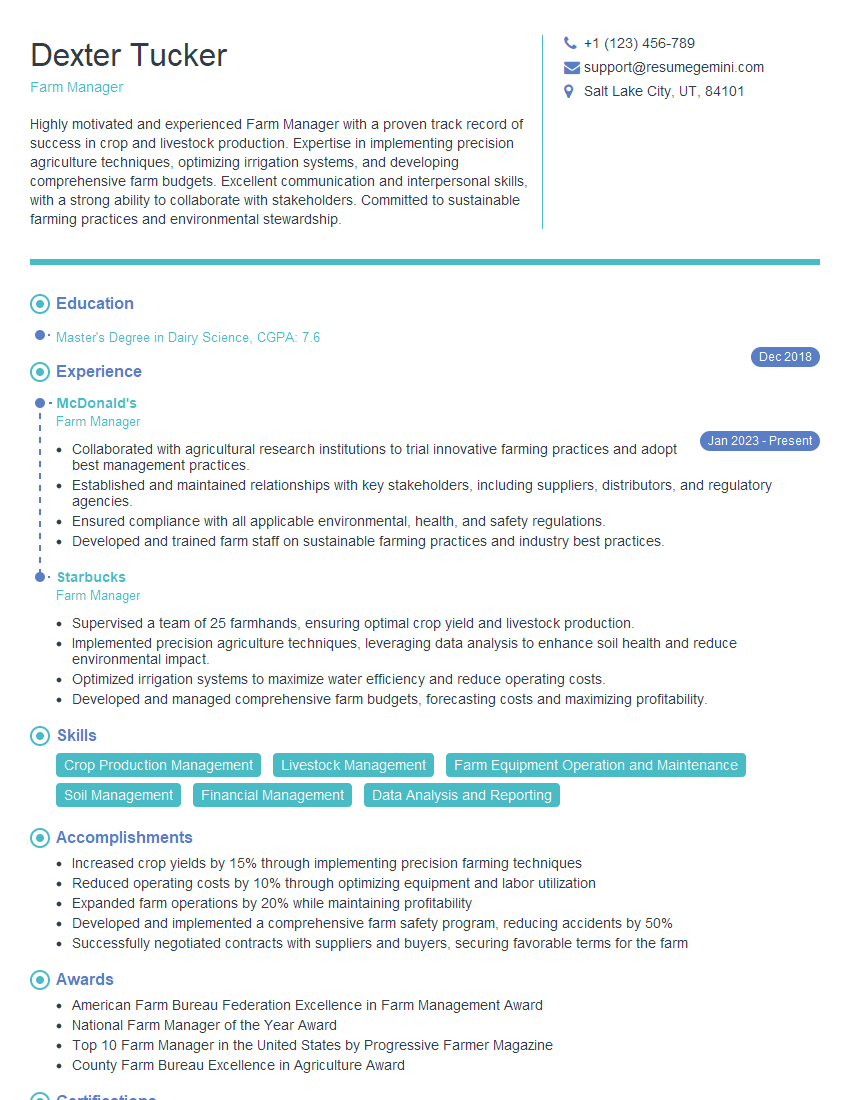
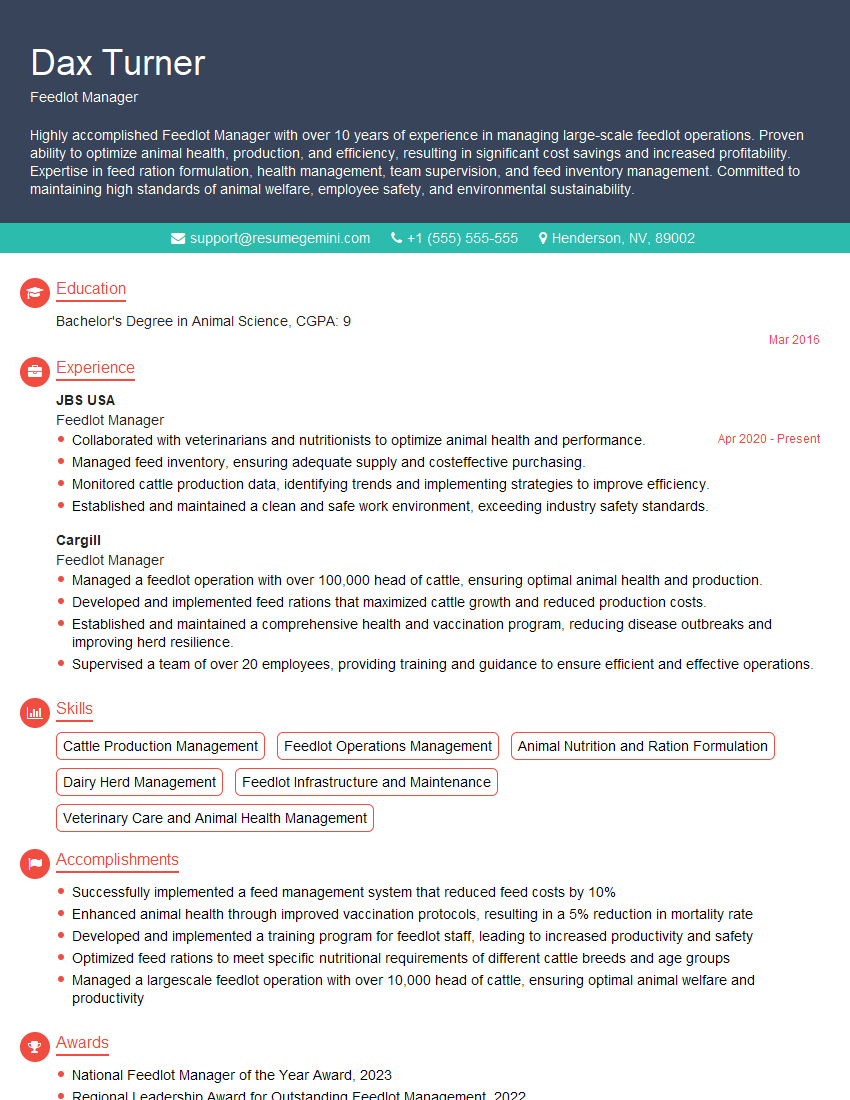
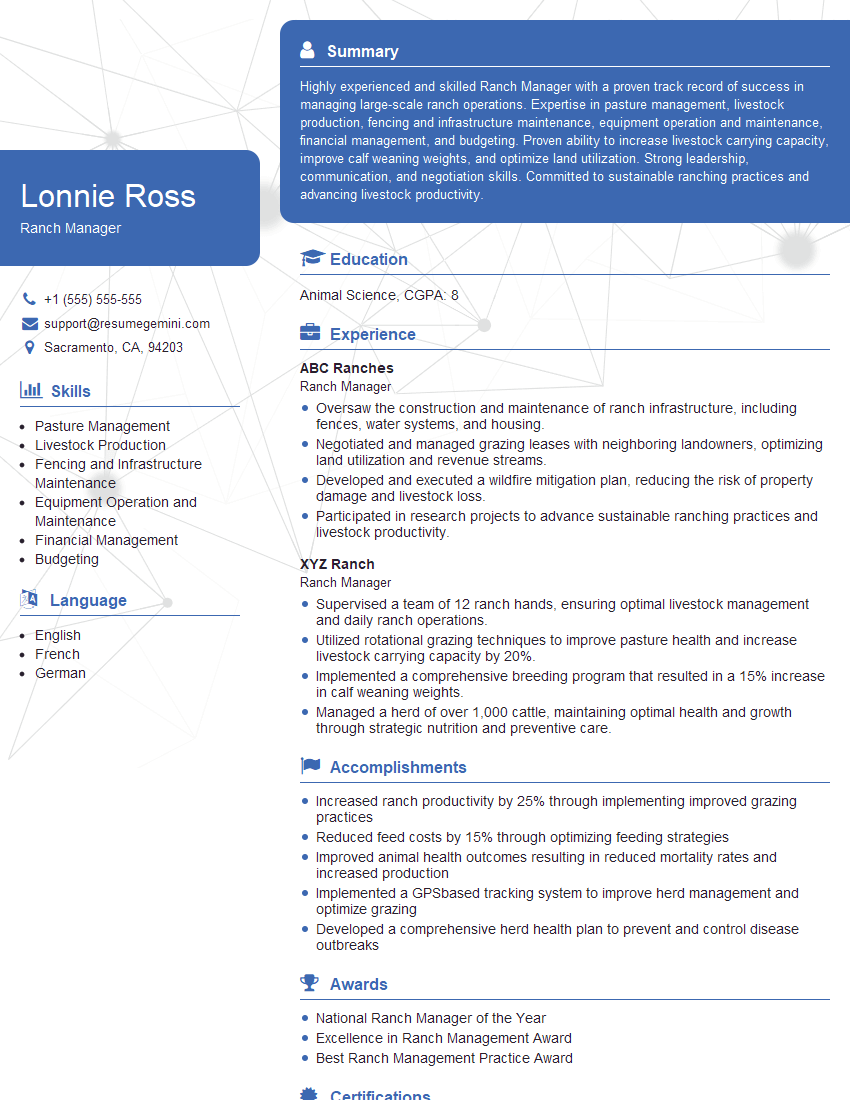
Mastering Beef Management opens doors to exciting career opportunities with significant growth potential. A strong understanding of these principles will set you apart in the competitive job market. To maximize your chances of landing your dream role, create an ATS-friendly resume that highlights your skills and experience effectively. ResumeGemini is a trusted resource that can help you build a professional and impactful resume tailored to the beef industry. Examples of resumes specifically tailored for Beef Management positions are available to guide you.

Explore more articles
Users Rating of Our Blogs
Share Your Experience
We value your feedback! Please rate our content and share your thoughts (optional).
What Readers Say About Our Blog
Really detailed insights and content, thank you for writing this detailed article.
IT gave me an insight and words to use and be able to think of examples