Are you ready to stand out in your next interview? Understanding and preparing for Non-Inferiority and Equivalence Testing interview questions is a game-changer. In this blog, we’ve compiled key questions and expert advice to help you showcase your skills with confidence and precision. Let’s get started on your journey to acing the interview.
Questions Asked in Non-Inferiority and Equivalence Testing Interview
Q 1. Explain the difference between superiority, non-inferiority, and equivalence testing.
Superiority, non-inferiority, and equivalence testing are all types of clinical trials designed to compare two treatments, but they differ significantly in their objectives and interpretations.
- Superiority testing aims to demonstrate that a new treatment is better than a control (e.g., placebo or existing treatment). It shows a statistically significant difference indicating an improvement.
- Non-inferiority testing aims to demonstrate that a new treatment is not worse than a control by more than a pre-specified margin. It’s useful when a new treatment might offer advantages (e.g., fewer side effects, better convenience) that outweigh a potentially small reduction in efficacy.
- Equivalence testing aims to show that a new treatment is essentially the same as a control within a pre-specified margin. This is useful when demonstrating bioequivalence between generic and brand-name drugs or comparing similar treatments.
Imagine comparing a new painkiller to an existing one. Superiority would aim to prove the new drug works significantly better. Non-inferiority would aim to show it’s not substantially worse, even if slightly less effective. Equivalence would aim to show they are practically the same in effect.
Q 2. What are the key assumptions underlying non-inferiority testing?
Several key assumptions underpin non-inferiority testing. Failure to meet these assumptions can significantly impact the validity of the results:
- The control treatment is truly effective: The control treatment must demonstrate a clinically meaningful effect. If the control is ineffective, the new treatment can’t be considered non-inferior.
- Appropriate margin selection: The margin of non-inferiority must be clinically meaningful and justified. A poorly chosen margin can lead to misleading conclusions.
- Similar patient populations: The treatment and control groups should be comparable in terms of baseline characteristics to minimize confounding factors. This ensures a fair comparison.
- Consistency of treatment effects: The effect sizes of both treatments should be consistent across subgroups to prevent bias.
- Correct statistical methods: The appropriate statistical test must be chosen and performed correctly.
For example, a poorly chosen margin might lead to wrongly concluding a new drug is non-inferior when it is actually significantly less effective than the standard treatment.
Q 3. How is the margin of non-inferiority determined?
Determining the margin of non-inferiority is a crucial and often challenging step in designing a non-inferiority trial. It’s not a purely statistical decision but requires careful consideration of clinical judgment and expert knowledge.
- Clinical significance: The primary consideration is the clinically acceptable difference between the new treatment and the control. How much of an effect reduction would be acceptable in practice while still providing sufficient benefit?
- Historical data: Data from previous studies, including variability, can help in estimating the acceptable margin.
- Regulatory guidelines: Regulatory bodies often provide guidance on acceptable margins, particularly in drug development.
- Literature review: A thorough review of existing research on the treatment area can inform a reasonable margin.
For instance, in comparing two antihypertensive drugs, a margin might be based on a clinically insignificant increase in blood pressure, perhaps 5 mmHg systolic. This choice would depend heavily on the available literature and expert understanding of the disease.
Q 4. Describe the role of the placebo group in non-inferiority trials.
The placebo group plays a critical role in non-inferiority trials, even though the primary comparison is often between the new treatment and an active control. Its inclusion is necessary to establish the efficacy of the active control.
- Establishing control efficacy: The placebo group helps confirm that the active control truly works, showing a significant difference compared to placebo. This ensures the active control is a suitable benchmark.
- Assessing potential bias: Comparing the new treatment to both the active control and the placebo helps assess potential bias and confounding factors in the trial’s design and execution.
- Strength of conclusions: Including a placebo group generally strengthens the conclusions of a non-inferiority trial, providing more confidence in the results.
Without a placebo group, any observed non-inferiority could simply be because the active control was ineffective itself. The placebo acts as a fundamental reference for efficacy in the trial.
Q 5. What are the potential biases in non-inferiority trials?
Non-inferiority trials are susceptible to several biases that can compromise the validity of their conclusions. Careful design and analysis are essential to mitigate these risks:
- Selection bias: Unequal allocation or systematic differences between the treatment and control groups can skew the results.
- Confirmation bias: Researchers might subconsciously favor findings supporting non-inferiority.
- Margin selection bias: Choosing a too-wide margin can incorrectly demonstrate non-inferiority when a true difference exists.
- Ascertainment bias: Systematic differences in how outcomes are measured or recorded between the groups can lead to misinterpretations.
- Multiple testing bias: Performing multiple comparisons without appropriate correction can inflate the Type I error rate (false positive).
For example, if patients with more severe conditions are allocated preferentially to the active control group, this can falsely inflate the perceived effect of the new treatment and make it appear non-inferior when it may not be.
Q 6. How do you interpret a confidence interval in the context of non-inferiority testing?
In non-inferiority testing, the confidence interval plays a crucial role in interpreting the results. We’re not looking for a point estimate showing a difference; instead we focus on the entire range the interval covers.
If the entire confidence interval lies above the lower bound defined by the negative margin of non-inferiority, the test is considered statistically significant. This indicates that with a certain confidence level (e.g., 95%), the new treatment is non-inferior to the control.
Example: Suppose the margin is -5, and the 95% confidence interval for the difference in treatment effects is (-2, 8). Since the lower bound (-2) is above -5, the new treatment is deemed non-inferior.
If the confidence interval crosses the lower bound, we cannot conclude non-inferiority.
Q 7. Explain the concept of the ‘margin’ in non-inferiority testing and its implications.
The ‘margin’ in non-inferiority testing represents the maximum acceptable difference between the new treatment and the active control that is still considered clinically acceptable. It’s a crucial aspect defining what ‘non-inferior’ means in practice.
A smaller margin implies a stricter test, as a smaller difference would be tolerated. A larger margin means a less stringent test, allowing for a more considerable difference while still concluding non-inferiority.
Implications of margin choice:
- Clinical relevance: The margin must reflect clinically meaningful differences, considering the practical implications of the treatment in real-world settings.
- Sample size: A smaller margin requires a larger sample size to maintain the desired statistical power to detect non-inferiority.
- Study interpretation: The margin greatly influences the conclusions of the study; a poorly chosen margin can lead to misinterpretations.
Choosing the margin is critical and requires careful consideration of clinical factors, and regulatory guidelines. A poorly chosen margin could lead to acceptance of a treatment that is significantly worse than the current standard, while an overly strict margin might result in a good treatment being unfairly rejected.
Q 8. What are the regulatory guidelines for non-inferiority trials?
Regulatory guidelines for non-inferiority trials are crucial because they ensure the rigor and validity of studies aiming to show that a new treatment is not considerably worse than an established one. These guidelines aren’t standardized across all regulatory bodies, but common themes emerge. Agencies like the FDA (Food and Drug Administration) and EMA (European Medicines Agency) provide guidance documents that emphasize several key aspects:
- Pre-specification of the non-inferiority margin: This margin defines the acceptable difference between the new and the established treatment. A larger margin increases the chance of demonstrating non-inferiority but reduces the clinical meaningfulness of the result. The justification for this margin needs to be clearly stated and scientifically sound, often based on clinical relevance and the variability observed in the established treatment.
- Selection of a suitable control group: The active control group should be well-established and represent typical clinical practice. The study design must adequately address potential confounding factors that could influence the comparison.
- Rigorous statistical methodology: The statistical analysis plan needs to be clearly pre-defined and follow appropriate statistical methods for non-inferiority testing. This includes addressing issues such as multiple comparisons and handling missing data. One and two-sided tests are appropriate depending on the context.
- Demonstration of assay sensitivity: The trial must be designed to have sufficient power to detect a clinically meaningful difference if the new treatment truly is inferior. This often involves a historical control group or using information from previous studies to ensure the trial is sufficiently powered.
- Transparency and reporting: Complete and transparent reporting of the study methods, results, and conclusions is essential for ensuring the credibility and reproducibility of the findings. This includes a thorough discussion of potential limitations and biases.
Failure to adhere to these guidelines can lead to regulatory rejection of the non-inferiority claim, highlighting the importance of careful planning and execution of these trials.
Q 9. How do you choose the appropriate sample size for a non-inferiority trial?
Sample size determination in non-inferiority trials is more complex than in superiority trials. It requires careful consideration of several factors:
- Non-inferiority margin (Δ): The larger the margin, the smaller the required sample size. However, a larger margin also weakens the clinical significance of the finding.
- Power (1-β): The probability of detecting non-inferiority if it truly exists. Typically set at 80% or 90%.
- Significance level (α): The probability of falsely concluding non-inferiority. Typically set at 5% (two-sided).
- Standard deviation (σ): An estimate of the variability of the outcome measure. This is often obtained from pilot studies or previous research on similar treatments. Accurate estimation is crucial for sample size calculation.
- Treatment effect (δ): In the context of non-inferiority, this represents the assumed difference between the new and control treatments under the null hypothesis of inferiority. This is often set to zero, reflecting the assumption that the control is at least no better.
Sample size calculation typically involves using specialized software or statistical packages, incorporating the above parameters. A common approach employs a one-sided test because we are only interested in demonstrating that the new treatment is not worse than the reference treatment by more than the margin, Δ. The formula can be complex, involving the standard normal distribution and the specified parameters. For example, using software like PASS or nQuery Advisor simplifies this process by providing user-friendly interfaces to compute the necessary sample size.
Q 10. What statistical methods are commonly used for non-inferiority analysis?
Common statistical methods used in non-inferiority analysis include:
- Two-Sample t-test (or its non-parametric counterparts): This is used to compare the means of the outcome measure in the treatment and control groups. The test is adapted for non-inferiority by focusing on whether the difference is within the pre-specified non-inferiority margin.
- Analysis of Variance (ANOVA): Used when comparing more than two groups. Post-hoc tests might be needed for pairwise comparisons.
- Generalized Linear Models (GLMs): Appropriate for different types of outcome variables (e.g., binary, count data) beyond continuous data handled by the t-test. They allow for adjustment of covariates.
- Survival Analysis (e.g., Cox proportional hazards model): Used when the outcome is time-to-event data. Specific methods are applied for assessing non-inferiority in survival.
- Mixed-effects models: These account for clustering or correlation in the data, such as when observations are repeated for the same subject over time. They are particularly relevant in longitudinal studies.
In all cases, the choice of method should align with the type of outcome variable and study design. The key is to focus on the confidence interval of the difference between treatment groups. If the entire confidence interval lies within the pre-defined non-inferiority margin, then non-inferiority is concluded.
Q 11. Discuss the limitations of non-inferiority trials.
Non-inferiority trials, while valuable, have limitations:
- Selection of the non-inferiority margin: The choice of margin is subjective and can be a source of debate. A margin that is too large may lead to the acceptance of a treatment that is clinically inferior, whereas a margin that is too small may make the trial unnecessarily difficult to conduct. This margin needs careful justification.
- Assay sensitivity: If the trial lacks the power to detect a clinically meaningful difference, it might fail to demonstrate inferiority even if the new treatment is indeed inferior. This makes carefully designing and powering the trial of utmost importance.
- Generalizability of results: The findings may not always be generalizable to other populations or settings due to factors like patient selection, study protocols, and variable treatment effects.
- Potential for bias: Various biases, such as selection bias or measurement bias, can affect the results and lead to an incorrect conclusion about non-inferiority.
- Ethical considerations: There is a potential ethical concern if patients are randomized to a treatment that may be inferior. Therefore, it is important to justify why the new treatment warrants investigation.
It’s crucial to acknowledge these limitations when interpreting and reporting the results of non-inferiority trials. Transparent reporting of the limitations and rigorous methodological approach are essential to ensure the credibility of the findings.
Q 12. Explain the concept of equivalence testing and its applications.
Equivalence testing aims to determine whether the difference between two treatments is clinically insignificant. Instead of showing superiority, the goal is to show that the two treatments are essentially interchangeable. This is frequently applied when a newer treatment is less costly, easier to administer, or has a better safety profile, yet needs to be proven as effective as the current gold standard. Think of comparing a generic drug to a brand-name drug. Applications include:
- Bioequivalence studies: Comparing the bioavailability of different formulations of the same drug.
- Comparing diagnostic tests: Assessing whether a new diagnostic test provides similar accuracy to an established test.
- Evaluating different treatment strategies: Determining if two different approaches have equivalent effectiveness.
- Assessing alternative manufacturing processes: Confirming that changes in manufacturing do not alter the effectiveness of a product.
Unlike non-inferiority, equivalence requires demonstrating that the treatment effect falls within a pre-defined equivalence range (or interval). This range encompasses the clinically acceptable level of difference between two treatments. It’s a more stringent test than non-inferiority because both upper and lower boundaries must be considered.
Q 13. What is the difference between two one-sided tests (TOST) and other approaches to equivalence testing?
The Two One-Sided Tests (TOST) procedure is the most widely accepted approach to equivalence testing. It involves performing two separate one-sided tests simultaneously:
- Test 1: The new treatment is not worse than the reference by more than the upper bound of the equivalence range.
- Test 2: The new treatment is not better than the reference by more than the lower bound of the equivalence range.
Only if *both* tests are statistically significant (typically at the α/2 level for each test, so that the overall significance level remains at α) is equivalence concluded. This approach is favored because it’s straightforward to understand and interpret. Other approaches may involve different testing procedures, but TOST is typically preferred due to its clarity and theoretical foundation. It directly tests the null hypothesis that the treatment effect lies outside the equivalence region, offering a clear path to proving equivalence.
Methods beyond TOST are less commonly used in practice due to the simplicity and widespread acceptance of TOST.
Q 14. How do you interpret the results of an equivalence test?
Interpreting the results of an equivalence test depends on whether both one-sided tests in the TOST procedure are statistically significant. Let’s assume the equivalence region is [-δ, δ]:
- Equivalence is established: If both tests are statistically significant (p-values < α/2 for each test), then we can conclude that the difference between the two treatments is within the predefined equivalence range, and they are considered equivalent.
- Equivalence is not established: If either or both tests are not statistically significant, then the data does not support the conclusion that the treatments are equivalent. This may be due to a true difference between treatments or insufficient power.
It’s crucial to consider the confidence interval of the difference between treatments. The confidence interval should fall entirely within the predefined equivalence range for equivalence to be concluded. Reporting the confidence interval alongside p-values provides a comprehensive picture. Furthermore, clinical significance needs to be assessed in addition to statistical significance. Even if statistical equivalence is established, the size of the difference might still be considered clinically irrelevant, or vice versa. This highlights the importance of considering clinical context beyond just statistical results.
Q 15. How do you determine the equivalence margin in an equivalence trial?
Determining the equivalence margin in an equivalence trial is crucial because it defines the clinically acceptable difference between two treatments. A smaller margin indicates a stricter requirement for equivalence. The margin isn’t arbitrarily chosen; it’s based on clinical judgment and should reflect the smallest difference that wouldn’t be considered meaningful in practice.
Several factors influence its selection:
- Clinical Significance: The margin should reflect the smallest difference in treatment effects that clinicians and patients would consider meaningful. For example, a 5 mmHg difference in blood pressure might be clinically insignificant, while a 20 mmHg difference might be substantial.
- Biological Plausibility: The margin should be plausible within the biological context of the treatment. For instance, if a new drug aims to replicate the effects of an existing one, the margin should account for natural biological variability.
- Previous Research: Existing literature on the treatments under comparison can provide insights into appropriate margins. Meta-analyses or systematic reviews can offer valuable data.
- Regulatory Guidelines: Regulatory bodies may provide guidance or recommendations on acceptable margins for specific therapeutic areas.
Imagine testing a generic drug against a brand-name drug. A small equivalence margin might be set if the two drugs have very similar chemical structures and mechanisms of action. However, a larger margin might be deemed appropriate if there are differences in formulation or bioavailability.
Career Expert Tips:
- Ace those interviews! Prepare effectively by reviewing the Top 50 Most Common Interview Questions on ResumeGemini.
- Navigate your job search with confidence! Explore a wide range of Career Tips on ResumeGemini. Learn about common challenges and recommendations to overcome them.
- Craft the perfect resume! Master the Art of Resume Writing with ResumeGemini’s guide. Showcase your unique qualifications and achievements effectively.
- Don’t miss out on holiday savings! Build your dream resume with ResumeGemini’s ATS optimized templates.
Q 16. What are the ethical considerations in conducting non-inferiority and equivalence trials?
Ethical considerations in non-inferiority and equivalence trials are paramount. These trials often involve comparing a new treatment to an existing one, raising ethical questions about patient safety and the allocation of resources.
- Patient Safety: Ensuring patient safety is the utmost priority. If the new treatment is demonstrably inferior, the trial needs to be stopped immediately. Careful monitoring and robust safety assessments are essential.
- Informed Consent: Patients must be fully informed about the potential risks and benefits of each treatment arm, including the possibility that the new treatment might be less effective than the active comparator. They should have the right to withdraw from the study at any time.
- Selection Bias: Participants should be randomly assigned to treatment arms to minimize bias. This ensures that any differences observed between groups are attributable to the treatment rather than underlying characteristics of the patients.
- Resource Allocation: Non-inferiority and equivalence trials should be conducted responsibly. The study should be well-designed and adequately powered to provide reliable results. Resources should not be wasted on trials with a high likelihood of failure.
- Publication Bias: Negative or inconclusive results should be published just as rigorously as positive results. Failure to do so can lead to misleading conclusions about the efficacy and safety of new treatments.
Consider a trial comparing a new, cheaper antibiotic to a standard one. If the new antibiotic proves inferior, patients may receive less effective treatment, potentially leading to adverse health outcomes. Therefore, ethical considerations dictate meticulous design and careful monitoring.
Q 17. Describe a situation where non-inferiority testing would be appropriate.
Non-inferiority testing is appropriate when a new treatment offers potential advantages (e.g., lower cost, fewer side effects, improved convenience) but demonstrating superiority over an existing treatment is not feasible or necessary. The goal is to show that the new treatment is not unacceptably worse than the existing one.
Example: A new once-daily formulation of an antihypertensive drug is being developed. Demonstrating superiority over an existing twice-daily formulation might be challenging because of variability in patient adherence. However, showing non-inferiority would still make the once-daily formulation a viable and potentially more convenient alternative.
Q 18. Describe a situation where equivalence testing would be appropriate.
Equivalence testing is suitable when two treatments are expected to be equally effective. The goal is to demonstrate that the difference in effect between the two treatments falls within a predefined equivalence margin. This is often used when comparing a generic drug to a brand-name drug or two different formulations of the same drug.
Example: A generic version of a widely used pain reliever is being developed. Equivalence testing would be used to demonstrate that the generic drug is therapeutically equivalent to the brand-name drug, providing similar pain relief within a clinically acceptable margin.
Q 19. What are the challenges associated with interpreting results from non-inferiority and equivalence studies?
Interpreting results from non-inferiority and equivalence studies presents several challenges:
- Selection of the Equivalence Margin: The choice of the margin is subjective and can significantly influence the results. A larger margin makes it easier to demonstrate non-inferiority or equivalence, while a smaller margin increases the difficulty.
- High Sample Size Requirements: These trials often require larger sample sizes compared to superiority trials, increasing the cost and logistical challenges.
- Treatment Effect Heterogeneity: The presence of heterogeneity across subgroups of patients can lead to misleading conclusions. Stratified analysis is often needed.
- Potential for Bias: Like any clinical trial, non-inferiority and equivalence trials are susceptible to bias, which can compromise the validity of the results. Careful planning and execution are essential to minimize bias.
- Lack of Regulatory Clarity: Regulatory guidelines for non-inferiority and equivalence trials can be complex and vary across different regulatory agencies.
For instance, a seemingly non-inferior treatment might have a slightly lower efficacy in specific patient populations, rendering the overall results inconclusive without further subgroup analyses.
Q 20. How do you address multiple comparisons in non-inferiority and equivalence analyses?
Addressing multiple comparisons in non-inferiority and equivalence analyses is essential to avoid inflating the type I error rate (the probability of falsely concluding non-inferiority or equivalence). Several methods can be used:
- Bonferroni Correction: This is a conservative approach that adjusts the significance level (alpha) by dividing it by the number of comparisons made. It’s simple but can lead to reduced power.
- Holm-Bonferroni Method: A less conservative modification of the Bonferroni correction that controls the family-wise error rate (FWER) more effectively.
- Adjusted p-values: Methods such as the Benjamini-Hochberg procedure control the false discovery rate (FDR), which is the proportion of false positives among significant results. This approach is less stringent than controlling FWER.
- Planned Comparisons: Carefully planning the comparisons a priori can help to reduce the multiple comparison problem. Only pre-specified comparisons should be conducted.
In a trial comparing a new drug to a control across multiple endpoints (e.g., blood pressure, cholesterol levels, heart rate), employing a multiple comparison adjustment is crucial to ensure that the conclusion of non-inferiority isn’t a result of random variation in one endpoint.
Q 21. Explain the impact of treatment effect heterogeneity on non-inferiority and equivalence testing.
Treatment effect heterogeneity significantly impacts non-inferiority and equivalence testing. Heterogeneity refers to variations in treatment effects across different subgroups of patients. This can undermine the validity of the overall trial results.
Consequences of Heterogeneity:
- Incorrect Conclusions: If heterogeneity exists, a conclusion of overall non-inferiority or equivalence may not hold true for all subgroups. A treatment might be non-inferior overall but inferior in a specific subgroup.
- Reduced Power: Heterogeneity can reduce the statistical power of the trial, making it harder to demonstrate non-inferiority or equivalence.
- Misleading Results: If the heterogeneity isn’t addressed appropriately, the results can be misleading and may not accurately reflect the true effects of the treatment.
Addressing Heterogeneity:
- Stratified Analysis: Analyzing the data separately within subgroups (e.g., by age, gender, severity of disease) can reveal if the treatment effects vary across these groups.
- Interaction Terms: Including interaction terms in a statistical model can assess whether the treatment effect differs across subgroups.
- Meta-Regression: This technique can be used to explore sources of heterogeneity and to model the relationship between treatment effects and patient characteristics.
A study comparing a new diabetes drug to a standard one may show overall non-inferiority. However, if stratified analysis reveals that the new drug is inferior in patients with kidney disease, this crucial finding would be missed without considering heterogeneity.
Q 22. Discuss the role of power analysis in planning non-inferiority and equivalence trials.
Power analysis is crucial in planning non-inferiority and equivalence trials because it determines the sample size needed to detect a meaningful difference or lack thereof with a specified level of confidence. It ensures that the study has sufficient power to achieve its objectives, avoiding wasted resources on underpowered studies that might fail to yield conclusive results.
In non-inferiority trials, power analysis considers the margin of non-inferiority (the largest acceptable difference between the new treatment and the reference treatment that would still be considered non-inferior), the anticipated effect size (the difference between the new treatment and the reference), the significance level (alpha), and the desired power (1-beta). For equivalence trials, similar factors are considered, but instead of a margin of non-inferiority, we have a margin of equivalence (the range within which the treatments are considered equivalent).
Example: Imagine testing a new hypertension drug. We need to show it’s non-inferior to a standard drug. We’ll define a margin of non-inferiority (say, 5 mmHg difference in systolic blood pressure). Power analysis helps us determine how many patients to recruit to have an 80% chance of detecting that the new drug is within 5 mmHg of the standard drug if it truly is, and with a significance level of 5% (alpha = 0.05).
Q 23. How do you handle missing data in non-inferiority and equivalence trials?
Handling missing data is a major challenge in any clinical trial, and non-inferiority/equivalence trials are no exception. Ignoring missing data can lead to biased results. The best approach depends on the mechanism of missing data (missing completely at random (MCAR), missing at random (MAR), or missing not at random (MNAR)).
Methods:
- Complete Case Analysis (CCA): This simple method excludes participants with any missing data. However, this is generally discouraged as it can introduce bias and reduce power, especially if missing data are not MCAR.
- Multiple Imputation (MI): This is a powerful method where missing data are imputed multiple times, creating multiple plausible datasets. Analyses are performed on each dataset, and the results are combined. MI is preferred if the missing data are MAR or if the proportion of missing data is relatively small.
- Maximum Likelihood Estimation (MLE): This statistical approach models the missing data explicitly, incorporating the information from observed data to estimate the parameters of interest.
- Inverse Probability Weighting (IPW): This technique weights the observed data to account for missing information, assigning higher weights to observations with a lower probability of missing data. The effectiveness of this method also relies on assumptions on the missing data mechanism.
Choosing a Method: The choice depends on the pattern of missing data, the amount of missing data, and the assumptions we can make about the data. Sensitivity analysis is also crucial to assess the impact of different missing data methods on the results.
Q 24. What are some common pitfalls to avoid when designing and analyzing non-inferiority and equivalence trials?
Several pitfalls can compromise the validity and interpretability of non-inferiority and equivalence trials. Here are some key ones:
- Inappropriate Margin Selection: Choosing a non-inferiority or equivalence margin that is too wide can lead to the erroneous conclusion of non-inferiority or equivalence when it doesn’t exist. A too narrow margin might lead to the opposite error of failing to show equivalence or non-inferiority.
- Ignoring the Historical Control: Using an inappropriate reference treatment or historical control data can influence the outcome of the trial. This reference should be carefully chosen and appropriately validated.
- Poorly Defined Hypotheses: Ambiguity in the definition of non-inferiority or equivalence can lead to misinterpretations.
- Lack of Power Analysis: Inadequate sample size leads to low power, increasing the risk of Type II errors (failing to reject a false null hypothesis).
- Ignoring Multiplicity: Performing multiple comparisons without adjustment can inflate the type I error rate (false positive).
- Inappropriate Statistical Methods: Choosing an inappropriate statistical test can lead to incorrect conclusions.
Careful planning, robust statistical methods, and rigorous data handling are crucial to avoid these pitfalls.
Q 25. How would you explain the results of a non-inferiority trial to a non-statistician?
Imagine we’re comparing a new headache medicine (Treatment A) to a standard one (Treatment B). In a non-inferiority trial, we don’t want to show Treatment A is *better* than Treatment B, just that it’s *not much worse*. We set a margin – say, Treatment A can be up to 10% less effective than Treatment B and still be considered non-inferior. If our trial shows Treatment A is within that 10% margin, we conclude it’s non-inferior. This means it’s a viable alternative, possibly with other advantages like fewer side effects or lower cost.
Q 26. How would you explain the results of an equivalence trial to a non-statistician?
Let’s stick with our headache medicine example. In an equivalence trial, we want to see if Treatment A is *essentially the same* as Treatment B. We define a range – let’s say, a difference of plus or minus 5% in effectiveness is considered equivalent. If our results show the difference between Treatment A and B falls within that 5% range, then we conclude they are therapeutically equivalent. This suggests the treatments are interchangeable.
Q 27. Compare and contrast the statistical approaches used in non-inferiority and equivalence testing.
Both non-inferiority and equivalence trials aim to compare a new treatment to a reference treatment, but their objectives differ significantly. Non-inferiority trials aim to demonstrate that the new treatment is not substantially worse than the reference, while equivalence trials aim to demonstrate that the new treatment is essentially the same as the reference.
Statistical Approaches:
- Non-inferiority: We test the null hypothesis that the new treatment is inferior to the reference treatment by a prespecified margin. We reject this null hypothesis if the observed difference is within the non-inferiority margin, concluding non-inferiority.
- Equivalence: We test two one-sided null hypotheses. One tests whether the new treatment is worse than the reference by the prespecified margin, and the other tests whether the new treatment is better than the reference by the prespecified margin. To conclude equivalence, both of these null hypotheses must be rejected. This is often called a two one-sided tests (TOST) approach.
In essence, non-inferiority testing uses a one-sided test, while equivalence testing employs a two one-sided tests approach. The choice of approach is dictated by the study’s objective and the clinical question being asked.
Q 28. What software packages are commonly used for conducting non-inferiority and equivalence analyses?
Several statistical software packages can conduct non-inferiority and equivalence analyses. The choice often depends on the user’s familiarity, the complexity of the analysis, and the specific features needed. Some popular options include:
- SAS: A powerful and widely used statistical software package that provides extensive capabilities for conducting various statistical analyses, including those required for non-inferiority and equivalence trials.
- R: A free and open-source statistical programming language with numerous packages (like
equivtestandPowerTOST) specifically designed for equivalence and non-inferiority testing. - SPSS: A user-friendly statistical software package that offers a range of statistical tests and procedures including those for non-inferiority and equivalence.
- Stata: Another popular statistical software package that provides statistical tests required for non-inferiority and equivalence trials.
Many of these packages offer functions for power analysis as well, aiding in the study design phase.
Key Topics to Learn for Non-Inferiority and Equivalence Testing Interview
- Defining Non-Inferiority and Equivalence: Understanding the fundamental differences between these testing approaches and their respective hypotheses.
- Margin of Equivalence/Non-Inferiority: Determining and justifying the appropriate margin based on clinical relevance and practical considerations.
- Sample Size Calculation: Mastering the methods for calculating sample size requirements for both non-inferiority and equivalence trials, considering power and alpha levels.
- Statistical Methods: Familiarity with appropriate statistical tests (e.g., t-tests, ANOVA, etc.) and their application in the context of these specialized designs.
- Interpretation of Results: Accurately interpreting confidence intervals and p-values to draw meaningful conclusions about non-inferiority or equivalence.
- Regulatory Considerations: Understanding the regulatory guidelines and expectations for designing and reporting non-inferiority and equivalence trials.
- Practical Applications: Discussing real-world examples of non-inferiority and equivalence trials across various therapeutic areas (e.g., bioequivalence studies, comparative effectiveness research).
- Addressing Potential Biases: Identifying and mitigating potential biases that can affect the validity and interpretation of results in these types of studies.
- Power Analysis and its Implications: Understanding the critical role of power analysis in ensuring adequate study design and avoiding Type II errors.
- Dealing with Missing Data: Exploring appropriate methods for handling missing data and their potential impact on results.
Next Steps
Mastering Non-Inferiority and Equivalence Testing significantly enhances your profile as a statistician or data scientist, opening doors to specialized roles in pharmaceutical research, regulatory affairs, and clinical trials. A well-crafted resume is crucial for showcasing your expertise to potential employers. To increase your chances of landing your dream role, focus on creating an ATS-friendly resume that highlights your skills and experience effectively. ResumeGemini is a trusted resource that can help you build a professional and impactful resume. They offer examples of resumes tailored to Non-Inferiority and Equivalence Testing to help guide your preparation. Invest time in creating a strong resume; it’s your first impression and a critical step in advancing your career.

Clinical Trial Manager Resume Sample
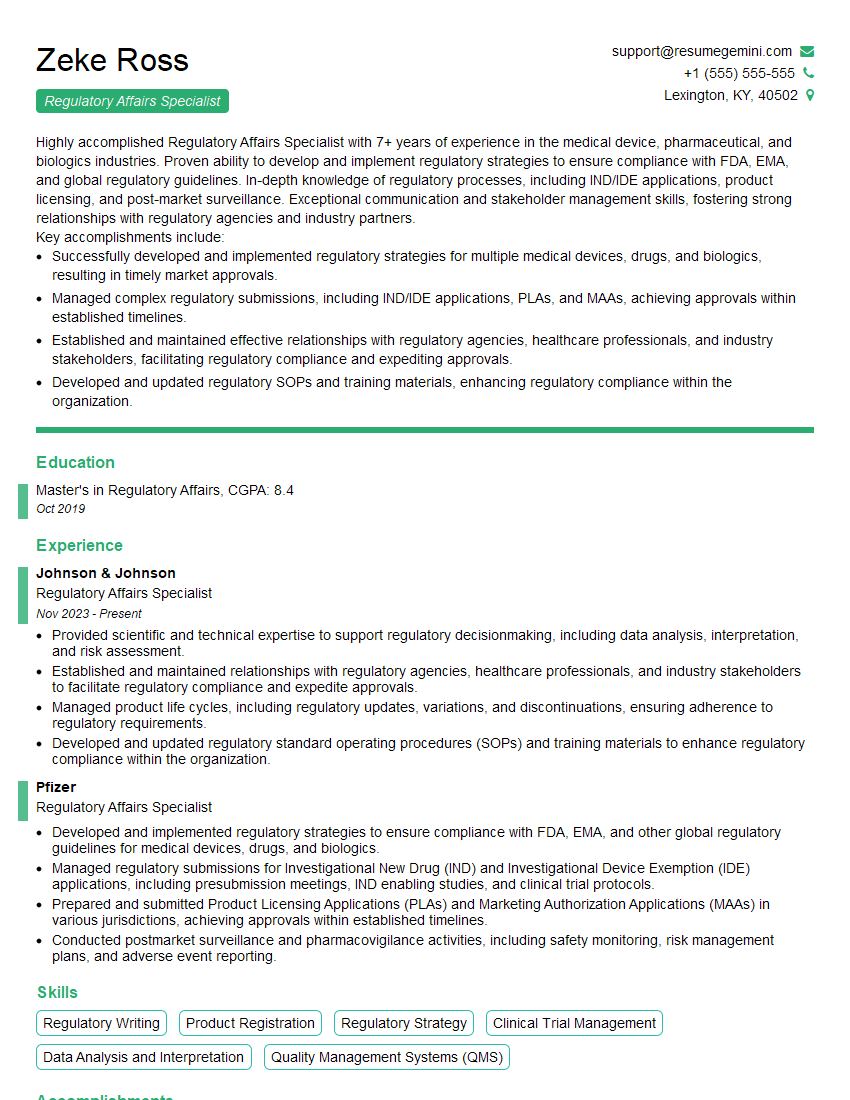
Regulatory Affairs Specialist Resume Sample

Quantitative Analyst Resume Sample

Data Scientist Resume Sample

Research Scientist Resume Sample

Senior Statistician Resume Sample

Statistical Analyst Resume Sample
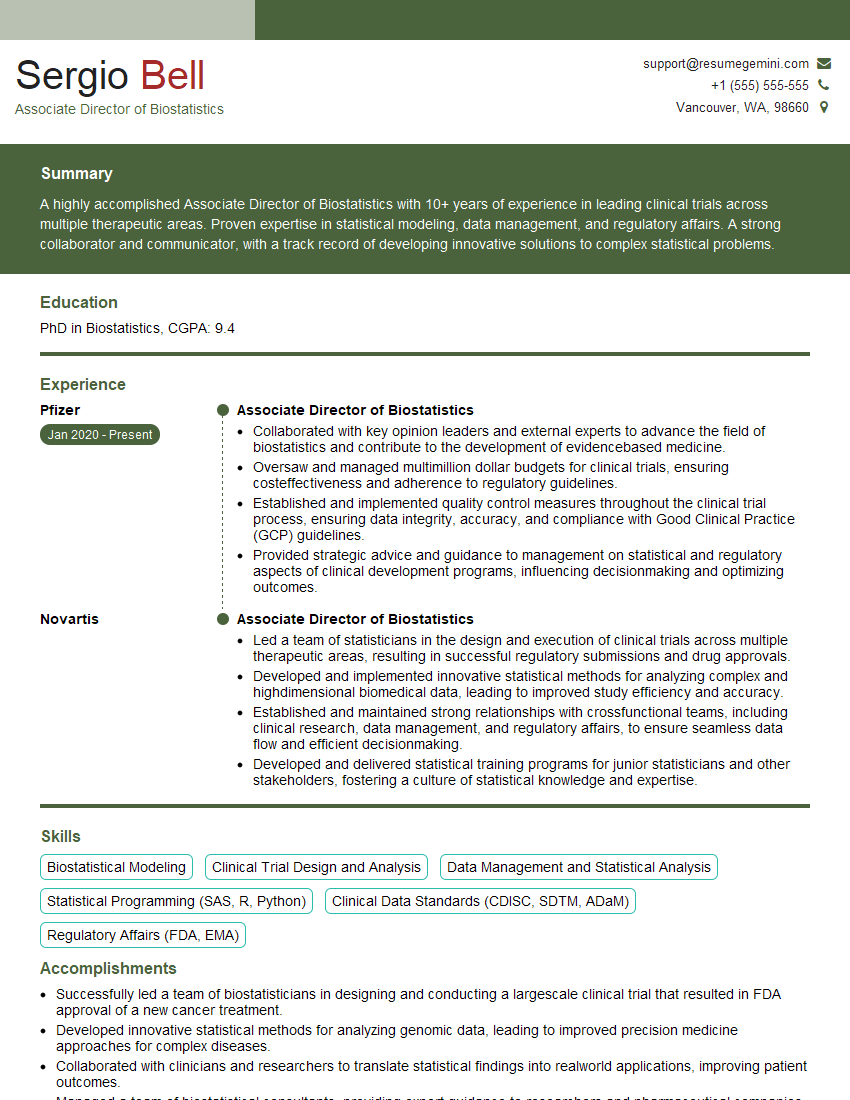
Associate Director of Biostatistics Resume Sample
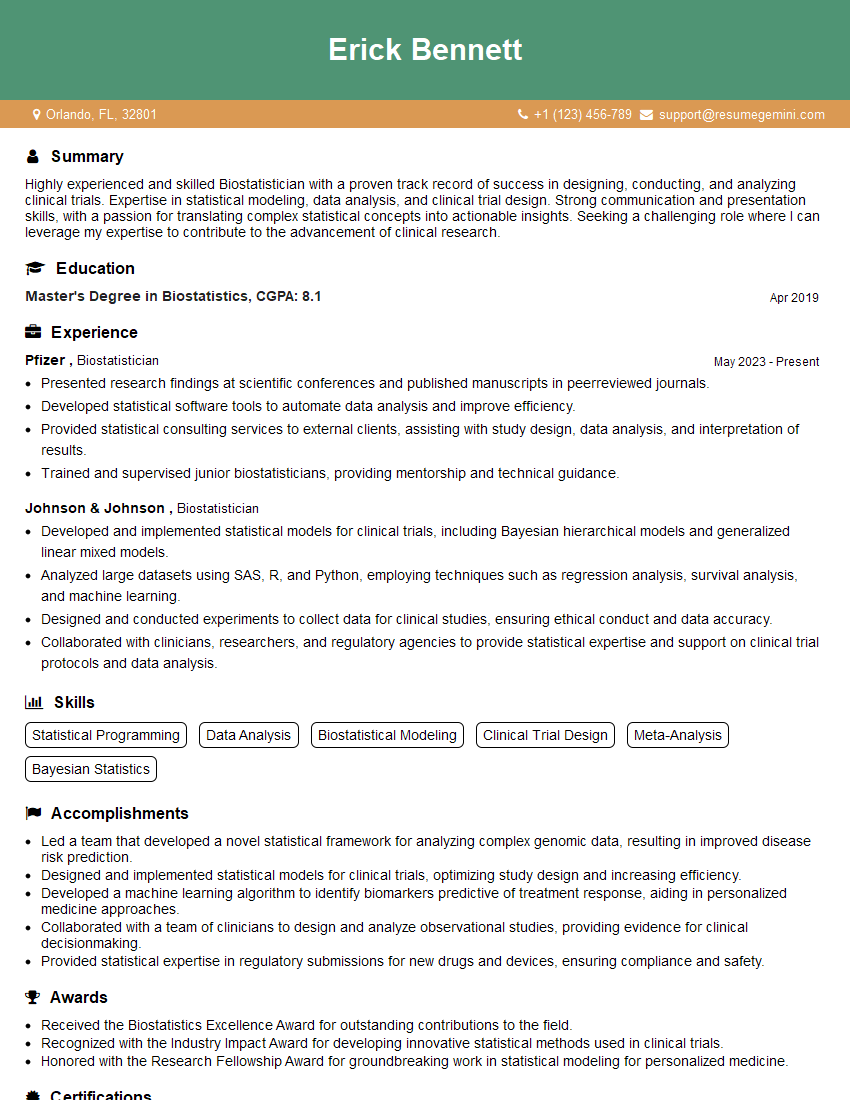
Biostatistician Resume Sample

Clinical Data Manager Resume Sample
Explore more articles
Users Rating of Our Blogs
Share Your Experience
We value your feedback! Please rate our content and share your thoughts (optional).
What Readers Say About Our Blog
Really detailed insights and content, thank you for writing this detailed article.
IT gave me an insight and words to use and be able to think of examples