The thought of an interview can be nerve-wracking, but the right preparation can make all the difference. Explore this comprehensive guide to Boiler Record Keeping interview questions and gain the confidence you need to showcase your abilities and secure the role.
Questions Asked in Boiler Record Keeping Interview
Q 1. What are the key regulations governing boiler record keeping in your region?
Boiler record-keeping regulations vary significantly by region, often dictated by national or state/provincial legislation and local ordinances. In my region (Please replace with your specific region here, e.g., California, UK, etc.), key regulations center around safety and compliance. These regulations typically mandate regular inspections, testing, and maintenance, with detailed records required for each. This includes documentation of:
- Pressure testing and safety valve inspections: Records must show the date, pressure, results, and any remedial actions taken. Failure to properly document these crucial safety measures can lead to significant penalties.
- Operational logs: Daily logs detailing operating parameters (pressure, temperature, fuel consumption) are essential. These logs help identify trends and potential issues before they escalate.
- Maintenance records: Comprehensive records of all maintenance activities, including repairs, replacements, and inspections, are mandatory. This documentation must include the date, work performed, personnel involved, and any parts used.
- Certifications and training: Records demonstrating that operating and maintenance personnel are properly trained and certified are also usually required.
Non-compliance can result in hefty fines, operational shutdowns, and even legal action. Regular audits are common, so meticulous record-keeping is crucial for avoiding penalties and ensuring safe operation.
Q 2. Describe your experience with different boiler record-keeping software or systems.
Throughout my career, I’ve worked with a variety of boiler record-keeping systems, ranging from simple spreadsheet-based solutions to sophisticated, cloud-based software. Initially, I used spreadsheets, which, while simple to implement, quickly became cumbersome for managing large volumes of data and ensuring consistent formatting. The risk of errors and data loss was also significant. More recently, I’ve transitioned to dedicated boiler management software. These platforms offer several advantages:
- Centralized data storage: All boiler information is stored securely in one place, allowing for easy access and analysis.
- Automated reporting: Software can generate various reports (e.g., inspection reports, maintenance schedules) automatically, saving considerable time and effort.
- Improved data integrity: Predefined fields and validation rules minimize data entry errors and ensure consistency.
- Enhanced collaboration: Some platforms allow for multi-user access, facilitating communication among maintenance teams.
Examples of software I have used include (Please replace with specific software names and briefly describe them). Each system presented its own benefits and challenges, requiring a thorough understanding of its capabilities and limitations to achieve optimal results. The ideal system always depends on the specific needs and size of the operation.
Q 3. How do you ensure the accuracy and completeness of boiler records?
Accuracy and completeness in boiler records are paramount for safety and regulatory compliance. My approach involves a multi-layered strategy:
- Standardized data entry forms: Using pre-designed forms ensures consistency and reduces errors. These forms should clearly define all required fields and include instructions for data entry.
- Data validation: Implementing data validation rules (e.g., range checks, data type validation) in software or spreadsheets helps to prevent inaccurate data entry. For example, a temperature reading of 1000°C in a low pressure system should trigger an error message.
- Regular data audits: Periodic audits compare recorded data against actual readings and inspection reports to identify discrepancies. This may involve physically verifying readings or comparing against other reliable sources.
- Cross-referencing: Data should be cross-referenced across different records to ensure consistency. For instance, a maintenance log entry should align with the corresponding entry in the operational log and inspection report.
- Training and SOPs: Providing thorough training to personnel on proper record-keeping procedures and establishing clear standard operating procedures (SOPs) are crucial.
Think of it like building a strong foundation: each piece of information contributes to a complete and accurate picture of the boiler’s operational history and safety profile.
Q 4. Explain the importance of maintaining detailed boiler logs.
Detailed boiler logs are essential for a number of reasons:
- Predictive maintenance: Analyzing trends in operational data (pressure, temperature, fuel consumption) helps predict potential problems and schedule preventive maintenance, avoiding costly breakdowns.
- Troubleshooting: Detailed logs are crucial for diagnosing issues when malfunctions occur. They provide a historical perspective that can pinpoint the root cause of problems.
- Regulatory compliance: As previously mentioned, maintaining detailed logs is a regulatory requirement in most jurisdictions. This helps avoid penalties and ensures safe operation.
- Performance monitoring: Boiler logs provide valuable data for monitoring efficiency and identifying areas for improvement. Analyzing fuel consumption, for example, can reveal inefficiencies and potential savings.
- Safety analysis: In the event of an incident, detailed logs can be invaluable in accident investigations, helping to identify contributing factors and prevent future occurrences.
In essence, a well-maintained boiler log is a critical asset for optimizing operations, ensuring safety, and complying with regulations.
Q 5. What are the common errors you’ve encountered in boiler records, and how did you correct them?
Common errors in boiler records often stem from inconsistent data entry practices, inadequate training, or rushed record-keeping. I’ve encountered issues such as:
- Missing or incomplete data: Critical information, such as inspection dates or repair details, might be missing. This is usually addressed by reviewing maintenance schedules, contacting technicians or reviewing operational logs to fill the gaps.
- Inconsistent units: Mixing units (e.g., PSI and kPa for pressure) can lead to confusion and errors in analysis. Standardizing units across all records is crucial.
- Incorrect data entry: Typographical errors or incorrect values are common problems. Regular data audits and cross-referencing help detect these errors.
- Lack of clarity: Vague descriptions of repairs or maintenance activities can hinder troubleshooting and future analysis. Clear and concise descriptions are essential.
Corrective measures usually involve reviewing the affected records, clarifying the discrepancies with the relevant personnel, and updating the records with accurate information. In some cases, it may be necessary to re-do certain tests or inspections if the original records are irreparably flawed.
Q 6. How do you handle missing or incomplete boiler data?
Handling missing or incomplete boiler data requires a systematic approach. The first step is to determine the extent of the missing information and identify the cause of the incompleteness. This often involves reviewing maintenance schedules, contacting personnel who may have been involved in the relevant operations or inspections, and searching for supporting documentation. If the missing information is crucial for compliance or safety, it may be necessary to conduct supplementary testing or inspections to gather the required data. In some cases, reasonable estimates might be made, but always with clear documentation of the assumptions made. It’s crucial to document the steps taken to recover the missing data, along with any resulting uncertainties. This transparency is vital in auditing and ensures that the best possible efforts have been made to ensure complete and accurate records.
Q 7. Describe your experience with data entry and verification in boiler record keeping.
Data entry and verification are crucial aspects of boiler record-keeping, directly impacting the reliability of the information. My experience emphasizes accuracy and consistency. I employ several techniques to ensure data quality:
- Double data entry: In situations where data accuracy is paramount, double data entry is utilized, with independent verification of the input.
- Data validation checks: As mentioned before, implementing data validation rules prevents illogical or nonsensical data from being entered.
- Regular backups: Maintaining regular backups of data is critical, safeguarding against data loss or corruption.
- Audit trails: Tracking changes made to records allows for identifying errors or inconsistencies.
- Training and supervision: Training personnel on proper data entry techniques and implementing effective supervision ensures adherence to established procedures.
The key is a systematic and meticulous approach. Think of it as a quality control process, ensuring every data point is accurate and reliable, forming the bedrock of accurate reporting and regulatory compliance.
Q 8. How do you ensure the confidentiality and security of boiler records?
Confidentiality and security of boiler records are paramount for operational efficiency, regulatory compliance, and preventing potential liabilities. We achieve this through a multi-layered approach. First, physical security is crucial; records are stored in locked cabinets or secure digital repositories with access control restrictions. Secondly, access is strictly limited to authorized personnel, often using role-based access control systems. Each individual’s access is documented and regularly reviewed. Thirdly, digital records are encrypted both in transit and at rest, and we use strong password policies and regular security audits. Finally, we adhere to all relevant data protection regulations, and regularly update our security protocols to adapt to evolving threats. Think of it like a bank vault – multiple layers of security to protect valuable assets. For instance, in one plant I managed, we implemented two-factor authentication for all personnel accessing the digital boiler logs, significantly reducing the risk of unauthorized access.
Q 9. What are the key performance indicators (KPIs) you monitor through boiler records?
Key Performance Indicators (KPIs) monitored through boiler records provide crucial insights into efficiency and operational health. These KPIs typically include:
- Fuel Efficiency: This measures the amount of fuel consumed per unit of energy produced, tracking potential inefficiencies and opportunities for optimization. We often analyze this against historical data and industry benchmarks.
- Boiler Efficiency (η): This represents the percentage of heat energy from fuel converted into useful steam or hot water. A drop in η signals problems requiring attention.
- Steam Production Rate: This tracks the amount of steam generated, reflecting demand and boiler capacity.
- Downtime: Unexpected outages represent significant losses and are tracked meticulously. Analyzing downtime reasons helps identify recurring issues and implement preventative measures.
- Maintenance Costs: This helps evaluate the effectiveness of maintenance programs and predict future expenditure.
- Emissions: Monitoring emissions (e.g., NOx, CO) ensures compliance with environmental regulations and highlights potential pollution control problems.
By closely monitoring these KPIs, we can quickly identify deviations from the norm, prompting investigations and timely interventions. For example, a sudden increase in fuel consumption while steam production remains constant might indicate a leak or a problem with the burner efficiency.
Q 10. How do you use boiler records to identify trends and potential problems?
Identifying trends and potential problems relies on analyzing boiler records over time. We use data visualization tools such as charts and graphs to spot anomalies or patterns. For example, a gradual decrease in boiler efficiency over several months might indicate the need for a thorough inspection and cleaning. Similarly, a spike in downtime associated with a specific component points to potential failure and the need for preventive maintenance. We also use statistical methods like regression analysis to predict future performance based on past data, allowing for proactive maintenance scheduling. One situation I encountered involved a boiler experiencing increasingly frequent pressure fluctuations. By plotting this data over time, we identified a clear upward trend just before major shutdowns. This allowed us to proactively schedule maintenance and avoid costly and disruptive shutdowns.
Q 11. Explain the process of generating reports from boiler records.
Generating reports from boiler records involves several steps. First, the data needs to be extracted from various sources – manual logs, automated systems, and databases. Then, this data is cleaned and validated to ensure accuracy. Next, we use reporting software (often integrated with the boiler’s control system) or specialized data analysis tools to create custom reports. These reports may include various visualizations like charts, graphs, and tables, presenting KPIs and other relevant information. Finally, the reports are reviewed and distributed to stakeholders according to their needs. For example, a daily report might show current performance metrics, while a monthly report might analyze efficiency trends and fuel consumption. A yearly report would focus on overall operational performance and compliance.
Q 12. Describe your experience using data analysis techniques to interpret boiler data.
My experience with data analysis techniques for interpreting boiler data is extensive. I routinely employ statistical methods such as regression analysis to predict equipment failures and optimize maintenance schedules. Time series analysis helps identify cyclical patterns in fuel consumption or efficiency, allowing for proactive resource planning. I also use data mining techniques to uncover hidden relationships between various operating parameters and potential problems. For example, I once used correlation analysis to discover a strong relationship between water hardness levels and the frequency of boiler tube scaling, prompting us to implement a more aggressive water treatment program. This led to significant improvements in boiler efficiency and reduced maintenance costs.
Q 13. How do you identify and rectify discrepancies in boiler records?
Discrepancies in boiler records can stem from various sources – human error in data entry, sensor malfunctions, or communication glitches. Identifying these discrepancies requires a thorough review of the data, comparing automated readings with manual logs. We use data validation checks and automated alerts to flag inconsistencies. For example, if a sudden drop in steam production is not matched by a corresponding increase in downtime, it warrants further investigation. To rectify the discrepancies, we investigate the root cause – was it a faulty sensor? A human error in recording? Once identified, we correct the records, document the changes, and implement measures to prevent future occurrences. In one case, we discovered systematic discrepancies in fuel consumption readings caused by a faulty flow meter. Replacing the meter resolved the issue and led to improved data accuracy.
Q 14. What is your experience with archiving and retrieving boiler records?
Archiving and retrieving boiler records are essential for long-term analysis, regulatory compliance, and historical reference. We use a combination of digital and physical archiving methods. Digital records are stored on secure servers with robust backup and disaster recovery systems. Physical records, such as maintenance logs and inspection reports, are stored in secure, climate-controlled facilities. A detailed record-keeping system with metadata tagging and indexing ensures efficient retrieval of information. We adhere to industry best practices and legal requirements for record retention, ensuring records are easily accessible and protected for the stipulated period. A well-organized archive is invaluable, allowing for trend analysis over many years, which helps us to make informed decisions about upgrades, replacements, and future planning.
Q 15. How familiar are you with different boiler types and their specific record-keeping requirements?
My familiarity with boiler types and their record-keeping needs is extensive. I’ve worked with various systems, including fire-tube boilers, water-tube boilers (both subcritical and supercritical), and electric boilers. Each type has unique operational characteristics that dictate specific record-keeping necessities. For instance, a fire-tube boiler, being simpler in design, might require less detailed combustion analysis records compared to a supercritical water-tube boiler which necessitates meticulous tracking of parameters like pressure, temperature, and feedwater chemistry across multiple stages. The regulatory landscape also plays a significant role. For example, a high-pressure boiler will fall under stricter regulations, mandating more frequent inspections and detailed documentation compared to a low-pressure system. I’m adept at identifying the relevant codes and standards (like ASME, API, etc.) applicable to each boiler type and tailoring the record-keeping system accordingly.
- Fire-tube boilers: Focus on pressure readings, water level, fuel consumption, and basic maintenance logs.
- Water-tube boilers: Require detailed logging of pressure, temperature (at various points), feedwater chemistry (including TDS, conductivity, etc.), blowdown frequency, and more comprehensive maintenance records due to their complexity.
- Electric boilers: Emphasize energy consumption, element integrity checks, and preventative maintenance schedules.
Career Expert Tips:
- Ace those interviews! Prepare effectively by reviewing the Top 50 Most Common Interview Questions on ResumeGemini.
- Navigate your job search with confidence! Explore a wide range of Career Tips on ResumeGemini. Learn about common challenges and recommendations to overcome them.
- Craft the perfect resume! Master the Art of Resume Writing with ResumeGemini’s guide. Showcase your unique qualifications and achievements effectively.
- Don’t miss out on holiday savings! Build your dream resume with ResumeGemini’s ATS optimized templates.
Q 16. How do you ensure compliance with environmental regulations through proper record keeping?
Ensuring environmental compliance through meticulous record-keeping is paramount. This involves documenting all aspects that could impact the environment, primarily focusing on emissions. For boilers, this includes tracking fuel consumption, stack gas emissions (CO, NOx, SOx, particulate matter), and blowdown water disposal. I ensure compliance by:
- Maintaining detailed fuel logs: This includes the type, quantity, and source of fuel used. This data is crucial for calculating emission factors and verifying compliance with emission limits.
- Regular stack testing and analysis: I make sure that regular emissions tests are conducted as mandated and the results are meticulously documented, along with any corrective actions taken if limits are exceeded.
- Accurate blowdown water management records: Proper documentation of the volume and treatment of blowdown water is vital, demonstrating compliance with water quality regulations.
- Staying updated on regulations: Environmental regulations evolve, so I stay informed about any changes and adjust our record-keeping procedures to remain compliant. This might involve referencing updated permits and reviewing relevant environmental agency guidelines.
An example would be keeping a detailed log of all SOx emissions, comparing them against the permit limits and documenting any variance with root cause analysis and corrective actions. Failure to do so could result in significant fines and operational disruptions.
Q 17. Describe your experience in maintaining records for different boiler maintenance activities.
My experience in maintaining records for various boiler maintenance activities is comprehensive. I utilize a structured approach using both digital and physical records to ensure completeness and traceability. Each activity, from daily inspections to major overhauls, is documented thoroughly. This includes:
- Preventive maintenance (PM): Detailed records of scheduled inspections, cleaning, lubrication, and other preventative measures, including dates, personnel involved, and any findings or adjustments made.
- Corrective maintenance (CM): Comprehensive logs of any repairs, including the nature of the problem, the actions taken to remedy it, parts replaced, labor hours, and any follow-up actions. Any safety concerns are highlighted in these records.
- Inspection and testing: Records of all inspections (internal and external), including pressure testing, non-destructive testing (NDT) results, and safety valve tests, along with dates, personnel, and any necessary certifications.
For instance, if a boiler pressure gauge is found to be inaccurate during a PM, I document the findings, the replacement of the gauge, and the calibration certificate of the new gauge. This detailed approach ensures traceability and allows for efficient troubleshooting and analysis of trends in the future.
Q 18. How do you handle record keeping during boiler shutdowns and repairs?
During boiler shutdowns and repairs, meticulous record-keeping is critical for safety and compliance. This includes:
- Shutdown procedures: Detailed logs of the shutdown process, including the steps followed, the time taken for each step, personnel involved, and any unusual occurrences.
- Repair work: Thorough documentation of all repair activities, including the identification of the problem, the steps taken to repair it, parts used, and their serial numbers (if applicable), labor hours, and safety precautions taken. Photographic or video evidence is beneficial here.
- Restart procedures: Comprehensive logs detailing the boiler restart process, including checks conducted, system pressures and temperatures, and any adjustments made.
- Incident reports: If any incidents occur during the shutdown or repair, a detailed incident report must be documented, including causes, consequences, and corrective actions.
Imagine a scenario where a critical component fails during operation. A complete record of the shutdown, repair, and restart process will be necessary for both insurance claims and future analysis to prevent similar incidents. This detailed documentation aids in identifying underlying issues and improves maintenance strategies.
Q 19. Explain your understanding of boiler safety regulations and their relevance to record keeping.
Boiler safety regulations are paramount, and record-keeping is integral to demonstrating compliance. Regulations vary based on location and boiler type but generally emphasize safety during operation, maintenance, and inspection. These regulations mandate specific record-keeping practices to ensure accountability and traceability. These records might include:
- Safety inspections: Documentation of regular safety inspections conducted, identifying any potential hazards, and the actions taken to mitigate them.
- Operator training: Records showing the competency and training of boiler operators, including certifications and training records.
- Emergency procedures: Documentation of emergency procedures and drills conducted to ensure personnel are prepared to respond to emergencies.
- Permit-to-work system: Detailed documentation on authorized personnel performing high-risk tasks.
For example, failing to document a safety inspection could lead to significant liability in case of an accident. Similarly, a lack of operator training records could result in penalties. Detailed record-keeping is thus essential for demonstrating due diligence and preventing legal issues.
Q 20. What is your experience with using digital tools to manage and analyze boiler data?
I have extensive experience using digital tools for boiler data management and analysis. This includes using Computerized Maintenance Management Systems (CMMS) and specialized boiler monitoring software. These tools allow for:
- Centralized data storage: All boiler data, from operational parameters to maintenance records, is stored in a centralized database, easily accessible to authorized personnel.
- Automated data logging: Real-time data logging from boiler sensors, minimizing manual data entry and reducing human error.
- Data analysis and reporting: Sophisticated software allows for trend analysis, identification of potential problems, and generation of customized reports for various stakeholders.
- Predictive maintenance: Analyzing historical data to predict potential equipment failures and optimize maintenance schedules, minimizing downtime.
For example, using a CMMS, I can schedule preventative maintenance tasks based on the operational hours of the boiler or set alerts when certain parameters (like pressure or temperature) exceed pre-defined thresholds. This helps in proactive maintenance and avoids costly unplanned shutdowns.
Q 21. How do you effectively communicate boiler record information to different stakeholders?
Effective communication of boiler record information is crucial to ensure transparency and facilitate informed decision-making among various stakeholders. This includes management, maintenance personnel, regulatory agencies, and insurance providers. My approach involves:
- Clear and concise reporting: Generating reports using clear and concise language, avoiding technical jargon whenever possible. Visualizations like graphs and charts are very useful.
- Tailored reports: Creating reports tailored to the specific needs and understanding of the audience. For instance, a report for management will focus on overall performance and costs, while a report for technicians might detail specific maintenance activities.
- Regular communication: Regularly communicating key findings and any potential issues to relevant stakeholders through meetings, email updates, or dashboards.
- Data visualization: Employing visual aids like charts and graphs to communicate complex data in a readily understandable format.
For example, a monthly report to management would summarize key performance indicators (KPIs) like fuel efficiency, downtime, and maintenance costs, while a detailed report to the regulatory agency would present all emissions data and compliance information.
Q 22. How do you reconcile boiler records with other operational data?
Reconciling boiler records with other operational data is crucial for a comprehensive understanding of plant performance and efficiency. It involves cross-referencing boiler data – such as fuel consumption, steam production, and operating hours – with data from other systems. This could include electricity consumption readings from the plant’s power meters, production outputs from various manufacturing processes that use steam, and even weather data, as external temperature can influence boiler efficiency.
For example, we can compare daily steam production figures from the boiler logs with the daily production records of a manufacturing process that heavily relies on steam. Discrepancies might point to inefficiencies in steam distribution or unexpected production variations. Similarly, analyzing boiler fuel consumption alongside electricity usage can reveal correlations, helping us identify potential areas for energy optimization. This often involves using spreadsheet software or specialized plant management systems to visually represent and compare these datasets, allowing for the identification of trends and anomalies.
The process typically involves several steps: data extraction from various sources, data cleaning and standardization (ensuring consistent units and formats), data integration into a single database or spreadsheet, and then finally, visual analysis (charts, graphs) to spot trends and discrepancies. This systematic approach ensures a holistic view of plant operations and aids in identifying areas for improvement.
Q 23. Describe a time when you identified a critical issue through careful analysis of boiler records.
During my time at a large textile mill, a careful review of boiler records revealed a concerning trend. While the overall steam production seemed consistent, the fuel consumption had steadily increased over several months, despite no significant changes in production demands. Initial reaction was to blame increased fuel costs. However, further analysis, looking at boiler operating pressures, water levels, and flue gas temperatures, highlighted a gradual reduction in boiler efficiency. This wasn’t immediately obvious from just looking at overall steam output, but the detailed records allowed me to pinpoint the issue.
By comparing daily fuel consumption with corresponding steam production and flue gas temperatures, we discovered a slow build-up of scale and fouling within the boiler tubes. This was hindering heat transfer and reducing the boiler’s efficiency, leading to increased fuel consumption. Early detection prevented catastrophic boiler failure and significantly reduced operational costs after a scheduled cleaning.
Q 24. What are the potential consequences of inaccurate or incomplete boiler records?
Inaccurate or incomplete boiler records have serious consequences, impacting safety, compliance, and the bottom line. Incomplete data can hinder troubleshooting and predictive maintenance, leading to unexpected downtime and costly repairs. For example, a missing record of a crucial safety inspection could result in non-compliance with regulatory requirements and potential safety hazards.
- Safety Hazards: Missing or incorrect information on inspections, repairs, or safety interlocks can lead to equipment malfunctions and potentially dangerous situations.
- Compliance Issues: Regulatory bodies require detailed boiler records for compliance audits. Incomplete records can result in hefty fines or operational shutdowns.
- Financial Losses: Inaccurate data on fuel consumption, efficiency, and maintenance can lead to miscalculations in budgeting, increased operational costs, and missed opportunities for energy savings.
- Inefficient Operations: Lack of data can prevent effective performance monitoring and hinder identification of inefficiencies, leading to wasted energy and resources.
Imagine a scenario where incomplete records lead to a missed scheduled inspection, resulting in a boiler tube failure. This could cause significant production downtime, costly repairs, and even potential injury to personnel. The cost of such an event far outweighs the investment in thorough and accurate record keeping.
Q 25. How would you improve the current boiler record-keeping system?
Improving a boiler record-keeping system requires a multi-faceted approach. A key improvement would be transitioning to a digital system, moving away from paper-based logs. This could involve implementing a Computerized Maintenance Management System (CMMS). A CMMS allows for automated data entry, real-time monitoring, and centralized data storage, facilitating easier analysis and reporting.
Other improvements would include:
- Standardized Data Formats: Implementing consistent units and terminology across all records enhances data integrity and allows for easier analysis.
- Automated Data Collection: Integrating sensors and smart meters can automate data collection, reducing manual entry errors.
- Real-time Monitoring Dashboards: Visual dashboards presenting key performance indicators (KPIs) such as efficiency, fuel consumption, and operating parameters can aid in proactive monitoring and timely intervention.
- Improved Training: Providing comprehensive training to personnel on the importance of accurate record-keeping and the proper use of the system is essential.
- Regular Audits: Implementing regular internal audits to identify gaps and inconsistencies in data collection can help maintain the system’s accuracy and effectiveness.
For instance, a CMMS could automatically generate reports on fuel efficiency, allowing for timely identification of potential problems and optimized maintenance scheduling. This helps prevent costly breakdowns and maximizes boiler lifespan.
Q 26. How do you prioritize record keeping tasks amidst other operational responsibilities?
Prioritizing record-keeping amidst other operational responsibilities requires a strategic approach. I utilize time management techniques like prioritizing tasks based on urgency and importance, allocating specific time slots for record-keeping activities, and leveraging technology to automate tasks where possible. The key is to view record-keeping not as a separate task, but as an integral part of efficient operations.
I often integrate record-keeping into existing workflows. For example, while performing a daily boiler inspection, I immediately record the relevant data into the digital system. This eliminates the need for a separate record-keeping session later and ensures data accuracy. Additionally, I use checklist systems to streamline data entry, making the process quick and efficient. Regularly reviewing and adjusting my schedule ensures adequate time is dedicated to this critical function without compromising other operational tasks.
Q 27. What is your experience with boiler efficiency analysis using record-keeping data?
My experience with boiler efficiency analysis using record-keeping data is extensive. I’ve used boiler records to calculate key performance indicators (KPIs) such as thermal efficiency, fuel consumption per unit of steam produced, and heat loss through various pathways. This involves analyzing fuel input, steam output, flue gas temperature, and other relevant parameters.
For example, I’ve used data from a CMMS to generate graphs illustrating boiler efficiency trends over time. A sudden drop in efficiency might indicate a problem, such as scale buildup, air infiltration, or issues with fuel combustion. This information is crucial for optimizing boiler operation, identifying areas for improvement, and justifying investments in efficiency upgrades. These analyses often employ statistical methods to identify trends and correlations within the data. It is critical to use the right methodology to ensure an accurate representation of the boiler performance.
Q 28. Describe your experience with auditing boiler records for compliance purposes.
Auditing boiler records for compliance purposes involves verifying adherence to local, state, and federal regulations. This includes reviewing records of inspections, maintenance activities, safety certifications, and operational parameters. The process is guided by relevant regulatory standards and best practices. It involves checking for completeness, accuracy, and adherence to the legal requirements for boiler operation and maintenance.
During audits, I meticulously review records to ensure all required inspections have been performed on schedule and documented correctly. This includes verifying the qualifications of personnel performing the inspections and the validity of certificates and licenses. I also examine records related to fuel usage, emission levels, and any reported incidents or malfunctions. Any discrepancies or non-compliance issues are identified and addressed promptly, with recommendations for corrective actions to ensure future compliance. Detailed audit reports are compiled to demonstrate adherence to regulations and highlight any areas needing attention.
Key Topics to Learn for Boiler Record Keeping Interview
- Boiler Operation & Maintenance Logs: Understanding the structure, legal requirements, and best practices for accurate and complete log entries. This includes knowing how to properly record operational data, maintenance activities, and any unusual occurrences.
- Data Analysis & Reporting: Practical application of data extracted from boiler logs to identify trends, predict maintenance needs, and improve operational efficiency. This might involve using data to demonstrate cost savings or improved safety.
- Regulatory Compliance: Familiarity with relevant safety regulations and environmental standards related to boiler operation and record keeping. Understanding how record-keeping ensures compliance and avoids penalties.
- Troubleshooting & Problem Solving: Using boiler records to diagnose operational issues, identify recurring problems, and suggest preventative measures. This involves analyzing data to pinpoint root causes and propose solutions.
- Digital Record Keeping & Software: Understanding the use of computerized maintenance management systems (CMMS) and other software for efficient boiler record management. This includes data entry, retrieval, and reporting capabilities.
- Safety Procedures & Documentation: Knowledge of safety protocols related to boiler operation and how these are reflected in the record-keeping process. This highlights the importance of accurate and complete documentation for safety investigations.
- Data Integrity & Security: Understanding the importance of maintaining accurate, secure, and readily accessible boiler records. This includes procedures for data backup and disaster recovery.
Next Steps
Mastering boiler record keeping is crucial for career advancement in the power generation and industrial sectors. Proficiency in this area demonstrates a commitment to safety, efficiency, and regulatory compliance, opening doors to higher-level positions and increased earning potential. To significantly boost your job prospects, create an ATS-friendly resume that showcases your skills and experience effectively. We strongly recommend using ResumeGemini to build a professional and impactful resume. ResumeGemini offers tools and resources to help you craft a winning resume, and examples of resumes tailored to Boiler Record Keeping are provided to guide you.
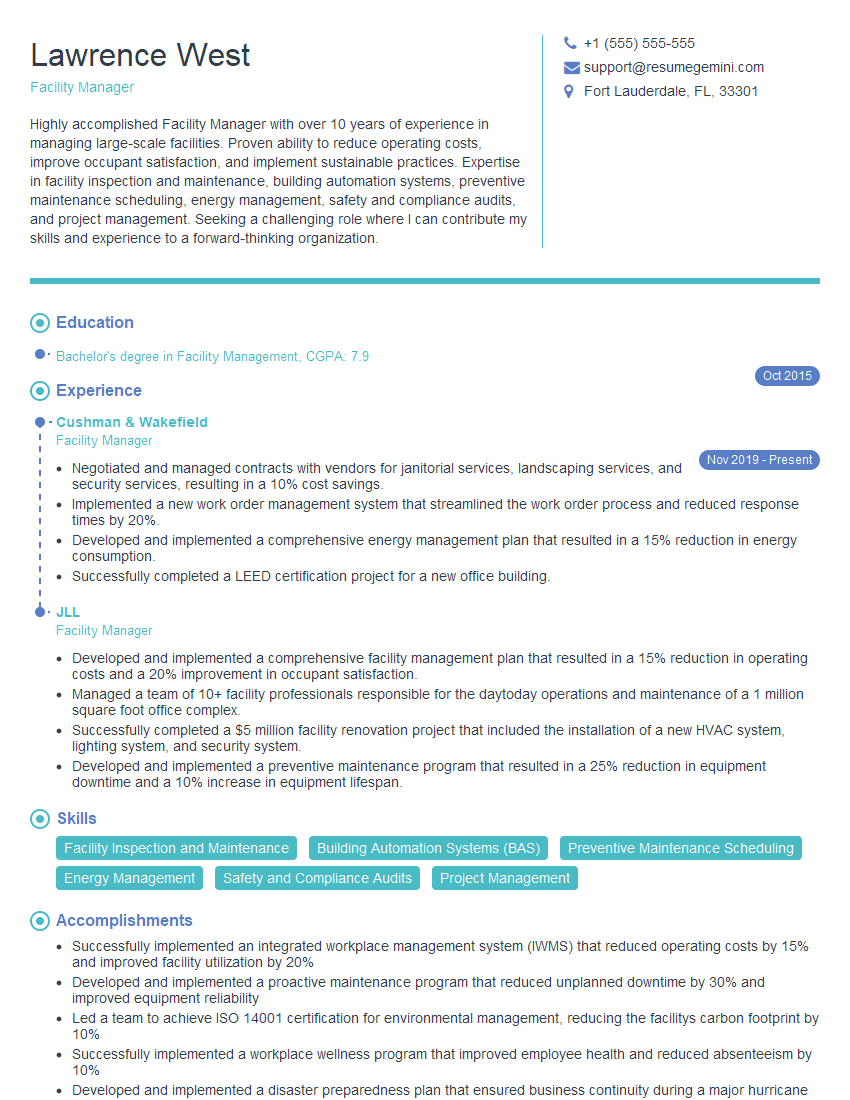
Facility Manager Resume Sample
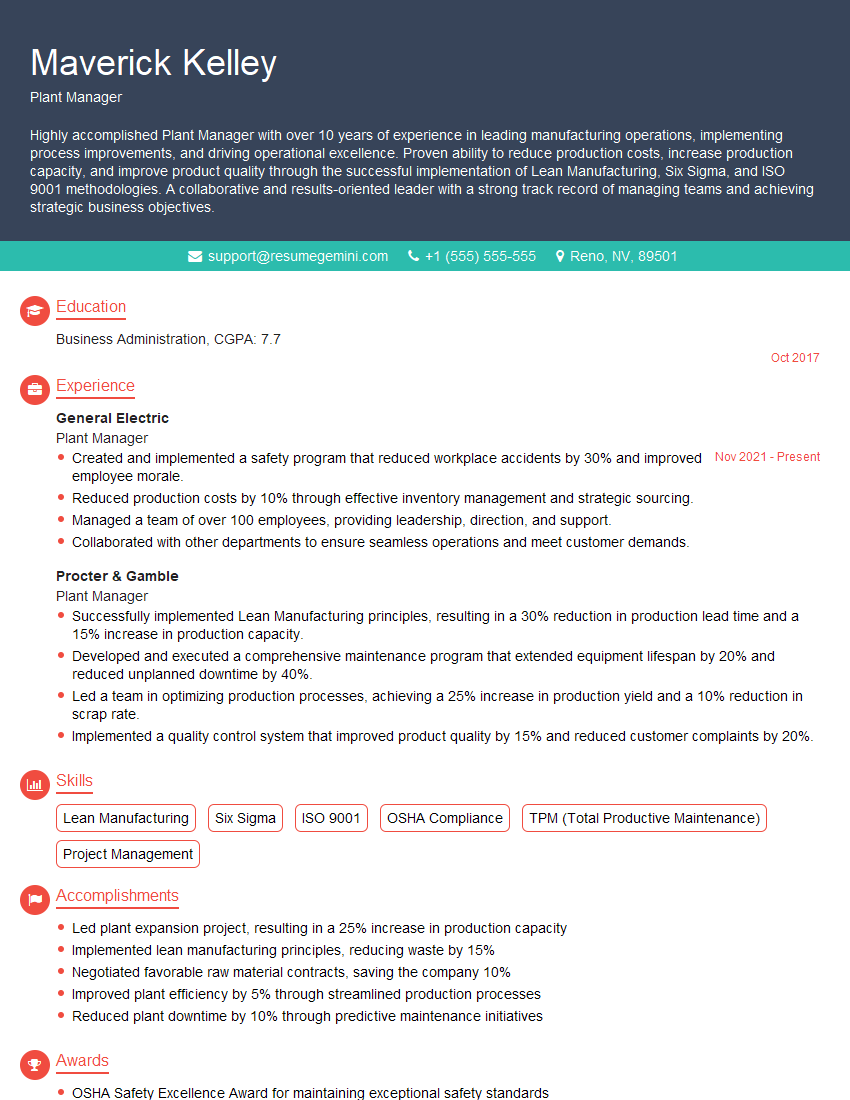
Plant Manager Resume Sample
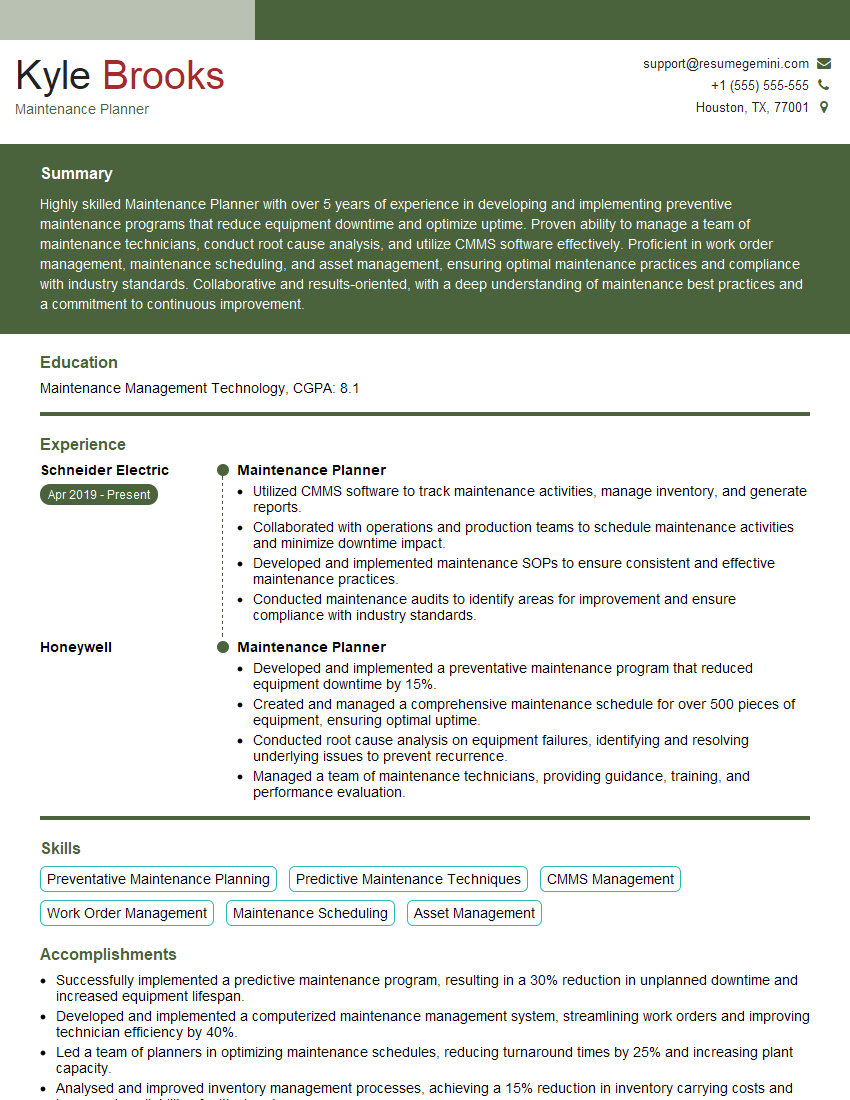
Maintenance Planner Resume Sample
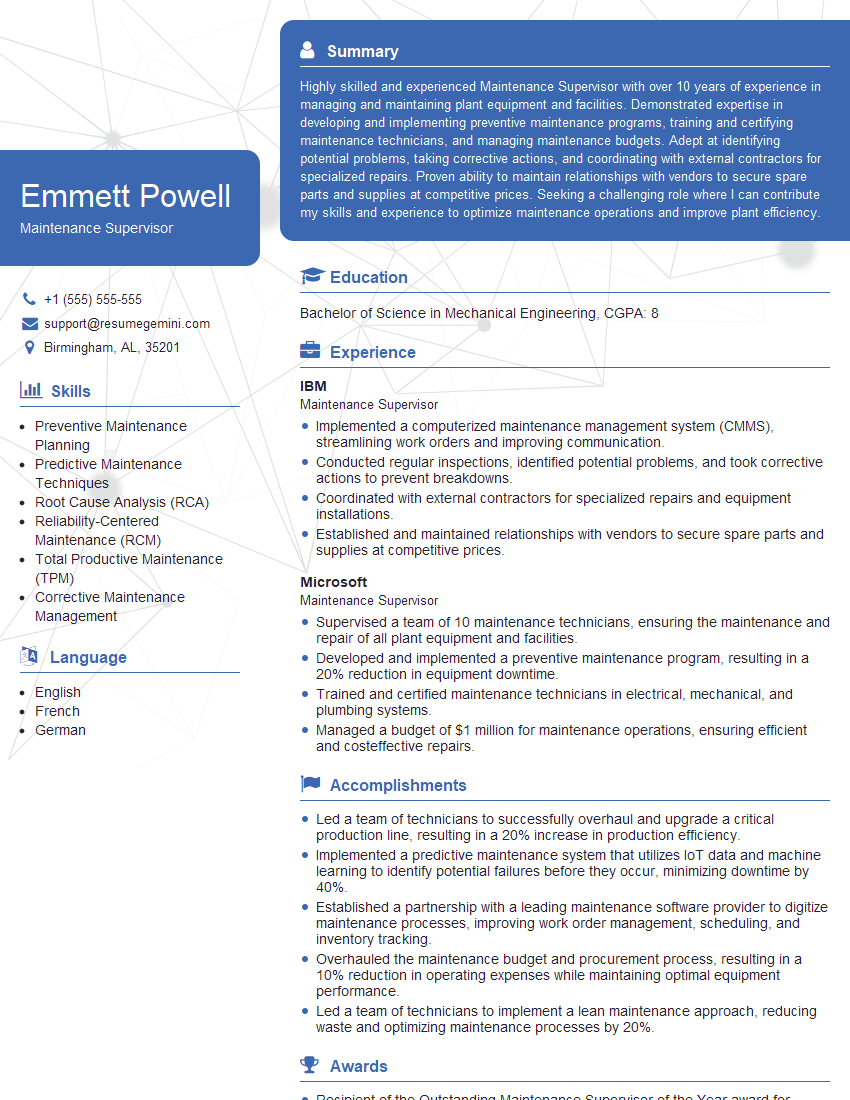
Maintenance Supervisor Resume Sample
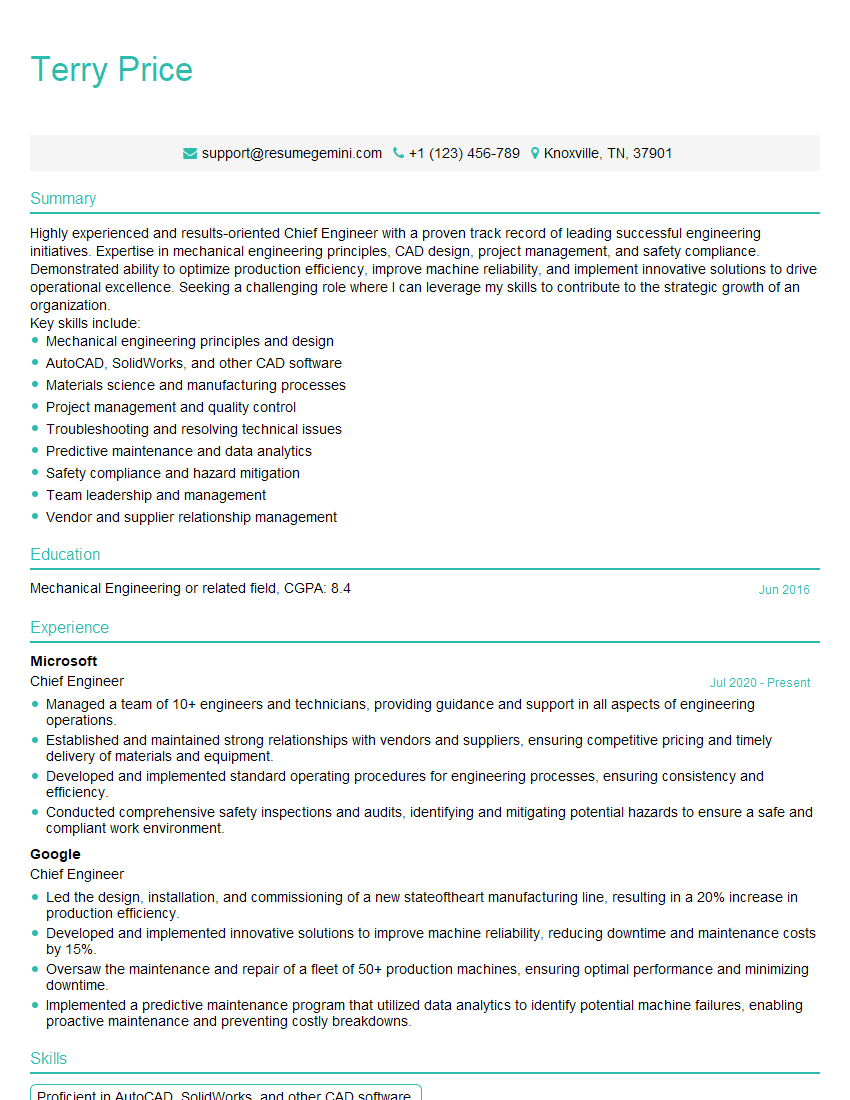
Chief Engineer Resume Sample

Compliance Officer Resume Sample
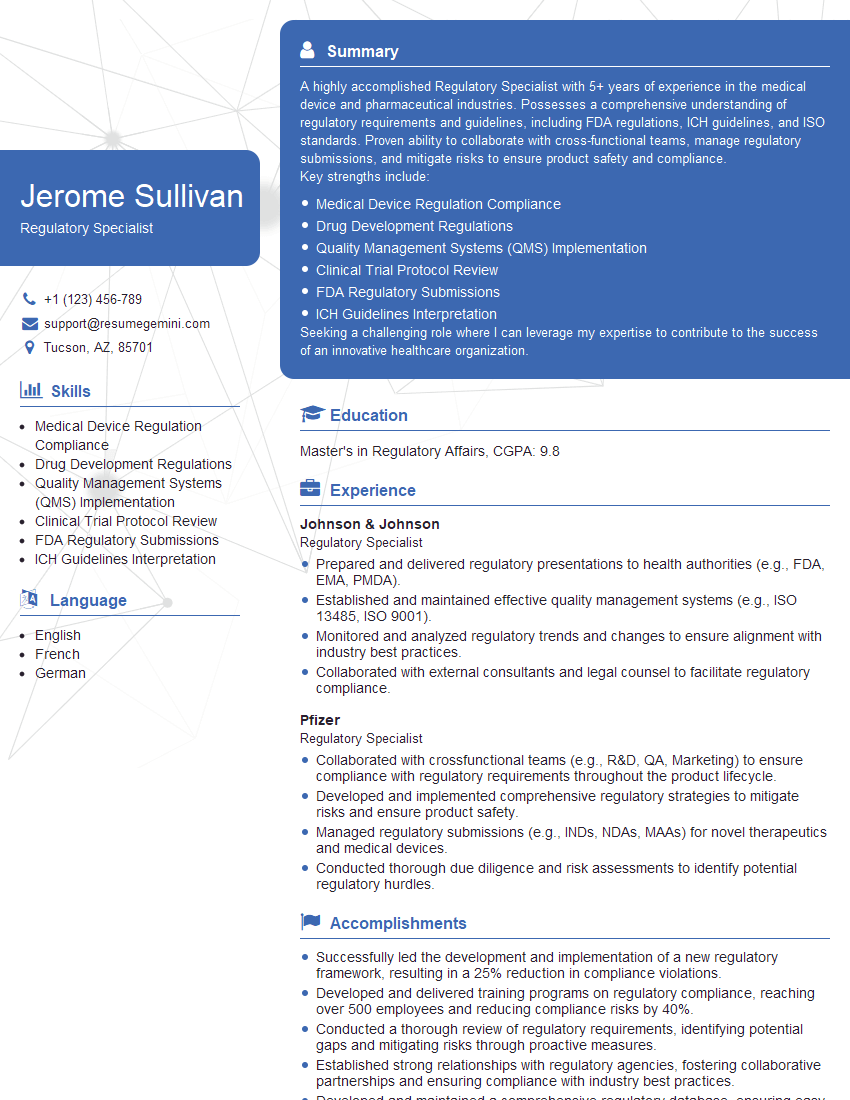
Regulatory Specialist Resume Sample
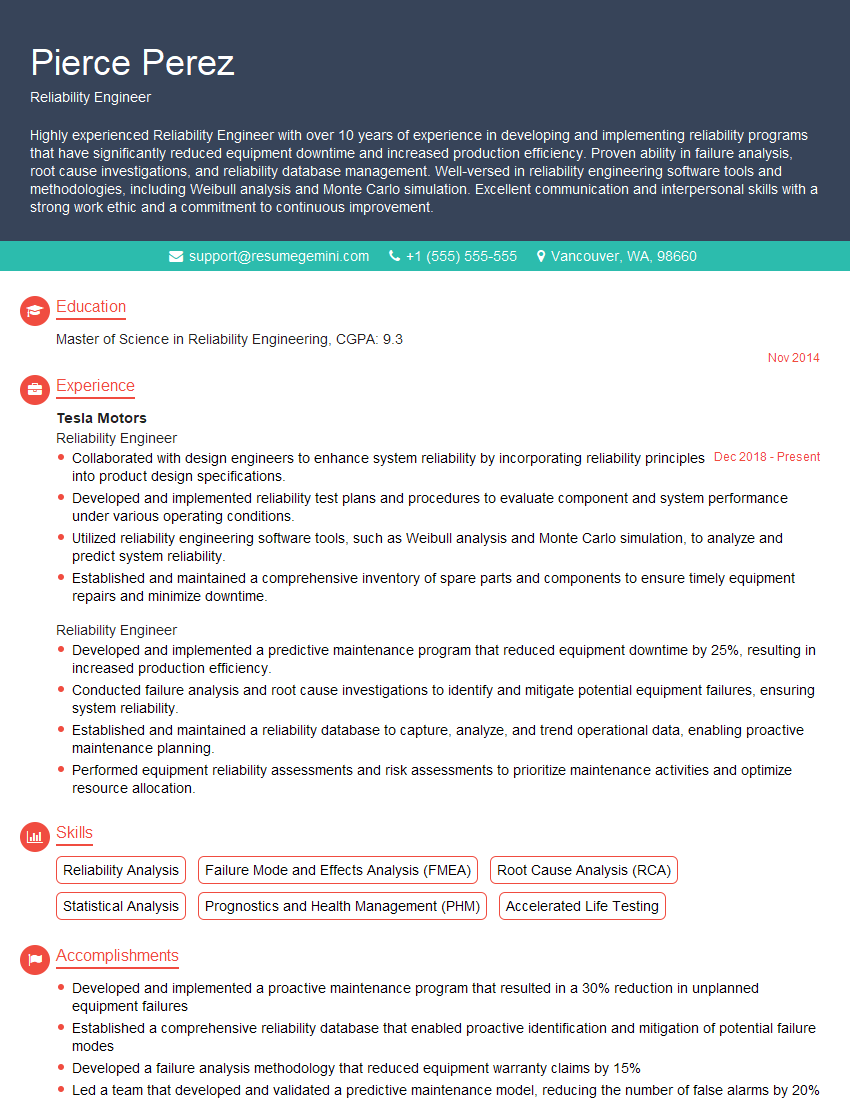
Reliability Engineer Resume Sample
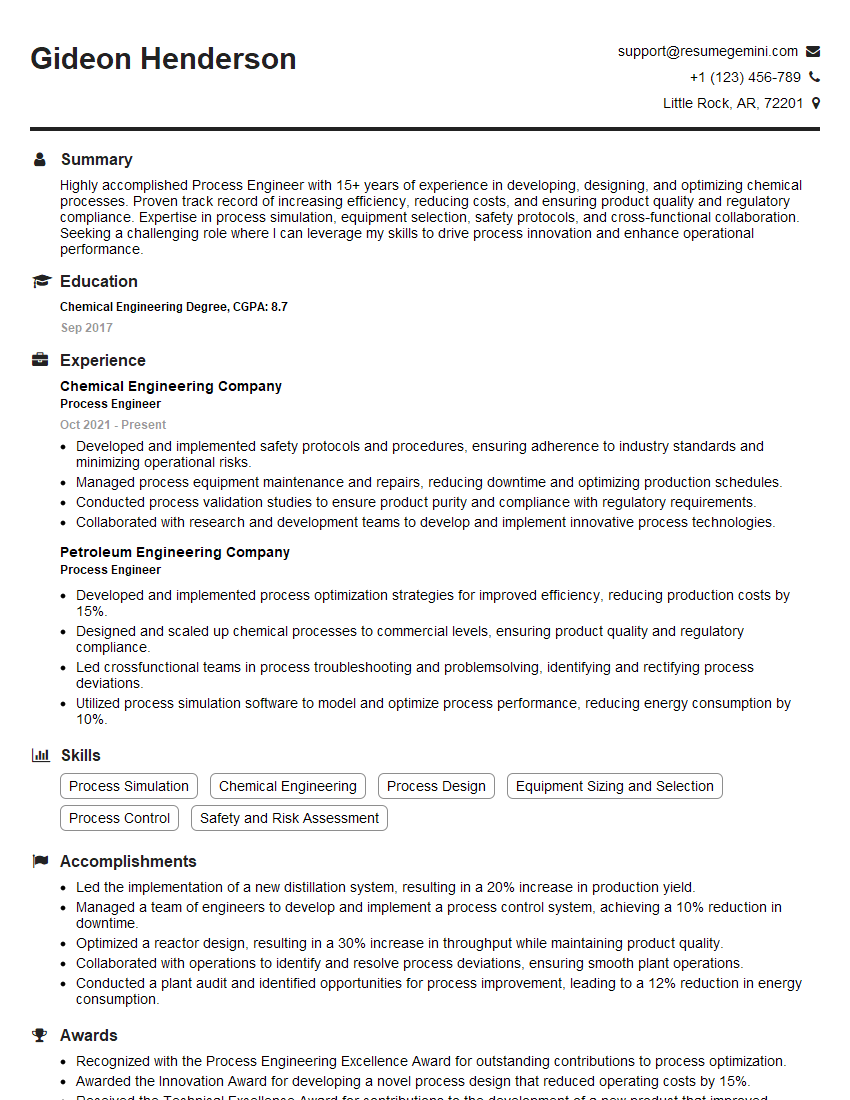
Process Engineer Resume Sample
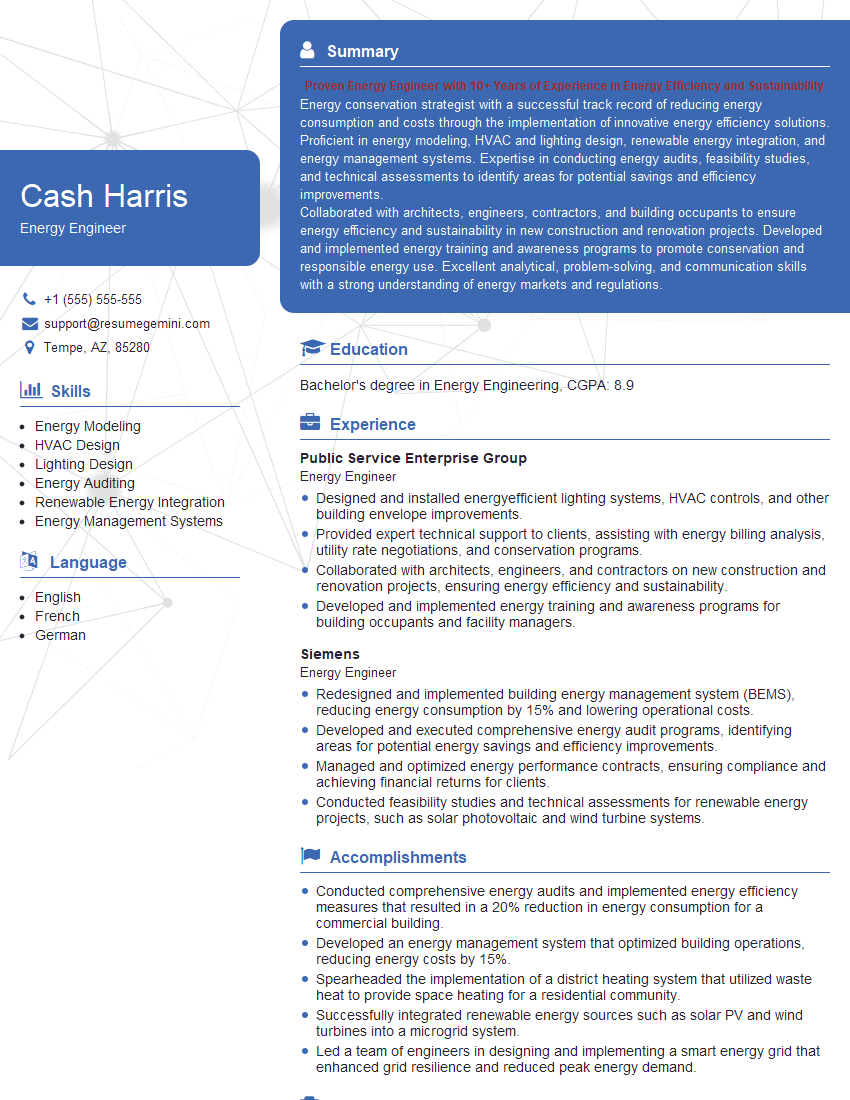
Energy Engineer Resume Sample
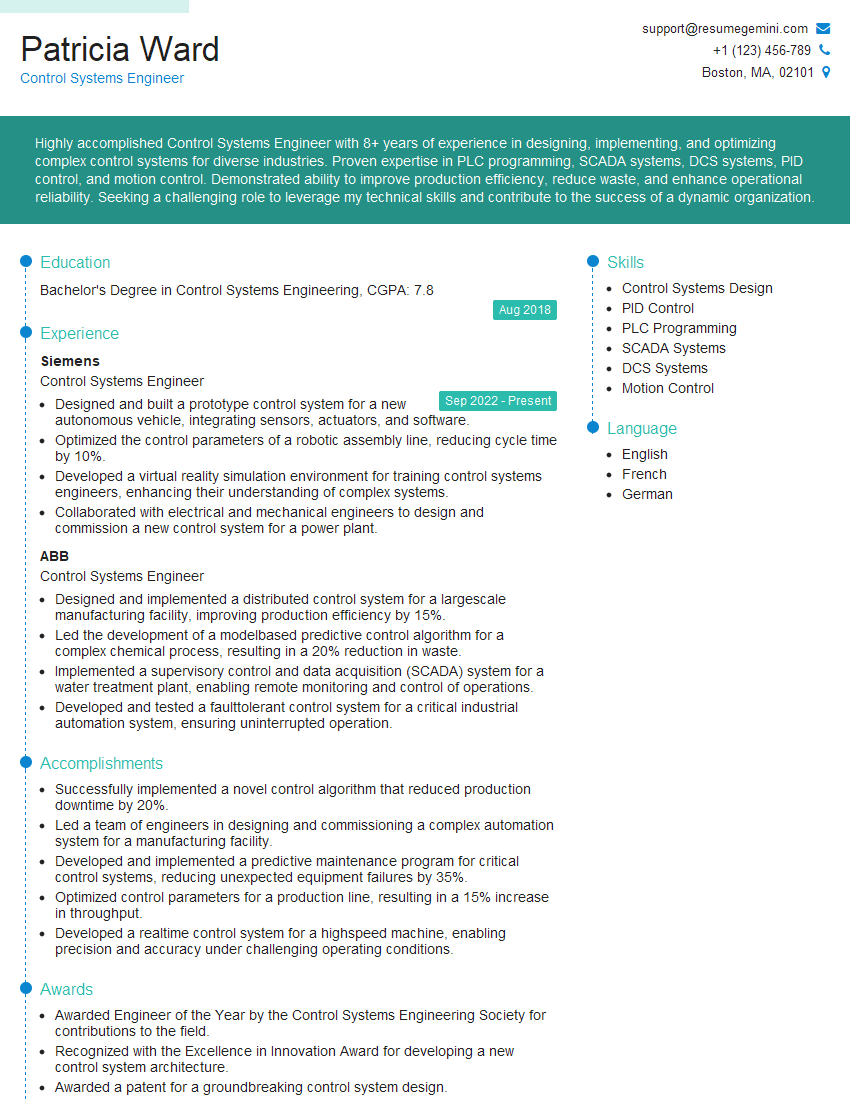
Control Systems Engineer Resume Sample
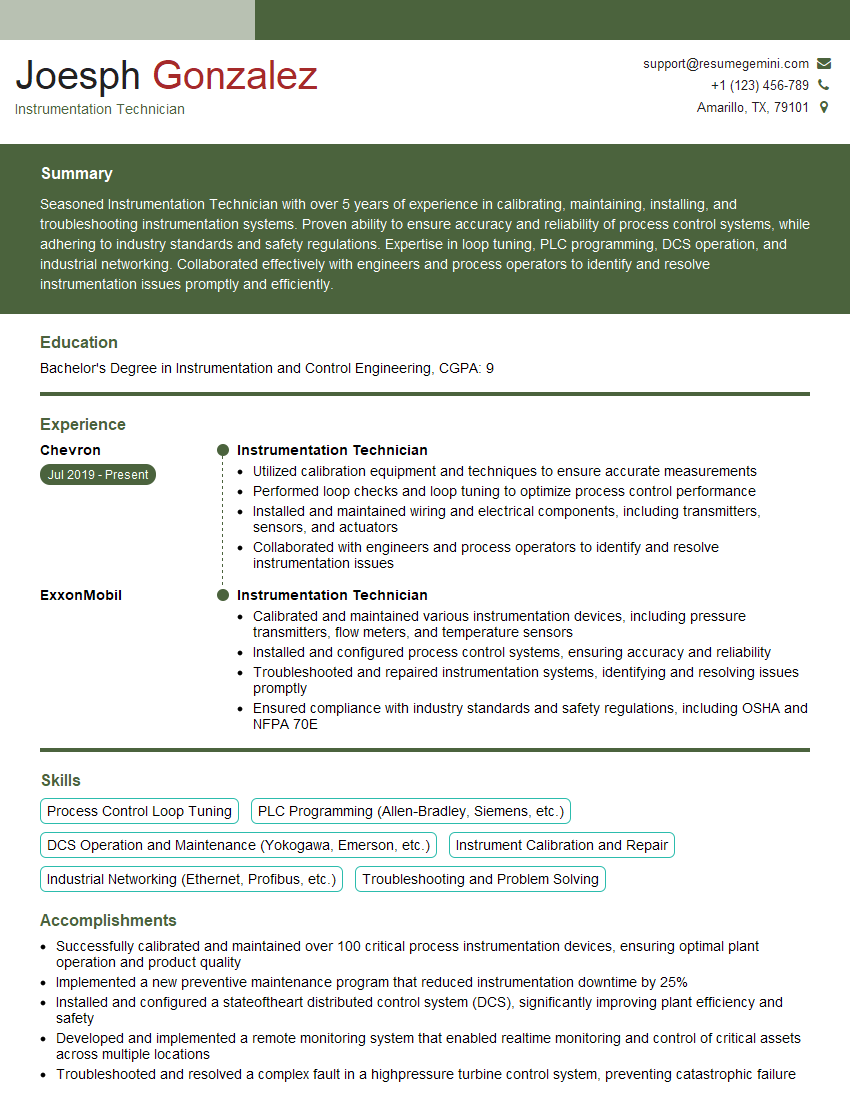
Instrumentation Technician Resume Sample
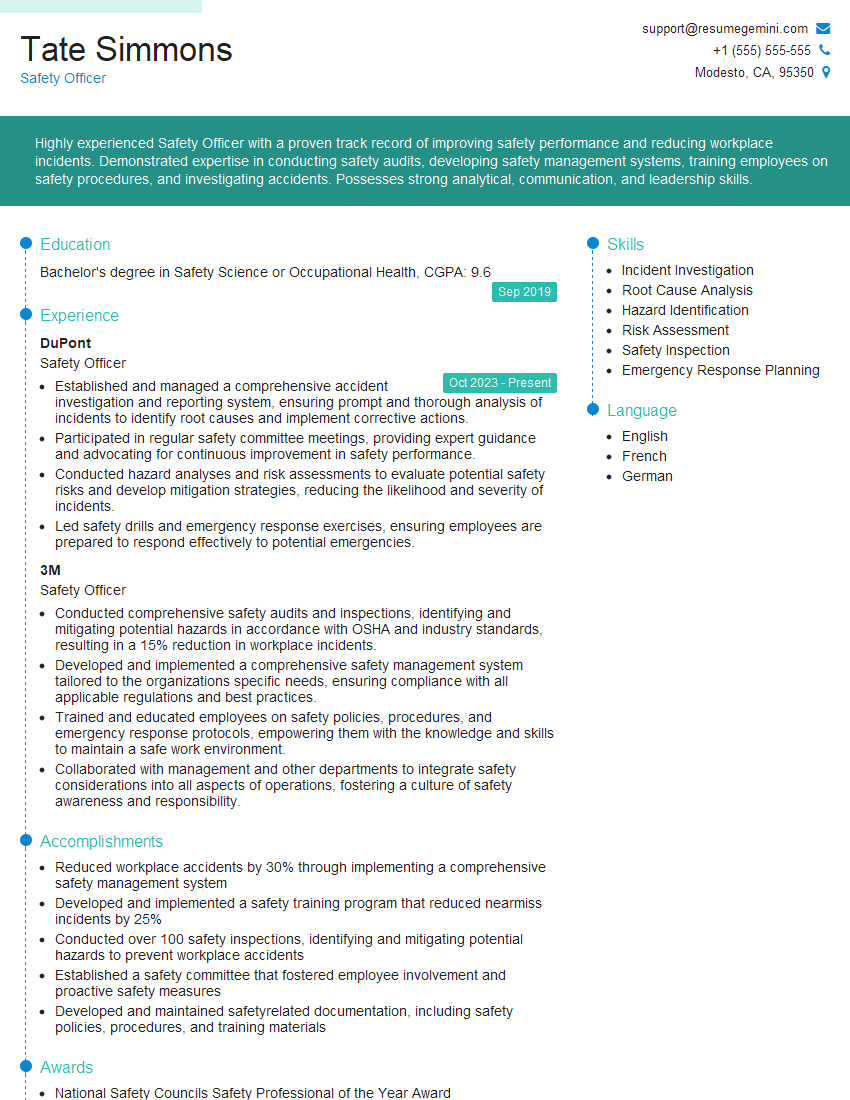
Safety Officer Resume Sample
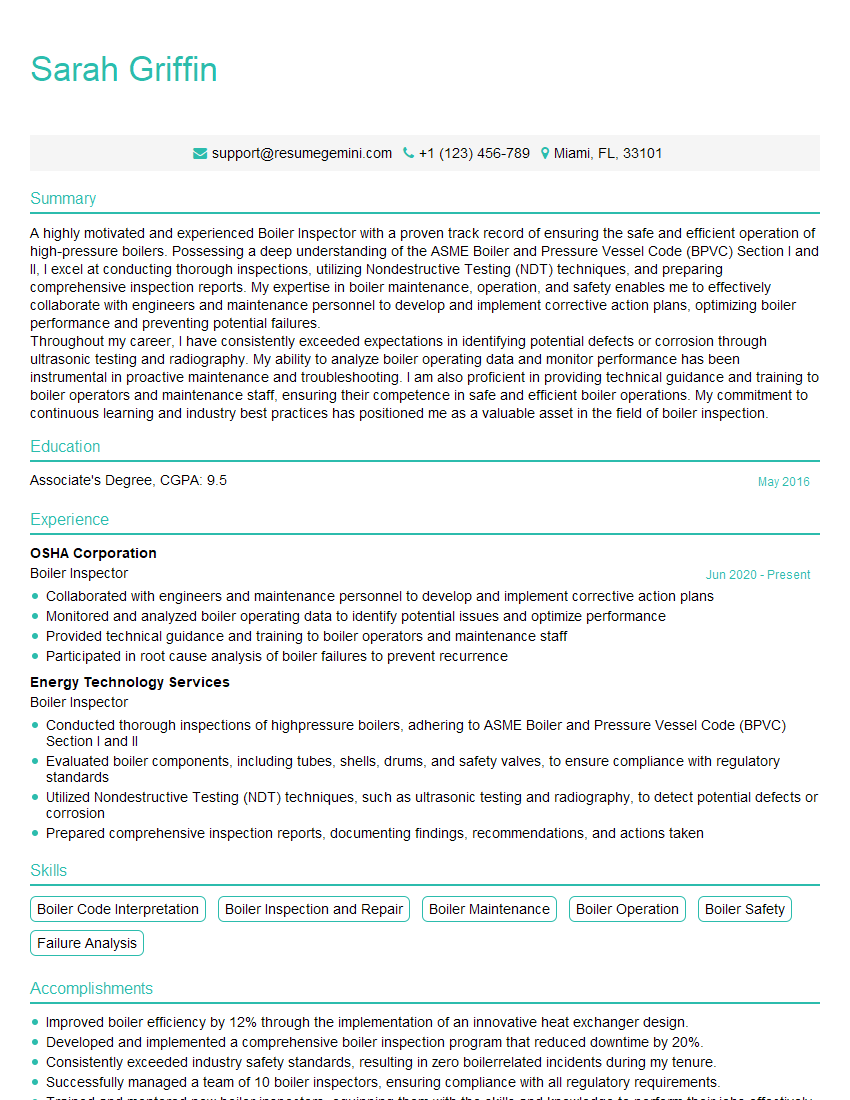
Boiler Inspector Resume Sample
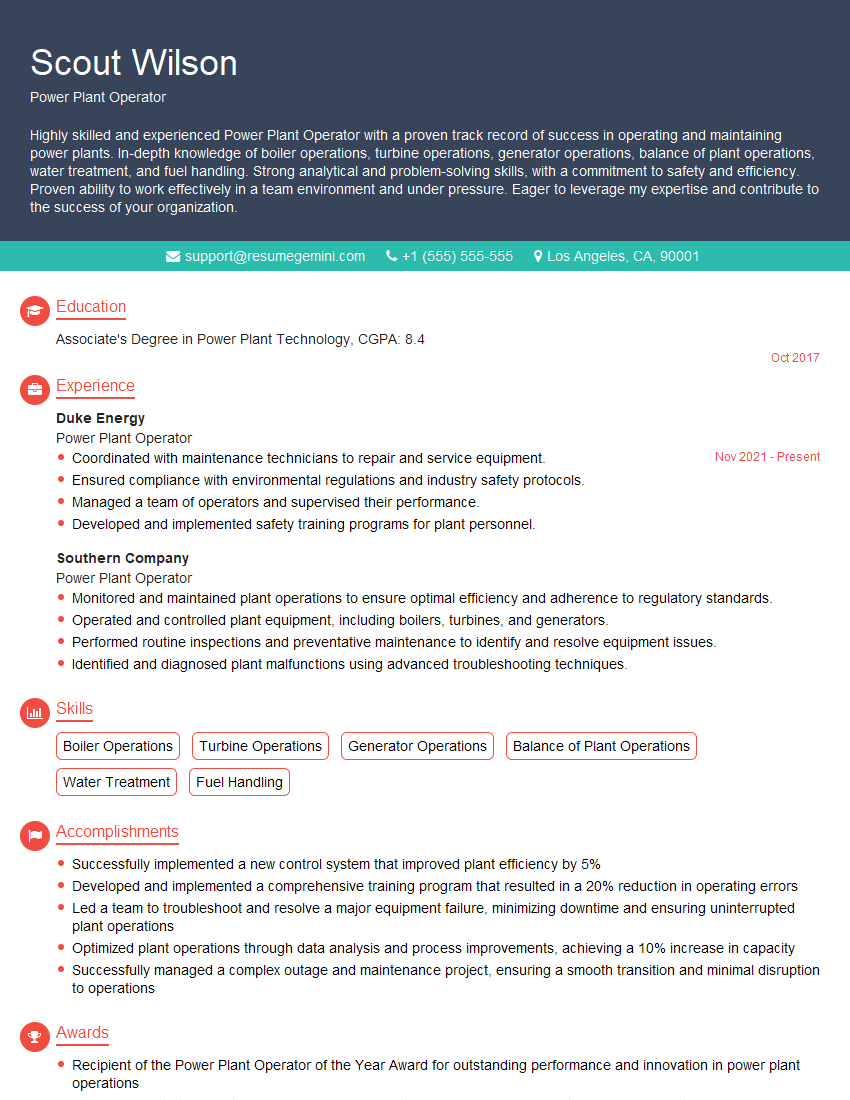
Power Plant Operator Resume Sample
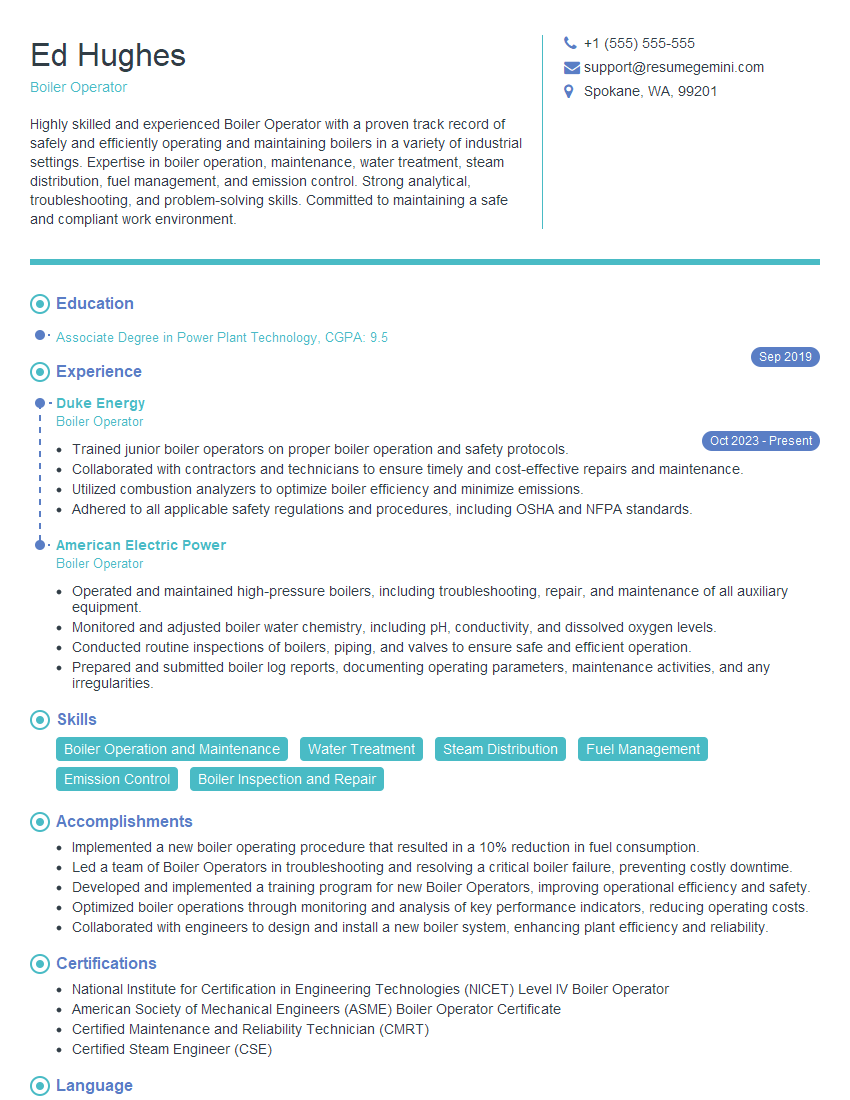
Boiler Operator Resume Sample
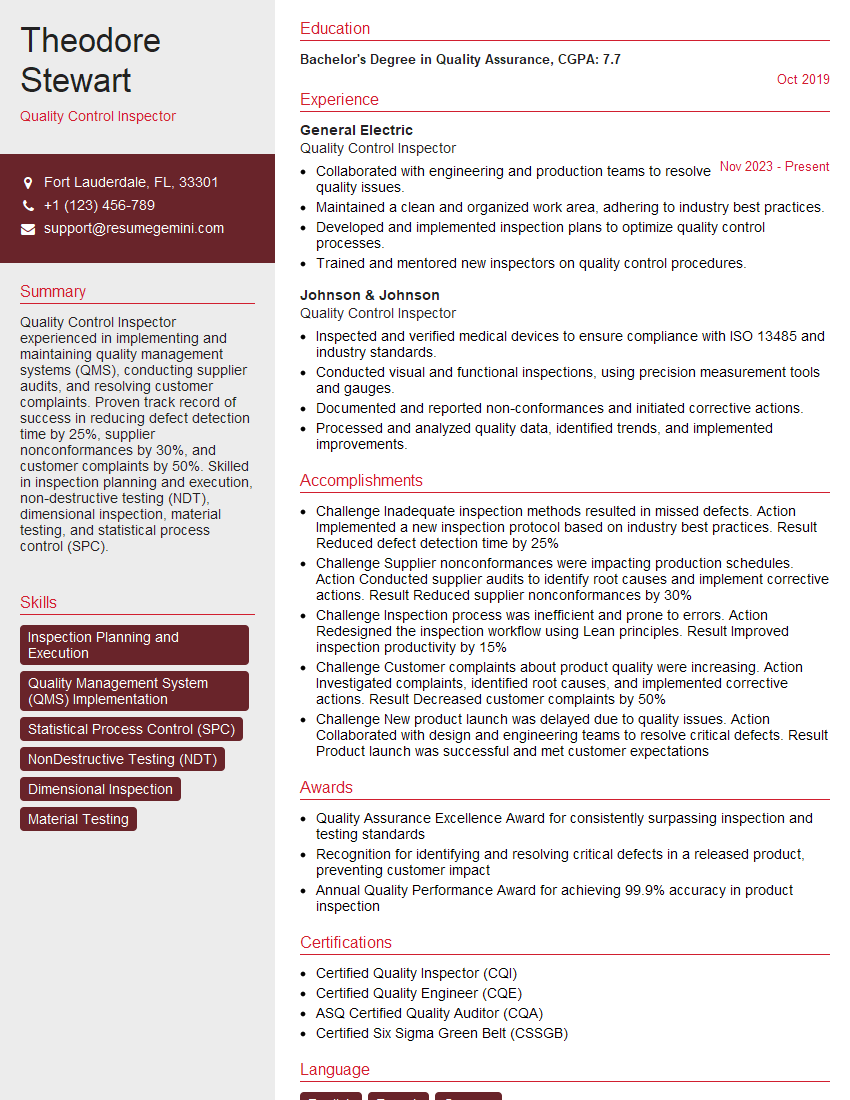
Quality Control Inspector Resume Sample
- Facility Manager
- Plant Manager
- Maintenance Planner
- Maintenance Supervisor
- Chief Engineer
- Compliance Officer
- Regulatory Specialist
- Reliability Engineer
- Process Engineer
- Energy Engineer
- Control Systems Engineer
- Instrumentation Technician
- Safety Officer
- Boiler Inspector
- Power Plant Operator
- Boiler Operator
- Quality Control Inspector
Explore more articles
Users Rating of Our Blogs
Share Your Experience
We value your feedback! Please rate our content and share your thoughts (optional).
What Readers Say About Our Blog
Really detailed insights and content, thank you for writing this detailed article.
IT gave me an insight and words to use and be able to think of examples