Preparation is the key to success in any interview. In this post, we’ll explore crucial Brand Identification interview questions and equip you with strategies to craft impactful answers. Whether you’re a beginner or a pro, these tips will elevate your preparation.
Questions Asked in Brand Identification Interview
Q 1. Define brand identity and explain its key components.
Brand identity is the unique expression of a brand, encompassing all the planned aspects that distinguish it from competitors. It’s the carefully crafted personality and image a company wants to project to its target audience. Think of it as the brand’s DNA – a blueprint that guides all aspects of its communication and interactions.
- Brand Name and Logo: The fundamental visual and verbal identifiers. For example, the instantly recognizable Apple logo and its simple, yet powerful name.
- Brand Voice and Tone: The personality of the brand reflected in its communication style – is it formal, playful, sophisticated, or edgy? Nike’s voice is confident and motivational, whereas Dove’s is nurturing and empathetic.
- Brand Values: The core principles that guide the brand’s actions and decision-making. Patagonia’s brand values revolve around environmental sustainability and ethical practices.
- Brand Messaging: The key messages the brand uses to communicate its value proposition to its target audience. This often involves defining a unique selling proposition (USP) and conveying it clearly and consistently.
- Visual Identity: This includes the brand’s color palette, typography, imagery, and overall visual style. Think of Coca-Cola’s iconic red and white branding.
- Brand Experience: This encompasses all customer touchpoints and interactions with the brand, from website navigation to customer service experiences. A seamless and positive brand experience reinforces brand identity.
Q 2. How do you conduct a brand audit?
A brand audit is a systematic review of a brand’s current state. It’s like giving your brand a thorough health check. It aims to identify strengths, weaknesses, opportunities, and threats (SWOT analysis). The process usually involves:
- Internal Review: Examining internal documents, brand guidelines, marketing materials, and customer feedback to understand the current brand positioning and performance.
- Competitive Analysis: Researching competitors to identify their strengths and weaknesses and to benchmark against their brand strategies.
- Market Research: Conducting surveys, focus groups, or interviews with target customers to understand their perception of the brand and identify any gaps.
- Website Analysis: Evaluating the brand’s online presence, including website design, content, and SEO.
- Social Media Audit: Analyzing brand mentions, engagement levels, and sentiment on social media platforms.
- Financial Analysis: Reviewing sales data and financial performance to assess the brand’s financial health and ROI.
The results of the brand audit inform the development of a brand strategy that addresses identified issues and capitalizes on opportunities.
Q 3. Describe your process for developing a brand positioning statement.
Developing a brand positioning statement is a crucial step in defining how your brand will compete in the marketplace. It concisely answers: Who are we? What do we offer? Why are we different? And to whom are we offering it?
My process involves:
- Market Research: Understanding the target audience, competitors, and market trends.
- Competitive Analysis: Identifying the unique selling points (USPs) that differentiate the brand from its competitors.
- Value Proposition Definition: Articulating the core benefits and value the brand provides to its customers.
- Brand Personality Definition: Defining the brand’s tone, style, and personality.
- Statement Development: Crafting a concise and compelling statement that captures the essence of the brand’s position. A good positioning statement should be clear, memorable, and easily understood by both internal and external stakeholders.
- Testing and Refinement: Testing the statement with the target audience to ensure resonance and clarity.
For example, a positioning statement might be: “For busy professionals who value efficiency and quality, [Brand Name] provides premium time-saving tools that simplify complex tasks.”
Q 4. Explain the difference between brand identity and brand image.
Brand identity and brand image are closely related but distinct concepts. Brand identity is the planned and controlled expression of a brand – what a company *wants* the brand to be. Brand image, on the other hand, is the perception of the brand held by the public – what the brand *actually* is perceived to be.
Think of it like this: Brand identity is the carefully curated story a company tells about itself, while brand image is the story that the audience tells about the company based on its experiences and interactions. There can be a gap between the two, and closing this gap is a major goal for any brand management effort. A successful brand strives for alignment between its intended identity and its resulting image.
Q 5. How do you measure the effectiveness of a brand identity campaign?
Measuring the effectiveness of a brand identity campaign requires a multi-faceted approach, going beyond just sales figures. Key metrics include:
- Brand Awareness: Measuring changes in brand recall and recognition using surveys, polls, and social media analytics.
- Brand Perception: Tracking changes in customer perceptions of the brand’s attributes, such as quality, trust, and innovation, using quantitative and qualitative research methods.
- Brand Equity: Assessing the value of the brand based on its intangible assets, such as brand loyalty, recognition and reputation. This can be done through brand valuation methods.
- Website Traffic and Engagement: Monitoring website visits, bounce rates, and time spent on site to assess the campaign’s impact on online engagement.
- Social Media Engagement: Tracking mentions, shares, likes, and comments on social media to assess the reach and effectiveness of social media campaigns.
- Sales and Revenue: Monitoring sales and revenue data to understand the campaign’s impact on business outcomes.
- Customer Satisfaction: Measuring customer satisfaction through surveys and feedback mechanisms.
A combination of quantitative and qualitative data allows for a comprehensive evaluation of the campaign’s success.
Q 6. What are the key elements of a successful brand architecture?
Successful brand architecture provides a clear structure and hierarchy for a brand’s various offerings. It ensures consistency and avoids confusion among consumers. Key elements include:
- Brand Hierarchy: Defining the relationship between the parent brand and its sub-brands or product lines. For example, P&G uses a house of brands architecture, with each brand operating independently (e.g., Tide, Pampers, Gillette).
- Brand Naming Conventions: Establishing clear naming rules to create a consistent and recognizable brand identity. This might involve using consistent suffixes or prefixes.
- Brand Positioning: Defining the unique position of each brand within the overall portfolio. Each brand should have a clear and distinct target market and value proposition.
- Visual Identity Guidelines: Developing comprehensive guidelines for the visual elements of each brand, ensuring consistency in logo usage, color palettes, and typography.
- Brand Messaging: Defining consistent and distinct messaging strategies for each brand. This must align with the overall brand architecture and the individual brand’s positioning.
- Brand Storytelling: Crafting narratives that connect each brand to the overall corporate brand and the target market.
A well-defined brand architecture streamlines brand management, enhances brand equity, and reduces confusion amongst consumers.
Q 7. How do you handle a brand crisis?
Handling a brand crisis requires swift, decisive, and transparent action. The goal is to minimize damage and restore public trust. My approach involves:
- Rapid Response: Quickly acknowledge the situation and take responsibility where appropriate. Silence only amplifies the issue.
- Damage Control: Actively address the problem and mitigate further damage by providing factual information and showing empathy towards affected parties.
- Transparency and Honesty: Communicate openly and honestly with all stakeholders – customers, employees, media, and the public. Hiding information only worsens the crisis.
- Proactive Communication: Establish multiple communication channels to disseminate accurate information and control the narrative. Utilize social media, press releases, and websites.
- Crisis Communication Team: Assemble a dedicated team to manage the crisis, ensuring consistent messaging and coordinated response.
- Long-Term Recovery Plan: Develop a plan to rebuild trust and recover from the crisis. This involves implementing changes to prevent future occurrences and re-engaging customers.
A successful crisis management strategy requires preparation, clear communication, and a commitment to transparency. Learning from the crisis is crucial for long-term brand resilience.
Q 8. Describe your experience with brand repositioning.
Brand repositioning is the strategic process of changing how a brand is perceived by its target audience. It’s often necessary when a brand’s image is outdated, no longer resonates with consumers, or needs to adapt to a changing market. I’ve been involved in several repositioning projects, ranging from revitalizing legacy brands to launching new product lines under an existing brand umbrella.
One successful project involved a regional bakery that had become stagnant. Their brand was perceived as old-fashioned and lacked appeal to younger demographics. We conducted extensive market research, identifying a key desire for healthier, artisanal options. The repositioning involved a complete redesign of their packaging, emphasizing natural ingredients and a modern aesthetic. We also updated their messaging, focusing on craftsmanship and freshness. This, coupled with a targeted social media campaign, resulted in a significant increase in brand awareness and sales among the desired demographic.
Another example involved a technology company aiming to expand its market reach. They initially focused on a niche segment, but their technology had broader applications. The repositioning effort included a shift in messaging to highlight the broader functionalities and benefits, resulting in a successful expansion into new markets.
Q 9. How do you ensure brand consistency across all channels?
Brand consistency across all channels is crucial for building a strong brand identity. Inconsistent messaging or visuals can confuse consumers and dilute brand equity. To achieve this, I employ a multi-pronged approach.
- Brand Guidelines: Comprehensive brand guidelines are paramount. These documents should specify everything from logo usage and color palettes to font choices, tone of voice, and messaging style across all platforms (website, social media, print materials, etc.).
- Centralized Asset Management: Using a central repository for all brand assets – logos, images, templates – ensures everyone uses the correct and up-to-date versions. This prevents inconsistencies and reduces the risk of errors.
- Regular Audits and Training: Periodic audits of marketing materials and communication across all channels are critical to catch and correct inconsistencies. Regular training for marketing and communications teams ensures everyone understands and adheres to the brand guidelines.
- Technology Integration: Using brand management software can automate aspects of brand consistency, ensuring consistent application of branding across different platforms.
Think of it like building a house: you wouldn’t use different types of bricks or paint colors without a plan. Brand consistency is that plan, ensuring a cohesive and recognizable brand experience for the customer.
Q 10. How do you incorporate customer feedback into brand development?
Customer feedback is invaluable in brand development. It provides direct insights into consumer perceptions, preferences, and pain points. I incorporate customer feedback through various methods:
- Surveys and Questionnaires: These tools provide quantitative and qualitative data on customer satisfaction, brand perception, and areas for improvement.
- Focus Groups: Focus groups offer in-depth discussions and insights into customer attitudes and behaviors. They allow for direct interaction and probing questions.
- Social Media Monitoring: Tracking mentions of the brand on social media platforms allows for real-time feedback and sentiment analysis. This provides a clear understanding of public opinion.
- Customer Reviews and Testimonials: Analyzing online reviews and testimonials helps understand customer experiences and identify areas where the brand excels or falls short.
- Direct Customer Interaction: Engaging directly with customers through email, phone calls, or in-person interactions provides personalized feedback and valuable insights.
By analyzing this data, we can identify opportunities for product improvement, refine brand messaging, and enhance customer experiences. For instance, consistently negative feedback about slow shipping times would prompt an investigation into logistics and potential improvements to the supply chain.
Q 11. Explain your understanding of brand equity.
Brand equity refers to the value of a brand, encompassing its reputation, customer loyalty, and brand recognition. It’s essentially the intangible assets associated with a brand name that contribute to a company’s market value. A brand with high equity enjoys greater customer trust, stronger pricing power, and a competitive advantage.
Several factors contribute to brand equity, including brand awareness, perceived quality, brand associations, and customer loyalty. For example, a brand known for its high-quality products (perceived quality) and innovative designs (brand associations) is likely to have higher equity than a brand with little brand recognition and inconsistent product quality.
Measuring brand equity involves assessing various metrics such as customer satisfaction, brand loyalty, and market share. Strong brand equity translates to higher profits, increased investor confidence, and greater resilience in the face of competition.
Q 12. How do you identify your target audience for brand development?
Identifying the target audience is the foundation of successful brand development. It involves understanding the demographics, psychographics, needs, and motivations of the ideal customer. A clearly defined target audience allows for focused and effective marketing campaigns.
My approach involves a multi-faceted analysis:
- Market Research: Conducting thorough market research, including surveys, focus groups, and competitive analysis, to understand the market landscape and potential customer segments.
- Data Analysis: Analyzing existing customer data (if available) to identify common characteristics and purchasing patterns.
- Customer Personas: Creating detailed customer personas that represent ideal customers, including their demographics, lifestyle, values, and motivations.
- Competitive Analysis: Studying competitors’ target audiences to understand their strategies and identify opportunities for differentiation.
For example, if we’re developing a brand for organic baby food, the target audience would be parents who are health-conscious and prioritize organic and natural ingredients for their children. Understanding this allows us to tailor our messaging, packaging, and distribution channels to resonate with this specific group.
Q 13. What are some common brand identity pitfalls to avoid?
Several pitfalls can derail brand identity efforts. Avoiding these is crucial for long-term success.
- Inconsistent Messaging: Using different tones, styles, or messages across channels confuses customers and dilutes brand identity.
- Ignoring Target Audience: Developing a brand without a clear understanding of the target audience leads to irrelevant messaging and ineffective marketing.
- Lack of Brand Guidelines: Not having clear brand guidelines results in inconsistent brand application across different touchpoints.
- Poor Quality Products or Services: A brand’s promise must be reflected in the quality of its offerings. Inconsistent quality erodes trust and harms brand equity.
- Ignoring Customer Feedback: Failing to listen to and respond to customer feedback can lead to lost opportunities and dissatisfied customers.
- Lack of Differentiation: A brand must offer something unique and compelling to stand out from the competition. Being too generic limits its appeal.
Successfully navigating these pitfalls requires careful planning, thorough research, consistent execution, and a commitment to continuous improvement.
Q 14. Describe your experience with brand guidelines development.
Developing brand guidelines is a critical part of ensuring brand consistency. These guidelines serve as a blueprint for how the brand should be presented in all communications and materials. My approach involves a collaborative and iterative process.
The process typically includes:
- Brand Research and Definition: Thoroughly researching the brand’s history, values, mission, and target audience to establish a solid foundation.
- Visual Identity Design: Defining the brand’s visual elements, including logo, color palette, typography, and imagery style.
- Messaging and Tone of Voice: Defining the brand’s voice and messaging across different channels, ensuring a consistent and authentic tone.
- Logo Usage Guidelines: Specifying how the logo can and cannot be used, including minimum size, clear space, and color variations.
- Content Guidelines: Outlining best practices for writing and creating content that aligns with the brand’s voice and style.
- Template Creation: Developing templates for various marketing materials, such as brochures, social media posts, and email newsletters, to maintain consistency.
- Review and Approval: Obtaining feedback and approval from key stakeholders throughout the process.
The final result is a comprehensive document that serves as a central resource for all team members and external partners involved in representing the brand. This helps ensure consistent and effective communication.
Q 15. How do you use market research to inform brand decisions?
Market research is the cornerstone of informed brand decisions. It provides the crucial data needed to understand your target audience, competitive landscape, and market trends. I utilize a multi-faceted approach, incorporating quantitative and qualitative research methods.
Quantitative Research: This involves numerical data collection through surveys, polls, and data analysis to understand market size, demographics, and consumer preferences. For example, I might conduct a large-scale survey to determine the percentage of consumers who prefer a specific product feature.
Qualitative Research: This focuses on in-depth understanding of consumer attitudes, perceptions, and motivations through focus groups, interviews, and ethnographic studies. This helps unearth the ‘why’ behind consumer choices. For instance, a series of focus groups could reveal unmet needs or emotional connections consumers have with a brand.
The insights gained from both methods are then synthesized to create a comprehensive understanding of the market and inform critical branding decisions like target audience definition, brand positioning, messaging, and visual identity.
For example, if market research reveals a growing consumer preference for sustainable products, this would directly inform the development of eco-friendly packaging and marketing messaging for a brand.
Career Expert Tips:
- Ace those interviews! Prepare effectively by reviewing the Top 50 Most Common Interview Questions on ResumeGemini.
- Navigate your job search with confidence! Explore a wide range of Career Tips on ResumeGemini. Learn about common challenges and recommendations to overcome them.
- Craft the perfect resume! Master the Art of Resume Writing with ResumeGemini’s guide. Showcase your unique qualifications and achievements effectively.
- Don’t miss out on holiday savings! Build your dream resume with ResumeGemini’s ATS optimized templates.
Q 16. How do you stay up-to-date on branding trends?
Staying abreast of branding trends requires a proactive and multi-pronged strategy. I leverage a variety of resources to ensure my knowledge remains current and relevant.
Industry Publications and Blogs: I regularly read publications like Brand Quarterly, Fast Company, and numerous design and marketing blogs to keep up with the latest trends, case studies, and best practices.
Industry Events and Conferences: Attending conferences like SXSW, Cannes Lions, and various design summits offers direct exposure to leading experts and cutting-edge ideas. Networking opportunities at such events are invaluable.
Social Media Monitoring: I actively follow key influencers, brands, and design agencies on platforms like Instagram, Pinterest, and Behance to observe emerging visual styles and communication approaches.
Competitive Analysis: Regularly reviewing the branding strategies of competitors helps identify successful approaches and potential opportunities for differentiation.
This continuous learning process ensures I can integrate the latest trends into brand strategies, helping clients stay ahead of the curve and remain competitive.
Q 17. Explain your approach to creating a brand style guide.
Creating a comprehensive brand style guide is crucial for maintaining brand consistency. My approach is highly collaborative and iterative, involving these key steps:
Brand Discovery and Definition: This initial phase involves deep dives into the brand’s mission, vision, values, target audience, and competitive landscape to establish a clear brand foundation. This often involves stakeholder interviews and workshops.
Visual Identity Development: This step encompasses logo design, color palette selection, typography choices, and imagery guidelines. These elements are meticulously documented to ensure consistent application across all brand touchpoints.
Voice and Tone Guidelines: Defining the brand’s personality and voice is crucial for consistent messaging. The style guide includes guidelines on word choice, sentence structure, and overall tone of voice across all communication channels (website, social media, marketing materials etc.).
Graphic Standards: The guide details specifications for logo usage (clear space, minimum size, variations), color codes (CMYK, RGB, Pantone), and typography (font families, sizes, weights).
Template Creation: To ensure ease of use, the style guide often includes templates for common marketing materials, such as presentations, social media posts, and email newsletters.
Iteration and Refinement: The style guide is not a static document. It’s continuously reviewed and updated to reflect evolving brand needs and market trends.
The final product is a living document, easily accessible to all stakeholders and constantly evolving to reflect the brand’s dynamic nature.
Q 18. How do you manage conflicting priorities in brand development?
Conflicting priorities are inevitable in brand development. I address this challenge through a structured approach that prioritizes open communication and strategic decision-making.
Prioritization Matrix: I use a prioritization matrix to rank competing objectives based on their strategic importance and feasibility. This helps visualize trade-offs and make informed decisions.
Stakeholder Alignment: Regular meetings and clear communication with all stakeholders (marketing, sales, executive team) are crucial to ensure everyone understands the rationale behind the chosen priorities. This often involves presenting data-driven justifications for decisions.
Phased Approach: Breaking down the brand development process into phases allows for manageable implementation. We address high-priority objectives in the early stages and revisit less critical aspects later.
Contingency Planning: Developing contingency plans for unforeseen circumstances or changes in market conditions enables adaptability and mitigates risks.
This systematic approach ensures that despite conflicting demands, the brand development project stays focused, efficient, and delivers tangible results. For example, if budget constraints conflict with the desire for a large-scale marketing campaign, we might prioritize digital marketing over print advertising.
Q 19. Describe your experience working with a creative team on branding projects.
Collaboration is fundamental to successful branding projects. My experience working with creative teams involves fostering a culture of open communication, mutual respect, and shared understanding.
Clear Brief and Objectives: I begin by providing a clear and concise project brief that outlines the project’s goals, target audience, and key success metrics. This forms the foundation for the creative process.
Regular Feedback and Iteration: I encourage regular feedback sessions to ensure alignment between the creative direction and brand strategy. Iterative design processes allow for adjustments and improvements throughout the project lifecycle.
Constructive Criticism: I provide constructive criticism that is both specific and supportive. My feedback focuses on enhancing the creative work while remaining mindful of the team’s efforts.
Open Communication Channels: I maintain open communication channels through regular meetings, email updates, and project management tools to ensure transparency and efficiency.
For example, in a recent project, I worked closely with a design team to develop a new logo for a tech startup. Through collaborative feedback sessions, we refined the design several times until we arrived at a logo that perfectly captured the brand’s essence and met the company’s strategic objectives.
Q 20. How do you measure the return on investment (ROI) of branding initiatives?
Measuring the ROI of branding initiatives requires a nuanced approach that goes beyond simple metrics. While direct attribution can be challenging, a combination of quantitative and qualitative data provides a comprehensive picture.
Website Traffic and Engagement: Tracking website traffic, bounce rates, and time spent on site can indicate the effectiveness of branding efforts in driving online engagement.
Social Media Metrics: Monitoring social media engagement (likes, shares, comments, followers) and brand mentions reveals how the brand resonates with the target audience.
Sales and Revenue: While not always directly attributable to branding, increases in sales and revenue can indirectly indicate the positive impact of brand building activities. This requires careful analysis to isolate branding’s contribution.
Brand Awareness and Perception Studies: Conducting surveys and focus groups to measure changes in brand awareness, recall, and customer perception provide qualitative insights into the success of branding initiatives. This could measure shifts in customer satisfaction scores or brand reputation.
Customer Lifetime Value (CLTV): Analyzing CLTV reveals the long-term profitability of customer relationships built through strong branding. A successful brand can lead to higher customer loyalty and retention, resulting in increased CLTV.
It’s crucial to establish clear KPIs (Key Performance Indicators) at the beginning of a branding project to provide a benchmark against which to measure success. The combination of these data points provides a more holistic view of the ROI.
Q 21. How do you ensure brand consistency across different geographical markets?
Ensuring brand consistency across different geographical markets requires a thoughtful approach that balances global brand identity with local market sensitivities.
Market Research and Adaptation: Thorough market research in each target market is essential to understand local cultural nuances, consumer preferences, and regulatory requirements.
Localized Messaging and Content: While the core brand message should remain consistent, the specific language, imagery, and storytelling need to be adapted to resonate with local audiences. Translation alone isn’t sufficient; cultural adaptation is critical.
Visual Identity Adjustments: Minor adjustments to the visual identity might be necessary to align with local aesthetics and preferences, without compromising the overall brand identity. This could involve changes to color palettes or imagery styles, but the core logo and brand fonts should remain consistent.
Localized Website and Marketing Materials: Websites, marketing collateral, and advertising campaigns must be adapted to reflect the language and cultural context of each market.
Centralized Brand Guidelines: A robust brand style guide serves as the central repository of brand assets and guidelines. This ensures that all local teams have access to the same information and maintain consistency.
For example, a global fashion brand might adapt its marketing campaigns to reflect different fashion trends and cultural preferences in various regions. The color palettes or specific models used in advertising might change to better resonate with local consumers, while retaining the overall brand identity.
Q 22. How do you adapt your branding strategies for different platforms (e.g., social media, print)?
Adapting branding strategies across different platforms requires understanding each platform’s unique audience and communication style. Think of it like dressing for different occasions – you wouldn’t wear a tuxedo to the beach! On social media, for example, the tone is often more informal and conversational, leveraging visuals and short-form video. Print media, on the other hand, typically calls for a more polished and refined approach, focusing on high-quality imagery and concise messaging.
- Social Media: Use shorter, impactful messages. Employ relevant hashtags. Prioritize visually engaging content like short videos and infographics. Foster community engagement through polls, Q&As, and interactive stories.
- Print Media: Maintain a consistent brand voice but with a more formal tone. Use high-resolution images and a professional layout. Consider the physical space and how your design fits within the publication.
- Website: A website offers a blend of both approaches, allowing for detailed information and visually rich content. The focus here should be on user experience (UX) and search engine optimization (SEO).
For example, a company launching a new product might use short, attention-grabbing video ads on platforms like TikTok and Instagram, while simultaneously featuring a more detailed print ad in a relevant industry magazine, highlighting the product’s specifications and benefits. The core brand message remains consistent, but the delivery method is tailored to each platform.
Q 23. How do you handle negative brand perception?
Handling negative brand perception requires a swift, transparent, and empathetic response. Ignoring negative feedback is a recipe for disaster. It’s crucial to actively monitor online conversations and reviews. My approach involves a three-pronged strategy:
- Acknowledge and Respond: Publicly acknowledge the negative feedback and express empathy towards the customer’s experience. A simple, “We appreciate you bringing this to our attention,” goes a long way.
- Investigate and Address: Internally investigate the issue to understand its root cause. Was there a genuine problem with the product or service? Was there a communication breakdown? Once the cause is identified, take steps to rectify it and prevent recurrence.
- Proactively Communicate Solutions: Publicly share the steps you’ve taken to address the issue. This demonstrates transparency and commitment to customer satisfaction. Offer a solution, whether it’s a refund, replacement, or improved service.
For instance, if a customer complains about a faulty product on social media, I would respond directly, offering to replace the product or provide a refund. I would then internally investigate the manufacturing process to prevent similar issues in the future and publicly share the steps taken to address the quality control issues.
Q 24. Describe your experience with competitor analysis and its impact on brand strategy.
Competitor analysis is crucial for effective brand strategy. It’s about understanding the competitive landscape, identifying opportunities, and shaping a unique brand positioning. It’s not about copying; it’s about learning and differentiating. My process involves:
- Identify Key Competitors: Determine who your main competitors are – direct, indirect, and potential future competitors.
- Analyze Their Strengths and Weaknesses: Evaluate their product offerings, marketing strategies, pricing, target audience, and brand positioning.
- Identify Market Gaps and Opportunities: Look for unmet needs or underserved segments in the market that your brand can target.
- Develop a Unique Value Proposition: Define what makes your brand unique and superior to the competition. This forms the basis of your brand strategy.
For example, if a new coffee shop is launching in a market saturated with established brands, a thorough competitor analysis would reveal the strengths (e.g., established customer base, loyalty programs) and weaknesses (e.g., high prices, limited menu variety) of competitors. This allows the new coffee shop to identify opportunities, such as focusing on a niche market (e.g., organic coffee, unique blends) or offering a more affordable price point, while highlighting its unique value proposition—such as sustainable practices or a community-focused atmosphere.
Q 25. Explain your understanding of brand storytelling and its importance.
Brand storytelling is the art of crafting a compelling narrative around your brand that connects with your audience on an emotional level. It’s about more than just promoting products; it’s about sharing your brand’s values, mission, and history, building trust and loyalty. A strong brand story humanizes your brand, making it relatable and memorable.
Think of it like a good novel – it needs a beginning (brand origin), a middle (challenges and triumphs), and an end (future aspirations). A compelling brand story should answer questions like: Why does the brand exist? What problem does it solve? What are its values? What is its unique personality?
For instance, a handcrafted jewelry brand might tell a story about the artisan’s passion for their craft, their inspiration, and the unique techniques they use. This creates a connection with the customer beyond just the product, adding value and a sense of authenticity.
Q 26. How do you leverage brand assets to achieve marketing objectives?
Brand assets are the tangible and intangible elements that represent your brand. These include logos, color palettes, fonts, imagery, brand voice, and even employee behavior. Leveraging these assets to achieve marketing objectives involves a strategic and cohesive approach.
- Consistent Application: Ensure brand assets are consistently applied across all marketing materials and touchpoints to maintain brand recognition and recall.
- Strategic Deployment: Use brand assets in a way that directly supports marketing goals. For example, a high-quality image showcasing a product’s features can drive sales. A consistent brand voice builds trust and strengthens relationships.
- Measuring Effectiveness: Track the performance of your marketing campaigns to assess the impact of your brand assets and make necessary adjustments.
For example, a clothing brand might use its logo prominently on its packaging, website, and social media channels, consistently using its signature color palette and font. They might use high-quality product photos in their online store to drive conversions and create social media campaigns around a specific hashtag associated with their brand.
Q 27. Explain the role of visual identity in brand building.
Visual identity is the visual representation of your brand. It’s the first thing people notice and often forms their initial impression. It includes your logo, color palette, typography, imagery, and overall design aesthetic. A strong visual identity helps create brand recognition, communicate brand personality, and build brand equity.
Think of a company like Coca-Cola. Its iconic logo and red color immediately evoke feelings of happiness, refreshment, and nostalgia. This strong visual identity is a key element of its brand success. A poorly designed visual identity can be confusing, unprofessional, and even damaging to your brand. It needs to be memorable, consistent, and relevant to your target audience.
Q 28. How do you create a brand voice and tone guide?
Creating a brand voice and tone guide is crucial for maintaining consistency in your brand’s communication across all channels. It’s a document that outlines the personality, style, and language your brand uses. The process typically includes:
- Define your brand personality: Is your brand friendly and approachable, or sophisticated and authoritative? What are its core values?
- Establish your brand voice: This refers to the overall style and tone of your writing. Is it formal or informal, humorous or serious, technical or simple?
- Develop tone guidelines: Provide specific examples of how to use language in different contexts (e.g., social media posts vs. formal press releases).
- Create a style guide: Include guidelines on grammar, punctuation, capitalization, and other stylistic elements.
For example, a technology company might have a brand voice that is informative, professional, and slightly technical, whereas a children’s toy company might have a brand voice that is playful, fun, and engaging. The brand voice and tone guide will provide specific guidelines on how to use language to reflect these personalities in all forms of communication.
Key Topics to Learn for Brand Identification Interview
- Brand Positioning and Strategy: Understanding how a brand is positioned in the market, its target audience, and its unique value proposition. Practical application: Analyzing competitor brands and identifying opportunities for differentiation.
- Brand Architecture: Exploring the structure and hierarchy of a brand’s portfolio, including parent brands, sub-brands, and individual product brands. Practical application: Developing a brand architecture model for a new product line.
- Brand Equity and Valuation: Assessing the intangible value of a brand, including brand awareness, loyalty, and perception. Practical application: Conducting a brand audit to identify areas for improvement.
- Brand Storytelling and Messaging: Crafting compelling narratives and messaging that resonate with the target audience and communicate the brand’s personality and values. Practical application: Developing a social media campaign to build brand awareness.
- Visual Identity and Brand Guidelines: Understanding the importance of consistent visual elements, such as logos, colors, typography, and imagery. Practical application: Creating a brand style guide for a new company.
- Brand Management and Monitoring: Tracking brand performance, managing brand reputation, and adapting to market changes. Practical application: Developing a crisis communication plan to manage negative publicity.
- Brand Extensions and Licensing: Exploring opportunities to leverage brand equity through new product launches or licensing agreements. Practical application: Evaluating the feasibility of extending a brand into a new market.
Next Steps
Mastering Brand Identification is crucial for career advancement in marketing, branding, and related fields. A strong understanding of these concepts demonstrates valuable skills to potential employers. To significantly boost your job prospects, focus on crafting an ATS-friendly resume that effectively highlights your qualifications. ResumeGemini is a trusted resource to help you build a professional and impactful resume that gets noticed. We provide examples of resumes tailored to Brand Identification roles to guide you through the process. Take advantage of these resources to present yourself as the ideal candidate.
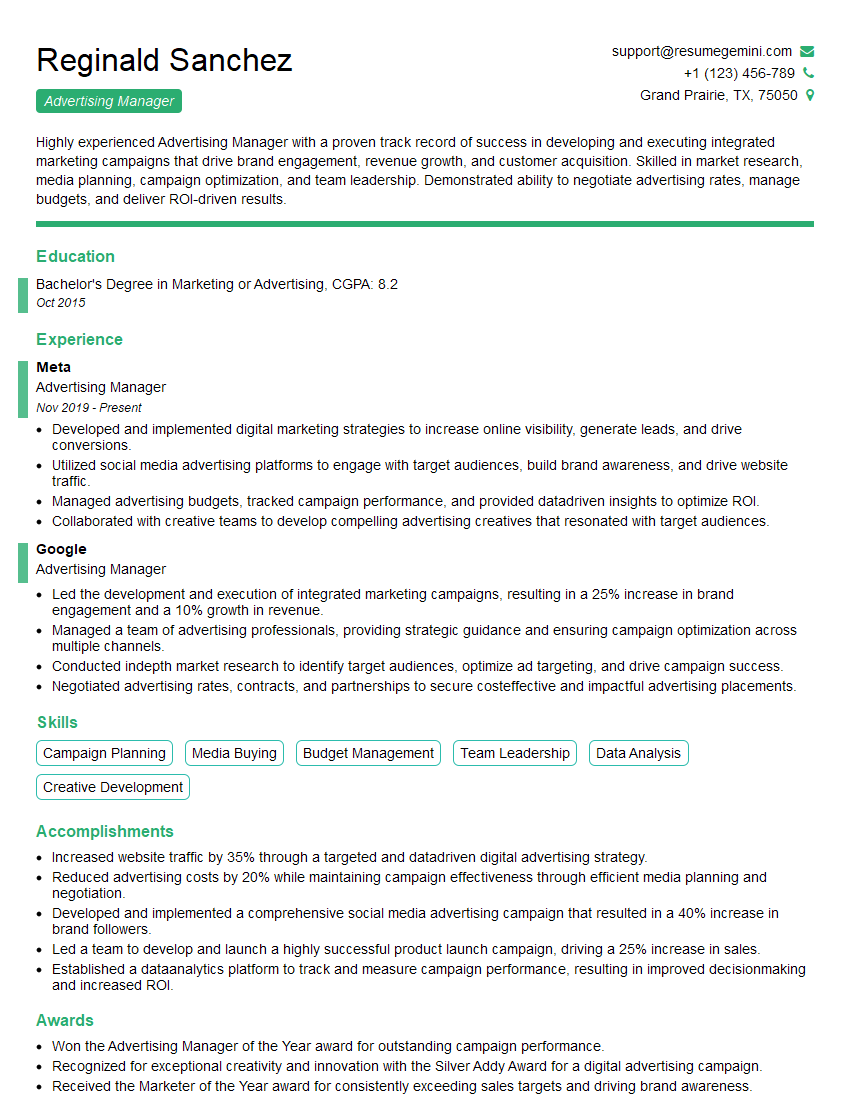
Advertising Manager Resume Sample
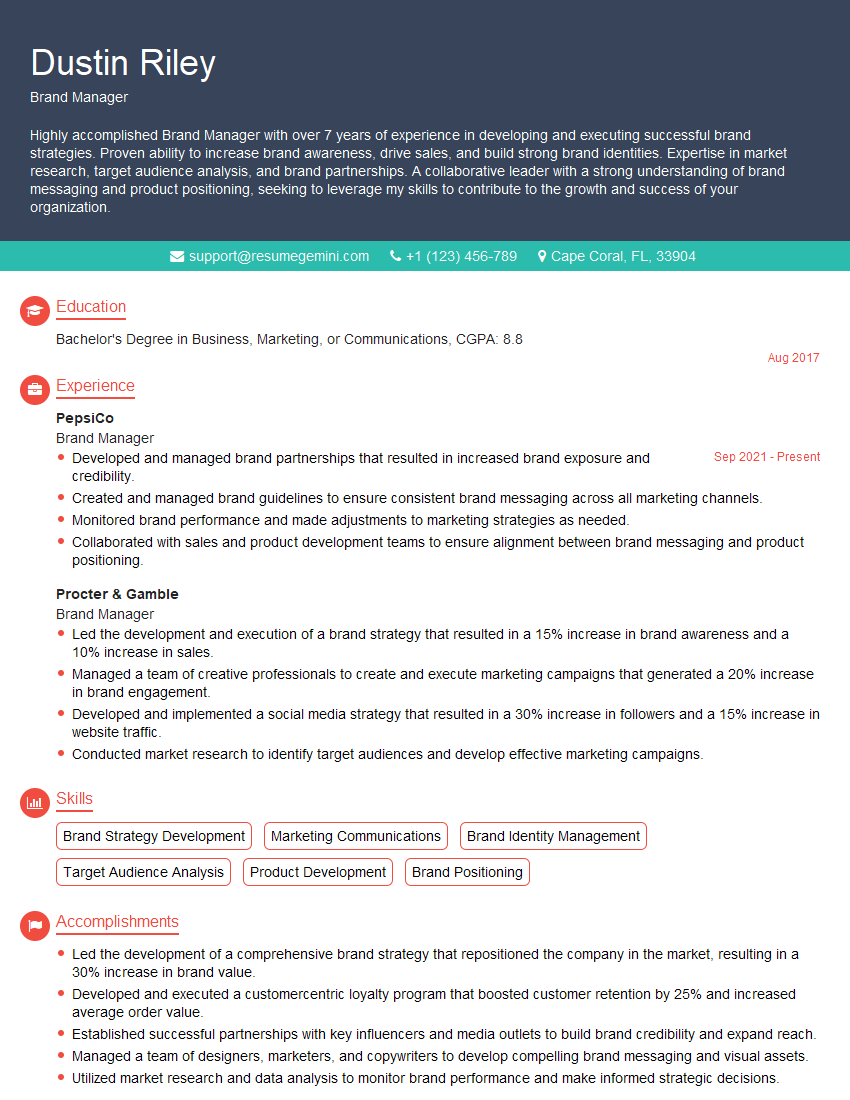
Brand Manager Resume Sample

Creative Director Resume Sample
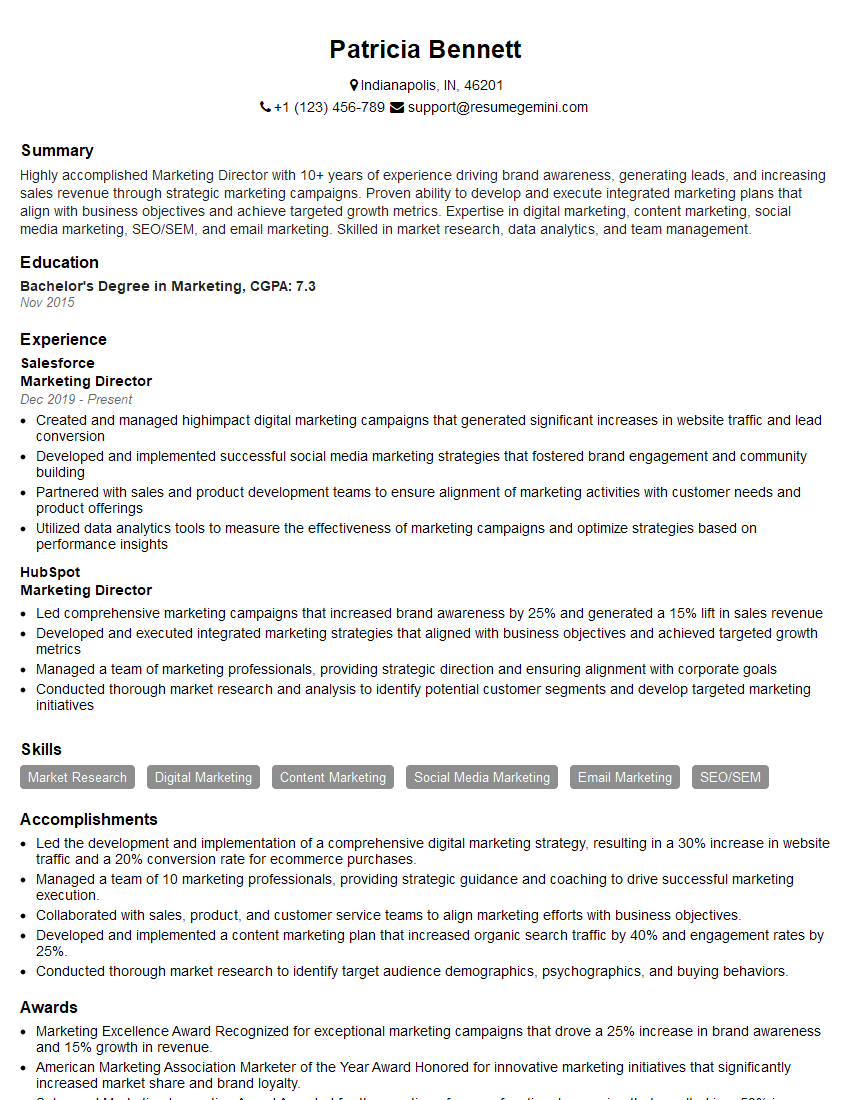
Marketing Director Resume Sample
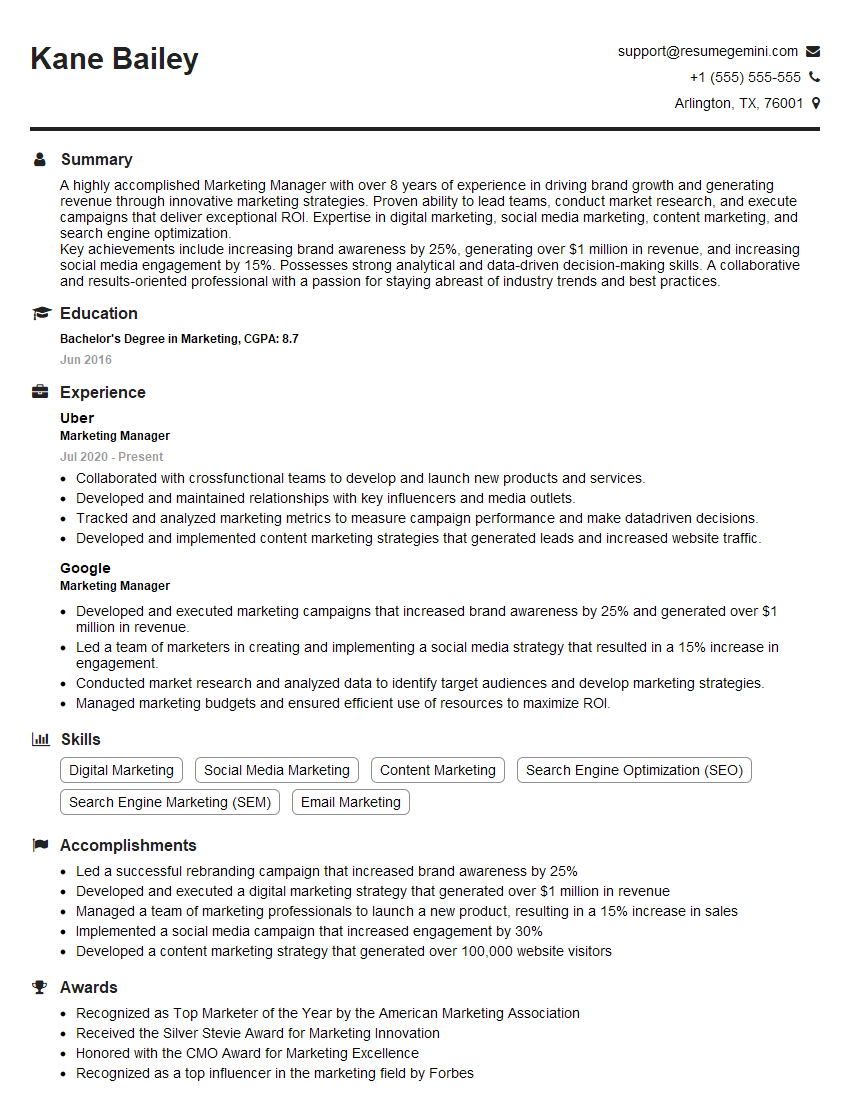
Marketing Manager Resume Sample
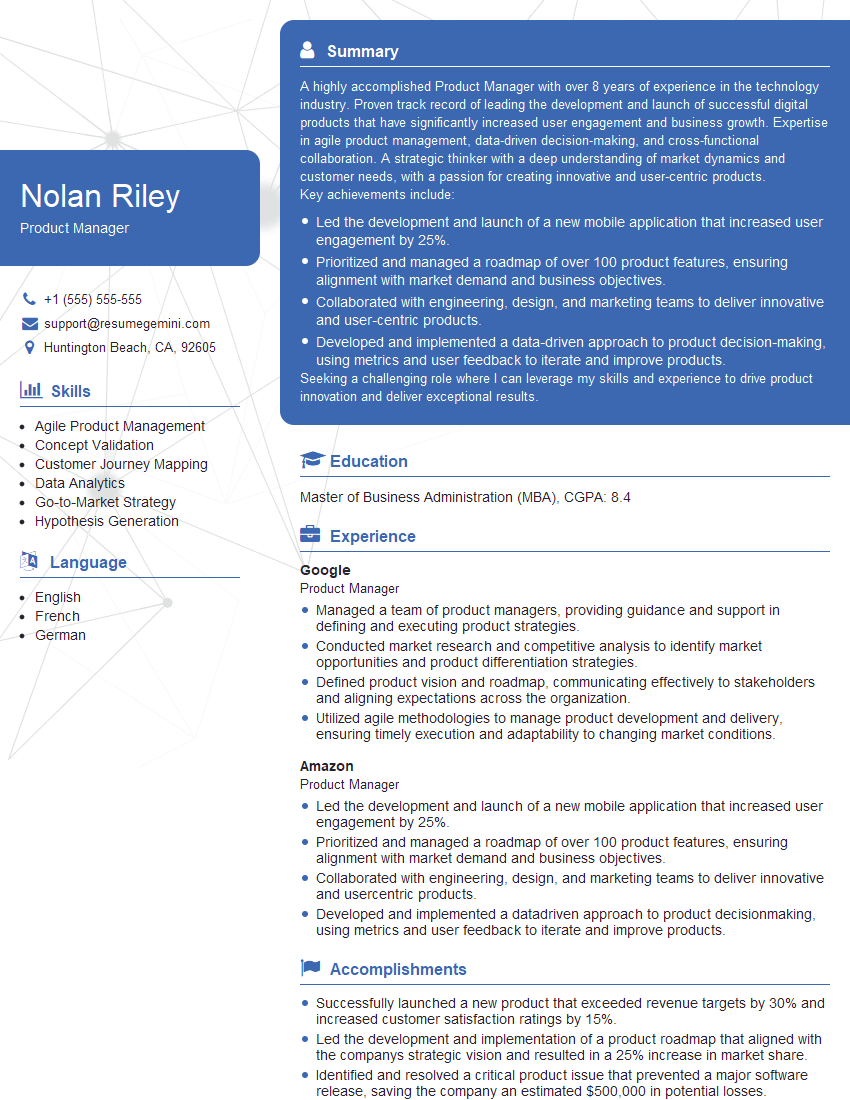
Product Manager Resume Sample
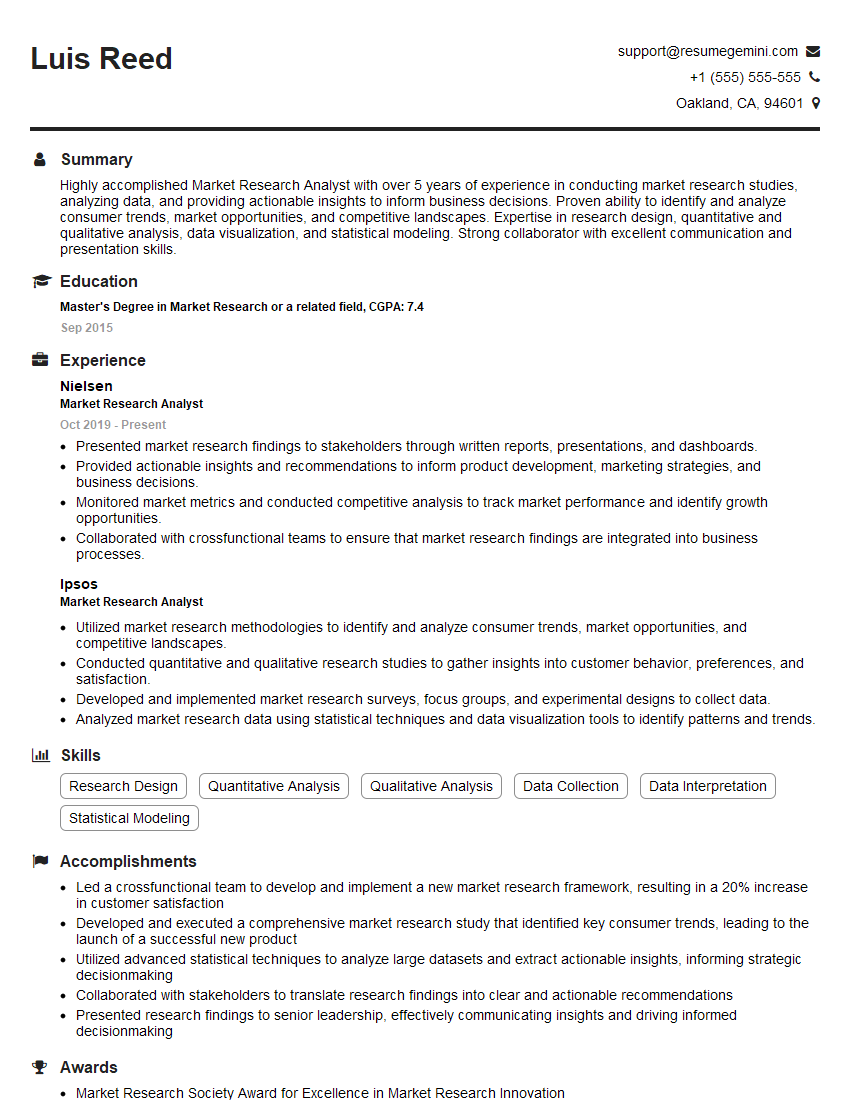
Market Research Analyst Resume Sample

Social Media Manager Resume Sample

Content Strategist Resume Sample
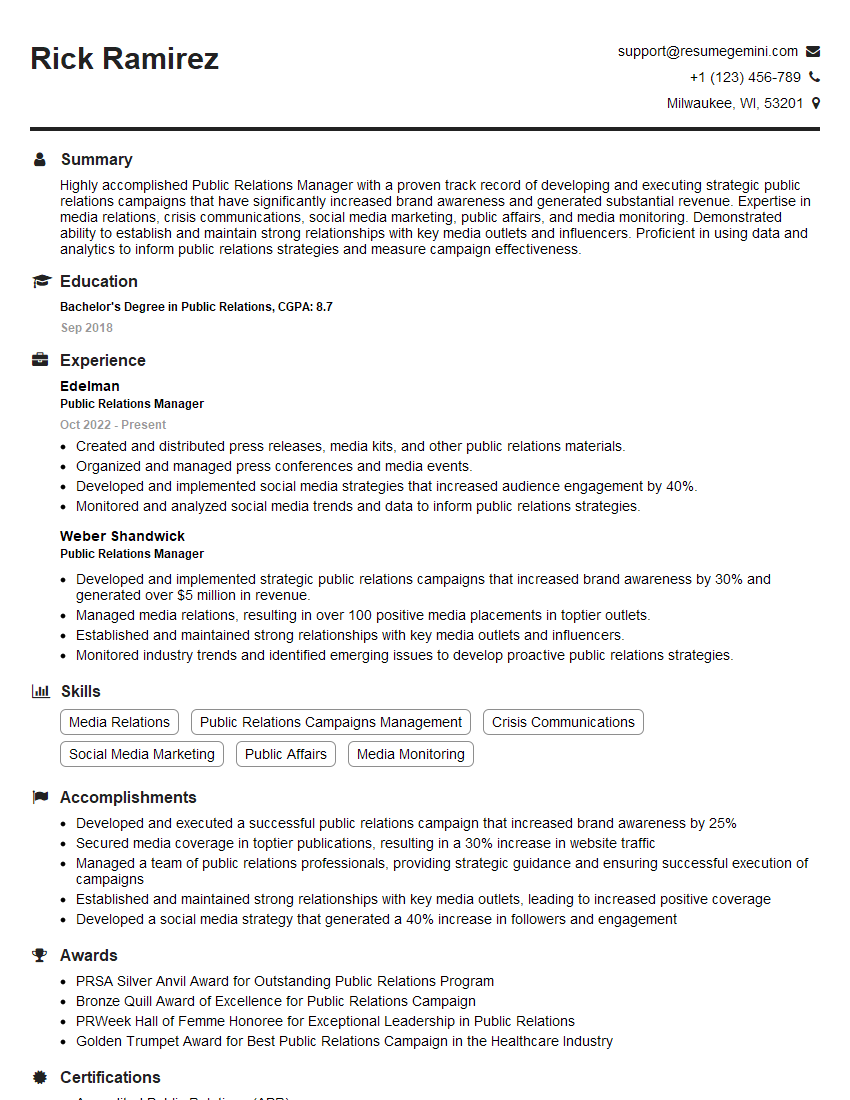
Public Relations Manager Resume Sample
Explore more articles
Users Rating of Our Blogs
Share Your Experience
We value your feedback! Please rate our content and share your thoughts (optional).
What Readers Say About Our Blog
Really detailed insights and content, thank you for writing this detailed article.
IT gave me an insight and words to use and be able to think of examples