Interviews are more than just a Q&A session—they’re a chance to prove your worth. This blog dives into essential Brazing Metallurgy and Material Science interview questions and expert tips to help you align your answers with what hiring managers are looking for. Start preparing to shine!
Questions Asked in Brazing Metallurgy and Material Science Interview
Q 1. Explain the difference between brazing and soldering.
Brazing and soldering are both joining processes that use a filler metal to bond two base materials, but they differ significantly in the melting point of the filler metal and the resulting joint strength. Think of it like this: soldering is like using glue, while brazing is more akin to welding with a lower temperature.
- Soldering: Uses filler metals with melting points below 450°C (842°F). The base metals do not melt during the process. Common examples include lead-tin solder used in electronics and soft solders in plumbing. The resulting joint is relatively weak.
- Brazing: Employs filler metals with melting points above 450°C (842°F) but below the melting point of the base metals. The base metals are heated to a temperature that allows the filler metal to flow and wet the surfaces, creating a strong metallurgical bond. This yields a much stronger joint than soldering.
The key difference lies in the joining temperature and the resulting joint strength. Brazing produces a stronger, more durable joint suitable for higher-stress applications than soldering.
Q 2. Describe various brazing filler metals and their applications.
Brazing filler metals, or braze alloys, are chosen based on the application’s requirements for strength, corrosion resistance, and temperature capabilities. Here are a few examples:
- Copper-Zinc (Brass): Widely used for its good strength, ductility, and relatively low cost. Often found in automotive radiators and heat exchangers.
- Silver-Copper: Offers excellent corrosion resistance and high strength at elevated temperatures, making it suitable for high-performance applications like aerospace components and electronic devices.
- Nickel-based alloys: These possess exceptional high-temperature strength and corrosion resistance, ideal for demanding applications such as turbine blades and nuclear reactors.
- Aluminum-Silicon: Used for joining aluminum components due to its good flow characteristics and compatibility with aluminum. Common in the aerospace and automotive industries.
- Gold-based alloys: Employed in high-reliability applications like microelectronics due to their excellent electrical conductivity and corrosion resistance.
The selection of a braze filler metal is a critical step in the brazing process, and it must be carefully matched to the base materials being joined and the intended application.
Q 3. What are the key factors affecting braze joint strength?
Several factors influence the strength of a braze joint. Think of it like building a strong bridge – you need a solid foundation and proper construction techniques.
- Filler metal selection: The properties of the filler metal, such as its tensile strength and ductility, directly impact the joint strength.
- Base metal compatibility: The base metals must be compatible with the filler metal to ensure proper wetting and diffusion. Incompatible metals may lead to poor joint strength and failure.
- Joint design: A well-designed joint with sufficient clearance and proper geometry is crucial for optimal strength. Poor joint design can lead to stress concentration and premature failure.
- Brazing process parameters: Factors like temperature, time, and atmosphere during the brazing process significantly influence the quality of the joint. Insufficient heating or improper atmosphere can result in a weak joint.
- Surface preparation: Clean and properly prepared surfaces are essential for good wetting and bonding. Contaminants such as oxides can prevent proper fusion and weaken the joint.
Optimizing these factors leads to strong, reliable brazed joints. For instance, a poorly designed joint, even with a strong filler metal, will be susceptible to failure under stress.
Q 4. Explain the role of flux in the brazing process.
Flux plays a vital role in the brazing process by preventing oxidation and promoting wetting. Imagine trying to solder two pieces of metal that are coated in rust – it wouldn’t work! Flux removes these contaminants, allowing the filler metal to flow smoothly and form a strong bond.
Specifically, flux:
- Removes oxides and contaminants: Oxides on the surface of the base metals hinder wetting and bonding. Flux chemically reacts with these oxides, removing them and allowing the molten filler metal to come into direct contact with the clean base metal.
- Protects the joint from oxidation: During the brazing process, the high temperatures can cause oxidation of the base and filler metals. The flux creates a protective atmosphere that prevents this oxidation.
- Improves wetting and flow: By cleaning the surfaces and creating a protective layer, the flux promotes the wetting of the base metals by the filler metal, ensuring a complete and strong joint.
Without flux, the brazing process would be significantly more difficult, if not impossible, leading to weak and unreliable joints.
Q 5. What are common brazing methods and their advantages/disadvantages?
Several methods exist for brazing, each with its own advantages and disadvantages. The choice depends on factors like the size and complexity of the parts, the desired joint strength, and the available equipment.
- Torch Brazing: Uses a gas torch to heat the base metals and melt the filler metal. It’s versatile and relatively inexpensive but requires skilled operators to control the temperature and filler metal flow.
- Furnace Brazing: Uses a furnace to uniformly heat the components, leading to consistent and reproducible braze joints. It’s suitable for high-volume production but requires specialized equipment.
- Induction Brazing: Employs electromagnetic induction to heat the parts, offering fast heating rates and excellent control. It’s efficient but requires specialized equipment and can be more expensive.
- Dip Brazing: The assembly is dipped into a bath of molten filler metal. It’s suitable for mass production but requires specific joint designs.
Each method has its own strengths and weaknesses. Torch brazing provides flexibility but requires skill, while furnace brazing is ideal for high-volume applications but requires investment in specialized equipment. Choosing the right method is crucial for achieving high-quality brazed joints.
Q 6. How do you inspect a brazed joint for defects?
Inspecting a brazed joint for defects is crucial for ensuring its integrity. Various methods are employed, often in combination, to detect potential flaws.
- Visual Inspection: A careful visual examination can often reveal surface defects such as incomplete fillets, porosity, or cracks. Magnification can be helpful in detecting smaller defects.
- Dye Penetrant Inspection: A dye penetrant is applied to the surface, revealing any surface cracks by capillary action. This method is sensitive and relatively inexpensive.
- Radiographic Inspection (X-ray): This technique uses X-rays to detect internal defects such as voids or unfilled gaps within the braze joint. It’s particularly useful for identifying hidden flaws.
- Ultrasonic Inspection: High-frequency sound waves are used to detect internal discontinuities. This method is very effective at detecting internal cracks and voids.
- Mechanical Testing: Tensile, shear, or peel tests can be performed to assess the joint strength and determine its ability to withstand expected loads.
The choice of inspection method depends on the complexity of the joint and the required level of quality assurance. A combination of visual inspection and a non-destructive testing method, such as dye penetrant or radiography, is often employed for reliable defect detection.
Q 7. Describe different types of braze joint failures and their causes.
Braze joint failures can occur due to various reasons, and understanding these causes is essential for preventing future failures. These failures can manifest in several ways:
- Brittle Fracture: This occurs when the joint breaks suddenly under stress without significant deformation. Causes include improper brazing parameters (too low temperature), incompatible base metals, and the presence of impurities.
- Ductile Fracture: This involves significant deformation before failure and is often associated with excessive loading or poor joint design. Think of it as a gradual weakening and eventual failure.
- Fatigue Failure: Repeated cyclic loading can lead to crack initiation and propagation, ultimately resulting in joint failure. This is common in applications with vibrating loads or fluctuating stresses.
- Creep Failure: This is a time-dependent failure that occurs under sustained high temperatures and loads. It’s especially relevant for high-temperature applications.
- Corrosion: Exposure to corrosive environments can weaken the braze joint over time, leading to failure. This is especially true if a corrosion-resistant filler metal wasn’t selected.
Careful selection of materials, proper brazing techniques, and appropriate joint design are crucial to prevent these types of failures. Regular inspection and maintenance can also help to identify potential problems before they lead to catastrophic failure.
Q 8. Explain the concept of wetting in brazing.
Wetting in brazing is the crucial phenomenon where the molten brazing filler metal (BFM) spreads across the surfaces of the base metals being joined. Think of it like water beading up on a waxed car versus spreading evenly on a clean surface. Good wetting leads to a strong, reliable joint. It’s governed by the interfacial energies between the BFM, the base metals, and the atmosphere. Specifically, the BFM must have a lower surface energy than the sum of the base metal surface energies to spread effectively. Poor wetting results in incomplete filling and weak joints.
For example, a BFM with good wetting characteristics will flow smoothly into the joint, completely covering the base metals. Conversely, a BFM with poor wetting will form globules, leaving gaps in the joint that compromise strength and integrity. This can be caused by surface oxides or contaminants on the base metals which prevent proper adhesion of the BFM.
Q 9. How does surface preparation affect brazing quality?
Surface preparation is paramount to successful brazing. It’s the foundation for good wetting and a strong joint. Any contaminants – oxides, grease, oils, or even fingerprints – will prevent the BFM from properly adhering to the base metals. The surface must be clean, smooth and free from defects.
- Cleaning Methods: Common methods include mechanical cleaning (abrasive blasting, grinding), chemical cleaning (pickling, etching), or a combination. The choice depends on the base metal and the level of contamination.
- Oxidation Control: Oxides are particularly problematic. Flux is often used to remove surface oxides and prevent further oxidation during the brazing process. Flux is a chemical compound that lowers the surface tension of both the base metal and the BFM, promoting wetting and minimizing porosity. Different fluxes are used for different base metal combinations.
- Surface Roughness: A slightly rough surface is often beneficial as it provides more mechanical interlocking for the BFM, enhancing the joint’s strength. However, excessive roughness can lead to stress concentrations and weaken the joint.
Imagine trying to glue two pieces of wood together. If there’s dirt or grime on the surfaces, the glue won’t stick properly. Similarly, if the surfaces in brazing aren’t clean, the BFM won’t form a strong bond.
Q 10. What are the effects of base metal composition on brazing?
The composition of the base metals significantly influences brazing. Different base metals have different melting points, thermal expansion coefficients, and chemical reactivity with the BFM. These properties dictate the choice of BFM and the overall process parameters. For example, brazing dissimilar metals requires careful selection of a BFM that is compatible with both metals, ensuring good wetting and avoiding intermetallic compound formation that could cause embrittlement.
- Melting Point: The brazing temperature must be below the melting point of the base metals to prevent melting and distortion of the joint. The BFM melting point is carefully chosen relative to the base metal to allow for sufficient flow.
- Thermal Expansion: Differences in thermal expansion coefficients between the base metals and the BFM can introduce residual stresses after cooling, potentially leading to joint failure. Matching thermal expansion coefficients is critical for high-performance applications.
- Chemical Reactivity: Some base metals may react chemically with the BFM, forming intermetallic compounds that can affect the joint’s strength and durability. Careful consideration of potential chemical interactions is crucial for selecting an appropriate BFM.
A practical example is brazing stainless steel to copper. These two metals have significantly different properties, and the choice of BFM must take into account these differences to ensure the integrity of the joint.
Q 11. Discuss the importance of temperature control in brazing.
Precise temperature control is absolutely critical in brazing. The brazing temperature must be sufficiently high to melt the BFM and achieve proper flow but must remain below the melting point of the base metals to avoid melting or distortion. Overheating can lead to grain growth in the base metals, reducing their strength and weakening the joint.
Temperature control is typically achieved using furnaces, torches, or induction heating. Precise temperature monitoring, often using thermocouples, is essential to ensure the brazing process is carried out within the optimal temperature range. Precise temperature control is vital for ensuring consistent, high-quality brazed joints.
Imagine baking a cake. Too low a temperature and it won’t cook properly; too high and it will burn. Similarly, in brazing, precise temperature control is essential for optimal results.
Q 12. What are the safety precautions associated with brazing?
Brazing involves working with high temperatures and potentially hazardous materials, requiring strict adherence to safety precautions. These include:
- Eye Protection: Always wear appropriate safety glasses or a face shield to protect against molten metal splashes and UV radiation from torches.
- Respiratory Protection: Fumes and gases produced during brazing can be harmful; use adequate ventilation or a respirator, especially when working with fluxes that produce fumes.
- Heat Protection: Wear heat-resistant gloves, clothing, and footwear to prevent burns.
- Fire Safety: Ensure the work area is free of flammable materials. Keep a fire extinguisher readily available.
- Proper Ventilation: Ensure adequate ventilation to dissipate fumes and gases produced during the process.
- Flux Handling: Handle fluxes carefully, following the manufacturer’s safety guidelines, as they can be corrosive or irritating.
Ignoring these precautions can lead to serious injuries, so safety should always be the top priority.
Q 13. How do you determine the optimal brazing parameters for a specific application?
Determining optimal brazing parameters for a specific application involves a combination of theoretical understanding and empirical testing. It starts with identifying the base metals and the desired joint properties (strength, ductility, corrosion resistance). Then the appropriate BFM is selected, considering its melting point, flow characteristics, and compatibility with the base metals.
Steps:
- Material Selection: Identify base metals and select a suitable BFM.
- Literature Review: Research existing data on brazing similar materials.
- Preliminary Tests: Conduct initial brazing tests using estimated parameters, varying temperature, time, and pressure.
- Joint Evaluation: Evaluate the resulting joints for strength, appearance, and microstructure using destructive and non-destructive testing methods (e.g., tensile testing, metallography).
- Parameter Optimization: Refine brazing parameters based on test results until the desired properties are achieved.
This iterative approach allows for a systematic optimization of the brazing process for achieving the desired quality and reliability of the final joint.
Q 14. Explain the role of metallurgy in brazing process optimization.
Metallurgy plays a central role in optimizing the brazing process. Understanding the microstructure and properties of the base metals, the BFM, and the resulting brazed joint is critical for achieving optimal results. Metallurgical analysis techniques like metallography, scanning electron microscopy (SEM), and energy-dispersive X-ray spectroscopy (EDS) are used to characterize the microstructure and identify potential weaknesses.
Specific metallurgical aspects influencing optimization:
- Phase Diagrams: Understanding the phase diagrams of the base metals and the BFM helps determine the appropriate brazing temperature and prevent undesirable phase transformations.
- Intermetallic Compounds: Identifying and understanding the formation of intermetallic compounds at the interface between the BFM and base metals is crucial, as these compounds can affect the joint’s strength and durability.
- Grain Size Control: Controlling grain size in the heat-affected zone (HAZ) of the base metals can minimize residual stresses and improve joint strength.
By applying metallurgical principles, we can design and optimize the brazing process to create high-quality, reliable joints tailored to specific application requirements.
Q 15. What are the common non-destructive testing methods used for brazed joints?
Non-destructive testing (NDT) of brazed joints is crucial for ensuring quality and reliability without damaging the assembly. Several methods are commonly employed, each offering unique advantages:
Visual Inspection: This is the simplest method, involving a careful visual examination of the joint for any obvious defects like cracks, porosity, or incomplete fillets. Magnification tools may be used for finer details. Think of it like carefully inspecting a weld—looking for any inconsistencies.
Dye Penetrant Testing (PT): This technique is used to detect surface-breaking defects. A penetrant is applied to the joint’s surface, drawn into any cracks, and then revealed by a developer. It’s like using a highlighter to expose hairline cracks.
Radiographic Testing (RT): X-rays or gamma rays are passed through the brazed joint, and the resulting image reveals internal defects such as porosity, inclusions, or cracks. This is analogous to getting an X-ray of a bone to see internal fractures.
Ultrasonic Testing (UT): High-frequency sound waves are used to detect internal flaws. The reflected waves reveal the presence and size of defects. Think of it as using sonar to map the internal structure of the joint.
Leak Testing: For applications requiring hermetic seals, leak testing is vital. Methods like helium leak detection can detect even minuscule leaks.
The choice of NDT method depends on the specific application, the type of brazing, and the potential types of defects.
Career Expert Tips:
- Ace those interviews! Prepare effectively by reviewing the Top 50 Most Common Interview Questions on ResumeGemini.
- Navigate your job search with confidence! Explore a wide range of Career Tips on ResumeGemini. Learn about common challenges and recommendations to overcome them.
- Craft the perfect resume! Master the Art of Resume Writing with ResumeGemini’s guide. Showcase your unique qualifications and achievements effectively.
- Don’t miss out on holiday savings! Build your dream resume with ResumeGemini’s ATS optimized templates.
Q 16. Describe the process of designing a brazed assembly.
Designing a brazed assembly is a multi-step process that requires careful consideration of several factors:
Material Selection: The base metals must be compatible with the brazing filler metal, ensuring good wetting and a strong bond. Consider factors like thermal expansion coefficients to minimize stress.
Joint Design: The joint geometry significantly influences the strength and reliability of the braze joint. Common designs include butt joints, lap joints, and T-joints. Proper joint clearance is critical; too much gap leads to weak joints, while too little hinders filler metal flow.
Filler Metal Selection: The brazing filler metal must have a melting point lower than the base metals, and its properties (strength, ductility, corrosion resistance) must match the application requirements. Choosing the wrong filler metal can easily lead to failure.
Brazing Process: The method used – furnace brazing, torch brazing, induction brazing – will impact the joint’s quality and reproducibility. Each method has specific parameters that need to be optimized.
Jigs and Fixtures: These ensure accurate part alignment and proper gap control during the brazing process. Improper alignment leads to uneven heating and weak braze joints.
Post-Brazing Operations: This might include stress relief annealing to reduce residual stresses induced during the brazing process.
A well-designed brazed assembly ensures a robust and reliable connection, capable of withstanding the intended service conditions. For example, designing a heat exchanger requires careful consideration of thermal cycling and the potential for corrosion.
Q 17. How do you troubleshoot a failed brazed joint?
Troubleshooting a failed brazed joint involves a systematic approach. First, a thorough visual inspection is conducted to identify any obvious defects. Then, based on the observed failures and the brazing process, the following aspects should be investigated:
Incorrect Joint Design: Insufficient gap, improper joint geometry, or poor surface preparation can weaken the joint.
Improper Filler Metal Selection: Incorrect filler metal may not wet the base metal properly or possess insufficient strength.
Contamination: Oxides or other contaminants on the base metal surfaces can prevent proper wetting and weaken the bond.
Incorrect Brazing Parameters: Incorrect temperature, heating rate, or soak time can lead to incomplete brazing or excessive oxidation.
Residual Stresses: High residual stresses, often due to mismatch in thermal expansion coefficients, can weaken the joint.
Base Metal Issues: Inclusions or defects in the base metal can compromise the braze joint’s strength.
NDT methods like radiography or ultrasonic testing can be used to further investigate internal flaws. By systematically eliminating potential causes, the root cause of the failure can be identified and corrective actions implemented.
Q 18. Explain the effect of residual stress on brazed joints.
Residual stresses in brazed joints are unavoidable, stemming from the temperature differences during heating and cooling. These stresses can significantly affect the joint’s performance and longevity. The magnitude and distribution of these stresses depend on factors such as:
Thermal Expansion Mismatch: Different thermal expansion coefficients of the base and filler metals generate stresses during cooling, particularly if there’s a significant difference in their coefficients.
Joint Geometry: Complex geometries create stress concentrations.
Brazing Process: Rapid cooling can exacerbate stress buildup.
High residual stresses can lead to joint cracking, premature failure, and reduced fatigue life. Stress relief annealing is a common method to mitigate the adverse effects of residual stress. This involves heating the assembly to a specific temperature, holding it there for a period, and then slowly cooling it to reduce the internal stress levels. Think of it like gently relaxing a stretched rubber band. Proper joint design, material selection and controlled brazing processes can also minimize residual stresses.
Q 19. What are the different types of brazing furnaces and their applications?
Several types of brazing furnaces cater to various needs and scales of production:
Batch Furnaces: These furnaces process multiple parts simultaneously. They’re efficient for high-volume production but lack flexibility for intricate or small-batch runs.
Continuous Furnaces: These furnaces are used for mass production, moving parts continuously through a controlled temperature profile. Think of an assembly line for brazing.
Vacuum Furnaces: Ideal for brazing applications requiring a controlled atmosphere to prevent oxidation and ensure a high-quality bond. Vacuum conditions also remove gases that could otherwise cause porosity in the braze joint.
Atmosphere Furnaces: These furnaces use a controlled atmosphere (e.g., inert gas) to suppress oxidation and prevent contamination during brazing. They are useful for materials susceptible to oxidation.
Induction Furnaces: These furnaces use electromagnetic induction to heat the assembly. They offer rapid heating and localized heating, ideal for brazing specific areas of complex components.
The selection of the furnace type is dictated by factors such as production volume, part geometry, material properties, and the required brazing atmosphere.
Q 20. Discuss the importance of joint design in brazing.
Joint design is paramount in brazing because it directly influences the strength, reliability, and overall performance of the brazed assembly. A poorly designed joint can lead to weak bonds, stress concentrations, and premature failure. Key aspects to consider include:
Gap Control: The gap between the joining components must be carefully controlled to ensure proper filler metal flow. Too large a gap results in a weak joint, while too small a gap may hinder the flow of the brazing filler metal altogether.
Joint Geometry: The shape and configuration of the joint affect its strength and ability to withstand stress. Lap joints, butt joints, and corner joints are common examples, each with its own strengths and weaknesses.
Surface Preparation: Proper surface preparation is crucial for good wetting and bonding. This involves cleaning to remove oxides, contaminants, and other impurities that can hinder the brazing process.
Material Compatibility: The base metals should be compatible with the filler metal to ensure good wetting and a strong bond. Material properties, especially their thermal expansion coefficients must be considered to avoid stresses.
A well-designed joint simplifies the brazing process, minimizes residual stresses, and results in a strong, reliable, and durable brazed assembly.
Q 21. How do you quantify the strength of a brazed joint?
The strength of a brazed joint is typically quantified through tensile testing, shear testing, or peel testing, depending on the specific application and joint type. These tests provide quantitative data on the joint’s resistance to failure under different loading conditions:
Tensile Testing: The brazed assembly is subjected to a tensile load until failure. The tensile strength, the maximum stress the joint can withstand before failure, is determined. This is a good measure for assessing the strength of butt joints.
Shear Testing: The assembly is subjected to a shear force until failure. The shear strength, the maximum shear stress the joint can handle before failure, is measured. This test is suitable for lap joints.
Peel Testing: This test is used to evaluate the adhesive strength of the brazed joint. A peel force is applied to separate the joined components. The peel strength is then measured.
The results of these tests are typically expressed as stress (e.g., MPa or psi) or force (e.g., N or lbf) at failure. These values, along with microscopy to assess the microstructure of the braze joint, provide crucial information on the quality and reliability of the brazing process.
Q 22. What are some limitations of brazing?
Brazing, while a powerful joining technique, has certain limitations. One key limitation is the temperature requirement. Brazing necessitates heating the base materials to a temperature below their melting point but above the melting point of the filler metal. This can be challenging with materials sensitive to high temperatures or those with differing thermal expansion coefficients, potentially leading to warping or cracking.
Another limitation is the potential for intermetallic compound formation at the interface between the filler metal and the base materials. While sometimes beneficial, these compounds can sometimes be brittle and negatively impact the joint’s overall strength and ductility. The composition of both the filler metal and base materials significantly influence the extent of this compound formation.
Finally, the geometry and cleanliness of the parts being brazed are crucial. Complex geometries can make it challenging to ensure proper filler metal flow and complete joint penetration, leading to weak points. Similarly, surface oxides or contaminants on the base metals will impede wetting and create voids in the braze joint, significantly compromising its strength and integrity.
Q 23. Explain the concept of capillary action in brazing.
Capillary action is the driving force behind braze filler metal flow into the joint. Think of it like a thin straw drawing up liquid—but on a microscopic scale. The brazing process relies on the surface tension of the molten filler metal, which creates a meniscus at the interface between the filler metal and the base materials. This meniscus, coupled with the force of surface tension, draws the molten filler metal into the narrow gap between the parts to be joined.
The gap needs to be precisely controlled, typically in the range of 0.005 to 0.025 inches (0.127 to 0.635 mm). This tight clearance allows the capillary action to effectively pull the molten filler metal throughout the joint, ensuring complete filling and strong bonding. Too wide a gap and the filler metal won’t flow effectively; too narrow, and the molten metal may be blocked entirely.
An analogy would be dipping a thin wick into water; the water rises into the wick due to capillary action. In brazing, the gap between the components acts as the wick, and the molten filler metal is the water.
Q 24. Describe the role of diffusion in brazing.
Diffusion plays a crucial role in brazing, contributing to the long-term strength and durability of the joint. After the brazing process, atoms from the filler metal and base materials intermingle across the joint interface through a process called diffusion. This intermixing creates a region of mixed composition that enhances the bond strength and mechanical properties of the joint.
The extent of diffusion depends on factors like temperature, time, and the materials involved. Higher temperatures and longer dwell times accelerate the diffusion process, resulting in a stronger, more robust joint. The nature of the base metals and the filler metal also plays a critical role – materials with similar crystal structures and lattice parameters will generally exhibit faster diffusion rates.
Think of diffusion like mixing two colors of paint. Initially, you have distinct layers, but with thorough mixing, the colors blend, creating a uniform mixture. Similarly, in brazing, diffusion blends the base and filler materials, forming a strong, unified joint.
Q 25. How does the microstructure of a braze joint influence its properties?
The microstructure of the braze joint significantly impacts its properties. A desirable microstructure is one that is free of porosity (voids) and intermetallic compounds that are brittle or reduce ductility. Ideally, the filler metal should exhibit a fine, uniform grain structure, contributing to high strength and ductility. The presence of large grains or precipitates can create weak points within the joint, decreasing its overall integrity.
Porosity, arising from incomplete filler metal flow or trapped gases, severely weakens the joint, reducing its tensile strength and fatigue resistance. Intermetallic phases, although sometimes enhancing certain properties, can often be detrimental if they are excessively brittle. Their formation and morphology are greatly dependent on the filler metal and base metal compositions and the brazing parameters.
Microscopical analysis techniques, like optical microscopy and scanning electron microscopy (SEM), are often used to assess the microstructure of the braze joint and identify potential flaws or areas of concern, guiding improvements in the brazing process or material selection.
Q 26. What are the environmental considerations in brazing?
Environmental considerations in brazing are multifaceted. The high temperatures involved can necessitate safety precautions, including proper ventilation to remove any fumes or gases generated during the process. The choice of filler metal can also have environmental implications, with some containing potentially harmful elements like lead or cadmium. The use of lead-free or environmentally friendly filler metals is increasingly becoming the norm to meet regulatory requirements.
Furthermore, the disposal of any waste materials, including flux residues or spent brazing filler metal, requires careful consideration. Proper handling and disposal practices are vital to minimizing environmental impact. For example, some fluxes used in brazing can be corrosive or contain hazardous substances. These should be handled and disposed of accordingly to protect both human health and the environment.
Increasingly, the industry is shifting towards environmentally sustainable brazing practices, including using more benign filler metals and fluxes, minimizing waste generation, and implementing efficient energy-saving procedures.
Q 27. Discuss the use of brazing in different industries (e.g., aerospace, automotive).
Brazing finds extensive applications across numerous industries. In the aerospace industry, it’s vital for joining lightweight, high-strength materials like titanium and aluminum alloys in aircraft and spacecraft structures, ensuring high integrity and reliability in demanding environments. The precision and strength offered by brazing are critical for the performance and safety of aerospace components.
The automotive industry utilizes brazing for applications such as heat exchangers, radiators, and exhaust systems. Brazing enables efficient joining of various materials, facilitating the creation of intricate designs and high-performance components. The thermal efficiency and durability of brazed joints are key advantages in these demanding applications.
Other industries leveraging brazing include electronics (for joining components on circuit boards), medical devices (for creating biocompatible and sterile assemblies), and manufacturing in general (for joining various components with high strength and precision).
Q 28. How do you select the appropriate brazing filler metal for a given application?
Selecting the appropriate brazing filler metal is critical to ensure the success of the joining process and the performance of the final assembly. The selection criteria are based on several factors:
- Base metal compatibility: The filler metal must be compatible with the base materials to be joined, ensuring good wetting and minimal intermetallic compound formation that could compromise the joint.
- Required strength and ductility: The filler metal must possess adequate mechanical properties (strength, ductility, toughness) to meet the demands of the application.
- Operating temperature: The filler metal’s melting point and its performance at the intended operating temperature must be considered. The filler metal should possess sufficient strength and creep resistance at the operating temperature.
- Corrosion resistance: Depending on the application, the filler metal might need specific corrosion resistance to the operating environment.
- Cost: The cost of the filler metal should be balanced against its properties and the overall cost of the product.
Often, a thorough understanding of the application and a careful analysis of these factors necessitate consulting relevant material property data sheets and engaging in material compatibility tests before making a final selection. The experience and expertise of a material scientist or metallurgical engineer are valuable in navigating these complexities.
Key Topics to Learn for Brazing Metallurgy and Material Science Interview
- Fundamentals of Brazing: Understanding the brazing process, including joint design, filler metal selection, and the role of fluxes.
- Material Science Principles: Knowledge of material properties (strength, ductility, thermal conductivity), phase diagrams, and diffusion mechanisms relevant to brazing.
- Joint Strength and Reliability: Analyzing factors affecting joint strength, including base metal compatibility, filler metal properties, and processing parameters. Understanding methods for evaluating joint quality (e.g., tensile testing, microstructural analysis).
- Practical Applications: Familiarity with various brazing applications across different industries (e.g., aerospace, automotive, electronics) and the specific challenges involved.
- Failure Analysis: Understanding common brazing defects (e.g., porosity, cracking, incomplete fusion) and methods for diagnosing and preventing them.
- Advanced Brazing Techniques: Exposure to techniques like vacuum brazing, furnace brazing, and laser brazing, and their respective advantages and limitations.
- Joining dissimilar metals: Understanding the challenges and solutions associated with brazing different metal combinations.
- Process optimization: Knowledge of techniques used to optimize brazing processes for improved efficiency and quality.
- Safety considerations: Familiarity with the safety precautions and regulations related to brazing operations.
Next Steps
Mastering Brazing Metallurgy and Material Science opens doors to exciting career opportunities in diverse and innovative industries. A strong understanding of these concepts is crucial for demonstrating your technical expertise and problem-solving abilities to potential employers. To significantly boost your job prospects, crafting an ATS-friendly resume is essential. This ensures your qualifications are effectively highlighted to recruiters and Applicant Tracking Systems. We highly recommend using ResumeGemini to build a professional and impactful resume that showcases your skills and experience effectively. ResumeGemini provides tailored resume examples for Brazing Metallurgy and Material Science professionals, guiding you in creating a document that makes a lasting impression.

Project Engineer Resume Sample

Applications Engineer Resume Sample

Process Engineer Resume Sample

Research Scientist Resume Sample

Technical Specialist Resume Sample

Process Development Engineer Resume Sample
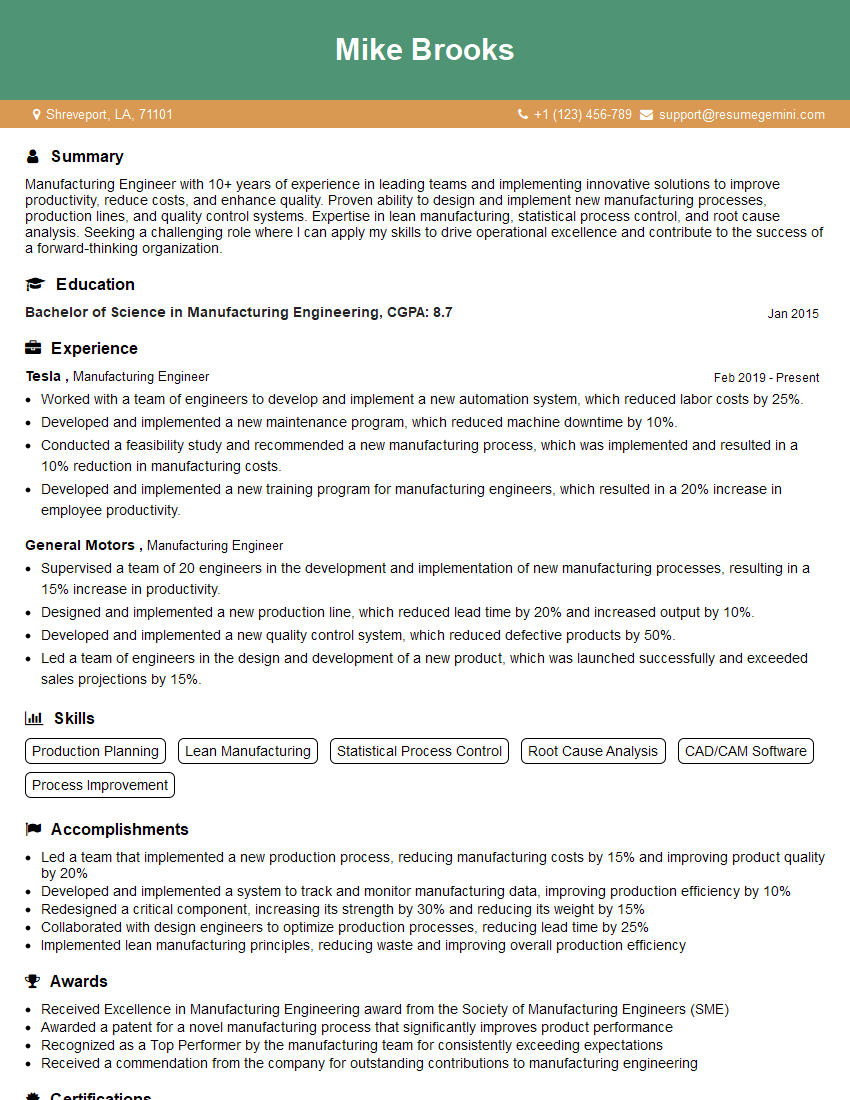
Manufacturing Engineer Resume Sample
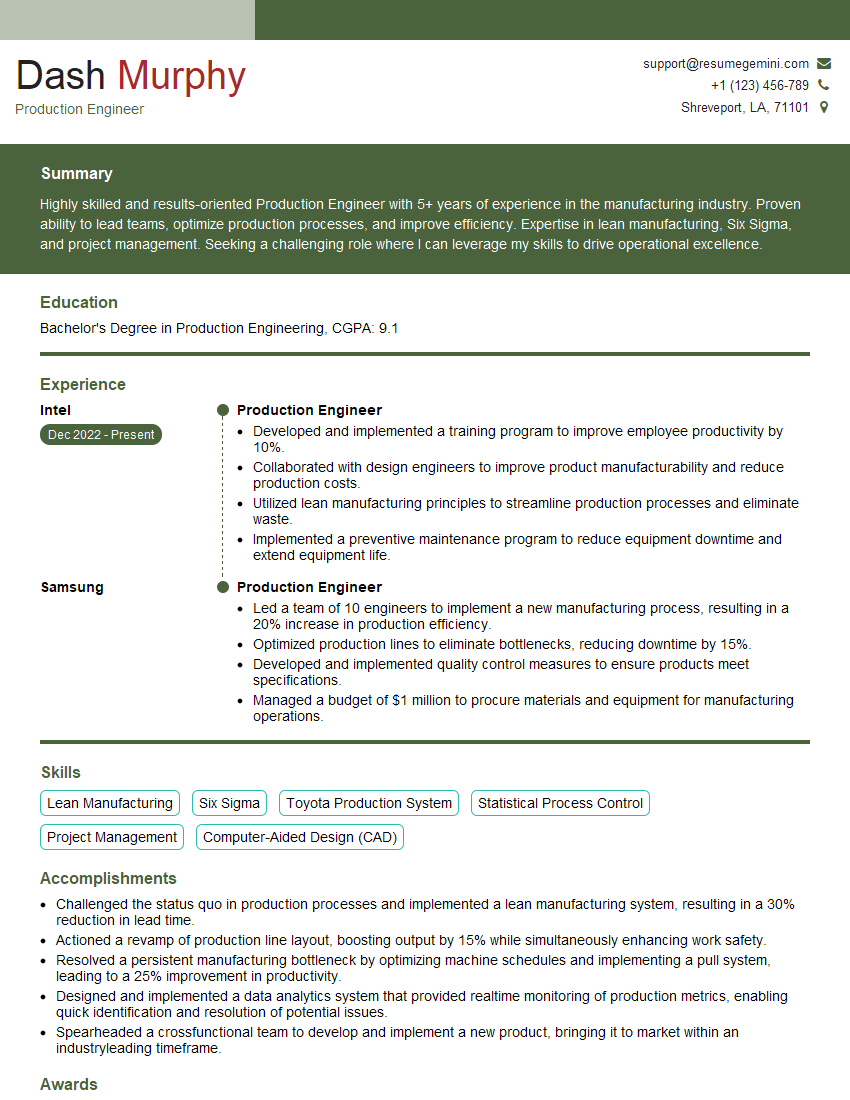
Production Engineer Resume Sample
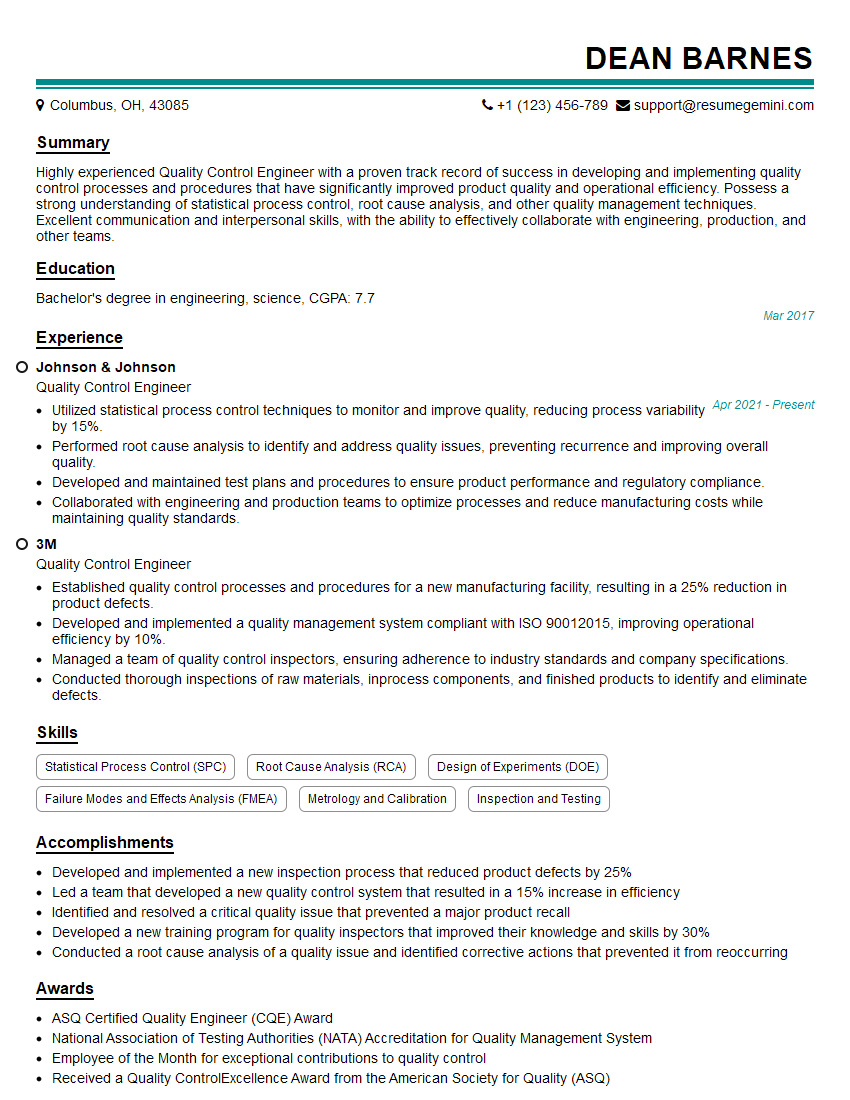
Quality Control Engineer Resume Sample

Metallurgist Resume Sample

Welding Engineer Resume Sample

Quality Assurance Engineer Resume Sample

Metallurgical Technician Resume Sample

Materials Scientist Resume Sample

Materials Specialist Resume Sample
- Project Engineer
- Applications Engineer
- Process Engineer
- Research Scientist
- Technical Specialist
- Process Development Engineer
- Manufacturing Engineer
- Production Engineer
- Quality Control Engineer
- Metallurgist
- Welding Engineer
- Quality Assurance Engineer
- Metallurgical Technician
- Materials Scientist
- Materials Specialist
Explore more articles
Users Rating of Our Blogs
Share Your Experience
We value your feedback! Please rate our content and share your thoughts (optional).
What Readers Say About Our Blog
Really detailed insights and content, thank you for writing this detailed article.
IT gave me an insight and words to use and be able to think of examples