Interviews are more than just a Q&A session—they’re a chance to prove your worth. This blog dives into essential Bridge Watch Keeping and Operations interview questions and expert tips to help you align your answers with what hiring managers are looking for. Start preparing to shine!
Questions Asked in Bridge Watch Keeping and Operations Interview
Q 1. Describe your experience in maintaining a proper navigational watch.
Maintaining a proper navigational watch is paramount to safe ship operation. It involves a systematic approach, combining constant vigilance with proactive risk assessment. This encompasses a continuous cycle of observation, plotting, and decision-making.
- Regular Checks: I meticulously check all navigational equipment – radar, GPS, gyrocompass, AIS – ensuring they’re functioning correctly and calibrated. I verify the accuracy of our position regularly using multiple sources.
- Environmental Awareness: I constantly monitor the weather, sea state, visibility, and traffic situation. Changes in any of these factors require immediate adjustments to our course or speed.
- Risk Assessment: I actively anticipate potential hazards, such as restricted waters, other vessels, and bad weather. This involves careful interpretation of charts, notices to mariners, and meteorological reports.
- Documentation: All actions, observations, and changes in course or speed are meticulously recorded in the logbook. This provides a crucial record for investigation should an incident occur.
- Communication: Effective communication with the Master, other watchstanders, and other vessels is essential, especially in congested areas or when facing challenging conditions. For example, I would always use the VHF radio to communicate with other ships if we are approaching each other in a close situation.
For instance, during a passage through a busy shipping lane, I’d maintain a heightened state of alertness, using radar and AIS to monitor traffic, and adjusting our speed and course to maintain a safe separation distance from other vessels. This proactive approach minimizes the risk of collision and ensures the safe passage of the vessel.
Q 2. Explain the procedures for handling a collision situation.
Handling a collision situation requires immediate, decisive action. The priority is to prevent or minimize the extent of the collision, and then to ensure the safety of the crew and passengers. The response will be dictated by the circumstances.
- Immediate Actions: If a collision is imminent, I’d immediately execute a hard rudder turn to alter course, aiming to minimize impact. I’d simultaneously sound the appropriate danger signals (e.g., continuous ringing of the ship’s bell and rapid blasts on the whistle). Full engine astern, if necessary, will be ordered.
- Post-Collision Procedures: After the collision, I’d assess damage, check for injuries among the crew and passengers, and initiate damage control measures. I’d also immediately inform the Master.
- Reporting and Investigation: I would immediately start making records of the event and the actions taken. I’d obtain witness statements. Following the COLREGs, I’d communicate with other involved vessels, exchange details, and follow all procedures outlined by the relevant authorities. An official report to the relevant authorities such as the coast guard is essential.
For example, if a collision with a smaller vessel is unavoidable, I’d aim to hit it at an angle that minimizes damage to both vessels, rather than head-on. The goal is always to save lives and minimize damage as much as possible. Subsequently, proper documentation and reporting procedures would be crucial.
Q 3. What is your understanding of COLREGs and how do you apply them?
The International Regulations for Preventing Collisions at Sea (COLREGs) are a set of rules designed to prevent collisions and promote safe navigation. They are the cornerstone of safe ship handling and I apply them religiously.
- Rule Application: My understanding is comprehensive, covering all aspects including lights, shapes, sound signals, and the rules of the road (Right-of-way rules). I apply the rules based on the circumstances, considering factors like visibility, vessel types, and the traffic situation.
- Risk Mitigation: I use the COLREGs not just as reactive guidelines, but as proactive tools for risk mitigation. For example, I anticipate potential conflicts based on the positions and courses of other vessels and adjust our course to avoid a close-quarters situation.
- Decision-Making: I understand that in some situations, it may be necessary to deviate from a strict interpretation of the rules to avoid imminent danger. I’d meticulously document such situations, providing a clear rationale for any actions taken.
For example, if a vessel is approaching head-on, I’d adjust my course to starboard to maintain a safe passage, as dictated by COLREGs. If in doubt, I always err on the side of caution and take steps to ensure a safe distance from other vessels. Proper understanding of the COLREGS and effective communication prevents potential collisions.
Q 4. How do you manage bridge resource management (BRM) effectively?
Bridge Resource Management (BRM) is a systematic approach to managing the human and material resources on the bridge to optimize performance and safety. I ensure effective BRM through several strategies:
- Clear Communication: Maintaining open, concise communication between all bridge personnel is essential. I encourage active listening, clear instructions, and feedback.
- Workload Management: I distribute tasks efficiently based on each crew member’s skills and experience. This is done by delegating tasks effectively while maintaining oversight.
- Standard Operating Procedures (SOPs): Following well-defined SOPs helps maintain a consistent and efficient workflow, minimizing errors. Any deviation must be recorded and justified.
- Decision-Making: I encourage a collaborative approach to decision-making, utilizing the expertise of all bridge team members. This prevents a single point of failure.
- Error Prevention: I implement proactive measures to identify and correct errors, such as using checklists, implementing cross-checks, and conducting regular drills. A culture of open communication is encouraged such that anyone can voice concerns without hesitation.
For example, during a complex maneuvering situation, I would clearly delegate specific tasks (e.g., engine control, lookout, radar monitoring) while maintaining overall supervision. This ensures that all tasks are accomplished safely and efficiently. Regular safety drills and simulation exercises build the teams’ understanding of the BRM procedures.
Q 5. Explain the process of taking and recording celestial navigation fixes.
Celestial navigation, while less frequently used with modern technology, remains a valuable skill. Taking and recording a celestial navigation fix involves several steps:
- Sight Selection: I select at least three celestial bodies (sun, moon, stars) with well-defined positions. The Almanac provides this information.
- Time Measurement: Precise time is crucial. A chronometer or highly accurate clock is essential; the time of observation is carefully noted.
- Altitude Measurement: I measure the altitude of each celestial body using a sextant. I need to adjust for index error and dip, carefully considering the effects of atmospheric refraction.
- Calculations: Using navigational tables (or a computer program), I convert the observed altitude and the time of observation into a line of position (LOP). At least three LOPs are needed to obtain a fix.
- Plotting and Recording: The LOPs are plotted on a chart, and their intersection gives the ship’s position. All observations, calculations, and the resulting fix are meticulously recorded in the navigational log.
For example, if I observe the sun, moon, and a star, I’d record the time of each observation with high precision. Then, by following this process, an accurate fix can be plotted, which gives a supplementary confirmation to the ship’s GPS position.
Q 6. Describe your experience with Electronic Chart Display and Information Systems (ECDIS).
Electronic Chart Display and Information Systems (ECDIS) have revolutionized navigation. My experience encompasses all aspects of ECDIS operation and maintenance:
- Chart Management: I am proficient in updating charts, ensuring that we have the latest versions installed. I know how to manage chart backups.
- Route Planning: I am skilled in planning routes using ECDIS, incorporating safety contours, avoiding hazards, and considering tides and currents. Automatic route monitoring alerts the crew of any deviations from the planned route.
- Safety Features: I am knowledgeable about the various safety features of ECDIS, such as anti-collision alarms, route monitoring, and shallow water warnings. I am comfortable using the system to make decisions to avoid such warnings.
- System Maintenance: I can conduct routine checks on the ECDIS hardware and software, ensuring its continued functionality. I understand the significance of regular system back-ups and data integrity.
For example, when planning a voyage through a complex area, I would use ECDIS to plot a safe route, incorporating safety contours and avoiding any known hazards. I’d also set up route monitoring alarms to alert me of any deviation from the planned course. The system gives additional navigational checks that minimize the possibility of collisions.
Q 7. How do you ensure safe passage planning in restricted waters?
Safe passage planning in restricted waters requires meticulous attention to detail and a thorough understanding of the navigational challenges involved.
- Chart Study: I conduct a detailed study of the charts, paying close attention to water depths, navigational aids, and potential hazards. This will include checking for any notices to mariners that are relevant.
- Tidal Predictions: I carefully consider the effects of tides and currents on the vessel’s maneuverability and draft. This ensures adequate under keel clearance at all times.
- Route Planning: I plan the route carefully, avoiding potential hazards and selecting the most suitable channels or fairways. I also develop contingency plans in case of unforeseen events.
- Communication: I maintain regular communication with the vessel traffic service (VTS) if available. This provides assistance in navigation and information on other vessels in the area.
- Safety Margins: I always incorporate safety margins into the route plan, ensuring ample distance from potential hazards. This reduces the chances of a grounding or collision.
For example, when navigating a narrow channel, I would carefully review the chart, paying attention to the depth of the channel, location of buoys, and any potential obstructions. I would also consider the tidal stream and plan a course that leaves plenty of room for maneuver. Communication with VTS would help to maintain situational awareness.
Q 8. What are the limitations of GPS and how do you mitigate them?
GPS, while incredibly useful for navigation, has limitations. Signal blockage is a major concern; tall structures, dense foliage, or even atmospheric conditions can weaken or completely block the signal, leading to inaccurate positions or complete signal loss. Another limitation is the inherent inaccuracy of GPS; while often precise to within a few meters, this can be insufficient for precise maneuvering near coastlines or in confined waterways. Finally, GPS receivers can be susceptible to interference from intentional or unintentional sources, potentially leading to erroneous readings.
To mitigate these limitations, we employ several strategies. Firstly, we utilize multiple GPS receivers as redundancy; if one fails, we have backups. Secondly, we cross-reference GPS data with other navigational aids such as charts, radar, and compass bearings. This triangulation provides a more comprehensive picture and reduces the reliance on a single source. Thirdly, we are vigilant about potential signal interference. In areas known for signal weakness, we switch to alternate navigation methods, such as using visual bearings or dead reckoning based on speed and course. Finally, we regularly maintain and calibrate our GPS equipment to ensure optimal performance. During my time aboard the *Ocean Voyager*, we encountered a period of severe atmospheric distortion near the Azores. By relying on a combination of radar plotting, visual fixes, and a backup GPS, we safely navigated the area, highlighting the importance of a layered navigation strategy.
Q 9. Describe your experience with various types of radar and their applications.
My experience encompasses several radar types, each with its specific applications. I’m proficient with X-band radar, commonly used for short-range navigation and collision avoidance due to its high resolution. I’ve also worked extensively with S-band radar, which is ideal for long-range detection in poor weather conditions because of its greater range and penetration capabilities. Furthermore, I have experience with ARPA (Automatic Radar Plotting Aid) systems, which automatically track and plot targets, significantly aiding in collision avoidance and route planning.
In practical terms, I use X-band radar for close-quarters maneuvering in ports and harbors, constantly monitoring traffic to ensure safe passage. S-band is crucial in open ocean navigation, especially in fog or heavy rain, enabling early detection of other vessels or potential hazards. ARPA is invaluable for busy shipping lanes, simplifying the task of keeping track of numerous targets and predicting potential conflicts. For instance, during a passage through the Strait of Malacca, the high density of shipping traffic made the use of ARPA essential for safe navigation and preventing close encounters with other vessels.
Q 10. Explain your understanding of tides, currents, and their impact on navigation.
Understanding tides and currents is paramount for safe and efficient navigation. Tides are the periodic rise and fall of sea levels caused by the gravitational forces of the moon and sun. Currents, on the other hand, are the continuous movement of water in a specific direction, driven by factors like wind, temperature differences, and the earth’s rotation. Both significantly affect a vessel’s speed and course.
The impact of tides is most noticeable in coastal areas and shallow waters, where the tidal range (the difference between high and low tide) can be substantial, affecting safe passage through channels or over shallow banks. Strong currents can significantly alter a vessel’s heading and speed, necessitating careful course corrections. We use tide and current tables, combined with electronic charting systems (ECS) which often include real-time current data, to predict their impact and plan our route accordingly. For example, when navigating a narrow channel with a strong tidal current running against our intended course, we’ll adjust our speed and heading to compensate, ensuring a safe and timely transit. Failure to consider these factors could lead to grounding or collisions.
Q 11. How do you handle emergencies, such as a fire or man overboard?
Emergency response is a critical aspect of watchkeeping. My training equips me to handle various scenarios according to established protocols. In a fire emergency, the immediate priorities are to contain the fire, evacuate personnel, and alert the master. This involves initiating the fire-fighting plan, activating alarms, and using appropriate fire-fighting equipment. A ‘man overboard’ scenario triggers an immediate action plan. This begins with the immediate activation of the man overboard alarm and the precise marking of the person’s last known position. The ship will then execute a Williamson turn to quickly return to the person in the water, launching lifeboats and deploying any other rescue aids. The master is immediately informed. Communication with other vessels and coast guard services is essential.
During a previous voyage on the *Seafarer*, we had a minor fire in the engine room. Following established procedures, the fire was quickly contained, and the crew was safely evacuated. The immediate and decisive action minimized damage and ensured the safety of everyone on board. Similarly, during a training exercise simulating a man overboard situation, we successfully recovered the ‘man overboard’ within the stipulated time frame, showcasing the efficiency of our training and emergency response procedures. Regular drills and training are crucial for preparedness and effective response in any emergency.
Q 12. Describe your experience with ship handling and maneuvering.
Ship handling and maneuvering requires a deep understanding of a vessel’s dynamics, including its response to rudder inputs, propeller thrust, and environmental factors such as wind and current. I have extensive experience in various maneuvers, including berthing, unberthing, entering and exiting locks, and navigating through confined waterways. My experience includes operating vessels of various sizes and types in diverse conditions.
During my time as a Watch Officer aboard the *Pacific Star*, I regularly handled the vessel in different ports. The precise maneuvering required for berthing alongside a pier in strong winds or currents always requires a high degree of skill and planning. I use the ship’s engine controls and rudder to execute maneuvers precisely, taking into consideration factors such as wind and current effects. Effective communication with the bridge team and harbor pilots is essential for coordinating maneuvers and ensuring safety during such complex maneuvers. For example, I successfully maneuvered a large container vessel into a tight berth in a busy port in Singapore. This required careful planning, precise execution of maneuvers, and excellent teamwork.
Q 13. What is your experience with Automated Identification Systems (AIS)?
AIS (Automated Identification System) is a vital navigational tool providing real-time information about other vessels, including their position, course, speed, and identification details. It significantly enhances situational awareness, aiding in collision avoidance and traffic management. I’m experienced in interpreting AIS data displayed on both radar and electronic charting systems. This aids in identifying potential risks, such as close-quarters situations with other vessels, and allows for proactive adjustments in our course or speed to ensure safe passage.
For example, during a busy transit through a narrow channel, AIS information helped me to identify a vessel on a collision course. By carefully observing the target’s trajectory, I was able to alter our course and avoid a dangerous situation. The use of AIS reduces the risk of collisions, especially in areas with high traffic density. Regular checks of AIS data are an essential part of my watchkeeping responsibilities. It’s a critical element in maintaining a safe and efficient passage.
Q 14. How do you ensure the safety of the crew during a watch?
Ensuring crew safety is a paramount concern during my watch. This involves several key actions. First, a thorough understanding of the vessel’s safety systems and emergency procedures is essential. This includes familiarity with fire-fighting equipment, life-saving appliances, and emergency escape routes. Second, regular safety checks are conducted throughout the watch to identify and address any potential hazards, from slips and falls to equipment malfunctions. Third, strict adherence to safety regulations and company procedures is paramount, along with enforcing the use of personal protective equipment (PPE) where required.
Moreover, effective communication with the crew is key. Clear instructions and briefings are provided, ensuring everyone understands their roles and responsibilities in maintaining a safe working environment. Active listening and addressing crew concerns promotes a culture of safety. Finally, regular safety drills and training reinforce procedures and ensure that everyone is prepared to handle emergencies effectively. A proactive and vigilant approach to safety, alongside a collaborative team environment, creates a safe and productive work environment. A clear example is the regular safety briefings conducted prior to entering confined spaces, ensuring crew members are aware of the risks and procedures for safe operation. This systematic approach emphasizes a commitment to crew well-being and safety.
Q 15. Explain your knowledge of different types of nautical charts.
Nautical charts are essential tools for navigation, providing a graphical representation of water areas. Different chart types cater to specific needs. The most common are:
- Paper Charts: Traditional charts printed on paper. They require manual plotting and updates. While seemingly outdated, they are still valuable as a backup system in case of electronic failure. For example, a paper chart of the English Channel would provide detailed information on depths, hazards, and navigational aids.
- Electronic Charts (ECDIS): These digital charts displayed on a computer screen offer dynamic features like plotting position, route planning, and integration with other navigational systems. ECDIS is crucial for modern navigation and provides significant advantages in terms of safety and efficiency. For instance, an ECDIS chart of the Strait of Malacca would allow for dynamic route planning, considering real-time data such as vessel traffic and weather conditions.
- Raster Charts: These are scanned images of paper charts, offering a digital version of the original. They lack the dynamic capabilities of ECDIS but can be useful for reference or backup.
- Vector Charts: These charts utilize data in a structured format, allowing for easier updates and manipulation. They are the basis for most ECDIS systems.
The choice of chart depends on the vessel’s capabilities, the voyage’s complexity, and regulatory requirements. A deep-sea voyage would necessitate ECDIS, while coastal navigation might utilize a combination of paper and electronic charts.
Career Expert Tips:
- Ace those interviews! Prepare effectively by reviewing the Top 50 Most Common Interview Questions on ResumeGemini.
- Navigate your job search with confidence! Explore a wide range of Career Tips on ResumeGemini. Learn about common challenges and recommendations to overcome them.
- Craft the perfect resume! Master the Art of Resume Writing with ResumeGemini’s guide. Showcase your unique qualifications and achievements effectively.
- Don’t miss out on holiday savings! Build your dream resume with ResumeGemini’s ATS optimized templates.
Q 16. Describe your experience with GMDSS communication systems.
GMDSS (Global Maritime Distress and Safety System) is a vital communication system ensuring global maritime safety. My experience encompasses all aspects of GMDSS operations, including:
- Use of VHF radio for short-range communication: This includes distress calls, safety calls, and routine communications with other vessels and coastal stations. I’m proficient in using the DSC (Digital Selective Calling) function for automated distress alerts.
- Inmarsat satellite communication for long-range communication: I have experience using Inmarsat-C and FleetBroadband for sending and receiving messages, weather reports, and distress alerts. This is crucial for vessels operating far from land.
- EPIRB (Emergency Position Indicating Radio Beacon) operation and maintenance: I understand the importance of regularly testing and maintaining the EPIRB to ensure it’s functional in an emergency situation.
- Navigational warnings and safety broadcasts: I regularly monitor NAVTEX (Navigational Telex) broadcasts for updated navigational warnings, weather alerts, and safety information. This is crucial for safe navigation and hazard avoidance.
For example, during a voyage through a cyclone-prone area, I would utilize Inmarsat-C to obtain updated weather forecasts and coordinate with shore-based support. In case of an emergency, I’m trained to efficiently use the EPIRB and VHF radio to initiate a distress alert, ensuring timely assistance.
Q 17. How do you maintain accurate logbook entries?
Maintaining accurate logbook entries is crucial for regulatory compliance, accident investigation, and efficient ship management. My approach involves:
- Timely entries: All entries are made promptly, immediately following the event. This ensures accuracy and completeness.
- Clear and concise language: I use precise wording, avoiding ambiguity. Entries are written in a professional and objective manner.
- Specific details: Each entry includes relevant details such as dates, times, locations, and personnel involved. For example, an entry regarding a cargo operation would include details such as the cargo type, quantity, time started and finished, personnel involved, and any anomalies encountered.
- Corrections: Any corrections are made by striking through the incorrect entry, writing the correction above, and initialing it. This preserves the original information and shows transparency.
- Digital Logbook Management: If applicable, I am proficient in using digital logbook systems and ensuring its regular backup and maintenance.
Regular review of the logbook ensures completeness and accuracy, and helps to identify potential issues or areas for improvement.
Q 18. How do you use weather forecasts to make navigational decisions?
Weather forecasts are indispensable for safe and efficient navigation. I utilize weather information from various sources, including:
- Meteorological services: I regularly access forecasts from reputable meteorological services such as the National Oceanic and Atmospheric Administration (NOAA) and the UK Met Office. These forecasts provide crucial information on wind speed and direction, wave height, visibility, and storm warnings.
- Satellite imagery: Satellite imagery provides a visual representation of weather systems, assisting in assessing current and predicted weather conditions. I’m familiar with interpreting cloud patterns and identifying potential hazards such as squalls or cyclones.
- Weather routing software: Specialized software integrates weather forecasts with vessel performance data to optimize routes, minimizing adverse weather encounters and fuel consumption.
For example, if a forecast predicts strong headwinds in a particular area, I would adjust the planned route to avoid them, potentially selecting an alternative, albeit slightly longer, route which would be more fuel efficient. In the event of an approaching storm, I would prioritize seeking a safe harbor or taking other evasive maneuvers as deemed necessary, taking into consideration the vessel’s capabilities and the severity of the impending weather event.
Q 19. What is your experience with cargo handling operations?
My experience with cargo handling operations includes a thorough understanding of safety procedures, cargo securing techniques, and documentation. This encompasses:
- Pre-loading checks: I’m familiar with verifying cargo stability, ensuring proper documentation, and adhering to safety regulations before loading commences.
- Cargo securing: I understand various lashing techniques and the importance of using appropriate securing gear to prevent cargo shift during transit. I’m knowledgeable about different types of cargo and their unique securing requirements.
- Stowage planning: Understanding principles of weight distribution, center of gravity, and stability during cargo operations is crucial. I’m capable of following stowage plans to optimize space utilization and ensure vessel stability.
- Post-loading checks: Verifying securement and documentation after loading is complete to ensure safety throughout the voyage.
- Communication with stevedores: Effective communication with stevedores and cargo officers is essential for smooth and safe cargo handling.
For instance, during the loading of containers, I would meticulously check the lashing arrangements, ensuring that they comply with the vessel’s stability criteria and all applicable safety regulations. Any discrepancies are immediately reported and addressed before loading proceeds.
Q 20. Describe your understanding of stability and trim.
Understanding vessel stability and trim is fundamental for safe operation. Stability refers to the vessel’s ability to return to an upright position after being tilted, while trim refers to the difference in draft between the vessel’s bow and stern.
- Factors affecting stability: These include the vessel’s shape, weight distribution, and the density of the surrounding water. Incorrect cargo loading can significantly impact stability.
- Trim: Proper trim is essential for efficient handling and minimizes stresses on the hull. It is controlled through ballast water management.
- Stability calculations: I’m familiar with using stability calculations, either manually or through software, to ensure the vessel remains within safe operating limits.
- Damage control: Understanding the impact of damage on stability is vital for appropriate damage control measures.
For instance, if a significant list (lean) develops, I’d initiate procedures to correct it by shifting cargo or adjusting ballast water, referring to stability calculations to determine the necessary actions to restore stability to safe levels. I’d also assess potential causes, like a shift in cargo or water ingress, and take corrective measures to prevent recurrence.
Q 21. Explain your experience with passage planning software.
Passage planning software significantly enhances the efficiency and safety of voyage planning. My experience includes using various software packages for:
- Route planning: These programs allow for the creation of optimal routes, taking into account factors such as weather conditions, currents, and traffic density. This involves identifying waypoints, calculating distances and estimated times of arrival (ETAs).
- Tide and current calculations: Software programs calculate the effects of tides and currents on the vessel’s course and speed, which is critical for accurate ETA predictions and safe navigation, especially in confined waters.
- Collision avoidance: Some software includes functions for collision avoidance, providing alerts and suggesting corrective maneuvers to prevent collisions.
- Integration with other systems: Modern software integrates with ECDIS, GMDSS, and other navigational systems to provide a comprehensive navigation solution.
For example, when planning a transatlantic voyage, I use passage planning software to generate an optimal route considering predicted weather patterns, current speeds, and potential hazards. The software then calculates ETAs at various waypoints and provides a visual representation of the route, ensuring safe and efficient passage. The software would alert me to any potential navigational conflicts, allowing me to make timely adjustments to avoid potential hazards.
Q 22. How do you conduct a pre-departure briefing?
A pre-departure briefing is crucial for a safe and efficient voyage. It’s a structured discussion covering all aspects of the upcoming passage, ensuring everyone on the bridge is on the same page.
- Navigation Plan Review: We’ll examine the planned route, including waypoints, anticipated weather conditions, and potential hazards identified from charts, publications, and electronic navigation systems (ECDIS/GPS).
- Communication Plan: We’ll discuss communication procedures with shore, other vessels, and pilots, including frequencies, call signs, and reporting requirements. This includes emergency contact procedures.
- Bridge Team Roles & Responsibilities: Each crew member’s responsibilities are clearly defined, including who’s monitoring what equipment and who’s responsible for specific tasks (e.g., lookout, radar plotter, helmsman).
- Safety Procedures: We review emergency procedures, including man overboard drills, fire and emergency situations, and security protocols, ensuring everyone knows their role in these scenarios.
- Cargo Operations (if applicable): If cargo operations are planned, the procedures and timeline are discussed, ensuring compliance with safety and operational standards.
- Passage Planning Confirmation: We collectively confirm the voyage plan, addressing any outstanding questions or concerns before departure.
For example, during a transit through a busy shipping lane, we might explicitly discuss the use of radar and AIS to avoid collisions, and the procedures to follow if another vessel is seen violating the COLREGs.
Q 23. How do you effectively communicate with other bridge team members?
Effective bridge communication is paramount for safety and efficiency. It requires clear, concise language, standard maritime terminology, and active listening.
- Clear and Concise Language: Avoid ambiguity; use precise language. Instead of saying ‘that ship’s close’, say ‘the red-hulled tanker is bearing 030 degrees, 2 miles.
- Standard Maritime Phrases: Using standardized phrases like ‘I am altering course to starboard’ improves understanding and avoids misinterpretations.
- Repeat Back Procedures: Crucial for confirming critical information. The receiver repeats the message to ensure understanding; this eliminates assumptions.
- Non-Verbal Communication: Observing body language and facial expressions of team members enhances communication; for instance, a worried look from the lookout warrants immediate attention.
- Teamwork and Respect: Fostering a respectful environment is key for open communication and constructive feedback. A captain who actively listens to and values his crew’s input creates a more responsive and safer bridge.
Imagine a situation with limited visibility due to fog. Clear and concise communication regarding radar contacts and their relative position to our vessel, using standard maritime units and directional terminology, is non-negotiable.
Q 24. Explain your understanding of international maritime regulations.
International maritime regulations are the backbone of safe and efficient shipping. My understanding encompasses several key conventions and regulations:
- International Regulations for Preventing Collisions at Sea (COLREGs): This is foundational for safe navigation, governing aspects like lights, shapes, sound signals, and rules of the road to prevent collisions.
- International Convention for the Safety of Life at Sea (SOLAS): SOLAS dictates safety standards for ship construction, equipment, crew training, and emergency procedures. It covers everything from fire safety to life-saving appliances.
- International Convention on Load Lines (LL): This ensures ships are loaded safely to prevent overloading and capsizing. It determines the maximum load line based on factors like ship type and the season.
- MARPOL Convention: This regulates the prevention of marine pollution from ships, addressing aspects like oil spills, garbage disposal, and sewage discharge.
- STCW Convention: The Standards of Training, Certification and Watchkeeping for Seafarers Convention sets standards for the training and certification of seafarers, ensuring a competent and qualified crew.
Understanding and adhering to these regulations are not merely legal obligations; they are essential for maritime safety and environmental protection. Failure to comply can lead to serious consequences, including accidents, fines, and legal repercussions. For instance, not adhering to MARPOL regulations could lead to environmental damage and severe penalties.
Q 25. Describe your experience with different types of vessel traffic services (VTS).
I’ve experienced various Vessel Traffic Services (VTS) systems globally, each with unique characteristics. VTS systems provide traffic management and safety services in busy waterways.
- Port-Specific VTS: Many major ports utilize sophisticated VTS systems with radar, AIS, and CCTV to monitor vessel movements, providing guidance and assistance to ships entering and leaving the port. These often involve direct communication with the VTS operator.
- Coastal VTS: Some coastal areas have VTS coverage that extends along significant stretches of coastline, monitoring traffic and providing navigational warnings and assistance. This provides a wider area of coverage than port-specific systems.
- GMDSS-integrated VTS: Some VTS systems are integrated with the Global Maritime Distress and Safety System (GMDSS), enabling rapid response to distress calls and enhanced safety coordination.
My experience includes working with VTS systems in various scenarios such as navigating congested ports, coordinating passage plans in busy channels, and receiving navigational warnings about potential hazards. Following VTS instructions is crucial to safe navigation and adherence to port regulations.
Q 26. How do you identify and respond to potential navigational hazards?
Identifying and responding to navigational hazards is a continuous process, involving vigilance and a systematic approach.
- Chartwork and Publications: Regularly checking charts, nautical publications (Notices to Mariners), and electronic navigation systems for updated information on hazards like shoals, wrecks, and restricted areas is vital.
- Visual Observation: A sharp lookout is essential, keeping a constant watch for potential hazards such as other vessels, floating debris, icebergs (in polar regions), and navigational marks.
- Radar and AIS: These technologies provide crucial information about nearby vessels and potential collision risks. AIS helps in identifying vessels and their intentions, while radar assists in detecting obstacles in low visibility conditions.
- Weather Monitoring: Monitoring weather forecasts and reports is critical, especially in changing weather patterns, to identify potential threats like storms, fog, or strong currents.
- Risk Assessment: A risk assessment approach helps in prioritizing hazards and determining the appropriate response strategy. This assessment incorporates multiple factors, like the proximity of the hazard, the nature of the threat, and the maneuvering capabilities of the vessel.
For example, if radar shows a close-quarters situation with another vessel, immediate action will be taken, such as altering course to maintain a safe distance, using sound signals, and communicating via VHF radio. If a navigational hazard is identified on the chart, the route will be adjusted to avoid the risk.
Q 27. Explain your understanding of the International Ship and Port Facility Security Code (ISPS).
The International Ship and Port Facility Security (ISPS) Code is a crucial international standard aiming to enhance maritime security. It establishes responsibilities for ships and port facilities to prevent acts of terrorism and other malicious acts.
- Ship Security Assessments: Ships conduct security assessments to identify vulnerabilities and develop security plans tailored to their specific risks.
- Security Plans: Ships must implement detailed security plans addressing various threats, including access control, emergency response procedures, and communication protocols.
- Designated Security Duties: Crew members are assigned specific security duties and responsibilities, ensuring a clear chain of command in emergency situations.
- Port Facility Security Plans: Port facilities also develop security plans to safeguard against threats, ensuring the security of vessels within their jurisdiction.
- Security Levels: Depending on the perceived risk, security levels (Level 1, 2, or 3) are implemented, raising or lowering security measures accordingly. Level 1 is the normal level, Level 2 is enhanced security, and Level 3 is heightened security in the face of a credible threat.
My experience includes participating in security drills, security assessments, and implementing security plans onboard various vessels. Understanding and complying with the ISPS code are essential to preventing security breaches and protecting lives and property.
Q 28. Describe your experience with maintaining a safe working environment on the bridge.
Maintaining a safe working environment on the bridge is critical, encompassing numerous aspects:
- Orderliness and Cleanliness: A tidy and organized bridge minimizes the risk of accidents by preventing tripping hazards and ensuring clear access to equipment.
- Proper Equipment Maintenance: Regularly checking and maintaining navigation equipment, communication systems, and other bridge apparatus is essential for reliable operation and prevents failures.
- Ergonomics and Workload Management: The bridge should be ergonomically designed to avoid fatigue and strain. Workloads are managed to prevent overwork and ensure the crew can perform their duties effectively and safely.
- Safety Procedures and Training: Regular safety drills and training sessions ensure everyone knows how to respond to emergencies and follow established safety protocols.
- Effective Communication and Teamwork: Fostering a culture of open communication and teamwork promotes a supportive environment where issues are addressed promptly and everyone feels comfortable voicing safety concerns.
For instance, we might perform regular checks on the radar and GPS to ensure their proper functioning and accuracy. Furthermore, proper lighting and clear displays are crucial for preventing fatigue and enhancing the crew’s ability to respond effectively to changing circumstances.
Key Topics to Learn for Bridge Watch Keeping and Operations Interview
- Navigation & Chartwork: Understanding chart symbols, electronic charting systems (ECDIS), GPS operation, position fixing techniques, and voyage planning procedures. Practical application includes demonstrating the ability to plot a course, identify potential hazards, and calculate estimated time of arrival (ETA).
- Collision Regulations (COLREGs): Thorough knowledge of the International Regulations for Preventing Collisions at Sea (COLREGs), including lights, shapes, sound signals, and actions to take in various situations. Practical application involves analyzing scenarios and explaining appropriate responses to prevent collisions.
- Ship Handling & Manoeuvring: Understanding ship characteristics, effects of wind and current, use of engine orders, and emergency procedures. Practical application includes explaining safe maneuvering techniques in restricted waters and during various weather conditions.
- Communication Procedures: Proficiency in using VHF radio, GMDSS, and other communication systems. Practical application involves demonstrating an understanding of proper radio etiquette and distress procedures.
- Cargo Operations (if applicable): Knowledge of loading, unloading, and securing procedures for various cargo types. Practical application involves describing safe cargo handling practices and the associated regulations.
- Bridge Resource Management (BRM): Understanding team dynamics, effective communication strategies, and efficient workload management on the bridge. Practical application includes describing how to effectively delegate tasks and manage a team during critical situations.
- Emergency Procedures: Detailed knowledge of emergency response plans, including fire fighting, man overboard procedures, and abandoning ship drills. Practical application includes demonstrating an understanding of the appropriate actions to take during various emergencies.
- Meteorology & Oceanography: Understanding weather patterns, forecasting, and their impact on ship operations. Practical application includes interpreting weather reports and explaining how weather conditions affect voyage planning and safety.
Next Steps
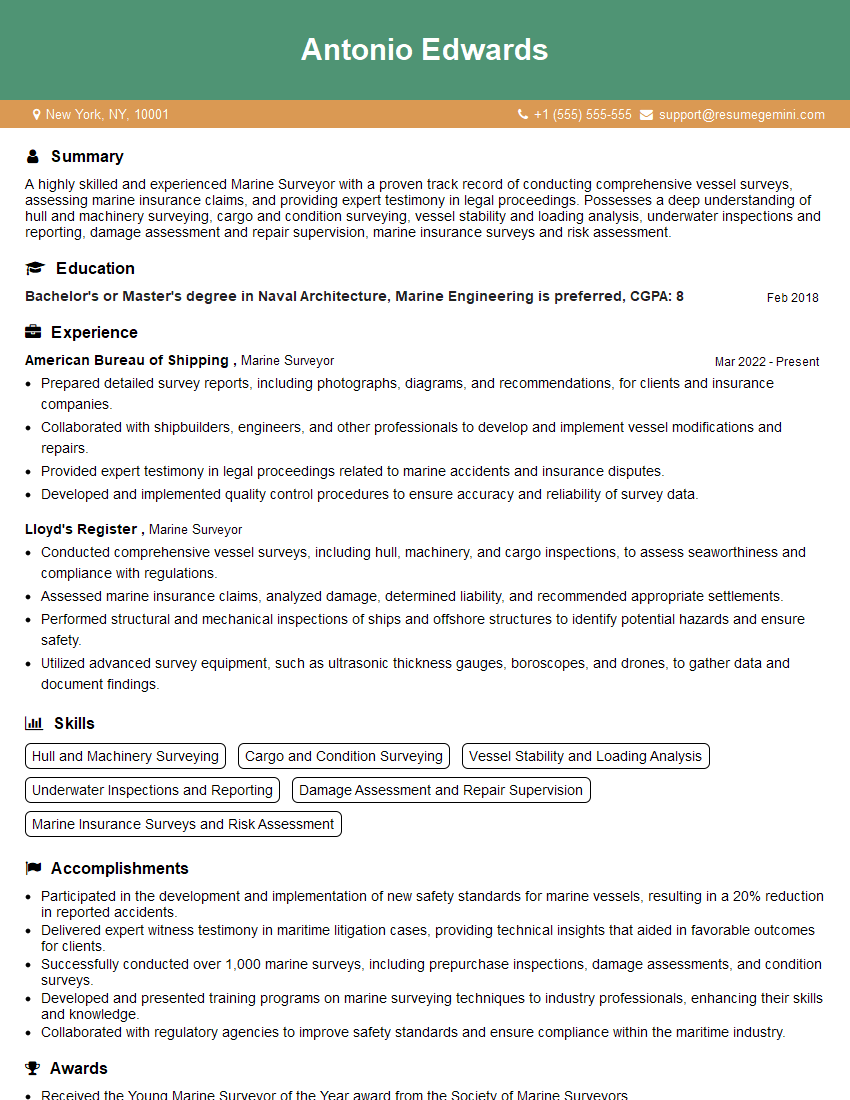
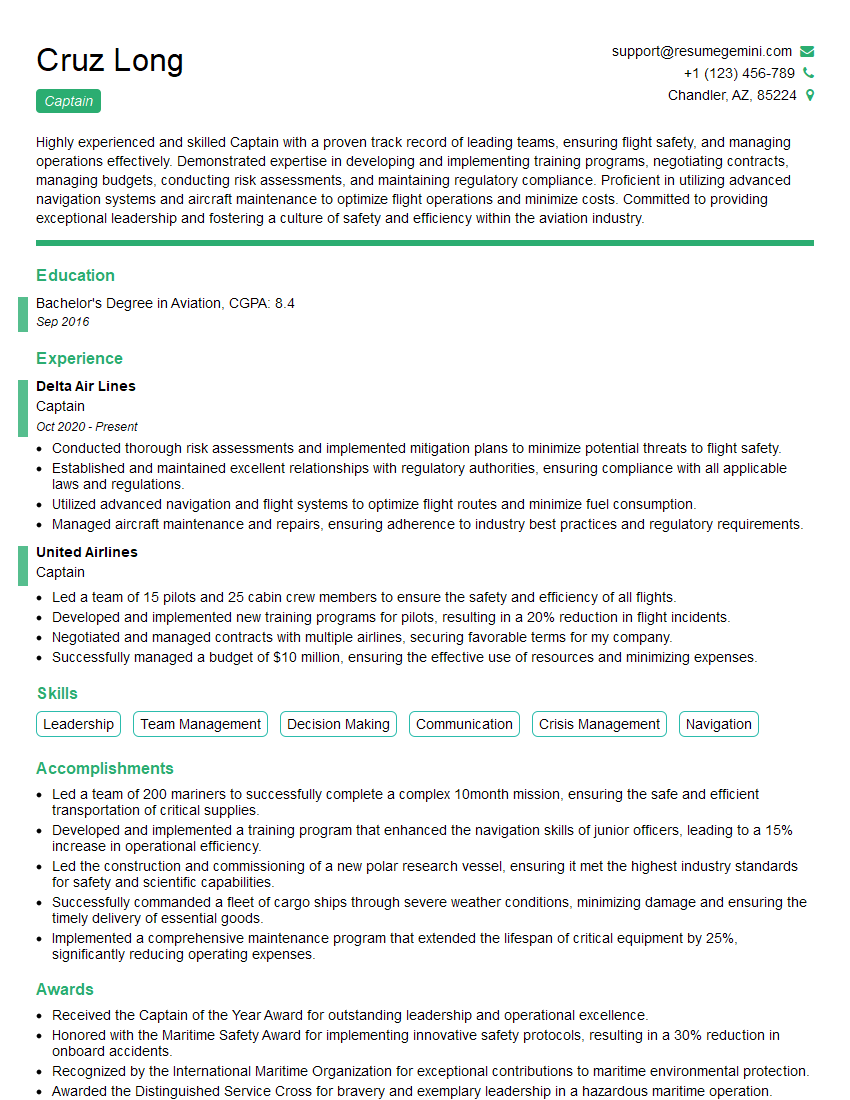
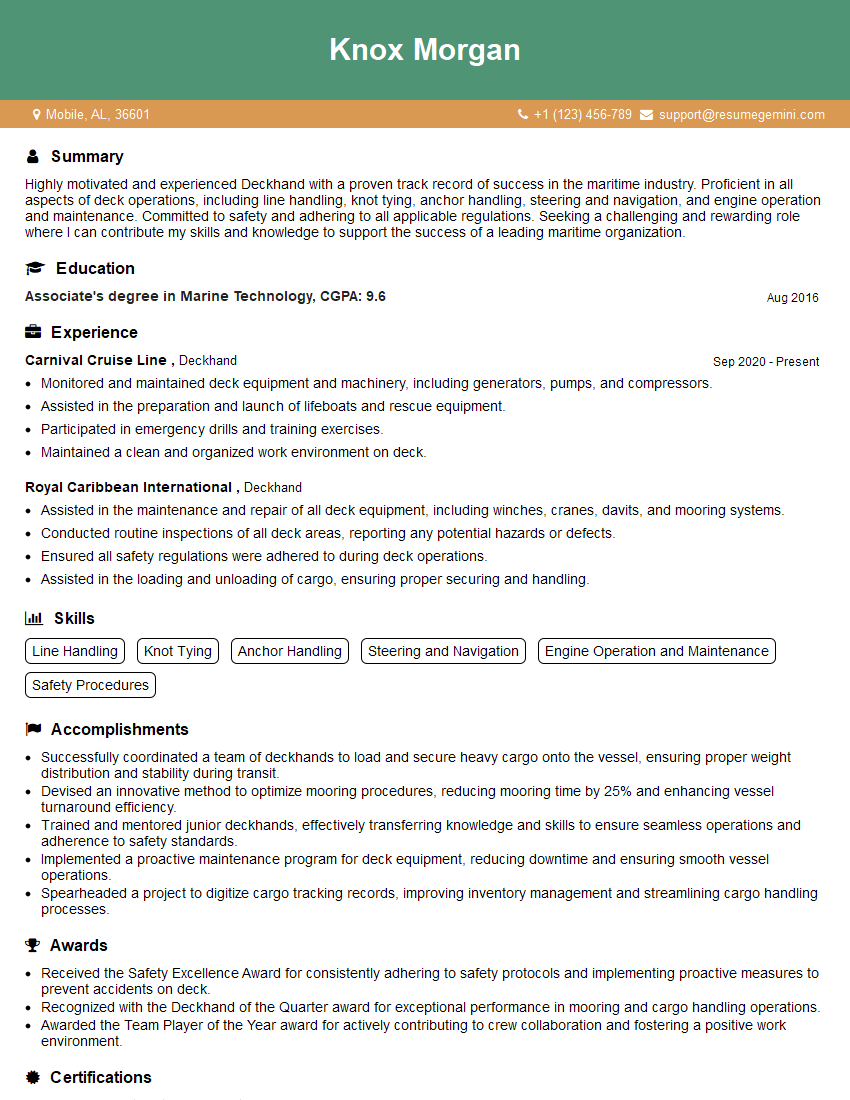
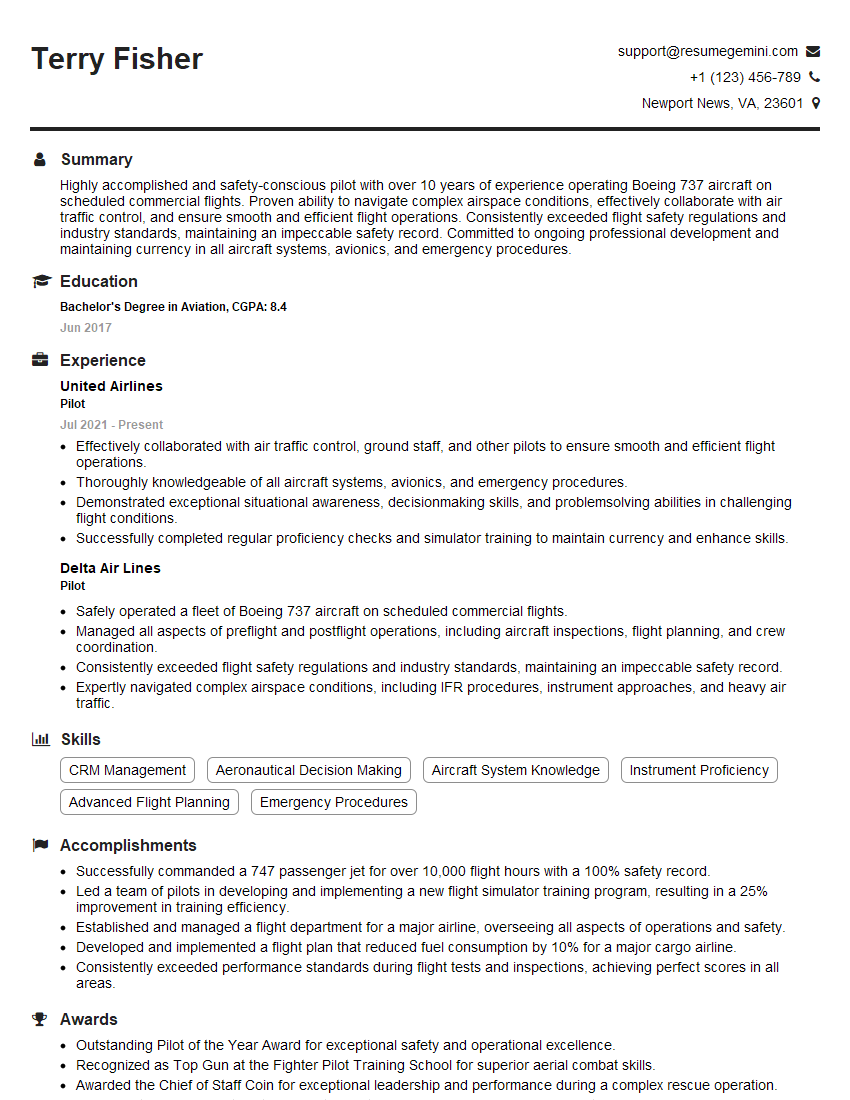
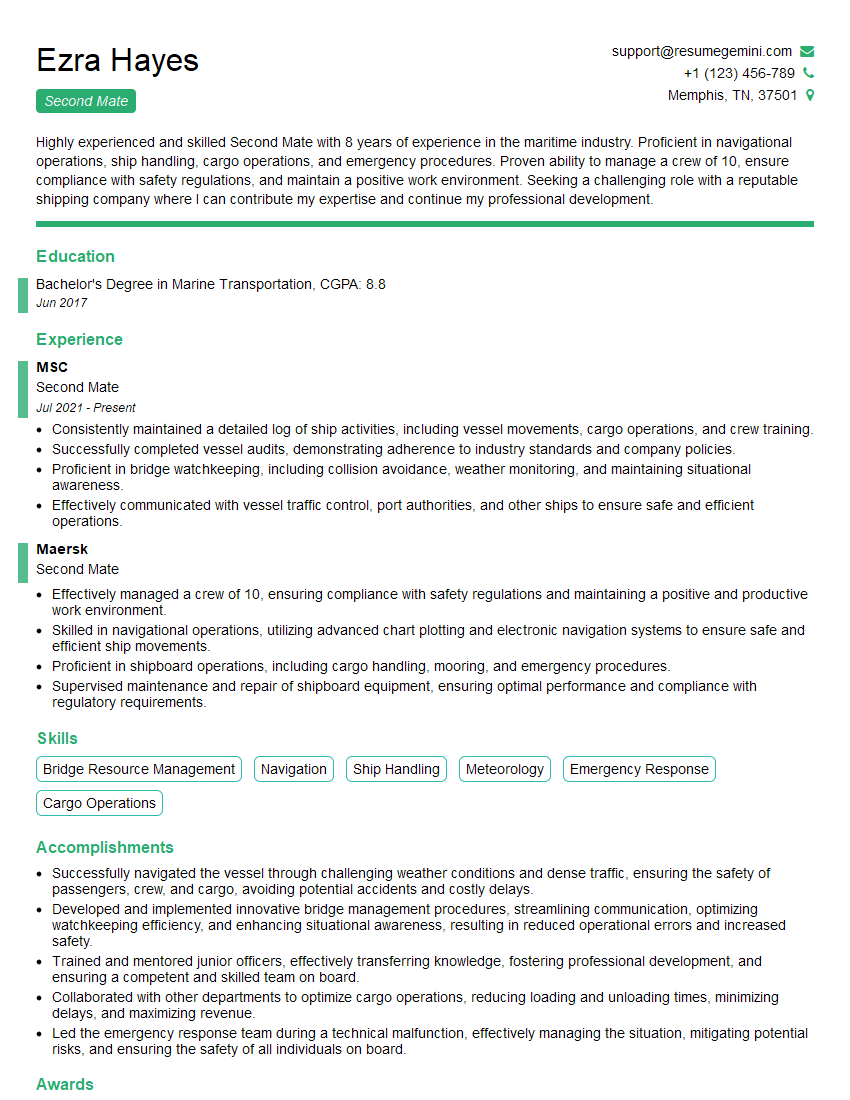
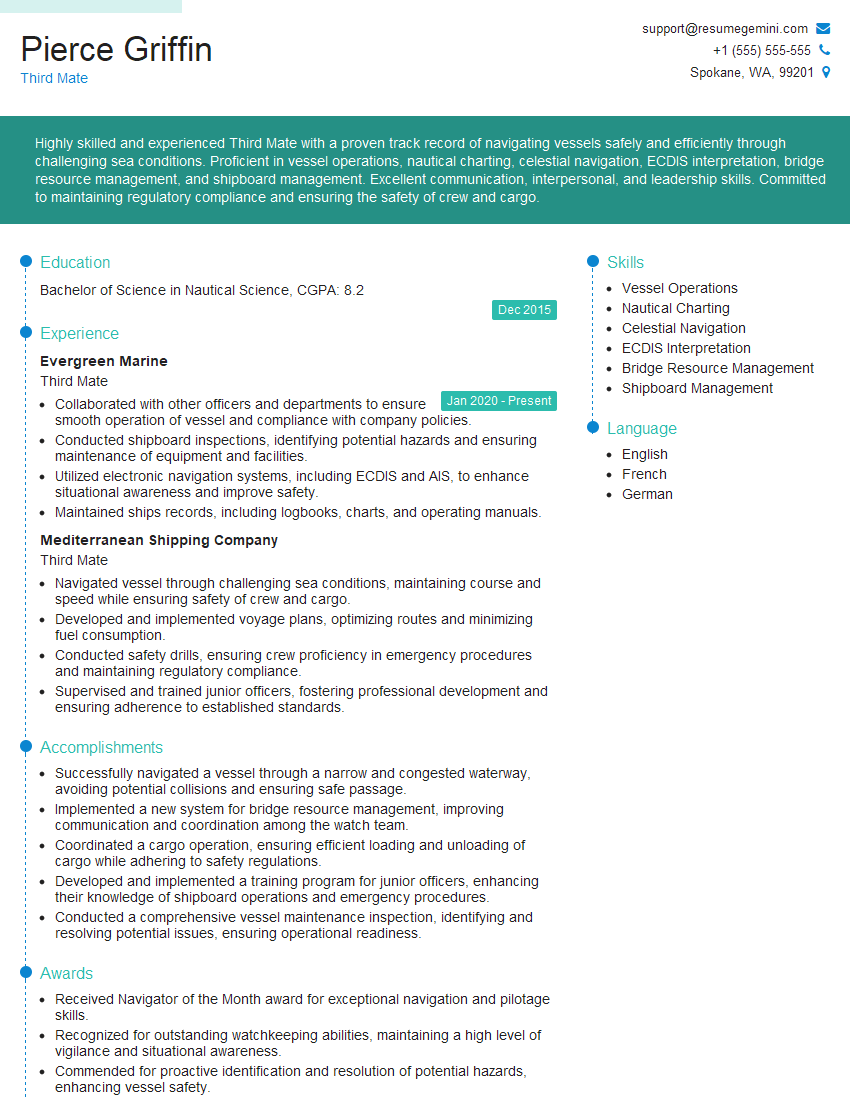
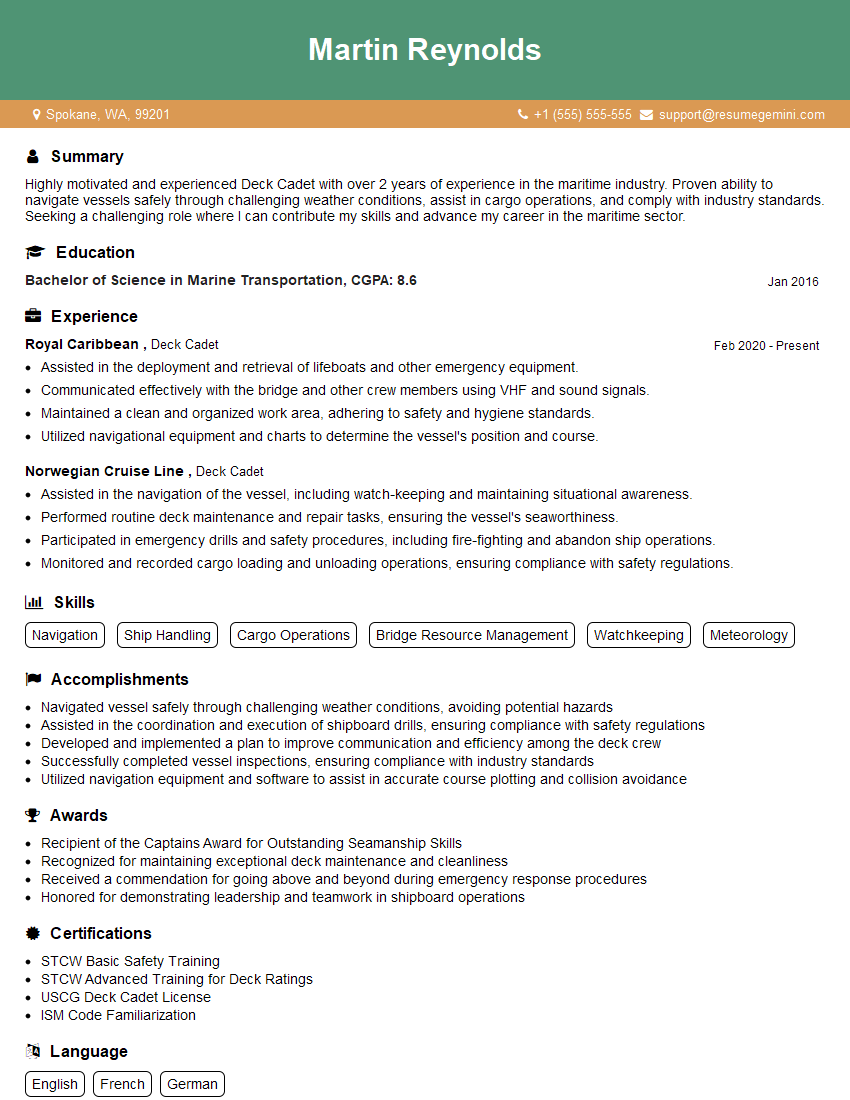
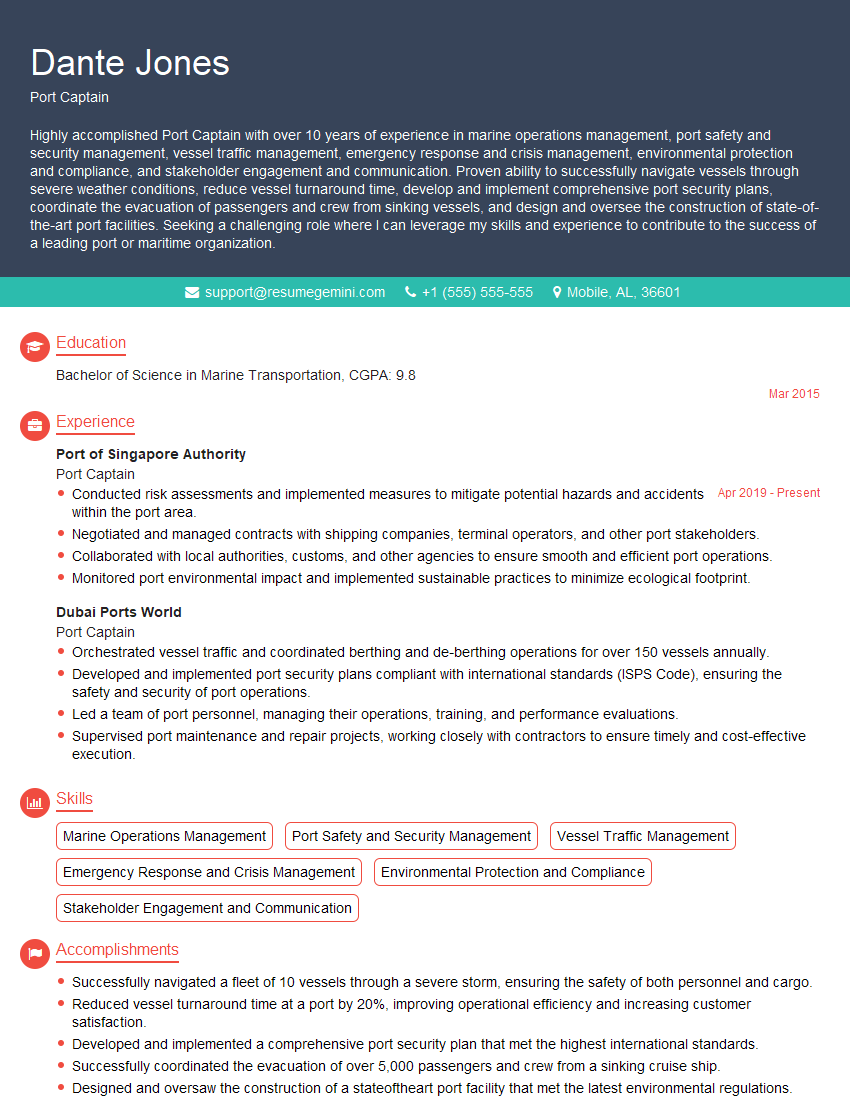
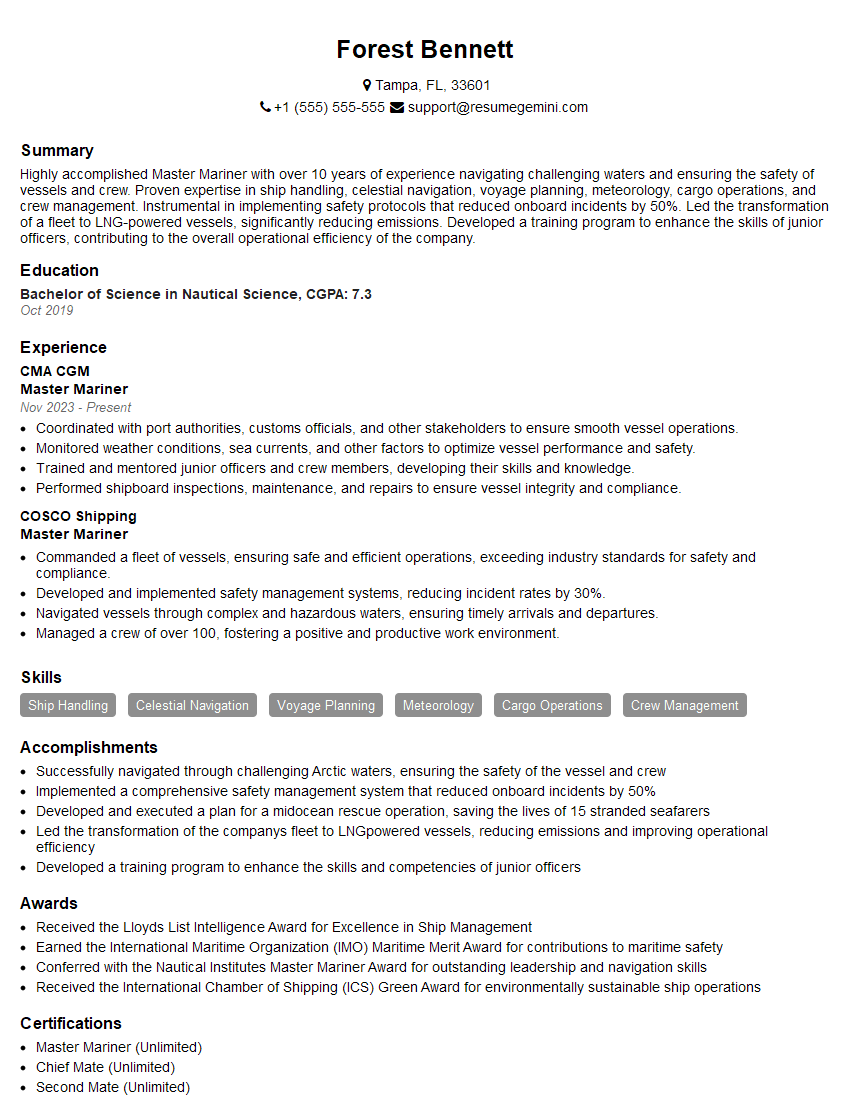
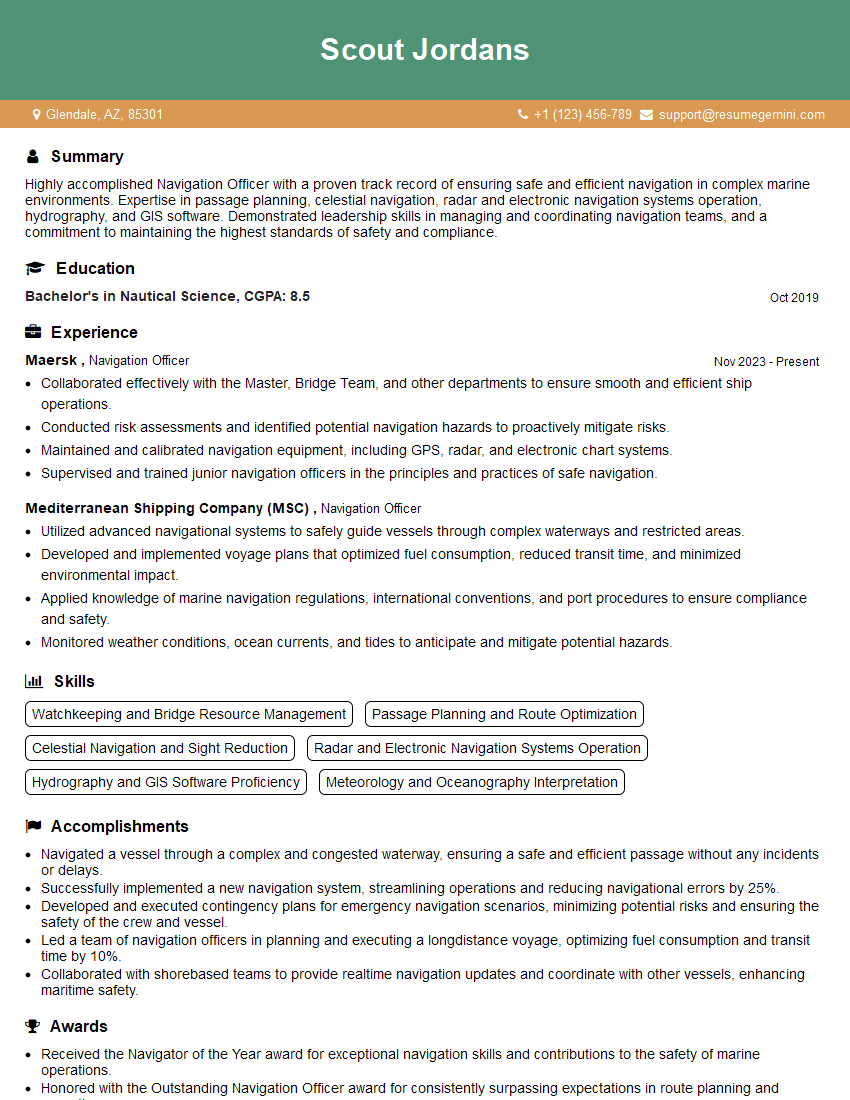
Mastering Bridge Watch Keeping and Operations is crucial for career advancement within the maritime industry, opening doors to higher-ranking positions and increased responsibility. To significantly boost your job prospects, crafting an ATS-friendly resume is essential. ResumeGemini is a trusted resource to help you build a professional and impactful resume that highlights your skills and experience effectively. Examples of resumes tailored to Bridge Watch Keeping and Operations are available to help guide you through this process.
Explore more articles
Users Rating of Our Blogs
Share Your Experience
We value your feedback! Please rate our content and share your thoughts (optional).
What Readers Say About Our Blog
Really detailed insights and content, thank you for writing this detailed article.
IT gave me an insight and words to use and be able to think of examples