Feeling uncertain about what to expect in your upcoming interview? We’ve got you covered! This blog highlights the most important Capillary puncture interview questions and provides actionable advice to help you stand out as the ideal candidate. Let’s pave the way for your success.
Questions Asked in Capillary puncture Interview
Q 1. Explain the procedure for performing a capillary puncture.
Capillary puncture, also known as a finger prick or heel prick (in infants), is a quick and minimally invasive procedure used to collect a small blood sample from capillaries. It’s crucial for various diagnostic tests requiring smaller blood volumes. The procedure involves several key steps, performed with precision and care to minimize discomfort and risk.
- Preparation: Gather necessary supplies: lancet, alcohol swab, gauze pads, appropriate collection device (e.g., capillary tube, microtainer), gloves, and patient identification materials. Ensure proper hand hygiene.
- Site Selection & Preparation: Choose an appropriate puncture site (discussed in the next answer). Cleanse the site with an alcohol swab, allowing it to air dry completely. This prevents contamination and ensures accurate results.
- Puncture: Using a lancet, make a quick, shallow puncture perpendicular to the fingerprint lines (or across the plantar surface of the heel in infants). Avoid excessively deep punctures which can lead to pain and hematoma formation.
- Sample Collection: Gently wipe away the first drop of blood with a gauze pad to remove any tissue fluids that may contaminate the sample. Then, carefully collect the blood into the appropriate collection device, avoiding squeezing the site which could dilute the sample or cause hemolysis (rupture of red blood cells).
- Post-Puncture Care: Apply gentle pressure to the puncture site with a gauze pad until bleeding stops. Apply a bandage if necessary. Proper disposal of all used materials, following infection control guidelines, is vital.
Remember, the goal is to obtain a free-flowing sample with minimal patient discomfort. Each step needs to be executed with skill and care.
Q 2. What are the appropriate sites for capillary puncture in adults and children?
Site selection for capillary puncture is crucial for obtaining a good sample and minimizing pain and complications. The choice depends on the age of the patient and the specific test being performed.
- Adults: The most common sites are the palmar surface of the fingertips of the non-dominant hand (avoiding the thumb and index finger due to potential nerve damage). Specifically, the sides of the fingertips, slightly off-center, are preferred.
- Children (infants): In infants, the medial or lateral plantar surface of the heel is used. The heel should be warmed slightly before the procedure to encourage better blood flow.
It’s important to avoid areas with calluses, scars, or bruising, as these can affect sample quality. The selected site must also be free from infection or inflammation.
For example, a patient with a recent wound on their fingertips would make another site such as the other hand necessary to maintain the accuracy of the collected sample.
Q 3. Describe the different types of lancets used for capillary puncture and their appropriate selection.
Lancets used for capillary puncture vary in design and size to suit different patient populations and the volume of blood required. Selecting the appropriate lancet is crucial for minimizing pain and discomfort while ensuring an adequate sample.
- Depth-adjustable lancets: These allow for precise control over the depth of the puncture, reducing the risk of excessive bleeding and pain. This is particularly important in pediatric patients and older adults with thinner skin.
- Fixed-depth lancets: These have a pre-set depth, often suitable for routine capillary punctures. They are generally less expensive and more readily available.
- Safety-engineered lancets: These retract automatically after use, preventing accidental needle-stick injuries. This is a critical safety feature for healthcare workers.
The choice of lancet depends on factors such as patient age, skin thickness, and the desired blood volume. For example, a deeper lancet might be needed for adults, while a shallower one is preferred for infants with thinner skin.
Q 4. How do you ensure proper patient identification before performing a capillary puncture?
Ensuring proper patient identification is paramount to prevent errors and ensure the correct results are associated with the right individual. This involves a two-step verification process.
- Check the patient’s identification band: Carefully check and verify the patient’s identification band against the requisition form, verifying name and medical record number, date of birth, and any other identifiers. This is the first and most important step to prevent wrong patient identification.
- Verbal confirmation: After checking the identification band, verbally confirm the patient’s identity by asking them to state their full name and date of birth. This creates a second layer of verification and minimizes the risk of error.
Any discrepancies must be resolved before proceeding with the procedure. If there are doubts about the patient’s identity, seek clarification from the nurse in charge or physician.
Q 5. What safety precautions must be followed during capillary puncture?
Safety is paramount during capillary puncture. Strict adherence to infection control protocols is essential to protect both the patient and the healthcare worker.
- Hand hygiene: Perform thorough hand washing before and after the procedure.
- Gloves: Wear gloves to protect both the patient and healthcare worker from the transmission of bloodborne pathogens.
- Appropriate disposal: Dispose of used lancets and other sharps in designated sharps containers to prevent needle-stick injuries.
- Proper disinfection: Disinfect the puncture site appropriately with an alcohol swab.
- Universal precautions: Treat all blood as potentially infectious and follow appropriate universal precautions.
Failure to follow these precautions can lead to serious complications including infections and transmission of bloodborne diseases. It’s crucial to prioritize safety at every stage of the procedure.
Q 6. What are the potential complications associated with capillary puncture?
While capillary puncture is a relatively safe procedure, potential complications can occur. These are usually minor but require attention.
- Pain: A degree of pain is expected, but it should be minimal. Excessive pain or persistent discomfort warrants investigation.
- Bleeding: Some bleeding is normal. However, prolonged bleeding or excessive bleeding necessitates application of pressure and, if necessary, further intervention.
- Infection: Proper disinfection and sterile technique minimizes the risk of infection, however, signs of infection (redness, swelling, pus) require immediate medical attention.
- Hematoma: A bruise (hematoma) can occur due to excessive pressure or a deep puncture. This usually resolves on its own but can be painful.
- Nerve damage: Rare but possible, especially with incorrect site selection (e.g., puncturing too close to a nerve in the fingers).
Patient education regarding potential complications and when to seek medical attention is an important aspect of providing holistic care.
Q 7. How do you handle a difficult or challenging capillary puncture?
A difficult or challenging capillary puncture can arise due to factors like poor blood flow, insufficient capillary refill, or excessive calluses. Here are some strategies to manage these situations.
- Warm the site: Warming the puncture site using warm compresses can increase blood flow, making it easier to obtain a sample.
- Massage the hand gently: Gentle downward massage towards the puncture site can encourage blood flow.
- Select an alternative site: If unsuccessful at the initial site, consider choosing another appropriate site on the same hand.
- Use a different lancet: Using a lancet with different depth adjustment can improve the collection process.
- Consider venous puncture: If all attempts to obtain a capillary sample fail, venipuncture may be necessary. This will require a change in procedure and a different size needle.
Remember to document all attempts and the ultimate outcome. If a sample cannot be obtained, it’s critical to inform the physician or relevant healthcare professional.
Q 8. How much blood is typically collected via capillary puncture for various tests?
The amount of blood collected via capillary puncture varies greatly depending on the tests ordered. It’s crucial to only collect the minimum volume necessary to avoid causing undue discomfort or hematoma formation. Generally, a few drops are sufficient for many tests, but some may require more. For example:
- Glucose testing: Often only a small drop (10-20 µL) is needed.
- Blood gas analysis: This requires a larger volume (at least 100 µL, often collected in a capillary tube).
- Complete Blood Count (CBC): May require several hundred microliters, potentially collected from multiple punctures or with the help of a capillary collection device.
Always consult the specific test’s instructions for the appropriate blood volume.
Q 9. Explain the order of draw for capillary blood collection.
The order of draw for capillary blood collection aims to minimize cross-contamination and maintain the integrity of the samples. While not as rigidly defined as with venipuncture, a general guideline is to follow this sequence:
- Blood gas analysis (if applicable): This should be collected first using a heparinized capillary tube to prevent clotting, as the presence of clotting factors will skew the results.
- EDTA tubes (lavender top): These are used for hematology tests like CBC. EDTA prevents clotting by chelating calcium.
- Other additive tubes (e.g., serum separator tubes – SST): These would be collected next, following the manufacturer’s instructions.
- Non-additive tubes (red top): For serum chemistry tests. Collect last to avoid contamination with anticoagulants.
It’s essential to maintain proper order based on test prioritization. Always refer to laboratory instructions as protocols can differ.
Q 10. Describe the proper technique for mixing capillary blood samples with anticoagulants.
Mixing capillary blood with anticoagulants requires gentle, thorough mixing to prevent hemolysis (rupture of red blood cells), which can skew test results. Vigorous shaking should be avoided. The technique varies slightly depending on the collection device:
- Capillary tubes: Gently roll the tube between your palms to mix the blood with the anticoagulant. Do not shake or invert it forcefully.
- Microtainer tubes: Gently invert the tube several times (typically 5-10 times) to ensure even mixing.
It’s crucial to avoid creating bubbles. Inadequate mixing will lead to clotting and inaccurate results, while overly vigorous mixing causes hemolysis, making the sample unusable.
Q 11. How do you properly label and transport capillary blood samples?
Proper labeling and transport are critical to prevent sample misidentification and degradation. Labels must include:
- Patient’s full name
- Date of birth
- Date and time of collection
- Collection site (if relevant)
- Phlebotomist’s initials (or collector’s identifier)
Labels should be affixed directly to the tube, avoiding any that are easily removed. Samples should be transported promptly to the laboratory in a secure container that protects them from damage and extreme temperatures. If there’s any delay, consider the use of appropriate coolers or ice packs.
Q 12. What are the differences between capillary and venipuncture blood collection?
Capillary puncture and venipuncture are both methods for obtaining blood samples, but they differ significantly in technique and application:
| Feature | Capillary Puncture | Venipuncture |
|---|---|---|
| Blood Source | Peripheral capillaries (typically fingers or heels) | Veins (typically antecubital fossa) |
| Blood Volume | Small volume | Larger volume |
| Technique | Simple lancet prick | Needle insertion into vein |
| Patient Comfort | Generally less painful, but multiple punctures may be needed | Can be more painful, but larger volume obtained in one draw |
| Suitability | Small children, elderly individuals, patients with difficult veins | Generally preferred for tests requiring larger blood volumes |
In essence, capillary puncture is a less invasive method suitable for smaller volumes, while venipuncture is preferred when a larger sample is needed.
Q 13. When is capillary puncture the preferred method of blood collection?
Capillary puncture is the preferred method when:
- Small blood volume is sufficient: Many point-of-care tests only require a small amount of blood.
- Venipuncture is difficult or impossible: For example, in infants, the elderly with fragile veins, or individuals with severe burns or vascular disease.
- Repeated blood collection is required: Multiple small capillary punctures may be less traumatic than multiple venipunctures, especially in infants and small children.
- Patient preference (with medical justification): While not always the primary reason, a patient’s aversion to venipuncture should be addressed if medically feasible.
Always consider the patient’s overall health and the required tests when deciding on the blood collection method.
Q 14. How do you address a patient who is anxious or fearful of capillary puncture?
Addressing a patient’s anxiety about capillary puncture is crucial for a positive experience. Here’s a step-by-step approach:
- Explain the procedure clearly and simply: Use age-appropriate language and avoid medical jargon. Show the patient the lancet and explain what it will feel like – usually a quick pinch.
- Offer reassurance and comfort: Use calming language and a gentle touch. Distraction techniques, such as talking about their favorite things, may also help.
- Explain why it’s necessary: Let them know how the test results will help with their care.
- Allow the patient to ask questions: This empowers them and reduces apprehension.
- Provide positive reinforcement: Praise the patient for their cooperation throughout the procedure.
- Apply a bandage afterward: Offer a small reward, such as a sticker or bandage with their favorite character, especially for children.
Remember, patience and empathy are paramount. Building trust and rapport is key to a successful and anxiety-free experience.
Q 15. What are the signs and symptoms of hypoglycemia, and how should you respond if you suspect it during a capillary puncture procedure?
Hypoglycemia, or low blood sugar, can manifest with a variety of signs and symptoms, ranging from mild to severe. Mild symptoms might include shakiness, sweating, dizziness, palpitations, hunger, and confusion. More severe symptoms can include blurred vision, seizures, and loss of consciousness. During a capillary puncture, if I suspect hypoglycemia based on the patient’s presentation (e.g., they are exhibiting shakiness and confusion) or their reported symptoms, my immediate response is crucial.
- Safety First: Ensure the patient’s safety and prevent falls. If they appear unstable, help them lie down.
- Immediate Glucose Check: If feasible and allowed within my scope of practice, immediately check the blood glucose using a glucometer to confirm hypoglycemia.
- Administer Glucose (if trained and protocol allows): If the blood glucose is indeed low and I’m authorized to do so, I’ll administer a readily available source of glucose, such as glucose tablets or juice. Never administer glucose to an unconscious patient, as there is a choking risk.
- Notify Medical Personnel: I would promptly notify the supervising nurse or physician and document my findings and actions. This is paramount for appropriate medical management and to ensure patient safety.
- Monitor the Patient: I would monitor the patient closely until their condition stabilizes or medical personnel arrive. Continuous monitoring is essential for any changes in their condition.
For example, I once had a patient undergoing a routine capillary puncture who suddenly became shaky and pale. I suspected hypoglycemia, immediately checked their blood sugar (which was very low), and administered glucose tablets as per protocol. Their condition improved markedly, and I notified the supervising nurse.
Career Expert Tips:
- Ace those interviews! Prepare effectively by reviewing the Top 50 Most Common Interview Questions on ResumeGemini.
- Navigate your job search with confidence! Explore a wide range of Career Tips on ResumeGemini. Learn about common challenges and recommendations to overcome them.
- Craft the perfect resume! Master the Art of Resume Writing with ResumeGemini’s guide. Showcase your unique qualifications and achievements effectively.
- Don’t miss out on holiday savings! Build your dream resume with ResumeGemini’s ATS optimized templates.
Q 16. How do you manage a situation where you accidentally puncture an artery?
Accidental arterial puncture during a capillary puncture is a serious event, as it can lead to significant bleeding and hematoma formation. My immediate response would be as follows:
- Apply Direct Pressure: I’d immediately apply firm, direct pressure to the puncture site using a sterile gauze pad, elevating the extremity if possible. This is the most critical step to control bleeding.
- Maintain Pressure: I wouldn’t remove the pressure until bleeding stops completely. This might take several minutes.
- Observe for Signs of Hematoma: I would closely monitor for the development of a hematoma (a collection of blood under the skin), which could indicate significant bleeding.
- Notify Medical Personnel: I would inform the supervising nurse or physician immediately. Accurate documentation of the incident is critical.
- Monitor Patient: I would continue to monitor the patient for any signs of complications such as excessive bleeding, swelling, or hematoma formation. If bleeding doesn’t stop or the hematoma grows, the patient will need further medical attention.
- Assess for Neurological Damage (if necessary): In cases of arterial puncture in sensitive areas, it would be very important to check for neurological deficits. The puncture site is very important to consider during these assessments.
It’s important to remember that accidental arterial punctures are rare if the proper technique is followed. Using the appropriate lancet, selecting the correct puncture site (avoiding areas with major arteries), and using a gentle, but firm puncture are crucial preventative measures.
Q 17. What should you do if you encounter a patient with a bleeding disorder?
Patients with bleeding disorders, such as hemophilia or von Willebrand disease, require specialized care during any procedure involving blood collection. The key here is to minimize the risk of bleeding and hematoma formation.
- Consult Medical Records: Before performing a capillary puncture on a patient with a known bleeding disorder, I would thoroughly review their medical record to understand the severity of their condition and any specific instructions from their physician.
- Gentle Technique: The capillary puncture would need to be performed very gently using a very small lancet. Excessive pressure or depth of puncture should be avoided at all costs.
- Pressure Application: After the procedure, firm pressure is applied to the puncture site for a prolonged period, often longer than with a patient without a bleeding disorder.
- Close Monitoring: I’d monitor the puncture site meticulously for any signs of bleeding or hematoma formation.
- Notification: I’d inform the supervising healthcare professional of the patient’s bleeding disorder and any complications encountered. In many cases, a capillary puncture might not be the best option; for instance, if a vein is available, venipuncture might be the better choice.
In a situation like this, close communication with the healthcare team and a heightened awareness of the potential risks are essential.
Q 18. Explain the importance of proper hand hygiene before and after capillary puncture.
Proper hand hygiene is paramount before and after any capillary puncture to prevent the transmission of infectious agents. It’s a fundamental principle of infection control.
- Before: Before initiating the procedure, I would thoroughly wash my hands with soap and water for at least 20 seconds or use an alcohol-based hand rub for the recommended contact time. This removes transient microorganisms.
- After: After completing the procedure, I’d again wash my hands thoroughly or use an alcohol-based hand rub. This step removes any potential pathogens transferred during the procedure.
Think of it this way: our hands come into contact with numerous surfaces throughout the day, potentially picking up bacteria or viruses. By diligently practicing hand hygiene, we minimize the risk of transferring these pathogens to the patient. Failure to do so could result in Healthcare Associated Infections (HAIs), which can have severe consequences for patients and significant impact on the healthcare facility.
Q 19. How do you dispose of sharps and other biohazardous waste after capillary puncture?
Safe disposal of sharps and biohazardous waste is crucial for protecting healthcare workers and the environment. After a capillary puncture, this involves the following steps:
- Sharps Disposal: The used lancet should be immediately disposed of in a designated sharps container. Never recap needles or place sharps in regular trash containers. Sharps containers are puncture-resistant and designed for safe disposal.
- Biohazardous Waste Disposal: Any contaminated materials, such as gauze pads used to clean the puncture site, should be disposed of in designated biohazard waste containers. These containers are clearly labeled and color-coded for easy identification.
- Follow Facility Protocols: Adhering to our facility’s specific waste disposal protocols is vital. Each facility may have unique procedures for handling different types of waste.
Improper disposal of sharps and biohazardous waste poses significant risks of needle-stick injuries and the spread of infectious diseases. Following established protocols is non-negotiable for ensuring patient and healthcare worker safety. Imagine the potential for infection if a used lancet were carelessly discarded and someone accidentally came into contact with it.
Q 20. Describe the role of quality control in capillary puncture.
Quality control in capillary puncture is essential to ensure the accuracy and reliability of test results. Several aspects contribute to this process:
- Proper Technique: Using the correct technique to avoid hemolysis (destruction of red blood cells), ensuring proper blood flow from the puncture site, and avoiding contamination are key aspects of quality control. The use of proper materials and equipment is vital for this stage of the process.
- Equipment Calibration: If using a glucometer or other devices, their calibration is of utmost importance. Regular calibration and maintenance of equipment helps to ensure that the results are accurate and reliable.
- Sample Handling: Proper handling of the sample—avoiding excessive squeezing of the fingertip during blood collection and preventing the sample from drying out—is critical for producing high-quality results.
- Appropriate Patient Identification: Always verifying the patient’s identity against the request form to ensure the correct individual is tested. This is crucial for preventing errors and medical mishaps.
- Documentation: Maintaining detailed records of the procedure, including the date, time, and any challenges experienced, contributes to quality assurance and accountability.
Regular quality control measures help ensure that results are accurate and reliable. This process is vital to provide high-quality care and can help spot potential problems in the sampling procedure.
Q 21. What are the common causes of hemolysis in capillary blood samples?
Hemolysis, the breakdown of red blood cells, can significantly affect the accuracy of certain blood tests. Several factors can contribute to hemolysis in capillary blood samples:
- Excessive Squeezing: Vigorous squeezing of the fingertip during sample collection can damage red blood cells, leading to hemolysis. Gentle pressure is sufficient to collect the blood.
- Using a Too-Large Lancet: A lancet that’s too large can cause excessive trauma to the tissue, leading to hemolysis. The appropriate size lancet for the patient’s age and skin thickness needs to be chosen.
- Improper Mixing: Vigorous mixing or shaking of the sample container can also damage red blood cells. Gentle mixing is sufficient.
- Using the Wrong Collection Tube: Using an inappropriate collection tube may also contribute to the breakdown of the cells. For instance, using a tube with an anticoagulant intended for venous blood may not be appropriate for capillary samples.
- Delay in Processing: Allowing the sample to sit for too long before processing also increases the risk of hemolysis.
- Contamination: If there are contaminants in the collection container, this may lead to hemolysis.
Hemolyzed samples can lead to inaccurate results because hemoglobin released from damaged red blood cells can interfere with certain tests. This is why it is so important to follow the proper collection and handling procedures to avoid hemolysis. For instance, if the hemolyzed samples are used in certain types of analyses, this can invalidate the test results.
Q 22. How can you prevent hemolysis during capillary puncture?
Hemolysis, the breakdown of red blood cells, can significantly affect the accuracy of capillary blood tests. Preventing it requires meticulous technique. Think of it like this: you’re trying to collect a pristine sample, and rough handling is like spilling juice on a freshly baked cake – it ruins everything!
- Gentle Handling: Avoid forceful squeezing or milking of the finger, as this can damage red blood cells. Instead, use a warm compress to increase blood flow to the puncture site and apply gentle pressure to encourage free flow.
- Proper Puncture Technique: Ensuring the lancet penetrates only the superficial capillaries helps to prevent trauma to deeper vessels and reduces the risk of hemolysis. A shallow puncture is key.
- Appropriate Collection Method: The use of the right collection device – capillary tubes that are properly sized for the blood volume needed – is critical. Overfilling the capillary tube can increase shear stress on the blood cells, leading to hemolysis.
- Avoiding Alcohol Contamination: While alcohol is used for disinfection, ensure it’s completely dry before collecting the sample. Residual alcohol can cause hemolysis.
- Immediate Mixing: If an anticoagulant is used, thorough mixing immediately after collection prevents clot formation and reduces the likelihood of hemolysis due to shear stress during clotting.
For example, during a newborn screening, using an appropriate-sized capillary tube and gently wiping away the first drop of blood, which often contains tissue fluid, can greatly reduce the risk of hemolysis. Careful handling from puncture to analysis is crucial for accurate results.
Q 23. What are the steps you take if a sample is insufficient or contaminated?
Insufficient or contaminated samples are unacceptable. Imagine baking a cake – if you’re missing ingredients or have added spoiled ones, the result won’t be good. We need to address this immediately to ensure the integrity of the results.
- Assessment: Firstly, I’d carefully assess why the sample is insufficient or contaminated. Is it due to poor technique, patient factors (e.g., dehydration), or contamination during collection? Visual inspection for clots, hemolysis, or other contaminants is crucial.
- Documentation: I would meticulously document all details concerning the insufficient/contaminated sample, including the reason for failure. This helps in identifying areas for improvement in my technique.
- Recollection: If feasible and safe for the patient, I’d repeat the procedure, following all steps meticulously. I would also reassess my technique to rectify any errors from the first attempt.
- Communication: The physician or medical staff needs to be notified. We’ll discuss whether re-collection is necessary or if alternative testing options are available. This is especially crucial if the patient’s treatment or condition necessitates immediate results.
- Waste Disposal: The insufficient or contaminated sample is properly disposed of according to hospital protocols.
For example, if a patient is dehydrated, resulting in a difficult blood draw, I’d explain the situation to them and possibly suggest a different time for the test after proper hydration. Always prioritize patient comfort and safety.
Q 24. How do you maintain accurate records of capillary puncture procedures?
Maintaining accurate records is paramount. Think of it as keeping a detailed recipe – you need to record every step to reproduce the results accurately. Our documentation should be precise, consistent, and easily accessible.
- Patient Identification: Every capillary puncture procedure requires accurate patient identification, using appropriate methods like wristbands and confirming details with the patient (if capable).
- Procedure Details: The date, time, puncture site, volume of blood collected, type of sample container, and any complications should be recorded.
- Personnel Identification: The individual performing the procedure must be identifiable in the record.
- Quality Control: Any issues encountered during the procedure – inadequate blood volume, hemolysis, contamination – needs clear documentation.
- Electronic Health Records (EHR): Ideally, records are maintained electronically, as EHR systems allow for secure, easy access, and efficient data management. However, handwritten notes might be needed as a backup in some settings and need to be legible and clear.
For instance, our facility uses an EHR system with a dedicated section for capillary puncture procedures. This system automatically links the procedure details to the patient’s chart, improving the accessibility and management of capillary puncture data.
Q 25. Explain the legal and ethical considerations related to capillary puncture.
Capillary puncture, like all medical procedures, involves legal and ethical obligations. Patient safety and rights are paramount. These are not merely checklists but a fundamental aspect of our profession.
- Informed Consent: The patient or their legal guardian must give informed consent. This means they must understand the procedure, its purpose, potential risks, and benefits before agreeing. We need to explain the procedure clearly and answer any questions they have.
- Confidentiality: Patient information obtained during the procedure is strictly confidential and protected under HIPAA (or equivalent regulations). This information should be handled with utmost care.
- Standard of Care: We are legally bound to follow established protocols and best practices. This involves using sterile equipment, performing the procedure competently, and ensuring proper sample handling and disposal.
- Documentation: As mentioned earlier, thorough documentation not only ensures accuracy but also forms an essential part of legal protection. It serves as proof of adherence to proper procedures and may be necessary in case of legal disputes.
- Professional Boundaries: Maintaining professional boundaries with patients is crucial. We must not overstep our role or engage in inappropriate behavior.
For example, if a child needs a capillary puncture, we must obtain informed consent from their parents and ensure that the procedure is explained to them in a way that they can understand.
Q 26. How would you handle a patient refusal of capillary puncture?
Patient refusal is a fundamental right. Respecting this right is crucial, both ethically and legally. We must remember that healthcare is a partnership, not a dictation.
- Respectful Approach: I would first approach the refusal with empathy and understanding, acknowledging their right to refuse any medical procedure.
- Explanation: I would calmly re-explain the procedure, its purpose, and any potential consequences of not having it done, in a non-judgmental way.
- Addressing Concerns: I would actively listen to their concerns, addressing any fears or misconceptions. Often, a patient’s hesitation stems from misunderstanding or lack of information.
- Alternative Options: If possible, we would explore alternative testing methods. Depending on the situation, a venous blood draw might be an alternative, or possibly the test could be postponed.
- Documentation: The refusal must be clearly documented in the patient’s chart, including the reasons given for refusal.
For instance, a patient might refuse a capillary puncture due to a fear of needles. In this case, my priority would be to reassure them, offer alternative approaches, and document their refusal respectfully.
Q 27. Describe your experience with capillary puncture in different patient populations (e.g., infants, elderly).
My experience with capillary puncture spans diverse patient populations, requiring adaptable techniques. Each group presents unique challenges and considerations. The key is to always prioritize patient safety and comfort, adapting the approach to their specific needs.
- Infants: With infants, the procedure requires extra care and gentleness. The heel is the preferred puncture site, and minimizing pain and distress is paramount. Warm compresses, proper positioning, and distraction techniques are essential. Using a smaller-gauge lancet and ensuring accurate and swift collection are vital to prevent excessive blood loss.
- Elderly: Elderly patients may have thinner skin and reduced circulation. Selecting an appropriate puncture site (avoiding areas with poor circulation) and applying a warm compress are crucial steps. Ensuring a comfortable and safe environment for them is important, as they might be more frail or have underlying conditions that may influence the procedure.
- Adults: In adults, the fingertip is commonly used. A thorough explanation of the procedure and choosing a suitable fingertip, minimizing pain are important. The procedure itself is often similar for healthy adults, with the focus on proper technique and sterile practice.
For example, working with premature infants requires even more meticulous care due to their delicate skin and potential for blood loss. It is essential to be well-versed in age-appropriate techniques and protocols, and to always be prepared to handle any complications.
Key Topics to Learn for Capillary Puncture Interview
- Anatomy and Physiology of the Skin: Understanding the layers of the skin and the location of capillaries is crucial for successful puncture.
- Equipment and Supplies: Become familiar with various lancets, collection containers, and safety devices used in capillary puncture procedures. Know their proper use and disposal.
- Patient Preparation and Identification: Master techniques for patient identification, proper hand hygiene, and site selection to ensure accuracy and safety.
- Technique and Procedure: Practice and understand the steps involved in performing a capillary puncture, including proper lancet insertion angle and depth, and optimal blood collection methods.
- Specimen Handling and Processing: Learn about proper handling, labeling, and storage of capillary blood samples to maintain sample integrity and prevent errors.
- Quality Control and Assurance: Understand the importance of quality control measures to ensure accurate and reliable results. This includes understanding potential sources of error and how to mitigate them.
- Infection Control and Safety: Demonstrate a thorough understanding of infection control protocols, including universal precautions and proper disposal of sharps.
- Troubleshooting Common Issues: Be prepared to discuss common challenges encountered during capillary puncture, such as insufficient blood volume or hematoma formation, and how to address them effectively.
- Legal and Ethical Considerations: Understand patient rights, informed consent, and maintaining confidentiality in the context of capillary puncture procedures.
Next Steps
Mastering capillary puncture techniques opens doors to a wide range of healthcare roles, enhancing your employability and career progression. A strong resume is essential to showcase your skills and experience to potential employers. Creating an ATS-friendly resume increases your chances of getting your application noticed. To help you build a compelling and effective resume, we recommend using ResumeGemini. ResumeGemini offers a user-friendly platform to create professional resumes, and we provide examples of resumes tailored specifically to capillary puncture professionals to guide you. This will significantly strengthen your job application.
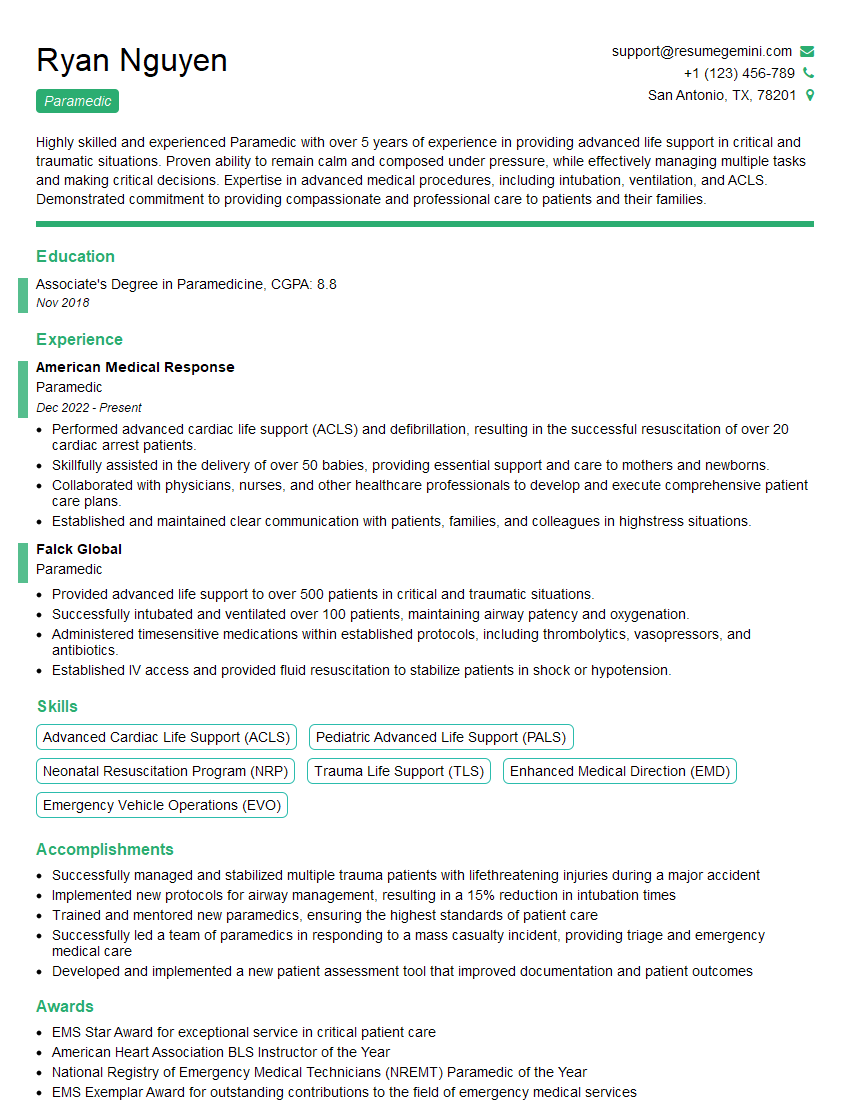
Paramedic Resume Sample
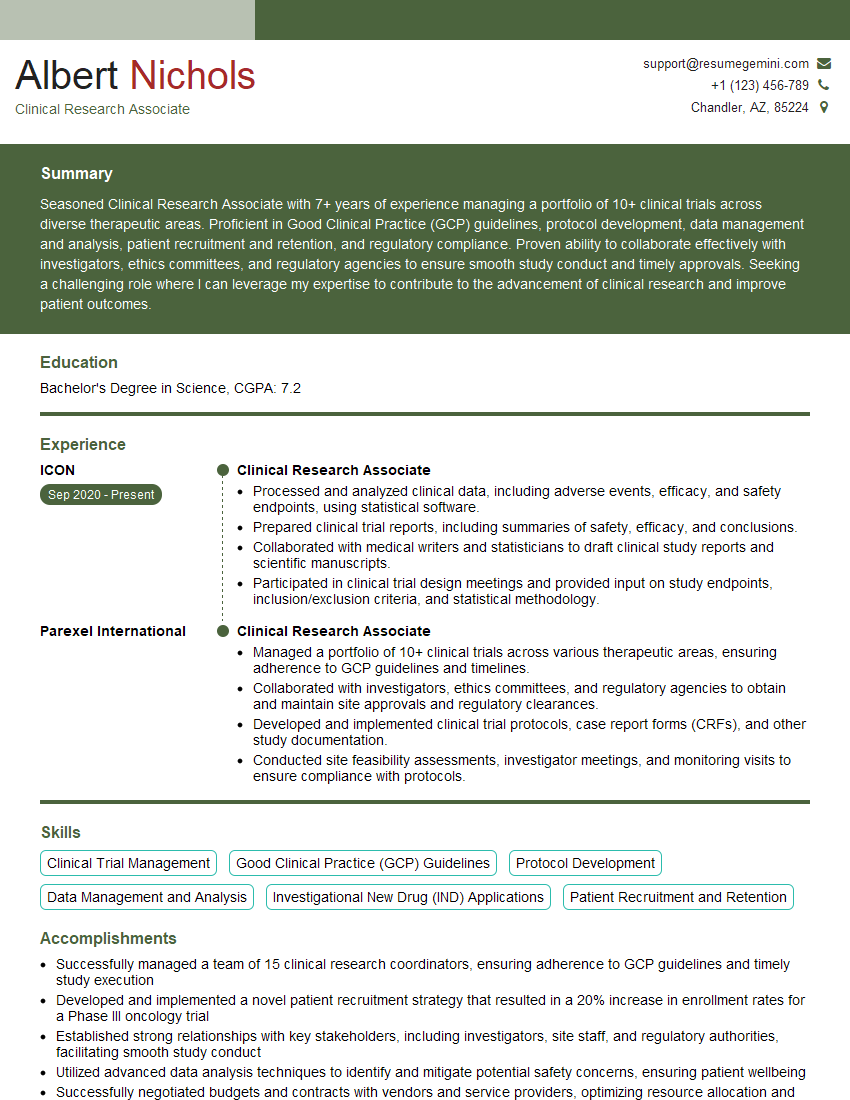
Clinical Research Associate Resume Sample

Research Technician Resume Sample
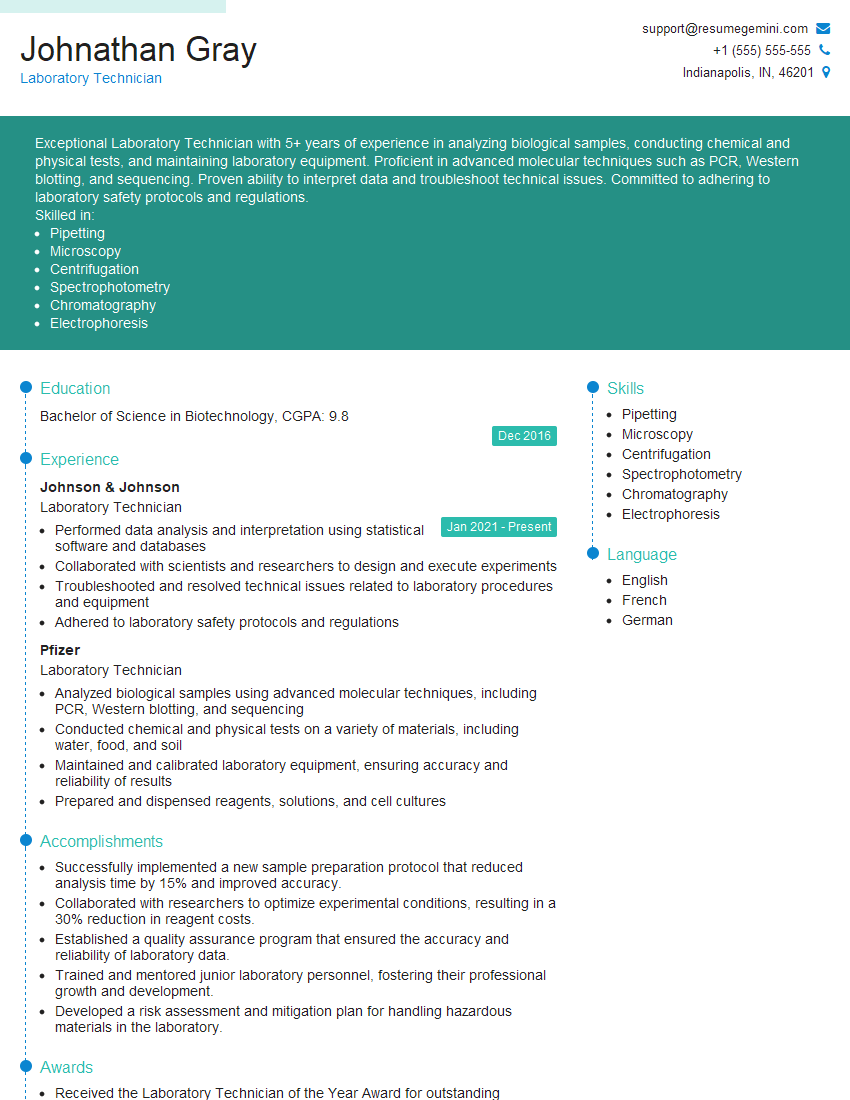
Laboratory Technician Resume Sample
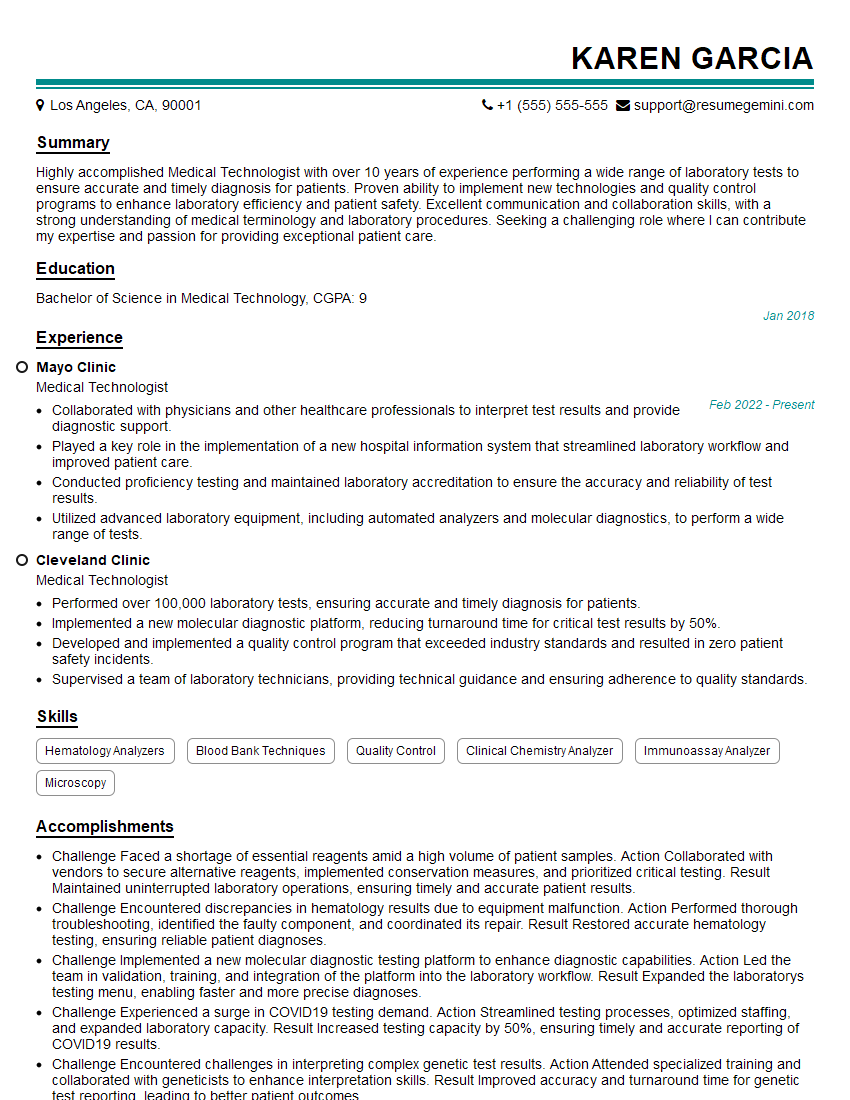
Medical Technologist Resume Sample

Physician Assistant Resume Sample
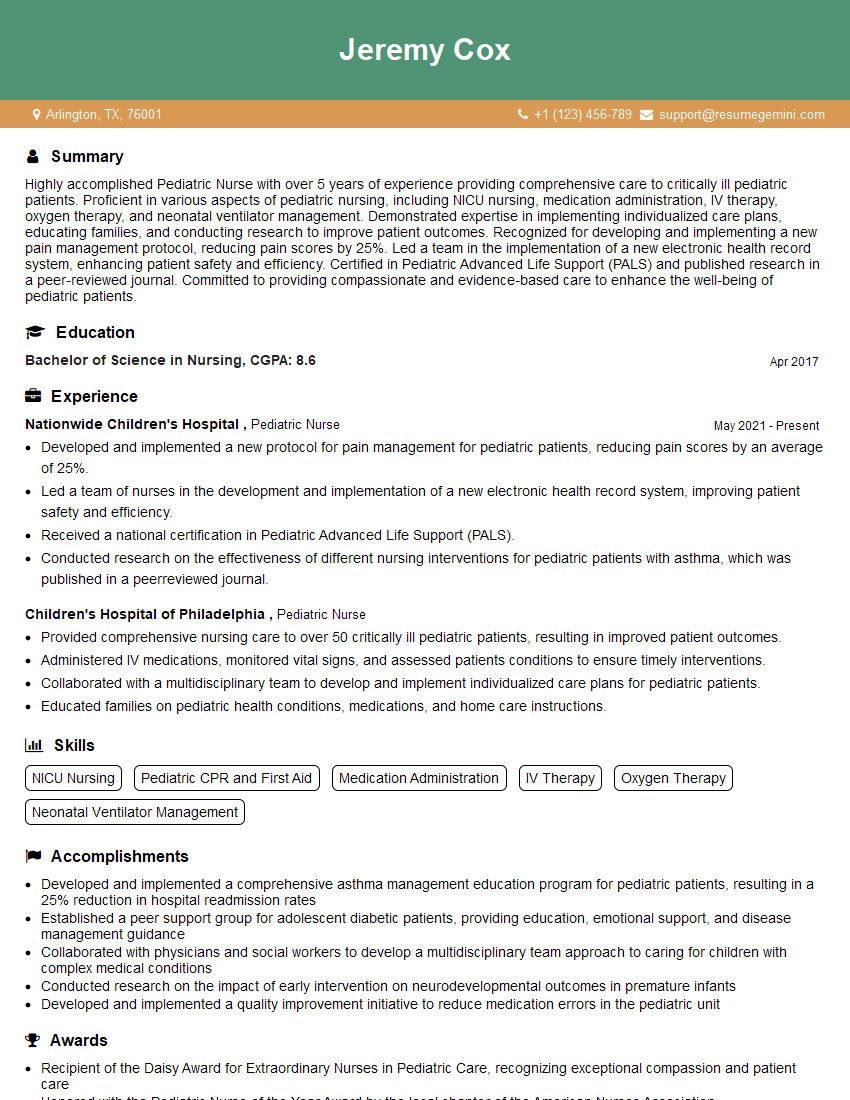
Pediatric Nurse Resume Sample
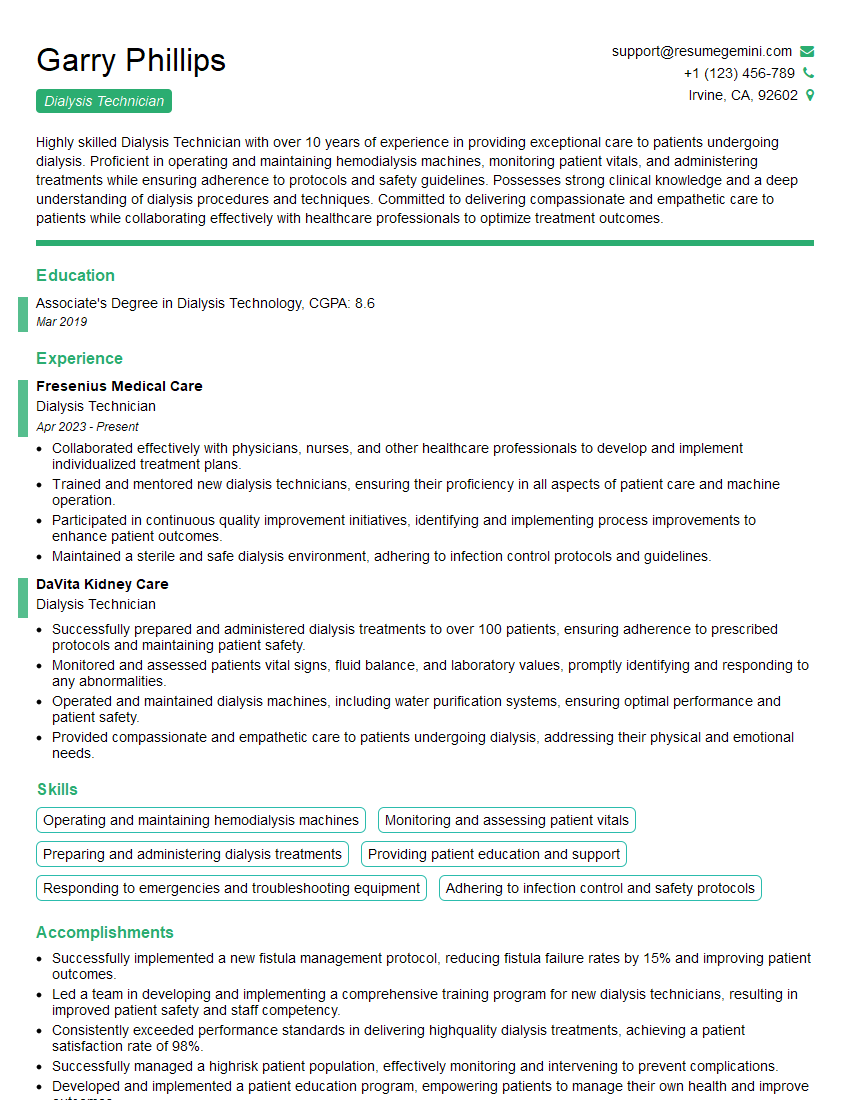
Dialysis Technician Resume Sample

Certified Phlebotomy Technician Resume Sample

Medical Secretary Resume Sample
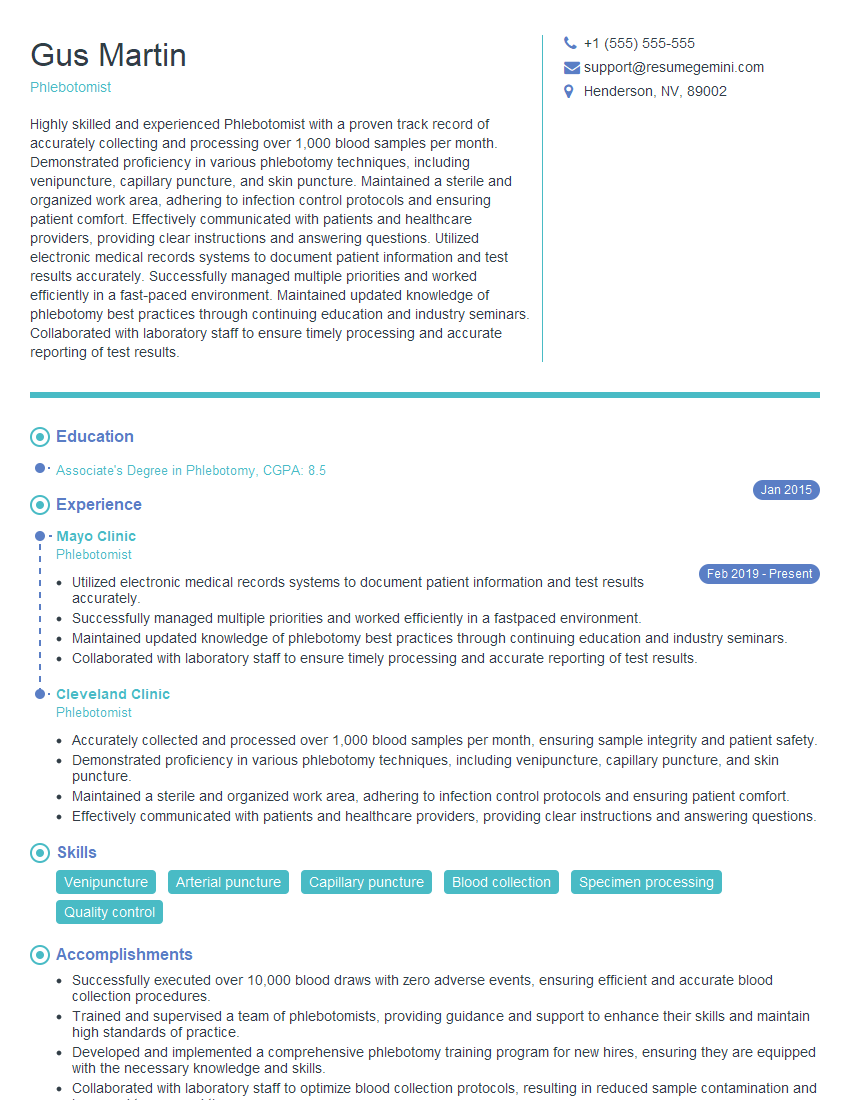
Phlebotomist Resume Sample
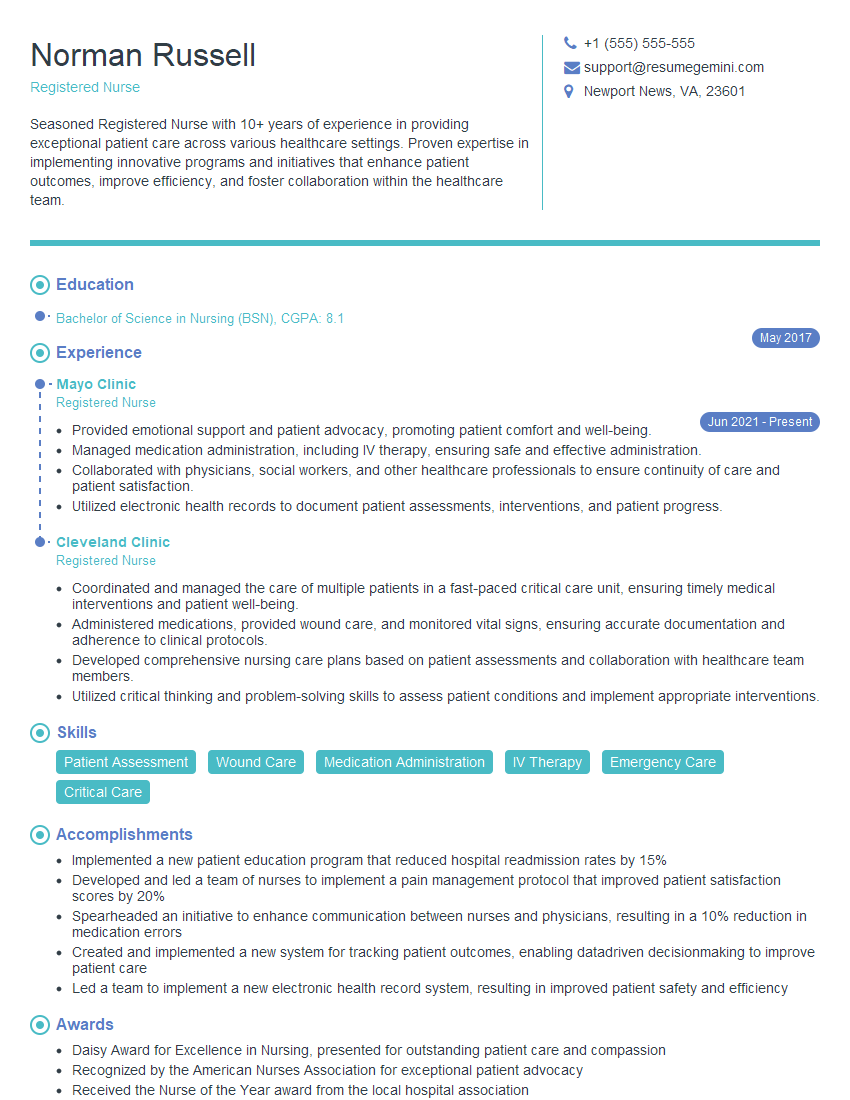
Registered Nurse Resume Sample
Explore more articles
Users Rating of Our Blogs
Share Your Experience
We value your feedback! Please rate our content and share your thoughts (optional).
What Readers Say About Our Blog
Really detailed insights and content, thank you for writing this detailed article.
IT gave me an insight and words to use and be able to think of examples