Are you ready to stand out in your next interview? Understanding and preparing for Cargo Operations and Handling interview questions is a game-changer. In this blog, we’ve compiled key questions and expert advice to help you showcase your skills with confidence and precision. Let’s get started on your journey to acing the interview.
Questions Asked in Cargo Operations and Handling Interview
Q 1. Explain the Incoterms rules and their impact on cargo operations.
Incoterms rules, short for International Commercial Terms, are standardized trade terms published by the International Chamber of Commerce (ICC). They define the responsibilities of buyers and sellers in international trade transactions, specifically regarding the delivery of goods. These rules clarify who is responsible for costs, risks, and the handling of goods at various stages of the shipping process. Understanding Incoterms is crucial in cargo operations to avoid misunderstandings and disputes.
- Impact on Cargo Operations: Incoterms directly influence every aspect of cargo operations, from documentation to insurance, and freight costs. For instance, an Incoterm like FOB (Free On Board) places the responsibility for loading the goods onto the vessel on the seller, while the buyer is responsible for costs and risks from that point on. Conversely, CIF (Cost, Insurance, and Freight) places these responsibilities on the seller until the goods arrive at the port of destination. Choosing the right Incoterm is paramount for efficient and cost-effective cargo movement.
- Example: Imagine shipping goods from the US to Europe. If you select FOB, your team only needs to handle the cargo until it’s loaded onto the ship in the US port. The buyer then handles ocean freight, insurance, and customs clearance at the European port. If you select CIF, your team handles everything until the goods are at the buyer’s designated port in Europe. This drastically changes your operational responsibilities and cost structure.
Q 2. Describe your experience with different modes of transportation (air, sea, land).
My experience spans all three major modes of transportation: air, sea, and land.
- Air Freight: I’ve managed numerous air freight shipments, focusing on time-sensitive deliveries like pharmaceuticals or high-value electronics. This involves careful coordination with airlines, handling airport transfers, and ensuring compliance with stringent air cargo regulations. I’m familiar with various aircraft types and their capacity limitations, allowing me to optimize shipment consolidation and reduce costs. One memorable project involved the urgent transport of medical supplies to a disaster-stricken region, requiring meticulous planning and real-time tracking.
- Sea Freight: I have extensive experience in sea freight, encompassing various vessel types – from container ships to bulk carriers and tankers. I’ve managed everything from booking cargo space and documentation to coordinating port operations, including stevedoring and demurrage management. This includes deep familiarity with different shipping lines, their schedules, and rate structures. For example, I’ve successfully managed large-scale project cargo shipments, requiring detailed planning for breakbulk handling and special equipment.
- Land Freight: My expertise includes land freight via trucking and rail. I’ve overseen the movement of goods across vast distances, coordinating trucking fleets and ensuring timely delivery. I have experience with various trucking regulations and logistical challenges across diverse terrains and regions. I have also successfully managed multi-modal transport projects, combining sea freight with land freight for optimal cost and efficiency.
Q 3. How do you handle cargo damage claims?
Handling cargo damage claims requires a systematic approach. The first step is thorough documentation; comprehensive photographic evidence, accurate weight and measurements, and the bill of lading are critical.
- Initial Assessment: Upon receiving a claim, I meticulously review all available documentation to determine the extent of the damage and ascertain responsibility. This involves examining the condition of the packaging, identifying potential causes of damage, and comparing it with the original packing list.
- Investigation and Evidence Gathering: I gather additional evidence such as witness statements, survey reports (if applicable), and potentially involve a marine surveyor for independent assessment.
- Notification: I formally notify the relevant parties – insurers, carriers, or other stakeholders – providing comprehensive documentation supporting the claim.
- Negotiation and Settlement: I initiate negotiations with the responsible party aiming for a fair and timely settlement. This often involves presenting a detailed cost breakdown for repairs, replacement, or other damages.
- Documentation: Every step of the process is thoroughly documented for future reference and potential legal proceedings.
Example: I once handled a claim where a shipment of furniture was damaged during transit. By carefully documenting the damages with photographs, the original packing list, and the carrier’s delivery report, we successfully negotiated a full replacement cost from the responsible party. Thorough documentation was key to the successful resolution.
Q 4. What are your strategies for optimizing warehouse space and efficiency?
Optimizing warehouse space and efficiency requires a multi-pronged approach.
- Space Optimization: This starts with a thorough assessment of warehouse layout. Implementing strategies like vertical storage, efficient racking systems, and the strategic placement of frequently accessed items can drastically increase storage capacity. We can also leverage advanced warehouse management systems (WMS) to track inventory and optimize space allocation in real-time.
- Process Optimization: Streamlining warehouse operations is critical. This includes implementing efficient picking and packing processes, using barcode or RFID technology for faster inventory management, and optimizing the workflow to minimize unnecessary movement. Cross-docking, where goods are transferred directly from receiving to shipping, is another efficiency booster for high-volume operations.
- Technology Integration: WMS is indispensable for real-time inventory tracking, order management, and labor optimization. Automated guided vehicles (AGVs) and other automated systems further enhance efficiency by minimizing manual handling and reducing errors. Data analytics from the WMS can also reveal bottlenecks and areas needing improvement.
Example: I implemented a WMS in a warehouse leading to a 20% reduction in picking time, 15% less space required for storage and a 10% decrease in labor costs. The implementation of a cross-docking system for high-volume items further reduced handling time and improved overall efficiency.
Q 5. Explain the process of customs clearance for international shipments.
Customs clearance for international shipments is a complex process requiring meticulous attention to detail and compliance with various regulations. The process varies by country but generally involves these steps:
- Pre-arrival Information: Before the goods arrive, crucial information like the HS codes (Harmonized System codes for classifying goods), commercial invoice, packing list, and bill of lading, needs to be submitted to customs electronically. This allows for pre-clearance to expedite the process upon arrival.
- Arrival at Port/Airport: Once the goods arrive at the designated port or airport, the necessary documentation is submitted to customs authorities, who inspect the shipment (sometimes physically, often through electronic systems).
- Customs Examination and Assessment: Customs authorities assess the goods’ value, classify them, and calculate any applicable duties and taxes. Physical inspections are conducted when deemed necessary by customs officials.
- Duty and Tax Payment: All applicable duties, taxes, and other fees must be paid before release of the goods.
- Release of Goods: After all requirements are met, customs officials release the goods for delivery to the consignee.
Example: In a recent shipment to Japan, I successfully facilitated pre-clearance by submitting all the required documents to the Japanese customs authorities electronically several days before arrival. This significantly reduced the processing time upon arrival, ensuring timely delivery to our client.
Q 6. How do you manage inventory levels to avoid stockouts and overstocking?
Managing inventory effectively to prevent stockouts and overstocking requires a balanced approach that involves forecasting demand and employing robust inventory management techniques.
- Demand Forecasting: Accurate demand forecasting is crucial. This involves analyzing historical sales data, market trends, seasonal variations, and promotional activities. Sophisticated forecasting methods, including statistical models and machine learning algorithms, can be used for better accuracy.
- Inventory Control Systems: Implementing a robust inventory management system, such as a WMS, is essential for real-time tracking of inventory levels, order fulfillment, and stock replenishment.
- Safety Stock: Maintaining a strategic safety stock is important to buffer against unexpected demand surges or supply chain disruptions. The safety stock level is determined by factors such as lead time for replenishment and demand variability.
- Just-in-Time (JIT) Inventory: For certain products, a JIT inventory strategy can be beneficial, minimizing storage costs by receiving goods only as needed. However, this requires a highly reliable supply chain.
- Regular Inventory Audits: Regular physical inventory checks are crucial to reconcile inventory records with actual stock levels, identify discrepancies, and ensure accuracy.
Example: I once successfully implemented a demand forecasting model using historical sales data and seasonal adjustments. This allowed us to accurately predict demand for seasonal products, leading to a significant reduction in stockouts and minimizing excess inventory.
Q 7. Describe your experience with various cargo handling equipment.
My experience with cargo handling equipment is extensive, encompassing a wide range of machinery used across various modes of transportation.
- Container Handling Equipment: I’m proficient with various types of container handling equipment, including reach stackers, forklifts, gantry cranes, and straddle carriers. I understand their operational characteristics, safety procedures, and maintenance requirements.
- Bulk Handling Equipment: My experience extends to bulk cargo handling equipment such as conveyors, cranes, and loaders, used for handling commodities like grains, minerals, and ores. This includes understanding the specific handling techniques required for various types of bulk cargo to prevent damage or contamination.
- Specialized Equipment: I have experience with specialized equipment for handling oversized or heavy-lift cargo, including heavy-duty forklifts, mobile cranes, and specialized trailers. This includes knowledge of the safety regulations and procedures needed for these types of equipment.
- Automated Systems: I am familiar with automated cargo handling systems like AGVs and automated storage and retrieval systems (AS/RS), understanding their functionalities and benefits in increasing warehouse efficiency.
Example: I successfully oversaw the unloading of an oversized piece of machinery from a vessel using a heavy-lift crane and specialized rigging equipment, ensuring its safe and efficient transfer to a designated location. This required meticulous planning and coordination with multiple teams.
Q 8. How do you ensure cargo security throughout the supply chain?
Ensuring cargo security throughout the supply chain is paramount. It’s a multi-layered approach involving physical security measures, technological solutions, and robust processes. Think of it like a fortress with multiple layers of defense.
Physical Security: This includes secure warehousing facilities with access control systems (think key cards and surveillance), sealed containers with tamper-evident seals, and secure transportation methods using GPS tracking and monitored vehicles. For example, I’ve overseen the implementation of RFID tagging on high-value goods to track their movement precisely.
Technological Solutions: Real-time tracking systems provide visibility into the cargo’s location and condition. This could range from simple GPS tracking to more advanced sensor technologies that monitor temperature, humidity, and shock. I’ve worked with systems that send alerts if a container is opened unexpectedly or experiences unusual movement.
Process and Documentation: Strict procedures for handling cargo, including proper documentation at each stage, are crucial. This includes thorough inspections at loading and unloading points, detailed manifests, and adherence to international security standards like the Container Security Initiative (CSI). For instance, in one project, we implemented a digital documentation system that reduced paperwork significantly and improved accuracy.
A holistic approach integrating all three elements is crucial for mitigating risks like theft, damage, and unauthorized access. It’s not just about protecting the goods; it’s about maintaining trust and reputation.
Q 9. What are your methods for tracking and tracing cargo shipments?
Tracking and tracing cargo is achieved through a combination of technologies and systems. Imagine it like a sophisticated detective network following the shipment’s journey.
Bill of Lading (B/L): This is the fundamental document tracking the cargo from origin to destination. It acts as a contract of carriage and serves as a proof of ownership.
GPS Tracking: Real-time location tracking of vehicles and containers provides constant visibility. This is especially important for time-sensitive shipments. I’ve used systems that send alerts if a vehicle deviates from its planned route.
Electronic Data Interchange (EDI): EDI facilitates electronic exchange of documents between parties, streamlining communication and improving efficiency. This includes automated updates on shipment status, customs declarations, and other crucial information.
Barcode and RFID Technologies: These technologies enable automated identification and tracking of individual packages within a larger shipment, improving accuracy and speed of handling.
Cargo Management Systems (CMS): These integrated systems provide a centralized platform for managing all aspects of a shipment, from booking to delivery. They often integrate with other systems, like customs portals, to create a seamless flow of information. My experience includes using several industry-standard CMS platforms to optimize visibility and improve efficiency.
Combining these methods allows for complete tracking, enhancing efficiency and minimizing delays and losses. This visibility is invaluable for proactive management and prompt issue resolution.
Q 10. Explain your experience with different types of cargo (hazardous, perishable, etc.).
My experience encompasses a wide range of cargo types, each with its unique handling requirements. Think of it as specializing in different patient needs in a hospital.
Hazardous Cargo: This includes materials that pose risks to health, safety, or the environment (e.g., chemicals, explosives). Handling requires strict adherence to regulations (like IMDG Code), specialized equipment, and trained personnel. I’ve worked on projects involving the transportation of dangerous goods, ensuring all necessary permits and certifications were in place and all safety protocols were followed.
Perishable Cargo: This includes temperature-sensitive goods (e.g., fruits, pharmaceuticals). Maintaining the cold chain is crucial, requiring temperature-controlled containers and careful monitoring. I’ve managed shipments of pharmaceuticals, using specialized reefer containers and tracking systems that alerted us to any temperature fluctuations.
Oversized/Heavy Cargo: These shipments necessitate specialized handling equipment and transportation methods. Careful planning, route optimization, and adherence to weight and dimension limits are essential. I’ve worked on projects involving transporting large industrial machinery, requiring detailed route surveys and coordination with authorities.
General Cargo: This covers a wide range of non-hazardous, non-perishable goods. While less complex than specialized cargo, it still requires efficient handling and storage to minimize damage and delays.
My expertise spans across all these categories, enabling me to adapt my approach to the specific needs of each cargo type, ensuring safe and efficient transport.
Q 11. How do you handle delays or disruptions in the supply chain?
Delays and disruptions are inevitable in the supply chain; it’s like navigating unexpected traffic on a long journey. Effective handling requires proactive planning and a flexible approach.
Proactive Risk Management: Identifying potential delays (e.g., weather, port congestion) and developing contingency plans are key. This could involve exploring alternative routes or modes of transport.
Real-time Monitoring: Tracking systems provide early warnings of potential issues. This allows for timely intervention and mitigation strategies.
Communication: Keeping all stakeholders (shippers, customers, carriers) informed is critical. Transparency builds trust and facilitates collaboration in finding solutions.
Problem-solving: When delays occur, analyzing the root cause and implementing corrective actions is crucial. This could involve negotiating with carriers, expediting customs processes, or finding alternative storage solutions. For example, I once successfully rerouted a shipment around a major port strike, minimizing the impact on the delivery schedule.
A calm and organized approach, combined with effective communication and problem-solving skills, is essential for minimizing the impact of disruptions.
Q 12. Describe your experience with cargo documentation and paperwork.
Cargo documentation and paperwork are the backbone of efficient cargo operations; it’s the administrative engine driving the entire process. Accuracy and completeness are non-negotiable.
Bill of Lading (B/L): As mentioned, this is the primary document covering the contract of carriage.
Commercial Invoice: Details the goods being shipped, their value, and the parties involved.
Packing List: Provides a detailed description of the contents of each package.
Certificate of Origin: Certifies the country of origin of the goods.
Customs Documents: Includes import/export declarations and other documents required by customs authorities.
I have extensive experience managing all these documents, ensuring accuracy and compliance with relevant regulations. I’ve also utilized electronic documentation systems to streamline the process, improving efficiency and reducing errors. For example, implementing a digital system reduced processing time for customs clearance by 40% in one project.
Q 13. How do you prioritize tasks in a high-pressure environment?
Prioritizing tasks in a high-pressure environment is crucial. My approach involves a combination of planning, organization, and effective time management – think of it like conducting an orchestra.
Task Prioritization Matrix: I often use a matrix classifying tasks by urgency and importance (e.g., Eisenhower Matrix). This helps me focus on high-impact tasks first.
Time Blocking: Allocating specific time slots for critical tasks ensures focused effort and prevents multitasking overload.
Delegation: Assigning tasks to team members based on their skills and availability optimizes efficiency.
Communication: Keeping stakeholders informed of progress and any potential challenges ensures transparency and reduces stress.
Staying calm under pressure, focusing on clear communication, and using proven prioritization techniques are essential for navigating high-stress situations efficiently and effectively.
Q 14. What is your experience with using logistics software and systems?
Logistics software and systems are essential tools for modern cargo operations; they are the instruments of an expert musician. My experience includes working with several leading platforms.
Transportation Management Systems (TMS): I’ve used TMS platforms for route optimization, carrier selection, and shipment tracking.
Warehouse Management Systems (WMS): I’ve leveraged WMS for inventory management, order fulfillment, and warehouse automation.
Cargo Management Systems (CMS): As previously mentioned, these integrated systems provide comprehensive management of all aspects of a shipment, streamlining communication and improving visibility.
My proficiency extends beyond just using these systems; I understand how to configure them to meet specific business requirements and optimize their functionalities. This includes data analysis and report generation to inform decision-making and improve operational efficiency. I’m comfortable adapting to new technologies and continuously seeking ways to leverage technology for better outcomes.
Q 15. How do you ensure compliance with safety regulations in cargo handling?
Ensuring compliance with safety regulations in cargo handling is paramount. It’s not just about avoiding fines; it’s about protecting lives and property. My approach is multifaceted and begins with a thorough understanding of all applicable regulations, including those from organizations like the International Maritime Organization (IMO) and local authorities. This includes regulations concerning dangerous goods (IMDG Code), weight limits, securing cargo, and worker safety (e.g., personal protective equipment (PPE) requirements).
Secondly, I implement robust safety training programs for all personnel involved in cargo handling. This includes regular refresher courses, addressing specific risks associated with different cargo types and handling procedures. We use practical demonstrations and simulations to ensure retention and competency.
Thirdly, I conduct regular safety audits and inspections. This proactive approach allows for early identification and rectification of any non-compliance issues. We document everything, maintaining a comprehensive record for traceability and accountability. If an incident occurs, a thorough investigation is conducted, and corrective actions are implemented to prevent recurrence. For instance, if a near miss occurs during a lifting operation, we’d analyze the incident, review the procedures, and potentially implement improved equipment or training.
Finally, I maintain open communication with regulatory bodies. This ensures we stay updated on changes and best practices, promoting a culture of continuous improvement in safety. We treat safety not as a checklist, but as a fundamental aspect of our operations.
Career Expert Tips:
- Ace those interviews! Prepare effectively by reviewing the Top 50 Most Common Interview Questions on ResumeGemini.
- Navigate your job search with confidence! Explore a wide range of Career Tips on ResumeGemini. Learn about common challenges and recommendations to overcome them.
- Craft the perfect resume! Master the Art of Resume Writing with ResumeGemini’s guide. Showcase your unique qualifications and achievements effectively.
- Don’t miss out on holiday savings! Build your dream resume with ResumeGemini’s ATS optimized templates.
Q 16. Explain your understanding of different types of cargo insurance.
Cargo insurance is crucial to mitigate the financial risks associated with damage, loss, or delay during transit. Several types exist, each offering different levels of coverage:
- Institute Cargo Clauses (ICC): These are standard clauses widely used in marine cargo insurance. ICC A provides the broadest coverage, including all risks except those specifically excluded. ICC B covers named perils, meaning only specific events (like fire, stranding, collision) are covered. ICC C offers the narrowest coverage, covering only major incidents like shipwreck.
- All Risks Insurance: This provides the most comprehensive protection, covering virtually all risks of loss or damage except those specifically excluded in the policy. However, it typically comes with a higher premium.
- Named Perils Insurance: This insurance covers only losses or damages specifically listed in the policy. This option provides more affordable premiums but less protection.
- Liability Insurance: This covers the shipper’s liability for damage to other cargo or property.
Choosing the right type of insurance depends on the value of the cargo, the nature of the shipment, and the risk tolerance of the client. For high-value or fragile goods, All Risks insurance is often preferred. For less valuable goods or shipments with lower risk profiles, Named Perils or ICC B might suffice.
Q 17. How do you manage relationships with clients and shipping partners?
Managing relationships with clients and shipping partners is crucial for success in cargo operations. I build these relationships on the foundations of trust, transparency, and effective communication. With clients, this involves understanding their specific needs and expectations. This often includes proactive updates on the shipment’s status, timely resolution of any issues, and competitive pricing. For example, I might offer customized solutions for clients shipping temperature-sensitive goods, providing them with real-time tracking and temperature monitoring data.
With shipping partners, a collaborative approach is key. Regular communication, clear agreements on responsibilities and service levels, and prompt feedback on performance are vital for maintaining strong working relationships. Building strong relationships often allows for better negotiation on freight rates and access to preferred shipping options. We often utilize regular performance reviews and feedback sessions to foster continuous improvement.
Open dialogue and addressing concerns promptly are also essential. For example, if a shipping partner experiences delays, we collaborate to find alternative solutions and mitigate potential impacts on the clients. By fostering mutual respect and a win-win approach, I ensure smooth and efficient cargo operations.
Q 18. Describe your problem-solving skills in a cargo operations context.
Problem-solving is an integral part of cargo operations. My approach is systematic and data-driven. I begin by clearly defining the problem. For example, if a shipment is delayed, I identify the cause of the delay – is it customs clearance, port congestion, or a problem with documentation?
Once the problem is clearly defined, I gather all relevant data. This might involve reviewing shipping documents, communicating with various stakeholders, and consulting industry resources. I then brainstorm potential solutions, evaluating their feasibility and potential impact. This often involves considering alternative transportation routes, negotiating with stakeholders, or leveraging technology to optimize the process.
After selecting the best solution, I implement it and monitor its effectiveness. For example, if port congestion is causing a delay, I might explore using a different port or mode of transport. Throughout the entire process, documentation is crucial for tracking progress and evaluating the effectiveness of our chosen solutions. This methodical approach ensures that we not only resolve immediate issues but also learn from them to improve our processes in the future.
Q 19. How do you calculate shipping costs and optimize for efficiency?
Calculating shipping costs involves considering various factors, including the weight and volume of the cargo, the distance of the shipment, the mode of transport (sea, air, land), and any additional charges such as insurance, customs duties, and handling fees. There’s no single formula; it’s often a complex calculation.
For sea freight, we use freight rate indices and contracts to determine the cost per container or per unit of weight. Air freight is typically quoted per kilogram or per cubic meter. Land transport involves factors like fuel cost, driver wages, and toll fees.
Optimizing for efficiency involves exploring different transportation options, negotiating favorable rates with carriers, consolidating shipments to reduce costs, and using route optimization software to identify the most efficient shipping routes. For instance, using a full container load (FCL) rather than a less-than-container load (LCL) can significantly reduce costs. Similarly, utilizing digital platforms to manage documentation and streamline customs processes can reduce delays and overall costs. Regularly reviewing our shipping routes and methods and comparing options from various carriers is also a great way to maintain the lowest cost.
Q 20. What are your methods for preventing cargo theft and pilferage?
Preventing cargo theft and pilferage requires a multi-layered approach focusing on both physical security and procedural safeguards. Physical security measures include using secure warehousing facilities with robust access control, employing surveillance systems (CCTV), and securing cargo with tamper-evident seals and containers.
Procedural safeguards are equally important. This includes thorough background checks on personnel, implementing strict inventory control procedures, and using GPS tracking devices to monitor shipments in real-time. We also use secure documentation procedures, keeping shipping manifests and other relevant documents confidential. Regular audits and surprise inspections help detect vulnerabilities in our systems.
Collaboration with law enforcement agencies and industry partners is crucial in sharing information and best practices for theft prevention. It is important to always review and update our procedures to meet new technologies and common theft methods. By combining strong physical security with diligent procedural safeguards, we minimize opportunities for theft and pilferage.
Q 21. Explain your familiarity with international trade regulations.
Familiarity with international trade regulations is essential for smooth cargo operations. This includes understanding and complying with regulations concerning customs procedures, import/export licenses, tariffs, sanctions, and trade agreements. Specific regulations vary depending on the countries involved and the type of cargo being shipped.
I have in-depth knowledge of the Harmonized System (HS) codes, which are used to classify goods for customs purposes. I’m also well-versed in various trade agreements, such as the World Trade Organization (WTO) rules and specific bilateral or regional agreements (e.g., NAFTA/USMCA). Understanding these agreements helps determine applicable tariffs and other trade restrictions.
I utilize various resources to stay updated on changes in international trade regulations. These include official government websites, industry publications, and legal counsel specializing in international trade. It’s crucial to ensure compliance not only to avoid legal penalties but also to maintain a strong reputation and facilitate the smooth flow of goods across borders. Continuous monitoring of these regulations is vital for our operations.
Q 22. How do you measure the performance of cargo operations?
Measuring cargo operations performance involves a multifaceted approach, focusing on key performance indicators (KPIs) across various stages. We typically assess efficiency through metrics like throughput (volume of cargo handled per unit of time), turnaround time (time taken to unload, process, and load cargo), and on-time performance (percentage of shipments delivered within the scheduled timeframe).
Further, we analyze cargo damage rates, inventory accuracy, and cost per unit handled. For instance, a low throughput might indicate bottlenecks in the process, necessitating adjustments to equipment or staffing. High damage rates might signal a need for improved handling techniques or packaging standards. Regular monitoring of these KPIs allows for proactive identification of areas for improvement and ensures operational efficiency.
We also use advanced analytics to look at trends over time and compare performance against industry benchmarks. This data-driven approach enables us to make informed decisions about resource allocation and process optimization. For example, by tracking the average dwell time of containers at the terminal and identifying peak congestion times, we can optimize gate operations and yard management to reduce delays.
Q 23. What are your strategies for improving cargo handling efficiency?
Improving cargo handling efficiency requires a strategic approach encompassing several key areas. Firstly, process optimization is crucial. This involves streamlining workflows, eliminating redundant steps, and implementing lean methodologies to reduce waste and improve productivity. We might analyze the flow of goods, identify bottlenecks, and use tools like value stream mapping to optimize the overall process.
Secondly, technology plays a vital role. Investing in advanced systems like automated guided vehicles (AGVs), RFID tracking, and warehouse management systems (WMS) can significantly enhance efficiency and accuracy. For example, real-time tracking of containers allows for better visibility and improved scheduling. Thirdly, employee training and development is critical. Well-trained personnel are more efficient and less prone to errors. Regular training programs focusing on safe handling techniques, equipment operation, and quality control are essential.
Finally, effective communication and collaboration are crucial. Clear communication channels between different stakeholders, including shippers, carriers, and terminal operators, are essential to ensure smooth coordination and minimize delays. For example, implementing a centralized communication platform to share real-time updates on shipments enhances transparency and efficiency.
Q 24. Describe your experience with different types of cargo packaging.
My experience encompasses a wide range of cargo packaging types, each suited for specific goods and transport modes. I’ve worked extensively with palletized goods, secured with stretch wrap and shrink wrap, ideal for standardized items. For fragile goods, I’ve utilized various protective packaging materials, including bubble wrap, foam inserts, and corrugated cardboard.
Specialized containers, like insulated containers for temperature-sensitive goods (pharmaceuticals, perishables), and bulk containers for loose materials like grains or powders are also familiar to me. I’m also knowledgeable about intermodal containers, designed for seamless transfer between different modes of transport (sea, rail, road). I’ve encountered varied packaging for oversized or heavy lift cargo which demands specialized handling and securing methods.
My experience extends to understanding the necessary documentation and regulations for each packaging type, ensuring compliance with international shipping standards. Proper packaging directly impacts cargo safety and reduces damage and loss. For example, understanding the difference between seaworthy and airworthy packaging is vital to prevent damage during transit. I’ve also dealt with situations where inadequate packaging led to damaged goods, highlighting the importance of selecting appropriate packaging for every shipment.
Q 25. How do you handle customer complaints or issues with shipments?
Handling customer complaints and shipment issues involves a systematic approach prioritizing prompt resolution and customer satisfaction. The first step involves active listening – understanding the customer’s concern and gathering all necessary information. This includes details of the shipment, any observed damage, and the timeline of events.
Next, we initiate a thorough investigation using tracking data, inspection reports, and communication logs to identify the root cause of the issue. We then communicate transparently with the customer, providing updates on the progress of the investigation and proposed solutions. Depending on the issue, solutions might include offering compensation, arranging for repairs or replacements, or initiating a claim with the relevant insurance provider.
Throughout the process, we maintain professional and empathetic communication, ensuring the customer feels heard and valued. We document all interactions and solutions meticulously, ensuring compliance with relevant regulations and company procedures. For example, if a shipment is delayed due to unforeseen circumstances, we proactively contact the customer to provide updates and offer alternative solutions, if possible. The goal is to not only resolve the immediate issue but to prevent similar issues from occurring in the future.
Q 26. What are your strategies for reducing cargo damage and loss?
Reducing cargo damage and loss involves a multi-pronged approach that begins with preventative measures. Proper packaging, as discussed previously, is paramount. We emphasize the use of appropriate materials and securing techniques tailored to the goods being transported. Regular inspection of equipment used in handling, such as forklifts and cranes, is essential to prevent malfunctions that could cause damage.
Furthermore, proper handling procedures must be strictly adhered to. This includes training employees on safe lifting techniques, the use of appropriate equipment, and the importance of careful loading and unloading. Implementing standardized procedures and checklists helps to minimize human error. We also use cargo monitoring technologies such as GPS tracking and sensor-based monitoring systems to detect potential issues in real-time.
In addition to these proactive steps, we also have a robust damage reporting and investigation system in place. This helps us identify patterns in damage and loss, enabling us to address root causes and make improvements to our processes. For instance, consistently high damage rates for a specific type of cargo might necessitate reviewing packaging protocols or handling methods for that type of goods. We strive for continuous improvement to minimize risk.
Q 27. How do you stay up-to-date with industry best practices and regulations?
Staying updated on industry best practices and regulations is an ongoing process requiring a multifaceted approach. We actively participate in industry associations and conferences, attending seminars and workshops to learn about the latest advancements and regulatory changes. This provides invaluable networking opportunities and exposure to innovative solutions.
We also subscribe to industry publications and online resources that provide up-to-date information on regulations, best practices, and emerging technologies. This proactive approach keeps us informed about changes in international shipping standards, safety protocols, and environmental regulations.
Internal training and development are critical. We regularly conduct internal training sessions to ensure our employees are aware of the latest regulations and best practices. We also encourage employees to pursue professional certifications to enhance their knowledge and expertise in the field.
Q 28. Explain your experience with implementing new technologies in cargo operations.
My experience with implementing new technologies in cargo operations has been extensive and rewarding. We’ve successfully integrated warehouse management systems (WMS) to optimize inventory management, track goods in real-time, and improve order fulfillment accuracy. This has significantly reduced manual errors and streamlined our processes.
We’ve also implemented Radio Frequency Identification (RFID) technology for tracking containers and pallets, providing greater visibility into the movement of goods throughout the supply chain. This helps to minimize losses and streamline logistics. Further, we’ve incorporated advanced analytics tools to analyze operational data, identify inefficiencies, and optimize resource allocation.
The adoption of these technologies has not only improved efficiency but also enhanced transparency and accountability. For example, real-time tracking allows us to promptly address any delays or deviations from the planned schedule, enabling proactive intervention and mitigating potential disruptions. The data generated by these systems is invaluable in making data-driven decisions regarding resource allocation and operational improvements. Continuous evaluation and improvement of these systems are ongoing to optimize their usage.
Key Topics to Learn for Cargo Operations and Handling Interview
- Cargo Receiving and Processing: Understanding the documentation required, inspection procedures, and efficient handling of diverse cargo types (perishable, hazardous, oversized).
- Warehouse Management: Practical application of inventory control systems, storage optimization techniques, and efficient space utilization to minimize delays and damages.
- Cargo Security and Safety: Implementing security protocols, understanding relevant regulations (e.g., IATA, IMDG), and handling hazardous materials safely.
- Transportation and Logistics: Planning optimal routes, selecting appropriate modes of transport, and tracking shipments effectively using technology.
- Customs and Regulatory Compliance: Knowledge of import/export procedures, documentation requirements, and adherence to relevant international and national regulations.
- Supply Chain Management: Understanding the entire flow of goods, from origin to destination, identifying potential bottlenecks, and implementing solutions for improved efficiency.
- Problem-Solving and Decision-Making: Developing strategies to handle unexpected delays, damaged goods, or other operational challenges; demonstrating effective communication and teamwork skills in resolving issues.
- Technology and Automation: Familiarity with warehouse management systems (WMS), transportation management systems (TMS), and other technologies used in modern cargo operations.
- Performance Metrics and KPI’s: Understanding key performance indicators (KPIs) such as on-time delivery, cargo damage rates, and operational costs, and how to improve them.
Next Steps
Mastering Cargo Operations and Handling opens doors to exciting career opportunities with significant growth potential in a dynamic industry. A strong resume is crucial for showcasing your skills and experience to potential employers. Building an ATS-friendly resume significantly increases your chances of getting noticed by recruiters. We recommend using ResumeGemini, a trusted resource, to create a compelling and effective resume that highlights your qualifications. Examples of resumes tailored to Cargo Operations and Handling are available to guide you. Invest time in crafting a professional document that accurately reflects your capabilities and aspirations within this field.
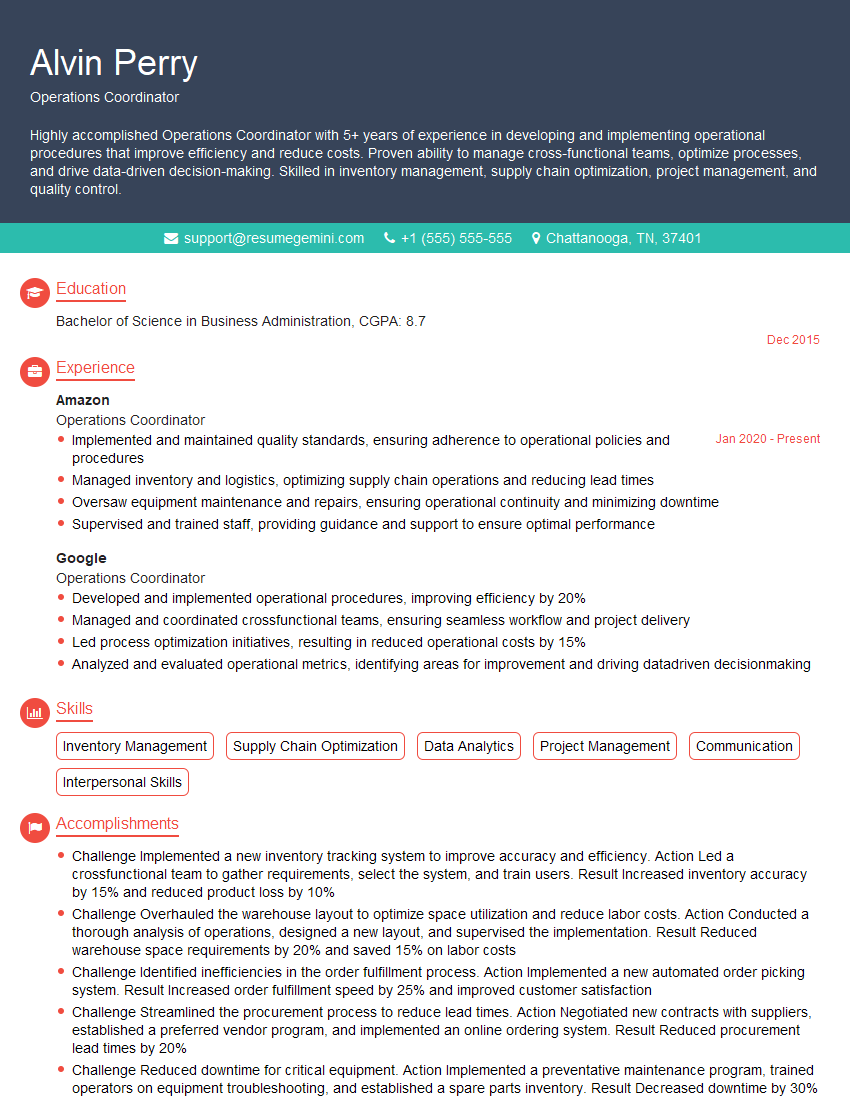
Operations Coordinator Resume Sample
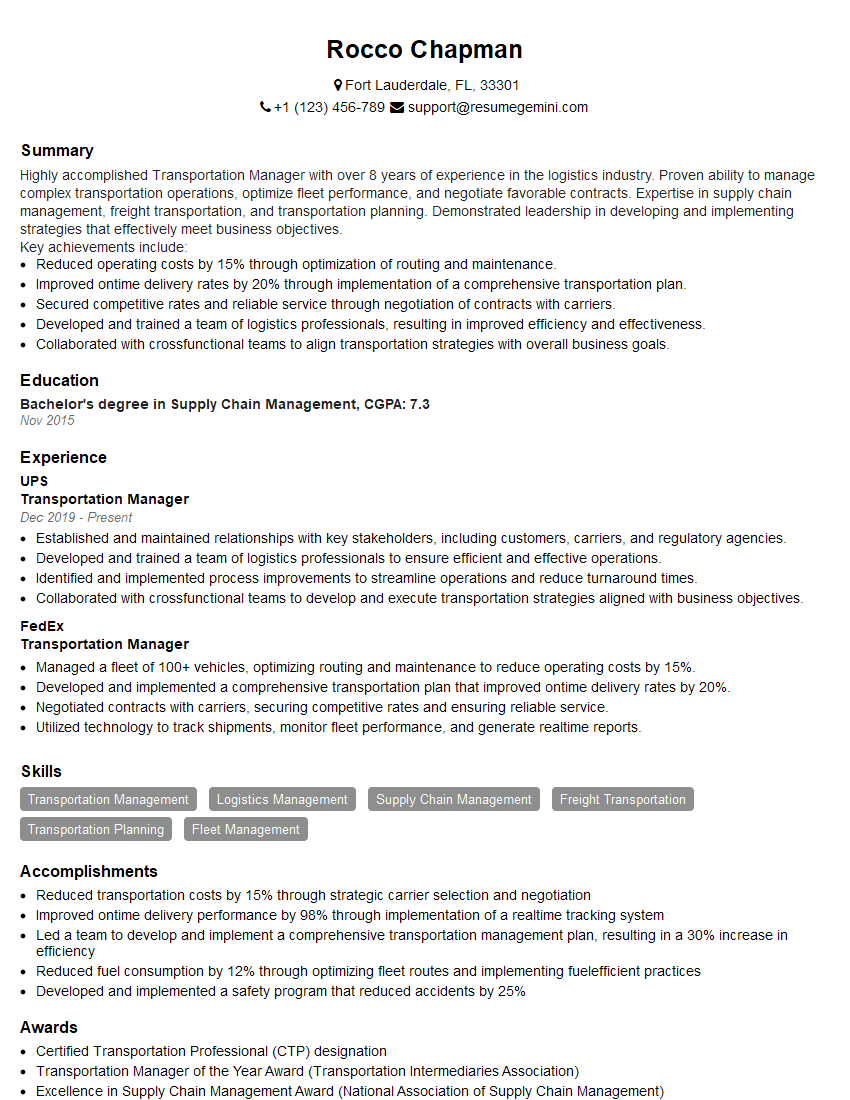
Transportation Manager Resume Sample
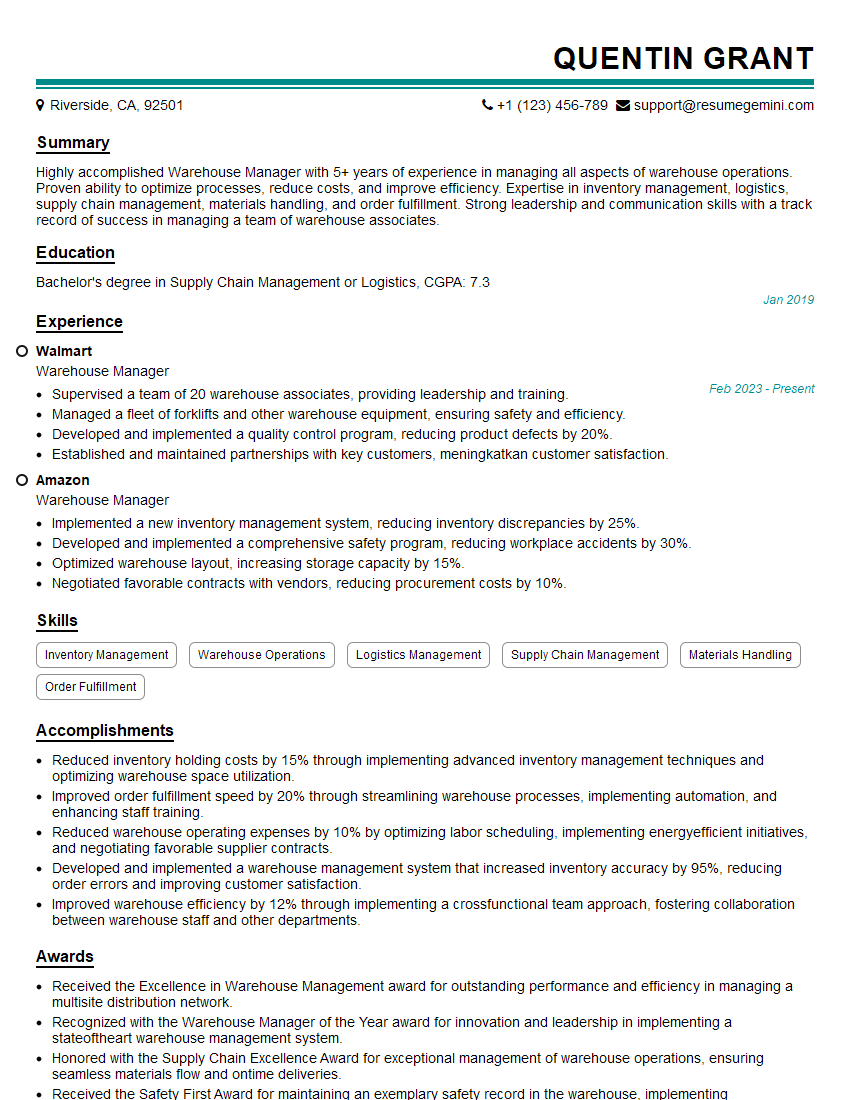
Warehouse Manager Resume Sample
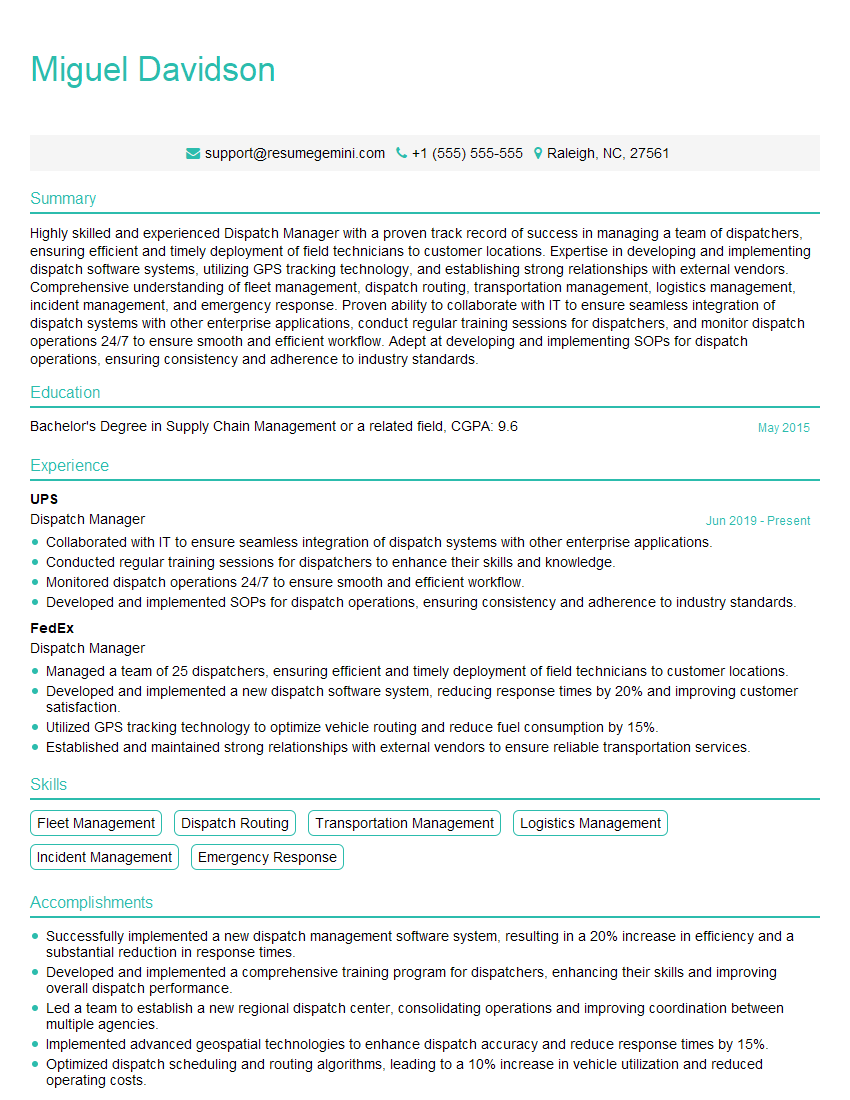
Dispatch Manager Resume Sample
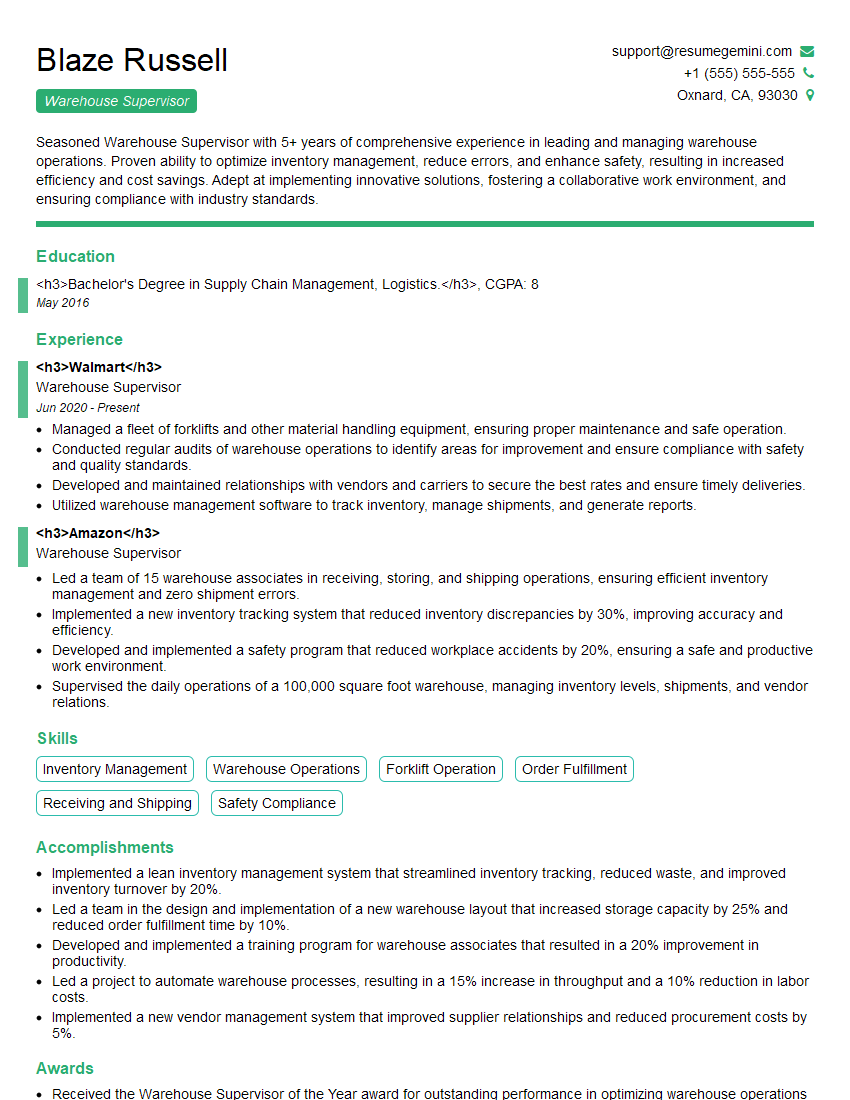
Warehouse Supervisor Resume Sample
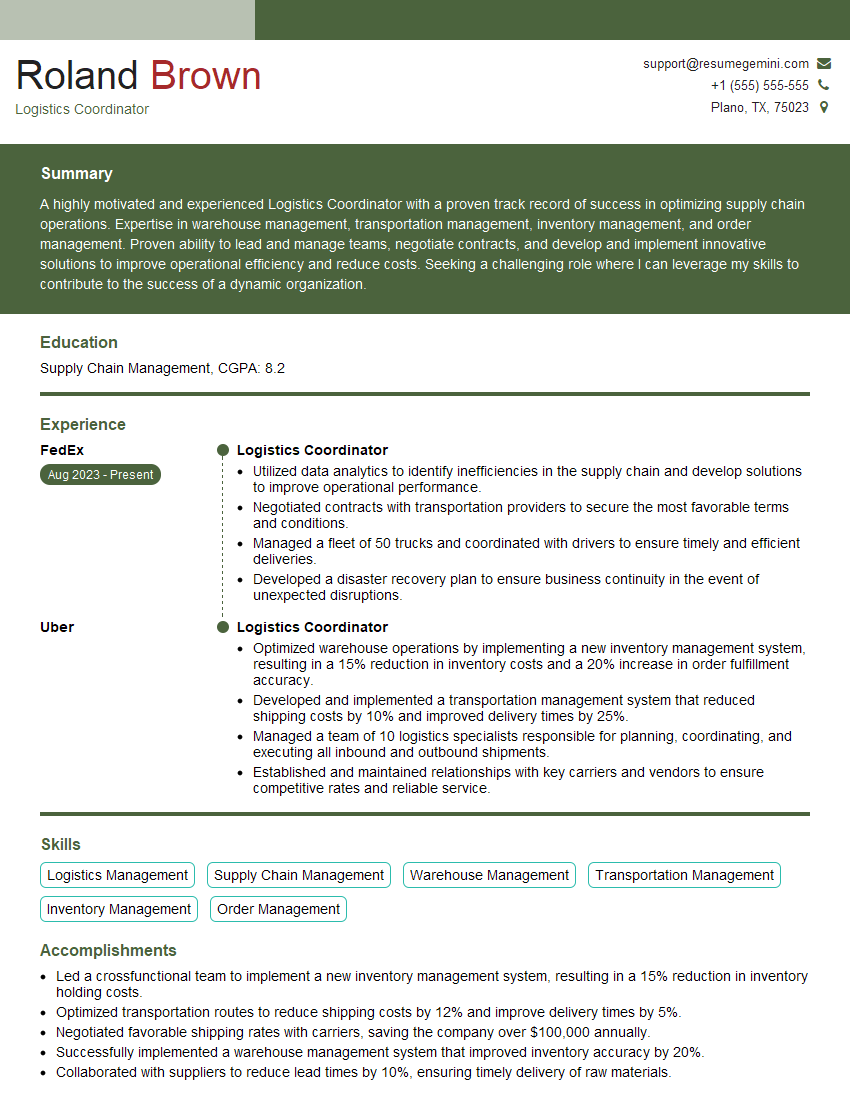
Logistics Coordinator Resume Sample
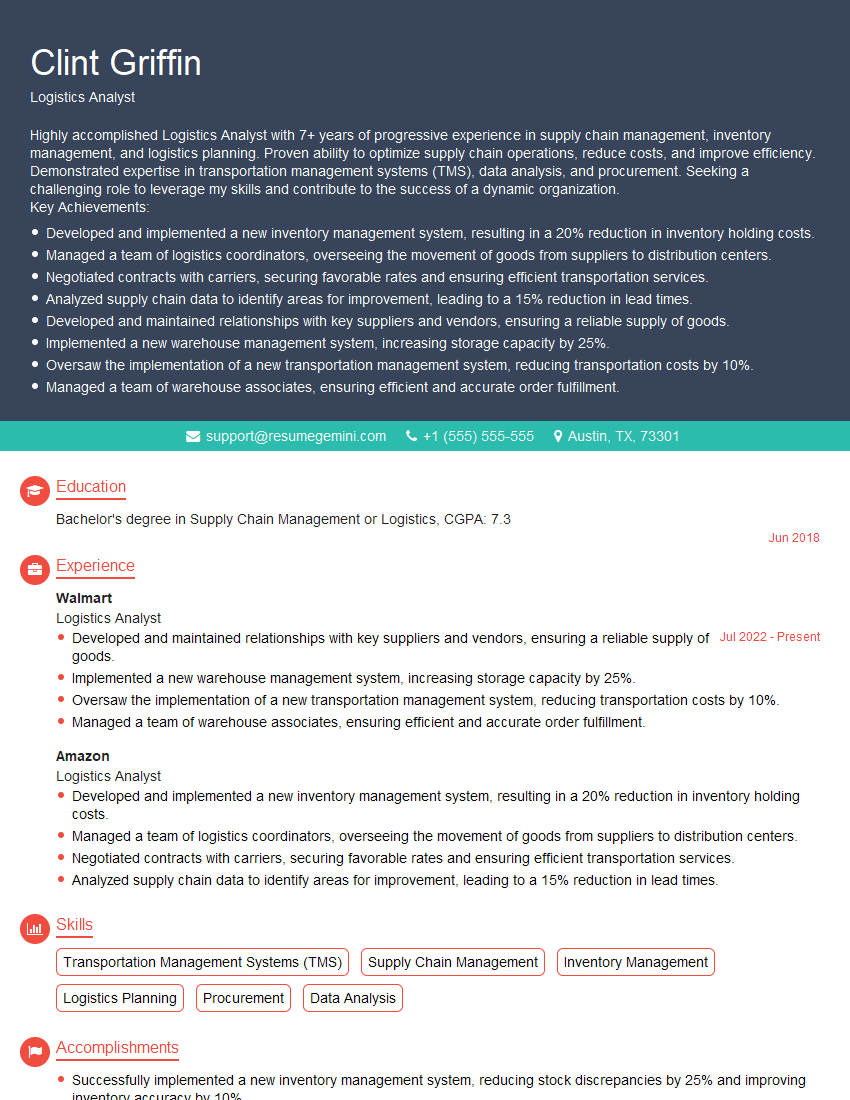
Logistics Analyst Resume Sample
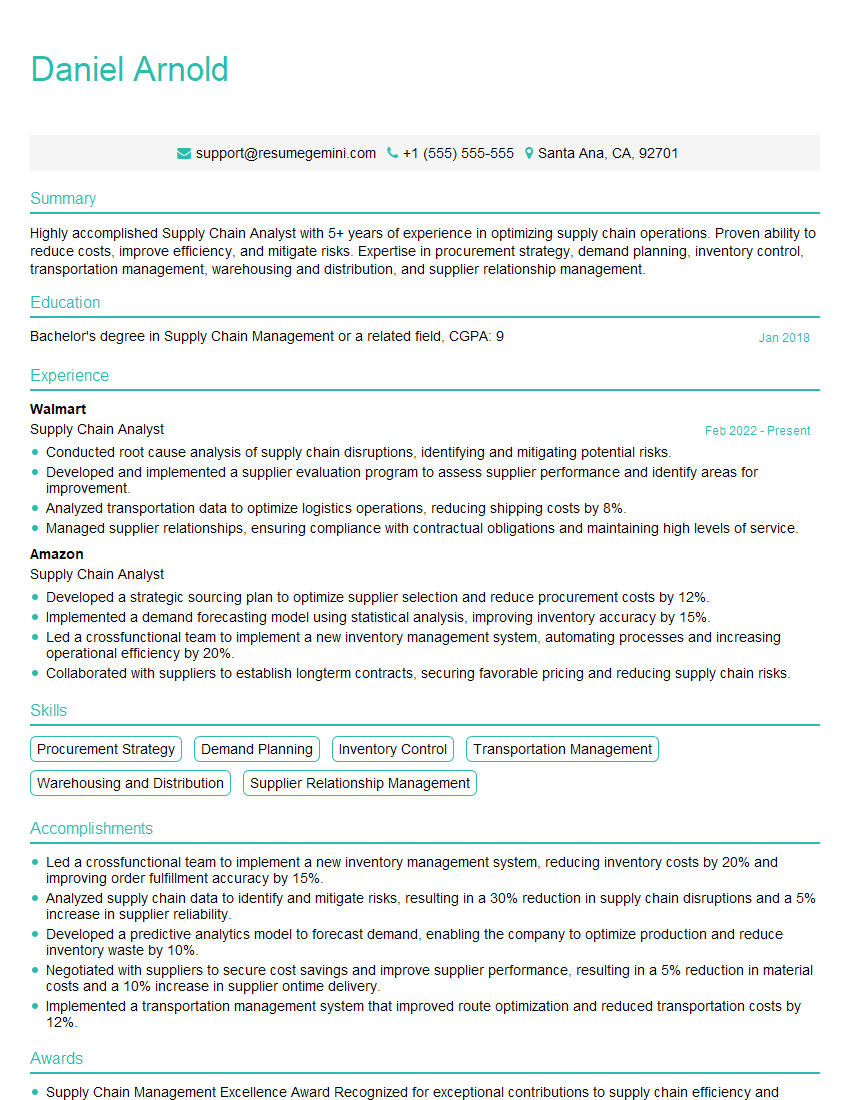
Supply Chain Analyst Resume Sample
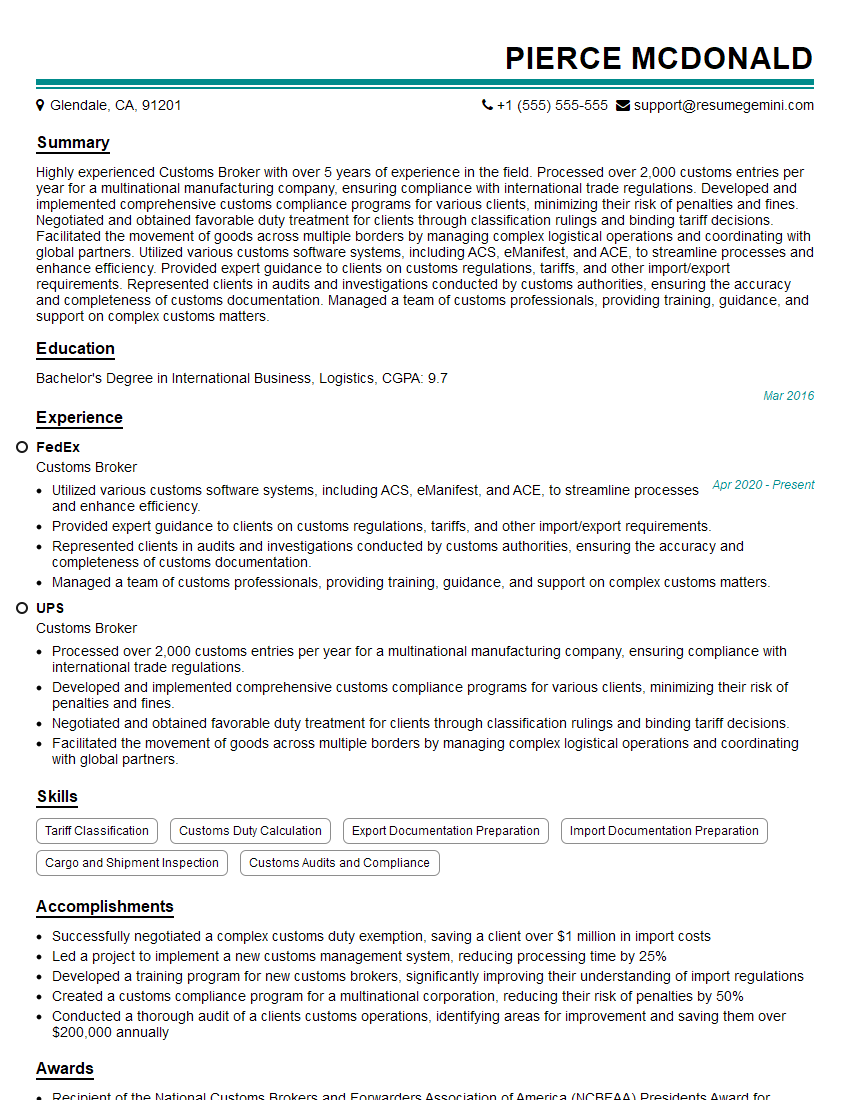
Customs Broker Resume Sample
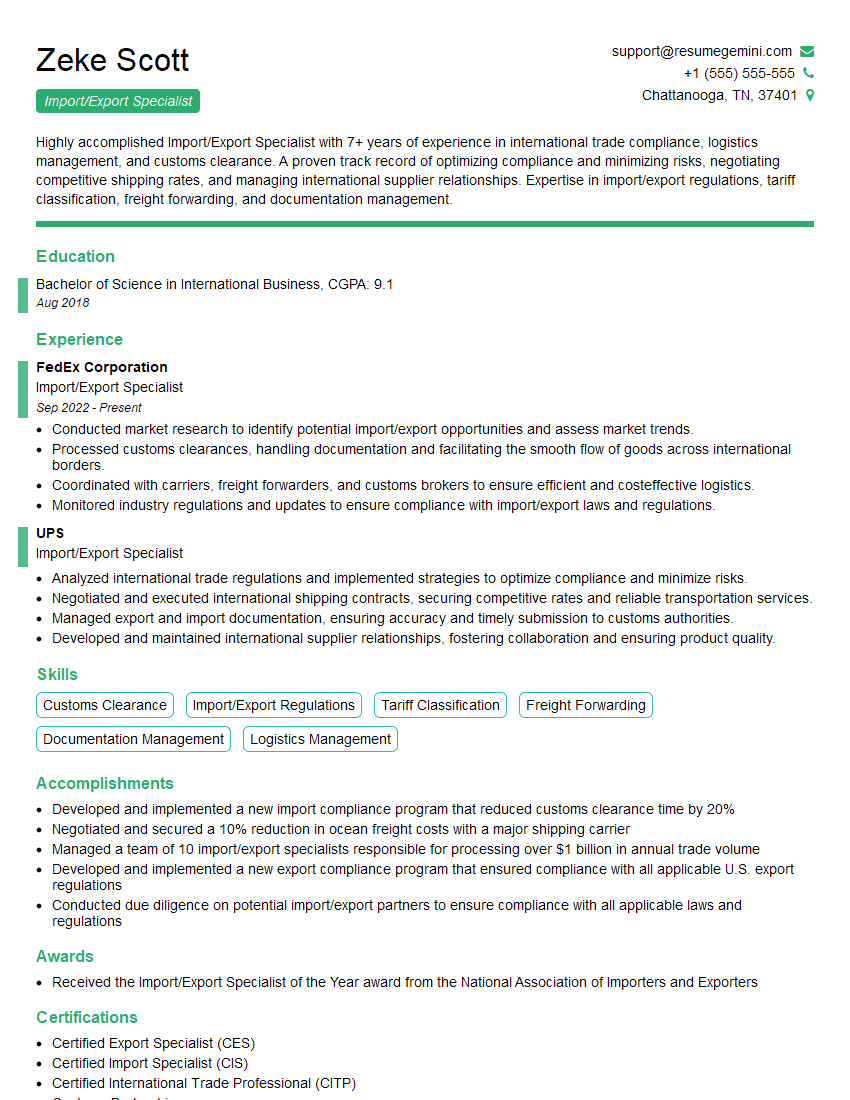
Import/Export Specialist Resume Sample
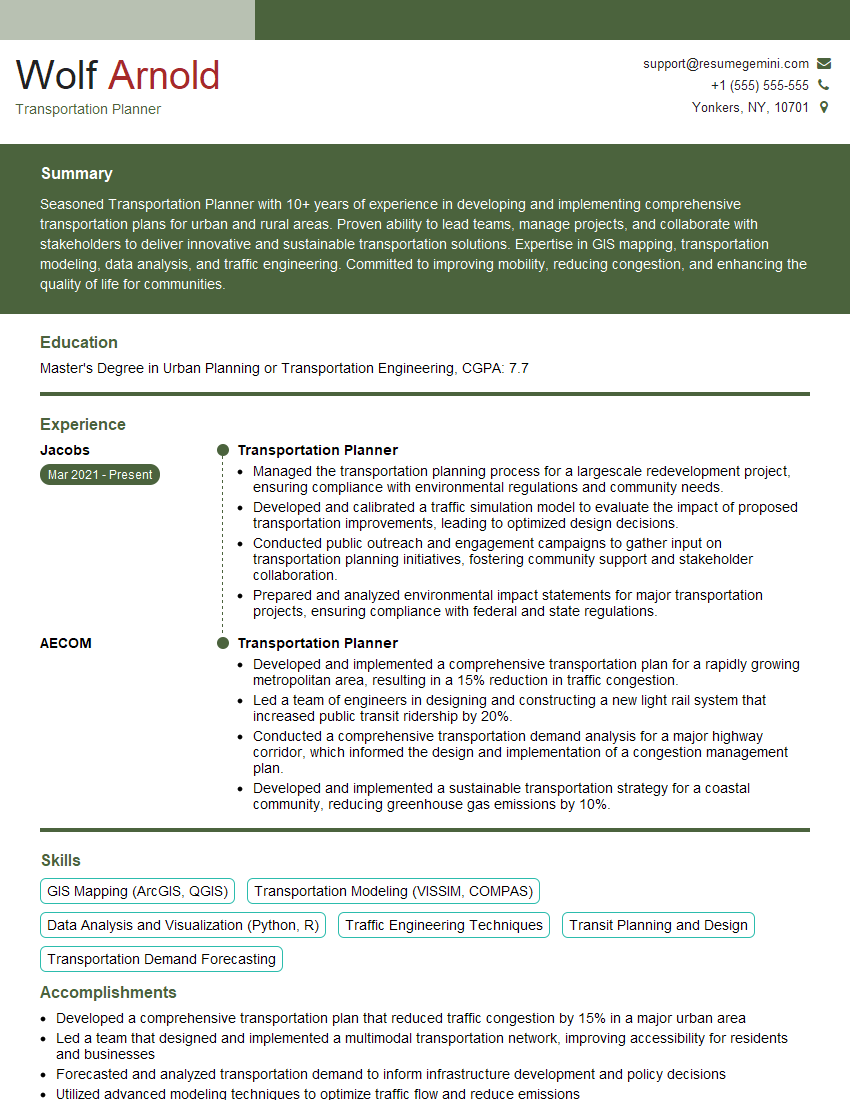
Transportation Planner Resume Sample
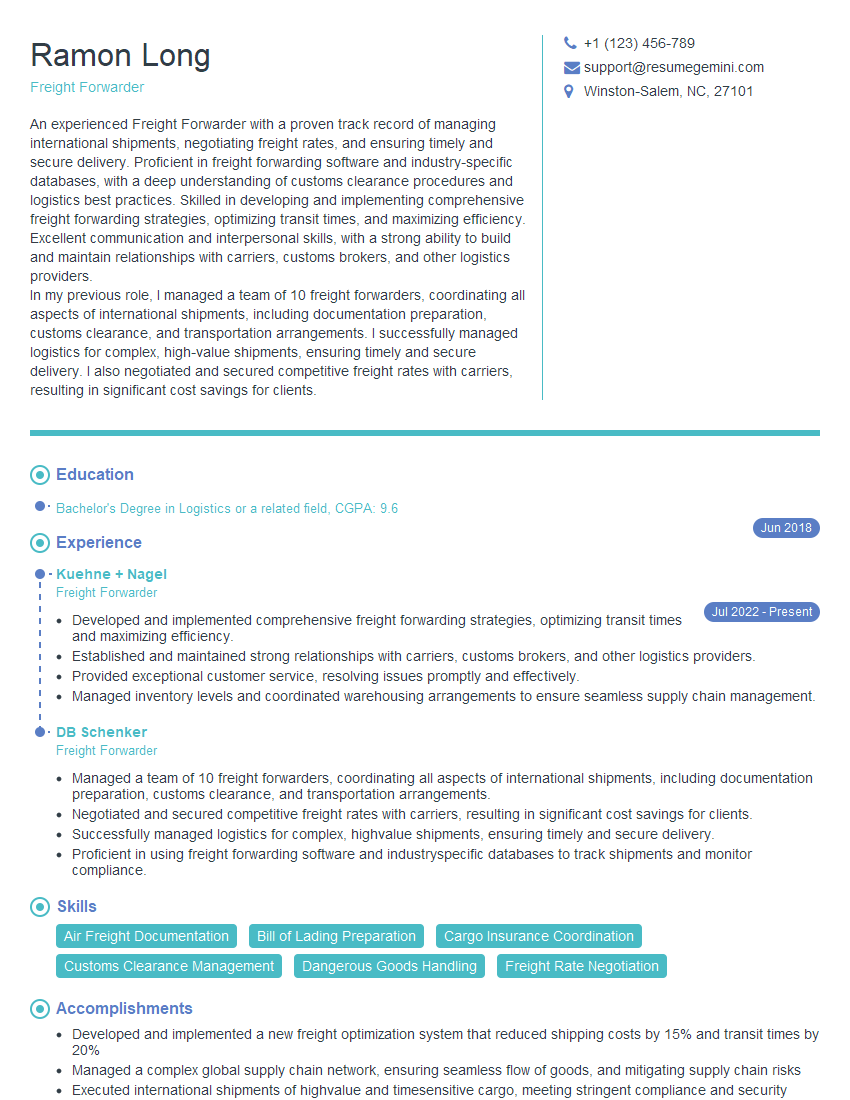
Freight Forwarder Resume Sample
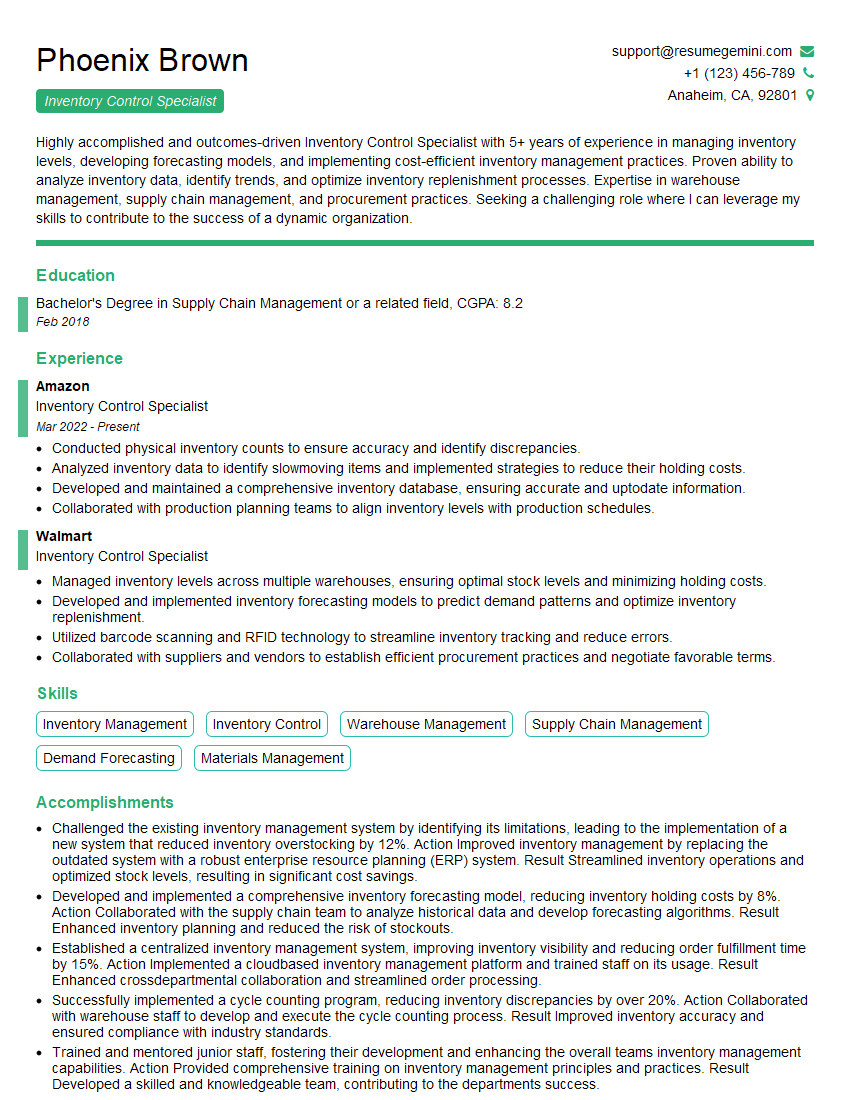
Inventory Control Specialist Resume Sample

Shipping and Receiving Clerk Resume Sample
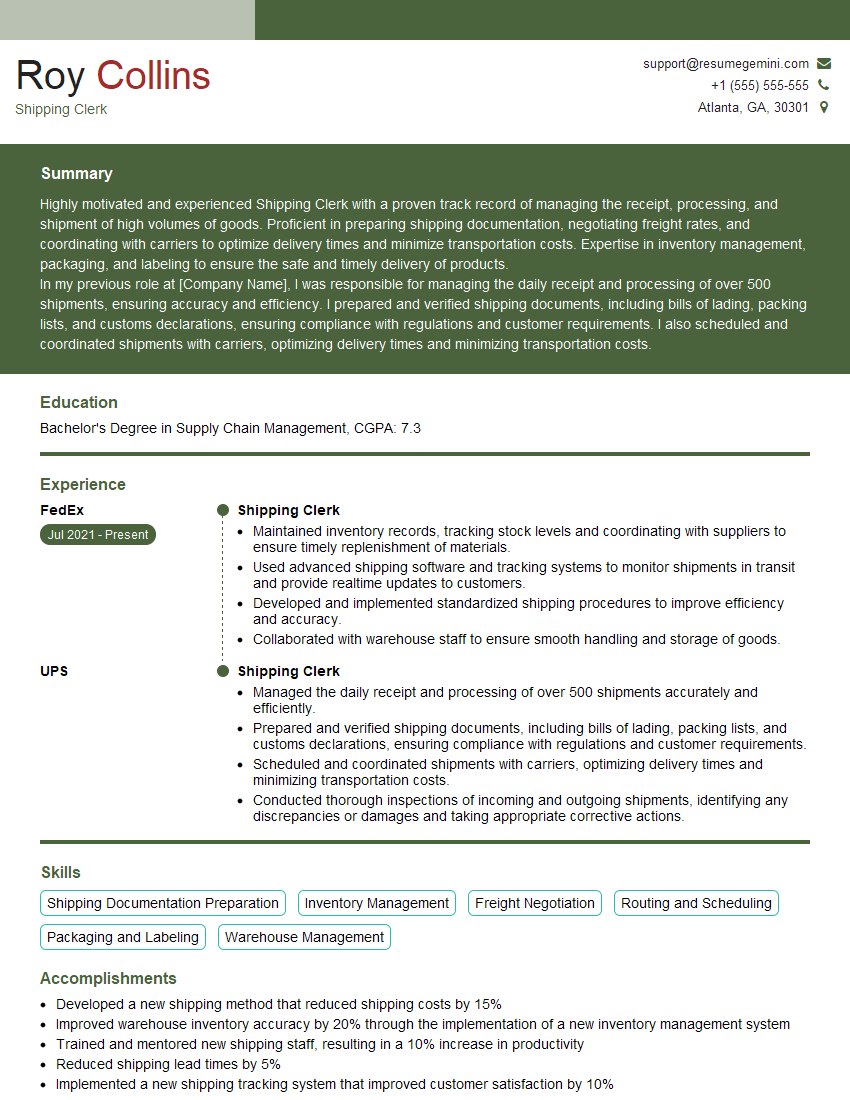
Shipping Clerk Resume Sample
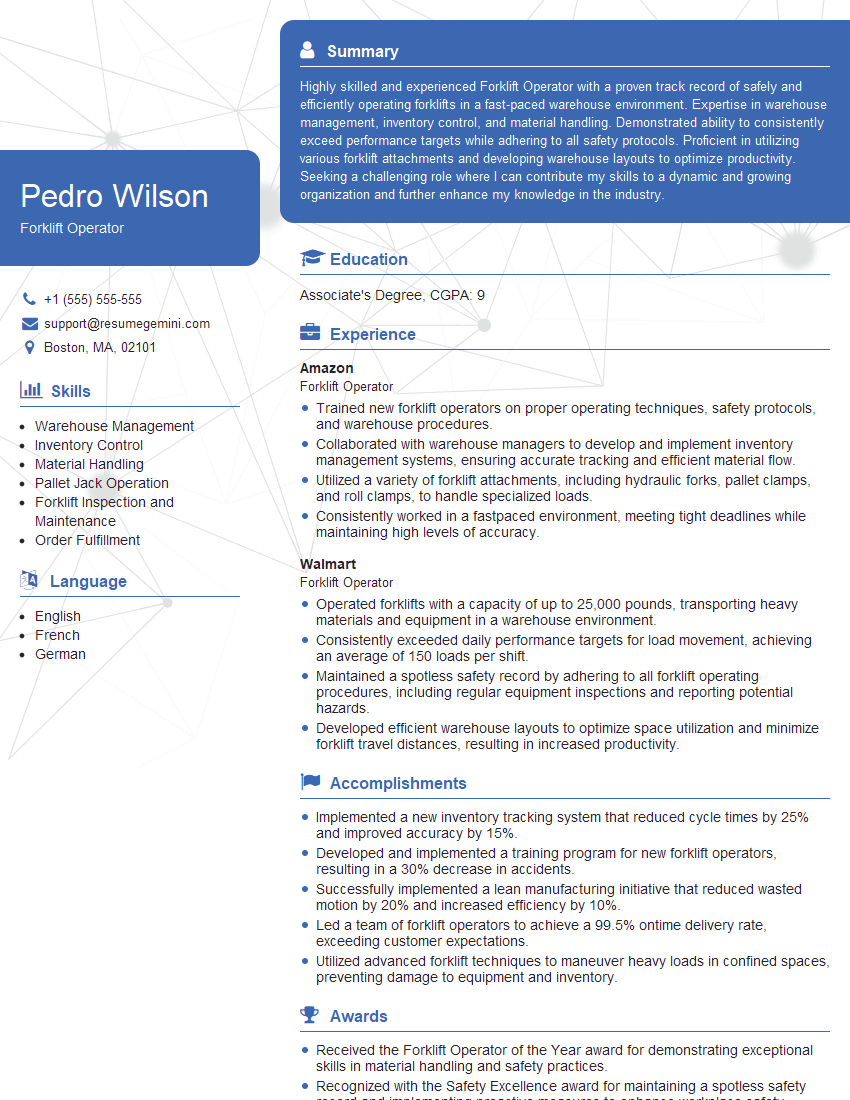
Forklift Operator Resume Sample

Cargo Surveyor Resume Sample
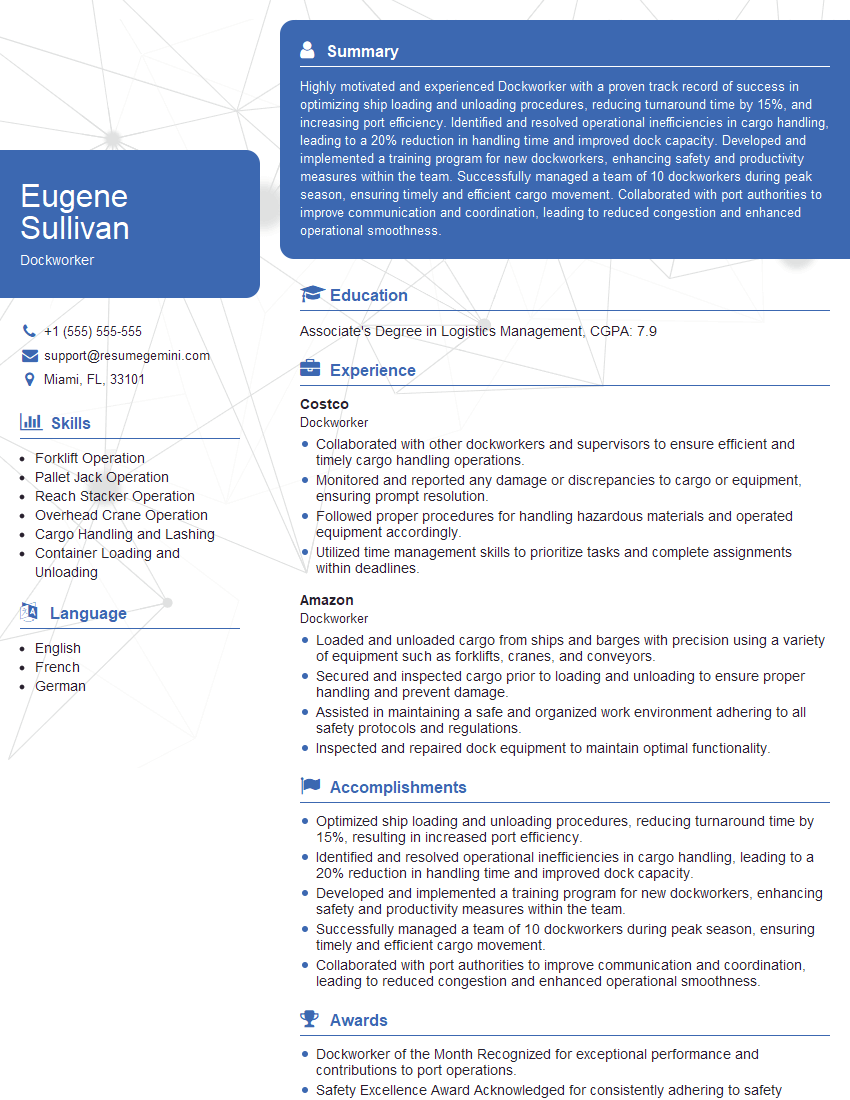
Dockworker Resume Sample
- Operations Coordinator
- Transportation Manager
- Warehouse Manager
- Dispatch Manager
- Warehouse Supervisor
- Logistics Coordinator
- Logistics Analyst
- Supply Chain Analyst
- Customs Broker
- Import/Export Specialist
- Transportation Planner
- Freight Forwarder
- Inventory Control Specialist
- Shipping and Receiving Clerk
- Shipping Clerk
- Forklift Operator
- Cargo Surveyor
- Dockworker
Explore more articles
Users Rating of Our Blogs
Share Your Experience
We value your feedback! Please rate our content and share your thoughts (optional).
What Readers Say About Our Blog
Really detailed insights and content, thank you for writing this detailed article.
IT gave me an insight and words to use and be able to think of examples