Preparation is the key to success in any interview. In this post, we’ll explore crucial Characterization interview questions and equip you with strategies to craft impactful answers. Whether you’re a beginner or a pro, these tips will elevate your preparation.
Questions Asked in Characterization Interview
Q 1. Explain the difference between qualitative and quantitative characterization.
Qualitative characterization describes the qualities of a material, focusing on its descriptive properties. Think of it like describing a painting – you might note its color, texture, and overall appearance. Quantitative characterization, on the other hand, involves measuring and quantifying specific properties. Returning to our painting analogy, this would be like measuring the precise dimensions of the canvas, the exact pigment composition, or the thickness of the paint layers.
For example, qualitatively, we might describe a polymer as ‘flexible and transparent’. Quantitatively, we would determine its tensile strength (e.g., 5 MPa), its refractive index (e.g., 1.5), and its molecular weight (e.g., 100,000 g/mol). Both types of characterization are crucial for a complete understanding of a material; qualitative analysis often guides quantitative analysis, leading to a more comprehensive material profile.
Q 2. Describe your experience with various microscopy techniques (SEM, TEM, AFM, etc.).
I have extensive experience with various microscopy techniques. My work has frequently involved using Scanning Electron Microscopy (SEM) to obtain high-resolution images of surface morphology and elemental composition through energy-dispersive X-ray spectroscopy (EDS). I’ve utilized Transmission Electron Microscopy (TEM) for analyzing the internal structure of materials at the nanoscale, including crystal structure and defect analysis. I’ve also used Atomic Force Microscopy (AFM) extensively to characterize surface topography with nanometer-scale resolution, measuring surface roughness, and even investigating mechanical properties like stiffness.
For instance, in one project, SEM and EDS were instrumental in identifying the presence of unexpected impurities on the surface of a silicon wafer, helping to troubleshoot a production issue. In another, TEM enabled the visualization of grain boundaries in a polycrystalline ceramic, which was critical for understanding its mechanical behavior. AFM helped us determine the precise height and dimensions of nanostructures fabricated for a novel sensing device.
Q 3. How do you determine the appropriate characterization technique for a given material?
Selecting the appropriate characterization technique depends heavily on the material’s properties and the information needed. The process starts with defining the research question. What are we trying to learn about the material?
- Compositional analysis? Techniques like X-ray Fluorescence (XRF), EDS, or Inductively Coupled Plasma Mass Spectrometry (ICP-MS) would be suitable.
- Structural analysis? X-ray Diffraction (XRD), TEM, or electron diffraction could be employed.
- Morphological analysis? SEM, TEM, or AFM would provide valuable insights.
- Thermal properties? Thermogravimetric analysis (TGA), Differential Scanning Calorimetry (DSC), or Thermomechanical analysis (TMA) are appropriate.
- Optical properties? UV-Vis spectroscopy, FTIR, or Raman spectroscopy might be necessary.
The sample’s properties also play a role. For example, for a very delicate sample, AFM would be preferred over SEM to prevent damage. Ultimately, the choice requires careful consideration and often involves using multiple complementary techniques to obtain a holistic understanding.
Q 4. What are the limitations of X-ray diffraction?
While X-ray diffraction (XRD) is a powerful technique for determining crystal structure, it does have limitations. Firstly, XRD is primarily sensitive to crystalline materials; amorphous or poorly crystalline materials often produce weak or broad diffraction peaks, making analysis challenging. Secondly, the technique struggles to distinguish between very similar crystal structures, or to identify very small amounts of a secondary phase within a mixture. Furthermore, preferred orientation (where crystals preferentially align) can affect peak intensities and complicate quantitative analysis. Finally, the analysis of complex mixtures can be difficult and may require advanced data processing and refinement techniques.
For example, XRD might struggle to distinguish between two polymorphs with similar unit cell parameters or may fail to detect a small impurity phase below the detection limit of the instrument.
Q 5. Explain the principles of thermal analysis (TGA, DSC).
Thermal analysis techniques, such as Thermogravimetric Analysis (TGA) and Differential Scanning Calorimetry (DSC), are used to study the thermal behavior of materials. TGA measures the weight change of a sample as a function of temperature, often revealing information about decomposition, oxidation, or dehydration processes. DSC, on the other hand, measures the heat flow associated with phase transitions (like melting or crystallization) and other thermal events as a function of temperature.
Imagine baking a cake: TGA would track the weight loss as the cake bakes due to the evaporation of water, while DSC would detect the heat absorbed as the butter melts and the heat released as the proteins denature.
Q 6. How do you interpret data from FTIR spectroscopy?
FTIR spectroscopy provides information about the vibrational modes of molecules within a material. The spectrum shows peaks at specific wavenumbers, each corresponding to a particular vibrational mode. Interpreting an FTIR spectrum involves identifying these peaks and relating them to known functional groups. Extensive spectral databases exist to aid in this process. For example, a strong peak around 1700 cm-1 typically indicates the presence of a carbonyl group (C=O), while peaks around 3300 cm-1 often represent O-H or N-H stretching vibrations.
In practice, I often use spectral libraries and software to identify peaks and compare them with known materials. However, careful consideration of peak shape, intensity, and the context of the experiment is crucial for accurate interpretation. Sometimes, spectral deconvolution may be needed to separate overlapping peaks.
Q 7. Describe your experience with Raman spectroscopy.
My experience with Raman spectroscopy includes its use for characterizing the vibrational modes of molecules, similar to FTIR. However, Raman spectroscopy provides complementary information due to different selection rules. It is particularly sensitive to crystalline structure and can be used for identifying polymorphs and determining crystal orientation. It’s also useful for studying materials in their native state, such as aqueous solutions or biological samples, minimizing sample preparation.
I’ve used Raman spectroscopy for analyzing the crystalline phases in pharmaceutical formulations and for detecting stress and strain in semiconductor materials. For instance, in one project, we used Raman spectroscopy to map the stress distribution in a thin film, which was critical for optimizing its performance. In another, we used it to identify the different polymorphs present in a drug formulation. The non-destructive nature of Raman spectroscopy made it particularly beneficial for these projects.
Q 8. What are the key parameters to consider when selecting a sample preparation method?
Selecting the right sample preparation method is crucial for accurate characterization. The choice depends heavily on the material’s properties and the desired information. Key parameters include:
- Nature of the material: Is it a powder, liquid, film, or bulk solid? This dictates suitable techniques like grinding, dispersion, or sectioning.
- Sensitivity to the environment: Is the material air-sensitive, hygroscopic (absorbs moisture), or prone to degradation? This might require specialized techniques under inert atmospheres or controlled humidity.
- Target properties: What properties will be characterized? For example, if surface area is critical, methods minimizing surface modification are preferred. If studying crystal structure, preserving the original form is vital.
- Desired level of purity and homogeneity: Impurities or inhomogeneities can skew results. The method must ensure sufficient sample purity and homogeneity for representative measurements.
- Available equipment and resources: The choice is often constrained by the available instrumentation and expertise.
Example: If characterizing the catalytic activity of a powdered catalyst, one must ensure uniform particle size distribution to avoid bias. Methods like sieving or milling might be employed, followed by careful dispersion in a solvent.
Q 9. How do you ensure the accuracy and reliability of your characterization results?
Accuracy and reliability in characterization hinge on meticulous attention to detail throughout the process. This includes:
- Proper calibration and validation of instruments: Regularly calibrating instruments against certified standards is non-negotiable. This ensures that measurements are traceable to known values.
- Appropriate sample handling and storage: Maintaining sample integrity is vital. Samples should be stored in conditions that prevent degradation or contamination, following best practices.
- Method validation and quality control: Using standard reference materials (SRMs) to assess method accuracy and precision. Employing quality control charts to track performance over time. Analyzing multiple samples to enhance statistical significance.
- Blind sample analysis: Analyzing samples without knowing their identity to eliminate bias in data interpretation. This ensures objectivity in data evaluation.
- Proper documentation and traceability: Detailed record-keeping of all experimental parameters, including instrument settings, sample preparation procedures, and data analysis methods. This allows for reproducibility and enables future audits.
Example: In analyzing the crystal structure of a material using X-ray diffraction, calibrating the instrument using a known standard (e.g., silicon powder) is crucial for accurate determination of lattice parameters.
Q 10. Explain the concept of surface area and porosity and how they are measured.
Surface area refers to the total area of the material’s exposed surface, while porosity describes the presence and distribution of pores within the material. These properties are crucial for many applications, influencing adsorption, catalysis, and mechanical strength.
Measurement Techniques:
- Surface area: The most common method is gas adsorption, specifically Brunauer-Emmett-Teller (BET) analysis. This involves adsorbing a gas (e.g., nitrogen) onto the material’s surface at different pressures and calculating the surface area from the adsorption isotherm using specific equations. Other techniques include water adsorption and electron microscopy.
- Porosity: Porosity is often assessed through gas adsorption, mercury intrusion porosimetry, or image analysis. Mercury intrusion porosimetry uses the pressure required to force mercury into pores of different sizes to determine pore size distribution. Image analysis, often combined with microscopy techniques (SEM, TEM), directly visualizes pore structure.
Practical Significance: High surface area materials, like activated carbons, are excellent adsorbents, used in water purification or gas storage. The pore size distribution affects the material’s selectivity, influencing its effectiveness in different applications.
Q 11. How do you handle outliers in your characterization data?
Outliers in characterization data require careful consideration. Simply discarding them is rarely justifiable. A systematic approach involves:
- Identifying outliers: Use statistical methods like box plots or Grubbs’ test to identify data points significantly deviating from the central tendency.
- Investigating the cause: Examine the experimental procedure for any anomalies that may have led to the outlier (e.g., equipment malfunction, sample contamination, data entry errors).
- Repeating the measurements: If possible, repeat the measurement for the suspected outlier to validate the data point. If the outlier is confirmed, consider further investigation.
- Assessing the impact: Determine if the outlier significantly impacts the overall conclusions or statistical analysis. If its influence is minimal, it might be acceptable to retain it (after documentation).
- Robust statistical methods: Use statistical methods less sensitive to outliers (e.g., median instead of mean) in data analysis.
Example: If an unusually high value is observed during BET analysis, checking for sample contamination or equipment malfunction is essential. Repetition of the measurement with a fresh sample can help confirm whether it’s a true outlier or experimental error.
Q 12. What is your experience with data analysis software (e.g., Origin, MATLAB)?
I have extensive experience with various data analysis software packages, including Origin and MATLAB. Origin is my primary tool for data visualization, curve fitting, and basic statistical analysis of characterization data. I use MATLAB for more complex data processing, statistical modeling, and algorithm development. My skills encompass:
- Data import and manipulation from various instruments.
- Creating custom scripts for automated data processing and analysis.
- Performing curve fitting and regression analysis using different models.
- Developing custom visualizations to effectively communicate characterization results.
Example: In BET analysis, I utilize Origin to fit adsorption isotherms to the BET equation, extracting surface area and pore size distribution parameters. MATLAB is used for more complex tasks like image analysis of microscopy data.
Q 13. Describe your experience with statistical analysis of characterization data.
Statistical analysis is integral to the interpretation of characterization data. My experience includes:
- Descriptive statistics: Calculating means, standard deviations, and other descriptive measures to summarize data and assess data variability.
- Inferential statistics: Employing t-tests, ANOVA, and other hypothesis tests to compare different groups and draw conclusions based on the data.
- Regression analysis: Fitting mathematical models to the data to understand relationships between variables.
- Principal component analysis (PCA) and other multivariate techniques: Analyzing complex datasets with multiple variables to reduce dimensionality and identify underlying patterns.
- Error analysis and uncertainty quantification: Quantifying the uncertainty associated with the measurements and propagating uncertainties through calculations.
Example: When comparing the catalytic activity of different catalysts, I use ANOVA to test if there are statistically significant differences in their performance. PCA is used to analyze large datasets from spectroscopic measurements to identify key factors affecting material properties.
Q 14. How do you troubleshoot common issues encountered during characterization experiments?
Troubleshooting is a crucial aspect of characterization. My approach is systematic and involves:
- Careful examination of experimental procedures: Reviewing the steps to identify potential sources of errors (sample preparation, instrument settings, data acquisition).
- Instrument diagnostics: Checking for calibration issues, malfunctioning components, or other instrument-related problems.
- Consultation with instrument experts: Seeking advice from technical support or experienced colleagues if issues persist.
- Analyzing the data for patterns: Looking for systematic deviations or trends in the data that might indicate underlying problems.
- Verification with control experiments: Conducting control experiments using standard materials to isolate the source of the problem.
Example: If inconsistent results are obtained during X-ray diffraction measurements, the first step would be to check for proper sample alignment, instrument calibration, and data acquisition parameters. If the issue persists, seeking assistance from an X-ray diffraction expert is advisable.
Q 15. Explain the importance of proper sample handling and storage.
Proper sample handling and storage are paramount in characterization because they directly impact the accuracy and reliability of your results. Think of it like baking a cake – if you use stale ingredients or store the cake improperly, the final product won’t be as good. Similarly, degradation, contamination, or even subtle changes in a sample can drastically alter its properties, leading to flawed characterization data.
- Temperature control: Many samples are sensitive to temperature fluctuations. For instance, proteins can denature at higher temperatures, altering their structure and properties. Therefore, appropriate refrigeration or freezing is often crucial.
- Light sensitivity: Some compounds are photolabile, meaning they degrade when exposed to light. Storing these samples in amber vials or in the dark is essential. I once worked with a photosensitive dye where improper storage led to a 30% loss in concentration within a week!
- Moisture control: Hydroscopic samples absorb moisture from the air, changing their composition and properties. Desiccators or airtight containers with desiccant packets are vital in these cases.
- Container selection: The material of the sample container itself matters. For example, certain plastics may leach chemicals into the sample, while glass might react with certain substances. Choosing the right container is essential to prevent contamination.
Implementing a well-defined sample management system, including detailed chain of custody records, is crucial for maintaining data integrity and traceability. This includes assigning unique identifiers to each sample and recording all handling steps meticulously.
Career Expert Tips:
- Ace those interviews! Prepare effectively by reviewing the Top 50 Most Common Interview Questions on ResumeGemini.
- Navigate your job search with confidence! Explore a wide range of Career Tips on ResumeGemini. Learn about common challenges and recommendations to overcome them.
- Craft the perfect resume! Master the Art of Resume Writing with ResumeGemini’s guide. Showcase your unique qualifications and achievements effectively.
- Don’t miss out on holiday savings! Build your dream resume with ResumeGemini’s ATS optimized templates.
Q 16. What are your experiences with different types of chromatography (e.g., HPLC, GC)?
I have extensive experience with various chromatographic techniques, primarily HPLC (High-Performance Liquid Chromatography) and GC (Gas Chromatography). These are workhorses in characterization, offering powerful separation capabilities for complex mixtures.
- HPLC: I’ve used HPLC extensively for the analysis of pharmaceuticals, polymers, and environmental samples. The versatility of HPLC, with its range of stationary phases and mobile phases, allows for the separation and quantification of a wide variety of compounds. For example, I recently used reversed-phase HPLC to analyze the purity of a newly synthesized drug candidate, achieving excellent separation and quantification of impurities.
- GC: GC is ideal for volatile and thermally stable compounds. I’ve applied GC-MS (Gas Chromatography-Mass Spectrometry) extensively for the analysis of volatile organic compounds (VOCs) in environmental and food samples. A memorable project involved identifying and quantifying pesticides in agricultural products, where GC’s sensitivity was crucial for accurate detection at trace levels.
Beyond the core techniques, I’m proficient with various detectors (UV-Vis, fluorescence, mass spectrometry) used in conjunction with both HPLC and GC, significantly expanding the scope of analytical capabilities.
Q 17. Explain your experience with mass spectrometry.
Mass spectrometry (MS) is a powerful technique for identifying and quantifying molecules based on their mass-to-charge ratio. My experience with MS encompasses various ionization techniques (ESI, APCI, EI) and mass analyzers (quadrupole, time-of-flight). I’ve utilized MS in tandem with both HPLC and GC (GC-MS, LC-MS) for a wide range of applications.
- LC-MS: In pharmaceutical analysis, LC-MS is indispensable for identifying and quantifying drug metabolites and impurities in biological samples. I’ve used this to support drug development studies, determining pharmacokinetic properties.
- GC-MS: In environmental monitoring, GC-MS is critical for identifying unknown pollutants and quantifying known contaminants in environmental samples, such as water and air. I’ve used this technique to trace the source of pollutants in a local river system.
- Data analysis: My experience extends to interpreting complex MS data, utilizing software packages like MassHunter and Xcalibur. This includes peak deconvolution, spectral library searching, and isotopic pattern analysis.
MS is an integral part of my characterization toolbox, enabling the identification of unknowns and detailed structural elucidation of compounds.
Q 18. How do you validate a new characterization method?
Validating a new characterization method is critical to ensure its accuracy, precision, and reliability. This involves a rigorous process demonstrating that the method performs as intended for its intended purpose. The validation process usually includes several key steps:
- Specificity: Demonstrating that the method specifically measures the intended analyte without interference from other components in the sample.
- Linearity: Establishing the linear relationship between the concentration of the analyte and the measured signal over a defined range.
- Accuracy: Determining the closeness of the measured value to the true value, often using certified reference materials.
- Precision: Assessing the reproducibility of the method, expressed as repeatability and intermediate precision (variations between different analysts or different days).
- Limit of Detection (LOD) and Limit of Quantification (LOQ): Determining the lowest concentration of the analyte that can be reliably detected and quantified.
- Robustness: Evaluating the method’s ability to withstand small variations in experimental conditions without significantly affecting the results.
Detailed documentation of the validation process, including all data and calculations, is crucial for regulatory compliance and ensuring the integrity of the method.
Q 19. Describe your experience with different types of spectroscopy (UV-Vis, NMR).
Spectroscopy provides invaluable information about the structure and properties of materials. My experience includes UV-Vis and NMR spectroscopy, two widely used techniques in characterization.
- UV-Vis Spectroscopy: UV-Vis spectroscopy is a simple yet powerful technique to study the electronic transitions of molecules. It’s frequently used to quantify substances based on their absorbance at specific wavelengths. I’ve utilized UV-Vis extensively for determining the concentration of various compounds in solution, including pharmaceuticals and dyes.
- NMR Spectroscopy: NMR spectroscopy is a more sophisticated technique that provides detailed information on the structure and dynamics of molecules. I’ve used 1H, 13C, and other NMR techniques to determine the structure of newly synthesized compounds, elucidate the conformation of polymers, and study molecular interactions.
Choosing the right spectroscopic technique depends on the specific information needed about the sample. For example, while UV-Vis is excellent for quantitative analysis, NMR is invaluable for structural elucidation.
Q 20. How do you ensure data integrity and traceability in your work?
Data integrity and traceability are non-negotiable in characterization. I ensure this through a combination of meticulous record-keeping, standardized operating procedures (SOPs), and the use of electronic laboratory notebooks (ELNs).
- Detailed record-keeping: Every step of the characterization process, from sample preparation to data analysis, is meticulously documented in accordance with established SOPs. This includes instrument parameters, sample details, and any observations made during the experiment.
- Electronic Laboratory Notebooks (ELNs): ELNs provide a secure and auditable record of experiments, ensuring data integrity and facilitating collaboration. This includes version control, secure access control and the capacity to digitally sign off on results.
- Instrument calibration and maintenance: Regular calibration and maintenance of instruments are performed and documented to guarantee accuracy and reliability of measurements.
- Data management systems: The use of a comprehensive data management system allows for efficient storage, retrieval, and analysis of experimental data. This ensures secure and organized storage of experimental data.
These measures ensure compliance with regulatory requirements (e.g., GMP, GLP) and ultimately contribute to the reproducibility and credibility of research findings. In essence, it’s about building trust in the data.
Q 21. Explain the principle of dynamic mechanical analysis (DMA).
Dynamic Mechanical Analysis (DMA) is a powerful technique used to study the viscoelastic properties of materials as a function of temperature, frequency, or time. Think of it as a way to measure how a material responds to stress and strain under different conditions. Viscoelasticity means the material shows both viscous (liquid-like) and elastic (solid-like) behavior.
DMA typically involves applying a sinusoidal stress (or strain) to a sample and measuring the resulting strain (or stress). The ratio between stress and strain is complex, encompassing both the storage modulus (elastic component) and loss modulus (viscous component). The storage modulus represents the energy stored elastically, while the loss modulus represents the energy dissipated as heat.
The data obtained from DMA provides insights into the glass transition temperature (Tg), the melting point (Tm), the crosslinking density, and other key properties of polymers, composites, and other materials. This information is crucial for material selection and optimization in various applications, from automotive parts to biomedical devices.
For instance, I used DMA to analyze the viscoelastic properties of a new biocompatible polymer, enabling the determination of its Tg and the prediction of its performance in a medical implant. The results guided the optimization of the polymer’s composition to achieve the desired mechanical properties.
Q 22. What are your experiences with rheological measurements?
Rheological measurements characterize the flow and deformation of materials under applied stress or strain. My experience encompasses a wide range of techniques, from simple viscosity measurements using rotational rheometers to more complex oscillatory shear experiments for determining viscoelastic properties. I’ve worked extensively with both Newtonian and non-Newtonian fluids, including polymers, suspensions, and emulsions. For example, in one project, we used rheometry to optimize the formulation of a new cosmetic cream, ensuring it had the desired spreadability and texture while maintaining stability over time. This involved measuring viscosity as a function of shear rate, temperature, and time to understand the material’s behavior under various conditions. Another project involved using rheological data to predict the processability of a polymer melt during extrusion, ensuring consistent product quality.
Specific techniques I’m proficient in include:
- Rotational rheometry (measuring viscosity and shear stress)
- Oscillatory rheometry (determining viscoelastic moduli, G’ and G”)
- Creep and recovery tests (analyzing material response to constant stress)
Q 23. How do you determine the crystalline structure of a material?
Determining the crystalline structure of a material involves several techniques, each providing complementary information. The choice of technique depends on the material’s properties and the level of detail required. X-ray diffraction (XRD) is a cornerstone technique. It utilizes the diffraction of X-rays by the regularly spaced atoms within a crystal lattice to generate a diffraction pattern. Analyzing this pattern allows us to identify the crystal structure, determine the unit cell parameters, and quantify the degree of crystallinity. Other techniques like electron diffraction (in transmission electron microscopy or TEM) provide high-resolution information about the crystal structure at a local scale. For more amorphous materials, techniques such as differential scanning calorimetry (DSC) can help determine the glass transition temperature and the degree of crystallinity by measuring the heat flow associated with phase transitions. Imagine it like shining a light (X-rays) through a structured material – the way the light bends and scatters tells us about the arrangement of atoms.
For instance, in analyzing a newly synthesized polymer, I’d start with XRD to determine the overall crystallinity and unit cell parameters. Then, if needed, I would use TEM for higher resolution information about grain size and crystal defects.
Q 24. Explain the importance of calibration and standardization in characterization.
Calibration and standardization are critical for ensuring the accuracy and reliability of characterization results. Without proper calibration, measurements can be significantly off, leading to flawed conclusions and potentially costly mistakes. Calibration involves comparing the instrument’s readings to known standards, adjusting the instrument to provide accurate readings. Standardization refers to the use of established methods and procedures to ensure consistent and comparable results across different laboratories or experiments. For example, using certified reference materials for calibration ensures that our measurements are traceable to national or international standards. The lack of proper calibration in a mass spectrometer used for determining the molecular weight of polymers would lead to a completely incorrect molecular weight, impacting process development, resulting in potentially serious issues.
Think of it like calibrating a kitchen scale before baking a cake—if your scale is off, your cake will likely turn out wrong. Similarly, in material characterization, calibration ensures our instruments provide accurate and consistent results.
Q 25. Describe your experience with surface characterization techniques (e.g., XPS, Auger).
I have extensive experience with surface characterization techniques, particularly X-ray photoelectron spectroscopy (XPS) and Auger electron spectroscopy (AES). XPS provides information about the elemental composition and chemical state of the surface, while AES offers high surface sensitivity and is excellent for detecting lighter elements. I’ve used these techniques to analyze the surface chemistry of polymers, metals, and ceramics, determining surface oxidation states, contamination levels, and the effectiveness of surface treatments. For instance, I helped a colleague analyze the surface passivation of a new metal alloy using XPS. We found that a certain surface treatment led to a distinct oxide layer, which improved the material’s corrosion resistance.
I’m proficient in data analysis and interpretation for both techniques, and I understand the limitations of each method. AES is often used for depth profiling, which provides information on the elemental composition at different depths below the surface, while XPS excels in providing more detailed information about chemical states.
Q 26. How would you approach characterizing an unknown material?
Characterizing an unknown material requires a systematic approach. I’d begin with visual inspection, noting its physical properties like color, texture, and density. Then, I’d move to non-destructive tests like XRD to determine if it’s crystalline or amorphous and to get an indication of its composition. Techniques like thermal analysis (DSC or TGA) would provide information on its thermal stability and potential phase transitions. Spectroscopic methods like FTIR or Raman spectroscopy help identify the functional groups present. I would employ more specialized techniques such as SEM/EDS, XPS/AES, and possibly others depending on initial findings to characterize its morphology, surface composition, and internal structure. The iterative process would involve starting with simple and widely accessible techniques to obtain initial information, then proceeding towards more specialized and complex techniques to get a complete and accurate picture.
Think of it like solving a puzzle – each technique provides a piece of the puzzle, and by carefully assembling all the pieces, you can get a complete picture of the unknown material.
Q 27. What are your experiences with particle size analysis?
My experience in particle size analysis encompasses various techniques, from laser diffraction for larger particles (micrometer range) to dynamic light scattering (DLS) for nanoparticles (nanometer range). I’ve used these techniques to characterize powders, suspensions, and emulsions. I understand the strengths and limitations of each method and select the most appropriate technique based on the sample’s properties and the desired information. For example, I used laser diffraction to determine the particle size distribution of a pharmaceutical powder, ensuring consistent drug delivery. In another project, I used DLS to analyze the size and stability of nanoparticles used in a cosmetic product. In both cases, data analysis and its interpretation were crucial in understanding the particle size distribution.
Beyond just measuring particle size, I am experienced in assessing particle shape, morphology and zeta potential (an indicator of surface charge) through other techniques such as SEM/TEM.
Q 28. Discuss your experience in method development and validation for characterization.
Method development and validation are crucial for ensuring the reliability and robustness of characterization methods. My experience includes developing new methods and validating existing ones according to regulatory guidelines (e.g., ICH guidelines for pharmaceutical applications). This involves establishing the method’s precision, accuracy, linearity, range, limit of detection, and limit of quantification. Robustness studies are also critical for assessing the method’s performance under varying conditions and demonstrating that small changes in experimental parameters don’t significantly impact the results. For instance, I developed a new method for quantifying a specific impurity in a pharmaceutical product. This involved careful optimization of the analytical technique (HPLC) followed by a rigorous validation process to ensure the method’s reliability and accuracy before its implementation for routine quality control.
Documentation is a critical part of method development and validation and I have a strong focus on maintaining well-organized records to meet regulatory requirements.
Key Topics to Learn for Characterization Interview
- Direct Characterization vs. Indirect Characterization: Understand the difference and be prepared to analyze examples of both in various contexts (literature, film, etc.). Consider how authors/creators reveal character through actions, dialogue, and internal thoughts.
- Character Archetypes and Stereotypes: Explore common character archetypes (hero, villain, mentor, etc.) and discuss their effective and ineffective uses. Be ready to analyze how characters deviate from or conform to stereotypes.
- Character Development and Arc: Discuss the various stages of character development, including the concept of a character arc (transformation, growth, or decline). Be able to analyze how a character changes throughout a narrative and the reasons behind these changes.
- Character Motivation and Conflict: Analyze the internal and external conflicts that drive characters’ actions and choices. Discuss how understanding motivation is crucial for believable and engaging characters.
- Character Relationships and Dynamics: Discuss how relationships between characters shape their individual development and the overall narrative. Analyze different types of relationships (antagonist/protagonist, mentor/mentee, romantic, familial) and their impact.
- Analyzing Characterization in Different Media: Extend your understanding beyond literature to encompass film, television, theatre, and even video games. Be ready to discuss characterization techniques unique to each medium.
- The Role of Setting and Context in Characterization: Explore how the environment and historical/social context influence character development and behavior.
Next Steps
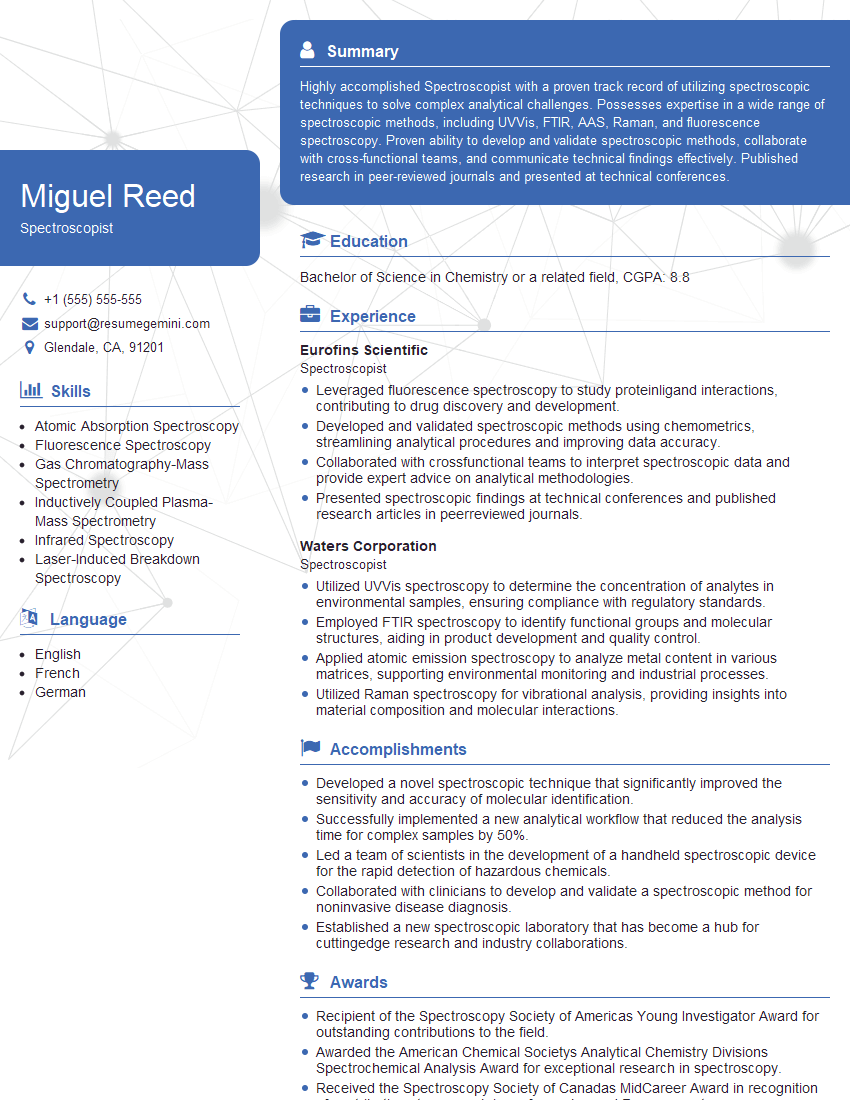
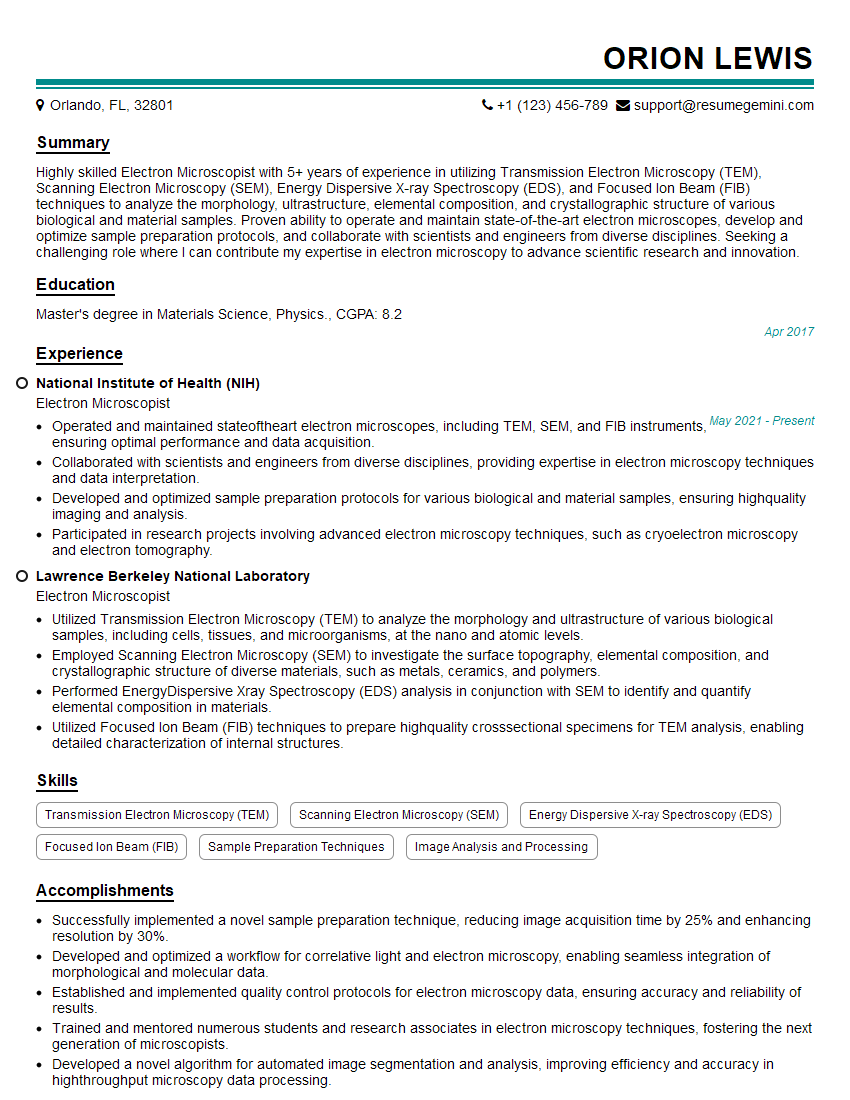
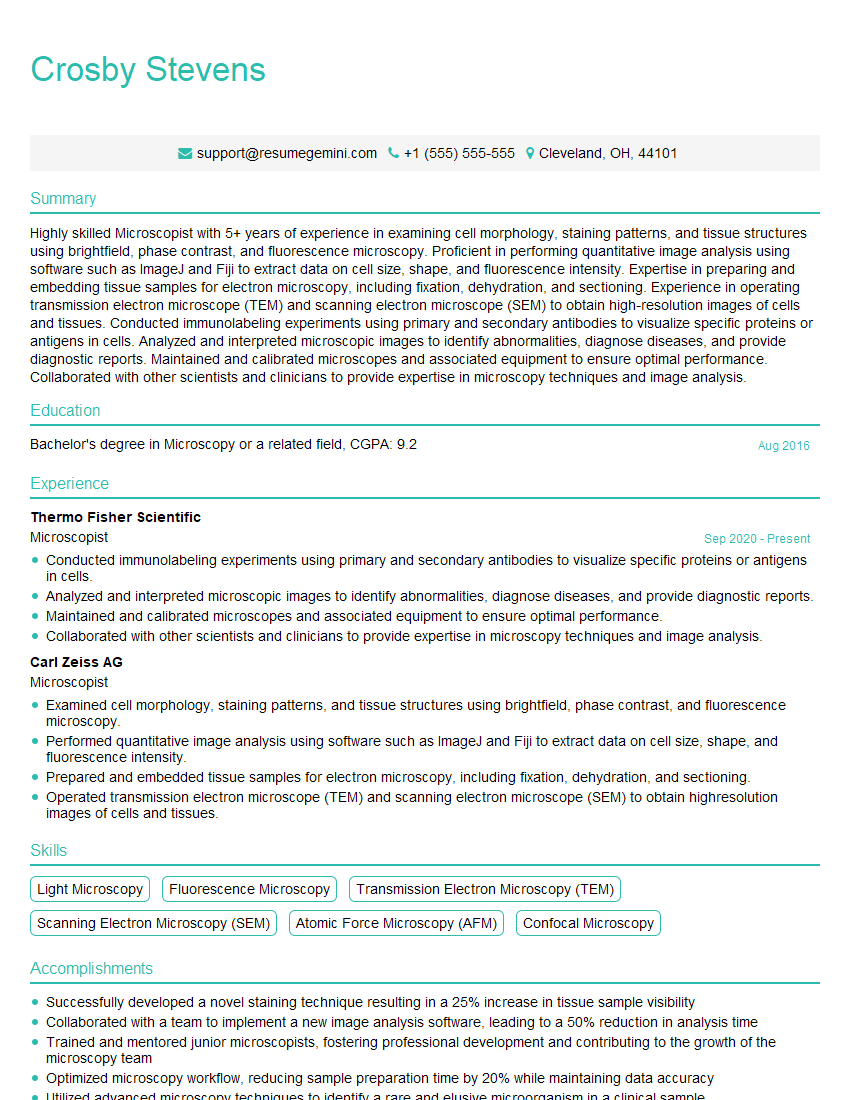
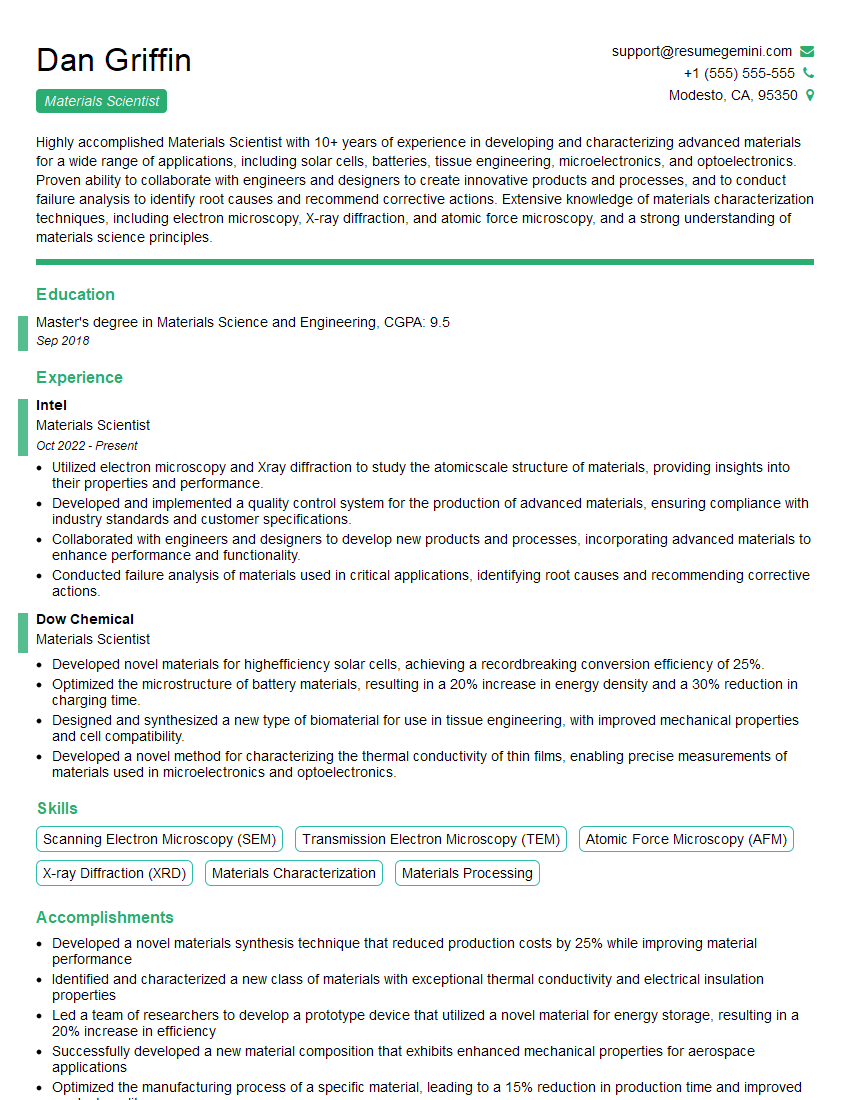
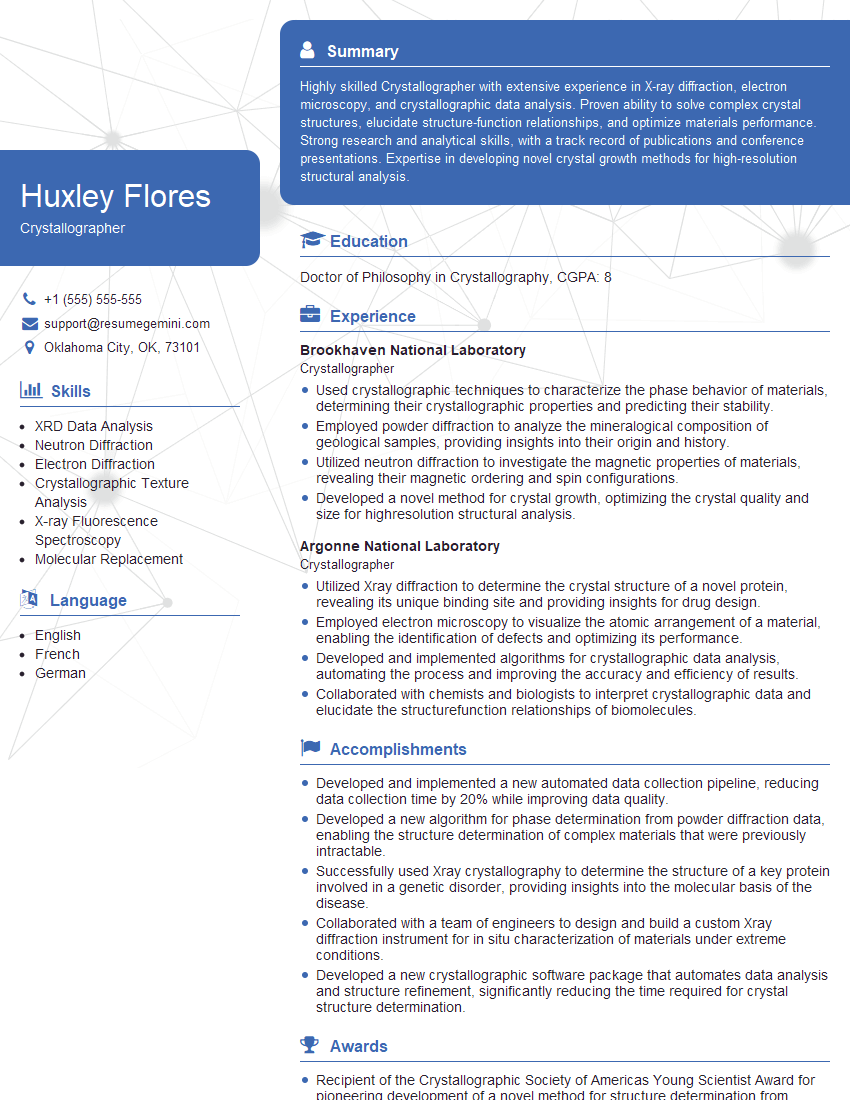
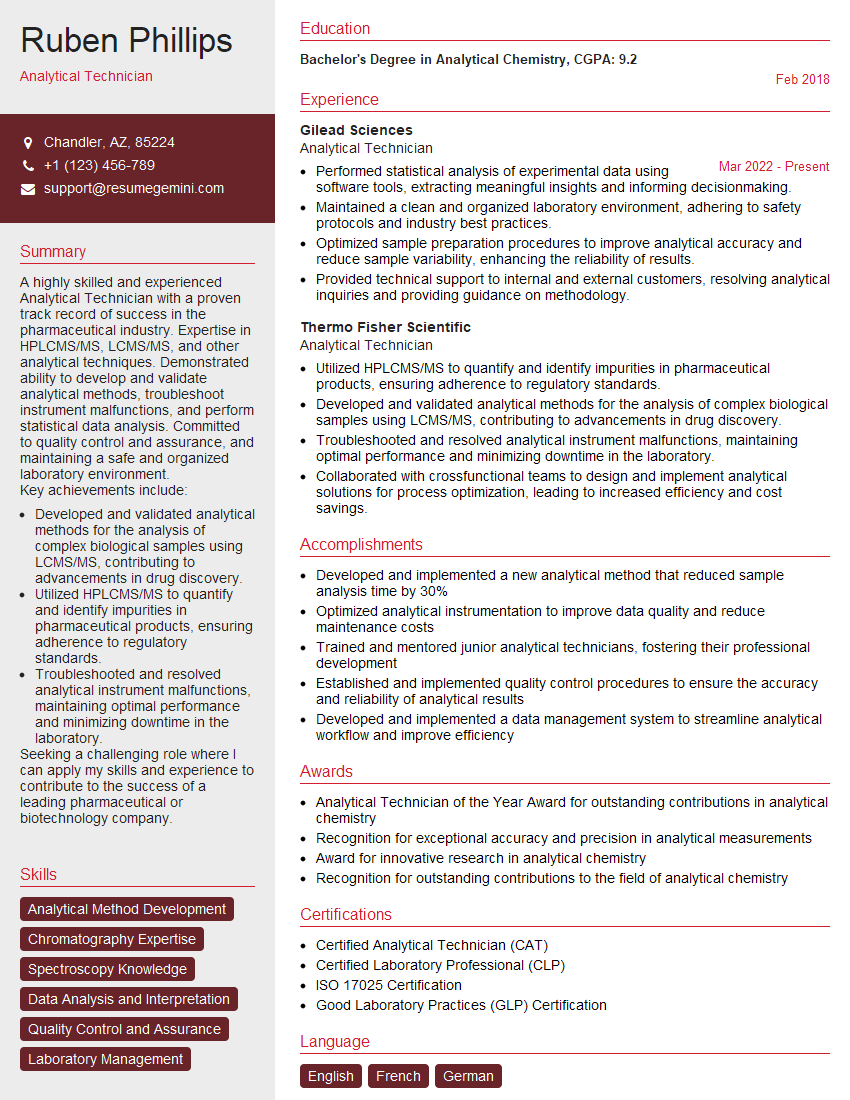
Mastering characterization is crucial for success in numerous fields, from creative writing and film production to marketing and even user experience design. A strong understanding allows you to craft compelling narratives, understand audience motivations, and build relatable characters. To enhance your job prospects, create an ATS-friendly resume that highlights your skills and experience. ResumeGemini is a trusted resource to help you build a professional and impactful resume. Examples of resumes tailored to Characterization professionals are available to help you get started.



Explore more articles
Users Rating of Our Blogs
Share Your Experience
We value your feedback! Please rate our content and share your thoughts (optional).
What Readers Say About Our Blog
Really detailed insights and content, thank you for writing this detailed article.
IT gave me an insight and words to use and be able to think of examples