Interviews are opportunities to demonstrate your expertise, and this guide is here to help you shine. Explore the essential Chartering and Vessel Operations interview questions that employers frequently ask, paired with strategies for crafting responses that set you apart from the competition.
Questions Asked in Chartering and Vessel Operations Interview
Q 1. Explain the difference between Time Charter and Voyage Charter.
The core difference between Time Charter and Voyage Charter lies in the duration of the agreement and who bears responsibility for operational costs. Think of it like renting a car: a Time Charter is like leasing – you rent the vessel for a specific period (e.g., six months), and you pay a daily or monthly rate. The owner covers the vessel’s maintenance and insurance, while you are responsible for fuel, port fees, and crew wages during the charter period. A Voyage Charter, on the other hand, is like hiring a taxi for a single trip – you rent the vessel for a single voyage from a specific loading port to a specific discharge port. You pay a fixed price for the entire journey, and the owner remains responsible for all costs until the cargo is discharged.
Time Charter: Imagine a shipping company consistently needing a vessel to transport goods across the Atlantic. A Time Charter would provide them with consistent access to the vessel for a predefined period, offering stability and predictability in their shipping schedule.
Voyage Charter: Consider a one-off shipment of goods from Singapore to Rotterdam. A Voyage Charter would be suitable, as the cost is pre-determined and directly linked to that specific journey.
Q 2. Describe the process of vessel nomination.
Vessel nomination is the process of the charterer officially informing the vessel owner which specific vessel from their fleet will be used for the contracted charter. It’s a crucial step in executing the charter party agreement, ensuring clarity and avoiding misunderstandings. The process usually involves the charterer providing the vessel’s name, IMO number, and details about its availability. The owner then verifies the vessel’s suitability and confirms its nomination. This often involves assessing the vessel’s current location, estimated time of arrival (ETA) at the loading port, cargo capacity, and overall condition. Failure to properly nominate a suitable vessel can lead to delays, disputes, and potential breaches of contract.
For example, a charterer might nominate the ‘MV Sea Lion’ (IMO: 9876543), providing details of its readiness at the Port of Shanghai by a specific date. The owner would then verify the details and confirm the nomination, formally initiating the voyage.
Q 3. What are the key clauses in a charter party agreement?
A charter party agreement is a legally binding contract, and its key clauses are essential for a successful charter. Here are some of the most critical:
- Name of the Vessel and Owner: Clearly identifies the contracting parties.
- Description of the Vessel: Including details like size, type, and capacity.
- Charter Period (Time Charter) or Voyage Details (Voyage Charter): Specifies the duration or the ports of call.
- Rate of Hire (Time Charter) or Freight Rate (Voyage Charter): Defines the payment terms.
- Laytime and Demurrage: Covers loading and discharging time and penalties for delays.
- Cargo Details: Type, quantity, and handling requirements.
- Liability and Insurance: Outlines responsibilities and insurance coverage.
- Arbitration Clause: Specifies the method of dispute resolution.
These clauses, and many others, need careful consideration and negotiation to protect both parties. A poorly drafted charter party can lead to expensive disputes.
Q 4. How do you calculate a vessel’s deadweight tonnage (DWT)?
Deadweight tonnage (DWT) represents the maximum weight a vessel can carry, including cargo, fuel, stores, and crew. It’s calculated by subtracting the vessel’s lightweight (the weight of the ship itself without cargo) from its displacement tonnage (the weight of the vessel and everything on board when fully loaded).
DWT = Displacement Tonnage - Lightweight
For example, if a vessel’s displacement tonnage is 50,000 tons and its lightweight is 10,000 tons, then its DWT is 40,000 tons. This is a vital parameter for assessing the vessel’s cargo-carrying capacity and its suitability for specific transport tasks. Shippers use DWT to determine how much cargo can be loaded onto the vessel.
Q 5. Explain the concept of laytime and demurrage.
Laytime refers to the agreed-upon period within which the charterer is allowed to load and discharge cargo without incurring penalties. Demurrage is the penalty that the charterer pays to the owner for each day the loading or discharging process exceeds the agreed-upon laytime. Think of it like a parking ticket: you have a certain amount of time (laytime) to load/unload your cargo (park your car). If you exceed this time, you pay a fee (demurrage).
For example, if a charter party specifies three days laytime for loading and two days for discharging, and the actual loading takes four days, the charterer would pay demurrage for one day (the excess). Clear definitions of laytime and demurrage are crucial in preventing costly disputes.
Q 6. What are the common methods of cargo securing?
Secure cargo handling is crucial for preventing damage and ensuring safety. Common methods include:
- lashing: Securing cargo with strong ropes or chains.
- wedging: Filling gaps between cargo pieces to prevent shifting.
- blocking and bracing: Using wooden blocks or other materials to prevent movement.
- containers: Standardised units that provide inherent stability and protection.
- dunnage: Using materials like wood or foam to protect cargo from damage.
The choice of method depends on the type of cargo and the vessel’s design. Proper cargo securing is vital to preventing accidents and damage to both cargo and the vessel.
Q 7. How do you handle a vessel breakdown during a voyage?
A vessel breakdown during a voyage is a serious incident requiring prompt and decisive action. The first step involves assessing the severity of the problem and reporting it immediately to the owner, charterer, and relevant authorities (e.g., coast guard). Depending on the nature of the breakdown, repairs might be attempted at sea or the vessel may need to be diverted to the nearest port for repairs. The charter party will outline procedures for dealing with such events, including provisions for additional costs and potential delays. Communication and collaboration between all parties are paramount during this challenging situation.
For instance, if an engine fails, the vessel may need to be towed to port. The charter party may outline whether the owner or charterer is responsible for the towage costs and whether the charterer receives compensation for delays.
Q 8. Describe your experience with voyage planning and route optimization.
Voyage planning and route optimization are crucial for efficient and cost-effective shipping. It involves selecting the most optimal route considering factors like weather conditions, fuel consumption, canal transit times, piracy risks, and port congestion. My experience encompasses utilizing advanced route planning software, such as those incorporating real-time weather data and predictive analytics. I’ve worked with various route optimization algorithms, comparing different routes based on estimated time of arrival (ETA), fuel costs, and potential delays. For example, during a recent voyage from Singapore to Rotterdam, I compared a route through the Suez Canal with one around the Cape of Good Hope. Analyzing real-time weather forecasts and fuel prices, the Suez route was determined as the most efficient, despite its slightly longer distance. This resulted in a significant cost saving for the charterer.
This process isn’t just about selecting the shortest route; it’s about considering the entire lifecycle of the journey. I have experience incorporating port scheduling into the optimization process, ensuring timely arrival and departure to avoid demurrage charges. We regularly hold meetings with the master and chief engineer to discuss any operational challenges and to implement necessary adjustments to the route plan, based on real-time data.
Q 9. What is your experience with bunker fuel management?
Bunker fuel management is a critical aspect of cost control and environmental responsibility in shipping. My experience includes forecasting fuel consumption based on vessel speed, weather conditions, and planned voyage route, using sophisticated software and historical data. This allows for proactive procurement, minimizing the risk of fuel shortages and price volatility. We constantly monitor bunker prices in various ports globally, taking into account sulfur content regulations. I have extensive experience negotiating bunker contracts with suppliers, ensuring competitive pricing and quality assurance. A recent example involved securing a long-term contract for low-sulfur fuel oil at a favorable price, which resulted in significant cost savings over the year.
Furthermore, I actively participate in the implementation of fuel-efficient operational practices. This includes optimizing vessel speed, using weather routing to minimize fuel consumption, and regularly reviewing engine performance data to identify potential areas for improvement. Regular monitoring of bunker deliveries ensures that the correct quantity and quality of fuel is received and documented.
Q 10. How do you ensure compliance with international maritime regulations (e.g., SOLAS, MARPOL)?
Compliance with international maritime regulations is paramount. My experience involves ensuring adherence to SOLAS (Safety of Life at Sea), MARPOL (Marine Pollution), and other relevant conventions. This involves maintaining detailed records of inspections, certificates, and surveys. I’m responsible for coordinating surveys with classification societies and ensuring that all necessary documentation is up to date. We conduct regular internal audits to identify any potential non-compliance issues. Furthermore, I ensure that our crew receives regular training on relevant regulations and procedures.
For example, the implementation of the IMO 2020 sulfur cap required significant adjustments to our bunker fuel purchasing strategies and crew training on handling low-sulfur fuel. This included updating our operational procedures, procuring new equipment if needed, and ensuring that all crew members were thoroughly briefed on the new regulations and their responsibilities. This proactive approach minimizes the risk of fines and ensures the safety and environmental responsibility of our operations.
Q 11. Explain your understanding of the charter market and its current trends.
The charter market is dynamic, influenced by global trade, economic conditions, and geopolitical events. Currently, we are seeing increased demand for certain vessel types, like LNG carriers, driven by the growth in the energy sector. Conversely, there is some oversupply in other sectors, leading to competitive chartering rates. The market is also heavily influenced by technological advances, with the adoption of digitalization and automation in shipping leading to increased efficiency and cost optimization.
I closely follow market indices, such as the Baltic Dry Index, and analyze supply and demand dynamics to make informed chartering decisions. We utilize various chartering strategies, including period charters for long-term stability and voyage charters for flexibility, adapting our approach depending on market conditions. Understanding the different charter party clauses, such as those relating to laytime and demurrage, is crucial for mitigating risk and ensuring profitable operations.
Q 12. How do you manage vessel maintenance and repairs?
Vessel maintenance and repairs are crucial for operational efficiency and safety. My approach is proactive, focusing on preventive maintenance to minimize unplanned downtime. This involves developing and implementing a rigorous maintenance schedule based on the vessel’s age, operating conditions, and manufacturer recommendations. We utilize a computerized maintenance management system (CMMS) to track maintenance activities, spare parts inventory, and repair history. This system allows for efficient scheduling of maintenance tasks, minimizing interruptions to operations.
In the event of unforeseen repairs, I work closely with shipyards and repair contractors, selecting the most qualified and cost-effective options. We use competitive bidding to obtain the best prices, and carefully review contracts to avoid any potential disputes. Close communication with the vessel’s master and chief engineer is crucial throughout the repair process to ensure that repairs are carried out efficiently and to the highest standards.
Q 13. What are the key performance indicators (KPIs) for vessel operations?
Key performance indicators (KPIs) for vessel operations are essential for measuring efficiency and profitability. These KPIs can be broadly categorized into financial, operational, and safety aspects. Financial KPIs include charter hire rates, voyage costs, fuel efficiency, and overall profitability. Operational KPIs focus on vessel utilization, port turnaround time, cargo handling efficiency, and on-time performance. Safety KPIs encompass accident rates, near misses, and compliance with safety regulations.
Examples of specific KPIs include: Days per voyage, Fuel consumption per nautical mile, Cargo handling rate (tons/hour), Port call efficiency (time spent in port), and Lost time injury frequency rate (LTIFR). Regular monitoring of these KPIs allows for identification of areas for improvement and optimization of vessel operations. These data points are essential for evaluating the effectiveness of our strategies and making data-driven decisions to enhance performance.
Q 14. Describe your experience with crew management.
Crew management is crucial for safe and efficient vessel operations. My experience encompasses recruiting, training, and managing crews, ensuring compliance with international regulations (e.g., STCW). I work with crewing agencies to identify suitable candidates, focusing on their experience, qualifications, and certifications. We implement a robust training program to keep our crew updated on safety procedures, operational best practices, and new technologies. This includes regular safety drills and refresher courses on essential skills.
Effective communication is vital; I maintain regular contact with the master and crew, addressing their concerns and resolving any issues promptly. We utilize crew management software to track crew details, contracts, and performance. I’m particularly focused on crew welfare, ensuring that they have access to necessary medical care and support, and are treated fairly in accordance with relevant regulations and employment laws. A positive crew environment directly contributes to enhanced safety, efficiency, and overall operational success.
Q 15. How do you handle communication with charterers, ship owners, and port authorities?
Effective communication is the backbone of successful chartering and vessel operations. I utilize a multi-pronged approach, tailoring my communication style to the specific audience and context. With charterers, I focus on building strong relationships based on trust and transparency, providing regular updates on vessel progress and proactively addressing any concerns. This often involves detailed reports, prompt responses to inquiries, and clear articulation of contractual obligations. With ship owners, my communication focuses on operational efficiency and compliance, ensuring adherence to safety regulations and maintenance schedules. This involves clear reporting on vessel performance, fuel consumption, and any potential issues requiring owner input. Finally, communication with port authorities is highly procedural, involving precise documentation, adherence to port regulations, and prompt notification of arrival and departure times, cargo details, and any potential delays. I use a combination of email, phone calls, and secure messaging platforms to maintain a clear audit trail of all communications. In situations requiring urgent communication, I employ direct calls and follow up with written confirmation.
Career Expert Tips:
- Ace those interviews! Prepare effectively by reviewing the Top 50 Most Common Interview Questions on ResumeGemini.
- Navigate your job search with confidence! Explore a wide range of Career Tips on ResumeGemini. Learn about common challenges and recommendations to overcome them.
- Craft the perfect resume! Master the Art of Resume Writing with ResumeGemini’s guide. Showcase your unique qualifications and achievements effectively.
- Don’t miss out on holiday savings! Build your dream resume with ResumeGemini’s ATS optimized templates.
Q 16. What are your strategies for risk management in chartering and operations?
Risk management is paramount in chartering and vessel operations. My strategy is proactive and multi-layered, encompassing identification, assessment, mitigation, and monitoring. We begin with a thorough due diligence process, evaluating the creditworthiness of charterers, the technical condition of vessels, and the potential risks associated with specific trade routes. Next, we develop comprehensive risk mitigation plans that address potential issues such as bad weather, political instability, port congestion, and cargo damage. This involves procuring appropriate insurance coverage, employing route optimization software to identify safer and more efficient routes, and developing contingency plans for unforeseen circumstances. Finally, we continuously monitor potential risks through regular reporting, market analysis, and staying informed about global events. For instance, a recent geopolitical crisis in a key trade route prompted us to re-evaluate our risk assessment and adjust our routing strategies to avoid the affected area, successfully mitigating potential delays and safety hazards.
Q 17. Describe a situation where you had to resolve a conflict during a chartering process.
During a recent chartering process, a disagreement arose between the charterer and the shipowner regarding laytime calculations. The charterer claimed that the vessel had exceeded the agreed-upon laytime, resulting in demurrage charges, while the shipowner argued that delays were caused by unforeseen circumstances outside their control. To resolve this conflict, I meticulously reviewed the charter party, scrutinized all supporting documentation, including port documents, communication logs, and weather reports. I facilitated a series of meetings, encouraging both parties to present their evidence and reach a mutually acceptable resolution. Through clear communication and detailed analysis, I managed to identify a discrepancy in the interpretation of a specific clause within the charter party. By explaining the legal implications of both interpretations, I was able to help both parties find common ground and come to an agreement that was equitable to both. The solution involved a partial compromise on both sides, avoiding costly and time-consuming arbitration. This experience highlighted the importance of thorough contract review, accurate record-keeping, and the ability to facilitate effective negotiation.
Q 18. How do you handle delays and unexpected events during a voyage?
Delays and unexpected events are inevitable in shipping. My approach is to maintain a calm and organized response, activating pre-prepared contingency plans and adhering to established procedures. Firstly, I assess the nature and severity of the delay. Is it due to bad weather, port congestion, mechanical failure, or other factors? Once the cause is identified, I work collaboratively with all stakeholders, including the charterer, ship owner, and port authorities, to implement a solution. This might involve rerouting the vessel, arranging for repairs, or negotiating an extension of the laytime. For instance, if a vessel encounters a mechanical breakdown, I would immediately contact the ship owner to arrange for repairs, notify the charterer of the expected delay, and explore options such as charter hire adjustments to account for the downtime. Open and transparent communication with all parties is key to minimizing the impact of the delay. Maintaining clear documentation of all events and communications is vital for managing liability and facilitating claims if necessary.
Q 19. How familiar are you with different types of vessels (e.g., tankers, bulk carriers, containerships)?
My experience encompasses a wide range of vessel types, including tankers, bulk carriers, and containerships. I understand the specific operational requirements, cargo handling procedures, and technical characteristics of each type. Tankers, for example, require specialized knowledge of cargo handling to manage hazardous materials and prevent contamination. Bulk carriers necessitate expertise in loading and unloading bulk commodities efficiently and safely, minimizing cargo damage. Containerships demand a thorough understanding of container handling, stowage planning, and the complexities of intermodal transport. My familiarity extends to understanding the nuances of various vessel sizes, their draft limitations, and their suitability for different trade routes and port infrastructures. This comprehensive understanding enables me to effectively assess vessel suitability for specific chartering requests, optimize operational strategies, and effectively manage various operational challenges.
Q 20. What is your experience with cargo claims and insurance?
I have extensive experience in managing cargo claims and insurance. This involves understanding various types of insurance policies, such as Hull & Machinery (H&M), Protection & Indemnity (P&I), and Cargo insurance. I’m adept at investigating cargo claims, gathering evidence, and determining liability. This often involves reviewing bills of lading, charter parties, survey reports, and other relevant documents. My experience includes negotiating settlements with insurers, representing clients in claims disputes, and ensuring compliance with international conventions such as the Hague-Visby Rules. For example, if a cargo damage claim arises, I would begin by thoroughly investigating the cause, collecting all relevant evidence, and then present a comprehensive claim to the relevant insurer, ensuring clear and concise documentation to support the claim. Prevention is also key; we strive to minimize cargo claims through proper stowage planning, appropriate vessel maintenance, and stringent cargo inspection protocols.
Q 21. How do you use different chartering platforms and software?
I am proficient in using various chartering platforms and software, including those for vessel tracking, cargo management, and communication. These tools significantly enhance operational efficiency and transparency. I’m familiar with systems that facilitate vessel tracking in real-time, enabling proactive monitoring of vessel position, speed, and ETA. I use cargo management systems to effectively track cargo movement, monitor inventory, and manage documentation. Furthermore, I utilize specialized software for chartering calculations, demurrage assessments, and voyage cost optimization. My experience includes using both cloud-based and on-premise systems and I am comfortable adapting to new technologies as they emerge in the industry. These tools help us streamline operations, enhance decision-making, and minimize operational risks by providing data-driven insights into various aspects of the chartering and vessel operations.
Q 22. Describe your experience with port operations and procedures.
My experience with port operations encompasses all aspects, from pre-arrival planning to post-departure analysis. This includes close coordination with port agents, terminal operators, customs officials, and other stakeholders to ensure smooth and efficient vessel turnaround. I’m proficient in managing berth allocation, pilot services, cargo handling, and all related documentation. For example, in a recent voyage to Rotterdam, I successfully navigated a complex situation involving a delayed customs inspection by proactively communicating with the port authority and adjusting our vessel’s schedule to minimize downtime. This resulted in avoiding significant demurrage charges. Another example involves optimizing cargo sequencing to prioritize high-priority shipments, reducing waiting times and improving overall efficiency. I’ve also handled various scenarios like unexpected equipment failures at the port and effectively devised contingency plans to minimize disruptions.
- Pre-Arrival Planning: Includes securing berth allocation, arranging for pilotage, and preparing all necessary documentation.
- Cargo Handling: Overseeing the loading and discharging of cargo, ensuring timely completion and adherence to safety regulations.
- Port Communication: Maintaining constant communication with all relevant parties throughout the port stay.
- Post-Departure Analysis: Reviewing port operations to identify areas for improvement and cost reduction.
Q 23. How do you monitor vessel performance and efficiency?
Monitoring vessel performance and efficiency is crucial for optimizing operational costs and maintaining a competitive edge. I utilize a multifaceted approach that includes real-time data analysis from various onboard systems, coupled with regular performance reviews. Key performance indicators (KPIs) include fuel consumption, speed, cargo handling rates, and machinery uptime. For instance, I regularly analyze fuel consumption data to identify potential inefficiencies and implement corrective measures. This might involve adjusting vessel speed based on weather conditions, optimizing engine settings, or implementing hull cleaning schedules to minimize drag. I also use voyage data recorders (VDRs) to gain insights into operational practices and identify opportunities for improvement. This data is integrated with the vessel’s planned schedule to assess any delays or deviations, which allows for prompt corrective actions. I’ve found that regular crew training and standardization of operating procedures significantly improve vessel performance.
- KPI Tracking: Utilizing software and onboard systems to track key metrics like fuel efficiency and cargo handling speed.
- Data Analysis: Identifying trends and patterns in the data to pinpoint areas for improvement.
- Performance Reviews: Regularly reviewing performance with the crew to identify problems and implement solutions.
- Voyage Data Recorders (VDRs): Analyzing data from VDRs to gain insights into operational practices.
Q 24. What are your strategies for cost optimization in vessel operations?
Cost optimization is a continuous process in vessel operations. My strategies focus on several key areas. Fuel efficiency is paramount, as it represents a significant portion of operating costs. This involves optimizing vessel speed, utilizing weather routing software, and regularly maintaining the hull to minimize drag. We also focus on efficient cargo handling, selecting optimal ports and minimizing port stay times. Negotiating favorable charter rates, proactively managing maintenance to prevent costly breakdowns, and carefully selecting bunkers are all vital components. For example, during a recent voyage, we successfully negotiated a lower bunker price by strategically choosing the bunkering port and timing. Effective crew management, including proper training and retention, also contributes to reduced costs by minimizing errors and downtime. Finally, predictive maintenance using data analytics helps prevent costly unplanned repairs.
- Fuel Efficiency: Optimizing vessel speed, utilizing weather routing, and maintaining the hull.
- Efficient Cargo Handling: Selecting optimal ports and minimizing port stay times.
- Charter Rate Negotiation: Negotiating favorable charter rates with clients.
- Preventive Maintenance: Implementing predictive maintenance strategies to prevent costly breakdowns.
- Crew Management: Investing in crew training and retention.
Q 25. How do you ensure the safety and security of the vessel and its crew?
Ensuring the safety and security of the vessel and its crew is my top priority. This involves strict adherence to all relevant safety regulations and international conventions, such as the ISM Code and SOLAS. We conduct regular safety drills and training exercises for the crew, focusing on emergency response procedures and fire prevention. Security measures include access control systems, CCTV surveillance, and regular security assessments. I also work closely with security agencies to mitigate potential threats during voyages. For example, we’ve implemented a comprehensive security plan for transiting high-risk areas, including enhanced communication with security personnel, strict access controls and regular reporting to the relevant authorities. Maintaining proper communication channels with the crew and fostering a safety-conscious culture are also crucial aspects. Any incidents or near misses are thoroughly investigated to identify root causes and prevent recurrence.
- Safety Drills and Training: Regular training and drills for the crew to ensure preparedness for emergencies.
- Security Measures: Implementing access control systems, CCTV surveillance, and security assessments.
- Risk Assessment: Identifying and mitigating potential risks during voyages.
- Incident Reporting and Investigation: Thoroughly investigating all incidents and near misses to prevent recurrence.
- Safety Culture: Fostering a strong safety culture among the crew.
Q 26. Explain your understanding of the International Maritime Organization (IMO) conventions.
My understanding of International Maritime Organization (IMO) conventions is extensive. These conventions form the bedrock of international maritime law and safety standards. I’m familiar with key conventions such as SOLAS (Safety of Life at Sea), MARPOL (Marine Pollution), STCW (Standards of Training, Certification and Watchkeeping for Seafarers), and the ISM Code (International Safety Management Code). SOLAS sets minimum safety standards for construction, equipment, and operation of vessels. MARPOL addresses marine pollution, particularly oil pollution. STCW dictates minimum standards for the training and certification of seafarers. The ISM Code aims to improve safety management and pollution prevention by establishing a Safety Management System (SMS) onboard. I ensure full compliance with these conventions in all aspects of vessel operations, from maintenance schedules to crew training and emergency procedures. Non-compliance can lead to significant legal and financial consequences.
- SOLAS: Safety of Life at Sea – covers construction, equipment, and operation of vessels.
- MARPOL: Marine Pollution – addresses marine pollution, including oil pollution.
- STCW: Standards of Training, Certification and Watchkeeping for Seafarers – sets minimum training standards for seafarers.
- ISM Code: International Safety Management Code – establishes a Safety Management System (SMS) for vessels.
Q 27. How would you handle a situation with a substandard vessel?
Handling a situation with a substandard vessel requires a careful and methodical approach. First, a thorough inspection needs to be carried out to identify the specific deficiencies. This includes reviewing the vessel’s class certificates, compliance with relevant regulations, and any existing surveys or reports. Depending on the severity of the deficiencies, I would implement corrective actions immediately, possibly including repairs or replacements. I would also work closely with the classification society and relevant authorities to ensure compliance with safety and environmental regulations. Communication with charterers is crucial, especially if the substandard condition affects voyage performance or safety. In some cases, depending on the extent of the deficiencies, it may be necessary to withdraw the vessel from service until the issues are resolved. This entire process will be meticulously documented to maintain a transparent record. For example, I once encountered a vessel with substandard lifeboat equipment. This required immediate rectification, involving thorough inspection and repair, close collaboration with the port authorities and the classification society, and clear communication with the charterer to avoid delays and potential penalties.
- Inspection and Assessment: Thoroughly inspect the vessel to identify deficiencies.
- Corrective Actions: Implement necessary repairs, replacements, and other corrective actions.
- Regulatory Compliance: Ensure compliance with all relevant regulations and safety standards.
- Communication: Communicate clearly with charterers and relevant authorities.
- Documentation: Maintain meticulous documentation of all actions taken.
Key Topics to Learn for Chartering and Vessel Operations Interview
- Charter Party Contracts: Understanding different charter types (Time Charter, Voyage Charter, Bareboat Charter), clauses, and liabilities involved. Practical application: Analyze a sample charter party and identify key risk areas.
- Vessel Operations Management: Knowledge of ship operations, including crew management, maintenance scheduling, and voyage planning. Practical application: Discuss strategies for optimizing vessel efficiency and reducing operational costs.
- Cargo Handling and Documentation: Proficiency in handling cargo documentation (Bill of Lading, etc.), understanding cargo types, and related regulations. Practical application: Explain the process of cargo handling from port to port, highlighting potential challenges and solutions.
- Freight Calculations and Market Analysis: Ability to calculate freight rates, understand market trends, and analyze the impact of fuel prices and market fluctuations. Practical application: Predict freight rate changes based on market analysis and explain your reasoning.
- Risk Management and Compliance: Understanding and applying relevant regulations (e.g., SOLAS, MARPOL), insurance, and safety procedures. Practical application: Describe a scenario involving a safety incident and explain how it could have been prevented.
- Port Operations and Procedures: Familiarity with port procedures, including berthing, unberthing, and communication with port authorities. Practical application: Outline the steps involved in securing a berth at a busy port.
- Communication and Teamwork: Effective communication with charterers, ship owners, crews, and port agents. Practical application: Describe a situation requiring effective communication to resolve a conflict.
Next Steps
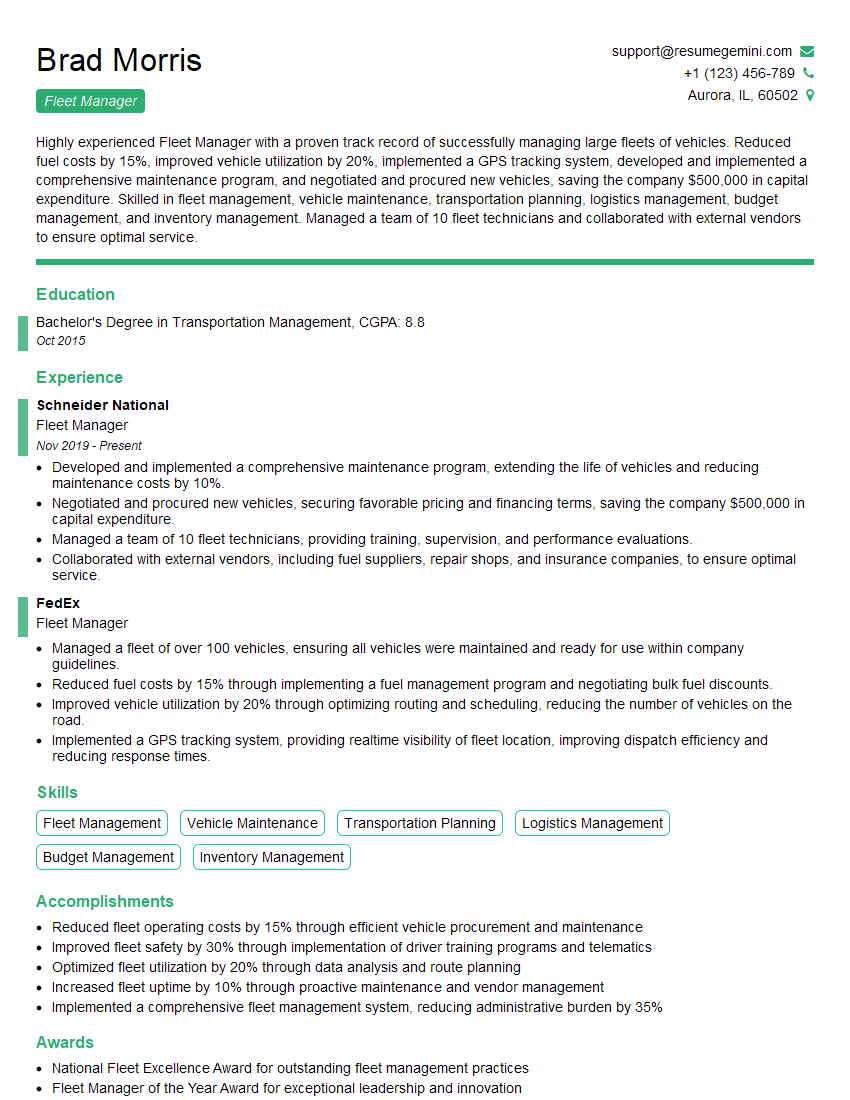
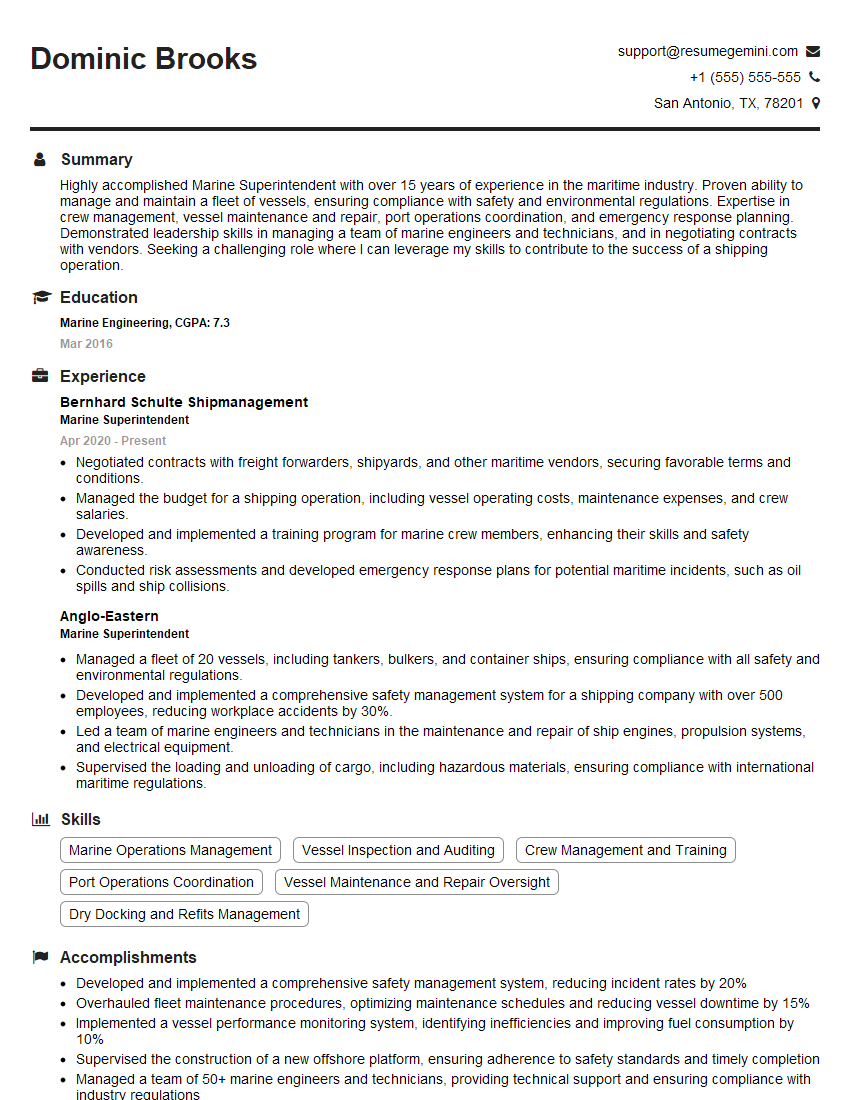
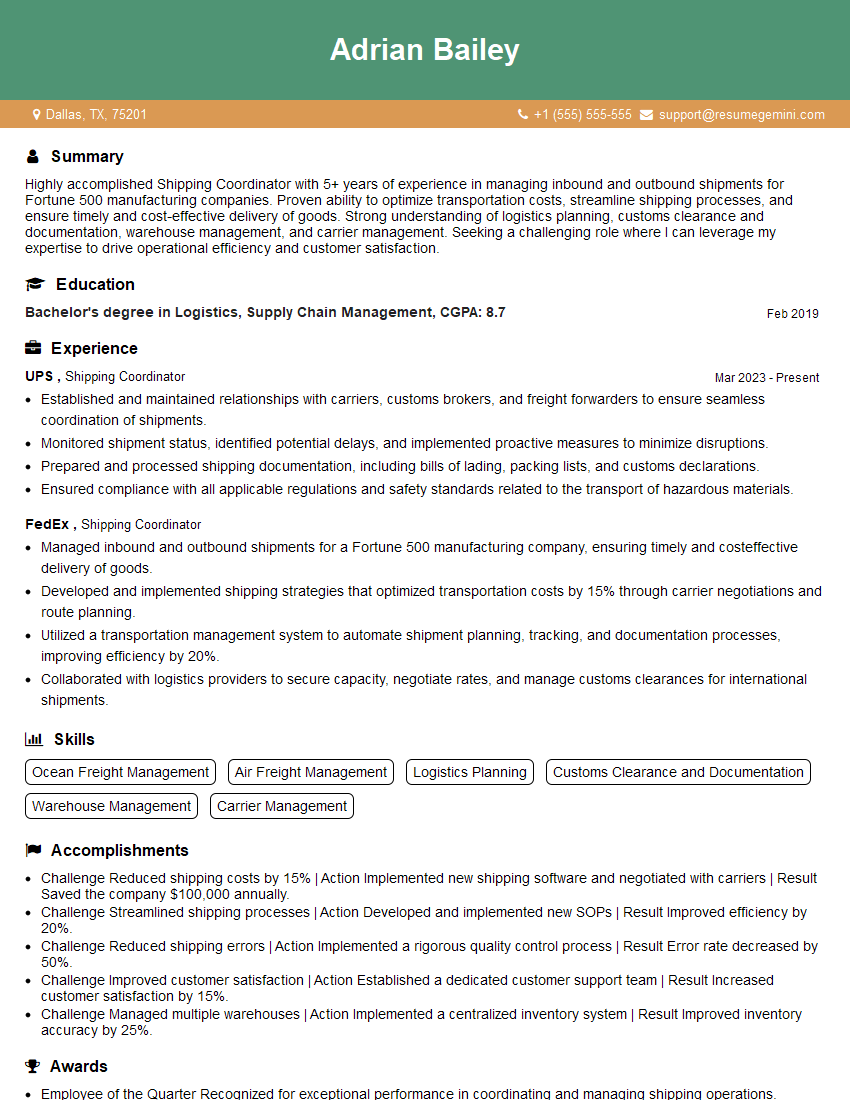
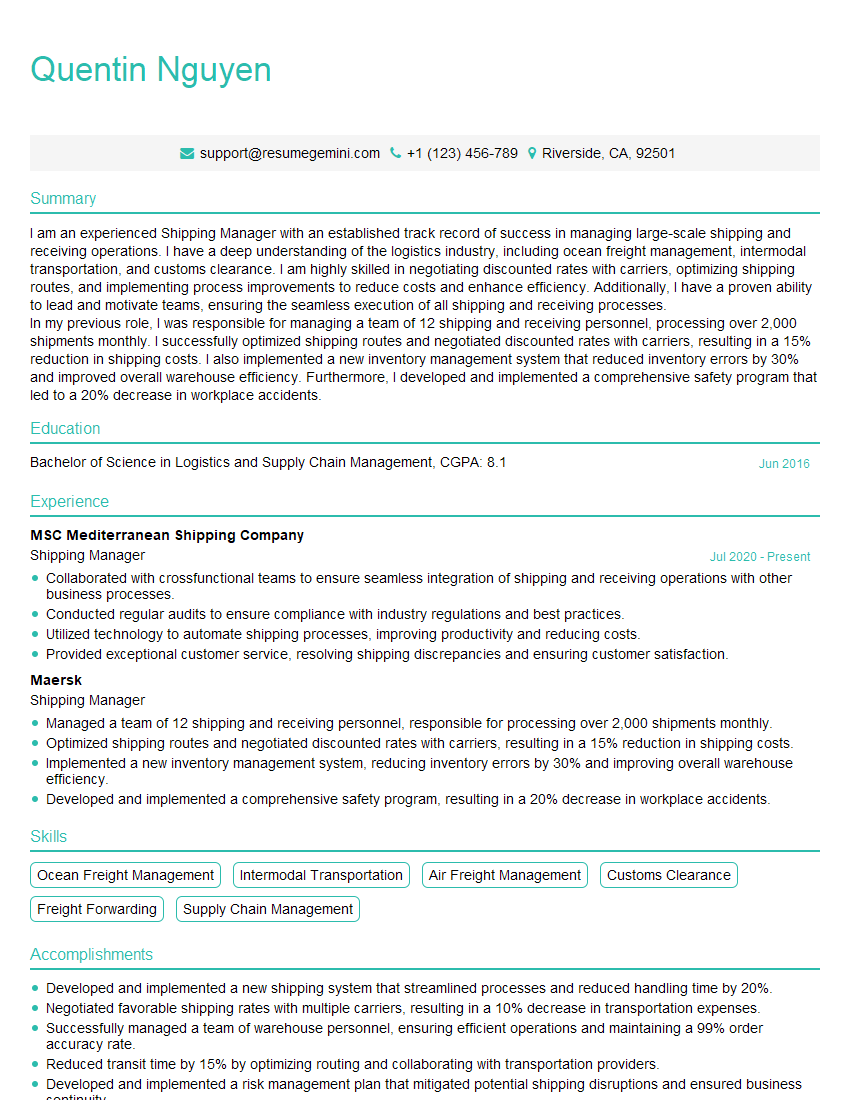
Mastering Chartering and Vessel Operations is crucial for a successful and rewarding career in the maritime industry. It opens doors to diverse roles with increasing responsibility and higher earning potential. To maximize your job prospects, crafting an ATS-friendly resume is paramount. ResumeGemini is a trusted resource to help you build a professional and impactful resume that highlights your skills and experience effectively. Examples of resumes tailored to Chartering and Vessel Operations are available to guide you.
Explore more articles
Users Rating of Our Blogs
Share Your Experience
We value your feedback! Please rate our content and share your thoughts (optional).
What Readers Say About Our Blog
Really detailed insights and content, thank you for writing this detailed article.
IT gave me an insight and words to use and be able to think of examples