Every successful interview starts with knowing what to expect. In this blog, we’ll take you through the top Chemical and Microbiological Testing interview questions, breaking them down with expert tips to help you deliver impactful answers. Step into your next interview fully prepared and ready to succeed.
Questions Asked in Chemical and Microbiological Testing Interview
Q 1. Explain the difference between sterilization and disinfection.
Sterilization and disinfection are both processes aimed at reducing or eliminating microorganisms, but they differ significantly in their scope and outcome. Sterilization is the complete elimination or destruction of all forms of microbial life, including bacteria, viruses, fungi, and their spores, from an object or surface. Think of it as achieving absolute cleanliness at a microscopic level. Disinfection, on the other hand, reduces the number of viable microorganisms to a safe level, but it doesn’t necessarily eliminate all of them. It targets primarily vegetative cells (actively growing microorganisms) and is less effective against resistant forms like bacterial spores.
For example, sterilizing surgical instruments ensures no microbes remain to cause infection, while disinfecting a countertop reduces the risk of foodborne illness but might leave behind some harmless microbes. The choice between sterilization and disinfection depends on the application. Hospitals require sterilization for surgical tools, while homes may only need disinfection for kitchen surfaces.
Q 2. Describe the principles of microbial growth and its control.
Microbial growth follows a predictable pattern, often depicted by a growth curve. It involves several phases: lag phase (adjustment to the environment), exponential or log phase (rapid multiplication), stationary phase (growth rate equals death rate), and death phase (more cells die than are produced). Several factors influence microbial growth, including nutrients, temperature, pH, moisture, and oxygen availability. Controlling microbial growth involves targeting these factors.
Control methods fall into two main categories: physical and chemical. Physical methods include heat (autoclaving, pasteurization), radiation (UV, gamma), and filtration. Chemical methods employ disinfectants (e.g., chlorine, alcohol) and antiseptics (for living tissue). The choice of method depends on the type of microorganism, the material being treated, and the desired level of microbial reduction. For instance, autoclaving is highly effective for sterilization, while UV light is often used for surface disinfection. Understanding the principles of microbial growth is crucial for designing effective control strategies in various settings, from food processing to healthcare.
Q 3. What are the different methods for microbial identification?
Microbial identification employs a range of techniques, leveraging both phenotypic (observable characteristics) and genotypic (genetic makeup) properties. Phenotypic methods include microscopic examination (shape, size, staining properties), culture characteristics (growth on different media), biochemical tests (enzyme activities), and immunological assays (antibody-antigen reactions). Genotypic methods are increasingly important, utilizing techniques such as DNA sequencing, PCR (Polymerase Chain Reaction) for amplifying specific DNA regions, and 16S rRNA gene sequencing for bacterial identification.
For example, Gram staining helps differentiate bacteria based on cell wall structure, while biochemical tests determine metabolic capabilities. DNA sequencing provides a highly accurate and detailed identification, often used for complex or unusual isolates. The choice of method depends on the resources available, the level of detail required, and the type of microorganism.
Q 4. Explain the concept of Minimum Inhibitory Concentration (MIC).
The Minimum Inhibitory Concentration (MIC) is the lowest concentration of an antimicrobial agent (e.g., antibiotic, disinfectant) that prevents visible growth of a microorganism in vitro. It’s a crucial parameter in determining the susceptibility of a microorganism to a particular drug. MIC values are typically determined using broth dilution assays or agar dilution assays. Lower MIC values indicate higher antimicrobial susceptibility, implying that a lower concentration of the drug is needed to inhibit the microorganism’s growth.
For instance, a bacterium with a low MIC for penicillin is highly susceptible to the antibiotic, while a bacterium with a high MIC is resistant, requiring a much higher concentration (potentially ineffective) to achieve inhibition. Determining MIC is essential for guiding treatment decisions in clinical settings and for developing new antimicrobial agents.
Q 5. Describe your experience with various microbiological assays (e.g., ELISA, PCR).
I have extensive experience with various microbiological assays. ELISA (Enzyme-Linked Immunosorbent Assay) is a widely used technique for detecting specific antigens or antibodies in a sample. I’ve utilized ELISA for detecting pathogens in food samples, identifying specific antibodies in serum, and quantifying cytokine levels in cell culture supernatants. PCR (Polymerase Chain Reaction) is another powerful tool I frequently employ. It allows for amplification of specific DNA or RNA sequences, enabling the detection and quantification of microorganisms even at low concentrations. I’ve used PCR for detecting various foodborne pathogens, identifying genetic markers associated with antibiotic resistance, and characterizing microbial communities in environmental samples.
In my previous role, I used both ELISA and PCR to investigate a food poisoning outbreak, identifying the causative agent and tracing its source. My expertise extends to other techniques, including various culture methods, microbial enumeration techniques, and antimicrobial susceptibility testing.
Q 6. What are the common indicators of microbial contamination in a sample?
Indicators of microbial contamination vary depending on the sample type and the suspected microorganisms. Common indicators include: turbidity (cloudiness) in liquids, unusual odor (putrefaction, fermentation), changes in color or texture of solid samples, gas production in culture media, presence of microbial colonies on agar plates, and positive results from specific biochemical or immunological tests. In addition, a rise in microbial counts beyond acceptable limits in a particular sample is also an important indicator.
For example, cloudy appearance in a water sample can suggest bacterial contamination, while the presence of mold growth on food signifies fungal contamination. Identifying the specific indicators requires understanding the potential sources of contamination and the types of microorganisms likely to be present.
Q 7. Explain the importance of aseptic technique in microbiological testing.
Aseptic technique is crucial in microbiological testing to prevent contamination of samples and cultures with unwanted microorganisms. It involves a series of practices designed to maintain sterility, including sterilizing equipment and work surfaces, using sterile media and reagents, working near a Bunsen burner flame to create an upward air current, and employing proper hand hygiene. Contamination can lead to inaccurate results, compromising the reliability of experiments and potentially leading to misdiagnosis or incorrect conclusions.
Imagine performing a bacterial culture to identify a specific pathogen. If the sample is contaminated, other bacteria might overgrow, masking the presence of the target organism. In a clinical laboratory setting, contamination could lead to false-positive results, potentially causing inappropriate treatment decisions. Aseptic technique is the foundation of accurate and reliable microbiological testing.
Q 8. How do you validate a microbiological test method?
Validating a microbiological test method ensures its reliability and accuracy. It’s a crucial step to demonstrate that the method consistently produces trustworthy results. This involves several stages, often following guidelines like those from regulatory bodies such as the FDA or ISO.
Specificity: We verify the method only detects the target microorganism and not others. This might involve testing with various known species to confirm selectivity.
Limit of Detection (LOD) and Limit of Quantification (LOQ): We determine the lowest concentration of the microorganism the method can reliably detect (LOD) and quantify (LOQ). This involves serial dilutions of the target organism.
Linearity and Range: We test the method’s ability to produce results proportional to the concentration of the microorganism across a specified range. This often uses a series of dilutions with known concentrations.
Precision: We assess the reproducibility of the method by repeatedly testing the same sample. We calculate the standard deviation to determine the variability.
Accuracy: We compare the results obtained by the method with those from a reference method, if available. This helps determine the trueness of the method.
Robustness: We evaluate the method’s performance under slightly altered conditions (e.g., temperature variations, different media). This checks its resistance to minor changes.
For example, when validating a method for detecting E. coli in water, we might test the method against different strains of E. coli and other common water bacteria to ensure specificity. We’d then prepare a series of dilutions of E. coli to determine the LOD and LOQ and assess linearity across a range of concentrations. Repeated testing of the same sample would determine precision.
Q 9. What is the difference between accuracy and precision in analytical testing?
Accuracy and precision are both crucial in analytical testing, but they represent different aspects of the quality of the results. Imagine shooting arrows at a target:
Accuracy refers to how close the measured values are to the true value. Accurate measurements cluster around the bullseye.
Precision refers to how close the measured values are to each other. Precise measurements cluster tightly together, regardless of whether they hit the bullseye.
A method can be precise but not accurate (arrows clustered tightly but far from the bullseye), accurate but not precise (arrows scattered around the bullseye), or both accurate and precise (arrows clustered tightly around the bullseye – the ideal scenario).
In a laboratory setting, accuracy might be evaluated by comparing our results to a certified reference material. Precision would be assessed by performing replicate analyses on the same sample and calculating the standard deviation. Low standard deviation indicates high precision.
Q 10. Explain the principles of spectrophotometry.
Spectrophotometry is a technique used to measure the absorbance or transmission of light through a solution. It’s based on the principle that different substances absorb light of different wavelengths to varying degrees. The instrument used is a spectrophotometer.
The spectrophotometer passes a beam of light through a sample. The amount of light absorbed (absorbance) or transmitted (transmittance) is measured. The absorbance is directly proportional to the concentration of the analyte in the solution (Beer-Lambert Law).
A = εbc
Where:
A= Absorbanceε= Molar absorptivity (a constant specific to the substance and wavelength)b= Path length of the light through the samplec= Concentration of the analyte
This allows us to determine the concentration of an unknown substance by comparing its absorbance to a standard curve created using solutions of known concentrations. Spectrophotometry finds widespread applications in various fields, from clinical chemistry to environmental monitoring.
Q 11. Describe your experience with different chromatographic techniques (e.g., HPLC, GC).
I have extensive experience with both High-Performance Liquid Chromatography (HPLC) and Gas Chromatography (GC), two powerful separation techniques. The choice between them depends on the properties of the analytes.
HPLC is used to separate and analyze non-volatile or thermally labile compounds. It uses a liquid mobile phase and a stationary phase packed in a column. Different compounds interact differently with the stationary phase, leading to their separation based on polarity, size, or other characteristics. I’ve used HPLC for analyzing pharmaceuticals, environmental pollutants, and food additives.
GC is used for volatile and thermally stable compounds. It uses a gaseous mobile phase and a stationary phase coated inside a capillary column. Separation is based on the different volatilities and interactions of compounds with the stationary phase. I’ve used GC for analyzing pesticides, volatile organic compounds (VOCs), and fragrances.
My experience includes method development, optimization, validation, and troubleshooting. I’m proficient in interpreting chromatograms, identifying peaks, and quantifying analytes. For instance, I developed and validated an HPLC method for quantifying specific vitamins in a dietary supplement, ensuring accuracy and precision in the results.
Q 12. How do you interpret analytical data and identify potential errors?
Interpreting analytical data involves careful examination, statistical analysis, and critical thinking. It’s not just about reading numbers; it’s about understanding what those numbers mean in the context of the experiment.
Visual Inspection: I first examine the data visually, looking for trends, outliers, and anomalies. A chromatogram, for instance, might show unexpected peaks or unusual peak shapes that warrant further investigation.
Statistical Analysis: I use statistical methods, such as calculating means, standard deviations, and confidence intervals, to assess the precision and accuracy of the data. This helps determine if observed differences are statistically significant.
Error Identification: Potential errors can be instrumental (e.g., faulty equipment), human (e.g., inaccurate pipetting), or methodological (e.g., flawed procedure). I systematically investigate potential sources of error. For example, consistently high standard deviation suggests a problem with the precision of the method or equipment.
Quality Control Data: Regular QC checks provide crucial insights. Out-of-range QC results indicate potential problems that need immediate attention.
For example, if I observed unexpectedly high variability in a series of measurements, I’d examine the experimental setup, check the calibration of equipment, and assess if any procedural errors occurred during sampling or analysis.
Q 13. What are the common chemical hazards in a laboratory setting and how do you mitigate them?
Chemical laboratories pose various hazards, and safety is paramount. Common hazards include:
Flammable and Combustible Materials: Many solvents and chemicals are highly flammable. Proper storage, handling, and use of safety equipment (e.g., fume hoods) are essential to mitigate fire risks.
Toxic and Corrosive Chemicals: Many chemicals are toxic through inhalation, ingestion, or skin contact. Appropriate personal protective equipment (PPE), such as gloves, lab coats, and eye protection, is vital. Proper waste disposal procedures must also be followed.
Reactive Chemicals: Certain chemicals react violently with each other or with water. Incompatible chemicals must be stored separately, and appropriate safety precautions must be taken during handling.
Biological Hazards: Depending on the lab’s work, biological agents can be present. Strict adherence to biosafety protocols is essential to prevent contamination and infection.
Mitigation involves comprehensive safety training, adherence to standard operating procedures (SOPs), proper use of PPE, and the use of engineering controls like fume hoods and safety showers. Regular safety inspections and emergency preparedness are crucial for maintaining a safe working environment.
Q 14. Explain the importance of quality control in chemical and microbiological testing.
Quality control (QC) is indispensable in chemical and microbiological testing, guaranteeing the reliability and validity of results. It involves implementing procedures to monitor and control the quality of the analytical process at every stage.
Reagent and Media Quality: Regular checks on the quality of reagents and culture media used ensure that they meet the required specifications and haven’t degraded. This often involves testing for purity or sterility.
Instrument Calibration and Maintenance: Regular calibration and maintenance of analytical instruments (e.g., spectrophotometers, HPLC) ensure they provide accurate and precise measurements. This involves using certified reference materials to check the accuracy of the instrument.
Method Validation: As discussed previously, validating methods ensures they meet the required performance criteria. Regular checks confirm ongoing performance.
Quality Control Samples: Analysis of QC samples (e.g., blanks, standards, and replicates) allows for monitoring the precision and accuracy of the analytical method and the detection of any systematic errors. Out-of-range results trigger investigations and corrective actions.
Data Management and Documentation: Maintaining accurate records of all procedures, results, and QC data is essential for traceability and auditing. This helps ensure data integrity.
Without robust QC procedures, the reliability of analytical results is compromised, potentially leading to inaccurate conclusions and flawed decision-making. QC ensures that testing laboratories produce high-quality results that meet required standards.
Q 15. How do you handle discrepancies in test results?
Discrepancies in test results are a common occurrence in chemical and microbiological testing, and handling them effectively is crucial for maintaining data integrity. My approach involves a systematic investigation, starting with a review of the entire testing process. This includes checking for errors in sample handling, instrument calibration, reagent preparation, and data entry.
- First, I meticulously re-examine the raw data, looking for any anomalies or inconsistencies. This often involves comparing results from replicate samples or from different analytical methods.
- Second, I investigate potential sources of error. For example, if a microbial count is unexpectedly low, I might check for issues with the sample dilution or incubation conditions. In chemical analysis, unexpected results might point to instrument malfunction or reagent degradation.
- Third, if the discrepancy remains unexplained, I perform repeat analyses using fresh samples and reagents, employing the same procedures and instruments.
- Finally, I document all steps taken, including the nature of the discrepancy, the investigation process, and the conclusions reached. This thorough documentation is vital for maintaining compliance and traceability. If the discrepancy cannot be resolved, I escalate the issue to my supervisor and discuss potential corrective actions.
For example, I once encountered a significant discrepancy in a bacterial identification test. After a thorough review, we discovered a contamination issue in our laboratory environment which was quickly addressed through improved cleaning and sterilization protocols.
Career Expert Tips:
- Ace those interviews! Prepare effectively by reviewing the Top 50 Most Common Interview Questions on ResumeGemini.
- Navigate your job search with confidence! Explore a wide range of Career Tips on ResumeGemini. Learn about common challenges and recommendations to overcome them.
- Craft the perfect resume! Master the Art of Resume Writing with ResumeGemini’s guide. Showcase your unique qualifications and achievements effectively.
- Don’t miss out on holiday savings! Build your dream resume with ResumeGemini’s ATS optimized templates.
Q 16. Describe your experience with different types of laboratory equipment.
My experience encompasses a wide range of laboratory equipment used in chemical and microbiological testing. This includes:
- Spectrophotometers: I’m proficient in using UV-Vis, IR, and Fluorescence spectrophotometers for quantitative and qualitative analysis of various compounds. I understand the principles of Beer-Lambert Law and its application in determining analyte concentration.
- Chromatography systems: I have extensive experience with HPLC (High-Performance Liquid Chromatography) and GC (Gas Chromatography) systems, including method development, sample preparation, and data interpretation. This includes experience with both analytical and preparative chromatography techniques.
- Microbiological equipment: This includes autoclaves for sterilization, incubators for microbial growth, microscopes for visualizing microorganisms, and plate readers for quantifying microbial growth. I’m familiar with different types of media preparation and techniques for pure culture isolation.
- Balances and other analytical instruments: I regularly use analytical balances, pH meters, conductivity meters, and other general laboratory equipment. I understand the principles of calibration and proper maintenance of these instruments.
My experience extends to both routine maintenance and troubleshooting of these instruments. I understand the importance of calibration and validation to ensure accurate and reliable results. I am also trained in proper handling and disposal of laboratory chemicals and waste.
Q 17. Explain the principles of good laboratory practices (GLP).
Good Laboratory Practices (GLP) are a set of principles that ensure the uniformity, consistency, reliability, reproducibility, quality, and integrity of non-clinical laboratory studies. Think of GLP as a comprehensive quality control system for the entire testing process.
- Standard Operating Procedures (SOPs): GLPs emphasize the development and adherence to detailed SOPs for each procedure. These procedures ensure consistency and minimize variations between analysts and experiments.
- Equipment Calibration and Maintenance: Regular calibration and maintenance of all equipment are essential to prevent errors and ensure accurate results. This includes detailed records of calibration and maintenance activities.
- Sample Management and Chain of Custody: Careful tracking of samples from collection to disposal is crucial. A clear chain of custody ensures the integrity and traceability of samples throughout the testing process.
- Data Integrity: GLP emphasizes the importance of accurate, complete, and reliable data recording. All raw data must be stored securely and made accessible for audit purposes.
- Personnel Training and Qualifications: GLP requires that personnel involved in testing are adequately trained and qualified. This ensures that tests are performed correctly and results are accurately interpreted.
- Quality Assurance/Quality Control (QA/QC): GLP necessitates implementing QA/QC measures to monitor the quality of the laboratory work and ensure the accuracy and reliability of test results. This might involve using control samples, standard reference materials, or proficiency testing.
Compliance with GLP is crucial for ensuring the validity of test results and for meeting regulatory requirements. Non-compliance can lead to significant issues, including rejection of study data and even legal repercussions.
Q 18. How do you ensure the accuracy and reliability of test results?
Ensuring the accuracy and reliability of test results is paramount in chemical and microbiological testing. It relies on a multi-faceted approach:
- Proper Sample Handling and Preparation: This involves using appropriate techniques for sampling, storage, and preparation to avoid contamination or degradation of the sample. Accurate weighing and dilution are crucial.
- Calibration and Validation of Equipment: Regular calibration and validation ensure that equipment is functioning correctly and providing accurate measurements. This includes documenting calibration results.
- Use of Controls and Standards: Positive and negative controls are used in microbiological tests to check for contamination or inhibition of growth. In chemical testing, standard reference materials are used to verify the accuracy of the analytical methods.
- Adherence to SOPs: Following established SOPs ensures that tests are performed consistently and minimizes variations between analysts. This minimizes human error and improves reproducibility.
- Data Validation and Review: A critical review of all data is essential to identify potential errors or outliers. This includes checking calculations, ensuring data consistency, and comparing results to expected values. Software like LIMS greatly assists this review.
- Proficiency Testing and Audits: Participation in proficiency testing programs and regular internal and external audits help to assess the performance of the laboratory and identify areas for improvement.
For example, in a recent project involving water quality analysis, we implemented a robust QA/QC program using certified reference materials and blind samples to ensure the accuracy of our results. This was crucial in meeting regulatory compliance requirements.
Q 19. What is your experience with data analysis software (e.g., LIMS)?
I have significant experience using Laboratory Information Management Systems (LIMS) for managing and analyzing data. LIMS software streamlines many aspects of laboratory operations, improving efficiency and data integrity.
- Sample Tracking: LIMS facilitates effective sample tracking, from registration to results reporting. It ensures complete traceability and minimizes the risk of sample misidentification.
- Data Management: LIMS provides a central repository for all laboratory data, eliminating manual data entry and reducing errors. It supports various data formats, including spectral data and chromatographic data.
- Data Analysis: Many LIMS systems offer built-in data analysis tools, including statistical analysis, data visualization, and report generation. This significantly reduces the time required for data analysis.
- Audit Trails: LIMS systems maintain comprehensive audit trails, documenting all changes made to data and providing a secure record for regulatory compliance.
- Workflow Management: LIMS software can help optimize workflows and improve laboratory efficiency by automating tasks such as sample tracking, instrument scheduling, and result reporting.
In my previous role, we used a LIMS to manage thousands of samples annually, which significantly improved our efficiency and data management capabilities. I’m proficient in using several LIMS platforms and I can adapt quickly to new software.
Q 20. Describe your experience with regulatory requirements (e.g., FDA, EPA).
My experience includes working within the regulatory frameworks of agencies like the FDA (Food and Drug Administration) and the EPA (Environmental Protection Agency). Understanding and adhering to these regulations is critical for ensuring the validity and acceptance of test results.
- FDA Regulations: I’m familiar with FDA regulations related to food safety, pharmaceuticals, and medical devices. This includes understanding requirements for validation of analytical methods, GLP compliance, and documentation of testing procedures.
- EPA Regulations: My experience includes working with EPA regulations concerning environmental monitoring and water quality analysis. I understand the requirements for sample collection, laboratory analysis, and reporting of results under various EPA methods.
- Method Validation: I’m experienced in validating analytical methods according to regulatory guidelines. This involves demonstrating the accuracy, precision, linearity, and specificity of the methods used.
- Documentation and Record Keeping: I understand the importance of meticulous record-keeping to meet regulatory requirements. This includes maintaining accurate lab notebooks, SOPs, calibration records, and data files.
- Quality Control and Auditing: I am well-versed in the implementation of robust QC measures to ensure the validity of the data and compliance with regulatory expectations. This includes experience with internal audits and preparing for external audits by regulatory bodies.
For example, in a project involving the analysis of pesticide residues in food, I ensured that all testing procedures adhered to FDA guidelines and meticulously documented every step of the process to meet regulatory requirements.
Q 21. Explain the difference between qualitative and quantitative analysis.
Qualitative and quantitative analysis are two fundamental approaches used in chemical and microbiological testing. They differ primarily in the type of information they provide.
- Qualitative Analysis: This focuses on identifying the components or substances present in a sample. It answers the question: “What is present?” Examples include identifying a specific bacterium using biochemical tests or determining the presence of a particular chemical compound using chromatography.
- Quantitative Analysis: This focuses on determining the amount or concentration of a particular component in a sample. It answers the question: “How much is present?” Examples include measuring the concentration of a specific chemical using spectrophotometry or determining the number of bacterial cells in a sample using plate counting techniques.
Think of it this way: qualitative analysis is like identifying the ingredients in a recipe, while quantitative analysis determines the amount of each ingredient. Often, both types of analysis are used together for a comprehensive understanding of a sample. For instance, in food microbiology, we might first use qualitative methods to identify the bacteria present and then use quantitative methods to measure their concentrations.
Q 22. How do you prepare and standardize reagents and solutions?
Reagent and solution preparation and standardization are crucial for accurate and reliable analytical results. It involves precise measurements, proper dissolving techniques, and verification of the final concentration. This process typically starts with calculating the required mass or volume of the substance based on the desired concentration and final volume. For instance, to prepare 1 liter of a 1M NaCl solution, you’d need 58.44 grams of NaCl (its molar mass).
The next step is dissolving the solute in a suitable solvent, usually distilled or deionized water, ensuring complete dissolution through stirring or sonication. For precise measurements, analytical balances are employed for solids and volumetric flasks for liquids.
Standardization is critical to ensure the accuracy of the prepared solution’s concentration. This usually involves titrating the solution against a primary standard, a highly pure substance of known concentration. For example, a sodium hydroxide solution can be standardized against potassium hydrogen phthalate (KHP). By comparing the volume of NaOH needed to neutralize a known amount of KHP, we can precisely calculate the NaOH concentration. This standardized solution is then used in subsequent experiments, ensuring consistency and accuracy. Finally, proper labeling and storage conditions are essential to maintain the solution’s integrity and prevent degradation over time.
Q 23. What are the limitations of different analytical techniques?
Different analytical techniques have their own strengths and weaknesses. For example, Spectrophotometry is a rapid and sensitive method for quantifying substances, but it requires a linear relationship between absorbance and concentration (Beer-Lambert Law) which might not always hold true, especially at high concentrations. It’s also susceptible to interference from other substances in the sample.
Chromatography, including HPLC and GC, offers excellent separation power for complex mixtures, allowing for identification and quantification of individual components. However, it can be time-consuming, requires specialized equipment, and might have limitations in detecting certain classes of compounds.
Microbiological methods, like plate counting, are relatively simple but can be less sensitive than molecular techniques like PCR, which can detect even trace amounts of microorganisms. PCR, however, can be susceptible to contamination and requires careful optimization. Choosing the right technique depends heavily on the analyte, the desired sensitivity, and the available resources.
Q 24. Explain the importance of method validation in analytical testing.
Method validation is the cornerstone of reliable analytical testing. It ensures that the chosen analytical method is fit for its intended purpose, producing accurate, precise, and reliable results. This involves a series of tests to evaluate the method’s performance characteristics.
Key aspects of method validation include accuracy (how close the measured value is to the true value), precision (reproducibility of measurements), linearity (relationship between signal and concentration), limit of detection (LOD) and limit of quantification (LOQ) (the lowest concentration that can be reliably detected and quantified), and robustness (resistance to small variations in the method). Validation demonstrates that a method consistently produces results within acceptable limits, making the data credible and defensible. For example, a poorly validated method for detecting pathogens in food could lead to false-negative results with potentially dangerous consequences.
Q 25. How do you maintain the quality and integrity of laboratory samples?
Maintaining sample quality and integrity is paramount to obtaining meaningful results. This begins with proper sample collection, using sterile techniques for microbiological samples and avoiding contamination for chemical analysis. Samples should be accurately identified and labeled with relevant information including date, time, location, and sample identifier.
Appropriate storage conditions are crucial. Chemical samples might require refrigeration, freezing, or protection from light, while microbiological samples need to be kept at specific temperatures to prevent microbial growth or death. Chain of custody documentation is important to track the sample from collection to analysis, ensuring its integrity throughout the process. In my experience, a detailed chain of custody record can be critical for legal or regulatory compliance.
Q 26. Describe your experience with troubleshooting analytical instruments.
Troubleshooting analytical instruments is a regular part of my work. It involves a systematic approach, starting with identifying the problem. For instance, if an HPLC is not producing a chromatogram, I’d first check the basic aspects – power supply, solvent flow, column pressure, detector lamp and wavelength settings.
A systematic approach might involve consulting the instrument’s manual, reviewing error messages, checking connections, performing routine maintenance (e.g., replacing filters or columns), or comparing current settings to previous successful runs. If the problem persists, more advanced troubleshooting might involve investigating software issues, running diagnostic tests, or contacting the manufacturer’s technical support. Once, I spent several hours tracking down a faulty pump seal in a chromatography system that was causing inconsistent flow rates – it highlighted the importance of meticulous attention to detail.
Q 27. What are the ethical considerations in chemical and microbiological testing?
Ethical considerations in chemical and microbiological testing are critical. Data integrity and honesty are paramount. It’s crucial to avoid manipulating data, reporting only accurate results, and properly interpreting findings. Properly disclosing any conflicts of interest is also essential to avoid bias.
Confidentiality is crucial, especially when handling sensitive patient information or proprietary data. Maintaining the security and privacy of test results is paramount. Ethical conduct also extends to the proper disposal of hazardous waste, following all relevant safety regulations and protecting the environment. In essence, ethical testing means striving for objectivity, accuracy, transparency, and respect for the data and individuals involved.
Q 28. How do you ensure data integrity and traceability in your work?
Data integrity and traceability are maintained through a combination of techniques. A robust Laboratory Information Management System (LIMS) is key, as it tracks samples, results, and workflows. This ensures that each data point is linked to its source, facilitating audits and providing a complete history of the analysis.
Electronic signatures and audit trails are used to document changes and actions, ensuring accountability. All testing steps should be meticulously documented, including sample preparation, instrument parameters, calculations, and interpretations. Regular instrument calibration and validation ensure that data produced is reliable and accurate. Using electronic lab notebooks and integrating them with LIMS provides an efficient way to maintain a transparent record of all work and prevent data loss.
Key Topics to Learn for Chemical and Microbiological Testing Interview
- Analytical Techniques: Understand the principles and applications of various analytical methods such as chromatography (HPLC, GC), spectroscopy (UV-Vis, IR, Mass Spec), and titrations. Be prepared to discuss their strengths, limitations, and suitability for different sample matrices.
- Microbiological Methods: Familiarize yourself with standard microbiological techniques including media preparation, inoculation, incubation, and identification of microorganisms. Understand the principles behind sterility testing, microbial enumeration, and antimicrobial susceptibility testing.
- Quality Control and Assurance (QA/QC): Master the concepts of Good Laboratory Practices (GLP), Standard Operating Procedures (SOPs), and data integrity. Be ready to discuss your experience with calibration, validation, and quality control measures in a testing environment.
- Data Analysis and Interpretation: Practice interpreting analytical data, understanding statistical concepts relevant to testing, and drawing accurate conclusions from results. Be prepared to discuss potential sources of error and how to mitigate them.
- Regulatory Compliance: Gain a foundational understanding of relevant regulations and guidelines (e.g., FDA, EPA) impacting chemical and microbiological testing in your field. This demonstrates awareness of the legal and ethical considerations.
- Safety and Handling: Demonstrate knowledge of safe handling procedures for chemicals and biological materials, including proper use of personal protective equipment (PPE) and waste disposal protocols.
- Problem-solving and Troubleshooting: Be ready to discuss instances where you encountered unexpected results or challenges in a testing environment and how you approached resolving them. Highlight your critical thinking and analytical skills.
Next Steps
Mastering chemical and microbiological testing techniques opens doors to exciting career opportunities in various industries, offering excellent growth potential and high demand. To significantly improve your job prospects, crafting an ATS-friendly resume is crucial. ResumeGemini is a trusted resource to help you build a professional and impactful resume that highlights your skills and experience effectively. Examples of resumes tailored to Chemical and Microbiological Testing are available on ResumeGemini, providing a strong template to get you started.

Quality Assurance Manager Resume Sample

Quality Control Manager Resume Sample

Research Associate Resume Sample
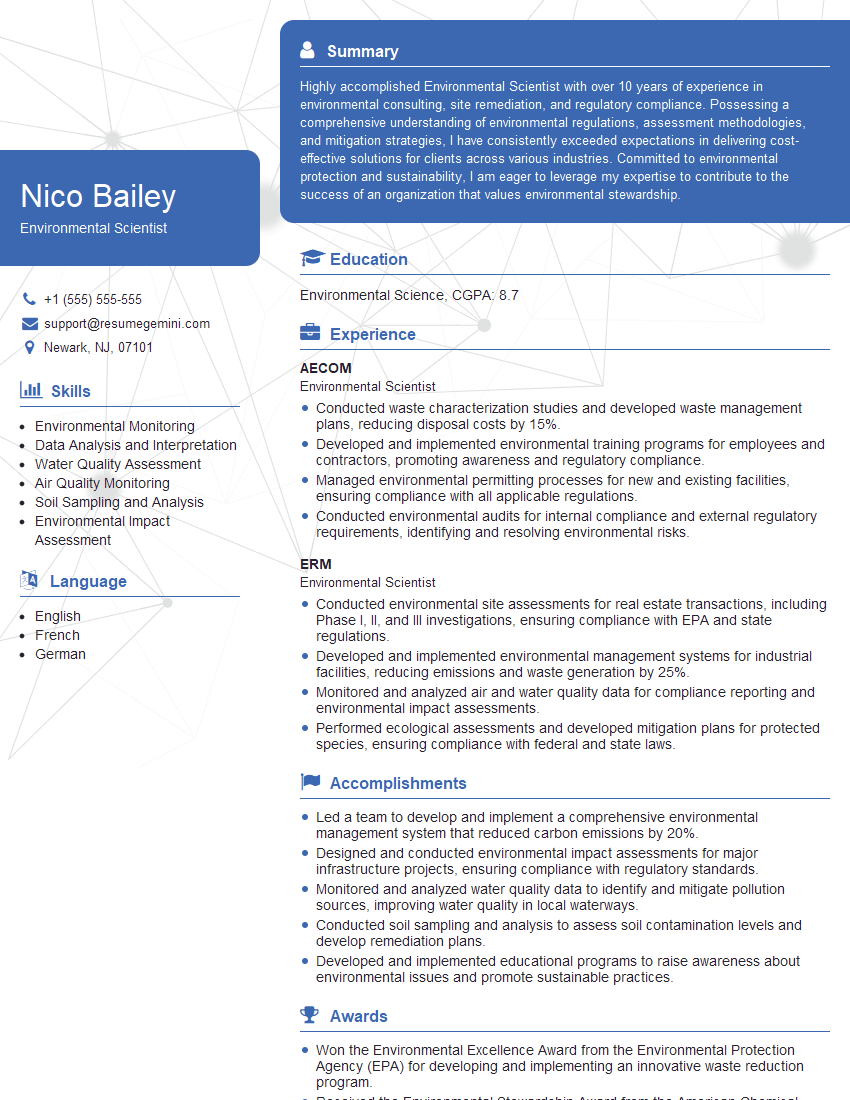
Environmental Scientist Resume Sample
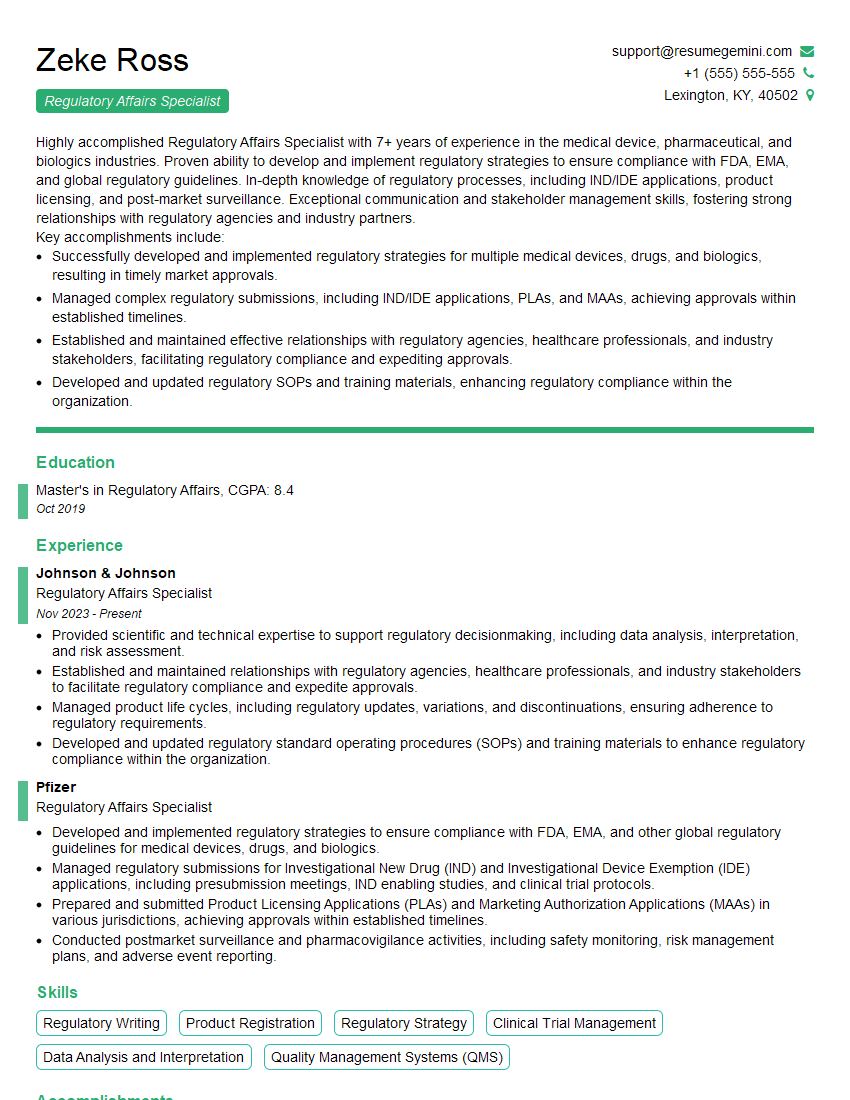
Regulatory Affairs Specialist Resume Sample

Research Scientist Resume Sample

Quality Control Specialist Resume Sample
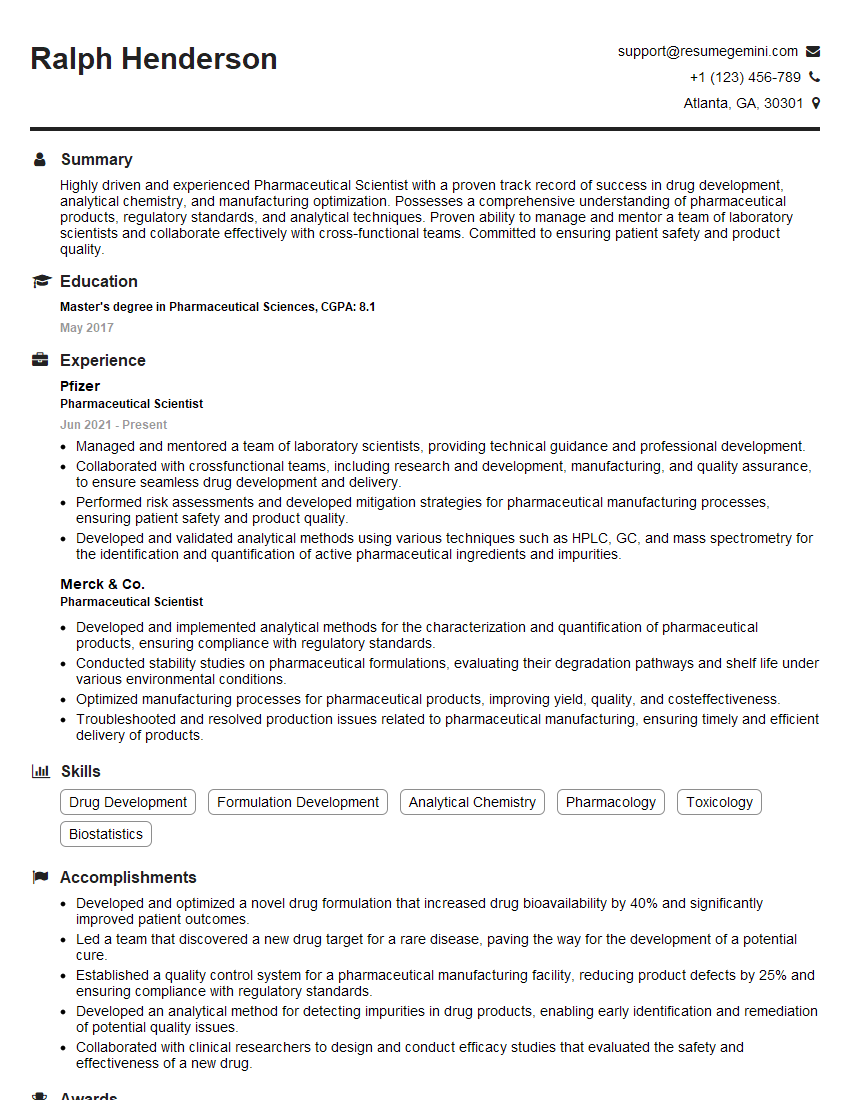
Pharmaceutical Scientist Resume Sample
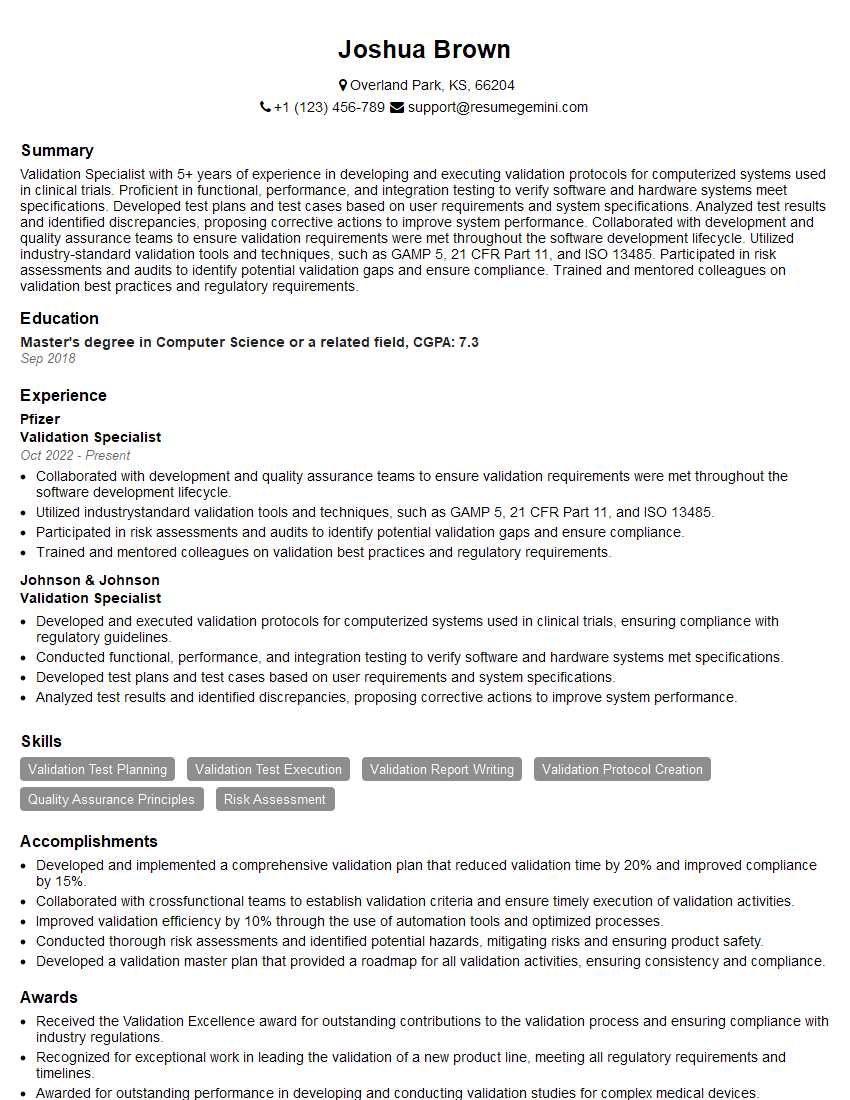
Validation Specialist Resume Sample

Laboratory Supervisor Resume Sample

Laboratory Technician Resume Sample

Food Scientist Resume Sample
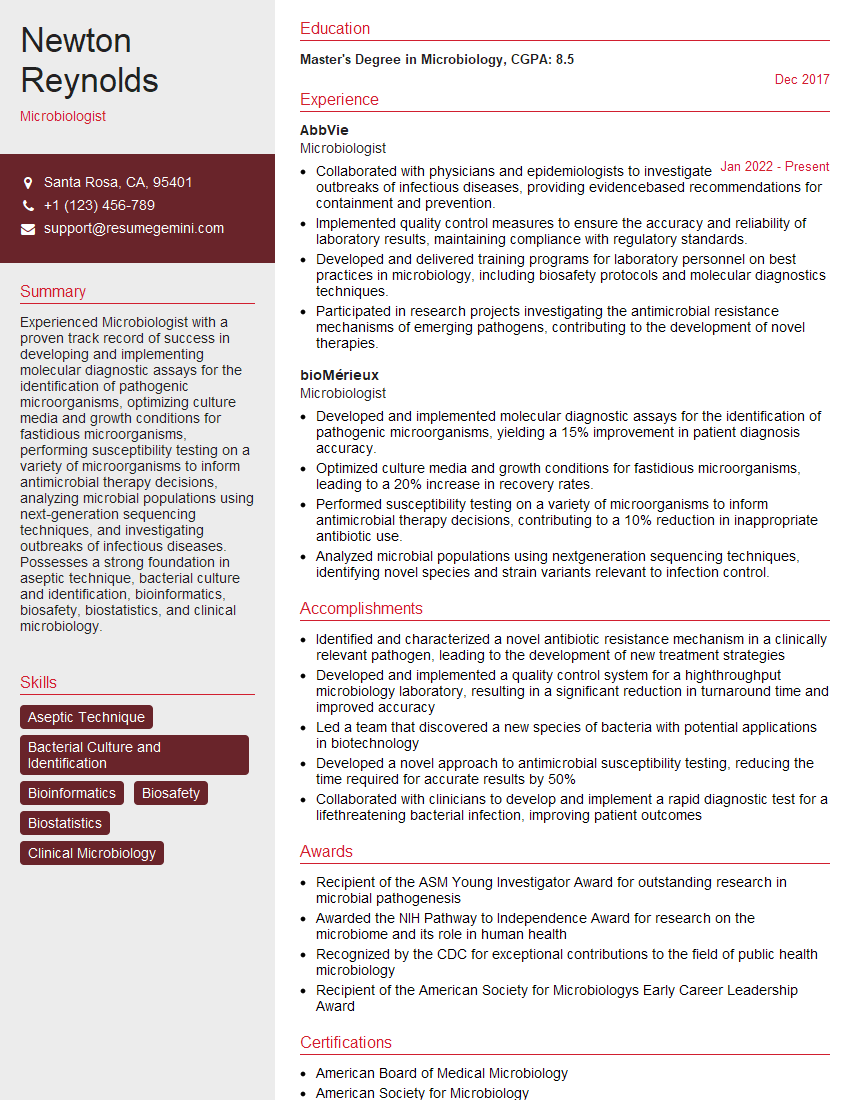
Microbiologist Resume Sample

Microbiology Laboratory Manager Resume Sample

Analytical Chemist Resume Sample
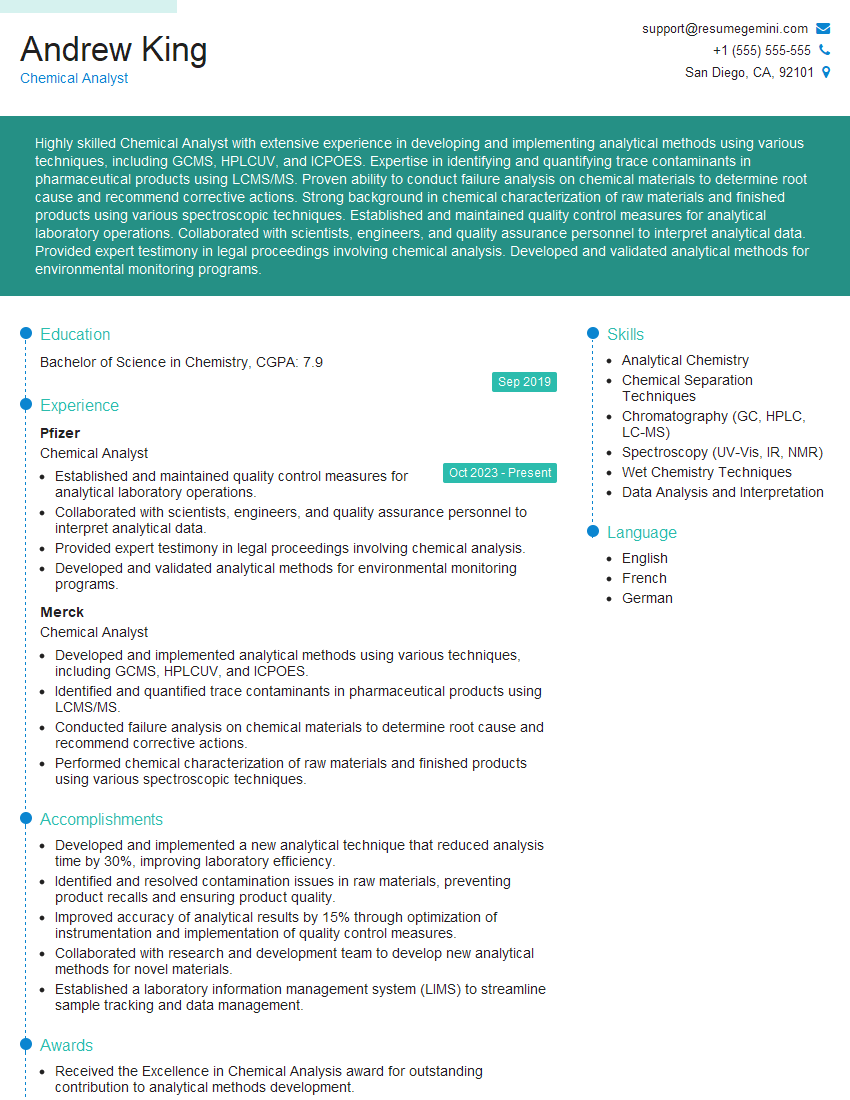
Chemical Analyst Resume Sample
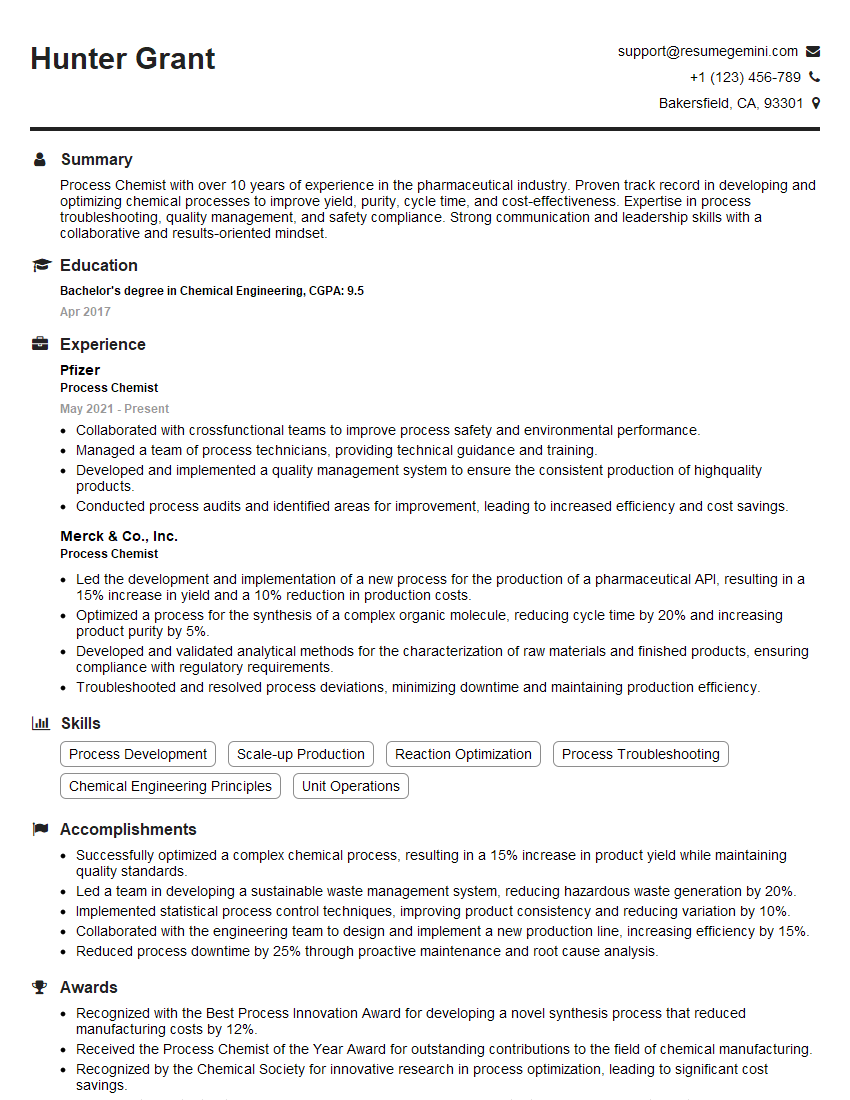
Process Chemist Resume Sample
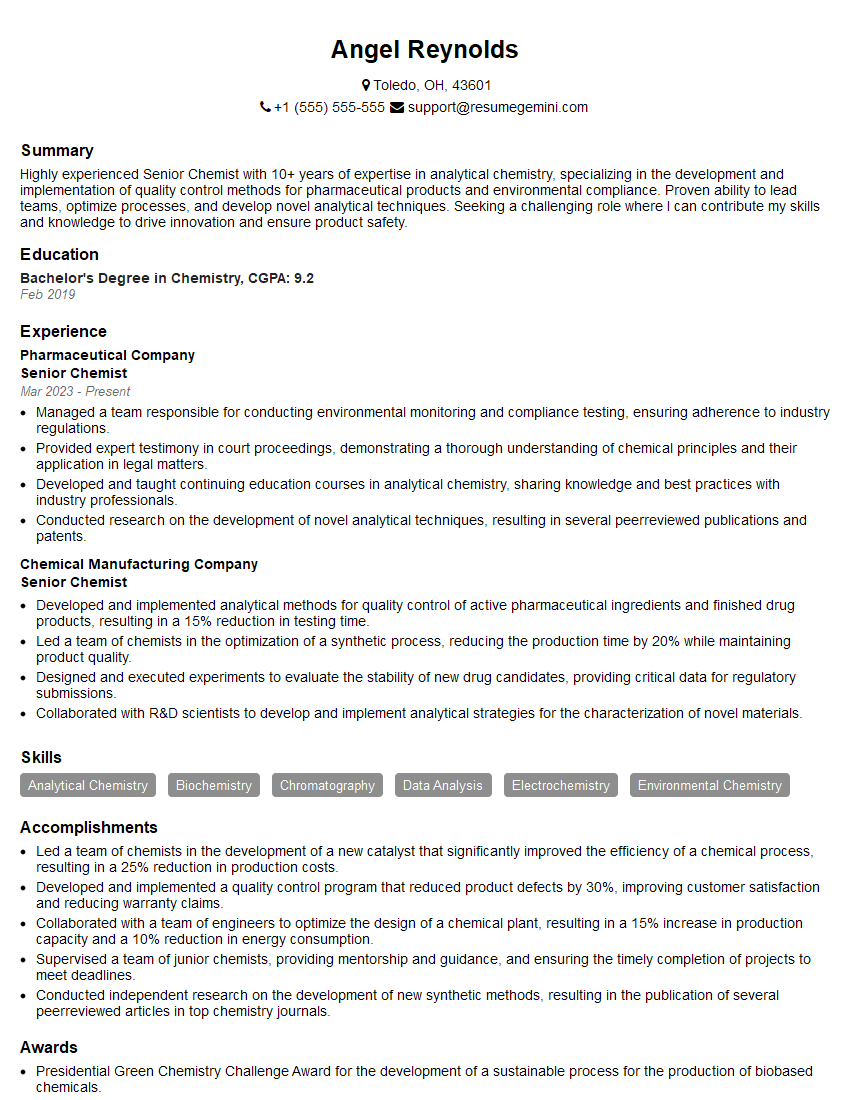
Senior Chemist Resume Sample

Microbiology Technician Resume Sample
- Quality Assurance Manager
- Quality Control Manager
- Research Associate
- Environmental Scientist
- Regulatory Affairs Specialist
- Research Scientist
- Quality Control Specialist
- Pharmaceutical Scientist
- Validation Specialist
- Laboratory Supervisor
- Laboratory Technician
- Food Scientist
- Microbiologist
- Microbiology Laboratory Manager
- Analytical Chemist
- Chemical Analyst
- Process Chemist
- Senior Chemist
- Microbiology Technician
Explore more articles
Users Rating of Our Blogs
Share Your Experience
We value your feedback! Please rate our content and share your thoughts (optional).
What Readers Say About Our Blog
Really detailed insights and content, thank you for writing this detailed article.
IT gave me an insight and words to use and be able to think of examples