Unlock your full potential by mastering the most common Child Abuse and Neglect Identification interview questions. This blog offers a deep dive into the critical topics, ensuring you’re not only prepared to answer but to excel. With these insights, you’ll approach your interview with clarity and confidence.
Questions Asked in Child Abuse and Neglect Identification Interview
Q 1. Define ‘child abuse’ and ‘child neglect’ according to your jurisdiction’s legal standards.
Defining child abuse and neglect legally can be nuanced and varies slightly across jurisdictions. However, in general terms, child abuse encompasses any act or failure to act on the part of a parent or caretaker that results in harm, potential harm, or threat of harm to a child. This includes physical abuse, sexual abuse, emotional abuse, and neglect. Child neglect, conversely, is the failure of a parent or caretaker to provide a child with the basic necessities of life, such as adequate food, clothing, shelter, medical care, and supervision. It’s crucial to note that the intent of the abuser or neglectful caregiver is not always a factor in legal determination – the harm done to the child is the primary concern. For example, a parent who unintentionally fails to provide adequate nutrition resulting in malnutrition could still be found guilty of neglect. Similarly, a parent unintentionally inflicting a serious injury on a child through reckless behavior can be guilty of abuse.
Q 2. What are the common indicators of physical child abuse?
Indicators of physical child abuse are often visible, but not always immediately apparent. Bruises, welts, burns (particularly in patterns or in unusual places like the soles of the feet), fractures, and injuries of various stages of healing can all be strong indicators. It’s vital to consider the child’s developmental stage and the explanation provided for the injuries. A consistent explanation for multiple injuries that doesn’t match the injury is suspicious. For instance, a three-year-old with a burn on their hand that looks like a cigarette burn and the parent claiming it was accidental, may need further investigation. Unexplained injuries, especially those that are inconsistent with the parent’s explanation, warrant serious concern. A child may also exhibit fear of physical contact or be overly apprehensive around adults. A child may also be withdrawn or flinch upon approach.
Q 3. What are the common indicators of emotional child abuse?
Emotional abuse is more subtle and challenging to detect than physical abuse, often leaving no visible marks. Indicators can include extreme anxiety, depression, withdrawal, low self-esteem, inappropriate behavior (acting out or being overly compliant), delayed development, difficulty forming relationships, and speech disorders. Children may exhibit self-destructive behaviors or show a significant disruption in their ability to regulate their emotions. A child might be excessively fearful of certain people or situations, even in safe environments, without an apparent reason. For example, a child who consistently shows extreme fear of their parent, even when the parent is demonstrating affection, may be a victim of emotional abuse. It is important to note that context is essential. A child who is withdrawn at school but affectionate at home should not be immediately assumed to be a victim of emotional abuse.
Q 4. What are the common indicators of sexual child abuse?
Indicators of sexual abuse are often complex and can be both behavioral and physical. Physical indicators might include bruising, bleeding, or pain in the genital or anal areas, sexually transmitted infections (STIs), or pregnancy. Behavioral indicators can be more subtle and include changes in behavior, such as sexualized play or knowledge beyond their developmental stage. Children might exhibit sleep disturbances, anxiety, depression, or regressive behaviors (like bedwetting after being potty trained). They might become withdrawn, secretive, or have difficulty concentrating in school. They may also engage in self-harm or exhibit inappropriate sexual behavior towards others. A child exhibiting sudden fear or anxiety related to specific individuals or situations, especially involving touching or physical proximity, should be carefully assessed. It’s crucial to remember that many children experiencing sexual abuse do not display obvious physical signs.
Q 5. What are the common indicators of child neglect?
Child neglect manifests in various ways, all stemming from a failure to provide basic needs. Indicators can include inadequate food, clothing, or shelter (living in unsanitary conditions, lacking necessary heating/cooling), lack of medical care (untreated medical conditions, failure to seek help for illnesses or injuries), poor hygiene, lack of supervision (leaving a young child unattended), and truancy from school. Failure to meet a child’s developmental needs, such as providing intellectual or educational stimulation, can also be considered neglect. For instance, a child consistently arriving at school hungry and inappropriately dressed, while living in a house lacking basic sanitation, is a clear indicator of neglect. These indicators often overlap and appear together, providing a clearer picture of the situation. A malnourished child with untreated medical conditions likely has multiple forms of neglect.
Q 6. Explain the mandated reporter laws in your state/jurisdiction.
Mandated reporter laws vary by state/jurisdiction, but they generally require certain professionals (teachers, doctors, social workers, law enforcement, etc.) to report suspected child abuse or neglect to the appropriate authorities. Failure to report can result in legal consequences. The specifics of what constitutes “suspected abuse” should be carefully studied within each jurisdiction. Often, laws will mandate reporting if there is reasonable suspicion of abuse or neglect, even if there is no concrete proof. This means professionals must report situations where there are reasonable grounds to believe a child is being abused or neglected, based on information they have obtained. The process usually involves contacting the child protective services agency or law enforcement. The crucial element is the duty to report any suspicion, ensuring the child’s safety is prioritized. The purpose is to create a system where multiple individuals are watching out for the safety and wellbeing of children.
Q 7. Describe your experience conducting forensic interviews with children.
Conducting forensic interviews with children requires specialized training and a deep understanding of child development and trauma. My experience involves creating a safe and comfortable environment for the child to communicate freely. This involves establishing rapport, using developmentally appropriate language and techniques, and avoiding leading questions. I employ techniques that are designed to elicit detailed information without inducing trauma or influencing their answers. I typically use open-ended questions such as “Tell me what happened” or “Can you tell me more about that?” instead of leading questions like “Did he touch you?” My approach is child-centered, prioritizing the child’s emotional well-being throughout the process. I document everything meticulously, including the child’s responses, any non-verbal cues and the overall atmosphere of the interview. This is important for maintaining accuracy and being able to present objective findings in court or investigative settings. It’s vital to remember that every child is unique, and the approach needs to be tailored to the child’s developmental age, personality, and the specific circumstances of the case. The goal is to gather accurate information while minimizing further trauma to the child.
Q 8. How do you maintain confidentiality while working with child abuse cases?
Maintaining confidentiality in child abuse cases is paramount. It’s not just about following legal regulations, but about building trust with the child and their family. This involves adhering strictly to mandated reporting laws, which dictate when and to whom information must be disclosed. However, sharing information beyond what is legally required is a breach of confidentiality.
In practice, this means using secure storage for case files, only discussing cases in secure settings, using anonymized identifiers when presenting cases in training or research, and ensuring all electronic communication is encrypted. We must also be mindful of who has access to our case files and databases. For instance, only authorized personnel should have access to sensitive information. Imagine a situation where a child opens up about abuse; sharing that information with someone who isn’t legally mandated to know is a significant betrayal of trust and could severely hinder the investigation.
Moreover, we must explain to the child and their family, in age-appropriate language, the limits of confidentiality, explaining what information needs to be shared and why, always emphasizing the importance of their safety.
Q 9. What are the ethical considerations involved in investigating child abuse allegations?
Ethical considerations in child abuse investigations are central to the process. Our primary ethical obligation is to the child’s well-being and safety. This means prioritizing their physical and emotional safety above all else. This can involve making difficult decisions, like removing a child from a dangerous home environment, even if it means disrupting family ties.
Another crucial ethical consideration is objectivity. We must conduct our investigations impartially, gathering evidence without bias, avoiding assumptions, and allowing the evidence to guide our conclusions. We must resist the temptation to let our personal beliefs or emotional responses cloud our judgment. For example, if a parent is uncooperative during the investigation, it doesn’t automatically mean they are guilty. We need to rigorously assess all available evidence before drawing conclusions.
Furthermore, maintaining cultural sensitivity is critical. We need to be aware of how cultural differences might influence our understanding of behaviors and interactions. We should work closely with community resources and culturally competent interpreters to conduct investigations that are sensitive to the family’s background.
Finally, we must ensure the investigation adheres to all legal and professional standards, maintaining transparency and accountability throughout the process.
Q 10. How do you assess the credibility of a child’s disclosure of abuse?
Assessing the credibility of a child’s disclosure is a complex process that requires careful consideration of various factors, and it’s crucial to remember that a child’s account is valid and deserves investigation, regardless of any perceived inconsistencies. We cannot rely solely on the consistency of the narrative; inconsistencies are common, especially among young children.
We use a multi-faceted approach. This includes considering the child’s developmental level, their communication style, and the consistency of their statements across multiple interviews. We need to understand that children may use different language or omit details in different settings. We also look for corroborating evidence, such as medical records, witness testimonies, or physical findings. It’s essential to recognize that children may not be able to recall events chronologically or perfectly accurately.
However, the absence of corroborating evidence doesn’t automatically invalidate a child’s disclosure. It simply means we need to investigate further. Techniques like forensic interviews, which are conducted by specially trained professionals, help to elicit information in a way that minimizes bias and trauma to the child.
Ultimately, the goal is not to determine whether the child is ‘telling the truth’ in a simple sense, but to assess whether their statements suggest a need for further investigation and protection. This might involve using a variety of interviewing techniques while focusing on the child’s safety and well-being.
Q 11. How do you handle situations where a child recants their abuse disclosure?
When a child recants their abuse disclosure, it’s crucial to avoid jumping to conclusions. Retractions are common and can stem from various factors, including fear of repercussions, pressure from the abuser, or difficulty processing traumatic experiences. It doesn’t necessarily mean the abuse didn’t happen.
Our response involves carefully investigating the reasons for the recantation. This requires sensitive questioning, possibly involving a forensic interviewer, to understand the context of the retraction without leading the child. We need to assess whether the child is being coerced or pressured. We might consider seeking input from other professionals familiar with the child, such as teachers or therapists.
The recantation should not diminish the seriousness of the initial disclosure; the initial report still needs to be thoroughly investigated. We might explore the dynamics of the child’s family and the potential for coercion or threats, particularly from the alleged abuser. The investigation continues with an in-depth examination of all available evidence.
Ultimately, the decision-making process is guided by the child’s overall safety and well-being, taking into account all available information. A recantation doesn’t automatically close the case; it merely changes the investigative approach.
Q 12. Describe your experience working with multidisciplinary teams in child abuse cases.
Working with multidisciplinary teams (MDTs) in child abuse cases is essential for effective intervention and support. MDTs typically include professionals from various fields, such as social workers, law enforcement, medical professionals, mental health professionals, and child advocates. The collaborative approach ensures a comprehensive and coordinated response.
My experience involves regular participation in MDT meetings. These meetings provide a forum for sharing information, coordinating investigative strategies, and making informed decisions regarding the child’s safety and well-being. The collective expertise of the team helps to piece together a comprehensive picture of the situation, avoiding biased interpretations and providing well-rounded recommendations. For example, a medical doctor can assess for physical injuries, a psychologist can evaluate the child’s emotional state, while a social worker can assess the family dynamic and resource needs.
Effective communication and collaboration are paramount. The strength of the MDT lies in the ability of different professionals to work cohesively and communicate efficiently. We share case information openly and respectfully, balancing the need for information sharing with the imperative of maintaining confidentiality. This ensures we make well-informed decisions that are in the best interest of the child.
Q 13. How do you document your findings in child abuse investigations?
Documentation in child abuse investigations is critical for legal proceedings, case management, and ensuring accountability. Detailed records need to be created throughout the entire process. The documentation needs to follow strict guidelines to be admissible in court. This often means using specific terminology and avoiding subjective opinions.
My approach involves maintaining meticulous records of all interviews, observations, and evidence collected. This includes verbatim transcripts of interviews (where appropriate and permissible), detailed descriptions of physical findings, and comprehensive summaries of any relevant discussions in MDT meetings. All records are carefully stored according to established procedures, ensuring their integrity and accessibility. This is especially important because the documentation can be vital in court proceedings.
I use a standardized reporting format to ensure consistency and completeness, including details such as dates, times, locations, individuals involved, and precise descriptions of events. Digital evidence, such as photographs or electronic communications, is appropriately stored and secured. All entries are dated and signed, maintaining a clear audit trail.
Accurate and thorough documentation is not just a legal necessity; it is fundamental to ensuring the child’s safety and for the successful resolution of the case. Detailed records often help us identify patterns, connections, or missing pieces of information during an investigation.
Q 14. What are the different types of child maltreatment?
Child maltreatment encompasses a range of harmful actions or inactions that endanger a child’s well-being. It’s important to distinguish between the different forms of abuse and neglect as they require different interventions and responses.
- Physical Abuse: Any non-accidental physical injury to a child, such as hitting, kicking, burning, or shaking. This can range from minor injuries to severe trauma.
- Neglect: Failure to provide a child with basic needs, including adequate food, clothing, shelter, medical care, or supervision. This can be physical neglect, educational neglect, or emotional neglect.
- Sexual Abuse: Any sexual act, exploitation, or contact with a child without their consent. This can include rape, molestation, sexual exploitation through images or online interactions.
- Emotional Abuse: Actions or behaviors that cause serious emotional harm to a child, such as constant criticism, threats, intimidation, or rejection. This can lead to severe emotional and psychological problems.
It’s important to note that these categories are not mutually exclusive; children can experience multiple forms of maltreatment simultaneously. Identifying the specific type(s) of maltreatment is critical for developing appropriate intervention plans.
Q 15. Explain the role of a forensic interview in investigating child abuse.
A forensic interview is a crucial step in investigating child abuse. It’s a carefully planned and structured conversation conducted by a trained professional, often a forensic interviewer, with a child who has allegedly experienced abuse. The goal isn’t to extract a confession but to gather accurate and reliable information about the child’s experiences in a way that minimizes trauma and maximizes the chances of obtaining credible evidence.
These interviews are conducted in a child-friendly environment, often with specialized equipment like video recording to preserve the child’s testimony. The interviewer uses open-ended questions, avoids leading questions (those that suggest an answer), and focuses on building rapport with the child. Techniques like the use of anatomically correct dolls or drawings might also be employed to help the child communicate their experiences, especially if they are very young or have difficulty expressing themselves verbally. The entire process is meticulously documented and adheres to strict protocols to ensure the integrity of the evidence gathered.
For example, a forensic interviewer might ask a child, “Tell me about what happened,” instead of, “Did Mr. X touch you inappropriately?” The former allows the child to narrate events in their own words, while the latter could influence their response and lead to unreliable information. The interview aims to be objective and factual, providing valuable information for law enforcement and child protective services.
Career Expert Tips:
- Ace those interviews! Prepare effectively by reviewing the Top 50 Most Common Interview Questions on ResumeGemini.
- Navigate your job search with confidence! Explore a wide range of Career Tips on ResumeGemini. Learn about common challenges and recommendations to overcome them.
- Craft the perfect resume! Master the Art of Resume Writing with ResumeGemini’s guide. Showcase your unique qualifications and achievements effectively.
- Don’t miss out on holiday savings! Build your dream resume with ResumeGemini’s ATS optimized templates.
Q 16. What are the challenges in investigating child abuse cases?
Investigating child abuse cases presents numerous challenges. One significant hurdle is the inherent difficulty in obtaining evidence. Children may be hesitant to disclose abuse due to fear, intimidation, or a sense of loyalty to the abuser. Their memories might also be fragmented or inaccurate, especially with younger children.
Furthermore, abusers are often skilled manipulators who can carefully conceal their actions. Cases can be complicated by the lack of physical evidence or witness accounts. The emotional toll on both the investigators and the child is substantial. Cases can drag on for extended periods, causing delays in providing necessary help and support for the child and family. Lastly, interagency cooperation is vital, but coordinating efforts between law enforcement, child protective services, and medical professionals can sometimes be challenging.
Consider a scenario where a child claims abuse but there are no visible injuries. The investigator must rely on the child’s testimony, which might be inconsistent or difficult to corroborate. The abuser might be a family member, creating significant familial conflict and making investigation more difficult due to close relationships hindering objective observation.
Q 17. How do you manage your own emotional well-being when working with child abuse cases?
Working with child abuse cases is emotionally taxing. Vicarious trauma, where you absorb the trauma of the children you work with, is a real risk. It’s essential to prioritize self-care strategies to maintain my emotional well-being. This includes regular supervision with a qualified professional to process my experiences and develop healthy coping mechanisms.
I also engage in regular self-reflection and utilize stress management techniques like mindfulness, exercise, and spending time in nature. Building strong support networks with colleagues and friends who understand the demands of this work is crucial. Maintaining healthy boundaries between my professional and personal life is equally important to prevent burnout. It’s vital to remember that it’s okay to seek help and support when needed; recognizing my limitations and seeking appropriate assistance is a sign of strength, not weakness.
Q 18. Describe your experience working with families involved in child abuse cases.
My experience working with families involved in child abuse cases has been multifaceted and often emotionally challenging. I’ve worked with families who are deeply struggling, sometimes grappling with denial, anger, and a lack of understanding about the dynamics of abuse. Some families are actively involved in seeking help and are eager to make changes, while others might be resistant and defensive.
I’ve found that a collaborative, non-judgmental approach is most effective. Building trust is paramount. By listening attentively and validating their emotions, I aim to create a safe space for open communication. This often involves working closely with other professionals like social workers, therapists, and substance abuse counselors to develop comprehensive intervention plans tailored to the family’s unique needs. The focus is always on child safety and providing resources that promote healing and family reunification when it’s safe to do so.
One particularly memorable case involved a family struggling with parental substance abuse. Through consistent support and linking them with treatment programs, we saw significant progress. The family’s commitment to change, coupled with effective interventions, enabled the children to return to a safer environment.
Q 19. What are the different legal options available for protecting children from abuse?
Several legal options exist to protect children from abuse. These vary depending on the jurisdiction and specific circumstances. Generally, the goal is to ensure the child’s safety and well-being. This might involve removing the child from the abusive home and placing them in foster care, kinship care (with relatives), or residential treatment facilities.
Legal proceedings such as dependency or neglect cases may be initiated to determine the best interests of the child and the appropriate level of parental supervision or intervention. In cases of severe abuse, criminal charges against the perpetrator can be filed, leading to prosecution and incarceration. Civil orders of protection can also be secured to prevent the abuser from contacting the child or family members. These legal tools work in tandem, focusing not only on the safety of the child in the immediate term but also on the longer-term goals of family reunification or permanency for the child.
For example, a child who has experienced severe physical abuse might be removed from their home immediately through an emergency court order, and the abuser might face criminal charges for assault. Subsequently, the child welfare system works toward providing safe and stable care while addressing the root causes of the abuse.
Q 20. What are the short-term and long-term effects of child abuse and neglect?
The effects of child abuse and neglect can be devastating, impacting children across their lifespan. Short-term effects can include physical injuries, emotional distress (such as anxiety, fear, and depression), developmental delays, and behavioral problems like aggression or withdrawal. Children might experience sleep disturbances, nightmares, or changes in appetite.
Long-term consequences can be far more profound and pervasive. Adults who experienced childhood abuse are at increased risk of mental health problems, including depression, anxiety disorders, post-traumatic stress disorder (PTSD), and substance abuse. They may struggle with forming healthy relationships, experience difficulties in work or school, and exhibit problems with impulse control and aggression. Physical health problems, such as chronic pain and increased risk of certain illnesses, are also common. The impact on future generations can be significant, with a greater risk of perpetuating the cycle of abuse.
For instance, a child subjected to chronic neglect might have difficulty forming attachments later in life, impacting their capacity for intimacy and trust. Similarly, a child who endured sexual abuse may experience lasting trauma, affecting their self-esteem, sexuality, and ability to form healthy relationships as an adult.
Q 21. How do you identify and address parental substance abuse issues related to child abuse?
Parental substance abuse is a major risk factor for child abuse and neglect. Identifying and addressing these issues requires a multi-pronged approach. First, a thorough assessment of the family’s situation is crucial, including evaluating the parent’s substance use patterns, the child’s safety, and the presence of other risk factors. This involves collaboration with healthcare providers and substance abuse specialists.
Once substance abuse is identified, connecting the parent to appropriate treatment programs and resources is essential. This might include medication-assisted treatment, counseling, support groups, and relapse prevention planning. Regular drug testing might be mandated to ensure adherence to treatment. In cases where the child is at significant risk, temporary removal from the home may be necessary. However, the goal is always to support reunification if it can be done safely.
A holistic approach, which involves child protection services, substance abuse treatment, and mental health services, is vital. Regular monitoring and support for the family throughout the treatment process are critical for success. The focus is on empowering parents to break the cycle of substance abuse and ensure the child’s long-term safety and well-being.
Q 22. How do you assess the risk of future abuse or neglect?
Assessing the risk of future abuse or neglect involves a thorough evaluation of multiple factors, using a structured risk assessment tool. We don’t rely on gut feeling; instead, we use evidence-based frameworks. This process is crucial because it helps determine the level of intervention needed to protect the child.
Several factors contribute to this assessment, including the nature and severity of the alleged abuse or neglect (e.g., physical, emotional, sexual, neglect), the perpetrator’s history of violence or substance abuse, the presence of other risk factors in the home (e.g., domestic violence, poverty, parental mental health issues), the child’s vulnerability (e.g., age, disability), and the family’s support systems.
For example, a family with a history of domestic violence, substance abuse by the parent, and a young child with developmental delays would be considered high-risk compared to a family with a single instance of minor neglect and strong social support. We’d utilize tools like the Structured Decision Making model or similar validated tools to quantitatively assess these factors and generate a risk score. This score directly informs the level and type of intervention we pursue, from intensive family support to removal of the child from the home.
Q 23. Describe your experience in developing and implementing safety plans for children.
Developing and implementing safety plans is a collaborative process, central to child protection. It’s not just about creating a document; it’s about empowering families to make positive changes and ensuring child safety.
My experience involves working directly with families to identify specific risks and collaboratively develop strategies to mitigate them. For instance, if domestic violence is a concern, the safety plan might include strategies like establishing a safe room, developing an escape plan, obtaining a restraining order, and connecting the family with domestic violence support resources. If substance abuse is a factor, we collaborate to establish treatment plans, ensure access to support groups, and implement regular drug screenings.
Safety plans are always individualized and regularly reviewed and updated. We aim for collaboration and empowerment, making the plan’s success dependent on the family’s active participation. I’ve found that involving children in age-appropriate ways enhances their sense of security and control, thereby increasing plan adherence.
For example, a child might be given a specific phone number to call in an emergency or a designated place to go to if they feel unsafe.
Q 24. How do you utilize available resources and community partnerships?
Effective child protection requires a strong network of community resources and partnerships. I regularly engage with various organizations, including mental health providers, substance abuse treatment centers, domestic violence shelters, educational institutions, and legal professionals. This network is essential for providing comprehensive services to families.
I utilize available resources by actively seeking referrals, providing information, and coordinating services. For example, I might refer a family to a mental health clinic for parental counseling, connect them with a food bank to address food insecurity, or work with the school to provide support for a child struggling academically or emotionally. Building relationships with local agencies ensures families get a coordinated and effective response.
Strong partnerships also facilitate information sharing. For example, regular meetings with law enforcement, schools, and healthcare providers allow for timely identification of potential risks and prompt interventions.
Q 25. What is your understanding of trauma-informed care?
Trauma-informed care recognizes the profound impact of trauma on individuals and families. It emphasizes understanding the ways in which trauma shapes behavior and responses. Instead of blaming individuals for their reactions, this approach focuses on creating a safe, supportive, and empowering environment.
In child protection, this means avoiding retraumatization during assessment and intervention. We minimize stressors, create a sense of safety and control, build trust, and validate the child’s experiences. For example, we ensure that interviews are conducted in a child-friendly environment, allowing the child to control the pace and flow of the conversation. We avoid accusatory language, prioritize empathy, and allow time for the child to process their feelings.
The core principles of trauma-informed care guide all my interactions with children and families. Understanding the impact of trauma provides context for their behaviors and shapes our interventions to be both effective and supportive.
Q 26. How do you collaborate effectively with law enforcement?
Collaboration with law enforcement is crucial in child protection. It’s a partnership built on mutual respect, clear communication, and shared goals: protecting children.
I work closely with law enforcement by providing them with relevant information, such as observations from my assessments, risk assessments, and details about the family dynamics. I also assist them with investigations by providing expert testimony and supporting them in gathering evidence.
Effective collaboration relies on open communication and a shared understanding of the legal processes and ethical considerations. For example, we ensure that any information shared is within legal boundaries and protects the confidentiality of the individuals involved, while maintaining a focus on the best interests of the child.
Q 27. How would you handle a situation where there is conflicting information about child abuse allegations?
Conflicting information in child abuse allegations requires a careful and thorough investigation. My approach involves gathering information from all sources – the child, parents, witnesses, and professionals – using a variety of methods, like interviews, observations, and document review.
I meticulously document all information, including any discrepancies, and use evidence-based practices to analyze the information to create a balanced picture. I’m aware of biases and ensure that I am not making assumptions based on my own values or beliefs. I assess the credibility of each source and weigh the evidence accordingly.
If the conflicting information cannot be reconciled, I ensure that I am prioritizing the safety of the child. I may recommend further investigation, including medical examinations or psychological evaluations, before arriving at a conclusion.
Q 28. Describe your understanding of the legal procedures involved in child protection cases.
Understanding legal procedures in child protection cases is vital. My knowledge encompasses mandated reporting laws, the roles of different agencies (e.g., child protective services, law enforcement, courts), and the legal processes involved in investigations, court hearings, and the potential for removal of a child from the home.
I am aware of the legal standards of proof needed to substantiate abuse or neglect allegations, recognizing the differences between civil and criminal court processes. I understand the concept of ‘best interest of the child’ and the factors considered in making decisions about child custody, visitation, and foster care placements.
I am also familiar with the legal rights of parents and children throughout the legal process. This includes their rights to legal representation, due process, and to be heard. This knowledge ensures my work adheres to legal standards and that the process is fair and just for all parties involved.
Key Topics to Learn for Child Abuse and Neglect Identification Interview
- Recognizing the Signs and Symptoms: Understanding the physical, behavioral, and emotional indicators of child abuse and neglect across different age groups. This includes learning to differentiate between accidental injuries and abuse.
- Legal and Ethical Considerations: Familiarizing yourself with mandatory reporting laws, child protection procedures, and the ethical dilemmas faced by professionals involved in child abuse investigations. This includes understanding confidentiality and privacy concerns.
- Interviewing Techniques: Mastering effective communication strategies for interviewing children and adults suspected of involvement in abuse or neglect cases. This includes age-appropriate questioning techniques and sensitivity to trauma.
- Types of Abuse and Neglect: Developing a comprehensive understanding of various forms of abuse (physical, emotional, sexual) and neglect (physical, educational, emotional). This includes recognizing the subtle signs of each type.
- Assessment and Documentation: Learning how to conduct thorough assessments, accurately document findings, and present evidence in a clear and concise manner. This includes proper record-keeping and evidence collection.
- Child Development and Trauma: Gaining a strong understanding of typical child development milestones and the impact of trauma on a child’s behavior and well-being. This will help in accurate identification of abuse and neglect.
- Collaboration and Case Management: Understanding the importance of interdisciplinary collaboration among professionals involved in child protection, including social workers, law enforcement, medical personnel, and educators. This includes effective communication and case management strategies.
- Risk Assessment and Safety Planning: Learning how to assess the level of risk to a child and develop safety plans to mitigate potential harm. This includes understanding protective factors and risk factors.
Next Steps
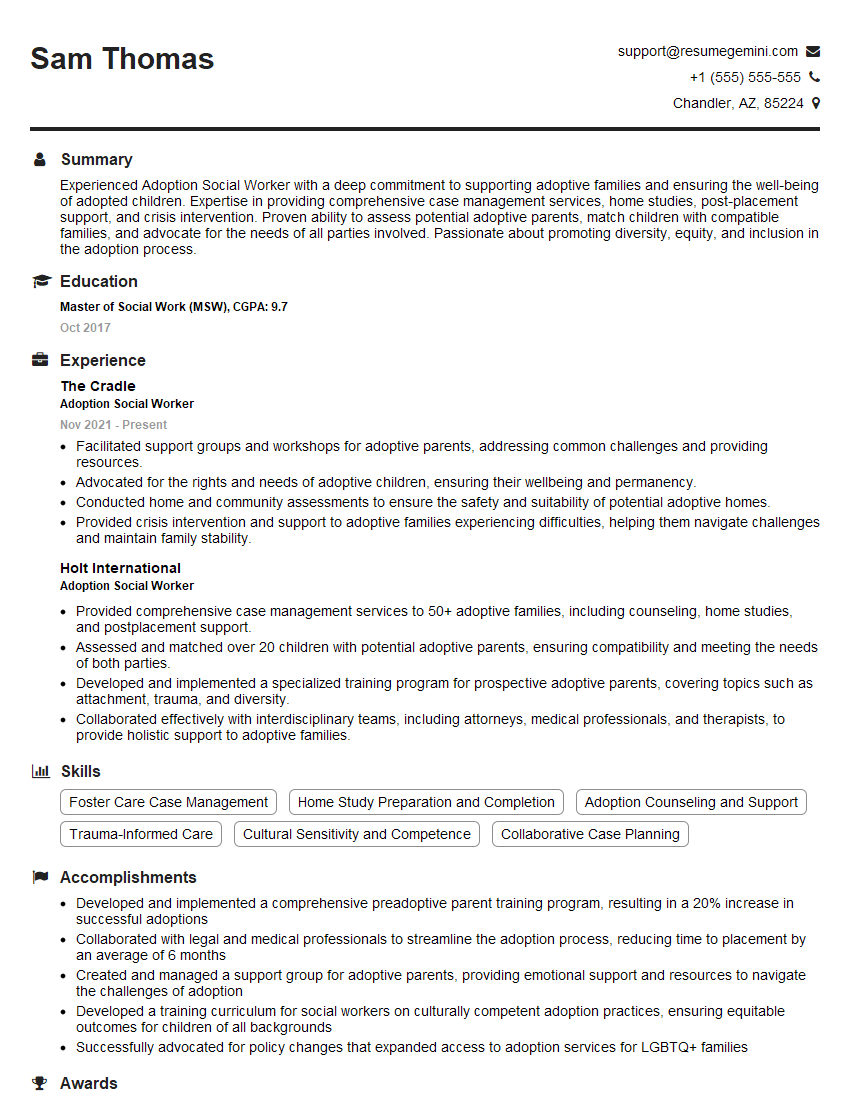
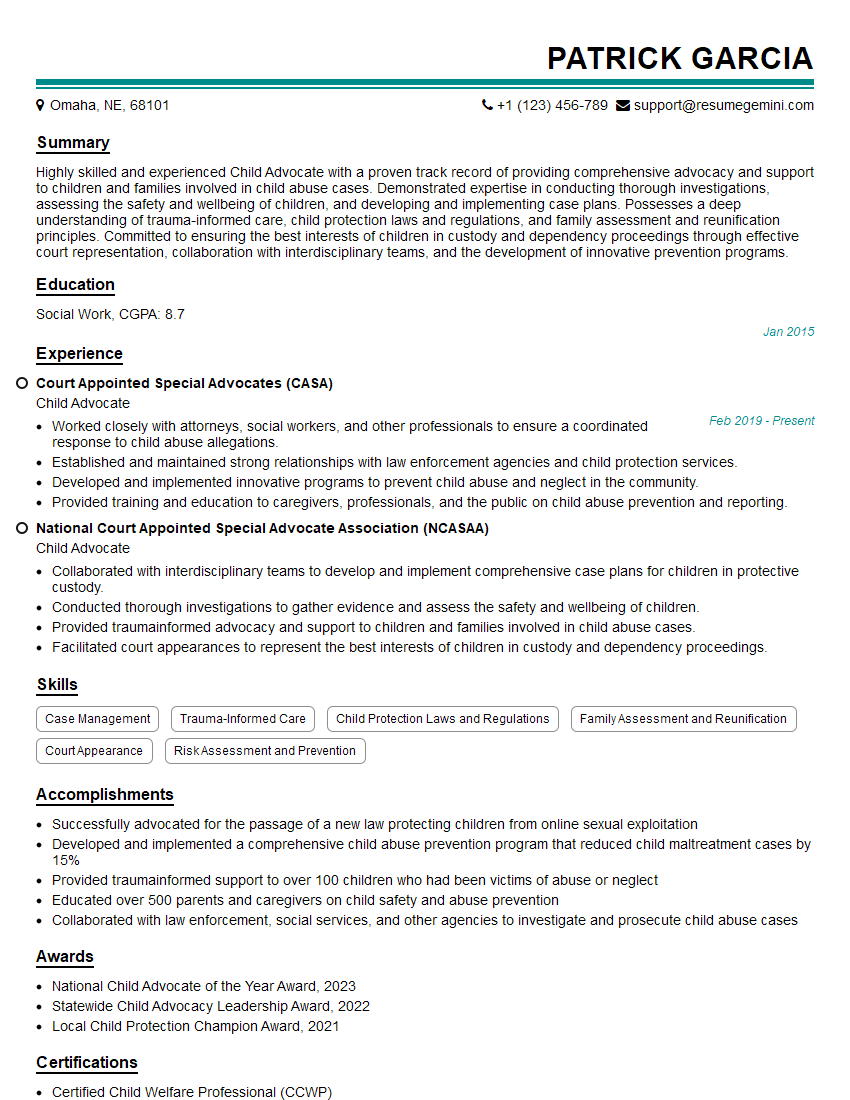
Mastering Child Abuse and Neglect Identification is crucial for a successful and impactful career in child welfare. It demonstrates your commitment to protecting vulnerable children and positions you as a valuable asset to any organization. To enhance your job prospects, create a strong, ATS-friendly resume that highlights your relevant skills and experience. ResumeGemini is a trusted resource to help you build a professional and impactful resume. They provide examples of resumes tailored to Child Abuse and Neglect Identification roles, giving you a head start in your job search.
Explore more articles
Users Rating of Our Blogs
Share Your Experience
We value your feedback! Please rate our content and share your thoughts (optional).
What Readers Say About Our Blog
Really detailed insights and content, thank you for writing this detailed article.
IT gave me an insight and words to use and be able to think of examples