Preparation is the key to success in any interview. In this post, we’ll explore crucial Classroom and Lab Management interview questions and equip you with strategies to craft impactful answers. Whether you’re a beginner or a pro, these tips will elevate your preparation.
Questions Asked in Classroom and Lab Management Interview
Q 1. Describe your experience managing classroom resources and inventory.
Managing classroom resources and inventory effectively requires a systematic approach. It’s not just about counting supplies; it’s about ensuring the availability of materials when and where they’re needed, optimizing their use, and minimizing waste. My approach involves a combination of meticulous record-keeping, regular stock checks, and proactive planning.
- Inventory Database: I maintain a detailed digital inventory database, usually a spreadsheet or dedicated inventory management software, tracking every item: from textbooks and stationery to technology equipment and lab consumables. This database includes item details, quantity on hand, reorder points, supplier information, and purchase history. This allows for efficient tracking of usage and identification of items nearing depletion.
- Regular Stock Checks and Audits: Regular physical inventory checks are crucial to reconcile the database with actual stock levels. I schedule these checks monthly, or more frequently for high-demand items. Discrepancies are investigated and resolved immediately.
- Strategic Procurement: I plan purchases strategically, taking into account projected needs, budget constraints, and potential bulk discounts. This involves collaborating with school administration to secure funding and negotiate with vendors.
- Distribution and Accountability: Clear procedures are established for the distribution and return of materials. Students are often assigned responsibility for specific items or equipment, fostering a sense of ownership and accountability. This minimizes losses due to misplaced or damaged items.
- Example: In my previous role, I implemented a barcode system for tracking lab equipment, improving inventory accuracy and reducing the time spent on manual stocktaking by over 50%.
Q 2. How do you ensure a safe and organized lab environment?
Ensuring a safe and organized lab environment is paramount. It involves creating a culture of safety, establishing clear procedures, and maintaining meticulous organization. This requires a multi-pronged strategy focusing on preventative measures and responsive actions.
- Safety Protocols: Clear safety rules and procedures are prominently displayed, and students receive thorough safety training before commencing any lab activity. This includes proper handling of chemicals, equipment operation, and emergency procedures.
- Organized Workspace: The lab is meticulously organized with clearly labeled storage areas for chemicals, equipment, and materials. Workspaces are kept clean and clutter-free to prevent accidents. Electrical cords are managed to avoid tripping hazards.
- Equipment Maintenance: Regular preventative maintenance is scheduled for all equipment, including calibration and testing. This ensures optimal functionality and minimizes the risk of malfunctions that could lead to accidents.
- Emergency Preparedness: Emergency exits are clearly marked, and the location of fire extinguishers, eye wash stations, and first-aid kits is known to all. Regular fire drills and safety demonstrations are conducted.
- Waste Disposal: Procedures for the safe disposal of hazardous materials are strictly followed. Appropriate containers and labeling systems are in place to ensure environmental compliance and student safety.
- Example: I’ve implemented a color-coded system for chemical storage, making it easy to identify hazardous materials and minimizing the risk of accidental mixing.
Q 3. What strategies do you employ for effective classroom communication?
Effective classroom communication is the cornerstone of a successful learning environment. It’s about conveying information clearly, actively listening to students, and fostering a respectful dialogue. My strategies incorporate various methods to meet diverse learning styles and needs.
- Clear and Concise Language: I use clear, concise language, avoiding jargon or overly technical terms that students might not understand. I also ensure that my instructions are unambiguous.
- Active Listening: I actively listen to student questions and concerns, showing empathy and valuing their perspectives. This builds trust and creates an open atmosphere for communication.
- Multiple Communication Channels: I utilize a variety of communication channels, including verbal instruction, written assignments, online platforms, and visual aids, to cater to different learning preferences.
- Nonverbal Communication: I pay attention to my nonverbal communication, maintaining appropriate eye contact, using positive body language, and being mindful of tone of voice.
- Feedback Mechanisms: I provide regular feedback to students on their work and performance, both positive and constructive. I also encourage them to provide feedback on my teaching methods.
- Example: In one instance, I noticed a student struggling to understand a complex concept. Instead of simply re-explaining, I engaged them in a one-on-one discussion, using analogies and visual aids to illustrate the idea, which greatly improved their understanding.
Q 4. Explain your approach to troubleshooting technical issues in a classroom or lab setting.
Troubleshooting technical issues requires a systematic approach and a blend of technical expertise and problem-solving skills. My approach involves a combination of logical deduction, resourcefulness, and the ability to remain calm under pressure.
- Identify the Problem: The first step is accurately identifying the problem. This may involve questioning students to gather information about the issue, observing the malfunctioning system, and checking error messages.
- Gather Information: Once the problem is identified, gather relevant information. This could include checking the network connectivity, reviewing recent software updates, or consulting documentation and support resources.
- Systematic Troubleshooting: Employ a systematic approach, systematically checking the most likely causes first. This may involve restarting the system, checking cables and connections, or testing different components.
- Seek Assistance: If the problem is beyond my expertise, I seek help from IT support or other qualified individuals. Documentation of the problem and troubleshooting steps is crucial for efficient communication with support staff.
- Preventative Measures: After resolving an issue, I take steps to prevent similar problems in the future. This may involve implementing software updates, conducting regular equipment maintenance, or updating documentation.
- Example: During a lab session, the internet connection suddenly went down. By systematically checking the router, network cables, and the school’s network status, I quickly determined the problem was a school-wide network outage. I communicated this to the students and the IT department, minimizing disruption to the class.
Q 5. How do you handle disruptive behavior in a classroom?
Handling disruptive behavior requires a proactive and consistent approach that prioritizes maintaining a positive learning environment while addressing the underlying causes of the disruption. My strategy focuses on prevention, intervention, and collaboration.
- Prevention: Establishing clear classroom rules and expectations from the outset is crucial. Creating a positive and engaging learning environment can minimize disruptive behavior. Building positive relationships with students is essential.
- Intervention: When disruptive behavior occurs, I intervene calmly and consistently, addressing the behavior directly and privately whenever possible. The intervention should be proportionate to the severity of the disruption.
- Understanding the Root Cause: I attempt to understand the underlying causes of the disruptive behavior. This might involve communicating with the student, observing their behavior, or consulting with parents/guardians or support staff.
- Collaboration: I collaborate with parents/guardians, counselors, and administrators when necessary, to develop a support plan for the student. This may involve modifying classroom routines, providing additional support, or referring the student to specialized services.
- Positive Reinforcement: I emphasize positive reinforcement, acknowledging and rewarding positive behavior to foster a more positive classroom climate.
- Example: I once had a student who was consistently disrupting the class. After talking to the student privately, I discovered they were struggling with a personal issue. Working with the school counselor, we developed a support plan, which included adjustments to their workload and access to counseling services, resulting in a significant improvement in their behavior.
Q 6. Describe your experience with scheduling and managing lab equipment.
Scheduling and managing lab equipment effectively requires meticulous planning and organization. It’s about optimizing equipment usage, preventing conflicts, and ensuring equitable access for all students.
- Scheduling Software: I utilize scheduling software or spreadsheets to create and manage a detailed schedule for lab equipment. This allows for efficient booking, prevents double-booking, and provides a clear overview of equipment availability.
- Equipment Allocation: I develop a system for allocating equipment to students or groups, ensuring fair access and preventing conflicts. This may involve a reservation system or a first-come, first-served approach, depending on the equipment and student needs.
- Maintenance Scheduling: Preventative maintenance schedules for lab equipment are integrated into the overall schedule, minimizing downtime and ensuring equipment readiness.
- Communication: Clear communication is vital. Students are informed about the scheduling system and procedures. Any changes to the schedule are communicated promptly.
- Example: I implemented an online booking system for our microscopes, which allowed students to reserve them in advance, eliminating the need for long queues and ensuring everyone had equal access to the equipment.
Q 7. How do you maintain and update lab equipment and software?
Maintaining and updating lab equipment and software is crucial for ensuring the accuracy, reliability, and safety of experiments and activities. This involves a proactive approach that combines regular checks, preventative maintenance, and timely updates.
- Preventative Maintenance: Regular preventative maintenance, following manufacturer recommendations, is essential. This might include cleaning, calibrating, testing, and replacing worn parts.
- Software Updates: Software updates are implemented promptly to ensure compatibility, security, and access to the latest features. This involves careful planning and testing to minimize disruption to lab activities.
- Record-Keeping: Detailed records are maintained for all equipment and software, including purchase dates, maintenance logs, and software versions. This facilitates tracking, identifying problems, and managing warranties.
- Calibration and Testing: Regular calibration and testing of equipment ensure accuracy and reliability. This is especially important for scientific instruments.
- Inventory Management: Effective inventory management is crucial for identifying equipment requiring repair or replacement. This allows for proactive purchasing and minimizes downtime.
- Example: We implemented a system for automatically updating our lab software, ensuring all computers had the latest versions and security patches, reducing the risk of system crashes and security breaches.
Q 8. What safety protocols do you enforce in a lab setting?
Lab safety is paramount. My approach is multifaceted, encompassing preventative measures and emergency protocols. It starts with a meticulously clean and organized lab space, minimizing trip hazards and ensuring proper storage of chemicals and equipment. We strictly enforce the use of personal protective equipment (PPE), including safety goggles, lab coats, and gloves, tailored to the specific experiment. All equipment is regularly inspected and maintained to prevent malfunctions. Clear signage indicating safety procedures, hazard locations, and emergency exits is prominently displayed. Furthermore, we have detailed emergency procedures, including evacuation plans and protocols for handling chemical spills or injuries, regularly practiced through drills.
For example, before any experiment involving corrosive chemicals, students receive a detailed briefing on their handling and the appropriate safety precautions. In case of a spill, a designated spill kit is immediately deployed following the established protocol, and emergency personnel are contacted if necessary.
Q 9. How do you conduct lab safety training for students or staff?
Lab safety training is an ongoing process, not a one-time event. It begins with an initial comprehensive orientation covering general lab safety rules, the use of PPE, and the location of safety equipment. This is followed by more specific training tailored to individual experiments or lab techniques. We use a combination of methods: interactive presentations, hands-on demonstrations, videos, and quizzes to ensure comprehension and retention. Students are actively involved in mock emergency scenarios to reinforce their knowledge. Regular refresher courses are provided to reinforce best practices and address any updates in safety regulations.
For instance, when introducing a new piece of equipment, like a centrifuge, students receive step-by-step training on its operation, including the importance of balancing tubes and proper shutdown procedures. Post-training assessments confirm they understand and can apply the learned safety procedures.
Q 10. Explain your experience with developing and implementing lab procedures.
Developing and implementing lab procedures requires a systematic approach. It begins with identifying the specific objectives of the experiment or procedure. This is followed by a detailed step-by-step outline, including safety precautions, equipment required, chemical handling instructions, data collection methods, and waste disposal procedures. The procedure is then reviewed by colleagues for accuracy, clarity, and completeness. Once approved, it is disseminated to students or staff. Regular updates and revisions are crucial, based on feedback, new techniques, or safety regulations.
For example, when designing a microbiology lab procedure, we meticulously detail the sterilization techniques for all equipment and media to prevent contamination. We also incorporate specific guidelines for handling biohazardous waste, ensuring adherence to strict disposal protocols.
Q 11. How do you manage student or staff access to lab equipment and resources?
Access to lab equipment and resources is strictly controlled to ensure safety and accountability. Each student or staff member receives a unique identification number and undergoes training before gaining access to specific equipment. Access can be further restricted through keycard systems or software-based logins. Equipment use is logged to track usage patterns and schedule maintenance. Regular inventory checks are performed to ensure resources are accounted for and to identify potential issues early. We also have a clear borrowing and lending system, with detailed records of each transaction to track equipment.
Imagine a sophisticated spectrophotometer; only trained personnel with the appropriate clearance can access and operate it. The system tracks usage, ensuring maintenance schedules are met and preventing unauthorized usage.
Q 12. Describe a time you had to resolve a conflict in a classroom or lab setting.
In one instance, two students had a disagreement over the use of a specific microscope during a busy lab session. One student felt the other had monopolized the equipment, impeding their progress. I addressed the situation by facilitating a calm conversation between the students. I emphasized the importance of sharing resources equitably and encouraged them to discuss their schedules and collaborate on usage times. This fostered a better understanding and prevented similar issues from arising. The key was active listening, understanding each student’s perspective, and establishing a fair and respectful solution that prioritized both students’ needs.
Q 13. How do you address student or staff concerns regarding lab equipment or classroom resources?
Addressing student or staff concerns requires a prompt and empathetic approach. I encourage open communication and provide a platform for them to voice their concerns without hesitation. This could involve regular feedback sessions, surveys, or individual meetings. Once a concern is raised, I carefully assess its validity, taking appropriate action to resolve the issue. This may involve repairing equipment, ordering new resources, providing additional training, or implementing procedural changes. It’s crucial to keep the individual updated on the progress of the resolution.
For example, if students express difficulty using a particular software, I would offer additional training sessions or provide online tutorials to improve their proficiency.
Q 14. How do you ensure the proper disposal of hazardous materials in a lab?
Proper disposal of hazardous materials is crucial. We strictly adhere to all relevant environmental regulations and safety guidelines. This involves segregating waste into appropriate containers based on hazard type (e.g., chemical, biological, sharps). Each container is clearly labelled with the type of waste and any necessary precautions. We utilize licensed waste disposal companies for the removal and proper treatment of hazardous materials. Detailed records are meticulously maintained for all waste disposal activities, ensuring full traceability and compliance with regulatory requirements. Training on proper waste handling is incorporated into all lab safety protocols.
For example, used chemical solutions are never poured down the drain, but are instead collected in designated containers and handled by our hazardous waste disposal contractor, ensuring environmental safety and compliance.
Q 15. How familiar are you with relevant health and safety regulations?
Health and safety regulations are paramount in classroom and lab environments. My familiarity encompasses a wide range of standards, including OSHA guidelines (in the US context), local fire codes, chemical safety protocols (like handling MSDS sheets), and emergency procedures. I’m adept at risk assessment, ensuring proper ventilation and protective equipment usage (PPE), and developing and implementing safety plans. For instance, in a previous role, I developed a comprehensive safety manual including emergency contact information, evacuation routes, and specific protocols for handling hazardous materials like acids and solvents in a high school chemistry lab. This manual was regularly reviewed and updated, ensuring compliance with all relevant regulations.
I understand the importance of regular safety training for students and staff, covering topics such as fire safety, first aid, and the safe use of equipment. This proactive approach minimizes accidents and promotes a safe learning environment.
Career Expert Tips:
- Ace those interviews! Prepare effectively by reviewing the Top 50 Most Common Interview Questions on ResumeGemini.
- Navigate your job search with confidence! Explore a wide range of Career Tips on ResumeGemini. Learn about common challenges and recommendations to overcome them.
- Craft the perfect resume! Master the Art of Resume Writing with ResumeGemini’s guide. Showcase your unique qualifications and achievements effectively.
- Don’t miss out on holiday savings! Build your dream resume with ResumeGemini’s ATS optimized templates.
Q 16. What experience do you have with educational technology integration?
I have extensive experience integrating educational technology into both classroom and lab settings. This includes using interactive whiteboards, learning management systems (LMS) like Canvas or Moodle, educational software, and various online resources. In a previous science lab, I incorporated virtual lab simulations to supplement hands-on experiments, allowing students to explore concepts in a safe and engaging way, even outside of scheduled lab time. This also allowed for differentiated learning based on student needs and learning styles.
I am proficient in using technology for assessment, such as online quizzes and digital portfolio development, and comfortable training both students and faculty on the effective use of educational technologies. For example, I designed and implemented a training program for teachers to use digital tools for creating interactive lessons and collaborative projects.
Q 17. How do you maintain the cleanliness and organization of a classroom or lab?
Maintaining a clean and organized classroom or lab is crucial for safety, efficiency, and a positive learning environment. My approach involves a multi-faceted strategy. Firstly, I establish clear expectations for cleanliness and organization from the outset, involving students in the maintenance process where appropriate (e.g., assigning cleaning duties or creating a rotating schedule). Secondly, I implement a daily cleaning routine, including wiping down surfaces, disposing of waste properly, and ensuring equipment is stored correctly.
Thirdly, I conduct regular deep cleans, involving more thorough cleaning of equipment and a more detailed tidying of the space. This includes checking for any potential hazards like spills or damaged equipment. Finally, I utilize visual cues like labelled storage containers and organized workspace layouts to promote a naturally clean and organized space. Think of it like a well-organized kitchen—everything has its place, making it easy to maintain.
Q 18. Describe your experience with managing budgets for classroom or lab supplies.
Budget management for classroom or lab supplies requires careful planning and prioritization. My experience includes creating detailed budgets, justifying expenses, tracking expenditures, and identifying cost-effective solutions. I use budgeting software to track expenses, forecast needs, and ensure that funds are allocated effectively. I also actively seek out grants and funding opportunities to supplement existing resources.
For example, in my previous role, I secured a grant to upgrade our lab equipment and replace outdated supplies. I created a detailed proposal outlining the need for upgrades, the cost-effectiveness of the proposed solutions, and the projected impact on student learning. This resulted in a significant improvement in our lab facilities.
Q 19. How do you handle equipment malfunctions or breakdowns?
When equipment malfunctions or breaks down, my response is swift and systematic. First, I assess the situation to determine the severity of the problem and any immediate safety risks. If the problem is minor, I attempt to troubleshoot the issue myself, relying on my knowledge of the equipment and any available manuals or online resources. However, if the problem is more complex or poses a safety hazard, I immediately contact the appropriate maintenance personnel or vendor for repair.
I maintain detailed records of all equipment maintenance and repairs, including dates, issues, and solutions. This helps me track equipment lifespan, predict potential problems, and ensure timely maintenance. Preventing problems through regular maintenance is always my primary approach.
Q 20. What is your experience with ordering and receiving lab supplies?
Ordering and receiving lab supplies requires attention to detail and efficient organization. I begin by creating a comprehensive inventory of needed supplies, comparing prices from different vendors, and ensuring that orders are placed in a timely manner to avoid delays. I utilize online ordering systems when available, track order status regularly, and ensure that all received supplies are accurately checked against the order form. I maintain meticulous records of all orders, including vendor information, order numbers, and delivery dates. This enables efficient inventory management and avoids unnecessary expenditures.
I also prioritize working with reputable vendors to guarantee the quality of supplies and timely delivery. This is particularly important in a lab setting where the availability of specific chemicals and equipment is critical.
Q 21. How do you track inventory and ensure adequate supplies are available?
Tracking inventory and ensuring adequate supplies is essential for efficient lab operations. I employ a combination of manual and digital methods to manage inventory. I maintain a physical inventory list, updated regularly, and use inventory management software to track supplies, quantities, and expiry dates (especially for chemicals and consumables). This allows me to generate reports on usage patterns and predict future needs.
I set reorder points for frequently used items, triggering alerts when stock levels fall below a predetermined threshold. This ensures that we don’t run out of crucial supplies during experiments or lessons. Regular physical inventory checks are done to validate the data in the system and to identify any discrepancies.
Q 22. How familiar are you with various lab equipment and its functions?
My familiarity with lab equipment extends across various scientific disciplines, including biology, chemistry, and physics. I’m proficient in operating and maintaining equipment such as microscopes (both optical and electron), spectrophotometers, centrifuges, autoclaves, pH meters, electrophoresis systems, and various analytical balances. My experience includes not only using this equipment but also troubleshooting malfunctions, performing routine maintenance, and ensuring its safe and proper operation according to manufacturer guidelines and safety protocols. For example, I’ve successfully debugged a malfunctioning spectrophotometer by identifying a faulty cuvette and replacing it, preventing delays in a crucial experiment. I also regularly conduct safety checks on equipment like autoclaves to prevent accidents and ensure compliance with safety regulations.
- Microscopes: Proficient in both bright-field and fluorescence microscopy techniques, including sample preparation and image analysis.
- Spectrophotometers: Experienced in performing absorbance and transmittance measurements, understanding Beer-Lambert’s Law, and calibrating the instrument for accurate readings.
- Centrifuges: Knowledgeable about different rotor types and balancing techniques, crucial for avoiding equipment damage and ensuring safety.
My training includes comprehensive safety procedures for handling chemicals, biological materials, and specialized equipment, emphasizing hazard identification and risk mitigation. This hands-on experience, combined with continuous professional development, ensures I’m up-to-date on the latest equipment and safety procedures.
Q 23. Explain your approach to creating a positive learning environment.
Creating a positive learning environment involves fostering a sense of community, respect, and inclusivity. My approach is multifaceted, emphasizing clear expectations, open communication, and a student-centered pedagogy. I believe in building rapport with students by showing genuine interest in their learning and creating a space where they feel comfortable asking questions and taking risks without fear of judgment. This includes establishing clear rules and procedures, consistently applying them fairly, and providing constructive feedback rather than focusing solely on errors. For instance, I start the semester by collaboratively developing a classroom code of conduct with student input, ensuring everyone feels ownership and responsibility for the learning environment.
Furthermore, I incorporate active learning strategies, such as group projects, discussions, and hands-on activities, to enhance engagement and collaboration. I believe that learning should be an active process, not passive absorption of information. For example, in a lab setting, I might divide students into small groups to conduct experiments, encouraging them to discuss their findings and collaborate on data analysis. Regular positive reinforcement through verbal praise, celebrating accomplishments (both individual and group), and providing opportunities for student leadership further strengthens a positive learning environment.
Q 24. How do you adapt your management style to different learning styles?
I adapt my management style by recognizing and catering to diverse learning styles. This requires flexibility and a willingness to employ a variety of teaching methodologies. I use a multimodal approach that encompasses visual, auditory, and kinesthetic learning styles. For example, I supplement lectures with visual aids, such as diagrams and videos; incorporate discussions and group work to cater to auditory learners; and include hands-on experiments and activities to engage kinesthetic learners.
I also assess individual student needs through observation, formal and informal assessments, and feedback from students themselves. This helps me tailor my instruction to suit their strengths and address their challenges. Students who struggle with written assignments might be offered alternative methods of demonstration, such as oral presentations or creating visual projects. Similarly, I provide different learning materials—such as video tutorials or interactive online modules—to cater to individual learning preferences. Regular check-ins and one-on-one mentoring further allows for personalized support and addressing any individual learning barriers.
Q 25. Describe your experience with implementing new technologies in a classroom or lab.
I have extensive experience integrating new technologies into both classroom and laboratory settings. This includes utilizing learning management systems (LMS) like Canvas or Blackboard for course materials, assignments, and communication. I’ve also incorporated interactive simulations, virtual labs, and online educational resources to enhance student engagement and provide access to resources beyond the physical limitations of the classroom or lab. For example, I’ve used virtual dissection software to replace traditional animal dissection, addressing ethical and accessibility concerns while still providing a hands-on learning experience.
In the laboratory, I’ve successfully implemented data acquisition systems and software for automated data collection and analysis. This not only enhances the efficiency of experiments but also teaches students valuable data analysis skills using modern tools. We utilized data logging sensors with software to track changes in temperature and pressure in a chemistry experiment, leading to more precise and efficient results. Training students on these technologies is a crucial part of the process; I provide detailed tutorials and offer ongoing support to ensure they can effectively use the new tools.
Q 26. How do you evaluate the effectiveness of your classroom or lab management strategies?
Evaluating the effectiveness of my classroom and lab management strategies is an ongoing process involving both formative and summative assessment. Formative assessment involves continuous monitoring of student engagement, participation, and understanding through observation of class discussions, reviewing student work, and seeking regular feedback through surveys or informal conversations. This feedback informs adjustments to my teaching methods and learning environment in real time.
Summative assessment uses more formal methods, such as analyzing student performance on tests and assignments, comparing pre- and post-tests to measure learning gains, and gathering student feedback at the end of the course or lab session through detailed questionnaires or exit interviews. This provides a comprehensive overview of the success of the strategies implemented. For example, a significant improvement in test scores after implementing a new study guide or a positive shift in student feedback about the learning environment would indicate the effectiveness of the implemented strategies. This data-driven approach helps refine my methods to optimize student learning.
Q 27. How do you ensure compliance with institutional policies and procedures?
Ensuring compliance with institutional policies and procedures is paramount. This involves a thorough understanding of all relevant regulations, including safety protocols, academic integrity policies, and equal opportunity guidelines. I maintain up-to-date knowledge of these policies and integrate them into my teaching and lab management practices. For example, I incorporate safety training and drills into lab sessions, emphasizing proper handling of chemicals and equipment. I’m vigilant in enforcing the academic integrity policy, clearly explaining expectations for assignments and assessments, and using plagiarism detection software where necessary.
I also ensure all documentation, including lab safety procedures and student records, is meticulously maintained and stored according to institutional standards. I actively participate in professional development workshops to stay informed of any policy changes and best practices. Open communication with administration and colleagues ensures consistent application of policies across the institution and provides opportunities for collaboration and problem-solving.
Q 28. Describe your experience working collaboratively with teachers and other staff.
Collaboration is key to effective classroom and lab management. I have a strong track record of working effectively with teachers, lab technicians, and other support staff. This involves regular communication, shared planning, and mutual respect. For example, I actively participate in departmental meetings, sharing ideas and resources with colleagues. I collaborate with lab technicians on maintaining equipment and ensuring a safe and functional lab environment. In instances where I have noticed a student struggling, I have collaborated with counselors or learning support staff to provide personalized interventions and support.
Teamwork is particularly vital when dealing with complex issues such as curriculum development, adapting to new technologies, or addressing student challenges. By fostering a culture of shared responsibility and open communication, I have consistently contributed to a positive and productive working environment. This collaborative approach ensures that students receive holistic support and the best possible learning experience.
Key Topics to Learn for Classroom and Lab Management Interview
- Classroom Management Strategies: Explore diverse approaches to maintaining a positive and productive learning environment, including techniques for behavior management, student engagement, and effective communication.
- Curriculum Development & Implementation: Understand the process of designing, adapting, and delivering engaging curricula aligned with learning objectives. Consider practical applications like lesson planning, assessment strategies, and differentiation for diverse learners.
- Lab Safety & Procedures: Master the principles of lab safety, including risk assessment, hazard identification, and emergency protocols. Demonstrate your understanding of safe handling of equipment and materials, and your ability to enforce safety regulations effectively.
- Resource Management & Budgeting: Discuss strategies for effective resource allocation, including equipment maintenance, supply ordering, and budget planning. Show your understanding of cost-effective solutions and procurement processes.
- Technology Integration in Education: Explore the use of technology to enhance teaching and learning in both classroom and lab settings. Consider examples of effective software, hardware, and online resources.
- Assessment & Evaluation: Understand various assessment methods, from formative to summative, and their application in evaluating student learning and program effectiveness. Demonstrate your ability to analyze assessment data and make informed decisions based on the results.
- Collaboration & Communication: Highlight your skills in effective communication with students, colleagues, parents, and administrators. Discuss your experience in fostering collaboration among team members to achieve shared goals.
- Problem-Solving & Conflict Resolution: Discuss your approach to resolving conflicts and addressing challenges that may arise in classroom or lab settings. Showcase your ability to think critically and find effective solutions.
Next Steps
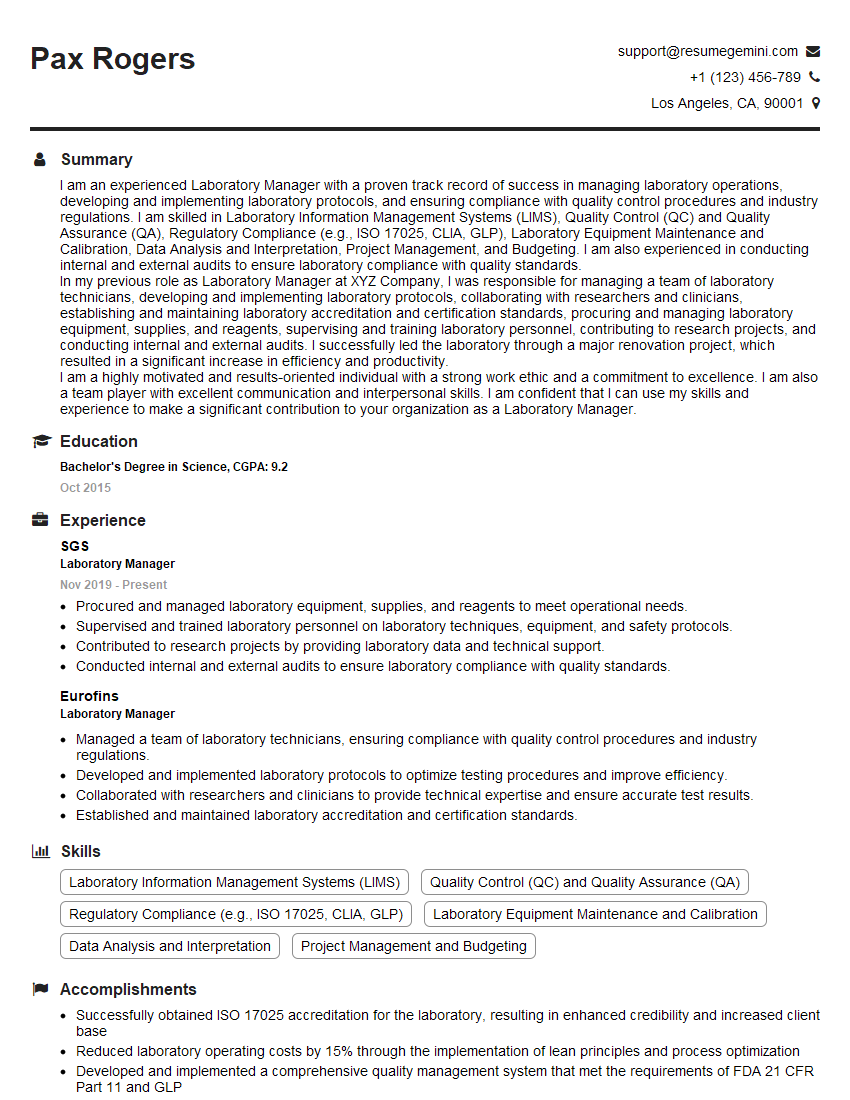
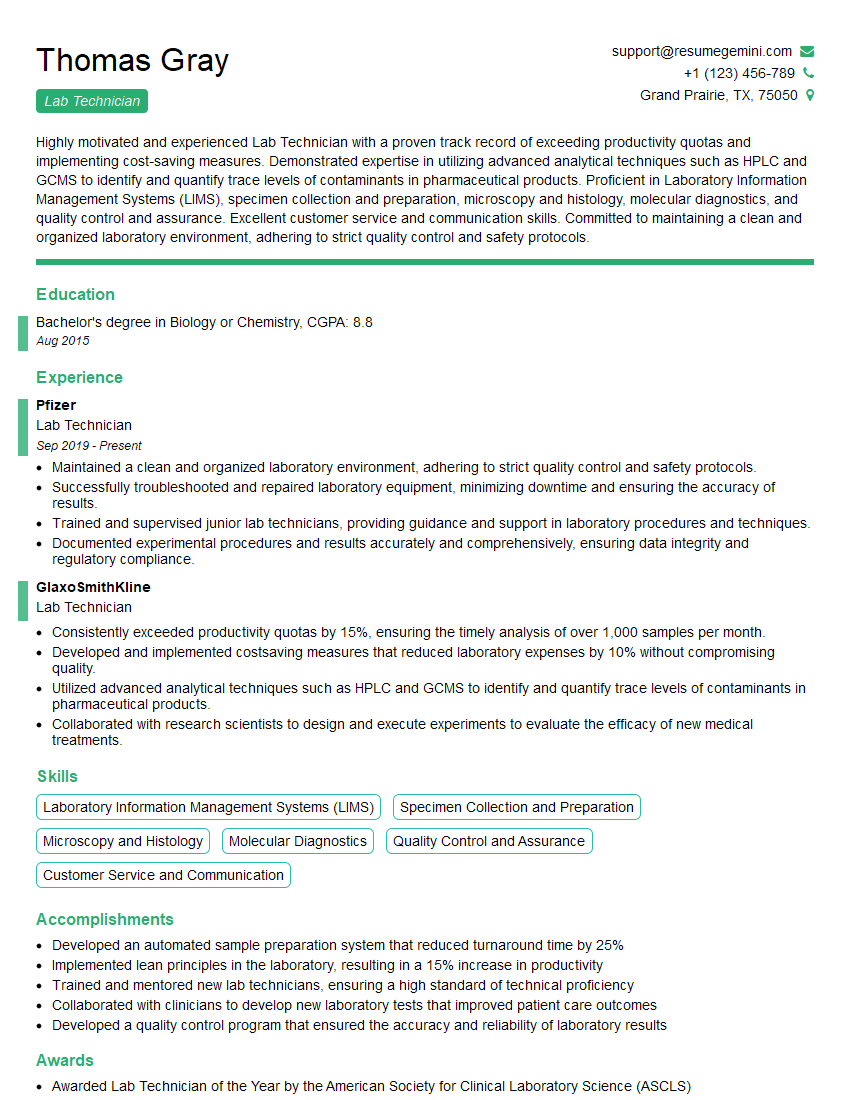
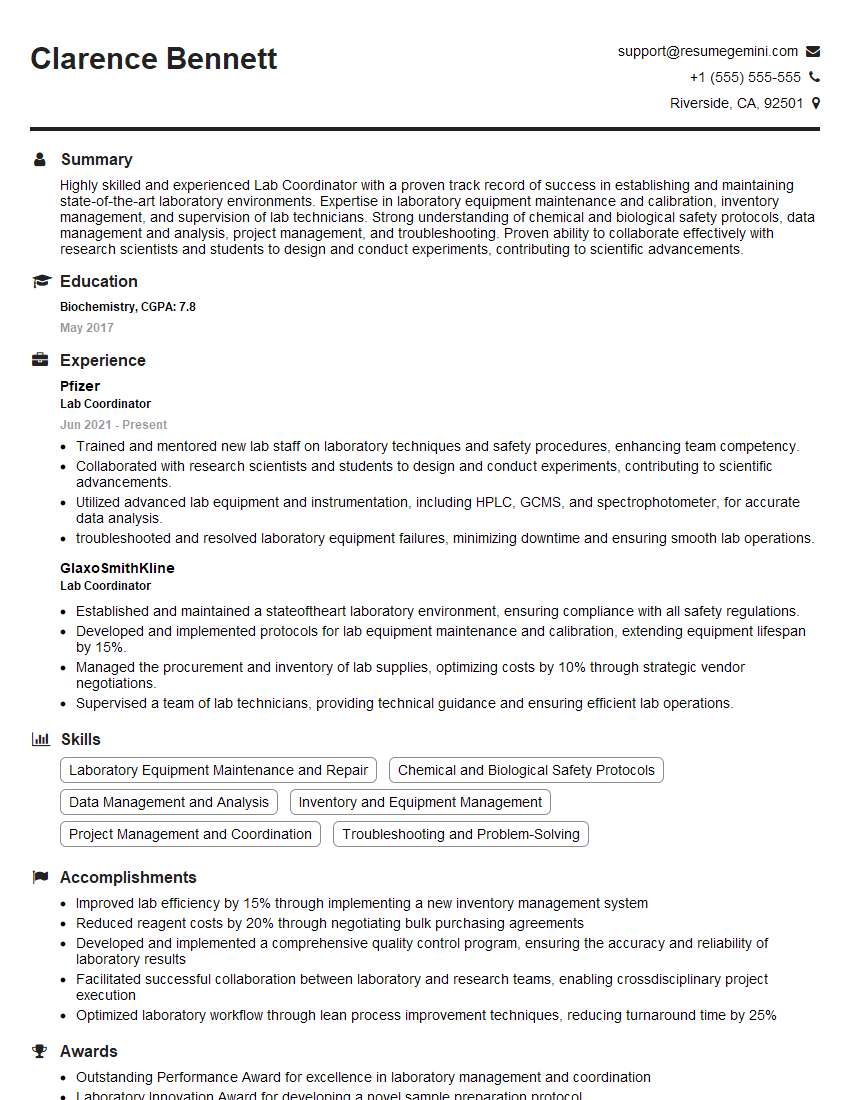
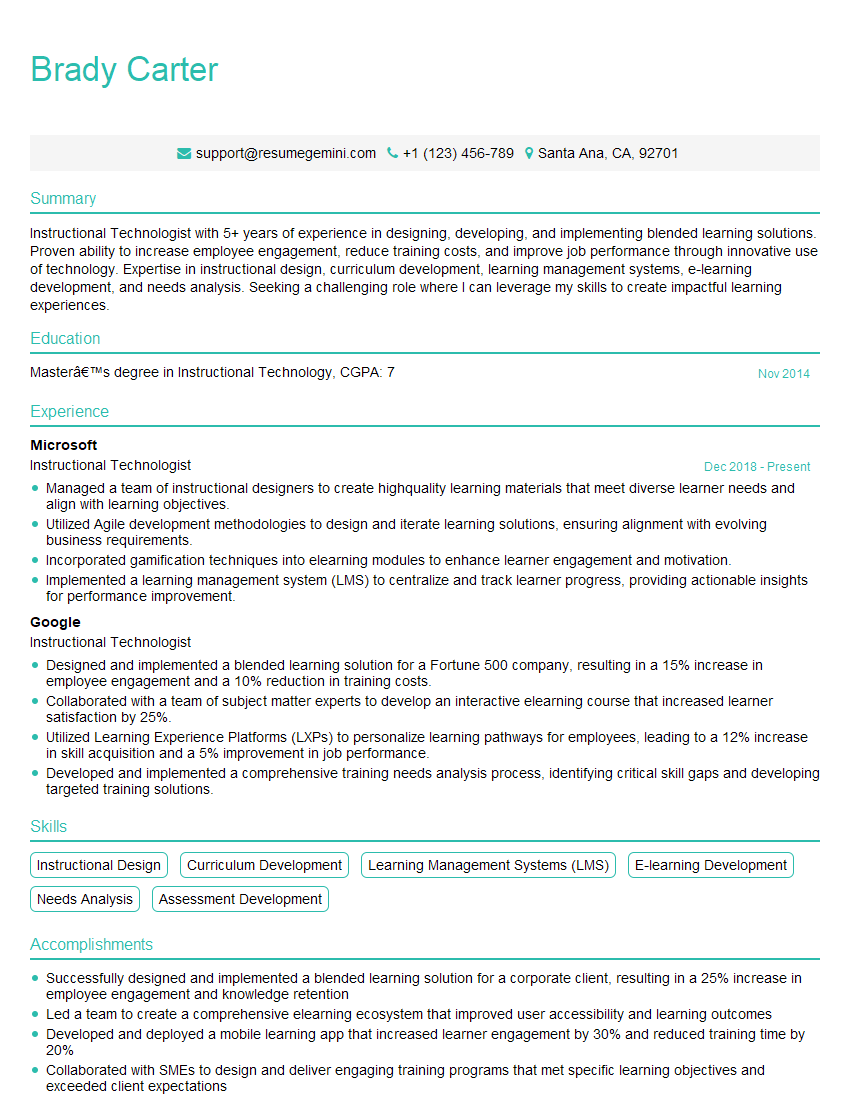
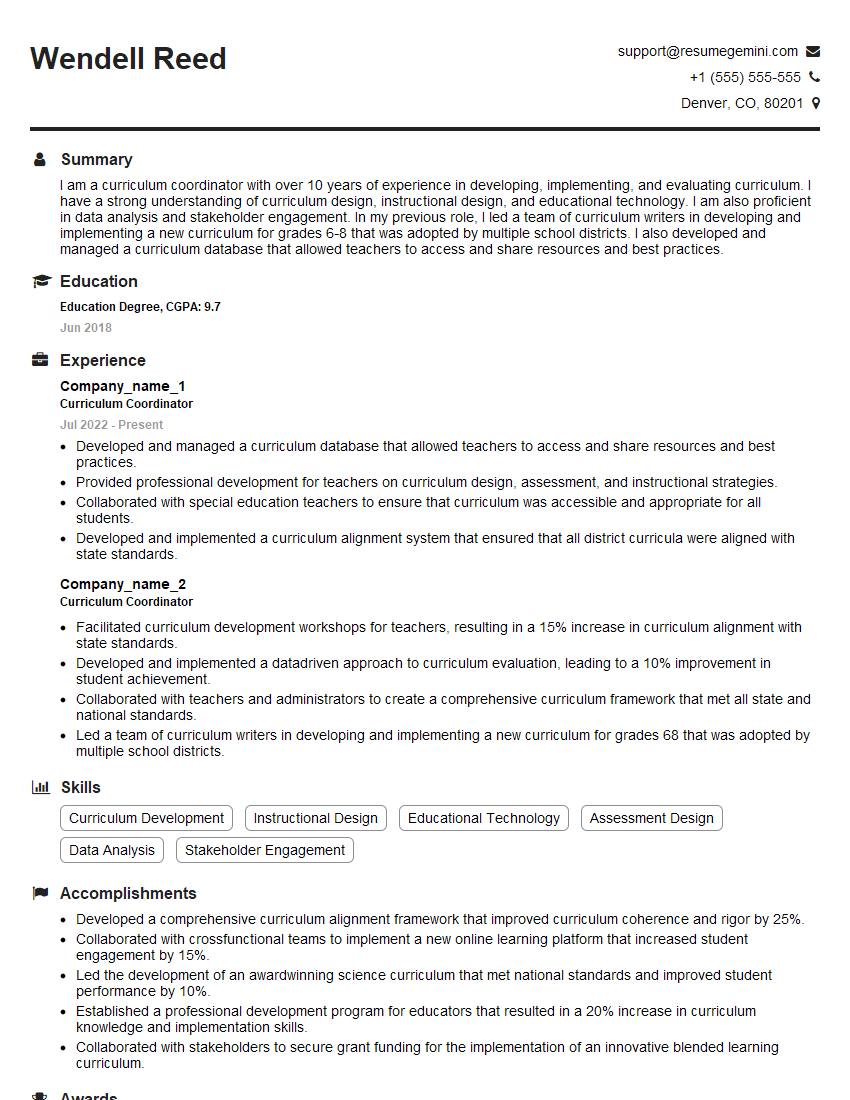
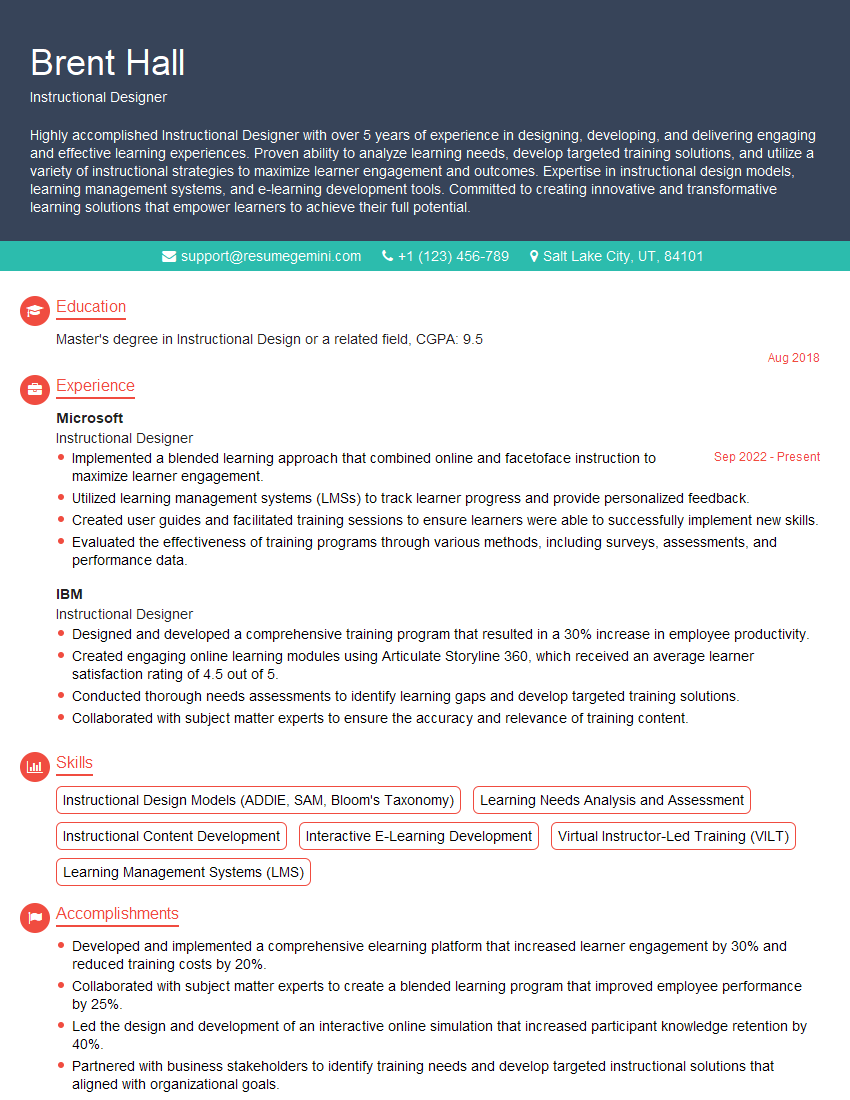
Mastering Classroom and Lab Management is crucial for career advancement in education and related fields. A strong foundation in these skills demonstrates your ability to create engaging learning environments, manage resources effectively, and ensure student safety and success. To significantly boost your job prospects, creating an ATS-friendly resume is essential. ResumeGemini is a trusted resource that can help you build a professional and impactful resume. They provide examples of resumes tailored to Classroom and Lab Management, giving you a head start in crafting a document that highlights your unique skills and experience.


Explore more articles
Users Rating of Our Blogs
Share Your Experience
We value your feedback! Please rate our content and share your thoughts (optional).
What Readers Say About Our Blog
Really detailed insights and content, thank you for writing this detailed article.
IT gave me an insight and words to use and be able to think of examples