Feeling uncertain about what to expect in your upcoming interview? We’ve got you covered! This blog highlights the most important Clean Driving Record and Safe Driving History interview questions and provides actionable advice to help you stand out as the ideal candidate. Let’s pave the way for your success.
Questions Asked in Clean Driving Record and Safe Driving History Interview
Q 1. What is your understanding of a clean driving record?
A clean driving record signifies an absence of any significant traffic violations, accidents, or driving-related infractions recorded by the relevant authorities (typically the Department of Motor Vehicles or equivalent). This means no points accrued on your license, no suspensions, and no involvement in accidents deemed your fault. It essentially reflects a history of responsible and safe driving behavior. Think of it like a pristine credit report, but for your driving history.
Q 2. How long has your driving record been clean?
My driving record has been clean for over 15 years. This is a testament to my commitment to safe driving practices and adherence to traffic laws. Maintaining a clean record requires consistent vigilance and a proactive approach to driving.
Q 3. Have you ever been involved in a traffic accident? If so, please explain.
Yes, I was involved in a minor fender bender approximately 20 years ago. It was a low-speed collision at a stop sign, caused by another driver who failed to stop. Fortunately, there were no injuries, and the damage was minimal. The other driver accepted full responsibility, and the matter was settled amicably through insurance. While not impacting my driving record directly, it reinforced the importance of defensive driving and always being alert for unpredictable actions by other drivers.
Q 4. Have you ever received a traffic citation? If so, please explain.
Yes, I received a speeding ticket many years ago. It was a single instance, and I learned a valuable lesson about maintaining appropriate speed limits. I immediately completed a defensive driving course to better understand safe driving practices. Since then, I have maintained a perfect driving record, demonstrating a sustained commitment to safe and responsible driving.
Q 5. Have you ever had your driving privileges suspended or revoked?
No, I have never had my driving privileges suspended or revoked. Maintaining a clean driving record has always been a top priority for me. This reflects a commitment to responsible driving behavior and adherence to traffic regulations.
Q 6. What steps do you take to ensure safe driving practices?
I prioritize several key steps to ensure safe driving. These include:
- Regular Vehicle Maintenance: Ensuring my vehicle is in optimal condition, including regular checks of tires, brakes, lights, and fluids.
- Planning my Route: Checking traffic conditions and planning my route to avoid congestion or hazardous areas.
- Maintaining a Safe Following Distance: Leaving enough space between my vehicle and others to allow for safe braking distances.
- Avoiding Distractions: Minimizing distractions such as cell phones, eating, or adjusting the radio while driving.
- Being Aware of Surroundings: Constantly scanning my surroundings, including checking blind spots and anticipating the actions of other drivers and pedestrians.
- Following Traffic Laws: Adhering strictly to all speed limits, traffic signals, and other traffic regulations.
Q 7. Describe your defensive driving techniques.
My defensive driving techniques are based on anticipating potential hazards and reacting proactively. This includes:
- Maintaining a Safe Following Distance: This allows for ample reaction time to brake or maneuver around obstacles.
- Scanning the Road Ahead: Regularly scanning the road ahead to identify potential hazards such as pedestrians, cyclists, or other vehicles.
- Checking Mirrors Frequently: Regularly checking my mirrors to monitor the traffic around me.
- Using Signals Properly: Signaling my intentions clearly and in advance to other drivers.
- Adjusting Speed to Conditions: Adapting my speed to account for weather conditions, road conditions, and traffic density.
- Being Prepared for the Unexpected: Recognizing that other drivers may make mistakes and being prepared to react accordingly.
Defensive driving is not just about avoiding accidents; it’s about actively creating a safer driving environment for myself and others on the road. It’s a continuous process of awareness, anticipation, and proactive decision-making.
Q 8. How do you handle challenging driving conditions (e.g., inclement weather)?
Driving in challenging conditions requires a proactive and defensive approach. My strategy centers around significantly reducing speed, increasing following distance, and maximizing visibility.
For example, in heavy rain, I reduce my speed to well below the posted limit, allowing for increased braking distance and better control. I also use my headlights, even during the day, to improve visibility for myself and other drivers. In snowy conditions, I might opt for a different, safer route altogether if possible, one with less incline or fewer curves. I also ensure my tires have sufficient tread depth and consider using winter tires for optimal grip. I continuously scan my surroundings, anticipating potential hazards like black ice or reduced visibility due to spray from other vehicles. Essentially, it’s about anticipating problems before they arise and reacting smoothly and safely to whatever the environment throws at me.
Q 9. How do you maintain your vehicle to ensure safety?
Maintaining my vehicle is paramount to ensuring both safety and reliability. My approach is multifaceted and proactive. I adhere to a strict schedule for routine maintenance, including regular oil changes, tire rotations and inspections, fluid checks (brake fluid, coolant, etc.), and battery checks. I pay close attention to any unusual sounds or vibrations, addressing them promptly to prevent potentially serious mechanical issues from developing. For instance, if I notice a strange squeak from my brakes, I’ll get them inspected immediately, rather than waiting until they fail completely. This proactive approach keeps my vehicle in top condition and prevents unexpected breakdowns that could compromise safety.
Beyond routine maintenance, I regularly inspect my lights, wipers, and tires for wear and tear, ensuring they’re in optimal working order. Regularly checking tire pressure is especially crucial as under-inflated tires dramatically reduce fuel efficiency and handling capabilities, both safety concerns.
Q 10. How do you plan your routes for optimal safety and efficiency?
Route planning is crucial for safe and efficient driving. Before embarking on any journey, especially longer trips, I utilize GPS navigation to identify the optimal route, considering traffic conditions, road construction, and potential hazards. I prioritize routes with well-maintained roads and adequate lighting, avoiding shortcuts through unfamiliar or potentially unsafe areas. For instance, if I’m traveling during peak hours, I might adjust my departure time to avoid congested areas. I also take the time to check the weather forecast and plan accordingly, potentially altering my route to avoid areas predicted to have severe weather.
Beyond technology, I always keep a physical map as a backup in case of electronic device failure. This multi-pronged approach ensures I’m prepared for unexpected circumstances and can adjust my plans to prioritize safety and efficiency.
Q 11. What is your understanding of driver safety regulations?
My understanding of driver safety regulations is comprehensive and includes knowledge of speed limits, right-of-way rules, traffic signal obedience, seatbelt laws, child restraint laws, and regulations concerning distracted driving (cell phone usage, etc.). I am fully aware of the consequences of violating these laws, ranging from fines and license suspension to more severe penalties depending on the severity of the infraction. I am also familiar with the laws pertaining to driving under the influence of alcohol or drugs, understanding the zero-tolerance policies in many jurisdictions. My commitment to obeying these laws is unwavering because safety is my top priority.
Q 12. How do you stay updated on changes in traffic laws?
Staying updated on changes in traffic laws is an ongoing process. I regularly consult my state’s Department of Motor Vehicles (DMV) website, which often provides updates on legislation and new regulations. I also utilize reputable news sources and driving-related publications to stay informed about any changes that might impact my driving behavior. Further, I regularly review the official driver’s handbook to reinforce my understanding of the laws and to stay abreast of any changes or updates.
Q 13. Describe a time you had to make a quick decision to avoid an accident.
One time, I was driving on a highway when a car in front of me suddenly braked hard, without signaling. Due to the high speed and relatively short following distance, I had only a fraction of a second to react. I immediately slammed on my brakes, but also steered slightly to the right, avoiding a direct collision but still managing to avoid a rear-end collision. The situation emphasized the importance of maintaining a safe following distance and of being constantly alert to other drivers’ actions. The near-miss reinforced my belief that proactive driving and quick reflexes are crucial components of accident avoidance.
Q 14. How do you manage stress while driving?
Stress management while driving is essential for safety. I mitigate stress by planning my routes carefully to avoid congested areas and rush hour traffic whenever possible. I also ensure I’m well-rested before embarking on a journey, as fatigue significantly impairs driving skills and judgment. Playing calming music or podcasts can significantly reduce tension and improve focus. If I start to feel overwhelmed, I’ll pull over to a safe location, take a few deep breaths, and compose myself before continuing my journey. Prioritizing safety means recognizing my own limitations and making the necessary adjustments to ensure a calm and controlled driving experience.
Q 15. How do you handle distractions while driving?
Handling distractions while driving is paramount to safe operation. My approach is proactive and multi-faceted, focusing on minimizing potential distractions before they arise and effectively managing those that do occur.
- Pre-Trip Preparation: Before starting my journey, I ensure my phone is put away, preferably on silent or in ‘Do Not Disturb’ mode. I also adjust my mirrors, set my GPS, and gather any necessary items, like maps or drinks, to avoid reaching for them while driving.
- Active Driving Focus: While driving, I maintain a dedicated focus on the road, anticipating potential hazards and adjusting my driving accordingly. I practice defensive driving techniques, anticipating the actions of other drivers and leaving ample space between myself and other vehicles.
- Managing Unexpected Distractions: If an unexpected distraction occurs, such as a ringing phone or a passenger needing attention, I prioritize safety by pulling over to a safe location before addressing the distraction. Even seemingly minor distractions can significantly impair reaction time and decision-making.
- Mental Preparation: Being well-rested and focused before driving is crucial. Stress or fatigue significantly increase the risk of distractions and accidents. I ensure I get sufficient sleep and avoid driving when I’m feeling tired or unwell.
For example, once I had to deal with a sudden, loud noise from the engine. Instead of panicking and losing focus, I calmly pulled over to the side of the road and assessed the situation before proceeding.
Career Expert Tips:
- Ace those interviews! Prepare effectively by reviewing the Top 50 Most Common Interview Questions on ResumeGemini.
- Navigate your job search with confidence! Explore a wide range of Career Tips on ResumeGemini. Learn about common challenges and recommendations to overcome them.
- Craft the perfect resume! Master the Art of Resume Writing with ResumeGemini’s guide. Showcase your unique qualifications and achievements effectively.
- Don’t miss out on holiday savings! Build your dream resume with ResumeGemini’s ATS optimized templates.
Q 16. Explain your experience with using GPS navigation systems.
I’m proficient in using various GPS navigation systems, including in-car systems and smartphone apps like Google Maps and Waze. My experience encompasses route planning, traffic avoidance, and handling unexpected situations like road closures.
- Route Planning: I utilize GPS to plan efficient routes, considering factors like traffic congestion, construction zones, and preferred roads. I frequently check the route before starting a journey to anticipate potential delays and adjust my schedule if needed.
- Traffic Avoidance: I leverage real-time traffic updates provided by GPS to avoid congested areas and choose alternate routes. This helps save time and fuel, while contributing to a smoother and safer driving experience.
- Handling Unexpected Situations: I am capable of reacting effectively when the GPS suggests a detour due to accidents or road closures. I carefully evaluate the alternative route and adjust my driving accordingly, ensuring safe and compliant navigation.
- Regular Updates: I keep my GPS software updated with the latest maps and features to ensure accuracy and reliability. Staying updated helps me avoid outdated information leading to potential navigational errors.
For instance, during a recent trip, a major highway was unexpectedly closed. My GPS swiftly rerouted me through a less congested alternative, saving me valuable time and preventing delays.
Q 17. Describe your knowledge of vehicle maintenance and safety checks.
Regular vehicle maintenance and safety checks are critical for ensuring both safety and optimal performance. My knowledge covers a wide range of aspects, from basic checks to more in-depth maintenance tasks.
- Pre-Trip Inspection: Before every trip, I perform a thorough pre-trip inspection, checking tire pressure, fluid levels (oil, coolant, brake fluid, windshield washer fluid), lights, wipers, and overall vehicle condition. This is a crucial habit I’ve developed over the years.
- Scheduled Maintenance: I adhere to the recommended maintenance schedule specified in the vehicle’s owner’s manual, ensuring timely oil changes, filter replacements, and other preventative maintenance procedures. Regular maintenance significantly extends the vehicle’s lifespan and minimizes the risk of breakdowns.
- Safety Checks: I regularly check critical safety components such as brakes, lights, steering, and seatbelts. Any concerns about the vehicle’s safety are immediately addressed by a qualified mechanic.
- Understanding Warning Lights: I am familiar with various warning lights and understand their significance. If a warning light illuminates, I take appropriate action, which may include pulling over to assess the situation or seeking professional assistance.
For example, during a routine check, I noticed a low tire pressure. Addressing it promptly prevented a potential blowout and a dangerous situation.
Q 18. What is your understanding of hours of service regulations (if applicable)?
While not directly applicable to my current role, I understand the importance of Hours of Service (HOS) regulations for commercial drivers. These regulations are designed to prevent driver fatigue and enhance road safety. They stipulate the maximum number of driving hours allowed within a specific timeframe, along with mandatory rest periods. Failure to comply can lead to serious consequences, including hefty fines and license suspension.
My understanding includes knowledge of the different categories of HOS regulations, the use of electronic logging devices (ELDs), and the various exemptions and exceptions that may apply in specific circumstances. I believe a strong understanding of these regulations is crucial for responsible commercial driving.
Q 19. How would you handle a situation where a fellow driver was driving unsafely?
If I observe a fellow driver engaging in unsafe driving practices, my priority is the safety of myself and others. My response would depend on the severity of the situation and the immediate surroundings.
- Minor Infractions: For minor infractions like speeding or tailgating, I would maintain a safe distance and avoid engaging directly with the driver. I may choose to simply observe their actions and, if the situation warrants it, report the behaviour to the relevant authorities.
- Serious Infractions: In cases of more serious unsafe driving, such as reckless driving or driving under the influence, I would consider reporting the incident to law enforcement. Providing details such as vehicle description, location, and time of the incident would be crucial. Safety is paramount, and I would avoid any actions that could put myself or others at risk.
- Creating Safe Distance: Regardless of the severity of the infraction, I would prioritize creating a safe distance between my vehicle and the unsafe driver to minimize the risk of an accident.
For example, I once witnessed a driver swerving erratically. I immediately called emergency services and relayed the information to them, keeping a safe distance to avoid being involved in any accident.
Q 20. What is your experience with commercial driver’s license (CDL) regulations (if applicable)?
Similar to HOS regulations, my knowledge of Commercial Driver’s License (CDL) regulations is based on general understanding rather than direct experience. I am aware that CDL regulations are significantly more stringent than those for regular driver’s licenses and that they cover a broad range of aspects, including vehicle maintenance, safe driving practices, and adherence to HOS rules.
I understand that CDLs are categorized based on the type of vehicle operated, and that drivers must possess the appropriate endorsements to operate specific types of commercial vehicles. Furthermore, CDL holders are subject to more frequent and rigorous inspections and are held to higher standards regarding their driving records and overall safety performance. A strong awareness of these regulations is crucial for all those who share the road with commercial vehicles.
Q 21. How do you ensure compliance with company safety policies?
Ensuring compliance with company safety policies is a fundamental aspect of responsible driving and professional conduct. My approach involves proactive engagement and meticulous adherence to established protocols.
- Thorough Review: I always begin by thoroughly reviewing and understanding the company’s safety policies and procedures. This includes not only the written materials but also any additional information provided during training or meetings.
- Regular Self-Assessment: I regularly assess my driving habits and practices to ensure they align with the company’s safety guidelines. This includes self-reflection on areas of potential improvement.
- Open Communication: I maintain open communication with my supervisor or manager, promptly reporting any incidents or near misses, no matter how insignificant they may seem. Early reporting is crucial for preventative measures.
- Seeking Clarification: If I have any questions or concerns regarding the safety policies, I don’t hesitate to seek clarification from my supervisor or relevant personnel to ensure full understanding and compliance.
For example, during my training, I clarified specific points about the company’s policy on using mobile phones while driving, ensuring I had a clear and complete understanding before operating company vehicles.
Q 22. Describe a time you had to adapt your driving to unexpected circumstances.
Adapting to unexpected circumstances is paramount for safe driving. It requires quick thinking, decisive action, and a proactive approach to risk management. For example, I once encountered a sudden, heavy downpour while driving on a highway. Visibility was drastically reduced, and the road became slick. Instead of maintaining my original speed, I immediately reduced speed, increased following distance, and carefully navigated to the nearest safe exit, avoiding sudden braking or lane changes which could have caused a skid or collision. I also activated my hazard lights to alert other drivers to my reduced speed and increased caution.
Another instance involved a pedestrian unexpectedly darting into the street. My immediate reaction was to brake firmly but smoothly, avoiding a panic stop that could have caused a rear-end collision. I also honked my horn to alert the pedestrian of their dangerous action. This situation highlighted the importance of constant vigilance and preparedness for unpredictable events. Safe driving isn’t just about following rules, but about anticipating and reacting appropriately to the ever-changing environment.
Q 23. How do you prioritize safety over deadlines?
Prioritizing safety over deadlines is non-negotiable. While time constraints are a reality, compromising safety for speed is unacceptable. Think of it like this: a delay is an inconvenience, an accident is potentially catastrophic. I always build in buffer time for unexpected events like traffic jams or road closures. If I am facing a tight deadline and feel pressured to drive faster than is safe, I communicate this proactively. This might involve calling the client or dispatcher to inform them of a potential delay and adjust expectations accordingly. Safety is always the primary consideration; deadlines are secondary.
Furthermore, I meticulously plan my routes ahead of time, considering traffic patterns and potential delays. This helps in better time management and reduces the need for rushed or risky driving maneuvers. My motto is: ‘Arrive safely, arrive on time’ – the ‘safely’ always comes first.
Q 24. What are some common causes of accidents and how can they be avoided?
Many accidents stem from common preventable causes. Distracted driving, including cell phone use and inattention, is a major culprit. Speeding significantly increases the risk of accidents by reducing reaction time and increasing the severity of impact. Driving under the influence of alcohol or drugs severely impairs judgment and coordination. Failing to yield right-of-way, whether at intersections or to pedestrians, is another frequent cause. Finally, poor vehicle maintenance, such as faulty brakes or worn tires, significantly increases the likelihood of accidents.
To avoid these, drivers must eliminate distractions while driving, adhere strictly to speed limits, never drive impaired, always yield appropriately, and ensure regular vehicle maintenance. These simple steps significantly reduce the risk of accidents. Regular driver training and refresher courses can reinforce these safe driving practices.
Q 25. How do you use technology to enhance your driving safety?
Technology plays a significant role in enhancing driving safety. GPS navigation systems help with route planning and avoid getting lost in unfamiliar areas, reducing the likelihood of making unsafe driving decisions due to confusion. Advanced driver-assistance systems (ADAS), such as lane departure warnings, blind-spot monitoring, and automatic emergency braking, alert drivers to potential hazards and can even intervene to prevent accidents. Dashcams provide a visual record of driving events, which can be crucial in the event of an accident or insurance claim.
I personally use a GPS system for route planning, and I make sure my vehicle is equipped with up-to-date ADAS features. Regularly reviewing and updating navigation and safety systems ensures that I’m benefiting from the latest advancements in automotive technology to keep me and others safe.
Q 26. How would you respond to a critical driving situation that requires immediate action?
Responding to critical driving situations demands quick, rational decision-making. My priority is to assess the situation calmly and rationally, focusing on what I can control. Imagine a scenario where a vehicle suddenly cuts me off. My response would involve smoothly braking, avoiding sudden maneuvers, and ensuring enough distance to prevent a collision. I would also activate my hazard lights to alert other drivers of the potential danger. Communication is crucial; I might gently honk my horn to alert the other driver to their mistake. The goal is to de-escalate the situation and prevent a collision, prioritizing safety above all else. If the situation calls for it, pulling over safely and contacting emergency services is paramount.
Q 27. What steps would you take to investigate an accident?
Investigating an accident involves a methodical approach. First, I ensure the safety of all involved parties, calling emergency services if necessary. Then, I document the scene meticulously, noting the location, weather conditions, and any visible damage to vehicles or property. Gathering information is key: collecting contact details of witnesses, taking photographs of the scene and vehicle damage from multiple angles, and noting the position of vehicles is essential. A written account of the events leading up to the accident, including the time, location, and relevant actions, is equally important. This detailed documentation aids in the investigation process and provides objective evidence.
Q 28. How do you document driving incidents and near-misses?
Thorough documentation of driving incidents and near misses is crucial for continuous improvement and safety enhancement. I maintain a detailed log, recording the date, time, location, description of the incident, and any contributing factors. Photographs or video footage from a dashcam, if available, are included. The log also includes any corrective actions taken to prevent similar incidents in the future. This detailed documentation serves not only as a personal record but also as valuable data for identifying trends, assessing risks, and improving driving habits. Regular review of this log helps in reinforcing safe driving practices and identifying areas needing improvement.
Key Topics to Learn for Clean Driving Record and Safe Driving History Interview
- Understanding Driving Records: Explore the components of a driving record, including violations, accidents, and suspensions. Learn how different jurisdictions report this information.
- Impact of Driving History on Employment: Analyze how a clean driving record influences hiring decisions in various industries (e.g., transportation, delivery, logistics). Understand the legal and safety implications for employers.
- Maintaining a Safe Driving History: Discuss proactive strategies for preventing accidents and violations, such as defensive driving techniques, vehicle maintenance, and adherence to traffic laws. This includes understanding the importance of consistent safe driving practices.
- Self-Reporting and Disclosure: Examine the ethical and practical considerations of accurately and honestly reporting your driving history to potential employers. Understand the consequences of misrepresentation.
- Mitigating Negative Driving History: Explore strategies for addressing past driving infractions or accidents, emphasizing remorse, corrective actions taken, and demonstrated commitment to safe driving.
- Technology and Driving Safety: Discuss the role of technology in improving driving safety, such as advanced driver-assistance systems (ADAS) and telematics.
Next Steps
A strong clean driving record and a demonstrable history of safe driving are increasingly crucial for career success in many fields. Employers prioritize safety and reliability, making a spotless driving record a significant asset. To maximize your job prospects, creating an ATS-friendly resume that effectively highlights your safe driving history is essential. ResumeGemini is a trusted resource to help you build a professional resume that showcases your qualifications effectively. We provide examples of resumes tailored to highlight Clean Driving Records and Safe Driving History to help you get started. Invest time in crafting a compelling resume – it’s your first impression on a potential employer.
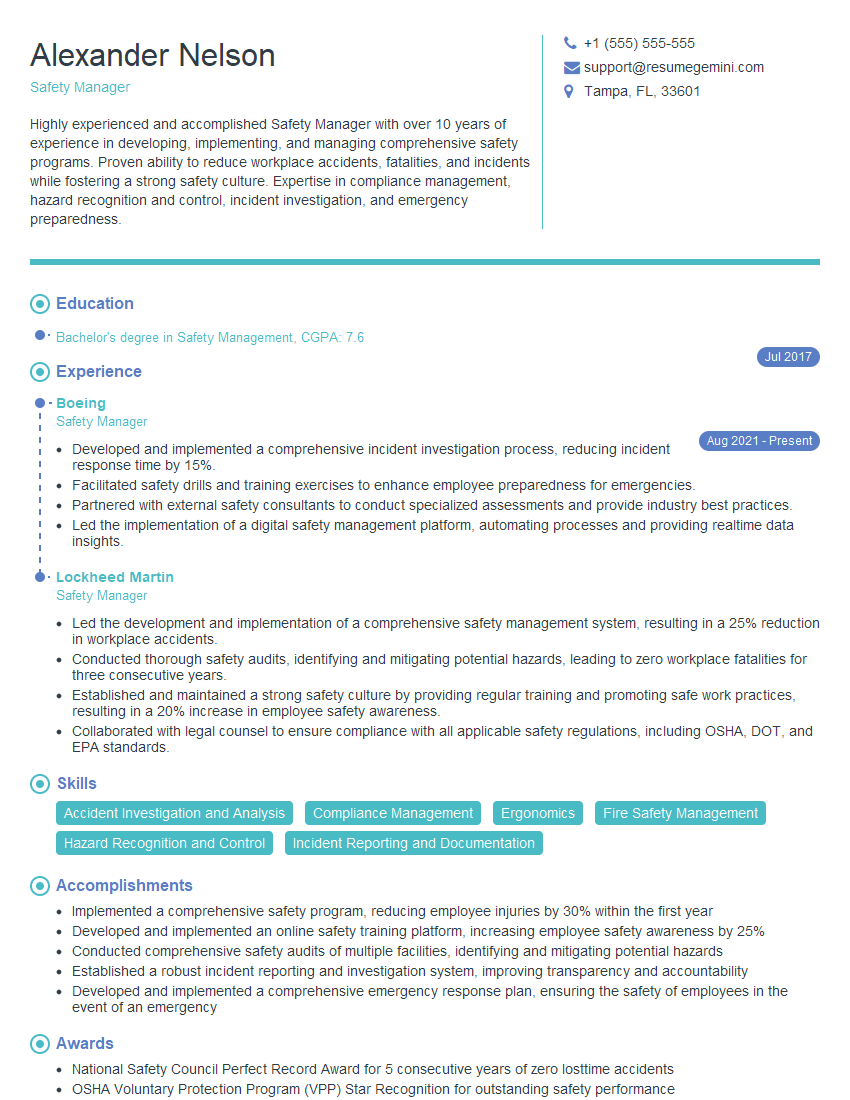
Safety Manager Resume Sample

Supply Chain Manager Resume Sample
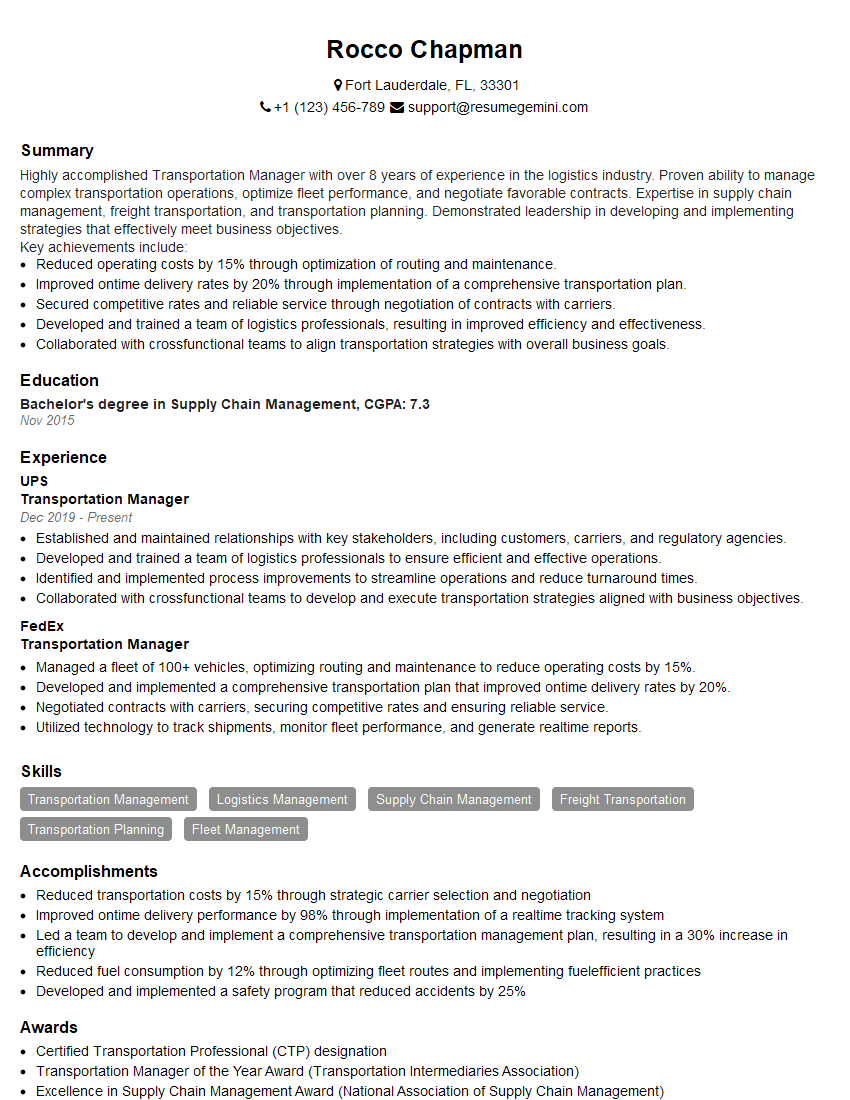
Transportation Manager Resume Sample
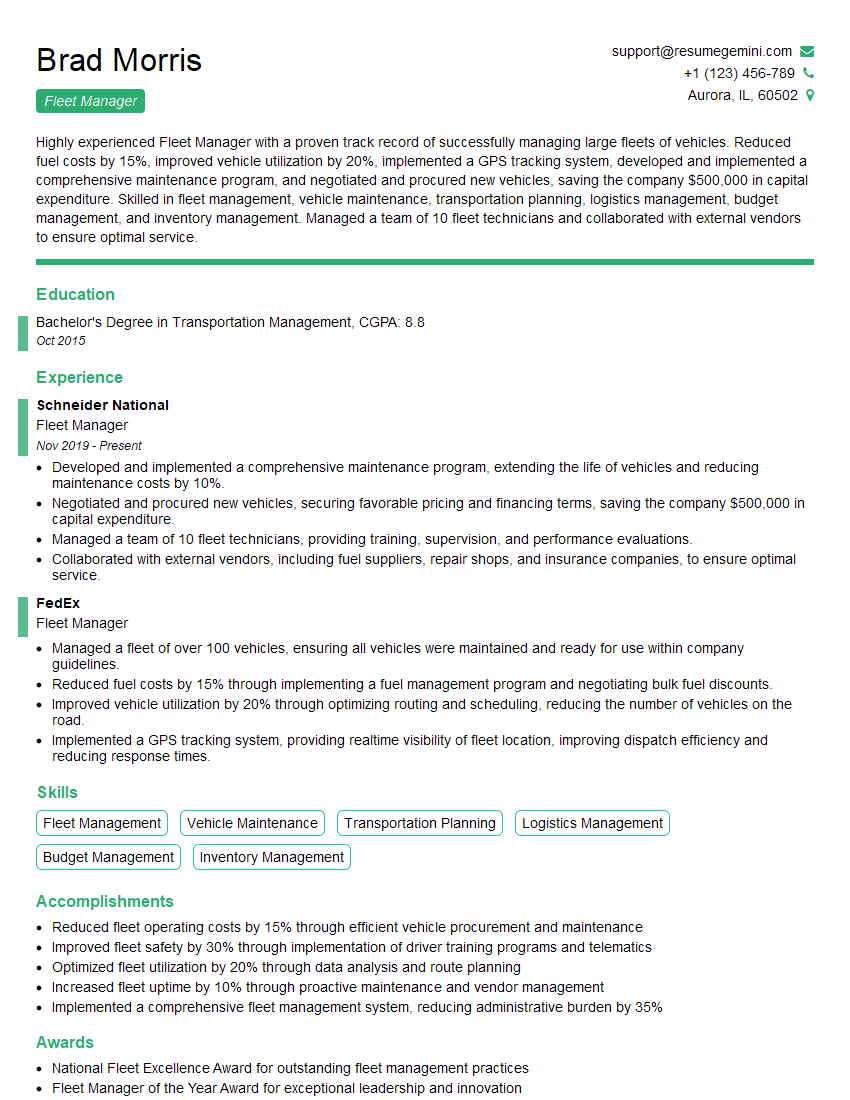
Fleet Manager Resume Sample
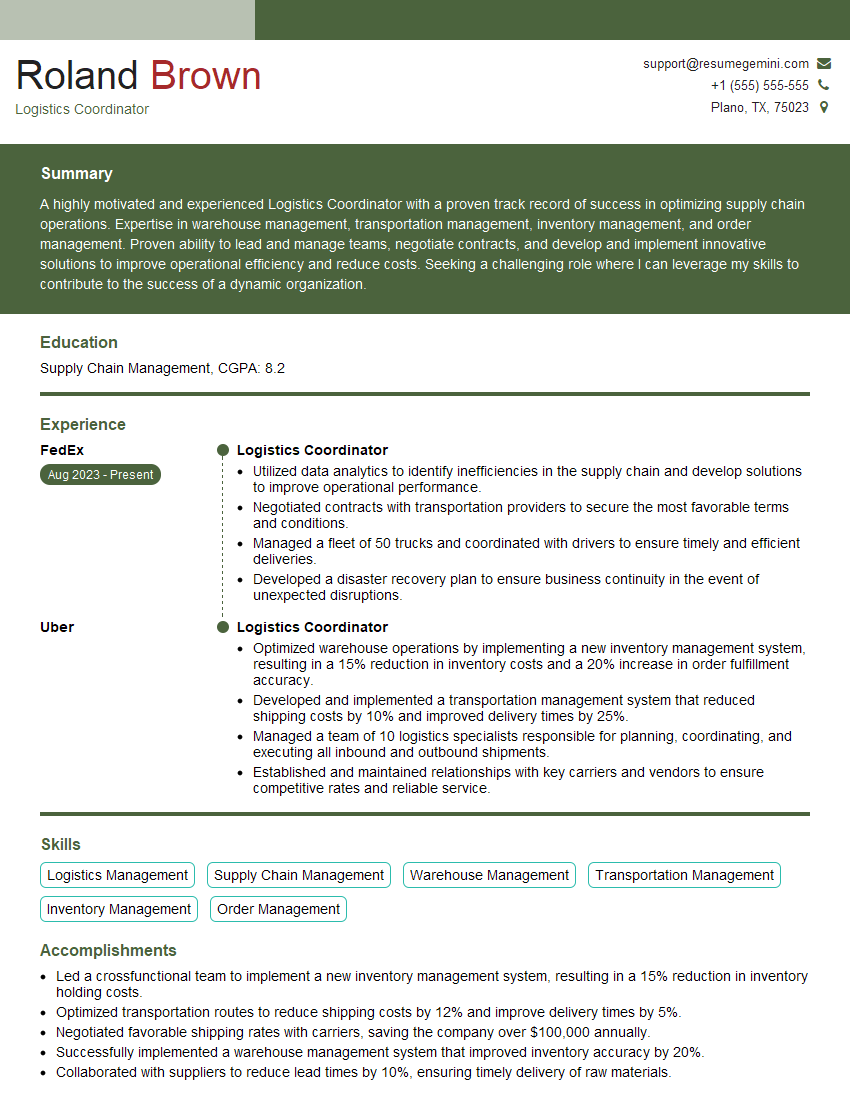
Logistics Coordinator Resume Sample

Compliance Officer Resume Sample
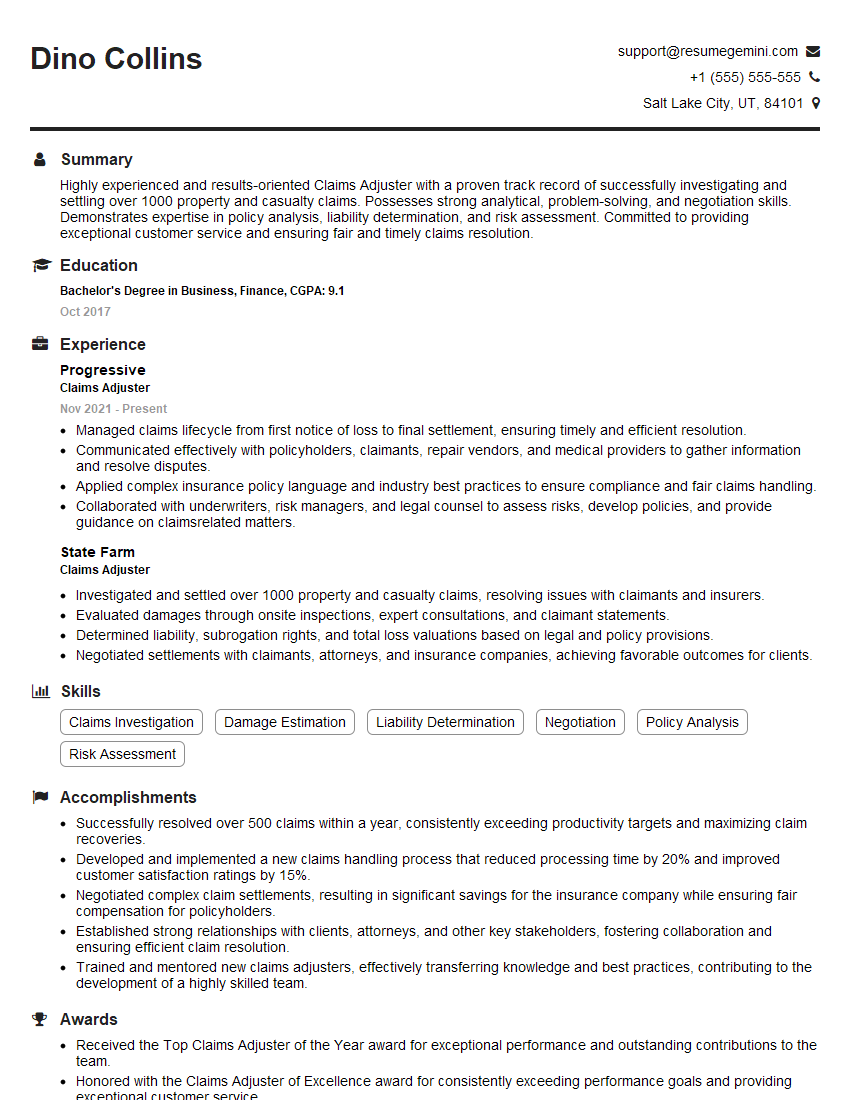
Claims Adjuster Resume Sample
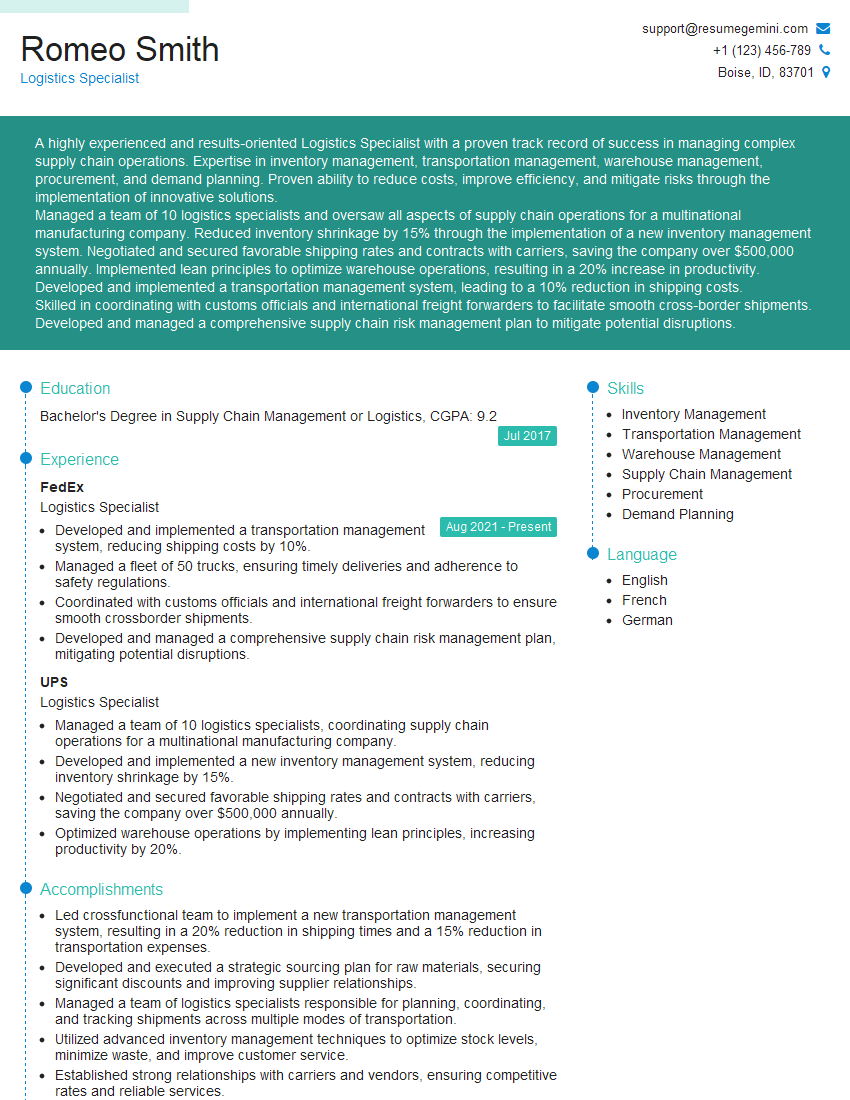
Logistics Specialist Resume Sample
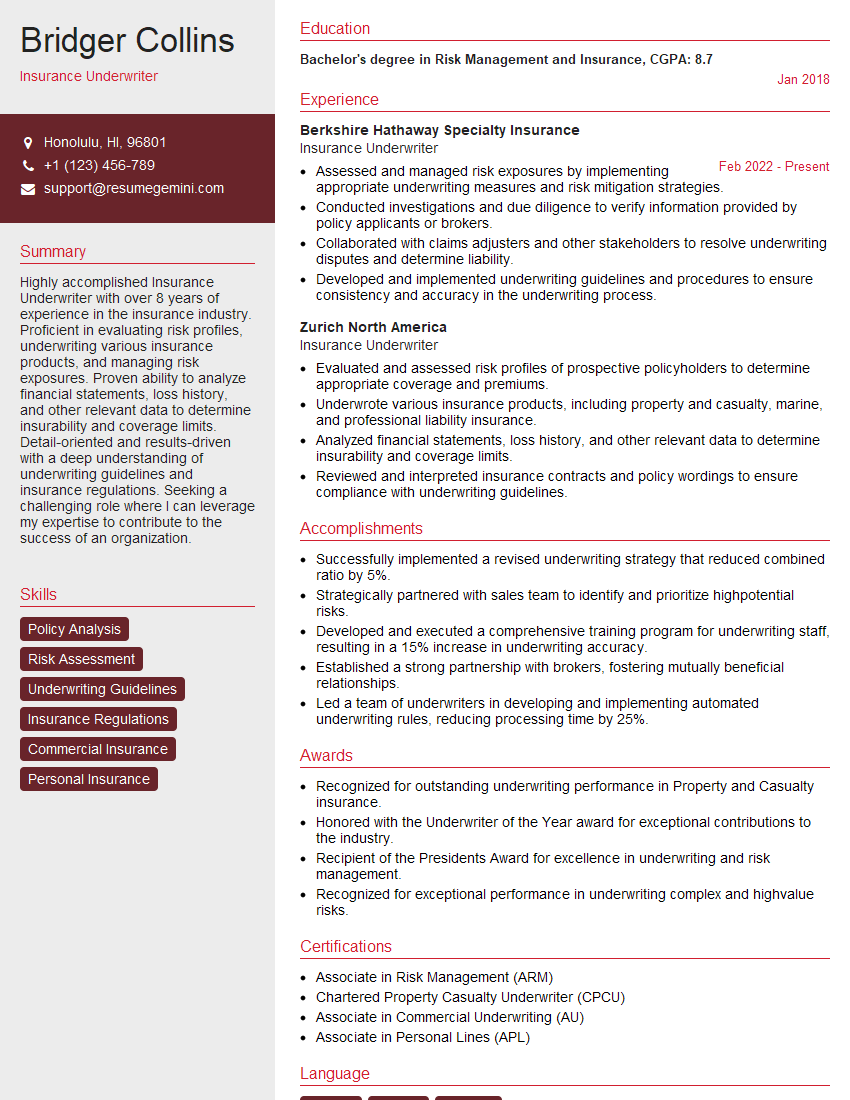
Insurance Underwriter Resume Sample

Risk Management Specialist Resume Sample
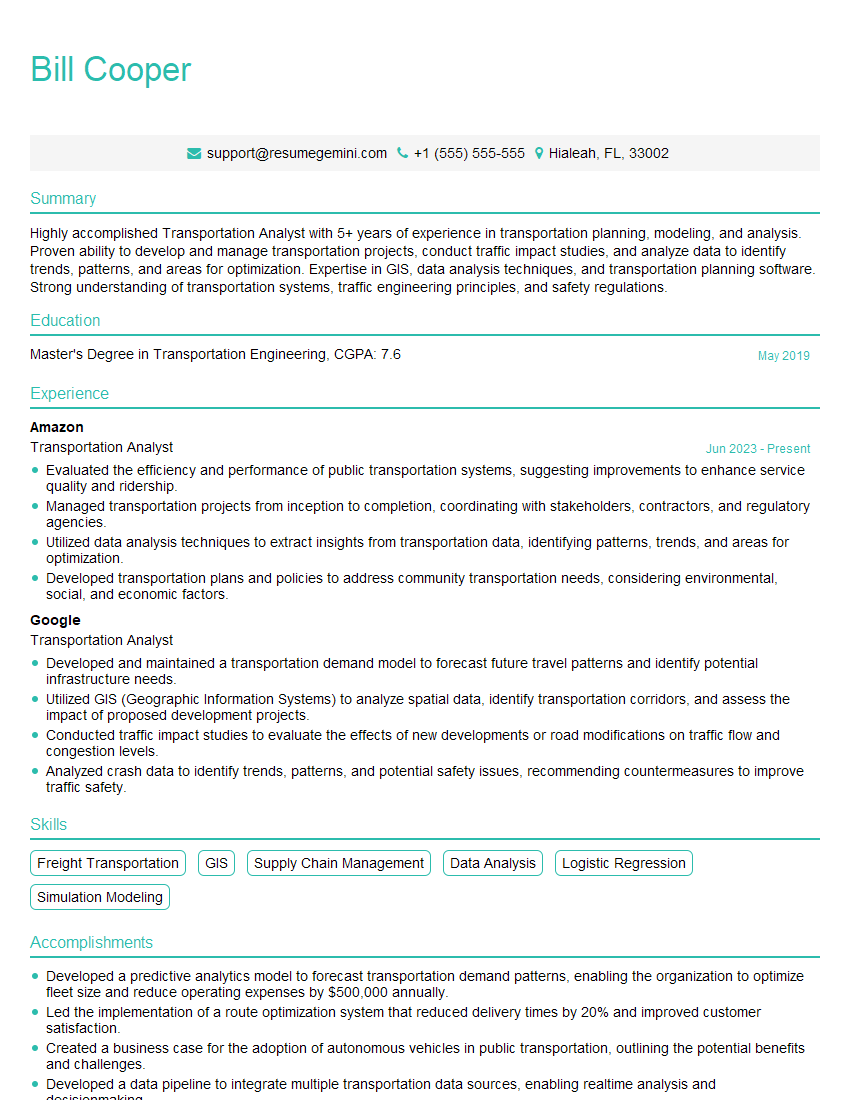
Transportation Analyst Resume Sample
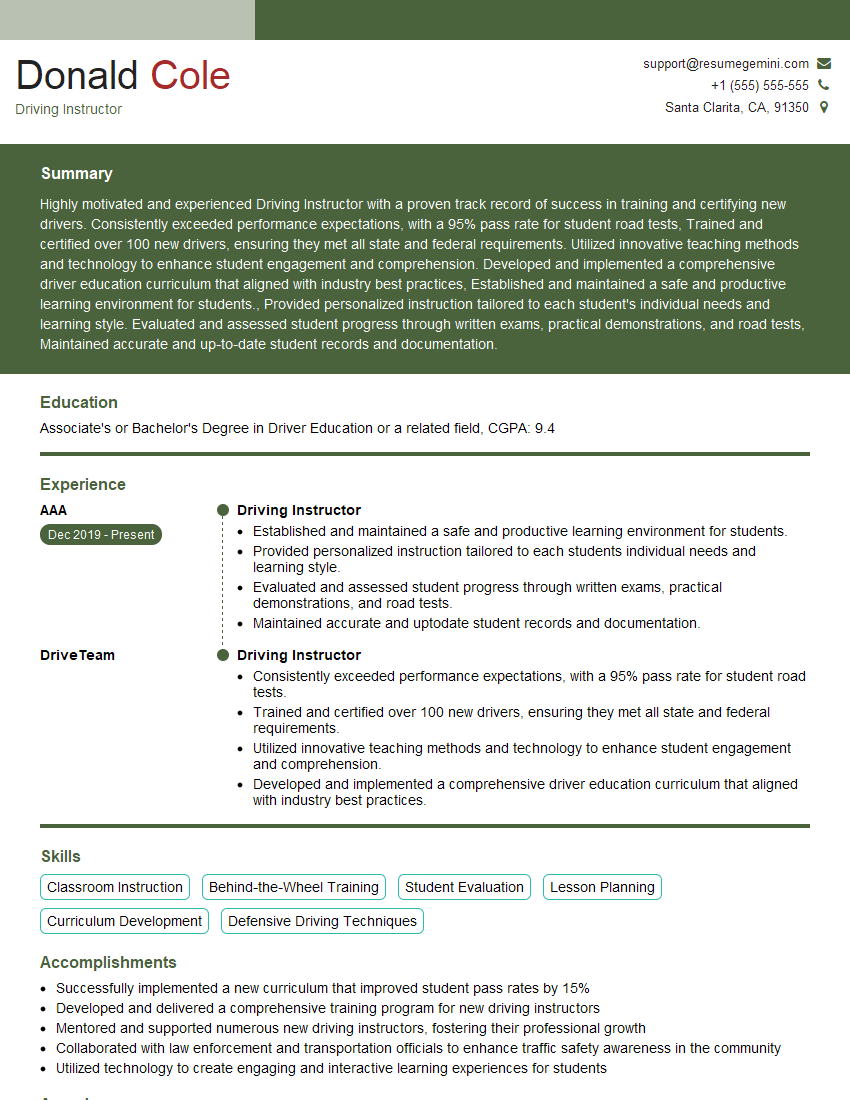
Driving Instructor Resume Sample
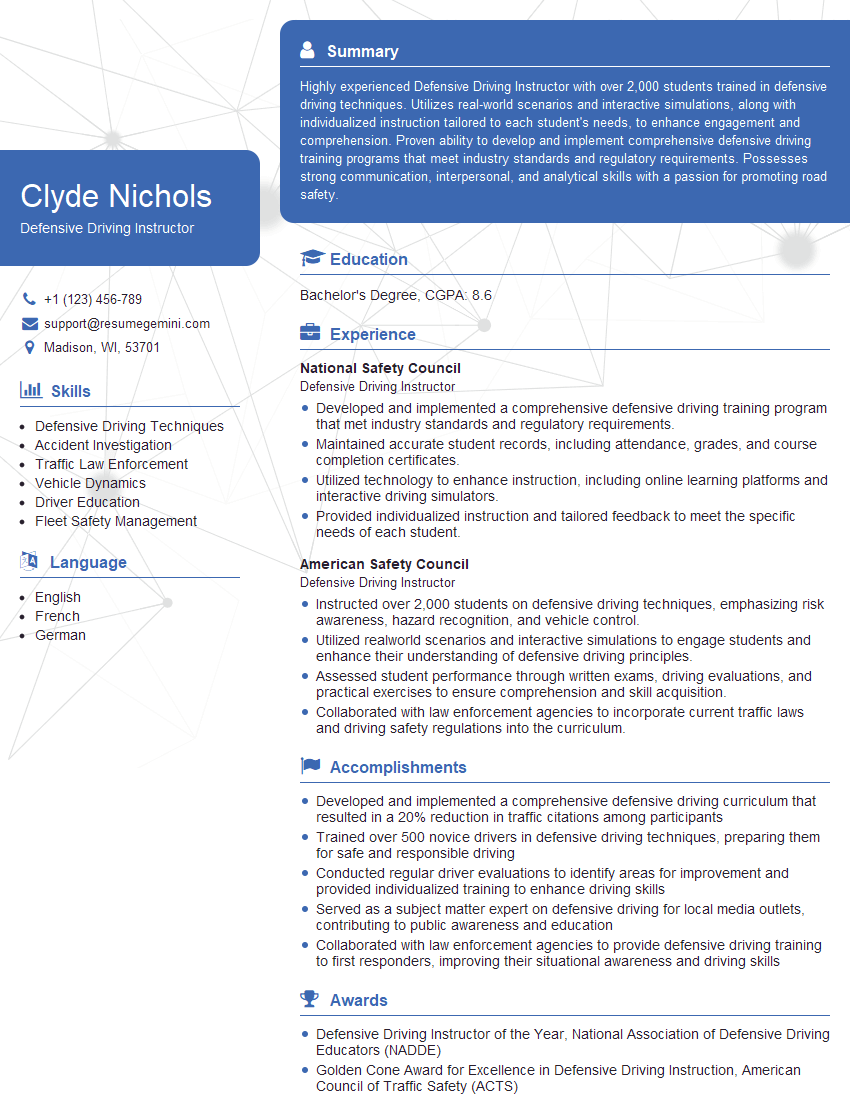
Defensive Driving Instructor Resume Sample
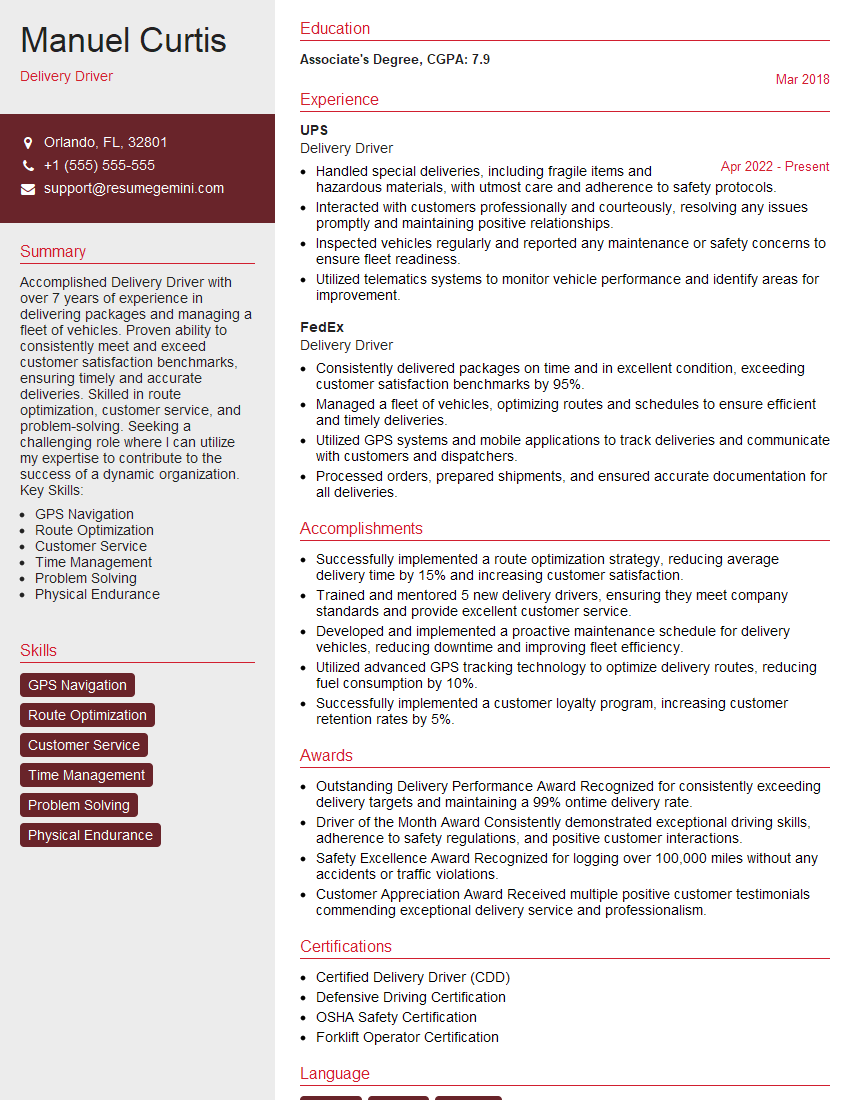
Delivery Driver Resume Sample
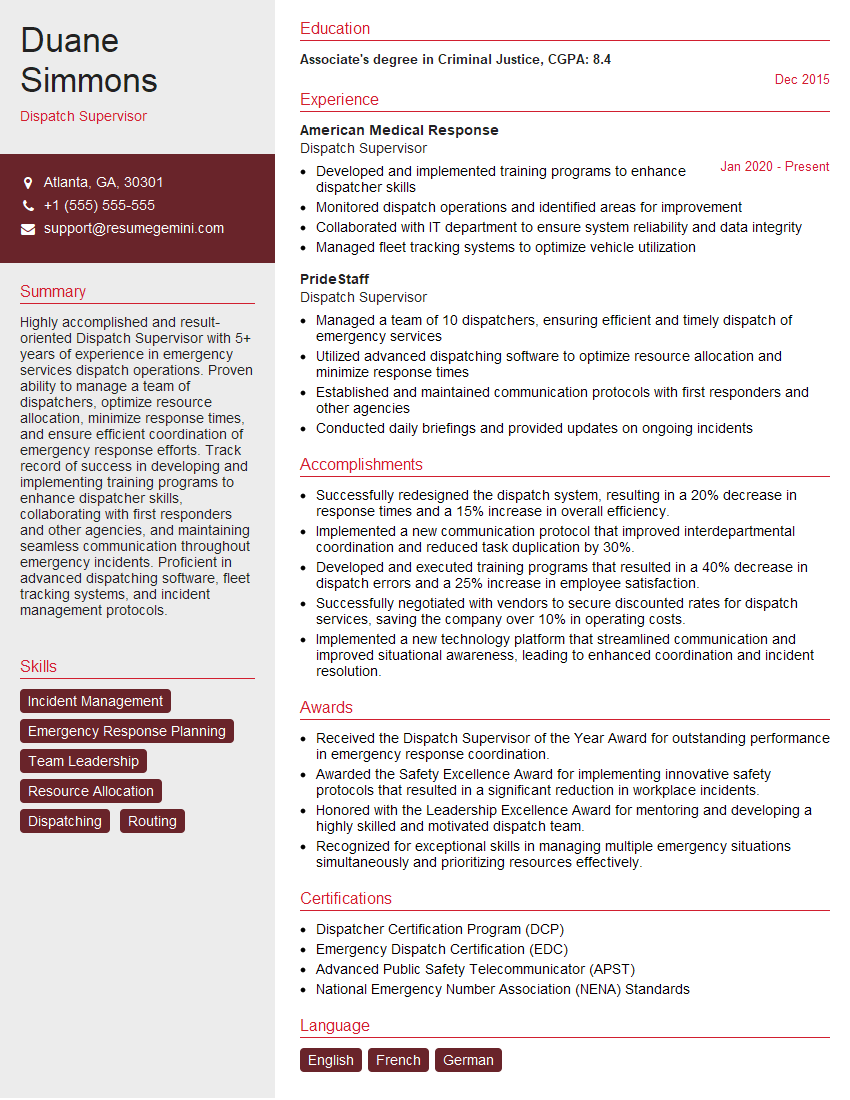
Dispatch Supervisor Resume Sample
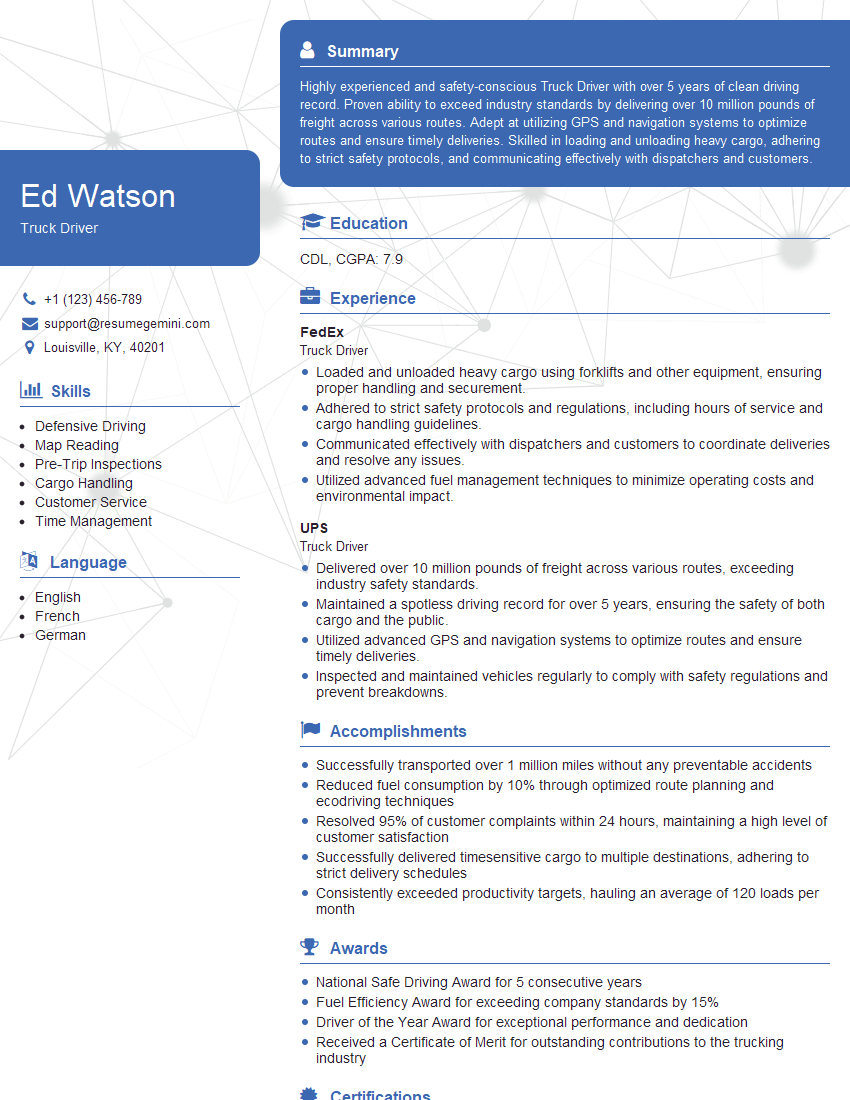
Truck Driver Resume Sample
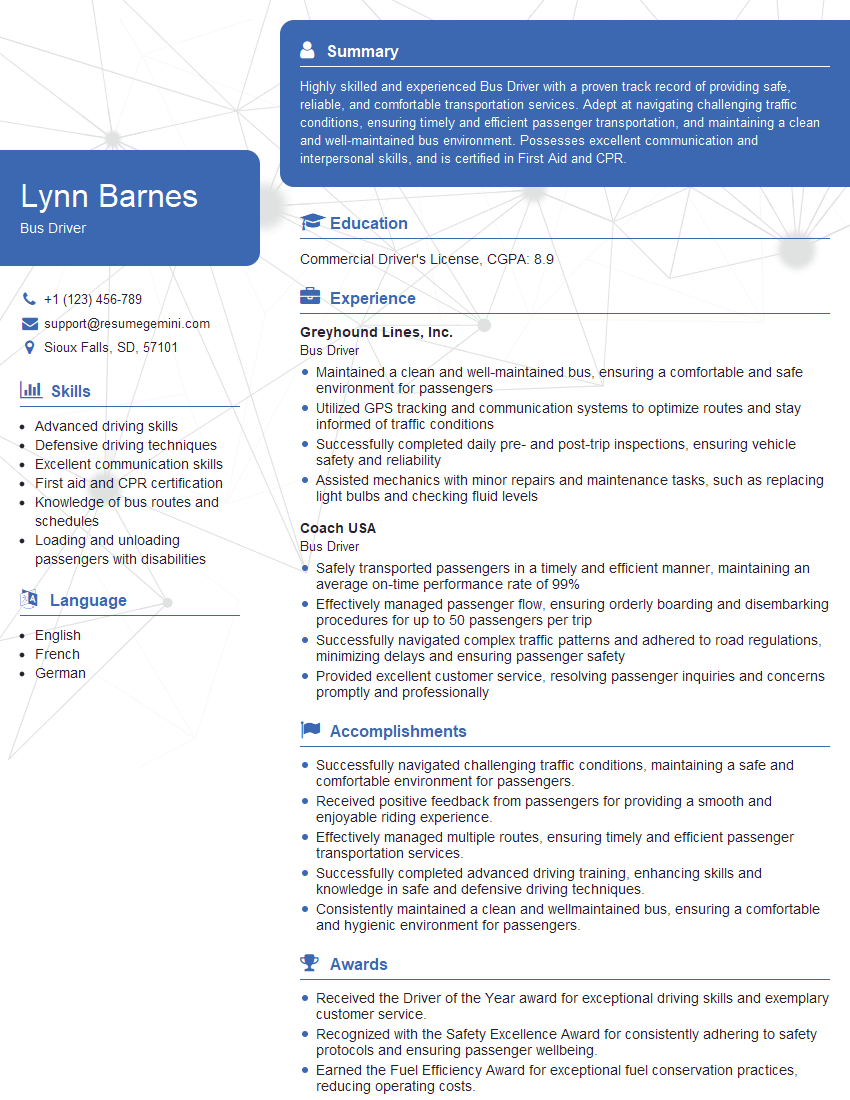
Bus Driver Resume Sample

Chauffeur Resume Sample
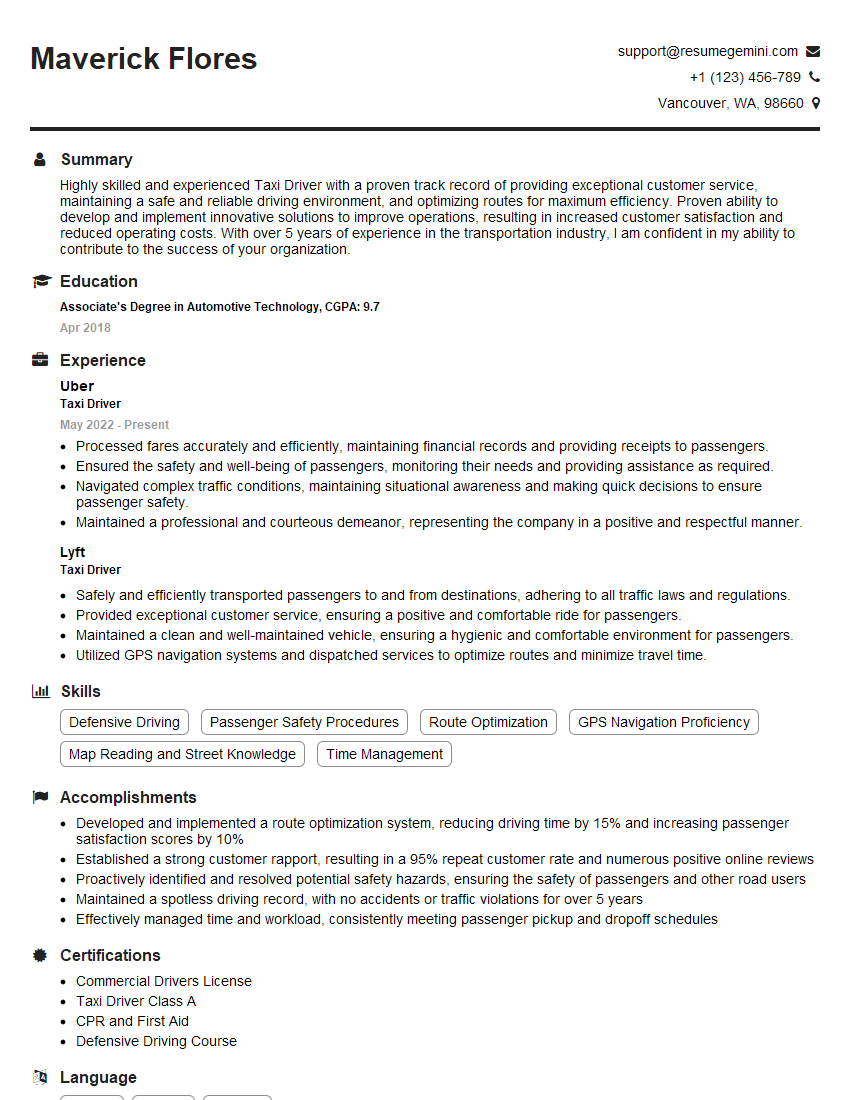
Taxi Driver Resume Sample
- Safety Manager
- Supply Chain Manager
- Transportation Manager
- Fleet Manager
- Logistics Coordinator
- Compliance Officer
- Claims Adjuster
- Logistics Specialist
- Insurance Underwriter
- Risk Management Specialist
- Transportation Analyst
- Driving Instructor
- Defensive Driving Instructor
- Delivery Driver
- Dispatch Supervisor
- Truck Driver
- Bus Driver
- Chauffeur
- Taxi Driver
Explore more articles
Users Rating of Our Blogs
Share Your Experience
We value your feedback! Please rate our content and share your thoughts (optional).
What Readers Say About Our Blog
Really detailed insights and content, thank you for writing this detailed article.
IT gave me an insight and words to use and be able to think of examples