Unlock your full potential by mastering the most common Climate Change Studies interview questions. This blog offers a deep dive into the critical topics, ensuring you’re not only prepared to answer but to excel. With these insights, you’ll approach your interview with clarity and confidence.
Questions Asked in Climate Change Studies Interview
Q 1. Explain the greenhouse effect and its contribution to global warming.
The greenhouse effect is a natural process that warms the Earth’s surface. When the Sun’s energy reaches the Earth’s atmosphere, some of it is reflected back to space and the rest is absorbed and re-radiated by greenhouse gases. These gases trap heat, preventing it from escaping back into space, thus keeping the planet warm enough to support life. However, human activities have significantly increased the concentration of these gases, leading to an enhanced greenhouse effect and global warming. Imagine a car parked in the sun; the glass acts like greenhouse gases, trapping heat inside and raising the temperature significantly. This is analogous to how greenhouse gases warm the planet.
Global warming refers to the ongoing increase in Earth’s average temperature caused primarily by the enhanced greenhouse effect. This increase in temperature has far-reaching consequences, impacting weather patterns, sea levels, and ecosystems worldwide.
Q 2. Describe the difference between climate change and weather.
Weather refers to short-term atmospheric conditions such as temperature, humidity, precipitation, wind, and cloud cover at a specific location. It’s what you experience daily. For example, it might be sunny and 75°F today, but rainy and 60°F tomorrow. These changes are relatively rapid and localized.
Climate, on the other hand, represents long-term (typically 30 years or more) average weather patterns across a larger region or the entire planet. It’s the statistical summary of weather over an extended period. Climate change describes long-term shifts in temperature and weather patterns, mainly caused by human activities such as burning fossil fuels and deforestation. This distinction is crucial; a cold snap in summer doesn’t negate climate change any more than one hot summer proves it.
Q 3. What are the key greenhouse gases and their relative contributions to global warming?
Several greenhouse gases contribute to global warming, each with varying radiative efficiencies and atmospheric lifetimes. The most significant are:
- Carbon Dioxide (CO2): The most abundant anthropogenic (human-caused) greenhouse gas, primarily from burning fossil fuels (coal, oil, and natural gas), deforestation, and industrial processes. It’s a long-lived gas, meaning it remains in the atmosphere for centuries.
- Methane (CH4): A potent greenhouse gas with a much shorter atmospheric lifetime than CO2 but with a significantly higher warming potential. Sources include agriculture (livestock, rice cultivation), natural gas leaks, and landfills.
- Nitrous Oxide (N2O): Released from agricultural activities, industrial processes, and the burning of fossil fuels. It has a long atmospheric lifetime and high global warming potential.
- Fluorinated Gases: These synthetic gases (e.g., hydrofluorocarbons, perfluorocarbons, sulfur hexafluoride) are extremely potent greenhouse gases with very long atmospheric lifetimes, primarily used in industrial processes and refrigeration.
While CO2 is the most dominant contributor in terms of total radiative forcing, other gases, especially methane, play a crucial role due to their high warming potential.
Q 4. Discuss the role of positive and negative feedback loops in climate change.
Feedback loops in climate change amplify or diminish the initial effect of a climate change driver. A positive feedback loop intensifies the initial change, whereas a negative feedback loop reduces it.
Example of a positive feedback loop: As the Earth warms, ice and snow melt, reducing the Earth’s albedo (reflectivity). Less ice means less sunlight is reflected back into space, leading to further warming and more ice melt – a self-reinforcing cycle.
Example of a negative feedback loop: Increased atmospheric CO2 can stimulate plant growth, leading to increased carbon sequestration (absorption of CO2 by plants). This reduces the amount of CO2 in the atmosphere, partially counteracting the warming effect. However, the strength of these negative feedback mechanisms is often uncertain and might not be sufficient to offset the warming caused by positive feedback loops.
Understanding these feedback loops is crucial for predicting future climate change because they greatly influence the overall sensitivity of the climate system.
Q 5. Explain the concept of climate sensitivity.
Climate sensitivity refers to the amount of global average warming that would result from a doubling of atmospheric CO2 concentration compared to pre-industrial levels. It’s a crucial metric for understanding the potential magnitude of future warming. Scientists use climate models to estimate climate sensitivity, which is typically expressed in degrees Celsius. The current best estimate from the IPCC lies in the range of 2.5°C to 4°C of warming, but there is still some uncertainty involved.
Understanding climate sensitivity helps us predict the potential impacts of greenhouse gas emissions. A higher climate sensitivity indicates a greater risk of severe climate change impacts, emphasizing the need for aggressive mitigation efforts to reduce emissions.
Q 6. Describe different climate models and their limitations.
Climate models are complex computer programs that simulate the Earth’s climate system, incorporating various physical, chemical, and biological processes. Different models exist, varying in their resolution (spatial and temporal detail), complexity (number of processes included), and the data they use. Some common types include:
- Global Climate Models (GCMs): These are the most comprehensive models, simulating the entire Earth’s climate system at a global scale. They are computationally intensive but provide a global overview of climate change.
- Regional Climate Models (RCMs): These models focus on smaller geographical areas, often nested within GCMs, to provide more detailed regional climate projections.
- Earth System Models (ESMs): These are even more complex models that integrate not only the climate system but also other Earth system components like the biosphere, cryosphere (ice and snow), and carbon cycle, providing more holistic simulations.
Limitations of climate models: Climate models are powerful tools, but they have limitations. They involve simplifications of complex processes, have uncertainties in parameterizations (representation of sub-grid processes), and are limited by computing power and data availability. It’s crucial to understand that models provide projections, not precise predictions. Scientists use multiple models and approaches to assess the robustness of their findings.
Q 7. What are the major impacts of climate change on ecosystems?
Climate change has profound and multifaceted impacts on ecosystems globally. Some major effects include:
- Changes in species distribution and abundance: As temperatures and precipitation patterns shift, species are forced to migrate or adapt, leading to changes in ecosystem composition and biodiversity. Some species may become locally extinct, while others may expand their range.
- Ocean acidification: Increased atmospheric CO2 leads to higher ocean acidity, harming marine organisms, especially those with calcium carbonate shells or skeletons (e.g., corals, shellfish).
- Coral bleaching: Warmer ocean temperatures cause corals to expel their symbiotic algae, leading to coral bleaching and increased susceptibility to disease, threatening coral reef ecosystems.
- Altered phenology: Climate change alters the timing of seasonal events (e.g., flowering, migration, breeding) in plants and animals, potentially disrupting ecological interactions and food webs.
- Increased frequency and intensity of extreme weather events: Heat waves, droughts, floods, and wildfires are becoming more frequent and intense, damaging ecosystems and causing widespread mortality.
- Sea level rise: Rising sea levels threaten coastal ecosystems such as mangroves, salt marshes, and seagrass beds, leading to habitat loss and erosion.
These impacts can trigger cascading effects throughout ecosystems, affecting biodiversity, ecosystem services (e.g., pollination, water purification), and human well-being.
Q 8. Discuss the impacts of climate change on human health.
Climate change significantly impacts human health, exacerbating existing health problems and creating new ones. Rising temperatures contribute to heatstroke and respiratory illnesses, while changes in precipitation patterns affect the spread of infectious diseases like malaria and dengue fever. Increased air pollution, a consequence of burning fossil fuels, leads to cardiovascular and respiratory problems. Extreme weather events, such as floods and hurricanes, cause injuries, displacement, and mental health issues. Food insecurity, resulting from disrupted agricultural patterns, leads to malnutrition and related health complications. Sea-level rise threatens coastal communities with displacement and exposure to waterborne diseases. For example, the increased frequency and intensity of heatwaves in Europe have led to thousands of excess deaths annually. Similarly, changes in rainfall patterns in tropical regions have expanded the geographical range of mosquito-borne illnesses.
Q 9. Explain the concept of carbon sequestration and its potential in mitigating climate change.
Carbon sequestration refers to the process of capturing and storing atmospheric carbon dioxide (CO2). This is crucial for mitigating climate change because it helps reduce the concentration of greenhouse gases in the atmosphere, thus slowing down global warming. Several natural and artificial methods exist. Natural sequestration includes forests, oceans, and soils absorbing CO2 through photosynthesis and other processes. Artificial methods involve technologies that capture CO2 from power plants or industrial sources and store it underground in geological formations or utilize it in other products. For instance, afforestation (planting trees) and reforestation (replanting forests) are effective natural sequestration methods. Direct air capture (DAC) technology, though still in its early stages, is an example of an artificial method that directly removes CO2 from the atmosphere.
The potential of carbon sequestration is immense. By enhancing natural processes and deploying effective technologies, we can significantly reduce the amount of CO2 in the atmosphere. However, it’s crucial to understand that sequestration is not a silver bullet. It should be part of a broader strategy that includes reducing emissions through renewable energy and energy efficiency measures.
Q 10. Describe various renewable energy sources and their pros and cons.
Renewable energy sources are those that are naturally replenished and do not deplete over time. They offer a sustainable alternative to fossil fuels, helping to mitigate climate change. Some key sources include:
- Solar Power: Uses photovoltaic cells to convert sunlight into electricity. Pros: Abundant, widely available, low maintenance. Cons: Intermittency (dependent on sunlight), land use requirements, manufacturing impacts.
- Wind Power: Wind turbines convert wind energy into electricity. Pros: Abundant in certain locations, efficient, relatively low environmental impact. Cons: Intermittency (dependent on wind speed), visual impact, potential noise pollution.
- Hydropower: Uses the energy of flowing water to generate electricity. Pros: Reliable, high efficiency, long lifespan. Cons: Environmental impact on rivers and ecosystems, displacement of communities, potential for greenhouse gas emissions from reservoirs.
- Geothermal Energy: Harnesses heat from the Earth’s interior to generate electricity or provide direct heating. Pros: Reliable, consistent energy source, low emissions. Cons: Location specific, potential for induced seismicity (in some cases).
- Biomass Energy: Uses organic matter (plants, wood, etc.) to produce energy. Pros: Carbon-neutral (if sustainably managed), can be used for heating and electricity. Cons: Can lead to deforestation if not sustainably managed, potential for air pollution.
Choosing the most appropriate renewable energy source depends on various factors, including geographical location, resource availability, and economic considerations. A diversified energy portfolio, utilizing a mix of renewable sources, is often the most effective approach.
Q 11. Explain the role of carbon pricing in addressing climate change.
Carbon pricing is an economic mechanism designed to incentivize emission reductions by putting a price on carbon dioxide emissions. This can be achieved through a carbon tax, where a fixed price is imposed on each ton of CO2 emitted, or an emissions trading system (ETS), also known as cap-and-trade, where a cap on total emissions is set and permits to emit are traded in a market. The price of carbon reflects the societal cost of emissions, encouraging businesses and individuals to reduce their carbon footprint. For instance, a high carbon price makes renewable energy sources more competitive compared to fossil fuels. It also incentivizes investments in carbon capture and storage technologies. Examples of successful carbon pricing mechanisms include the European Union Emissions Trading System (EU ETS) and the carbon tax in Sweden. However, careful design and implementation are essential to ensure equity and avoid negative impacts on vulnerable populations.
Q 12. Discuss different climate change mitigation strategies.
Climate change mitigation strategies aim to reduce greenhouse gas emissions and slow down global warming. These strategies encompass a wide range of actions, including:
- Transitioning to renewable energy: Replacing fossil fuels with solar, wind, hydro, and geothermal energy sources.
- Improving energy efficiency: Reducing energy consumption through better building design, more efficient appliances, and improved transportation systems.
- Sustainable land use and forestry: Protecting and restoring forests, promoting sustainable agriculture practices, and reducing deforestation.
- Carbon capture and storage (CCS): Capturing CO2 emissions from power plants and industrial sources and storing them underground.
- Sustainable transportation: Promoting electric vehicles, public transportation, and cycling.
- Policy and regulations: Implementing carbon pricing mechanisms, setting emission standards, and providing incentives for clean technologies.
A comprehensive mitigation strategy requires a combination of these approaches, tailored to specific contexts and circumstances. International cooperation is essential for achieving global emission reduction targets.
Q 13. Describe different climate change adaptation strategies.
Climate change adaptation strategies focus on adjusting to the current and future impacts of climate change. They aim to minimize the negative consequences and maximize opportunities arising from a changing climate. Examples include:
- Developing drought-resistant crops: Improving agricultural practices to cope with changing rainfall patterns.
- Building seawalls and improving coastal defenses: Protecting coastal communities from sea-level rise and storm surges.
- Developing early warning systems for extreme weather events: Enabling timely evacuation and reducing casualties.
- Improving water management: Enhancing water storage and distribution systems to cope with water scarcity.
- Relocating vulnerable communities: Moving populations away from high-risk areas.
- Investing in climate-resilient infrastructure: Designing buildings and infrastructure to withstand extreme weather events.
Adaptation measures are crucial, particularly in regions already experiencing significant climate impacts. However, adaptation should not be seen as a substitute for mitigation; it should complement efforts to reduce greenhouse gas emissions.
Q 14. What are the key challenges in implementing climate change policies?
Implementing effective climate change policies faces several key challenges:
- Political opposition: Powerful vested interests in the fossil fuel industry may oppose policies that threaten their profits.
- Economic considerations: The transition to a low-carbon economy can be costly, requiring significant investments in new technologies and infrastructure.
- Technological limitations: Some key technologies for mitigation and adaptation are still under development or are not yet cost-effective.
- International cooperation: Global climate change requires coordinated international action, which can be difficult to achieve due to differing national interests and priorities.
- Equity and social justice: Climate change impacts disproportionately affect vulnerable populations, and policies must address these inequalities.
- Public awareness and engagement: Effective policies require public support and understanding of the urgency of the climate crisis.
Addressing these challenges requires a multi-faceted approach, including strong political leadership, innovative financing mechanisms, technological breakthroughs, international collaboration, and effective public communication.
Q 15. Explain the concept of climate justice.
Climate justice recognizes that the impacts of climate change are not evenly distributed. Those who have contributed least to the problem—often less developed nations and marginalized communities—often bear the brunt of its consequences, facing disproportionate risks from extreme weather events, sea-level rise, and resource scarcity. It’s about fairness and equity in both the causes and consequences of climate change. This means holding historically high-emitting nations accountable for their contribution to global warming and ensuring that vulnerable populations receive the support they need to adapt and build resilience.
For example, island nations, which have contributed minimally to greenhouse gas emissions, are facing existential threats from rising sea levels. Climate justice advocates for their right to safety and support in adapting to these changes. Similarly, low-income communities in many countries may be disproportionately impacted by heatwaves due to a lack of access to air conditioning or green spaces. Climate justice demands that these disparities are addressed through policy changes that promote equity and fairness.
Career Expert Tips:
- Ace those interviews! Prepare effectively by reviewing the Top 50 Most Common Interview Questions on ResumeGemini.
- Navigate your job search with confidence! Explore a wide range of Career Tips on ResumeGemini. Learn about common challenges and recommendations to overcome them.
- Craft the perfect resume! Master the Art of Resume Writing with ResumeGemini’s guide. Showcase your unique qualifications and achievements effectively.
- Don’t miss out on holiday savings! Build your dream resume with ResumeGemini’s ATS optimized templates.
Q 16. Discuss the role of international agreements in addressing climate change.
International agreements play a crucial role in coordinating global action on climate change. They provide a framework for nations to commit to emission reduction targets, share best practices, and provide financial and technological assistance to developing countries. The most prominent example is the United Nations Framework Convention on Climate Change (UNFCCC), which established the annual Conference of the Parties (COP) meetings. The Paris Agreement (COP21), adopted in 2015, is a landmark accord that aims to limit global warming to well below 2 degrees Celsius, preferably to 1.5 degrees Celsius, compared to pre-industrial levels.
These agreements are crucial because climate change is a global problem requiring collective action. Individual countries acting alone cannot effectively solve the issue. International agreements create a mechanism for countries to collaborate, share data, and monitor progress towards common goals. However, the effectiveness of these agreements depends on the commitment and implementation efforts of individual nations, and challenges remain in ensuring equitable participation and sufficient funding for adaptation and mitigation.
Q 17. How can climate change impact water resources?
Climate change significantly impacts water resources through altered precipitation patterns, increased evaporation, and melting glaciers and snowpack. This leads to several consequences:
- Changes in water availability: Some regions will experience more frequent and intense droughts, leading to water scarcity for agriculture, industry, and domestic use. Other regions may face increased flooding and runoff, potentially contaminating water supplies.
- Increased water stress: Competition for limited water resources will intensify, potentially leading to conflicts between different user groups (agriculture, industry, households).
- Changes in water quality: Increased salinity in coastal aquifers due to sea-level rise, and contamination from storm surges, can render water sources unusable.
- Impacts on hydropower: Changes in river flows can affect the reliability of hydropower generation.
For example, the Colorado River basin in the southwestern United States is facing severe water stress due to prolonged drought exacerbated by climate change, affecting millions of people and numerous industries.
Q 18. How does climate change affect agriculture and food security?
Climate change poses a significant threat to agriculture and food security. Changes in temperature and precipitation patterns, increased frequency of extreme weather events, and the spread of pests and diseases can all negatively impact crop yields and livestock production.
- Reduced crop yields: Higher temperatures and altered rainfall can stress crops, reducing their productivity and impacting the quality of harvests.
- Increased pest and disease outbreaks: Warmer temperatures can extend the range and breeding season of pests and diseases, damaging crops and livestock.
- Water scarcity: Droughts can severely limit irrigation water, leading to crop failure.
- Changes in livestock productivity: Heat stress can reduce livestock productivity and increase mortality.
These impacts will disproportionately affect developing countries, which rely heavily on rain-fed agriculture and have limited capacity to adapt to climate change. Food security will be threatened by reduced food production and increased food prices, potentially leading to malnutrition and famine.
Q 19. Explain the concept of climate tipping points.
Climate tipping points refer to critical thresholds in the Earth’s climate system, beyond which even small changes in forcing can trigger large, abrupt, and often irreversible shifts. These are points of no return, where the system shifts into a new state.
Examples include:
- Melting of the Greenland and West Antarctic ice sheets: Melting ice sheets can trigger further warming through a feedback loop, accelerating sea-level rise.
- Dieback of the Amazon rainforest: Deforestation and climate change can lead to a tipping point where the rainforest transitions into a savanna, affecting biodiversity and regional rainfall patterns.
- Disruption of the Atlantic Meridional Overturning Circulation (AMOC): Changes in ocean currents could disrupt weather patterns in Europe and North America.
Understanding and avoiding these tipping points is crucial for maintaining a stable and habitable climate. Reaching a tipping point could have cascading effects, leading to abrupt and widespread changes with potentially devastating consequences.
Q 20. How can climate change impact coastal communities?
Coastal communities are particularly vulnerable to the impacts of climate change. Sea-level rise, increased storm surge intensity, and coastal erosion pose major threats to infrastructure, livelihoods, and human safety.
- Sea-level rise: Rising sea levels lead to inundation of low-lying areas, displacement of populations, and saltwater intrusion into freshwater resources.
- Increased storm surge intensity: More frequent and intense storms can cause devastating damage to coastal infrastructure and ecosystems.
- Coastal erosion: Rising sea levels and increased storm activity accelerate coastal erosion, threatening homes, businesses, and coastal defenses.
Many coastal communities are already experiencing these impacts, leading to loss of property, displacement, and increased vulnerability to extreme weather events. Adaptation strategies, such as building seawalls, restoring coastal ecosystems, and relocating communities, are crucial for protecting coastal populations and infrastructure.
Q 21. Describe different methods for measuring greenhouse gas emissions.
Measuring greenhouse gas emissions involves a combination of methods, depending on the scale and scope of measurement (e.g., national inventories, corporate emissions, or individual building emissions).
- Direct measurement: This involves using instruments to measure emissions directly at the source (e.g., using sensors on smokestacks to measure CO2 emissions from power plants). This is highly accurate but can be expensive and impractical for large-scale measurements.
- Indirect measurement (activity data): This approach estimates emissions based on activity data, such as fuel consumption, cement production, or deforestation rates. Emission factors (the amount of GHG emitted per unit of activity) are used to convert activity data into emission estimates. This is a common approach for national GHG inventories.
- Atmospheric measurements: This approach involves measuring the concentration of greenhouse gases in the atmosphere at various locations. By combining these measurements with atmospheric transport models, scientists can infer emissions. This is useful for verifying national inventories and for detecting emissions from unknown or poorly monitored sources.
- Remote sensing: Satellite technology can be used to measure emissions from various sources, such as deforestation or methane leaks from oil and gas infrastructure.
Accurate measurement of greenhouse gas emissions is crucial for monitoring progress towards emission reduction targets and for designing effective climate policies. A combination of these methods is often used to obtain the most comprehensive and reliable emission estimates.
Q 22. Explain the role of data analysis in climate change research.
Data analysis is the backbone of climate change research. It allows us to sift through vast quantities of observational data – from temperature records and precipitation patterns to ice core samples and satellite imagery – to identify trends, patterns, and anomalies. This helps us understand the extent and rate of climate change, project future scenarios, and assess the effectiveness of mitigation and adaptation strategies.
For example, statistical techniques like regression analysis help establish correlations between greenhouse gas concentrations and global temperature increases. Time series analysis allows us to detect long-term trends and cyclical patterns in climate data. Spatial analysis using Geographic Information Systems (GIS) helps visualize and understand the geographical distribution of climate impacts, such as sea-level rise or changes in precipitation patterns. Machine learning algorithms are increasingly being used to analyze complex datasets and predict future climate scenarios with greater accuracy.
Ultimately, rigorous data analysis provides the empirical evidence needed to inform policy decisions, guide resource allocation, and develop effective solutions to address the climate crisis.
Q 23. Describe your experience with climate change modeling software.
I have extensive experience using a variety of climate modeling software packages, including the widely used Community Earth System Model (CESM) and the Hadley Centre Global Environmental Model (HadGEM). My work involves running simulations, calibrating models against observational data, and analyzing model outputs to understand the complex interactions within the Earth’s climate system. This includes assessing the impacts of different climate change mitigation scenarios on factors like temperature, sea-level rise, and extreme weather events.
For instance, in a recent project, I used CESM to simulate the effects of various greenhouse gas emission pathways on the Arctic sea ice extent. The model’s output allowed us to quantify the potential for accelerated sea ice melt under different future scenarios, providing crucial data for policymakers concerned about the implications for Arctic ecosystems and global sea levels. My expertise extends to interpreting the uncertainties inherent in climate model outputs and communicating those uncertainties effectively.
Q 24. How would you communicate complex climate science to a non-scientific audience?
Communicating complex climate science to a non-scientific audience requires a thoughtful and multi-faceted approach. I avoid technical jargon and instead use clear, concise language, focusing on relatable analogies and visual aids. For example, instead of discussing radiative forcing, I might explain the greenhouse effect using the analogy of a car parked in the sun. The glass traps heat, much like greenhouse gases trap heat in the atmosphere.
I also rely heavily on storytelling, sharing real-world examples of climate change impacts, such as increased frequency of extreme weather events or the melting of glaciers. Incorporating personal stories and local examples makes the information more relatable and impactful. Finally, I encourage interaction and questions to foster a better understanding and address any misconceptions.
Using infographics, charts, and videos can significantly enhance communication. A simple graph showing the rise in global temperatures over the past century is far more effective than a complex dataset. The key is to tailor the message to the specific audience and to focus on the most relevant and impactful aspects of the science.
Q 25. What are the ethical considerations in climate change research?
Ethical considerations in climate change research are paramount. One major concern is ensuring the research is conducted with integrity, avoiding conflicts of interest and ensuring transparency in data collection and analysis. It’s crucial to acknowledge uncertainties and limitations in research findings, particularly when communicating results to policymakers and the public.
Another key ethical aspect is equitable access to research findings and the distribution of benefits derived from climate research. We must ensure that the most vulnerable populations are not disproportionately affected by climate change and that research efforts prioritize their needs and perspectives. Additionally, the potential misuse of climate science for political agendas or for the benefit of specific industries raises ethical concerns and requires careful consideration.
Finally, researchers have a responsibility to actively communicate the urgency and significance of climate change to society, while remaining accurate and objective in presenting their findings. This involves engaging in public outreach and contributing to informed policy discussions.
Q 26. Explain the concept of sustainable development.
Sustainable development is the process of meeting the needs of the present without compromising the ability of future generations to meet their own needs. It encompasses three interconnected pillars: economic growth, social equity, and environmental protection. These pillars are interdependent; progress in one area shouldn’t come at the expense of the others.
For example, economic growth shouldn’t lead to environmental degradation through unsustainable resource extraction or pollution. Similarly, social equity shouldn’t be sacrificed for short-term economic gains, and environmental protection shouldn’t hinder economic development or social progress. Sustainable development requires a holistic approach that considers the long-term consequences of our actions and promotes a balance between these three dimensions.
Achieving sustainable development requires a shift towards circular economy models, reduced reliance on fossil fuels, and investments in renewable energy sources, resource efficiency, and social inclusion. It’s a complex and ongoing process that requires collaboration between governments, businesses, and individuals.
Q 27. Discuss your experience with life cycle assessment (LCA).
Life Cycle Assessment (LCA) is a systematic framework for evaluating the environmental impacts of a product or service throughout its entire life cycle, from raw material extraction to disposal or recycling. My experience with LCA involves conducting cradle-to-grave analyses, quantifying impacts across various environmental categories (e.g., greenhouse gas emissions, water consumption, resource depletion), and interpreting the results to identify areas for improvement.
In one project, I conducted an LCA of a proposed renewable energy project, comparing the environmental impacts of different technologies (solar, wind, etc.) across their entire life cycles. The analysis included assessing the impacts of manufacturing, transportation, installation, operation, and end-of-life management of each technology. This enabled us to identify the most environmentally sustainable option, considering factors like material use, energy consumption, and greenhouse gas emissions.
LCA is a valuable tool for guiding sustainable design, promoting eco-efficient practices, and informing environmentally conscious decision-making across various industries.
Q 28. Describe your experience with environmental impact assessments (EIA).
Environmental Impact Assessments (EIAs) are systematic processes used to identify, predict, evaluate, and mitigate the biophysical, social, and other relevant effects of development proposals prior to major decisions being taken and commitments made. My experience includes conducting EIAs for various projects, ranging from infrastructure developments to industrial projects. This involves identifying potential environmental impacts, evaluating their significance, proposing mitigation measures, and preparing comprehensive EIA reports.
For example, I participated in an EIA for a large-scale mining project, assessing its potential impacts on water resources, air quality, biodiversity, and local communities. The EIA identified potential risks and proposed mitigation measures, such as water treatment systems, dust suppression techniques, and habitat restoration programs. The findings were used to inform decision-making by regulatory bodies and to guide the project’s design and implementation in a way that minimizes its negative environmental footprint.
EIAs are essential for ensuring environmentally sustainable development and for promoting responsible environmental stewardship. They contribute to informed decision-making and help prevent or mitigate environmental damage resulting from development activities.
Key Topics to Learn for Climate Change Studies Interview
- Climate Change Science Fundamentals: Understanding the greenhouse effect, climate forcing mechanisms, and the scientific consensus on anthropogenic climate change. This includes interpreting climate data and models.
- Impacts of Climate Change: Analyzing the effects of climate change on various systems, such as ecosystems, water resources, human health, and economies. This involves understanding vulnerability assessments and adaptation strategies.
- Mitigation Strategies: Exploring different approaches to reducing greenhouse gas emissions, including renewable energy technologies, carbon capture and storage, and policy interventions. This includes evaluating the effectiveness and feasibility of various mitigation options.
- Climate Policy and Governance: Familiarizing yourself with international agreements (like the Paris Agreement), national climate policies, and the role of different stakeholders in climate action. This encompasses understanding policy analysis and implementation challenges.
- Climate Modeling and Data Analysis: Developing skills in using climate models and statistical techniques to analyze climate data, project future climate scenarios, and assess the uncertainties involved. This includes experience with relevant software and programming languages.
- Climate Communication and Engagement: Understanding effective communication strategies to convey complex climate information to diverse audiences, including policymakers, the public, and other stakeholders. This includes experience in science communication and public engagement.
- Sustainable Development and Climate Change: Exploring the interconnectedness between climate change and sustainable development goals, and understanding how to integrate climate considerations into development planning and implementation.
Next Steps
Mastering Climate Change Studies opens doors to impactful careers addressing one of the most pressing global challenges. A strong understanding of these key areas will significantly enhance your interview performance and career prospects. To maximize your chances, create a compelling and ATS-friendly resume that showcases your skills and experience effectively. ResumeGemini is a trusted resource that can help you build a professional and impactful resume tailored to the specific requirements of Climate Change Studies positions. Examples of resumes tailored to this field are available within ResumeGemini to guide your creation process.
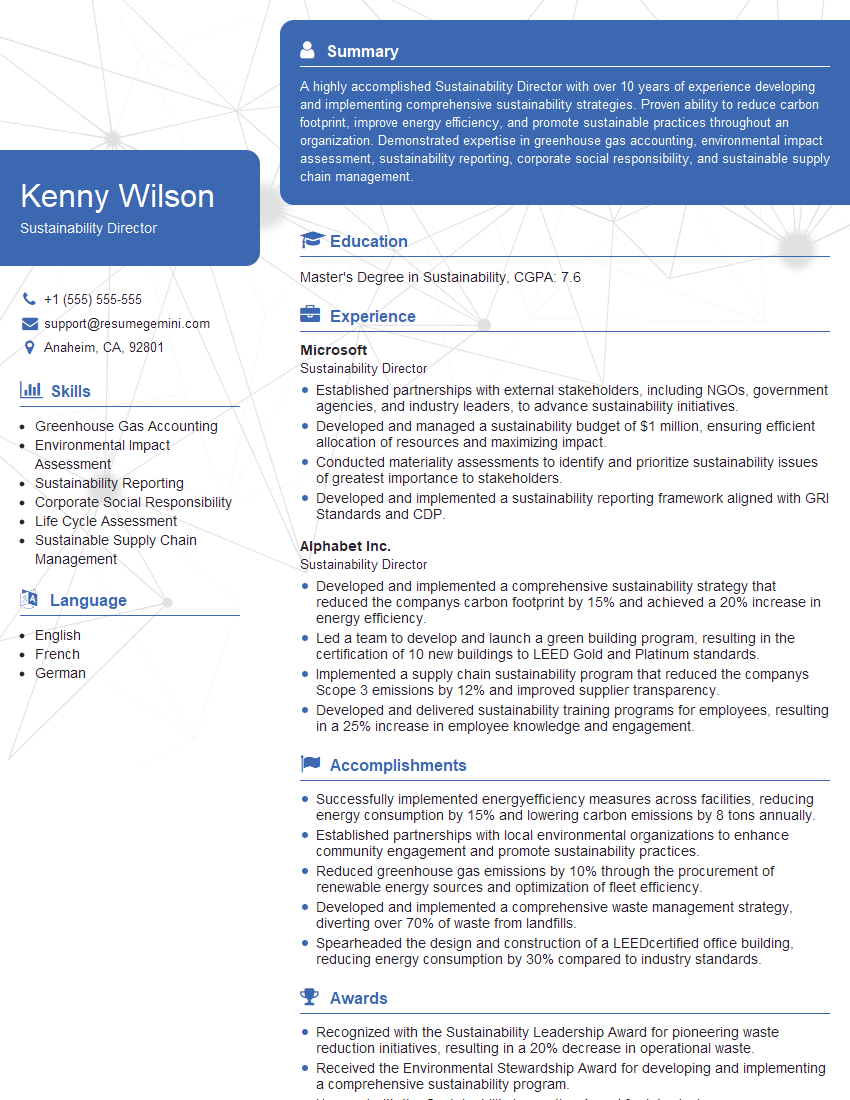
Sustainability Director Resume Sample

Sustainability Manager Resume Sample
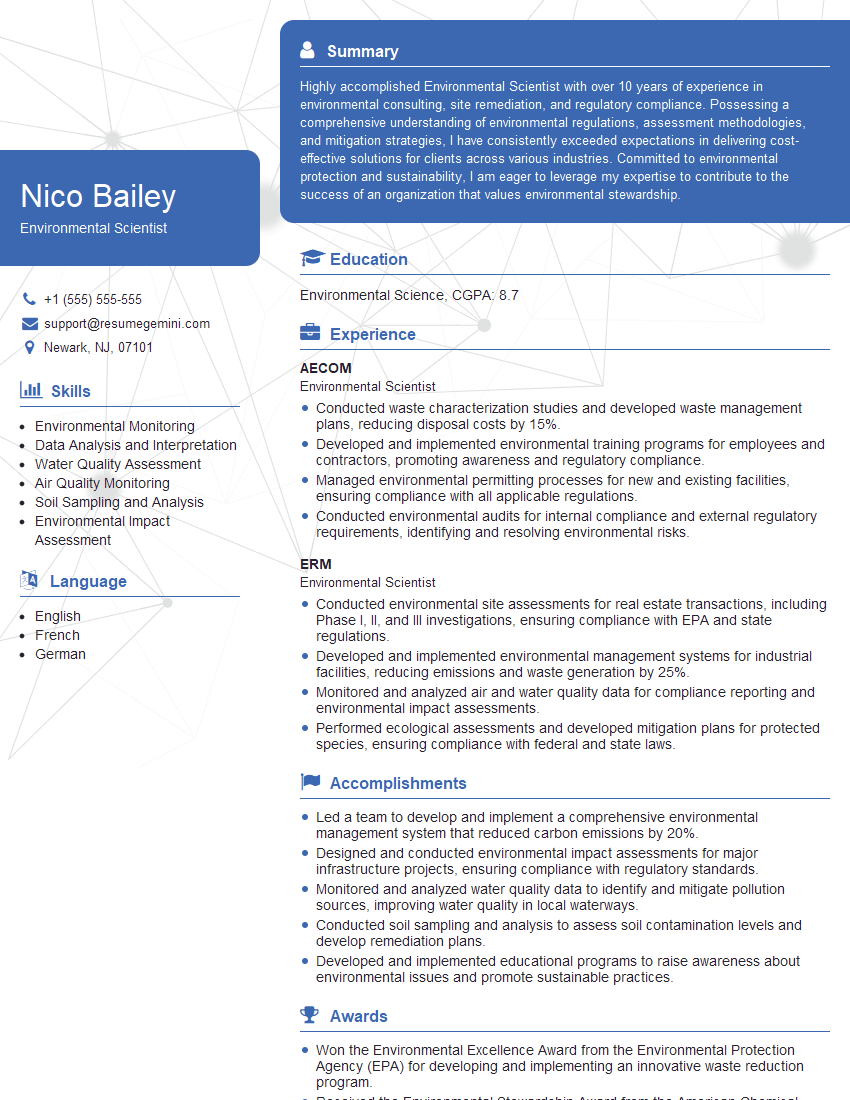
Environmental Scientist Resume Sample

Sustainability Consultant Resume Sample
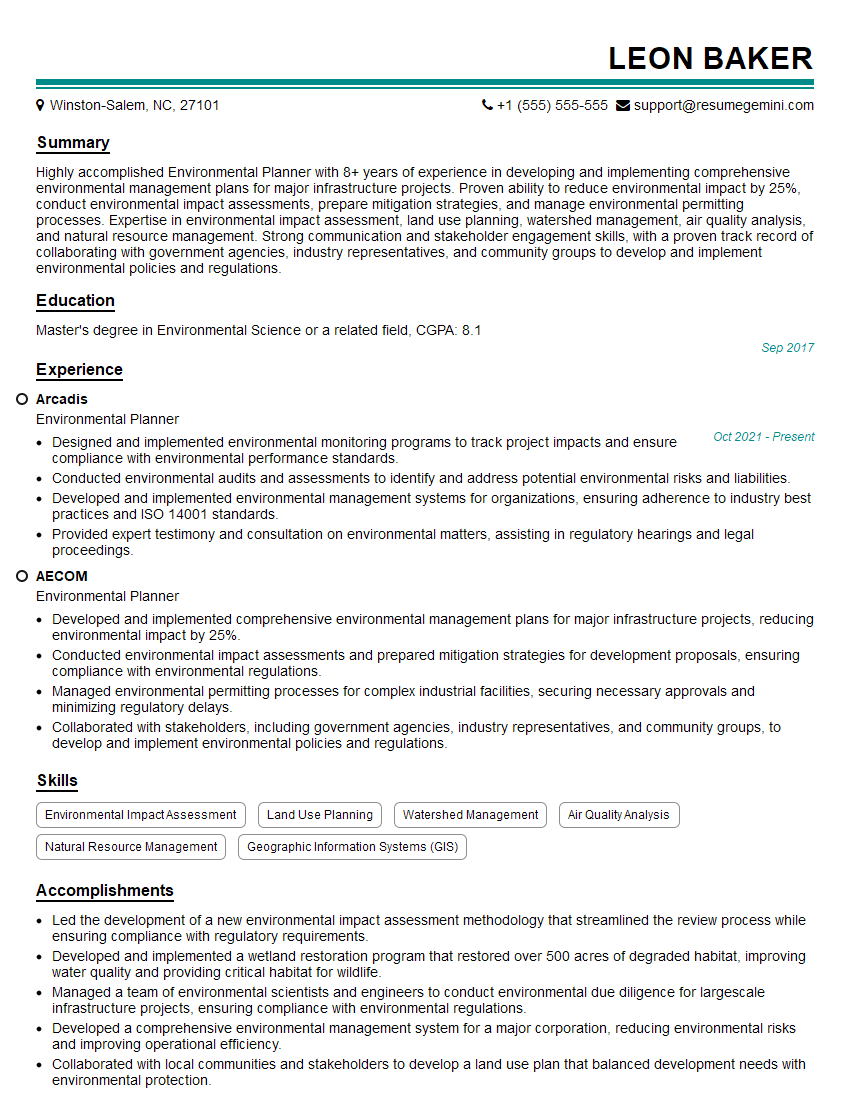
Environmental Planner Resume Sample
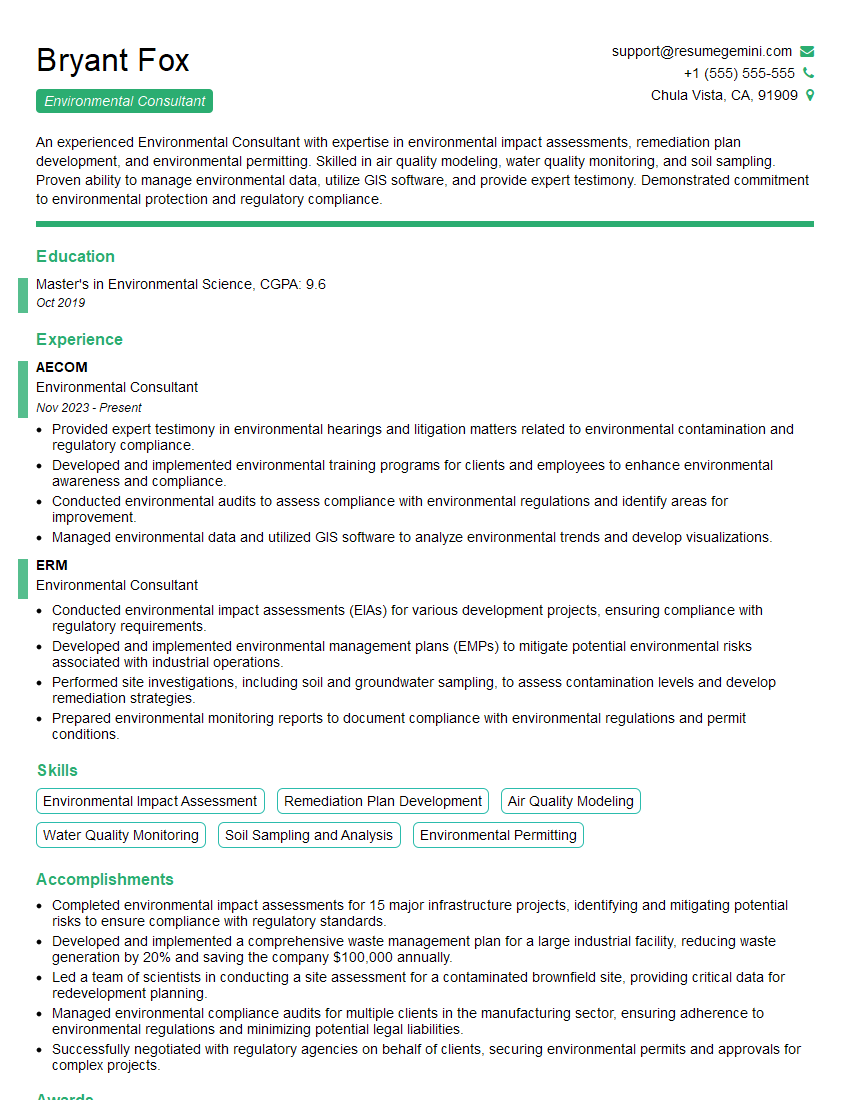
Environmental Consultant Resume Sample
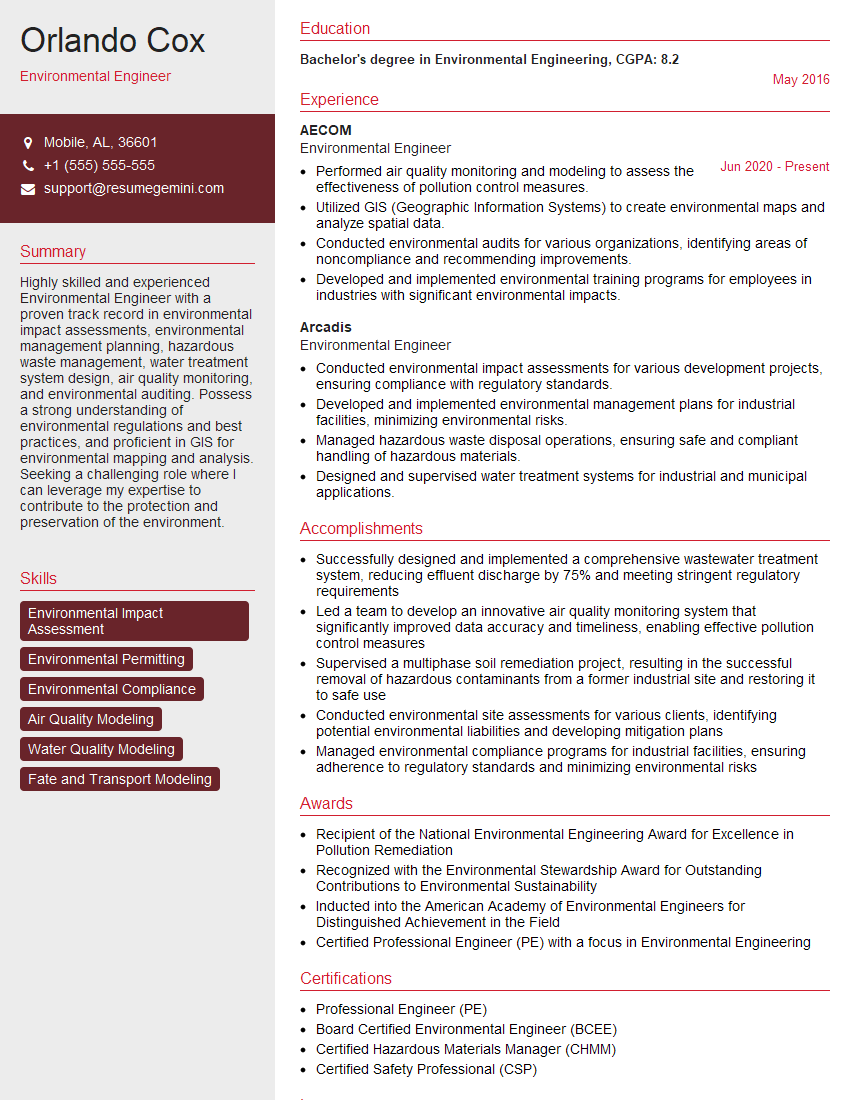
Environmental Engineer Resume Sample
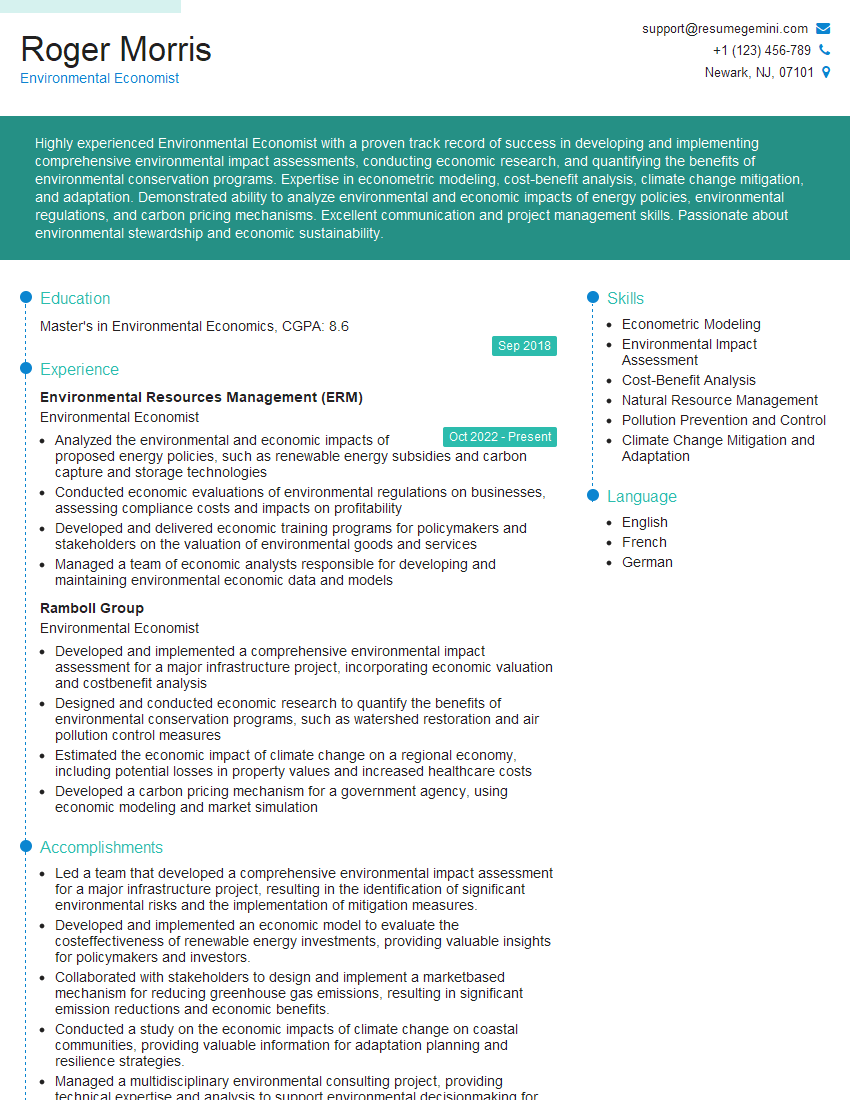
Environmental Economist Resume Sample
Explore more articles
Users Rating of Our Blogs
Share Your Experience
We value your feedback! Please rate our content and share your thoughts (optional).
What Readers Say About Our Blog
Really detailed insights and content, thank you for writing this detailed article.
IT gave me an insight and words to use and be able to think of examples