Preparation is the key to success in any interview. In this post, we’ll explore crucial Codes and Standards Interpretation interview questions and equip you with strategies to craft impactful answers. Whether you’re a beginner or a pro, these tips will elevate your preparation.
Questions Asked in Codes and Standards Interpretation Interview
Q 1. Explain the difference between a code and a standard.
While the terms ‘code’ and ‘standard’ are often used interchangeably, there’s a key distinction. A code is a legally mandated regulation enforced by a governing authority, like a city or state. Violation of a code carries legal penalties. Think of building codes dictating minimum structural requirements; these are legally binding. A standard, on the other hand, is a voluntary set of guidelines or recommendations developed by industry experts or professional organizations. These standards aim to improve safety, quality, or efficiency but lack the legal enforcement of codes. For example, the ANSI standards for electrical safety are widely adopted, but failing to meet them doesn’t automatically carry the same legal repercussions as violating a building code.
- Code: Legally binding, enforced by authorities, violation results in penalties.
- Standard: Voluntary guideline, promotes best practices, no direct legal penalty for non-compliance (though insurance or liability issues might arise).
Consider a scenario where a building is constructed. The building code dictates the minimum requirements for fire resistance in walls. This is mandatory. A relevant standard might suggest best practices for fire suppression system design, which while highly recommended, isn’t legally required in the same way.
Q 2. Describe your experience interpreting building codes.
I have over ten years of experience interpreting building codes, primarily focusing on residential and commercial construction projects. My experience encompasses a wide range of codes, including the International Building Code (IBC), International Residential Code (IRC), and local amendments specific to various jurisdictions. This includes reviewing architectural and structural plans for compliance, conducting field inspections, and providing expert consultation on code-related issues. I’ve worked on projects ranging from small renovations to large-scale developments, requiring a deep understanding of the nuances within the codes. For instance, I recently helped resolve a dispute concerning accessibility requirements in a new multi-family housing project, ensuring that the design met the latest ADA standards as incorporated into the local building code.
I’m proficient in using code reference manuals, interpreting technical drawings, and identifying potential code violations. My approach is detail-oriented and methodical, focusing on ensuring safety, accessibility, and compliance with all applicable regulations.
Q 3. How do you stay up-to-date on changes to relevant codes and standards?
Staying current with code changes is crucial in this field. I employ a multi-pronged approach:
- Subscriptions to code updates: I subscribe to official publications and online resources from organizations like the International Code Council (ICC) to receive timely notifications of code revisions.
- Professional development courses: I regularly attend seminars and workshops offered by industry professionals and regulatory bodies to learn about recent amendments and their practical implications.
- Networking with other professionals: Engaging with colleagues and attending industry conferences facilitates knowledge sharing and awareness of emerging code interpretations.
- Reviewing case studies and legal precedents: Examining real-world examples of code application and legal challenges helps understand the nuances and practical application of code interpretations.
This continuous learning approach ensures my expertise remains up-to-date and allows me to provide the most accurate and relevant advice to my clients.
Q 4. What is your approach to resolving conflicts between different codes or standards?
Conflicts between codes and standards require a systematic approach to resolution. My strategy involves:
- Identifying the conflicting elements: Clearly define the specific clauses or sections of the codes and standards that are in conflict.
- Determining the hierarchy: Establish which code or standard takes precedence. Local amendments often supersede the base code. A legally mandated code always supersedes a voluntary standard.
- Seeking clarification from authorities: Consult with the appropriate building officials or regulatory bodies for their interpretation and guidance on how to resolve the conflict.
- Documenting the resolution process: Maintain a comprehensive record of the conflict, the resolution process, and the final decision. This is crucial for accountability and transparency.
- Implementing the agreed-upon solution: Ensure that the selected resolution is implemented consistently throughout the project.
For instance, if a local amendment conflicts with a section of the IBC, the amendment prevails because it’s the locally enforced regulation.
Q 5. Describe a time you had to explain complex codes to a non-technical audience.
I once had to explain complex fire-rating requirements of the IBC to a group of homeowners who were planning a significant addition to their house. Instead of using technical jargon, I used analogies to make the concepts relatable. I explained the fire-rating system by comparing it to a building’s ‘armor’ protecting it from fire. Higher ratings meant thicker, more resilient armor. I also used visual aids like diagrams and examples from everyday life to demonstrate how different materials and construction techniques contributed to fire resistance. This approach simplified the technical aspects, enabling the homeowners to understand the significance of code compliance without feeling overwhelmed.
Q 6. How do you identify potential non-compliance issues?
Identifying non-compliance issues requires a thorough and methodical approach. My process typically includes:
- Careful review of plans and specifications: A detailed examination of project documents against the relevant codes and standards is fundamental.
- On-site inspections: Regular inspections are vital to verify that the construction work aligns with the approved plans and meets code requirements.
- Cross-referencing documents: Comparing different project documents ensures that there are no inconsistencies between architectural, structural, and mechanical plans.
- Utilizing code checking software: Specialized software can significantly aid in automating code compliance checks.
- Consulting with other professionals: Discussing potential issues with architects, engineers, and other relevant specialists ensures a comprehensive review.
For example, during an inspection, I might notice that the spacing between floor joists is inadequate, thus violating the structural requirements of the building code, potentially leading to structural instability.
Q 7. What are the potential consequences of non-compliance?
The consequences of non-compliance can be serious and far-reaching:
- Legal penalties: Fines, stop-work orders, and even legal action can be initiated against individuals or companies responsible for non-compliance.
- Safety hazards: Non-compliance can create significant safety risks, potentially leading to accidents, injuries, or even fatalities.
- Insurance issues: Insurance companies might refuse coverage or deny claims if a building doesn’t meet code requirements.
- Financial losses: Repairing non-compliant work, facing legal battles, and dealing with insurance issues can lead to significant financial burdens.
- Reputational damage: Non-compliance can severely damage the reputation of contractors, developers, or engineers.
The severity of the consequences varies depending on the nature and extent of the violation, as well as the jurisdiction’s enforcement policies. It’s always best to prioritize code compliance to mitigate potential risks.
Q 8. Describe your experience with conducting compliance audits.
Compliance audits are crucial for ensuring organizations adhere to relevant regulations and standards. My experience encompasses planning, executing, and reporting on these audits across various industries. This involves a detailed review of operational processes, documentation, and physical assets to identify gaps in compliance. I’ve led audits focusing on safety regulations (like OSHA), quality management systems (ISO 9001), and industry-specific codes (ASME, NFPA). For instance, during an audit of a manufacturing facility, I reviewed their safety protocols, inspected equipment for compliance with machine guarding standards, and verified the proper documentation of employee training. My approach is always systematic, starting with defining the scope, reviewing applicable codes and standards, conducting on-site inspections, and finally producing a comprehensive report detailing findings and recommendations for improvement.
I’m proficient in using various audit methodologies, from checklists to risk-based approaches, adapting my strategy based on the specific requirements of the organization and the relevant regulations. I’m also experienced in communicating findings effectively to management, presenting my observations clearly and recommending practical solutions for addressing identified non-conformances.
Q 9. How do you prioritize conflicting compliance requirements?
Conflicting compliance requirements can be challenging but are often resolved through a hierarchical approach. The most common method involves prioritizing based on legal precedence. For example, if a state regulation contradicts a federal regulation, the more stringent (often the federal one) usually takes precedence. In situations involving multiple regulations of equal legal standing, a risk-based assessment often guides the decision. We determine which regulation, if not met, presents the greatest potential risk (safety, legal liability, etc.) and prioritize that accordingly. Documentation of this prioritization process and the rationale behind it is crucial for transparency and auditability.
Imagine a scenario where a local fire code requires a certain type of fire suppression system, while a national building code allows a slightly different, but equally effective, system. After careful review, if both options meet the intended safety goals, we’d document why the local code’s requirements were chosen, perhaps due to local fire department requirements or lower installation costs. This helps justify the choice should it be questioned later.
Q 10. How familiar are you with OSHA standards?
I have extensive familiarity with OSHA (Occupational Safety and Health Administration) standards. My experience encompasses interpreting and applying a wide range of OSHA regulations, from general industry standards (like hazard communication and lockout/tagout) to those specific to various industries, such as construction, maritime, and healthcare. I understand the importance of OSHA’s emphasis on hazard identification, risk assessment, and implementing appropriate control measures. I’m adept at recognizing OSHA violations and recommending corrective actions, including developing and implementing safety programs.
For instance, I’ve worked on projects involving evaluating workplace ergonomics, conducting fall protection inspections, and developing emergency action plans. I understand the various OSHA forms, inspection procedures, and the potential consequences of non-compliance.
Q 11. How familiar are you with NFPA standards?
My knowledge of NFPA (National Fire Protection Association) standards is comprehensive, spanning several areas including fire prevention, fire protection systems, and electrical safety. I’m particularly familiar with standards related to fire codes, life safety, and electrical installations in buildings. I understand how NFPA standards integrate with other codes and regulations, such as those from the International Building Code (IBC). My experience includes reviewing building plans for compliance with NFPA standards, conducting fire safety inspections, and evaluating the effectiveness of fire protection systems.
For example, I can expertly assess the adequacy of sprinkler systems, fire alarm systems, and emergency exit routes based on relevant NFPA codes and the specific characteristics of a building. I’m comfortable using NFPA standards to support my recommendations during a safety audit and explaining the rationale to clients.
Q 12. How familiar are you with ASME standards?
My experience with ASME (American Society of Mechanical Engineers) standards is focused primarily on pressure vessels, boilers, and piping systems. I understand the importance of ASME codes in ensuring the safe design, fabrication, inspection, and operation of these critical components. I’m familiar with the various ASME codes and standards, including Section VIII (pressure vessels), Section I (power boilers), and B31 (piping). This includes understanding the requirements for pressure testing, non-destructive examination, and documentation of inspection activities.
For example, I’ve been involved in reviewing the design calculations and documentation for pressure vessels to ensure they meet the requirements of ASME Section VIII, as well as conducting field inspections to verify the proper installation and operation of these systems. I’m skilled in interpreting the often complex technical language and specifications found within these standards.
Q 13. Explain your experience with ISO 9001 standards.
I’ve worked extensively with ISO 9001 standards for quality management systems. My experience includes assisting organizations in implementing, maintaining, and improving their QMS. This encompasses internal audits, management review processes, and assisting with certification audits. I understand the principles of ISO 9001, including its emphasis on customer focus, process approach, continual improvement, and risk-based thinking.
In practice, I’ve helped organizations develop quality manuals, procedures, and work instructions, ensuring they align with ISO 9001 requirements. I’ve also trained employees on the QMS and conducted internal audits to identify areas for improvement. Understanding ISO 9001 is essential for ensuring consistent product quality, improving efficiency, and meeting customer expectations.
Q 14. How do you handle ambiguity in code interpretation?
Ambiguity in code interpretation is a common challenge. My approach involves a systematic process. First, I thoroughly review the specific clause in question, looking for any definitions or explanatory notes within the code itself. Then, I consult relevant guidance documents, including commentaries, interpretations published by the code-writing organization, and related standards. If necessary, I’ll research case law or regulatory guidance to see how similar situations have been handled in the past. In situations of persistent ambiguity, I’ll often engage with experts in the field or consult with regulatory bodies for clarification.
Consider a scenario where a code mentions “suitable materials” without specifying types. I’d consult related standards, manufacturer’s data, and potentially industry best practices to identify suitable materials while documenting my reasoning. Transparency in my decision-making is paramount, always clearly documenting my interpretation and the basis for it.
Q 15. Describe your experience working with code enforcement agencies.
My experience with code enforcement agencies spans over ten years, encompassing various roles from consultant to expert witness. I’ve worked extensively with agencies at both the municipal and state levels, collaborating on projects ranging from building inspections to complex infrastructure developments. This has involved navigating diverse code sets, including the International Building Code (IBC), International Residential Code (IRC), and various local amendments. I’ve developed a strong understanding of their enforcement procedures, documentation requirements, and the legal frameworks governing code compliance. For example, I assisted a city agency in resolving a dispute over the interpretation of accessibility standards in a newly constructed community center, ultimately mediating a solution that satisfied both the agency and the developer. Another significant engagement involved reviewing plans for a large-scale highway project, ensuring adherence to state transportation codes and environmental regulations, resulting in a timely and compliant project execution.
Career Expert Tips:
- Ace those interviews! Prepare effectively by reviewing the Top 50 Most Common Interview Questions on ResumeGemini.
- Navigate your job search with confidence! Explore a wide range of Career Tips on ResumeGemini. Learn about common challenges and recommendations to overcome them.
- Craft the perfect resume! Master the Art of Resume Writing with ResumeGemini’s guide. Showcase your unique qualifications and achievements effectively.
- Don’t miss out on holiday savings! Build your dream resume with ResumeGemini’s ATS optimized templates.
Q 16. Explain your understanding of risk assessment in relation to codes and standards.
Risk assessment, in the context of codes and standards, is the systematic process of identifying potential hazards, analyzing their likelihood and severity, and implementing appropriate mitigation measures. It’s crucial because it prevents failures, minimizes risks to life and property, and ensures the long-term stability and functionality of structures and systems. For example, a risk assessment for a high-rise building might focus on fire safety, structural integrity, and evacuation procedures. Identifying the risk of a potential fire, assessing its likelihood based on the building materials and occupancy type, and then implementing preventative measures such as sprinklers and fire-resistant materials, would be key components of this. This process often involves using quantitative and qualitative data, analyzing historical data on similar projects, and utilizing professional judgment. The output of a risk assessment informs decisions about design, construction, and ongoing maintenance, balancing safety considerations with cost-effectiveness.
Q 17. How do you document your interpretation of codes and standards?
Thorough and meticulous documentation is paramount in code interpretation. My approach involves a multi-step process: First, I meticulously identify the relevant code sections and cite them using standard referencing practices. Second, I clearly articulate my interpretation of each section, explaining the rationale behind my conclusions. Third, I support my interpretation with relevant code provisions, industry best practices, and technical references. Fourth, I document any assumptions or uncertainties encountered during the interpretation process. Finally, all documentation is formatted consistently and stored in an organized manner for easy retrieval and audit trails. I often use a combination of written reports, detailed spreadsheets, and annotated code books to create a comprehensive record of my interpretation. This systematic approach ensures clarity, transparency, and defensibility in case of future disputes.
Q 18. Describe a time you had to interpret a complex or ambiguous code provision.
I once encountered a particularly ambiguous provision in the IBC regarding the allowable height of parapets on a multi-story building. The code referenced several interdependent sections with conflicting interpretations. To resolve this ambiguity, I meticulously reviewed all related sections, consulted the official IBC commentary, and researched relevant case law. I also reached out to other experts in the field for their perspective, leveraging their experience to help determine the most reasonable and defensible interpretation. This involved carefully weighing factors such as building safety, aesthetics, and local ordinances. Ultimately, I concluded that the most logical interpretation prioritized safety and explicitly detailed my reasoning, presenting multiple scenarios and explaining the implications of each. This approach allowed for a clear, well-justified decision, ultimately satisfying all stakeholders.
Q 19. What is your approach to resolving disputes related to code interpretation?
My approach to resolving code interpretation disputes centers on collaboration and reasoned discussion. I start by gathering all relevant information, including the disputed code provision, the interpretations of all involved parties, and any supporting documentation. I then facilitate a discussion aiming for a mutually agreeable solution. If a consensus cannot be reached through discussion, I suggest alternative dispute resolution methods like mediation or arbitration. Throughout this process, I maintain a neutral stance, ensuring that all involved parties feel heard and that the final resolution is based on a fair and impartial interpretation of the code. My goal is not simply to win an argument but to find a solution that is both legally sound and practically feasible. A transparent and collaborative process builds trust and ensures long-term positive relationships.
Q 20. How do you ensure consistency in the application of codes and standards within a team?
Consistency in code application within a team is achieved through clear communication, comprehensive training, and established protocols. I begin by creating and disseminating a shared understanding of the relevant codes and standards, conducting workshops and providing training materials to ensure everyone is on the same page. Then, I establish clear guidelines and decision-making processes for handling ambiguous situations, encouraging the use of standardized documentation templates and referencing systems. Regular team meetings dedicated to discussing code interpretation issues and best practices help maintain a consistent approach. Finally, I implement a system for tracking and reviewing decisions, promoting learning from past interpretations and ensuring that future interpretations align with established precedents. This multi-faceted strategy minimizes inconsistencies and promotes efficiency.
Q 21. Describe your experience with developing or updating internal standards.
I have extensive experience developing and updating internal standards, particularly within the context of large-scale construction projects. This involved working closely with engineers, architects, and contractors to create comprehensive standards that addressed project-specific requirements while adhering to broader industry codes and regulations. The process starts with identifying the need for new standards or updates, followed by thorough research and analysis of existing standards and best practices. This includes stakeholder engagement to incorporate diverse perspectives and address potential challenges. The development itself involves clearly defining the scope, structure, and content of the standards, and frequently uses iterative review cycles to ensure quality. Once finalized, implementation involves training and ongoing monitoring to guarantee consistent application and identification of areas for improvement. For example, I led the development of internal standards for sustainable construction practices that helped a major construction firm meet LEED certification requirements and significantly reduce environmental impact.
Q 22. How familiar are you with the legal ramifications of non-compliance?
Non-compliance with codes and standards can have serious legal ramifications, ranging from fines and project delays to litigation and even criminal charges depending on the severity and nature of the violation. The consequences often depend on factors like the jurisdiction, the type of code violated, and the impact of the non-compliance. For instance, neglecting fire safety codes could lead to hefty fines and potential liability if a fire occurs due to the violation. Similarly, failure to adhere to building codes could result in structural issues, leading to property damage, injuries, and significant legal battles.
Understanding the specific legal framework governing the project’s location is crucial. This involves reviewing local, state, and federal regulations, along with any relevant contract stipulations. Many jurisdictions have specific enforcement agencies that regularly inspect projects for code compliance. These agencies can levy penalties, order corrective actions, or even halt construction until violations are addressed.
It’s vital to document all compliance efforts meticulously. This includes keeping records of inspections, approvals, and any modifications made during the project lifecycle. This documentation serves as evidence of due diligence and can be instrumental in defending against any legal challenges. Proactive compliance is always the best defense, minimizing risks and potential legal battles.
Q 23. How do you determine which code or standard applies to a particular situation?
Determining applicable codes and standards requires a systematic approach. It begins with identifying the project’s location and type. Local building departments usually have a list of applicable codes, often including model codes like the International Building Code (IBC) and its associated standards. The project’s purpose (residential, commercial, industrial) significantly influences the relevant codes. For example, a high-rise building would require adherence to specific structural and fire safety codes that might not apply to a single-family home.
Then, it’s important to look at the project specifications and the client’s requirements. These might specify particular standards or include references to specific industry-specific codes. Codes often reference other codes or standards; it’s vital to trace these references to identify a complete set of applicable regulations.
Finally, understanding the code’s hierarchy is critical. More stringent requirements often supersede less strict ones. For example, if a local ordinance sets stricter requirements than the IBC, the local ordinance prevails. Consulting with legal and regulatory experts ensures compliance with all relevant laws and regulations.
Q 24. Explain your understanding of the different types of codes and standards (e.g., prescriptive vs. performance-based).
Codes and standards are generally categorized into prescriptive and performance-based approaches. Prescriptive codes specify exact methods, materials, and techniques to be used. For example, a prescriptive code might dictate the minimum size of a beam based on its material and load-bearing requirements. This approach is straightforward but can be inflexible and might prevent innovative solutions.
Performance-based codes, on the other hand, specify the desired outcome or performance level, giving designers greater flexibility to achieve the required performance using various methods. For example, a performance-based code might specify the maximum allowable deflection of a beam under load, allowing the designer to choose the beam size and material to satisfy this criterion. This approach encourages innovation but necessitates more detailed analysis and justification.
Often, a combination of both approaches is used in practice, leveraging the clarity of prescriptive codes for common situations while using performance-based methods for unique or challenging aspects of the project. Understanding the nuances of each approach is critical for effective code interpretation and application.
Q 25. How do you utilize code references and commentary in your work?
Code references and commentary are essential for accurate interpretation. References direct me to related sections within the code, helping to establish a complete understanding of the requirements. Commentary clarifies the intent behind the code, providing context and guidance on interpretation. For example, a code might require a specific type of fire-resistant material, but the commentary might clarify which types of fire-resistant materials are acceptable.
I use these references and commentary to ensure that I am not just complying with the letter of the law but also the spirit of the code. Understanding the rationale behind a requirement allows for better decision-making, especially when dealing with ambiguous or unique situations. For example, if a code is unclear on a certain application, the commentary might offer guidance or examples that aid in the decision-making process.
In practice, I always cross-reference multiple sections and commentaries to avoid misinterpretations. I maintain detailed notes and documentation to support my interpretations, ensuring traceability and accountability.
Q 26. What software or tools do you use to aid in codes and standards interpretation?
Several software tools and resources assist in codes and standards interpretation. Many jurisdictions provide online access to their building codes and related documents. Software programs dedicated to building design often incorporate code checks and compliance features, automatically flagging potential violations. These tools can help identify potential conflicts early in the design process, saving time and resources.
Specialized databases of codes and standards are also available, providing easy access to updated information. Some software programs allow for searching across multiple codes and standards, making it simpler to find relevant regulations. Furthermore, I regularly utilize online forums and professional networks to consult with other experts for clarification on complex or ambiguous code interpretations.
The choice of tools depends on the project scope and available resources. However, having access to reliable, up-to-date resources and software is essential for efficient and accurate code interpretation.
Q 27. Describe your experience with code-related training and professional development.
Throughout my career, I’ve actively pursued code-related training and professional development. I have participated in numerous workshops, seminars, and conferences focusing on specific codes, such as the IBC and relevant standards for my areas of expertise. These programs provide updated information on code changes, interpretations, and best practices.
I maintain professional certifications relevant to my field, requiring ongoing education to stay current with the ever-evolving codes and standards landscape. These certifications demonstrate my commitment to maintaining expertise and enhance my credibility. Furthermore, I regularly engage in continuing education courses, often focusing on specific aspects of codes and standards that are relevant to my current projects.
I also participate in professional organizations which offer opportunities for networking, knowledge sharing, and staying informed about the latest developments in the field. This continuous learning ensures I remain proficient and adapt to new challenges and evolving regulations.
Q 28. How do you ensure accuracy and completeness in your code interpretation?
Ensuring accuracy and completeness in code interpretation is paramount. My approach involves a multi-step process. First, I carefully read and understand the relevant code sections, paying close attention to definitions, exceptions, and specific requirements. I cross-reference sections and use the commentary to clarify ambiguities and confirm my understanding.
Next, I utilize various software and online resources to verify my interpretation and identify any potential conflicts or oversights. This includes checking against local ordinances and relevant industry-specific standards. I also consult with peers and other experts to gain alternative perspectives and validate my interpretation.
Finally, I document my interpretation thoroughly, including all references, supporting evidence, and any assumptions made. This documentation serves as a record of the decision-making process and supports the rationale behind my interpretation. Regular review and updates of this documentation ensure accuracy and completeness over time, particularly as codes and standards evolve.
Key Topics to Learn for Codes and Standards Interpretation Interview
- Understanding the Fundamentals: Grasping the core principles behind relevant codes and standards. This includes familiarity with the purpose, scope, and limitations of each standard.
- Practical Application: Demonstrate your ability to apply codes and standards to real-world scenarios. Prepare examples showcasing how you’ve interpreted and implemented specific standards in past projects or hypothetical situations.
- Code Comparison and Conflict Resolution: Practice identifying and resolving conflicts between different codes and standards. Understanding the hierarchy and precedence of regulations is crucial.
- Interpreting Technical Specifications: Develop skills in deciphering complex technical language and drawings to understand requirements and limitations accurately.
- Risk Assessment and Mitigation: Learn how codes and standards contribute to risk assessment and the development of mitigation strategies. This shows your understanding of safety and compliance.
- Staying Updated: Demonstrate awareness of the latest revisions and updates to relevant codes and standards, and your methods for staying current in this ever-evolving field.
- Communication & Collaboration: Prepare to discuss how you effectively communicate technical information related to codes and standards interpretation to both technical and non-technical audiences.
Next Steps
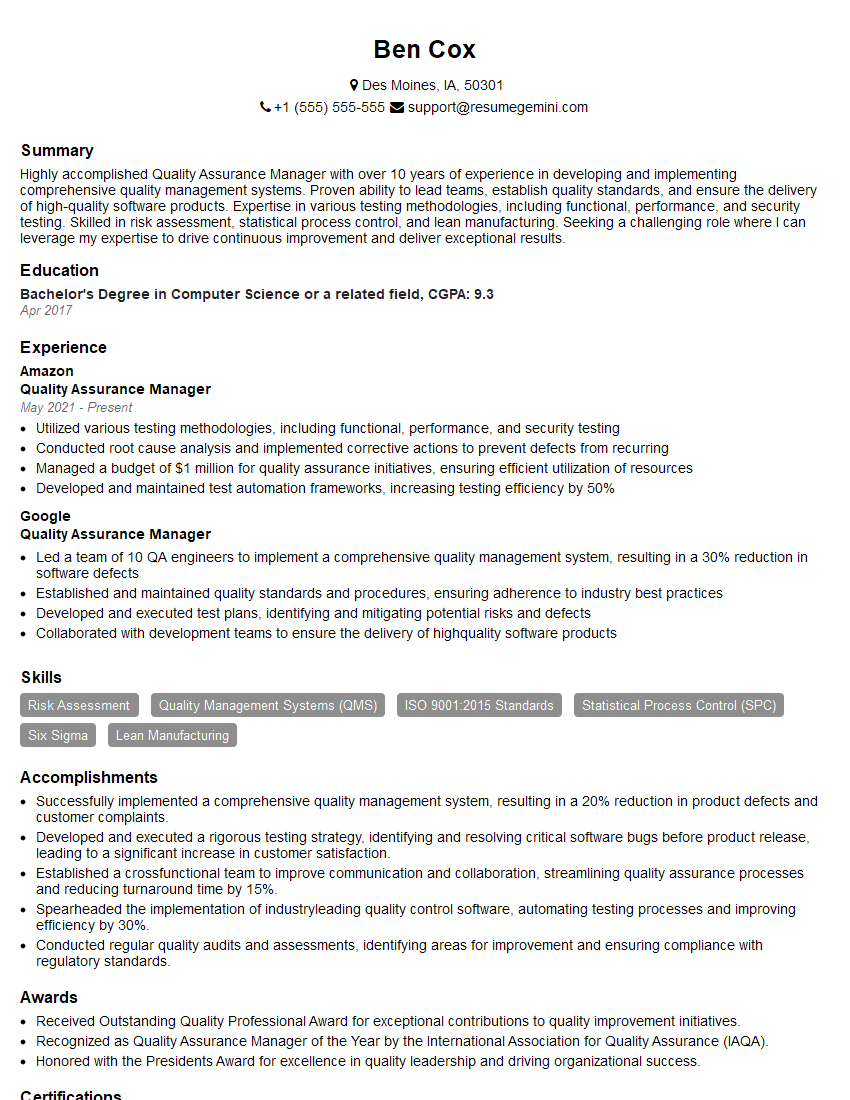
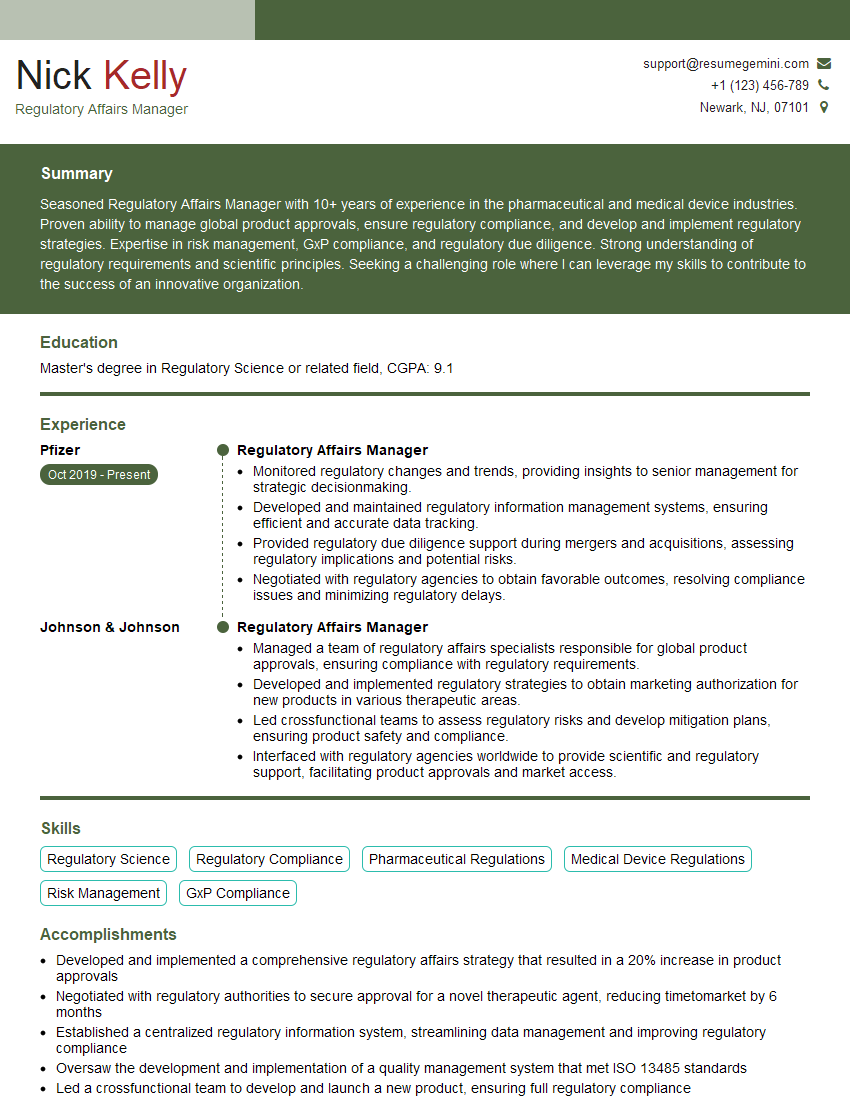
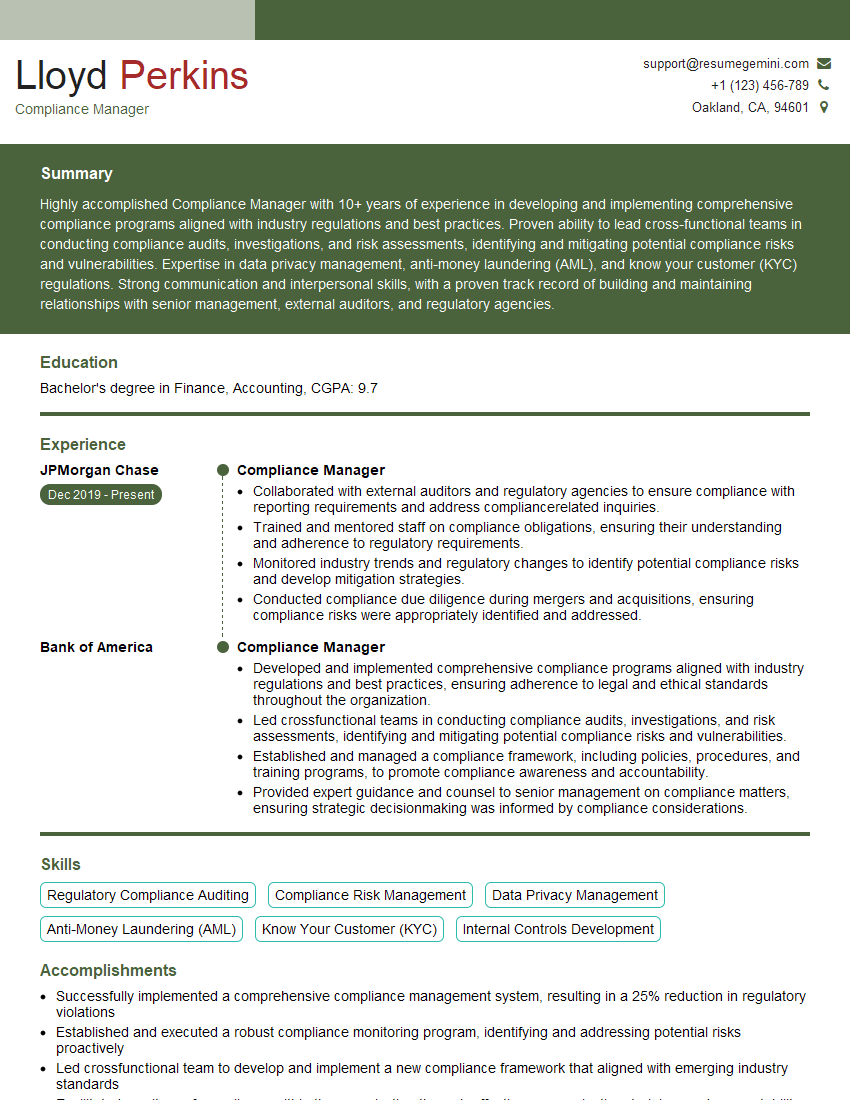
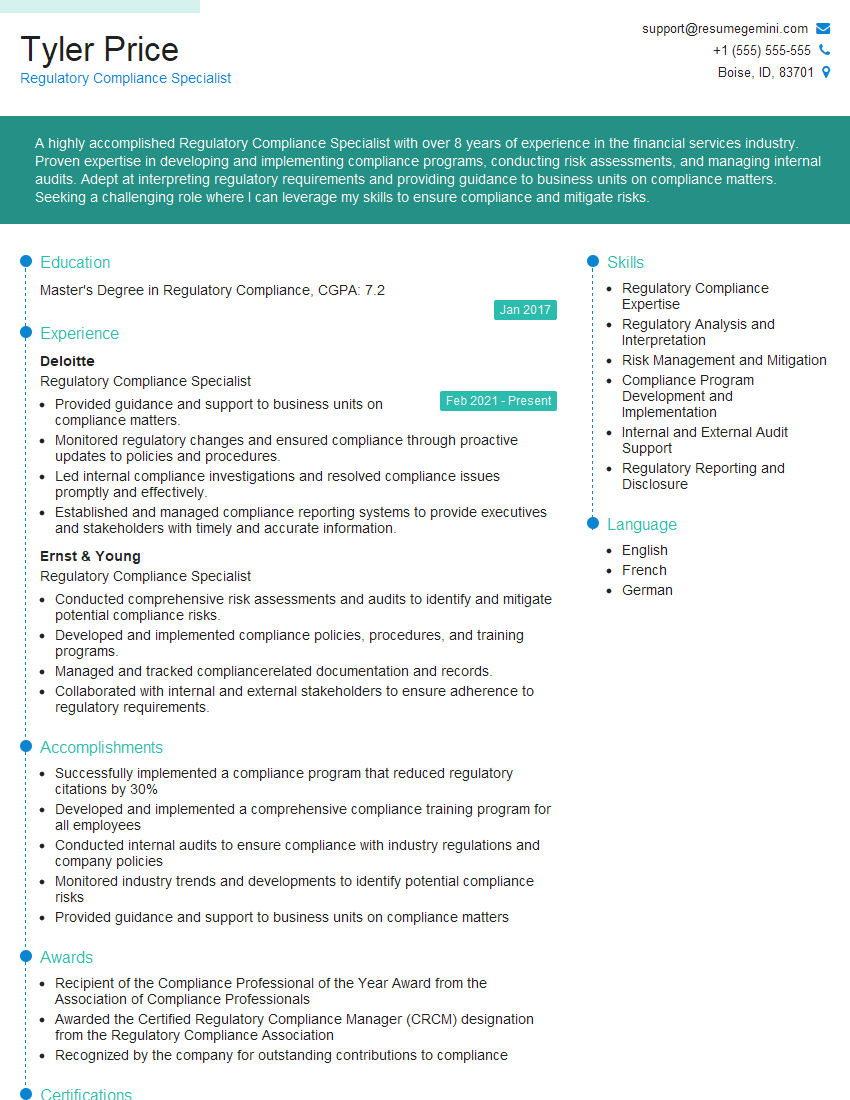
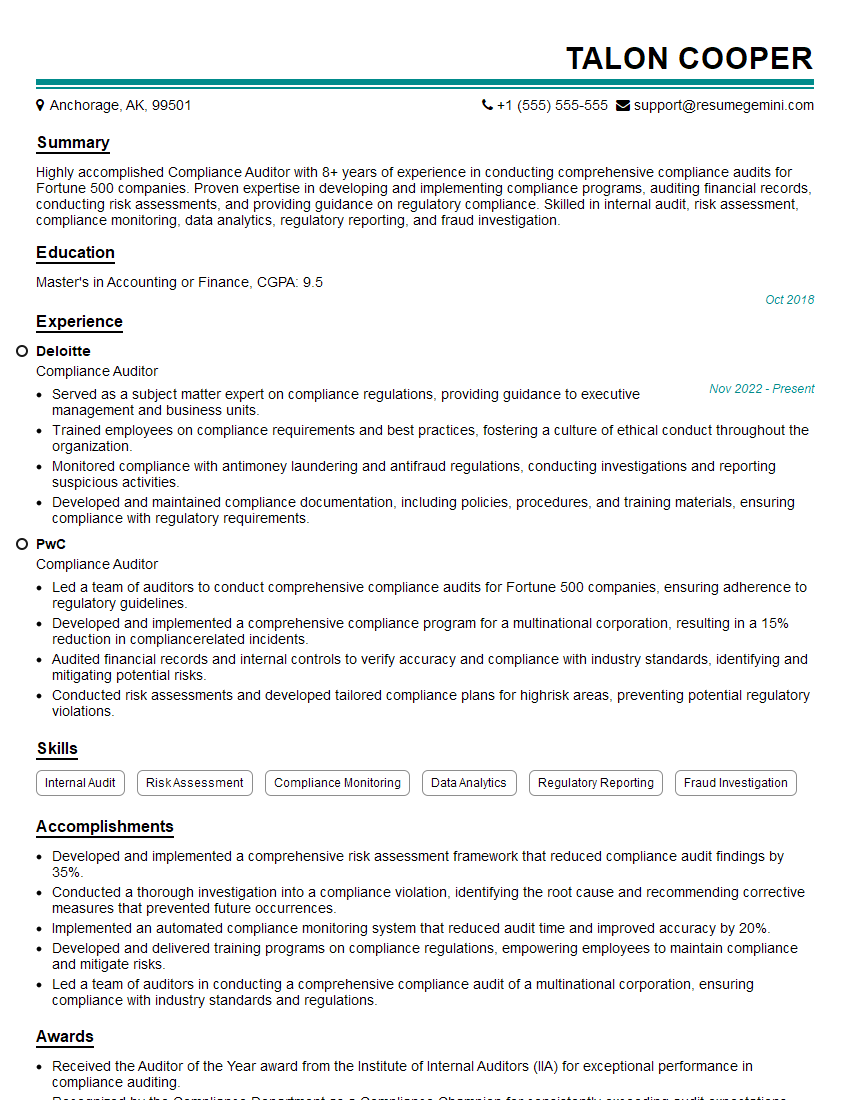
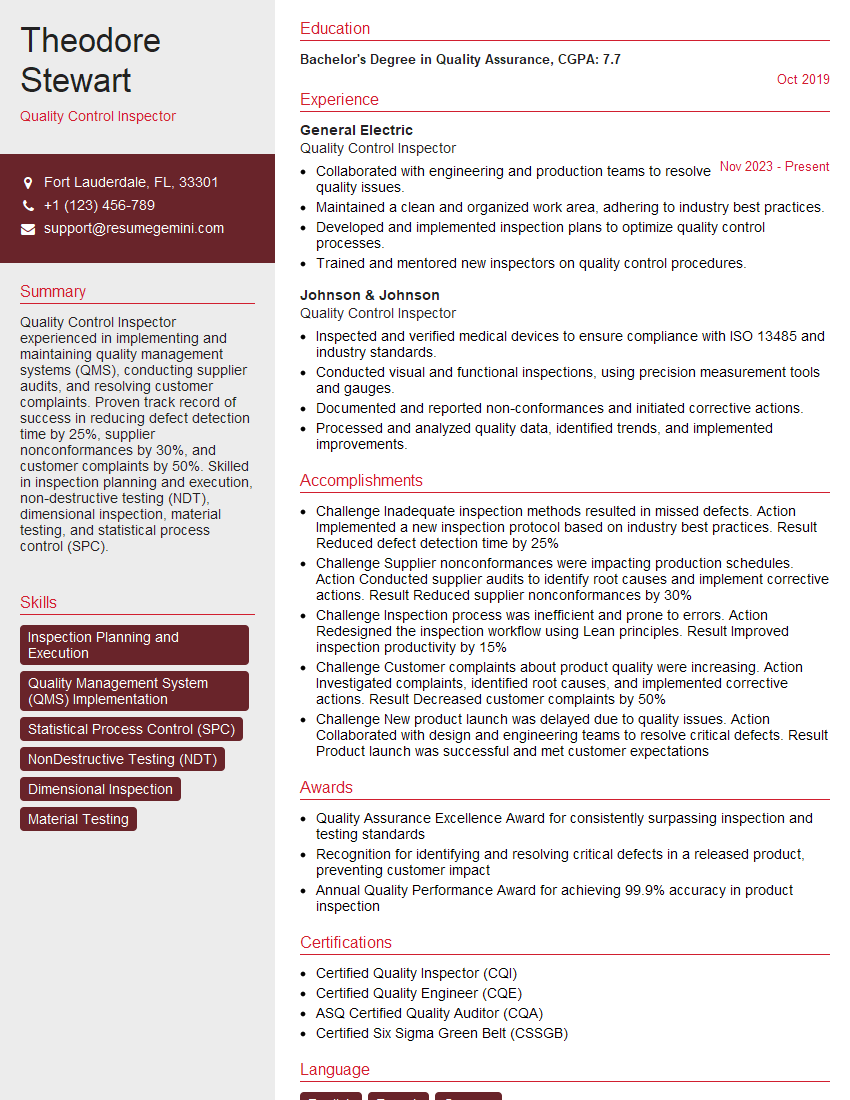
Mastering Codes and Standards Interpretation is essential for career advancement in many technical fields. It showcases your commitment to safety, compliance, and detailed technical understanding, making you a highly valuable asset to any team. To significantly boost your job prospects, crafting a strong, ATS-friendly resume is crucial. ResumeGemini can help you build a professional, impactful resume that highlights your skills and experience effectively. We provide examples of resumes tailored to Codes and Standards Interpretation to help guide you. Take the next step towards your dream career – build a winning resume with ResumeGemini today!
Explore more articles
Users Rating of Our Blogs
Share Your Experience
We value your feedback! Please rate our content and share your thoughts (optional).
What Readers Say About Our Blog
Really detailed insights and content, thank you for writing this detailed article.
IT gave me an insight and words to use and be able to think of examples