The right preparation can turn an interview into an opportunity to showcase your expertise. This guide to Oxygraph Operation interview questions is your ultimate resource, providing key insights and tips to help you ace your responses and stand out as a top candidate.
Questions Asked in Oxygraph Operation Interview
Q 1. Explain the principle of Clark-type oxygen electrode.
The Clark-type oxygen electrode, a cornerstone of Oxygraph technology, operates on the principle of polarography. It measures the rate of oxygen reduction at a platinum cathode, which is held at a negative potential relative to a silver/silver chloride reference electrode. Oxygen diffuses across a selectively permeable membrane separating the electrode from the sample. This diffusion-limited current is directly proportional to the partial pressure of oxygen in the sample.
Think of it like this: imagine a sponge (the membrane) soaking up water (oxygen). The amount of water the sponge absorbs in a given time is directly related to how much water is available. The electrode measures this absorption rate, giving us a measure of the oxygen present. The reduction of oxygen at the cathode generates a current, which is then measured and translated into oxygen concentration or partial pressure.
Q 2. Describe the process of calibrating an Oxygraph.
Calibrating an Oxygraph is crucial for accurate measurements. The process typically involves two steps: air calibration and zero calibration.
- Air Calibration: The chamber is filled with air (approximately 21% oxygen), establishing the 100% oxygen saturation point. This step is essential in defining the upper limit of your oxygen measurements. The system will record the current generated at this 100% oxygen level.
- Zero Calibration: This is done using a zero oxygen solution, usually sodium sulfite or a similar oxygen-scavenging agent. This step establishes the baseline, representing 0% oxygen saturation. The system records the current at this point.
The Oxygraph software then uses these two calibration points to generate a calibration curve, allowing it to convert the measured current into oxygen concentration or partial pressure for subsequent measurements. Proper calibration ensures reliable and accurate data collection, which is essential for drawing valid conclusions from your experiments. Any drift in the baseline during the experiment is an indication of a potential problem requiring attention.
Q 3. What are the common artifacts observed during Oxygraph measurements, and how can they be mitigated?
Several artifacts can affect Oxygraph measurements. Common ones include:
- Bubbles: Air bubbles in the chamber disrupt oxygen diffusion and lead to erratic readings. Careful sample preparation and technique are vital to avoid this.
- Stirrer artifacts: Improper stirring can create localized oxygen gradients, leading to inaccurate measurements. Gentle, consistent stirring is crucial.
- Temperature fluctuations: Temperature changes affect oxygen solubility and diffusion rate, influencing the signal. Maintaining a stable temperature is therefore paramount.
- Electrode fouling: Accumulation of debris on the electrode surface can reduce its sensitivity. Regular cleaning and proper maintenance prevent this.
Mitigation strategies involve careful sample preparation, proper chamber sealing, use of a magnetic stirrer with optimized speed, precise temperature control, and regular electrode maintenance. Visual inspection of the chamber during measurements can often help identify and address potential sources of artifact.
Q 4. How do you calculate oxygen consumption rate (OCR) from Oxygraph data?
The oxygen consumption rate (OCR) is calculated from the slope of the oxygen concentration versus time curve. The software usually does this automatically, but understanding the underlying principle is essential.
The calculation involves determining the change in oxygen concentration (ΔO2) over a defined time interval (Δt). The OCR is then calculated as:
OCR = (ΔO2 / Δt) * VolumeWhere:
- ΔO2 is the change in oxygen concentration (usually in µM).
- Δt is the change in time (usually in minutes).
- Volume is the volume of the respiration chamber (usually in mL).
The units of OCR are typically pmol O2/min/mL or similar, depending on the units used for the input parameters. It’s crucial to ensure consistent units throughout the calculation.
Q 5. Explain the difference between respirometry and polarography.
While both respirometry and polarography are used to measure oxygen consumption, they differ in their approach.
- Respirometry is a broader term encompassing various techniques that measure gas exchange (oxygen consumption and carbon dioxide production). It can involve different measurement principles, including pressure changes or gas chromatography. Respirometry offers a more comprehensive metabolic profile.
- Polarography, as used in the Clark-type electrode, is a specific electrochemical technique that directly measures the oxygen concentration via reduction at an electrode. It provides a highly sensitive measurement of oxygen concentration changes over time.
Essentially, polarography is a specific method *within* the broader field of respirometry. An Oxygraph using a Clark-type electrode employs polarography to quantify oxygen consumption, providing a key component of respirometry data.
Q 6. Describe the importance of temperature control in Oxygraph experiments.
Temperature control is crucial in Oxygraph experiments because respiration rates are highly temperature-dependent. Q10, the temperature coefficient, describes the change in metabolic rate for a 10°C increase in temperature.
Maintaining a constant temperature ensures that any observed changes in oxygen consumption are due to the experimental treatment rather than temperature-induced changes in metabolic rate. This minimizes confounding factors and enables accurate comparison between samples and experimental conditions. Temperature variations can introduce significant errors in the OCR calculations and therefore compromise the reliability of the experimental results. A water bath or a temperature-controlled chamber is essential for maintaining a stable temperature throughout the experiment.
Q 7. What are the different types of respiration chambers used in Oxygraph systems?
Various respiration chambers are used with Oxygraph systems, each offering different advantages depending on the experimental needs. These include:
- Open chambers: These are simpler in design but require continuous air flushing to maintain oxygen levels. Suitable for situations where continuous gas exchange is required.
- Closed chambers: These are sealed chambers where the oxygen consumption is measured by the decrease in oxygen concentration over time. These offer better control over the environment and are preferred for many experiments.
- High-throughput chambers: Designed for simultaneous measurements of multiple samples, increasing efficiency, but require specific software and hardware to manage and control.
The choice of chamber depends on factors such as the experimental design (e.g., whether continuous gas flow is needed), the number of samples being analyzed, and the sensitivity needed for oxygen measurement.
Q 8. How do you determine the optimal stirring speed for an Oxygraph experiment?
Determining the optimal stirring speed in an Oxygraph experiment is crucial for ensuring proper oxygen mixing and preventing oxygen gradients within the chamber. Too slow a speed leads to inaccurate oxygen consumption measurements due to localized oxygen depletion around the sample. Too high a speed can damage the sample, causing artifacts and inaccurate results. The ideal speed is a balance.
The optimal speed is typically determined empirically. Start with a low speed and gradually increase it while monitoring the oxygen trace. Look for a stable baseline oxygen consumption rate. Once the oxygen consumption rate plateaus and doesn’t change significantly with further increases in stirring speed, you have likely reached the optimal speed. If you see oscillations or large fluctuations in the oxygen consumption rate, that’s an indication that the speed is too high. Different samples will require different optimal stirring speeds, so it’s essential to optimize for each experiment.
For example, with highly viscous samples like isolated liver mitochondria, a lower stirring speed might be necessary to avoid damage. Conversely, less viscous samples such as permeabilized cells may tolerate higher speeds.
Q 9. Explain the significance of respiratory control ratios (RCRs).
Respiratory control ratios (RCRs) are a critical indicator of mitochondrial function. They represent the ratio of oxygen consumption rate under coupled (phosphorylating) conditions to that under uncoupled (non-phosphorylating) conditions. Essentially, it tells us how efficiently the mitochondria can control their respiration in response to the energy demands of the cell.
A high RCR (typically >3) indicates tightly coupled oxidative phosphorylation, where the electron transport chain is efficiently linked to ATP synthesis. This suggests healthy mitochondria that are effectively converting oxygen into energy. A low RCR, on the other hand, points towards mitochondrial dysfunction, indicating a decoupling of electron transport from ATP production, potentially due to damage or inhibitors.
For instance, a low RCR might be observed in conditions of mitochondrial uncoupling due to substances like 2,4-dinitrophenol (DNP), or due to diseases affecting mitochondrial structure or function. The RCR is a powerful diagnostic tool when comparing the effects of treatments or observing the impact of various factors on mitochondrial health.
Q 10. How do you interpret the results of an Oxygraph experiment in the context of mitochondrial function?
Interpreting Oxygraph results in the context of mitochondrial function requires careful analysis of the oxygen consumption rates (OCR) under different conditions. The addition of various substrates, inhibitors, and uncouplers allows us to assess various aspects of mitochondrial activity.
For example, the initial OCR in the presence of a substrate like glutamate/malate reflects the basal respiration. Adding ADP will increase OCR, showing the capacity of the mitochondria to increase ATP production. Subsequent addition of an uncoupler like FCCP will further increase OCR, revealing the maximal respiratory capacity of the mitochondria. Finally, the addition of rotenone and antimycin A will inhibit the electron transport chain, allowing the assessment of non-mitochondrial oxygen consumption.
The difference between OCR values under different experimental conditions reveals important parameters such as ATP production capacity, maximal respiration, and proton leak. Analyzing these parameters gives insight into the overall health and efficiency of the mitochondria, enabling investigation of any possible defects or impairments in their function.
Q 11. Describe the challenges of using an Oxygraph with different cell types or tissues.
Using an Oxygraph with different cell types or tissues presents several challenges. The main issue stems from the varying oxygen consumption rates and the different sensitivities of the cells to the experimental conditions.
- Sample Preparation: Different cell types require different isolation and preparation protocols. Maintaining cell viability and avoiding artifacts during sample preparation is crucial for accurate measurements.
- Sample Volume and Density: The optimal sample volume and density need adjustment to ensure sufficient signal-to-noise ratio and avoid oxygen depletion artifacts. High-density samples might require careful dilution or a smaller sample volume.
- Sensitivity to Experimental Conditions: Some cell types may be more sensitive to changes in temperature, pH, or stirring speed. Optimizing these parameters to maintain sample integrity is vital.
- Oxygen Consumption Rates: Different cells have drastically different rates of oxygen consumption. Sensitivity adjustments may be required for accurate measurements depending on the sample being studied.
Careful optimization of experimental conditions is crucial for accurate results when working with various cell types or tissues. Understanding the specific characteristics of your sample and tailoring your experimental setup accordingly are key.
Q 12. How do you troubleshoot a high oxygen drift during an Oxygraph measurement?
High oxygen drift during an Oxygraph measurement indicates a leak in the system or a problem with the oxygen electrode. This is a common issue requiring systematic troubleshooting.
- Check for Leaks: Carefully inspect all seals and connections in the Oxygraph chamber for leaks. Even a small leak can cause significant drift. Replace worn-out O-rings or tighten connections.
- Calibrate the Electrode: Ensure the oxygen electrode is properly calibrated before the experiment. Inaccurate calibration can lead to artificial drift.
- Check the Stirring Speed: Insufficient stirring can lead to oxygen gradients, resulting in drift. Optimize stirring speed to ensure uniform mixing.
- Check the Temperature: Temperature fluctuations can affect the oxygen solubility and thereby cause drift. Maintain a stable temperature throughout the experiment.
- Check the Electrode Membrane: A damaged or contaminated oxygen electrode membrane might lead to inaccurate readings and drift. Consider replacing the membrane if necessary.
If the drift persists after addressing these points, the electrode itself might be faulty and requires replacement. Keep thorough records of your troubleshooting steps to aid in identifying the problem and preventing future occurrences.
Q 13. What are the safety precautions to be taken when working with an Oxygraph system?
Safety is paramount when working with an Oxygraph system. The key safety precautions include:
- Proper Training: Thorough training on the operation and maintenance of the Oxygraph is essential. Understanding the instrument and its limitations is crucial to prevent accidents.
- Handling Biological Samples: Handle all biological samples with appropriate safety measures, following all relevant biosafety guidelines to prevent contamination or infection.
- Electrical Safety: Ensure the Oxygraph is properly grounded and connected to a surge protector. Avoid contact with electrical components when the instrument is powered on.
- Chemical Safety: Handle all chemicals (substrates, inhibitors, etc.) with care, following the manufacturer’s instructions and wearing appropriate personal protective equipment (PPE) like gloves and eye protection.
- Waste Disposal: Dispose of all biological and chemical waste according to established protocols to maintain a safe laboratory environment.
Regular maintenance and calibration of the system are also essential safety practices. A well-maintained instrument is less likely to malfunction, and proper calibration ensures accurate and reliable results.
Q 14. Describe the different types of substrates used in Oxygraph experiments.
A variety of substrates are used in Oxygraph experiments to assess different aspects of mitochondrial function. The choice of substrate depends on the specific research question.
- Glutamate/Malate: This combination is frequently used as a substrate for Complex I of the electron transport chain, providing a measure of coupled respiration.
- Succinate: This substrate feeds electrons into Complex II, bypassing Complex I, and is often used in conjunction with rotenone to specifically assess Complex II activity.
- Ascorbate/TMPD: This combination directly reduces cytochrome c, bypassing Complexes I-III, allowing assessment of Complex IV activity.
- Pyruvate/Malate: These are frequently used to assess mitochondrial function and can be combined with other substrates for more complex experiments.
The choice of substrate is critical, and the experimental design should carefully consider the specific metabolic pathways and complexes being investigated. Using a combination of substrates and inhibitors allows for a detailed evaluation of mitochondrial function.
Q 15. Explain the concept of uncoupling proteins (UCPs) and their impact on OCR.
Uncoupling proteins (UCPs) are a family of mitochondrial inner membrane proteins that facilitate proton transport across the membrane, dissipating the proton gradient generated by the electron transport chain (ETC). This process is called proton leak. Instead of using the proton gradient to drive ATP synthesis via ATP synthase, the energy is released as heat. Consequently, the oxygen consumption rate (OCR) increases because the ETC continues to pump protons, but less ATP is produced. The impact on OCR is a higher OCR for a given substrate level compared to a situation without UCP activity. Imagine it like this: You’re climbing stairs (ETC pumping protons). Normally, you reach the top (ATP synthesis) and get your energy. With UCPs, there’s a slide halfway down (proton leak), so you still climb the stairs (higher OCR), but you don’t get as much energy at the top (reduced ATP production).
Different UCP isoforms have varying tissue distributions and functions. For example, UCP1 is predominantly found in brown adipose tissue and plays a crucial role in thermogenesis, especially in newborns and hibernating animals. Studying UCPs in the Oxygraph helps us understand metabolic processes and energy expenditure in various tissues.
Career Expert Tips:
- Ace those interviews! Prepare effectively by reviewing the Top 50 Most Common Interview Questions on ResumeGemini.
- Navigate your job search with confidence! Explore a wide range of Career Tips on ResumeGemini. Learn about common challenges and recommendations to overcome them.
- Craft the perfect resume! Master the Art of Resume Writing with ResumeGemini’s guide. Showcase your unique qualifications and achievements effectively.
- Don’t miss out on holiday savings! Build your dream resume with ResumeGemini’s ATS optimized templates.
Q 16. How do you analyze Oxygraph data using software like DatLab?
Analyzing Oxygraph data using software like DatLab involves several steps. First, the raw data, typically oxygen consumption rate (OCR) over time, is imported. DatLab then allows for various manipulations and analyses. This includes:
- Baseline correction: Subtracting background oxygen consumption.
- Data smoothing: Applying algorithms to reduce noise.
- Calculations of respiratory parameters: Determining basal respiration, ATP-linked respiration, proton leak, and maximal respiration, often using specific additions such as oligomycin (ATP synthase inhibitor) and FCCP (uncoupler).
- Statistical analysis: Performing t-tests, ANOVA, or other statistical methods to compare OCR values between different experimental groups.
- Data visualization: Creating graphs and charts to present the results effectively.
DatLab provides tools to easily calculate these parameters, often automatically after the addition of specific inhibitors or uncouplers. For instance, the difference in OCR before and after oligomycin addition is used to calculate ATP-linked respiration. The software offers a user-friendly interface for both beginners and experienced researchers to perform these analyses.
Q 17. Explain the concept of mitochondrial coupling efficiency.
Mitochondrial coupling efficiency refers to the proportion of oxygen consumed that is directly coupled to ATP synthesis. A high coupling efficiency means that a large fraction of the energy from electron transport is used to produce ATP, whereas a low coupling efficiency implies that a significant portion of energy is lost as heat. Imagine a car engine: a high coupling efficiency is like a fuel-efficient engine that converts most of the fuel into motion, while a low coupling efficiency is like a less efficient engine that wastes a lot of fuel as heat. We can assess coupling efficiency in an Oxygraph experiment by measuring the ratio of ATP-linked respiration to total oxygen consumption. A higher ratio indicates better coupling efficiency.
Q 18. What is the role of ADP in mitochondrial respiration, as measured by an Oxygraph?
ADP (adenosine diphosphate) is crucial for mitochondrial respiration because it’s the substrate for ATP synthase. ATP synthase uses the proton gradient generated by the electron transport chain to phosphorylate ADP into ATP. The concentration of ADP regulates the rate of respiration. High ADP levels stimulate respiration, while low ADP levels inhibit it. In an Oxygraph experiment, the addition of ADP often leads to a rapid increase in OCR, reflecting the increased rate of electron transport and oxygen consumption to meet the increased demand for ATP synthesis. This is because the rate-limiting step of respiration is often the availability of ADP. Once ATP is used up, it’s converted back to ADP and the cycle repeats. The oxygraph thus provides a way to assess the system’s responsiveness to changes in ADP levels.
Q 19. Describe the effect of inhibitors and uncouplers on mitochondrial respiration.
Inhibitors and uncouplers affect mitochondrial respiration in distinct ways. Inhibitors, such as rotenone (complex I inhibitor) or antimycin A (complex III inhibitor), block electron transport at specific points in the ETC, resulting in a decrease in OCR. For example, rotenone addition causes a sharp decrease in oxygen consumption because it blocks electron flow. Uncouplers, such as FCCP (carbonyl cyanide 4-(trifluoromethoxy)phenylhydrazone), disrupt the proton gradient across the inner mitochondrial membrane without inhibiting electron transport. This causes an increase in OCR, as the ETC continues to pump protons, but they are not used for ATP synthesis. Thus, uncouplers increase the OCR while decreasing ATP production. Both are valuable tools in the Oxygraph experiment for dissecting the various components of mitochondrial respiration.
Q 20. How do you prepare samples for Oxygraph measurements?
Sample preparation for Oxygraph measurements is critical for obtaining reliable results. The steps generally include:
- Isolation of mitochondria: Mitochondria are typically isolated from tissue or cells using differential centrifugation. The purity and integrity of the isolated mitochondria are crucial for accurate measurements.
- Determination of protein concentration: The protein concentration of the mitochondrial suspension needs to be precisely determined using a suitable assay (e.g., Bradford assay) to ensure consistent amounts of mitochondria are used across different experimental conditions.
- Preparation of respiration buffer: A suitable buffer containing substrates (e.g., succinate, glutamate, malate) and other necessary components should be prepared to maintain optimal conditions for mitochondrial function.
- Oxygen calibration: The Oxygraph needs to be calibrated before each experiment to ensure accurate measurement of oxygen consumption.
Careful attention to these steps is crucial in obtaining accurate and reliable results. Contamination or damage to mitochondria during isolation can significantly affect the respiration rates measured in the Oxygraph.
Q 21. What are the limitations of using an Oxygraph?
While the Oxygraph is a powerful tool for studying mitochondrial respiration, it has some limitations:
- In vitro system: The Oxygraph measures respiration in an isolated system, which may not perfectly reflect the in vivo situation. Interactions with other cellular components are absent in the isolated mitochondrial preparation.
- Limited throughput: Analyzing multiple samples simultaneously can be challenging, making it less efficient than some high-throughput methods.
- Sensitivity to artifacts: Factors like temperature fluctuations, stirring rate, and electrode drift can affect the measurements, requiring careful control and calibration.
- Complex data interpretation: While software like DatLab helps, interpreting complex respiration profiles requires a thorough understanding of mitochondrial bioenergetics and the effects of added compounds.
Despite these limitations, the Oxygraph remains a valuable tool, providing high-resolution, precise measurements of mitochondrial function that are essential for understanding cellular energy metabolism in various contexts.
Q 22. How do you maintain and clean an Oxygraph system?
Maintaining an Oxygraph system involves meticulous cleaning and regular calibration to ensure accurate and reliable results. Think of it like maintaining a high-precision instrument – any contamination or malfunction can significantly impact your data.
Daily Cleaning: After each experiment, thoroughly rinse all chambers and electrodes with distilled water, followed by a gentle cleaning solution (e.g., mild detergent) and a final rinse with distilled water. Avoid abrasive materials that could scratch the surfaces.
Weekly Maintenance: Inspect the electrodes for any signs of damage or fouling. Calibrate the oxygen sensor using air-saturated water and sodium sulfite solutions according to the manufacturer’s instructions. This ensures your oxygen readings are accurate and consistent.
Preventative Measures: Regularly check the seals on the chambers for leaks, and replace them as needed. Keep the system clean and dry when not in use to prevent corrosion and contamination. Proper storage is key to longevity.
Advanced Cleaning: For stubborn residue, sonication can be effective. Always follow the manufacturer’s recommendations for cleaning solutions and procedures.
By following these steps, you’ll maintain the integrity of your Oxygraph system and ensure the accuracy and reliability of your experimental data.
Q 23. Describe different methods to assess mitochondrial function beyond oxygen consumption.
While oxygen consumption (OCR) is a cornerstone of mitochondrial function assessment using the Oxygraph, other methods provide a more comprehensive understanding. Think of it as getting a complete picture from different angles.
Extracellular Acidification Rate (ECAR): This measures the production of protons by glycolysis. By comparing ECAR and OCR, you can assess the balance between oxidative phosphorylation and glycolysis in energy production. This is crucial for understanding metabolic flexibility.
Mitochondrial Membrane Potential (ΔΨm): This represents the electrical potential difference across the mitochondrial inner membrane. Fluorescent dyes, such as JC-1, can be used to assess ΔΨm, providing insights into the integrity and function of the electron transport chain.
ATP Production: Directly measuring ATP production offers a quantifiable measure of mitochondrial efficiency. Luciferase-based assays are commonly employed for this purpose. This provides a direct measure of the end-product of oxidative phosphorylation.
Reactive Oxygen Species (ROS) Production: This measures the levels of oxidative stress produced by mitochondria. High ROS levels can indicate mitochondrial dysfunction. Various fluorescent probes are used to measure ROS production.
Combining these techniques with OCR measurements provides a robust and multifaceted assessment of mitochondrial health and function.
Q 24. How do you determine the optimal concentration of inhibitors or substrates?
Determining the optimal concentration of inhibitors or substrates is crucial for accurate and interpretable results. Imagine trying to bake a cake without the right amount of ingredients! It’s a process of titration and optimization.
A common approach involves performing a dose-response curve. This involves testing a range of concentrations of the inhibitor or substrate, and measuring the effect on oxygen consumption. The optimal concentration is usually the one that elicits a clear and maximal effect without causing non-specific effects. For example, a very high concentration of a complex I inhibitor, like rotenone, might start to affect other mitochondrial complexes if the concentration is too high.
Practical Steps:
Start with a wide range of concentrations (e.g., 10-fold dilutions).
Observe the effects of each concentration on oxygen consumption.
Identify the concentration that produces a clear effect, often a plateau in your data.
Refine your concentration range around the optimal concentration for higher resolution.
Repeat the experiment to ensure reproducibility.
Always consult the literature for starting concentrations and appropriate ranges for your specific inhibitors and substrates. Remember that the optimal concentration can vary depending on the cell type or tissue being studied.
Q 25. How to choose the appropriate Oxygraph chamber for your experiment?
Selecting the appropriate Oxygraph chamber is critical for obtaining accurate and reliable results. Different chambers have different volumes and are designed for different experimental needs. Imagine trying to fit a large family into a small car – it simply won’t work!
Chamber Volume: Consider the amount of sample you need for your experiment. Larger chambers are suitable for larger samples or experiments requiring more accurate measurements of small changes in oxygen concentration. Smaller chambers are useful for experiments with limited sample volume.
Stirring System: The chamber should have an efficient stirring system to ensure homogenous oxygen distribution within the sample. Insufficient stirring can lead to inaccurate measurements.
Temperature Control: Choose a chamber with a precise temperature control system to maintain optimal experimental conditions. Temperature fluctuations can significantly affect mitochondrial function.
Sample Type: Different chambers are designed for different sample types, such as isolated mitochondria, permeabilized cells, or intact cells. Consider your sample type when selecting a chamber.
It is always advisable to refer to the manufacturer’s guidelines for chamber selection and operation. The choice often involves a tradeoff between sample volume and the sensitivity of measurement.
Q 26. How do you handle outliers or inconsistencies in your Oxygraph data?
Dealing with outliers and inconsistencies in Oxygraph data is a common challenge requiring careful consideration. Imagine looking at a scatterplot – some data points might just seem out of place.
Identifying Outliers:
Visual Inspection: First, visually inspect your data for outliers. These are data points that deviate significantly from the overall trend.
Statistical Analysis: Use statistical tests like Grubb’s test or box plots to identify outliers more objectively.
Handling Outliers:
Investigate the Cause: If possible, investigate the cause of the outlier. This could be due to experimental error, such as a problem with the sample preparation, equipment malfunction, or a truly unusual sample.
Repeat the Experiment: If the cause of the outlier is unclear, repeat the experiment to see if the outlier is reproducible. If it is not reproducible, it may be legitimate to exclude it from analysis, but always justify your exclusion carefully.
Statistical Methods: If the outlier is reproducible, you may choose to include it in the analysis but use robust statistical methods, which are less sensitive to outliers.
Always carefully document your methodology and rationale for handling outliers. Transparency in data analysis is paramount in scientific research.
Q 27. Discuss the applications of Oxygraph in drug discovery and development.
The Oxygraph plays a significant role in drug discovery and development by providing a powerful tool for evaluating the effects of potential drug candidates on mitochondrial function. Imagine it as a critical test for evaluating a drug’s safety and efficacy.
Toxicity Screening: The Oxygraph can assess the potential toxicity of compounds on mitochondrial respiration. This is particularly relevant for drugs that might target mitochondria or have potential side effects affecting mitochondrial function.
Drug Target Validation: The Oxygraph can be used to validate potential drug targets by assessing the effect of inhibitors or activators on mitochondrial function.
Mechanism of Action Studies: The Oxygraph can help determine the mechanism of action of new drugs by identifying the specific steps in the electron transport chain that are affected by the drug.
Drug Metabolism Studies: The Oxygraph can also be used to assess the effects of drug metabolites on mitochondrial function, which is critical for understanding potential long-term effects.
Personalized Medicine: The Oxygraph may be employed to study the effects of drugs on mitochondria from different patient populations, contributing to the development of personalized medicine approaches.
In conclusion, the Oxygraph is an indispensable tool for researchers involved in drug development, providing a robust and versatile method for evaluating the effects of compounds on mitochondrial function and safety.
Key Topics to Learn for Oxygraph Operation Interview
- Instrument Setup and Calibration: Understanding the intricacies of setting up the Oxygraph system, including electrode placement, oxygen sensor calibration, and system validation procedures. This includes troubleshooting common calibration issues.
- Experimental Design and Data Acquisition: Designing experiments to accurately measure oxygen consumption rates (OCR) and extracellular acidification rates (ECAR). This involves selecting appropriate cell types, media conditions, and experimental controls. Proficiency in data acquisition software is crucial.
- Data Analysis and Interpretation: Mastering the analysis of OCR and ECAR data, including calculating key metabolic parameters and interpreting the results in the context of cellular respiration and bioenergetics. Understanding common artifacts and how to mitigate their impact on data interpretation is essential.
- Metabolic Pathways and Cellular Respiration: A strong grasp of the underlying biochemical pathways involved in cellular respiration, glycolysis, oxidative phosphorylation, and their regulation. This forms the theoretical foundation for understanding the data generated by the Oxygraph.
- Troubleshooting and Maintenance: Familiarity with common technical issues encountered during Oxygraph operation and the ability to troubleshoot and resolve them effectively. This includes preventative maintenance procedures to ensure optimal instrument performance.
- Safety Protocols and Best Practices: Adherence to safety regulations and best practices in a laboratory setting, including proper handling of biological samples and chemicals used in Oxygraph experiments.
Next Steps
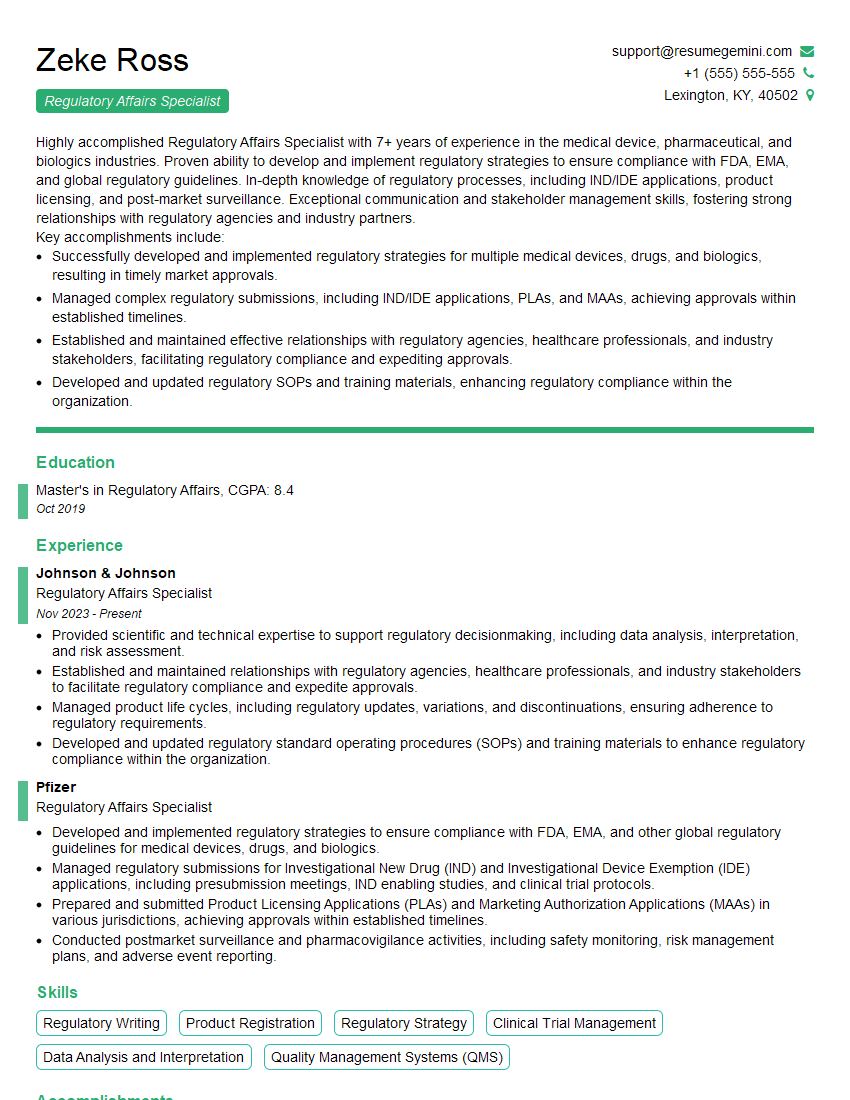
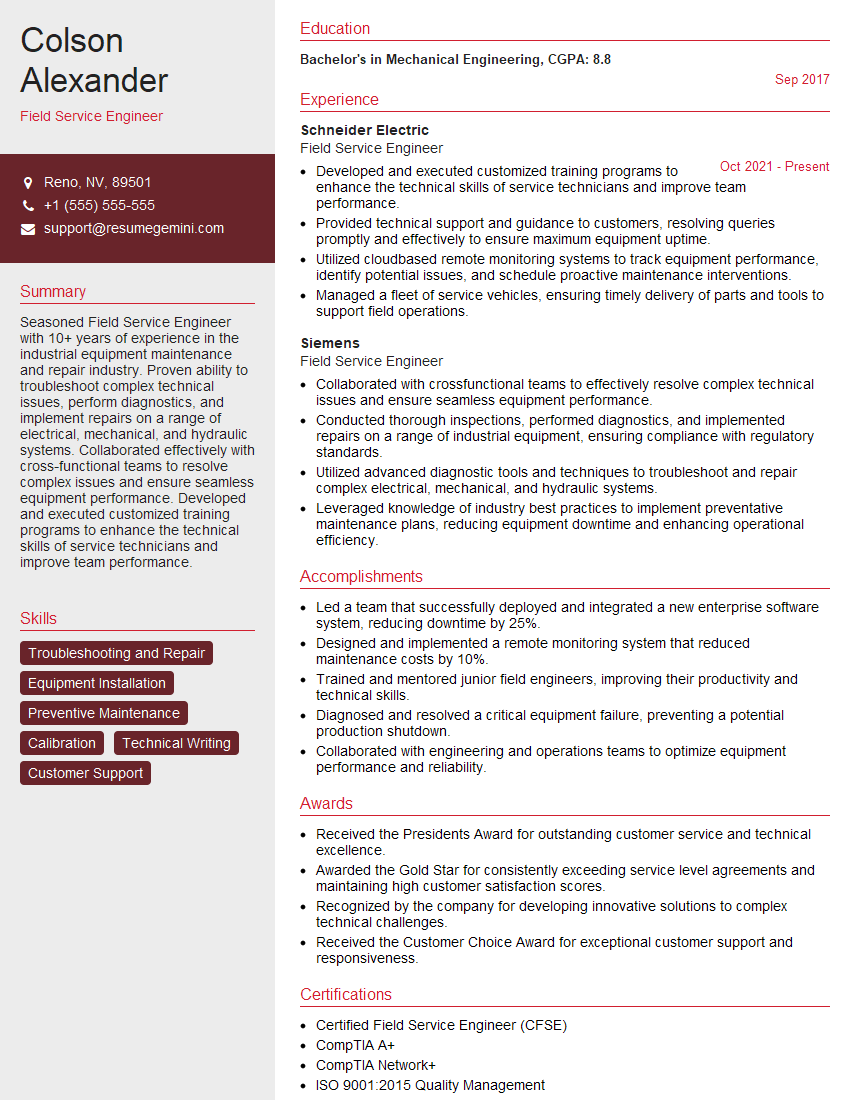
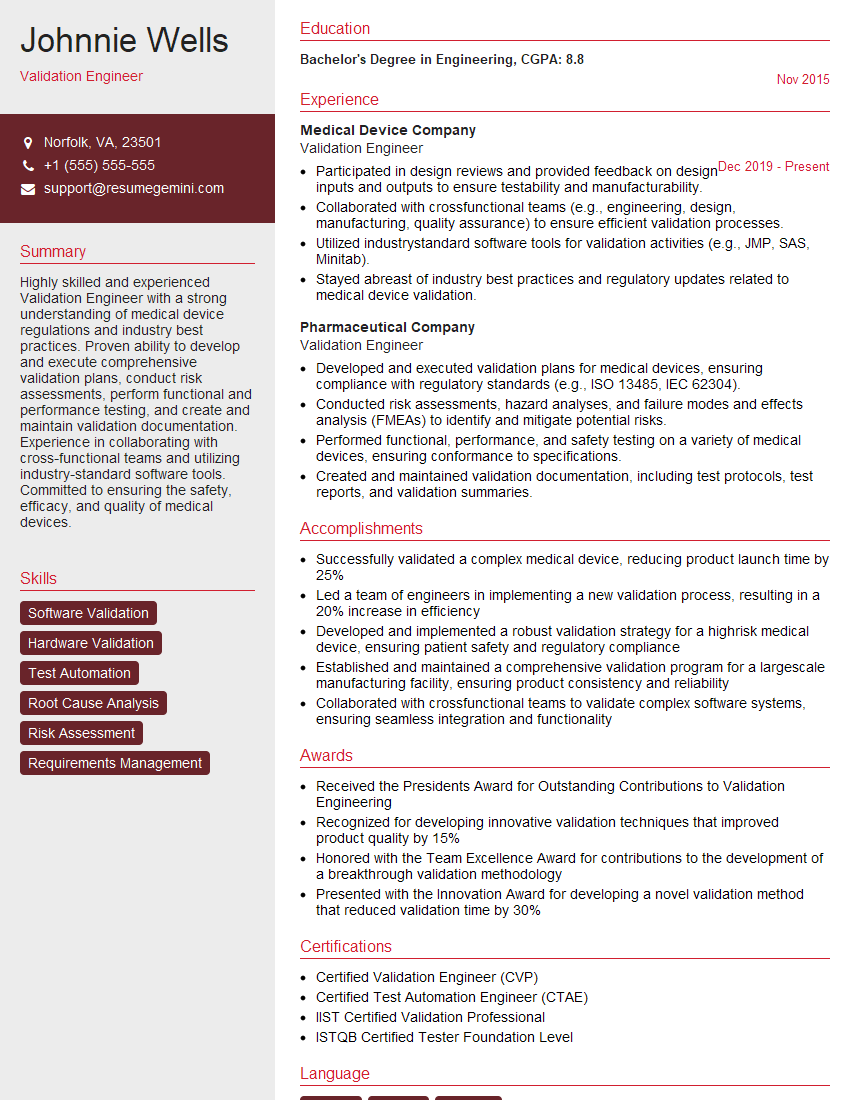
Mastering Oxygraph operation opens doors to exciting career opportunities in diverse fields like drug discovery, toxicology, and fundamental biological research. A strong understanding of this technique significantly enhances your value as a researcher or scientist. To maximize your job prospects, crafting an ATS-friendly resume is paramount. ResumeGemini is a trusted resource to help you build a professional resume that effectively highlights your skills and experience. Examples of resumes tailored to Oxygraph Operation are provided to guide you in creating a compelling application.



Explore more articles
Users Rating of Our Blogs
Share Your Experience
We value your feedback! Please rate our content and share your thoughts (optional).
What Readers Say About Our Blog
Really detailed insights and content, thank you for writing this detailed article.
IT gave me an insight and words to use and be able to think of examples