Are you ready to stand out in your next interview? Understanding and preparing for Collaboration with Writers interview questions is a game-changer. In this blog, we’ve compiled key questions and expert advice to help you showcase your skills with confidence and precision. Let’s get started on your journey to acing the interview.
Questions Asked in Collaboration with Writers Interview
Q 1. Describe your experience managing multiple writers on a single project.
Managing multiple writers on a single project requires a blend of organizational skills, clear communication, and a deep understanding of individual writer strengths. I begin by establishing a project roadmap with clear milestones and deadlines. This roadmap isn’t just a timeline; it’s a shared document, accessible to all writers, outlining the overall project scope, individual chapter or section assignments, and key deliverables.
Next, I hold a kickoff meeting to ensure everyone understands their roles, the project’s vision, and the overall tone and style guide. I assign responsibilities based on each writer’s area of expertise, ensuring optimal resource allocation. Regular check-ins, whether through weekly meetings or daily updates via project management software, help maintain momentum and address challenges proactively.
For example, on a recent multi-author textbook project, I assigned chapters based on the writers’ subject matter expertise. One writer excelled in statistical analysis and was assigned the quantitative chapters, while another, a gifted narrative writer, tackled the qualitative sections. This strategy ensured high-quality output and efficient workflow.
Q 2. How do you provide constructive feedback to writers?
Providing constructive feedback is crucial for writer development and project success. My approach is always to focus on the work, not the person. I utilize the ‘sandwich’ method: starting with positive reinforcement, then addressing areas for improvement, and concluding with more positive feedback. This approach softens criticism and focuses on actionable steps.
I avoid vague comments like ‘this isn’t very good’. Instead, I offer specific suggestions. For example, instead of saying ‘the introduction is weak,’ I might suggest, ‘The introduction could be strengthened by adding a concise thesis statement that clearly outlines the main arguments.’ I always provide concrete examples and explain the rationale behind my suggestions.
I also believe in fostering a collaborative environment where writers feel comfortable asking questions and seeking clarification. Regular feedback loops, both formal and informal, ensure consistent quality and alignment with project goals.
Q 3. Explain your process for resolving conflicting ideas between writers.
Conflicting ideas are inevitable in collaborative writing. My process begins with encouraging open dialogue. I create a safe space where writers can express their viewpoints without fear of judgment. We then analyze the conflicting ideas objectively, focusing on their strengths and weaknesses in relation to the overall project objectives.
Sometimes, a simple compromise is sufficient. Other times, a more structured approach is needed. We may use a weighted decision-making process, where each writer assigns points to different options based on their merits, or we might employ a voting system.
The key is to ensure all writers feel heard and that the final decision aligns with the project’s goals. In situations where compromises are impossible, I might suggest alternative approaches, such as splitting the content into different sections or exploring different ways to integrate the conflicting ideas. Ultimately, transparency and collaboration are essential for resolving conflicts effectively.
Q 4. How do you ensure consistency in tone and style across multiple writers’ contributions?
Maintaining consistency in tone and style across multiple writers is critical for a cohesive final product. Before the project begins, I develop a comprehensive style guide that addresses grammar, punctuation, vocabulary, and overall writing style. This guide acts as a shared reference point for all writers.
I often use a centralized style guide document, perhaps in a shared Google Doc or a similar platform. This allows for easy access and updates. I also include examples to illustrate the preferred style and tone, clarifying any ambiguities.
Beyond the style guide, I conduct regular reviews of the writers’ work to ensure consistency. I might use editing tools that check for consistency in things like voice and tense. I also look for inconsistencies manually throughout the writing process, addressing them in real-time. Early and consistent application of the style guide is key to maintaining a unified voice across the project.
Q 5. What strategies do you use to manage deadlines and workloads for a writing team?
Effective deadline and workload management is crucial for successful project completion. I begin by creating a detailed project schedule with clear milestones and deadlines for each phase of the writing process. This schedule is not just a guideline; it is a collaborative agreement that considers each writer’s availability and workload.
I then use project management software to track progress and identify potential bottlenecks. Regular check-ins allow me to monitor progress, address challenges, and adjust the schedule if necessary.
To prevent overload, I distribute tasks strategically. This includes breaking down larger assignments into smaller, manageable tasks, assigning responsibilities based on individual writer capacity and expertise, and allowing for flexibility in timelines where needed. Open communication and proactive problem-solving are vital for maintaining deadlines and preventing writer burnout.
Q 6. How do you handle writer’s block or creative differences within a team?
Writer’s block and creative differences are common challenges in collaborative projects. For writer’s block, I encourage brainstorming sessions, provide resources like writing prompts or examples from similar works, and offer flexibility in deadlines when necessary.
Creative differences require a more nuanced approach. I encourage open discussion and exploration of different perspectives. Sometimes, compromise is the solution. Other times, we might decide to explore different approaches to the same idea or assign different sections of the work to different writers based on their preferred styles.
Creating a supportive and collaborative environment where writers feel comfortable sharing their ideas and concerns is key to overcoming creative challenges. Providing encouragement, acknowledging their individual contributions, and maintaining a positive team dynamic are crucial elements in resolving these issues.
Q 7. Describe a time you had to mediate a conflict between writers.
In a previous project, two writers had a significant disagreement about the direction of a key chapter. One writer preferred a more theoretical approach, while the other advocated for a more practical, case-study-based approach. The disagreement escalated into a tense situation that threatened to derail the project timeline.
My approach involved a series of one-on-one meetings with each writer to understand their perspectives and concerns. I then facilitated a joint meeting where each writer could present their arguments in a structured environment. I actively listened to both sides, ensuring each felt heard and respected.
Ultimately, we agreed on a hybrid approach that incorporated elements of both theoretical discussion and practical case studies, satisfying both writers and ensuring a well-rounded and comprehensive chapter. This situation highlighted the importance of active listening, empathy, and clear communication in resolving conflicts within a writing team. The successful resolution not only saved the project but also strengthened the team’s collaboration and trust.
Q 8. What tools or technologies do you use to facilitate writer collaboration?
Facilitating writer collaboration requires a robust technological infrastructure. My go-to tools blend project management software with collaborative writing platforms. For instance, I rely heavily on Asana or Trello for task assignment, deadline tracking, and overall project organization. These platforms allow writers to see the bigger picture and understand their individual contributions within the context of the entire project. Simultaneously, I leverage collaborative writing platforms such as Google Docs or Microsoft Word Online for real-time co-authoring and version control. This eliminates the confusion of multiple file versions and allows for seamless integration of feedback and edits. For larger projects or those involving a geographically dispersed team, Slack or Microsoft Teams provide instant communication and quick query resolution, keeping the workflow flowing smoothly.
For instance, in a recent project involving the creation of a comprehensive marketing campaign, Asana allowed me to assign specific tasks (e.g., website copy, social media posts, email newsletters) to different writers based on their expertise, while Google Docs enabled real-time collaborative editing and feedback integration on each piece of content, ensuring consistency across all platforms.
Q 9. How do you ensure that all writers understand the project’s scope and goals?
Ensuring all writers understand the project’s scope and goals is paramount. I start by creating a detailed project brief that includes: the project’s overall objective, target audience, desired tone and style, key messages, deadlines, and individual writer responsibilities. This brief is not just a document; it’s a living document. We have a kickoff meeting where we discuss the brief collaboratively, addressing any questions or uncertainties. This ensures everyone is on the same page from the outset. I also utilize visual aids like mind maps or flowcharts to illustrate the project’s structure and dependencies, making it easier for writers to grasp the bigger picture. Regular check-in meetings provide additional opportunities to clarify doubts and address challenges proactively, thereby maintaining clarity and focus throughout the project lifecycle.
For example, in a recent blog series project, we created a mind map outlining the different blog topics, their interconnections, and the overall narrative arc. This visual representation helped writers understand how their individual blog posts contributed to the overall story and maintained a consistent theme.
Q 10. What is your experience using style guides and brand voice guidelines?
Style guides and brand voice guidelines are essential for maintaining consistency and professionalism across all written materials. My experience includes developing, implementing, and enforcing style guides for various clients, ranging from startups to established corporations. I’m proficient in adapting existing style guides or creating new ones from scratch based on the client’s specific needs. I use style guides not just as a rulebook but as a tool for fostering clear and consistent communication. I incorporate the brand voice guidelines into every aspect of the writing process, from brainstorming sessions to final proofreading. This ensures that the brand’s personality shines through in every piece of content, creating a unified and impactful brand experience for the audience.
In one instance, I adapted an existing style guide for a client undergoing rebranding. This required careful consideration of the new brand values and personality to ensure that the updated style guide reflected the evolved brand identity. The outcome was a consistent tone across all marketing collaterals.
Q 11. Explain your approach to assigning writing tasks based on writer expertise.
Assigning writing tasks based on writer expertise is critical for optimizing project efficiency and quality. I begin by assessing each writer’s skills, experience, and preferred writing styles. This includes reviewing their portfolios, conducting brief interviews, and evaluating their past performance on similar projects. I maintain a detailed record of each writer’s strengths and weaknesses to inform my task assignment decisions. This enables me to strategically match writers with assignments that align with their particular expertise. For example, a writer with proven experience in technical writing would be assigned technical documentation, while a writer with a strong background in creative writing would be assigned blog posts or marketing materials.
I recently managed a project requiring both technical and creative writing components. I carefully assigned the technical specifications document to a writer with an engineering background and a proven track record in technical documentation. The creative aspects, such as marketing copy, were entrusted to a writer with extensive experience in copywriting and marketing campaigns.
Q 12. How do you track progress and ensure accountability among writers?
Tracking progress and ensuring accountability among writers involves a multifaceted approach. I rely on project management tools like Asana or Trello to monitor individual task completion, deadlines, and overall project progress. These tools allow writers to self-report their progress, and I can monitor it centrally. Regular progress meetings provide opportunities to discuss challenges, address roadblocks, and ensure everyone stays on track. I also establish clear communication channels for prompt feedback and issue resolution. Transparent communication is key; I make sure writers are kept informed of any changes or delays that might impact their work. Furthermore, I incorporate milestone-based check-ins to monitor deliverables and ensure that the quality of work remains high.
For example, using a Kanban board in Trello, we track each writing task’s status – To Do, In Progress, Review, Done. This allows for easy visualization of project progress and identification of potential bottlenecks.
Q 13. How do you provide support and mentorship to less experienced writers?
Supporting and mentoring less experienced writers is an integral part of my role. I believe in fostering a collaborative and supportive environment where everyone feels comfortable asking for help. I provide personalized guidance and feedback, focusing on constructive criticism and actionable recommendations. This can involve one-on-one sessions, reviewing drafts, and providing examples of successful writing techniques. I also encourage collaboration amongst writers, creating opportunities for knowledge sharing and peer learning. Furthermore, I provide access to valuable resources such as style guides, writing workshops, and online courses to enhance their skills and knowledge base. The goal is to empower them to grow both professionally and personally.
For example, I recently paired a junior writer with a senior writer on a project, facilitating a mentorship relationship where the junior writer could learn from the experience and expertise of the senior writer. This approach enhanced the junior writer’s skills while also ensuring high-quality work delivery.
Q 14. How do you adapt your communication style to different writer personalities?
Adapting my communication style to different writer personalities is crucial for effective collaboration. I understand that each writer has a unique working style and communication preference. Some writers thrive on detailed instructions, while others prefer a more flexible approach. I make a conscious effort to understand each writer’s personality and communication style. I tailor my feedback and communication accordingly, offering detailed explanations for some, and providing concise summaries for others. I also recognize that some writers prefer frequent check-ins, while others prefer more independent work. I respect their preferences and adjust my communication frequency accordingly. Active listening and empathy play an important role in building strong relationships and fostering a positive collaborative environment.
For instance, I worked with one writer who preferred detailed, written instructions, so I provided comprehensive outlines and style guides. Another writer preferred verbal feedback and brainstorming sessions, so I scheduled regular meetings to discuss their progress and offer support.
Q 15. Describe your experience working with freelance writers.
My experience with freelance writers spans over a decade, encompassing projects ranging from blog posts and website copy to technical documentation and marketing materials. I’ve managed teams of both individual freelancers and small agencies, overseeing everything from initial briefings and project scoping to final delivery and payment. I’ve worked with writers specializing in various niches, including technology, finance, healthcare, and lifestyle, allowing me to understand the nuances of different writing styles and target audiences. A key element of my approach is building strong, collaborative relationships based on clear communication and mutual respect.
For example, I once worked with a freelance writer who was a specialist in cybersecurity. Their deep technical knowledge allowed them to produce high-quality content for a client in the financial sector, a sector which initially presented a steep learning curve for the client. By fostering open communication and providing clear guidelines, we successfully navigated the complexities of the project and delivered exceptional results. This involved regular check-ins, providing feedback in a constructive manner, and ensuring they had all the necessary resources.
Career Expert Tips:
- Ace those interviews! Prepare effectively by reviewing the Top 50 Most Common Interview Questions on ResumeGemini.
- Navigate your job search with confidence! Explore a wide range of Career Tips on ResumeGemini. Learn about common challenges and recommendations to overcome them.
- Craft the perfect resume! Master the Art of Resume Writing with ResumeGemini’s guide. Showcase your unique qualifications and achievements effectively.
- Don’t miss out on holiday savings! Build your dream resume with ResumeGemini’s ATS optimized templates.
Q 16. How do you maintain a positive and productive work environment for writers?
Maintaining a positive and productive work environment for writers is paramount to achieving high-quality content. This involves several key strategies: clear and consistent communication, providing timely feedback, offering appropriate compensation and benefits, and fostering a sense of community and shared purpose. I believe in treating each writer as an individual contributor, respecting their strengths and expertise.
- Clear Communication: Regular check-ins, using project management tools, and clear briefings are crucial. I always ensure the writer understands the project goals, target audience, style guide, and any specific requirements.
- Constructive Feedback: I provide feedback promptly and focus on both the strengths and areas for improvement. I avoid overly critical language and instead offer suggestions and guidance. I believe feedback should be a two-way street – it’s a partnership not a dictation.
- Fair Compensation: Paying fairly and on time builds trust and loyalty. I always ensure the agreed-upon rate is competitive and reflective of the writer’s experience and the project’s complexity.
- Community Building: When working with a team of freelance writers, I foster a sense of community through regular communication, perhaps through a shared online platform where writers can share ideas, ask questions, or just connect with one another.
Q 17. What metrics do you use to assess the performance of writers?
Assessing writer performance goes beyond simply meeting deadlines. I use a multi-faceted approach that considers several key metrics:
- Accuracy: Content free of grammatical errors, factual inaccuracies, and plagiarism is essential. I use plagiarism checkers and conduct thorough editorial reviews to ensure high accuracy.
- Quality: This encompasses clarity, conciseness, engagement, and adherence to the brief. I assess how well the writer understands the target audience and the overall message.
- Timeliness: Meeting deadlines is crucial for project success, though unforeseen circumstances are considered.
- Client Satisfaction: Ultimately, client feedback is vital, as their satisfaction reflects the effectiveness of the writer’s work.
- Efficiency: While quality is paramount, efficiency in the writer’s workflow also matters. This isn’t about rushing but finding the optimal balance between output and quality.
I often use a scoring system to quantify these metrics, allowing for a more objective assessment of performance.
Q 18. How do you handle situations where a writer misses a deadline?
Missing deadlines is always a concern. My approach is to understand the reasons behind the delay before determining a course of action. Open communication is crucial. I engage the writer in a conversation to understand the reasons for the delay – was it unforeseen circumstances, an underestimation of the project’s complexity, or a lack of resources? Once the cause is identified, I work collaboratively to find a solution. This might involve extending the deadline (if feasible), reassigning tasks, or providing additional support.
However, repeated missed deadlines could indicate a systemic issue. In such cases, I address this with the writer directly, explaining the importance of meeting deadlines and how we can work together to improve their time management skills. If the situation persists despite efforts to resolve it, further action may be required.
Q 19. Describe your process for reviewing and editing writers’ work.
My review and editing process is a multi-stage approach designed to ensure high-quality content. It generally involves:
- Initial Review: I first review the content for overall coherence, clarity, and adherence to the brief. This helps to identify major issues early on.
- Fact-Checking: I verify the accuracy of facts, figures, and data, ensuring that the information presented is reliable and up-to-date. I might utilize external resources for verification.
- Style and Tone Editing: I check for consistency in style, tone, and voice. This is where I ensure that the writing meets the required style guide and accurately reflects the brand voice.
- Grammar and Proofreading: A final thorough check for grammar, spelling, punctuation, and formatting errors is essential to ensure the highest quality. I use a combination of software tools and manual review.
- Feedback: I provide detailed feedback to the writer, explaining my edits and suggesting improvements. This is a collaborative process, not just a correction session.
This structured approach ensures that the final content is polished, accurate, and ready for publication.
Q 20. How do you incorporate feedback from stakeholders into the writing process?
Incorporating feedback from stakeholders is critical for ensuring client satisfaction and delivering the desired outcome. This typically involves:
- Regular Communication: I maintain open communication with stakeholders throughout the writing process, keeping them updated on progress and seeking their input at key milestones.
- Feedback Sessions: I conduct formal feedback sessions to discuss the draft and gather their input. This might involve presentations, online reviews, or other collaborative tools.
- Revision Process: Based on the feedback, I work with the writer to revise the content, addressing any concerns or suggestions raised by the stakeholders. This may involve multiple rounds of revisions, until mutual agreement on the final product is reached.
- Documentation: I meticulously document all feedback, revisions, and approvals to ensure transparency and accountability throughout the process. This helps track the evolution of the content and resolve any potential disputes.
This collaborative approach ensures that the final product meets the expectations and requirements of all stakeholders.
Q 21. What’s your experience with different content management systems (CMS)?
My experience with various Content Management Systems (CMS) is extensive. I’m proficient in using popular platforms such as WordPress, Drupal, and Joomla. I understand the intricacies of each platform, including their content editing tools, workflow management capabilities, and user permissions. This allows me to effectively guide writers on how to navigate these systems and ensure smooth content integration.
For example, I’ve successfully managed large-scale content migrations between CMS platforms. This requires a deep understanding of how data is structured and how to migrate content while maintaining its integrity and formatting. I’ve also worked on customizing CMS templates to streamline the writing workflow and ensure consistency in content presentation across different platforms.
Q 22. How familiar are you with content repurposing and optimization?
Content repurposing and optimization are crucial for maximizing the value of existing content. Repurposing involves transforming content into different formats to reach a wider audience or serve various purposes. Optimization focuses on improving the content’s performance, typically for search engines (SEO) or user engagement.
For example, a blog post can be repurposed into a series of social media posts, an infographic, a short video, or even a podcast episode. Optimization involves tasks like keyword research, on-page SEO adjustments, and A/B testing headlines and calls-to-action to improve click-through rates and conversion.
In my experience, I’ve successfully repurposed lengthy white papers into concise, shareable summaries for LinkedIn and Twitter, resulting in a significant increase in engagement and lead generation. I also regularly optimize website content by analyzing keyword performance using tools like Google Analytics and SEMrush, adjusting meta descriptions, and improving internal linking to enhance search engine rankings.
Q 23. How do you ensure the accuracy and factual correctness of written content?
Ensuring accuracy and factual correctness is paramount. My process involves a multi-step approach, starting with a thorough review of all source materials. This includes checking the credibility of sources, verifying statistics with reputable databases, and fact-checking claims using multiple sources. I utilize tools like plagiarism checkers and fact-checking websites to confirm the validity of information.
Furthermore, I maintain a detailed record of all sources used, including URLs and publication dates, for easy reference and verification. This documentation is crucial for transparency and accountability. Beyond fact-checking, I also collaborate closely with the writers to address any potential inconsistencies or ambiguities in their work. I often involve subject matter experts (SMEs) in the review process for specialized topics to ensure the highest level of accuracy.
For instance, in a recent project involving a scientific report, I consulted with a PhD researcher to verify the accuracy of complex data and methodologies presented. This collaborative effort resulted in a high-quality report that was both accurate and accessible to a broad audience.
Q 24. How do you handle confidential information shared by writers?
Confidentiality is paramount. I adhere to strict protocols for handling sensitive information shared by writers. These include:
- Secure storage: All confidential documents are stored securely on encrypted servers and access is limited to authorized personnel only.
- Non-disclosure agreements (NDAs): When necessary, NDAs are established with writers to legally protect sensitive information.
- Data anonymization: Whenever possible, I work with writers to anonymize data to minimize risk.
- Password protection: All shared files are password-protected and access is carefully controlled.
I regularly review and update these protocols to ensure compliance with current best practices and relevant regulations. I treat all confidential information with the utmost respect and prioritize its protection above all else. Breaking confidentiality is simply not an option.
Q 25. What’s your experience with legal compliance issues in written content?
Legal compliance is a critical component of my work. I am familiar with various legal issues related to written content, including copyright, defamation, libel, and privacy concerns. I actively ensure that all content adheres to relevant laws and regulations. This involves:
- Copyright verification: I always check for copyright restrictions and ensure proper attribution is given.
- Fact-checking: Preventing misinformation and avoiding accusations of libel or defamation is a priority.
- Privacy compliance: I ensure that any personal information is handled responsibly and in accordance with data privacy laws (GDPR, CCPA, etc.).
- Disclaimer inclusion: When appropriate, I include clear disclaimers to clarify opinions and potential liability.
I actively stay updated on changes to relevant laws and regularly consult with legal professionals when necessary to ensure full compliance. For instance, I recently worked on a project involving health-related information, ensuring that all content was accurate, compliant with HIPAA regulations, and did not provide medical advice without proper qualifications.
Q 26. How do you handle negative feedback on published content?
Negative feedback, while challenging, provides valuable opportunities for learning and improvement. My approach involves a structured response:
- Acknowledge and validate: I start by acknowledging the feedback and validating the reader’s feelings. A simple, ‘Thank you for your feedback. We appreciate you bringing this to our attention,’ can go a long way.
- Investigate the issue: I thoroughly investigate the concerns raised. This may involve reviewing the content, examining analytics, or conducting further research.
- Address the issue: Depending on the nature of the feedback, I might correct inaccuracies, issue a clarification, or update the content. Sometimes, a simple apology is sufficient.
- Communicate the response: I publicly or privately (depending on the platform and the nature of the feedback) communicate my response to the reader.
For example, if a factual inaccuracy is discovered, I would correct it immediately, inform the reader of the correction, and update the original content. Transparent communication is key to maintaining credibility and trust with the audience.
Q 27. Describe your experience with building and managing editorial calendars.
Building and managing editorial calendars is a key skill for effective content creation. My experience involves developing content strategies aligned with business goals. This typically includes:
- Content brainstorming: Collaborating with the team to identify relevant and engaging topics.
- Topic prioritization: Determining which topics align best with business objectives and audience interests.
- Content scheduling: Creating a detailed calendar outlining publishing dates and deadlines.
- Workflow management: Ensuring smooth collaboration between writers, editors, and designers.
- Progress tracking: Regularly monitoring progress and adjusting the calendar as needed.
I utilize project management tools like Asana or Trello to manage the editorial calendar and track progress. This ensures transparency and accountability across the team. I’ve successfully managed calendars for multiple clients, coordinating the production of hundreds of pieces of content across various channels, always prioritizing consistency and timely delivery.
Q 28. How do you contribute to a positive and collaborative team environment?
Contributing to a positive and collaborative team environment is crucial. My approach involves:
- Open communication: Maintaining open and honest communication with team members, fostering trust and mutual respect.
- Active listening: Actively listening to and valuing the contributions of every team member.
- Constructive feedback: Providing and receiving constructive feedback in a positive and supportive manner.
- Collaboration and support: Collaborating effectively with team members and offering support when needed.
- Team building activities: Participating in team-building activities to strengthen relationships and improve collaboration.
I believe that a supportive and collaborative environment leads to higher quality work and greater job satisfaction. I actively promote a culture of mutual respect and appreciation within the team.
Key Topics to Learn for Collaboration with Writers Interview
- Understanding Writer’s Roles & Responsibilities: Learn the diverse roles writers play in different contexts (e.g., content writers, technical writers, copywriters). Understand their individual workflows and contribution to project success.
- Effective Communication & Feedback: Master techniques for providing constructive criticism and feedback. Practice clear, concise communication to ensure mutual understanding and project alignment.
- Project Management & Workflow Integration: Explore project management methodologies relevant to writer collaboration (e.g., Agile, Scrum). Understand how to integrate writers’ tasks efficiently into broader project timelines.
- Conflict Resolution & Negotiation: Learn strategies for navigating disagreements and finding solutions that satisfy all parties. Develop negotiation skills to manage expectations and deadlines.
- Utilizing Collaboration Tools: Become familiar with various collaboration tools (e.g., shared document platforms, project management software). Understand how these tools enhance teamwork and communication.
- Legal & Ethical Considerations: Understand copyright, intellectual property, and authorship issues relevant to writer collaboration. Learn ethical practices for handling sensitive information.
- Assessing Writer Output & Quality Control: Develop criteria for evaluating the quality of written work, focusing on clarity, accuracy, and adherence to style guidelines.
- Building Strong Working Relationships: Explore strategies for fostering positive relationships with writers, valuing their contributions, and creating a collaborative environment.
Next Steps
Mastering collaboration with writers is crucial for success in many roles, demonstrating your ability to manage projects effectively, foster teamwork, and deliver high-quality results. A strong resume showcasing these skills is essential to stand out. Create an ATS-friendly resume that highlights your experience and achievements in collaborating with writers. To build a professional and impactful resume, consider using ResumeGemini; it offers a user-friendly platform to craft an effective document. Examples of resumes tailored to Collaboration with Writers are available for your review.

Communications Manager Resume Sample

Content Strategist Resume Sample
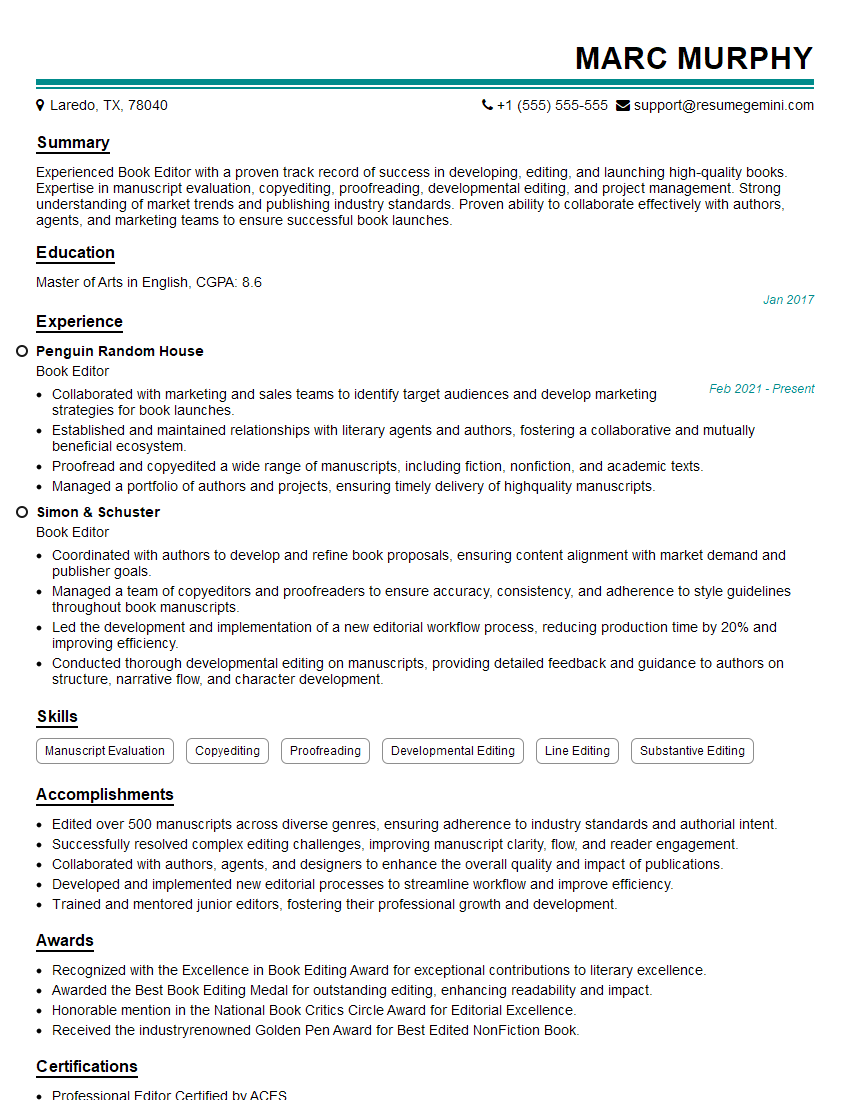
Book Editor Resume Sample
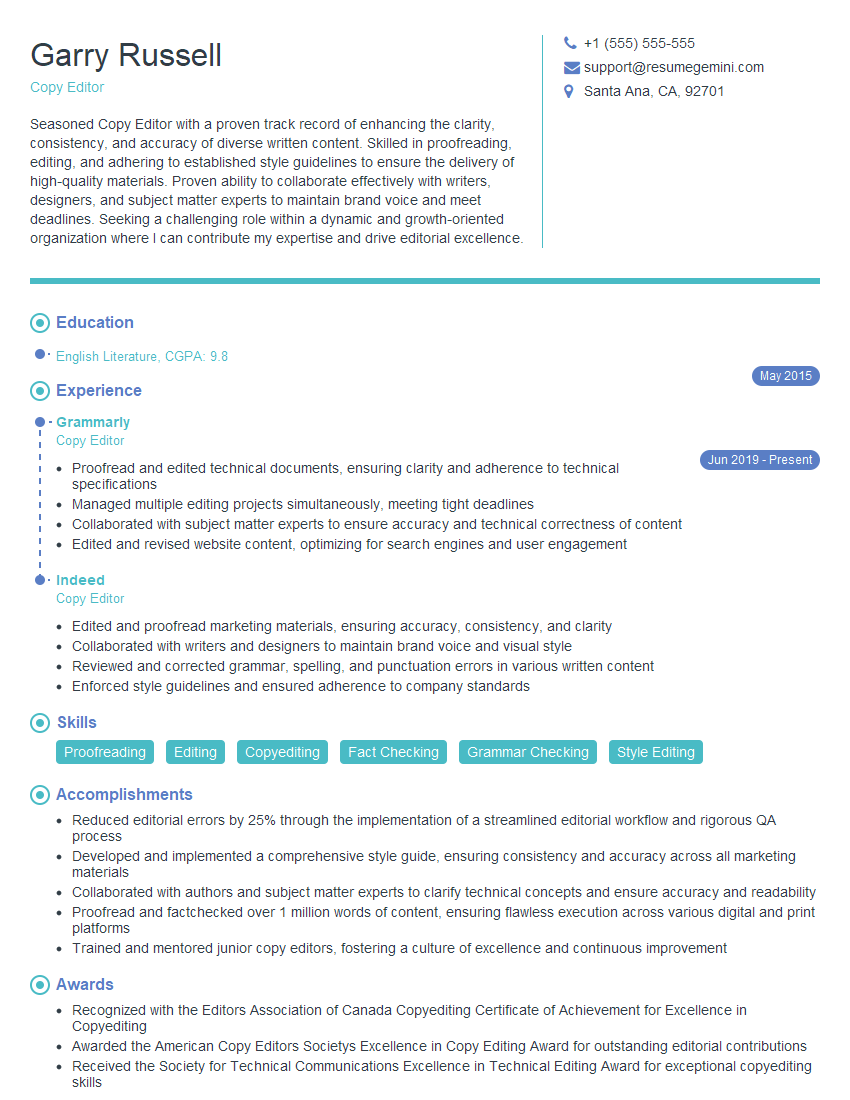
Copy Editor Resume Sample
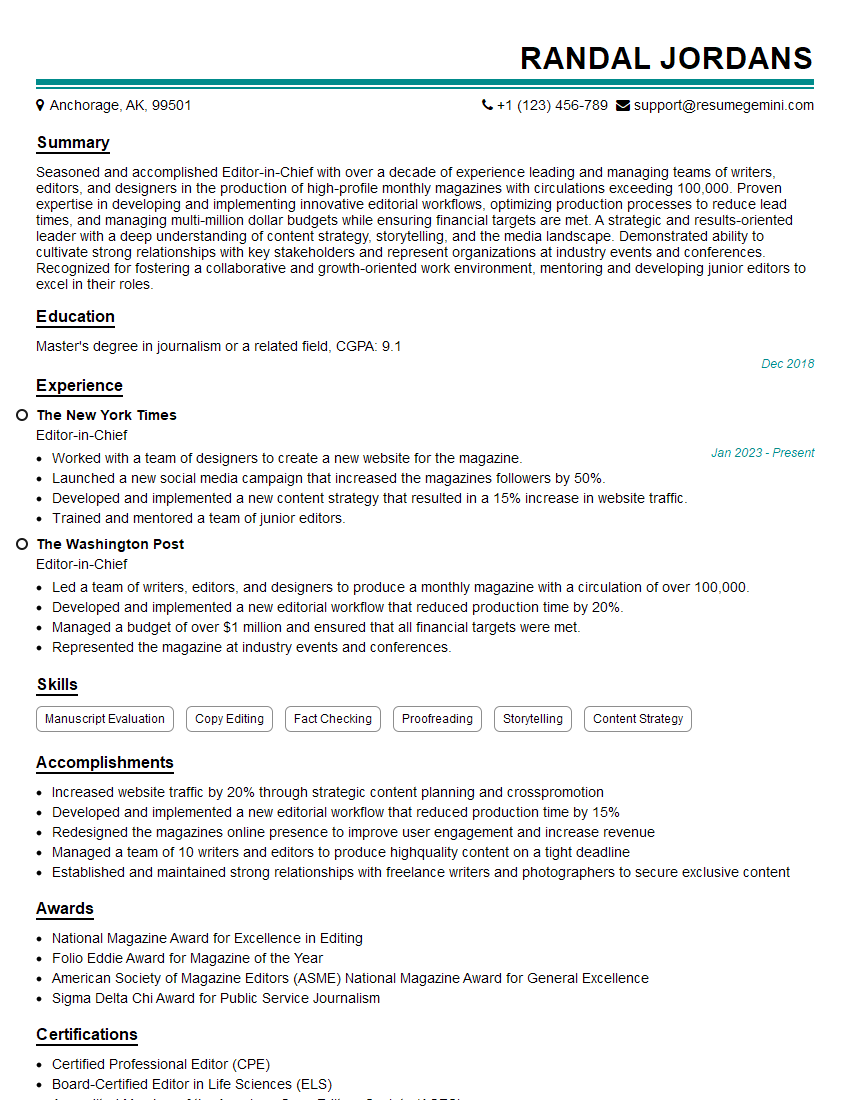
Editor-in-Chief Resume Sample
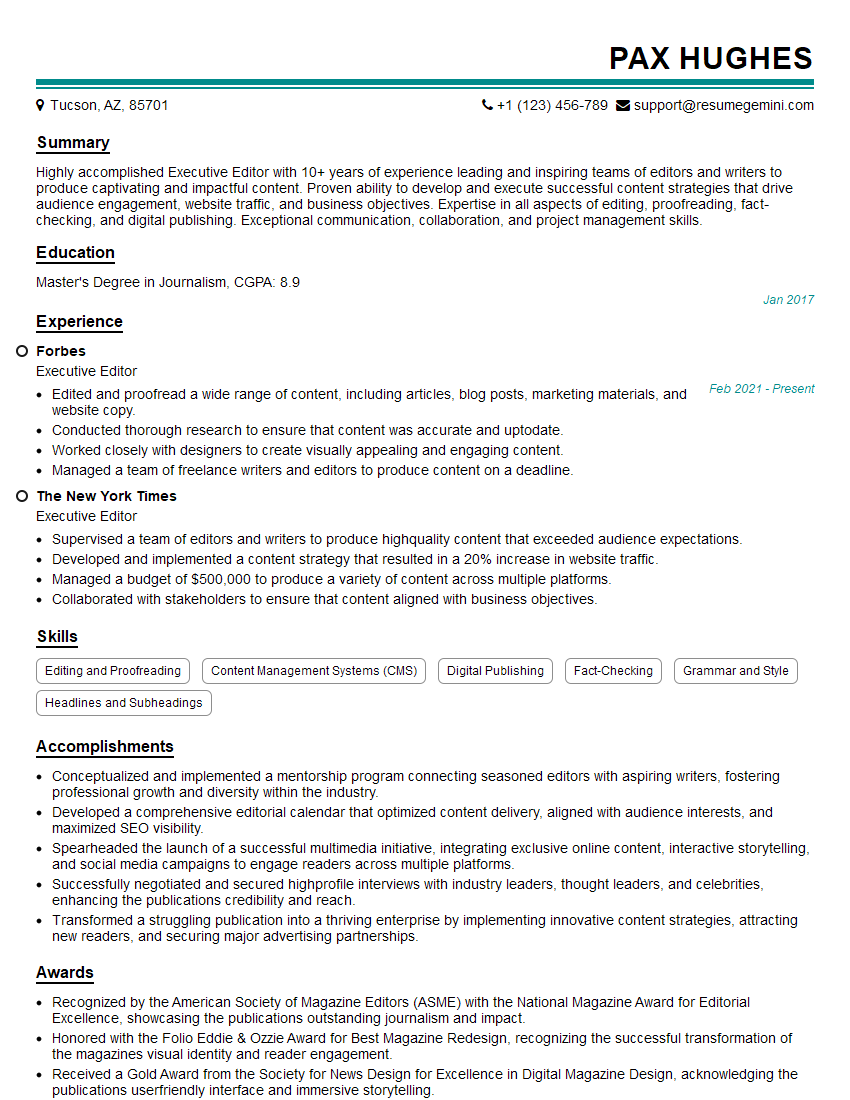
Executive Editor Resume Sample
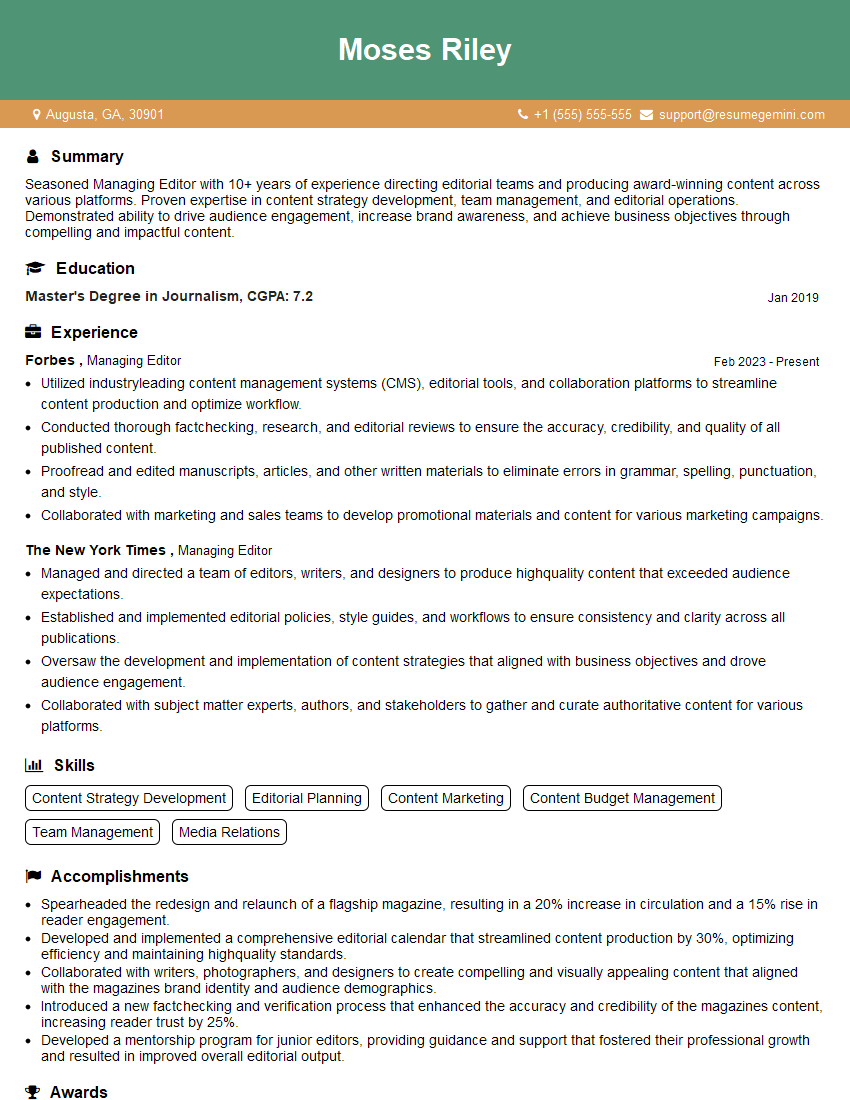
Managing Editor Resume Sample
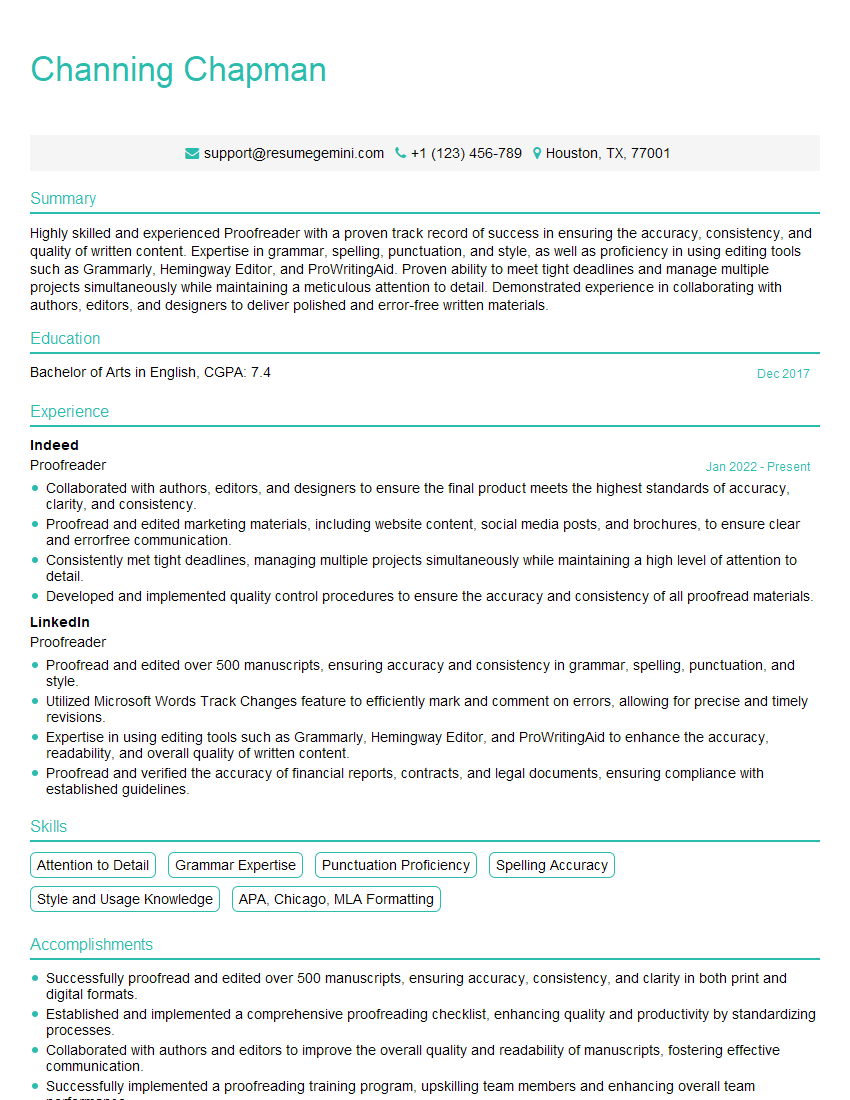
Proofreader Resume Sample

Technical Writer Resume Sample

Copywriter Resume Sample
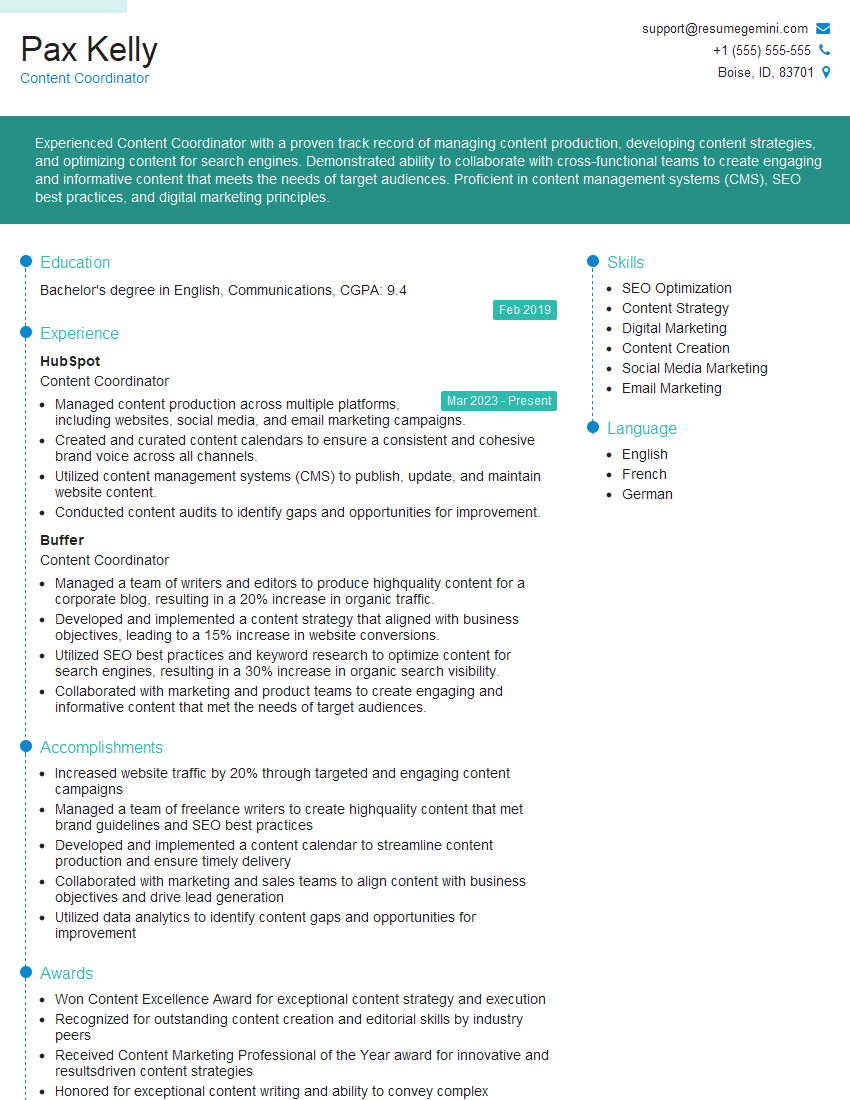
Content Coordinator Resume Sample
Explore more articles
Users Rating of Our Blogs
Share Your Experience
We value your feedback! Please rate our content and share your thoughts (optional).
What Readers Say About Our Blog
Really detailed insights and content, thank you for writing this detailed article.
IT gave me an insight and words to use and be able to think of examples