Unlock your full potential by mastering the most common Collections Management and Inventory interview questions. This blog offers a deep dive into the critical topics, ensuring you’re not only prepared to answer but to excel. With these insights, you’ll approach your interview with clarity and confidence.
Questions Asked in Collections Management and Inventory Interview
Q 1. Describe your experience with inventory control systems.
My experience with inventory control systems spans over ten years, encompassing various industries, from retail to manufacturing. I’ve worked with both basic spreadsheet-based systems and sophisticated enterprise resource planning (ERP) solutions. I’m proficient in using these systems to track inventory levels, manage stock movements, and generate reports for analysis. For example, in my previous role at Acme Corp, I implemented a new inventory control system that reduced stockouts by 15% and improved order fulfillment accuracy by 10%. This involved not only the selection and implementation of the software but also the crucial process of training staff and establishing standardized procedures.
My expertise includes experience with barcode scanning, RFID tagging, and cycle counting methodologies. I understand the importance of integrating inventory control systems with other business functions, such as procurement and sales, to ensure data accuracy and efficiency. I am familiar with various inventory management techniques and can tailor my approach to meet the specific needs of different businesses.
Q 2. Explain your understanding of FIFO and LIFO inventory methods.
FIFO (First-In, First-Out) and LIFO (Last-In, First-Out) are two common methods for valuing inventory. Imagine a stack of pancakes – FIFO is like eating the bottom pancake first (oldest stock sold first), while LIFO is like eating the top pancake first (newest stock sold first).
FIFO assumes that the oldest items in inventory are sold first. This method tends to result in a lower cost of goods sold during periods of inflation, leading to higher net income. However, it can also result in higher inventory valuation on the balance sheet.
LIFO assumes that the newest items in inventory are sold first. This method has the opposite effect – during inflation, it leads to a higher cost of goods sold and lower net income. It also results in a lower inventory valuation on the balance sheet. The choice between FIFO and LIFO impacts financial statements and tax liabilities and is often influenced by accounting regulations and business strategy.
In a practical sense, I’ve used both methods, choosing the most appropriate one based on the specific inventory and the company’s financial reporting requirements. For example, a perishable goods company might prefer FIFO to minimize waste, while a company with high inventory turnover might favor LIFO for tax advantages.
Q 3. How do you track and manage inventory discrepancies?
Tracking and managing inventory discrepancies is crucial for maintaining accuracy and preventing losses. My approach involves a multi-pronged strategy. First, I use regular cycle counting – a system of counting a portion of the inventory regularly, instead of a full inventory count at once. This allows for quicker identification of discrepancies. This is supplemented by regular reconciliation of physical counts against the inventory management system. Discrepancies are investigated thoroughly using a root cause analysis.
Possible causes include data entry errors, theft, damage, or inaccurate stocktaking procedures. I implement corrective actions to address these root causes. For instance, if data entry errors are a frequent problem, improved training or system improvements (such as using barcode scanners) may be necessary. Theft may require stricter security measures. I document all discrepancies, investigations, and corrective actions for auditing and continuous improvement. We use a dedicated discrepancy report to track these issues, allowing us to identify trends and implement preventive measures.
Q 4. What experience do you have with implementing inventory management software?
I have extensive experience implementing inventory management software. This includes the entire lifecycle, from needs assessment and vendor selection to configuration, data migration, user training, and ongoing support. In my previous role, I spearheaded the implementation of a new cloud-based inventory system for a rapidly growing e-commerce company. This involved working closely with the IT department, stakeholders, and vendors to ensure a smooth transition.
My approach emphasizes careful planning, change management, and thorough testing. Data migration is a critical aspect, requiring meticulous data cleansing and validation to ensure data accuracy. Post-implementation, I monitor system performance, gather user feedback, and make necessary adjustments to optimize efficiency. Key to success is building consensus among users, highlighting the benefits of the new system, and offering ongoing support and training.
Q 5. How would you handle a significant stock shortage?
A significant stock shortage requires a swift and systematic response. My first step would be to identify the extent of the shortage and pinpoint the affected items. Then, I’d investigate the root cause – is it due to inaccurate forecasting, supply chain disruptions, theft, or unexpected high demand? This investigation will usually involve data analysis and potentially interviews with relevant personnel.
Once the cause is identified, I’d develop a remediation plan. This may involve expediting orders from suppliers, implementing temporary price adjustments, re-allocating stock from other locations, or communicating with customers about potential delays. I’d also assess the financial impact of the shortage and update forecasts accordingly. Finally, I’d implement preventive measures to mitigate the risk of future shortages. This could include refining forecasting models, strengthening relationships with suppliers, or improving inventory tracking systems.
Q 6. Describe your experience with warehouse management systems (WMS).
My experience with Warehouse Management Systems (WMS) involves optimizing warehouse operations through the use of specialized software. I’m familiar with various WMS functionalities, including receiving, putaway, picking, packing, shipping, and inventory tracking. I’ve worked with both on-premise and cloud-based WMS solutions. For example, in a previous project, I implemented a WMS that reduced order fulfillment time by 20% and improved warehouse space utilization by 15%. This involved configuring the system to optimize picking routes, managing storage locations effectively, and integrating it with our existing ERP system.
My understanding of WMS extends beyond just software implementation. I also focus on warehouse layout optimization, process improvement, and the effective use of technology such as barcode scanners, RFID, and automated guided vehicles (AGVs). A successful WMS implementation requires careful planning, user training, and ongoing monitoring to ensure the system operates efficiently and meets the evolving needs of the business.
Q 7. What metrics do you use to measure inventory performance?
Several key metrics are crucial for measuring inventory performance. These metrics provide insights into efficiency, accuracy, and profitability.
- Inventory Turnover Ratio: This indicates how many times inventory is sold and replaced over a period (e.g., annually). A higher ratio suggests efficient inventory management.
- Days Sales of Inventory (DSI): This shows the number of days it takes to sell the average inventory. A lower DSI is generally preferred.
- Stockout Rate: The percentage of times an item is out of stock when requested. A lower stockout rate indicates better inventory planning.
- Inventory Accuracy: The percentage of inventory items correctly counted and recorded. High accuracy indicates a reliable inventory management system.
- Holding Costs: The costs associated with storing inventory (storage, insurance, obsolescence). Minimizing holding costs is a key objective.
- Gross Profit Margin: Indicates the profitability of the inventory. An increase in this margin, adjusted for inventory changes, suggests improved inventory management decisions.
By regularly tracking and analyzing these metrics, I can identify areas for improvement and make data-driven decisions to optimize inventory management strategies.
Q 8. How do you ensure inventory accuracy?
Ensuring inventory accuracy is paramount for any organization. It’s the foundation of efficient operations and accurate financial reporting. My approach is multi-faceted and relies on a combination of technological solutions and robust processes.
- Regular Cycle Counting: We don’t rely solely on annual physical inventories. Instead, we implement a cycle counting system, regularly verifying smaller sections of the inventory. This allows for quicker identification and correction of discrepancies.
- Barcode/RFID Scanning: Utilizing barcode or RFID technology minimizes manual data entry errors, a significant source of inaccuracy. Every item is scanned during receiving, put-away, and picking processes.
- Inventory Management Software: A robust inventory management system (IMS) is crucial. It provides a central, real-time view of inventory levels, facilitating accurate tracking and forecasting. We use a system that integrates with our warehouse management system (WMS) for seamless data flow.
- Regular Audits: We conduct periodic audits, comparing physical counts with system records. These audits help identify systemic issues and areas for improvement in our processes.
- Employee Training: Proper training is essential. Staff are thoroughly trained on inventory procedures, including accurate scanning techniques, handling of damaged goods, and reporting discrepancies.
For example, in my previous role, we implemented a cycle counting program that reduced inventory discrepancies by 15% within six months. This translated to significant cost savings and improved operational efficiency.
Q 9. Explain your process for cycle counting inventory.
Cycle counting is a more efficient approach to inventory management than a full physical inventory. It involves counting a small subset of the inventory regularly. My process is designed for accuracy and minimal disruption:
- Develop a Schedule: We create a schedule that systematically covers all inventory locations over a set period (e.g., a year). High-value or fast-moving items are counted more frequently.
- Assign Responsibilities: Specific team members are assigned responsibility for counting designated areas. This ensures accountability and consistency.
- Utilize Technology: We use handheld scanners to record counts directly into our IMS, eliminating manual data entry and its associated errors. The system often provides guidance on which items to count each day.
- Reconcile Counts: After each count, the results are reconciled against the system records. Discrepancies are investigated and corrected immediately. Root causes of errors are analyzed to prevent future occurrences.
- Document and Analyze: We meticulously document the cycle counting process, including any discrepancies and their resolutions. This data is analyzed to identify trends and improve inventory accuracy over time.
Think of it like regular check-ups for your inventory. Small, regular checks are much more effective than a single, overwhelming annual checkup.
Q 10. How do you manage obsolete or damaged inventory?
Managing obsolete or damaged inventory is critical for minimizing losses and maximizing space. My approach involves a multi-step process:
- Identification: We regularly review inventory to identify obsolete or damaged items using our IMS. This often involves setting alerts for slow-moving items or those nearing their expiration dates.
- Classification: Obsolete or damaged items are classified to determine the best course of action (e.g., disposal, repair, markdown, or repurposing).
- Disposition: We follow established procedures for disposing of damaged or obsolete inventory. This may involve selling them off at a discounted price, donating them to charity, or safely discarding them according to environmental regulations.
- Documentation: All transactions related to the disposal or write-off of obsolete or damaged inventory are meticulously documented for audit trails and financial reporting purposes.
- Process Improvement: We analyze the reasons for obsolescence or damage to improve forecasting, storage practices, and potentially product design.
For instance, we might implement a ‘first-in, first-out’ (FIFO) system to prevent items from becoming obsolete due to extended storage. Alternatively, damaged items might be repaired if cost-effective, reducing waste.
Q 11. Describe your experience with forecasting inventory needs.
Accurate inventory forecasting is essential to avoid stockouts and overstocking. My approach combines historical data analysis with market trends and future projections:
- Historical Data Analysis: We analyze historical sales data to identify trends and seasonal variations in demand. This forms the baseline for our forecasts.
- Market Trend Analysis: We consider external factors that could influence demand, such as economic conditions, new product launches by competitors, and seasonal events.
- Sales Forecasting Techniques: We use various forecasting techniques, such as moving averages, exponential smoothing, and ARIMA modeling, to predict future demand. The choice of technique depends on data characteristics and the desired level of sophistication.
- Collaboration: Close collaboration with sales and marketing teams is crucial. Their insights into planned promotions, new product launches, and market feedback are essential for refining forecasts.
- Regular Review and Adjustment: Forecasts are regularly reviewed and adjusted based on actual sales data and any changes in market conditions. This iterative process ensures that our forecasts remain relevant.
Example: A simple moving average forecast could be calculated as (demand in last 3 months)/3. More complex models require statistical software.
In practice, we’ve used this combined approach to improve our forecast accuracy by 10%, leading to reduced stockouts and improved customer satisfaction.
Q 12. How do you prioritize inventory tasks?
Prioritizing inventory tasks requires a strategic approach, balancing urgency with importance. I typically employ a system that considers:
- Urgency: Tasks with immediate deadlines or those that prevent critical operations take precedence. Examples include resolving stockouts of essential items or addressing safety hazards.
- Impact: Tasks with the greatest potential impact on efficiency, profitability, or customer satisfaction are prioritized. For instance, addressing high-value items with significant discrepancies would have a higher priority.
- Resource Availability: The availability of staff, equipment, and other resources influences task prioritization. Tasks requiring less resource commitment might be tackled first if resources are constrained.
- Inventory Turnover Rate: Items with high turnover rates are prioritized to ensure sufficient stock levels. Low-turnover items may be addressed on a less frequent basis.
I often use a Kanban board or a similar visual system to manage and track task prioritization. This provides transparency and helps the team stay focused on the most critical activities.
Q 13. What are your strategies for optimizing warehouse space?
Optimizing warehouse space is crucial for maximizing efficiency and minimizing costs. My strategies include:
- Efficient Layout: We design the warehouse layout to optimize the flow of goods, minimizing travel distances between receiving, storage, and shipping areas. High-demand items are placed in easily accessible locations.
- Vertical Space Utilization: Utilizing vertical space with racking systems and high-bay storage increases storage capacity without expanding the footprint. We carefully consider the weight capacity of the racking systems.
- Inventory Organization: We employ clear labeling, organized shelving, and systematic storage methods to quickly locate items. This improves picking efficiency and reduces searching time.
- Regular Inventory Review: Periodically reviewing inventory helps identify underutilized space and opportunities to consolidate or relocate items. Obsolete or slow-moving items might be relocated to less accessible areas.
- Technology Integration: Utilizing WMS technology helps optimize space utilization through features like slotting optimization, which automatically assigns items to optimal locations based on demand and other factors.
In a previous role, by implementing these strategies, we were able to increase storage capacity by 20% without expanding the warehouse. This resulted in significant cost savings and improved efficiency.
Q 14. How do you ensure compliance with inventory regulations?
Compliance with inventory regulations is critical for avoiding penalties and maintaining a positive reputation. My approach includes:
- Regular Updates: We stay abreast of all relevant regulations and industry best practices through continuous professional development and subscribing to relevant industry publications. This helps us adapt to evolving legal requirements.
- Documented Procedures: We have clearly documented procedures for all inventory-related activities, including receiving, storage, handling, and disposal. These procedures ensure consistent compliance.
- Data Accuracy: Maintaining accurate inventory records is fundamental to compliance. This enables quick and accurate reporting of inventory levels when required by regulatory bodies.
- Internal Audits: We conduct regular internal audits to identify and rectify any compliance issues before they become major problems. These audits help maintain consistency in our adherence to regulations.
- Training: Our staff receive regular training on inventory management best practices and relevant regulations. This ensures everyone is aware of and understands their compliance responsibilities.
For example, in industries involving regulated goods (pharmaceuticals, food), adhering to temperature controls, expiration date tracking and detailed record-keeping is crucial and we always ensure strict adherence to these standards.
Q 15. Describe your experience with RFID or barcode scanning technology.
RFID (Radio-Frequency Identification) and barcode scanning are crucial technologies in modern collections management and inventory control. They automate data capture, significantly improving accuracy and efficiency compared to manual processes. My experience encompasses both technologies, from implementation and integration with existing systems to daily operational use and troubleshooting.
With barcode scanning, I’ve managed large-scale inventory updates in warehouse settings, utilizing handheld scanners to track incoming and outgoing goods. This involved training staff, optimizing scanning processes, and resolving issues related to damaged barcodes or illegible labels. I’ve also implemented barcode systems for libraries, ensuring accurate tracking of books and other materials.
My experience with RFID is more focused on high-value or high-volume items. I’ve overseen the implementation of RFID systems in museum archives, where the ability to track items remotely and detect unauthorized movement is critical. This involved working with vendors to select the appropriate RFID tags and readers, integrating the system with our existing database, and training staff on proper tagging and data management. For instance, I successfully implemented an RFID system to track rare manuscripts, which reduced our physical inventory count time by 60% and improved the security of our collections.
Career Expert Tips:
- Ace those interviews! Prepare effectively by reviewing the Top 50 Most Common Interview Questions on ResumeGemini.
- Navigate your job search with confidence! Explore a wide range of Career Tips on ResumeGemini. Learn about common challenges and recommendations to overcome them.
- Craft the perfect resume! Master the Art of Resume Writing with ResumeGemini’s guide. Showcase your unique qualifications and achievements effectively.
- Don’t miss out on holiday savings! Build your dream resume with ResumeGemini’s ATS optimized templates.
Q 16. How do you collaborate with other departments regarding inventory?
Collaboration is paramount in inventory management. I’ve consistently worked closely with departments like purchasing, accounting, and shipping/receiving to ensure accurate and timely data flow. For example, I collaborate with purchasing to forecast demand, preventing overstocking or stockouts. With accounting, I reconcile inventory records with financial records, ensuring accuracy in cost of goods sold calculations. With shipping/receiving, I coordinate inventory movements to minimize delays and discrepancies. This often involves regular meetings, shared databases, and clear communication protocols. I always focus on building trust and open lines of communication to facilitate efficient collaboration and avoid conflicts.
A successful example involved a project where I worked with the purchasing department to implement a just-in-time inventory system for a fast-moving product line. By closely tracking sales data and collaborating on accurate purchase orders, we were able to reduce our inventory holding costs by 15% and improve order fulfillment times.
Q 17. What is your experience with physical inventory counts?
Physical inventory counts are essential for validating the accuracy of our inventory records. My experience ranges from conducting small-scale counts in retail settings to overseeing large-scale cycle counting programs in warehouses. I’m proficient in various counting techniques, including the use of barcode scanners to streamline data entry. For large-scale counts, I utilize a well-defined methodology including team assignments, clear instructions, double-checking procedures, and reconciliation against system records. Discrepancies are meticulously investigated and documented to identify causes of shrinkage or inaccuracies.
In one instance, I implemented a cycle counting program that replaced an annual full inventory count. This approach significantly reduced disruption to operations while providing more frequent and accurate inventory data. The cycle counting program, combined with improved data entry procedures, reduced discrepancies by 40% within the first year.
Q 18. How do you handle returns and damaged goods?
Handling returns and damaged goods involves a structured process designed to minimize losses and maintain accurate inventory records. Returns are inspected to verify their condition and eligibility for restocking. Damaged goods are assessed to determine whether they can be repaired, salvaged, or must be disposed of appropriately. The entire process is documented, often using specific forms or software, which helps track the flow of goods and identify trends in returns or damage.
For example, we utilize a standardized return authorization (RMA) process that requires customers to provide specific information to initiate the return. This data is then used to update inventory records and analyze return patterns. For damaged goods, we have a system for classifying the type and extent of damage, facilitating decisions on repair, disposal, or credit allocation. This system helps us track the cost of damage and identify potential issues in handling or transportation.
Q 19. Explain your understanding of inventory turnover.
Inventory turnover is a key performance indicator (KPI) that measures how efficiently a business sells its inventory over a specific period. It’s calculated by dividing the cost of goods sold by the average inventory value. A higher turnover rate generally indicates strong sales and efficient inventory management, while a low turnover rate may suggest overstocking, obsolete inventory, or weak demand.
Inventory Turnover = Cost of Goods Sold / Average Inventory Value
Understanding inventory turnover helps businesses make informed decisions about purchasing, pricing, and marketing strategies. For example, a low turnover rate might prompt a business to offer discounts to clear out slow-moving inventory, while a high turnover rate might signal the need to increase inventory levels to meet demand.
Q 20. What experience do you have with lean manufacturing principles as they relate to inventory?
Lean manufacturing principles focus on eliminating waste and maximizing efficiency throughout the production process. In inventory management, this translates to reducing inventory holding costs, minimizing storage space, and improving order fulfillment times. My experience includes implementing several lean techniques, such as just-in-time (JIT) inventory management and Kanban systems.
JIT aims to minimize inventory levels by ordering and receiving materials only when needed, thus reducing storage costs and obsolescence. Kanban uses visual signals (e.g., cards) to manage the flow of materials, allowing for automated replenishment and minimizing waste. I’ve successfully implemented both JIT and Kanban systems in various settings, resulting in significant reductions in inventory holding costs and improvements in operational efficiency.
Q 21. How do you identify and address inventory shrinkage?
Inventory shrinkage refers to the unexplained loss of inventory due to theft, damage, spoilage, or errors. Identifying and addressing shrinkage involves a multi-faceted approach. This starts with regularly reconciling physical counts with inventory records, investigating discrepancies, and analyzing trends to pinpoint potential causes. This often includes reviewing security footage, analyzing employee transactions, and improving inventory tracking systems.
Strategies to reduce shrinkage include strengthening security measures (e.g., improved surveillance, access controls), implementing robust receiving and shipping procedures, improving employee training, and utilizing technology like RFID to enhance tracking and monitoring. For instance, by implementing a more rigorous cycle counting program and improving our security systems, I was able to reduce inventory shrinkage by 25% within six months.
Q 22. Describe your experience with different inventory valuation methods.
Inventory valuation methods determine the value of goods held in stock. Different methods impact financial statements and tax liabilities. The choice depends on factors like industry norms, tax regulations, and the nature of the inventory itself.
- First-In, First-Out (FIFO): Assumes the oldest inventory items are sold first. This method is often preferred as it reflects the actual flow of goods and provides a more accurate cost of goods sold (COGS) during periods of inflation. Example: A bakery using FIFO would sell the oldest loaves of bread first.
- Last-In, First-Out (LIFO): Assumes the newest inventory items are sold first. While this method can lower taxable income in inflationary periods (as the higher cost newer items are matched against revenue), it can provide a less accurate COGS figure and is not permitted under IFRS (International Financial Reporting Standards). Example: A lumber yard using LIFO might report lower profits during a period of rising lumber prices.
- Weighted-Average Cost: Calculates the average cost of all inventory items over a specific period. This simplifies valuation but may not be as accurate as FIFO or LIFO in reflecting the true cost of goods sold. Example: A retailer selling multiple batches of identical items would use the average cost of all those batches to determine the value of one item.
- Specific Identification: Tracks the cost of each individual item. This is ideal for high-value, unique items but is more labor-intensive. Example: A car dealership tracking the cost of each individual vehicle on its lot.
In my experience, I’ve successfully implemented and reconciled inventory valuation using all these methods, adapting my approach based on the specific needs and characteristics of the business and industry.
Q 23. How do you manage multiple inventory locations?
Managing multiple inventory locations requires a robust system that provides real-time visibility into stock levels across all sites. This involves a combination of technology and processes.
- Centralized Inventory Management System: A single system that tracks inventory across all locations, ensuring accurate data and eliminating discrepancies. This system should include features for tracking item movement between locations.
- Barcode/RFID Technology: Automated tracking of items as they move between locations. This enhances accuracy and efficiency, minimizing manual data entry errors.
- Regular Stock Reconciliation: Periodic physical counts at each location to verify system accuracy and identify potential discrepancies. This helps to prevent stock loss and ensure inventory records are up-to-date.
- Effective Communication & Collaboration: Clear communication channels between different location managers are essential to ensure smooth operations and efficient stock transfers.
For example, in my previous role, we used a cloud-based inventory management system that integrated with our warehouse management system. This allowed us to track inventory across three different distribution centers in real-time, improving stock accuracy and optimizing order fulfillment across all locations.
Q 24. What is your approach to improving inventory management processes?
Improving inventory management processes is an ongoing effort that requires a data-driven, systematic approach. My strategy usually involves these key steps:
- Data Analysis: Identify areas for improvement by analyzing key performance indicators (KPIs) such as inventory turnover rate, carrying costs, stockout rates, and order fulfillment times.
- Process Optimization: Streamline processes to minimize waste, reduce handling time, and improve efficiency. This could include implementing lean principles, automation, and improved workflows.
- Technology Implementation: Leverage inventory management software to automate tasks, improve accuracy, and provide better visibility into inventory levels. This includes barcoding, RFID, and advanced analytics.
- Demand Forecasting: Accurate forecasting helps to optimize stock levels, reduce carrying costs, and prevent stockouts. This may involve the use of statistical modeling and machine learning.
- Training & Development: Ensure that staff are adequately trained on inventory management procedures and the use of any new technologies implemented.
For instance, in one project, I implemented a Kanban system to manage inventory in a manufacturing facility, leading to a 20% reduction in lead times and a 15% decrease in inventory holding costs.
Q 25. How do you handle emergency situations related to inventory?
Emergency situations related to inventory require swift, decisive action. My approach is based on a pre-defined plan that outlines procedures for various scenarios.
- Damage or Loss: Immediate assessment of the extent of the damage or loss, followed by a thorough investigation to determine the cause. This may involve insurance claims and stock adjustments.
- Supply Chain Disruption: Immediate activation of contingency plans, including exploration of alternative suppliers or sourcing strategies. This often involves close communication with suppliers and customers.
- Unexpected Demand Surge: Rapid scaling of operations to meet demand. This may involve overtime, additional staffing, or expedited shipments. Prioritization of orders is crucial.
- Inventory Discrepancies: Urgent reconciliation of physical inventory with system records to identify and address the cause of the discrepancy. This often involves a thorough physical count and system audit.
For example, when a major storm damaged our warehouse, we had a pre-established emergency response plan in place that allowed us to quickly secure the remaining inventory, assess the damage, and get operations back up and running within 48 hours with minimal disruption to customers.
Q 26. Explain your understanding of the relationship between inventory and cash flow.
Inventory and cash flow are intimately linked. Inventory represents a significant investment of capital. Efficient inventory management directly impacts cash flow.
- High Inventory Levels: Tie up significant capital, reducing cash available for other business needs. This can lead to higher carrying costs (storage, insurance, obsolescence).
- Low Inventory Levels: Can lead to stockouts, lost sales, and damage to customer relationships. This can negatively impact revenue and profitability.
- Inventory Turnover Rate: A key metric reflecting how efficiently inventory is managed. A high turnover rate indicates efficient inventory management and healthy cash flow. A low rate suggests excess inventory and potential cash flow problems.
Think of it like this: Inventory is like a sponge soaking up cash. The more inventory you hold, the less cash you have available. The goal is to find the optimal balance – enough inventory to meet demand without tying up excessive capital.
Q 27. What is your experience with implementing and managing an inventory control system?
I have extensive experience implementing and managing inventory control systems. This includes selecting appropriate software, configuring the system, training staff, and ongoing maintenance and improvement.
- System Selection: Careful evaluation of different systems based on business needs, scalability, integration capabilities, and cost. This often involves considering cloud-based vs. on-premise solutions.
- System Configuration: Customization of the system to match specific business requirements, including item categorization, location tracking, and reporting parameters.
- Data Migration: Transferring existing inventory data into the new system accurately and efficiently. This is a crucial step to avoid errors and ensure a smooth transition.
- Staff Training: Providing comprehensive training to all relevant personnel on the use of the system. This includes data entry, reporting, and troubleshooting.
- Ongoing Maintenance & Improvement: Regular updates, system monitoring, and performance optimization to ensure the system remains efficient and effective. This may include integrating with other business systems for greater efficiency.
In a previous role, I led the implementation of a new ERP system that included a fully integrated inventory management module. This resulted in a significant improvement in inventory accuracy, reduced stockouts, and streamlined order fulfillment processes.
Q 28. Describe a time you had to make a difficult decision regarding inventory.
One of the most difficult inventory-related decisions I faced involved managing obsolete inventory. We had a large quantity of a product that had become obsolete due to technological advancements. The options were to either try to sell it at a significant discount, write it off completely, or attempt to repurpose or recycle it.
After careful analysis of the costs associated with each option (storage costs, potential losses from discounted sales, write-off expenses), and exploring potential repurposing opportunities, I decided to pursue a combination of approaches. We sold a portion of the inventory at a discounted price to a secondary market, while the remaining portion was responsibly recycled, minimizing our environmental impact. This decision involved balancing financial considerations with ethical and environmental responsibility. While it resulted in a loss, the strategy minimized the overall financial impact and showcased responsible business practices. This experience taught me the importance of proactive inventory management and a holistic approach that considers financial, environmental, and ethical aspects.
Key Topics to Learn for Collections Management and Inventory Interview
- Collection Organization & Categorization: Understanding different methods for organizing collections (e.g., chronological, thematic, alphabetical) and their implications for accessibility and preservation. Consider the practical application of choosing the optimal organizational system for a specific collection.
- Inventory Management Systems & Software: Familiarity with various inventory management software (e.g., database systems, spreadsheet applications) and their functionalities. Be prepared to discuss your experience using such systems, highlighting your ability to accurately track items, generate reports, and manage data integrity.
- Data Entry & Accuracy: Mastering techniques for efficient and accurate data entry, emphasizing the importance of minimizing errors and ensuring data consistency across different platforms. Discuss your approach to quality control and error detection within an inventory system.
- Preservation & Conservation Techniques: Understanding best practices for the preservation and conservation of various collection items, considering factors like environmental conditions, handling procedures, and potential risks. Be prepared to discuss practical examples of preservation methods you’ve used or are familiar with.
- Auditing & Reconciliation: Knowledge of inventory auditing processes, including physical counts, reconciliation techniques, and the identification and resolution of discrepancies. Discuss approaches to efficient and accurate inventory reconciliation.
- Reporting & Analysis: Ability to generate reports from inventory data, analyzing trends and identifying areas for improvement in collection management. Be ready to demonstrate your analytical skills and ability to interpret data to inform decision-making.
- Security & Access Control: Implementing and maintaining secure access control measures to protect collection items. Discuss various security protocols and their practical application in a collections management setting.
Next Steps
Mastering Collections Management and Inventory is crucial for career advancement in fields demanding meticulous organization, data management, and a keen eye for detail. A strong understanding of these principles will significantly enhance your job prospects and open doors to exciting opportunities. To stand out, create an ATS-friendly resume that showcases your skills and experience effectively. We highly recommend using ResumeGemini to build a professional and impactful resume. ResumeGemini provides valuable tools and resources to craft a compelling narrative and increase your chances of landing your dream job. Examples of resumes tailored to Collections Management and Inventory are available to help you get started.
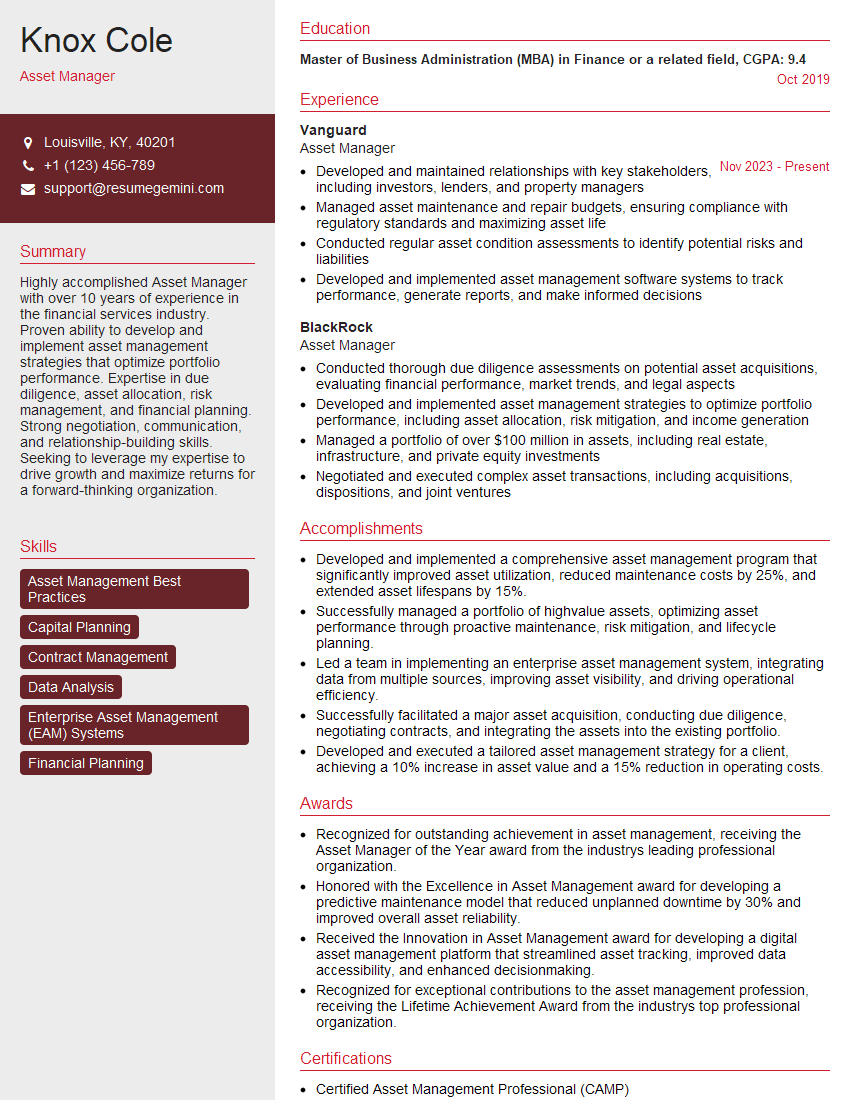
Asset Manager Resume Sample
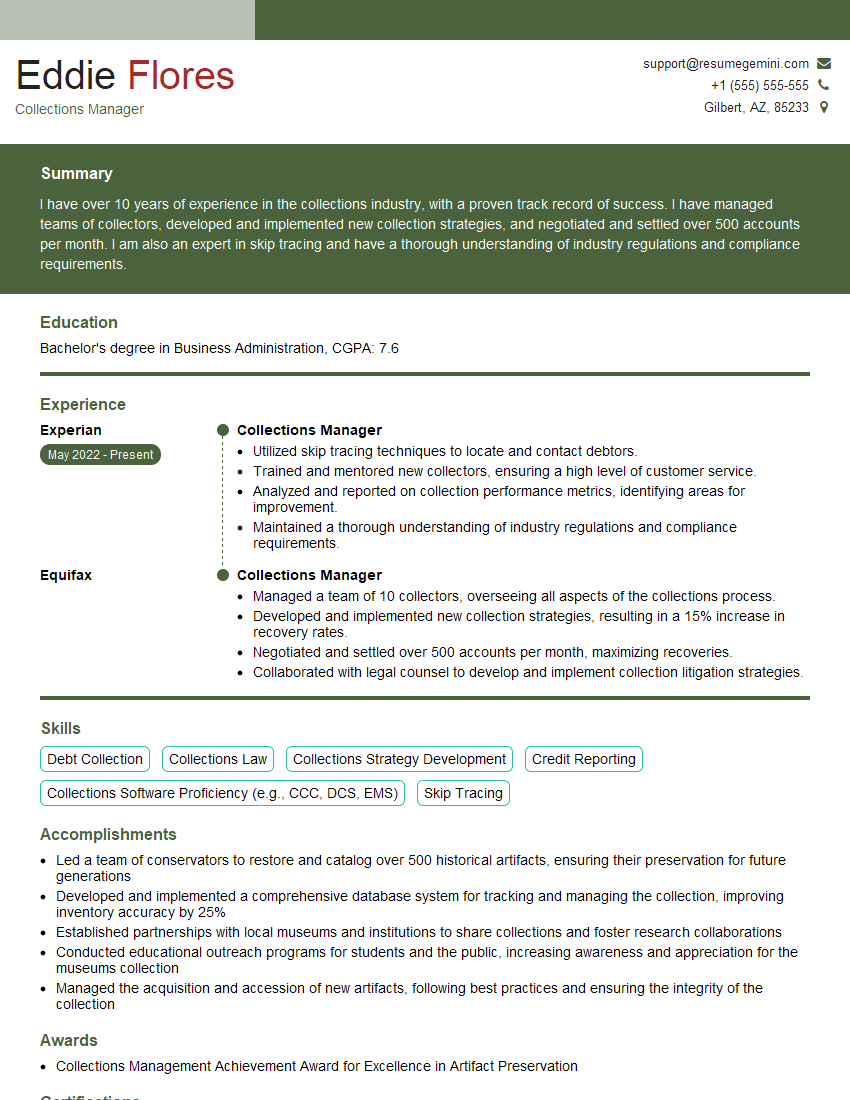
Collections Manager Resume Sample
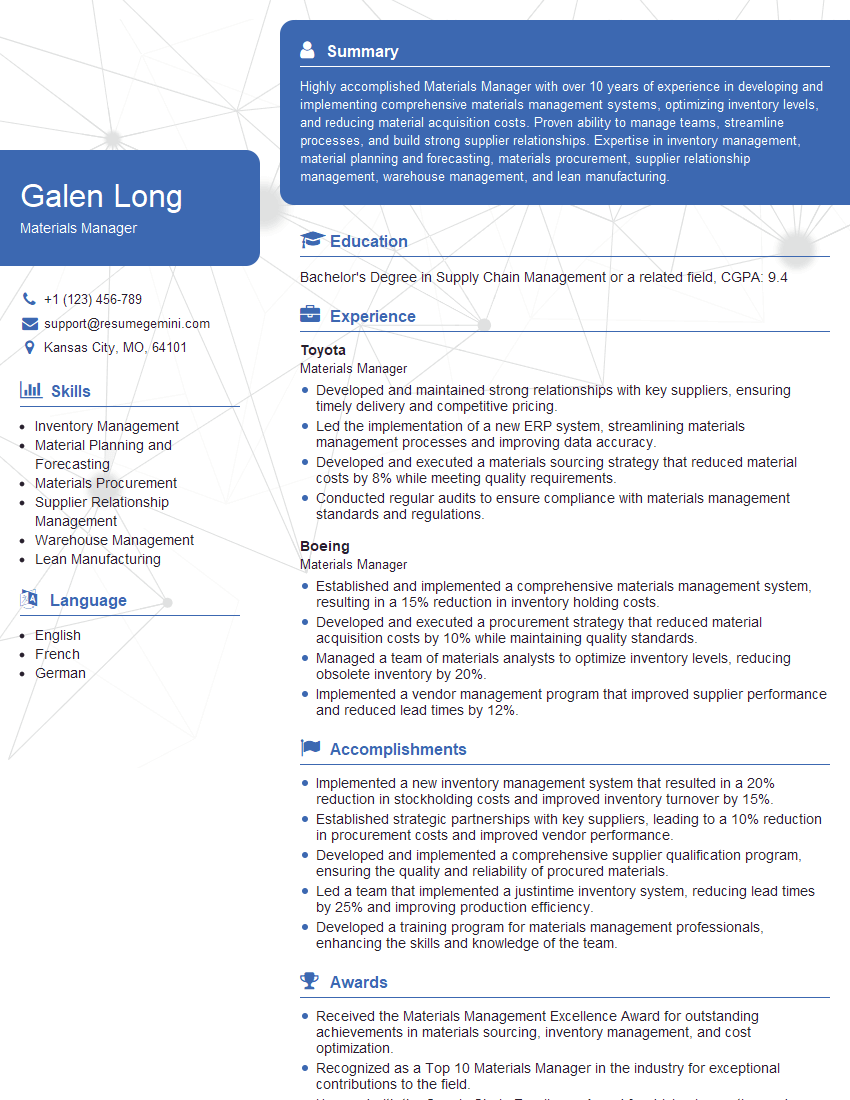
Materials Manager Resume Sample

Procurement Manager Resume Sample
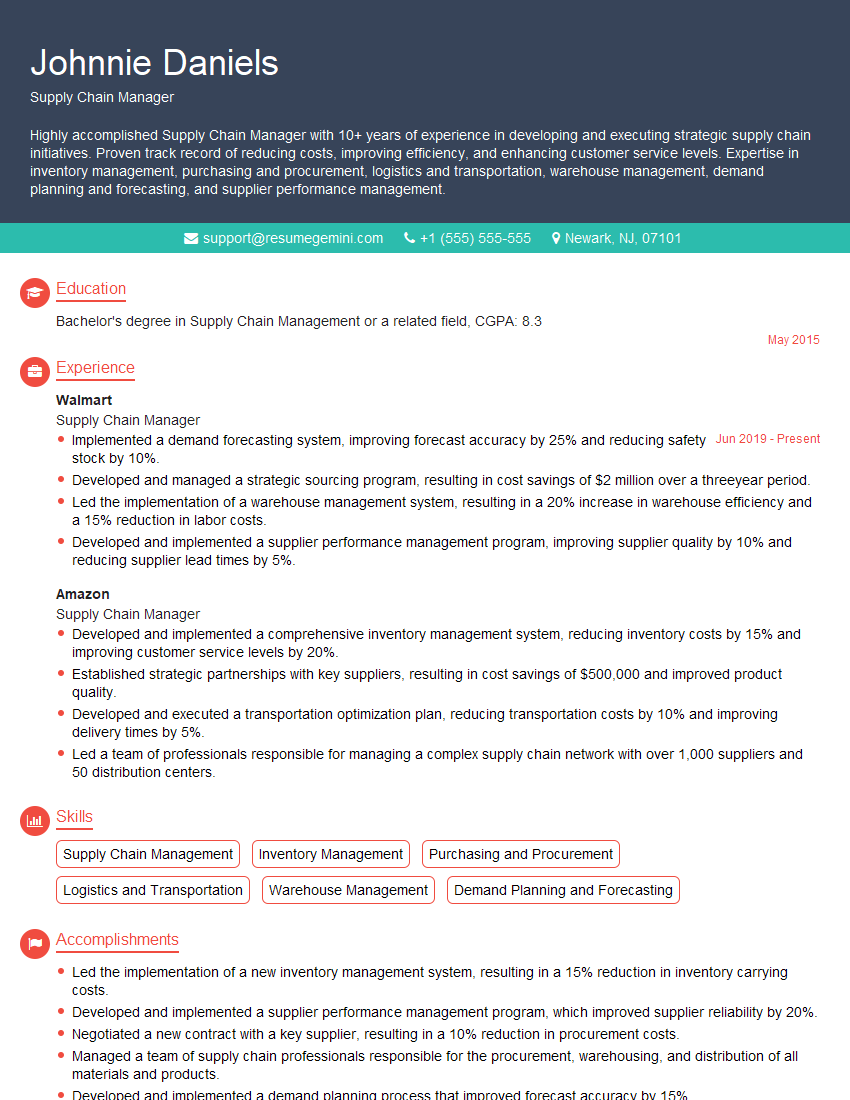
Supply Chain Manager Resume Sample
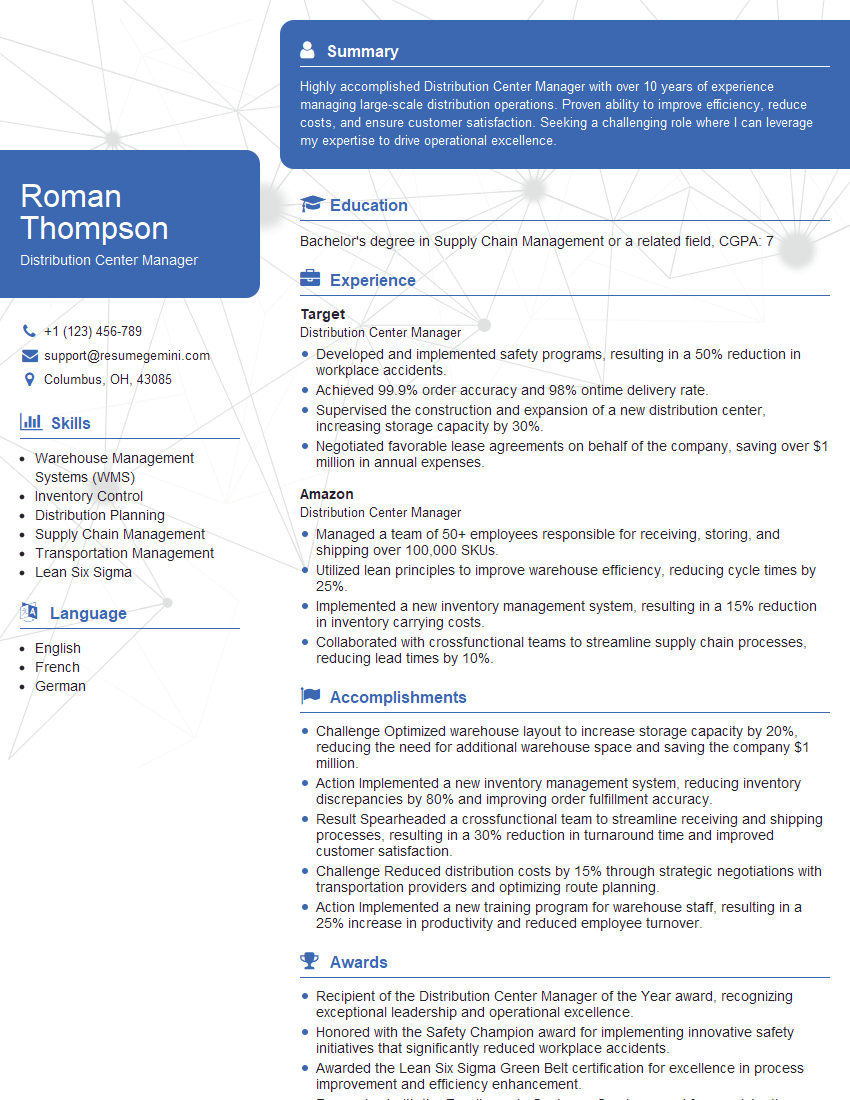
Distribution Center Manager Resume Sample
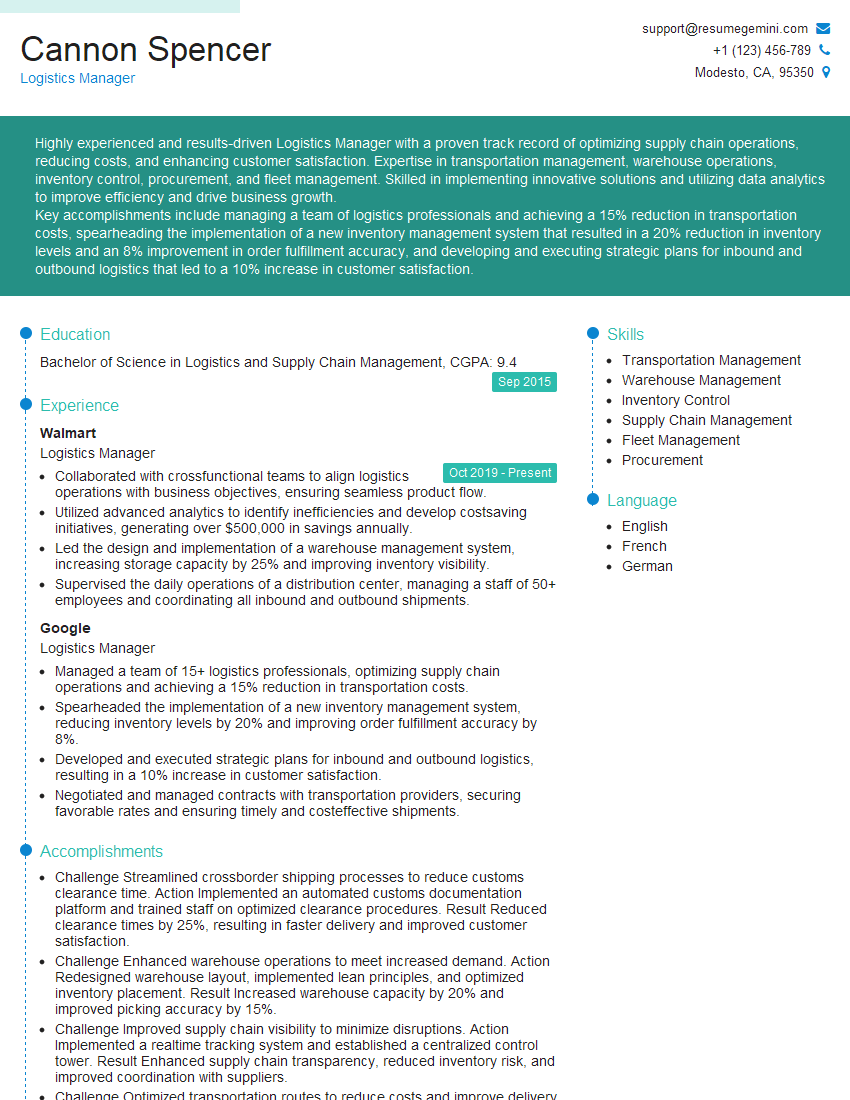
Logistics Manager Resume Sample
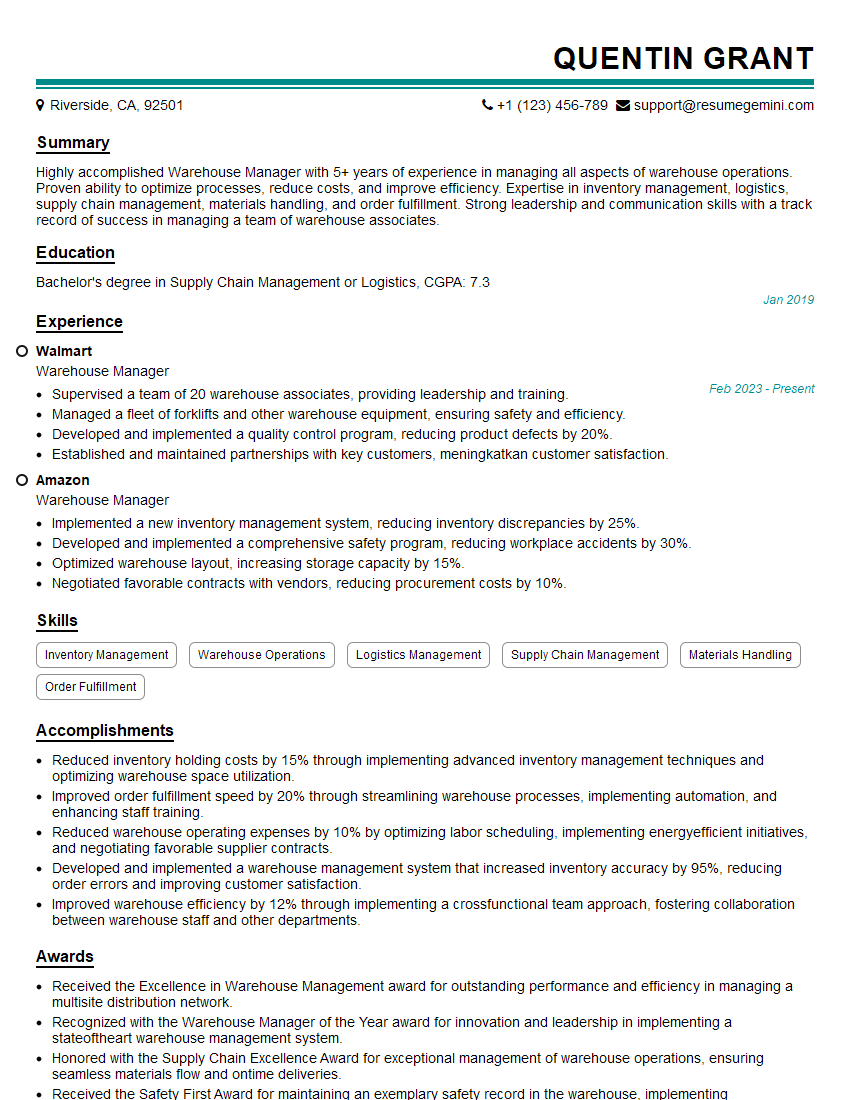
Warehouse Manager Resume Sample
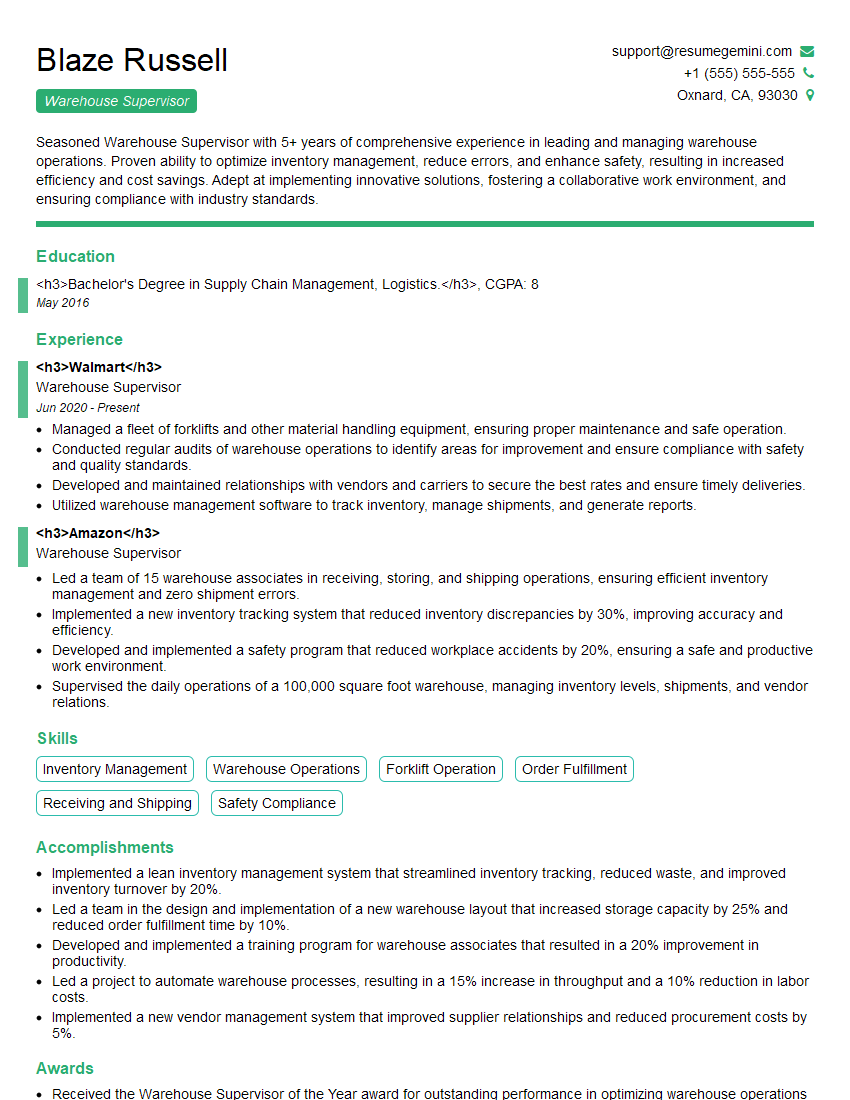
Warehouse Supervisor Resume Sample
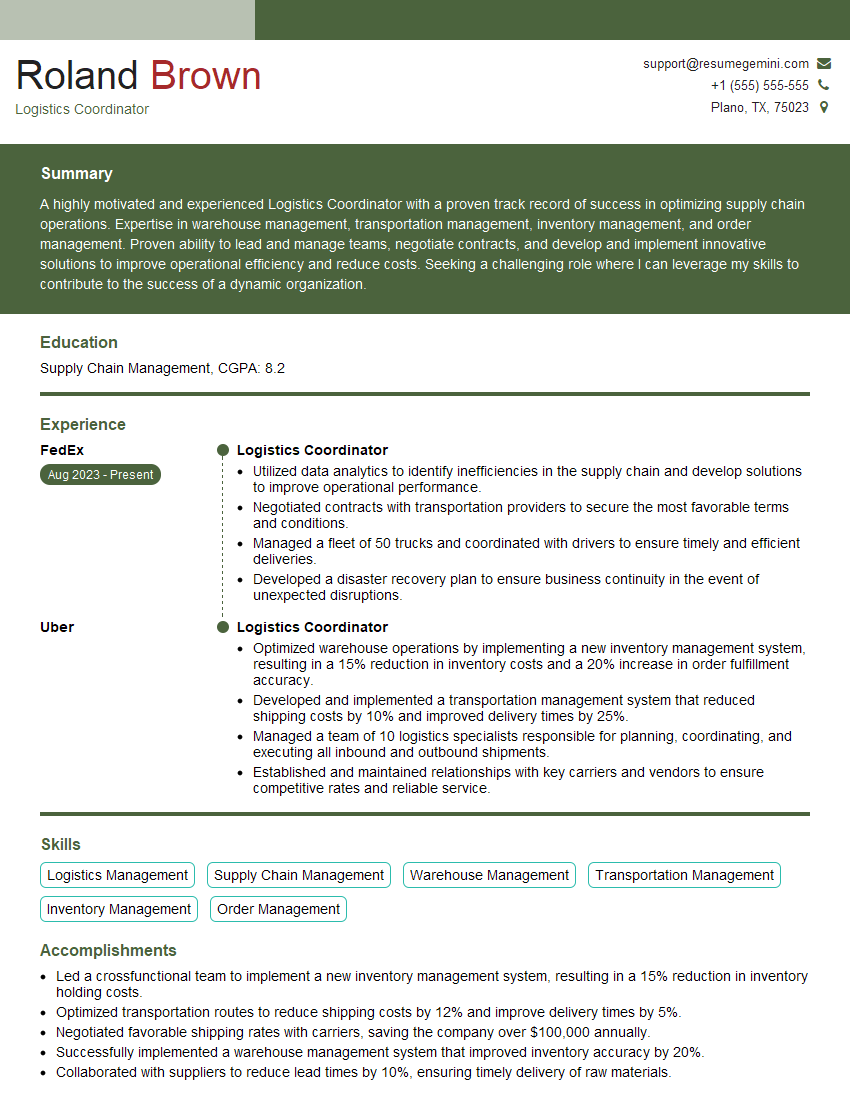
Logistics Coordinator Resume Sample

Inventory Manager Resume Sample
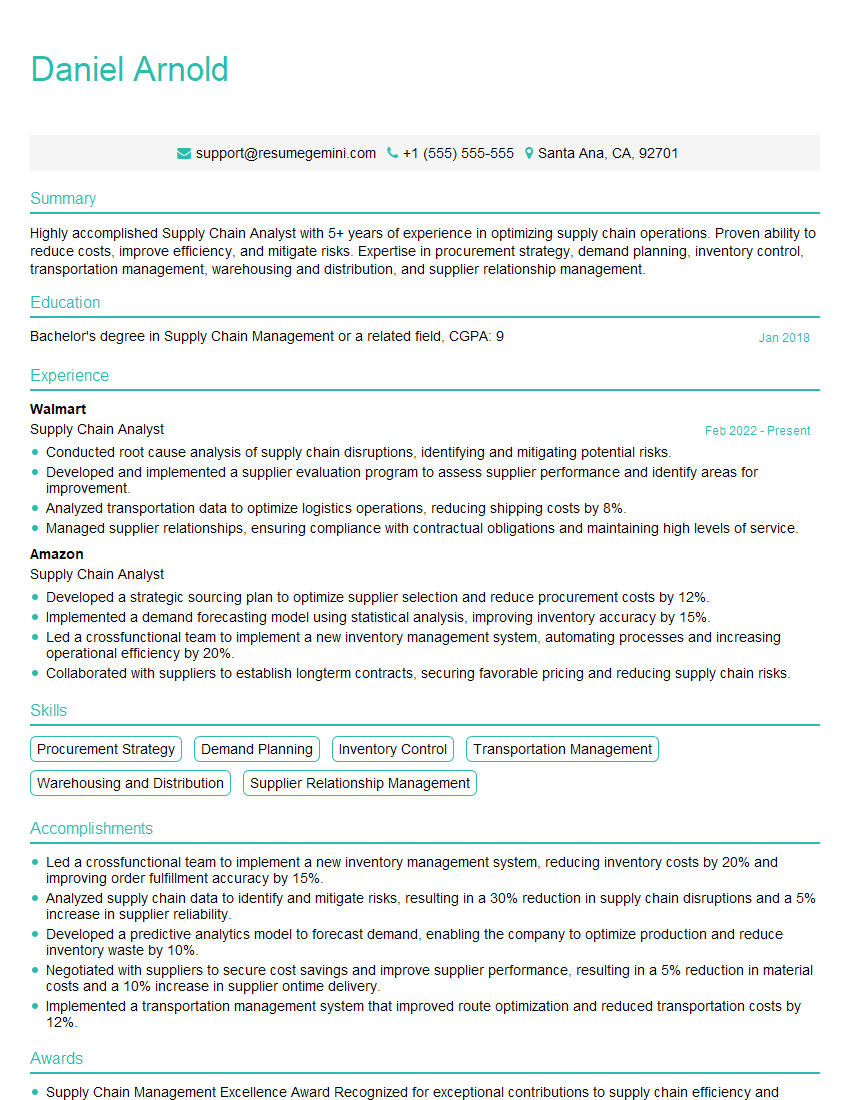
Supply Chain Analyst Resume Sample
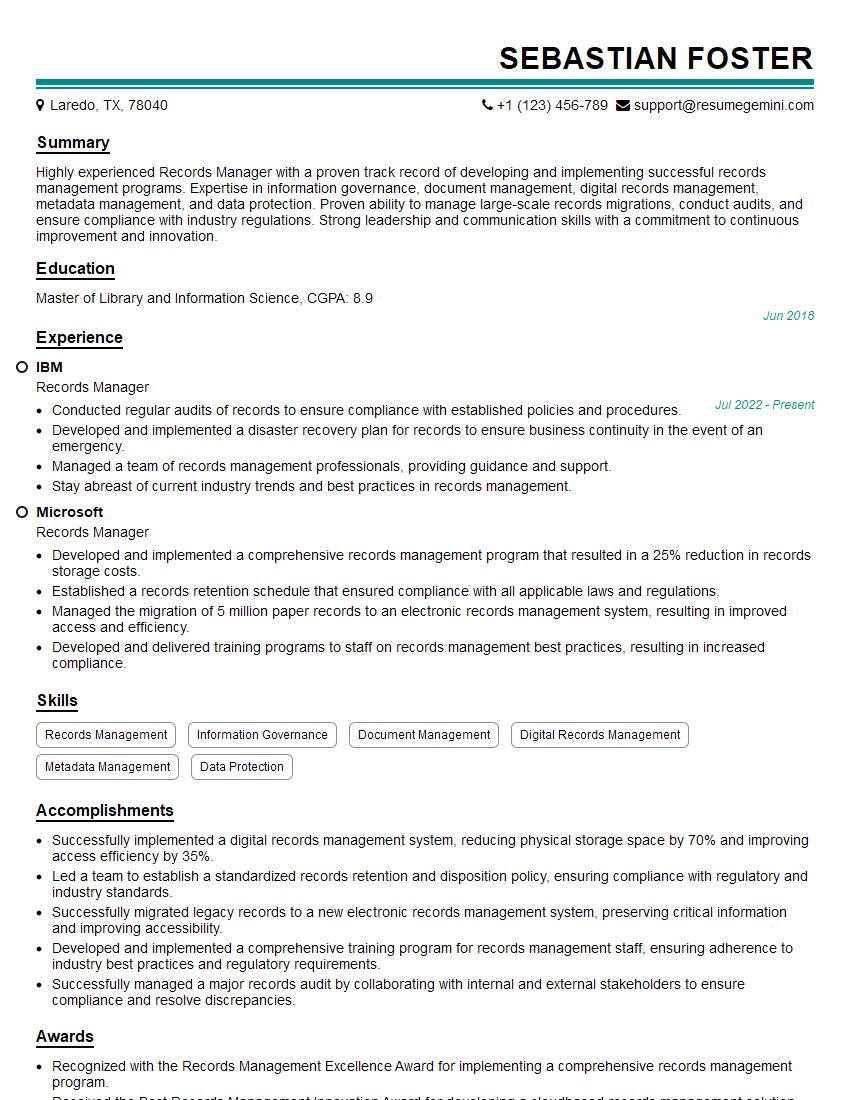
Records Manager Resume Sample
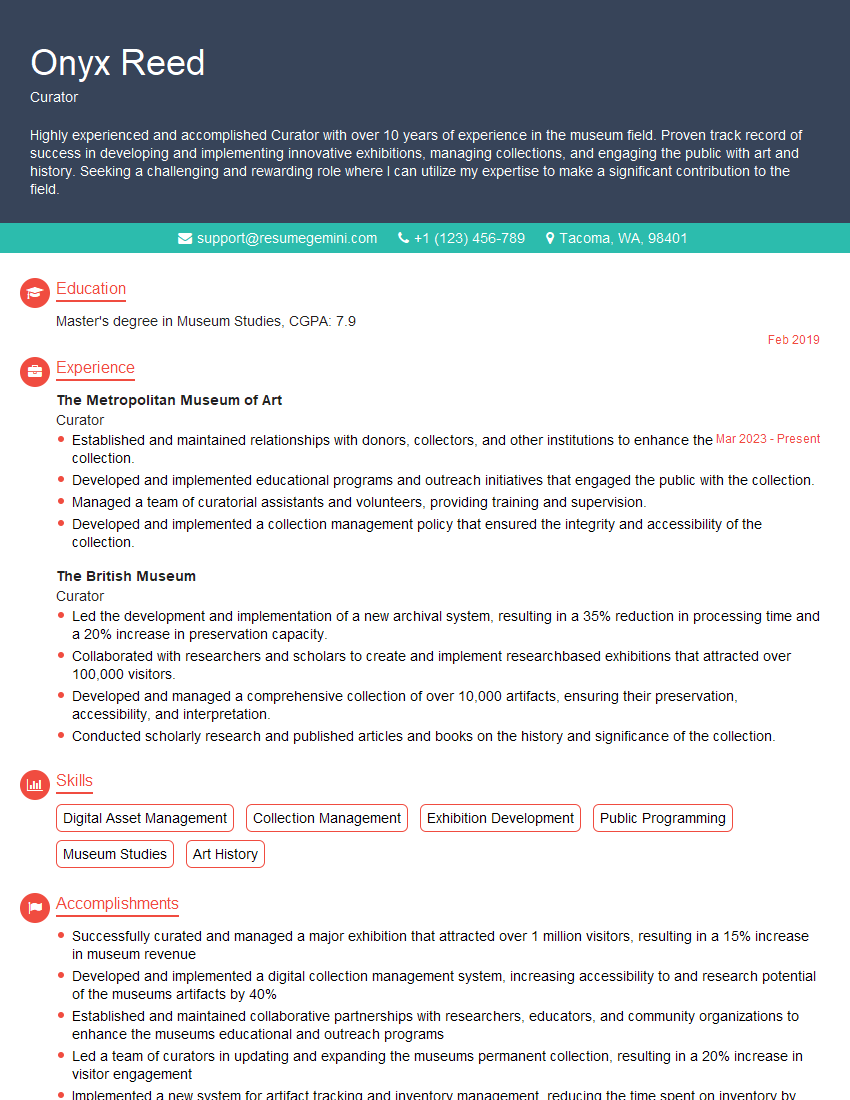
Curator Resume Sample
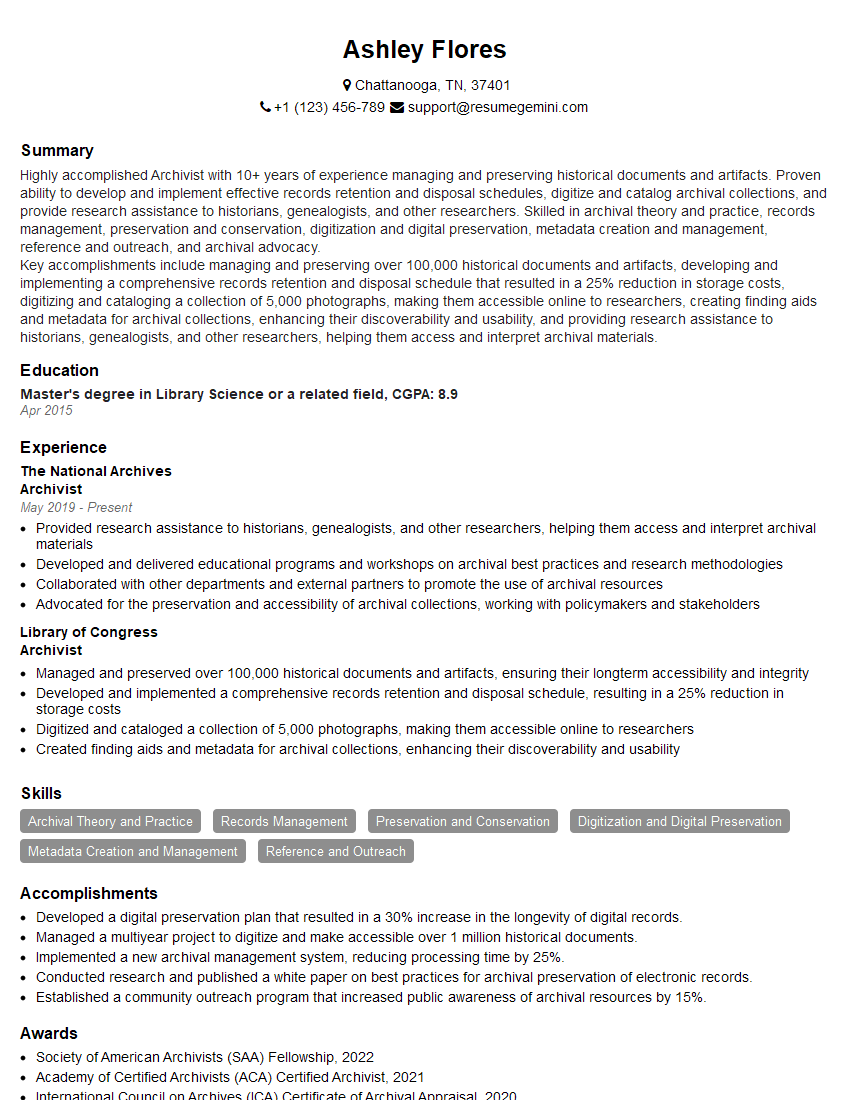
Archivist Resume Sample
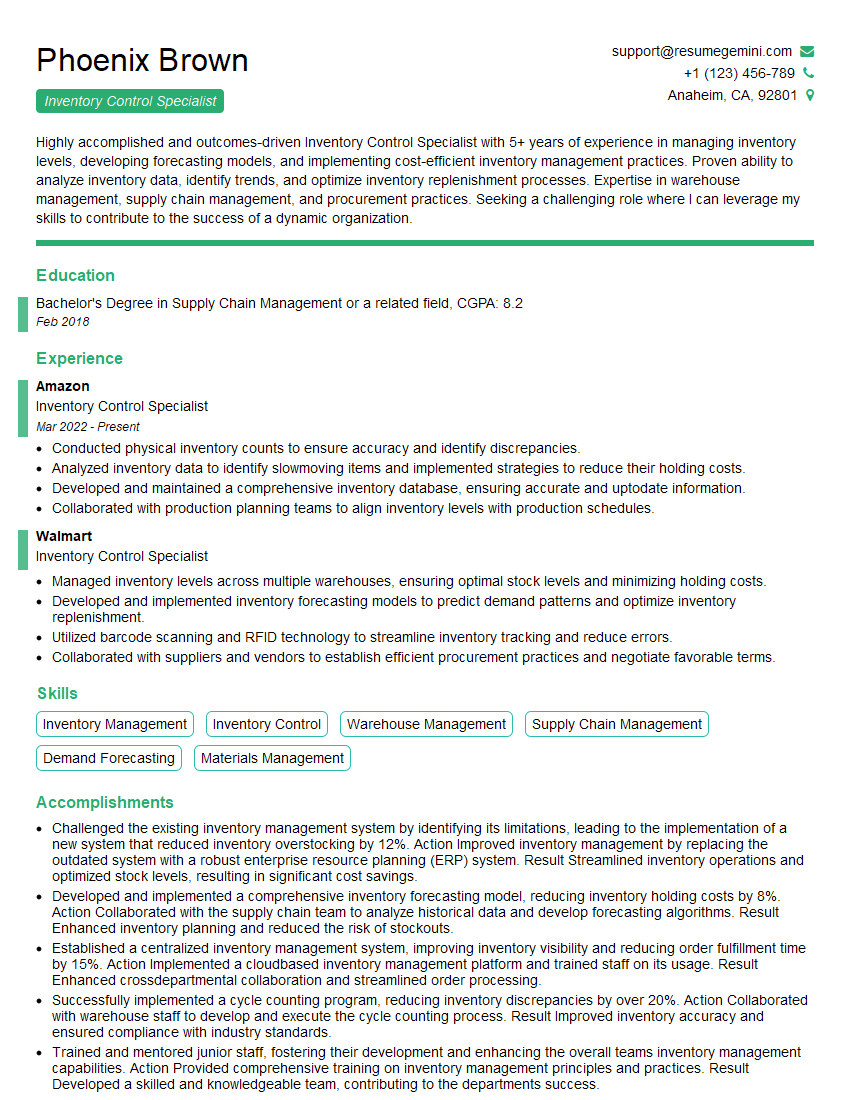
Inventory Control Specialist Resume Sample
- Asset Manager
- Collections Manager
- Materials Manager
- Procurement Manager
- Supply Chain Manager
- Distribution Center Manager
- Logistics Manager
- Warehouse Manager
- Warehouse Supervisor
- Logistics Coordinator
- Inventory Manager
- Supply Chain Analyst
- Records Manager
- Curator
- Archivist
- Inventory Control Specialist
Explore more articles
Users Rating of Our Blogs
Share Your Experience
We value your feedback! Please rate our content and share your thoughts (optional).
What Readers Say About Our Blog
Really detailed insights and content, thank you for writing this detailed article.
IT gave me an insight and words to use and be able to think of examples