Every successful interview starts with knowing what to expect. In this blog, we’ll take you through the top Tin Pouring interview questions, breaking them down with expert tips to help you deliver impactful answers. Step into your next interview fully prepared and ready to succeed.
Questions Asked in Tin Pouring Interview
Q 1. What are the different types of solder commonly used in tin pouring?
The choice of solder in tin pouring (a term often used interchangeably with soldering, though strictly speaking tin pouring might refer to a more rustic or less precise method) depends heavily on the application. Common solder types include:
- Lead-tin solder: Historically the most common, offering a good balance of melting point and strength. However, due to lead’s toxicity, its use is heavily regulated and discouraged in many applications. Lead-tin solders were often specified by their composition, such as 60/40 (60% tin, 40% lead).
- Lead-free solder: These are increasingly prevalent, using various alloys to achieve desired melting points and properties. Common compositions include tin-silver-copper (SAC) alloys. Lead-free solders are environmentally friendlier and are often mandated by regulations.
- Silver solder: This contains a higher percentage of silver, resulting in a stronger and higher-temperature solder joint. It’s often used for applications demanding greater durability and heat resistance.
The selection process considers factors like the materials being joined, the operating temperature of the finished product, and environmental concerns. For example, electronics usually necessitate lead-free solder, while plumbing might still utilize lead-tin solders in some less regulated contexts (though this is becoming increasingly rare).
Q 2. Explain the process of preparing a surface for tin pouring.
Surface preparation is critical for a strong, reliable solder joint. Poor preparation leads to weak joints prone to failure. The process generally involves:
- Cleaning: Thoroughly clean the surfaces to be joined. This removes oxides, dirt, grease, and other contaminants that prevent proper wetting by the solder. Solvents such as isopropyl alcohol are commonly used. For heavily oxidized surfaces, abrasive cleaning might be necessary.
- Fluxing (optional, but highly recommended): Flux is a chemical agent that helps remove oxides and prevents further oxidation during the soldering process. It improves the flow of solder and promotes better wetting of the surfaces. Different fluxes are available for different materials and applications.
- Pre-tinning (optional): Applying a thin layer of solder to the surfaces before joining can help ensure good solder flow and reduce the risk of a cold joint. This is especially helpful with smaller components or intricate joints.
Imagine trying to glue two greasy pieces of wood together – it won’t stick well! Similarly, unclean surfaces in soldering will lead to poor adhesion.
Q 3. Describe the proper technique for applying solder to a joint.
Applying solder correctly involves a coordinated effort of heat, flux, and solder placement:
- Heat the joint: Use a soldering iron or torch to heat the joint area, not just the solder itself. The goal is to heat the base metal sufficiently to allow the solder to flow easily and create a strong metallurgical bond.
- Apply flux (if using): A small amount of flux is applied to the joint before or during heating. Avoid excessive flux, as it can be corrosive.
- Feed the solder: Touch the solder to the joint near the heated area, letting the capillary action of the molten solder draw it into the joint. Don’t push the solder into the joint. It should flow smoothly and evenly.
- Remove heat: Once the joint is filled, remove the heat source and allow the solder to cool undisturbed.
Think of it like icing a cake: you don’t force the icing onto the cake; you let it spread smoothly and naturally. Similarly, properly applied solder flows evenly into the joint without being forced.
Q 4. What are the signs of a good solder joint?
A good solder joint exhibits several key characteristics:
- Concave shape (meniscus): The solder should have a slightly concave surface, indicating proper wetting and capillary action. A convex surface is often a sign of a poor joint.
- Shiny appearance: A dull or gray appearance often suggests oxidation or insufficient heat. A good solder joint generally has a bright, shiny finish.
- Full coverage: The joint should be completely filled with solder, ensuring good electrical and mechanical connection.
- Proper adhesion: The solder should adhere firmly to the base metals without cracking or bridging.
A good solder joint looks neat, clean, and provides a strong, reliable connection. Think of it like a perfectly sealed seam in a high-quality garment.
Q 5. How do you identify and correct a cold solder joint?
A cold solder joint is a weak connection resulting from insufficient heat during soldering. It’s characterized by a dull, grayish, or powdery appearance, often with poor adhesion. It’s crucial to address this, as it can lead to intermittent connections, signal loss, and even component failure.
Correction:
- Remove the existing solder: Use a solder sucker or wick to carefully remove the faulty solder.
- Clean the joint: Clean the surfaces thoroughly with a suitable solvent.
- Reapply flux (if needed): Apply a fresh layer of flux.
- Resolder the joint: Apply sufficient heat to the joint to melt the solder properly. Make sure both surfaces are heated appropriately.
The key is to ensure proper heating of the joint area – not just melting the solder, but bringing the base metal to a temperature where it will accept the solder properly. Think of it as ‘re-baking’ a poorly baked cake, focusing on proper temperature and even heating.
Q 6. What are the different types of soldering irons and their applications?
Several types of soldering irons are used, each with its own application:
- Pencil-tip soldering irons: These are versatile and commonly used for general-purpose soldering. The pencil-like shape allows for precise application of heat.
- Temperature-controlled soldering stations: These provide more precise temperature control, essential for delicate components and specific solder types. The adjustable temperature is crucial to avoid damaging sensitive electronics.
- Soldering guns: These deliver higher heat output, suitable for larger joints or thicker materials. However, they are less precise than pencil-tip irons.
- Butane torches: Used for larger-scale soldering or when high heat is needed. They can be less precise than electrically powered irons and require caution due to the open flame.
The choice of soldering iron depends on the task at hand. A delicate circuit board repair requires a temperature-controlled station, whereas a plumbing job might use a more robust soldering gun or even a torch.
Q 7. Explain the importance of temperature control in tin pouring.
Temperature control is paramount in tin pouring/soldering for several reasons:
- Preventing damage: Excessive heat can damage components, especially sensitive electronics or heat-sensitive materials. Too little heat results in a cold solder joint.
- Optimizing solder flow: Each solder type has an optimal working temperature range. Maintaining the correct temperature ensures proper solder flow and wetting.
- Ensuring joint integrity: Accurate temperature control creates a strong, reliable joint with good adhesion and proper metallurgical bonding.
Think of it as baking a cake; too high a temperature burns it, too low and it remains undercooked. Similarly, proper temperature control ensures a perfectly formed and durable solder joint.
Q 8. How do you prevent solder bridges?
Preventing solder bridges, those unwanted connections between adjacent pads, is crucial for a functional circuit. It’s like building a bridge where you didn’t intend to – the current will take the path of least resistance, potentially shorting out your circuit. The key is to manage the amount of solder and the temperature profile during the soldering process.
- Proper Flux Application: Using the right amount of flux is essential. Too little, and the solder won’t flow properly, increasing the risk of bridging. Too much can cause excessive solder flow, leading to the same problem. Think of flux as the lubricant that helps the solder flow smoothly to the desired locations.
- Controlled Solder Application: Avoid using excessive solder. Apply just enough to create a strong, shiny connection. Imagine you’re a painter, applying just the right amount of paint to cover the canvas without spilling over.
- Proper Component Placement: Ensure components are correctly positioned before soldering. Misaligned components increase the likelihood of solder bridges. Precise placement is key to a neat and functional assembly.
- Solder Mask: A solder mask is a protective layer applied to the PCB that prevents solder from flowing where it shouldn’t. This is a very effective method for preventing solder bridges on mass-produced boards.
- Technique: A good soldering technique involves a controlled and even application of heat and solder. Use a small, clean tip for precision.
For example, in surface mount technology (SMT), using a stencil during solder paste application is critical for controlled placement, minimizing the chance of bridges.
Q 9. What safety precautions should be taken while tin pouring?
Safety is paramount in tin pouring. Think of molten solder as extremely hot liquid metal—it can cause serious burns. Always prioritize safety.
- Protective Gear: Wear safety glasses to protect your eyes from solder splatter and fumes. Heat-resistant gloves are crucial to prevent burns. A lab coat is also recommended.
- Ventilation: Ensure adequate ventilation to dissipate solder fumes. Solder fumes contain potentially harmful substances.
- Proper Equipment: Use only appropriate tools, such as well-insulated soldering irons, properly grounded equipment, and a well-maintained workspace. Make sure your soldering iron is plugged into a GFCI outlet.
- Fire Safety: Keep a fire extinguisher nearby, and ensure flammable materials are safely stored away from your workspace. The fumes produced during soldering can be very flammable.
- Work Area: Keep your workspace clean and organized. A cluttered workspace increases the risk of accidents. A stable and clean surface to work on is also key for safety.
- Awareness: Always be mindful of your surroundings and avoid distractions while working. Concentrate on the task at hand.
For instance, a spill of molten solder can cause a serious burn, so always be careful when handling the soldering iron and the molten solder.
Q 10. What are the common causes of solder splatter?
Solder splatter, those annoying little droplets of solder that fly everywhere, is a common nuisance but easily avoidable with proper technique. It’s like an uncontrolled paint splattering, except instead of paint, it’s hot metal.
- Overheating: Excessively high temperatures cause the solder to vaporize, leading to splatter. Keep the temperature of your soldering iron within the recommended range for your solder type.
- Dirty Tip: A dirty soldering iron tip can cause solder to ball up and splatter. Regular cleaning is essential for a smooth soldering process. Imagine trying to paint with a dirty brush – it doesn’t work well.
- Improper Technique: Applying too much solder too quickly or moving the iron around too rapidly can result in splatter. A slow, controlled approach is key.
- Excess Flux: Excessive flux can contribute to splatter by reacting violently with the solder.
- Incorrect Solder Type: Using the wrong type of solder for the job can result in poor flow and increased splatter.
For example, always preheat the component and board for surface mount soldering to avoid splatter from thermal shock.
Q 11. How do you clean a soldering iron tip?
Cleaning a soldering iron tip is crucial for maintaining its effectiveness and preventing solder splatter. A clean tip ensures good heat transfer and proper solder flow. It’s like sharpening a pencil – a dull tip makes it harder to write neatly.
- Wet Sponge: A damp sponge is often the first line of defense. Wipe the tip on the sponge while it’s still hot to remove excess solder and oxidation. The sponge should be damp, not soaking wet. Too much water can damage the tip.
- Solder Sucker/Braided Wick: Use a solder sucker or braided wick to remove excess solder from the tip. The braided wick absorbs the solder effectively. For stubborn residue, you can heat the tip and touch the wick to the solder.
- Soldering Iron Cleaner: Specialized soldering iron cleaners are available. These often come in a small container that is meant to be dipped. Check the manufacturer’s instructions for proper usage.
- Tip Tinner: A tip tinner helps remove oxidation and restores the surface of the tip for optimal heat transfer.
Remember, always let the iron cool down before touching it with anything but a damp sponge.
Q 12. Describe the process of inspecting solder joints for defects.
Inspecting solder joints is crucial to ensure the reliability and longevity of the circuit. It’s like a doctor checking a patient’s health; a thorough check is essential for optimal function.
- Visual Inspection: Start with a visual inspection using a magnifying glass or microscope, if necessary. Look for any signs of cold solder joints (dull, uneven, grainy), solder bridges, or insufficient solder.
- Continuity Test: Use a multimeter to check the continuity of the solder joints. A continuity test confirms that the connection is electrically sound.
- Examination for Defects: Look for signs of cracking, excessive solder, or uneven solder distribution. A properly soldered joint is usually shiny and smooth, covering the pad completely without any gaps.
- Checking for Proper Connections: Make sure the soldering hasn’t created any shorts or opens in the circuit.
- Documentation: Document any defects found, with clear descriptions and photos, if possible, for future reference.
For example, a cold solder joint might appear dull and have a granular texture, indicating poor solder penetration and a weak connection.
Q 13. What is the difference between wave soldering and selective soldering?
Wave soldering and selective soldering are both methods for joining components to a printed circuit board (PCB) using solder, but they differ significantly in their approach.
- Wave Soldering: This is a high-volume process where the entire PCB is passed over a wave of molten solder. The solder is pumped to create a wave, which covers the components and solder pads. It’s efficient for mass production but can be less precise.
- Selective Soldering: This process uses a more precise method of applying solder only to specific areas of the PCB. It is done by using a controlled jet of solder which is applied to just the points needed. It is more precise and suitable for selective component soldering, reducing waste and damage to sensitive components.
In essence, wave soldering is like painting a whole wall, while selective soldering is like painting only specific parts of a picture. Wave soldering is used for high-volume, while selective soldering finds use when precision is needed.
Q 14. Explain the principles of reflow soldering.
Reflow soldering is a process where solder paste containing solder powder and flux is applied to the PCB pads. The PCB with components is then heated in a controlled environment, usually an oven, melting the solder and creating electrical connections between components and the PCB. It’s like baking a cake – the oven provides the controlled heat that allows the solder to melt and bond.
The process is typically controlled by a temperature profile which optimizes the heating and cooling cycles. It is designed to:
- Melt the solder paste: The temperature gradually increases to a point where the solder paste melts, wetting the pads and creating the joint.
- Reflow the solder: The molten solder creates a smooth, shiny connection between component leads and the PCB pads.
- Solidify the solder: The assembly is then cooled to solidify the solder joint.
Different profiles are used depending on the type of solder and the components used, ensuring the best result for different types of components and materials. This controlled heating process is vital for reliable and consistent solder joints.
Q 15. What are the advantages and disadvantages of using lead-free solder?
Lead-free solder, primarily composed of tin-silver-copper alloys, offers several advantages over traditional lead-containing solder, but also presents some drawbacks. The primary benefit is environmental. Lead is a toxic heavy metal, and eliminating it reduces the environmental impact of electronics manufacturing and disposal. This is a crucial factor driving industry-wide adoption.
- Advantages: Environmentally friendly, RoHS compliant (Restriction of Hazardous Substances), often exhibits better fatigue resistance and higher tensile strength than leaded solder, and can provide superior performance at higher temperatures.
- Disadvantages: Typically requires higher soldering temperatures, which can potentially damage sensitive components. It can also be more brittle and susceptible to cracking under stress, and it may require more careful process control to achieve reliable joints compared to leaded solder. The higher melting point can also slow down production.
For example, in a high-volume surface mount technology (SMT) assembly line, the switch to lead-free solder necessitated adjustments to the reflow oven profile to prevent component damage and ensure proper solder joint formation.
Career Expert Tips:
- Ace those interviews! Prepare effectively by reviewing the Top 50 Most Common Interview Questions on ResumeGemini.
- Navigate your job search with confidence! Explore a wide range of Career Tips on ResumeGemini. Learn about common challenges and recommendations to overcome them.
- Craft the perfect resume! Master the Art of Resume Writing with ResumeGemini’s guide. Showcase your unique qualifications and achievements effectively.
- Don’t miss out on holiday savings! Build your dream resume with ResumeGemini’s ATS optimized templates.
Q 16. How do you troubleshoot common tin pouring problems?
Troubleshooting tin pouring problems requires a systematic approach. It often involves identifying the root cause through observation and testing. Common issues include cold joints (poor solder adhesion), bridging (excess solder connecting unintended points), tombstoning (components standing upright), and insufficient solder wetting.
- Cold Joints: These are often caused by insufficient heat, improper flux application, or oxidation on the surfaces to be soldered. The solution may involve increasing the soldering iron temperature, using a more active flux, or cleaning the surfaces with isopropyl alcohol.
- Bridging: Too much solder or improper application technique can lead to bridging. Solutions include using less solder, adjusting the soldering iron tip size, or employing techniques like wicking to remove excess solder.
- Tombstoning: This occurs when one end of a surface-mount component receives more solder than the other, causing it to stand up. Balancing the solder application on both ends usually resolves this.
- Insufficient Solder Wetting: This indicates a lack of adhesion between the solder and the metal surfaces. It can stem from oxidized surfaces, improper flux, or insufficient heat. Cleaning and pre-tinning the surfaces can often remedy the problem.
Imagine encountering tombstoning in a batch of newly produced circuit boards. Carefully inspecting the solder joints reveals uneven solder distribution. Adjusting the reflow oven profile, specifically the temperature profile, to ensure equal heating on both pads is the effective solution.
Q 17. Describe your experience with different types of soldering equipment.
My experience encompasses a wide range of soldering equipment, from simple hand soldering irons to sophisticated automated systems. I’m proficient with various types of soldering irons, including those with adjustable temperature control and different tip sizes. I’ve worked extensively with wave soldering machines, used for mass production of PCBs, and reflow ovens for surface mount technology. I have also used hot air rework stations for removing and replacing components.
Hand soldering requires precision and skill. The right size tip and proper temperature are crucial for creating strong, reliable joints. Wave soldering machines, while efficient, demand careful control of parameters like wave height and pre-heating temperature to avoid solder bridging or insufficient wetting. Reflow ovens require precise temperature profiles to ensure the solder melts and reflows optimally without damaging temperature-sensitive components.
For example, I once had to troubleshoot a wave soldering process where solder bridging was occurring frequently. By carefully analyzing the solder wave height and pre-heating parameters and making subtle adjustments, I was able to eliminate the problem.
Q 18. How do you ensure consistent solder joint quality?
Consistent solder joint quality is paramount for reliable electronics. This involves controlling numerous factors throughout the entire process.
- Proper Surface Preparation: Cleanliness is essential. Surfaces must be free from oxidation, dirt, and other contaminants.
- Correct Solder Selection: Choosing the right solder alloy (lead-free or leaded) and flux type is critical for the application.
- Optimal Temperature Control: Soldering temperature must be appropriate for the solder type and the components being joined.
- Consistent Application Technique: Whether hand soldering or using automated equipment, consistent technique is key. This ensures even heat distribution and proper solder flow.
- Flux Application: Appropriate flux enhances wetting and prevents oxidation. Excessive flux can be problematic.
For instance, in a high-precision assembly requiring lead-free solder, maintaining a tight control over the reflow oven profile is vital to prevent cold joints and ensure consistent joint quality. This includes precise temperature control and appropriate ramp rates.
Q 19. What are the industry standards for solder joint inspection?
Industry standards for solder joint inspection vary depending on the application, but common standards include IPC-A-610 for acceptance criteria of electronic assemblies. This standard provides detailed guidelines on acceptable and unacceptable solder joint characteristics. Inspections can be visual, using magnification to examine the joint profile, or involve more sophisticated methods like X-ray inspection for internal defects. Automated Optical Inspection (AOI) systems are increasingly employed for high-volume production.
Visual inspection often focuses on characteristics such as the solder joint’s fillet shape, the presence of voids, bridging, or cracks, and overall wetting. IPC-A-610 provides class levels to define the acceptable quality level. For instance, Class 3 is usually for high-reliability applications and requires the most stringent quality.
Q 20. How do you maintain soldering equipment to ensure optimal performance?
Maintaining soldering equipment is vital for optimal performance and long life. This includes regular cleaning, proper storage, and preventative maintenance.
- Soldering Iron Maintenance: Clean the soldering iron tip regularly using a damp sponge or brass wire brush to remove oxidation and solder residue. Proper storage prevents tip oxidation.
- Wave Soldering Machine Maintenance: Regular cleaning of the wave and pre-heating elements is necessary to prevent solder contamination. Check and maintain the pumps and filters as well.
- Reflow Oven Maintenance: Inspect and clean the conveyor belt, heating elements, and nitrogen system (if applicable) regularly. Calibration and preventative maintenance are crucial.
Think of a soldering iron as a precision tool. Just like a chef meticulously maintains their knives, a skilled solderer keeps their equipment clean and in peak condition.
Q 21. Describe your experience with different types of soldering techniques (hand soldering, wave soldering, etc.)
My experience with various soldering techniques is extensive. Hand soldering is ideal for smaller, intricate assemblies where precision and control are paramount. It allows for flexibility and is adaptable to various component types and board designs. Wave soldering is a highly efficient method for through-hole components on printed circuit boards and is commonly used in mass production. Reflow soldering is the standard technique for surface mount technology (SMT). It involves precisely controlled heating to melt the solder paste, creating solder joints between the components and the PCB.
Hand soldering requires a steady hand and careful control of temperature and solder application. Wave soldering needs meticulous attention to the wave height, pre-heat temperature, and conveyor speed. Reflow soldering demands precise control over the oven profile, including the ramp rates, soak time, and peak temperature to ensure proper solder reflow without damaging the components.
For example, I’ve successfully integrated all three techniques in various projects. In one instance, we used hand soldering for delicate components, wave soldering for the through-hole components, and reflow soldering for surface mount components on a complex PCB assembly.
Q 22. What are your experience and skills with surface mount technology (SMT) soldering?
While tin pouring isn’t directly associated with Surface Mount Technology (SMT) soldering, which uses solder paste and reflow ovens, my experience in precision soldering techniques is highly transferable. SMT soldering demands meticulous attention to detail, precise temperature control, and understanding of solder alloys – all skills I’ve honed through years of experience in tin pouring. I’ve worked extensively with micro-soldering techniques, requiring similar dexterity and precision as SMT. For instance, during my work on delicate sensor assemblies, I regularly handled components smaller than 1mm, requiring a steady hand and a deep understanding of heat transfer to avoid damage. This translates perfectly to the challenges of SMT soldering.
My skills include: selecting appropriate solder types based on component material and application needs, achieving consistent solder joints with minimal bridging or cold solder joints, using various soldering tools including fine-tipped soldering irons and hot air stations (analogous to reflow ovens in the SMT world), and inspecting solder joints under magnification to ensure quality.
Q 23. How do you handle different types of substrates during tin pouring?
Handling different substrates during tin pouring requires adapting the process to the material’s thermal properties and reactivity. For instance, copper substrates readily accept solder, requiring a controlled heating approach to prevent excessive heat damage. On the other hand, materials like aluminum or stainless steel require fluxes specifically designed to increase wettability, and careful control of the temperature to prevent oxidation. I have experience with a variety of substrates, including copper, aluminum, steel, and various printed circuit board (PCB) materials, each demanding a unique approach to ensure a quality tin coating.
My process typically involves pre-cleaning the substrate to remove any contaminants that can hinder solder adhesion, followed by selecting the appropriate flux and solder alloy. I then carefully apply heat, ensuring even distribution across the surface to prevent uneven coating and potential defects. Following the tin pouring, I inspect the surface meticulously for any imperfections.
Q 24. What are your experience and skills in working with different solder pastes?
While tin pouring primarily utilizes solder bars or ingots, my experience with various solder alloys and their properties translates to working with different solder pastes. Understanding the composition of solder – lead-free vs. leaded, different tin-lead ratios – is crucial in both scenarios. In tin pouring, the choice of solder directly affects the resulting coating quality and performance. Similarly, the type of solder paste used in SMT processes dictates the reliability of the solder joints. I’m familiar with various solder pastes with differing compositions and melting points, knowing that each requires different process parameters to achieve optimal results.
My experience covers various aspects, including assessing the viscosity and tackiness of the paste, understanding the effect of flux type on solderability, and selecting pastes based on the substrate and components used. I’ve also performed various tests to determine paste suitability and shelf life.
Q 25. How do you manage inventory of solders and fluxes?
Managing solder and flux inventory effectively involves a combination of inventory control software and robust physical organization. We use a first-in, first-out (FIFO) system to minimize the risk of solder or flux degradation due to age. Regular audits are conducted to assess the quantity on hand and compare it to usage patterns. This allows us to proactively anticipate shortages and place orders accordingly.
Furthermore, we maintain detailed records of each solder and flux type, including its lot number, expiration date, and usage history. This tracking is essential for traceability and quality control. Proper storage conditions are paramount, ensuring that materials are stored in a cool, dry environment to maintain their quality and prevent oxidation.
Q 26. Describe your experience with using solder preforms.
While not directly related to tin pouring, my experience with precision soldering applications heavily utilizes the principles and techniques found in using solder preforms. Solder preforms offer excellent control over the amount of solder used, leading to consistent and repeatable results. This is comparable to the precision and accuracy required in controlled tin pouring applications, where precise amounts of solder are needed for achieving specific coating thicknesses.
I’ve utilized solder preforms in various micro-soldering tasks, where precise placement and controlled reflow are paramount. The understanding of preform design, placement techniques, and reflow profiles is similar to the knowledge needed to manage the tin pouring process effectively, ensuring complete coverage and uniform solder distribution.
Q 27. What is your experience with automated soldering equipment?
While my primary expertise lies in manual tin pouring, I have significant experience working alongside and supporting automated soldering equipment, particularly in quality control and process optimization. I understand the principles of various automated soldering systems, including wave soldering machines and selective soldering systems. This includes understanding their operational parameters, including temperature profiles, solder flow rates, and cleaning processes.
My role in supporting automated systems has involved troubleshooting equipment malfunctions, optimizing process parameters for various applications, and ensuring that the output meets the required quality standards. I’ve also been involved in the setup and calibration of these systems, contributing to the efficient and reliable operation of the production line.
Q 28. Describe a time you had to troubleshoot a complex soldering issue.
During a critical project involving tin pouring onto a complex sensor array with numerous delicate components, we encountered a recurring issue of uneven solder coating. Initial inspections revealed inconsistent heating during the process, leading to areas with insufficient solder coverage, threatening the functionality of the sensors. This issue directly impacted the sensors’ signal strength and overall performance.
To troubleshoot this, we systematically investigated various factors: the temperature profile of our heating element, the pre-treatment process of the substrate, and the fluidity of the solder. Through careful experimentation and data logging, we identified that a combination of insufficient pre-heating and subtle variations in the solder’s temperature throughout the pouring process were the primary culprits. We adjusted the pre-heating stage and implemented a temperature monitoring system during the pouring process itself. The solution improved coating consistency and resolved the functional issues with the sensors, demonstrating the need for thorough investigation and data-driven solutions in troubleshooting complex processes.
Key Topics to Learn for Tin Pouring Interview
- Metal Properties and Selection: Understanding the properties of tin and other alloys used in pouring, including melting points, fluidity, and solidification characteristics. This includes choosing the right tin alloy for a specific application.
- Pouring Techniques and Equipment: Mastering various pouring techniques, from hand pouring to automated systems. This involves understanding the operation and maintenance of different pouring equipment, including ladles, crucibles, and furnaces.
- Safety Procedures and Regulations: Deep understanding of all relevant safety protocols, including personal protective equipment (PPE) usage, handling molten metal safely, and emergency procedures. Familiarity with industry regulations and best practices.
- Quality Control and Inspection: Knowledge of quality control methods used to ensure the integrity of the poured tin components. This includes visual inspection, dimensional checks, and testing for defects.
- Troubleshooting and Problem Solving: Ability to identify and troubleshoot common issues encountered during the tin pouring process, such as porosity, cold shuts, and inclusion defects. Developing problem-solving skills to maintain efficient and high-quality production.
- Process Optimization: Understanding how to optimize the tin pouring process for efficiency, minimizing waste, and maximizing output while maintaining quality. This might involve analyzing process parameters and identifying areas for improvement.
Next Steps
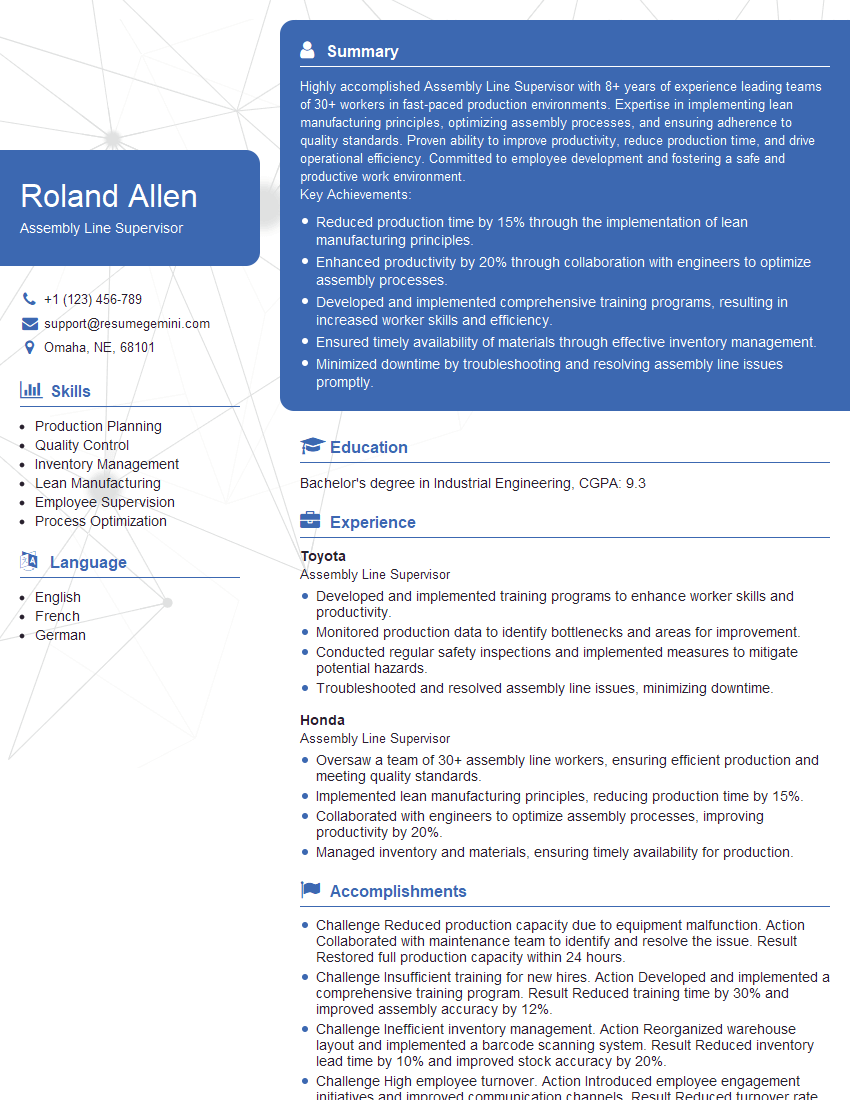
Mastering tin pouring opens doors to exciting opportunities in various industries, leading to rewarding careers and professional growth. An ATS-friendly resume is crucial for getting your application noticed by potential employers. To enhance your job prospects, we encourage you to use ResumeGemini to craft a compelling and effective resume. ResumeGemini provides a user-friendly platform for building professional resumes, and we offer examples of resumes tailored specifically to the Tin Pouring field to help guide you.

Explore more articles
Users Rating of Our Blogs
Share Your Experience
We value your feedback! Please rate our content and share your thoughts (optional).
What Readers Say About Our Blog
Really detailed insights and content, thank you for writing this detailed article.
IT gave me an insight and words to use and be able to think of examples