Feeling uncertain about what to expect in your upcoming interview? We’ve got you covered! This blog highlights the most important Conducted inspections of food processing plants, warehouses, and retail stores interview questions and provides actionable advice to help you stand out as the ideal candidate. Let’s pave the way for your success.
Questions Asked in Conducted inspections of food processing plants, warehouses, and retail stores Interview
Q 1. Describe your experience conducting inspections in food processing plants.
My experience in inspecting food processing plants spans over ten years, encompassing a wide range of facilities, from small-scale artisanal operations to large multinational corporations. Each inspection follows a standardized procedure, but the specifics vary depending on the type of processing involved (e.g., dairy, meat, produce). I begin by reviewing the plant’s HACCP plan and GMP documentation, followed by a thorough visual inspection of the facility, paying close attention to equipment sanitation, personnel hygiene practices, and the overall flow of materials. I meticulously examine areas like receiving, processing, packaging, and storage, looking for any deviations from established protocols. For instance, I might assess the effectiveness of cleaning and sanitizing procedures by checking for residual food debris or microbial contamination using ATP bioluminescence testing. I also document any observations, taking photographs and collecting samples where necessary. Following the on-site assessment, I prepare a comprehensive report highlighting any identified non-compliances and suggesting corrective actions. A follow-up inspection is often scheduled to verify the implementation of these corrective measures.
For example, during an inspection of a bakery, I discovered inadequate separation between raw and ready-to-eat ingredients. This posed a significant cross-contamination risk. My report detailed this observation, outlining the potential consequences and recommending a physical redesign of the production area and a comprehensive retraining program for employees on proper handling procedures.
Q 2. What are the key elements of a HACCP plan?
A Hazard Analysis and Critical Control Point (HACCP) plan is a systematic preventive approach to food safety that identifies potential biological, chemical, and physical hazards in food production processes and implements controls to minimize or eliminate their risks. It’s a proactive, science-based system, not a reactive one. It’s built on seven principles:
- Principle 1: Conduct a hazard analysis. Identify potential hazards that could contaminate the product.
- Principle 2: Determine critical control points (CCPs). These are steps in the process where control can be applied and is essential to prevent or eliminate a hazard or reduce it to an acceptable level.
- Principle 3: Establish critical limits. Set measurable limits for each CCP to ensure the control is effective.
- Principle 4: Establish monitoring procedures. Define methods to regularly monitor CCPs to ensure they remain within critical limits.
- Principle 5: Establish corrective actions. Develop plans to correct deviations from critical limits.
- Principle 6: Establish verification procedures. Implement procedures to confirm the HACCP plan is working effectively.
- Principle 7: Establish record-keeping and documentation procedures. Maintain detailed records of all HACCP activities.
Think of it like a roadmap to food safety, ensuring that every step in the process is carefully considered and monitored to prevent foodborne illness.
Q 3. How do you identify and document critical control points (CCPs)?
Identifying and documenting critical control points (CCPs) requires a thorough understanding of the food processing operation. It’s a systematic process involving a decision tree approach. I typically start by creating a flow diagram of the entire process, from raw material receipt to final product distribution. Then, for each step in the process, I consider potential hazards (biological, chemical, or physical). If a hazard is identified, I ask myself: Can this hazard be prevented or eliminated? Can it be reduced to an acceptable level? If the answer is ‘yes’ and the control measure is essential, that step is identified as a CCP. Documentation involves clearly specifying the CCP, the critical limit, the monitoring procedures, and the corrective actions to be taken if the critical limit is exceeded.
For example, in a canning facility, the heat treatment during sterilization would be a CCP because it’s critical for eliminating Clostridium botulinum spores. The critical limit would be a specific temperature and time combination necessary to achieve the desired level of lethality. Monitoring might involve using temperature recorders and thermocouples to track the process, and corrective actions might include reprocessing the product if the temperature doesn’t reach the critical limit.
Q 4. Explain your understanding of GMPs (Good Manufacturing Practices).
Good Manufacturing Practices (GMPs) are a set of guidelines that address all aspects of food production and handling to ensure food safety and quality. They are broader than HACCP, covering all aspects of the facility and its operations rather than just hazard control. GMPs encompass a wide range of practices, including:
- Personnel hygiene: Handwashing, proper attire, and training on hygiene protocols.
- Facility sanitation: Regular cleaning and sanitation of equipment, surfaces, and the facility itself.
- Equipment maintenance: Regular inspection and maintenance of all food processing equipment.
- Pest control: Implementing effective measures to prevent and control pest infestations.
- Raw material handling: Proper storage and handling of raw materials to prevent contamination.
- Product handling and packaging: Ensuring proper handling and packaging procedures to maintain product integrity and prevent contamination.
- Product traceability: Maintaining records to trace products back to their source.
Think of GMPs as the foundation upon which a HACCP plan is built. Strong GMPs minimize the likelihood of hazards occurring in the first place, making the HACCP plan more effective.
Q 5. How do you verify the effectiveness of sanitation procedures?
Verifying the effectiveness of sanitation procedures is crucial for preventing contamination. I employ several methods to assess this:
- Visual inspection: Thoroughly inspecting surfaces for visible residues, such as food debris or biofilms.
- ATP bioluminescence testing: Using an ATP meter to measure the amount of adenosine triphosphate (ATP), an indicator of microbial contamination, on surfaces. A high ATP reading indicates inadequate cleaning.
- Microbial testing: Collecting samples from surfaces and testing them for the presence of specific microorganisms to determine the level of microbial contamination.
- Review of sanitation logs: Examining sanitation records to confirm that cleaning and sanitizing procedures are being followed consistently and correctly.
- Observation of sanitation practices: Observing the staff performing sanitation procedures to ensure proper techniques are being used and to identify any areas needing improvement.
A combination of these methods provides a comprehensive assessment of sanitation effectiveness. For instance, a visual inspection might reveal visible debris, prompting more thorough cleaning, while ATP testing can quantify the level of cleanliness and guide corrective actions.
Q 6. What are common food safety hazards in warehouse environments?
Warehouse environments present several food safety hazards. Key concerns include:
- Pest infestation: Rodents, insects, and birds can contaminate stored food products.
- Temperature control issues: Inadequate temperature control can lead to the growth of spoilage organisms or pathogens.
- li>Cross-contamination: Improper storage practices can lead to cross-contamination between different products.
- Packaging damage: Damaged packaging can allow pests or contaminants to access the food.
- Lack of proper sanitation: Poor cleaning and sanitation practices can increase the risk of contamination.
For example, storing raw meat alongside ready-to-eat products increases the risk of cross-contamination, while improper temperature control in a warehouse storing perishable goods can lead to rapid spoilage and potential health hazards.
Q 7. How do you assess pest control measures in a food processing facility?
Assessing pest control measures in a food processing facility is crucial for preventing contamination and protecting food safety. My assessment includes:
- Review of pest control program documentation: Examination of pest control contracts, treatment records, and monitoring reports to assess the effectiveness and compliance of the program.
- Visual inspection for evidence of pests: Careful examination of the facility for signs of pest activity, such as droppings, gnaw marks, or insect trails.
- Inspection of pest control measures: Assessment of the effectiveness of physical pest control measures, such as rodent traps, insect lights, and screens.
- Interview with pest control personnel: Discussion with the pest control personnel to understand their methods and any challenges they face.
- Review of sanitation procedures: Effective sanitation is an important part of pest control, so I assess the cleanliness of the facility to identify areas that might attract pests.
A thorough assessment ensures that appropriate measures are in place to prevent and control pest infestations. For instance, if I discover rodent droppings, it indicates a gap in the pest control program, and recommendations for improved sanitation and more frequent monitoring would be provided.
Q 8. Describe your experience with temperature monitoring and recording systems.
Temperature monitoring and recording are crucial for food safety, ensuring products remain within safe ranges to prevent bacterial growth. My experience encompasses various systems, from simple dial thermometers and data loggers to sophisticated computerized monitoring systems with real-time alerts. I’m proficient in calibrating equipment, interpreting data, and identifying potential issues based on temperature deviations.
For example, in a recent inspection of a meat processing plant, I observed their reliance on a central monitoring system that displayed temperatures from various freezers and chillers. This allowed for immediate identification of a malfunctioning unit in one of the freezers—a potential risk for product spoilage. I also examined their temperature log records, ensuring they adhered to frequency requirements and proper documentation practices. In another instance at a retail store, I assessed their refrigerator temperature logs and found some inconsistencies, prompting further investigation into potential equipment malfunctions or improper handling practices. The type of system used depends on the scale and type of operation, but my expertise spans the range of commonly used tools and my focus is always on accuracy and compliance.
Q 9. How do you handle non-conformances during an inspection?
Handling non-conformances requires a systematic approach. First, I clearly document the discrepancy, including specific details like location, description, severity, and any potential impact on food safety. Then, I discuss the finding with the facility’s management, explaining the issue and its potential consequences. We collaborate to develop a corrective action plan to rectify the problem and prevent recurrence.
For instance, during an inspection of a warehouse, I found pallets of frozen food stored improperly, with some packages showing signs of thawing. After documenting the issue, I discussed it with the warehouse manager, outlining the food safety risk. We agreed on a plan involving immediate relocation of the affected products to a properly functioning freezer and an assessment of their temperature stability. A follow-up inspection verified the corrective actions were implemented successfully. I always prioritize a collaborative approach, focusing on improving processes rather than simply issuing citations.
Q 10. What are your methods for documenting inspection findings?
My documentation methods are comprehensive and detailed. I use standardized checklists to ensure consistency and thoroughness. For each inspection, I prepare a detailed report including photographs, diagrams, and observations. This report clearly outlines any non-conformances, corrective actions taken (or planned), and recommendations for improvement. My reports are meticulously organized, easy to understand, and adhere to established industry standards.
I utilize digital tools wherever possible, including specialized software for creating interactive reports with maps of the facility. This allows for easy tracking of findings and facilitates better communication between the inspection team and the facility management. The process ensures transparency and helps maintain a detailed audit trail for future reference. Digital documentation also simplifies the sharing and analysis of data across multiple inspections.
Q 11. What is your understanding of food allergen control?
Food allergen control is paramount in preventing allergic reactions. My understanding encompasses all aspects, from ingredient sourcing and handling to labeling and cleaning procedures. I’m familiar with the major allergens (milk, eggs, peanuts, tree nuts, soy, wheat, fish, and shellfish) and the potential for cross-contamination. During inspections, I assess facility practices to ensure they have effective allergen control programs in place, including clear labeling, dedicated equipment, and thorough cleaning protocols.
For example, I recently inspected a bakery that produced products containing nuts. I checked their procedures for preventing cross-contamination, such as dedicated equipment and cleaning schedules. I also verified their labeling practices to ensure allergens were clearly identified. Any gaps or weaknesses in their practices were documented and discussed with management, offering suggestions for improvements to enhance their allergen control protocols. This included recommending specific changes to their cleaning procedures and emphasizing the importance of worker training.
Q 12. Describe your experience with traceability systems in food production.
Traceability systems are essential for tracking food products throughout the supply chain, from origin to consumer. My experience includes evaluating various traceability systems, including barcodes, RFID tags, and database management systems. I assess the effectiveness of these systems in identifying sources of contamination, tracking product movements, and facilitating rapid recalls if necessary. During inspections, I check for accurate record-keeping, efficient data management, and proper integration of traceability systems across different stages of the food production process.
In a recent inspection of a dairy farm, I observed their use of RFID tags on each individual cow. This system allowed them to track the milk from a specific cow, contributing to enhanced traceability in case of any quality or safety concerns. Similarly, I’ve inspected processing plants that rely on barcode scanning at various stages of production, allowing them to pinpoint exactly where and when a specific product was produced, vital information for effective recall management.
Q 13. How do you ensure the accuracy and reliability of inspection data?
Ensuring accuracy and reliability of inspection data is achieved through multiple strategies. I utilize calibrated equipment for temperature, weight, and other relevant measurements. I follow standardized procedures and checklists to maintain consistency. My documentation is thorough and includes clear descriptions, photographs, and supporting data. I also conduct regular internal audits to verify the accuracy of my findings and identify any potential biases or areas for improvement in my methodology. Cross-referencing data from multiple sources helps validate findings and improve the overall reliability of the inspection results.
For example, I always verify temperature readings from multiple data loggers in a cold storage facility. Additionally, I compare the recorded temperatures against the manufacturer’s specifications and industry standards. By cross-checking data points, any inconsistencies are easily identified and further investigated.
Q 14. What is your familiarity with relevant food safety regulations (e.g., FDA, USDA)?
My familiarity with food safety regulations is extensive, encompassing FDA (Food and Drug Administration) and USDA (United States Department of Agriculture) regulations, as well as other relevant state and local laws. I understand the Hazard Analysis and Critical Control Points (HACCP) principles and their practical application in food processing plants. I’m aware of regulations pertaining to sanitation, allergen control, labeling, and record-keeping. My knowledge extends to the specific requirements for different types of food products and processing methods. I stay up-to-date on regulatory changes and best practices through professional development and continuous learning.
I’m adept at interpreting these regulations and applying them during inspections. This includes assessing a facility’s compliance with specific requirements, identifying potential violations, and working with management to implement corrective actions. I understand the legal ramifications of non-compliance and ensure my reports accurately reflect the facility’s adherence to these important regulations. This ensures food safety and consumer protection are maintained.
Q 15. How do you communicate inspection results to management and staff?
Communicating inspection results effectively is crucial for driving improvements in food safety. My approach involves a multi-faceted strategy. First, I prepare a comprehensive report detailing all findings, categorized by severity (critical, major, minor) and location within the facility. This report includes clear, concise descriptions of each observation, supported by photographic or video evidence where appropriate. Second, I conduct a formal presentation of the findings to the management team. This presentation focuses on the key issues, their potential impact, and the necessary corrective actions. I use visual aids like charts and graphs to highlight trends and prioritize areas for immediate attention. Finally, I provide follow-up communication with staff, offering training and support where necessary to ensure effective implementation of corrective actions. For instance, if a problem involves improper handwashing, I’ll work with the staff to review proper techniques and schedule refresher training sessions.
I believe in a transparent and collaborative approach, fostering open communication to ensure that everyone understands their role in maintaining food safety standards. Regular follow-up inspections help track progress and address any lingering issues.
Career Expert Tips:
- Ace those interviews! Prepare effectively by reviewing the Top 50 Most Common Interview Questions on ResumeGemini.
- Navigate your job search with confidence! Explore a wide range of Career Tips on ResumeGemini. Learn about common challenges and recommendations to overcome them.
- Craft the perfect resume! Master the Art of Resume Writing with ResumeGemini’s guide. Showcase your unique qualifications and achievements effectively.
- Don’t miss out on holiday savings! Build your dream resume with ResumeGemini’s ATS optimized templates.
Q 16. Describe your experience with conducting root cause analysis of food safety issues.
Root cause analysis is essential for preventing recurrence of food safety issues. My approach is based on the ‘5 Whys’ technique, systematically drilling down to the underlying reasons behind a problem. For example, if we find Listeria contamination in a ready-to-eat product, we wouldn’t simply stop at the contamination itself. We’d ask ‘Why was there Listeria present?’ (perhaps inadequate sanitation). Then, ‘Why was sanitation inadequate?’ (maybe insufficient training or faulty equipment). We continue this process until we identify the root cause – perhaps a broken cleaning machine that went unreported for weeks. This allows us to target corrective actions towards the source of the problem, ensuring lasting improvements. In addition to the ‘5 Whys’, I also utilize tools such as fishbone diagrams to visually represent potential contributing factors and flowcharts to understand the process flow and identify weak points.
I meticulously document this entire process, ensuring a clear audit trail for future reference and improvement. This detailed documentation provides valuable insights for continuous improvement and prevents recurrence of similar issues.
Q 17. What are the key differences between inspections in food processing plants, warehouses, and retail stores?
While the core principles of food safety apply across all three environments, the specific focus and challenges differ significantly. In food processing plants, the inspection emphasizes sanitation, equipment maintenance (including calibration records), process controls (HACCP plans), and the overall manufacturing environment. Critical control points and their effectiveness are central to the evaluation. Warehouses focus on pest control, proper storage temperatures (including functional temperature monitoring systems), stock rotation (FIFO), and preventing cross-contamination between different products. Retail stores prioritize proper handling and display of ready-to-eat foods, temperature control of refrigerated and frozen items, and adherence to labeling requirements. The focus here is on minimizing risks associated with consumer handling and preventing spoilage.
Essentially, each environment presents unique hazards and requires a tailored approach. My inspections are always adjusted based on the specific risks associated with each facility type.
Q 18. How do you maintain impartiality and objectivity during an inspection?
Maintaining impartiality and objectivity is paramount to ensure credible inspection results. I achieve this by adhering to strict protocols and guidelines. This includes using pre-determined checklists, standardized scoring systems, and clearly defined criteria for assessing compliance. I also carefully document all observations, avoiding subjective interpretations. Any personal biases are checked at the door. My primary focus is to evaluate compliance against the established regulations and industry best practices, not to judge the facility’s overall performance or management style. I focus on the facts and data gathered during the inspection.
Furthermore, I ensure transparency in my methodology by making the checklist and scoring system available to the facility personnel, promoting open dialogue and minimizing any potential for misinterpretations. This fosters trust and mutual understanding.
Q 19. Describe your experience using inspection checklists and reporting software.
I’m proficient in using various inspection checklists and reporting software. I tailor my checklists based on the specific facility type and relevant regulations (e.g., FDA, USDA). These checklists often include sections for documenting temperature readings, sanitation observations, pest control measures, and other relevant aspects. I utilize software solutions to streamline the inspection process, making data collection, analysis, and reporting more efficient. These tools allow for digital image capture, automated report generation, and easy sharing of information among stakeholders. For instance, I’ve used software that integrates with our company’s database, facilitating tracking of inspection results and identifying recurring issues across multiple facilities. The software allows for creating custom checklists, analyzing trends, and generating various reports customized to the client’s needs.
Data-driven insights from this software enable targeted interventions and contribute to continuous improvement in food safety management.
Q 20. How do you address conflicts or disagreements with facility personnel during an inspection?
Conflicts during inspections are sometimes unavoidable. My approach focuses on professional and respectful communication. I first ensure that the issue is clearly understood by both parties, emphasizing the objective criteria used for assessment. If a disagreement persists, I carefully document the conflicting viewpoints and relevant evidence. I aim to find common ground by collaborating with the facility personnel to identify solutions. If a resolution cannot be achieved on-site, I document the unresolved issue in the inspection report and follow up with a written communication, offering a chance for further clarification or dialogue. In rare cases, involving serious safety violations, I may escalate the issue to higher management levels.
The emphasis is always on professional courtesy and respectful collaboration, but also on maintaining the integrity of the inspection process and ensuring that food safety is not compromised.
Q 21. What is your experience with different types of food safety audits (e.g., SQF, BRC, IFS)?
I have extensive experience with various food safety audits, including SQF (Safe Quality Food), BRC (British Retail Consortium), and IFS (International Featured Standards). Each standard has its own specific requirements and focuses on different aspects of food safety management systems. My understanding encompasses not just the audit requirements but also the underlying principles of HACCP (Hazard Analysis and Critical Control Points) and GMPs (Good Manufacturing Practices) that underpin these standards. For example, I know that SQF emphasizes a holistic approach to food safety, encompassing everything from supplier management to finished product quality. BRC focuses heavily on product safety and legality, while IFS highlights technical competency and process efficiency.
This broad experience allows me to effectively assess compliance against any of these standards, tailoring my inspection approach to the specific requirements of each audit. I can readily adapt my checklists and reporting methods to suit the particular framework involved.
Q 22. How do you ensure the confidentiality of inspection findings?
Maintaining confidentiality in food safety inspections is paramount. It’s crucial not only for protecting the reputation of businesses but also for ensuring the integrity of the inspection process itself. We handle this in several ways:
Strict adherence to protocols: All findings are documented using standardized forms and stored securely in designated, password-protected databases, accessible only to authorized personnel.
Limited disclosure: Inspection reports are only shared with relevant parties such as the establishment’s management, regulatory bodies, and, if necessary, public health officials. Information is never divulged to competitors or the general public without proper authorization.
Data anonymization: When sharing aggregated data for analysis or reporting, we anonymize sensitive information like business names or specific locations to protect confidentiality.
Confidentiality agreements: In certain situations, especially when dealing with sensitive issues, we may require confidentiality agreements from those who receive information from the inspection.
Think of it like doctor-patient confidentiality. The information gathered is crucial for improving food safety, but it must be handled with the utmost respect and discretion.
Q 23. Describe a situation where you had to deal with a serious food safety violation.
During an inspection of a large meat processing facility, I discovered significant issues with their temperature control system. The cold storage units were malfunctioning, leading to dangerously elevated temperatures in several areas where raw meat was stored. This posed a severe risk of bacterial growth and potential foodborne illness.
My immediate actions were to:
Secure the area: I immediately restricted access to the affected areas to prevent further contamination.
Document the findings: I thoroughly documented all observations, including temperature readings, timestamps, and photographic evidence of the improper storage conditions.
Issue a stop-work order: Given the critical nature of the violation, I issued a stop-work order for the affected sections of the plant, preventing further processing until the issues were addressed.
Initiate a recall: In consultation with the plant management and health authorities, I recommended a recall of potentially affected products to minimize public health risks.
Follow-up inspections: I conducted follow-up inspections to ensure that corrective actions were implemented effectively and the facility met food safety standards before resuming operations.
The situation highlighted the importance of rigorous temperature control in food processing and the critical role inspectors play in preventing foodborne illness outbreaks.
Q 24. How do you stay updated on changes in food safety regulations and best practices?
Staying current in the dynamic field of food safety requires a multi-faceted approach. I regularly utilize several methods to stay informed:
Subscription to professional journals and newsletters: I subscribe to publications like the Journal of Food Protection and industry-specific newsletters that highlight updates on regulations and best practices.
Attendance at conferences and workshops: Participating in industry events allows me to network with other professionals and learn about emerging trends and challenges.
Online resources: I regularly consult websites of regulatory bodies such as the FDA (in the US) and equivalent organizations in other countries, which provide updated guidance and regulations.
Professional development courses: I actively seek out and participate in continuing education courses to enhance my knowledge and skills in specific areas of food safety.
Keeping up-to-date ensures my inspections are thorough, effective, and compliant with the latest standards. It’s akin to a doctor staying current with medical advancements – continuous learning is essential for providing the best possible service.
Q 25. What are your strengths and weaknesses as a food safety inspector?
My strengths lie in my meticulous attention to detail, my ability to effectively communicate complex information to diverse audiences, and my proactive approach to problem-solving. I’m also adept at building rapport with businesses, fostering cooperation during inspections. This collaborative approach often leads to quicker resolution of issues.
A potential area for improvement is delegation. While I am thorough and detail-oriented, I sometimes find it challenging to delegate tasks, preferring to handle everything myself. I’m working on improving this by learning to trust my team members and effectively assigning responsibilities.
Q 26. Why are you interested in this position?
This position excites me because it offers a unique opportunity to contribute directly to public health and food safety. I’m drawn to the challenge of ensuring safe and wholesome food reaches consumers, and your organization’s reputation for rigorous standards aligns perfectly with my professional values. I’m confident my skills and experience would be a valuable asset to your team.
Q 27. What are your salary expectations?
My salary expectations are in line with the industry standard for experienced food safety inspectors with my qualifications and experience. I’m open to discussing this further after learning more about the complete compensation package and benefits offered.
Q 28. Do you have any questions for me?
I’d be interested in learning more about your organization’s approach to continuous improvement in food safety inspections. Also, could you tell me more about the team I would be working with and the opportunities for professional development within the company?
Key Topics to Learn for Conducted Inspections of Food Processing Plants, Warehouses, and Retail Stores Interview
- Food Safety Regulations and Standards: Understand relevant regulations (e.g., FDA, HACCP) and their practical application in different settings. Be prepared to discuss specific standards and their importance in preventing contamination and ensuring product safety.
- Inspection Techniques and Procedures: Detail your experience with various inspection methods, including visual inspections, sampling procedures, and documentation processes. Showcase your ability to identify potential hazards and non-conformances.
- Hazard Analysis and Critical Control Points (HACCP): Demonstrate your understanding of HACCP principles and how they are implemented in food processing and handling. Be ready to discuss preventative measures and corrective actions.
- Pest Control and Sanitation Practices: Explain your knowledge of effective pest control strategies and sanitation procedures in different environments. Highlight your ability to assess the effectiveness of existing practices and recommend improvements.
- Record Keeping and Reporting: Describe your experience documenting inspection findings, generating reports, and communicating findings to management. Emphasize your attention to detail and accuracy in reporting.
- Good Manufacturing Practices (GMP): Discuss your familiarity with GMP principles and how they relate to maintaining a clean, safe, and efficient work environment. Be prepared to explain how GMPs contribute to food safety.
- Problem-Solving and Decision-Making: Showcase your ability to identify and address issues during inspections, escalating concerns as necessary. Describe your approach to problem-solving and decision-making in high-pressure situations.
- Equipment and Facility Maintenance: Explain your understanding of proper equipment maintenance and its role in food safety. Discuss your ability to identify potential equipment malfunctions or safety hazards.
- Temperature Control and Monitoring: Demonstrate your understanding of temperature control in different environments (refrigeration, cooking, storage). Describe methods for monitoring and maintaining appropriate temperatures.
- Personal Protective Equipment (PPE): Discuss the importance of PPE and your experience using appropriate safety gear during inspections.
Next Steps
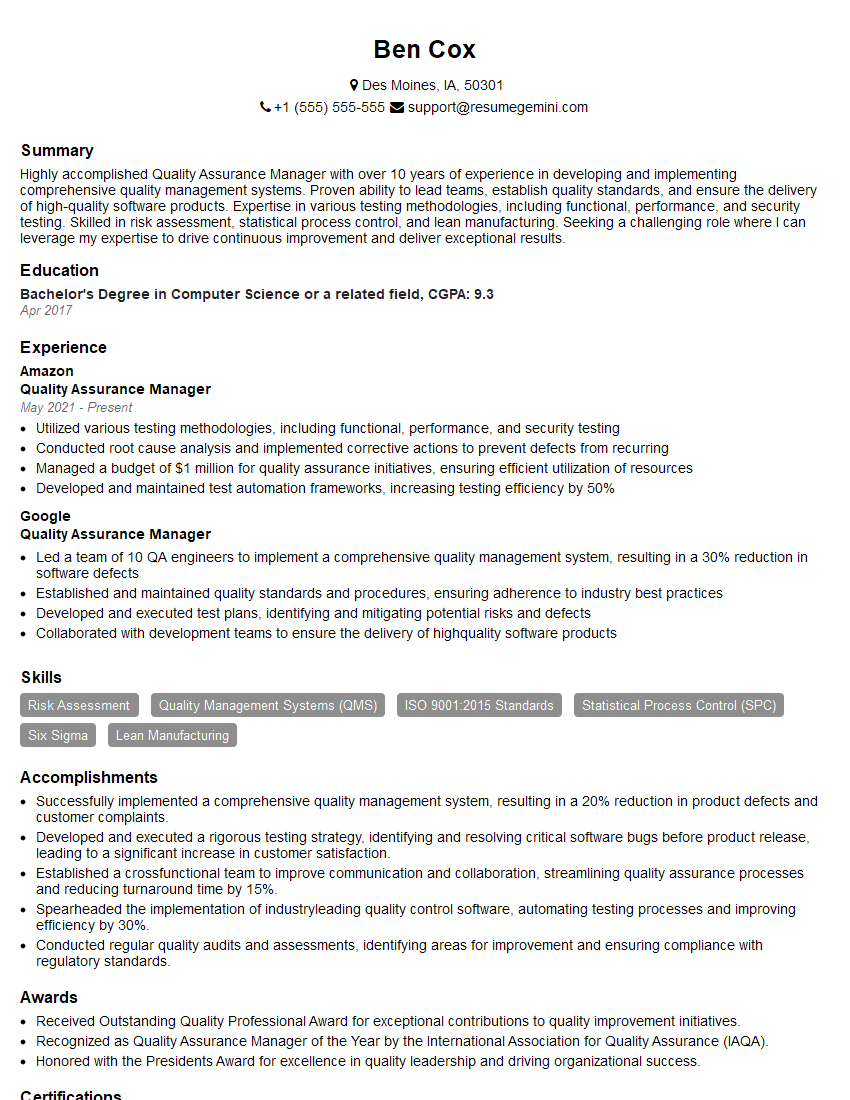
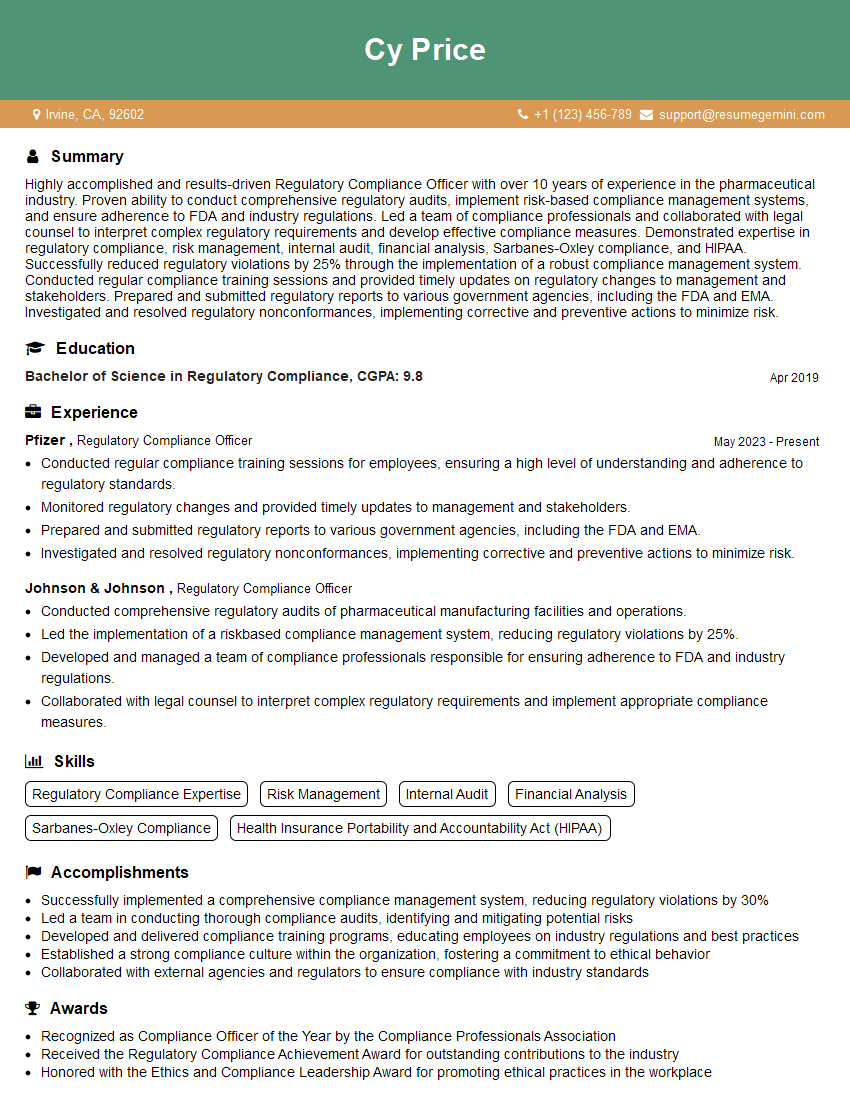
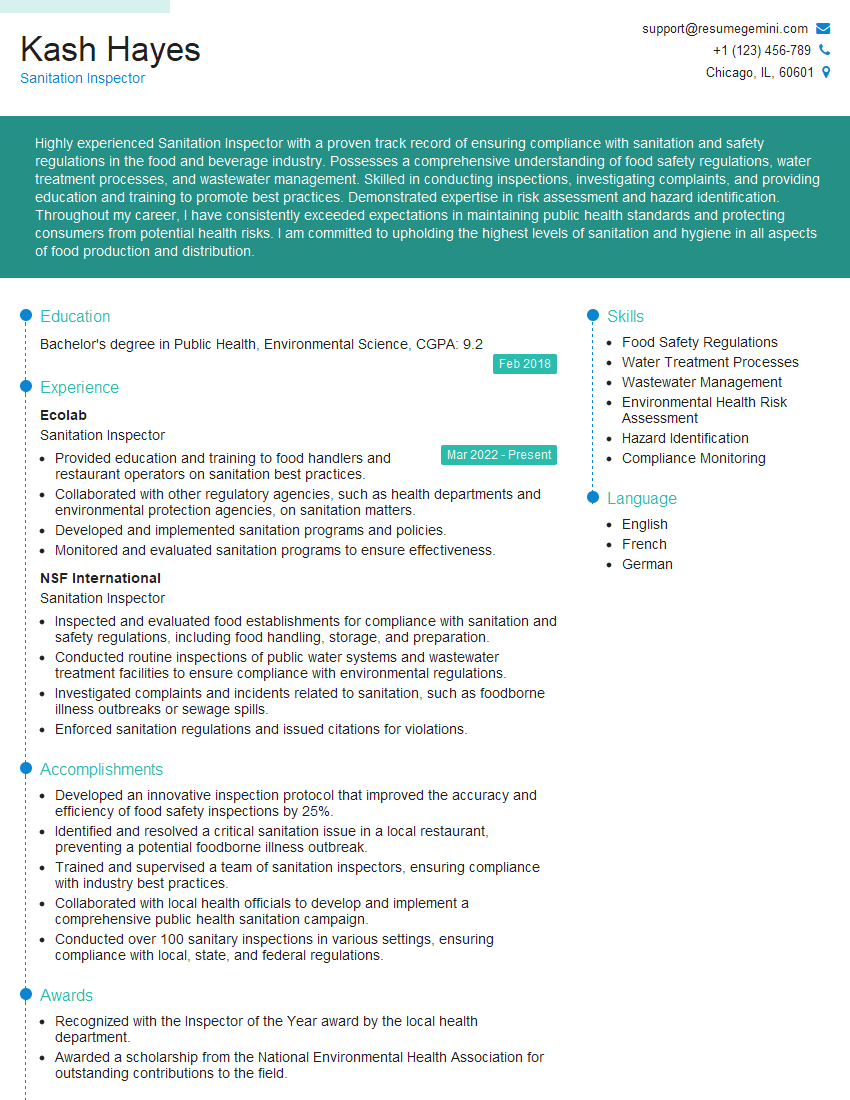
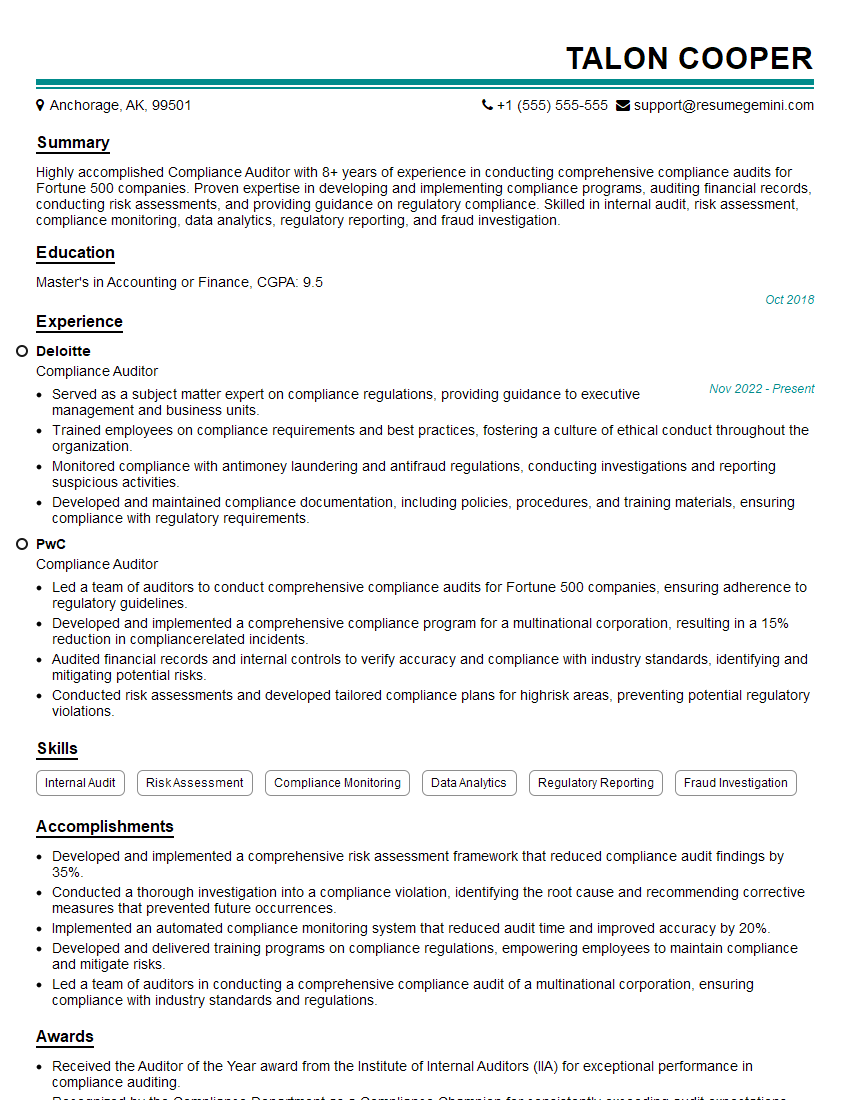
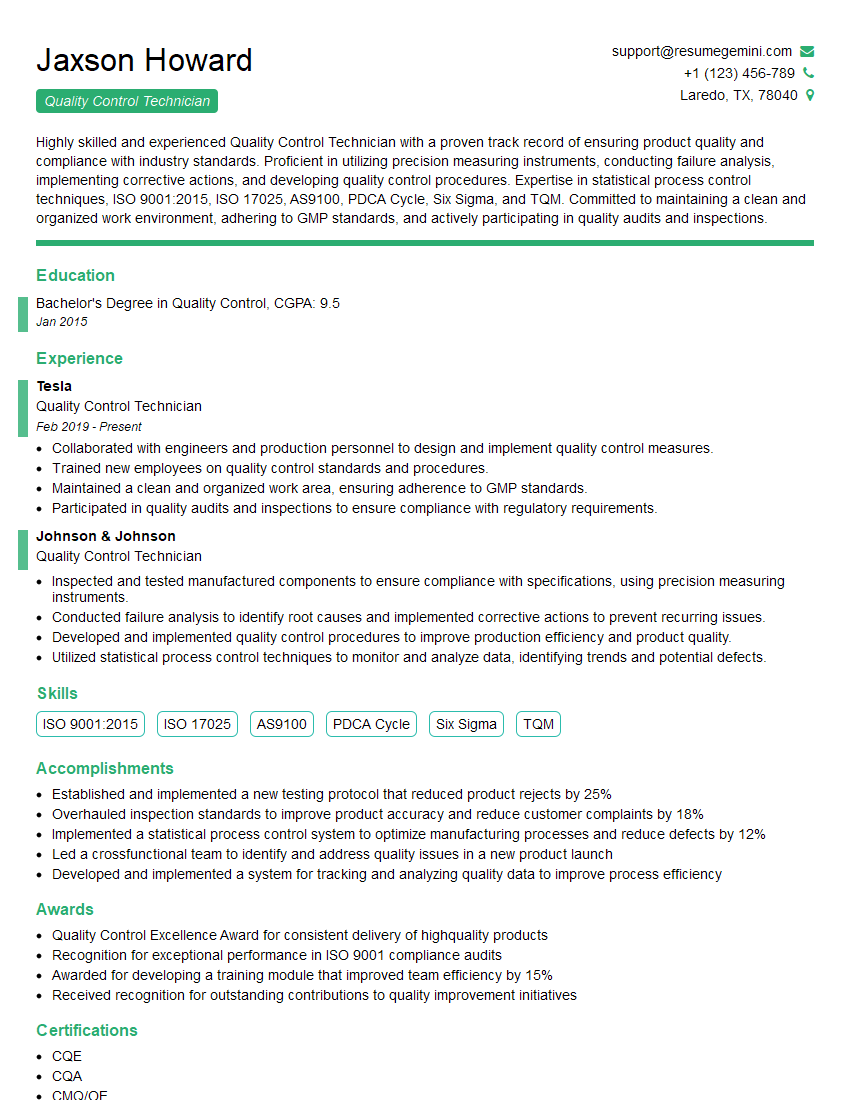
Mastering the art of conducting thorough and effective inspections is crucial for career advancement in the food safety and quality assurance field. It demonstrates your commitment to safety and attention to detail, opening doors to more challenging and rewarding opportunities. To maximize your job prospects, creating an ATS-friendly resume is essential. ResumeGemini is a trusted resource that can help you build a professional and effective resume, ensuring your qualifications stand out to potential employers. We provide examples of resumes tailored to conducting inspections of food processing plants, warehouses, and retail stores to help you craft the perfect application.

Explore more articles
Users Rating of Our Blogs
Share Your Experience
We value your feedback! Please rate our content and share your thoughts (optional).
What Readers Say About Our Blog
Really detailed insights and content, thank you for writing this detailed article.
IT gave me an insight and words to use and be able to think of examples