Unlock your full potential by mastering the most common Consumer Safety Investigations interview questions. This blog offers a deep dive into the critical topics, ensuring you’re not only prepared to answer but to excel. With these insights, you’ll approach your interview with clarity and confidence.
Questions Asked in Consumer Safety Investigations Interview
Q 1. Describe your experience investigating consumer product safety incidents.
My experience in investigating consumer product safety incidents spans over 15 years, encompassing a wide range of products from children’s toys to power tools and household appliances. I’ve led numerous investigations, ranging from single incident reports to large-scale outbreaks involving hundreds of affected consumers. My approach is always methodical, prioritizing the safety and well-being of consumers while also understanding the complexities of product design, manufacturing, and distribution. For example, I recently investigated a series of incidents involving a faulty child’s car seat. Through meticulous examination of the product, manufacturing records, and incident reports, we identified a weakness in the buckle mechanism that led to its premature release during simulated crash tests. This discovery resulted in a voluntary recall and a redesign of the buckle system.
Another significant investigation involved a line of electric kettles where several users reported electric shocks. This involved not only examining the kettles themselves but also tracing the supply chain, reviewing manufacturing processes, and analyzing the electrical components to pinpoint the source of the defect. We discovered a flaw in the grounding wire’s insulation, leading to a comprehensive recall and stricter quality control measures for future production.
Q 2. Explain the process of conducting a root cause analysis in a consumer safety investigation.
Root cause analysis is crucial in consumer safety investigations. It’s a systematic process designed to identify the underlying reasons behind an incident, rather than just addressing its surface symptoms. Think of it like peeling an onion – you remove layer by layer until you find the core issue. We use various techniques, including the ‘5 Whys’ method, fault tree analysis, and fishbone diagrams.
The process typically involves:
- Data Collection: Gathering all relevant information, including incident reports, product specifications, manufacturing records, and witness statements.
- Incident Reconstruction: Creating a detailed timeline of events leading to the incident.
- Hypothesis Generation: Formulating potential causes based on the collected data.
- Verification: Testing and validating hypotheses through experiments, simulations, or further data analysis.
- Root Cause Identification: Pinpointing the fundamental cause(s) underlying the incident.
- Recommendation Development: Proposing corrective actions to prevent recurrence.
For instance, in the electric kettle case, initially, the hypothesis was faulty wiring. However, through systematic testing and analysis, we discovered the insulation failure was the root cause, not simply a poor wiring job.
Q 3. How do you identify and assess potential hazards associated with consumer products?
Identifying and assessing potential hazards is a proactive approach that starts even before a product is launched. We utilize a combination of methods, including hazard analysis and critical control point (HACCP) principles, failure mode and effects analysis (FMEA), and design reviews.
Hazard identification often involves:
- Product Design Review: Scrutinizing the product’s design for potential weaknesses or flaws.
- Material Analysis: Evaluating the materials used for toxicity, flammability, and durability.
- Testing and Simulation: Conducting various tests, such as drop tests, impact tests, and stress tests, to determine product vulnerability.
- Literature Review: Examining existing research and reports on similar products to identify known hazards.
- Consumer Feedback: Gathering information from consumer reports and surveys.
For example, in the design of a children’s toy, we might assess the risk of choking hazards by checking the size and shape of small parts. We’d also check for sharp edges or toxic paint that could pose safety risks.
Q 4. What are the key regulatory requirements for consumer product safety in your region?
Regulatory requirements for consumer product safety vary by region but generally aim to protect consumers from unreasonable risks of injury or death. In my region [replace with specific region, e.g., the United States], key regulations include the Consumer Product Safety Act (CPSA), which establishes the Consumer Product Safety Commission (CPSC) and mandates standards for various products. The CPSC sets safety standards, conducts investigations, and issues recalls when necessary. Specific regulations vary greatly depending on the product category. For example, toys have stricter standards for small parts and flammability than, say, kitchen appliances. Manufacturers are legally required to comply with these standards, and failing to do so can result in hefty fines and legal action.
Furthermore, there are often industry standards and voluntary certification programs that go beyond the minimum legal requirements, demonstrating a commitment to superior product safety. Staying updated on these regulations and standards is critical for our work and ensuring consumer protection.
Q 5. Describe your experience with product recall procedures.
My experience with product recall procedures is extensive. It involves a multi-stage process that demands careful coordination and communication. The first step involves confirming the presence of a hazard and evaluating the risk to consumers. Once a recall decision is made, it’s essential to promptly notify consumers about the hazard and provide clear instructions on how to return the affected product. This often involves working closely with the manufacturer to identify all affected units and establish an effective recall process. This process involves tracing the product distribution chain, coordinating with retailers to remove the product from shelves, and communicating with consumers. We utilize various methods of communication, including press releases, social media, and direct mail. Post-recall monitoring is also critical to ensure the effectiveness of the recall and identify any remaining issues.
For example, in the car seat recall, we ensured a clear and concise communication plan was in place, including multiple language versions and accessible formats for individuals with disabilities. We also established a dedicated phone line and online portal for consumers to report incidents and receive replacements.
Q 6. How do you collect and analyze evidence in a consumer safety investigation?
Collecting and analyzing evidence is paramount. It’s a meticulous process that begins at the incident site, if applicable. We use a variety of techniques, including:
- Document Review: Examining product manuals, manufacturing records, test results, and incident reports.
- Physical Examination: Carefully inspecting the product to identify defects or damage. This often involves using specialized tools and equipment, such as microscopes and scanning electron microscopes.
- Witness Interviews: Conducting interviews with witnesses to gather firsthand accounts of the incident.
- Laboratory Testing: Performing various tests to determine the product’s properties and identify the root cause of the failure.
- Data Analysis: Using statistical methods and software to analyze data and identify patterns or trends.
Maintaining a detailed chain of custody for all evidence is crucial for ensuring its admissibility in legal proceedings. Evidence is documented with photographs, video recordings, and detailed reports. Each piece of evidence is meticulously logged and stored securely.
Q 7. Explain your understanding of risk assessment methodologies in the context of product safety.
Risk assessment methodologies are fundamental to consumer product safety. It’s a systematic process of identifying hazards, analyzing the risks associated with those hazards, and evaluating the effectiveness of control measures. We frequently use techniques such as Failure Mode and Effects Analysis (FMEA) and Hazard and Operability Studies (HAZOP). These methods help us prioritize risks, allowing us to allocate resources to address the most significant threats.
Risk assessment involves:
- Hazard Identification: Identifying potential hazards associated with the product.
- Risk Analysis: Determining the likelihood and severity of each hazard.
- Risk Evaluation: Assessing the overall risk level based on the likelihood and severity.
- Risk Control: Developing and implementing strategies to mitigate the risks, such as redesigning the product, providing warnings, or developing safety instructions.
- Risk Monitoring: Continuously monitoring the effectiveness of risk control measures.
A risk matrix is often used to visually represent the likelihood and severity of hazards, making it easier to prioritize risks. For example, a high-likelihood, high-severity hazard, like a sharp edge on a children’s toy, would require immediate attention and mitigation strategies.
Q 8. How do you determine the credibility of witness statements in a consumer safety incident?
Assessing the credibility of witness statements is crucial in consumer safety investigations. It’s like piecing together a puzzle – each piece (statement) needs to be examined for its accuracy and reliability. We don’t just take statements at face value; we employ a multi-faceted approach.
- Consistency: We look for consistency within the statement itself and compare it to other evidence. Are there any contradictions? Do the details align with physical evidence or other witness accounts?
- Bias Detection: We consider potential biases the witness might have. For example, was the witness emotionally involved in the incident? Could they have a personal stake in the outcome of the investigation?
- Witness Reliability: We assess the witness’s past credibility. Have they been reliable in previous situations? Do they have a history of providing accurate information?
- Corroboration: We search for corroborating evidence to support the witness’s claims. This could include photos, videos, medical records, or other witness testimonies.
For instance, in a case involving a faulty toy, a child’s statement about how the toy broke might be corroborated by the presence of sharp edges on the broken pieces and a parent’s account of the incident.
Q 9. Describe a situation where you had to deal with conflicting information during an investigation.
During an investigation into a series of reported burns from a new electric kettle, we encountered conflicting information. Some users claimed the kettle overheated unexpectedly, while others reported no such issues. Initial reports pointed towards a manufacturing defect, but further investigation revealed a pattern: users experiencing overheating had filled the kettle beyond its maximum fill line, contradicting the instructions.
To resolve this, we employed several strategies:
- Data Analysis: We analyzed the reported incidents, noting factors like the kettle’s serial number, date of purchase, and user descriptions. This allowed us to identify commonalities and differences among reports.
- Product Testing: We conducted rigorous testing on kettles from the same batch, both adhering to and exceeding the maximum fill line. This confirmed that exceeding the maximum fill line did indeed lead to overheating.
- User Surveys and Interviews: We conducted targeted surveys and interviews with users who experienced overheating, focusing on their usage habits. This validated our hypothesis that improper usage was a significant contributing factor.
Ultimately, the investigation revealed a user error problem alongside some unclear instructions, rather than a manufacturing fault. We then issued a safety alert emphasizing proper usage and redesigned the instructions for improved clarity.
Q 10. How do you prioritize multiple safety investigations concurrently?
Prioritizing multiple investigations concurrently requires a structured approach. Think of it like a project manager prioritizing tasks – some need immediate attention, while others can wait. We use a risk-based prioritization system.
- Risk Assessment: We assess each case’s potential risk to public safety. Cases involving serious injuries or widespread product defects take precedence over those with minor issues or limited impact.
- Urgency: Time sensitivity is crucial. If a product poses an immediate danger, it gets top priority. For example, a recall of a dangerously faulty car part would be prioritized over a less urgent investigation.
- Resources Allocation: We consider the resources needed for each investigation. Cases requiring extensive testing or expert consultation might be prioritized differently based on team capacity.
- Case Tracking System: We use a case management system to track the progress of each investigation and monitor resource allocation efficiently.
This system allows us to effectively manage multiple investigations, ensuring that the most critical issues are addressed promptly and efficiently while still making progress on less urgent cases.
Q 11. What are your methods for documenting and reporting investigation findings?
Thorough documentation and reporting are cornerstones of our investigations. We follow a meticulous process that ensures clarity, accuracy, and traceability.
- Detailed Record-Keeping: We maintain comprehensive records, including witness statements, test results, photographs, videos, and any other relevant evidence. All documents are securely stored and easily accessible.
- Standardized Reporting Formats: We use standardized templates for reports, ensuring consistency and ease of review. This makes it easier to share findings internally and with external agencies.
- Data Analysis and Visualization: We analyze the collected data using appropriate statistical methods to identify trends, patterns, and root causes. Visualizations like charts and graphs are incorporated into the reports to enhance understanding.
- Clear and Concise Language: Reports are written clearly and concisely, using plain language that’s easily understandable by both technical and non-technical audiences.
Each report includes a summary of findings, conclusions, and recommendations. The recommendations detail actions that should be taken to mitigate the identified hazard.
Q 12. Explain your experience using statistical methods in analyzing consumer safety data.
Statistical methods are vital in analyzing large datasets from consumer safety incidents. It’s not enough to just look at individual cases; we need to find patterns and trends.
For example, in an investigation into child injuries related to cribs, we used statistical analysis to determine if a particular crib design was associated with a higher incidence of entrapment. We used:
- Descriptive Statistics: To summarize the data, calculating measures such as the frequency of injuries, average age of injured children, and types of injuries.
- Inferential Statistics: To draw conclusions about the population of cribs based on a sample. We employed hypothesis testing to determine if the observed differences in injury rates between crib designs were statistically significant or due to random chance.
- Regression Analysis: To explore the relationships between various factors (crib design features, child age, supervision level) and the probability of injury.
By applying these methods, we could identify specific crib design features associated with increased risk and provide evidence-based recommendations for safety improvements.
Q 13. How familiar are you with relevant safety standards and testing methods (e.g., ISO, ASTM)?
I’m very familiar with relevant safety standards and testing methods, including those from ISO and ASTM. These standards provide a framework for evaluating product safety and ensuring consistency.
My experience includes working with:
- ISO 9001: Related to quality management systems, which are crucial for ensuring that products meet safety requirements throughout the design, manufacturing, and distribution processes.
- ISO 14001: Related to environmental management systems. In certain consumer product investigations, environmental hazards are relevant. Understanding this standard helps analyze the potential environmental impact of product failures and recalls.
- ASTM standards: Many ASTM standards directly address specific product safety aspects. For example, I’ve utilized ASTM standards related to flammability testing for furniture, mechanical strength testing for toys, and electrical safety testing for appliances.
Knowledge of these standards is essential to conducting credible and legally defensible investigations. We use these standards to assess if a product meets the required safety levels and to identify potential design flaws that need addressing.
Q 14. Describe your experience with different types of consumer product hazards (e.g., chemical, mechanical, electrical).
My experience encompasses a broad range of consumer product hazards, including chemical, mechanical, and electrical hazards. Each type presents unique challenges.
- Chemical Hazards: These involve exposure to toxic substances in products, leading to poisoning, skin irritation, or other health problems. Investigations in this area often involve analyzing product composition, assessing exposure levels, and identifying appropriate safety measures (e.g., warning labels, protective packaging).
- Mechanical Hazards: These are related to the physical design or functioning of the product, such as sharp edges, entrapment points, or unstable designs. Investigations might involve analyzing product design, conducting mechanical tests, and assessing risk factors.
- Electrical Hazards: These involve risks associated with electricity, such as electric shock, fires, or burns. Investigations may necessitate detailed electrical testing, analysis of circuit designs, and evaluation of insulation integrity.
A real-world example involved a child’s toy that contained a small, loose battery. This presented both a chemical hazard (potential battery ingestion) and a mechanical hazard (choking hazard). Understanding these different facets allowed for a comprehensive investigation and the implementation of effective remedial actions.
Q 15. How do you communicate complex technical information to non-technical audiences?
Communicating complex technical information to a non-technical audience requires a shift in perspective. It’s not about dumbing down the information, but rather translating it into a language they understand. My approach involves three key steps:
- Simplify the jargon: Replace technical terms with plain English equivalents. For instance, instead of saying ‘coefficient of friction,’ I might say ‘how easily something slips.’ I often use analogies and metaphors to illustrate complex concepts. For example, explaining a chemical reaction like baking a cake, where the ingredients are reactants and the cake is the product.
- Visual aids are crucial: Diagrams, charts, and even short videos can make abstract concepts more tangible. A picture is worth a thousand words, especially when explaining intricate mechanisms or processes.
- Focus on the ‘so what?’: Non-technical audiences are less interested in the minutiae. I highlight the implications of the technical information for their safety and well-being. For example, if we find a defect in a child’s toy, I would explain how that defect could lead to injury, rather than delving into the manufacturing process that caused it.
For example, when explaining the results of a flammability test on a children’s pajama set to a group of parents, I would focus on the risk of burns rather than discussing the specific flammability standards or test methodologies. I would use a visual aid demonstrating the flame spread and show how quickly the material caught fire.
Career Expert Tips:
- Ace those interviews! Prepare effectively by reviewing the Top 50 Most Common Interview Questions on ResumeGemini.
- Navigate your job search with confidence! Explore a wide range of Career Tips on ResumeGemini. Learn about common challenges and recommendations to overcome them.
- Craft the perfect resume! Master the Art of Resume Writing with ResumeGemini’s guide. Showcase your unique qualifications and achievements effectively.
- Don’t miss out on holiday savings! Build your dream resume with ResumeGemini’s ATS optimized templates.
Q 16. Describe a situation where you identified a safety hazard and implemented corrective actions.
During an investigation into a series of reported injuries involving a popular children’s swing set, I identified a critical design flaw. The swing set’s support beams were not adequately anchored, leading to instability. Several children had suffered minor injuries from falls. My corrective actions involved a multi-step process:
- Immediate Recall Notice: I collaborated with the manufacturer to issue a voluntary recall notice, alerting consumers to the hazard and instructing them to stop using the swing set immediately.
- Public Safety Announcement: We coordinated with relevant media outlets to disseminate a public service announcement (PSA) to ensure widespread awareness of the risk.
- Design Modification: I worked with the manufacturer’s engineering team to redesign the swing set, ensuring the support beams were securely anchored. This included detailed specifications and testing protocols for the new design.
- Enhanced Safety Standards: We pushed for stricter industry safety standards to prevent similar incidents in the future. This involved collaborating with regulatory bodies to update guidelines and regulations related to children’s playground equipment.
The recall and subsequent design changes prevented further injuries. This case highlighted the importance of proactive measures to mitigate safety hazards and the power of collaboration across different stakeholders.
Q 17. How do you collaborate with other departments or agencies during an investigation?
Collaboration is paramount in consumer safety investigations. I regularly work with various departments and agencies, leveraging their unique expertise to ensure a thorough and effective investigation. This usually involves:
- Internal Collaboration: Close communication with engineering, legal, and public relations teams is vital. Engineers provide technical expertise, legal ensures compliance, and public relations manages communication with consumers and the media.
- External Collaboration: This often includes partnerships with regulatory agencies (like the CPSC in the US, or equivalent agencies in other countries), law enforcement (for cases involving fraud or criminal negligence), and independent testing laboratories (to verify findings).
- Communication Protocols: Effective communication is maintained through regular meetings, shared databases, and consistent reporting. Using collaborative platforms and secure document sharing significantly streamlines the process.
For instance, in an investigation of a faulty electrical appliance, I would collaborate with electrical engineers to analyze the circuit, legal counsel to determine liability, and the regulatory agency to ensure compliance with relevant safety regulations. This collaborative approach ensures a holistic and comprehensive investigation.
Q 18. Explain your understanding of consumer protection laws and regulations.
My understanding of consumer protection laws and regulations is comprehensive, encompassing both federal and state statutes. These laws aim to protect consumers from unsafe products and unfair business practices. Key areas of my knowledge include:
- Product Safety Regulations: I am familiar with regulations related to product design, manufacturing, testing, and labeling, including mandatory safety standards. Examples include those related to children’s toys, food safety, and electrical appliances.
- Consumer Protection Acts: I understand laws that address deceptive advertising, unfair pricing practices, and consumer redress mechanisms. This includes the ability to initiate recalls, seek remedies for consumers, and impose penalties on non-compliant businesses.
- Liability Laws: I understand principles of product liability, including negligence, strict liability, and breach of warranty, and how they apply in investigations and legal actions.
- International Standards: I’m aware of international safety standards and how they impact products sold globally. This often involves understanding harmonized standards and recognizing variations in regulatory frameworks across different jurisdictions.
A strong understanding of these laws is critical to conducting thorough and legally sound investigations, ensuring that appropriate actions are taken to protect consumers and hold responsible parties accountable.
Q 19. How familiar are you with incident reporting and tracking systems?
I am highly proficient in using various incident reporting and tracking systems. My experience includes utilizing both proprietary systems developed by specific companies and commercially available software solutions. These systems typically include features such as:
- Incident Recording: Detailed recording of incident reports, including dates, times, locations, involved parties, and descriptions of the incident.
- Data Management: Efficient storage, organization, and retrieval of incident data, often with robust search and filtering capabilities.
- Trend Analysis: Ability to analyze incident data to identify patterns and trends, highlighting potential product defects or emerging safety hazards.
- Reporting & Analytics: Generation of various reports to track incident frequency, severity, and other key metrics, aiding in decision-making regarding corrective actions.
- Integration with other systems: Many systems integrate with other databases and management tools, allowing for seamless data flow and enhanced efficiency.
Proficiency in these systems allows for timely and efficient tracking of incidents, enabling a prompt and effective response to safety concerns.
Q 20. Describe your experience with laboratory testing and analysis of consumer products.
My experience encompasses a wide range of laboratory testing and analysis of consumer products. This involves understanding various testing methodologies, interpreting results, and drawing meaningful conclusions to support investigations. My experience includes:
- Mechanical Testing: Assessing the strength, durability, and stability of products through tests like tensile strength, impact resistance, and fatigue testing.
- Chemical Testing: Analyzing the composition of materials to identify harmful substances, flammability characteristics, and potential health risks. This often includes chromatography, spectroscopy, and other analytical techniques.
- Electrical Testing: Evaluating the safety of electrical products by assessing insulation resistance, leakage currents, and compliance with electrical safety standards.
- Biological Testing: Assessing products for microbial contamination or the presence of allergens.
I have worked with both accredited and in-house laboratories, ensuring the reliability and validity of test results. Understanding the limitations of various testing methodologies is crucial for accurate interpretation and making informed decisions based on the data.
Q 21. How do you ensure the objectivity and integrity of your investigations?
Maintaining objectivity and integrity is paramount in consumer safety investigations. My approach involves several key strategies:
- Documented Procedures: Following established protocols and documenting every step of the investigation ensures transparency and minimizes bias. This includes meticulously recording data, evidence collection, and analysis.
- Independent Verification: Whenever possible, I seek independent verification of findings through peer review, consultation with external experts, or repeat testing by a different laboratory.
- Conflict of Interest Management: I actively identify and manage any potential conflicts of interest. This might involve recusal from an investigation if a personal bias or relationship could compromise objectivity.
- Data Integrity: Maintaining the chain of custody for evidence, employing secure data storage methods, and using appropriate statistical analysis techniques help to ensure data reliability.
- Transparent Reporting: Presenting findings in a clear, concise, and unbiased manner, focusing on the facts rather than opinions or speculation, is crucial.
By adhering to these principles, I ensure that my investigations are credible, reliable, and contribute to the improvement of consumer safety.
Q 22. How do you manage the time constraints and deadlines associated with consumer safety investigations?
Managing time effectively in consumer safety investigations is crucial. It’s akin to conducting a complex orchestra – each instrument (task) needs precise timing to create a harmonious outcome (successful investigation). My approach involves a multi-pronged strategy:
- Prioritization: I use a matrix to prioritize tasks based on urgency and importance. Urgent and important tasks, like analyzing critical evidence immediately following a product failure, take precedence. Less urgent tasks, like compiling background reports, are scheduled accordingly.
- Task Breakdown: I break down large, complex tasks into smaller, manageable steps. This allows for better tracking of progress and easier delegation if needed. For example, investigating a widespread product recall might involve separate tasks for data collection, witness interviews, and regulatory reporting.
- Timeboxing: I allocate specific time blocks for specific tasks. This technique, while seemingly simple, prevents tasks from expanding beyond their allocated time and helps maintain focus. I might dedicate two hours to analyzing lab results and one hour to drafting an initial report.
- Regular Review & Adjustment: Deadlines are dynamic. Throughout the investigation, I regularly review progress against the timeline, and proactively adjust the schedule if necessary. This includes identifying potential roadblocks and devising contingency plans to mitigate delays.
For instance, in a recent investigation involving a children’s toy, I initially estimated a four-week timeline. However, delays in receiving lab test results pushed the timeline back by a week. By re-evaluating and adjusting the schedule, we successfully met the revised deadline without compromising the quality of the investigation.
Q 23. Describe your experience working with diverse teams in a fast-paced environment.
Consumer safety investigations rarely happen in isolation. They require collaboration across various disciplines and personalities. My experience working with diverse teams in fast-paced environments highlights the importance of strong communication and adaptability.
- Clear Communication: I prioritize clear and concise communication – keeping everyone informed, updated, and on the same page. This includes regular team meetings, progress reports, and clear task assignments. I find using a collaborative project management tool greatly enhances communication and transparency.
- Respectful Collaboration: I firmly believe in a collaborative atmosphere that values every team member’s expertise, even if their background differs. Open dialogue and mutual respect foster creativity and efficient problem-solving. For example, in one investigation, the insight of a material scientist proved invaluable in understanding the cause of a product defect.
- Conflict Resolution: Disagreements are inevitable in fast-paced environments. My approach to conflict resolution is constructive – actively listening to all perspectives, focusing on finding common ground, and always prioritizing the objectives of the investigation.
- Adaptability: In a fast-paced environment, things change quickly. I’m comfortable adapting to new information, shifting priorities, and altering strategies as the investigation evolves. The unexpected is the norm in this field, and flexibility is key.
For example, during a recent investigation into a faulty appliance, our team included engineers, legal experts, and public relations specialists. Navigating the varied perspectives and communication styles, while maintaining a shared focus on safety, was critical to our success.
Q 24. How do you handle pressure and stressful situations during an investigation?
Pressure and stress are inherent in consumer safety investigations, especially when dealing with potentially harmful products and public health concerns. My approach to managing these situations involves a combination of proactive measures and mindful coping mechanisms:
- Organized Approach: A structured, methodical approach minimizes surprises and reduces anxiety. My detailed investigation plans, checklists, and meticulous documentation help me stay on track even under pressure.
- Effective Time Management: Prioritizing tasks and managing my time effectively reduces the feeling of being overwhelmed. This reduces stress by preventing last-minute rushes.
- Seeking Support: I’m not afraid to ask for help when needed. Collaborating with colleagues, supervisors, or mentors provides valuable support and different perspectives.
- Self-Care: Recognizing the importance of self-care, I maintain a healthy work-life balance, ensuring I get adequate rest, exercise, and engage in activities that help me de-stress.
For instance, during a high-profile investigation involving a serious product defect, the intense media scrutiny added significant pressure. However, by sticking to my structured approach, delegating tasks effectively, and taking short breaks to de-stress, I was able to navigate the situation effectively and complete the investigation successfully.
Q 25. What are your strengths and weaknesses in conducting consumer safety investigations?
My strengths lie in my meticulous attention to detail, analytical skills, and ability to synthesize complex information. I’m adept at identifying patterns and inconsistencies, crucial for uncovering the root cause of product failures. My experience in various investigation methodologies, including root cause analysis and failure mode and effects analysis (FMEA), allows me to apply the most appropriate approach to each case.
However, I acknowledge that one area for improvement is delegation. While I’m capable of handling a high volume of work independently, learning to more effectively delegate tasks to team members can further enhance efficiency and allow me to focus on higher-level strategic elements of the investigation.
Q 26. How do you stay updated on the latest changes and developments in consumer product safety regulations?
Staying updated in the ever-evolving field of consumer product safety is paramount. I employ several strategies to maintain my knowledge:
- Subscription to Regulatory Updates: I subscribe to newsletters and alerts from relevant regulatory bodies such as the Consumer Product Safety Commission (CPSC) and similar international organizations. This ensures I’m immediately informed about new regulations, guidelines, and recall announcements.
- Professional Development: I actively participate in conferences, webinars, and workshops related to consumer product safety. These events provide insights into emerging trends, best practices, and new technologies.
- Networking: I maintain a professional network through memberships in relevant organizations and by attending industry events. Networking allows me to share knowledge and learn from others in the field.
- Review of Scientific Literature: I regularly review scientific publications and technical journals relevant to product safety. This helps me stay abreast of the latest research and advancements.
For example, recent changes in chemical regulations prompted me to attend a specialized workshop, leading to the development of a more effective methodology in a subsequent investigation.
Q 27. How would you handle a situation where a company is unwilling to cooperate with an investigation?
Uncooperative companies pose a significant challenge in consumer safety investigations. My approach involves a multi-step strategy:
- Formal Communication: I begin with formal written communication, clearly outlining the investigation’s purpose, scope, and the company’s legal obligations to cooperate. This often involves legal counsel.
- Escalation: If initial efforts fail, I escalate the matter, utilizing the appropriate channels within the regulatory bodies. This may involve seeking court orders for access to information or facilities.
- Alternative Data Sources: When cooperation is limited, I explore alternative data sources, such as independent testing labs, consumer reports, or media coverage. This helps build a case even with limited cooperation.
- Collaboration: I work closely with legal and public relations teams to ensure consistent messaging and appropriate responses to media inquiries.
In one case, a company initially refused to provide critical data. By working with our legal team, we obtained a court order compelling them to cooperate. This secured the necessary information and allowed us to complete a thorough investigation, leading to a recall of the unsafe product.
Key Topics to Learn for Consumer Safety Investigations Interview
- Regulatory Frameworks: Understanding relevant consumer safety laws, regulations, and standards (e.g., CPSC, FDA regulations). This includes knowing how these regulations are enforced and interpreted.
- Investigation Techniques: Mastering various investigative methodologies, including data analysis, witness interviews, product testing, and evidence collection. Practical application: Consider how you would approach investigating a suspected product defect.
- Risk Assessment & Analysis: Developing a strong understanding of hazard identification, risk assessment, and mitigation strategies. How would you prioritize investigations based on risk levels?
- Report Writing & Communication: Clearly and concisely documenting findings, conclusions, and recommendations in formal reports. Practice structuring your thoughts logically and persuasively.
- Data Analysis & Interpretation: Analyzing various types of data (e.g., incident reports, test results) to identify patterns and trends related to product safety issues. Consider how statistical methods can support your investigations.
- Product Recall Management: Understanding the procedures and strategies involved in managing product recalls, including communication with consumers and regulatory agencies.
- Ethical Considerations: Recognizing and addressing ethical dilemmas related to confidentiality, objectivity, and fairness in consumer safety investigations.
- Technical Proficiency (depending on the role): Depending on the specific role, you may need to demonstrate expertise in relevant technical areas such as engineering, chemistry, or toxicology. Explore specific technical skills required for the position you are applying for.
Next Steps
Mastering Consumer Safety Investigations opens doors to a rewarding career with significant impact on public health and safety. Your expertise in this field is highly valuable, offering opportunities for growth and leadership within regulatory agencies, private industry, or consulting firms. To maximize your job prospects, create a compelling and ATS-friendly resume that showcases your skills and experience effectively. ResumeGemini is a trusted resource to help you build a professional resume that stands out from the competition. We provide examples of resumes tailored to Consumer Safety Investigations to guide you in crafting your own impactful application materials.
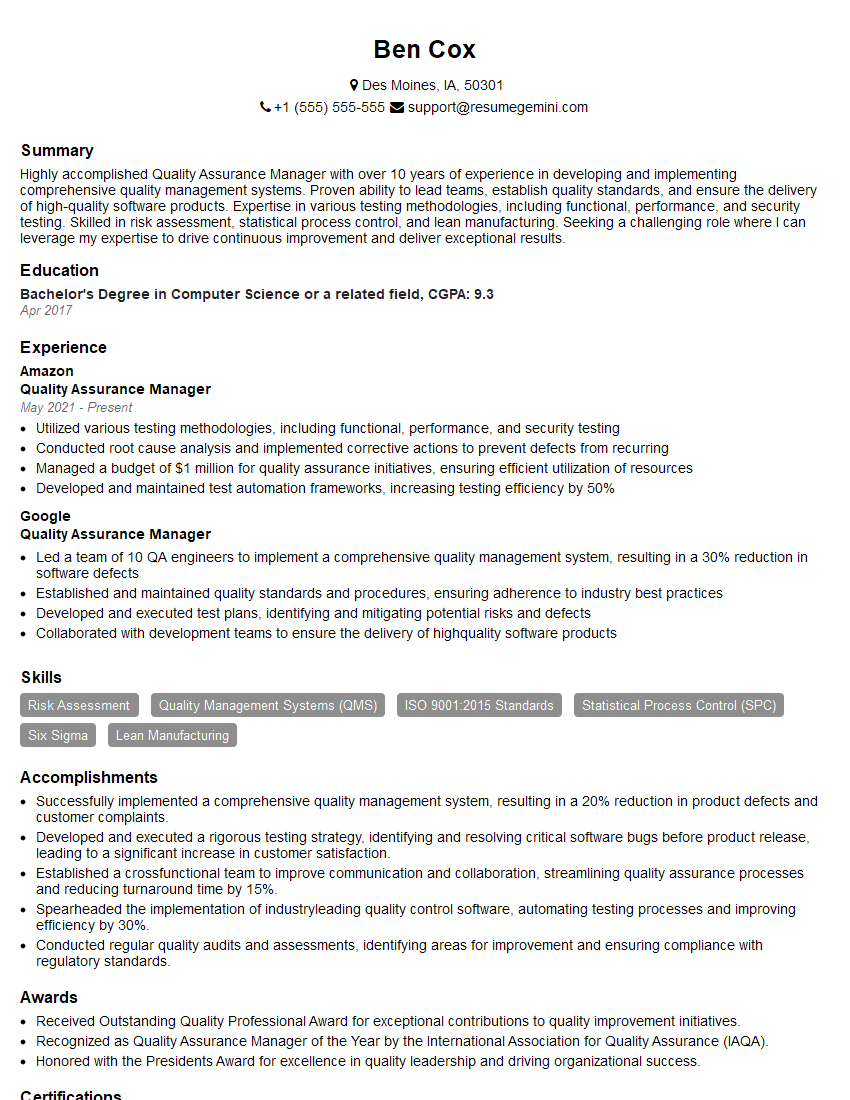
Quality Assurance Manager Resume Sample
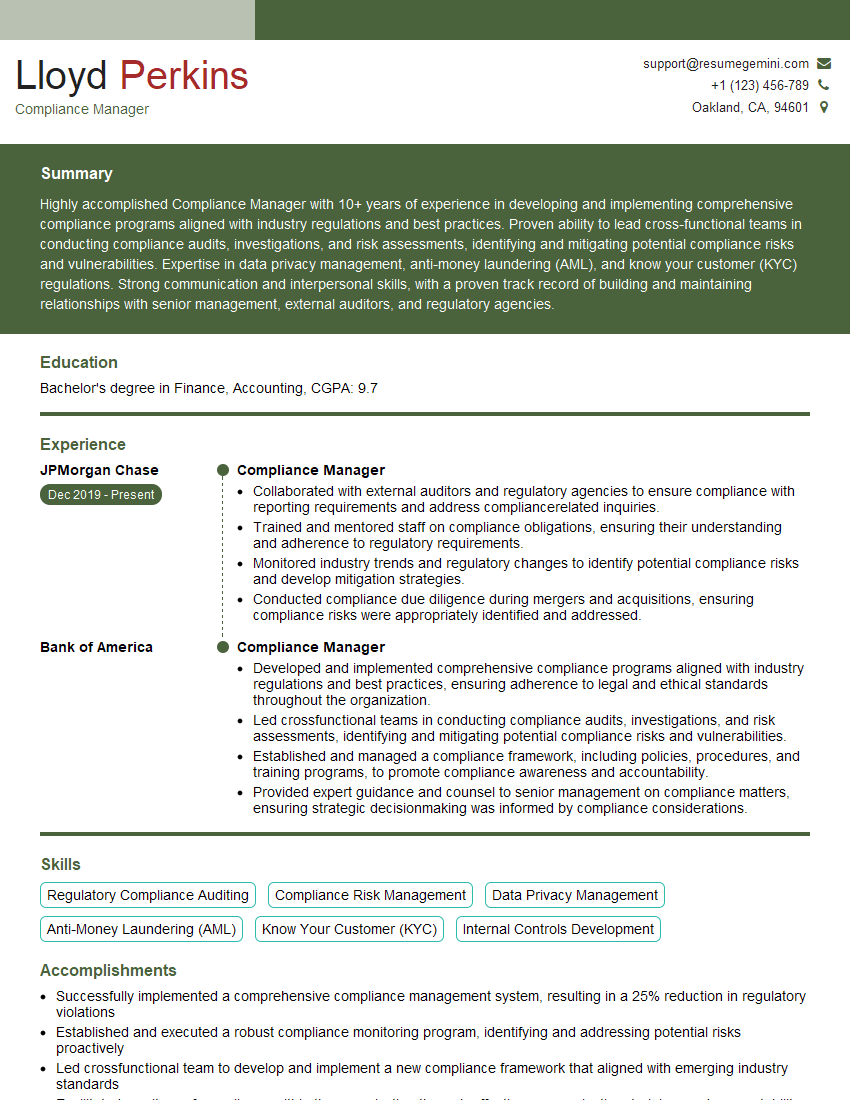
Compliance Manager Resume Sample
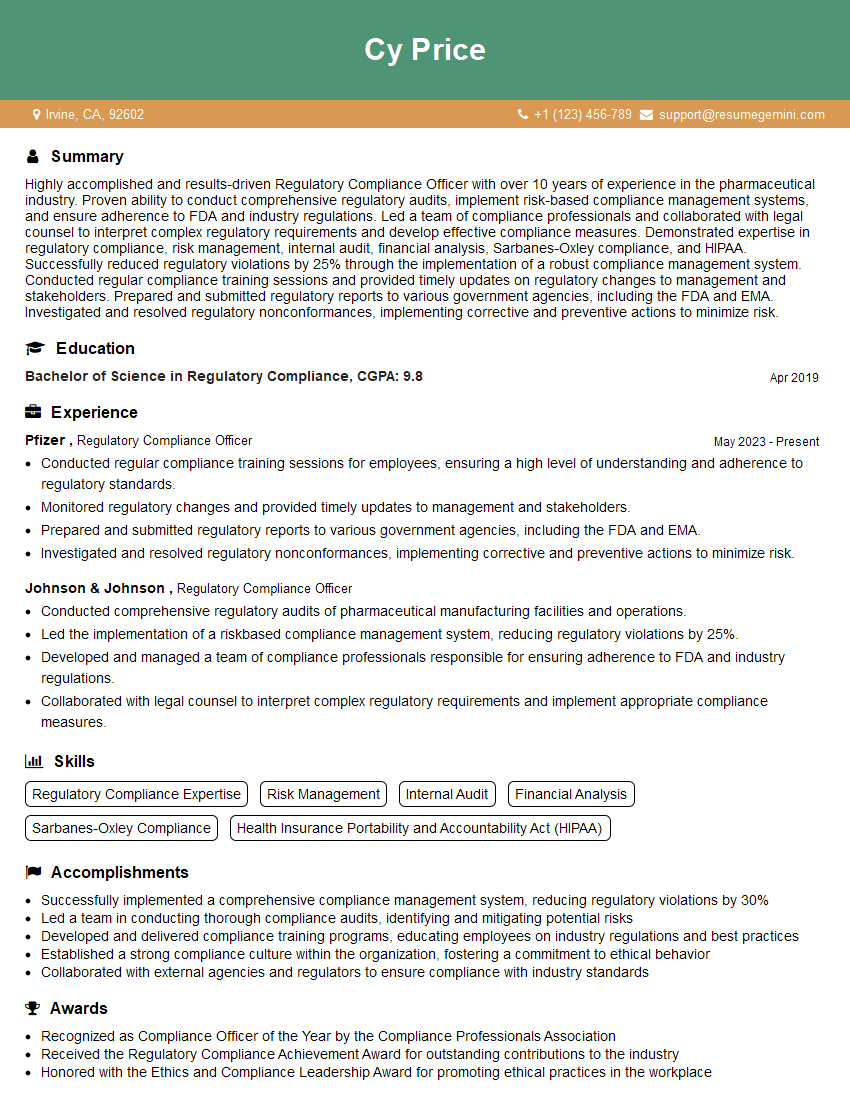
Regulatory Compliance Officer Resume Sample
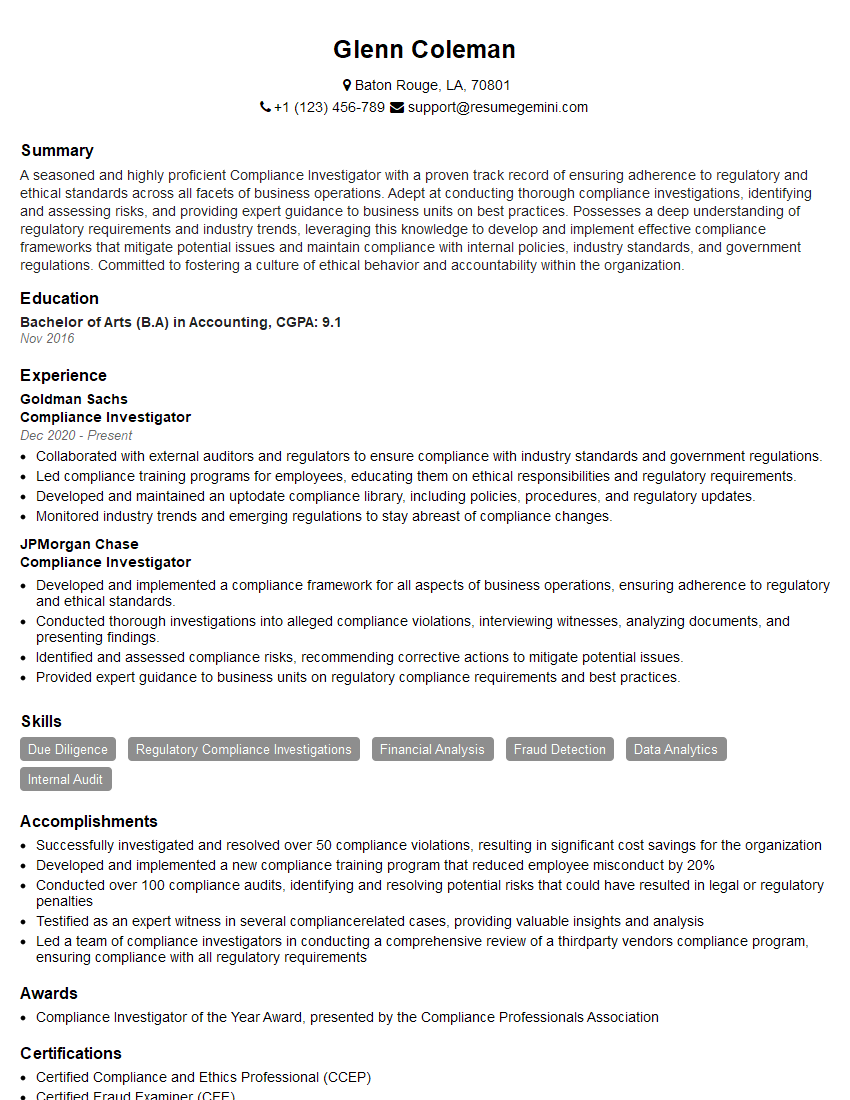
Compliance Investigator Resume Sample
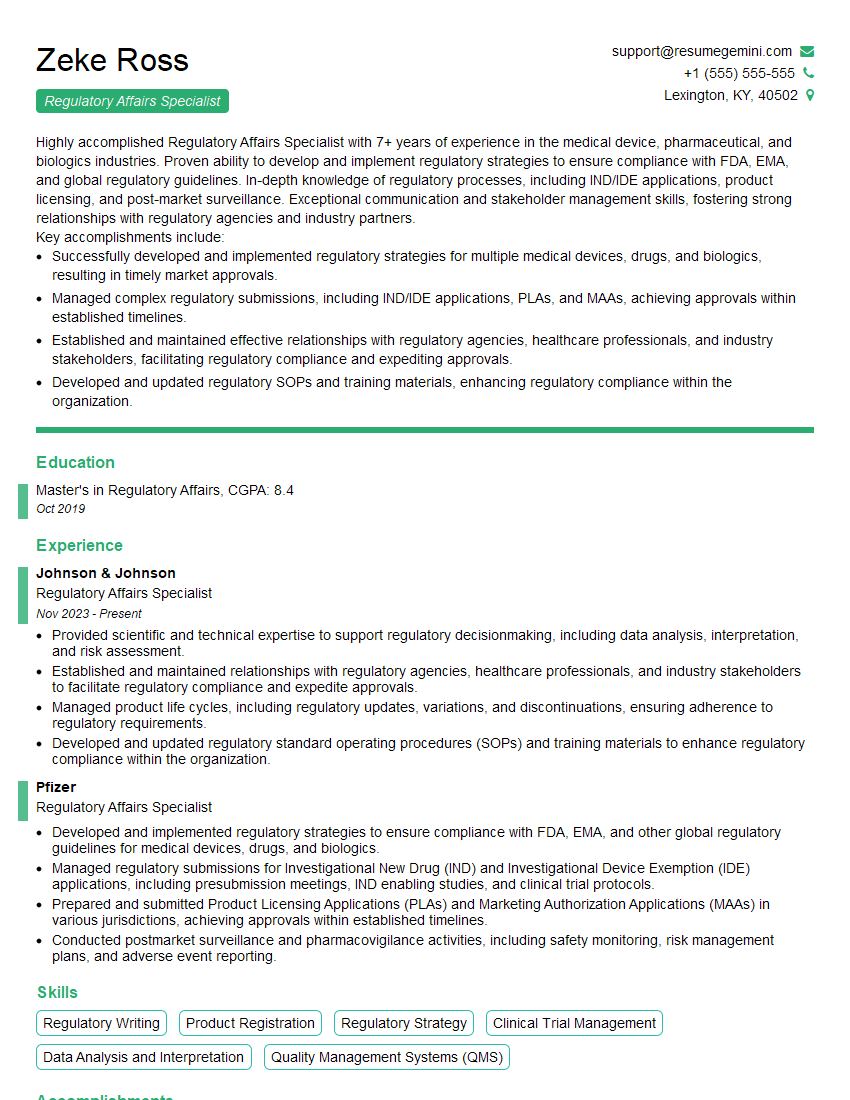
Regulatory Affairs Specialist Resume Sample
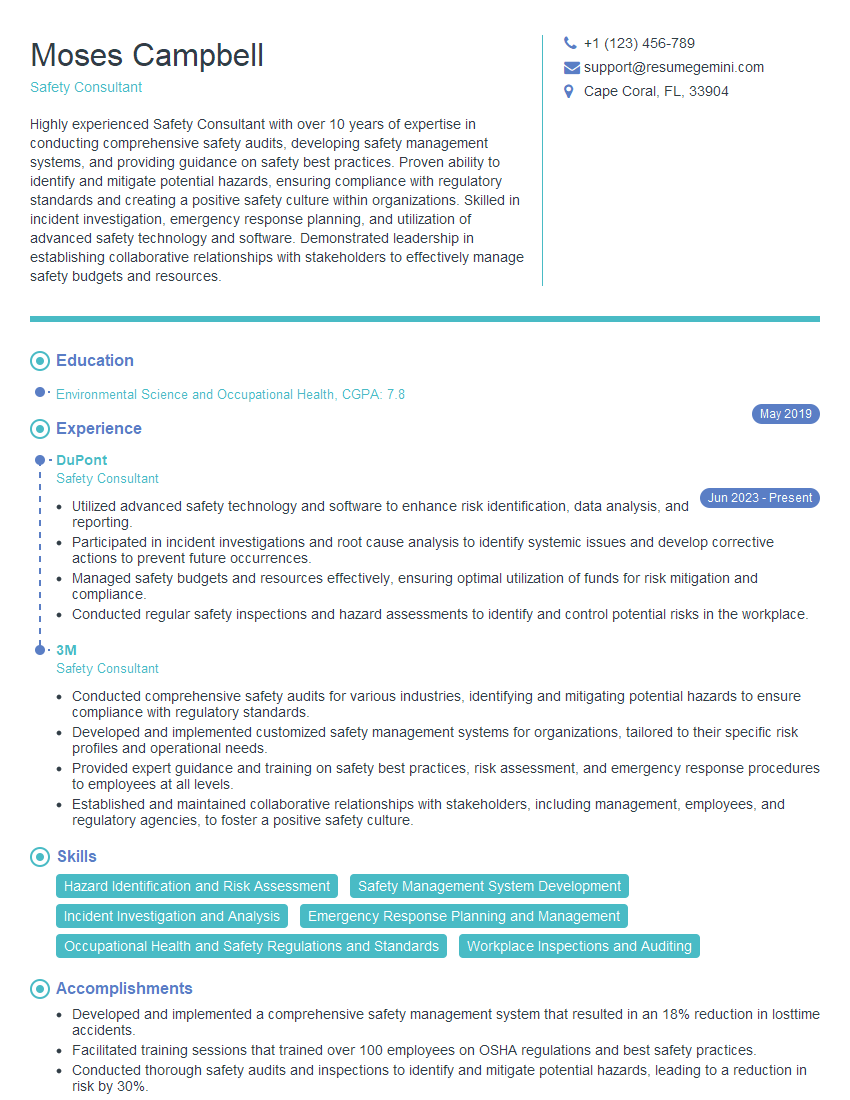
Safety Consultant Resume Sample
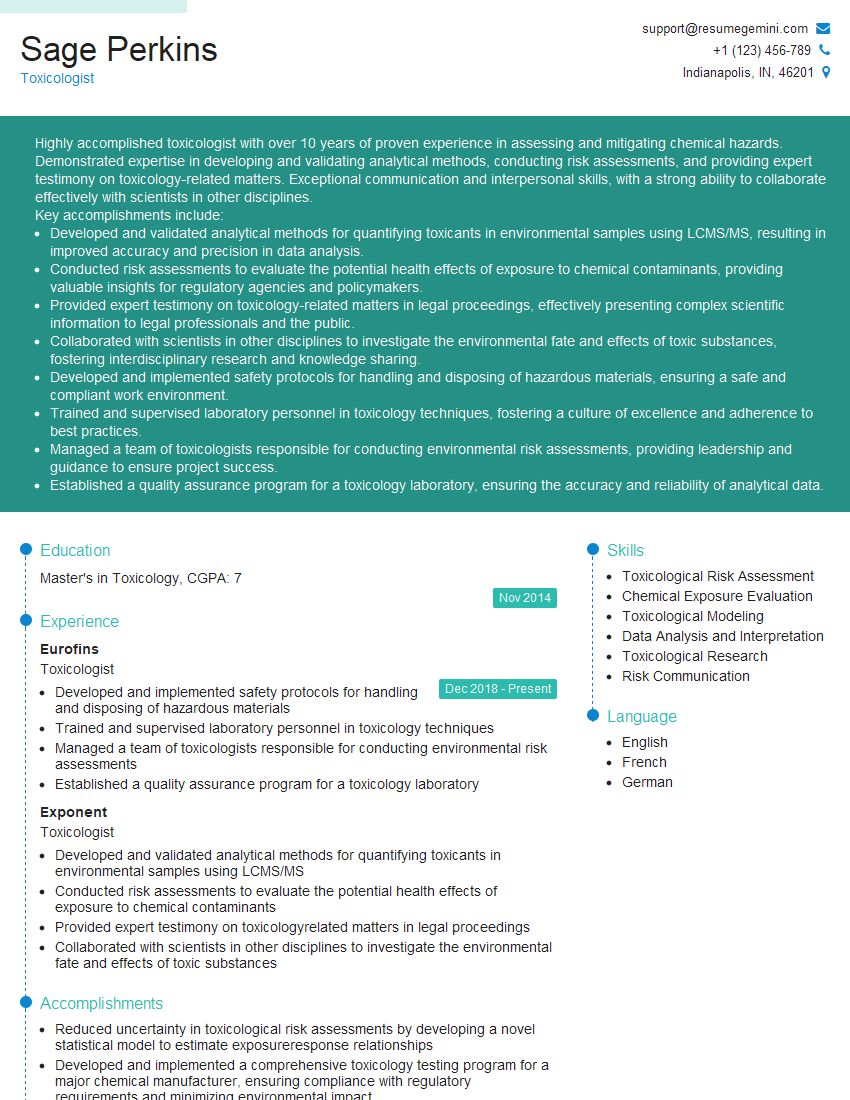
Toxicologist Resume Sample
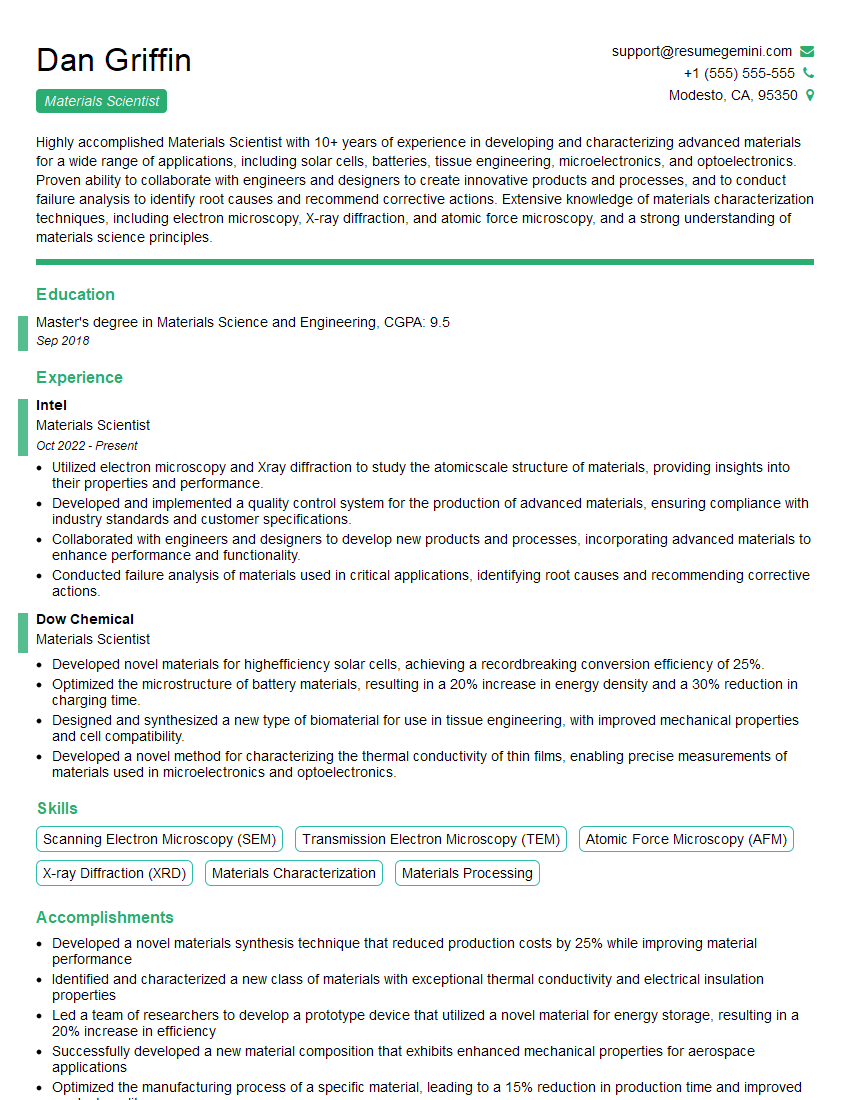
Materials Scientist Resume Sample
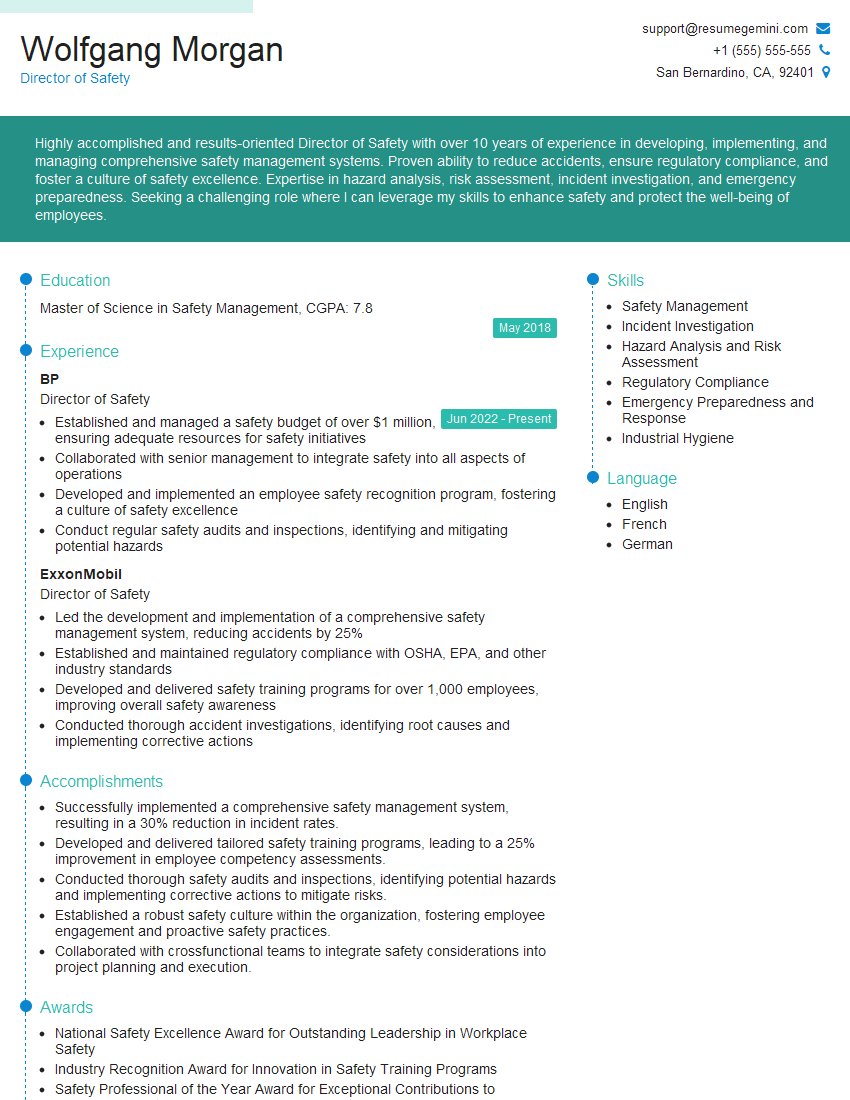
Director of Safety Resume Sample
Explore more articles
Users Rating of Our Blogs
Share Your Experience
We value your feedback! Please rate our content and share your thoughts (optional).
What Readers Say About Our Blog
Really detailed insights and content, thank you for writing this detailed article.
IT gave me an insight and words to use and be able to think of examples