Preparation is the key to success in any interview. In this post, we’ll explore crucial Project Planning and Design interview questions and equip you with strategies to craft impactful answers. Whether you’re a beginner or a pro, these tips will elevate your preparation.
Questions Asked in Project Planning and Design Interview
Q 1. Explain your experience with different project management methodologies (Agile, Waterfall, etc.).
My experience spans a range of project management methodologies, primarily Agile and Waterfall, but also incorporating elements of others like Kanban and Lean depending on project needs. Waterfall, a sequential approach, works best for projects with well-defined requirements and minimal anticipated changes. I’ve used this successfully for software deployments where specifications were fixed. For example, a project involving the development of a simple, static website with clearly outlined content and design would be ideal for a Waterfall approach. Conversely, Agile methodologies, particularly Scrum, are better suited for projects that require flexibility and iterative development. This is crucial when dealing with evolving requirements or when rapid prototyping and feedback are vital. In a recent project involving the development of a mobile app, we used Scrum, holding daily stand-up meetings, sprint reviews, and retrospectives to ensure we were constantly adapting to user feedback and evolving market demands. I find that blending methodologies often yields the best results. For instance, we might use an Agile approach for core development while employing Waterfall-like elements for specific, well-defined components.
Q 2. Describe your process for developing a project schedule.
Developing a project schedule is a meticulous process. I start by defining the project scope, breaking it down into smaller, manageable tasks. Then, I estimate the duration and dependencies of each task. I use a work breakdown structure (WBS) to visually represent this hierarchical breakdown, ensuring nothing is overlooked. Next, I allocate resources, considering individual expertise and availability. Critical path analysis is then performed to identify the longest sequence of tasks determining the shortest possible project duration. This helps pinpoint potential bottlenecks. Finally, I create a Gantt chart or similar visual representation, using tools like Microsoft Project or Jira, to illustrate the schedule, highlighting dependencies and milestones. For example, in a recent construction project, the critical path analysis revealed that foundation work and structural framing were critical for timely completion, requiring focused resource allocation and risk mitigation strategies.
Q 3. How do you identify and mitigate project risks?
Risk identification is proactive. I utilize brainstorming sessions, SWOT analysis (Strengths, Weaknesses, Opportunities, Threats), and checklists tailored to the project type. For instance, in software development, risks might include technical issues, skill shortages, or changing requirements. Once identified, I analyze the likelihood and impact of each risk, prioritizing them based on a risk matrix. Mitigation strategies are then developed, ranging from contingency planning (having backup solutions ready) to risk transfer (outsourcing high-risk tasks) and risk avoidance (altering the project to eliminate the risk altogether). For example, in a marketing campaign, a potential risk is a sudden negative change in public perception of the brand. Mitigation might involve preemptive monitoring of social media and a plan for crisis communication.
Q 4. What are your preferred project planning tools and software?
My preferred project planning tools are versatile and adapt to different project needs. Microsoft Project is excellent for complex projects requiring detailed scheduling and resource allocation. Jira is invaluable for Agile projects, facilitating task management, bug tracking, and sprint planning. For simpler projects or quick task management, I often use Trello or Asana due to their intuitive interfaces and collaborative features. The choice depends on the project’s size, complexity, and the team’s familiarity with the tools. For visual representation and communication, I often use Gantt charts exported from project management software.
Q 5. How do you handle conflicting priorities in a project?
Conflicting priorities are inevitable. My approach is a structured one. First, I clearly define all priorities, using a prioritization matrix that weighs urgency and importance. Then, I facilitate discussions with stakeholders, ensuring transparency and understanding of the constraints and trade-offs involved. Sometimes, compromises are necessary. Prioritization often involves using techniques like MoSCoW (Must have, Should have, Could have, Won’t have) to categorize requirements. In situations where a decision cannot be immediately reached, I document the conflict, proposed solutions, and the rationale behind the chosen course of action for future reference and accountability.
Q 6. Explain your experience with resource allocation and management.
Resource allocation and management are crucial for project success. It begins with identifying all necessary resources—personnel, equipment, budget, materials—and assessing their availability and cost. Then, I create a resource allocation plan, assigning tasks based on skills, availability, and workload capacity. I utilize resource leveling techniques to balance workloads and prevent resource over-allocation, avoiding burnout and delays. Regular monitoring is essential to track resource utilization and address any imbalances promptly. For example, in a software development project, I might use a resource histogram to visualize the workload distribution across developers throughout the project timeline.
Q 7. How do you track project progress and ensure deadlines are met?
Tracking project progress and ensuring timely completion involves a multi-pronged approach. Regular status meetings are held to review progress against the schedule, identify roadblocks, and make necessary adjustments. Project management software is used to monitor task completion, resource allocation, and budget expenditure. Key performance indicators (KPIs) are defined and tracked to measure progress against goals. Progress reports are generated regularly, highlighting achievements, challenges, and planned actions. Early identification of deviations from the plan allows for proactive corrective measures, preventing delays and cost overruns. For instance, using burn-down charts in Agile projects visually tracks the remaining work, providing a clear picture of the project’s trajectory towards its completion.
Q 8. Describe a time you had to make a difficult decision during a project.
One challenging decision I faced involved prioritizing tasks during a website redesign project for a major e-commerce client. We were under a tight deadline, and a crucial feature – the online payment gateway integration – was proving unexpectedly complex. We had two paths: push through with the existing, less-than-ideal payment system, risking customer dissatisfaction and potential losses, or delay the launch to ensure seamless integration.
After carefully weighing the risks and potential impacts on the project timeline, budget, and client satisfaction, I decided to delay the launch by a week. This allowed our development team to properly address the payment gateway integration. While this decision resulted in short-term pressure, it ultimately prevented a much larger problem down the line and significantly improved the customer experience, reinforcing trust with the client.
This decision highlights the importance of risk assessment and proactive problem-solving in project management. Sometimes, delaying a minor component is necessary to avoid catastrophic consequences that could undermine the entire project.
Q 9. How do you communicate project updates to stakeholders?
Effective communication is the cornerstone of successful project management. I tailor my communication approach to the specific needs and preferences of each stakeholder group. For example, I would provide executive-level stakeholders with high-level summaries focusing on key performance indicators (KPIs) and overall project health. For technical teams, I would offer more detailed reports that delve into specific challenges and technical progress.
My approach involves a multi-channel strategy. Regular project status meetings are crucial, supplemented by email updates for detailed information and quick announcements. I also utilize project management software (such as Asana, Jira, or Monday.com) to provide stakeholders with real-time visibility into project progress, task assignments, and potential roadblocks. This transparency fosters trust and facilitates better decision-making. Finally, I always ensure that my communication is clear, concise, and readily understandable, regardless of the technical background of the recipient.
Q 10. How do you create and manage a project budget?
Creating and managing a project budget requires a meticulous and proactive approach. I begin by performing a thorough cost estimation, breaking down the project into its constituent tasks and assigning cost estimates to each. This often involves collaborating with subject matter experts to ensure accuracy. I then develop a detailed budget, allocating funds to specific categories like labor, materials, software licenses, and travel expenses.
Throughout the project lifecycle, I monitor budget spending closely, comparing actual expenditures against the projected budget. I use tools like spreadsheets and project management software to track costs and identify potential overruns early on. If variances emerge, I immediately investigate the causes and implement corrective actions, which might involve renegotiating contracts, re-allocating resources, or even revising the project scope. Regular budget reviews with stakeholders are essential to ensure transparency and accountability. A well-managed budget is crucial for project success and demonstrates fiscal responsibility.
Q 11. What is your experience with project scope management?
Scope management is arguably the most critical aspect of project planning and design. I have extensive experience defining, documenting, and controlling project scope throughout the entire project lifecycle. I use various techniques, including Work Breakdown Structures (WBS) to break down the project into manageable tasks, and Scope Statements to clearly define deliverables and acceptance criteria.
My approach emphasizes establishing a clear and comprehensive scope statement at the outset of the project. This document serves as the foundation for all subsequent activities and provides a shared understanding of the project objectives among all stakeholders. Regular scope reviews are conducted to identify any deviations from the initial plan. Change requests are carefully evaluated, assessed for their impact on time, cost, and quality, and documented formally before implementation. This disciplined approach prevents scope creep – uncontrolled expansion of project requirements – which can significantly derail projects.
Q 12. How do you handle changes to project requirements?
Handling changes to project requirements is a crucial skill in project management. My process starts with a formal change request system. Any proposed change must be submitted in writing, outlining the rationale, impact on the project (time, cost, and scope), and proposed solution. This request is then reviewed by a change control board, typically comprised of key stakeholders, who assess the feasibility and impact of the change.
Once approved, the change is formally documented, and the project plan is updated accordingly. This might involve adjusting the timeline, budget, or even re-defining some tasks. Transparency and communication are paramount during this process. Stakeholders need to be informed about the change, its implications, and the steps taken to accommodate it. Refusing changes outright is sometimes necessary if the impact is too significant or if it conflicts with project goals. This requires skillful negotiation and explanation to avoid conflict.
Q 13. Explain your approach to quality control in project planning and design.
Quality control is an iterative process that permeates all phases of project planning and design. My approach incorporates quality checks at each stage. This includes regular reviews of project documentation, code inspections (for software projects), and design reviews. We use checklists and standardized templates to ensure consistency and adherence to quality standards.
Furthermore, I encourage continuous improvement through regular feedback sessions with team members and stakeholders. We proactively identify and address potential quality issues early in the development process. For example, in a software development project, implementing unit testing, integration testing, and user acceptance testing helps to identify and rectify bugs and usability issues before the final product release. The ultimate goal is to deliver a high-quality product that meets or exceeds client expectations.
Q 14. How do you measure project success?
Measuring project success goes beyond simply delivering a product on time and within budget. I use a multi-faceted approach, considering several key metrics. These include on-time and on-budget delivery, as these remain fundamental benchmarks. However, equally crucial is assessing whether the project met its stated objectives and delivered the intended value to the client.
I also look at client satisfaction – through feedback surveys and post-project reviews. Measuring the impact of the project on the client’s business objectives is also very important. Did the project increase efficiency, reduce costs, or improve customer satisfaction? These broader metrics provide a more holistic view of success than focusing solely on the immediate deliverables. Regular monitoring of these metrics throughout the project and a post-project evaluation helps identify areas for improvement in future endeavors.
Q 15. Describe your experience with project closure and documentation.
Project closure is more than just wrapping things up; it’s a systematic process ensuring all deliverables are completed, documented, and formally accepted by stakeholders. Effective documentation is crucial for future reference, auditing, and knowledge transfer. My experience involves conducting thorough reviews of project deliverables against the original scope and requirements, obtaining formal sign-off from clients or management, and archiving all project-related documents in a centralized, easily accessible repository.
This includes, but is not limited to, final reports summarizing project achievements, challenges encountered, and lessons learned; detailed documentation of the project’s technical aspects; and a comprehensive financial summary detailing expenditures and any variances from the budget. I also ensure that all project assets, both physical and digital, are properly handled, often involving the creation of detailed handover documentation for maintenance or future development.
For example, on a recent software implementation project, I developed a detailed user manual, comprehensive training materials, and a post-implementation support plan. This not only ensured a smooth transition for the client but also provided a valuable resource for future troubleshooting and upgrades. Proper closure also involves conducting a post-project review session with the team to analyze successes, areas for improvement, and lessons learned for future projects.
Career Expert Tips:
- Ace those interviews! Prepare effectively by reviewing the Top 50 Most Common Interview Questions on ResumeGemini.
- Navigate your job search with confidence! Explore a wide range of Career Tips on ResumeGemini. Learn about common challenges and recommendations to overcome them.
- Craft the perfect resume! Master the Art of Resume Writing with ResumeGemini’s guide. Showcase your unique qualifications and achievements effectively.
- Don’t miss out on holiday savings! Build your dream resume with ResumeGemini’s ATS optimized templates.
Q 16. What are some common challenges you encounter in project planning?
Project planning, while seemingly straightforward, presents several challenges. One of the most common is incomplete or inaccurate requirements. Without a clear understanding of the project’s goals and deliverables, it’s difficult to develop a robust plan. Another significant hurdle is scope creep – the tendency for projects to expand beyond their initially defined boundaries, leading to delays and cost overruns.
Resource constraints, including limited budget, personnel, or technology, frequently complicate project planning. Accurate estimation of time and resources is also critical, and underestimation is a common pitfall. This can lead to unrealistic deadlines and increased pressure on the team. Finally, unforeseen risks and issues can significantly impact project schedules and deliverables, necessitating proactive risk management strategies.
Consider a construction project: If the initial site survey is inadequate, unexpected underground utilities could derail the schedule and budget. Similarly, if the team lacks the expertise required for a specific task, delays and errors may arise. Effective planning involves anticipating and mitigating these potential problems through comprehensive risk assessments and contingency planning.
Q 17. How do you prioritize tasks within a project?
Task prioritization is crucial for efficient project management. I typically use a combination of techniques, adapting them to the specific project context. A widely used approach is the Eisenhower Matrix (Urgent/Important), which helps categorize tasks based on urgency and importance. This allows focusing on high-impact activities first.
Another method is MoSCoW analysis (Must have, Should have, Could have, Won’t have), which helps stakeholders prioritize features or functionalities based on their necessity. This prioritization framework is particularly useful in agile environments where scope flexibility is needed. Finally, I leverage dependency analysis to identify tasks that must be completed before others can begin, ensuring a logical flow of work. This often involves creating a Work Breakdown Structure (WBS) and a project network diagram.
For example, in a software development project, testing might be categorized as ‘Must have’ while advanced reporting features might be ‘Should have’ depending on the project goals. Prioritizing tasks in this structured way ensures that the most critical elements are addressed first, maximizing the project’s value within resource constraints.
Q 18. Explain your understanding of critical path analysis.
Critical Path Analysis (CPA) is a crucial project management technique used to identify the longest sequence of tasks in a project network, determining the shortest possible project duration. The critical path represents the activities that cannot be delayed without impacting the overall project completion date. Any delay in a critical path task directly impacts the project’s finish date.
CPA involves creating a network diagram illustrating the dependencies between tasks. Each task is assigned a duration, and the critical path is determined through calculations. Software tools can automate this process, providing visualizations and insights into task dependencies and potential bottlenecks. Understanding the critical path is fundamental for effective resource allocation and schedule management.
Imagine building a house: Laying the foundation is a critical path activity; it must be completed before the walls can be erected. Similarly, installing the electrical system might be on the critical path as many other tasks depend on its completion. Identifying these critical path activities allows the project manager to focus resources and attention on them, ensuring timely completion.
Q 19. How do you manage stakeholder expectations?
Managing stakeholder expectations is paramount for project success. It involves clearly communicating project goals, timelines, and potential risks to all stakeholders throughout the project lifecycle. This requires establishing effective communication channels, regular updates (both formal and informal), and proactive issue management. Transparency is crucial.
A well-defined communication plan, including the frequency and methods of communication (meetings, emails, reports), helps ensure everyone is informed. Regular stakeholder meetings provide opportunities for feedback and address concerns, fostering collaboration and buy-in. It’s also important to actively listen to stakeholder concerns, acknowledging their perspectives and addressing their needs appropriately. When expectations are unrealistic or conflicting, a collaborative approach to negotiation and compromise is often necessary.
For instance, in a website redesign project, regular demonstrations of progress to the client can manage their expectations and ensure the final product aligns with their vision. Active listening to their feedback throughout the process allows for adjustments, avoiding misunderstandings and potential conflicts at the end.
Q 20. Describe your experience with conflict resolution within a project team.
Conflict resolution is an inevitable aspect of project management. My approach involves a combination of proactive measures and responsive strategies. Proactively, I focus on building a strong team culture based on trust, respect, and open communication. This helps prevent many conflicts before they arise. When conflicts do occur, I encourage open dialogue and facilitate constructive discussions among team members.
My approach usually follows these steps: 1. Identify the root cause of the conflict, understanding the individual perspectives involved. 2. Facilitate a neutral environment where all parties can express their concerns without interruption. 3. Explore potential solutions collaboratively, seeking mutually acceptable outcomes. 4. Document the agreed-upon solution and ensure that everyone understands their responsibilities. 5. Monitor the situation after the conflict is resolved, ensuring that the solution remains effective.
In one project, a disagreement arose between the developers and designers regarding the feasibility of a design element. By facilitating a discussion focusing on technical constraints and creative alternatives, we reached a compromise that satisfied both parties, resulting in a superior outcome. This highlights the importance of effective communication and collaborative problem-solving in navigating team conflicts.
Q 21. How do you ensure project teams remain motivated and engaged?
Maintaining team motivation and engagement is crucial for successful project completion. I employ a multi-faceted approach, focusing on individual needs and team dynamics. This starts with clearly defined roles, responsibilities, and expectations, ensuring everyone understands their contribution to the overall goal. Regular recognition and appreciation for individual and team achievements are important, boosting morale and fostering a sense of accomplishment.
Furthermore, creating a positive and supportive team environment is vital. This might involve team-building activities, open communication channels, and opportunities for collaboration and knowledge sharing. Providing regular feedback, both positive and constructive, helps team members grow and develop their skills. Empowering team members by giving them autonomy and ownership over their tasks can significantly increase engagement and motivation.
For example, on a complex project, I implemented weekly ‘wins’ sessions where the team shared their successes and challenges. This fostered open communication, team spirit, and a sense of shared purpose. Additionally, I ensured opportunities for skill development and career advancement, making the project a valuable learning experience for team members, leading to higher engagement and satisfaction.
Q 22. What is your experience with project procurement and contracting?
My experience with project procurement and contracting spans over a decade, encompassing various methodologies from simple purchase orders to complex, multi-million dollar, internationally sourced contracts. I’m proficient in all stages, from defining requirements and creating a Request for Proposal (RFP) to vendor selection, negotiation, contract award, and performance management. I understand the critical importance of risk mitigation within contracts, ensuring clear deliverables, timelines, and payment schedules. I’ve successfully managed contracts using both fixed-price and time-and-materials models, adapting my approach based on project specifics and risk tolerance. For example, in a recent software development project, we opted for an Agile contracting approach with iterative deliverables and regular feedback sessions, minimizing risk associated with evolving requirements.
I’m also experienced in managing compliance with relevant regulations and legal frameworks, ensuring contracts protect the interests of all parties involved. This includes understanding and managing intellectual property rights, liability clauses, and dispute resolution mechanisms.
Q 23. How do you use data and analytics to improve project outcomes?
Data and analytics are integral to my project management approach. I utilize data throughout the project lifecycle, from initial planning to final evaluation. During planning, I leverage historical data to establish realistic timelines and resource allocation. For example, using past project data, I can predict potential delays based on similar project complexities and resource demands. During execution, I actively track key performance indicators (KPIs) such as progress against schedule, budget adherence, and quality metrics. Real-time dashboards and reports are essential in identifying potential issues proactively.
I use statistical analysis to identify trends and patterns in data, enabling data-driven decision-making. If a trend suggests a specific task is consistently delayed, for instance, I’ll analyze the root cause and implement corrective actions. Post-project, I conduct a thorough analysis to learn from both successes and failures, improving future projects. This involves analyzing project performance against the baseline plan, identifying areas of efficiency and inefficiency, and extracting valuable lessons learned to continuously enhance my project management approach.
Q 24. How do you incorporate feedback from stakeholders into project planning?
Incorporating stakeholder feedback is paramount to project success. I actively engage stakeholders throughout the project lifecycle using various communication channels, including regular meetings, surveys, and feedback forms. I establish clear communication plans at the outset of the project, outlining how and when feedback will be collected and considered. This transparency builds trust and ensures everyone feels heard.
I categorize stakeholder feedback, identifying critical issues needing immediate attention from minor suggestions. I use a structured process to analyze and prioritize feedback, ensuring it’s incorporated into the project plan in a timely manner. For instance, if a key stakeholder expresses concern about a specific design element, I’ll schedule a meeting to discuss their concerns and incorporate changes as needed, documenting those changes and their impact on the project plan. Regular progress reports detailing how stakeholder feedback has been addressed reinforce commitment and ensure alignment. By actively listening to and responding to feedback, I build stronger relationships with stakeholders and increase the likelihood of project success.
Q 25. Describe a time you had to deal with a significant project delay.
During a large-scale infrastructure project, we encountered a significant delay due to unforeseen geological challenges. Initial surveys had underestimated the complexity of the terrain, leading to delays in excavation and foundation work. Upon discovering the issue, I immediately convened a meeting with the project team, contractors, and key stakeholders. We used a problem-solving framework, breaking down the issue into manageable components:
- Identify the root cause: Inadequate geological survey data.
- Assess the impact: Significant delay in project timeline and potential budget overruns.
- Develop solutions: We explored several options, including revised excavation techniques, bringing in specialized geological consultants, and negotiating contract extensions with the contractors.
- Implement the solution: We opted for a combination of solutions, implementing revised excavation techniques and engaging specialists to expedite the process. We also used Earned Value Management (EVM) to closely track progress and proactively identify and address potential risks.
- Monitor and control: Regular progress meetings and transparent communication with stakeholders were crucial in mitigating the impact of the delay. We provided realistic updates and discussed contingency plans.
While the delay was significant, our proactive response minimized the overall impact on the project’s success. This experience highlighted the importance of thorough risk assessment and contingency planning from the project’s initiation.
Q 26. What is your experience with project post-implementation review?
Project post-implementation review (PIR) is crucial for continuous improvement. My approach to PIRs involves a structured process focusing on lessons learned, identifying both successes and areas for improvement. This typically includes gathering data from various sources, including project documentation, stakeholder feedback, and performance metrics. I organize a formal PIR meeting with key stakeholders to collectively analyze the data and identify key insights. The meeting involves a structured discussion, using techniques such as root cause analysis to pinpoint contributing factors to both positive and negative outcomes.
The output of the PIR is a documented report outlining key findings, lessons learned, and recommendations for future projects. This report is shared with relevant teams and stakeholders to inform future planning and decision-making. For instance, a PIR from a previous project highlighted a lack of clarity in the initial project scope, resulting in significant rework. This finding led to a refinement of our requirements gathering process in subsequent projects, significantly enhancing the clarity and accuracy of project scope documents. The PIR process enables continuous improvement and ensures projects learn from past experiences, leading to improved outcomes in the future.
Q 27. How do you utilize project management software to track progress and communicate effectively?
I’m proficient in various project management software, including Microsoft Project, Jira, Asana, and Monday.com. My selection depends on project specifics and stakeholder preferences. I use these tools to track project progress, manage tasks, and enhance communication effectively. For instance, in a recent project using Jira, I configured dashboards to monitor task completion rates, identify bottlenecks, and track resource utilization. This allowed for proactive risk management and enhanced team coordination.
These tools facilitate transparent communication, allowing for real-time updates and progress visibility for all stakeholders. I utilize features such as progress reports, Gantt charts, and burn-down charts to visualize project status and ensure everyone remains informed. Furthermore, I leverage the communication features within these platforms – comments, notifications, and shared documents – to streamline information flow and enhance team collaboration. The integration capabilities of these tools, allowing for synchronization with other business systems, further enhance efficiency and data accuracy.
Q 28. What are your strategies for optimizing resource utilization in a project?
Optimizing resource utilization is key to project success and involves careful planning and ongoing monitoring. I use several strategies to achieve this. Firstly, I conduct a thorough resource assessment at the project’s outset, identifying the skills, expertise, and availability of team members and other resources. This assessment informs the resource allocation plan, ensuring the right people are assigned to the right tasks.
Secondly, I employ techniques like resource leveling and smoothing to balance workloads and prevent resource over-allocation. Resource leveling ensures that resource utilization remains within optimal limits, while smoothing focuses on reducing peaks and valleys in resource demand, resulting in a more consistent workflow. Thirdly, I leverage project management software to track resource allocation and utilization in real-time, allowing for proactive adjustments as the project progresses. For instance, if I notice a team member is overloaded, I’ll re-allocate tasks or consider bringing in additional resources to prevent delays. Finally, regular communication with team members ensures their feedback is incorporated, leading to a more efficient and productive work environment.
Key Topics to Learn for Project Planning and Design Interview
- Project Scope Management: Defining clear objectives, deliverables, and constraints. Practical application: Developing a detailed work breakdown structure (WBS) for a complex project.
- Scheduling & Time Management: Utilizing techniques like Critical Path Method (CPM) and Gantt charts. Practical application: Creating realistic project timelines and managing dependencies effectively.
- Resource Allocation & Management: Optimizing resource utilization (human, material, financial). Practical application: Developing a resource loading chart and addressing potential resource conflicts.
- Risk Management: Identifying, assessing, and mitigating potential project risks. Practical application: Creating a risk register and developing contingency plans.
- Cost Estimation & Budgeting: Developing accurate project budgets and tracking expenses. Practical application: Utilizing various estimation techniques (e.g., bottom-up, top-down) and creating a cost baseline.
- Communication & Stakeholder Management: Effective communication strategies and managing stakeholder expectations. Practical application: Developing a communication plan and regularly reporting project progress.
- Project Monitoring & Control: Tracking progress, identifying variances, and implementing corrective actions. Practical application: Utilizing earned value management (EVM) to monitor project performance.
- Agile methodologies (e.g., Scrum, Kanban): Understanding and applying agile principles in project execution. Practical application: Describing your experience with sprints, daily stand-ups, and backlog management.
- Project Closure & Evaluation: Formalizing project completion and conducting a post-project review. Practical application: Documenting lessons learned and identifying areas for improvement.
Next Steps
Mastering Project Planning and Design is crucial for career advancement in today’s dynamic project-driven environment. It demonstrates your ability to lead, manage, and deliver successful projects, significantly enhancing your value to any organization. To maximize your job prospects, crafting an ATS-friendly resume is essential. ResumeGemini is a trusted resource that can help you build a professional resume that highlights your skills and experience effectively. Take advantage of their tools and resources, including examples of resumes tailored to Project Planning and Design, to create a compelling application that grabs the attention of recruiters and hiring managers. Invest the time – it will pay off!
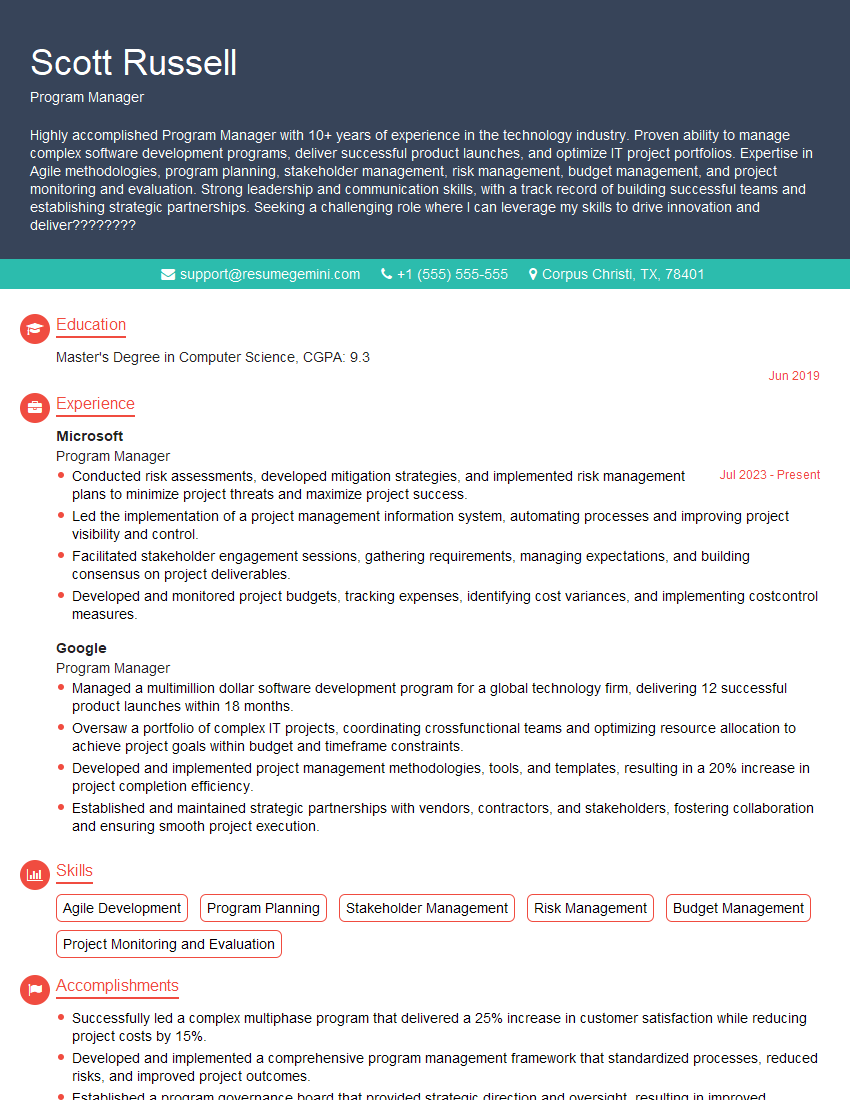
Program Manager Resume Sample
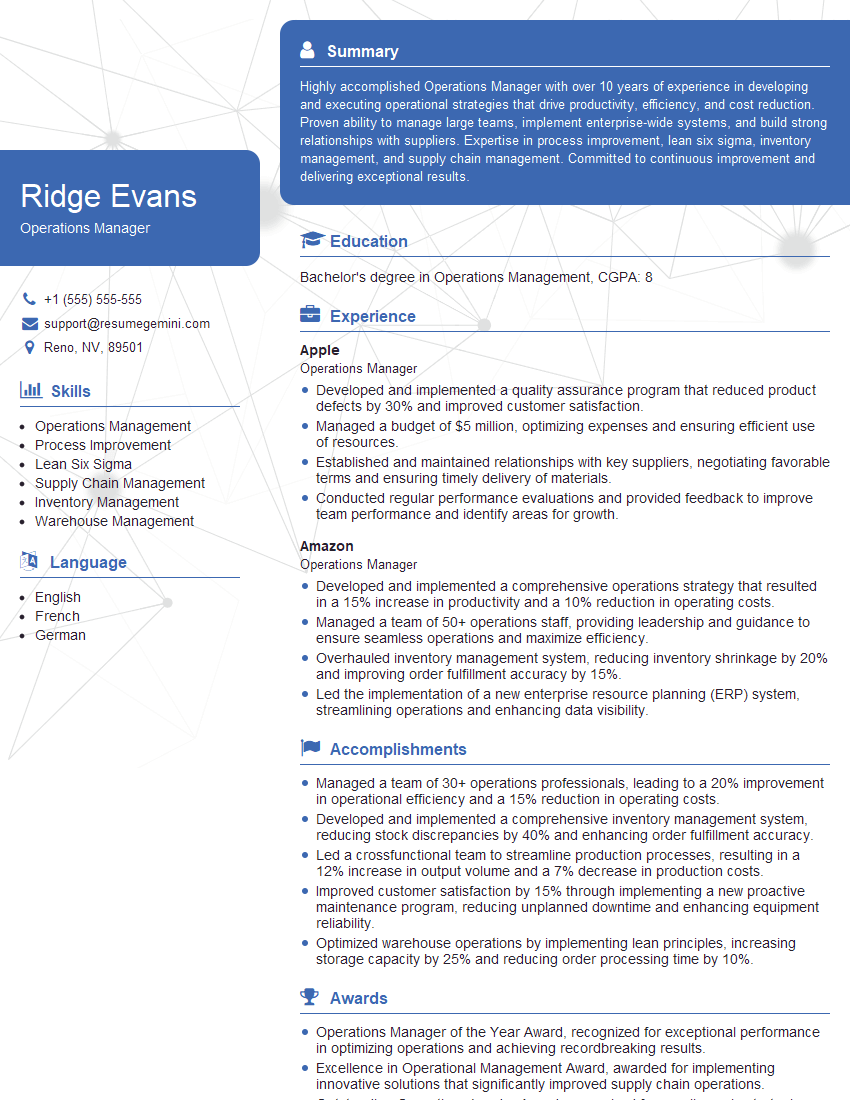
Operations Manager Resume Sample
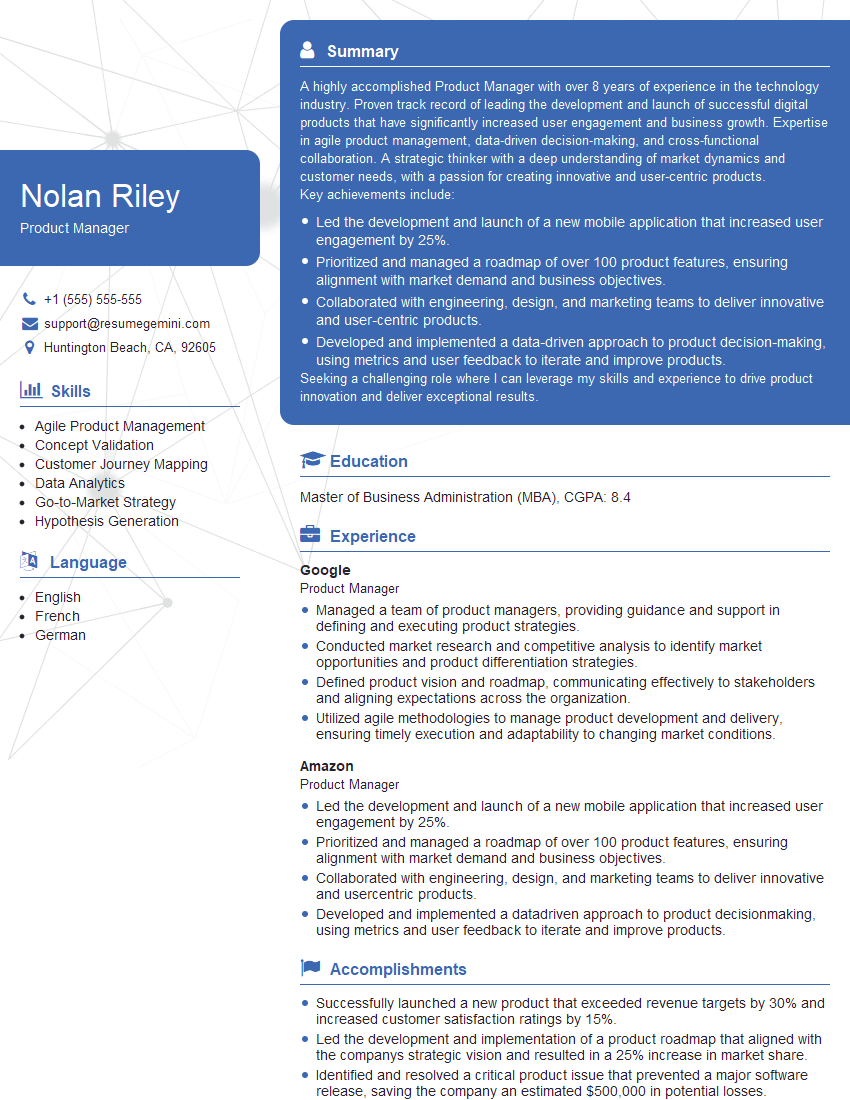
Product Manager Resume Sample
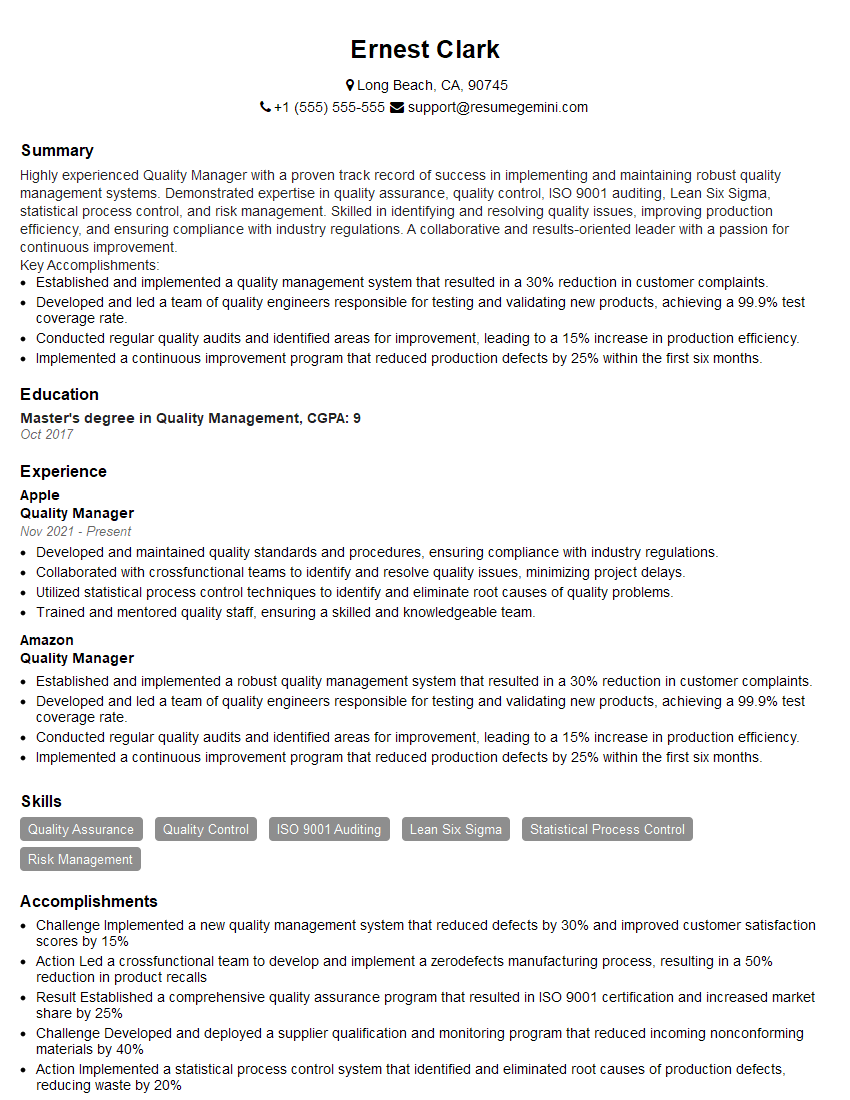
Quality Manager Resume Sample
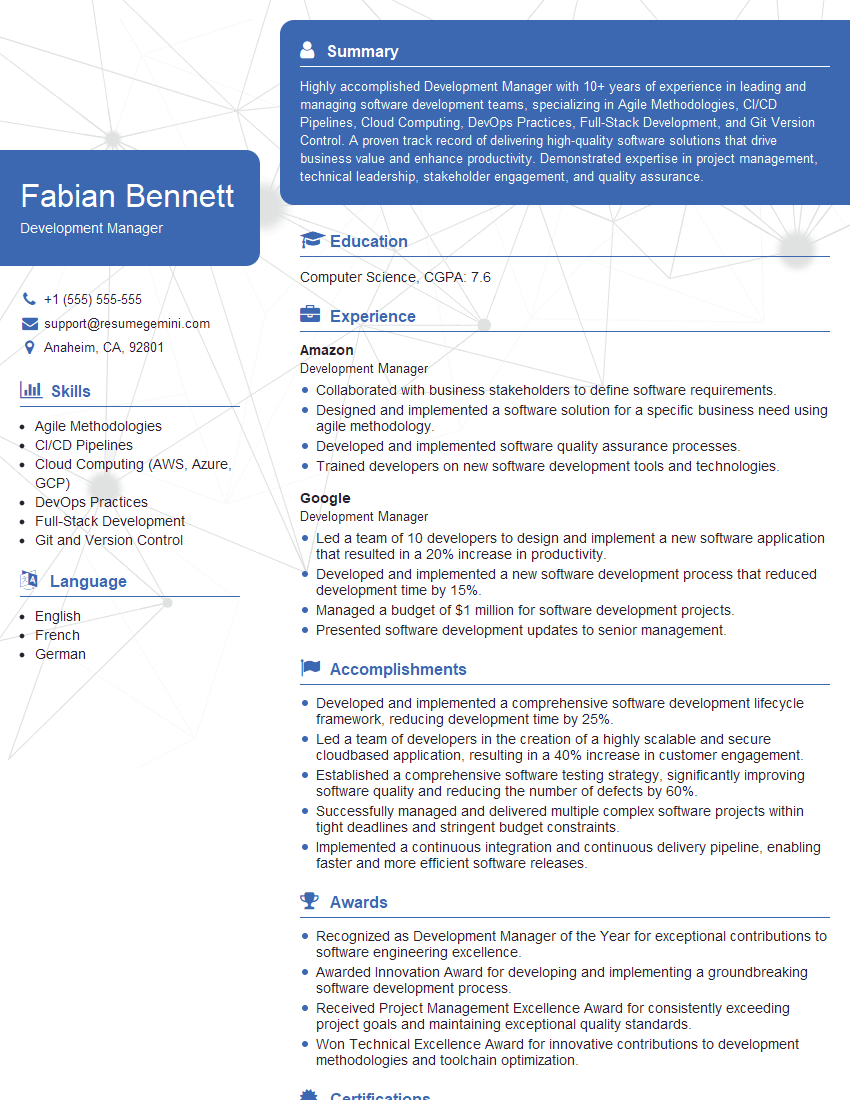
Development Manager Resume Sample
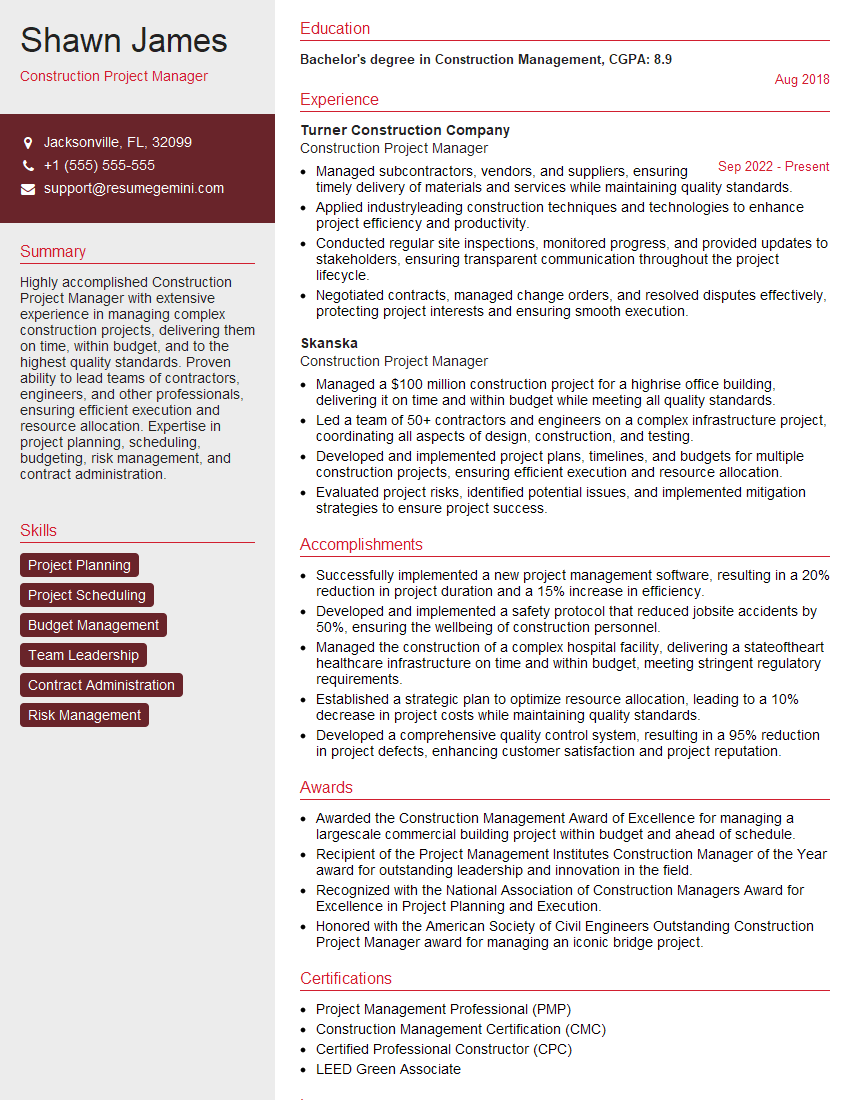
Construction Project Manager Resume Sample
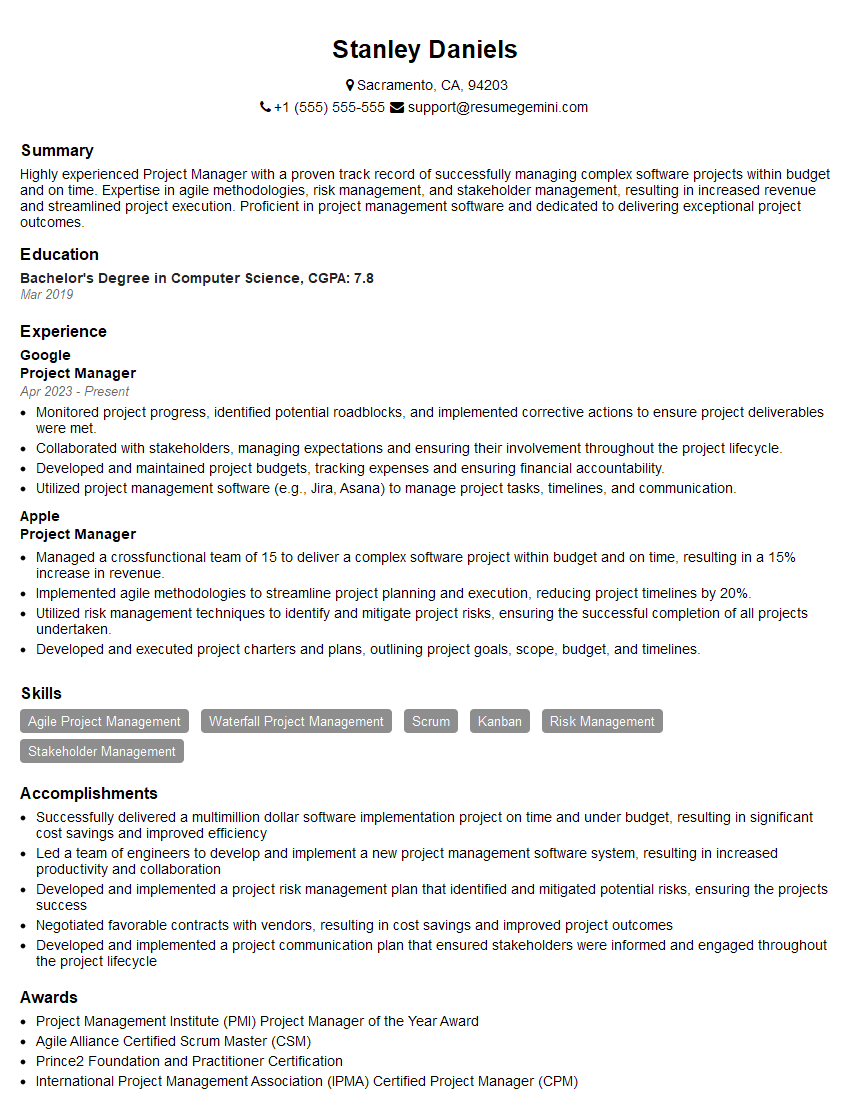
Project Manager Resume Sample
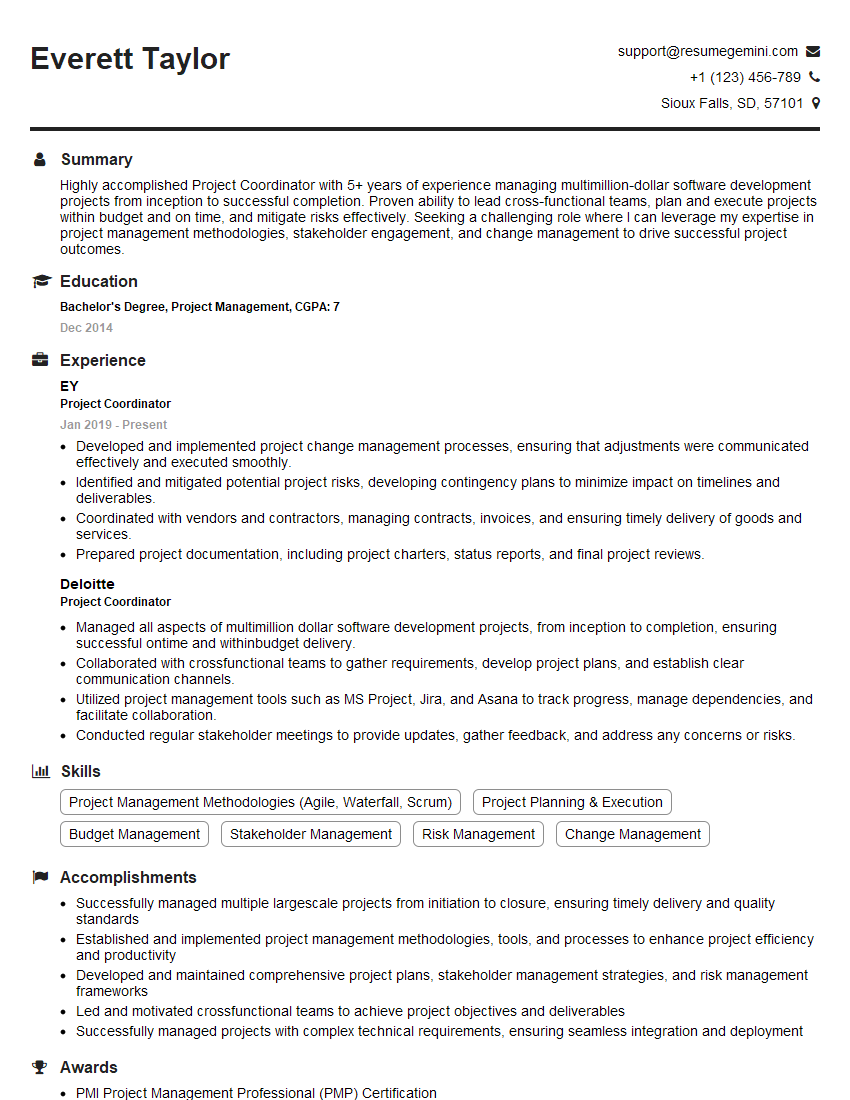
Project Coordinator Resume Sample

Project Engineer Resume Sample
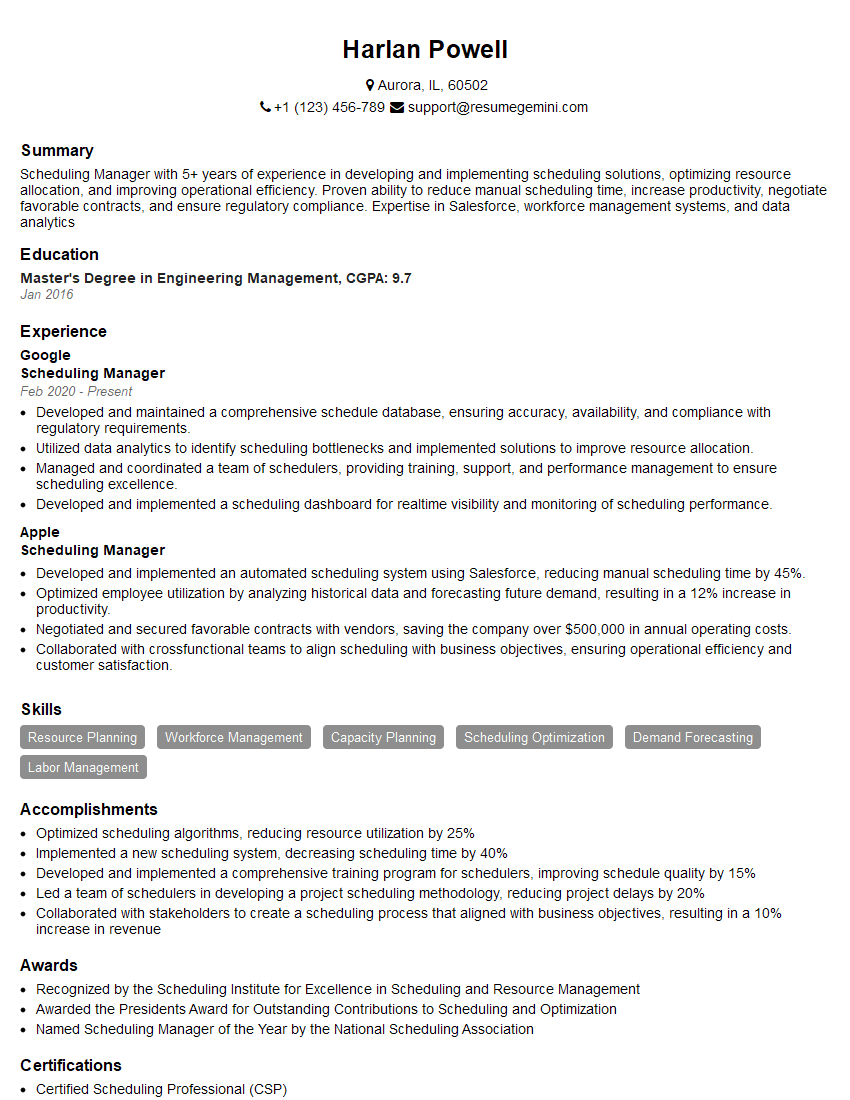
Scheduling Manager Resume Sample
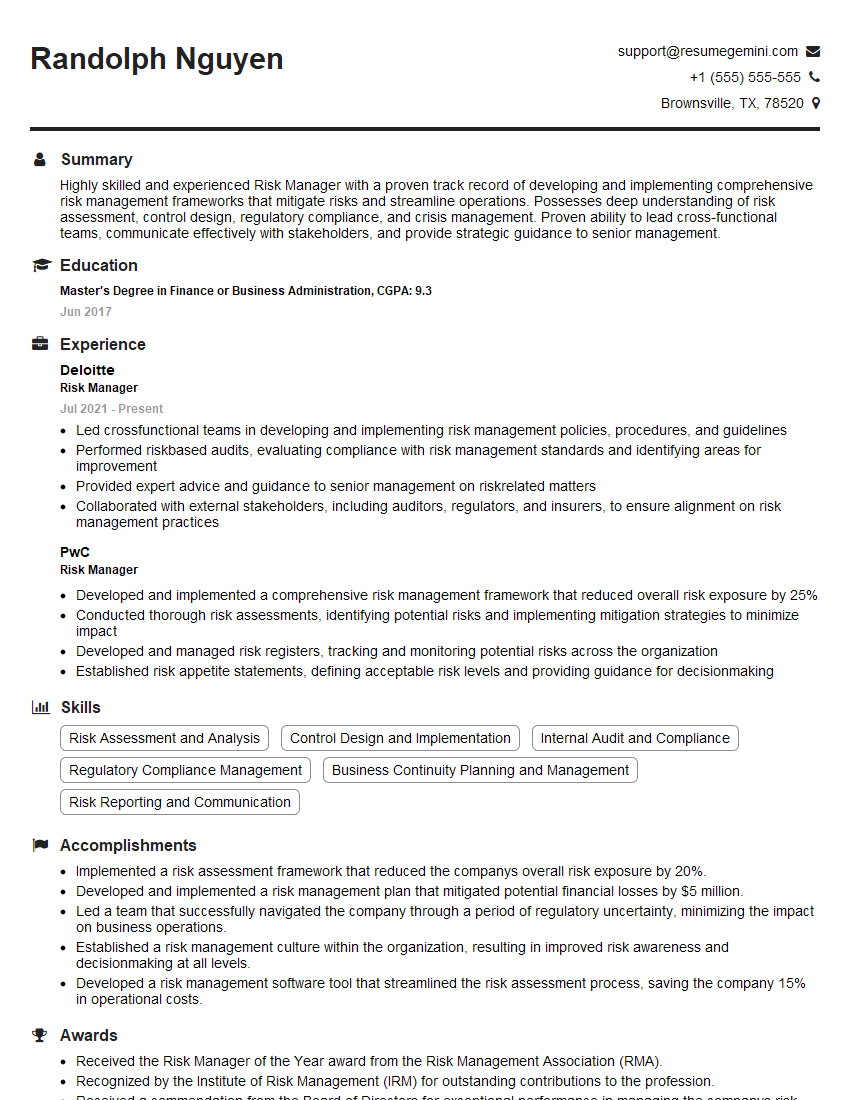
Risk Manager Resume Sample
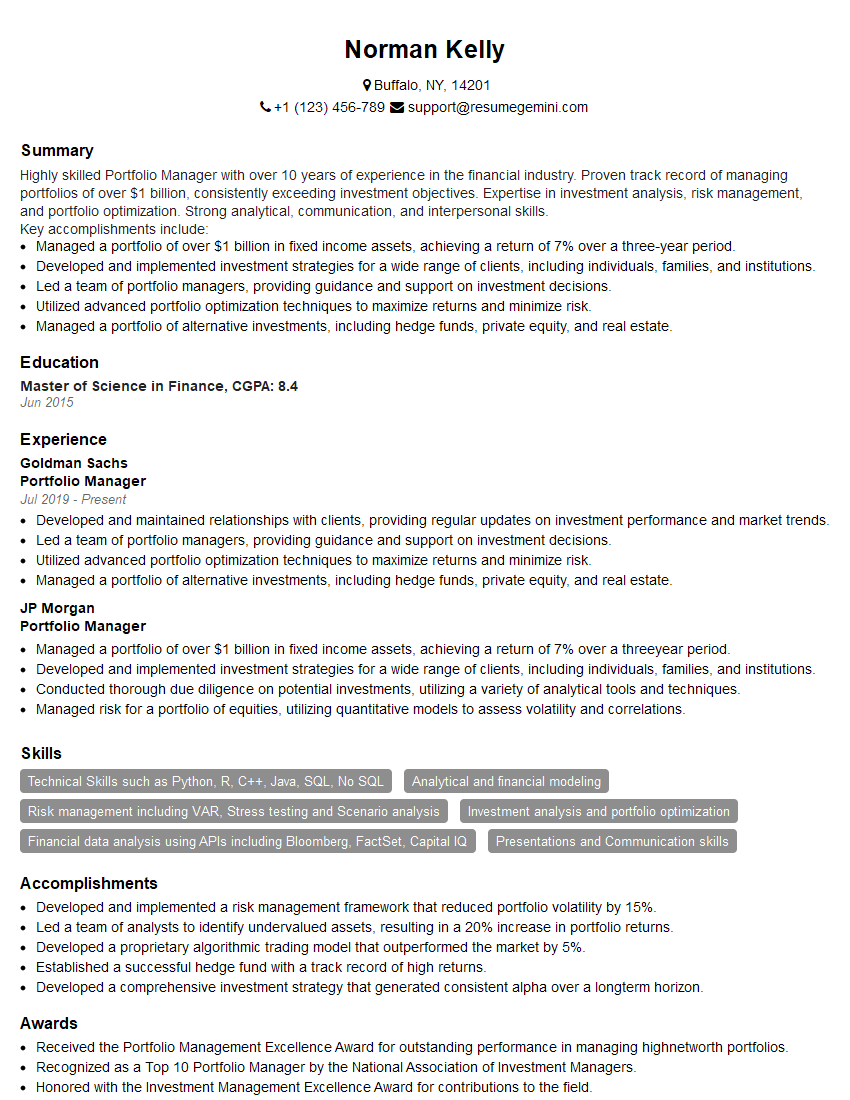
Portfolio Manager Resume Sample
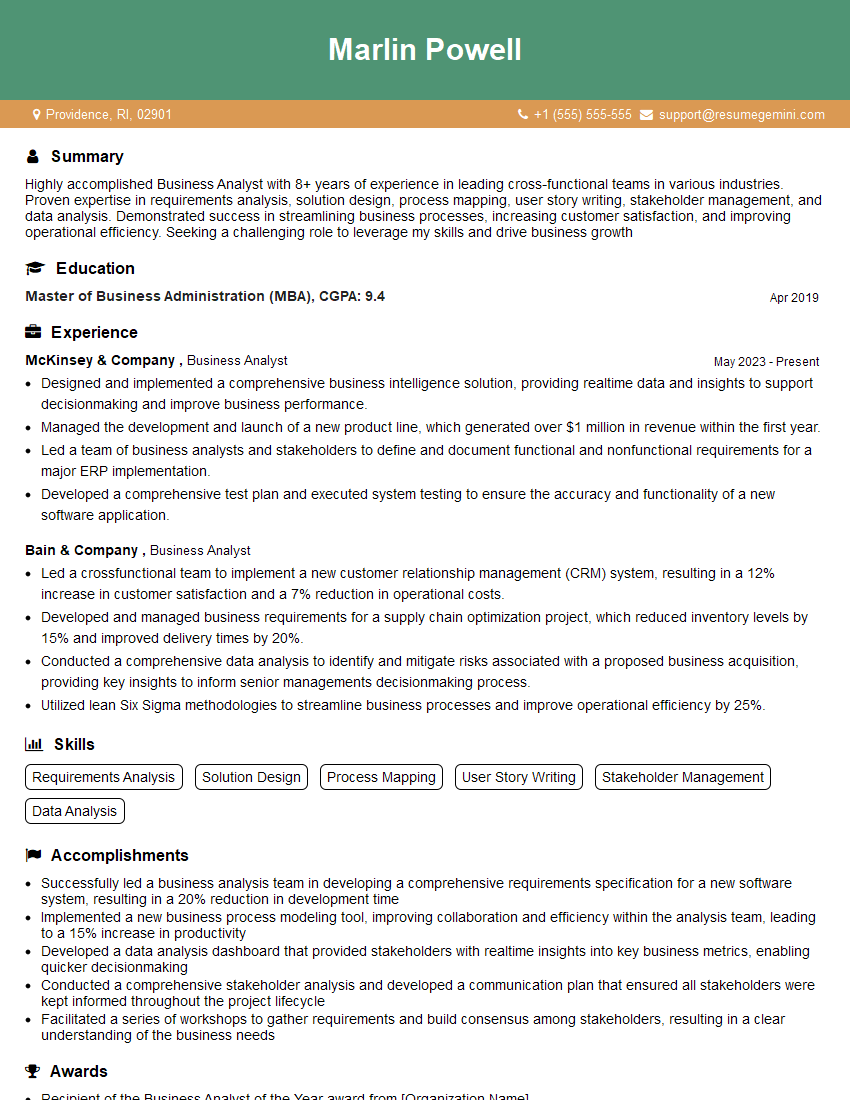
Business Analyst Resume Sample
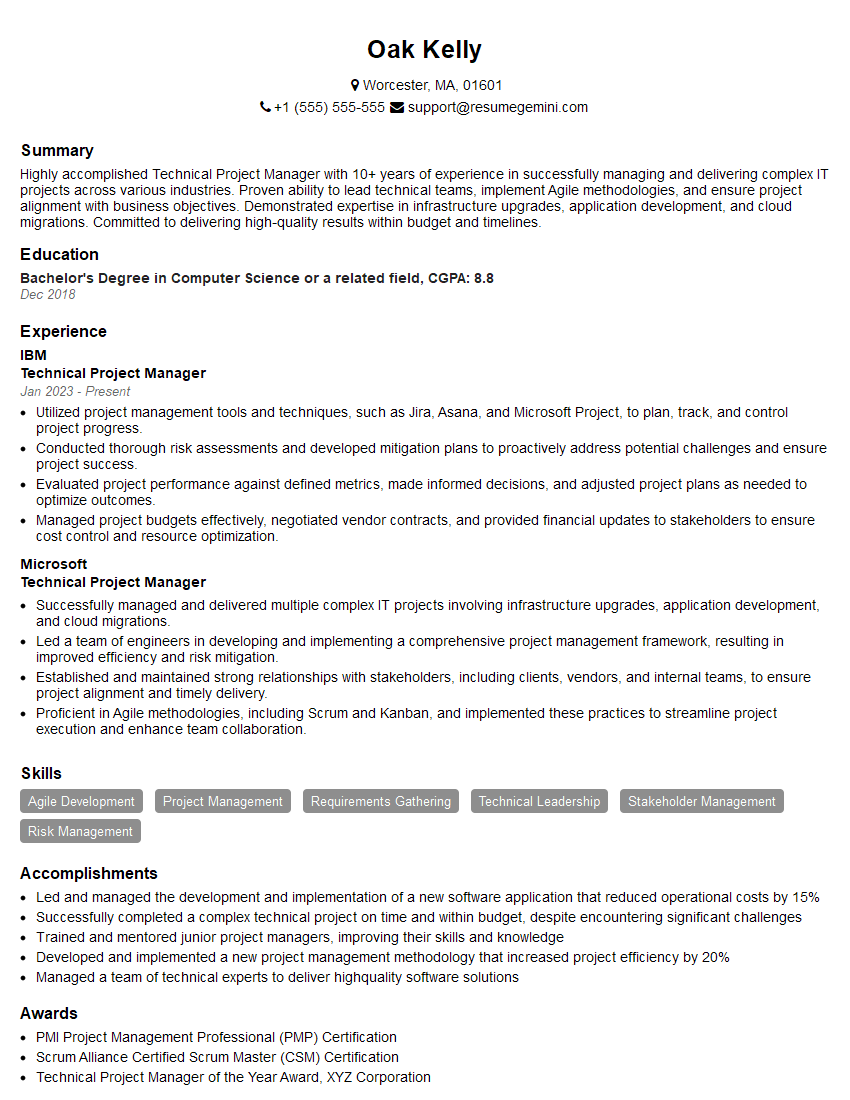
Technical Project Manager Resume Sample
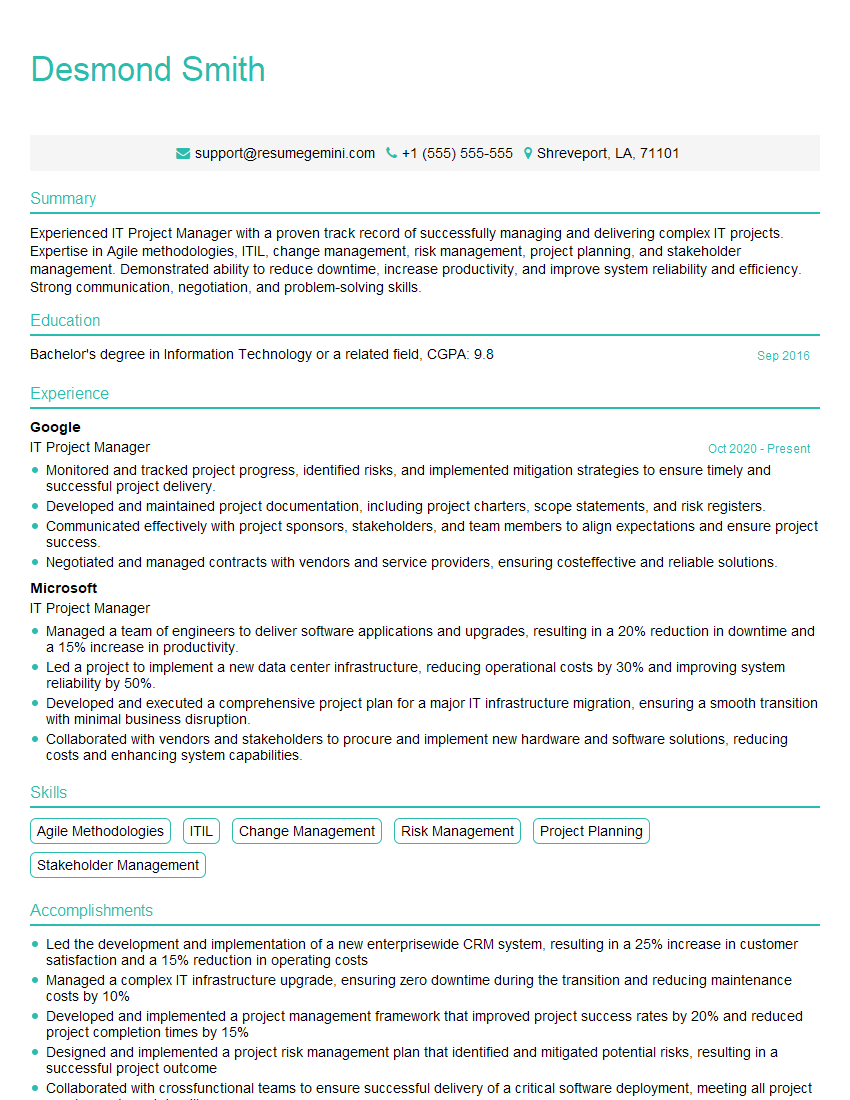
IT Project Manager Resume Sample
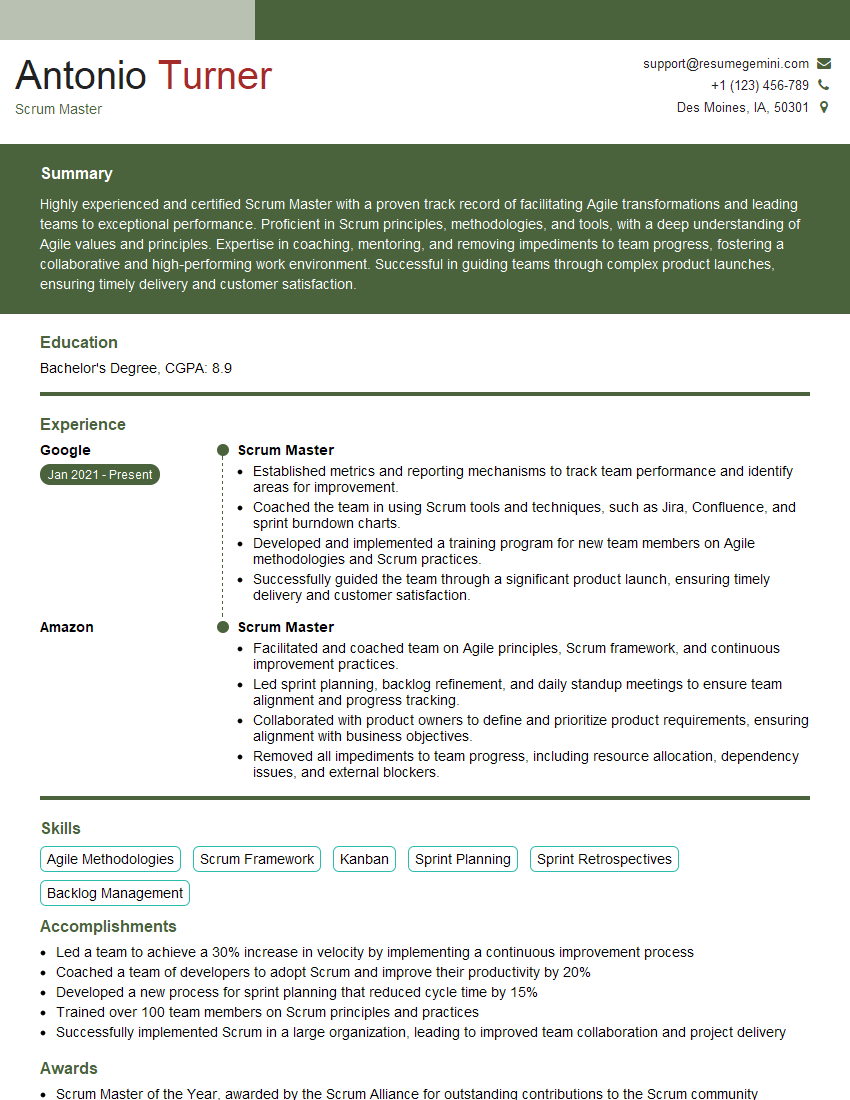
Scrum Master Resume Sample
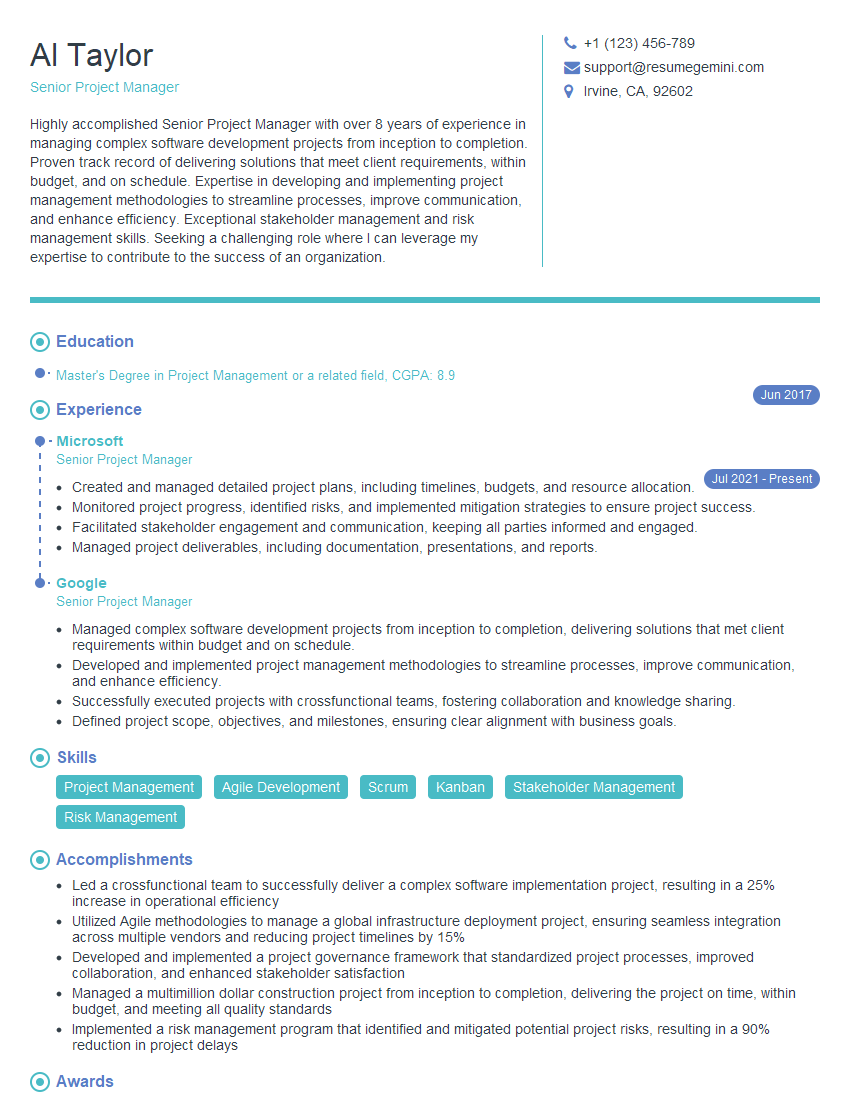
Senior Project Manager Resume Sample
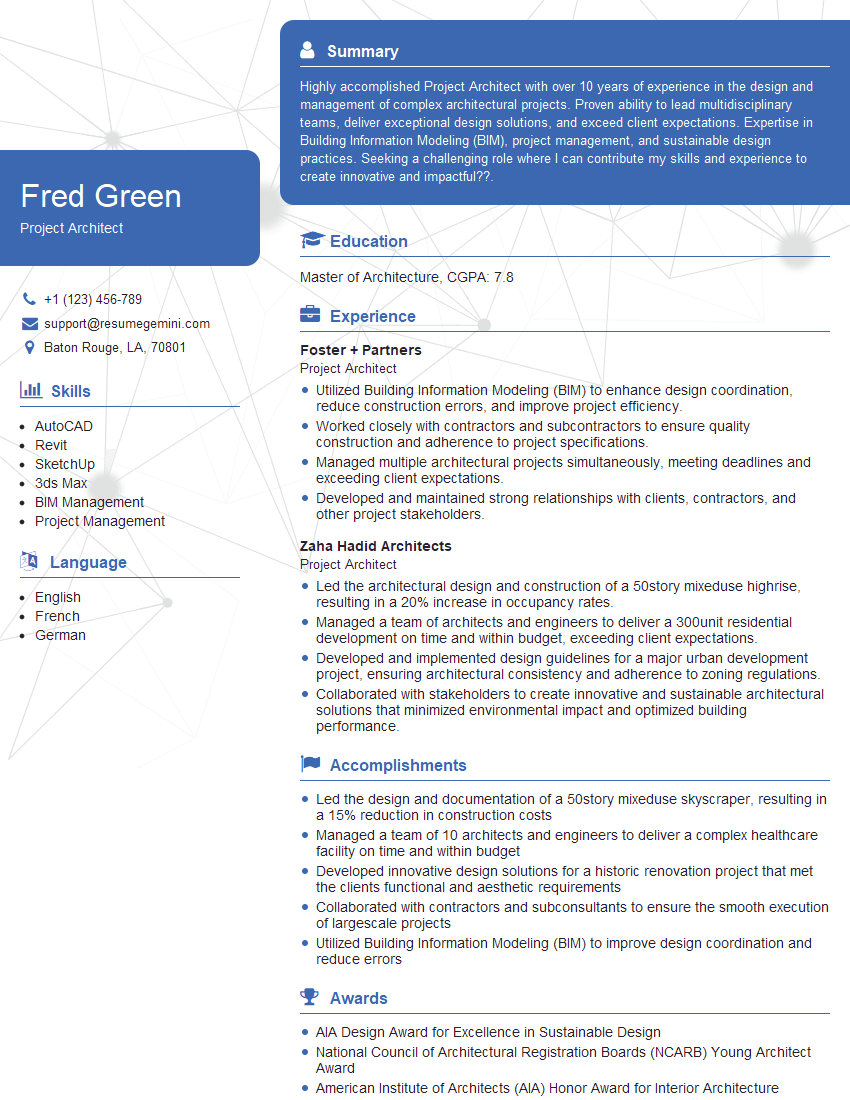
Project Architect Resume Sample

Planning Manager Resume Sample
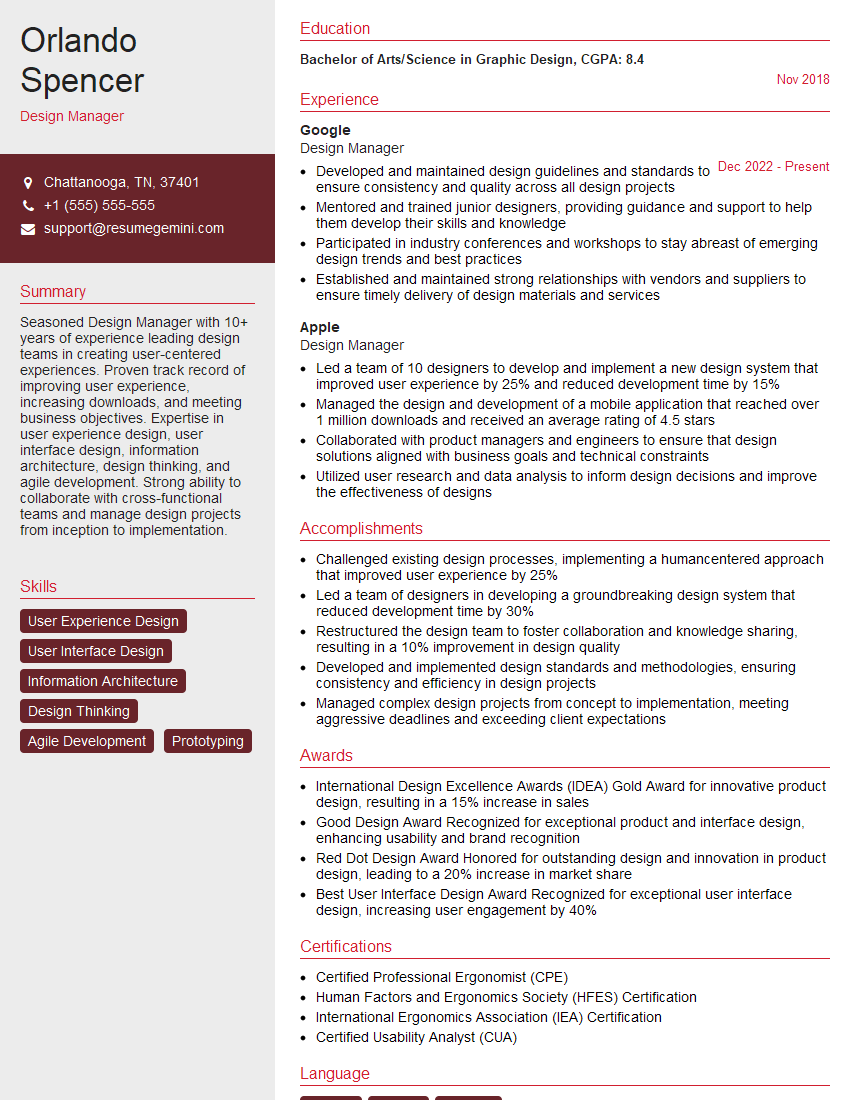
Design Manager Resume Sample
- Program Manager
- Operations Manager
- Product Manager
- Quality Manager
- Development Manager
- Construction Project Manager
- Project Manager
- Project Coordinator
- Project Engineer
- Scheduling Manager
- Risk Manager
- Portfolio Manager
- Business Analyst
- Technical Project Manager
- IT Project Manager
- Scrum Master
- Senior Project Manager
- Project Architect
- Planning Manager
- Design Manager
Explore more articles
Users Rating of Our Blogs
Share Your Experience
We value your feedback! Please rate our content and share your thoughts (optional).
What Readers Say About Our Blog
Really detailed insights and content, thank you for writing this detailed article.
IT gave me an insight and words to use and be able to think of examples