Interviews are opportunities to demonstrate your expertise, and this guide is here to help you shine. Explore the essential Cropping Systems interview questions that employers frequently ask, paired with strategies for crafting responses that set you apart from the competition.
Questions Asked in Cropping Systems Interview
Q 1. Explain the principles of crop rotation and its benefits.
Crop rotation is the practice of planting different types of crops in a planned sequence on the same piece of land over several growing seasons. It’s like giving your soil a balanced diet, preventing nutrient depletion and improving overall soil health.
- Principles: The core principle is to alternate crops with different nutrient requirements and growth habits. For example, a heavy feeder like corn (which depletes nitrogen) might be followed by a legume like soybeans (which fixes nitrogen). This cycling prevents the soil from becoming depleted of specific nutrients.
- Benefits: Crop rotation offers numerous advantages, including improved soil fertility (due to nitrogen fixation and reduced nutrient mining), reduced pest and disease pressure (breaking pest life cycles), improved soil structure (due to varied root systems), increased water infiltration (reducing runoff), and weed control (competition between crops).
- Example: A common rotation might be corn – soybeans – wheat – alfalfa. Corn uses a lot of nitrogen, soybeans replenish it, wheat utilizes different nutrients, and alfalfa improves soil structure and fertility.
Q 2. Describe different tillage methods and their impact on soil health.
Tillage refers to the mechanical manipulation of the soil, primarily for seedbed preparation. Different methods exist, each impacting soil health differently.
- Conventional Tillage (e.g., moldboard plowing): This method completely inverts the soil, burying crop residue. While it provides good seedbed preparation, it leads to significant soil erosion, degradation of soil structure, and loss of organic matter.
- Conservation Tillage (e.g., no-till, strip-till): These methods minimize soil disturbance, leaving crop residue on the soil surface. This improves soil structure, increases water infiltration, reduces erosion, and enhances the soil’s ability to retain organic matter. No-till farming, in particular, helps build healthy soil ecosystems.
- Reduced Tillage: This is a compromise between conventional and conservation tillage, involving less intense soil disturbance than moldboard plowing but more than no-till. It seeks to balance seedbed preparation with soil conservation benefits.
Impact on Soil Health: Conventional tillage negatively impacts soil health, while conservation tillage practices significantly improve soil health by enhancing water retention, nutrient cycling, and biodiversity. Think of it as the difference between constantly tilling your garden, leading to compacted soil, and leaving some of the plant matter to decompose naturally, leading to rich, healthy soil.
Q 3. How do you determine optimal planting density for a specific crop?
Determining optimal planting density is crucial for maximizing yield and efficiency. It involves considering several interacting factors.
- Crop Species: Different crops have different space requirements. For example, corn requires more spacing than soybeans.
- Variety: Within a species, different varieties have different growth habits and sizes, impacting optimal planting density.
- Soil Fertility and Water Availability: Nutrient-rich and well-watered soils can support higher planting densities than poor soils.
- Climate: Temperature and rainfall influence plant growth and can alter optimal density recommendations.
- Available Resources: Planting density needs to be balanced with available resources like fertilizer, irrigation, and labor.
Determining Optimal Density: This often involves field trials and consultation with extension services or agricultural advisors. Research data and historical yield records for your specific location are critical. Many times, universities and government organizations offer recommendations that can be fine-tuned based on local factors. You might start with a recommended range, then experiment with slight variations to determine the best density for your specific circumstances.
Q 4. Explain the concept of integrated pest management (IPM).
Integrated Pest Management (IPM) is a sustainable approach to pest control that aims to minimize pesticide use while maximizing effectiveness. It’s a holistic strategy, not simply applying chemicals.
- Principles: IPM emphasizes monitoring pest populations, using preventative measures (like crop rotation and resistant varieties), and employing targeted control methods only when necessary. It integrates cultural, biological, and chemical methods in a strategic, ecosystem-conscious manner.
- Methods: IPM includes techniques like:
- Monitoring: Regular scouting to detect pests early.
- Cultural controls: Practices like crop rotation, sanitation, and proper irrigation to prevent pest buildup.
- Biological controls: Introducing natural enemies like beneficial insects or pathogens to control pests.
- Chemical controls: Using pesticides as a last resort, only when necessary and with the least-toxic options.
- Example: In an apple orchard, IPM might involve monitoring for codling moths, using pheromone traps to disrupt mating, and strategically applying pesticides only when moth populations exceed a certain threshold.
Benefits: IPM reduces reliance on harmful pesticides, protecting human health, the environment, and beneficial insects. It also promotes cost-effectiveness by using pesticides judiciously and reducing crop losses due to effectively managing pests before they reach damaging levels.
Q 5. What are the key factors influencing crop nutrient requirements?
Crop nutrient requirements are influenced by several interconnected factors.
- Crop Species: Different crops have different nutrient needs. Legumes, for instance, are unique because they fix their own nitrogen, requiring less nitrogen fertilizer than other crops.
- Growth Stage: Nutrient requirements vary throughout the plant’s life cycle. Certain nutrients are more critical during specific stages (like nitrogen during vegetative growth or phosphorus during flowering).
- Yield Goal: Higher yields require a greater nutrient input. This is because higher-yielding plants demand more nutrients to sustain their growth.
- Soil Properties: Soil type, pH, organic matter content, and nutrient availability impact the plant’s access to nutrients. Soil testing is crucial to understanding these limitations.
- Climate: Temperature, rainfall, and sunlight influence nutrient uptake and plant growth, thus indirectly affecting nutrient needs.
Understanding these factors is vital for efficient fertilization. Over-fertilization wastes resources and can harm the environment, while under-fertilization limits yield potential. A balanced approach, informed by soil tests and crop-specific recommendations, is crucial.
Q 6. Discuss the role of irrigation in crop production.
Irrigation plays a vital role in crop production, particularly in arid and semi-arid regions where rainfall is insufficient to meet crop water demands. It’s like providing a tailored watering schedule for your crops.
- Improving Water Use Efficiency: Irrigation allows farmers to control the timing and amount of water applied, making water use much more efficient than relying solely on rainfall.
- Increasing Crop Yields: Adequate water availability is critical for crop growth and maximizing yields, especially during crucial growth stages. Irrigation ensures crops receive the water they need when they need it.
- Improving Crop Quality: Consistent water supply leads to improved crop quality, larger fruit sizes, and better overall appearance.
- Protecting Crops from Stress: Irrigation safeguards crops from drought stress, improving their resilience and preventing yield losses.
Different irrigation methods (e.g., drip, sprinkler, furrow) have varying levels of efficiency and suitability depending on the crop, soil type, and water availability. Choosing the right irrigation system is crucial for maximizing efficiency and minimizing water waste. Selecting the correct system involves considering cost, water availability and environmental impact.
Q 7. How do you assess soil fertility and make fertilizer recommendations?
Assessing soil fertility and making fertilizer recommendations requires a systematic approach.
- Soil Testing: The first step is collecting representative soil samples and sending them to a reputable soil testing laboratory. The lab will analyze the soil for various parameters, including nutrient levels (nitrogen, phosphorus, potassium, etc.), pH, and organic matter content. This is crucial as it provides the foundational data for making accurate recommendations.
- Interpreting Results: The laboratory report provides the data, often expressing nutrient levels in parts per million (ppm) or pounds per acre. The report usually includes recommendations for fertilizer application based on the crop to be grown and the soil’s nutrient status.
- Making Fertilizer Recommendations: This involves considering the soil test results, crop nutrient requirements, and yield goals. Fertilizer recommendations can be expressed as amounts of nitrogen, phosphorus, and potassium (NPK) per acre or per plant. There are various fertilizer types (e.g., granular, liquid), and the choice depends on factors such as application method, cost, and ease of use.
- Nutrient Management Strategies: Consider employing efficient nutrient management practices like using manure or compost, cover crops, and precision nutrient application techniques to optimize fertilizer use and minimize environmental impact.
Accurate soil testing and interpretation are crucial for avoiding over-fertilization (which can harm the environment) or under-fertilization (which limits yield potential). Regular soil testing, ideally every 2-3 years, is recommended for monitoring soil fertility and adapting fertilizer recommendations over time.
Q 8. Describe different methods for weed control in cropping systems.
Weed control in cropping systems is crucial for maximizing yields and maintaining crop health. It involves a combination of methods, often integrated for optimal effectiveness. These methods can be broadly categorized as preventative, cultural, mechanical, biological, and chemical.
Preventative Methods: These focus on stopping weeds before they germinate. This includes using clean seed, rotating crops to disrupt weed life cycles, and employing appropriate tillage practices to bury weed seeds.
Cultural Methods: These manipulate crop growth and the environment to suppress weeds. Examples include proper planting density to create competition, using mulches to block sunlight, and optimizing irrigation schedules to limit weed growth.
Mechanical Methods: These involve physically removing weeds. This can include hoeing, cultivating, mowing, and using flame weeding. The effectiveness depends on weed type and stage of growth.
Biological Methods: This involves using natural enemies to control weeds, such as introducing beneficial insects or using allelopathic cover crops that release chemicals inhibiting weed growth. This is a sustainable and environmentally friendly approach but may not be as quick or effective in all situations.
Chemical Methods (Herbicides): This is the use of chemical compounds to kill or inhibit weed growth. Herbicides can be selective (targeting specific weeds) or non-selective (killing all vegetation), pre-emergent (applied before weed germination) or post-emergent (applied after weed emergence). Careful consideration of herbicide choice, application timing, and environmental impact is vital.
For instance, a farmer might use a combination of no-till farming (preventative/cultural), followed by a pre-emergent herbicide, then spot-treating persistent weeds with a selective herbicide later in the season. This integrated approach is often the most effective and sustainable way to manage weeds.
Q 9. Explain the principles of water management in agriculture.
Water management in agriculture is the controlled use of water resources to optimize crop production while minimizing environmental impact and maximizing economic efficiency. The principles involve understanding the crop’s water requirements, the soil’s water holding capacity, and available water sources. Efficient water management seeks to provide the right amount of water at the right time to the right place.
Understanding Crop Water Needs: Different crops have different water requirements based on their growth stage, climate, and soil type. Knowing these needs allows for precise irrigation scheduling.
Soil Water Monitoring: Regularly checking soil moisture levels helps farmers avoid over-irrigation or under-irrigation. Techniques include using soil moisture probes, tensiometers, or even simple visual assessments.
Irrigation Techniques: Different methods like drip irrigation, sprinkler irrigation, furrow irrigation, and flood irrigation have varying efficiencies. Choosing the most suitable technique depends on the crop, soil type, topography, and water availability. Drip irrigation, for example, is highly efficient as it directly delivers water to the plant roots.
Water Conservation Practices: Reducing water loss through evaporation and runoff is essential. This can be achieved using mulching, minimizing tillage, and employing water-efficient irrigation technologies.
Water Quality Considerations: The quality of irrigation water is important; high salinity can damage crops. Regular water testing and potential treatments might be necessary.
For example, a farmer growing drought-tolerant crops in a dry region might use drip irrigation combined with soil moisture sensors to ensure efficient water use and avoid water stress. Conversely, a farmer in a wet region might employ drainage systems to prevent waterlogging.
Q 10. Discuss the impact of climate change on cropping systems.
Climate change poses significant threats to cropping systems globally. Changes in temperature, precipitation patterns, and the frequency of extreme weather events directly impact crop yields, quality, and overall stability.
Increased Temperatures: Higher temperatures can lead to heat stress in crops, reducing yields and affecting fruit quality. Some crops may struggle to complete their life cycle under extreme heat.
Altered Precipitation Patterns: Changes in rainfall amounts and distribution can lead to droughts or floods, both harming crop production. Droughts can cause water stress, while floods can damage crops and spread diseases.
Increased Frequency of Extreme Weather Events: More frequent and intense heat waves, droughts, floods, and storms can cause catastrophic losses in crop production, impacting food security and livelihoods.
Pest and Disease Outbreaks: Climate change can alter the distribution and abundance of pests and diseases, increasing the risk of crop damage. Warmer temperatures may extend the geographic range of some pests.
Changes in Soil Conditions: Increased temperatures can affect soil moisture and nutrient availability, impacting crop growth. Changes in precipitation can lead to soil erosion and degradation.
Adapting to climate change requires a multi-pronged approach, including developing climate-resilient crop varieties, improving water management practices, adopting climate-smart agriculture techniques, and implementing risk management strategies such as crop insurance. For example, farmers might switch to drought-tolerant crop varieties or employ precision irrigation technologies.
Q 11. What are the benefits and challenges of using cover crops?
Cover crops are plants grown specifically to improve soil health and protect the land, often planted between main cash crops or during fallow periods. Their use offers several benefits, but also faces some challenges.
Benefits:
- Improved soil structure and health: Cover crops help prevent erosion, improve water infiltration, and increase soil organic matter content.
- Nutrient cycling: They absorb and store nutrients, preventing nutrient runoff and making them available for subsequent cash crops.
- Weed suppression: They compete with weeds for resources, reducing weed pressure.
- Pest and disease control: Some cover crops can suppress certain pests and diseases.
- Improved water management: They reduce water runoff and erosion, improving water retention in the soil.
Challenges:
- Cost of seed and establishment: Cover cropping adds to production costs, including seed purchase and planting.
- Potential for pest or disease problems: Some cover crops can act as hosts for certain pests and diseases.
- Competition with subsequent cash crops: Cover crops can compete with cash crops for water and nutrients if not managed well.
- Terrestrial weed problems: Some cover crops can act as hosts for certain terrestrial weeds.
- Difficulties in incorporation/termination: Cover crops may be difficult to terminate or incorporate into the soil at the right time.
For example, a farmer might plant a legume cover crop like clover to improve nitrogen levels in the soil before planting a corn crop, thereby reducing reliance on synthetic fertilizers. However, the farmer needs to carefully manage the clover’s growth to avoid excessive competition with the corn crop.
Q 12. How do you assess crop health and diagnose crop problems?
Assessing crop health and diagnosing problems requires a multi-faceted approach, combining visual observations, laboratory testing, and an understanding of the crop’s growth stages and environmental conditions.
Visual Observation: Regular field scouting allows for early detection of problems. Look for signs of stress, such as wilting, discoloration, unusual growth patterns, pest infestations, and disease symptoms. This requires knowledge of the typical appearance of healthy crops for the specific growth stage.
Soil Testing: Analyzing soil samples can reveal nutrient deficiencies, salinity issues, or compaction problems that affect crop growth. The results guide fertilizer application and other soil management practices.
Plant Tissue Analysis: Testing plant tissues can identify nutrient imbalances, diagnose specific nutrient deficiencies, and help determine the causes of growth abnormalities.
Pest and Disease Diagnosis: Identifying pests or diseases requires careful observation and sometimes laboratory testing. This helps in selecting appropriate control measures.
Environmental Factors: Consider the effects of weather, such as drought, excessive rainfall, frost, or heat stress. These can significantly impact crop health.
For instance, if a farmer observes yellowing leaves on their corn plants, they might suspect a nutrient deficiency (perhaps nitrogen). They could then take soil and plant tissue samples for analysis to confirm the deficiency and determine the appropriate corrective action, such as fertilizer application.
Q 13. Describe the process of harvesting and post-harvest handling for a specific crop.
Let’s consider the harvesting and post-harvest handling of soybeans as an example.
Harvesting: Soybean harvesting typically involves using a combine harvester. The combine cuts the soybean plants, threshes the seeds from the pods, separates the seeds from the other plant material (chaff), and cleans the seeds. The timing of harvest is crucial, as harvesting too early results in lower yields and quality, while harvesting too late can lead to losses due to shattering or weather damage. Factors such as moisture content of the seeds are closely monitored to ensure optimal harvest timing.
Post-harvest Handling: Post-harvest handling is critical for maintaining soybean quality and minimizing losses. This involves:
- Drying: Soybeans must be dried to a safe moisture content to prevent spoilage during storage. This can be done using air dryers or in-bin drying systems.
- Cleaning: Removing foreign materials like dirt, chaff, and weed seeds further improves soybean quality.
- Storage: Soybeans are stored in bins or silos, ensuring proper ventilation to prevent spoilage. Storage conditions, including temperature and humidity, are carefully controlled.
- Marketing: Soybeans are often marketed through grain elevators or directly to processors. Market prices and contract agreements influence the timing and methods of marketing.
Careful post-harvest handling is essential to avoid losses due to insect damage, fungal growth, or other spoilage factors. Maintaining quality translates directly to higher market prices and better profitability for the farmer.
Q 14. Explain the economic considerations of different cropping systems.
Economic considerations are paramount in choosing and managing cropping systems. Factors like input costs, output prices, yields, and risks heavily influence the profitability and sustainability of a particular system.
Input Costs: These include costs associated with seeds, fertilizers, pesticides, machinery, labor, fuel, and irrigation. Different cropping systems require different levels of input, significantly impacting the overall cost of production.
Output Prices: Market prices for different crops fluctuate, affecting profitability. Diversification across various crops can help mitigate the risk associated with price volatility.
Yields: Higher yields directly translate to higher profits, given that output prices remain constant. Efficient crop management practices, including proper fertilization and pest control, are critical for maximizing yields.
Risk Management: Cropping systems are subject to various risks, including weather events, pest outbreaks, and market fluctuations. Risk management strategies, such as crop insurance, diversification, and efficient resource management, can help mitigate losses.
Sustainability: Sustainable cropping systems aim to minimize environmental impact while maintaining long-term profitability. This can involve practices like reduced tillage, cover cropping, and integrated pest management, often leading to lower input costs over time.
For example, a farmer might compare the economic viability of monoculture corn production versus a more diverse system including corn, soybeans, and a cover crop. The analysis would involve evaluating the costs and returns for each system, considering the factors mentioned above, to make an informed decision about the most profitable and sustainable approach.
Q 15. Discuss the principles of sustainable cropping systems.
Sustainable cropping systems prioritize long-term environmental, economic, and social benefits. They aim to produce food and fiber while minimizing negative impacts on the environment and ensuring the system’s viability for future generations. This involves a holistic approach encompassing several key principles.
- Soil Health: Maintaining and improving soil fertility through practices like cover cropping, no-till farming, and crop rotation. This reduces erosion, improves water infiltration, and boosts the soil’s biological activity. For example, planting legumes in rotation fixes nitrogen, reducing the need for synthetic fertilizers.
- Biodiversity: Incorporating diverse plant species into the cropping system. This strengthens the system’s resilience against pests and diseases, improves pollination, and provides habitat for beneficial insects and wildlife. Intercropping, where multiple crops are grown together, is a great example.
- Water Management: Efficient irrigation techniques, like drip irrigation, and water-harvesting strategies to conserve water resources and minimize runoff. Careful consideration of water availability is crucial in arid and semi-arid regions.
- Nutrient Management: Optimizing nutrient application through precision agriculture techniques and integrated nutrient management (INM) to minimize environmental pollution and maximize nutrient use efficiency. This includes responsible fertilizer use and manure management.
- Pest and Disease Management: Integrated Pest Management (IPM) strategies focusing on preventative measures, biological control, and minimal use of synthetic pesticides. This approach reduces the reliance on harmful chemicals and protects beneficial organisms.
- Economic Viability: Ensuring the system is profitable and provides a sustainable livelihood for farmers. This often involves diversifying income streams and accessing fair market prices for produce.
Ultimately, sustainable cropping systems strive for a balance between productivity and environmental stewardship, creating a resilient and enduring agricultural landscape.
Career Expert Tips:
- Ace those interviews! Prepare effectively by reviewing the Top 50 Most Common Interview Questions on ResumeGemini.
- Navigate your job search with confidence! Explore a wide range of Career Tips on ResumeGemini. Learn about common challenges and recommendations to overcome them.
- Craft the perfect resume! Master the Art of Resume Writing with ResumeGemini’s guide. Showcase your unique qualifications and achievements effectively.
- Don’t miss out on holiday savings! Build your dream resume with ResumeGemini’s ATS optimized templates.
Q 16. How do you select appropriate crop varieties for a specific location and environment?
Selecting appropriate crop varieties involves a careful assessment of the specific location and environment. This is a crucial step to maximize yields and minimize risks.
- Climate: Consider the temperature range, rainfall patterns, frost risk, and length of the growing season. Choosing varieties adapted to local climatic conditions is paramount. A heat-tolerant variety would be unsuitable for a consistently cool region.
- Soil Type and Conditions: Analyze soil texture, drainage, pH, and nutrient content. Select varieties suited to the soil’s physical and chemical properties. A crop that requires well-drained soil wouldn’t thrive in a waterlogged area.
- Pest and Disease Pressure: Evaluate the prevalent pests and diseases in the region. Choose varieties with inherent resistance or tolerance to these threats. This can significantly reduce the need for pesticide applications.
- Market Demand: Consider the market demand for specific crops and varieties. Grow crops that have a good market and fetch profitable prices in your area. Knowing your consumer base is vital.
- Available Resources: Factor in the availability of water, labor, and other resources required for the successful cultivation of specific varieties. High water-demanding crops might not be feasible in drought-prone areas.
Often, farmers will consult with agricultural extension services or seed companies to obtain information about suitable varieties for their specific location and environmental conditions. Utilizing publicly available databases of crop traits and performance is also beneficial.
Q 17. Describe the use of precision agriculture technologies in cropping systems.
Precision agriculture technologies employ sensors, GPS, GIS, and data analytics to optimize crop management practices at the field level. This allows for site-specific management, leading to increased efficiency and reduced environmental impact.
- GPS-guided machinery: Enables precise application of inputs like fertilizers, pesticides, and seeds, minimizing waste and maximizing efficiency. This reduces overlap and ensures uniform distribution.
- Remote sensing: Uses satellite or drone imagery to monitor crop health, identify stress areas, and assess yield potential. Early detection of issues allows for timely interventions.
- Variable rate technology (VRT): Allows for the application of inputs at varying rates across a field, based on site-specific needs. For example, applying more fertilizer to nutrient-deficient areas while reducing it in areas with sufficient nutrients.
- Soil sensors: Provide real-time data on soil moisture, temperature, and nutrient levels. This helps optimize irrigation and fertilization strategies.
- Yield monitors: Measure crop yield during harvest, providing valuable data for future management decisions. This data pinpoints areas of high and low productivity.
By integrating these technologies, farmers can make data-driven decisions, leading to optimized resource use and improved profitability. For example, a farmer can use drone imagery to identify areas of water stress and then apply targeted irrigation using a GPS-guided irrigation system.
Q 18. Explain the role of data analysis in optimizing crop yields.
Data analysis plays a vital role in optimizing crop yields by providing insights into various factors influencing crop growth and productivity.
- Identifying patterns and trends: Analyzing historical yield data, weather patterns, and soil conditions can reveal correlations and identify limiting factors affecting crop yields. For example, a correlation between low rainfall and low yields might indicate a need for improved water management.
- Predictive modeling: Using statistical models and machine learning algorithms, we can predict future yields based on current conditions and historical data. This assists in planning and resource allocation.
- Optimizing inputs: Analyzing data on nutrient uptake, pest pressure, and weather conditions helps determine the optimal timing and amount of inputs such as fertilizers and pesticides. This leads to efficient resource utilization and maximized yield.
- Improving management practices: By analyzing data on different management practices, farmers can identify the most effective strategies for their specific conditions. A/B testing of different approaches helps refine best practices.
- Evaluating the effectiveness of interventions: Analyzing data before and after implementing interventions like new irrigation techniques or pest control strategies helps to assess their effectiveness and make necessary adjustments.
Data analysis, whether through simple statistical methods or sophisticated machine learning, provides evidence-based decision-making, leading to improvements in crop management and increased profitability.
Q 19. How do you manage risks associated with crop production?
Crop production involves inherent risks stemming from various factors. Effective risk management strategies are crucial for ensuring the stability and profitability of agricultural operations.
- Diversification: Growing a variety of crops reduces the impact of losses from a single crop failure. This spreads the risk across different commodities.
- Crop insurance: Protecting against unexpected losses due to weather events, pests, or diseases through crop insurance schemes. This provides a financial safety net in case of unforeseen circumstances.
- Pest and disease management: Implementing integrated pest management (IPM) strategies to minimize the impact of pests and diseases. Early detection and preventative measures are key.
- Weather forecasting and monitoring: Utilizing weather forecasts and monitoring tools to anticipate and mitigate the impacts of extreme weather events. This allows for timely adjustments in farm operations.
- Market analysis: Understanding market trends and price fluctuations to make informed decisions about planting and marketing. Hedging strategies can mitigate price risk.
- Financial planning and budgeting: Developing a robust financial plan and budget to manage cash flow and prepare for potential losses. Careful financial management is crucial.
A combination of these risk management strategies creates a more resilient farming operation, capable of weathering unexpected challenges and maintaining long-term profitability.
Q 20. Discuss the importance of soil conservation practices in cropping systems.
Soil conservation practices are essential in cropping systems to protect this valuable natural resource and ensure long-term productivity. Degraded soil leads to reduced yields and environmental damage.
- No-till farming: Minimizing soil disturbance during planting reduces erosion and improves soil structure. Leaving crop residues on the soil surface helps protect it from the elements.
- Cover cropping: Planting cover crops during fallow periods protects the soil from erosion, improves soil fertility, and suppresses weeds. Legumes also fix nitrogen, reducing the need for fertilizers.
- Crop rotation: Alternating different crops in a field improves soil health, reduces pest and disease pressure, and enhances nutrient cycling. Different crops have different nutrient requirements, helping maintain soil balance.
- Contour farming: Planting crops along the contours of the land slows down water runoff and reduces erosion. This is especially important on sloping land.
- Terracing: Creating level platforms on slopes reduces erosion and improves water management. Terraces are a significant investment but crucial in steep areas.
- Windbreaks: Planting trees or shrubs to reduce wind erosion and protect crops. Windbreaks reduce wind speed and create microclimates.
These soil conservation practices help maintain soil health, enhance water infiltration, and reduce erosion, ensuring sustainable crop production for years to come. Implementing these strategies is vital for long-term agricultural success.
Q 21. What are the key factors influencing crop yield?
Crop yield is a complex outcome influenced by a multitude of interacting factors. Understanding these factors is crucial for maximizing productivity.
- Genetic potential: The inherent capacity of the crop variety to produce a certain yield under optimal conditions. Choosing high-yielding varieties is essential.
- Climate: Temperature, rainfall, sunlight, and other weather conditions significantly influence crop growth and development. Favorable weather promotes optimal yields.
- Soil conditions: Soil fertility, texture, drainage, and pH directly impact nutrient availability and root development, influencing yield. Healthy soil supports vigorous growth.
- Nutrient availability: Adequate supply of essential nutrients like nitrogen, phosphorus, and potassium is crucial for optimal growth and yield. Proper fertilization is critical.
- Water availability: Sufficient water is essential for photosynthesis and other metabolic processes. Efficient irrigation practices are crucial in water-limited environments.
- Pest and disease pressure: Pests and diseases can significantly reduce yields if not managed effectively. Implementing integrated pest management (IPM) is critical.
- Management practices: Planting density, weed control, harvesting techniques, and other management practices influence crop yield. Optimal management strategies are crucial.
Optimizing crop yield requires a holistic approach that considers the interplay between all these factors. Precision agriculture techniques and data analysis can significantly contribute to optimizing these factors and maximizing yields.
Q 22. Describe the different types of irrigation systems and their suitability.
Irrigation systems are crucial for providing water to crops, especially in arid and semi-arid regions. The choice of system depends heavily on factors like water availability, terrain, crop type, and budget.
- Flood Irrigation: This is the simplest method, involving flooding the entire field. It’s inexpensive but inefficient, leading to high water loss and uneven water distribution. Suitable for flat, level lands with low water requirements.
- Furrow Irrigation: Water flows in furrows between crop rows. More efficient than flooding but still prone to runoff and deep percolation. Suitable for gently sloping lands and crops tolerant to temporary waterlogging.
- Drip Irrigation: Water is delivered directly to the plant roots through a network of tubes and emitters. Highly efficient, minimizing water waste and maximizing water use. Suitable for all types of terrain and various crops, especially high-value ones.
- Sprinkler Irrigation: Water is sprayed over the field using sprinklers. Suitable for various terrains and crops, providing good coverage but can be less efficient than drip irrigation due to evaporation and wind drift. Center pivot and linear move systems are common examples.
- Subsurface Irrigation: Water is applied below the soil surface through buried pipes. Highly efficient, reducing evaporation and runoff losses. Best suited for specific soil types and crops, potentially requiring more investment initially.
Choosing the right system involves a careful cost-benefit analysis considering water availability, terrain, crop needs, and operational costs. For instance, drip irrigation might be ideal for high-value fruit orchards while furrow irrigation could suffice for less demanding crops on flat land with ample water.
Q 23. How do you manage pests and diseases using integrated pest management (IPM)?
Integrated Pest Management (IPM) is a holistic approach to pest control that emphasizes prevention and minimizes reliance on synthetic pesticides. It involves a combination of strategies to suppress pest populations below economically damaging levels.
- Monitoring: Regular scouting to identify pests and assess their population levels. This involves visual inspections, traps, and other monitoring techniques.
- Cultural Practices: Methods that manipulate the environment to make it less favorable for pests. Examples include crop rotation, intercropping (planting different crops together), using pest-resistant varieties, and maintaining proper sanitation.
- Biological Control: Using natural enemies of pests, such as predatory insects, birds, or microorganisms, to control pest populations. This can involve introducing beneficial organisms or creating habitats that support them.
- Mechanical Control: Physical methods such as handpicking, trapping, or using barriers to prevent pest infestation.
- Chemical Control: Using pesticides as a last resort, targeting specific pests and employing the least toxic options possible. This involves careful consideration of application methods and timing to minimize environmental impact and maximize effectiveness.
For example, in a tomato field, IPM might involve monitoring for tomato hornworms, using resistant varieties, introducing beneficial nematodes to control the hornworms’ larvae, and only using pesticides if necessary and only after careful consideration.
Q 24. Explain the role of genetic diversity in improving crop resilience.
Genetic diversity within a crop species is vital for resilience against biotic and abiotic stresses. A wider range of genes translates into a greater capacity to adapt and survive.
Think of it like building a house – a house built with only one type of wood is easily susceptible to rot or fire. But a house using diverse materials (wood, steel, brick) has greater resilience. Similarly, crops with high genetic diversity possess a wider array of traits such as disease resistance, drought tolerance, and pest resistance. When faced with a new threat, some individuals within the diverse population will likely possess genes providing resistance or tolerance, ensuring survival and continuation of the species.
Maintaining and utilizing genetic diversity involves conserving crop wild relatives, preserving traditional landraces, and employing breeding programs to develop varieties with desirable traits.
Q 25. Discuss the impact of crop residue management on soil health.
Crop residue management significantly impacts soil health. Residue refers to the leftover plant material after harvest. Proper management enhances soil structure, fertility, and water retention.
- Improved Soil Structure: Residue acts as a mulch, reducing soil erosion and improving water infiltration. It also encourages the development of healthy soil aggregates, which are essential for root growth and nutrient availability.
- Enhanced Fertility: Decomposing residue releases nutrients back into the soil, reducing the need for synthetic fertilizers. This improves nutrient cycling and soil organic matter content.
- Water Retention: Residue helps retain soil moisture, reducing irrigation needs and mitigating drought stress. The mulch effect minimizes evaporation from the soil surface.
- Weed Suppression: A good residue cover can suppress weed growth, reducing competition for resources and the need for herbicides.
However, poor residue management can lead to issues like increased pest and disease pressure, hindering decomposition and nutrient cycling. Appropriate methods include no-till farming, incorporating residue into the soil, or using cover crops to manage residue effectively.
Q 26. How do you evaluate the effectiveness of different farming practices?
Evaluating the effectiveness of farming practices requires a multi-faceted approach that considers various factors and uses appropriate metrics.
- Yield Data: Comparing crop yields across different treatments or practices is a key indicator of effectiveness. Yields should be recorded consistently over several years to account for variability.
- Economic Analysis: Assessing the costs and profits associated with each practice provides valuable economic insights. This includes the cost of inputs (seeds, fertilizers, labor, etc.) and the value of the harvested yield.
- Soil Health Indicators: Analyzing soil properties like organic matter content, nutrient levels, and water holding capacity reveals the impact of practices on long-term soil health.
- Environmental Impact Assessment: Evaluating the effect of different practices on water quality, greenhouse gas emissions, and biodiversity is essential for sustainability considerations.
- Pest and Disease Pressure: Monitoring pest and disease incidence and severity under different farming systems helps assess their effectiveness in pest control.
For instance, comparing the yield, economic profitability, soil health indicators, and environmental impacts of no-till farming versus conventional tillage reveals the overall effectiveness of each approach.
Q 27. Describe different methods for monitoring crop growth and development.
Monitoring crop growth and development is crucial for timely management decisions. Several methods are used depending on the specific needs and resources.
- Visual Observation: Regular field walks to assess plant height, growth stage, leaf color, and signs of stress or disease. This provides qualitative data.
- Remote Sensing: Using satellites, drones, or aerial imagery to obtain information on canopy cover, leaf area index, and crop vigor. Provides large-scale data efficiently.
- Ground-Based Sensors: Utilizing sensors to measure soil moisture, temperature, and nutrient levels. Provides localized data relevant for precise management.
- Growth Models: Using computer models based on weather data, plant physiology, and management practices to predict crop development and yield.
- Destructive Sampling: Taking samples of plants to measure biomass, nutrient content, and other characteristics. Provides detailed physiological data but is destructive.
A farmer might use a combination of visual observation, remote sensing (drone imagery), and soil moisture sensors to optimize irrigation scheduling and fertilizer application.
Q 28. What are your strategies for adapting cropping systems to changing climate conditions?
Adapting cropping systems to changing climate conditions is essential for ensuring food security and environmental sustainability. Strategies include:
- Drought-Resistant Varieties: Selecting and planting crop varieties that are tolerant to water stress. This may involve incorporating drought-tolerant genes through breeding or selecting varieties with deep root systems.
- Heat-Tolerant Varieties: Similarly, choosing varieties that can withstand high temperatures. This might include selecting varieties with improved heat shock proteins.
- Water Management: Implementing efficient irrigation techniques like drip irrigation to minimize water use and improve water use efficiency. This might also involve using drought-tolerant cover crops.
- Crop Diversification: Planting a wider range of crops to reduce reliance on specific crops susceptible to climate change impacts. This can improve the system’s resilience and reduce the risk of crop failures.
- Conservation Tillage: Minimizing soil disturbance to improve soil health, water infiltration, and reduce erosion. No-till farming is one effective approach.
- Climate-Smart Agriculture: This broader framework integrates climate change adaptation and mitigation measures into agricultural practices, such as carbon sequestration through cover cropping and agroforestry.
For example, a farmer in a region experiencing increased drought might switch to drought-tolerant maize varieties, adopt conservation tillage, and implement efficient irrigation to adapt their cropping system.
Key Topics to Learn for Cropping Systems Interview
- Crop Physiology and Growth Stages: Understanding plant development, nutrient requirements, and environmental influences on crop growth is fundamental. Consider practical applications like optimizing planting dates and irrigation schedules based on specific crop needs.
- Soil Science and Nutrient Management: Mastering soil testing interpretation, fertilizer application strategies, and organic matter management is crucial. Think about how to solve problems like nutrient deficiencies or soil erosion in various cropping systems.
- Crop Rotation and Diversification: Explore the benefits and challenges of different rotation strategies, including their impact on soil health, pest management, and yield stability. Consider case studies demonstrating the practical implications of crop diversification.
- Pest and Disease Management: Develop a strong understanding of integrated pest management (IPM) principles, including biological control, cultural practices, and responsible pesticide use. Be prepared to discuss strategies for minimizing environmental impact while maximizing crop protection.
- Water Management and Irrigation: Learn about efficient irrigation techniques, water conservation strategies, and the impact of water availability on crop yields. Be ready to discuss challenges related to water scarcity and drought tolerance in different cropping systems.
- Weed Management: Understand various weed control methods, including mechanical, chemical, and biological approaches. Consider the economic and environmental consequences of different weed management strategies.
- Harvesting and Post-Harvest Management: Explore techniques for optimizing harvest timing, minimizing losses, and ensuring product quality. This includes considerations for storage, transportation, and processing.
- Sustainable Cropping Systems: Discuss principles of sustainable agriculture, including reduced tillage, cover cropping, and agroforestry. Be prepared to analyze the economic and environmental trade-offs associated with various sustainable practices.
Next Steps
Mastering Cropping Systems knowledge significantly enhances your career prospects in agriculture, opening doors to diverse roles in research, production, and management. To maximize your chances, crafting a strong, ATS-friendly resume is vital. ResumeGemini is a trusted resource that can help you build a professional and impactful resume tailored to the specific requirements of Cropping Systems positions. We offer examples of resumes tailored to this field to guide you through the process.
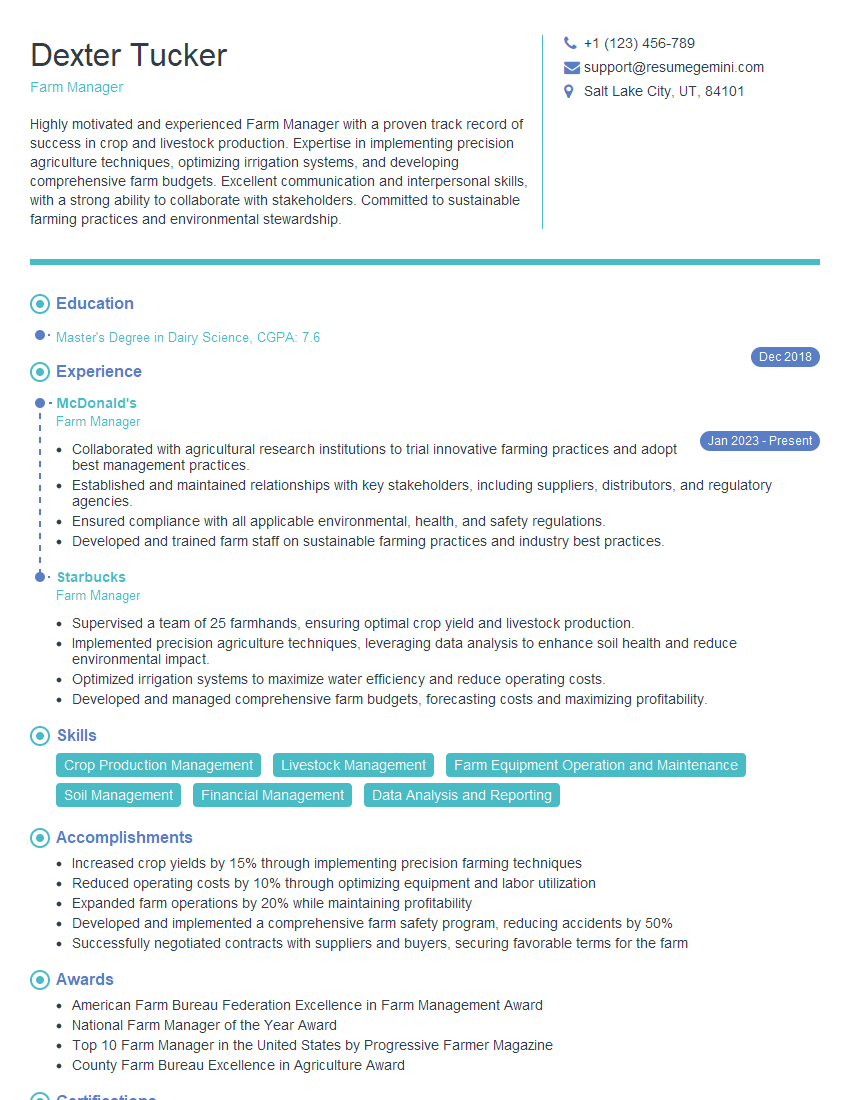
Farm Manager Resume Sample
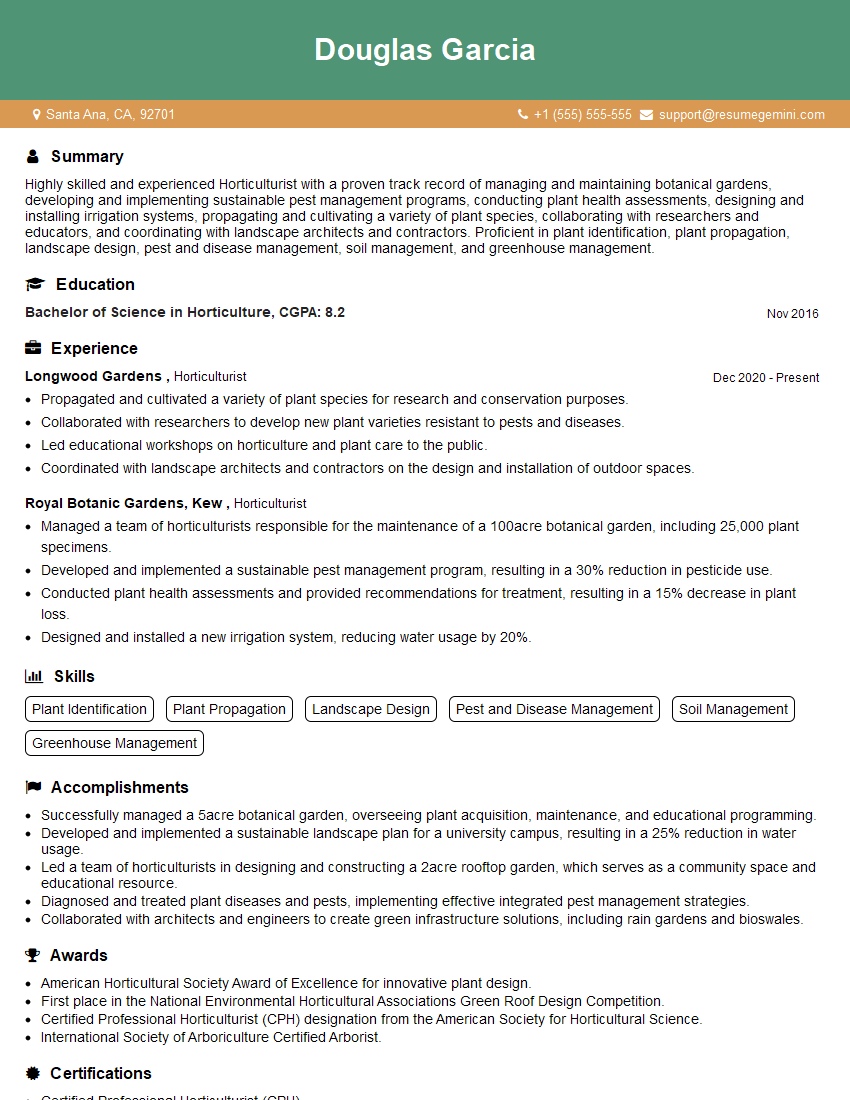
Horticulturist Resume Sample
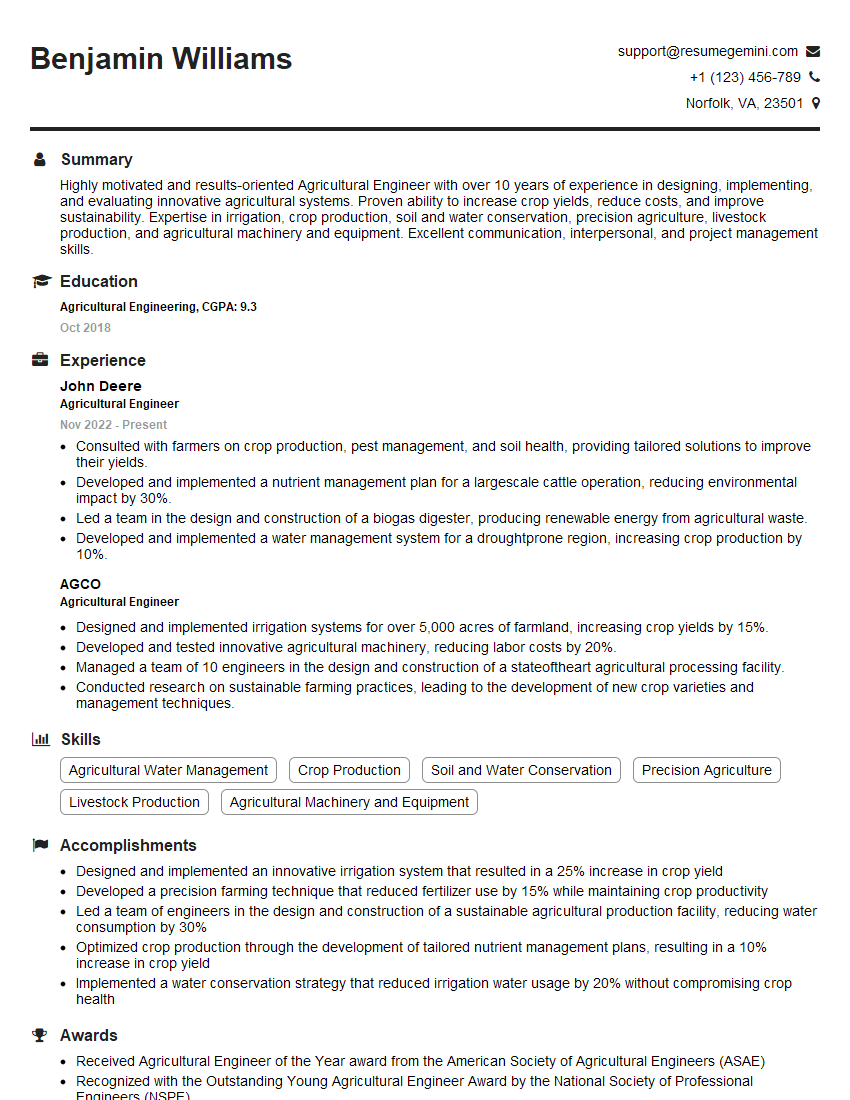
Agricultural Engineer Resume Sample
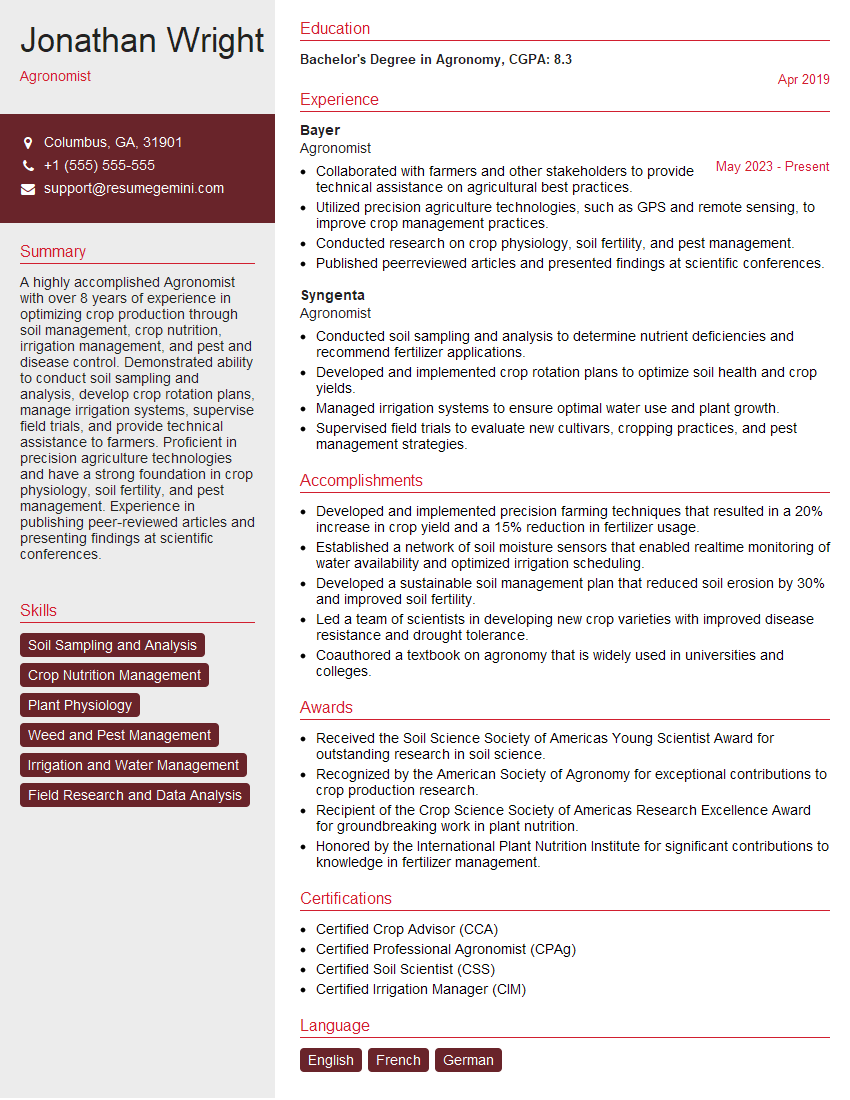
Agronomist Resume Sample
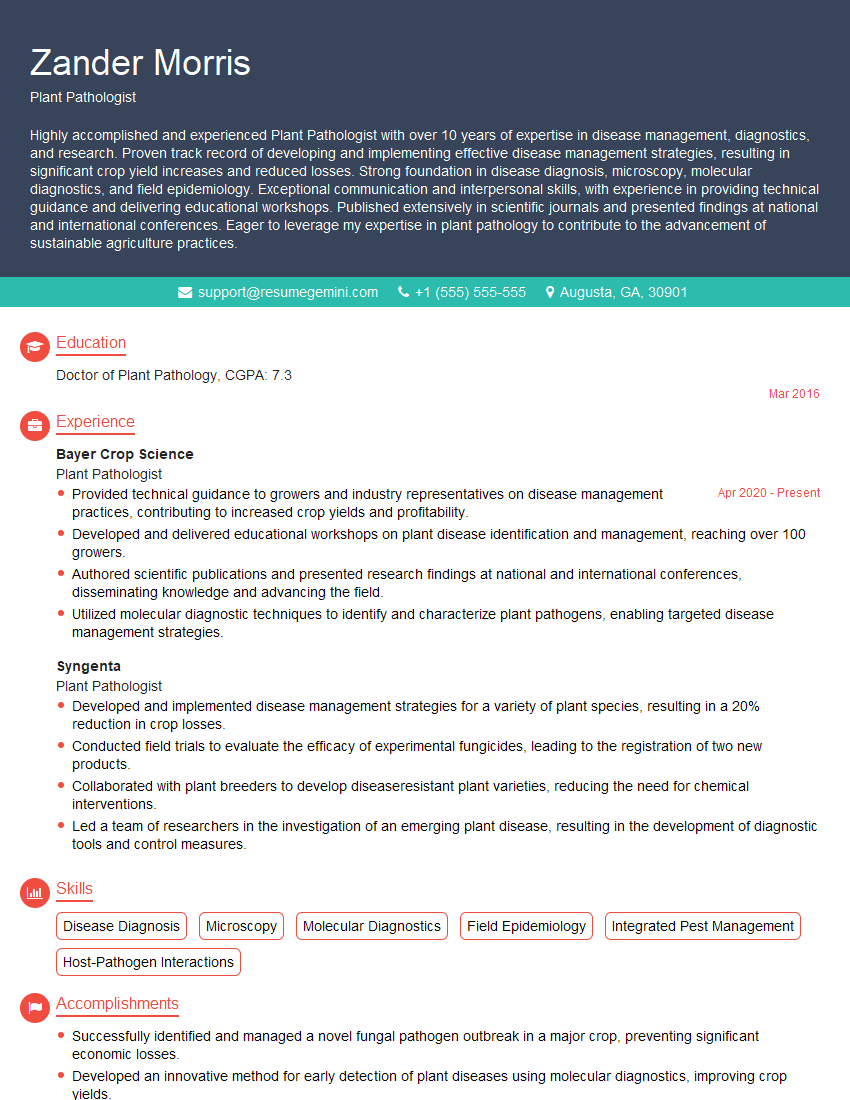
Plant Pathologist Resume Sample

Soil Scientist Resume Sample
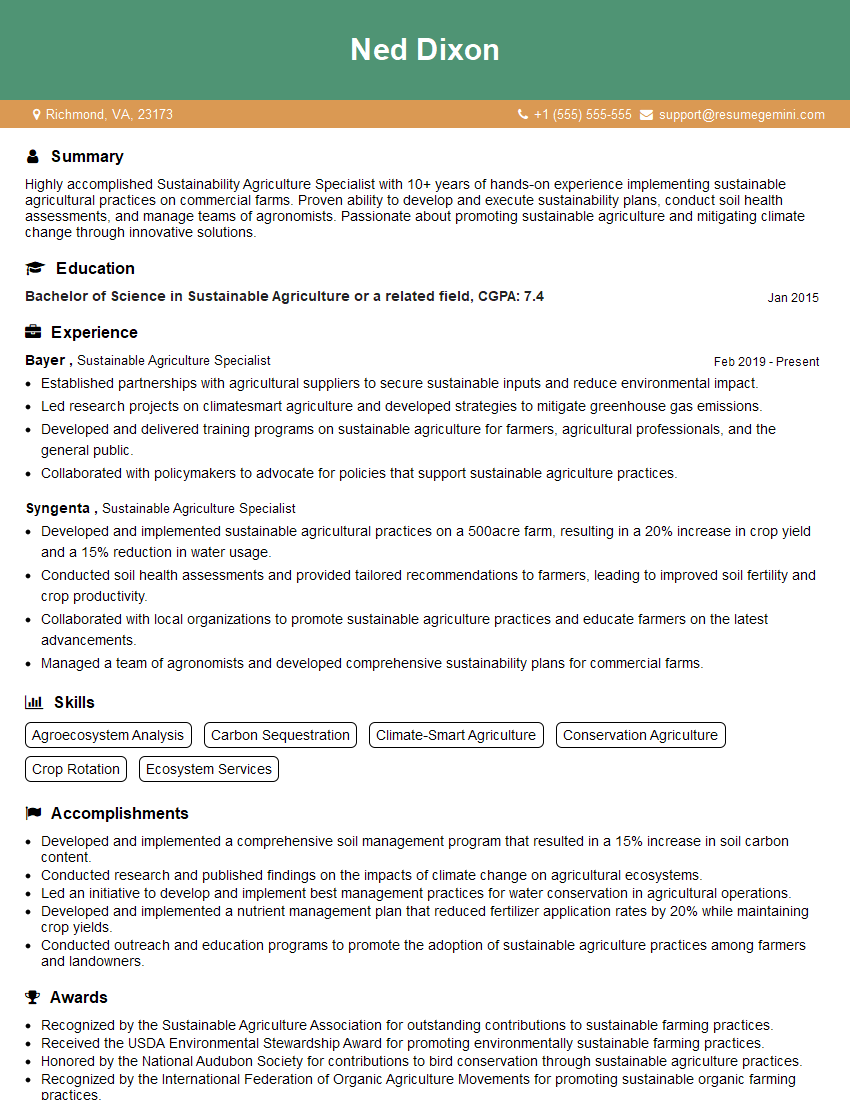
Sustainable Agriculture Specialist Resume Sample
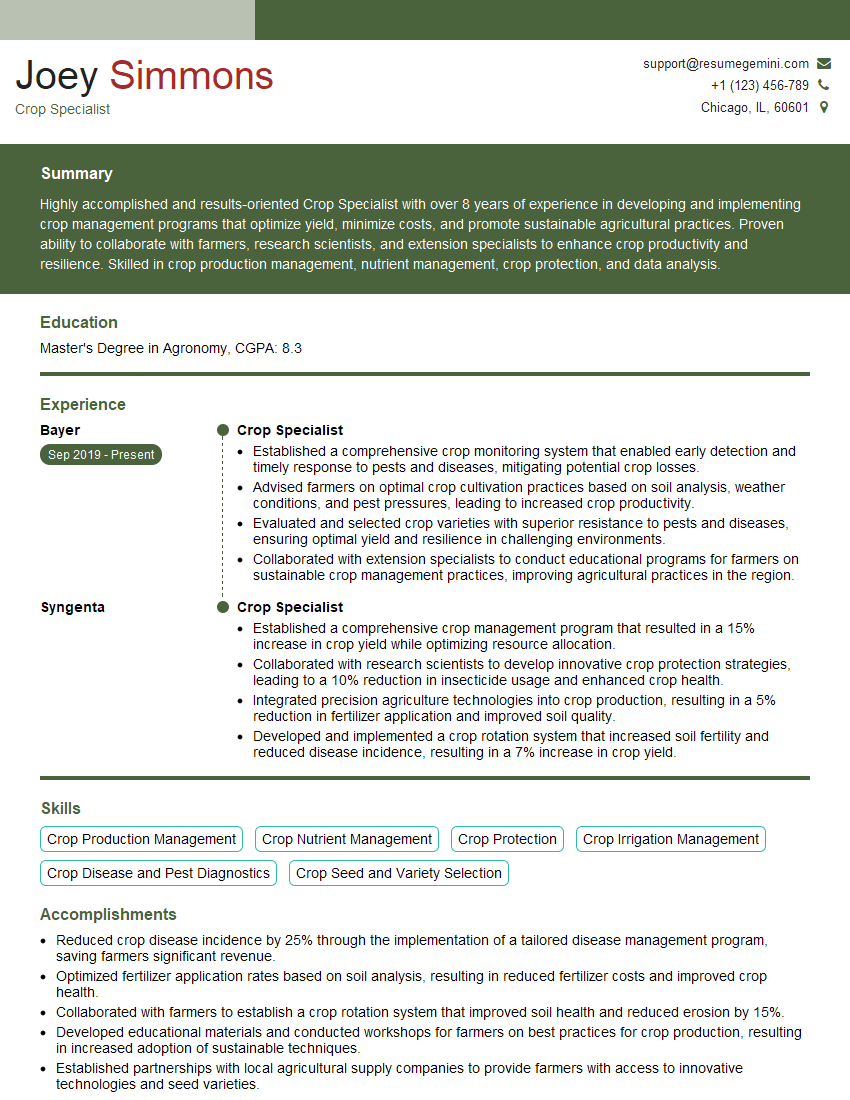
Crop Specialist Resume Sample
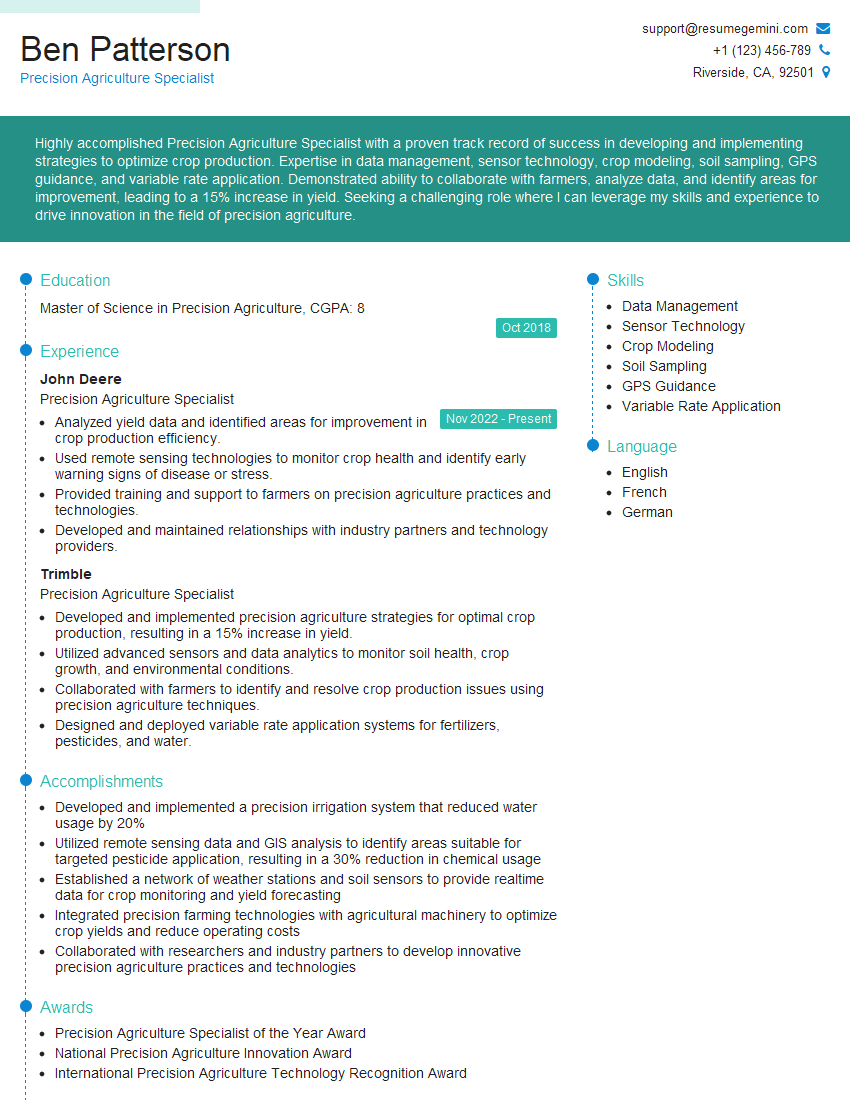
Precision Agriculture Specialist Resume Sample
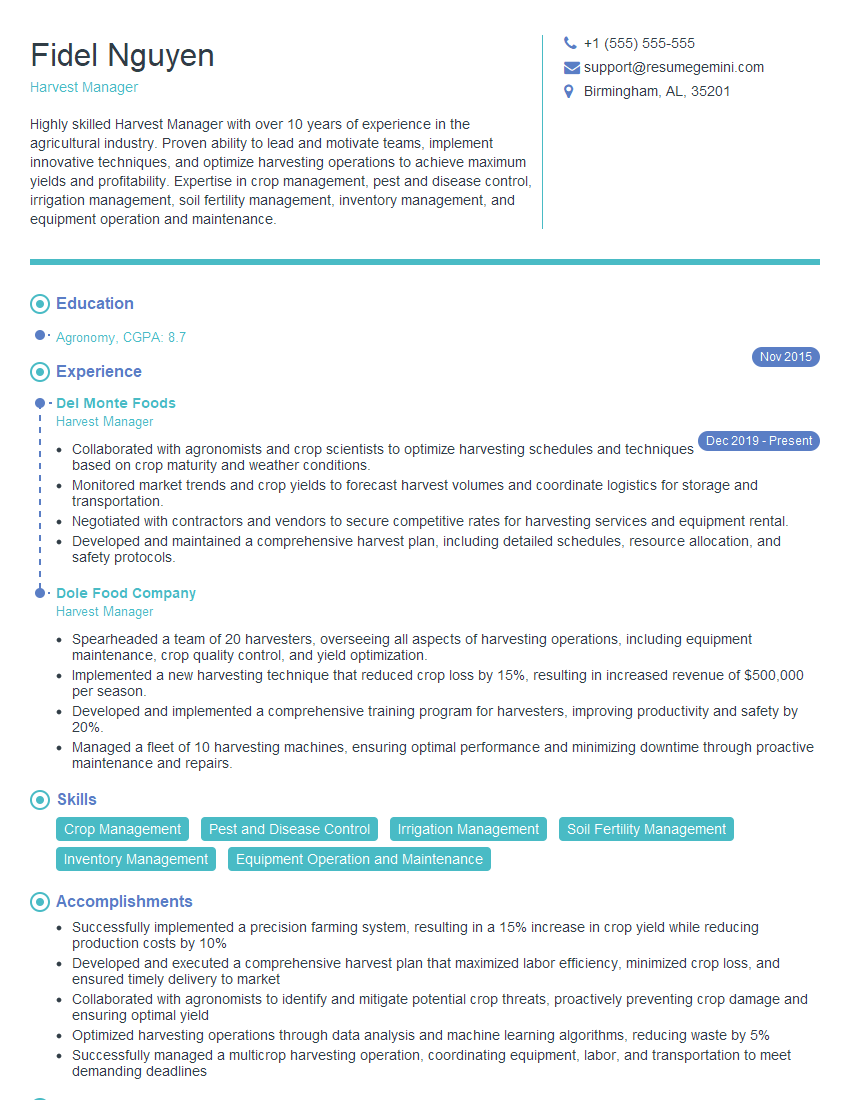
Harvest Manager Resume Sample
Explore more articles
Users Rating of Our Blogs
Share Your Experience
We value your feedback! Please rate our content and share your thoughts (optional).
What Readers Say About Our Blog
Really detailed insights and content, thank you for writing this detailed article.
IT gave me an insight and words to use and be able to think of examples