Unlock your full potential by mastering the most common Cruise Ship Operations interview questions. This blog offers a deep dive into the critical topics, ensuring you’re not only prepared to answer but to excel. With these insights, you’ll approach your interview with clarity and confidence.
Questions Asked in Cruise Ship Operations Interview
Q 1. Describe your experience managing onboard safety procedures.
Onboard safety is paramount in cruise ship operations. My experience encompasses overseeing the implementation and regular auditing of the Safety Management System (SMS), a comprehensive framework mandated by the International Maritime Organization (IMO). This involves drills and training exercises for both crew and passengers, covering various scenarios from fire and abandon ship procedures to medical emergencies and man overboard situations. I’ve been directly responsible for ensuring all safety equipment – from lifeboats and life rafts to fire suppression systems and emergency medical kits – is properly maintained, inspected, and readily accessible. For instance, during my tenure on the Ocean Voyager, I spearheaded a complete overhaul of the emergency response protocols, reducing the average response time to a fire drill by 15%, a significant improvement achieved through enhanced crew training and improved communication systems. This also included the implementation of a new, regularly updated digital safety manual accessible to all crew members via onboard tablets.
- Regular Safety Drills and Training
- Maintenance and Inspection of Safety Equipment
- Emergency Response Plan Development and Implementation
- Compliance with International Maritime Regulations (SOLAS, etc.)
Q 2. How would you handle a medical emergency onboard?
Handling a medical emergency requires swift, decisive action. My approach follows a structured protocol. First, activating the ship’s medical response system alerts the onboard medical team and provides immediate access to their expertise. Simultaneously, I would assess the situation, providing basic first aid if necessary, while ensuring the scene is secured for the medical team’s arrival. Communication is key; I would inform the captain and relevant personnel, ensuring any necessary adjustments to the ship’s course or speed are implemented if medical evacuation is required. We utilize a sophisticated medical database for quick access to passenger medical history and can contact external medical professionals via satellite communication for consultations. For example, I once managed a situation involving a passenger suffering a severe allergic reaction; the timely intervention and communication with external specialists led to the successful treatment and prevention of a potentially fatal outcome. The entire process is meticulously documented for compliance and future learning.
Q 3. Explain your experience with passenger service and conflict resolution.
Passenger service and conflict resolution are integral parts of my role. I believe in proactive customer service— anticipating needs and exceeding expectations. This involves empowering my team to handle minor issues independently while providing them with the support they need. In cases of conflict, my approach focuses on active listening, empathy, and a fair resolution. I find that understanding the root cause of the complaint, often beyond the surface-level issue, is crucial. For instance, a seemingly simple complaint about a malfunctioning air conditioner might be a symptom of underlying dissatisfaction with the overall cabin experience. I’ve found that a sincere apology, combined with a practical solution—whether it’s a complimentary upgrade or a heartfelt gesture—often resolves most conflicts amicably. Documenting all instances of conflict, including resolutions, helps improve future service strategies. We also utilize passenger feedback surveys to continuously refine our services.
Q 4. What is your experience with crew scheduling and management?
Crew scheduling and management are critical for efficient and safe operation. I utilize scheduling software that considers various factors, including crew certifications, rest periods (as per international regulations), and workload distribution to optimize operational efficiency and crew well-being. This includes forecasting staffing needs based on anticipated passenger numbers and planned activities. Regular performance reviews and feedback sessions are incorporated to maintain morale and identify any training requirements. On the Seabreeze, I implemented a new crew scheduling system that reduced overtime by 10% and improved crew satisfaction scores noticeably. This system also integrated a task management module, improving communication and accountability among different departments.
Q 5. Describe your knowledge of international maritime regulations.
My knowledge of international maritime regulations is extensive, encompassing the International Convention for the Safety of Life at Sea (SOLAS), the International Convention on Standards of Training, Certification and Watchkeeping for Seafarers (STCW), and the MARPOL conventions concerning marine pollution. I understand the nuances of these regulations and their implications for all aspects of cruise ship operation, from safety protocols to environmental protection. I regularly update my knowledge through professional development courses and participation in industry conferences. Understanding these regulations isn’t just about compliance; it’s about ensuring passenger and crew safety and minimizing environmental impact. This translates into proactive measures, such as stringent waste management procedures and regular inspections to prevent non-compliance issues.
Q 6. How would you manage a crisis situation, such as a fire or engine failure?
Crisis management involves immediate action and adherence to established protocols. In a fire, the immediate priority is passenger and crew evacuation according to the ship’s emergency plan. This includes activating the fire alarm, containing the fire (if possible), and directing passengers to muster stations. If it’s an engine failure, immediate assessment of the situation determines the extent of the problem and any potential safety risks. Communication is paramount—informing passengers and the crew calmly and transparently while executing damage control measures. Throughout the crisis, collaboration with all departments, including engineering, security, and medical, is vital. Post-incident analysis is crucial to identify areas for improvement in future emergency response. For instance, a simulated engine failure drill on the Starlight cruise ship provided valuable insights that directly led to improved response times during a real-world situation.
Q 7. Explain your understanding of ship maintenance and repair procedures.
Ship maintenance and repair are crucial for operational efficiency and safety. My understanding encompasses preventative maintenance schedules, reactive repairs, and the management of onboard engineering teams. This includes overseeing routine inspections, managing spare parts inventory, and coordinating external repairs when necessary. I’m familiar with various ship systems, from propulsion and navigation to HVAC and electrical systems. Regular assessments of the ship’s overall condition are conducted to anticipate potential problems. For instance, implementing a predictive maintenance system on the Ocean Dream reduced unscheduled downtime by 12%, translating into significant cost savings and operational improvements. This proactive approach prevents major breakdowns, ensuring smooth sailing and passenger comfort.
Q 8. How do you ensure compliance with environmental regulations?
Ensuring compliance with environmental regulations is paramount in cruise ship operations. It’s not just about adhering to the letter of the law; it’s about safeguarding our oceans and demonstrating corporate social responsibility. We achieve this through a multi-faceted approach.
- Waste Management: We implement rigorous waste segregation systems onboard, separating plastics, organic waste, recyclables, and hazardous materials. This allows for efficient processing and responsible disposal in designated ports, minimizing environmental impact. We actively pursue technologies like advanced wastewater treatment systems to meet and exceed stringent discharge standards.
- Emissions Reduction: We invest in cleaner fuel technologies and optimize ship design for improved fuel efficiency. This includes implementing strategies like hull cleaning to reduce drag and utilizing advanced engine management systems. Regular maintenance and inspections are crucial for minimizing emissions.
- Ballast Water Management: Ballast water can introduce invasive species into new ecosystems. We utilize approved ballast water management systems to treat and exchange ballast water, preventing the spread of such species and protecting marine biodiversity. Compliance with the IMO Ballast Water Management Convention is strictly enforced.
- Environmental Audits & Reporting: We conduct regular environmental audits to identify areas for improvement and ensure compliance with all relevant international and local regulations. Detailed reporting is maintained and submitted to the appropriate authorities.
- Crew Training: All crew members receive comprehensive training on environmental regulations and best practices. This ensures everyone understands their role in protecting the marine environment and actively participates in environmentally responsible operations.
For example, on my previous vessel, we successfully implemented a new waste-to-energy system, significantly reducing our reliance on landfills and lowering our carbon footprint. The project involved extensive planning, crew training, and collaboration with port authorities to ensure compliance and efficient operation.
Q 9. What are your strategies for improving passenger satisfaction?
Improving passenger satisfaction is the cornerstone of a successful cruise operation. It requires a holistic approach focusing on exceeding expectations at every touchpoint.
- Personalized Service: We encourage crew members to engage with passengers on a personal level, remembering names and preferences. This creates a welcoming and attentive atmosphere.
- Enhanced Onboard Activities: A diverse range of entertainment, dining, and enrichment programs caters to varied interests. We actively solicit passenger feedback to continually refine our offerings.
- Excellent Customer Service: A responsive and efficient guest services team addresses passenger concerns promptly and effectively. We empower staff to resolve issues independently, avoiding unnecessary bureaucracy.
- Cleanliness & Hygiene: Maintaining impeccable cleanliness and hygiene throughout the vessel is non-negotiable. Regular inspections ensure consistently high standards.
- Technology Integration: Utilizing technology such as mobile apps for onboard services, booking excursions, and accessing information enhances the passenger experience and adds convenience.
- Post-Cruise Feedback: Collecting and analyzing passenger feedback through surveys and reviews helps identify areas for improvement and allows us to adapt our services proactively.
For instance, on a previous assignment, we introduced a personalized concierge service for suite guests, resulting in significantly higher satisfaction scores and positive reviews. It’s about demonstrating genuine care and attention to detail.
Q 10. Describe your experience with inventory management and procurement.
Inventory management and procurement in cruise ship operations are critical for smooth sailing, literally. Efficient systems ensure sufficient supplies while minimizing waste and maximizing cost-effectiveness.
- Demand Forecasting: Accurate demand forecasting is essential. We analyze historical data, passenger projections, and menu planning to predict consumption and order accordingly.
- Inventory Tracking Systems: We utilize sophisticated inventory management software to track stock levels in real-time. This system provides alerts for low stock, preventing shortages and ensuring timely replenishment.
- Just-in-Time Procurement: We employ just-in-time procurement strategies to minimize storage costs and reduce waste. Close collaboration with suppliers is vital for timely delivery.
- Supplier Relationships: Building strong relationships with reliable suppliers is crucial for securing competitive pricing and consistent quality. Regular performance reviews ensure that suppliers meet our standards.
- Waste Reduction Strategies: We implement strategies to minimize food waste, such as precise portioning and efficient menu planning. We also explore sustainable sourcing options.
For example, I implemented a new inventory system on a previous ship that reduced food waste by 15% and lowered procurement costs by 8% within six months. The key was accurate forecasting and efficient stock rotation.
Q 11. How familiar are you with various onboard communication systems?
I am very familiar with various onboard communication systems, understanding their critical role in maintaining safety, security, and efficient operations. These systems are diverse and must be seamlessly integrated.
- PA System: The public address system is used for emergency announcements, general information, and entertainment broadcasts. Regular testing and maintenance are vital to ensure its reliability.
- Internal Communications Networks: Closed-circuit television (CCTV) systems, along with internal radio networks, are used for security monitoring, crew communication, and coordination.
- Satellite Communication: Satellite communication systems provide connectivity for global communication, internet access, and data transmission, crucial for operational efficiency and guest services.
- Guest Wi-Fi: High-speed internet access is now a standard expectation, and managing bandwidth and network security is paramount. We leverage technology to enhance guest experience.
- Emergency Communication Systems: GMDSS (Global Maritime Distress and Safety System) compliance is mandatory. This ensures reliable emergency communication capabilities, vital for safety and response in emergencies.
Troubleshooting these systems requires a blend of technical knowledge and problem-solving skills. For example, I once managed a situation where a satellite communication outage impacted critical operations. By working closely with the IT team and the satellite provider, we restored communication efficiently, minimizing disruption.
Q 12. How would you address a disruptive passenger?
Addressing a disruptive passenger requires a calm, professional, and consistent approach prioritizing the safety and comfort of all guests. Our response depends on the nature and severity of the disruption.
- De-escalation Techniques: We utilize de-escalation techniques to calm the passenger, actively listening and attempting to understand the source of the disruption. A calm and empathetic approach often helps de-escalate the situation.
- Clear Communication: Clear and consistent communication is key. We explain the ship’s rules and regulations respectfully but firmly.
- Separation If Necessary: If de-escalation attempts fail and the passenger continues to disrupt others, separation may be necessary. This could involve moving the passenger to a different location or, in extreme cases, involving security personnel.
- Documentation: We meticulously document all interactions with the disruptive passenger, including the nature of the disruption, attempts at de-escalation, and any actions taken. This documentation is vital if further action is required.
- Management Intervention: In severe cases, senior management intervenes to manage the situation and, if necessary, take further steps such as disembarkation.
For example, I once handled a situation where a passenger became verbally abusive towards crew members. By calmly addressing the passenger’s concerns and firmly enforcing ship rules, the situation was resolved without further incident. Clear communication and empathy were vital.
Q 13. What is your experience with budgeting and financial reporting?
Budgeting and financial reporting are crucial aspects of cruise ship operations. Effective financial management ensures the profitability and sustainability of the enterprise.
- Budget Development: I’m experienced in developing comprehensive budgets encompassing all operational aspects, from fuel and provisioning to crew salaries and marketing.
- Cost Control: I utilize various cost control measures to maximize efficiency and minimize expenses, always mindful of balancing cost-effectiveness with operational excellence.
- Financial Reporting: I’m proficient in preparing accurate and timely financial reports, analyzing key performance indicators (KPIs), and identifying areas for improvement.
- Variance Analysis: Regular variance analysis helps identify discrepancies between budgeted and actual figures, enabling timely corrective actions.
- Financial Software Proficiency: I possess experience working with various financial management software and systems, which enables efficient data analysis and reporting.
For example, on a previous assignment, I successfully implemented a new cost-control strategy that resulted in a 10% reduction in operational expenses without compromising service quality. This involved a detailed review of all operational aspects and the identification of areas for optimization.
Q 14. Describe your experience with staff training and development.
Staff training and development are critical for providing excellent service and maintaining a safe and efficient operation. A well-trained and motivated crew is paramount for success.
- Onboarding Programs: We implement structured onboarding programs for new crew members, providing comprehensive training on ship policies, safety procedures, and customer service standards.
- Specialized Training: Crew members receive specialized training based on their roles and responsibilities, ensuring they are equipped with the necessary skills and knowledge.
- Continuous Professional Development: We support continuous professional development by offering ongoing training and development opportunities, including workshops, online courses, and mentoring programs.
- Performance Management: Regular performance reviews provide constructive feedback and identify areas for improvement, ensuring that crew members are constantly striving for excellence.
- Safety Training: Safety training is a core component, ensuring compliance with international regulations and best practices for emergency procedures and risk management.
For instance, I designed and implemented a new leadership development program for mid-level managers that improved employee morale and retention rates significantly. It’s about investing in people, not just processes.
Q 15. How do you manage onboard waste disposal effectively?
Effective onboard waste disposal is crucial for environmental protection and maintaining a sanitary ship environment. It’s a multifaceted process involving segregation, treatment, and disposal.
- Segregation: Waste is meticulously categorized into different streams: recyclables (paper, plastic, glass, metal), organic waste (food scraps), hazardous waste (batteries, chemicals), and general waste. This is often achieved using color-coded bins strategically placed throughout the ship.
- Treatment: Organic waste often undergoes composting or anaerobic digestion to reduce volume and create usable byproducts. Recyclables are baled for efficient storage and offloading. Hazardous waste is stored securely and handled according to international regulations (MARPOL Annex V).
- Disposal: Depending on the ship’s location, waste is either discharged ashore at designated facilities, transferred to specialized waste management vessels, or – for certain treated waste – discharged at sea, adhering strictly to MARPOL regulations. This often involves maintaining detailed logs and reporting processes.
For example, on a large cruise ship, we might have a dedicated waste management team responsible for overseeing these processes, including training crew members on proper segregation techniques and monitoring waste handling equipment. Regular inspections and audits ensure compliance with both company and international regulations.
Career Expert Tips:
- Ace those interviews! Prepare effectively by reviewing the Top 50 Most Common Interview Questions on ResumeGemini.
- Navigate your job search with confidence! Explore a wide range of Career Tips on ResumeGemini. Learn about common challenges and recommendations to overcome them.
- Craft the perfect resume! Master the Art of Resume Writing with ResumeGemini’s guide. Showcase your unique qualifications and achievements effectively.
- Don’t miss out on holiday savings! Build your dream resume with ResumeGemini’s ATS optimized templates.
Q 16. What is your understanding of SOLAS regulations?
SOLAS, the Safety of Life at Sea Convention, is a crucial set of international maritime safety regulations. It’s not just a set of rules; it’s a commitment to ensuring the safety of passengers, crew, and the ship itself. The convention covers a wide range of aspects, including:
- Hull Integrity: Ensuring the structural strength of the vessel to withstand various conditions.
- Fire Protection: Implementing fire detection, suppression, and escape systems.
- Life-Saving Appliances: Providing sufficient lifeboats, life rafts, and personal flotation devices.
- Radio Communications: Maintaining effective communication systems for distress calls and navigation.
- Safety Management Systems (SMS): Implementing a comprehensive safety management system that proactively identifies and mitigates risks.
My understanding of SOLAS goes beyond mere compliance. I see it as a framework for a proactive safety culture, where every crew member is responsible for safety, and continuous improvement is a priority. Failing to adhere to SOLAS can result in serious consequences, including hefty fines, detention of the vessel, and even criminal charges.
Q 17. How would you handle a situation with a missing passenger?
A missing passenger is a serious incident requiring immediate and coordinated action. My response would follow a structured protocol:
- Immediate Notification: Alert the onboard security team, ship’s captain, and relevant shoreside authorities.
- Passenger Information Gathering: Collect all available information on the missing passenger – last known location, description, any known medical conditions, etc. Review CCTV footage.
- Search and Rescue Operation: Initiate a comprehensive search of the ship, focusing on areas where the passenger was last seen. Engage crew members in the search and utilize onboard announcements.
- Passenger Manifest Review: Confirm if the passenger is indeed missing (possible unauthorized disembarkation).
- Collaboration with Authorities: Maintain close contact with port authorities and potentially law enforcement agencies, particularly if foul play is suspected.
- Guest Communication: Keep other passengers informed (without causing undue alarm) about the situation and ongoing efforts.
- Post-Incident Review: Conduct a thorough post-incident review to identify any shortcomings in procedures or security protocols that contributed to the incident.
For example, we might utilize the ship’s internal communication system (PA system) to announce the missing person while discreetly utilizing CCTV footage to potentially track their movement. A well-coordinated search involves utilizing crew members familiar with the ship’s layout.
Q 18. Describe your experience with managing onboard security systems.
My experience with managing onboard security systems is extensive. This involves a combination of physical security measures and technological systems. These include:
- CCTV Systems: Managing and monitoring a comprehensive network of closed-circuit television cameras throughout the ship, including high-resolution cameras in public areas and strategic locations. This enables real-time monitoring, incident recording, and post-incident investigation.
- Access Control Systems: Overseeing restricted access areas via keycard systems or biometric scanners, ensuring only authorized personnel can access sensitive areas.
- Intrusion Detection Systems: Monitoring for unauthorized entry or breaches, using alarm systems and sensor technology.
- Communication Systems: Ensuring effective communication channels between security personnel, crew members, and emergency services. This may include dedicated radio systems and emergency call buttons.
Beyond technological systems, effective security management requires regular training for security personnel, proactive risk assessments, and a robust incident reporting and response system. I’ve implemented and improved security systems on multiple cruise vessels, leading to a significant reduction in security incidents.
Q 19. What are your strategies for preventing and responding to onboard crime?
Preventing and responding to onboard crime requires a multi-layered approach, focusing on both prevention and reaction. My strategies include:
- Proactive Security Measures: Utilizing the security systems described above, as well as visible security personnel to deter crime. Regular security patrols and random checks.
- Crew Training: Providing comprehensive training to all crew members on security awareness, identifying suspicious activity, and responding to incidents.
- Passenger Information: Providing passengers with safety information and guidelines about crime prevention during embarkation.
- Incident Reporting and Investigation: Establishing a clear process for reporting security incidents, followed by a thorough investigation to identify causes and prevent recurrence.
- Collaboration with Authorities: Maintaining a strong working relationship with port authorities and law enforcement agencies to report and address criminal activity.
Responding to an onboard crime involves securing the scene, protecting witnesses, notifying authorities, and ensuring the safety of passengers and crew. Strict adherence to legal protocols and procedures is crucial in these situations.
Q 20. Explain your understanding of crew welfare and wellbeing.
Crew welfare and wellbeing are paramount. A happy and healthy crew is a productive and safe crew. My understanding encompasses a holistic approach:
- Fair Wages and Benefits: Ensuring crew members receive fair compensation, appropriate benefits, and leave entitlements.
- Safe Working Conditions: Providing a safe and healthy working environment, adhering to all relevant safety regulations and minimizing risks.
- Accommodation and Amenities: Providing decent crew accommodation with adequate amenities, recreational facilities, and opportunities for rest.
- Mental Health Support: Offering access to mental health resources and support services, addressing the unique challenges of working at sea.
- Conflict Resolution Mechanisms: Providing accessible and effective mechanisms for addressing crew conflicts and grievances.
- Cultural Sensitivity and Inclusivity: Creating a respectful and inclusive work environment that values diversity and celebrates the contributions of crew members from various backgrounds.
I believe in fostering a culture of open communication and mutual respect. Regular crew meetings, feedback mechanisms, and access to management are essential for addressing concerns and ensuring a positive working environment.
Q 21. How would you address crew conflict or disputes?
Addressing crew conflict or disputes requires a fair, timely, and impartial approach. My strategy involves:
- Immediate Intervention: If a conflict arises, addressing it promptly to prevent escalation.
- Confidentiality and Impartiality: Creating a safe space for all parties to express their concerns without fear of reprisal. Remaining neutral and objective.
- Mediation and Facilitation: Attempting to resolve the conflict through mediation, helping the parties find common ground and reach a mutually acceptable solution.
- Formal Processes: If mediation fails, utilizing formal grievance procedures, ensuring due process and a fair hearing.
- Documentation: Maintaining thorough records of all interactions, decisions, and outcomes.
- Follow-up: Checking in with the parties involved after the resolution to ensure the issue is truly resolved and to prevent future occurrences.
For example, I might arrange a meeting with the involved parties to facilitate discussion, or if necessary, involve the ship’s HR department to formally investigate the complaint. The goal is always to achieve a resolution that is fair to all involved and maintains a harmonious working environment.
Q 22. Describe your experience with port operations and procedures.
My experience with port operations encompasses all aspects from pre-arrival planning to post-departure reporting. This includes meticulous coordination with port authorities, ensuring compliance with all regulations and procedures, managing the safe and efficient handling of cargo (if applicable), and overseeing the smooth flow of passengers and crew through immigration, customs, and security checkpoints. I’ve been involved in everything from securing necessary permits and clearances well in advance to troubleshooting unexpected delays or logistical issues on the ground. For example, during a recent port call in Barcelona, a sudden surge in passenger volume required real-time adjustments to our disembarkation plan. By rapidly reorganizing the flow of passengers and communicating effectively with port staff, we avoided significant delays and maintained a positive passenger experience.
- Pre-Arrival Planning: This involves securing berthing arrangements, coordinating with shore-side service providers (such as baggage handlers and tour operators), and finalizing passenger manifests.
- Port Procedures Compliance: This includes adhering to all international maritime regulations (SOLAS, ISPS, etc.) as well as local port rules and regulations.
- Crew Management: Overseeing the efficient deployment of crew for tasks such as gangway operations, baggage handling, and passenger assistance.
- Post-Departure Reporting: Compiling reports on port calls for record-keeping and future planning purposes.
Q 23. What is your experience with passenger embarkation and disembarkation?
Passenger embarkation and disembarkation are critical processes requiring meticulous planning and execution. My experience involves managing the entire process, from initial check-in procedures to the final farewells. This includes optimizing passenger flow to minimize wait times, ensuring the safety and security of all passengers, and addressing any issues or emergencies that may arise. I’ve implemented innovative solutions, such as using pre-assigned boarding groups and electronic check-in systems, to streamline operations and improve passenger satisfaction. During a busy season in Miami, we successfully implemented a new color-coded boarding pass system, which reduced embarkation time by 20% by improving passenger flow to the gangways.
- Check-in and Baggage Handling: Overseeing efficient and organized check-in procedures, ensuring smooth baggage handling and minimizing lost luggage incidents.
- Security and Immigration: Coordinating with security and immigration personnel to ensure compliance with all regulations and the safety of passengers.
- Passenger Assistance: Providing assistance to passengers with disabilities or special needs, ensuring a comfortable and seamless experience.
- Disembarkation Planning: Developing and implementing efficient disembarkation plans, taking into account passenger numbers, luggage retrieval, and transportation arrangements.
Q 24. How do you ensure the smooth running of onboard activities?
Ensuring the smooth running of onboard activities requires a proactive and multifaceted approach. This involves careful planning, proactive communication, and efficient resource management. I utilize a combination of scheduling software, crew briefings, and regular progress checks to monitor activities. I also emphasize the importance of teamwork and open communication among all departments to ensure seamless collaboration. For example, during a themed cruise, we faced an unexpected shortage of key props for a planned show. By quickly communicating the issue to the relevant departments and creatively sourcing replacements, we successfully delivered the show without compromising quality or passenger expectations.
- Activity Scheduling and Coordination: Developing and managing detailed schedules for onboard activities, ensuring optimal utilization of resources and minimizing conflicts.
- Crew Training and Development: Ensuring that staff receive appropriate training and support to perform their duties effectively.
- Communication and Feedback: Maintaining open channels of communication among staff and passengers, addressing concerns promptly, and gathering feedback to continually improve operations.
- Incident Management: Developing and implementing procedures for handling unexpected incidents or disruptions to onboard activities.
Q 25. Describe your understanding of maritime law.
My understanding of maritime law is extensive, covering areas such as collision regulations, maritime safety, environmental protection, and passenger rights. I am well-versed in the International Maritime Organization (IMO) conventions and the relevant national laws governing cruise ship operations. A solid understanding of these regulations is essential for ensuring compliance, preventing legal issues, and protecting the interests of the company and passengers. For example, I’ve been directly involved in investigations involving incidents at sea, ensuring the company adhered strictly to maritime law and cooperated fully with relevant authorities. I am confident in interpreting and applying relevant legislation in various scenarios, from passenger disputes to port state control inspections.
- SOLAS (Safety of Life at Sea): Deep understanding of SOLAS conventions and their application in daily operations.
- ISPS (International Ship and Port Facility Security): Extensive knowledge of ISPS code and its implications for security protocols.
- MARPOL (International Convention for the Prevention of Pollution from Ships): Expertise in MARPOL regulations to ensure environmental compliance.
- Passenger Rights and Liabilities: Thorough understanding of passenger rights under international and national law.
Q 26. How familiar are you with different types of cruise ships and their operations?
My familiarity with different types of cruise ships extends from smaller, luxury vessels to large mega-ships. I understand the operational differences between various ship classes, including their capacity, technological systems, and crew requirements. This knowledge allows me to adapt my management strategies to specific ship characteristics and operational contexts. For example, the operational challenges of managing crew and activities on a smaller, more intimate vessel differ significantly from those on a larger ship with thousands of passengers. I have direct experience in managing operations on both types of vessels, understanding the unique complexities of each.
- Mega-ships: Experience managing complex operations on large vessels with thousands of passengers and crew.
- Luxury Vessels: Experience catering to high-end clientele and managing operations with a focus on personalized service.
- River Cruise Ships: Understanding of the unique operational challenges posed by navigating rivers and canals.
- Expedition Cruise Ships: Familiarity with the specialized requirements of expedition cruises, including safety protocols and environmental considerations.
Q 27. What are your skills in problem-solving in high-pressure environments?
My approach to problem-solving in high-pressure environments is systematic and proactive. I prioritize quick assessment, clear communication, and decisive action. My experience includes handling a range of unexpected events, from medical emergencies to equipment malfunctions and even security threats. I employ a structured problem-solving methodology, starting with identifying the core issue, then assembling a team of experts, developing potential solutions, and selecting the most effective course of action. In one instance, a critical engine failure occurred mid-voyage. By rapidly assessing the situation, activating the emergency response plan, and communicating effectively with the crew and passengers, I successfully navigated the crisis, ensuring the safety of everyone onboard and minimizing disruption.
- Rapid Assessment: Quickly identify the problem and its potential impact.
- Resource Mobilization: Assemble the necessary personnel and resources to address the problem.
- Decision-Making: Make informed decisions based on available information and expertise.
- Communication: Maintain clear and consistent communication with all stakeholders.
Q 28. Describe your leadership style and experience managing diverse teams.
My leadership style is collaborative and empowering. I believe in fostering a positive and supportive work environment where team members feel valued and respected. I encourage open communication, shared decision-making, and mutual accountability. I have extensive experience managing diverse teams composed of individuals from various backgrounds and cultures. I strive to create a culture of trust and respect where individual strengths are harnessed for collective success. A successful example involved leading a team through a major ship refit. By fostering open communication and collaboration between different departments, we completed the project on time and within budget, resulting in significant improvements to the ship’s operations.
- Collaboration: Encouraging teamwork and shared decision-making.
- Empowerment: Delegating tasks and responsibilities to team members.
- Communication: Maintaining open and transparent communication.
- Mentorship: Providing support and guidance to team members.
Key Topics to Learn for Cruise Ship Operations Interview
- Guest Services & Experience: Understanding guest needs, managing onboard activities, and resolving guest issues efficiently. Practical application: Developing strategies to improve guest satisfaction scores and handling difficult guest situations diplomatically.
- Safety & Security Procedures: Knowledge of emergency protocols, security measures, and safety regulations specific to cruise ships. Practical application: Demonstrating familiarity with the International Maritime Organization (IMO) standards and relevant emergency response procedures.
- Shipboard Operations & Logistics: Understanding cargo handling, crew management, maintenance scheduling, and supply chain management at sea. Practical application: Explaining how efficient logistics impact the overall operational smoothness of the vessel and passenger experience.
- Crew Resource Management (CRM): Understanding the principles of teamwork, communication, and leadership within a diverse and often demanding environment. Practical application: Providing examples of how you’ve contributed to a positive team environment and successfully managed conflicts.
- Environmental Compliance & Sustainability: Knowledge of maritime environmental regulations and sustainable practices within the cruise industry. Practical application: Discussing initiatives to reduce the environmental impact of cruise operations.
- Port Operations & Procedures: Understanding the processes involved in entering and leaving ports, including customs, immigration, and port security. Practical application: Describing the logistical challenges of port calls and how to mitigate potential delays or problems.
- Technology & Systems: Familiarity with onboard communication systems, navigation technologies, and vessel management software. Practical application: Illustrating how technological proficiency enhances operational efficiency and safety.
Next Steps
Mastering Cruise Ship Operations opens doors to exciting career advancements, from management roles to specialized positions within the industry. A strong resume is crucial for showcasing your skills and experience effectively to potential employers. Creating an ATS-friendly resume is vital for ensuring your application gets noticed. We highly recommend using ResumeGemini to build a professional and impactful resume tailored to the specifics of the Cruise Ship Operations field. ResumeGemini provides valuable tools and resources, including examples of resumes specifically designed for Cruise Ship Operations roles, to help you stand out from the competition and land your dream job.
Human Resources Manager Resume Sample
Chief Engineer Resume Sample
Executive Chef Resume Sample
Food and Beverage Manager Resume Sample
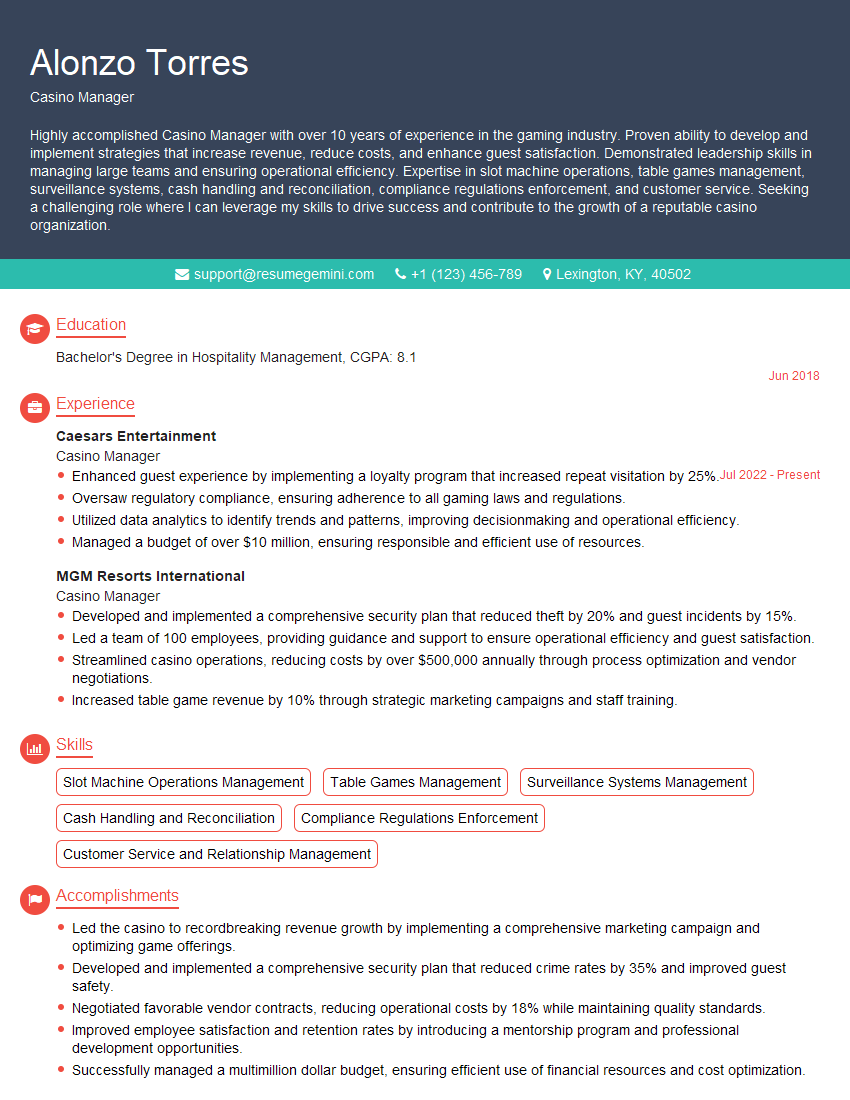
Casino Manager Resume Sample
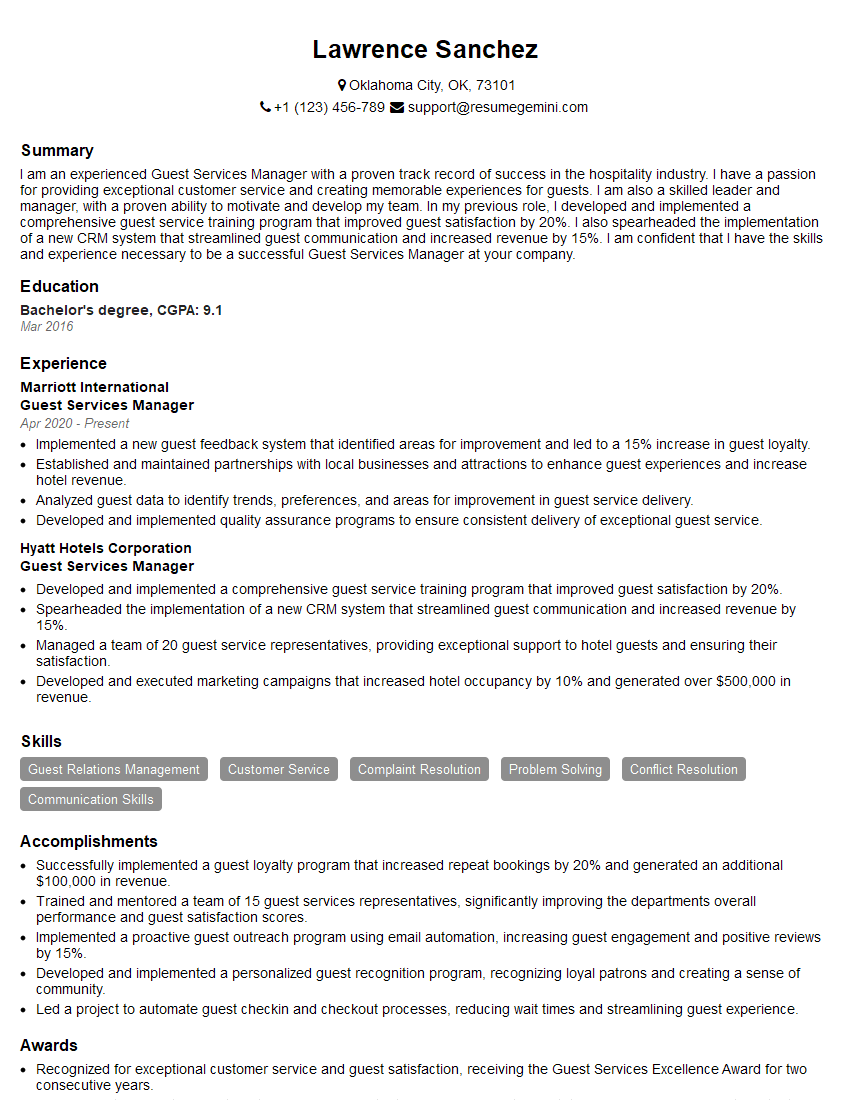
Guest Services Manager Resume Sample
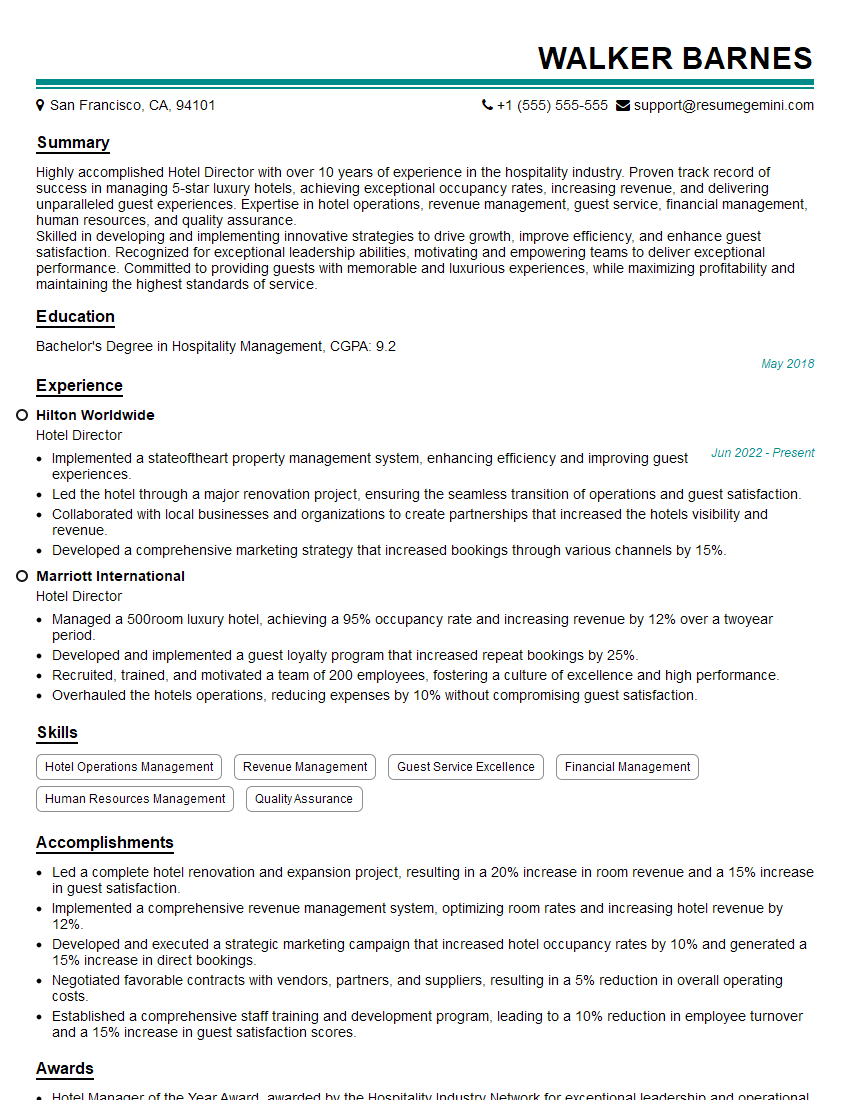
Hotel Director Resume Sample
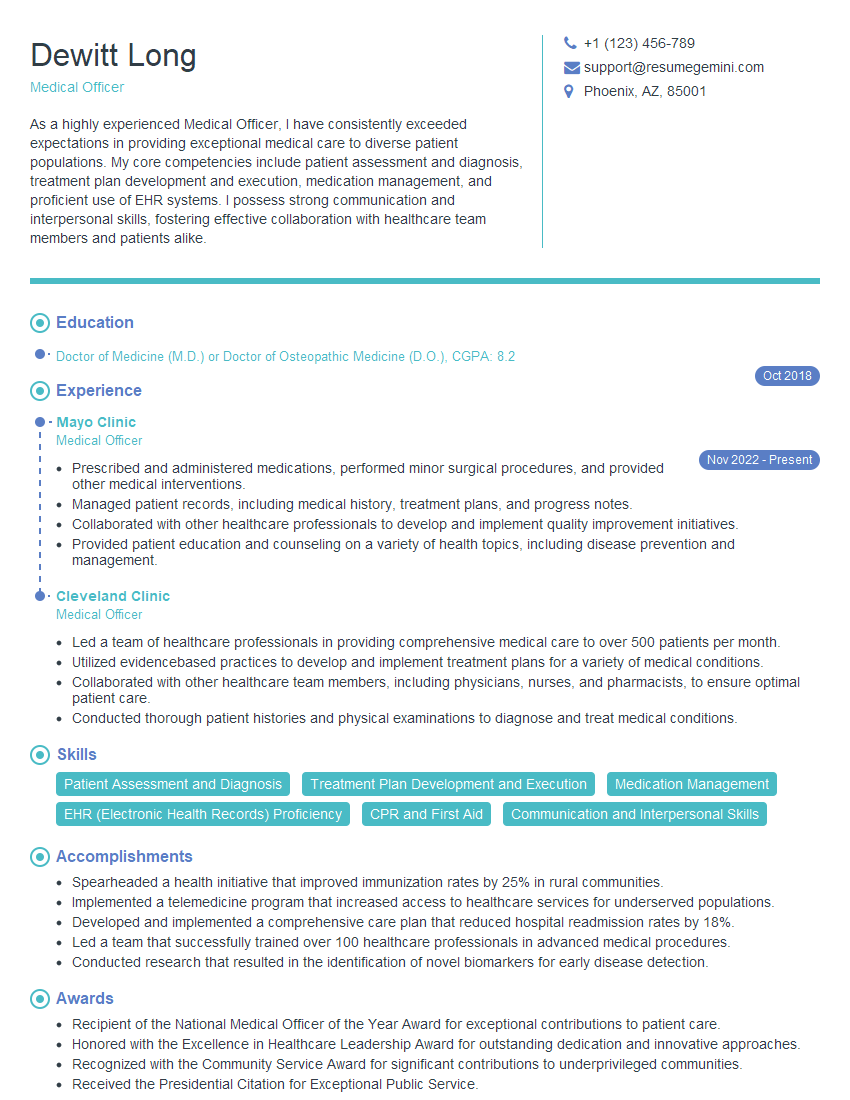
Medical Officer Resume Sample
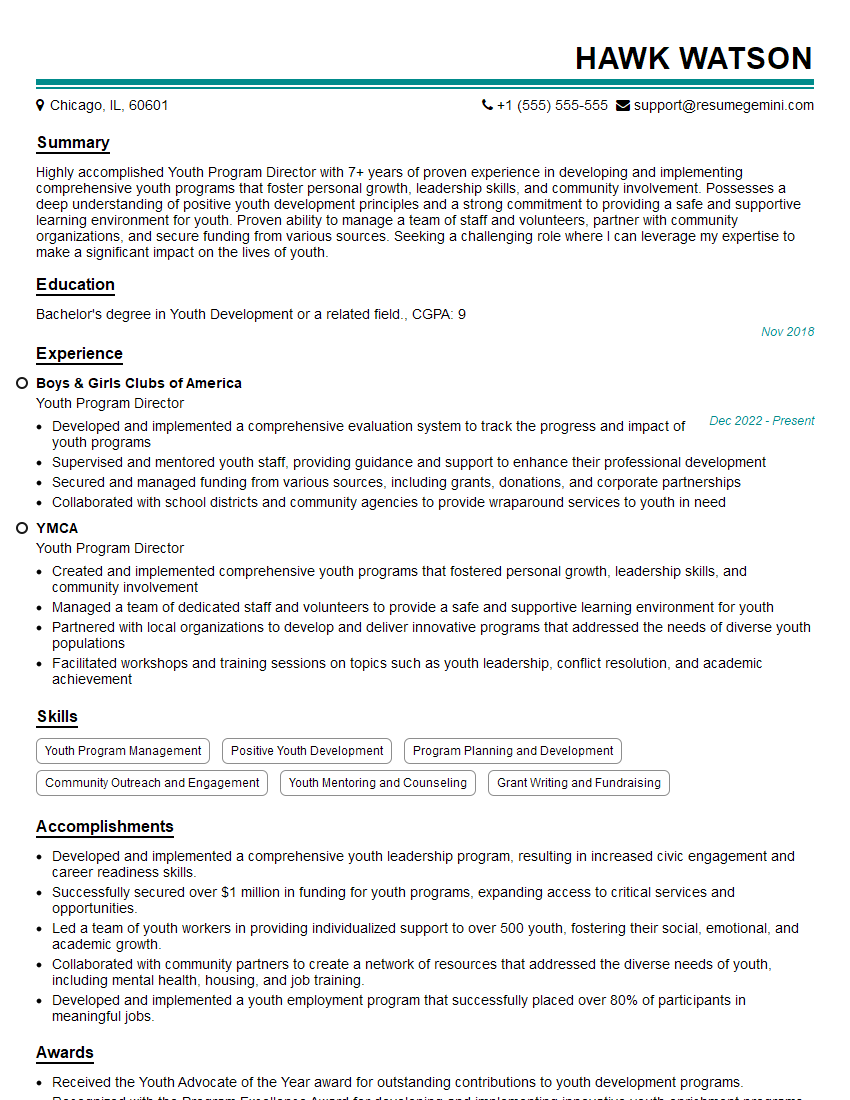
Youth Program Director Resume Sample
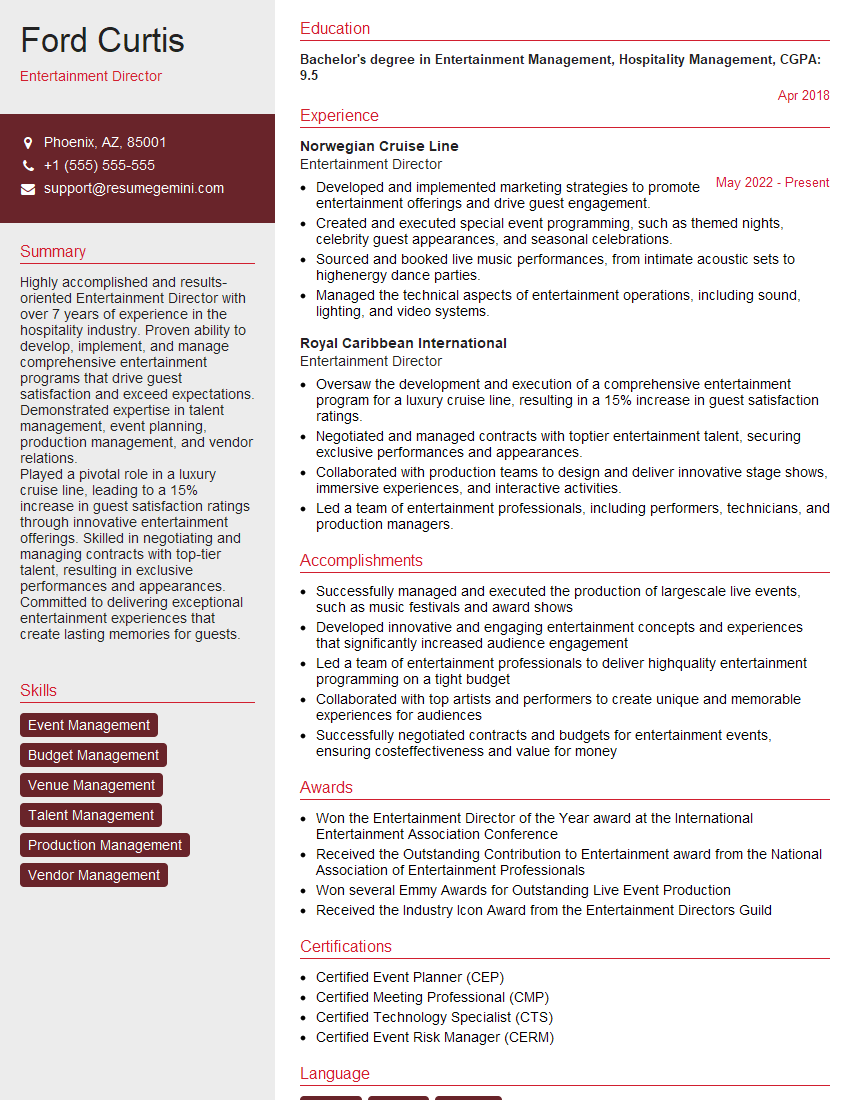
Entertainment Director Resume Sample
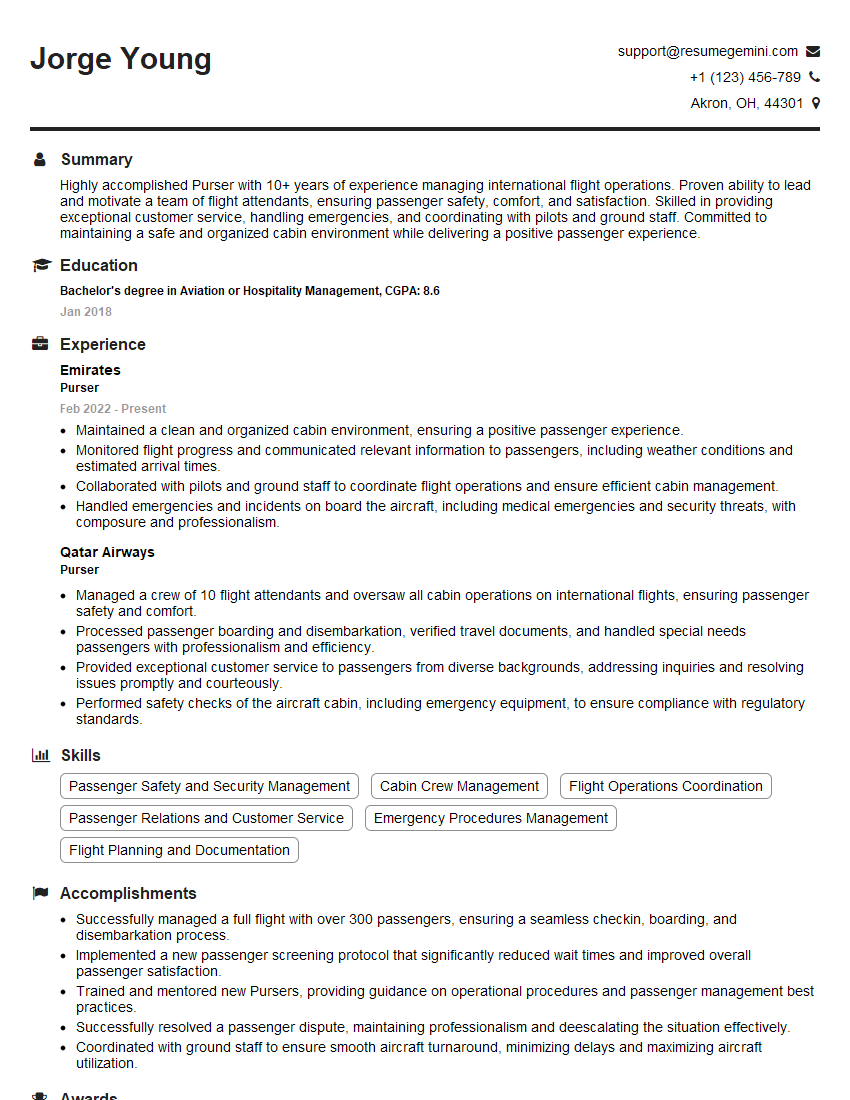
Purser Resume Sample
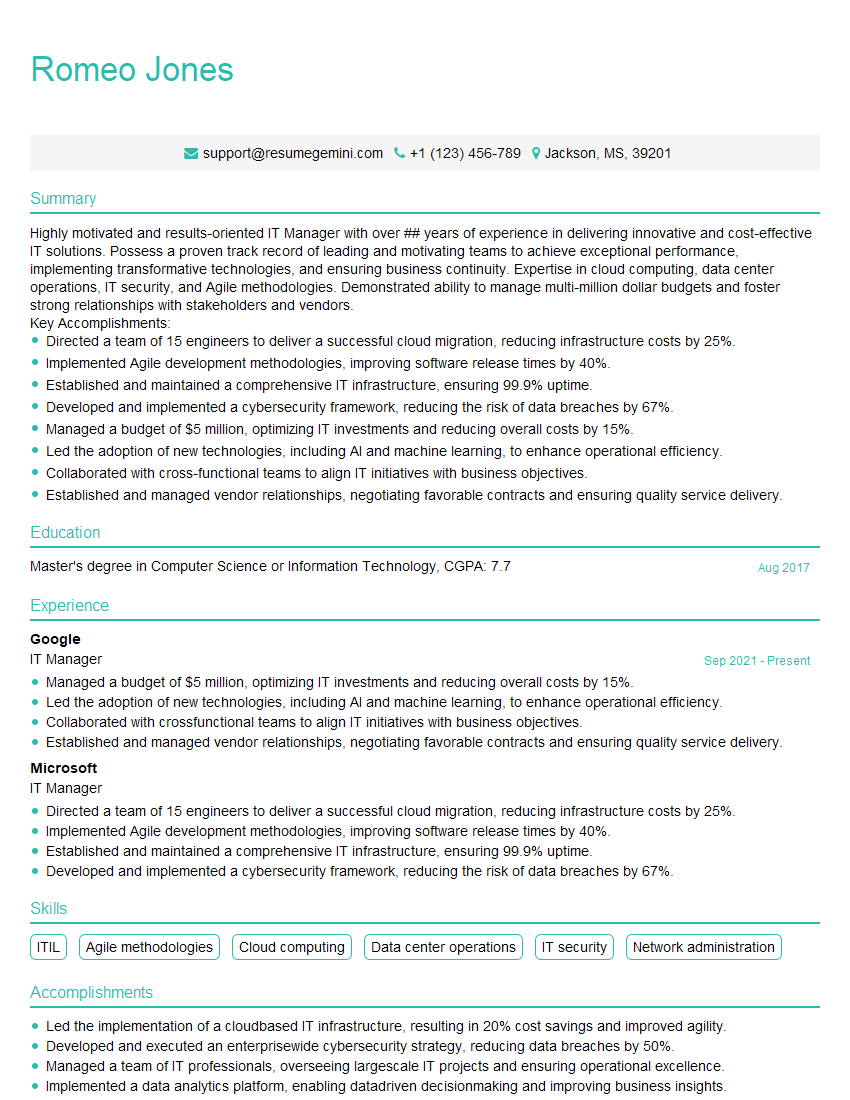
IT Manager Resume Sample
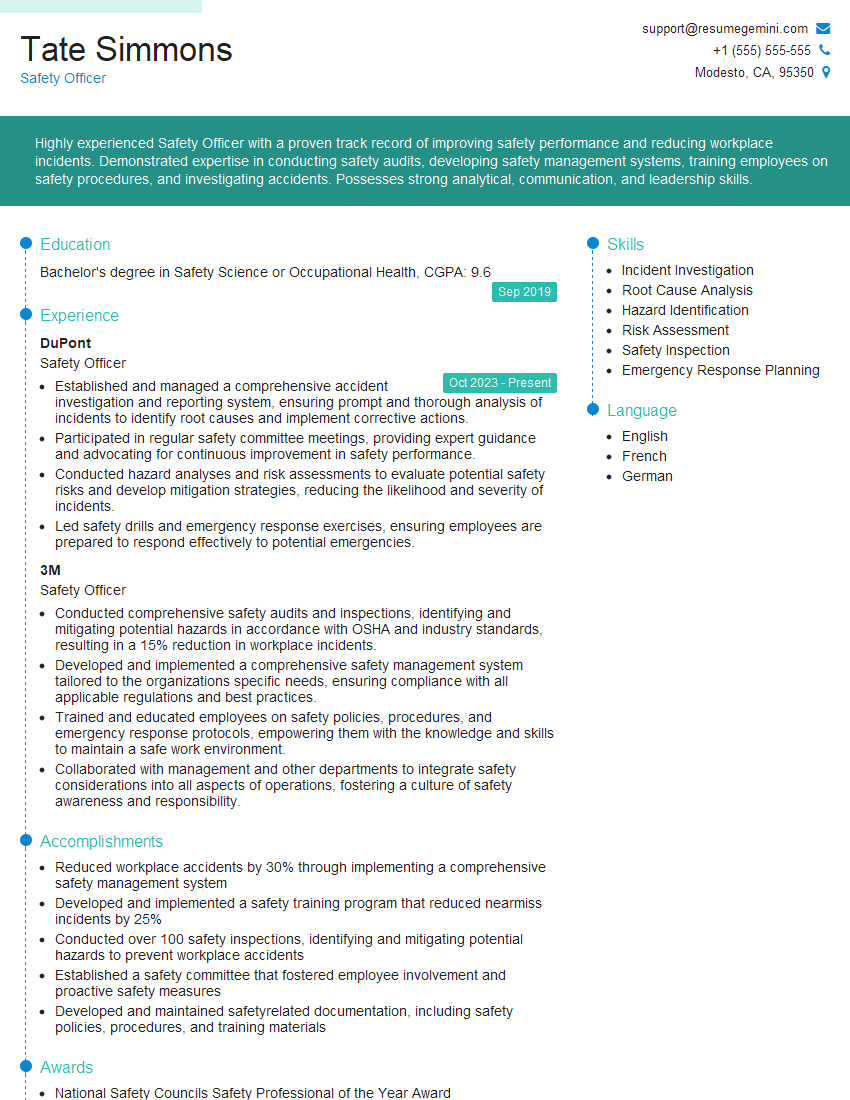
Safety Officer Resume Sample
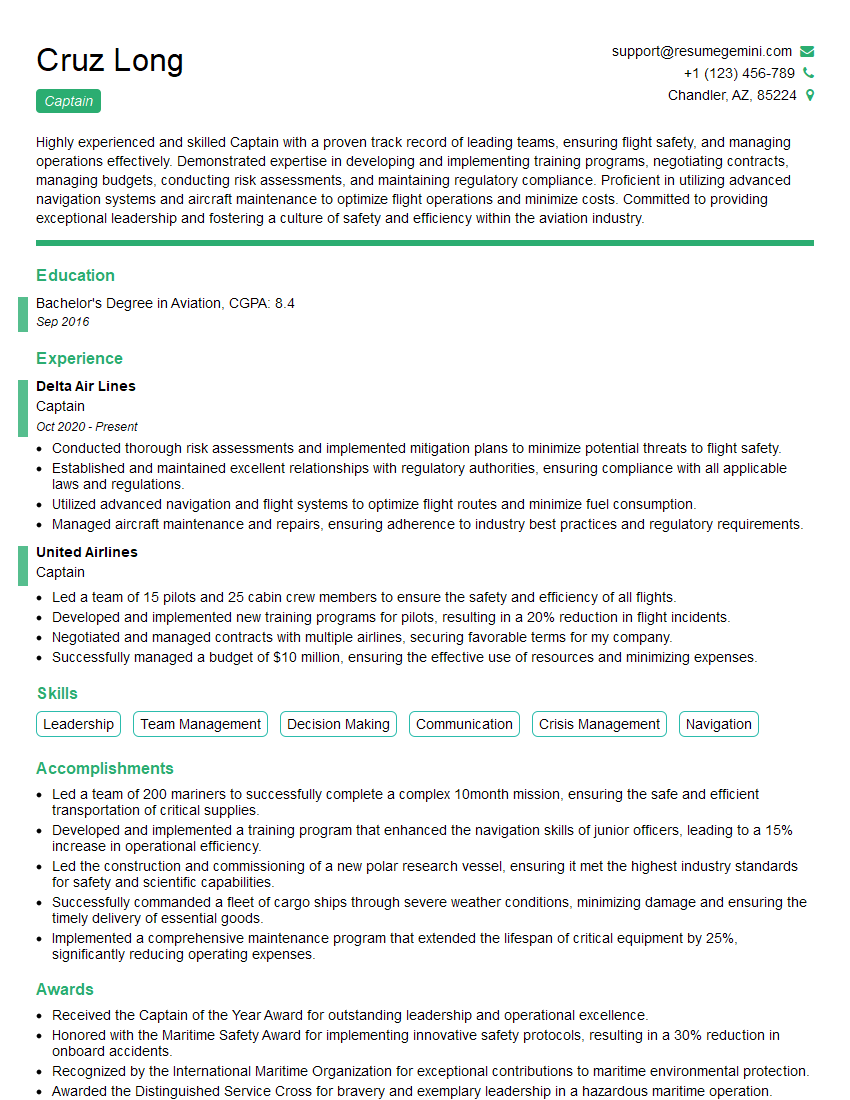
Captain Resume Sample
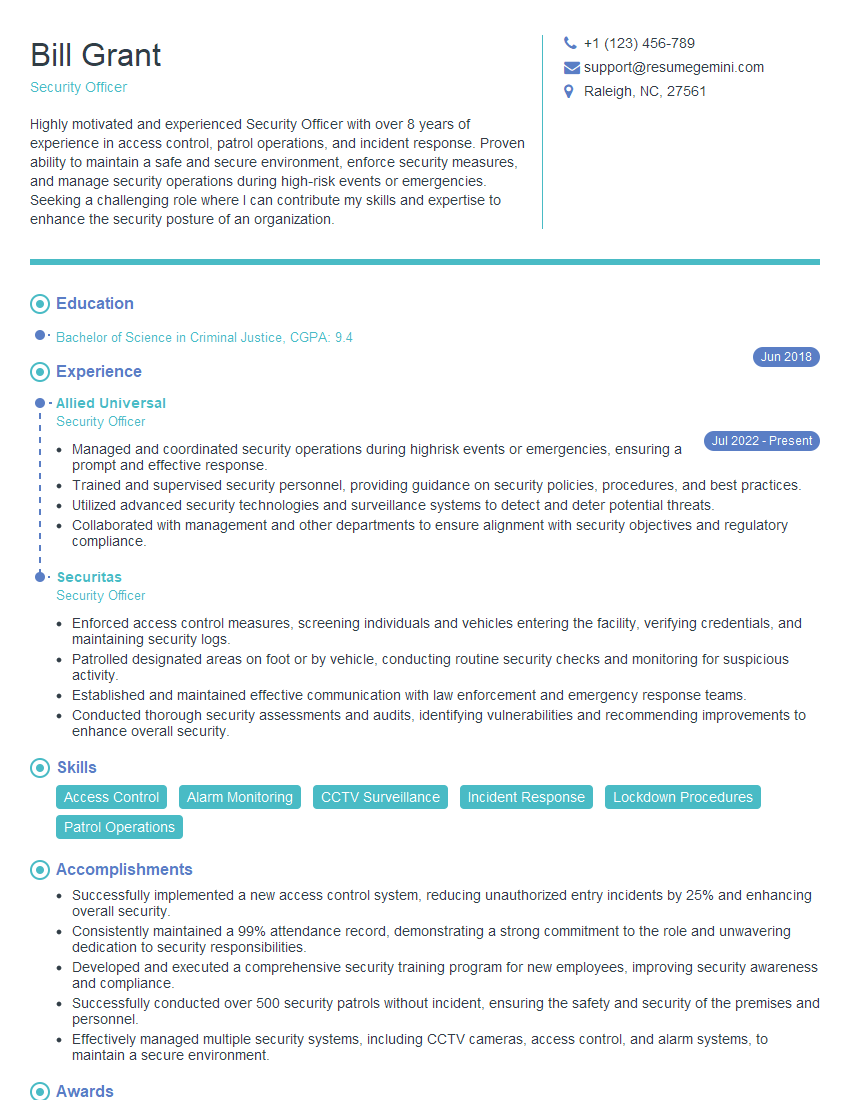
Security Officer Resume Sample
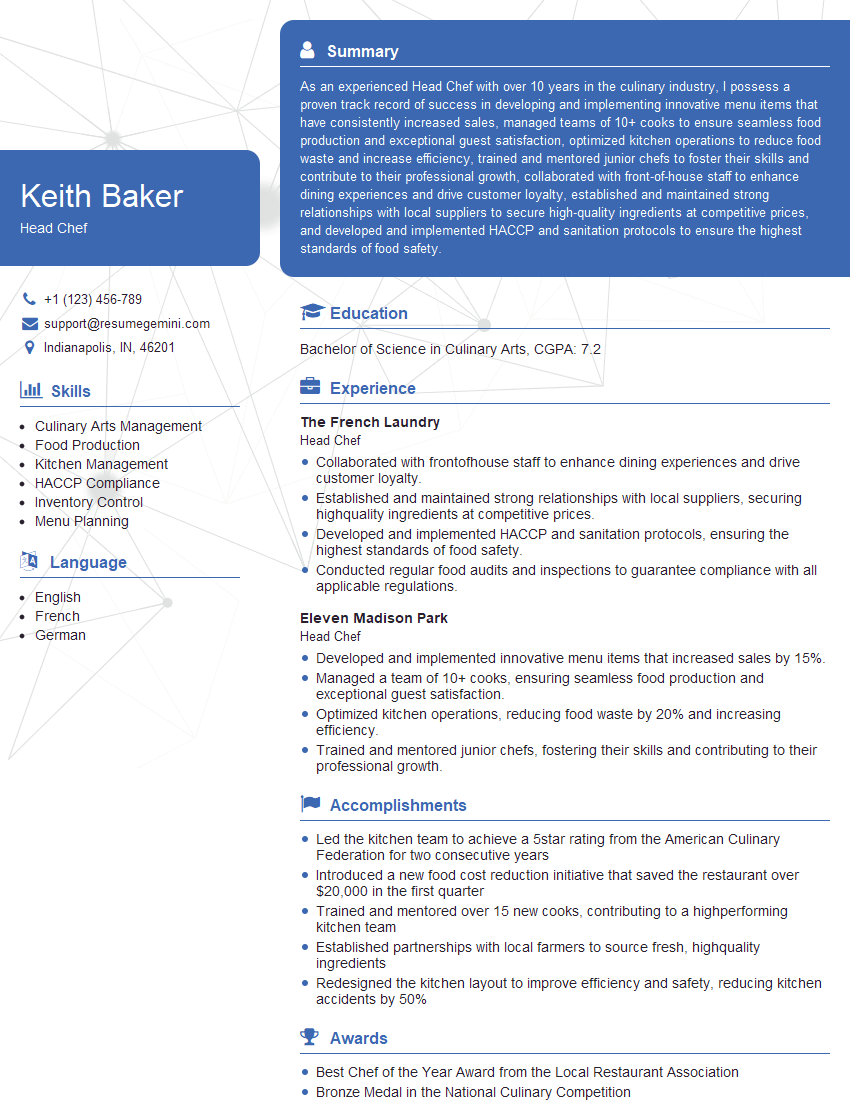
Head Chef Resume Sample
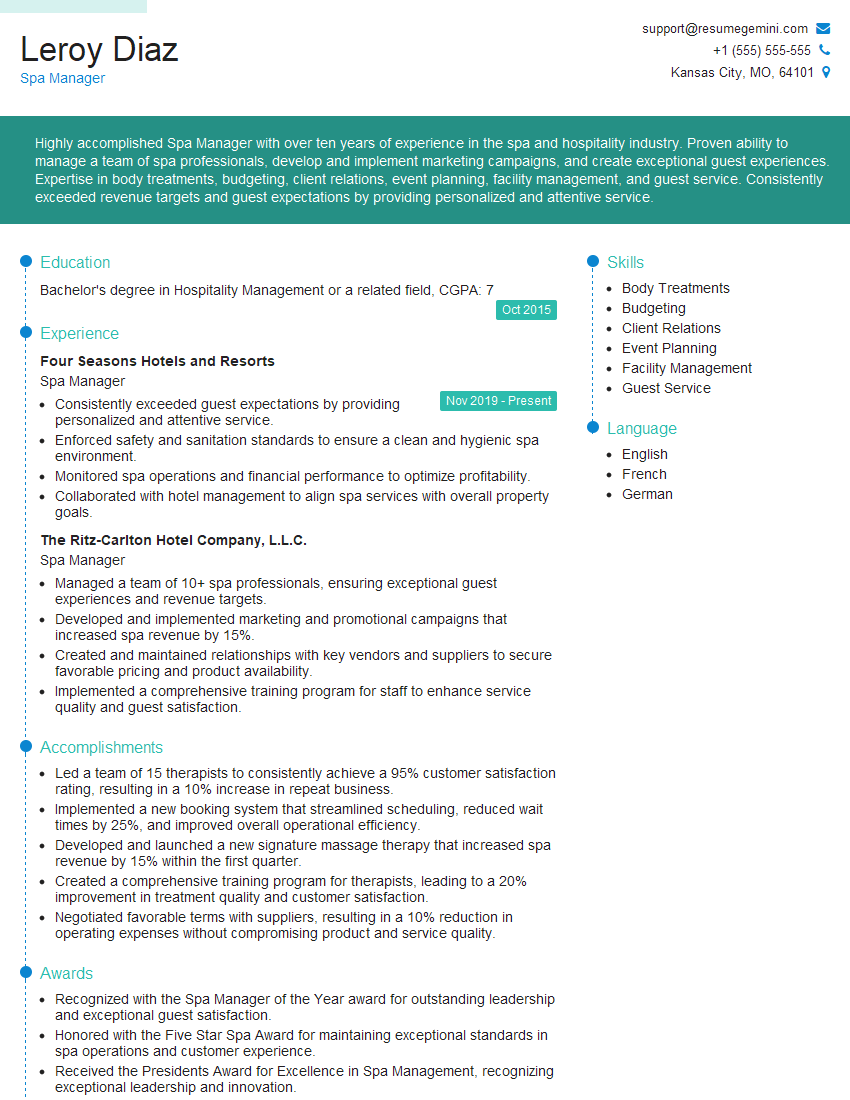
Spa Manager Resume Sample
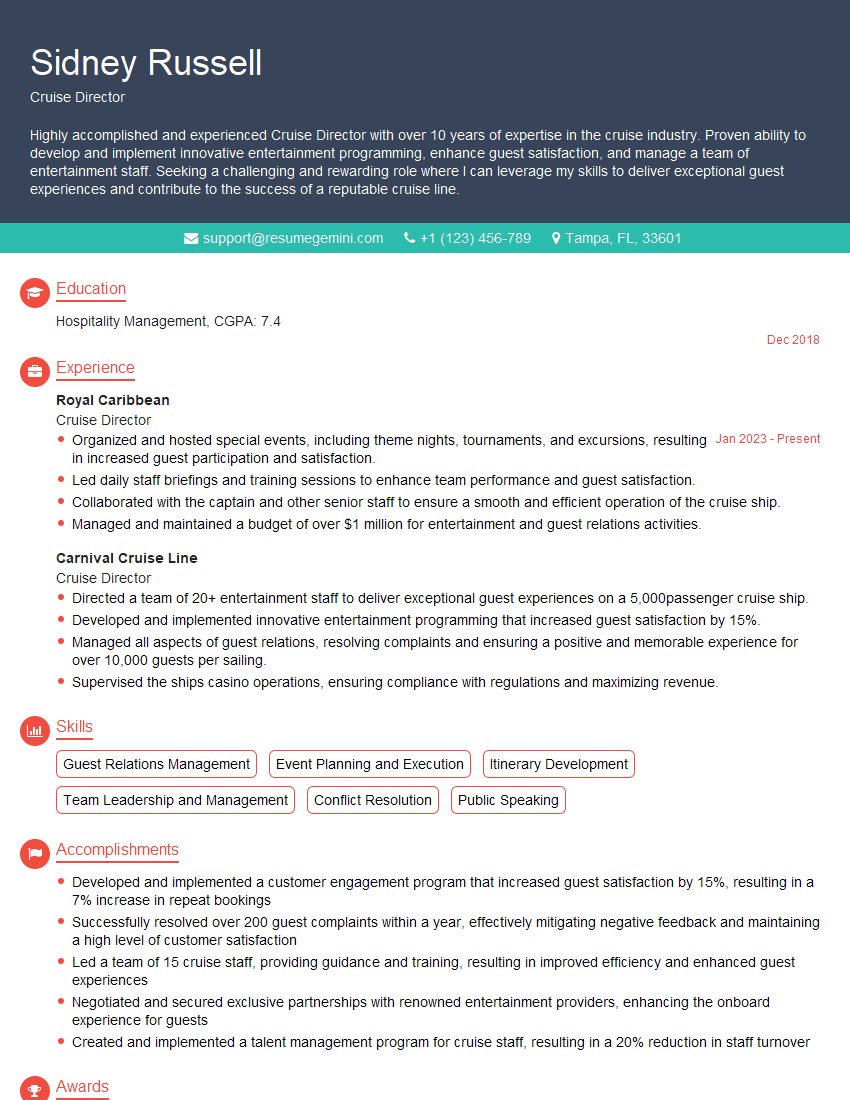
Cruise Director Resume Sample
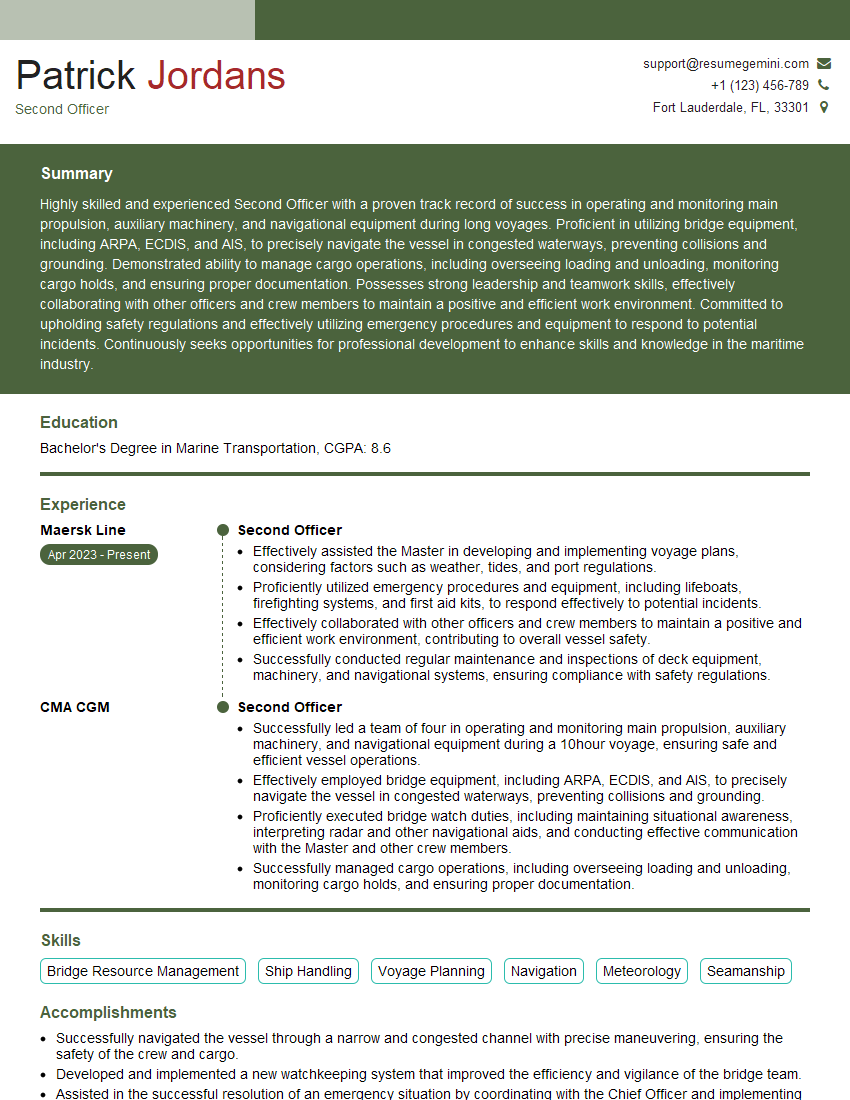
Second Officer Resume Sample
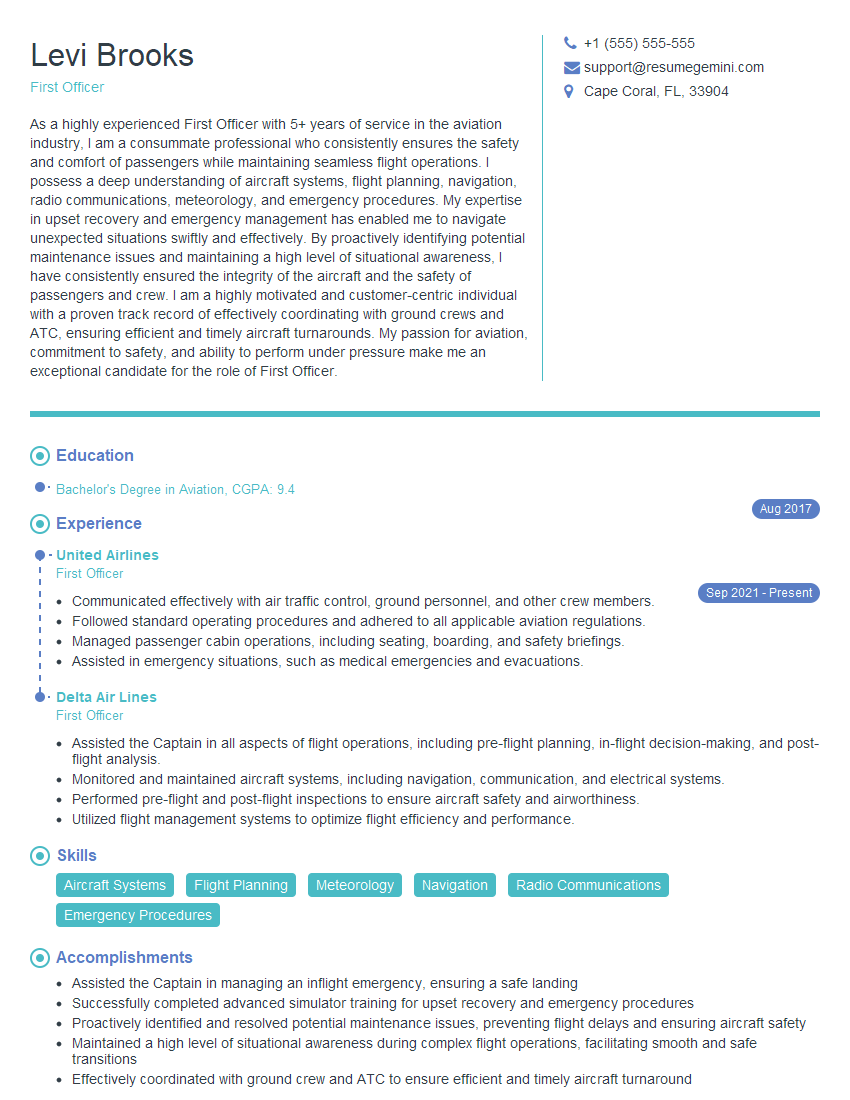
First Officer Resume Sample
- Human Resources Manager
- Chief Engineer
- Executive Chef
- Food and Beverage Manager
- Casino Manager
- Guest Services Manager
- Hotel Director
- Medical Officer
- Youth Program Director
- Entertainment Director
- Purser
- IT Manager
- Safety Officer
- Captain
- Security Officer
- Head Chef
- Spa Manager
- Cruise Director
- Second Officer
- First Officer
Explore more articles
Users Rating of Our Blogs
Share Your Experience
We value your feedback! Please rate our content and share your thoughts (optional).
What Readers Say About Our Blog
Really detailed insights and content, thank you for writing this detailed article.
IT gave me an insight and words to use and be able to think of examples