Are you ready to stand out in your next interview? Understanding and preparing for Dairy Herd Inspection interview questions is a game-changer. In this blog, we’ve compiled key questions and expert advice to help you showcase your skills with confidence and precision. Let’s get started on your journey to acing the interview.
Questions Asked in Dairy Herd Inspection Interview
Q 1. Describe your experience in conducting dairy herd inspections.
My experience in conducting dairy herd inspections spans over 15 years, encompassing a wide range of farm sizes and production systems. I’ve worked with everything from small, family-run operations to large-scale industrial dairies, both domestically and internationally. This diverse experience has provided me with a comprehensive understanding of various management practices, and allowed me to adapt my inspection approach to suit each farm’s unique context. My inspections are always thorough, covering all aspects of animal health, milk quality, biosecurity, and compliance with relevant regulations. I’ve consistently prioritized a collaborative approach, working with farmers to identify areas for improvement and implement practical solutions, rather than simply pointing out deficiencies.
For example, I recently worked with a farm experiencing persistently high somatic cell counts (SCC) in their milk. Through a combination of thorough record review, physical examination of the herd, and analysis of milking procedures, I identified a problem with teat hygiene and milking machine maintenance. By collaborating with the farm manager to implement improved cleaning protocols and scheduled machine maintenance, we were able to significantly reduce SCC within a few months.
Q 2. What are the key indicators of good dairy herd health?
Key indicators of good dairy herd health encompass several interconnected factors. High production efficiency, consistently high milk quality, and low incidence of disease are all crucial. More specifically, look for:
- High milk yield and components: A healthy herd produces milk with high butterfat and protein content, indicating good nutrition and overall well-being.
- Low somatic cell count (SCC): SCC indicates the level of inflammation in the udder and is a primary indicator of mastitis prevalence. Low SCC is a hallmark of a healthy herd.
- Low incidence of clinical diseases: A healthy herd demonstrates minimal cases of mastitis, lameness, metritis (uterine infection), and other common dairy cattle illnesses. Regular preventative health checks are vital.
- High reproductive performance: Efficient reproduction, characterized by short calving intervals and high conception rates, is crucial for herd health and profitability. This indicates good management of breeding and overall cow health.
- Strong body condition scores: Cows should maintain a healthy body condition, neither excessively thin nor overly fat. This demonstrates good nutrition management.
Think of it like this: a healthy dairy herd is like a well-oiled machine – all parts work together efficiently and smoothly. Any significant deviation from these indicators signals potential problems needing immediate attention.
Q 3. How do you assess milk quality during an inspection?
Assessing milk quality during an inspection involves several steps, focusing on both the sensory characteristics and laboratory analysis. Sensory evaluation includes checking for off-flavors, abnormal color, or unusual consistency. For example, a sour or salty taste might indicate bacterial contamination or metabolic disorders. A watery consistency could hint at mastitis. Laboratory analysis is essential for a comprehensive assessment. This typically involves measuring:
- Somatic cell count (SCC): High SCC is a strong indicator of mastitis.
- Bacterial count: Detects the presence and levels of various bacteria, indicating potential contamination.
- pH level: Measures the acidity of the milk. Variations outside the normal range can indicate issues with fermentation or spoilage.
- Antibiotic residue testing: Ensures milk is free from antibiotic residues, essential for food safety and consumer protection.
I often use on-farm testing kits for rapid SCC determination during the inspection, providing immediate feedback to the farmer. Further, more detailed analysis is sent to a laboratory for confirmation.
Q 4. Explain the process of identifying and managing mastitis in a dairy herd.
Mastitis, an inflammation of the udder, is a major concern in dairy herds. Identification and management involve a multi-pronged approach.
- Early detection: Regular physical examinations of the udder, checking for heat, swelling, pain, and changes in milk consistency (e.g., clots, watery milk) are crucial. Automated milk meters which measure SCC are extremely helpful in identifying subclinical cases.
- Laboratory testing: Milk samples from affected cows are sent to a laboratory for bacterial culture and identification, to determine the causative agent and guide treatment.
- Treatment: Treatment depends on the severity and the type of mastitis. It may include antibiotics (administered according to veterinary prescription), anti-inflammatory drugs, and supportive care.
- Culling: In cases of chronic or recurrent mastitis that doesn’t respond to treatment, culling (removing) the affected cow from the herd might be necessary to prevent the spread of infection and maintain overall herd health.
- Prevention: Preventive measures are crucial and should always be prioritized. These include proper milking hygiene, effective teat dipping, prompt treatment of existing infections, regular hoof trimming, maintaining comfortable housing, and managing stress factors.
Managing mastitis effectively requires a proactive approach, combining regular monitoring, prompt treatment, and robust prevention strategies. This is not a quick fix, but a continuous management process.
Q 5. What are the common causes of lameness in dairy cattle, and how can they be prevented?
Lameness is a significant welfare and economic issue in dairy farming. Several factors contribute to lameness:
- Foot rot and other infections: Bacterial and fungal infections of the foot can cause severe pain and lameness.
- Hoof problems: Overgrown hooves, cracks, and sole ulcers are common causes. Poor hoof hygiene and improper trimming techniques exacerbate these issues.
- Metabolic disorders: Conditions like milk fever and ketosis can weaken bones and make cows more prone to lameness.
- Poor housing conditions: Slippery floors, deep mud, and inadequate bedding can all contribute to lameness.
- Nutritional deficiencies: Lack of essential minerals and vitamins can compromise hoof health.
Prevention strategies focus on maintaining good hoof hygiene, implementing a regular hoof trimming program, providing clean and comfortable housing, and managing nutrition carefully. Regular hoof trimming by a professional and ensuring clean and dry bedding are crucial in preventing lameness. Early detection and treatment of lameness are crucial to minimise its impact on animal welfare and farm productivity. In addition to regular monitoring, using foot baths with antimicrobial solutions can help to control foot infections.
Q 6. How do you evaluate the effectiveness of a dairy farm’s biosecurity protocols?
Evaluating a dairy farm’s biosecurity protocols is critical to minimizing the risk of disease introduction and spread. I assess this by examining several key aspects:
- Farm layout and infrastructure: Is the farm designed to minimize the risk of disease transmission? Are there separate areas for different groups of animals? Is there effective rodent and pest control?
- Vehicle and personnel access control: Are there procedures in place to control access to the farm? Are visitors required to change clothing and footwear? Are vehicles disinfected before and after entering the farm?
- Waste management: How are manure and other waste products managed to prevent the spread of disease? Is there proper drainage and manure management systems?
- Animal movement control: Are there protocols for quarantining new animals before introducing them to the main herd? Are there records maintained on animal movements, both into and out of the farm?
- Disease surveillance: Are there procedures in place for early detection and reporting of disease outbreaks?
I look for clear written protocols, consistent implementation, and effective training of personnel. A well-structured biosecurity program is not just a set of rules; it’s a culture of prevention and responsibility within the farm.
Q 7. Describe your experience with regulatory compliance related to dairy farming.
My experience with regulatory compliance in dairy farming is extensive. I am familiar with all relevant national and international standards and regulations related to milk production, animal welfare, environmental protection, and food safety. I understand and can guide farmers through processes such as:
- Milk quality standards: Ensuring compliance with regulations on somatic cell count, bacterial contamination, and antibiotic residues.
- Animal welfare regulations: Adherence to guidelines on housing, handling, and humane slaughter practices.
- Environmental regulations: Compliance with rules concerning manure management, water usage, and waste disposal.
- Food safety regulations: Meeting standards related to traceability, hygiene, and preventing contamination of milk.
I regularly conduct audits, provide advice on regulatory compliance, and assist farmers in implementing best practices to meet these standards. I’ve also participated in training programs for farmers on regulatory updates and compliance requirements. My goal is to work collaboratively with dairy farmers to help them not only meet regulatory requirements but also adopt best practices that go beyond the minimum standards to promote efficient and sustainable dairy production.
Q 8. What are the common reproductive challenges in dairy cattle, and how are they addressed?
Reproductive challenges are a major concern in dairy cattle, significantly impacting profitability. Common issues include cystic ovarian disease (COD), metritis (uterine infection), retained fetal membranes (RFM), and anestrus (failure to cycle). Addressing these requires a multi-pronged approach.
- Cystic Ovarian Disease (COD): This involves a persistent follicle that fails to rupture and release an egg. Treatment often involves hormone therapy to induce ovulation, such as GnRH or prostaglandins. Regular reproductive monitoring, including ultrasound examinations, is crucial for early detection and intervention.
- Metritis: A uterine infection, often following calving, requires prompt treatment with antibiotics. Good hygiene practices, such as proper cleaning and disinfection of the calving area, are preventative measures. Severe cases may require uterine lavage.
- Retained Fetal Membranes (RFM): Failure to expel the placenta within 12 hours post-calving. Treatment typically involves manual removal, but this should be performed carefully to prevent uterine damage. Prophylactic treatments might be considered based on herd history.
- Anestrus: The absence of estrous cycles. This can be caused by various factors, including nutritional deficiencies, stress, and hormonal imbalances. Addressing underlying issues, such as improving body condition score and minimizing stress, is critical. Hormonal treatments might be necessary.
A comprehensive breeding program, including regular heat detection, accurate insemination techniques, and efficient herd management, is essential to minimize reproductive problems and improve herd fertility.
Q 9. How do you interpret somatic cell counts (SCC) and their implications for milk quality?
Somatic cell count (SCC) measures the number of white blood cells in milk, primarily reflecting the level of udder inflammation or mastitis. A high SCC indicates infection and inflammation, impacting milk quality and quantity. Interpreting SCC requires understanding the thresholds and context.
Generally, SCC is measured in cells/ml. A low SCC (e.g., <100,000 cells/ml) suggests a healthy udder. As SCC increases (e.g., >200,000 cells/ml), the likelihood of subclinical or clinical mastitis rises. Milk with high SCC often exhibits altered composition (e.g., reduced lactose, increased protein), affecting cheesemaking and other processing. Regular SCC testing allows for early detection of mastitis, enabling timely intervention to prevent further damage and reduce economic losses.
It’s important to note that SCC isn’t always perfectly correlated with clinical mastitis; some cows may have high SCC without showing clinical signs. Therefore, combined with clinical examination and cultural testing, SCC provides a holistic view of udder health.
Q 10. What are the key components of a comprehensive dairy herd health management plan?
A comprehensive dairy herd health management plan integrates various aspects of animal health to optimize productivity and welfare. Key components include:
- Preventive Medicine: Vaccinations against common diseases, parasite control programs, and biosecurity measures (e.g., restricting farm access, disinfecting equipment).
- Reproductive Management: A structured breeding program, including heat detection, insemination, and pregnancy diagnosis. Early detection and treatment of reproductive disorders.
- Mastitis Control: Regular SCC testing, proper milking hygiene, teat dipping, and prompt treatment of infected cows.
- Foot and Leg Health: Regular hoof trimming, appropriate bedding, and addressing lameness issues promptly to prevent significant production losses.
- Nutrition Management: Balancing rations to meet the nutritional demands of each stage of lactation and pregnancy. Ensuring access to clean, fresh water.
- Record Keeping: Detailed records of animal health, production, reproduction, and treatment. This forms the basis for data-driven decision making.
- Veterinary Consultation: Regular visits from a veterinarian for herd health assessments, consultations, and disease surveillance.
A successful plan requires collaboration between the farm manager, veterinarian, and other relevant professionals. Regular monitoring, evaluation, and adjustment are necessary to adapt to changing conditions and ensure its effectiveness.
Q 11. Describe your experience with various milk testing methods and their interpretation.
My experience encompasses various milk testing methods, focusing on their application and interpretation in assessing milk quality and animal health. These include:
- Somatic Cell Count (SCC) testing: As discussed previously, this is routinely done using automated counters in laboratories or on-farm analyzers. Results are essential for detecting subclinical mastitis.
- Bacterial Culture: Identifying specific pathogens causing mastitis through culturing milk samples. This enables targeted antibiotic treatment, improving treatment efficacy and reducing antibiotic resistance.
- Milk composition analysis: Analyzing milk for fat, protein, lactose, and other components. This helps in assessing nutritional management and early detection of metabolic disorders. Changes in milk composition, such as reduced lactose, might indicate mastitis.
- Rapid tests for mastitis pathogens: These provide quick results for common mastitis-causing bacteria, allowing for prompt treatment decisions.
Interpretation involves comparing results to established thresholds and considering the herd history. For example, a consistently high SCC might indicate a problem with milking procedures or housing conditions, prompting a review of management practices. Individual cow results are analyzed in the context of herd averages to identify problem areas and prioritize intervention.
Q 12. How do you identify and manage metabolic disorders in dairy cattle?
Metabolic disorders are common in high-producing dairy cows, often resulting from the stress of lactation and high energy demands. Key disorders include:
- Ketosis: An energy deficiency leading to the accumulation of ketone bodies in the blood. Clinical signs include reduced appetite, lethargy, and sometimes a sweet smell to the breath. Treatment involves intravenous fluids and energy supplementation.
- Milk Fever (Hypocalcemia): A deficiency in blood calcium, typically occurring around calving. Symptoms range from mild muscle weakness to recumbency and coma. Treatment involves intravenous calcium administration.
- Displaced Abomasum (DA): The abomasum (the fourth stomach compartment) moves from its normal position. This causes digestive upset and production losses. Treatment might involve surgical correction or medical management.
Managing these involves a proactive approach. Nutritional management is crucial, ensuring adequate calcium and energy intake during the dry period and early lactation. Careful monitoring of cows around calving time, coupled with early intervention, is vital for successful management. For example, regular blood testing for calcium levels in the dry period can identify animals at high risk of milk fever, allowing for targeted preventative measures.
Q 13. Explain the importance of proper record-keeping in dairy herd management.
Proper record-keeping is the backbone of efficient and profitable dairy herd management. It provides essential data for informed decision-making and continuous improvement. Crucial information to record includes:
- Animal Identification: Each animal needs a unique identifier for tracking individual health and production records.
- Production Data: Daily or weekly milk yield, fat and protein content, and somatic cell counts.
- Reproductive Data: Breeding dates, pregnancy diagnoses, calving dates, and any reproductive problems encountered.
- Health Data: Records of illnesses, treatments administered, and response to treatment. This includes mastitis cases, lameness, and other health events.
- Nutrition Data: Feed intake, ration formulation, and any changes in feed management.
This data allows for analyzing trends, identifying problem areas (e.g., high incidence of mastitis in a particular group of cows), and assessing the effectiveness of management interventions. Effective record-keeping, whether through spreadsheets, dedicated dairy management software, or other systems, allows for data analysis to support best practices and improve farm profitability.
Q 14. How do you assess the nutritional needs of a dairy herd?
Assessing the nutritional needs of a dairy herd requires a comprehensive approach, considering several factors:
- Stage of lactation: Nutritional requirements change dramatically throughout lactation. Early lactation requires higher energy intake to support high milk production, while late lactation needs decrease.
- Body Condition Score (BCS): A visual assessment of the cow’s fat reserves. A healthy BCS ensures adequate energy reserves during periods of high demand.
- Milk Production: Higher-producing cows require more nutrients to sustain milk production.
- Breed and Genetics: Different breeds have varying nutritional needs.
- Feed Analysis: Regular analysis of feedstuffs is critical to accurately determine nutrient content.
- Forage Quality: The quality of forage (e.g., dry matter content, protein, fiber) significantly impacts nutrient availability.
Nutritional planning involves formulating balanced rations that meet the requirements of different groups of cows. This often involves collaboration with nutritionists to develop optimal rations based on the available feedstuffs and the herd’s specific needs. Regular monitoring of milk production, BCS, and feed intake is essential to fine-tune the ration and ensure the herd is receiving adequate nutrition.
Q 15. Describe your experience with different housing systems for dairy cattle.
Dairy cattle housing systems significantly impact animal welfare, productivity, and overall farm efficiency. My experience encompasses a wide range, from traditional free-stall barns to more innovative systems like robotic milking parlors and pasture-based grazing systems.
- Free-stall barns: These are widely used and offer individual stalls for cows to rest, with access to feeding areas and walkways. The design and management, including stall size and bedding quality, are critical for cow comfort and preventing lameness. I’ve assessed numerous farms where poor stall design led to increased injuries and reduced milk production.
- Tie-stall barns: These systems restrain cows individually at feeding stations. While simpler to manage, they limit cow movement and can impact their well-being. I’ve seen how inadequate space in tie-stall barns increases the risk of mastitis and other health issues.
- Pasture-based systems: These involve grazing cattle on pasture, often with rotational grazing management to optimize forage utilization. Success here hinges on appropriate pasture management, fencing, and supplemental feeding strategies, especially during periods of poor forage quality. I’ve worked with farms that effectively use rotational grazing to improve both animal health and pasture sustainability.
- Robotic milking systems: These automated systems allow cows to be milked on demand, reducing labor requirements and improving cow comfort. However, successful implementation requires careful attention to cow flow, hygiene, and system maintenance. I’ve observed farms where the initial investment in robotic milking systems didn’t pay off due to inadequate planning and management.
My assessments consider factors such as cow comfort, hygiene, ease of manure management, labor requirements, and environmental impact when evaluating the suitability of each system.
Career Expert Tips:
- Ace those interviews! Prepare effectively by reviewing the Top 50 Most Common Interview Questions on ResumeGemini.
- Navigate your job search with confidence! Explore a wide range of Career Tips on ResumeGemini. Learn about common challenges and recommendations to overcome them.
- Craft the perfect resume! Master the Art of Resume Writing with ResumeGemini’s guide. Showcase your unique qualifications and achievements effectively.
- Don’t miss out on holiday savings! Build your dream resume with ResumeGemini’s ATS optimized templates.
Q 16. How do you evaluate the cleanliness and hygiene practices on a dairy farm?
Evaluating cleanliness and hygiene is paramount in dairy farm inspections. It’s a multi-faceted assessment involving a systematic approach to identify potential contamination sources and evaluate biosecurity measures.
- Barn cleanliness: I assess the cleanliness of barns, including floors, walls, feed bunks, and milking equipment. Excessive manure accumulation, standing water, and mold growth indicate poor hygiene practices. I’ve seen farms where the simple act of regular scraping and power washing made a huge difference in reducing bacterial counts.
- Manure management: Proper manure storage and disposal are essential for preventing environmental contamination and reducing the risk of disease spread. I check for proper runoff control, adequate storage capacity, and compliance with environmental regulations. A properly managed manure system can transform a potential environmental hazard into a valuable resource.
- Milking hygiene: This is a critical area, focusing on pre- and post-milking procedures, sanitation of milking equipment, and udder hygiene. I check for proper teat disinfection, use of clean towels, and proper cleaning and sanitization of milking machines. I’ve found that inconsistent teat dipping significantly impacts somatic cell counts (a measure of udder health).
- Biosecurity: I assess biosecurity measures to prevent the introduction and spread of diseases. This includes visitor control, disinfection protocols, and rodent control. A robust biosecurity plan can significantly reduce disease prevalence and antibiotic use.
My evaluations often involve visual inspections, taking samples for laboratory analysis (e.g., bacterial counts in milk and water), and interviewing farm personnel to understand their hygiene protocols. A comprehensive scoring system allows for a clear picture of the farm’s hygiene status and helps identify areas for improvement.
Q 17. What are the signs of various contagious and non-contagious diseases in dairy cattle?
Recognizing signs of disease in dairy cattle is crucial for timely intervention and preventing outbreaks. I’ve extensive experience identifying both contagious and non-contagious diseases based on clinical signs, diagnostic tests, and epidemiological data.
- Contagious diseases (spread between animals):
- Mastitis: Inflammation of the udder, often characterized by abnormal milk (e.g., clots, watery milk), swollen udder, and fever. Early detection is crucial.
- Johne’s disease: A chronic intestinal infection causing progressive weight loss and diarrhea. It’s often difficult to diagnose early, but fecal PCR testing is used for confirmation.
- Bovine Viral Diarrhea (BVD): A viral disease causing respiratory problems, reproductive issues, and immunosuppression. Vaccination is a common preventative measure.
- Non-contagious diseases (not directly transmitted between animals):
- Milk fever: A metabolic disorder caused by low blood calcium levels, typically occurring around calving. Symptoms include weakness, recumbency, and potential death.
- Ketosis: Another metabolic disorder characterized by elevated ketone bodies in the blood, leading to reduced appetite, weight loss, and decreased milk production.
- Lameness: Often caused by foot rot, sole ulcers, or other hoof problems, leading to reduced milk production and discomfort for the animals.
I utilize a combination of visual observation, palpation, and laboratory tests (blood work, milk cultures, fecal exams) to confirm diagnoses. Understanding the farm’s history, herd demographics and management practices are critical for accurate disease assessment and appropriate management strategies.
Q 18. How do you assess the manure management practices on a dairy farm?
Assessing manure management practices is vital for environmental protection and farm sustainability. I evaluate the entire process, from manure collection and storage to application and disposal.
- Manure storage: I assess the type and capacity of storage facilities (lagoons, solid manure storage), checking for leaks, proper liner integrity, and overflow protection. I look for proper runoff management to prevent contamination of water sources.
- Manure handling: I evaluate the efficiency and hygiene of manure handling equipment (scrapers, pumps, spreaders). This includes assessing the potential for spills and the proper cleaning of equipment.
- Manure application: I examine the methods used for manure application (e.g., injection, surface spreading, etc.), considering potential environmental impact (e.g., nutrient runoff, odor). Nutrient management plans and soil testing are essential parts of responsible manure application.
- Environmental compliance: I verify adherence to local and national regulations related to manure management. This includes reviewing permits, record-keeping, and any required environmental monitoring data. Many farms benefit from expert advice on improving nutrient management plans.
My assessment considers the farm’s size, soil type, climate, and overall farming practices to ensure manure management is environmentally sound and economically feasible. I often suggest improvements in techniques, such as using precision application of manure to optimize nutrient use and minimize environmental impacts.
Q 19. Explain your understanding of the different breeding programs used in dairy farming.
Dairy breeding programs are essential for improving herd genetics and enhancing profitability. My experience includes evaluating various approaches, from traditional selection methods to advanced genomic technologies.
- Artificial Insemination (AI): Widely used to introduce superior genetics into the herd. I assess the selection criteria for sires (e.g., milk production, disease resistance, fertility) and the farm’s AI protocols. Accurate record-keeping and heat detection are critical for AI success.
- Embryo transfer: A more advanced technique used to multiply the offspring of superior cows. I consider the farm’s expertise and facilities for embryo collection and transfer. Successful embryo transfer can dramatically improve the genetics of a herd in a relatively short time.
- Genomic selection: This approach uses DNA testing to predict the genetic merit of young animals, allowing for more accurate selection decisions. I evaluate the farm’s use of genomic data to improve breeding strategies. Genomic selection is becoming increasingly important to accelerate genetic progress.
- Crossbreeding: Incorporating breeds with different strengths to improve overall herd performance. I look at how farmers select breeds to improve traits like disease resistance, heat tolerance, or milk composition.
A successful breeding program requires detailed record-keeping, strategic mating decisions, and a thorough understanding of the desired genetic traits. My assessments look at the entire process from breeding strategy and mating plans to pregnancy diagnosis and progeny performance.
Q 20. What are your experience in using technology in dairy herd management?
Technology is rapidly transforming dairy herd management, and I have extensive experience integrating technological tools into farm operations.
- Dairy management software: These programs track various aspects of herd management, such as milk production, reproductive performance, and health records. I assess the farm’s ability to effectively use the data generated by these systems for decision-making. Data analysis can provide valuable insights to optimize management practices.
- Activity monitors (pedometers): These devices track cow activity, providing insights into health and reproductive status. Changes in activity patterns can be early indicators of health problems, enabling timely interventions.
- Automated milking systems (robotic milking): As mentioned earlier, these improve cow comfort and reduce labor, but require sophisticated management and data analysis for optimal performance.
- Precision feeding systems: These systems use technology to optimize feed allocation based on individual cow needs, improving feed efficiency and milk production.
Effective technology integration requires training, proper data management, and the ability to interpret the resulting data to improve decision-making. I’ve seen many farms where the investment in technology hasn’t yielded expected results due to inadequate training or data management. Proper training and support from technology vendors are crucial for success.
Q 21. How do you communicate inspection results effectively to dairy farmers?
Effective communication is key to translating inspection results into actionable improvements. I utilize a variety of methods to ensure dairy farmers understand my findings and recommendations.
- On-farm feedback: I provide immediate feedback during the inspection, discussing key findings and offering preliminary recommendations. This allows farmers to ask questions and clarify any uncertainties.
- Detailed written report: I generate a comprehensive written report summarizing the inspection findings, including strengths, weaknesses, and specific recommendations for improvement. The report is structured to be easily understandable, with clear explanations and supporting evidence.
- Follow-up meetings: I often conduct follow-up meetings with farmers to discuss the report in detail, answer questions, and develop a plan for implementing the recommendations. This collaborative approach ensures the farmer’s buy-in for improvements.
- Visual aids: Photographs and diagrams can be extremely useful in illustrating key findings and explaining improvements. I often use visual aids to make complex concepts easy to grasp.
My communication style is collaborative and supportive, focusing on building a strong working relationship with dairy farmers. The goal is not just to identify problems but to empower farmers to make positive changes that benefit animal welfare, farm profitability, and environmental sustainability.
Q 22. Describe your experience working with different stakeholders in the dairy industry.
My experience working with dairy industry stakeholders is extensive and multifaceted. It involves collaboration with a wide range of individuals, each with their own perspectives and priorities. This includes dairy farmers themselves – from small family-run operations to large-scale commercial farms – veterinarians, agricultural consultants, milk processors, regulatory agencies, and even researchers involved in improving dairy practices. For example, I’ve worked with a small family farm struggling with mastitis management, helping them implement better hygiene protocols and record-keeping. On the other hand, I’ve collaborated with a large dairy cooperative on improving their overall herd health management program through data analysis and best-practice recommendations. Effective communication and a collaborative approach are key to building trust and achieving successful outcomes across these varied relationships.
Q 23. How do you handle situations where non-compliance is identified during an inspection?
Handling non-compliance is a crucial aspect of dairy herd inspection. My approach is always based on education and collaboration, aiming for corrective actions rather than immediate penalties. When non-compliance is identified, I document the findings clearly and objectively, explaining the specific regulations that are not being met. I then discuss the issue with the farmer, providing clear, concise explanations of the risks and potential consequences associated with the non-compliance. This is followed by establishing a timeline for corrective actions, offering assistance in finding resources and solutions, and following up on progress. For example, if inadequate manure management is observed, I’ll explain the environmental risks and potential penalties and guide them to resources such as soil conservation programs and best-management practices for manure storage and application. In severe or repeated cases of non-compliance, further regulatory action may be necessary, but this is always a last resort.
Q 24. What are your strategies for continuous improvement in dairy herd inspection?
Continuous improvement in dairy herd inspection involves a multi-pronged strategy. First, staying updated on the latest research and best practices in dairy herd management and animal welfare is essential. This includes attending conferences, participating in professional development programs, and regularly reviewing scientific literature. Secondly, I regularly evaluate my own inspection methods, looking for areas where efficiency and effectiveness can be enhanced. For example, I’ve recently incorporated digital tools like farm management software analysis into my inspections to better track data trends over time. Thirdly, feedback is critical. I actively seek feedback from farmers, other inspectors, and regulatory bodies to identify areas for improvement in my procedures and communication styles. Finally, participating in quality control programs and peer reviews helps ensure the consistency and accuracy of inspection reports.
Q 25. Explain your knowledge of relevant legislation and regulations governing dairy farming.
My knowledge of relevant legislation and regulations governing dairy farming is comprehensive. This includes federal, state, and sometimes local ordinances related to animal welfare (e.g., provisions on housing, handling, and humane slaughter), environmental protection (e.g., regulations on manure management and water quality), food safety (e.g., regulations on milk quality and antibiotic residues), and biosecurity (e.g., preventing the spread of disease). I am also familiar with specific standards and guidelines set by organizations such as the FDA, USDA, and state Departments of Agriculture. Understanding these regulations is crucial for conducting thorough and compliant inspections. For example, I need to be up-to-date on current regulations concerning antibiotic use in dairy cattle and the record-keeping requirements surrounding that use to ensure compliance.
Q 26. How do you adapt your inspection methods to different farm sizes and management practices?
Adapting inspection methods to different farm sizes and management practices is key to effective inspection. My approach is flexible and tailored to the specific context of each farm. For smaller farms, the inspection might be more focused on a holistic assessment of overall animal health and welfare, paying attention to the direct interaction between the farmer and animals. Larger, more complex operations with specialized management systems (e.g., robotic milking, automated feeding systems) require a more targeted and data-driven approach. I would utilize available farm management software and records to understand their systems and identify potential areas of concern. For example, a smaller farm may rely on visual inspection of manure storage, while a large farm with sophisticated manure management systems would require a review of their system’s operation logs and environmental impact data. Regardless of farm size, my focus remains on ensuring that all applicable regulations are met and that animal welfare standards are maintained.
Q 27. What are the current trends and challenges in dairy herd management?
Current trends and challenges in dairy herd management are dynamic. One major trend is the increasing adoption of precision dairy farming technologies. This includes sensors, data analytics, and automation, allowing for more precise monitoring of animal health, productivity, and resource utilization. However, challenges include the high cost of implementing these technologies, the need for specialized training, and the potential for data security issues. Another significant trend is increased focus on sustainability. Farmers are facing pressure to reduce their environmental footprint, improve water and energy efficiency, and minimize the use of antibiotics and other chemicals. Challenges in this area include adapting to evolving regulations, securing access to resources for implementing sustainable practices, and balancing economic viability with environmental responsibility. Finally, consumer demand for higher quality, ethically produced milk and dairy products is also impacting management practices. This means an increased focus on animal welfare, traceability, and transparency.
Q 28. How do you prioritize your tasks effectively during a dairy herd inspection?
Prioritizing tasks during a dairy herd inspection is crucial for efficiency and thoroughness. My approach involves a combination of pre-planning and on-site adaptation. Before the inspection, I review available farm records and identify any areas of prior concern or potential non-compliance. This allows me to allocate more time to these key areas. During the inspection, I use a checklist that guides me through a systematic assessment of various aspects, including animal health, housing conditions, feed quality, manure management, and record-keeping. High-priority tasks, such as evaluating animal health issues (e.g., lameness, mastitis) or assessing potential biosecurity risks, are addressed first. I adapt my priority list based on my observations during the inspection. If I uncover a significant issue that requires immediate attention, I’ll adjust the schedule to address it fully before moving on to other tasks. The goal is to conduct a comprehensive inspection while ensuring that the most critical issues receive the necessary focus.
Key Topics to Learn for Dairy Herd Inspection Interview
- Dairy Herd Health and Management: Understanding herd health programs, preventative measures, and common diseases affecting dairy cattle. Practical application: Developing a proactive health plan for a dairy herd based on risk factors.
- Record Keeping and Data Analysis: Analyzing milk production records, somatic cell counts, and other key performance indicators. Practical application: Interpreting data to identify trends and areas for improvement in herd health and productivity.
- Livestock Handling and Welfare: Safe and humane handling techniques for dairy cattle. Practical application: Demonstrating knowledge of best practices for animal welfare during inspections and routine procedures.
- Regulatory Compliance: Familiarity with relevant regulations and standards for dairy farm operations and herd health. Practical application: Identifying potential compliance issues during an inspection and recommending corrective actions.
- Biosecurity and Disease Prevention: Implementing biosecurity measures to prevent the introduction and spread of diseases. Practical application: Designing and implementing a biosecurity plan for a dairy farm.
- Reproductive Management: Understanding reproductive cycles, breeding strategies, and fertility monitoring in dairy cattle. Practical application: Analyzing reproductive data to identify areas for improvement in herd fertility.
- Nutrition and Feeding Management: Knowledge of nutritional requirements for dairy cattle at different stages of lactation. Practical application: Evaluating a dairy farm’s feeding program and identifying potential deficiencies.
- Milk Quality and Hygiene: Understanding factors affecting milk quality and hygiene practices. Practical application: Identifying potential sources of contamination and recommending strategies to improve milk quality.
Next Steps
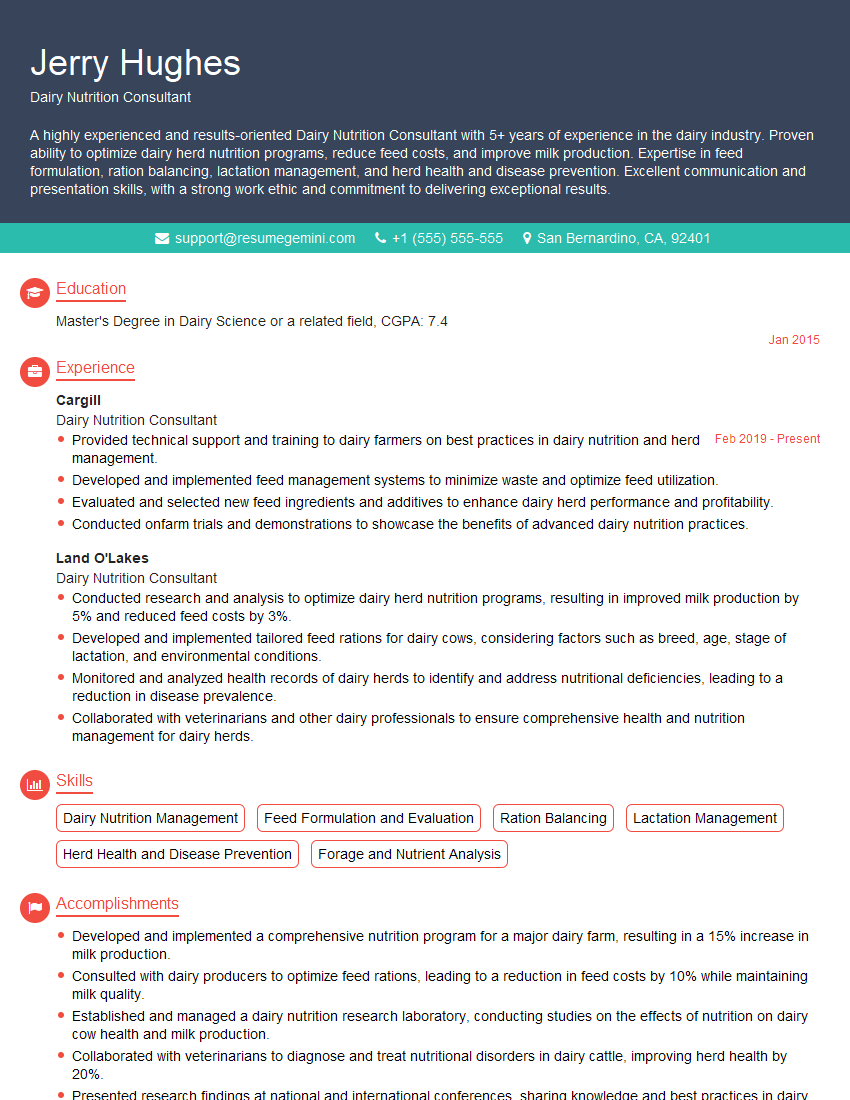
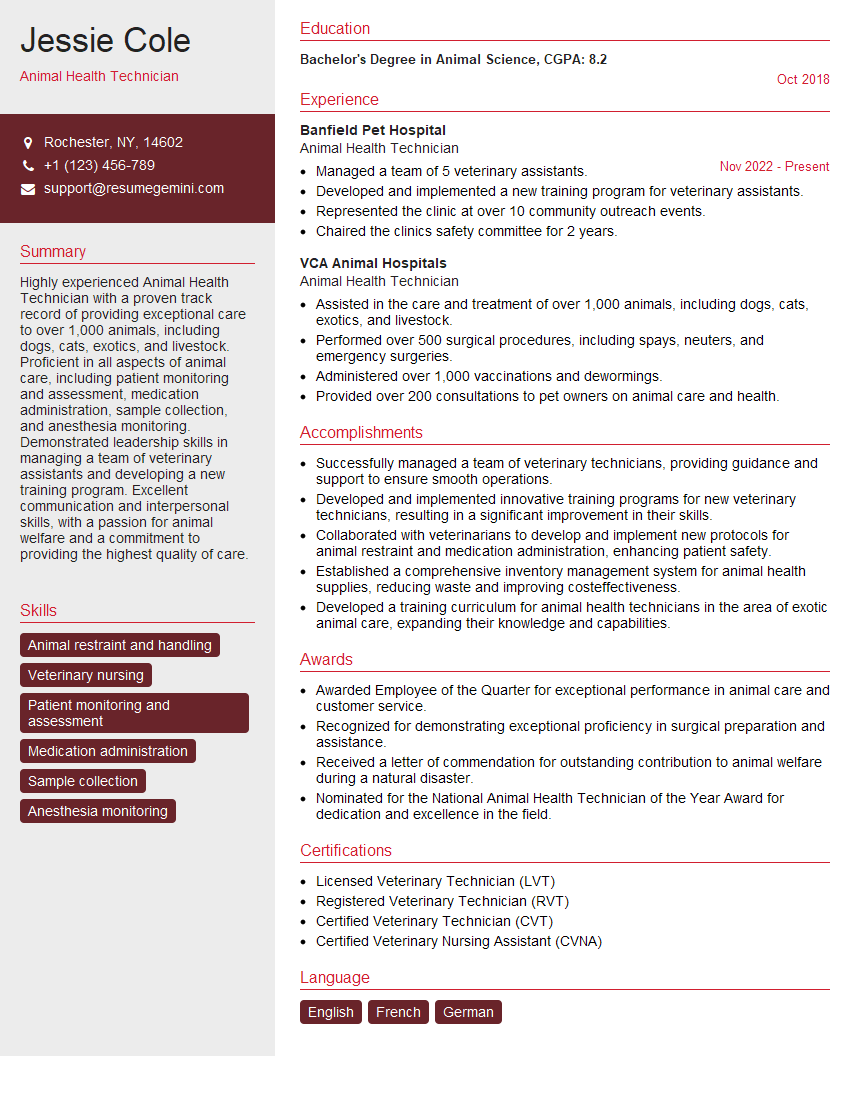
Mastering Dairy Herd Inspection opens doors to rewarding careers in agricultural consulting, farm management, and regulatory agencies. A strong understanding of these concepts is crucial for success. To significantly enhance your job prospects, create an ATS-friendly resume that highlights your skills and experience effectively. ResumeGemini is a trusted resource to help you build a professional and impactful resume that gets noticed. Examples of resumes tailored to Dairy Herd Inspection are available to guide you through the process.
Explore more articles
Users Rating of Our Blogs
Share Your Experience
We value your feedback! Please rate our content and share your thoughts (optional).
What Readers Say About Our Blog
Really detailed insights and content, thank you for writing this detailed article.
IT gave me an insight and words to use and be able to think of examples