Unlock your full potential by mastering the most common Deck and Engine Cadet Training interview questions. This blog offers a deep dive into the critical topics, ensuring you’re not only prepared to answer but to excel. With these insights, you’ll approach your interview with clarity and confidence.
Questions Asked in Deck and Engine Cadet Training Interview
Q 1. Explain the different types of marine propulsion systems.
Marine propulsion systems are the methods used to move a vessel through water. They can be broadly categorized into several types, each with its own advantages and disadvantages.
- Steam Propulsion: Historically significant, this system uses steam turbines to drive propellers. While powerful, it’s less efficient and requires significant space and maintenance compared to modern systems. Think of older, larger cargo ships.
- Diesel Propulsion: The most common type today, diesel engines directly drive propellers or generators that power electric motors driving the propellers. This offers better fuel efficiency and is relatively simpler to maintain than steam. Many modern container ships and tankers use this.
- Gas Turbine Propulsion: These systems use gas turbines to drive propellers, offering high power-to-weight ratios, making them suitable for high-speed vessels like ferries and some naval ships. They tend to be less fuel-efficient at lower speeds.
- Nuclear Propulsion: Used primarily in submarines and some icebreakers, this system uses nuclear reactors to generate steam, which then drives turbines. It provides immense range and endurance but involves significant safety and regulatory considerations.
- Electric Propulsion: Growing in popularity, this system utilizes electric motors to drive propellers. Power is generated by diesel engines, gas turbines, or even shore power, and the electric drive offers flexibility in controlling the speed and direction of the propellers. This is increasingly common in hybrid and environmentally focused vessels.
The choice of propulsion system depends heavily on factors like vessel type, operational profile, fuel costs, environmental regulations, and overall budget.
Q 2. Describe the procedure for conducting a fire drill onboard a vessel.
A fire drill is crucial for ensuring crew preparedness in emergency situations. The procedure typically involves the following steps:
- Alarm Activation: The fire alarm is sounded, usually with a general alarm signal followed by specific instructions over the vessel’s public address system (PA).
- Muster Stations: All crew members proceed to their designated muster stations as quickly and safely as possible. This is usually pre-determined and practiced regularly.
- Account for Personnel: The ship’s officers conduct a headcount to ensure everyone has reached their assigned muster stations. Any missing personnel must be located immediately.
- Fire Fighting: Depending on the scenario in the drill, fire-fighting teams may commence simulated firefighting operations, practicing the use of fire extinguishers, hoses, and other equipment. This includes proper donning of PPE.
- Emergency Procedures: Depending on the nature of the drill, procedures like donning life jackets, preparing lifeboats, or emergency shutdown of systems may also be included.
- Debriefing: After the drill, the ship’s officers conduct a thorough debriefing session, highlighting strengths and areas for improvement. This is a crucial learning opportunity.
Regular fire drills, using different scenarios, ensure crew familiarity with procedures, improve teamwork, and minimize response times during real emergencies. A well-executed drill can save lives and property.
Q 3. What are the responsibilities of a deck cadet during cargo operations?
During cargo operations, a deck cadet’s responsibilities are crucial for safe and efficient handling of goods. Their duties include, but aren’t limited to:
- Assisting Cargo Officers: This involves tasks such as monitoring cargo loading and unloading, checking securing arrangements (lashings, securing devices), and verifying cargo documents.
- Maintaining Deck Safety: Deck cadets help maintain a safe working environment by ensuring proper lighting, clear pathways, and adherence to safety regulations.
- Securing Cargo: This may involve assisting in the process of lashing and securing cargo to prevent shifting during transit, ensuring stability and preventing damage.
- Record Keeping: Maintaining accurate records of cargo handling activities, including loading and discharging times and any incidents. Detailed logging is essential.
- Communication: Maintaining effective communication with the cargo officers, crane operators, and other crew members involved in the operation.
- Safety Checks: Regularly checking the integrity of cargo securing devices and reporting any defects or issues.
These tasks are all critical in ensuring the safety of the crew, the cargo, and the vessel itself. Attention to detail and a strong understanding of safety procedures are paramount.
Q 4. Explain the principles of stability and trim.
Stability and trim are fundamental concepts in ship operation. They dictate the vessel’s ability to remain upright and its equilibrium.
- Stability: Refers to a vessel’s ability to return to its upright position after being tilted. It depends on factors like the shape of the hull, the distribution of weight (cargo, ballast), and the metacentric height (GM). A higher GM generally indicates greater initial stability. Think of a weighted toy that always rights itself.
- Trim: Refers to the difference in draft (depth of the hull in the water) between the fore (front) and aft (rear) ends of the vessel. A vessel is said to be ‘down by the head’ if the draft at the bow is greater than at the stern, and ‘down by the stern’ if the opposite is true.
Both stability and trim are critical for safe operation. Incorrect weight distribution can lead to instability and potential capsizing, while excessive trim can negatively impact handling and efficiency. Calculating and managing these parameters are crucial aspects of seamanship.
Q 5. How do you maintain a safe working environment on deck?
Maintaining a safe working environment on deck requires a multi-faceted approach focusing on both preventative measures and immediate response to potential hazards.
- Housekeeping: Keeping the deck clean and organized minimizes tripping hazards and reduces the risk of accidents. Regular clearing of debris and proper storage of equipment are vital.
- Personal Protective Equipment (PPE): Ensuring all crew members use appropriate PPE, such as safety footwear, gloves, and life jackets when necessary, is paramount.
- Risk Assessment: Regular risk assessments identify potential hazards and develop preventative measures. This involves considering weather conditions, cargo handling procedures, and equipment usage.
- Regular Inspections: Regular inspections of deck equipment, including winches, cranes, and life-saving appliances, are crucial to identify potential malfunctions before they lead to accidents.
- Communication: Open and clear communication among crew members is essential to avoid misunderstandings and ensure everyone is aware of potential hazards.
- Emergency Procedures: Clear and regularly practiced emergency procedures, including fire drills and man overboard drills, are crucial for a swift and effective response in case of an incident.
A safe working environment is not just a regulation; it’s a collective responsibility. It’s built on proactive measures and a commitment to safety from every member of the crew.
Q 6. Describe the different types of knots and their applications.
Various knots are used in maritime operations, each suited for specific applications. Here are a few examples:
- Bowline: Forms a strong, reliable loop that won’t slip, commonly used for attaching a line to an object or forming a secure loop in a rope. A classic and essential knot.
- Clove Hitch: A simple knot used for temporarily securing a line to a post, ring, or cleat. It’s easy to tie and untie, making it useful for quick attachments.
- Figure Eight Knot: Used to form a stopper knot at the end of a rope to prevent it from running through a block or other equipment. It also forms a secure loop.
- Sheet Bend: Used to join two ropes of different diameters securely. Reliable for joining lines under tension.
- Reef Knot (Square Knot): Used to join two ropes of similar diameter; however, it can be unreliable under tension and should be avoided for crucial applications.
It is vital for deck cadets to learn a wide range of knots and their proper application. Incorrect knot tying can lead to serious consequences, so mastering this skill is crucial for safety and efficiency.
Q 7. What are the International Regulations for Preventing Collisions at Sea (COLREGs)?
The International Regulations for Preventing Collisions at Sea (COLREGs) are a set of rules designed to prevent collisions between vessels. These rules are internationally recognized and are crucial for safe navigation. They cover various aspects of navigation, including:
- Rules of the Road: These rules dictate how vessels should navigate in various situations, such as crossing, overtaking, and meeting situations. The rules prioritize the vessel with the right-of-way.
- Lights and Shapes: COLREGs specify the lights and shapes that vessels should display at night and in reduced visibility to indicate their type, size, and course.
- Sound Signals: Vessels use specific sound signals to warn other vessels of their presence and intentions, especially in conditions of poor visibility.
- Navigation Lights: These are vital to identify and determine the course of other vessels; a misunderstanding can have severe consequences.
- Restricted Visibility: The regulations provide specific instructions for navigating in conditions of reduced visibility (fog, heavy rain, etc.), emphasizing the importance of reduced speed and increased vigilance.
Adherence to COLREGs is mandatory for all vessels and is a fundamental aspect of safe and responsible seamanship. A thorough understanding is crucial for deck cadets to ensure safe navigation and prevent collisions.
Q 8. Explain the process of taking a celestial fix.
Taking a celestial fix involves using the positions of celestial bodies, like the sun, moon, or stars, to determine a ship’s location. It’s a backup navigation method, crucial when electronic systems fail. The process relies on precise measurements and calculations.
Here’s a step-by-step breakdown:
- Sight the body: Use a sextant to measure the altitude (angle) of the celestial body above the horizon.
- Note the time: Record the exact Greenwich Mean Time (GMT) of the observation. Accuracy here is paramount.
- Identify the body: Using a nautical almanac or similar software, identify the celestial body observed.
- Obtain Declination and Greenwich Hour Angle (GHA): The nautical almanac provides the celestial body’s declination (latitude) and GHA (longitude) for the specific GMT.
- Calculate Local Hour Angle (LHA): LHA = GHA + Longitude. This step transforms the GHA from the prime meridian to your assumed position’s longitude.
- Plot the LOP (Line of Position): Using the calculated LHA, declination, altitude, and the latitude of your assumed position, you plot a line of position on a chart. This line represents all possible positions where the celestial body would have the observed altitude.
- Obtain at least two LOPs: For accurate position fixing, you need at least two LOPs, ideally from different celestial bodies or taken at different times. The intersection of these LOPs provides your fix.
Example: Imagine you sight the sun at a specific altitude and time. Using the almanac, you find its declination and GHA. By following the steps above, you get an LOP. Then, sighting another body, say a star, gives a second LOP. Where the lines intersect is your ship’s position.
Q 9. Describe the operation of a main engine.
A main marine engine, typically a diesel engine, is a complex machine converting fuel energy into mechanical energy to propel the ship. It involves a series of interconnected systems working in harmony.
Key components and their functions:
- Crankcase: Houses the crankshaft and connecting rods.
- Crankshaft: Transforms the reciprocating motion of pistons into rotary motion.
- Connecting Rods: Link pistons to the crankshaft.
- Pistons: Move up and down within cylinders, compressing and igniting the fuel-air mixture.
- Cylinders: Chambers where combustion takes place.
- Fuel Injection System: Delivers precisely metered fuel into the cylinders.
- Lubrication System: Keeps all moving parts lubricated to reduce friction and wear.
- Cooling System: Removes excess heat generated during combustion.
- Exhaust System: Disposes of the combustion gases.
Operation: The engine cycles through intake, compression, combustion, and exhaust strokes for each piston. The controlled combustion pushes the pistons down, rotating the crankshaft. This rotary motion is transmitted through a gearbox and propeller shaft to turn the propeller, driving the ship forward.
Example: A four-stroke engine completes these four strokes for each piston revolution. Larger ships often have multiple engines, increasing power and redundancy.
Q 10. What are the different types of marine fuels and their properties?
Marine fuels vary in their properties, impacting engine performance, emissions, and operational costs. The most common are distillates and residual fuels.
Types and Properties:
- Distillate Fuels (e.g., Marine Gas Oil (MGO), Diesel Fuel): These are lighter, cleaner-burning fuels refined from crude oil. They have lower sulfur content, leading to reduced emissions. They are typically used in smaller vessels or engines demanding higher quality fuel.
- Residual Fuels (e.g., Heavy Fuel Oil (HFO)): These are heavier, viscous fuels remaining after distillate refining. They have higher sulfur content and require more complex handling and purification systems (e.g., fuel treatment plants). They are generally cheaper but produce more emissions.
- Liquefied Natural Gas (LNG): An increasingly popular alternative, LNG is a cleaner burning fuel with significantly lower emissions, aligning with stricter environmental regulations.
- Low-Sulphur Fuels (LSFO): These are fuels meeting International Maritime Organisation (IMO) sulfur limits.
Properties considered: Viscosity, sulfur content, cetane number (for ignition quality), flashpoint (fire hazard), and calorific value (energy content).
Practical Application: The choice of fuel depends on the vessel’s size, engine type, environmental regulations, and cost considerations. Larger vessels often use HFO for cost-effectiveness, while smaller ships or those operating in emission control areas (ECAs) use MGO or LNG.
Q 11. Explain the principles of refrigeration in a marine environment.
Marine refrigeration systems maintain low temperatures for food storage, air conditioning, and other cooling needs onboard. They often use vapor-compression refrigeration cycles.
Vapor-Compression Cycle:
- Evaporation: A refrigerant in a low-pressure state absorbs heat from the space being cooled and evaporates.
- Compression: The refrigerant vapor is compressed by a compressor, raising its temperature and pressure.
- Condensation: The high-pressure, high-temperature refrigerant releases heat to the environment (often seawater) and condenses back into a liquid.
- Expansion: The liquid refrigerant passes through an expansion valve, causing a rapid drop in pressure and temperature, preparing it for the next evaporation cycle.
Refrigerants: Historically, ozone-depleting refrigerants like R-12 were used. Now, environmentally friendly alternatives, like R-134a and ammonia (in some larger systems), are employed.
Challenges in a Marine Environment: Seawater is often used for cooling, and the system must handle potential corrosion, fouling, and temperature fluctuations.
Example: A ship’s refrigeration system might include multiple units – one for chilled cargo holds, another for air conditioning, and so on. Each unit will operate on the same basic principle but with varying capacity and refrigerant.
Q 12. How do you handle emergencies like engine failure or a man overboard situation?
Emergency response procedures are vital for safety at sea. Effective training and drills are essential for crew competency.
Engine Failure:
- Assess the situation: Determine the nature and extent of the failure (complete loss of power, partial failure, etc.).
- Initiate emergency procedures: This might include switching to auxiliary power, deploying lifeboats, contacting port authorities, and assessing potential hazards.
- Implement damage control: If possible, attempt repairs or switch to a backup system.
- Maintain communication: Update other vessels and relevant authorities on the situation.
Man Overboard (MOB):
- Immediate action: Immediately alert the bridge and throw a lifebuoy with a light to the person’s location.
- Mark the position: Note the MOB’s last known position using GPS and visual markers.
- Deploy recovery equipment: Launch a rescue boat or use other recovery methods.
- Maintain a search pattern: Execute a systematic search using the last known position and estimated drift.
- Communicate: Alert nearby ships and rescue services.
General Principles for All Emergencies:
- Follow established procedures: Every vessel has detailed emergency procedures, and everyone must be familiar with them.
- Maintain calm and order: Panic can hinder effective response.
- Prioritize safety: Ensure the safety of the crew and passengers.
- Use all available resources: Take advantage of communication devices, life-saving equipment, and any assistance available.
Q 13. Describe the different types of charts and their uses.
Different types of charts serve specific navigational purposes. Understanding their differences is crucial for safe navigation.
Types and Uses:
- Paper Charts: Traditional nautical charts providing a wealth of information, including depths, topography, aids to navigation, and other navigational details. Used as a primary navigational aid or as a backup.
- Electronic Charts (ENCs): Digital versions of paper charts integrated with electronic charting systems (ECDIS). They offer various features, such as route planning, safety alerts, and dynamic positioning.
- Mercator Projection Charts: These charts depict constant compass bearings as straight lines, facilitating route planning. However, they distort areas and distances at higher latitudes.
- Gnomonic Charts: These charts show great circles as straight lines, ideal for long-distance navigation. However, they have significant distortion near the edges.
- Radar Charts: Overlay radar information on a navigational chart to display surrounding obstacles, vessels, and weather conditions.
- Pilot Charts: Provide meteorological and oceanographic information relevant to navigation in a particular region.
Example: For a coastal voyage, a paper chart or ENC depicting detailed coastal features and aids to navigation would be used. For a transoceanic voyage, a Mercator or Gnomonic chart might be preferred.
Q 14. What is your understanding of the STCW Convention?
The Standards of Training, Certification and Watchkeeping for Seafarers (STCW) Convention is an international treaty established by the IMO, setting minimum qualification standards for seafarers worldwide. It ensures a consistent level of competence across the global maritime industry.
Key aspects:
- Minimum standards of competence: The convention defines minimum standards for various seafaring roles, from deck officers and engineers to ratings and security personnel.
- Training requirements: It specifies training requirements for seafarers, including theoretical knowledge and practical experience.
- Certification: It establishes a system for issuing certificates and endorsements to qualified seafarers, ensuring their competency is recognized internationally.
- Watchkeeping: It details requirements for safe watchkeeping practices.
- Regular updates: The convention is regularly updated to reflect technological advancements and evolving maritime practices.
Significance: The STCW Convention is crucial for maintaining safety at sea and protecting the marine environment. It ensures a globally recognized level of competence, reducing the risk of accidents and promoting responsible seafaring.
Example: A deck cadet must complete the training and assessments mandated by the STCW convention before they can obtain a certificate as a qualified officer.
Q 15. Explain the importance of maintaining a clean and organized engine room.
Maintaining a clean and organized engine room is paramount for safety, efficiency, and the longevity of the vessel’s machinery. Think of it like a well-organized workshop – if everything has its place and is in good order, you can quickly find what you need and prevent accidents. A cluttered engine room increases the risk of trips, falls, and damage to equipment. It also makes troubleshooting and repairs significantly more difficult and time-consuming.
- Safety: Oil spills, loose wires, and improperly stored materials create significant hazards. A clean space allows for easy identification and mitigation of these risks.
- Efficiency: Knowing where everything is allows for quicker response times during emergencies and routine maintenance. This minimizes downtime and improves overall operational efficiency.
- Preventative Maintenance: Regular cleaning allows for early detection of leaks, corrosion, or other issues, enabling proactive maintenance and preventing costly repairs later on. Imagine finding a small oil leak during a routine cleaning – this is much better than discovering a major engine malfunction later due to neglected maintenance.
- Inspections and Audits: A clean and organized engine room makes it easier to pass safety inspections and audits, complying with regulations and maintaining a good operational record.
Career Expert Tips:
- Ace those interviews! Prepare effectively by reviewing the Top 50 Most Common Interview Questions on ResumeGemini.
- Navigate your job search with confidence! Explore a wide range of Career Tips on ResumeGemini. Learn about common challenges and recommendations to overcome them.
- Craft the perfect resume! Master the Art of Resume Writing with ResumeGemini’s guide. Showcase your unique qualifications and achievements effectively.
- Don’t miss out on holiday savings! Build your dream resume with ResumeGemini’s ATS optimized templates.
Q 16. How do you perform basic maintenance on deck machinery?
Basic maintenance on deck machinery is crucial for ensuring safe and efficient operation. This involves regular inspections, lubrication, and minor repairs. Think of it like regularly servicing your car – preventative maintenance avoids bigger problems down the line.
- Inspection: Regularly check for any signs of wear and tear, corrosion, loose bolts, or damage to cables and other components. Pay close attention to moving parts.
- Lubrication: Apply appropriate lubricants to moving parts according to the manufacturer’s instructions. This reduces friction, extends the life of the equipment, and ensures smooth operation. Different machinery requires different lubricants; it’s essential to use the correct type.
- Minor Repairs: Address minor issues such as tightening loose bolts, replacing worn-out gaskets, or cleaning clogged grease points promptly. Ignoring small problems can lead to major failures.
- Record Keeping: Maintain a logbook detailing all maintenance activities, including dates, procedures, and any issues encountered. This is crucial for tracking maintenance history and predicting potential problems.
For example, a windlass (used for raising and lowering anchors) requires regular lubrication of its chain and gear mechanisms. Failure to do so can lead to seizing or breakage, stranding the vessel.
Q 17. Describe the different types of life-saving appliances and their use.
Life-saving appliances are critical for ensuring the safety of crew and passengers in emergencies. These appliances are regularly inspected and maintained according to strict regulations. They are the last line of defense in a maritime emergency.
- Lifeboats: Enclosed or open boats designed to carry a significant number of people away from a sinking vessel. Regular drills are crucial to ensure everyone knows how to use them.
- Life Rafts: Inflatable rafts that provide buoyancy and protection from the elements. They are typically deployed in situations where lifeboats are inaccessible.
- Life Jackets (Personal Flotation Devices – PFDs): Essential for keeping individuals afloat. Different types are available depending on the situation and water temperature.
- Emergency Position Indicating Radio Beacons (EPIRBs): These devices automatically transmit a distress signal when activated, alerting search and rescue authorities to the vessel’s location.
- Survival Suits: Specialized suits designed to provide thermal protection in cold water. Essential in colder climates or when operating in extreme conditions.
- Fire Fighting Equipment: Fire extinguishers, fire hoses, and other fire-fighting equipment are vital for containing and extinguishing fires on board. Regular inspection and training are essential.
Q 18. What is your experience with GPS and other navigational tools?
I have extensive experience using various navigational tools, including GPS, chart plotters, and radar systems. GPS provides accurate positioning, while chart plotters allow for visualization of the vessel’s location relative to charted features. Radar provides situational awareness in low visibility conditions. I am proficient in using these systems for route planning, collision avoidance, and accurate navigation.
My experience includes using:
- GPS: Determining precise latitude and longitude, monitoring vessel speed and course.
- Chart Plotters: Planning routes, plotting courses, identifying potential hazards such as shoals and rocks.
- Radar: Detecting other vessels, landmasses, and weather formations in poor visibility.
- Electronic Chart Display and Information Systems (ECDIS): Modern digital charting systems integrating various navigational data.
- Gyrocompass: Provides a stable heading reference independent of magnetic influences.
I understand the limitations of each system and the importance of using multiple sources of information for reliable navigation. For instance, reliance on a single GPS signal can be unreliable in certain areas with signal interference. Cross-referencing with charts and other navigational aids is crucial.
Q 19. Explain the importance of proper communication on board a vessel.
Effective communication is absolutely vital on board a vessel, especially in busy or emergency situations. Miscommunication can have serious consequences, ranging from minor inefficiencies to major accidents. Think of it as the nervous system of the ship; without it, the ship cannot function properly.
- Clarity and Conciseness: Messages should be clear, concise, and unambiguous, especially when reporting emergencies or giving instructions. Using standardized terminology and phrases reduces the risk of misunderstanding.
- Proper Channels: Using appropriate communication channels is essential – for example, the bridge should use the ship’s PA system for important announcements, while internal communication within the engine room may rely on face-to-face communication or hand signals.
- Active Listening: Confirming that messages are understood is as important as transmitting them. Repeat-back procedures are crucial in critical situations. For example, when receiving instructions to perform a task, repeating the instructions back confirms understanding and reduces the chances of errors.
- Emergency Procedures: All crew members must be thoroughly trained in emergency communication procedures, including how to use the emergency radios and contact emergency services.
- Language Barriers: On international vessels, addressing language barriers is crucial. Using interpreters, clear visual aids, or multilingual communication guides are essential.
Q 20. How do you manage your time effectively during busy periods on board?
Effective time management during busy periods on board requires prioritization, planning, and efficient work habits. It’s like managing a complex project with multiple tasks and deadlines.
- Prioritization: Identifying the most urgent and critical tasks. Focus on tasks that impact safety, vessel operations, or compliance with regulations first.
- Planning and Scheduling: Breaking down large tasks into smaller, manageable steps. Creating a daily or shift schedule helps track progress and manage time effectively.
- Delegation: When possible, delegating tasks to other crew members based on their skills and abilities helps increase efficiency and manage the workload effectively. This is particularly important during periods of high activity.
- Multitasking (wisely): While multitasking can be useful in certain situations, it’s important to avoid spreading oneself too thin and compromising quality or safety.
- Flexibility and Adaptability: Being able to adjust to unexpected events and changing priorities is crucial. Unexpected situations are common on board, and effective time management requires being flexible.
For example, during a storm, prioritizing securing the deck, maintaining engine room stability, and communicating with the bridge takes precedence over routine maintenance tasks.
Q 21. Describe your experience with using different types of tools and equipment.
I am proficient in using a wide range of tools and equipment commonly found on board a vessel, both on deck and in the engine room. This includes both hand tools and specialized machinery. My experience includes:
- Hand Tools: Wrenches, screwdrivers, hammers, pliers, socket sets, etc., for general maintenance and repair tasks. I understand the importance of using the right tool for the job and maintaining the tools in good condition.
- Power Tools: Drills, grinders, saws, etc., for more complex repairs and maintenance. Safety procedures when using power tools are always followed.
- Specialized Engine Room Tools: Tools specifically designed for working with engines, pumps, and other machinery, such as torque wrenches, specialized sockets, and pressure gauges.
- Deck Machinery: Operating and maintaining various deck machinery, such as winches, cranes, and windlasses, requires specialized knowledge and safety awareness.
- Welding Equipment: Experience in using different welding techniques, including arc welding, MIG welding, and TIG welding, for repairing or fabricating components.
I always prioritize safety when using any tools or equipment, adhering to all relevant safety regulations and procedures. For instance, using appropriate Personal Protective Equipment (PPE) such as safety glasses, gloves, and hearing protection is always mandatory.
Q 22. Explain your understanding of safety procedures and regulations.
Safety is paramount in the maritime industry. My understanding encompasses a wide range of procedures and regulations, starting with the International Maritime Organisation (IMO) conventions like SOLAS (Safety of Life at Sea) and MARPOL (Marine Pollution). These conventions establish minimum safety standards for ship construction, equipment, operations, and crew training. Beyond these, specific company safety manuals, port regulations, and national legislation dictate further procedures.
For example, I’m proficient in emergency procedures like fire fighting, man overboard drills, and abandon ship scenarios. I understand the importance of Personal Protective Equipment (PPE) and its proper use, including life jackets, immersion suits, and safety harnesses. Regular safety briefings, risk assessments, and participation in drills are vital to ensuring a safe working environment. My understanding extends to reporting near misses and hazards promptly, contributing to a proactive safety culture. I can identify hazards, assess risks and implement controls, and actively look for ways to improve safety measures on board. The concept of ‘safety first’ isn’t just a slogan; it’s a deeply ingrained principle in my approach to every task.
Q 23. How do you handle conflict resolution within a team environment?
Conflict resolution within a team is crucial for efficient and harmonious ship operations. My approach is based on open communication, active listening, and respect for diverse perspectives. I believe in addressing issues directly but calmly, focusing on the problem rather than personalities. I start by clarifying the situation and ensuring everyone involved understands the point of contention. I strive to find common ground and identify shared goals, helping everyone see the bigger picture and understand the importance of collaborative teamwork.
For instance, if a disagreement arises between deckhands regarding work allocation, I would facilitate a discussion where each person can explain their perspective without interruption. We’d collaboratively brainstorm solutions, considering factors like workload, skillset, and safety. If a resolution can’t be reached immediately, I would mediate, propose alternative solutions, and ensure a fair and agreeable outcome. Ultimately, maintaining a positive and productive team environment is my priority. My goal isn’t just to resolve the immediate conflict but also to prevent similar issues in the future by fostering better communication and mutual understanding.
Q 24. Explain your knowledge of basic first aid and medical procedures.
My basic first aid and medical knowledge includes standard procedures for treating minor injuries like cuts, bruises, and burns. I am proficient in applying bandages, cleaning wounds, and administering basic pain relief. I also understand how to recognize and respond to more serious situations, such as cardiac arrest, strokes, and severe bleeding. I’m trained in CPR (Cardiopulmonary Resuscitation) and the use of an Automated External Defibrillator (AED). Knowing when to seek professional medical assistance is critical. I’m familiar with the procedures for contacting medical professionals via satellite phone or radio and providing relevant information about the patient and the situation. This knowledge is vital, particularly considering the remote nature of many maritime operations. I regularly refresh my skills through training courses and refresher sessions to maintain competency and ensure I am always prepared to deal with various medical emergencies at sea.
Q 25. Describe your experience with working in a multicultural environment.
I have extensive experience working in multicultural environments, both during my training and through personal experience. The maritime industry is inherently international, bringing together people from diverse backgrounds, cultures, and languages. I am comfortable interacting with individuals from various cultures, demonstrating sensitivity towards different customs and communication styles. I believe that respecting diversity strengthens team cohesion and improves overall effectiveness. I’ve worked alongside individuals from the Philippines, India, and Europe. We had different communication styles, different work ethics, and different cultural values. However, our shared professional goal – safety at sea – transcended these differences, creating a sense of mutual respect and a unified team spirit. My approach involves actively seeking to understand different perspectives, practicing tolerance, and avoiding any form of discrimination.
Q 26. Explain the importance of environmental protection in the maritime industry.
Environmental protection is a critical aspect of the maritime industry. MARPOL regulations are instrumental in minimizing pollution from ships. My understanding extends to preventing oil spills, managing garbage disposal, and adhering to regulations regarding the discharge of sewage and other waste. This includes proper handling of hazardous materials, understanding the implications of ballast water discharge and preventing the introduction of invasive species. I am also aware of the importance of minimizing air pollution through fuel efficiency and adhering to emission controls. Responsible environmental stewardship means understanding that our actions affect not only the marine environment but also the global ecosystem. We are guardians of the ocean and its biodiversity. Every action, from cleaning up oil spills to properly disposing of waste, contributes to preserving our precious marine environment for future generations.
Q 27. What are the different types of ship construction materials?
Modern ships are constructed using a variety of materials, each chosen for its specific properties and applications. Steel remains the dominant material due to its strength, durability, and weldability. However, other materials are increasingly used to improve efficiency and reduce weight. Aluminum alloys are used in superstructures and certain components because of their lighter weight, which increases fuel efficiency. Fiberglass reinforced plastics (FRP) are used for smaller vessels and specialized applications, offering corrosion resistance and high strength-to-weight ratio. Composite materials, which combine different materials to achieve superior properties, are also employed in some ship sections. The selection of materials depends on factors such as the type of vessel, operational requirements, cost considerations, and environmental regulations.
Q 28. Describe your experience with using electronic charts and navigation systems.
I’m proficient in using electronic charts and various navigation systems, including Electronic Chart Display and Information Systems (ECDIS). ECDIS offers significant advantages over traditional paper charts, providing real-time positioning, automated route planning, and integration with other navigational equipment. I’m familiar with different types of electronic charts, including raster and vector charts, and understand the importance of regularly updating chart data and ensuring system backups. My experience includes using GPS, radar, and Automatic Identification System (AIS) to obtain and interpret navigational information. I understand the principles of dead reckoning and other navigational techniques used for vessel positioning. Proper use and interpretation of electronic navigational data is crucial for ensuring safe and efficient navigation. A thorough understanding of these systems is vital for the effective and safe operation of a vessel in all types of weather and sea conditions.
Key Topics to Learn for Deck and Engine Cadet Training Interview
- Navigation & Seamanship: Understanding principles of navigation, chart work, rules of the road (COLREGs), and basic ship handling. Practical application includes demonstrating knowledge of navigational instruments and procedures.
- Safety at Sea: Knowledge of safety regulations, emergency procedures, fire prevention and control, and personal survival techniques. Practical application involves explaining your understanding of safety protocols and your ability to react in emergency situations.
- Marine Engineering Fundamentals (Engine Cadets): Basic understanding of marine diesel engines, propulsion systems, auxiliary machinery, and basic thermodynamics. Practical application includes explaining the operation and maintenance of engine room equipment.
- Deck Operations (Deck Cadets): Cargo handling procedures, mooring and unmooring techniques, maintenance of deck equipment, and understanding of ship stability. Practical application involves describing your experience (if any) with these tasks and demonstrating your understanding of the principles involved.
- Communication & Teamwork: Effective communication skills, teamwork abilities, and the importance of following instructions are crucial in maritime operations. Be prepared to discuss scenarios where these skills were essential.
- Regulations & Compliance: Familiarity with relevant maritime regulations, including SOLAS, MARPOL, and STCW. This shows commitment to safety and adherence to industry standards.
- Problem-solving & Decision-making: Demonstrate your ability to analyze situations, identify problems, and propose effective solutions under pressure. Prepare examples from your academic or personal life.
Next Steps
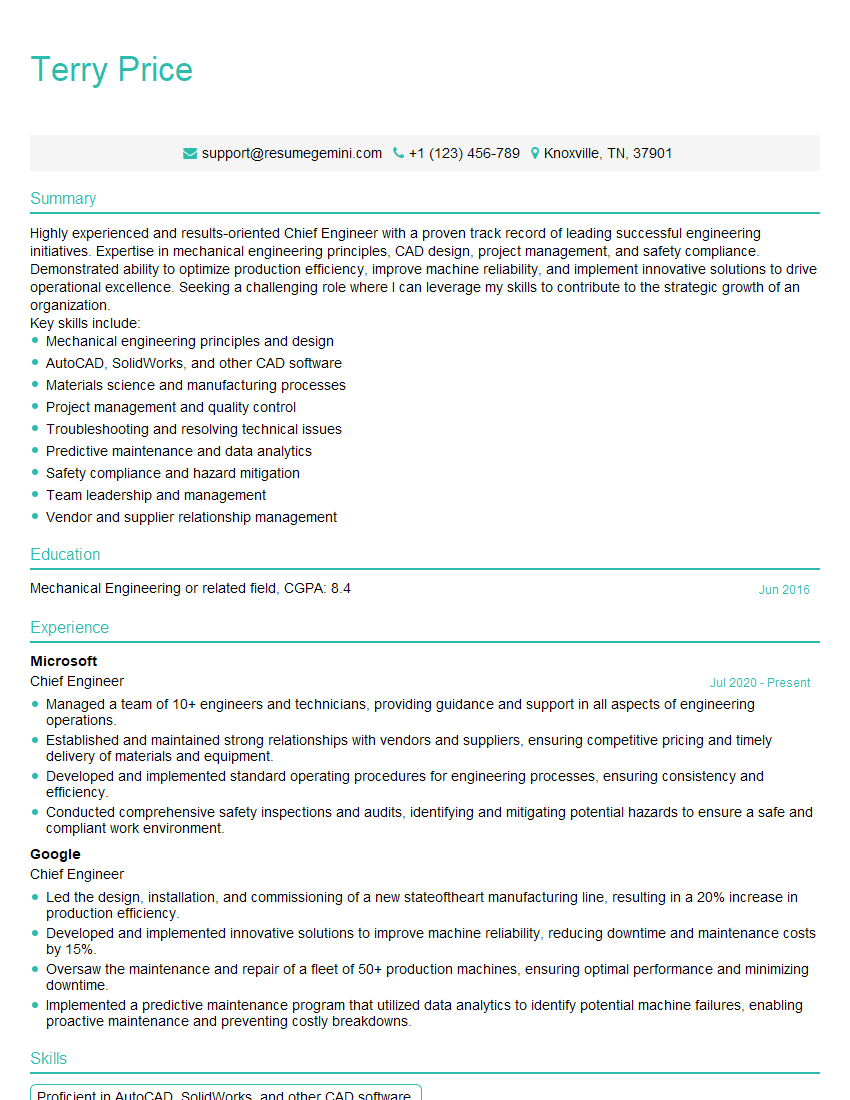
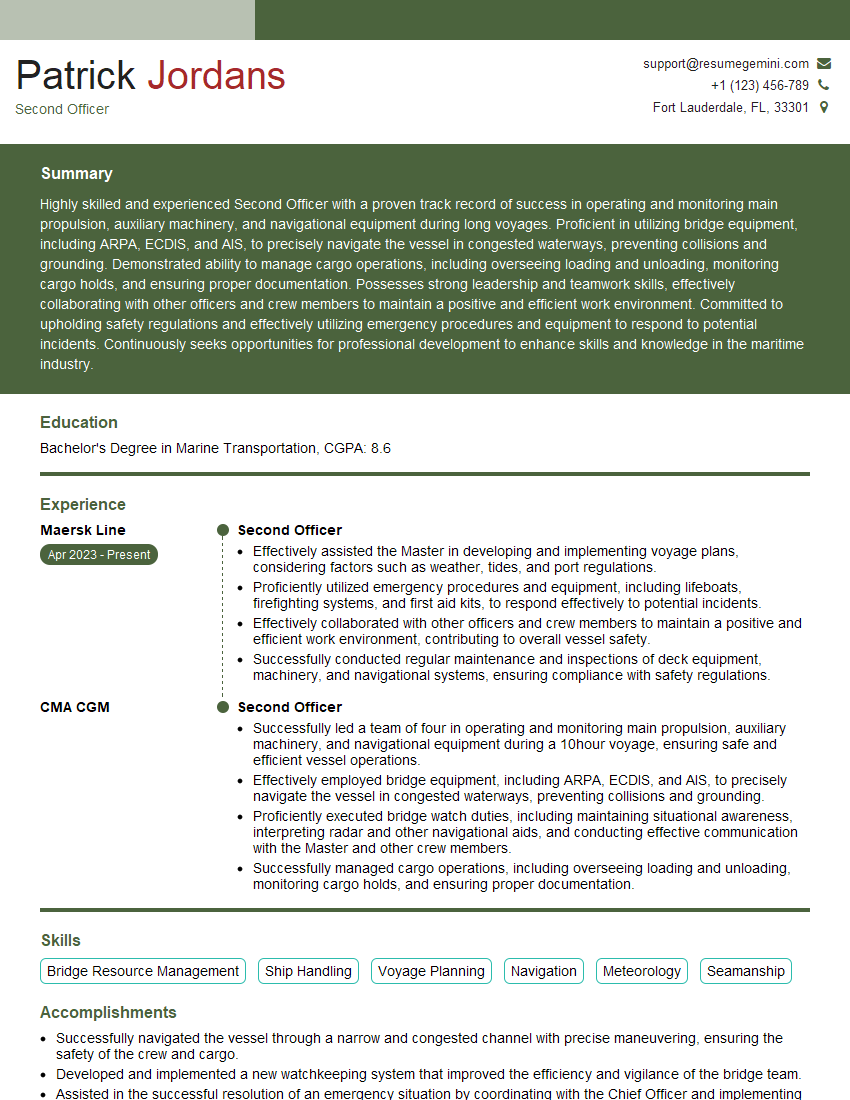
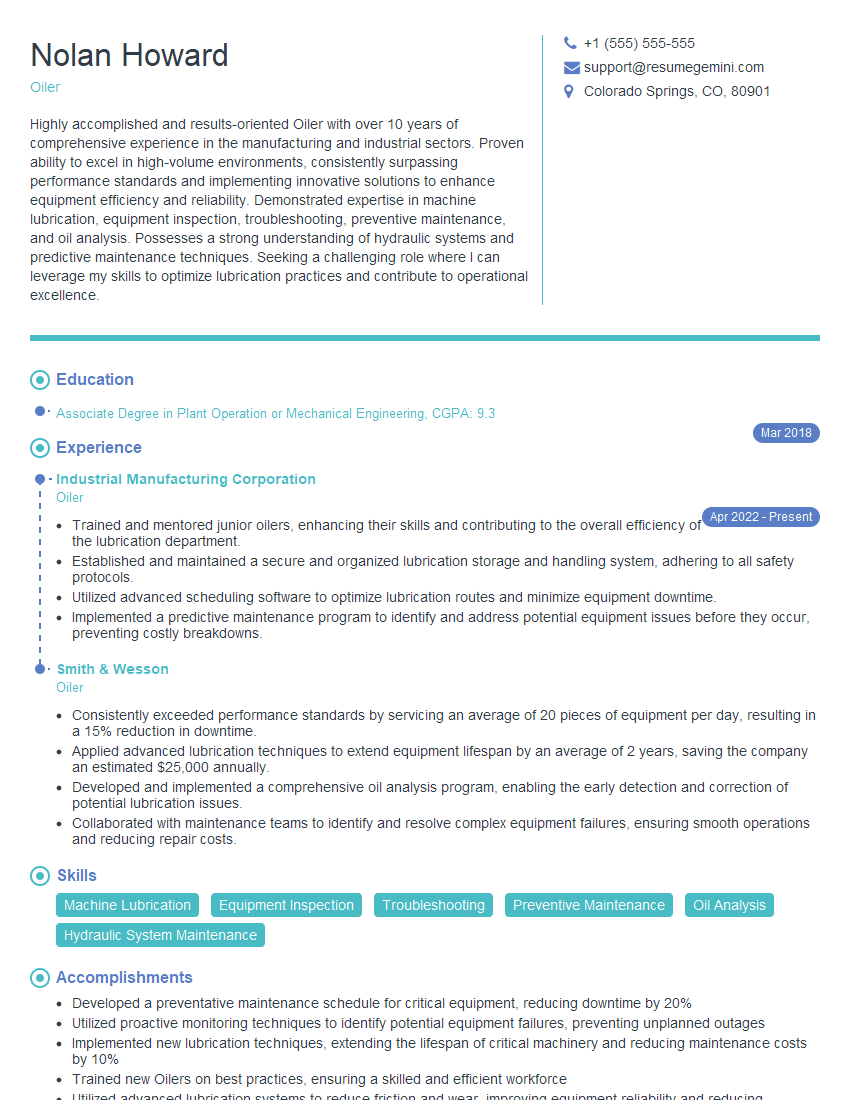
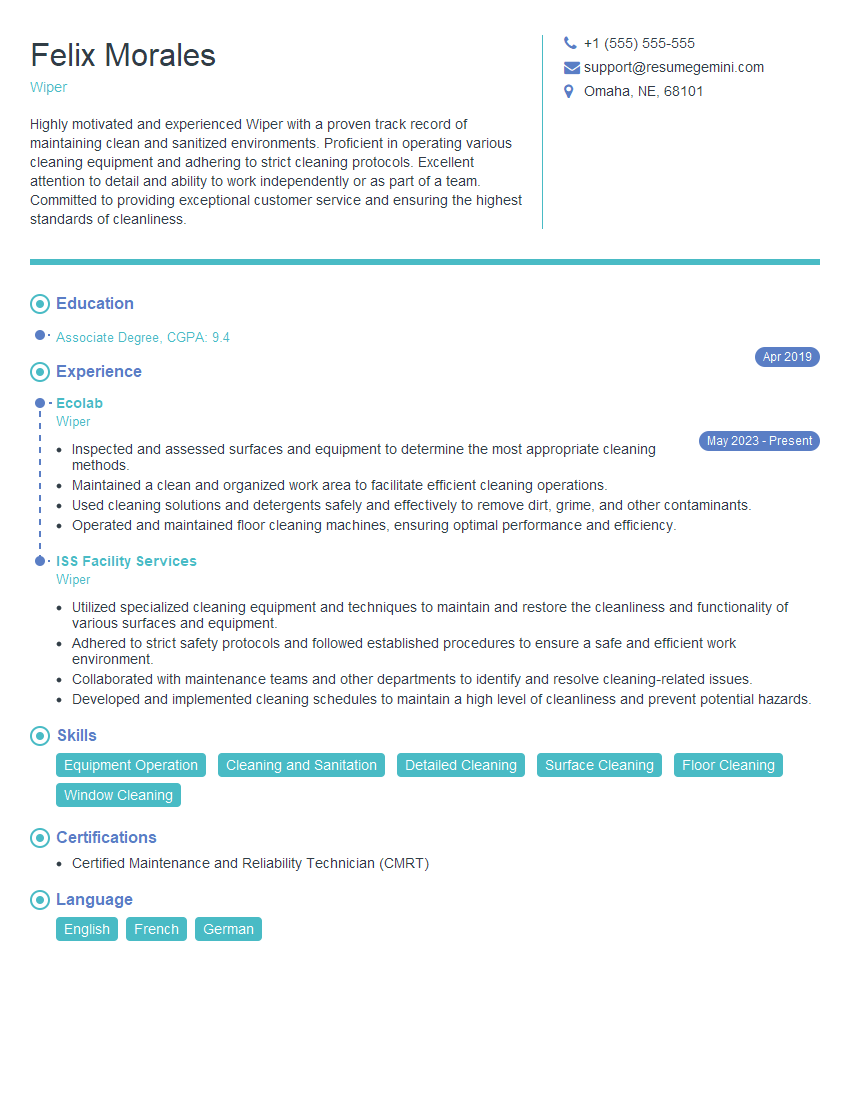
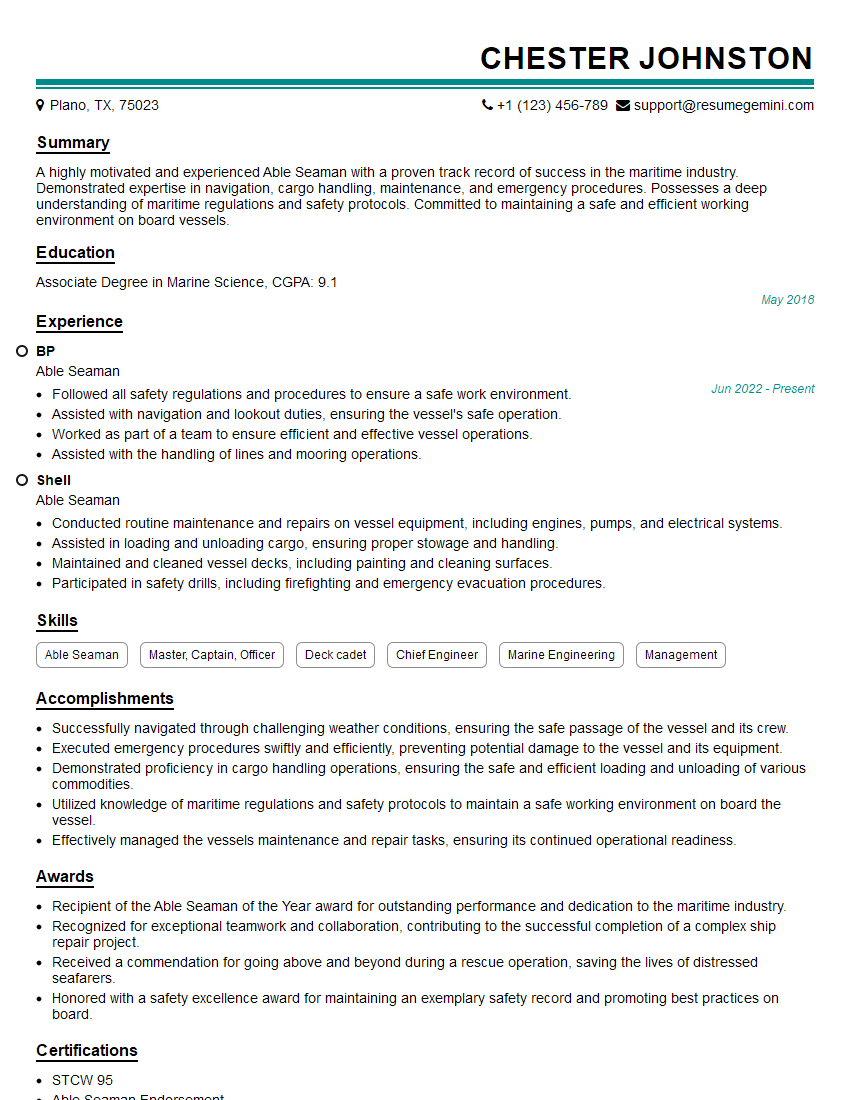
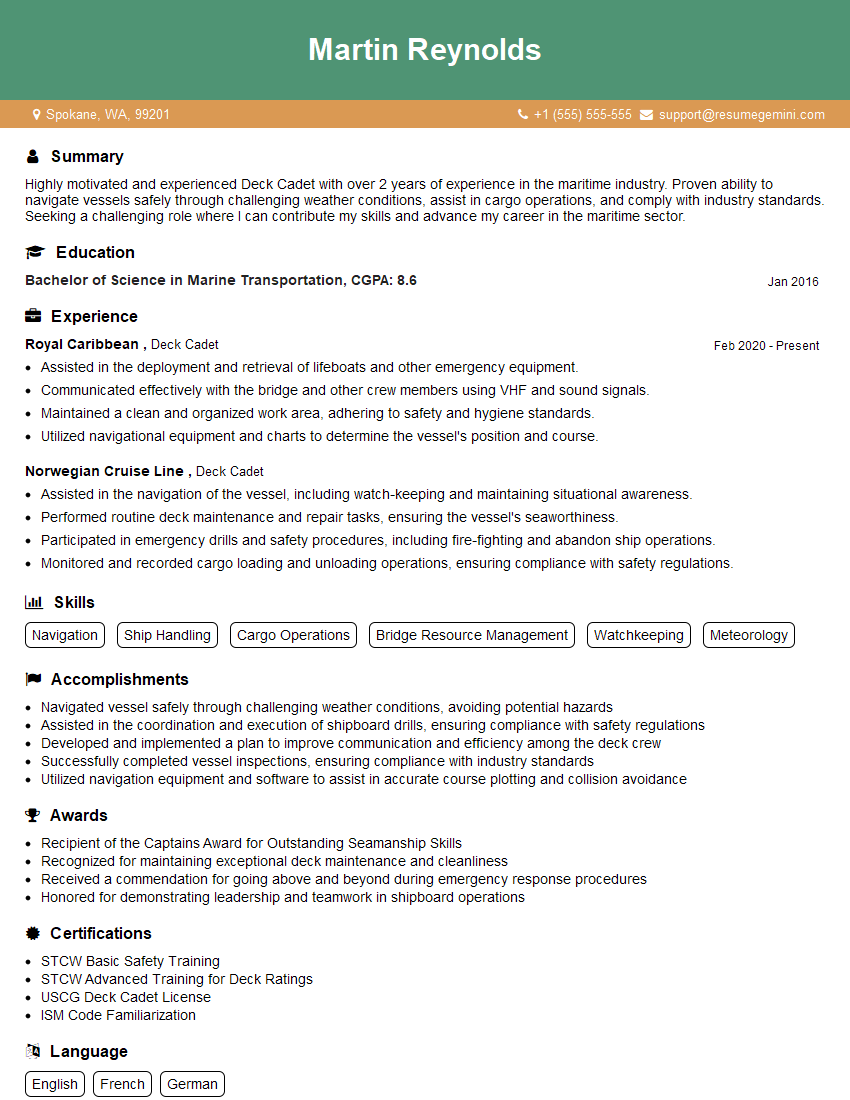
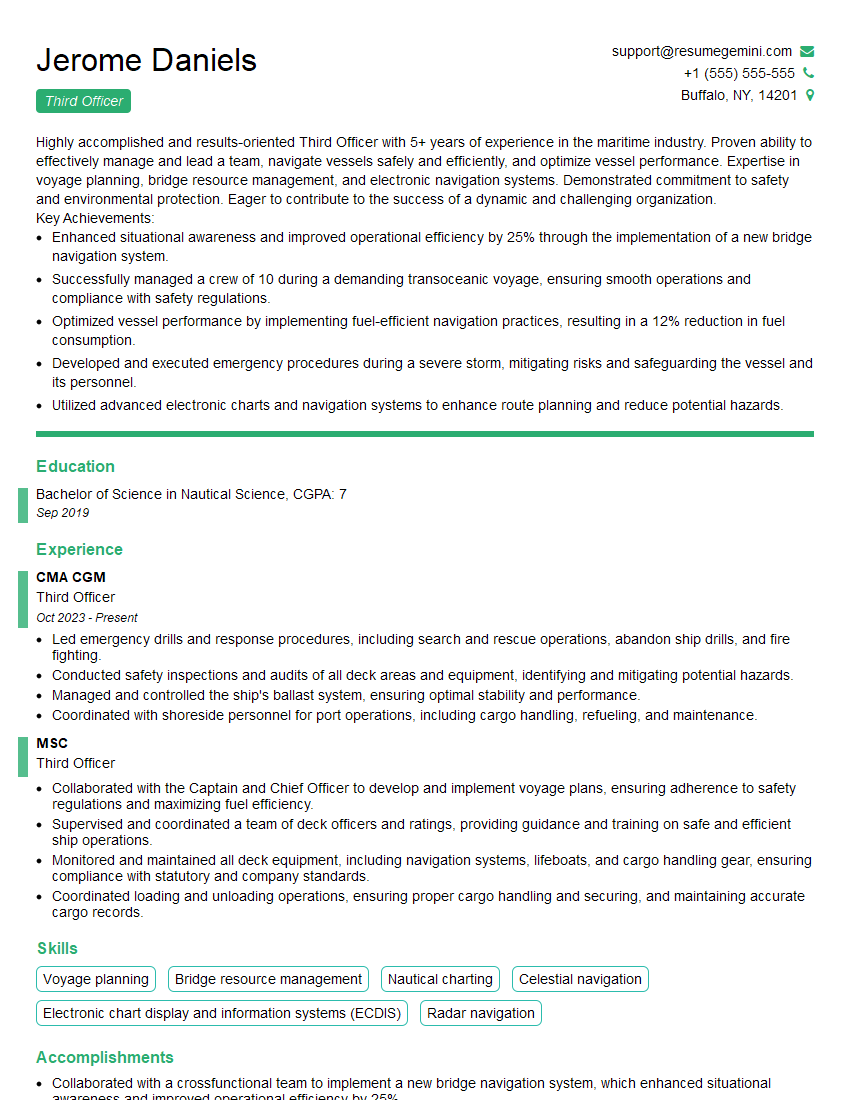
Mastering Deck and Engine Cadet Training is your gateway to a rewarding career at sea, offering opportunities for advancement and global experience. To maximize your job prospects, creating a strong, ATS-friendly resume is vital. ResumeGemini is a trusted resource to help you build a professional resume that highlights your skills and experience effectively. Examples of resumes tailored to Deck and Engine Cadet Training are available to help you get started. Investing time in crafting a compelling resume will significantly improve your chances of securing an interview and launching your maritime career.
Explore more articles
Users Rating of Our Blogs
Share Your Experience
We value your feedback! Please rate our content and share your thoughts (optional).
What Readers Say About Our Blog
Really detailed insights and content, thank you for writing this detailed article.
IT gave me an insight and words to use and be able to think of examples