Unlock your full potential by mastering the most common IPC-6013 Qualification and Performance Specification for Electrical Insulating Compounds Used for Electrical and Electronic Assemblies interview questions. This blog offers a deep dive into the critical topics, ensuring you’re not only prepared to answer but to excel. With these insights, you’ll approach your interview with clarity and confidence.
Questions Asked in IPC-6013 Qualification and Performance Specification for Electrical Insulating Compounds Used for Electrical and Electronic Assemblies Interview
Q 1. Explain the significance of IPC-6013 in electronics manufacturing.
IPC-6013 is crucial in electronics manufacturing because it provides a standardized set of requirements and test methods for qualifying electrical insulating compounds. These compounds are the unsung heroes of reliability, protecting our devices from short circuits and ensuring longevity. Without a standard like IPC-6013, manufacturers would be relying on disparate, potentially unreliable, testing methodologies, leading to inconsistencies in product quality and increased risk of failure.
Think of it like building a house: you wouldn’t just use any old type of cement; you’d need to make sure it meets specific strength and durability standards. Similarly, IPC-6013 ensures the insulating compounds used in electronics meet the required performance levels for the specific application and environmental conditions.
Q 2. Describe the different types of electrical insulating compounds covered by IPC-6013.
IPC-6013 encompasses a wide range of electrical insulating compounds, categorized by their chemical composition, physical form, and application. These include:
- Potting compounds: Encapsulate components to protect them from environmental factors and mechanical stress. Imagine a circuit board submerged in a protective resin.
- Conformal coatings: Thin films applied to protect circuit boards from moisture, dust, and other contaminants. Think of it as a protective ‘skin’ for the board.
- Insulating varnishes: Used to insulate windings in motors and transformers. They act like an electrical barrier, preventing shorts.
- Adhesives: Used to bond components together while providing electrical insulation. These are crucial for secure and electrically safe connections.
- Fillers and encapsulants: Used to fill cavities and provide mechanical support and electrical insulation.
The standard covers a diverse array of materials, from silicones and epoxies to urethanes and acrylics, each with its unique properties and suitability for different applications.
Q 3. What are the key performance characteristics of electrical insulating compounds as defined in IPC-6013?
IPC-6013 outlines several key performance characteristics crucial for ensuring the reliability of electrical insulating compounds. These include:
- Dielectric strength: The ability of the compound to withstand high voltage without breaking down. This is paramount to preventing short circuits.
- Volume resistivity: A measure of the material’s resistance to the flow of electrical current. Lower volume resistivity indicates a better insulator.
- Insulation resistance: Similar to volume resistivity, but focuses on the resistance between two conductors separated by the insulating compound.
- Dielectric constant: Indicates how well the material can store electrical energy. It’s important for high-frequency applications.
- Dissipation factor (loss tangent): Indicates the energy lost as heat when the material is subjected to an alternating current. Lower dissipation factor is preferable.
- Thermal shock resistance: The ability to withstand rapid temperature changes without cracking or degrading.
- Moisture absorption: The extent to which the material absorbs moisture from the environment, which can affect its electrical properties.
These properties are rigorously tested to ensure the compound meets the required specifications for its intended use.
Q 4. How do you interpret the test methods outlined in IPC-6013 for qualifying insulating compounds?
IPC-6013 details numerous test methods for evaluating the performance characteristics of insulating compounds. These methods are crucial for verifying that the material meets the specified requirements. The interpretation involves understanding the underlying principles of each test and comparing the results to the acceptance criteria defined in the standard. For instance:
- Dielectric strength testing: Involves applying an increasing voltage across a sample until breakdown occurs. The voltage at breakdown indicates the material’s dielectric strength.
- Volume resistivity testing: Uses a specialized instrument to measure the resistance across a known volume of the material.
- Thermal shock testing: Involves cycling the material between extreme temperatures to assess its ability to withstand thermal stress.
Understanding the limitations of each test method and potential sources of error is crucial for accurate interpretation. This often involves considering factors such as sample preparation, environmental conditions, and equipment calibration.
Q 5. What are the acceptance criteria for electrical insulating compounds according to IPC-6013?
Acceptance criteria in IPC-6013 are specified for each performance characteristic. These criteria often involve minimum or maximum allowable values, depending on the property being tested. For example, there will be a minimum acceptable dielectric strength, a maximum allowable moisture absorption, and so on. Failure to meet any of these criteria typically results in rejection of the insulating compound.
The specific acceptance criteria will vary depending on the application and the type of insulating compound. For instance, a compound used in a high-voltage application will require a much higher dielectric strength than one used in a low-voltage application. These criteria ensure that the compound selected is appropriate for its intended use and will provide reliable performance.
Q 6. Explain the process of selecting an appropriate insulating compound for a specific application based on IPC-6013 guidelines.
Selecting the right insulating compound is a critical step. IPC-6013 guides this process by providing a framework for evaluating the performance characteristics of various materials and matching them to application requirements. The process typically involves:
- Defining the application requirements: This includes identifying the environmental conditions (temperature, humidity, etc.), voltage levels, mechanical stresses, and other relevant factors.
- Reviewing material specifications: Consulting datasheets from manufacturers to identify compounds that meet the defined requirements. IPC-6013 helps determine what characteristics need to be reviewed.
- Testing materials: Conducting independent testing of candidate materials to verify their performance according to IPC-6013 test methods.
- Evaluating test results: Comparing the test results to the acceptance criteria specified in IPC-6013 and making a selection based on meeting specifications.
This systematic approach ensures that the chosen insulating compound will reliably perform its function, promoting the long-term reliability of the electronic assembly.
Q 7. How do environmental factors affect the performance of electrical insulating compounds?
Environmental factors significantly influence the performance of electrical insulating compounds. Exposure to extreme temperatures, humidity, UV radiation, and chemicals can degrade the material properties over time. For example:
- High temperatures: Can reduce the dielectric strength and increase the dissipation factor.
- High humidity: Can lead to increased moisture absorption, which can reduce insulation resistance and increase leakage currents.
- UV radiation: Can cause degradation of the material’s chemical structure, leading to embrittlement and reduced mechanical strength.
- Chemicals: Can cause chemical reactions that degrade the material’s properties.
IPC-6013 addresses this by specifying test methods to evaluate the resistance of compounds to various environmental factors. Choosing a compound with appropriate environmental resistance is crucial for ensuring long-term reliability in harsh conditions. Consider the application environment carefully; a compound suitable for a controlled indoor setting might fail catastrophically in a high-humidity, high-temperature environment.
Q 8. What are the common causes of failure in electrical insulating compounds?
Failures in electrical insulating compounds are multifaceted and often stem from a combination of factors. Think of it like a chain – if one link breaks, the whole thing fails. Common causes include:
- Improper material selection: Choosing a compound unsuitable for the application’s temperature range, voltage stress, or environmental conditions (e.g., humidity, chemicals). For instance, using a low-temperature compound in a high-temperature engine compartment will lead to premature degradation and failure.
- Poor application techniques: Insufficient mixing, improper curing, or inadequate surface preparation can significantly weaken the bond and compromise the compound’s protective capabilities. Imagine trying to stick two pieces of wood together with glue that hasn’t dried properly – it’s not going to hold.
- Environmental degradation: Exposure to moisture, UV radiation, or chemicals can cause the compound to degrade over time, losing its insulating properties and leading to short circuits or other failures. This is like leaving a chocolate bar in the sun – it melts and loses its structural integrity.
- Mechanical stress: Vibrations, impacts, or flexing during operation can create cracks or weaknesses in the compound, reducing its effectiveness as an insulator. Imagine a brittle material constantly being bent – it eventually breaks.
- Manufacturing defects: Contamination, voids, or inconsistencies in the compound itself can create weak points that lead to failure. This is like baking a cake with a lump of flour in it; the cake will be uneven and potentially structurally weak.
Q 9. Describe your experience with testing and analyzing the properties of insulating compounds.
My experience encompasses the full spectrum of testing and analyzing insulating compounds. I’ve extensively utilized various techniques, including:
- Dielectric strength testing: Measuring the compound’s ability to withstand high voltage without breaking down. This involves applying increasing voltage until breakdown occurs, providing crucial data on the compound’s insulation resistance.
- Volume resistivity testing: Determining the compound’s resistance to the flow of electric current. This helps assess the compound’s effectiveness in preventing leakage currents.
- Adhesion testing: Evaluating the strength of the bond between the compound and the substrate material. This is critical for ensuring the compound stays in place and performs its intended function, preventing detachment that could lead to failure. Techniques like peel tests and tensile tests are employed.
- Thermal cycling tests: Exposing the compound to repeated cycles of high and low temperatures to assess its resistance to thermal shock and expansion/contraction. This simulates real-world operating conditions.
- Chemical resistance tests: Exposing the compound to various chemicals to evaluate its resistance to degradation. This is crucial in applications where exposure to solvents or other chemicals is expected.
Through these tests, I build a comprehensive profile of the compound’s performance characteristics, ensuring it meets the required specifications.
Q 10. Explain your understanding of adhesion and its importance in IPC-6013 compliant applications.
Adhesion, simply put, is the ability of the insulating compound to stick firmly to the substrate (the surface it’s applied to). In IPC-6013 compliant applications, good adhesion is paramount because it ensures the insulator remains securely in place, preventing gaps or voids that could compromise its insulating and protective functions.
Think of it like sticking a bandage on a wound; if the bandage doesn’t adhere well, it’s ineffective. Poor adhesion in insulating compounds can lead to:
- Void formation: Gaps between the compound and substrate, creating pathways for current leakage.
- Delamination: Separation of the compound from the substrate, rendering the compound useless.
- Stress cracking: Stress concentrations at the interface, resulting in compound cracking and failure.
IPC-6013 outlines specific adhesion tests to ensure sufficient bond strength, emphasizing the importance of surface preparation, proper compound application, and choosing a compound with inherent adhesive properties suitable for the specific substrate material.
Q 11. How do you ensure compliance with IPC-6013 during the manufacturing process?
Ensuring IPC-6013 compliance during manufacturing requires a multi-pronged approach, starting with material traceability and quality control checks at each stage of the process:
- Material Qualification: Verifying that the chosen insulating compound meets all IPC-6013 requirements through rigorous testing before production begins.
- Process Control: Implementing strict controls over mixing, application, and curing processes. This includes precise control of temperature, pressure, and cure time. Using calibrated equipment is paramount.
- In-process inspection: Regularly inspecting the applied compound for defects such as voids, contamination, or improper thickness. Visual inspection combined with potentially non-destructive testing methods can be used.
- Testing & Documentation: Conducting regular quality control testing on samples from each production batch. Maintaining detailed records of all materials, processes, and test results is essential for demonstrating compliance.
- Operator training: Ensuring all personnel involved in the application and curing process are adequately trained in the proper techniques and procedures. Consistent application is key.
By meticulously following these steps, we ensure consistent compliance with IPC-6013, guaranteeing the quality and reliability of our products.
Q 12. How do you troubleshoot issues related to insulating compound performance?
Troubleshooting insulating compound performance issues requires a systematic approach. I would typically begin by:
- Identifying the nature of the failure: What is the specific problem? (e.g., dielectric breakdown, adhesion failure, etc.)
- Analyzing the environmental conditions: What are the temperature, humidity, and chemical exposures?
- Reviewing the manufacturing process: Were there any deviations from the standard procedures?
- Inspecting the affected components: Are there visible defects in the compound application?
- Conducting additional testing: If necessary, performing more detailed tests to pinpoint the root cause of the failure (e.g., dielectric strength tests, adhesion tests, chemical resistance tests).
Based on the findings, a corrective action plan is developed to address the root cause. This may involve adjustments to material selection, manufacturing processes, or environmental controls. The goal is always to prevent recurrence.
Q 13. Describe your experience with different types of testing equipment used for IPC-6013 qualification.
My experience includes extensive use of various testing equipment for IPC-6013 qualification, including:
- High-voltage testers: Used to measure dielectric strength and other high-voltage characteristics.
- Megohmmeters: Used to measure insulation resistance.
- Environmental chambers: Used to simulate various environmental conditions (temperature, humidity) for testing compound performance under stress.
- Tensile and peel testers: Used to measure the adhesive strength of the compound to the substrate.
- Microscopes: Used for visual inspection of the compound to identify defects.
- Thermal analysis equipment (DSC, TGA): Used to characterize the curing behavior and thermal stability of the compound.
Proficiency in operating and interpreting data from these instruments is essential for accurate qualification and ensuring compliance with IPC-6013.
Q 14. What are the limitations of IPC-6013, and how do you address them in your work?
While IPC-6013 is a valuable standard, it does have limitations. For example, it doesn’t cover every possible application or environmental condition. Also, the tests defined might not fully capture the nuances of real-world performance. For instance, long-term reliability predictions from accelerated testing can be challenging. Furthermore, the standard doesn’t cover all possible material formulations.
To address these limitations, we:
- Consider the specific application requirements: We tailor our testing and material selection to the unique environmental conditions and stress factors relevant to each specific application beyond the standard tests.
- Employ additional testing where necessary: We often conduct additional tests beyond the standard IPC-6013 requirements to gain a more comprehensive understanding of compound performance. This might involve specialized environmental tests or specific chemical exposure scenarios.
- Utilize simulation and modeling: We can use simulation techniques to complement experimental testing and predict long-term performance more accurately.
- Stay updated on advancements: Keeping abreast of any advancements in the field and considering new methodologies can aid in addressing the limitations of the IPC-6013 standard.
Ultimately, a balanced approach incorporating the IPC-6013 framework along with practical experience and a tailored testing strategy ensures robust and reliable solutions.
Q 15. How do you interpret and document test results in accordance with IPC-6013?
Interpreting and documenting IPC-6013 test results involves meticulous attention to detail and adherence to standardized reporting procedures. Each test, whether it’s dielectric strength, adhesion, or thermal shock resistance, needs to be documented precisely. This includes recording the specific test method used (referencing the relevant IPC-6013 clause), the equipment used, the date and time of the test, the sample identification, environmental conditions during testing, and, most importantly, the numerical results obtained. Any deviations from the standard test procedures must be clearly noted.
For example, if we’re testing dielectric strength, the report would clearly state the voltage applied, the time the voltage was applied for, whether breakdown occurred, and at what voltage level. Visual observations, such as any cracking or discoloration of the sample after testing, are also carefully recorded using photographs or detailed descriptions. The final report then summarizes the results against the acceptance criteria specified in the IPC-6013 standard and the customer’s requirements. This ensures complete traceability and unambiguous interpretation of the data.
We use a dedicated database system to manage test data, enabling easy retrieval and analysis. This system provides version control and audit trails, demonstrating complete compliance and ensuring data integrity throughout the product lifecycle.
Career Expert Tips:
- Ace those interviews! Prepare effectively by reviewing the Top 50 Most Common Interview Questions on ResumeGemini.
- Navigate your job search with confidence! Explore a wide range of Career Tips on ResumeGemini. Learn about common challenges and recommendations to overcome them.
- Craft the perfect resume! Master the Art of Resume Writing with ResumeGemini’s guide. Showcase your unique qualifications and achievements effectively.
- Don’t miss out on holiday savings! Build your dream resume with ResumeGemini’s ATS optimized templates.
Q 16. Explain the concept of dielectric strength and its relevance to IPC-6013.
Dielectric strength, as defined by IPC-6013, is a measure of an insulating material’s ability to withstand high voltage without breaking down. Think of it as the material’s resistance to electrical puncture. It’s crucial because it directly impacts the reliability and safety of electronic assemblies. A weak dielectric can lead to short circuits, malfunctions, and even fires. IPC-6013 outlines specific test methods for determining dielectric strength, using a standardized procedure to ensure consistent results and fair comparisons between different insulating compounds.
The relevance to IPC-6013 is paramount because it’s one of the key performance characteristics of an insulating material. The standard provides the specifications and acceptance criteria for dielectric strength, based on the intended application and the type of insulating material. For instance, an insulating material used in a high-voltage power supply will need to demonstrate a significantly higher dielectric strength than one used in a low-voltage circuit. Failure to meet these specifications would render the material unsuitable for the intended purpose.
Q 17. What are the implications of non-compliance with IPC-6013?
Non-compliance with IPC-6013 can have several serious implications. Firstly, it can lead to the rejection of materials and components, resulting in significant cost overruns and project delays. Secondly, it can compromise the reliability and safety of the final product. If an insulating material fails to meet the specified performance characteristics, it can lead to product malfunctions, failures, or even safety hazards. This could result in warranty claims, product recalls, and reputational damage for the manufacturer.
Furthermore, non-compliance can lead to legal issues and non-compliance with regulatory standards. In many industries, adherence to IPC-6013 is a critical requirement for product certification and market access. Finally, repeated non-compliance can lead to the loss of customer trust and future business opportunities. Therefore, adhering to IPC-6013 is not merely a matter of following a standard; it’s essential for ensuring product quality, safety, and business success.
Q 18. Discuss your experience with different types of insulating materials: conformal coatings, potting compounds, adhesives.
My experience encompasses a wide range of insulating materials, including conformal coatings, potting compounds, and adhesives. Conformal coatings, for example, provide a thin, protective layer over circuit boards, protecting components from moisture, dust, and other environmental factors. I’ve worked extensively with acrylic, polyurethane, and silicone-based conformal coatings, each offering unique properties and suitability for different applications. The selection depends on factors like operating temperature, chemical resistance, and required dielectric strength.
Potting compounds, on the other hand, are used to encapsulate entire assemblies, providing excellent protection against shock, vibration, and moisture. I’ve worked with epoxy and silicone potting compounds, each with its own advantages and disadvantages in terms of viscosity, curing time, and thermal conductivity. Adhesives are used to bond components together, ensuring electrical and mechanical integrity. I have experience with epoxy, cyanoacrylate, and silicone adhesives, each requiring careful selection based on the specific materials being bonded and the environmental conditions.
Q 19. How do you manage the lifecycle of an insulating compound – from selection to disposal?
Managing the lifecycle of an insulating compound is crucial for ensuring consistent performance and compliance. It begins with careful material selection, considering factors such as the application’s requirements, environmental conditions, and regulatory compliance. We utilize rigorous testing procedures throughout the selection process to ensure the material meets the specified performance characteristics according to IPC-6013.
During manufacturing, strict quality control measures are in place to monitor the compound’s properties and ensure consistent application. Traceability is maintained throughout the process, from raw material sourcing to final product assembly. After the product’s lifespan, proper disposal of the insulating compound, in compliance with environmental regulations, is vital. This includes identifying potential hazards associated with the compound and implementing safe handling and disposal protocols. We maintain detailed records of material usage and disposal, adhering to all relevant environmental regulations.
Q 20. Explain your experience with data analysis and reporting related to IPC-6013 testing.
Data analysis and reporting are integral parts of my work with IPC-6013 testing. I utilize statistical software to analyze large datasets from multiple tests, identifying trends and potential outliers. This includes calculating mean values, standard deviations, and other statistical parameters to assess the consistency and reliability of the test results. I’ve also developed custom reports that provide clear, concise summaries of the test results, including graphical representations of the data to facilitate easy interpretation.
For instance, if we observe a significant deviation from the expected values during dielectric strength testing, a thorough investigation is conducted to identify the root cause. This might involve examining the raw materials, the application process, or environmental factors. The findings from these investigations are documented in detail and included in the final report. This approach ensures that any potential problems are identified and addressed promptly, preventing future non-compliance issues.
Q 21. How do you ensure the traceability of insulating compounds throughout the manufacturing process?
Ensuring traceability of insulating compounds is paramount for maintaining quality and compliance. We employ a robust system of lot numbers and batch tracking from the time the material is received until the final product is shipped. Every batch of insulating compound is assigned a unique identification number, and this number is meticulously tracked throughout the manufacturing process. This information is recorded in our database, linking the material to the specific components and assemblies it was used in.
Furthermore, we maintain detailed certificates of analysis (CoA) for each batch of material, providing assurance of its composition and compliance with relevant specifications. This documentation allows for complete traceability, facilitating investigations in case of any quality issues or non-compliance. This approach is essential for ensuring product quality, addressing potential problems efficiently, and maintaining compliance with industry standards.
Q 22. What are the differences between various types of testing, such as visual, mechanical, and electrical?
IPC-6013 testing encompasses various methods to ensure the quality and reliability of electrical insulating compounds. Visual, mechanical, and electrical tests each assess different aspects of the compound’s performance.
- Visual Inspection: This is the first line of defense. It involves a meticulous examination of the compound for defects like voids, cracks, foreign particles, or improper application. Think of it like a quality check on a cake – you wouldn’t serve a cake with crumbs all over it! This is crucial because even small visual flaws can compromise the insulation’s integrity.
- Mechanical Testing: These tests assess the physical properties of the compound, such as its adhesion, tensile strength, and flexibility. For example, a peel test measures how easily the compound separates from the substrate, while a tensile test determines its resistance to stretching and breaking. This is similar to checking the structural integrity of a building – you need a strong foundation to support the weight.
- Electrical Testing: This is arguably the most critical aspect, evaluating the compound’s dielectric strength – its ability to withstand high voltages without breaking down – and its volume resistivity, which indicates its resistance to electrical current flow. Imagine it as testing the insulation of an electrical wire; it needs to prevent current leakage to prevent short circuits and potential hazards.
Each test type provides a unique perspective on the compound’s quality. The combined results paint a comprehensive picture of its suitability for the intended application.
Q 23. Describe your experience with failure analysis of insulating compounds.
My experience in failure analysis of insulating compounds involves a systematic approach. It starts with a detailed visual inspection of the failed component, documenting all visible defects. Then, I use various analytical techniques such as microscopy (optical and scanning electron microscopy), to determine the root cause of the failure. This could range from improper application of the compound, contamination, or inherent defects in the material itself. For example, I once investigated a case where a circuit board failed due to cracking of the conformal coating. Microscopy revealed that the cracking originated from internal stresses caused by improper curing of the compound during the manufacturing process. This led to process improvements to address the curing parameters. I then correlate the findings with the original specification of the compound according to IPC-6013 to understand any deviations, and subsequently determine the most effective corrective action. This approach is iterative, involving testing, analysis, and refinement until the root cause is identified and solved.
Q 24. How familiar are you with different industry standards related to IPC-6013 (e.g., J-STD-001)?
I’m very familiar with several industry standards related to IPC-6013. IPC-6013 itself is a very specific standard for electrical insulating compounds. However, it often works in conjunction with other standards such as J-STD-001, which covers soldering practices. For instance, the solder joint’s quality significantly impacts the overall reliability of the assembly, and improper soldering can compromise even the best insulating compound. Similarly, IPC-A-610, which deals with the acceptability of printed boards, is relevant because the cleanliness and integrity of the board surface directly affect the adhesion and performance of the insulating compound. Understanding these interconnected standards is vital for ensuring a robust and reliable final product. My expertise extends to cross-referencing requirements across different standards to ensure holistic compliance. I have worked extensively with these standards in a practical setting, not just theoretical knowledge, and I understand the nuances of applying them.
Q 25. Describe a situation where you had to resolve a conflict between meeting IPC-6013 requirements and other project constraints.
In a previous project, we faced a conflict between meeting IPC-6013 requirements for a specific conformal coating and the project’s tight deadlines. The chosen compound, while perfectly adhering to IPC-6013, required a longer curing time than originally anticipated. This threatened to delay the entire production schedule. To resolve this, I convened a meeting with the design, manufacturing, and quality control teams. We explored several options: accelerating the curing process (carefully considering the impact on the compound’s properties), selecting an alternative compound with a faster cure time (while ensuring it still met the critical performance criteria defined by IPC-6013), or adjusting the project timeline to accommodate the longer cure time. Ultimately, we opted for a carefully validated acceleration of the curing process, backed by rigorous testing to ensure that it did not compromise the material’s electrical and mechanical properties or its compliance with IPC-6013. This required meticulous documentation of each step and thorough validation of the modified process. Through collaborative problem-solving, we met both the IPC-6013 requirements and the tight project deadlines.
Q 26. Explain your experience with the use of statistical process control (SPC) in relation to IPC-6013.
Statistical Process Control (SPC) is essential for maintaining consistent quality in the application of insulating compounds as per IPC-6013. We use control charts, such as X-bar and R charts, to monitor key process parameters like coating thickness, cure time, and adhesion strength. By establishing control limits based on historical data, we can detect any deviations from the established process early on, preventing defects and ensuring consistent compliance with IPC-6013 requirements. For example, if the coating thickness consistently falls outside the predetermined control limits, it triggers an investigation to identify the root cause – perhaps a malfunctioning dispensing equipment or a change in material viscosity. SPC empowers proactive problem-solving instead of reactive firefighting, enhancing overall quality and efficiency.
Q 27. How do you stay updated with the latest revisions and updates to IPC-6013?
Staying updated with IPC-6013 revisions is crucial for maintaining my expertise. I subscribe to IPC’s newsletters and updates, actively participating in webinars and training sessions offered by the organization and other relevant industry bodies. I also regularly review the latest industry publications and journals to stay informed about any changes or new technologies related to electrical insulating compounds. Networking with other engineers and professionals in the field through conferences and professional organizations provides invaluable insights and ensures I’m aware of the evolving best practices in this area.
Key Topics to Learn for IPC-6013 Qualification and Performance Specification for Electrical Insulating Compounds Used for Electrical and Electronic Assemblies Interview
- Understanding the Standard: Thoroughly grasp the scope and purpose of IPC-6013, including its relevance to ensuring the reliability and performance of electrical and electronic assemblies.
- Material Properties: Study the key properties of electrical insulating compounds defined within IPC-6013, such as dielectric strength, thermal stability, and chemical resistance. Understand how these properties are tested and verified.
- Qualification Procedures: Familiarize yourself with the qualification methods outlined in IPC-6013, including testing procedures, acceptance criteria, and documentation requirements. Be ready to discuss practical examples.
- Application Considerations: Understand how the selection of an insulating compound depends on factors like operating temperature, environmental conditions, and the specific application requirements of the electronic assembly.
- Failure Analysis: Learn about common failure modes associated with insulating compounds and how IPC-6013 helps mitigate these risks. Be prepared to discuss troubleshooting and problem-solving strategies related to insulation failures.
- Industry Best Practices: Explore and understand the broader industry best practices related to the selection, application, and testing of electrical insulating compounds beyond the specific requirements of IPC-6013.
- Documentation and Traceability: Understand the importance of meticulous documentation and traceability throughout the process, as outlined in IPC-6013, ensuring compliance and quality control.
Next Steps
Mastering IPC-6013 is crucial for career advancement in electronics manufacturing and related fields. Demonstrating a strong understanding of this standard showcases your commitment to quality, reliability, and industry best practices. This expertise will significantly enhance your job prospects and open doors to more challenging and rewarding roles.
To further boost your chances of success, create an ATS-friendly resume that highlights your skills and experience effectively. ResumeGemini is a trusted resource that can help you build a professional and impactful resume, tailored to your specific needs. Examples of resumes tailored to showcasing IPC-6013 expertise are available to provide inspiration and guidance.
Manufacturing Manager Resume Sample

Quality Assurance Manager Resume Sample
Production Supervisor Resume Sample

Supply Chain Manager Resume Sample
Procurement Specialist Resume Sample
Reliability Engineer Resume Sample
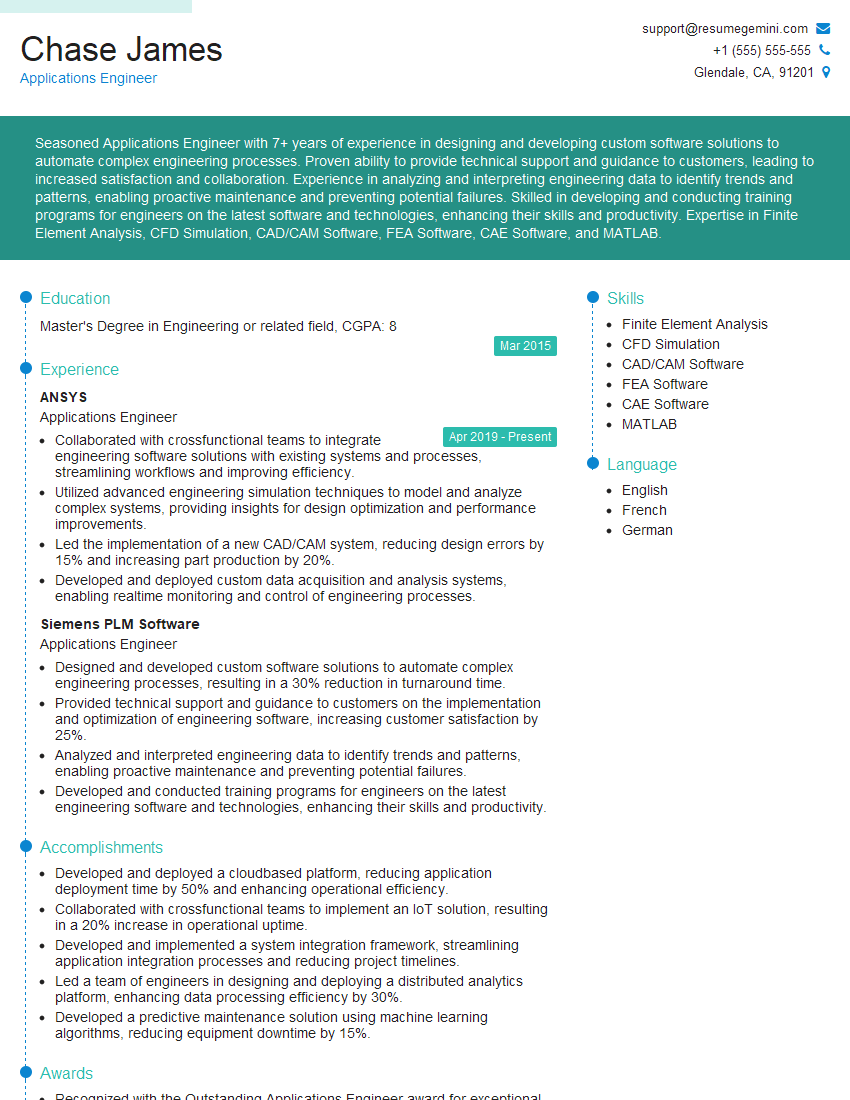
Applications Engineer Resume Sample
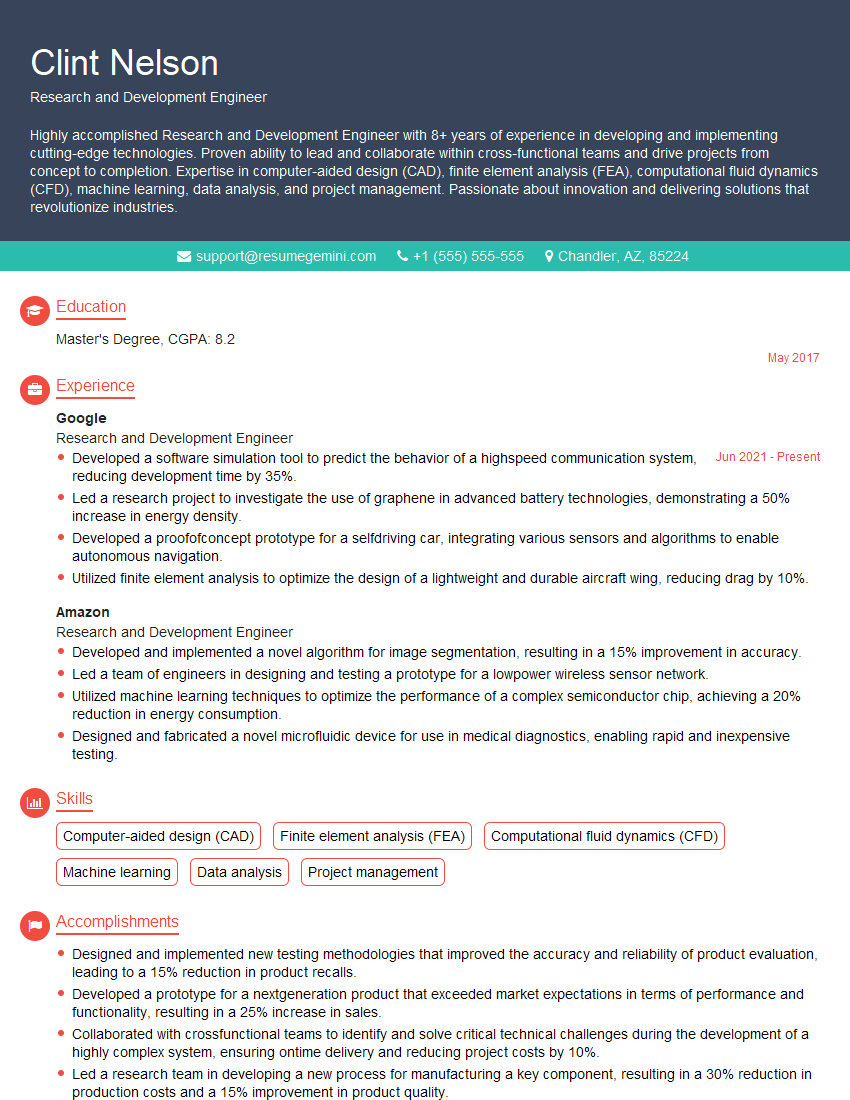
Research and Development Engineer Resume Sample
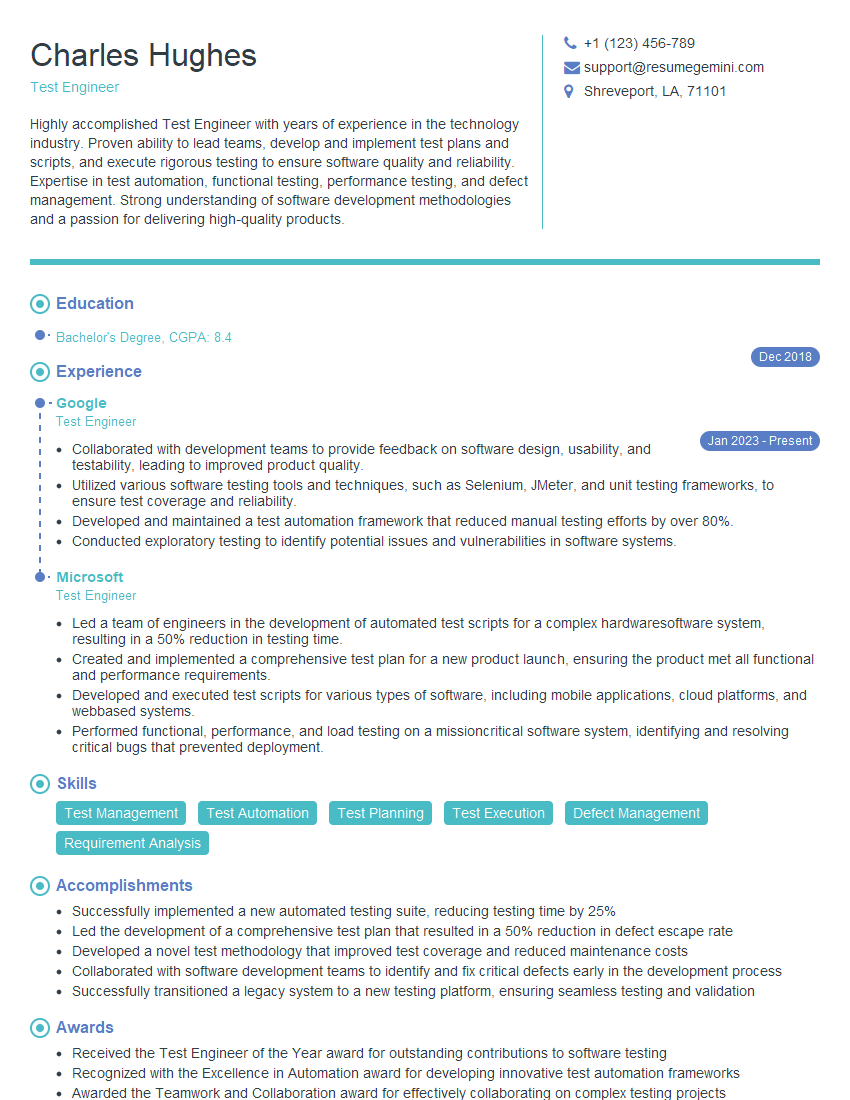
Test Engineer Resume Sample
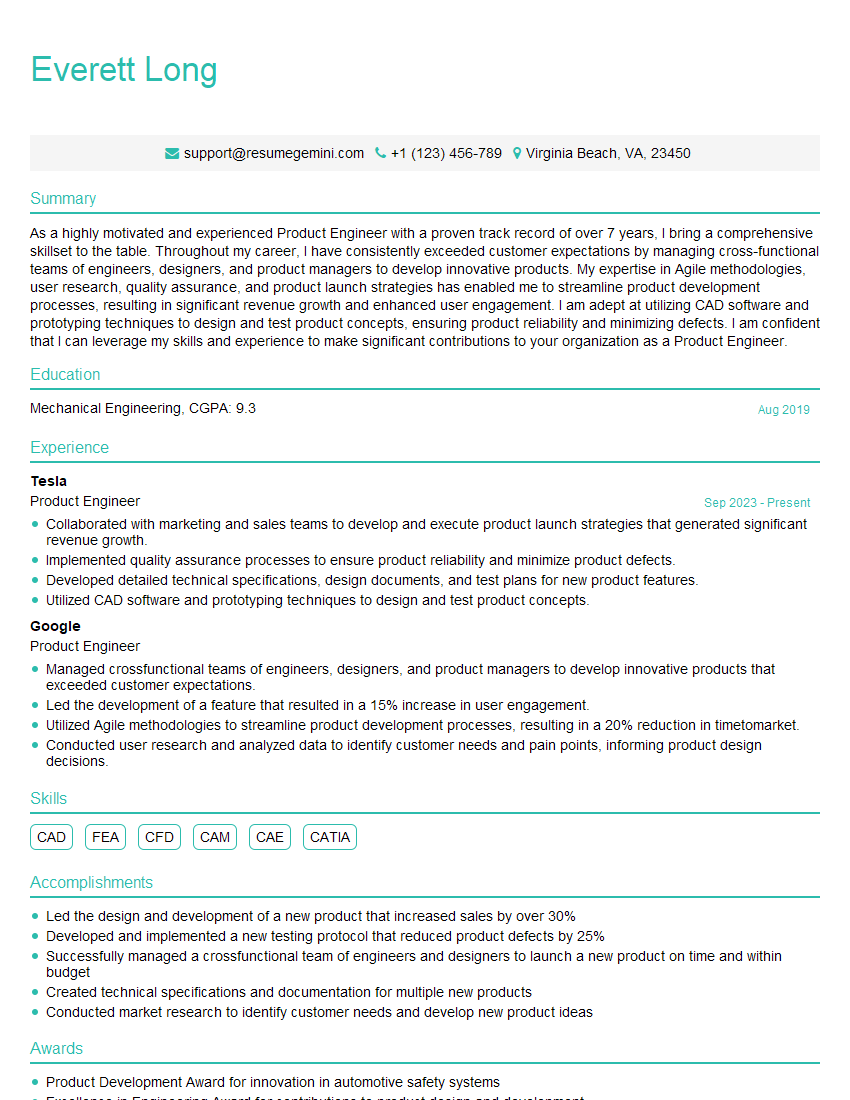
Product Engineer Resume Sample
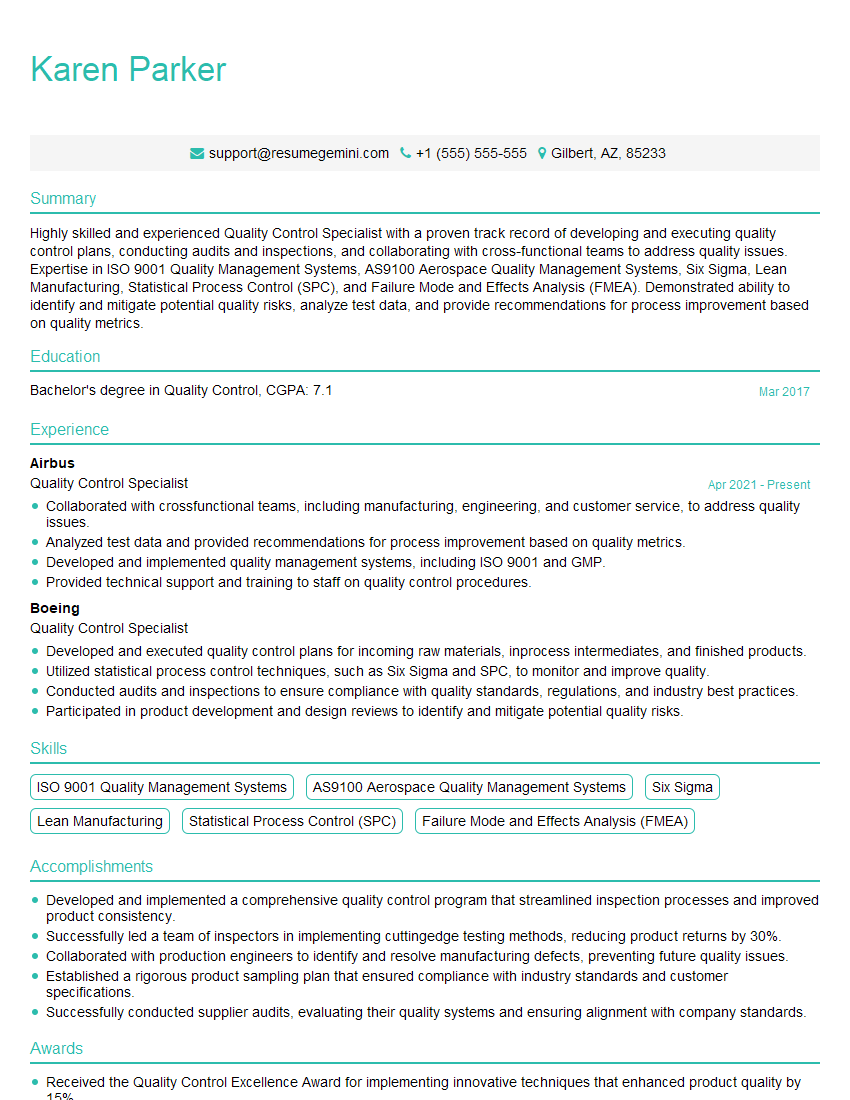
Quality Control Specialist Resume Sample
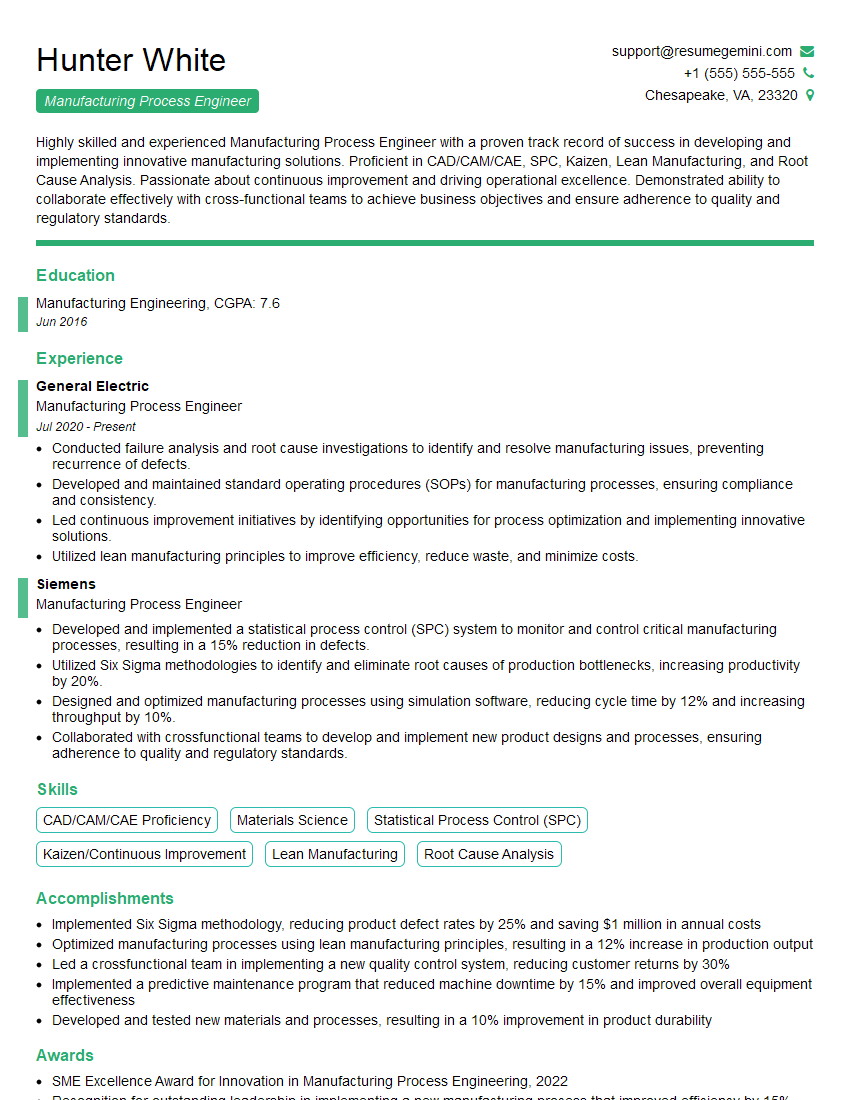
Manufacturing Process Engineer Resume Sample
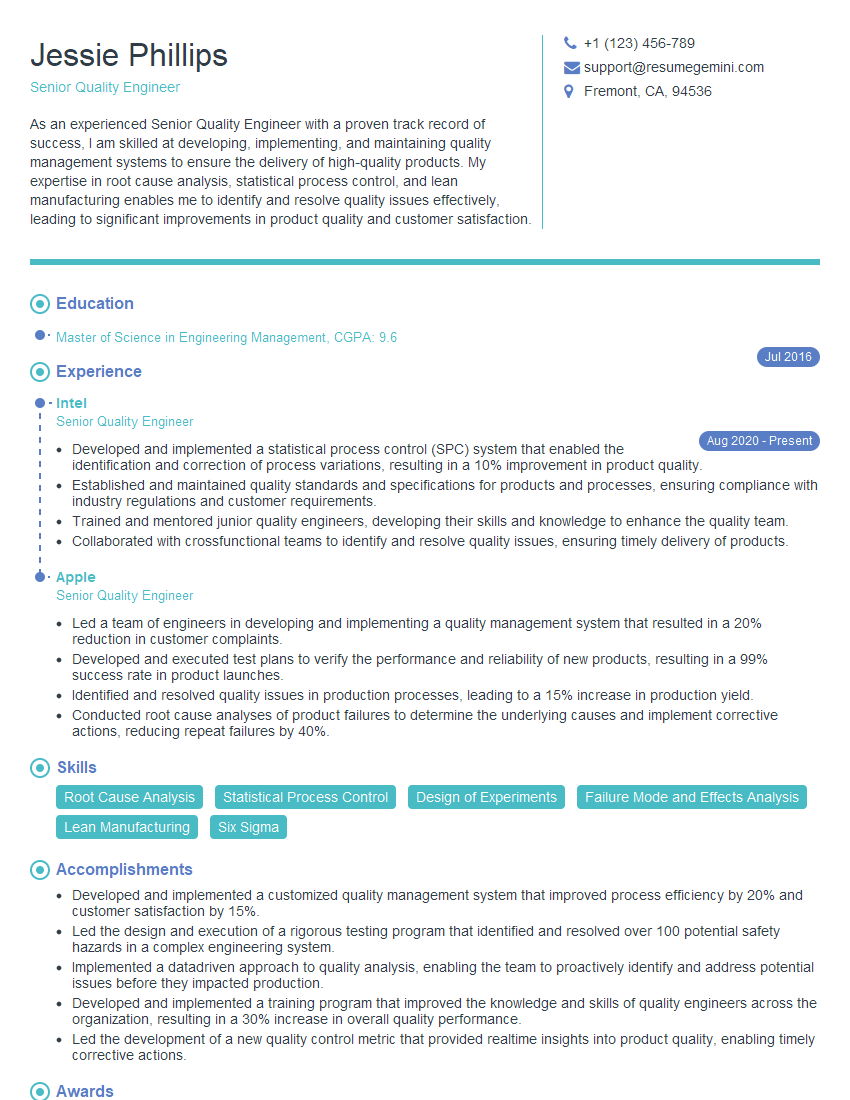
Senior Quality Engineer Resume Sample
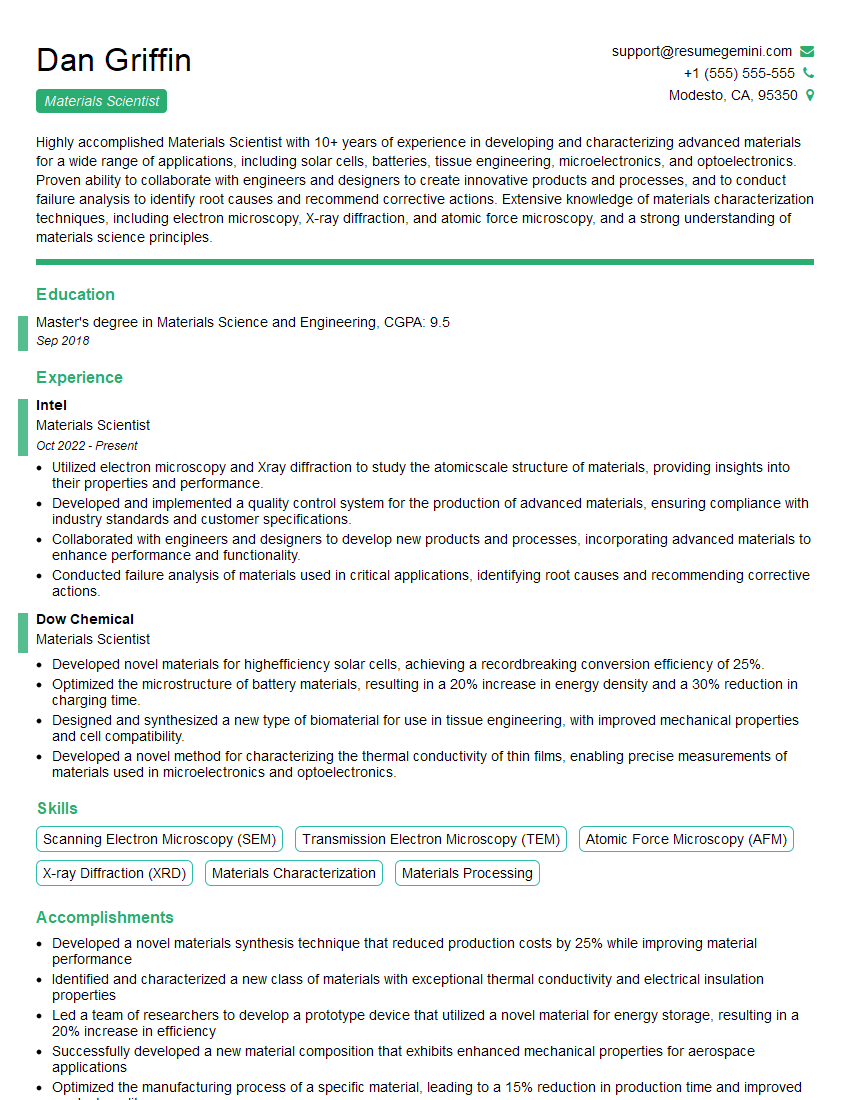
Materials Scientist Resume Sample
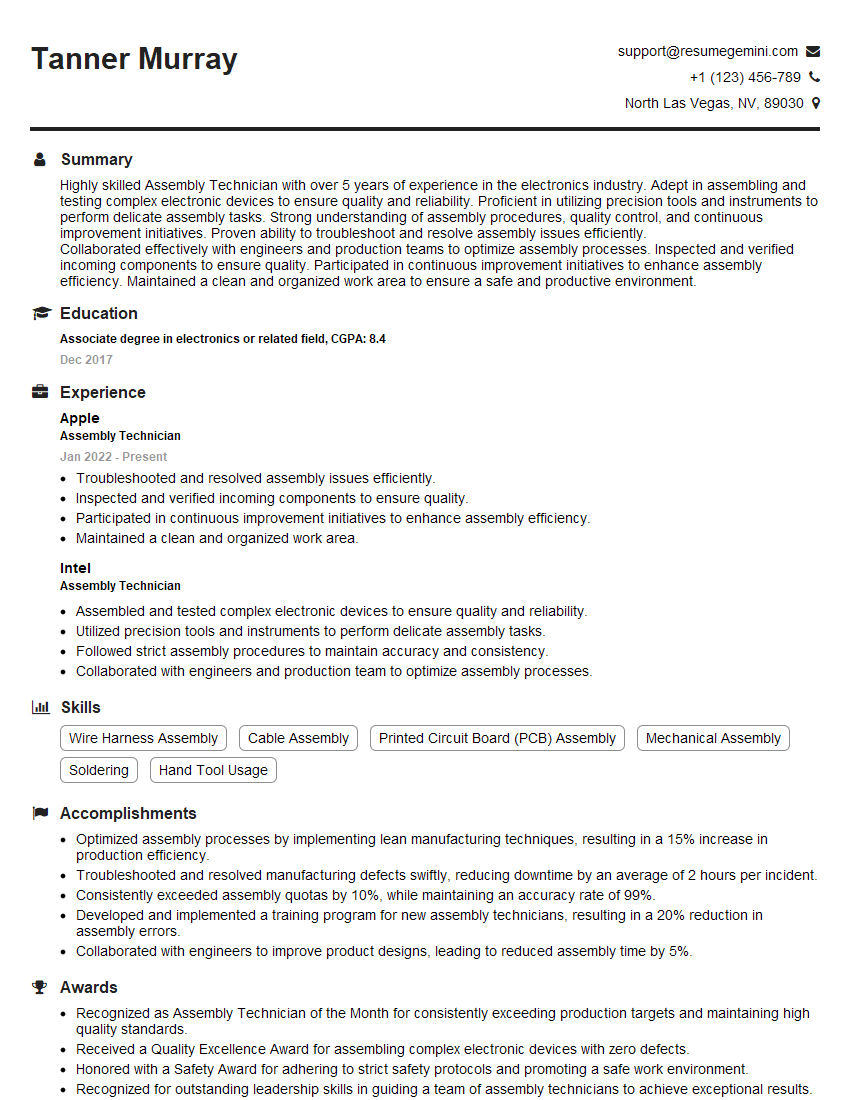
Assembly Technician Resume Sample
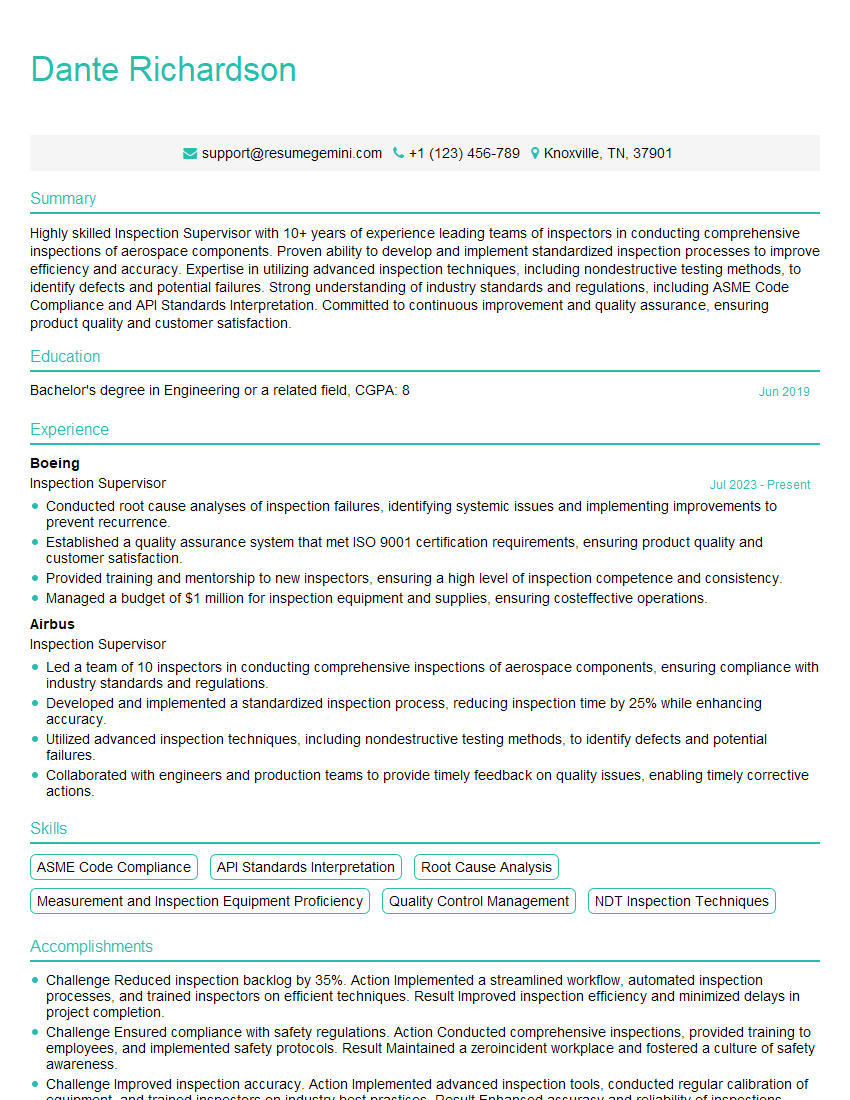
Inspection Supervisor Resume Sample
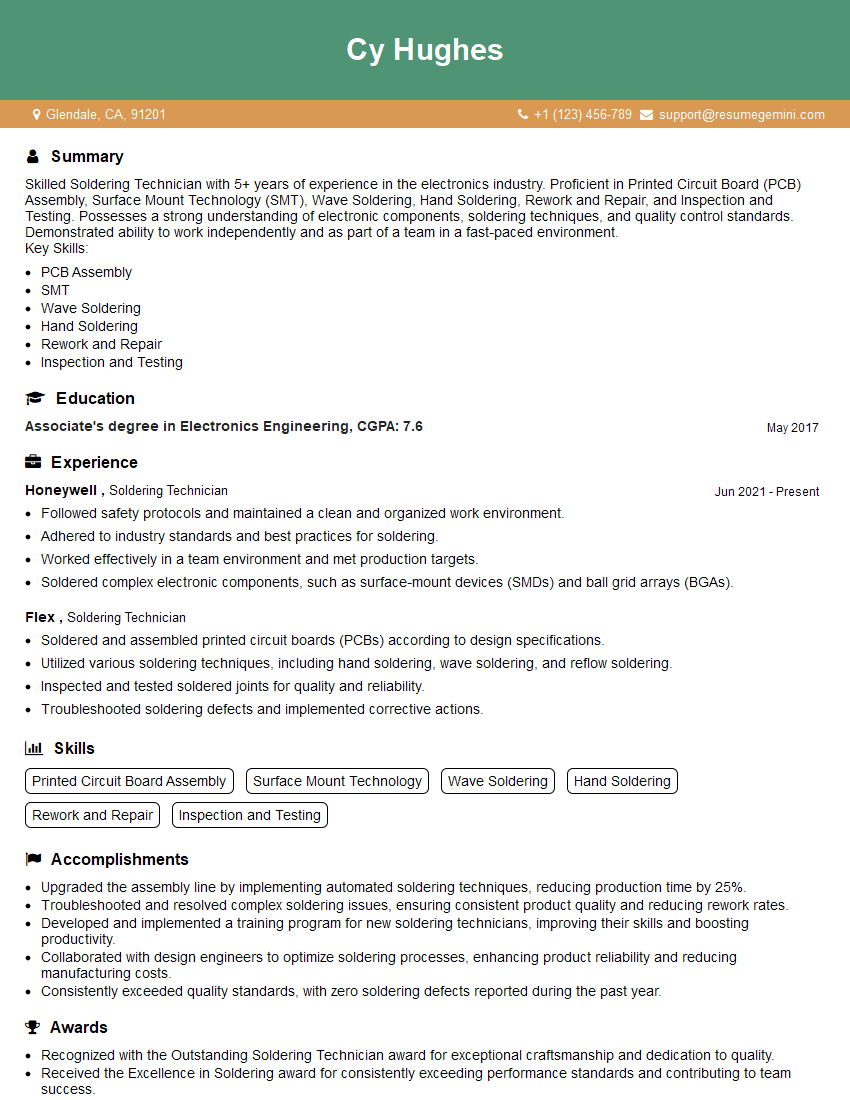
Soldering Technician Resume Sample
- Manufacturing Manager
- Quality Assurance Manager
- Production Supervisor
- Supply Chain Manager
- Procurement Specialist
- Reliability Engineer
- Applications Engineer
- Research and Development Engineer
- Test Engineer
- Product Engineer
- Quality Control Specialist
- Manufacturing Process Engineer
- Senior Quality Engineer
- Materials Scientist
- Assembly Technician
- Inspection Supervisor
- Soldering Technician
Explore more articles
Users Rating of Our Blogs
Share Your Experience
We value your feedback! Please rate our content and share your thoughts (optional).
What Readers Say About Our Blog
Really detailed insights and content, thank you for writing this detailed article.
IT gave me an insight and words to use and be able to think of examples