Cracking a skill-specific interview, like one for Defect Detection and Analysis, requires understanding the nuances of the role. In this blog, we present the questions you’re most likely to encounter, along with insights into how to answer them effectively. Let’s ensure you’re ready to make a strong impression.
Questions Asked in Defect Detection and Analysis Interview
Q 1. Explain the difference between verification and validation.
Verification and validation are crucial processes in software development, often confused but distinct. Think of it like baking a cake: verification is are we building the cake correctly?, while validation is are we building the right cake?
Verification focuses on ensuring that each step in the development process adheres to the specifications. It checks if the product is being built right. This involves activities like code reviews, unit testing, and integration testing. We’re checking if the code matches the design, if modules work together correctly, and if the overall system meets the technical requirements. For example, verifying that a login function correctly checks username and password against a database.
Validation, on the other hand, confirms that the final product meets the user’s needs and requirements. It checks if we’re building the right product. This often involves user acceptance testing (UAT) and system testing. We ask: Does the final cake taste good? Does it look appealing? Does it satisfy the customer’s order? For example, validating that the entire system allows users to successfully complete online purchases.
Q 2. Describe your experience with different testing methodologies (e.g., Agile, Waterfall).
My experience spans both Agile and Waterfall methodologies. In Waterfall projects, testing happens in distinct phases after development is (supposedly) complete. This often leads to catching defects late in the cycle, resulting in higher costs to fix. I’ve worked on large enterprise projects utilizing this model, where rigorous test plans and detailed documentation were essential to manage the sequential nature of the process. Defect tracking and reporting were meticulously documented.
Conversely, Agile methodologies emphasize iterative development and continuous testing. In my Agile projects, I’ve been involved in daily stand-ups to track progress, participate in sprint planning to incorporate testing activities, and perform frequent testing throughout the development sprint. This allows for early defect detection and quicker resolution. The focus is on collaboration between developers and testers, often leading to faster feedback cycles and higher quality software. Tools like Jira are heavily used to manage tasks and track defects within sprints.
Q 3. What defect tracking systems are you familiar with (e.g., Jira, Bugzilla)?
I am proficient in several defect tracking systems, including Jira, Bugzilla, and Azure DevOps. Jira is my most commonly used platform, its flexibility and extensive features make it suitable for various project types and sizes. I have experience creating and managing projects, defining workflows, and customizing dashboards for effective defect management. Bugzilla is another powerful tool I have used; I particularly appreciate its robust reporting capabilities and integration with other development tools. Azure DevOps offers great integration within the Microsoft ecosystem, particularly helpful for projects using .NET technologies. My experience encompasses not only using these systems but also configuring them to optimize workflow efficiency for different teams and project needs.
Q 4. How do you prioritize defects?
Defect prioritization is crucial for efficient resource allocation and timely bug fixes. I generally use a combination of factors to prioritize defects, often using a severity/priority matrix.
- Severity: How significant is the impact of the defect? A critical defect (e.g., system crash) has higher severity than a minor cosmetic issue.
- Priority: How urgently does the defect need to be fixed? A high-priority defect might be a critical defect impacting a core feature that needs immediate attention, whereas a low-priority defect might be a minor usability issue that can be addressed in a later release.
- Frequency: How often does the defect occur? A defect that occurs consistently is usually prioritized higher than one that only happens rarely.
- Business Impact: How does this defect affect the business’s goals or revenue? A defect impacting a key revenue-generating feature would have higher priority than a defect in a less-used functionality.
Using this combined approach ensures we address the most critical and impactful defects first, optimizing the development team’s efficiency and delivering the best possible product.
Q 5. Explain your approach to root cause analysis.
My approach to root cause analysis (RCA) typically follows a structured methodology like the 5 Whys or a Fishbone diagram (Ishikawa diagram). The goal is to go beyond simply identifying the symptom and delve into the underlying causes to prevent future occurrences.
The 5 Whys: This involves repeatedly asking ‘Why?’ to drill down to the root cause. For example: ‘Why did the system crash?’ ‘Because of a database error.’ ‘Why was there a database error?’ ‘Because of an incorrect data entry.’ ‘Why was the data entry incorrect?’ ‘Because of a missing validation check.’ The final ‘Why’ usually unveils the root cause.
Fishbone Diagram: This visual tool helps brainstorm potential causes categorized by different areas such as people, processes, materials, equipment, etc. It encourages collaborative problem-solving and provides a holistic view of potential contributing factors.
Regardless of the method, effective RCA requires thorough investigation, data collection, and collaboration with developers and stakeholders. The key is to identify not only the immediate cause but also the systemic issues that allowed the defect to happen in the first place.
Q 6. Describe a time you identified a critical defect. What was your process?
During the development of an e-commerce platform, I discovered a critical defect in the payment gateway integration. Users were able to proceed through the checkout process but their orders were not being processed, resulting in significant financial losses.
My process began with reproducing the defect and documenting the steps to replicate it. Then, I used debugging tools to analyze the application logs and database activity. Through careful examination, I found that a critical section of code handling the payment transaction was not handling exceptions correctly. This led to a silent failure where the order was not processed but the user received no error message.
I immediately reported the defect with detailed steps to reproduce and the root cause analysis. This included providing code snippets and screenshots of the debugging session to support my findings. Collaboration with the development team was crucial; we quickly implemented a fix, thoroughly tested it, and deployed the update. Regular monitoring ensured no similar issues arose.
Q 7. What are some common defect types you’ve encountered?
Throughout my career, I’ve encountered a wide range of defect types, which can be broadly categorized as follows:
- Functional Defects: These are deviations from the specified functionality. Examples include incorrect calculations, missing features, or unexpected behavior.
- Performance Defects: These affect the speed, responsiveness, or stability of the application. Examples are slow loading times, memory leaks, or crashes under load.
- Usability Defects: These make the application difficult or confusing to use. Examples include poor navigation, unclear instructions, or inconsistent design.
- Security Defects: These compromise the security and integrity of the application. Examples include SQL injection vulnerabilities, cross-site scripting (XSS) flaws, or insecure data handling.
- Compatibility Defects: These arise when the application doesn’t work correctly across different browsers, operating systems, or devices.
Understanding these common defect types allows for targeted testing and efficient defect detection. The specific types encountered often depend on the application’s nature and complexity.
Q 8. How do you handle disagreements with developers about defect severity?
Disagreements about defect severity are common, but crucial to resolve professionally. My approach centers on objective evidence and clear communication. I start by carefully explaining my assessment, referencing specific test cases, user stories, or acceptance criteria that the defect violates. I present concrete examples of the impact – for instance, a severity 1 might cause application crashes impacting all users, while a severity 3 might only affect a specific edge case. I leverage established severity scales (like those based on impact and frequency) to ensure we’re on the same page. If the disagreement persists, I involve a senior team member or project manager as a neutral arbitrator to facilitate a discussion and help reach a consensus based on the project’s risk tolerance and priorities. Open communication and a willingness to compromise are key – the goal is to ensure the most critical issues are addressed first while maintaining a collaborative environment.
Q 9. How familiar are you with different testing levels (unit, integration, system, etc.)?
I’m very familiar with the different testing levels – unit, integration, system, and acceptance – and understand their distinct purposes and how they contribute to a comprehensive testing strategy.
- Unit testing focuses on verifying individual components or modules of the code in isolation.
- Integration testing checks how different modules interact and work together.
- System testing evaluates the entire system as a whole to ensure it meets requirements.
- Acceptance testing (often involving users) confirms the system meets the business needs and user expectations.
Q 10. Explain your experience with test automation frameworks (e.g., Selenium, Appium).
I have extensive experience with Selenium and Appium, primarily for UI automation. With Selenium, I’ve built robust test suites for web applications using various programming languages like Java and Python. I’m proficient in using different Selenium locators (ID, XPath, CSS selectors) for efficient element identification and handling different types of web elements. I’ve implemented various test design patterns, such as Page Object Model, to enhance maintainability and readability of the test code. With Appium, I’ve automated testing of mobile applications (both Android and iOS). I understand the complexities of mobile testing, including handling different screen resolutions, device emulators/simulators, and integrating Appium with CI/CD pipelines. In my previous role, I built a Selenium framework for automating regression testing, which reduced testing time by 60% and significantly improved test coverage.
//Example Selenium code snippet (Java) WebDriver driver = new ChromeDriver(); driver.get("http://www.example.com"); WebElement element = driver.findElement(By.id("myElement")); element.click();Q 11. How do you write effective bug reports?
Writing effective bug reports is critical for efficient defect resolution. My bug reports follow a clear and consistent format, typically including:
- Summary: A concise, clear title that summarizes the defect.
- Steps to Reproduce: A detailed, step-by-step guide to reproduce the defect consistently.
- Actual Result: What actually happened when the steps were followed.
- Expected Result: What was expected to happen.
- Severity: The impact of the defect (e.g., critical, major, minor).
- Priority: Urgency of fixing the defect (e.g., high, medium, low).
- Environment: OS, browser version, application version, etc.
- Screenshots/Videos: Visual evidence to illustrate the defect.
- Log Files: Relevant log files containing error messages or other information.
Q 12. Describe your experience with performance testing.
My experience with performance testing encompasses various aspects, including load testing, stress testing, and endurance testing. I use tools like JMeter and LoadRunner to simulate real-world user traffic and identify performance bottlenecks. I’ve designed test plans based on realistic user scenarios and analyzed performance metrics such as response time, throughput, resource utilization (CPU, memory), and error rates. In one project, I identified a significant database performance issue by conducting load testing, which allowed the development team to optimize database queries and improve overall application responsiveness. I understand the importance of correlating performance test results with user requirements and defining appropriate performance acceptance criteria.
Q 13. How do you ensure test coverage?
Ensuring test coverage involves a multifaceted approach. I use various techniques including requirements traceability matrices to map test cases to individual requirements, ensuring that all functional and non-functional requirements are adequately covered. Code coverage tools provide metrics on the percentage of code executed during testing, helping identify gaps in testing. I also leverage risk-based testing, prioritizing test cases based on the severity and probability of defects. Furthermore, I utilize test case design techniques such as equivalence partitioning, boundary value analysis, and decision tables to maximize test coverage with a focused set of tests. Regular reviews of test coverage reports and continuous feedback loops help refine the testing strategy over time.
Q 14. How do you handle defects found in production?
Handling defects found in production requires a swift, organized, and thorough approach. The first step involves immediate triage to assess the impact and urgency of the defect. This involves gathering information from error logs, monitoring tools, and user reports. Next, I work with the development team to reproduce the defect in a controlled environment, ensuring that the root cause is identified precisely. A temporary fix (hotfix) might be implemented immediately to mitigate the impact while a permanent solution is developed and deployed. A post-mortem analysis is conducted to determine the reasons behind the production defect escaping the testing phases. This analysis helps in identifying gaps in the testing process, improving future testing strategies, and preventing similar occurrences. The entire process is carefully documented, ensuring traceability and accountability throughout.
Q 15. What metrics do you use to measure the effectiveness of testing?
Measuring the effectiveness of testing goes beyond simply finding bugs. It’s about understanding how well our testing process prevents defects from reaching production and ensures software quality. Key metrics I utilize include:
- Defect Density: This measures the number of defects found per lines of code or function points. A lower defect density indicates better code quality. For example, a defect density of 0.5 defects per 1000 lines of code is generally considered good.
- Defect Removal Efficiency (DRE): This shows the percentage of defects found during testing versus those found in production. A higher DRE signifies a more effective testing process. Aiming for a DRE above 85% is a common goal.
- Test Coverage: This measures the percentage of code or requirements tested. Different types of coverage exist (statement, branch, path), and achieving high coverage, while not a guarantee of quality, is an important indicator. We strive for at least 80% code coverage in critical modules.
- Mean Time To Failure (MTTF): This metric, relevant for system testing and integration testing, measures the average time between failures. A higher MTTF suggests better system stability and robustness.
- Mean Time To Repair (MTTR): This is the average time taken to fix a defect once it’s discovered. Shorter MTTR indicates efficient problem-solving and smoother development processes.
- Escape Rate: This is the percentage of defects that escape into production. A low escape rate is crucial for maintaining user satisfaction and system reliability.
I track these metrics over time to identify trends and areas for improvement in our testing strategy. For example, a consistently high defect density in a specific module might indicate a need for more rigorous testing or improved coding practices in that area.
Career Expert Tips:
- Ace those interviews! Prepare effectively by reviewing the Top 50 Most Common Interview Questions on ResumeGemini.
- Navigate your job search with confidence! Explore a wide range of Career Tips on ResumeGemini. Learn about common challenges and recommendations to overcome them.
- Craft the perfect resume! Master the Art of Resume Writing with ResumeGemini’s guide. Showcase your unique qualifications and achievements effectively.
- Don’t miss out on holiday savings! Build your dream resume with ResumeGemini’s ATS optimized templates.
Q 16. Explain your experience with static analysis tools.
I have extensive experience using static analysis tools, which are invaluable for identifying potential defects in code *without* actually executing it. These tools automate the review process, helping find issues like coding standard violations, potential bugs, and security vulnerabilities early in the development cycle.
I’ve worked with tools like SonarQube, FindBugs, and Coverity. SonarQube, for instance, provides a comprehensive overview of code quality, highlighting issues related to code smells, bugs, vulnerabilities, and code duplication. It offers various metrics and dashboards which allow me to track progress and pinpoint problem areas. FindBugs is particularly effective at detecting common programming errors, while Coverity excels at finding more complex issues, especially security vulnerabilities.
My approach involves integrating these tools into our CI/CD pipeline to automatically analyze code during each build. This allows for early detection of problems and prevents them from escalating. We use the analysis reports to prioritize remediation efforts, focusing on high-risk issues first. Furthermore, using these tools has significantly improved our code quality by enforcing coding standards and fostering a culture of proactive defect prevention.
Q 17. Describe your experience with dynamic analysis tools.
Dynamic analysis tools are crucial for detecting runtime errors and behaviors that static analysis might miss. These tools execute the code, monitor its behavior, and identify issues like memory leaks, race conditions, and performance bottlenecks.
I have experience with tools like JMeter for performance testing, Valgrind for memory debugging, and various debuggers integrated into IDEs. For example, using JMeter, I’ve been able to simulate high user loads on web applications to identify performance bottlenecks and ensure scalability. Valgrind has been invaluable in pinpointing memory leaks and other memory-related issues. Using debuggers allows for stepping through the code during execution to observe variable values and trace program flow, helping pinpoint the root cause of runtime errors.
My strategy involves using these tools strategically throughout the testing lifecycle. Performance testing using JMeter is typically performed later in the process, after functional testing. Memory debugging using tools like Valgrind is often incorporated during integration testing to ensure that different modules interact correctly without causing memory issues. The reports generated by these tools provide critical insights into system behavior and identify areas requiring improvement.
Q 18. What is your experience with code reviews from a quality perspective?
Code reviews are an integral part of my quality assurance process. They are not just about finding bugs; they are about sharing knowledge, improving code readability, and ensuring adherence to coding standards. From a quality perspective, I focus on several key aspects during code reviews:
- Functionality: Does the code meet the requirements and specifications?
- Design: Is the code well-structured, maintainable, and easily understandable?
- Correctness: Is the logic sound, and are there any potential bugs or edge cases?
- Efficiency: Is the code optimized for performance?
- Security: Are there any potential security vulnerabilities?
- Style and Readability: Does the code follow coding standards and conventions to ensure consistency and ease of understanding?
I conduct code reviews systematically, often using a checklist to ensure all aspects are covered. I prioritize collaboration and constructive feedback. The goal is not to criticize but to help the developer improve their code and learn from their mistakes. In my experience, well-conducted code reviews significantly reduce defect rates and improve the overall quality of the software.
Q 19. How do you use risk assessment in your testing strategy?
Risk assessment is crucial in shaping an effective testing strategy. It allows us to prioritize testing efforts on the most critical areas of the software. I typically employ a risk-based approach using a matrix that considers the likelihood and impact of potential failures.
For example, a feature with high usage and critical functionality would receive a high risk score, leading to more extensive testing. A low-usage, non-critical feature might receive a low score, resulting in less intensive testing. Factors I consider include:
- Business impact: The severity of a failure on business operations.
- Technical complexity: The intricacy of the code and its potential for bugs.
- User impact: The impact of a failure on the end-user experience.
- Data integrity: The potential for data loss or corruption.
- Security: The risk of security vulnerabilities being exploited.
This risk-based approach allows us to allocate resources effectively, focusing testing efforts where they will provide the greatest value and minimizing the chances of critical failures in production. We regularly update the risk assessment throughout the development lifecycle to reflect any changes in requirements or identified vulnerabilities.
Q 20. Explain your understanding of Six Sigma methodologies.
Six Sigma methodologies are a structured approach to process improvement focusing on reducing variation and defects. It uses data-driven analysis to identify and eliminate the root causes of defects, improving quality and efficiency. Key concepts include:
- DMAIC (Define, Measure, Analyze, Improve, Control): This is a five-phase process for improving existing processes. We define the problem, measure the current performance, analyze the root causes, implement improvements, and then control the process to maintain the gains.
- DMADV (Define, Measure, Analyze, Design, Verify): This is used for designing new processes. It involves defining the goals, measuring the requirements, analyzing options, designing a new process, and verifying its effectiveness.
- Statistical Process Control (SPC): This involves using statistical tools to monitor and control processes, ensuring they remain within acceptable limits.
- Control Charts: These are used to visually track process performance and identify deviations from the norm.
I’ve applied Six Sigma principles in various testing contexts. For example, we used DMAIC to reduce the number of defects found in a specific module by analyzing the defect patterns, identifying the root cause (poor coding standards), and implementing training and improved code review processes. This resulted in a significant improvement in the module’s quality and reduced testing time.
Q 21. How do you contribute to continuous improvement in a QA process?
Contributing to continuous improvement in QA involves a proactive and iterative approach. My contributions focus on several key areas:
- Analyzing Test Results: I regularly analyze test results to identify trends, recurring defects, and areas needing improvement. This data informs our future testing strategies.
- Process Optimization: I constantly look for ways to optimize our testing processes, such as automating test cases, improving test data management, and implementing more efficient testing methodologies.
- Tooling and Technology: I evaluate and recommend new tools and technologies that can improve our testing efficiency and effectiveness. This includes exploring new automation frameworks, test management tools, and defect tracking systems.
- Knowledge Sharing: I actively share my knowledge and experiences with other team members through training, mentoring, and documentation. This helps create a culture of continuous learning and improvement.
- Defect Prevention: I strive to prevent defects from occurring in the first place by actively participating in design reviews, code reviews, and requirements analysis.
- Feedback Loops: I establish and maintain clear communication channels to gather feedback from developers, testers, and stakeholders. This feedback helps identify areas for improvement in our processes and strategies.
By focusing on these areas, I help foster a culture of continuous improvement in our QA process, leading to higher quality software, faster delivery cycles, and increased team productivity.
Q 22. What is your experience with different types of testing (functional, non-functional)?
My experience encompasses both functional and non-functional testing. Functional testing verifies that the software functions as specified in the requirements, ensuring all features work correctly. This includes techniques like unit testing (testing individual components), integration testing (testing interactions between components), system testing (testing the entire system), and user acceptance testing (UAT – ensuring the system meets user needs). I have extensive experience with all these, using various frameworks like JUnit and pytest.
Non-functional testing, on the other hand, focuses on aspects like performance, security, usability, and scalability. For example, performance testing involves load testing (simulating many users), stress testing (pushing the system to its limits), and endurance testing (assessing long-term stability). Security testing includes vulnerability scanning and penetration testing to identify weaknesses. I’ve been involved in performance testing projects using tools like JMeter and LoadRunner, and security testing using tools like OWASP ZAP. A recent project involved identifying a performance bottleneck in a high-traffic e-commerce application through load testing, which ultimately resulted in a 30% improvement in response times.
Q 23. Describe your experience with test data management.
Test data management is crucial for effective testing. It involves the planning, creation, maintenance, and secure disposal of data used in testing. My experience includes designing test data that accurately reflects real-world scenarios, while adhering to data privacy regulations like GDPR and CCPA. I’ve worked with both synthetic data generation tools and techniques for masking or anonymizing real production data. I’ve also implemented strategies to manage test data across different environments (dev, test, staging). For example, in a recent project, we used a data masking tool to protect sensitive customer information while still providing realistic data for testing. This prevented data breaches while ensuring our test scenarios were representative.
Q 24. How do you handle defects that are difficult to reproduce?
Reproducing intermittent defects can be challenging. My approach involves a systematic investigation. First, I meticulously document the steps taken to trigger the defect, including the environment, system configuration, and any relevant logs. I then collaborate with developers and other testers to gather additional information and try to replicate the issue. Tools like debuggers and logging systems are invaluable. If the defect is environment-specific, I try to replicate that specific environment. We might use tools to capture detailed system information at the moment of failure. Sometimes, we need to analyze system logs and monitoring data for clues. For example, a seemingly random crash in an application was eventually traced to a specific memory leak by careful log analysis, and this helped the development team swiftly resolve the issue.
If reproduction remains elusive, I prioritize defects based on their severity and impact, focusing on those that pose the greatest risk to the system. In cases where reproduction is extremely difficult or impossible, we may opt to implement additional monitoring in the production environment to track the occurrence and potentially identify patterns.
Q 25. Explain your experience with different types of software development life cycles (SDLC).
Throughout my career, I’ve worked with various SDLC models, including Waterfall, Agile (Scrum and Kanban), and DevOps. Waterfall is a linear approach, where each phase (requirements, design, development, testing, deployment) is completed before the next begins. Agile methodologies, on the other hand, are iterative and incremental, allowing for flexibility and adaptation. I find Agile, particularly Scrum, best suited for complex projects where requirements can evolve. DevOps emphasizes collaboration and automation throughout the SDLC, enabling faster release cycles. My experience includes adapting testing strategies to each SDLC model; for example, in Waterfall, testing is typically concentrated at the end, whereas in Agile, testing is integrated throughout the development process.
Q 26. How do you stay current with new testing technologies and methodologies?
Staying current in the rapidly evolving field of software testing requires continuous learning. I regularly attend webinars, conferences, and workshops related to testing. I actively participate in online communities and forums, sharing knowledge and learning from others. I also pursue certifications to validate my skills and stay up-to-date with best practices. Furthermore, I explore new testing tools and technologies by experimenting with them on personal projects. Reading industry blogs, publications, and research papers also helps me stay informed about the latest trends in testing methodologies and techniques. A recent example is my exploration of AI-powered testing tools, which are emerging as powerful aids in test automation and defect detection.
Q 27. Describe your experience with security testing.
Security testing is a critical aspect of software development. My experience includes conducting various types of security tests, including vulnerability scanning, penetration testing, and security code reviews. Vulnerability scanning uses automated tools to identify potential security flaws, while penetration testing involves simulating real-world attacks to assess the system’s security posture. Security code reviews involve manually inspecting the source code to identify vulnerabilities. I am familiar with OWASP Top 10 vulnerabilities and employ appropriate techniques to detect and mitigate them. For example, in a recent project, we discovered a SQL injection vulnerability through penetration testing, leading to the implementation of parameterized queries to prevent future attacks.
Q 28. How do you measure the quality of your testing process?
Measuring the quality of the testing process is crucial for continuous improvement. I use several key metrics, including defect density (number of defects per lines of code), defect severity, defect detection rate, test coverage, and time taken to resolve defects. Analyzing these metrics provides insights into the effectiveness of testing efforts. For instance, a high defect density might indicate insufficient testing, whereas a low defect detection rate might signal inadequate test cases. We also track the number of test cases executed, the percentage of test cases passed, and the time spent on different testing activities. Regularly reviewing these metrics helps to identify areas for improvement, such as enhancing test cases, improving test design, or optimizing testing processes. This data-driven approach allows for continuous refinement and optimization of our testing process, ensuring the highest possible software quality.
Key Topics to Learn for Defect Detection and Analysis Interview
- Defect Classification and Categorization: Understand different defect types (functional, performance, security, etc.) and their impact on software quality. Learn to apply standardized classification systems.
- Static and Dynamic Analysis Techniques: Explore practical applications of static analysis tools (e.g., linters, code analysis platforms) and dynamic testing methods (e.g., unit testing, integration testing). Be prepared to discuss their strengths and weaknesses.
- Debugging and Troubleshooting: Master debugging strategies, including using debuggers, analyzing log files, and employing systematic problem-solving approaches to pinpoint and resolve defects efficiently.
- Root Cause Analysis: Practice identifying the underlying causes of defects, not just their symptoms. Familiarize yourself with techniques like the “5 Whys” and fault tree analysis.
- Software Testing Methodologies: Gain a solid understanding of various testing methodologies (e.g., Agile, Waterfall) and their relevance to defect detection and analysis within a specific software development lifecycle.
- Defect Tracking and Reporting: Learn how to effectively document, track, and report defects using issue tracking systems. Understand the importance of clear and concise reporting.
- Metrics and Analysis: Understand key metrics used to measure software quality and defect density. Be prepared to discuss how these metrics inform decision-making in software development.
- Automation in Defect Detection: Discuss the role of automated testing tools and techniques in improving efficiency and effectiveness of defect detection processes.
Next Steps
Mastering Defect Detection and Analysis is crucial for career advancement in software quality assurance and related fields. A strong understanding of these principles opens doors to senior roles and higher earning potential. To enhance your job prospects, create a compelling and ATS-friendly resume that highlights your skills and experience effectively. ResumeGemini can help you build a professional and impactful resume tailored to your specific qualifications. We offer examples of resumes specifically designed for candidates in Defect Detection and Analysis to help you get started.
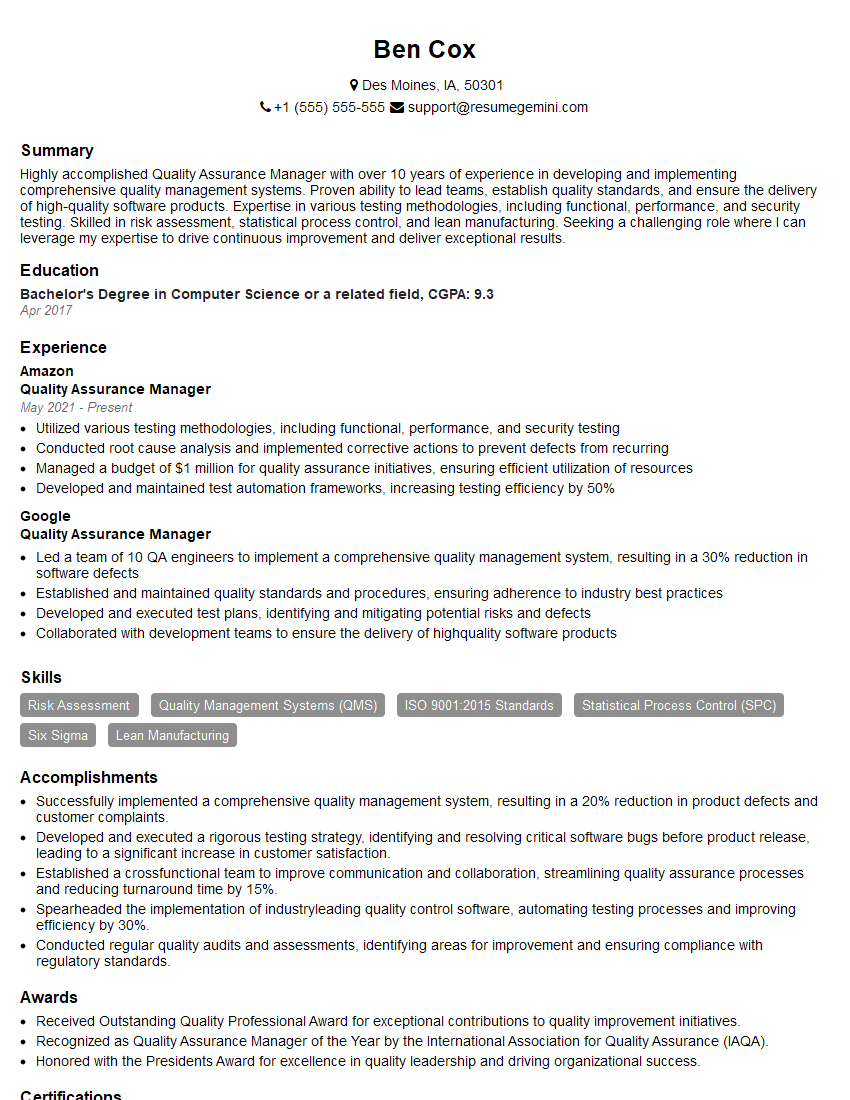
Quality Assurance Manager Resume Sample
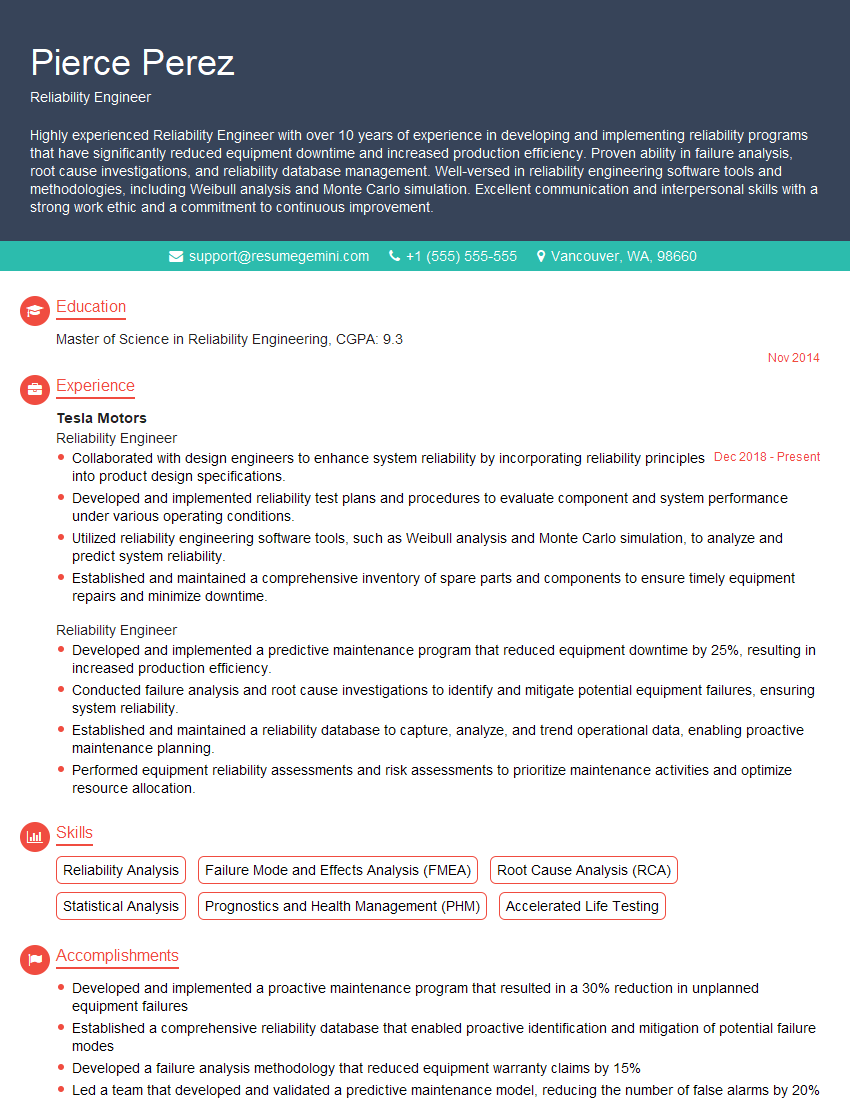
Reliability Engineer Resume Sample
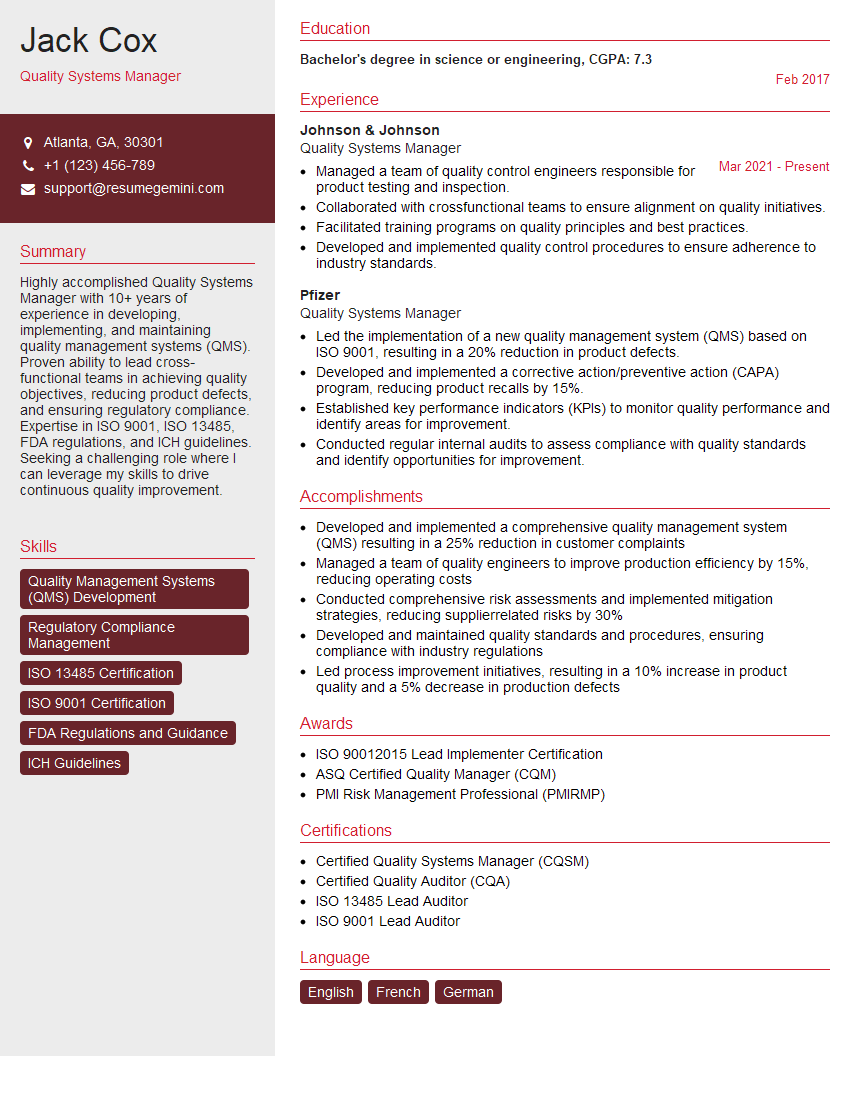
Quality Systems Manager Resume Sample
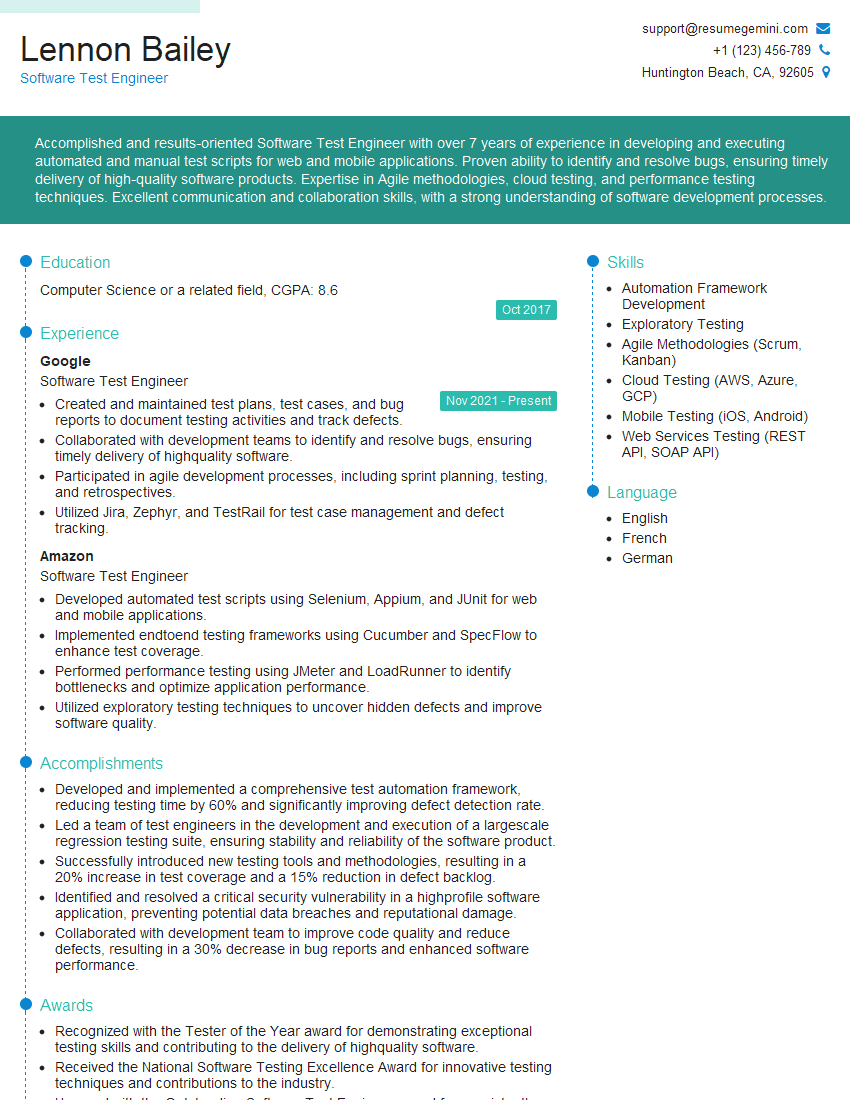
Software Test Engineer Resume Sample
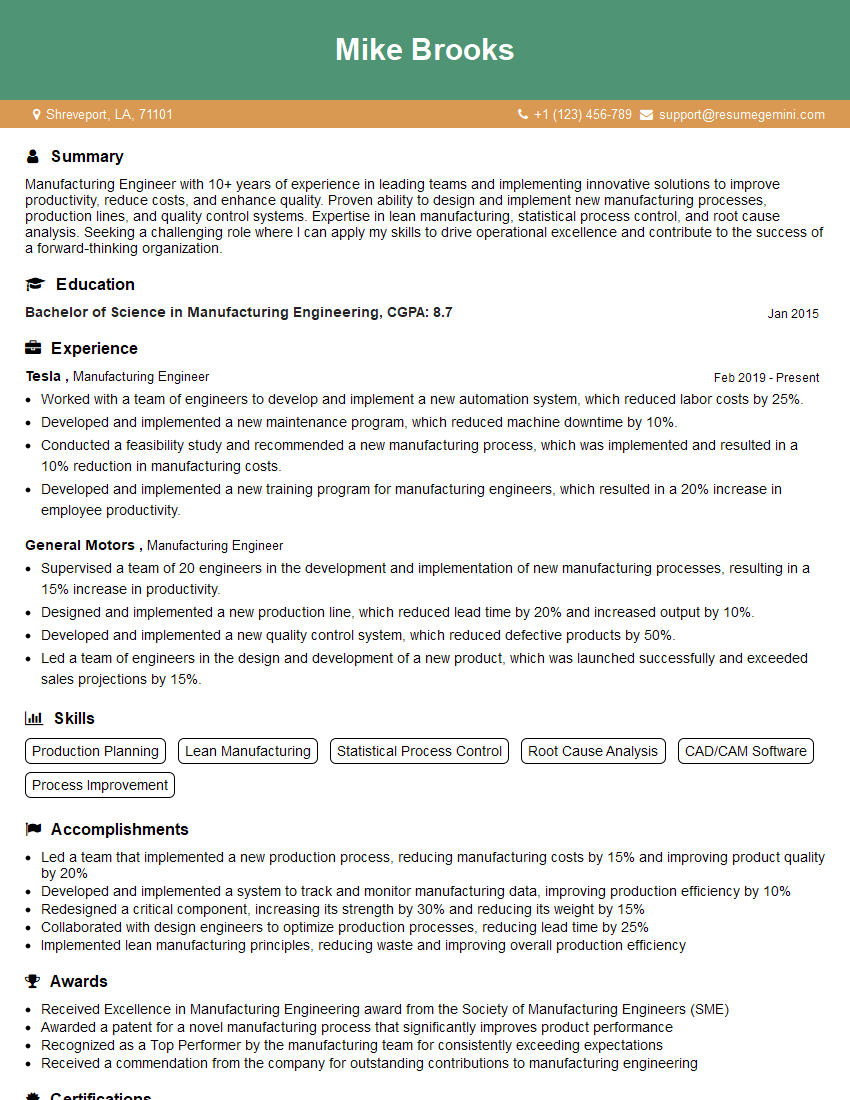
Manufacturing Engineer Resume Sample
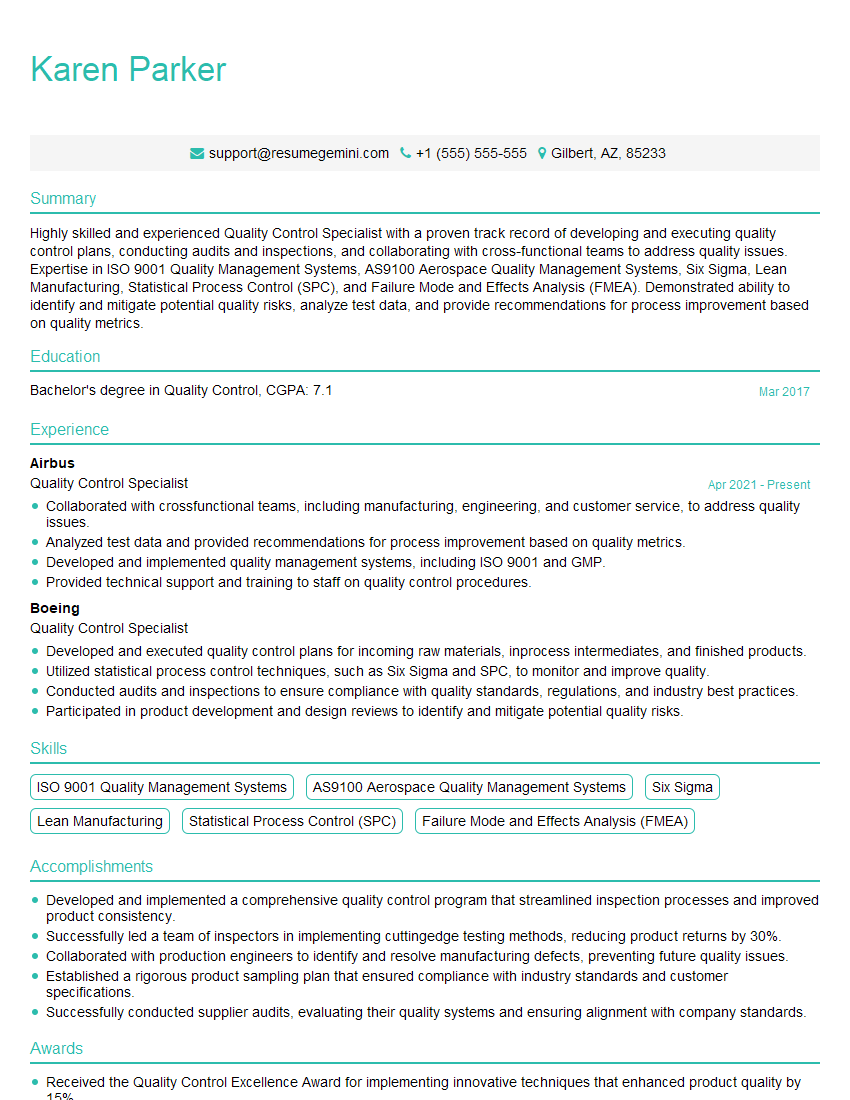
Quality Control Specialist Resume Sample
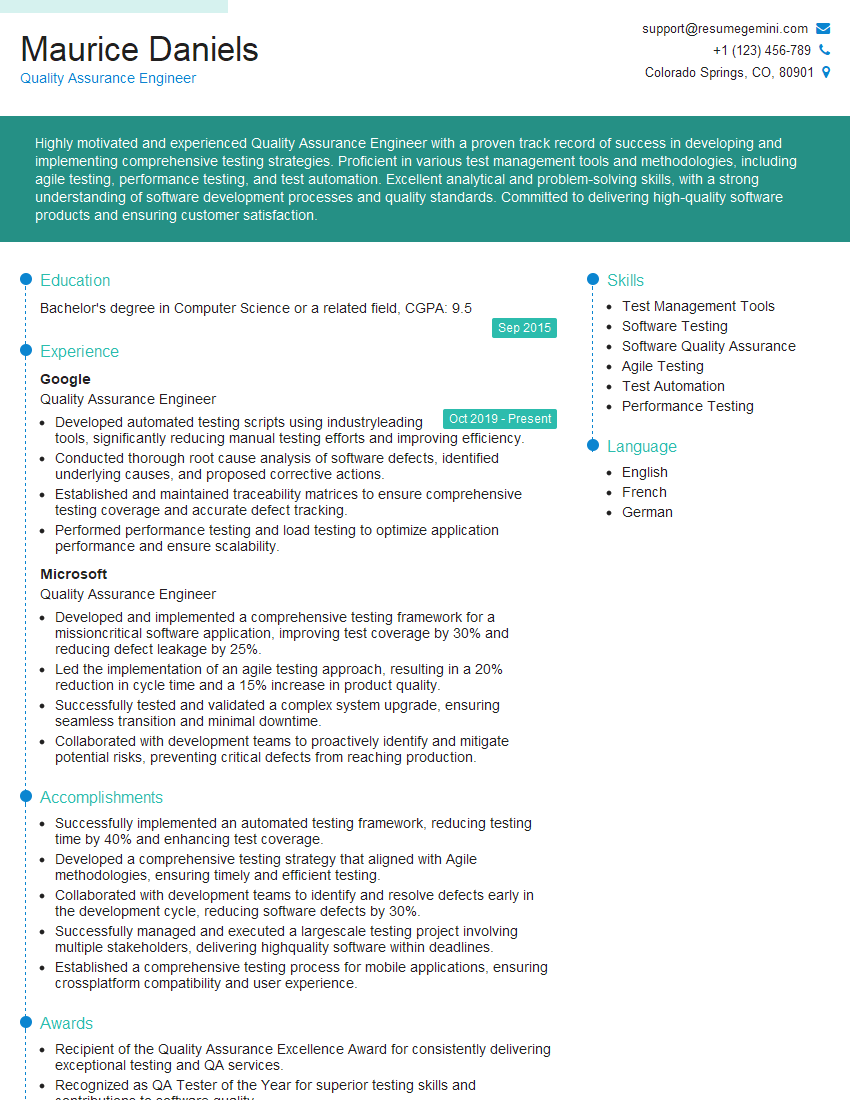
Quality Assurance Engineer Resume Sample
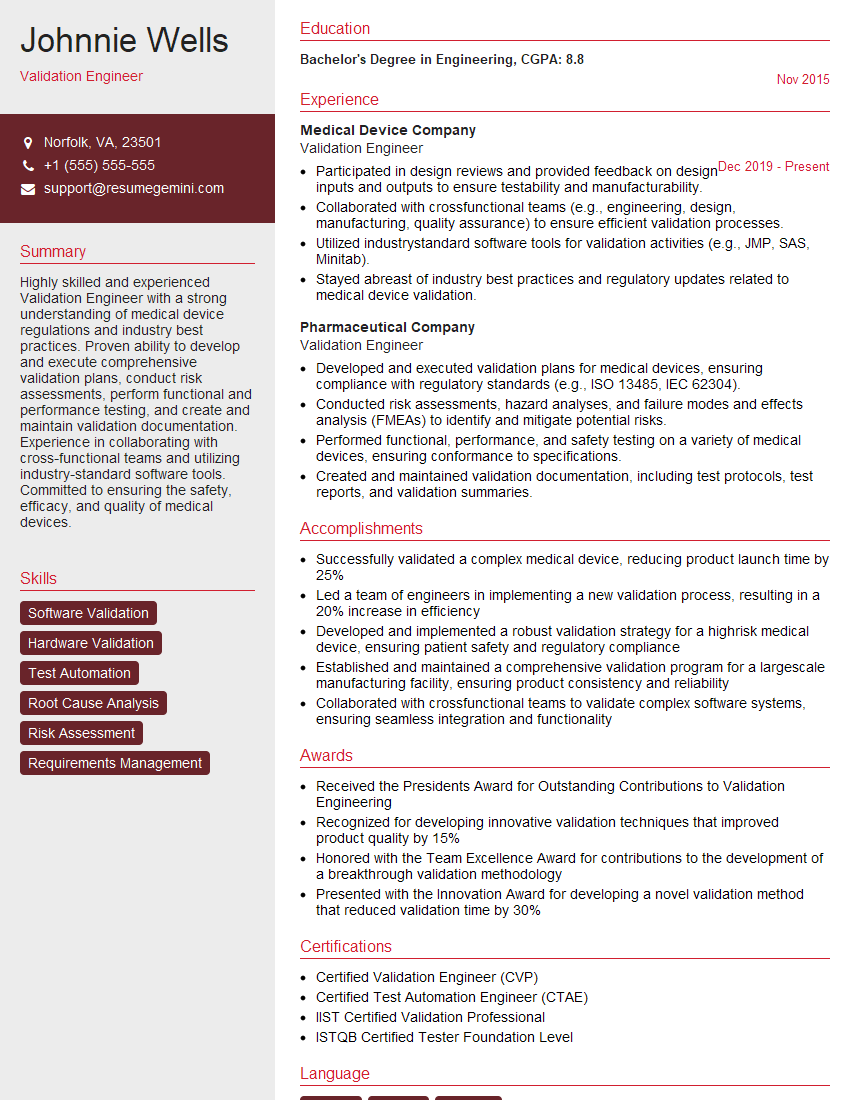
Validation Engineer Resume Sample
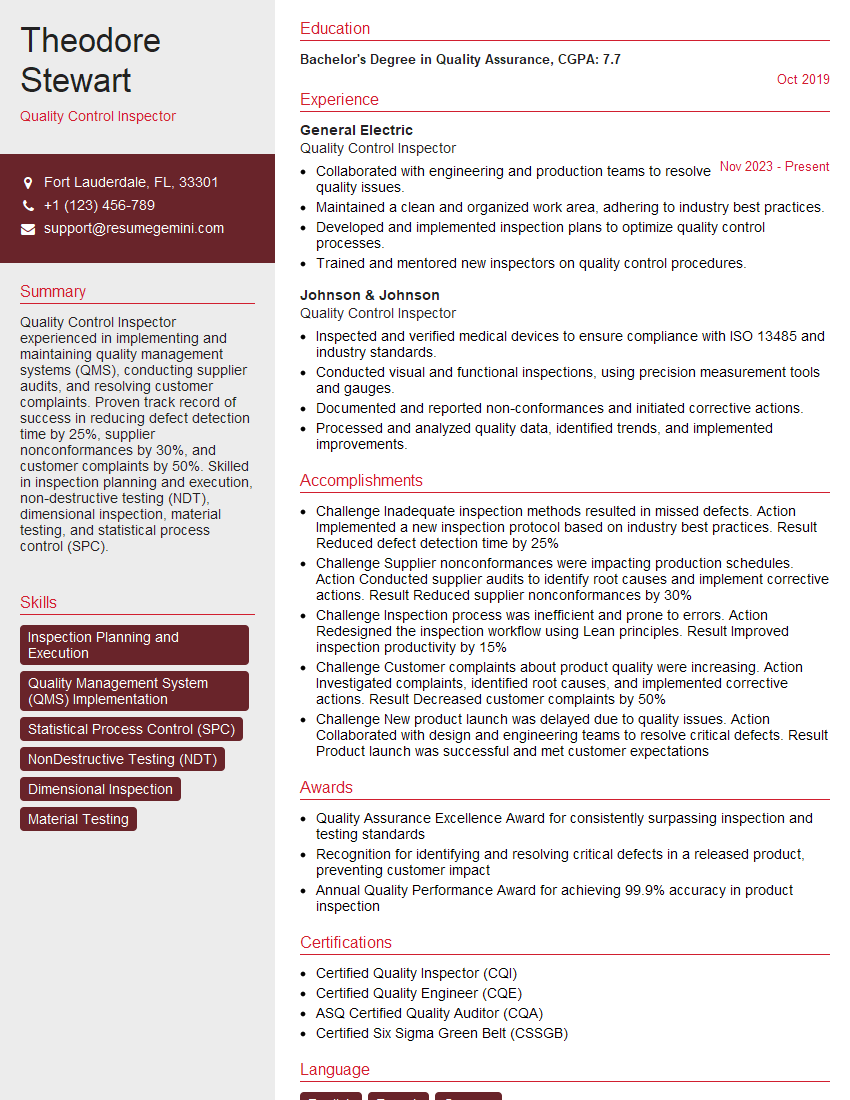
Quality Control Inspector Resume Sample
Explore more articles
Users Rating of Our Blogs
Share Your Experience
We value your feedback! Please rate our content and share your thoughts (optional).
What Readers Say About Our Blog
Really detailed insights and content, thank you for writing this detailed article.
IT gave me an insight and words to use and be able to think of examples