The right preparation can turn an interview into an opportunity to showcase your expertise. This guide to Detailing and cleaning interview questions is your ultimate resource, providing key insights and tips to help you ace your responses and stand out as a top candidate.
Questions Asked in Detailing and cleaning Interview
Q 1. What cleaning products are effective for removing grease from kitchen appliances?
Removing grease from kitchen appliances requires a multi-pronged approach, combining the right cleaning agents with appropriate techniques. The key is to choose a degreaser that’s tough enough to cut through the grease but gentle enough to avoid damaging the appliance’s surface.
- For everyday spills and light grease: A solution of warm water and dish soap is often sufficient. Apply it with a soft sponge or cloth, gently scrubbing the affected area. Rinse thoroughly with clean water and dry completely to prevent water spots.
- For stubborn grease buildup: Commercial degreasers designed for kitchen appliances are highly effective. Look for products specifically formulated for stainless steel, glass, or other materials found in your kitchen. Always test a small, inconspicuous area first to ensure compatibility. Follow the product’s instructions carefully, paying attention to safety precautions and dilution ratios.
- Baking soda paste: A paste of baking soda and water is a natural and effective solution for removing grease from some surfaces. Apply it to the grease, let it sit for a few minutes, then scrub gently and rinse thoroughly.
Example: I once tackled a particularly stubborn grease buildup on a client’s stainless steel oven hood using a specialized stainless steel cleaner followed by a thorough polishing. The results were fantastic, and the client was thrilled with the sparkling finish. Remember to always follow the manufacturer’s instructions for the cleaning product and the appliance itself.
Q 2. Describe your experience with different types of floor cleaning solutions.
My experience with floor cleaning solutions encompasses a wide range of products, tailored to various floor types and levels of soiling. I’ve worked extensively with:
- Hardwood floors: I prefer pH-neutral cleaners to avoid damaging the finish. These are often specifically designed for hardwood and come in liquid or spray formulations. Regular sweeping and dusting are crucial to prevent the buildup of dirt and grime that can scratch the floor.
- Tile floors: Tile is generally more durable, allowing for a wider variety of cleaners. I’ve used both neutral cleaners and stronger solutions for more stubborn stains, always ensuring proper ventilation and following safety guidelines.
- Laminate floors: Laminate requires gentle cleaning to avoid damaging the surface. I avoid harsh chemicals and abrasive cleaners, opting instead for damp mopping with a pH-neutral cleaner.
- Carpet floors: (See answer to question 5)
The choice of cleaner always depends on the type of flooring, the level of soil, and the presence of any special finishes. Understanding these factors is crucial to achieve a thorough clean without damaging the surface.
Q 3. How do you handle a situation where a cleaning product damages a surface?
Accidental damage from cleaning products is unfortunately a possibility. My immediate response is focused on damage control and minimizing further harm.
- Identify the damage: Assess the extent of the damage – is it a minor discoloration, a dull spot, or something more serious?
- Neutralize the product: If possible, neutralize the offending chemical according to its safety data sheet. For example, if an acidic cleaner has damaged a surface, a mild alkaline solution may help to counteract the effect. Water is usually the first step.
- Consult product instructions: The cleaner’s packaging may have instructions for dealing with accidental spills or damage.
- Test a remedy in an inconspicuous area: Before attempting any repairs, test any cleaning or restorative product on a hidden area of the surface to avoid causing further damage.
- Document the incident: Take photos or notes documenting the damage and the steps taken to address it. This is important for any future claims or communication with clients.
- Professional restoration: If the damage is significant, I consult with a professional restoration specialist. Some damage may require specialized techniques or materials beyond my expertise.
Example: I once accidentally used a slightly too-strong cleaner on a client’s granite countertop, causing a minor dulling. I immediately neutralized the area with water, then polished it with a granite-specific cleaner and polishing compound. The dullness disappeared, and the countertop was restored to its original luster.
Q 4. What safety precautions do you follow when using cleaning chemicals?
Safety is paramount in my cleaning practice. I always prioritize safety when handling cleaning chemicals, adhering to these precautions:
- Read labels carefully: Before using any product, I carefully read and understand the safety data sheet (SDS) and the label instructions. This includes understanding dilution ratios, precautions, and potential hazards.
- Proper ventilation: I ensure adequate ventilation in the area, especially when working with strong chemicals. This often involves opening windows and doors or using ventilation fans.
- Personal Protective Equipment (PPE): I consistently use appropriate PPE, including gloves (nitrile is my preference), eye protection, and sometimes a respirator, depending on the chemicals involved.
- Safe storage: Cleaning products are stored properly, away from children and pets, following label instructions and local regulations.
- Dilution and application: Cleaning solutions are always diluted according to the manufacturer’s instructions. I avoid mixing different cleaning chemicals, as this can create dangerous reactions.
- Disposal: Used cleaning solutions and materials are disposed of responsibly, following local regulations and guidelines.
Example: When working with bleach, I always wear gloves and eye protection, ensuring proper ventilation, and never mixing it with other cleaning products (like ammonia) to prevent the creation of toxic chlorine gas. Safety is not an option; it’s an integral part of my cleaning process.
Q 5. What is your experience with carpet cleaning techniques?
My carpet cleaning experience encompasses various techniques, chosen based on the carpet type, the level of soiling, and client preferences. I’m proficient in:
- Hot water extraction (steam cleaning): This is a highly effective method for deep cleaning carpets, using hot water and detergent to loosen and remove dirt and grime. Proper drying is crucial to prevent mold and mildew growth.
- Dry cleaning: This method uses absorbent powders or compounds to lift dirt and debris, making it ideal for carpets that can’t tolerate a lot of moisture.
- Bonnet cleaning: This method uses a rotary machine with an absorbent pad to clean the carpet surface, it’s faster than steam cleaning but not as deep.
- Pre-treatments: For stubborn stains, I use appropriate pre-treatments to loosen the stain before proceeding with the chosen cleaning method. The choice of pre-treatment depends on the stain type (e.g., pet stains, wine, coffee).
Proper spot treatment and pre-vacuuming are essential before any carpet cleaning technique. I always test any cleaning product in an inconspicuous area first to ensure it won’t damage the carpet fibers or cause discoloration.
Q 6. Explain your approach to organizing and prioritizing cleaning tasks.
My approach to organizing and prioritizing cleaning tasks is systematic and efficient. I utilize a combination of methods depending on the context:
- Prioritization: I start by identifying high-priority areas—areas most visible or heavily used, or areas that require more attention due to higher levels of soiling. For example, kitchens and bathrooms often take precedence.
- Zone cleaning: I often break down large spaces into smaller, manageable zones. This helps prevent feeling overwhelmed and allows for a more focused cleaning effort.
- Checklists: Detailed checklists are invaluable, ensuring that all necessary tasks are completed consistently. These can be tailored to different spaces or cleaning jobs.
- Time management: I estimate the time required for each task, creating a realistic schedule to prevent rushing or unnecessary delays.
- Top-to-bottom approach: I generally work from top to bottom within each zone (e.g., dusting ceilings and high shelves before cleaning floors) to avoid re-soiling areas already cleaned.
Example: In a large office space, I might start with dusting and wiping down surfaces in each zone (reception, common areas, individual offices) before moving on to vacuuming and mopping the floors.
Q 7. How do you maintain a consistent level of cleanliness in a large space?
Maintaining cleanliness in a large space requires a proactive and strategic approach, rather than simply reacting to visible dirt.
- Regular cleaning schedule: Establish a regular cleaning schedule with specific tasks for different areas. This might involve daily, weekly, and monthly cleaning routines tailored to the specific needs of the space.
- Preventative measures: Focus on preventative measures, such as regular dusting and vacuuming, to prevent dirt and grime buildup. This approach helps reduce the need for intensive cleaning sessions.
- Teamwork (if applicable): If working in a team, coordinate tasks effectively, assigning responsibilities and ensuring clear communication to avoid duplicated effort or missed areas.
- Equipment and supplies: Having appropriate equipment and sufficient supplies on hand prevents interruptions and ensures efficient cleaning.
- Training and supervision (if applicable): If overseeing a cleaning team, provide adequate training on proper cleaning techniques and safety procedures to maintain consistent quality.
- Inspection and feedback: Regular inspections help identify areas needing more attention, facilitating adjustments to the cleaning schedule or approach.
Example: In a large hotel, maintaining cleanliness involves a combination of daily housekeeping services, weekly deep cleaning of specific areas, and monthly more intensive cleaning focusing on hard-to-reach places. The key is consistent effort and proactive strategies to prevent dirt and grime from accumulating.
Q 8. Describe your experience with using specialized cleaning equipment.
My experience with specialized cleaning equipment is extensive. I’m proficient in using a wide range of machines, from commercial-grade vacuum cleaners with HEPA filtration for superior dust and allergen removal, to orbital buffers for polishing floors to a mirror sheen, and even specialized carpet extractors with heated water systems for deep cleaning. I also have experience with steam cleaners for disinfecting and sanitizing various surfaces, and pressure washers for exterior cleaning. For example, I successfully used a Rotowash system to clean the intricate tiling in a large commercial bathroom, achieving a result far exceeding what could be accomplished manually. Understanding the nuances of each machine—its limitations and optimal applications—is crucial to achieving professional results and preventing damage.
- HEPA Vacuum Cleaners: Ideal for allergy sufferers and environments requiring superior air quality.
- Orbital Buffers: Essential for achieving a high-gloss finish on hard floors.
- Carpet Extractors: Necessary for removing deep-seated dirt and stains from carpets and upholstery.
- Steam Cleaners: Effective for sanitizing and disinfecting without harsh chemicals.
Q 9. How do you adapt your cleaning methods based on the type of surface?
Adapting cleaning methods based on the surface type is paramount to avoid damage and ensure effectiveness. Different surfaces have unique properties and sensitivities. For example, marble requires a pH-neutral cleaner to avoid etching, while hardwood floors need a specialized cleaner to avoid damaging the finish. I always start by identifying the surface material and then research the appropriate cleaning solution and technique. This involves considering factors like porosity, durability, and colorfastness. I carefully avoid abrasive cleaners or tools on delicate surfaces, such as antique furniture, opting instead for gentle methods like dusting and wiping with soft cloths. For porous surfaces like grout, I may use a specialized grout brush and cleaner to lift deep-seated grime. For delicate fabrics, I use specialized cleaning solutions and techniques appropriate to the fabric type. Think of it like choosing the right tool for the job; a hammer wouldn’t be used to screw in a screw.
Q 10. How do you handle difficult stains or spills?
Handling difficult stains and spills requires a systematic approach. The first step is always identification—knowing the source of the stain is crucial. Is it oil-based, water-based, or biological? I then consult a stain removal chart to determine the appropriate cleaning solution and technique. For example, a red wine spill on a carpet might be tackled with a mixture of water and dish soap, followed by a thorough rinse and drying. Stubborn stains might require specialized stain removers or enzymatic cleaners, which are particularly effective at breaking down biological matter. In the case of unknown spills, I always test a small, inconspicuous area first to ensure the cleaning solution doesn’t damage the surface. Documenting my approach is also important, so I can track what works best for particular stains in the future. Persistence and patience are vital, as some stains require multiple treatments. For example, I once successfully removed a stubborn grease stain from a microfiber sofa using a combination of specialized solvent and gentle scrubbing.
Q 11. What is your experience with upholstery cleaning?
My upholstery cleaning experience is extensive, covering various fabric types and cleaning methods. I’m skilled in using both hot-water extraction (steam cleaning) and dry cleaning methods, selecting the most appropriate technique based on the fabric’s type and condition. Before commencing, I always pre-inspect the upholstery to identify any stains, tears, or other damage. I meticulously test any cleaning solution on a hidden area to prevent discoloration or damage. I use specialized tools, including upholstery cleaning brushes and wands, to thoroughly clean the fabric without over-wetting it, which can lead to mildew. My work includes fabric protection treatments to enhance durability and stain resistance, significantly extending the life of upholstery. For instance, I restored the vibrancy of a heavily soiled antique velvet armchair using a specialized dry cleaning method and followed up with a fabric protector.
Q 12. Describe your experience with window cleaning techniques.
Window cleaning is about more than just sparkling clean glass; it’s about achieving streak-free results, particularly important for large windows or high-rise buildings. I use a combination of techniques, including squeegee methods for larger surfaces and microfiber cloths for intricate details and frames. I typically use a two-bucket system, one for clean water and detergent solution, and another for rinsing the cleaning tools. This prevents re-introducing dirt onto the glass surface. I always work from top to bottom, ensuring that each stroke overlaps the previous one to avoid streaks. Prior to cleaning, I thoroughly remove any loose dirt or debris from the window surface to avoid scratching the glass. This includes pre-cleaning using a soft brush or vacuum for tough dirt. I also account for weather conditions—avoiding bright sun as it leads to faster drying which creates streaks. For instance, I frequently clean large commercial windows, routinely utilizing a reach-and-wash system for safety and efficiency.
Q 13. How do you handle interactions with clients or building occupants?
Professionalism and clear communication are essential when interacting with clients or building occupants. I always introduce myself, explain the cleaning process, and answer any questions they may have. I respect their privacy and belongings, and I’m mindful of noise levels, particularly during working hours. I strive to be proactive by addressing any concerns immediately and providing regular updates on the cleaning progress. I always aim to exceed expectations and leave a positive impression. If there’s a disruption or an unforeseen problem, such as a stain requiring more attention, I will discuss that honestly and transparently with the client, providing clear solutions and realistic timelines. For example, recently, I had to adjust my schedule to accommodate an unexpected building repair that would impact my access to a specific area; I proactively contacted the client and together we found a suitable alternative that was satisfactory to both parties.
Q 14. What is your experience with power washing?
Power washing experience is crucial for exterior cleaning, requiring both technical skill and safety awareness. I’m experienced in operating different types of pressure washers, selecting the appropriate nozzle and pressure setting for various surfaces. This is critical because improper pressure can damage surfaces like wood or softer siding. I understand the importance of using appropriate safety measures, including protective eyewear, gloves, and ear protection. Before starting, I carefully inspect the area to be cleaned, identifying any sensitive areas that may require special attention, such as delicate plants or windows. I utilize various detergents to remove tough stains or mildew, paying close attention to environmental factors such as weather conditions and water usage to ensure responsible power washing practices. For example, recently I successfully power washed a large brick building, paying meticulous attention to the different types of bricks and the mortar joints so as to achieve optimal cleaning without causing any damage.
Q 15. What is your approach to preventing the spread of germs and bacteria?
Preventing the spread of germs and bacteria is paramount in detailing and cleaning. My approach is multifaceted and relies on a combination of meticulous cleaning techniques and the use of appropriate disinfectants.
- Hygiene First: I always begin by washing my hands thoroughly before starting any cleaning task and frequently throughout the process. I also change gloves frequently, especially when moving between different areas or tasks. This prevents cross-contamination.
- Cleaning Process: My cleaning process is systematic. I typically start with a thorough dry cleaning to remove loose debris, followed by wet cleaning using appropriate cleaning solutions. I always work from top to bottom to avoid re-soiling already cleaned surfaces.
- Disinfection: After cleaning, I utilize EPA-registered disinfectants, paying close attention to high-touch surfaces like doorknobs, light switches, and countertops. I ensure the disinfectant contact time is sufficient as specified on the product label.
- Proper Waste Disposal: Used cleaning materials and contaminated waste are disposed of properly to avoid the spread of germs. This includes using appropriate receptacles and following all safety guidelines.
- Equipment Sanitation: Cleaning equipment like mops, buckets, and vacuum cleaner attachments are thoroughly cleaned and sanitized after each use to prevent recontamination.
For instance, in a recent post-construction cleaning job, I meticulously cleaned all surfaces with a disinfectant before moving furniture in, ensuring a healthy environment for the occupants.
Career Expert Tips:
- Ace those interviews! Prepare effectively by reviewing the Top 50 Most Common Interview Questions on ResumeGemini.
- Navigate your job search with confidence! Explore a wide range of Career Tips on ResumeGemini. Learn about common challenges and recommendations to overcome them.
- Craft the perfect resume! Master the Art of Resume Writing with ResumeGemini’s guide. Showcase your unique qualifications and achievements effectively.
- Don’t miss out on holiday savings! Build your dream resume with ResumeGemini’s ATS optimized templates.
Q 16. What is your experience with environmentally friendly cleaning products?
I have extensive experience using environmentally friendly cleaning products. I believe in minimizing the environmental impact of my work while maintaining high cleaning standards. This involves using products that are biodegradable, non-toxic, and phosphate-free.
- Product Selection: I carefully select products based on their ingredients, efficacy, and environmental certifications such as those from Green Seal or EcoLogo.
- Dilution and Application: I follow the manufacturer’s instructions carefully, often diluting concentrates to reduce consumption and environmental impact. This ensures the product remains effective while minimizing waste.
- Microfiber Cloths: I prefer using microfiber cloths as they are highly absorbent and require less water and cleaning solution compared to traditional cloths. This also reduces the amount of wastewater generated.
- Reusable Supplies: Whenever possible, I use reusable cleaning supplies instead of disposable ones to reduce waste.
For example, in a recent residential cleaning job, I substituted a commercial-grade, eco-friendly all-purpose cleaner for a traditional harsh chemical cleaner, achieving excellent results without compromising the environment or the client’s health.
Q 17. How do you manage your time efficiently when cleaning?
Efficient time management is crucial in detailing and cleaning. My approach involves a combination of planning, prioritization, and effective workflow strategies.
- Pre-Cleaning Assessment: Before starting, I conduct a thorough assessment of the space to determine the scope of work and prioritize tasks based on urgency and importance. This includes identifying areas needing special attention.
- Task Breakdown: I break down larger tasks into smaller, more manageable ones, making it easier to track progress and maintain focus. For example, cleaning a bathroom might be broken down into tasks such as cleaning the toilet, sink, shower, and floor.
- Simultaneous Tasks: Where possible, I perform multiple tasks simultaneously. For example, while a disinfectant is working on a surface, I can be cleaning a different area. This multi-tasking enhances efficiency.
- Proper Tool Selection: Using the right tools for the job is essential for speed and effectiveness. For instance, using a powerful vacuum cleaner for large areas significantly reduces cleaning time.
I find that using a checklist helps ensure that I don’t miss any steps, saving time and ensuring a thorough clean.
Q 18. How do you deal with unexpected issues or emergencies during cleaning?
Unexpected issues are a part of the cleaning business. My approach to handling them involves a combination of problem-solving skills, resourcefulness, and proactive communication.
- Assessment: When an unexpected issue arises, I assess the situation calmly and identify the root cause. This allows me to choose the best course of action.
- Problem Solving: I utilize my knowledge and experience to find the most appropriate solution. This might involve using alternative cleaning methods or products, calling for additional help if needed, or modifying the cleaning plan.
- Communication: Open and timely communication with the client is crucial. I immediately inform them of the issue, the proposed solution, and any potential impact on the timeline or cost.
- Documentation: I document the incident, the solution implemented, and the outcome. This helps to improve my future preparedness and response to similar situations.
For instance, if I encountered a stubborn stain during carpet cleaning, I might try different cleaning solutions or specialized tools before consulting with the client about additional services.
Q 19. Describe your experience with post-construction cleaning.
I have extensive experience in post-construction cleaning. This specialized cleaning requires a different approach compared to regular cleaning due to the unique challenges involved such as dust, debris, and construction materials.
- Personal Protective Equipment (PPE): I always wear appropriate PPE, including respirators, gloves, and eye protection to safeguard my health from potential hazards such as dust and chemical exposure.
- Thorough Dust Removal: Post-construction cleaning begins with thorough dust removal using industrial-strength vacuums with HEPA filters to remove fine particles from every corner and crevice.
- Specialized Cleaning Solutions: I use specialized cleaning solutions to remove stubborn stains, paint splatters, adhesive residue, and other construction-related debris.
- Window Cleaning: Window cleaning is a crucial part of post-construction cleaning. I use specialized tools and techniques to ensure sparkling windows.
- Final Inspection: A thorough final inspection is conducted to ensure all areas are clean and that the property is ready for occupancy.
One memorable project involved cleaning a newly constructed office building. We removed copious amounts of construction dust and debris, cleaned the floors, windows, and all surfaces leaving it pristine and ready for move-in.
Q 20. What is your experience with different types of vacuum cleaners?
My experience with vacuum cleaners is diverse, encompassing various types for different cleaning needs. I’m familiar with upright, canister, stick, and robotic vacuums, each with its strengths and weaknesses.
- Upright Vacuums: Excellent for large carpeted areas due to their powerful suction and large cleaning path.
- Canister Vacuums: Offer greater maneuverability and are suitable for both carpeted and hard floors. They are particularly effective for reaching tight spaces.
- Stick Vacuums: Lightweight and convenient for quick cleanups, ideal for smaller areas and hard-to-reach places.
- Robotic Vacuums: Great for maintaining cleanliness in larger spaces through automated cleaning, though they might require supplemental cleaning for deep cleaning.
The choice of vacuum cleaner depends on the specific cleaning requirements. For instance, in a large commercial setting, an industrial-strength upright vacuum might be necessary, while a stick vacuum could be ideal for quick cleaning of a smaller office.
Q 21. How do you ensure all cleaning supplies are properly stored and maintained?
Proper storage and maintenance of cleaning supplies are crucial for safety, efficiency, and longevity. I employ a systematic approach to ensure all supplies are handled correctly.
- Designated Storage Area: I utilize a dedicated and well-organized storage area for all cleaning supplies. This keeps the workplace safe and organized.
- Labeling and Organization: All containers are clearly labeled with the product name, safety instructions, and any relevant dilution ratios. Supplies are organized for easy access.
- Regular Inventory: I conduct regular inventory checks to ensure adequate supplies are available and to identify items nearing expiration.
- Proper Disposal: Expired or unusable cleaning products are disposed of according to environmental regulations.
- Equipment Maintenance: Cleaning equipment such as vacuum cleaners and floor cleaning machines are regularly maintained and serviced according to the manufacturer’s instructions. This ensures optimal performance and extends their lifespan.
This systematic approach guarantees a clean, safe, and efficient work environment, improving both the quality of work and overall productivity.
Q 22. What are your strategies for maintaining a clean and organized work environment?
Maintaining a clean and organized work environment is paramount for efficiency and safety. My strategy is multifaceted, focusing on proactive measures and consistent upkeep. Think of it like a well-oiled machine – each part needs attention for optimal performance.
Pre-shift preparation: I always begin by decluttering my area, ensuring all cleaning supplies are readily accessible and organized. This avoids wasted time searching for tools later.
Systematic cleaning: I follow a structured approach, tackling one area at a time to avoid creating mess elsewhere. For example, I might clean a whole bathroom before moving to the next room, ensuring thoroughness.
Regular sanitization: Frequent sanitization of frequently touched surfaces is critical. I utilize a color-coded system for cleaning cloths to prevent cross-contamination and maintain hygiene standards.
Waste disposal: Proper waste disposal is key to preventing clutter and maintaining hygiene. I immediately dispose of waste after each cleaning task, making sure to separate materials for proper recycling.
End-of-shift review: Before concluding my workday, I conduct a final check of my workspace, ensuring everything is clean, organized, and ready for the next shift. This leaves the environment ready for maximum efficiency.
Q 23. Explain your understanding of OSHA regulations related to cleaning and safety.
OSHA regulations are crucial for workplace safety, especially in cleaning, where exposure to chemicals and hazards is common. My understanding encompasses several key areas.
Hazard Communication Standard (HCS): I’m proficient in understanding and handling Safety Data Sheets (SDS) for all cleaning products. This includes knowing the potential hazards, proper handling procedures, and emergency response measures. For instance, if a spill occurs, I know exactly how to respond safely, using the information provided on the SDS.
Personal Protective Equipment (PPE): I consistently use appropriate PPE, such as gloves, eye protection, and respirators, according to the task and chemicals involved. This is non-negotiable and prevents injury or illness.
Bloodborne Pathogens: I’m trained to handle situations involving blood or other potentially infectious materials safely and properly dispose of contaminated materials, following established protocols and utilizing appropriate disinfectants.
Ergonomics: I’m mindful of proper lifting techniques and body mechanics to prevent injuries. Using proper equipment and avoiding strenuous positions keeps me healthy and efficient.
Regular training and updates on OSHA regulations keep me informed and compliant. It’s not just about following rules; it’s about ensuring my personal well-being and the safety of others.
Q 24. How do you address client concerns or complaints about cleaning services?
Addressing client concerns is a vital part of providing excellent service. My approach is calm, professional, and solution-oriented.
Active Listening: I begin by actively listening to the client’s complaint, showing empathy and understanding. I let them fully express their concerns without interruption.
Clarification: I ask clarifying questions to ensure I fully grasp the issue. Often, a simple misunderstanding can be resolved quickly through open communication.
Problem Solving: Once I understand the issue, I work collaboratively with the client to find a solution. This might involve re-cleaning the area, adjusting the cleaning procedure, or offering alternative solutions.
Follow-up: I always follow up with the client to ensure they are satisfied with the resolution. This shows my commitment to their satisfaction and helps build trust.
For example, if a client complains about streaks on their windows, I would re-clean them, perhaps using a different technique or cleaning solution, and then follow up to confirm they are satisfied.
Q 25. Describe your experience with detailed cleaning checklists and procedures.
Detailed checklists and procedures are essential for consistency and quality. I have extensive experience using them, viewing them not as rigid rules, but as guides to ensure thoroughness.
Customized Checklists: I’ve created and utilized customized checklists for various cleaning scenarios, from residential to commercial settings, specifying tasks, products, and time estimates for each area. This ensures no area is missed and tasks are completed efficiently.
Procedural Adherence: I meticulously follow established procedures, which reduces errors and enhances quality. This includes the correct use of cleaning solutions, equipment, and safety precautions.
Documentation: I carefully document all cleaning activities, including any challenges or deviations from standard procedures. This helps in improving future cleaning efforts.
Adaptability: While checklists provide a framework, I am adept at adapting procedures to accommodate unique client needs and unexpected situations. For example, I adjust my approach if I find unexpected damage or if a client requests a specific cleaning method.
Checklists are powerful tools; they facilitate consistency and provide valuable data for improvement.
Q 26. How do you handle situations where cleaning products are unavailable?
Resourcefulness is crucial in cleaning. When products are unavailable, I prioritize safety and effectiveness.
Substitution with Safe Alternatives: I can substitute with readily available, safe, and effective alternatives. For example, white vinegar is a natural and effective cleaner for many surfaces.
Improvisation: I can improvise using readily available materials, for example, using a microfiber cloth instead of a specialized tool, while maintaining high cleaning standards.
Communication: I immediately communicate the unavailability to my supervisor or client and explore solutions, such as sourcing the required products or adjusting the cleaning schedule if needed.
The key is to maintain quality without compromising safety. Adaptability and resourcefulness are essential skills in this field.
Q 27. How do you prioritize cleaning tasks in a busy environment?
Prioritizing tasks in a busy environment requires a strategic approach. I typically use a combination of methods.
Urgency and Impact: I prioritize tasks based on their urgency and impact. For example, cleaning a spill is more urgent than dusting shelves. High-impact areas (like restrooms) are prioritized over less-frequently used areas.
Time Management: I allocate time efficiently to each task, focusing on completing high-priority tasks quickly and effectively.
Teamwork (if applicable): If working in a team, we collaborate to distribute tasks efficiently, leveraging each team member’s strengths. This ensures tasks are completed effectively and on time.
Think of it like a firefighter – you address the most critical threat first. I apply similar principles to cleaning, focusing on efficiency and impact.
Q 28. What are your expectations regarding salary and benefits for this position?
My salary expectations are in line with the industry standard for experienced detail-oriented cleaners with my skillset and experience. I am also very interested in benefits packages that include health insurance, paid time off, and opportunities for professional development. These demonstrate a commitment to employee well-being and career growth, which are crucial to me.
Key Topics to Learn for Detailing and Cleaning Interviews
- Cleaning Techniques and Products: Understanding various cleaning methods (e.g., wet cleaning, dry cleaning, steam cleaning), appropriate product selection for different surfaces and materials, and safe handling of chemicals.
- Health and Safety Protocols: Knowledge of OSHA regulations, proper use of Personal Protective Equipment (PPE), safe disposal of hazardous waste, and awareness of workplace hazards related to cleaning.
- Equipment Operation and Maintenance: Familiarity with common cleaning equipment (e.g., vacuum cleaners, floor buffers, pressure washers), understanding their proper operation and maintenance, and troubleshooting minor issues.
- Quality Control and Inspection: Developing a keen eye for detail to ensure high-quality cleaning, performing thorough inspections, identifying areas needing attention, and implementing corrective actions.
- Time Management and Efficiency: Demonstrating the ability to prioritize tasks, manage time effectively, work independently and as part of a team, and complete assignments within allocated timeframes.
- Customer Service and Communication: Understanding the importance of professionalism, effective communication with clients or supervisors, addressing client concerns, and maintaining a positive attitude.
- Specialized Cleaning Procedures: Depending on the role, knowledge of specialized cleaning techniques for specific environments (e.g., medical facilities, industrial settings, or high-end residential properties).
Next Steps
Mastering detailing and cleaning skills opens doors to diverse career opportunities, offering potential for advancement and increased earning potential. A well-crafted resume is your key to unlocking these opportunities. An ATS-friendly resume, optimized for applicant tracking systems, significantly increases your chances of getting your application noticed. To build a powerful and effective resume, we recommend using ResumeGemini. ResumeGemini provides a user-friendly platform and valuable tools to create a professional resume that highlights your skills and experience. Examples of resumes tailored specifically to detailing and cleaning are available to guide you.
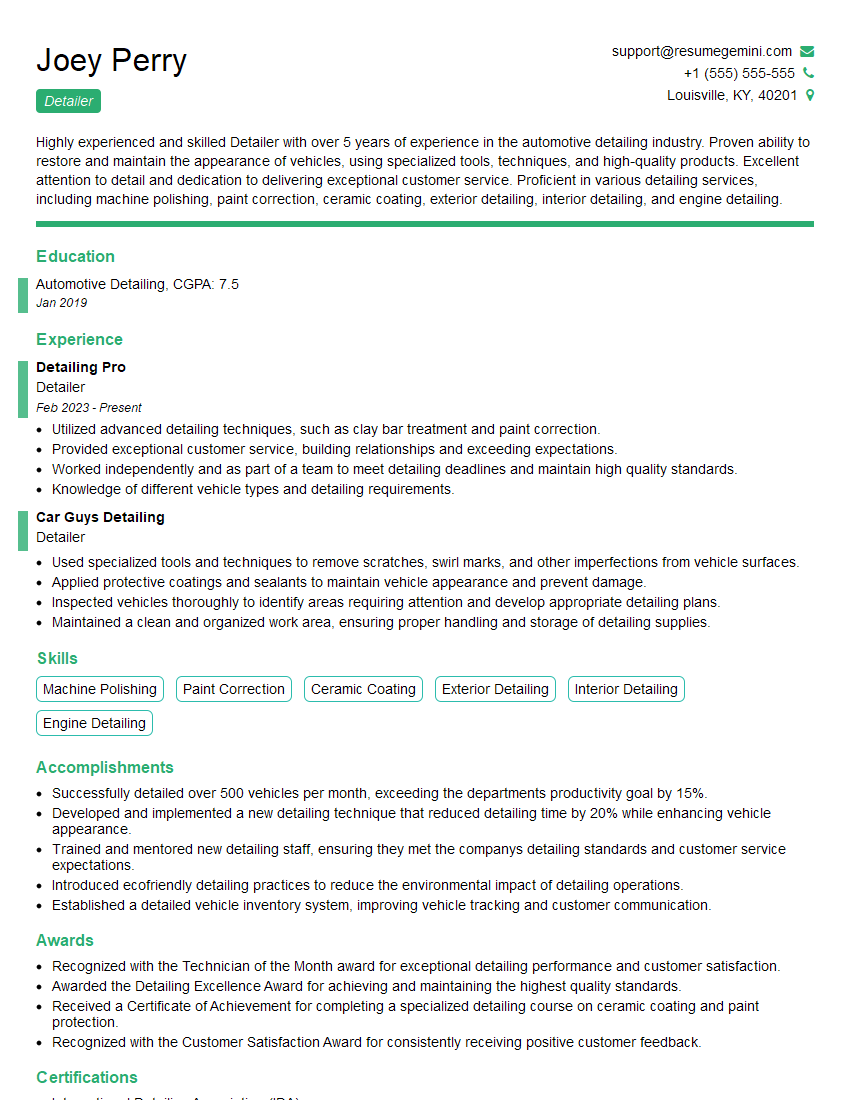
Detailer Resume Sample
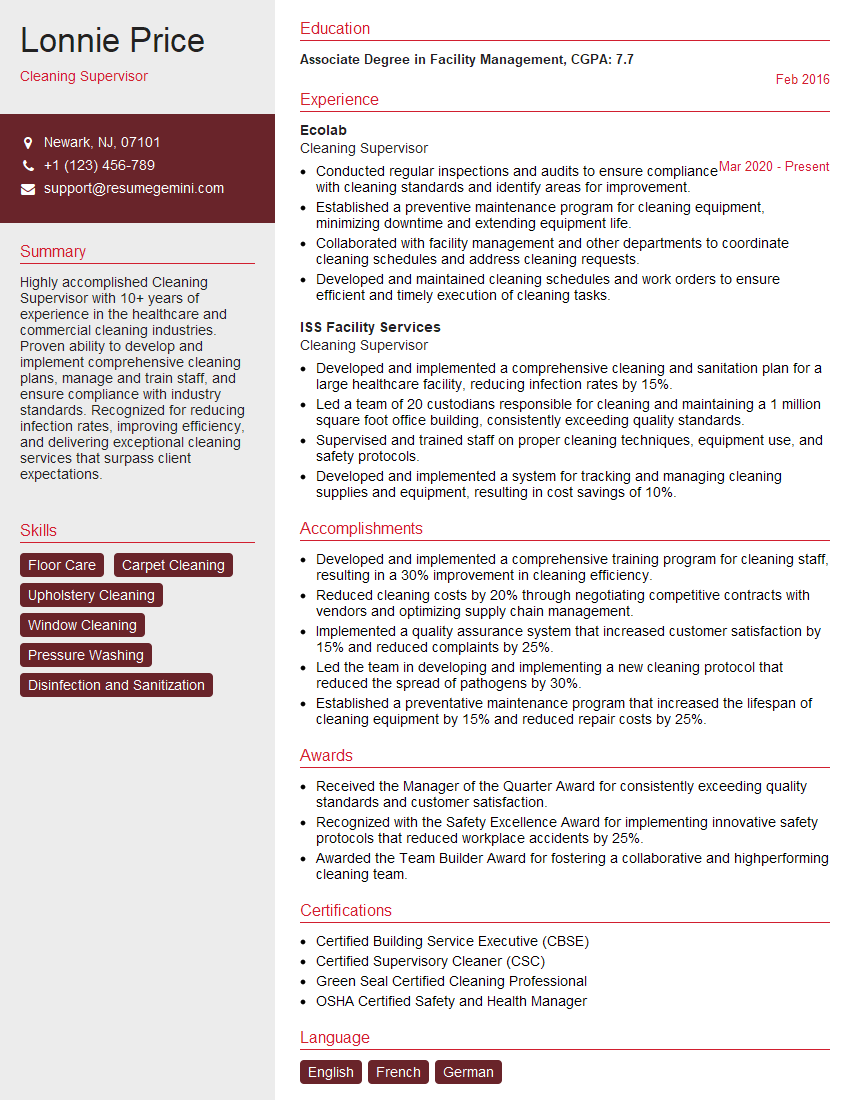
Cleaning Supervisor Resume Sample
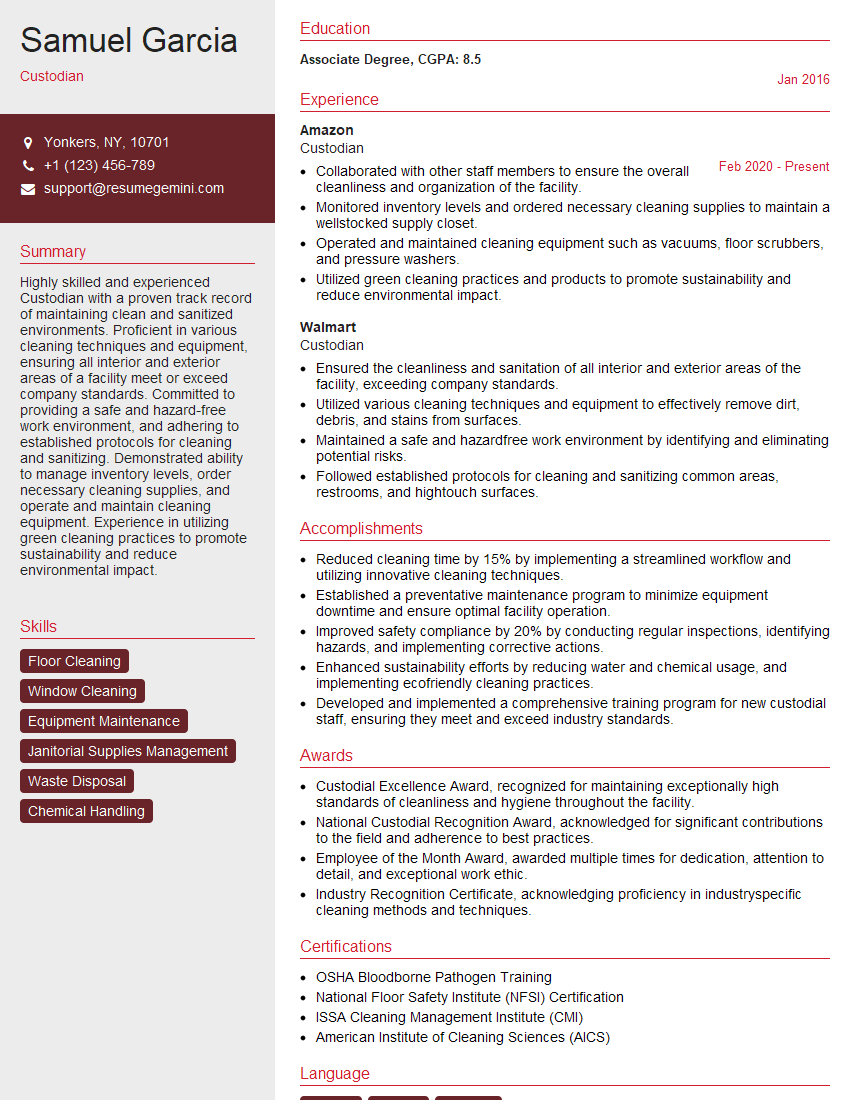
Custodian Resume Sample
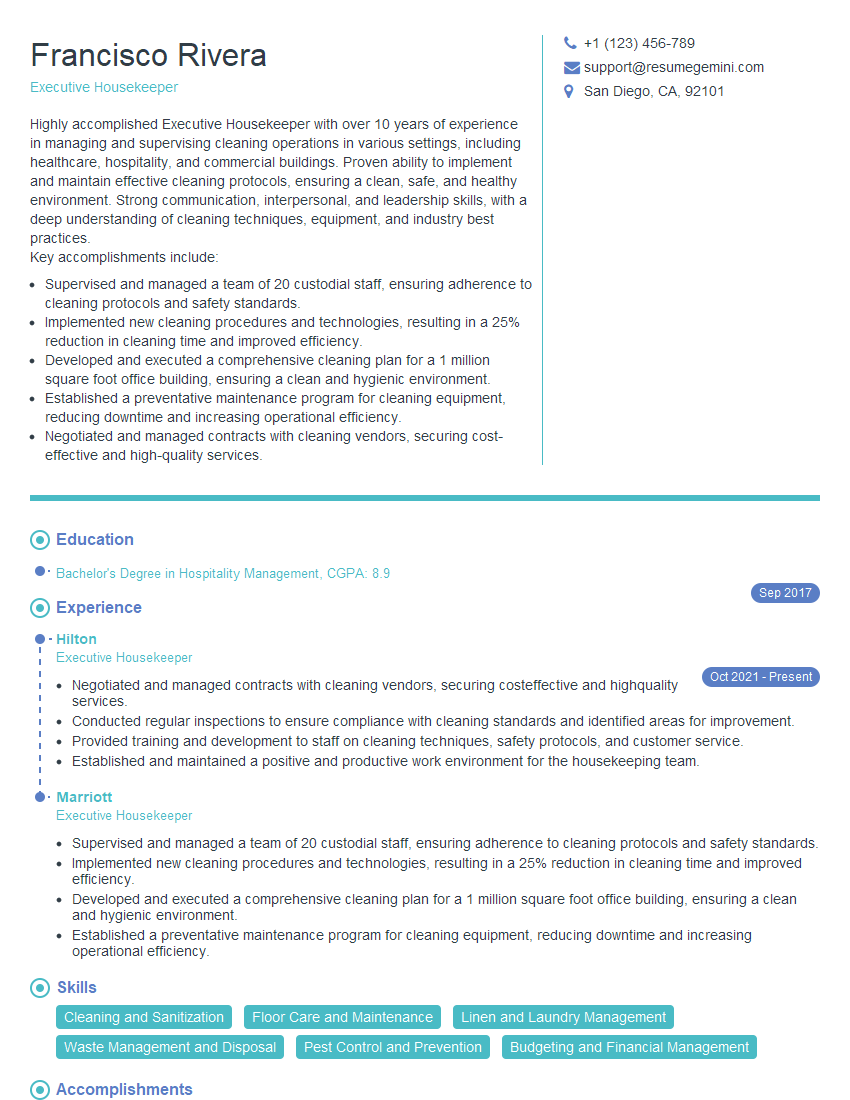
Executive Housekeeper Resume Sample
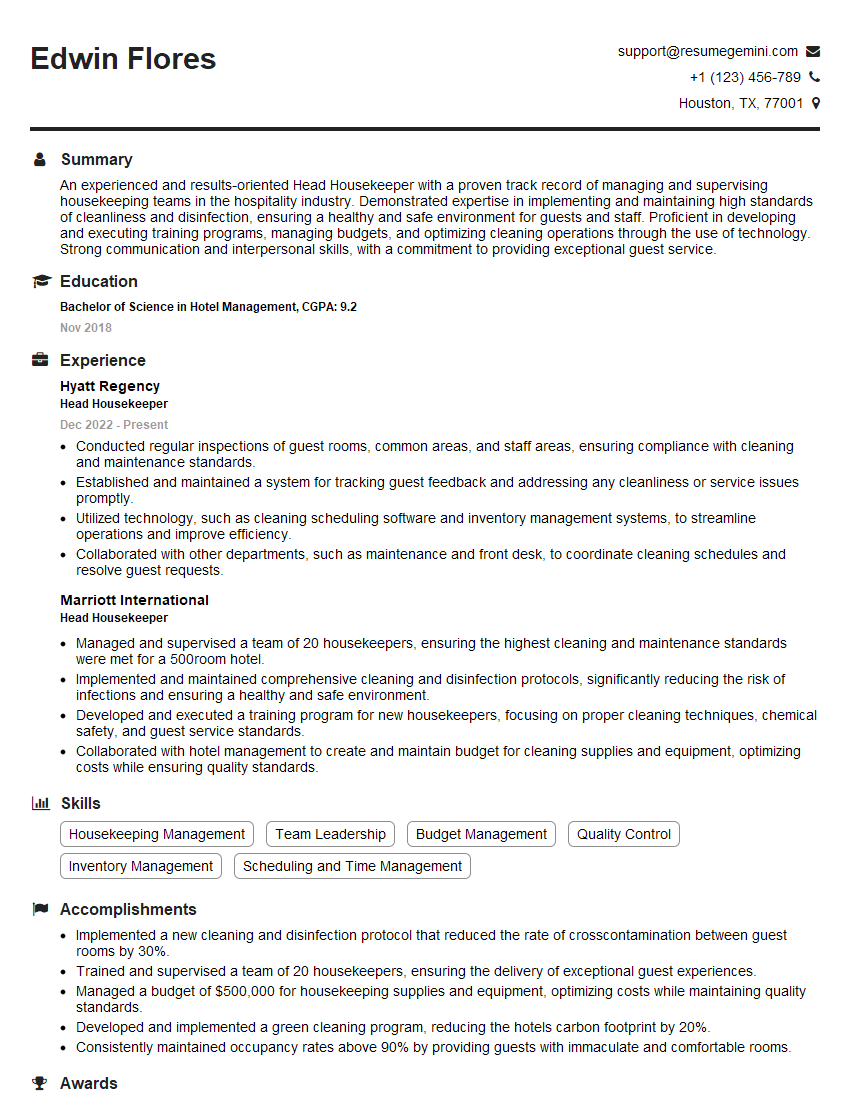
Head Housekeeper Resume Sample

Carpet Cleaner Resume Sample
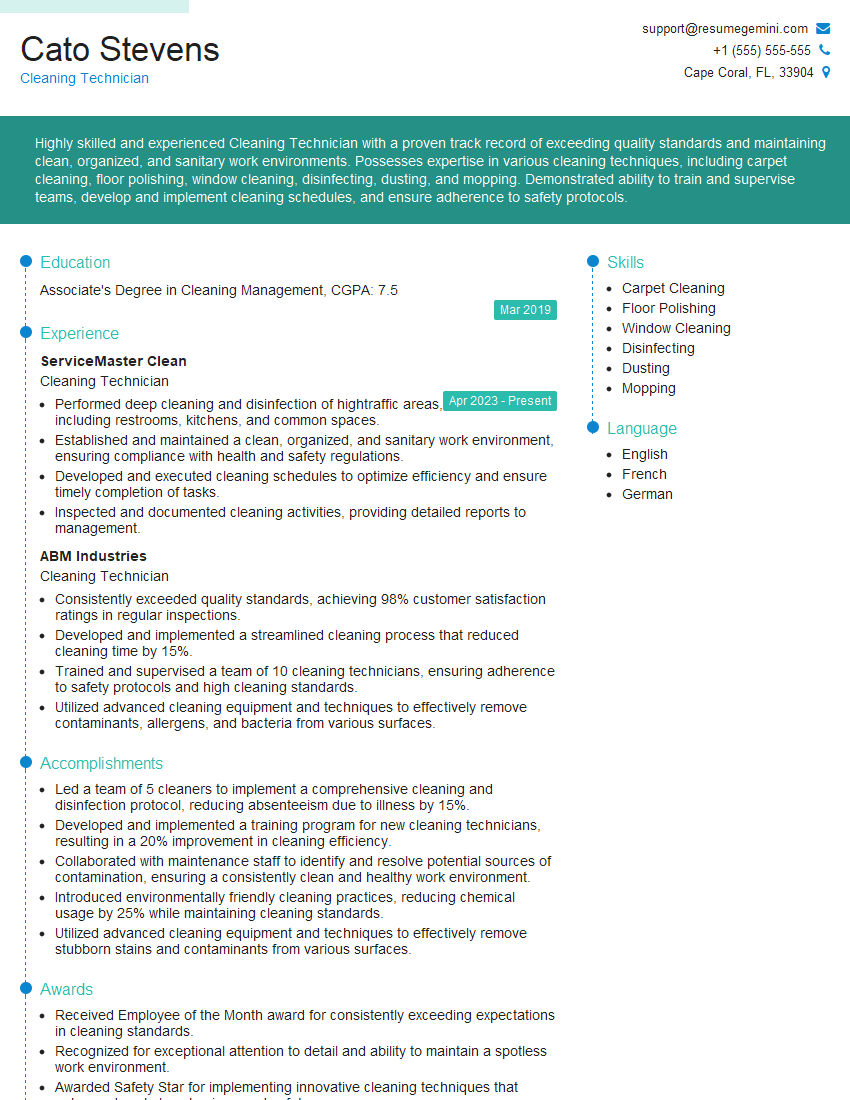
Cleaning Technician Resume Sample
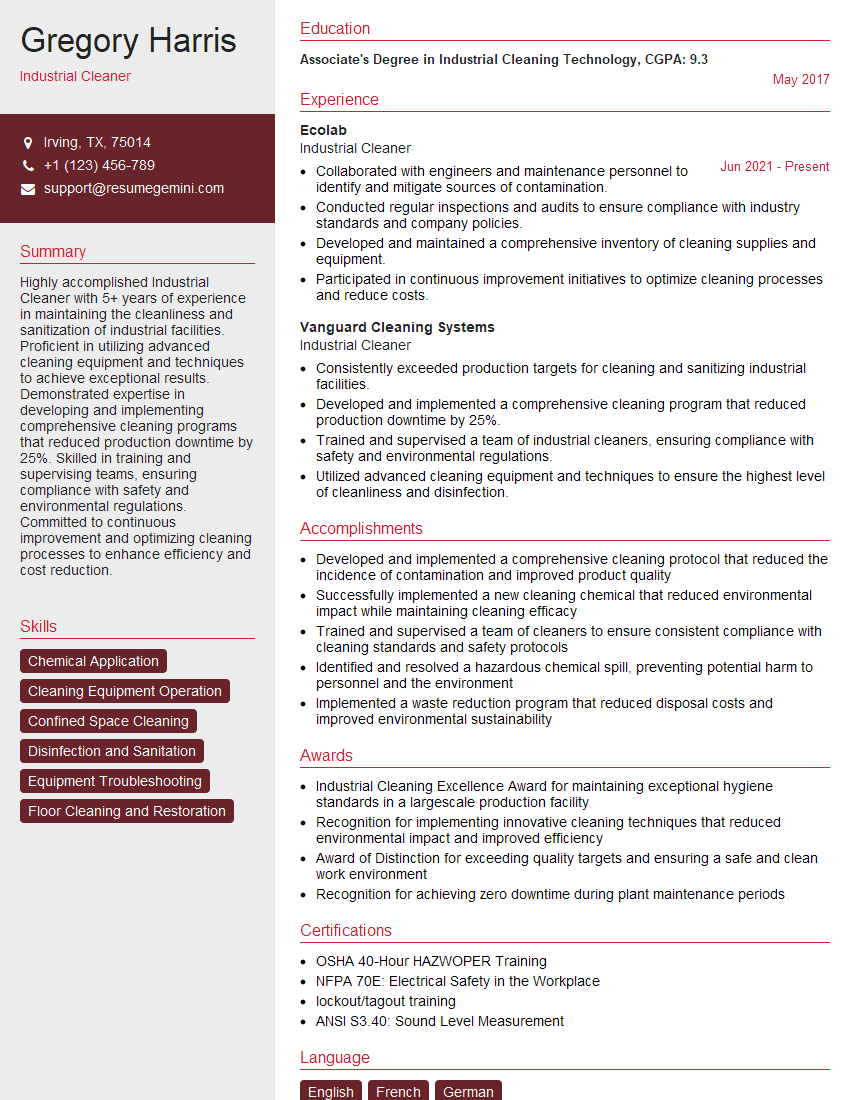
Industrial Cleaner Resume Sample
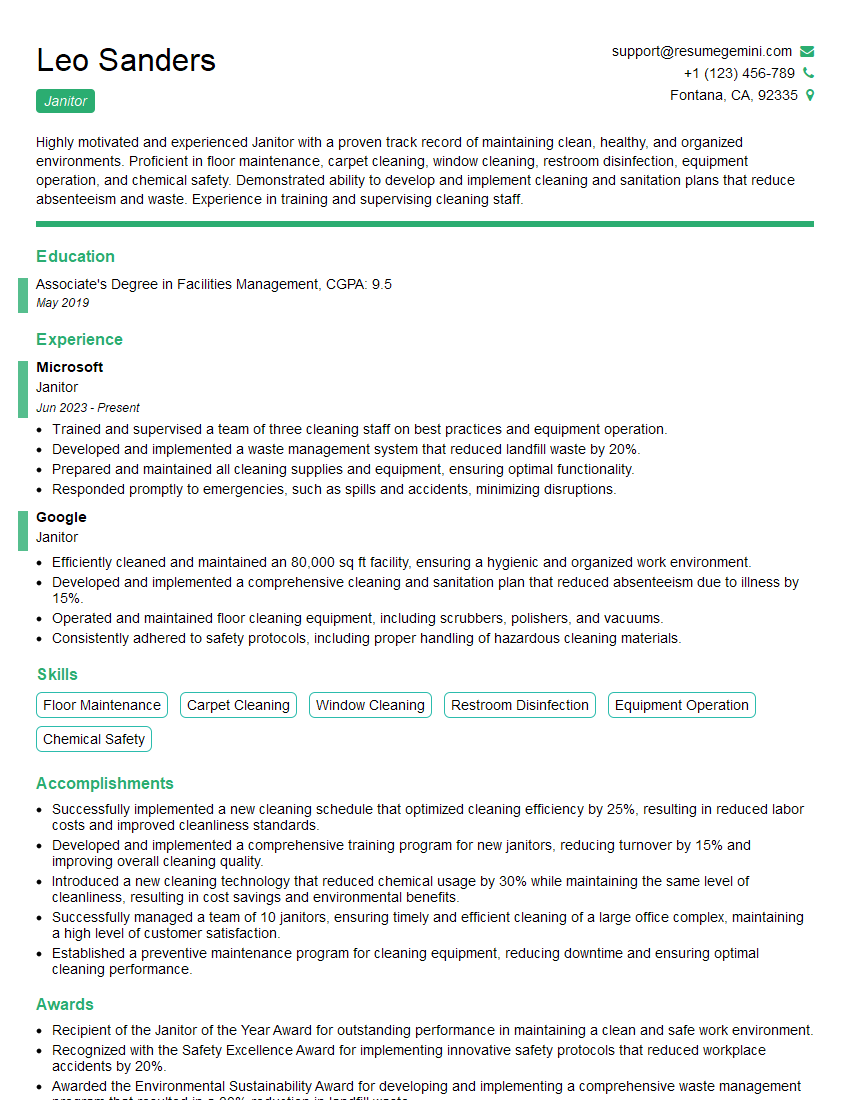
Janitor Resume Sample
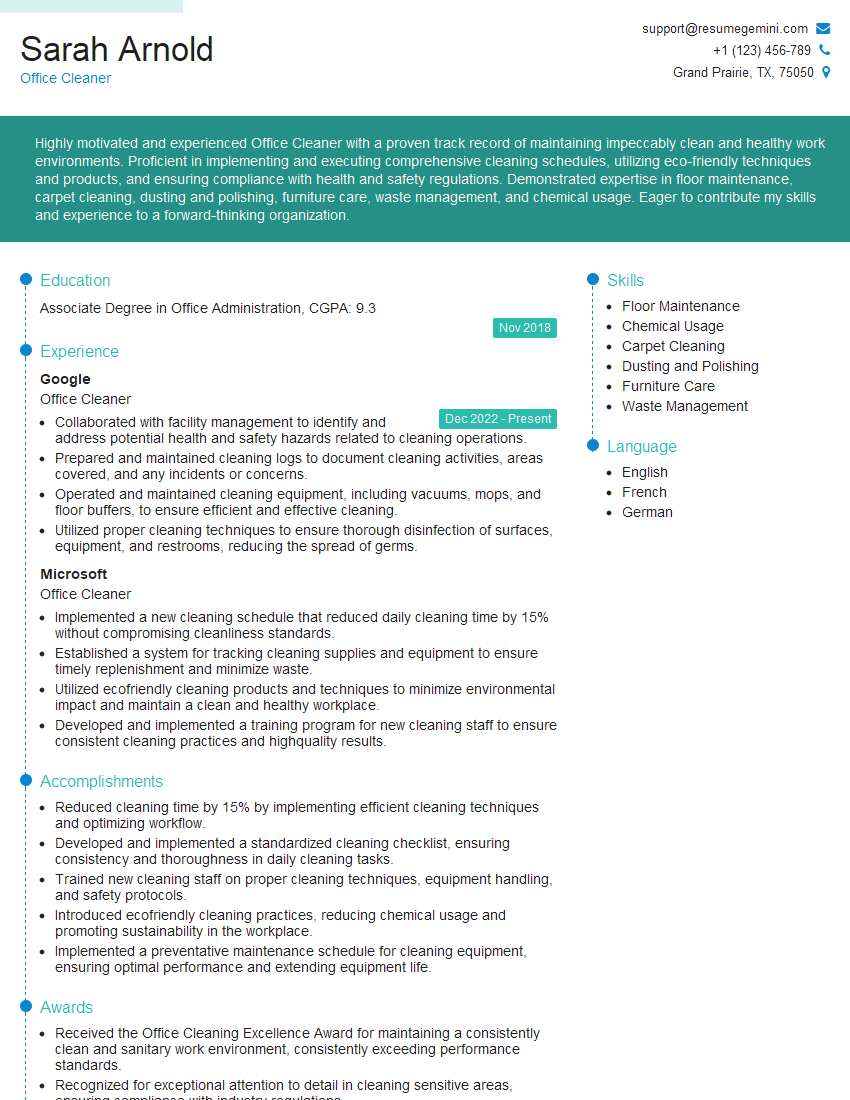
Office Cleaner Resume Sample
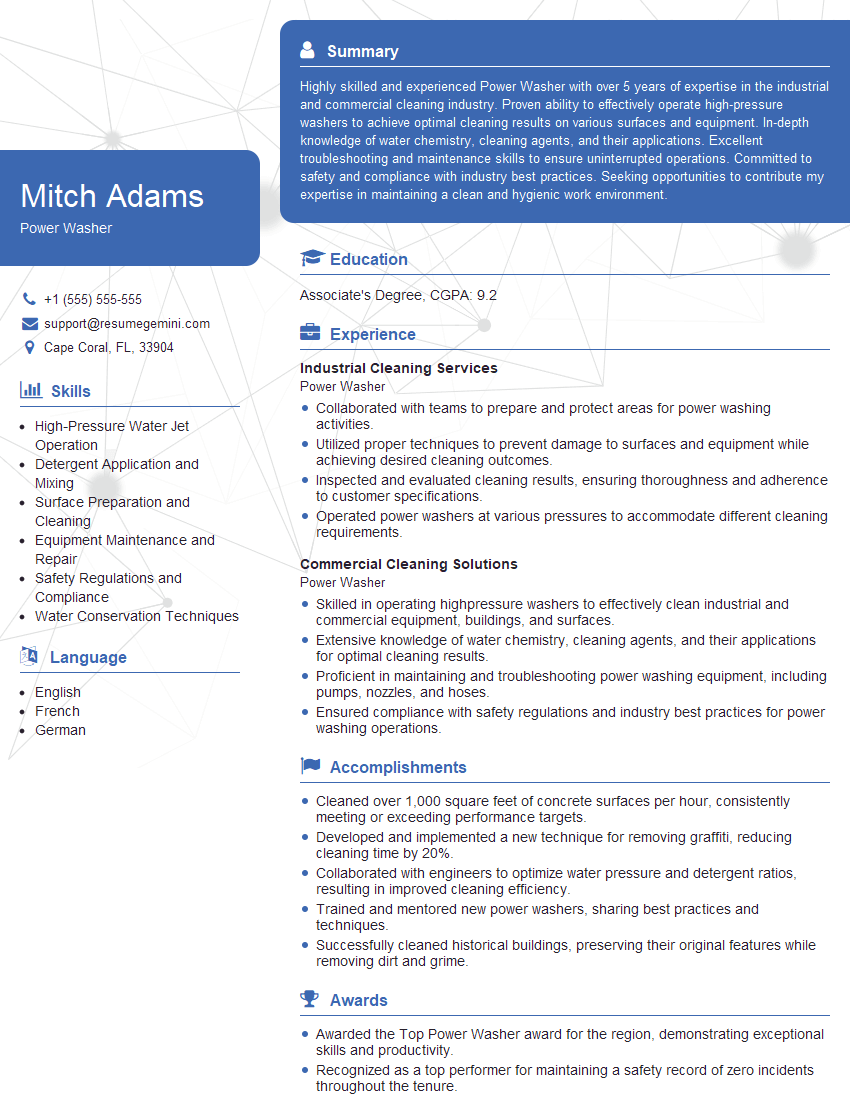
Power Washer Resume Sample
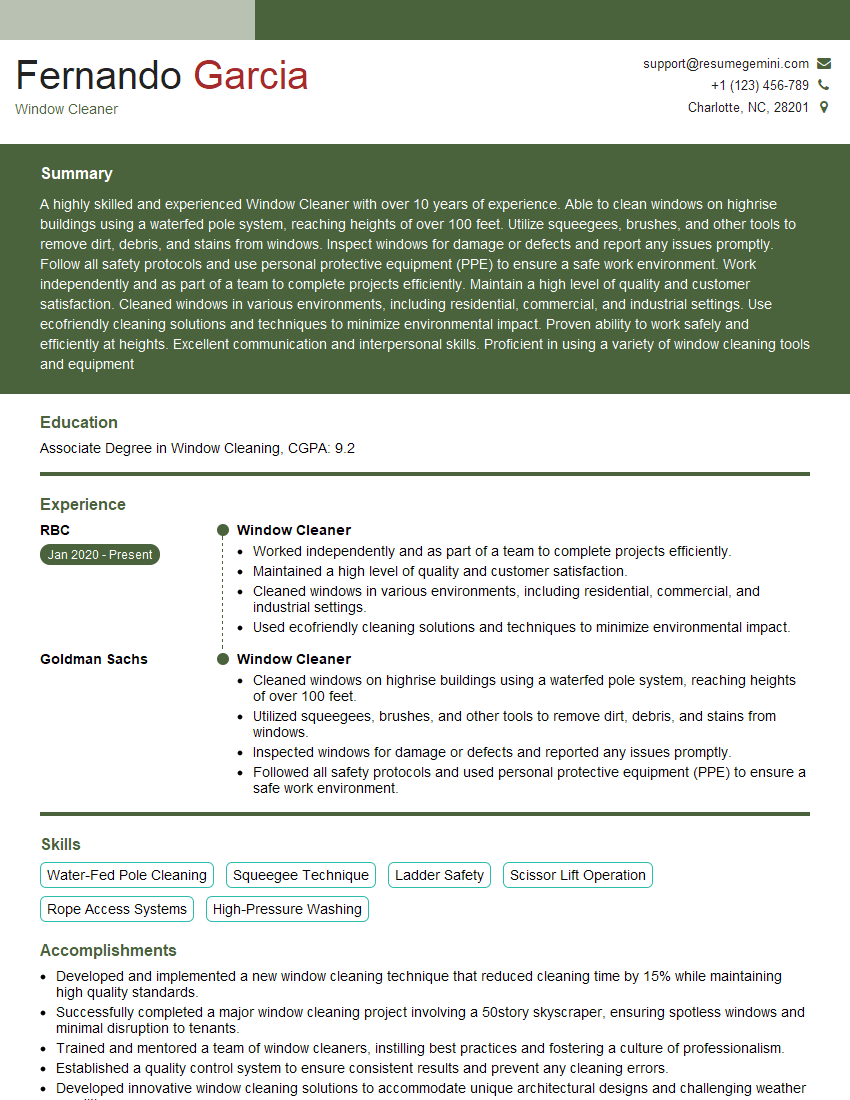
Window Cleaner Resume Sample
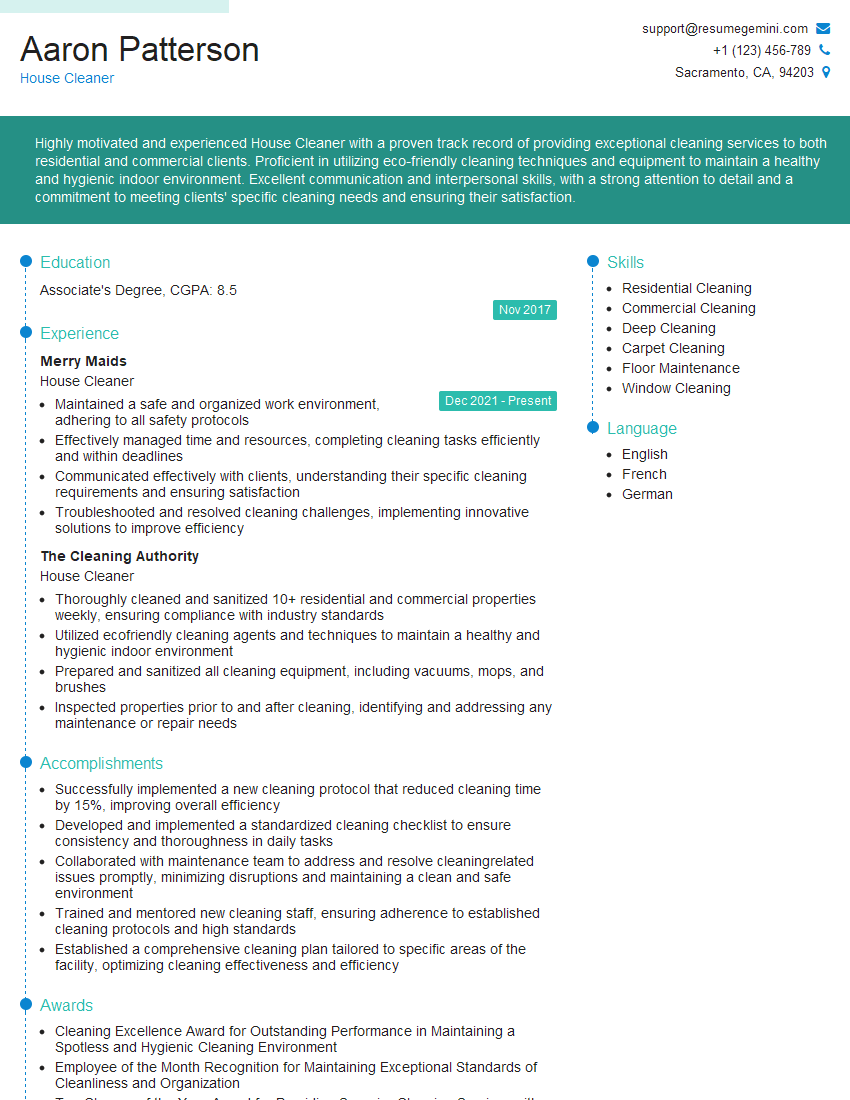
House Cleaner Resume Sample
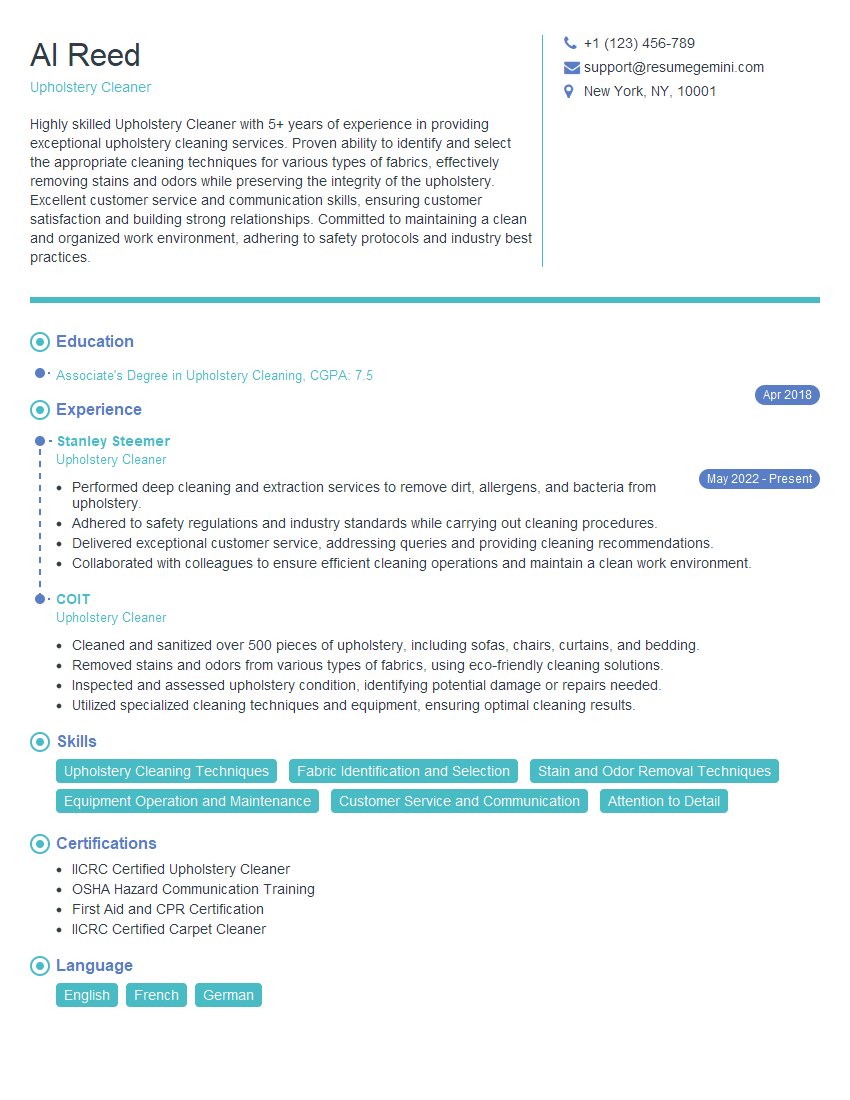
Upholstery Cleaner Resume Sample
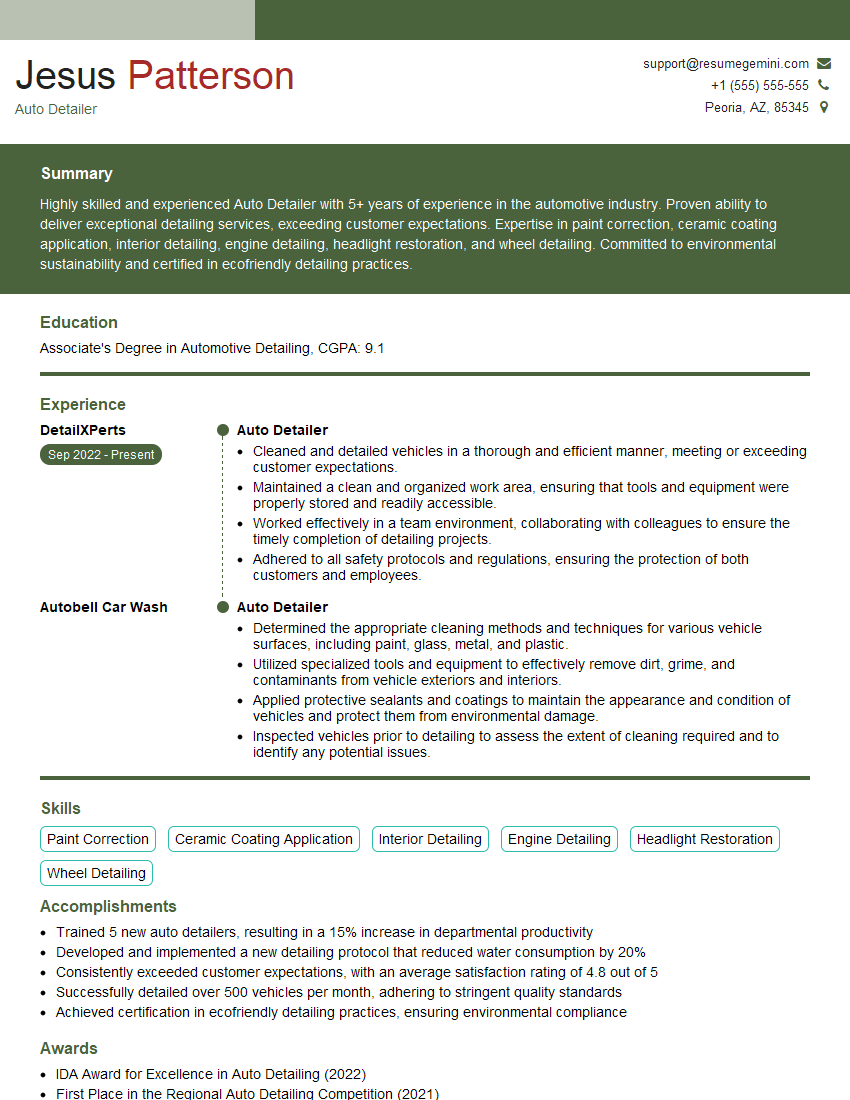
Auto Detailer Resume Sample
Explore more articles
Users Rating of Our Blogs
Share Your Experience
We value your feedback! Please rate our content and share your thoughts (optional).
What Readers Say About Our Blog
Really detailed insights and content, thank you for writing this detailed article.
IT gave me an insight and words to use and be able to think of examples