Unlock your full potential by mastering the most common Restoration and Repair interview questions. This blog offers a deep dive into the critical topics, ensuring you’re not only prepared to answer but to excel. With these insights, you’ll approach your interview with clarity and confidence.
Questions Asked in Restoration and Repair Interview
Q 1. Describe your experience with water damage restoration techniques.
Water damage restoration requires a swift and systematic approach. The initial step is always thorough assessment of the extent of the damage, identifying the source of the water (e.g., burst pipe, roof leak), and determining the type of water (Category 1, 2, or 3, based on contamination levels). This dictates the necessary cleaning and drying techniques.
My process typically involves:
- Extraction: Removing standing water using submersible pumps, wet/dry vacuums, and extractors. The speed of extraction is crucial to prevent further damage and mold growth.
- Drying: Utilizing air movers and dehumidifiers to lower the moisture content in the affected materials to acceptable levels. I regularly monitor moisture levels using meters to ensure complete drying.
- Cleaning: Cleaning and sanitizing affected surfaces to prevent mold and mildew growth. This often involves using antimicrobial solutions.
- Repairs: Addressing any damage to materials, such as replacing water-damaged drywall, flooring, or insulation. I focus on restoring the area to its pre-loss condition.
For example, I recently worked on a home with a burst pipe in the ceiling. We quickly extracted several hundred gallons of water, set up high-powered dehumidifiers and air movers, and monitored the drying process rigorously for several days. The thorough drying prevented any mold growth, leading to a successful restoration.
Q 2. Explain the process of mold remediation, including safety precautions.
Mold remediation is a serious undertaking requiring specialized knowledge and safety precautions. It’s not a DIY project. The process begins with a thorough inspection to identify the type and extent of mold infestation. Safety is paramount; I always wear appropriate personal protective equipment (PPE), including N95 respirators, gloves, eye protection, and coveralls.
The steps I follow are:
- Containment: Isolating the affected area using plastic sheeting and negative air pressure to prevent mold spores from spreading.
- Removal: Carefully removing all moldy materials. This may involve removing drywall, insulation, or other materials. All removed materials are properly disposed of in accordance with local regulations.
- Cleaning: Using specialized cleaning solutions and techniques to eliminate any remaining mold spores. This often involves scrubbing surfaces with antimicrobial solutions.
- Drying: Thoroughly drying the area to prevent mold regrowth.
- Restoration: Repairing and replacing damaged materials and restoring the area to its pre-loss condition.
For instance, during a recent mold remediation job, I meticulously contained the affected area to prevent cross-contamination. Following the removal and cleaning steps, the subsequent air quality tests came back with acceptable levels of mold spores. Thorough documentation throughout the project was crucial in ensuring the quality of the work and client satisfaction.
Q 3. What are the different types of wood rot and how do you address each?
Wood rot is a serious structural issue caused by fungi. There are three primary types:
- Dry Rot: This type attacks the cellulose of wood, causing it to shrink and crack. It often spreads rapidly, affecting both sound and decayed wood. It usually presents as a dry, crumbly texture in timbers and is often accompanied by a musty odor.
- Wet Rot: This is characterized by dark, saturated wood. It occurs in damp conditions, and the wood becomes soft and spongy. It tends to remain localized to the affected area.
- Brown Rot: This type causes the wood to become cubical and crumble, often leaving behind a brownish, powdery residue.
Addressing each type requires a tailored approach:
- Dry Rot: Requires aggressive treatment, including removal of infected wood, treatment of surrounding areas with fungicides, improved ventilation, and replacement of damaged timbers.
- Wet Rot: Focuses on eliminating the source of moisture and allowing the wood to dry. Sometimes, cleaning and treating with fungicide is sufficient. More extensive damage may necessitate replacement.
- Brown Rot: Similar to wet rot, requires moisture control and may involve partial or complete wood replacement, often depending on the extent of the damage.
Identifying the type of rot is crucial for successful treatment. Misdiagnosis can lead to insufficient remediation and recurring problems.
Q 4. How do you assess structural damage after a fire?
Assessing structural damage after a fire is a complex process requiring careful examination and specialized knowledge. It’s not just about visible damage; hidden issues can compromise structural integrity. My approach involves:
- Visual Inspection: A thorough walkthrough of the structure, noting any visible damage to walls, floors, ceilings, and the foundation.
- Non-Destructive Testing: Employing methods such as thermal imaging to detect hidden damage like weakened beams or compromised insulation.
- Material Sampling: Taking samples of charred or damaged materials for lab testing to determine the extent of the damage and the structural capacity.
- Structural Analysis: Utilizing engineering principles to determine the stability of the structure. This may involve load calculations and modeling to ensure that remaining structures are load bearing.
For example, in one fire-damaged building, a visual inspection revealed significant charring to exterior walls. However, thermal imaging revealed hidden damage to interior supporting beams. Further analysis indicated that these beams needed to be replaced to restore the structural integrity of the building. This highlights the importance of using a combination of visual inspection and advanced testing techniques.
Q 5. What safety protocols do you follow when working with hazardous materials?
Safety is my utmost priority when handling hazardous materials. My protocols include:
- Proper PPE: Always wearing appropriate personal protective equipment, including respirators, gloves, eye protection, and coveralls specific to the hazard.
- Material Safety Data Sheets (MSDS): Reviewing the MSDS for each material before handling to understand potential hazards and necessary precautions.
- Ventilation: Ensuring adequate ventilation to prevent exposure to harmful fumes and dust.
- Waste Disposal: Following proper disposal procedures for hazardous materials, in accordance with all local, state and federal regulations.
- Emergency Preparedness: Having emergency response plans and readily accessible safety equipment, including spill kits and eye wash stations.
I have extensive experience with asbestos abatement, lead paint removal and mold remediation, where strict adherence to safety protocols is critical. Detailed documentation is key, ensuring that the work is done safely and legally compliant.
Q 6. Explain your experience with drywall repair and finishing.
Drywall repair and finishing is a crucial part of my restoration work. It requires precision and attention to detail. The process depends on the extent of the damage.
My approach generally involves:
- Damage Assessment: Evaluating the extent of the damage, determining whether repair or replacement is necessary.
- Preparation: Cutting out damaged sections of drywall, ensuring clean edges for patching.
- Patching: Using appropriate patching compounds to fill holes and cracks, ensuring a smooth surface. This may involve multiple layers and sanding between coats.
- Taping and Mudding: Applying drywall tape over seams and applying joint compound to create a seamless finish. Multiple coats and sanding are usually required.
- Priming and Painting: Priming the repaired area to ensure proper paint adhesion and painting to match the existing wall.
I’ve successfully repaired everything from small holes to extensive water-damaged walls. A recent project involved repairing a large section of water-damaged drywall, requiring careful patching, multiple coats of joint compound, and meticulous sanding to achieve a flawless, invisible repair.
Q 7. Describe your proficiency in using various power tools.
I am proficient in using a wide range of power tools, including:
- Circular Saws: For precise cutting of wood and other materials.
- Reciprocating Saws: For demolition and cutting in tight spaces.
- Drill Presses: For accurate drilling of holes.
- Sanders (orbital, belt, random orbital): For smoothing surfaces and preparing them for finishing.
- Nail Guns: For efficient fastening of materials.
- Demolition Hammers: For breaking down materials during demolition or renovation.
Safety is always my top priority. I regularly inspect tools to ensure they are in good working order, and I always use appropriate safety gear, such as safety glasses and hearing protection. My experience allows me to choose the right tool for the job, optimizing efficiency and ensuring a quality finish.
Q 8. How do you estimate the cost of a restoration project?
Accurately estimating the cost of a restoration project is crucial for both the client and the contractor. It’s not just about adding up materials; it involves a comprehensive assessment of the project’s scope and complexity. My approach involves several key steps:
- Detailed Site Survey: A thorough on-site inspection is the foundation. This identifies all damaged areas, assesses the extent of the damage, and determines the necessary materials and labor.
- Material Quantification: Based on the survey, I calculate the precise quantities of materials needed, considering waste and potential unforeseen requirements. I obtain quotes from reputable suppliers to ensure accurate pricing.
- Labor Cost Estimation: This involves factoring in the time required for each task, considering the skill level needed and potential challenges. I utilize historical data and project-specific considerations to estimate labor hours accurately.
- Contingency Planning: Unexpected issues are common in restoration. I always include a contingency buffer (typically 10-15%) to account for unforeseen problems and price fluctuations.
- Permitting and Inspections: Costs associated with obtaining necessary permits and scheduling inspections are factored in. This varies depending on local regulations and the project’s scope.
- Profit Margin: A reasonable profit margin is added to cover overhead costs and ensure the project’s financial viability.
For example, restoring a water-damaged ceiling might seem simple, but it could involve removing and replacing drywall, repairing electrical wiring, repainting, and potentially mold remediation – all adding to the overall cost. A detailed breakdown presented to the client ensures transparency and builds trust.
Q 9. What is your experience with historical building restoration?
My experience with historical building restoration spans over 15 years, encompassing projects ranging from the meticulous restoration of Victorian-era mansions to the careful repair of early 20th-century commercial buildings. I’ve worked on projects requiring significant research into original building techniques and materials, ensuring authenticity while adhering to modern building codes and safety standards. One notable project involved the restoration of a historic courthouse. This required extensive research into original architectural plans, sourcing period-appropriate materials, and working closely with historical preservation societies to ensure the integrity of the building’s historical significance. We successfully restored intricate plasterwork, original hardwood floors, and even replicated missing stained-glass windows using historical methods and modern techniques. The project’s success hinged on meticulous planning, a deep understanding of historical construction, and a collaborative approach with preservation experts.
Q 10. Explain your understanding of building codes and regulations related to restoration.
Understanding building codes and regulations is paramount in restoration. Ignoring them can lead to project delays, costly rework, and even legal repercussions. My knowledge covers a wide range of codes, including those related to structural integrity, fire safety, accessibility, and historical preservation. I’m familiar with the International Building Code (IBC) and its variations across different jurisdictions. For historical restorations, I carefully navigate the balance between preserving historical integrity and meeting current code requirements, often collaborating with building inspectors and preservation officers to find solutions that satisfy both. For instance, a project involving a historical building might require upgrading electrical systems to meet current fire codes, while preserving the original aesthetic of the wiring and switch plates. This often involves creative solutions and discussions with the relevant authorities to find acceptable compromises.
Q 11. Describe your experience with paint stripping and surface preparation.
Paint stripping and surface preparation are critical steps in any restoration project. They directly impact the final finish and the longevity of the restoration. My experience encompasses various techniques, including:
- Chemical Stripping: Using appropriate chemical strippers for different paint types (lead-based paint requires specialized handling and safety precautions). This is effective but requires careful application and proper disposal of the hazardous waste.
- Mechanical Stripping: Employing methods like scraping, sanding, and media blasting (e.g., sandblasting) for removing paint layers. The choice depends on the substrate’s material and the paint’s thickness.
- Heat Stripping: Utilizing infrared heat to soften and blister paint, making it easier to remove. This method is effective but requires caution to avoid damaging underlying materials.
After stripping, meticulous surface preparation is key. This often includes cleaning, priming, and filling imperfections to create a smooth, even surface ready for the final finish. I always select preparation methods appropriate to the substrate and the final coat. For instance, working on delicate antique furniture requires a gentler approach compared to stripping paint from a sturdy exterior wall.
Q 12. How do you handle unexpected issues during a restoration project?
Handling unexpected issues is an inherent part of restoration. My approach focuses on proactive planning and reactive problem-solving. Firstly, the initial site survey and cost estimation include a contingency budget to absorb minor unforeseen problems. When unexpected issues arise (e.g., discovering extensive rot in a timber frame or unexpected asbestos), I follow these steps:
- Assessment and Documentation: Thoroughly assess the issue, documenting it with photos and detailed notes. This forms the basis for making informed decisions.
- Communication with Client: Immediately communicate the issue, explaining the implications and proposed solutions to the client. Transparency builds trust.
- Expert Consultation: If necessary, I consult with specialists (e.g., structural engineers, mold remediation experts) to develop appropriate solutions.
- Revised Scope and Budget: A revised scope of work and budget is presented to the client, reflecting the changes needed to address the unexpected issue.
For instance, discovering hidden water damage behind a wall during a seemingly straightforward repainting job necessitates addressing the source of the leak and repairing the damaged structure, adding significant cost and time to the project. Open communication is vital to ensure the client remains informed and involved throughout the process.
Q 13. What is your experience with different types of concrete repair?
My experience in concrete repair is extensive and covers various techniques depending on the type and extent of damage. I’m proficient in:
- Crack Repair: Addressing cracks ranging from hairline fissures to significant structural cracks using methods such as epoxy injection, sealant application, or stitching.
- Spalling Repair: Repairing damaged or deteriorated concrete surfaces using techniques like patching, overlaying, or replacing severely damaged sections.
- Surface Restoration: Restoring concrete surfaces to their original aesthetic using techniques such as grinding, polishing, staining, or applying protective coatings.
- Structural Repair: Dealing with severe structural damage in concrete elements using techniques such as carbon fiber reinforcement, or concrete jacketing.
The choice of repair method always depends on the cause of the damage, the extent of the damage, and the structural integrity requirements. For example, a small crack in a driveway might simply require sealing, while significant structural damage in a building’s foundation would necessitate a much more complex and potentially costly repair, possibly involving engineering consultation.
Q 14. Describe your experience with carpet and upholstery cleaning.
My experience with carpet and upholstery cleaning encompasses both residential and commercial settings, using methods that ensure thorough cleaning while protecting the materials’ integrity. I’m proficient in:
- Hot Water Extraction (Steam Cleaning): A highly effective method for removing dirt, stains, and allergens from carpets and upholstery. It’s particularly useful for heavily soiled fabrics.
- Dry Cleaning: Utilizing specialized dry cleaning solutions for delicate fabrics that cannot withstand water-based cleaning. This is particularly important for antique or vintage upholstery.
- Spot Cleaning: Targeting specific stains using appropriate cleaning agents and techniques to prevent further staining or damage.
- Pre-treatment: Using pre-treatment solutions to loosen and lift embedded dirt and stains before proceeding with the main cleaning method.
Choosing the right cleaning method depends heavily on the fabric type, the type of soiling, and the overall condition of the carpet or upholstery. For instance, a delicate silk upholstery would require a different approach than a heavy-duty commercial carpet. Proper care and attention to detail are crucial for achieving optimal results and preserving the life of the materials.
Q 15. How familiar are you with different types of flooring materials and their repair?
My familiarity with flooring materials and their repair is extensive. I’ve worked with a wide range, from hardwood and engineered wood, to tile, carpet, laminate, and vinyl. Each material presents unique challenges and repair methods.
Hardwood: Repairs can range from simple scratches, filled with wood putty and refinished, to more complex repairs involving replacing damaged planks. Understanding wood grain direction and matching stain colors is crucial.
Tile: Tile repair often involves replacing cracked or broken tiles. This requires careful removal of the damaged tile without harming surrounding tiles, and precise matching of the replacement tile.
Carpet: Carpet repairs can include patching minor stains or tears, or replacing sections of carpet. Seamless patching requires specialized tools and techniques to blend the patch with the existing carpet.
Laminate: Laminate flooring repair usually involves replacing damaged planks. It’s important to match the plank’s design and ensure proper clicking mechanism.
Vinyl: Vinyl flooring repairs are similar to laminate, but often involve patching using vinyl patches and adhesives.
I understand the importance of using appropriate tools and techniques for each material type to ensure a high-quality, long-lasting repair. For example, a heat gun might be used to lift and reset vinyl flooring, while specialized fillers and stains are necessary for hardwood.
Career Expert Tips:
- Ace those interviews! Prepare effectively by reviewing the Top 50 Most Common Interview Questions on ResumeGemini.
- Navigate your job search with confidence! Explore a wide range of Career Tips on ResumeGemini. Learn about common challenges and recommendations to overcome them.
- Craft the perfect resume! Master the Art of Resume Writing with ResumeGemini’s guide. Showcase your unique qualifications and achievements effectively.
- Don’t miss out on holiday savings! Build your dream resume with ResumeGemini’s ATS optimized templates.
Q 16. Explain your knowledge of various types of adhesives and sealants.
My knowledge of adhesives and sealants is equally comprehensive. The selection of the correct adhesive or sealant is critical to the success of any restoration project, as it dictates the strength, durability, and longevity of the repair. Different materials require different types of adhesives. For example, construction adhesive is great for heavy materials and some tiles, while epoxy is ideal for stronger bonds and gap filling.
Construction Adhesives: These are versatile and used for bonding a variety of materials, including wood, metal, and some plastics. They come in different formulations, including those designed for interior or exterior use.
Epoxy Adhesives: Known for their superior strength and water resistance, these are excellent for high-stress applications and gap filling. They are commonly used in tile repair, and structural repair of various materials.
Silicone Sealants: These are excellent for sealing gaps and joints, creating a waterproof barrier. They come in different formulations, including those designed for kitchens and bathrooms.
Choosing the right adhesive or sealant involves understanding the properties of both the materials being bonded and the environmental conditions. Factors like temperature, moisture, and the type of stress the bond will endure are crucial considerations. For instance, a sealant used in a bathroom must be mildew-resistant.
Q 17. How do you manage a restoration project timeline and budget?
Managing project timelines and budgets effectively requires a systematic approach. I begin by conducting a thorough assessment of the damage, creating a detailed scope of work, and breaking the project into manageable tasks. This allows for accurate estimation of time and material costs.
I use project management software to track progress, manage resources, and ensure adherence to deadlines. Regular communication with clients keeps them informed of progress and any potential issues. Contingency plans are built in to account for unexpected delays or cost increases.
For example, on a recent kitchen restoration, I created a detailed Gantt chart outlining each phase – demolition, plumbing, electrical, cabinetry, and finishing – with assigned timelines and budget allocations. This allowed for proactive management of resources and effective communication with the client regarding progress and any deviations from the original plan. A realistic budget includes not only materials and labor, but also potential unforeseen expenses and a reasonable profit margin.
Q 18. Describe your experience with working with clients and managing expectations.
Building strong relationships with clients is paramount. I believe in clear, open communication from the initial consultation to project completion. This involves actively listening to their needs and concerns, providing realistic expectations, and keeping them informed throughout the process. I strive to be responsive to their questions and address their concerns promptly.
I find that presenting a detailed proposal outlining the scope of work, timeline, and cost is essential for managing expectations. Photographs and 3D renderings, when applicable, can further assist in visualizing the final outcome. Regular updates, both written and visual, are crucial to ensure the client feels valued and informed. In one project involving water damage restoration in a historic home, I documented the progress with daily photos and provided weekly updates to the clients. This transparency and proactive communication led to their full satisfaction and trust.
Q 19. What is your experience with using specialized restoration equipment?
My experience with specialized restoration equipment is extensive. This includes, but is not limited to, water extraction equipment (wet/dry vacuums, pumps), air movers, dehumidifiers, thermal imaging cameras, and various tools for specific materials (e.g., specialized hardwood floor sanding equipment, tile saws).
I’m proficient in using these tools safely and effectively to minimize damage and ensure optimal results. Understanding the capabilities and limitations of each piece of equipment is crucial for making informed decisions during the restoration process. For example, knowing the appropriate CFM (Cubic Feet per Minute) for an air mover is critical for efficient drying in water damage scenarios. Proper safety protocols are always followed, including personal protective equipment (PPE).
Q 20. How do you document the restoration process for insurance claims?
Thorough documentation is essential for insurance claims. My process begins with a detailed initial assessment, documenting the extent of the damage with high-quality photographs and videos. This includes close-ups of the damaged areas, as well as wide shots showing the overall context. I also document the materials used, labor costs, and all other relevant expenses.
All communication with the insurance adjuster is documented, including emails, phone calls, and site visits. I maintain detailed records of the restoration process, including daily reports outlining progress and any challenges encountered. This complete documentation package provides irrefutable evidence supporting the claim and demonstrates my adherence to professional standards. In situations where mold remediation is required, specialized testing and reports are included to meet insurance company requirements.
Q 21. Describe your knowledge of disaster recovery procedures.
Disaster recovery procedures are a critical part of my expertise. My approach involves a rapid response to minimize further damage and ensure the safety of the property and its occupants. This starts with assessing the situation, securing the property, and mitigating immediate threats (like water, fire, or structural instability).
Next, I focus on emergency stabilization, which may involve emergency tarping, board-up services, or water extraction. Detailed documentation of the damage is essential at this stage for insurance purposes. The subsequent restoration phase involves carefully planned and executed repair, cleanup, and sanitization, guided by industry best practices and building codes.
A key aspect of disaster recovery is understanding the specific requirements of various types of disasters, like flood, fire, or storm damage. For instance, fire damage requires specialized cleaning and soot removal techniques, whereas flood damage involves careful drying to prevent mold growth. I have experience handling all these scenarios.
Q 22. How do you ensure the quality of your work meets industry standards?
Ensuring quality in restoration and repair work hinges on a multifaceted approach. It starts with meticulous planning and adhering to established industry best practices. This includes using high-quality materials sourced from reputable suppliers and employing time-tested techniques.
- Strict adherence to building codes and regulations: We always cross-reference our work against local and national codes to ensure structural integrity and safety. For example, in historic preservation, we carefully consider the use of compatible materials and methods to maintain the building’s authenticity while meeting modern safety standards.
- Rigorous quality checks at every stage: We implement regular inspections – from material selection to final finishing – to catch any potential issues early. This proactive approach minimizes rework and delays.
- Documentation and record-keeping: Detailed documentation of every step, including photos and material specifications, provides a transparent and verifiable record of the work performed. This is particularly important for insurance claims or future maintenance.
- Continuous professional development: Staying current with the latest techniques, materials, and industry standards through ongoing training and certifications is crucial. We regularly attend workshops and seminars to enhance our skills and knowledge.
For example, during a recent timber frame restoration, we meticulously documented the process of replacing a rotted beam, including the selection of sustainably sourced replacement timber, the detailed steps of the repair, and the final finish. This detailed record provides proof of adherence to best practices and ensures the long-term durability of the repair.
Q 23. What is your approach to dealing with difficult clients?
Dealing with difficult clients requires patience, empathy, and clear communication. The key is to understand their concerns and address them proactively.
- Active listening: I always start by truly listening to the client’s concerns, acknowledging their frustration, and validating their feelings. Often, simply being heard is a significant step towards de-escalation.
- Transparency and clear communication: I ensure all communication is clear, concise, and easily understood. This includes providing regular updates, managing expectations realistically, and explaining technical details in a non-technical way.
- Problem-solving collaboratively: I work with clients to find mutually agreeable solutions. This may involve exploring alternative approaches or compromises to address their concerns while adhering to the project scope and budget.
- Professional boundaries: While maintaining empathy, I always maintain professional boundaries. This means sticking to agreed-upon contracts and timelines, while being receptive to reasonable requests for adjustments.
For instance, I once worked with a client who was highly anxious about the cost of a project. By breaking down the budget into manageable parts and demonstrating the value of each element, I was able to build trust and allay their concerns.
Q 24. How do you maintain a clean and organized work environment?
Maintaining a clean and organized work environment is not just about aesthetics; it’s essential for safety and efficiency. It minimizes the risk of accidents, improves productivity, and ensures the quality of our work.
- Designated storage areas: We use clearly labeled storage containers and shelves for tools, materials, and waste. This prevents clutter and makes it easy to find what we need.
- Regular cleanup: Daily cleanup is a non-negotiable. We sweep, vacuum, and remove debris at the end of each workday. This prevents accumulation and makes the workspace safer and more pleasant.
- Proper waste disposal: We follow strict waste management protocols, separating hazardous materials, recyclables, and regular waste appropriately. This ensures safety and compliance with environmental regulations.
- Protective coverings: We use drop cloths, plastic sheeting, and other protective measures to minimize dust and damage to the surrounding area. This limits the scope of cleaning required and protects existing surfaces.
For example, during a recent kitchen renovation, we used designated areas for each type of material, from cabinetry to flooring, and meticulously cleaned up every evening to ensure that the homeowners could continue to use their home safely, even during the construction phase.
Q 25. Describe your experience with lead paint abatement.
Lead paint abatement is a critical aspect of restoration, requiring specialized knowledge and adherence to strict safety protocols. Lead-based paint, common in older buildings, poses a significant health hazard if disturbed.
My experience includes identifying lead-based paint through testing (using XRF analysis, for instance), preparing work areas using containment methods (e.g., using HEPA-filtered vacuums and plastic sheeting), safely removing the paint using appropriate methods (e.g., scraping and HEPA vacuuming for small areas, containment and abatement for larger areas), and disposing of the waste properly according to EPA regulations. I also have experience working with licensed lead abatement contractors when necessary for larger projects. I ensure all workers involved receive proper training and wear appropriate personal protective equipment (PPE).
For example, on a historic home renovation, we identified lead paint on window frames. We followed a strict protocol: contained the area, used HEPA vacuums, and meticulously removed the paint, then properly disposed of all materials in accordance with local regulations.
Q 26. Explain your understanding of asbestos removal protocols.
Asbestos removal is another highly specialized and regulated process. Asbestos, a hazardous material previously used in building materials, can cause serious health problems when inhaled. Therefore, its removal requires meticulous planning and execution by certified professionals.
My understanding encompasses identifying asbestos-containing materials (ACM) through visual inspection and laboratory testing, planning a safe removal strategy involving strict containment and decontamination procedures, employing trained and certified personnel with appropriate PPE (including respirators), and disposing of the ACM according to all relevant local, state and federal regulations. I always work with licensed asbestos abatement contractors when necessary, ensuring complete adherence to all safety and legal requirements.
In a recent project involving a school renovation, we identified asbestos in floor tiles. We immediately halted work, consulted with a certified abatement contractor, and oversaw the safe removal and disposal process, ensuring all regulations were adhered to rigorously and worker safety was prioritized.
Q 27. What is your experience with the restoration of different architectural styles?
I have extensive experience restoring various architectural styles, from Victorian and Georgian to Craftsman and Mid-Century Modern. Each style presents unique challenges and requires a deep understanding of its historical context, materials, and construction techniques.
- Victorian: Understanding intricate detailing, ornate woodwork, and the use of specific materials like stained glass and natural wood is key.
- Georgian: Focus is on symmetry, proportion, and the use of classical elements like columns and pilasters. Maintaining these elements while addressing structural issues requires a delicate touch.
- Craftsman: This style emphasizes natural materials like wood and stone, along with handcrafted details. Restoration often involves repairing or replacing these elements using traditional methods.
- Mid-Century Modern: This style utilizes clean lines, simple forms, and often incorporates industrial materials. Restoration requires an understanding of these specific materials and techniques.
A recent project involved the restoration of a Victorian-era home. This required careful repair of its intricate woodwork, replacement of damaged stained glass, and the sensitive matching of paint colors to preserve its historical character.
Q 28. How do you prioritize tasks during a large-scale restoration project?
Prioritizing tasks in a large-scale restoration project is crucial for efficient and timely completion. I use a combination of strategies to manage the complexities.
- Critical path method (CPM): This project management technique helps identify the sequence of tasks that directly impact the project’s overall completion time. By focusing on these critical tasks, delays can be minimized.
- Work breakdown structure (WBS): Breaking down the project into smaller, manageable tasks allows for clearer prioritization and efficient resource allocation.
- Dependency analysis: Identifying the dependencies between tasks—which tasks must be completed before others can begin—ensures a logical workflow.
- Risk assessment: Identifying potential risks and developing mitigation strategies helps prevent delays and disruptions. This could involve prioritizing tasks that address critical structural issues before cosmetic work.
- Regular progress meetings: Regular meetings with the project team and client allow for tracking progress, addressing issues, and adjusting priorities as needed.
For example, in a large-scale museum renovation, we used a CPM schedule to prioritize structural repairs and environmental controls before starting on the more intricate interior restoration work. This ensured the structural integrity of the building was secured, preventing further damage and delays.
Key Topics to Learn for Restoration and Repair Interview
- Damage Assessment and Analysis: Understanding the types and causes of damage to various materials (wood, plaster, metal, etc.) and accurately assessing the extent of repair needed. This includes recognizing signs of structural compromise and hidden damage.
- Material Selection and Application: Knowing the properties of different repair materials (e.g., adhesives, fillers, paints, sealants) and selecting the appropriate materials for specific applications and substrates. This involves understanding compatibility, durability, and aesthetic considerations.
- Repair Techniques and Methodologies: Mastering various repair techniques, including surface preparation, patching, filling, cleaning, and finishing. This covers both traditional and modern methods, and understanding their strengths and weaknesses.
- Health and Safety Regulations: Demonstrating a comprehensive understanding of relevant health and safety regulations, including the proper handling and disposal of hazardous materials and the use of personal protective equipment (PPE).
- Cost Estimation and Project Management: Developing the ability to accurately estimate the cost of materials and labor for repair projects, create realistic timelines, and manage resources effectively. This also includes understanding different project bidding processes.
- Historical Preservation Techniques (if applicable): For roles focusing on historical restoration, a strong understanding of historically appropriate methods and materials is crucial. This involves understanding the significance of preserving original features and using compatible materials.
- Problem-solving and Troubleshooting: Demonstrating the ability to identify and solve unexpected problems during a repair project, adapt to changing circumstances, and find creative solutions to challenges.
Next Steps
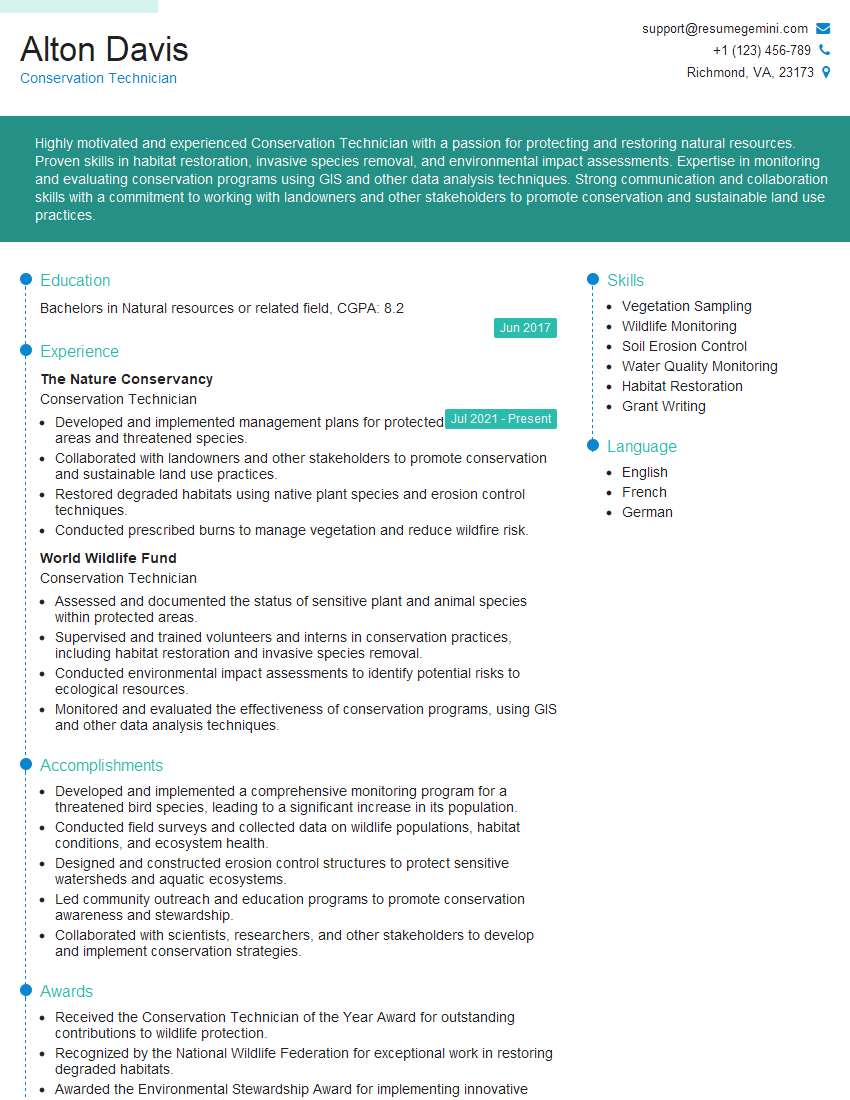
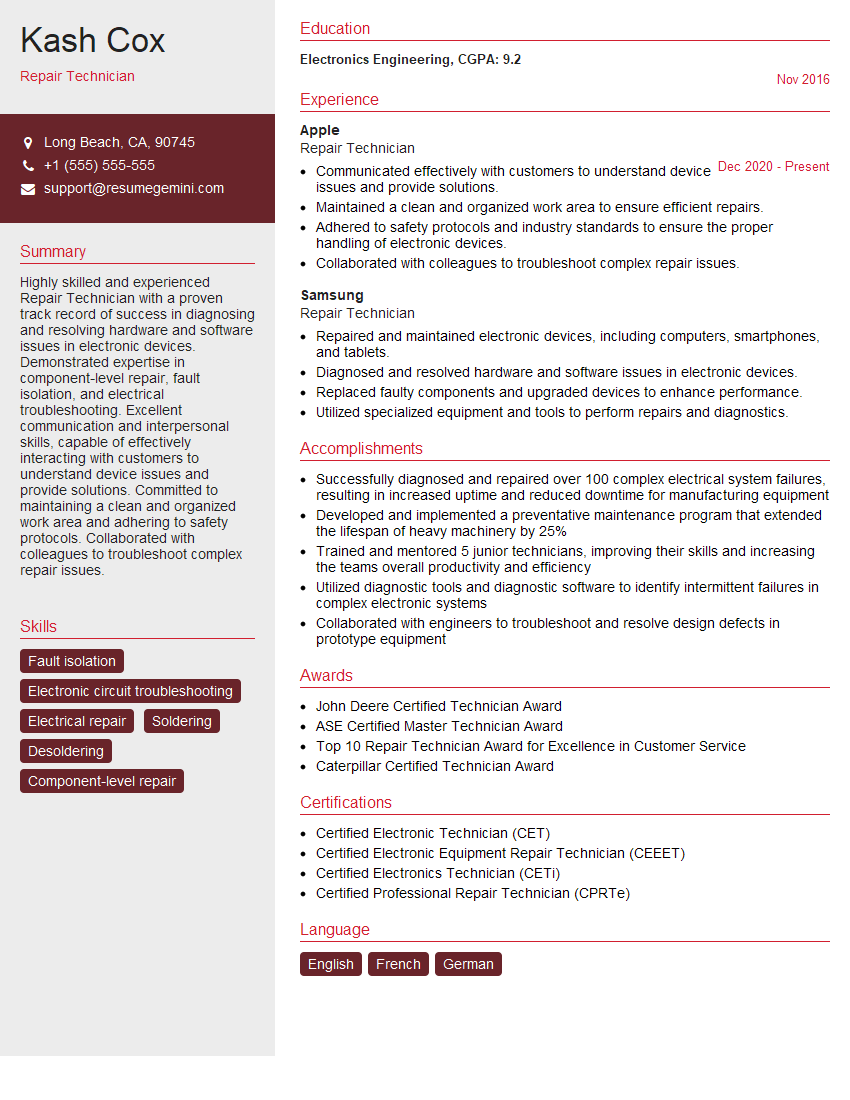
Mastering the art of Restoration and Repair opens doors to a rewarding career with diverse opportunities and excellent growth potential. As you prepare for your interview, creating a strong, ATS-friendly resume is crucial to getting your foot in the door. ResumeGemini can help you build a professional and impactful resume that highlights your skills and experience effectively. They provide examples of resumes tailored to the Restoration and Repair field, enabling you to craft a document that truly showcases your capabilities and increases your chances of securing your dream job. Invest time in creating a resume that stands out – it’s your first impression!
Explore more articles
Users Rating of Our Blogs
Share Your Experience
We value your feedback! Please rate our content and share your thoughts (optional).
What Readers Say About Our Blog
Really detailed insights and content, thank you for writing this detailed article.
IT gave me an insight and words to use and be able to think of examples