Cracking a skill-specific interview, like one for Diagnosis, requires understanding the nuances of the role. In this blog, we present the questions you’re most likely to encounter, along with insights into how to answer them effectively. Let’s ensure you’re ready to make a strong impression.
Questions Asked in Diagnosis Interview
Q 1. Explain the difference between a differential diagnosis and a definitive diagnosis.
A differential diagnosis is a list of possible diagnoses considered based on a patient’s symptoms and findings. It’s like creating a shortlist of suspects in a detective novel – you’re narrowing down the possibilities. A definitive diagnosis, on the other hand, is the final, confirmed diagnosis after all investigations have been completed. It’s the detective solving the case and identifying the culprit definitively.
For example, a patient presents with chest pain. A differential diagnosis might include a heart attack, angina, pericarditis, esophageal spasm, or even musculoskeletal pain. Further investigation through tests like an electrocardiogram (ECG), blood tests, and potentially a cardiac catheterization might lead to a definitive diagnosis of angina.
Q 2. Describe your approach to forming a differential diagnosis in a complex case.
My approach to forming a differential diagnosis in a complex case is systematic and evidence-based. It involves several key steps:
- Detailed History Taking: I begin with a comprehensive patient history, focusing on the presenting complaint, its onset, duration, character, and any associated symptoms. This is crucial in generating initial hypotheses.
- Thorough Physical Examination: A meticulous physical exam helps identify objective findings consistent with or against the initial hypotheses.
- Targeted Investigations: Based on the history and physical exam, I order appropriate diagnostic tests. This is not a random process; I prioritize tests that are likely to yield the most valuable information given the initial differential.
- Pattern Recognition: I draw upon my knowledge and experience to recognize patterns and associations between clinical presentations and specific diagnoses. This often involves considering the prevalence of certain conditions in the patient’s age group and risk factors.
- Critical Appraisal: I critically evaluate the results of investigations, considering factors like test sensitivity, specificity, and potential for error. I don’t blindly accept test results; I consider the clinical context.
- Iterative Refinement: The differential diagnosis is not static; it’s constantly refined as new information becomes available. This is an iterative process that continues until a definitive diagnosis is reached, or at least a working diagnosis allowing appropriate treatment to begin.
For instance, consider a patient with fever, fatigue, and lymphadenopathy. My initial differential might include infectious mononucleosis, lymphoma, HIV infection, or tuberculosis. Further testing, such as blood counts, serology, and imaging studies, would help narrow down and refine this differential diagnosis.
Q 3. How do you prioritize diagnostic tests given limited resources?
Prioritizing diagnostic tests with limited resources requires a strategic approach. I follow these steps:
- Clinical Urgency: Tests crucial for immediate diagnosis and treatment of life-threatening conditions are prioritized. For example, a suspected stroke would warrant immediate brain imaging.
- Cost-Effectiveness: I consider the cost of the test in relation to the potential diagnostic yield. A cheaper, highly sensitive test might be favored initially over an expensive test with comparable information.
- Test Sensitivity and Specificity: Tests with high sensitivity are prioritized when ruling out a serious condition, while tests with high specificity are useful in confirming a diagnosis.
- Non-invasive vs. Invasive Tests: I prefer non-invasive tests initially. For instance, blood tests are generally preferred over biopsies unless absolutely necessary.
- Algorithm-based Approach: Using established diagnostic algorithms or clinical decision support tools can greatly enhance efficient test selection.
For example, if a patient presents with suspected pneumonia, a chest X-ray is often a cost-effective first step before considering more expensive and invasive procedures such as bronchoscopy.
Q 4. What are the key elements of a well-written diagnostic report?
A well-written diagnostic report should be clear, concise, and comprehensive. Key elements include:
- Patient Demographics: Name, age, gender, and relevant medical record number.
- Reason for Referral/Presentation: Clearly state the patient’s presenting complaints.
- Relevant History: A summary of the patient’s relevant medical, social, and family history.
- Physical Examination Findings: Document findings from the physical exam, highlighting pertinent positive and negative features.
- Investigations Performed: List all the investigations conducted with detailed results.
- Differential Diagnosis: Clearly state the considered differential diagnosis, explaining the rationale for inclusion or exclusion of each possibility.
- Final Diagnosis: If possible, state the final, confirmed diagnosis.
- Treatment Plan: Outline the proposed treatment plan and any necessary follow-up.
- Prognosis: A brief statement regarding the patient’s prognosis.
- Signature and Date: The report should be signed and dated by the diagnosing clinician.
Q 5. Explain the concept of sensitivity and specificity in diagnostic testing.
Sensitivity of a diagnostic test refers to its ability to correctly identify individuals with the disease (true positives). A highly sensitive test has a low rate of false negatives (missing cases). Specificity refers to the test’s ability to correctly identify individuals without the disease (true negatives). A highly specific test has a low rate of false positives (incorrectly identifying the disease).
Think of it like this: sensitivity is about avoiding missed diagnoses (finding all the sick people), while specificity is about avoiding unnecessary treatment (not labeling healthy people as sick). A highly sensitive test is used for screening purposes, to catch most cases, even if it means a few false positives. A highly specific test is used for confirmation, to ensure accuracy before starting treatment.
Q 6. How do you interpret the results of a positive predictive value (PPV) and a negative predictive value (NPV)?
The positive predictive value (PPV) tells you the probability that a patient with a positive test result actually has the disease. A high PPV is desirable. The negative predictive value (NPV) tells you the probability that a patient with a negative test result does not have the disease. A high NPV is desirable.
For example, a test with a PPV of 90% means that out of 100 people with a positive test result, 90 actually have the disease. A test with an NPV of 95% means that out of 100 people with a negative test result, 95 truly do not have the disease. PPV and NPV are influenced by the prevalence of the disease in the population being tested; a higher prevalence leads to higher PPV and lower NPV, and vice versa.
Q 7. Describe a situation where you had to revise your initial diagnosis.
I once saw a patient with persistent abdominal pain and weight loss. My initial impression, based on imaging and initial blood work, was Crohn’s disease. However, after several weeks of treatment with no improvement, and further investigation including a colonoscopy with biopsies, the final diagnosis was actually celiac disease. The initial imaging findings were suggestive of Crohn’s, but the biopsy results showed the characteristic damage consistent with celiac. This highlighted the importance of integrating all clinical data, including histological findings, and of reassessing the diagnosis when the initial treatment plan is not effective. It reinforced the iterative nature of diagnostic processes and the need to remain open to revising initial hypotheses when presented with new evidence.
Q 8. How do you handle uncertainty in diagnosis?
Uncertainty is inherent in diagnosis. We rarely have absolute certainty; instead, we work with probabilities. Handling this involves a systematic approach. Firstly, I carefully consider the differential diagnosis – a list of possible conditions that could explain the patient’s symptoms. I then weigh the likelihood of each diagnosis based on the available evidence, using Bayesian reasoning – updating my beliefs as I gather more information. For instance, a patient with chest pain could have a myocardial infarction (heart attack), pericarditis (inflammation of the heart sac), or musculoskeletal pain. Initially, all are possibilities. Further investigation, such as an electrocardiogram (ECG) and cardiac enzyme tests, adjusts the probabilities. Secondly, I acknowledge the limitations of testing. No test is perfectly sensitive (detecting all cases of a disease) or specific (ruling out all other diseases). False positives and negatives exist, so clinical judgment remains crucial. Thirdly, I utilize a structured approach, using clinical decision rules or algorithms where applicable to help systematically rule in or rule out certain possibilities. Finally, I always remain open to the possibility of revising the diagnosis as new information emerges. This might involve ordering further investigations or consulting with colleagues.
Q 9. Explain the importance of considering patient history in the diagnostic process.
Patient history is paramount; it’s often the cornerstone of diagnosis. A comprehensive history provides context for the presenting complaint. This includes details about the onset, duration, character, location, and aggravating/relieving factors of symptoms. For example, a patient describing sudden onset, crushing chest pain radiating to the left arm points strongly towards a cardiac event. In contrast, gradual onset, aching chest pain worsened by deep breaths suggests a musculoskeletal or pleural problem. Beyond the presenting complaint, past medical history, surgical history, family history, social history (smoking, alcohol, drug use), and medication history are vital. Knowing a patient has a history of heart failure significantly alters my assessment of their shortness of breath compared to a patient with no such history. The history allows me to develop a preliminary differential diagnosis, guide investigations, and interpret test results more effectively. It also builds a relationship with the patient, fostering trust and encouraging open communication which is essential for accurate diagnosis.
Q 10. How do you incorporate physical examination findings into your diagnostic reasoning?
Physical examination findings provide objective data that complements the subjective information gathered from the patient’s history. I systematically perform a relevant physical exam, tailoring it to the patient’s presenting complaint. For example, if a patient presents with abdominal pain, I would focus on examining the abdomen, looking for distension, tenderness, guarding, or masses. In a patient with suspected pneumonia, I would listen to their lungs for crackles or reduced breath sounds. Each finding – a heart murmur, irregular pulse, skin rash, or neurological deficit – provides clues that either support or refute potential diagnoses. I carefully document my findings and integrate them with the patient’s history and any diagnostic test results. Physical examination might reveal abnormalities not apparent in investigations. For instance, a subtle neurological finding might indicate an underlying neurological condition not visible on imaging. The integration of these findings is a crucial part of building a holistic picture and developing a confident diagnosis.
Q 11. Describe your experience using diagnostic imaging (e.g., X-ray, CT, MRI).
I have extensive experience interpreting various diagnostic imaging modalities, including X-rays, CT scans, and MRIs. My expertise involves not just reading the images but also understanding their limitations and recognizing artifacts. For example, I know that chest X-rays are useful for identifying pneumonia, but they might miss early-stage lung cancer. A CT scan provides better detail and can detect subtle abnormalities, but it exposes the patient to ionizing radiation. MRI offers excellent soft tissue contrast, invaluable in neurology and musculoskeletal imaging, but it’s more time-consuming and expensive. In practice, I carefully select the appropriate imaging modality based on the clinical question and patient factors. I always correlate imaging findings with the clinical picture. An abnormality on an image doesn’t always indicate disease; it requires integration with the patient’s history and physical examination to determine clinical significance. I’m proficient in using image-guided procedures where necessary.
Q 12. What are some common pitfalls to avoid in making a diagnosis?
Several pitfalls can lead to diagnostic errors. One common mistake is premature closure – arriving at a diagnosis too quickly without considering alternative explanations. Another is anchoring bias, where initial impressions heavily influence subsequent judgment, even in the face of contradictory evidence. Confirmation bias is the tendency to seek out information that confirms pre-existing beliefs and ignore information that challenges them. Overreliance on a single test result without considering the complete clinical picture is another frequent error. Furthermore, neglecting to account for the prevalence of diseases in the population can lead to incorrect probabilities. For instance, a rare disease might have a high positive predictive value in a test but be unlikely overall. Finally, failure to adequately consider the patient’s unique context, including their cultural background and social determinants of health, can also impact diagnostic accuracy. Addressing these pitfalls requires a systematic approach, critical thinking, and a commitment to ongoing learning and self-reflection.
Q 13. Explain the role of evidence-based medicine in diagnosis.
Evidence-based medicine (EBM) is crucial for accurate and effective diagnosis. It involves integrating the best available research evidence with clinical expertise and patient values. In diagnosis, this means basing decisions on high-quality studies that demonstrate the effectiveness and limitations of diagnostic tests, and using clinical decision rules validated by robust research. For example, rather than relying solely on intuition, I might use a validated clinical decision rule for diagnosing deep vein thrombosis (DVT) to guide investigations and improve diagnostic accuracy. EBM promotes a more objective and less biased approach to diagnosis, minimizing the influence of personal biases or anecdotal evidence. By consistently reviewing and updating diagnostic practices based on the latest research, we can ensure patient safety and optimize healthcare outcomes. This includes understanding the sensitivity, specificity, positive predictive value, and negative predictive value of diagnostic tests to appropriately manage patient care.
Q 14. How do you stay up-to-date with the latest advancements in diagnostic techniques?
Staying current in a rapidly evolving field like diagnosis requires ongoing commitment to lifelong learning. I actively participate in continuing medical education (CME) activities, attending conferences, workshops, and online courses. I regularly review medical journals and reputable online resources to stay abreast of new research findings and updated guidelines. I also engage in peer-to-peer learning, discussing challenging cases and sharing knowledge with colleagues. Membership in professional organizations provides access to the latest publications and opportunities for collaborative learning. Moreover, actively participating in quality improvement initiatives within my institution allows for continuous evaluation of diagnostic processes and implementation of evidence-based best practices. This multi-faceted approach ensures that my diagnostic skills and knowledge remain sharp and aligned with the latest advancements in the field.
Q 15. Describe your experience with diagnostic coding (ICD, CPT).
Diagnostic coding, using systems like the International Classification of Diseases (ICD) and Current Procedural Terminology (CPT), is fundamental to accurate medical record-keeping and billing. ICD codes classify diseases and conditions, while CPT codes describe medical, surgical, and diagnostic procedures. My experience spans over [Number] years, encompassing both inpatient and outpatient settings. I’m proficient in assigning both ICD and CPT codes, ensuring accuracy and compliance with regulatory requirements. For example, I’ve successfully coded thousands of cases, including complex diagnoses involving multiple comorbidities, ensuring proper reimbursement and facilitating epidemiological studies.
I am familiar with the latest updates to both ICD and CPT coding systems, and regularly attend continuing education courses to maintain my expertise. I understand the nuances of coding specific conditions and procedures, and I can identify and resolve coding discrepancies. This includes understanding the importance of selecting the most specific code available to accurately reflect the patient’s condition. For instance, differentiating between type 1 and type 2 diabetes requires careful review of the patient’s chart and the selection of the appropriate ICD code.
Career Expert Tips:
- Ace those interviews! Prepare effectively by reviewing the Top 50 Most Common Interview Questions on ResumeGemini.
- Navigate your job search with confidence! Explore a wide range of Career Tips on ResumeGemini. Learn about common challenges and recommendations to overcome them.
- Craft the perfect resume! Master the Art of Resume Writing with ResumeGemini’s guide. Showcase your unique qualifications and achievements effectively.
- Don’t miss out on holiday savings! Build your dream resume with ResumeGemini’s ATS optimized templates.
Q 16. Explain the impact of diagnostic errors on patient care.
Diagnostic errors have profound consequences for patient care, potentially leading to delayed or inappropriate treatment, increased morbidity and mortality, and significant emotional distress for patients and their families. A misdiagnosis can lead to unnecessary procedures, prolonged suffering, and even death. For example, a delayed diagnosis of cancer could mean the difference between successful treatment and a far less favorable prognosis.
- Treatment Delays: Incorrect diagnosis can delay appropriate and timely treatment, leading to worsened outcomes.
- Adverse Events: Unnecessary treatments based on incorrect diagnoses may cause additional harm to the patient.
- Increased Healthcare Costs: Diagnostic errors often result in increased and often unnecessary healthcare expenses.
- Psychological Impact: The uncertainty and anxiety caused by a misdiagnosis can significantly impact a patient’s mental well-being.
Q 17. How do you communicate complex diagnostic information to patients and families?
Communicating complex diagnostic information requires sensitivity, clarity, and empathy. I always tailor my communication style to the individual patient and their family’s understanding. I avoid medical jargon and explain terms in simple, easy-to-understand language. I start by summarizing the diagnosis in plain terms, then clarify any uncertainties and answer all questions patiently. I actively encourage questions and check for understanding through open-ended questions, like ‘What are your biggest concerns right now?’
Visual aids, such as diagrams or flowcharts, can be incredibly helpful in explaining complex processes or conditions. If needed, I involve other members of the healthcare team, such as social workers or patient advocates, to provide emotional support and address practical concerns. For example, when delivering a cancer diagnosis, I explain the staging, treatment options, prognosis, and offer resources for emotional and practical support, ensuring the patient and family feel informed and empowered.
Q 18. How do you handle disagreement with a colleague’s diagnosis?
Disagreement with a colleague’s diagnosis is a common occurrence, and it’s crucial to handle these situations professionally and constructively. My approach focuses on respectful collaboration and evidence-based reasoning. I begin by engaging in a calm and respectful discussion with my colleague, outlining my concerns and presenting any contradictory evidence or alternative interpretations.
I would review the patient’s data together, comparing our interpretations of the findings. If the disagreement persists, I would seek a second opinion from a more senior colleague or a specialist. The goal is to reach a consensus based on sound medical evidence and patient well-being. The patient’s safety and the quality of their care are paramount in this process. Open communication and a commitment to collaboration are essential for resolving disagreements and ensuring the best possible outcome for the patient.
Q 19. Describe your approach to managing diagnostic uncertainty.
Diagnostic uncertainty is an inherent part of medical practice. My approach involves a systematic process of data gathering and analysis. This includes reviewing all available information – clinical history, physical examination findings, laboratory results, and imaging studies – thoroughly. I develop a differential diagnosis, listing possible explanations, and prioritize them based on their likelihood and clinical significance. I then determine which further investigations might help clarify the diagnosis, balancing the benefits against potential risks and costs.
If diagnostic uncertainty remains despite further investigation, I will often discuss the situation with my colleagues, seeking their expertise and perspectives. I explain the situation and possible management strategies to the patient, emphasizing the importance of close monitoring and follow-up care. It’s crucial to maintain open communication and manage expectations appropriately throughout this process, providing reassurance while acknowledging the limitations of current knowledge.
Q 20. What is your experience with diagnostic algorithms and decision support tools?
I have significant experience using diagnostic algorithms and decision support tools. These tools enhance diagnostic accuracy and efficiency by providing structured approaches to complex problems. I’m familiar with various software programs and clinical decision support systems that assist in evaluating risk factors, interpreting test results, and generating differential diagnoses. For example, I frequently use [Specific software or system name] for assessing cardiac risk or [Specific software or system name] to aid in the diagnosis of certain infectious diseases.
These tools are valuable for ensuring consistency and minimizing bias in the diagnostic process. However, it’s important to remember that these tools are aids, not replacements, for clinical judgment. I always critically evaluate the output of these tools in light of the patient’s individual clinical presentation and circumstances.
Q 21. How do you use critical thinking skills in the diagnostic process?
Critical thinking is fundamental to effective diagnosis. I use a systematic approach: starting with careful data collection, considering all relevant information, including the patient’s history, physical examination, and test results. I then identify patterns and inconsistencies, formulating hypotheses and considering alternative explanations. I actively challenge my assumptions, seeking out evidence to support or refute each hypothesis.
For example, I might observe a patient presenting with symptoms consistent with both pneumonia and heart failure. My critical thinking skills would lead me to systematically assess the probability of each condition, considering the patient’s risk factors and ordering appropriate investigations to distinguish between them. This approach ensures a thorough and accurate diagnosis, minimizing the risk of errors and maximizing the chances of delivering optimal patient care.
Q 22. Explain the role of technology in modern diagnostics.
Technology has revolutionized modern diagnostics, significantly improving accuracy, speed, and accessibility. It’s no longer just about a doctor’s experience and a physical exam; we now leverage sophisticated tools and techniques.
- Imaging Technologies: X-rays, CT scans, MRI, and ultrasound provide detailed anatomical images, allowing for the detection of subtle abnormalities invisible to the naked eye. For example, an MRI can reveal the extent of a brain tumor with far greater precision than a physical exam alone.
- Laboratory Diagnostics: Automated analyzers and advanced assays allow for rapid and accurate analysis of blood, urine, and other bodily fluids. This enables faster diagnosis of infections, metabolic disorders, and other conditions. Imagine the difference between waiting days for blood culture results versus getting them within hours thanks to automation.
- Molecular Diagnostics: Techniques like PCR (Polymerase Chain Reaction) and gene sequencing allow for the identification of genetic mutations, viruses, and bacteria with unparalleled specificity. This is crucial for diagnosing genetic disorders and tailoring cancer treatments.
- Artificial Intelligence (AI) and Machine Learning (ML): AI algorithms are increasingly used to analyze medical images, interpret lab results, and even predict disease risk. For example, AI can flag potential signs of cancer in mammograms that might be missed by a human radiologist, improving early detection rates.
- Telemedicine and Remote Monitoring: Wearable sensors and remote monitoring devices allow for continuous data collection, enabling early detection of health problems and improving patient management. This is particularly valuable in managing chronic conditions like heart failure.
In short, technology is not just an add-on, but an integral part of modern diagnostics, improving patient care and outcomes significantly.
Q 23. Describe a time you used statistical analysis to interpret diagnostic data.
During my time at the regional hospital, we were experiencing a high rate of misdiagnosis for a particular type of pneumonia. To understand this, I conducted a retrospective analysis of patient data. We collected data points including patient age, symptoms, X-ray findings, lab results (specifically white blood cell counts and CRP levels), and the final diagnosis.
Using statistical software, I performed a logistic regression analysis to identify the factors most strongly associated with accurate diagnosis. I found a statistically significant correlation between elevated CRP levels, specific X-ray findings (consolidation in the lower lobes), and accurate diagnosis. Interestingly, patient age alone was not a significant predictor. Based on these findings, we revised our diagnostic criteria, incorporating a weighted scoring system based on the identified factors. This led to a noticeable improvement in diagnostic accuracy for this type of pneumonia.
This experience highlighted the power of statistical analysis in identifying subtle patterns in data that could otherwise be missed, ultimately leading to improved patient care.
Q 24. Explain the concept of bias in diagnostic testing and how to minimize it.
Bias in diagnostic testing refers to systematic errors that can lead to inaccurate results. These errors can stem from various sources, affecting the validity and reliability of the diagnostic process. Let’s explore some examples:
- Verification Bias: This occurs when the diagnostic test is only applied to patients who already have a strong suspicion of a particular condition. This can inflate the apparent accuracy of the test because it’s only being used in a selected population where the disease is already likely present.
- Spectrum Bias: This arises when the test is only evaluated on a narrow range of disease severity. A test that works well for detecting severe cases may be less effective for milder forms of the disease.
- Observer Bias: This occurs when the person interpreting the test results is influenced by prior knowledge or expectations. For example, a doctor knowing a patient has a family history of a specific condition might unconsciously interpret ambiguous test results in a way that confirms their preconceptions.
- Performance Bias: This occurs when the diagnostic test is not applied consistently across all patient groups. Factors like age, ethnicity, or socioeconomic status might influence test administration or interpretation.
Minimizing bias requires rigorous study design, standardized protocols for test administration and interpretation, and blinding when possible (keeping the interpreter unaware of the patient’s clinical information or the expected outcome). Regular quality control measures and careful attention to potential sources of bias are vital to ensure accurate and reliable diagnostics.
Q 25. How do you assess the reliability and validity of diagnostic tests?
Assessing the reliability and validity of diagnostic tests is crucial for ensuring their clinical usefulness. Reliability refers to the consistency of the test, while validity refers to its accuracy in measuring what it intends to measure. We assess these using various metrics:
- Reliability: We look at the test’s repeatability (intra-rater reliability – will the same person get the same result when repeating the test?) and its reproducibility (inter-rater reliability – will different people get the same result?). Statistical measures like the Kappa coefficient are used to quantify agreement between raters.
- Validity: Several aspects of validity are important:
- Sensitivity: The ability of the test to correctly identify individuals WITH the disease (true positive rate). A high sensitivity is vital to avoid missing cases.
- Specificity: The ability of the test to correctly identify individuals WITHOUT the disease (true negative rate). High specificity is needed to minimize false positive results.
- Positive Predictive Value (PPV): The probability that a person with a positive test result actually has the disease. This depends on both sensitivity, specificity, and the prevalence of the disease in the population.
- Negative Predictive Value (NPV): The probability that a person with a negative test result does not have the disease.
By carefully evaluating these metrics, we can determine whether a diagnostic test is reliable and valid enough for use in clinical practice. A test with high sensitivity and specificity is generally preferred, but the optimal balance between these measures will depend on the specific clinical context and the consequences of false positive versus false negative results.
Q 26. How do you differentiate between symptoms and signs in the diagnostic process?
Differentiating between symptoms and signs is fundamental to the diagnostic process. They both provide clues about a patient’s condition, but they differ in their origin and how they’re perceived:
- Symptoms: Subjective experiences reported by the patient. These are things the patient feels and describes, such as pain, fatigue, dizziness, or nausea. For example, a patient reporting chest pain is describing a symptom.
- Signs: Objective findings detected by the clinician during the physical exam or through diagnostic tests. These are observable or measurable indicators, such as elevated blood pressure, a rash, an abnormal heart sound, or an elevated white blood cell count. For example, a doctor observing a rash is observing a sign.
Both symptoms and signs are crucial pieces of the diagnostic puzzle. Symptoms provide insight into the patient’s subjective experience of their illness, while signs provide objective evidence that can help confirm or refute a diagnosis. A comprehensive diagnostic process involves carefully considering both symptoms and signs to arrive at the most accurate diagnosis.
Q 27. Describe your experience with point-of-care diagnostic testing.
I have extensive experience with point-of-care (POC) diagnostic testing, particularly in settings with limited resources or where rapid results are crucial. POC testing involves performing diagnostic tests at the site of patient care, such as a doctor’s office, ambulance, or remote clinic, rather than sending samples to a centralized lab.
For instance, I’ve utilized rapid diagnostic tests for influenza, strep throat, and malaria in various clinical contexts. These tests provide results within minutes, allowing for immediate treatment decisions and infection control measures. I’ve also worked with POC blood glucose meters for managing diabetes and POC coagulation tests in emergency settings to assess bleeding risk.
The benefits of POC testing are numerous. It accelerates diagnosis and treatment, minimizes delays associated with lab transport, and improves patient access to care, particularly in underserved communities. However, challenges exist, including the potential for lower accuracy compared to lab-based tests, the need for proper training and quality control, and managing the cost-effectiveness of the testing. Careful selection of appropriate POC tests and adherence to rigorous quality standards are essential for ensuring reliable and meaningful results in this setting.
Key Topics to Learn for Diagnosis Interview
- Differential Diagnosis: Understanding the process of distinguishing between diseases with similar symptoms. Practical application: Analyzing patient presentations and formulating a prioritized list of possible diagnoses.
- Diagnostic Testing & Interpretation: Knowing the strengths and limitations of various diagnostic tests (e.g., blood tests, imaging studies, biopsies). Practical application: Critically evaluating test results and integrating them into the diagnostic process.
- Clinical Reasoning & Problem Solving: Applying systematic approaches to clinical problem-solving, including hypothesis generation, data gathering, and evidence-based decision making. Practical application: Constructing a logical diagnostic argument and justifying your conclusions.
- Medical History & Physical Examination: Mastering the art of obtaining a thorough and relevant patient history and performing a focused physical exam to gather crucial diagnostic information. Practical application: Identifying key findings that point toward specific diagnoses.
- Epidemiology & Disease Prevalence: Understanding the frequency and distribution of diseases in different populations. Practical application: Using epidemiological data to inform diagnostic probabilities.
- Ethical Considerations in Diagnosis: Navigating ethical dilemmas related to diagnostic uncertainty, informed consent, and resource allocation. Practical application: Justifying diagnostic decisions and managing patient expectations.
- Specific Disease Processes (relevant to your area of expertise): Thorough understanding of the pathophysiology, clinical presentation, and diagnostic criteria for relevant diseases within your specialization. Practical application: Demonstrating expertise in your chosen area.
Next Steps
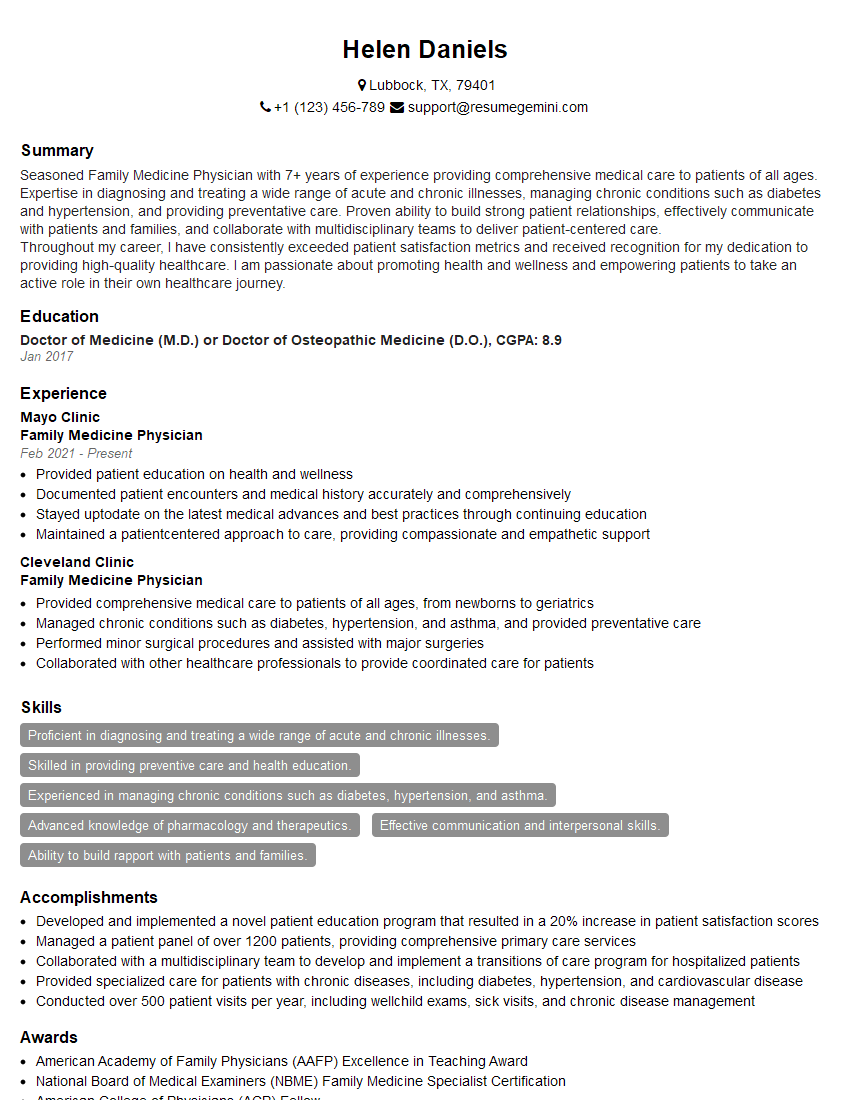
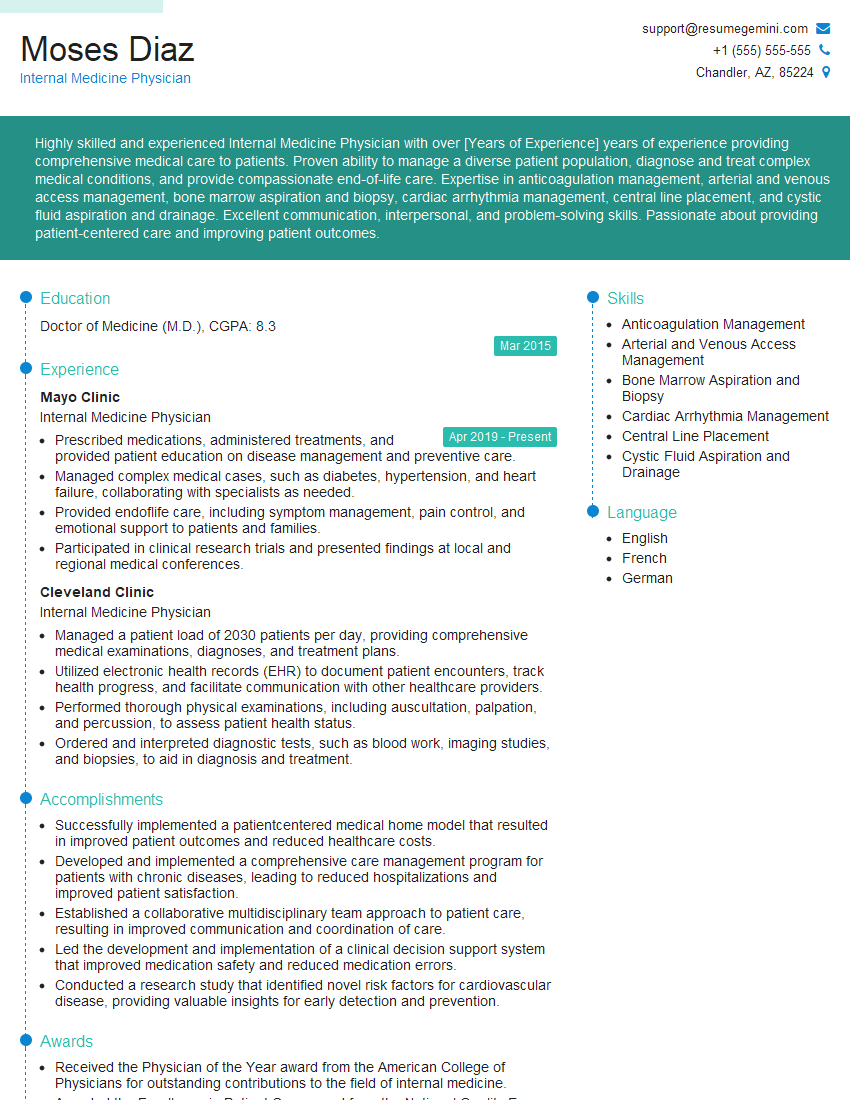
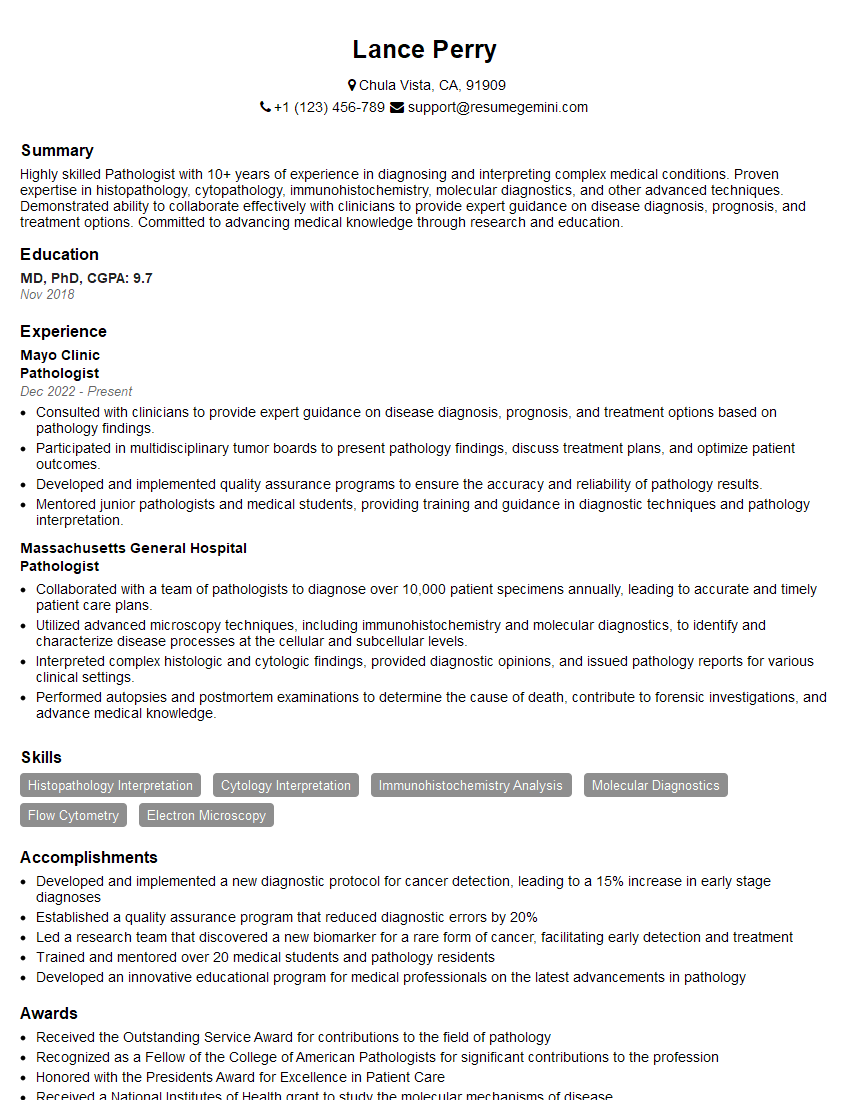
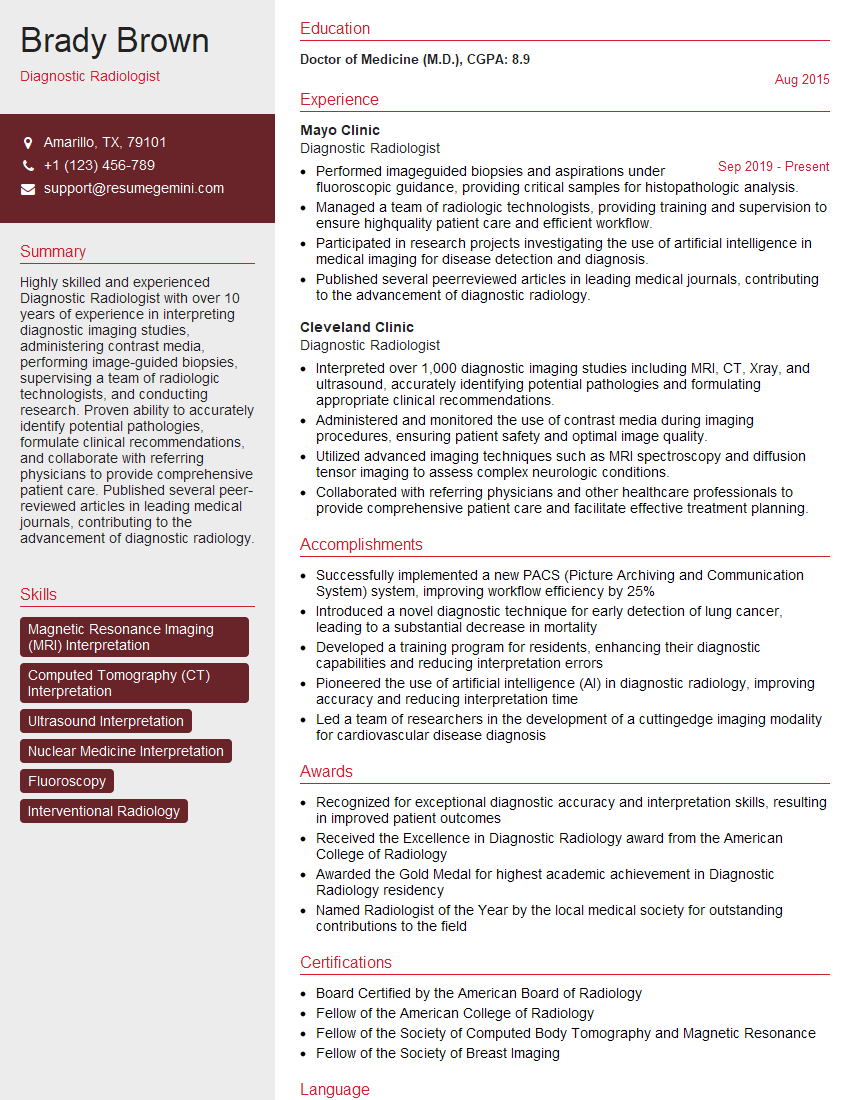
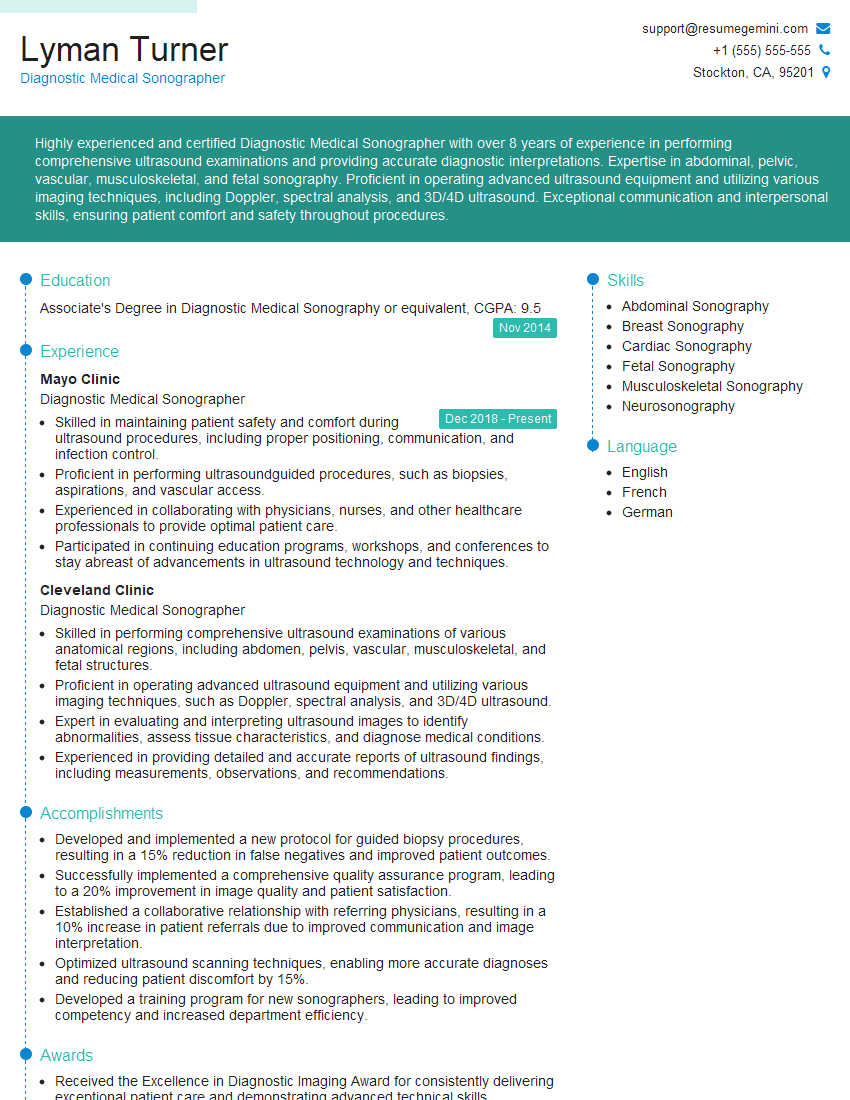
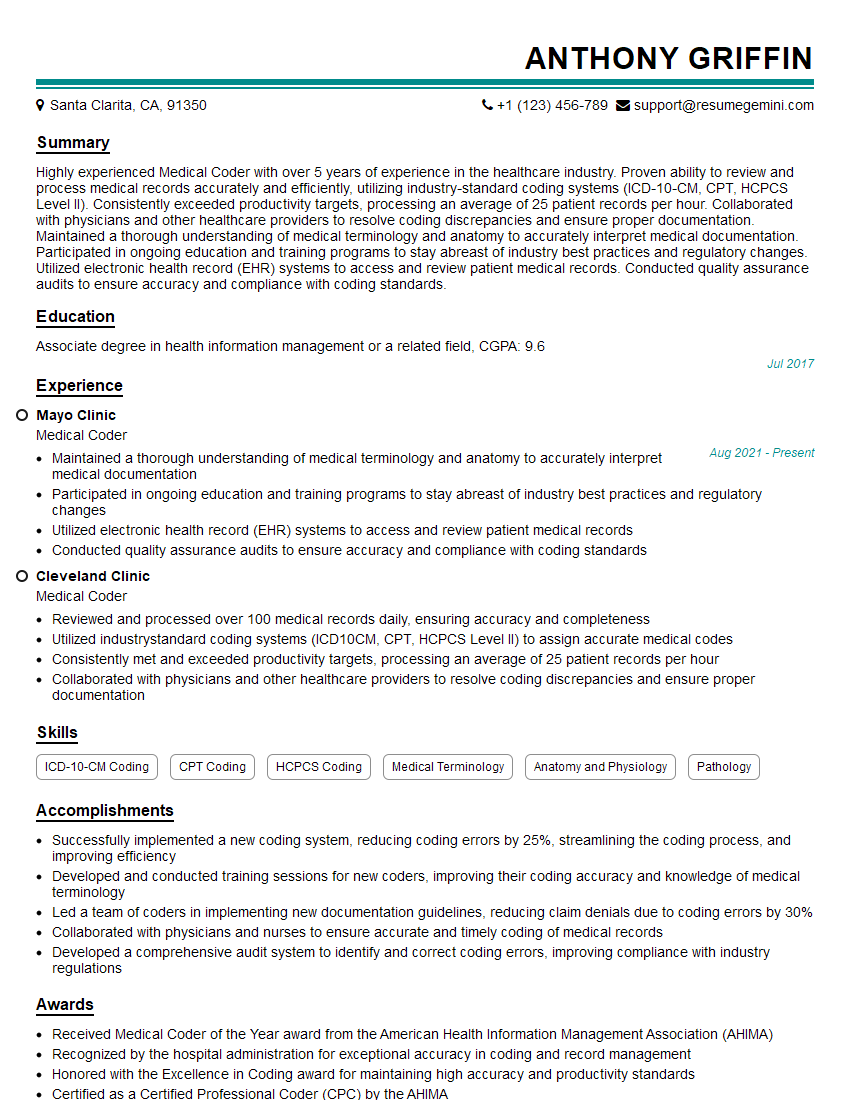
Mastering the art of diagnosis is paramount for career advancement in healthcare. A strong foundation in diagnostic reasoning and clinical skills will significantly enhance your professional prospects and open doors to exciting opportunities. To increase your chances of securing your dream role, it’s crucial to create an ATS-friendly resume that highlights your skills and experience effectively. ResumeGemini is a trusted resource that can help you build a professional and impactful resume. We provide examples of resumes tailored to Diagnosis to guide you, ensuring your qualifications shine through.
Explore more articles
Users Rating of Our Blogs
Share Your Experience
We value your feedback! Please rate our content and share your thoughts (optional).
What Readers Say About Our Blog
Really detailed insights and content, thank you for writing this detailed article.
IT gave me an insight and words to use and be able to think of examples