The thought of an interview can be nerve-wracking, but the right preparation can make all the difference. Explore this comprehensive guide to Disease Identification and Control interview questions and gain the confidence you need to showcase your abilities and secure the role.
Questions Asked in Disease Identification and Control Interview
Q 1. Explain the difference between incidence and prevalence of a disease.
Incidence and prevalence are two key measures used to describe the frequency of a disease within a population. Think of it like this: incidence is the rate of new cases appearing within a specific timeframe, while prevalence is the total number of existing cases at a particular point in time.
Incidence focuses on the new occurrences of a disease. For example, if 100 new cases of influenza are reported in a city of 1 million people during a particular week, the incidence rate would be calculated based on that specific week. It helps us understand how quickly a disease is spreading.
Prevalence, on the other hand, gives a snapshot of all cases – both old and new – present at a specific moment. If, at the end of that same week, the city has 500 total cases of influenza (including those from previous weeks and ongoing infections), that 500 represents the prevalence. It provides an understanding of the overall burden of the disease.
Understanding the difference is crucial for public health. A high incidence rate suggests a current outbreak demanding immediate attention, while high prevalence might indicate a chronic health problem requiring long-term management.
Q 2. Describe the steps involved in a disease outbreak investigation.
Investigating a disease outbreak involves a systematic approach. Imagine it like solving a detective mystery! We need to identify the culprit (the pathogen), the crime scene (the location and affected population), and the mode of transmission (how the disease spread).
- Verify the diagnosis: Confirm that the cases are actually what they seem. Laboratory testing is crucial here.
- Define and identify cases: Establish clear criteria for what constitutes a ‘case’ (e.g., symptoms, laboratory confirmation). This ensures consistency in data collection.
- Describe the cases: Collect detailed information on each case: demographics, symptoms, exposure history, etc. This data helps to identify patterns and potential risk factors.
- Perform descriptive epidemiology: Analyze the data to identify potential risk factors and patterns like time (when the cases occurred), place (where the cases occurred), and person (who is most likely to be affected) – the classic ‘time, place, and person’ analysis.
- Develop hypotheses: Based on descriptive epidemiology, formulate testable hypotheses about the source and mode of transmission.
- Evaluate hypotheses: Conduct further investigations like environmental testing or case-control studies to test the hypotheses.
- Recommend control measures: Based on the findings, implement control measures to prevent further spread (e.g., quarantine, vaccination).
- Communicate findings: Share the findings with relevant authorities and the public.
For example, during an outbreak of foodborne illness, the investigation will focus on identifying the contaminated food source through detailed case interviews and food history.
Q 3. What are the key components of a successful disease surveillance system?
A robust disease surveillance system is like a well-oiled machine constantly monitoring the health of a population. It needs several key components to function effectively.
- Data Collection: This involves establishing reliable and consistent methods for gathering data from various sources, such as hospitals, laboratories, and public health clinics.
- Data Analysis: Sophisticated tools and techniques are needed to analyze collected data, identify trends, and detect outbreaks early.
- Data Interpretation: Experts in epidemiology are crucial for interpreting data, understanding potential public health risks, and informing decisions on control measures.
- Data Dissemination: Effective communication channels must be in place to disseminate timely information to relevant stakeholders, including public health officials, healthcare providers, and the public.
- Feedback Loop: A system should allow for feedback and evaluation of its effectiveness to continuously improve its performance.
- Laboratory Capacity: Sufficient diagnostic testing capacity is crucial for early and accurate detection of diseases.
Imagine a system that only collects data but doesn’t analyze it – it’s useless. A successful system requires a continuous cycle of collection, analysis, interpretation, and dissemination.
Q 4. Explain different methods for disease identification in a laboratory setting.
Identifying diseases in a laboratory setting relies on a range of techniques depending on the suspected pathogen.
- Microscopy: Direct visualization of microorganisms using light microscopy or electron microscopy. This provides initial clues about the pathogen’s morphology.
- Culture: Growing microorganisms on specific media to identify their growth characteristics and biochemical properties. This is especially useful for bacteria and fungi.
- Biochemical Tests: Using various biochemical reactions to identify specific characteristics of microorganisms.
- Serological Tests: Detecting antibodies or antigens in patient samples using techniques such as ELISA (enzyme-linked immunosorbent assay) or immunofluorescence. This helps identify the presence of a particular infection.
- Molecular Diagnostics: This includes methods like PCR (Polymerase Chain Reaction) and DNA sequencing for precise identification of pathogens based on their genetic material.
For example, identifying a bacterial infection might involve culturing the bacteria on agar plates and performing biochemical tests to differentiate it from other bacteria.
Q 5. Discuss the role of PCR in disease diagnosis.
PCR (Polymerase Chain Reaction) is a powerful molecular technique used to amplify specific DNA or RNA sequences. Think of it as a molecular photocopying machine that makes millions of copies of a target genetic sequence from even a tiny amount of starting material.
In disease diagnosis, PCR is incredibly useful because it can detect the presence of pathogens even when they are present in very low numbers. This is particularly important for infections that are difficult to culture or when rapid diagnosis is crucial. By targeting specific gene sequences unique to a particular pathogen, PCR can accurately identify the infectious agent.
For instance, in COVID-19 diagnosis, PCR is used to detect the presence of the SARS-CoV-2 virus’s RNA in respiratory samples, providing a definitive diagnosis much faster than traditional culture methods.
Q 6. How do you interpret epidemiological data to identify disease trends?
Interpreting epidemiological data is like piecing together a puzzle. We look for patterns and trends to understand disease dynamics.
- Time Trends: Analyzing incidence and prevalence over time to identify seasonal patterns, outbreaks, or long-term changes in disease occurrence.
- Geographic Patterns: Mapping disease cases to identify clusters, hotspots, and areas with higher or lower risk.
- Demographic Patterns: Examining how disease affects different age groups, genders, ethnicities, or socioeconomic groups to identify populations at higher risk.
- Risk Factor Analysis: Identifying factors that increase the likelihood of developing a disease through statistical analyses such as regression.
For example, observing a sudden increase in influenza cases during a specific month suggests a seasonal pattern. Similarly, identifying a high concentration of cases in a particular neighborhood could indicate a localized outbreak and calls for targeted interventions.
Q 7. What are the different types of epidemiological studies?
Epidemiological studies employ different designs to investigate disease causes and patterns. Each design has its strengths and weaknesses.
- Descriptive Studies: These studies describe the distribution of disease in terms of time, place, and person. They often form the basis for hypothesis generation. Case reports and ecological studies are examples.
- Analytical Studies: These studies test specific hypotheses about disease causes. They include:
- Case-Control Studies: Compare individuals with the disease (cases) to those without the disease (controls) to identify risk factors.
- Cohort Studies: Follow a group of individuals over time to see who develops the disease and identify risk factors associated with disease development.
- Cross-sectional Studies: Examine the prevalence of disease and risk factors at a single point in time.
- Intervention Studies: These involve testing the effectiveness of interventions like vaccines or medications. Randomized controlled trials are the gold standard in intervention studies.
For example, a case-control study might compare individuals with lung cancer to those without lung cancer to identify risk factors like smoking. A cohort study might follow a group of smokers and non-smokers over time to observe lung cancer incidence.
Q 8. Describe the chain of infection and how to break it.
The chain of infection describes the six links necessary for an infectious disease to spread: infectious agent, reservoir, portal of exit, mode of transmission, portal of entry, and susceptible host. Think of it like a chain – break any one link, and the spread of infection stops.
- Infectious Agent: The germ (bacteria, virus, fungus, parasite) causing the disease.
- Reservoir: Where the infectious agent lives and multiplies (e.g., person, animal, environment).
- Portal of Exit: How the infectious agent leaves the reservoir (e.g., cough, feces, blood).
- Mode of Transmission: How the infectious agent travels from reservoir to host (e.g., direct contact, airborne, vector-borne).
- Portal of Entry: How the infectious agent enters a new host (e.g., mucous membranes, broken skin).
- Susceptible Host: An individual who is vulnerable to infection due to weakened immunity or other factors.
To break the chain, we target different links. For instance, handwashing breaks the transmission route, vaccination strengthens the host, and sanitation eliminates the reservoir. Proper isolation prevents portal of exit and entry.
Q 9. Explain the principles of infection control and prevention.
Infection control and prevention principles aim to reduce the risk of spreading infectious agents. Key principles include:
- Hygiene: Handwashing, disinfection, sterilization. This directly impacts multiple links in the chain of infection.
- Isolation and Precautions: Isolating infected individuals, using personal protective equipment (PPE) like gloves, masks, and gowns to prevent transmission.
- Environmental Control: Cleaning and disinfecting surfaces, proper waste disposal, managing ventilation to control airborne transmission.
- Immunization: Vaccinations provide immunity, strengthening the host’s resistance to infection.
- Surveillance and Monitoring: Tracking the spread of infections helps in early detection and prompt intervention.
- Education and Training: Educating healthcare workers and the public about infection prevention measures is crucial for effective control.
Imagine a hospital setting; rigorous adherence to these principles prevents outbreaks and ensures patient safety. For example, using sterile instruments during surgery prevents the introduction of infectious agents into the patient.
Q 10. What are standard precautions in healthcare settings?
Standard precautions in healthcare settings are a set of practices designed to prevent the transmission of infectious agents from all patients, regardless of their diagnosis. They are based on the assumption that every patient could potentially harbor an infectious agent. These precautions include:
- Hand hygiene: Washing hands with soap and water or using an alcohol-based hand rub before and after patient contact.
- Use of personal protective equipment (PPE): Gloves, gowns, masks, eye protection, as indicated by the situation.
- Safe injection practices: Using sterile needles and syringes, proper disposal of sharps.
- Respiratory hygiene/cough etiquette: Covering the mouth and nose when coughing or sneezing, proper disposal of tissues.
- Safe handling of patient care equipment and linen: Decontamination and appropriate disposal.
- Environmental cleaning and disinfection: Regular cleaning and disinfection of patient care areas.
Imagine a nurse caring for multiple patients; these precautions protect both the patients and healthcare workers from potential infections. For example, wearing gloves when handling blood prevents direct contact transmission.
Q 11. How do you assess the risk of disease transmission in a community?
Assessing community disease transmission risk involves a multi-faceted approach. We consider:
- Disease Surveillance Data: Monitoring the incidence and prevalence of infectious diseases through reporting systems and laboratory testing. Are there clusters of cases appearing?
- Demographic Factors: Age, population density, socioeconomic status, influencing vulnerability to infection and access to healthcare.
- Environmental Factors: Water quality, sanitation, climate conditions, presence of vectors (e.g., mosquitoes) can create environments favourable to infection.
- Healthcare Access and Capacity: The availability of healthcare services and resources to detect, manage and prevent outbreaks influences risk. A lack of testing and treatment exacerbates risks.
- Travel and Immigration Patterns: International travel and immigration can introduce new infections or increase the spread of existing ones.
For example, during a heatwave, a region with poor sanitation might see an increased risk of waterborne diseases due to compromised water sources. Regular surveillance helps to identify and address these risks.
Q 12. Describe different methods of disease control and prevention (e.g., vaccination, sanitation).
Disease control and prevention methods are diverse and often work in combination:
- Vaccination: Immunization creates immunity against specific diseases, protecting individuals and populations. The polio vaccine is a remarkable example of disease eradication through vaccination.
- Sanitation: Improving sanitation (clean water, safe waste disposal) eliminates reservoirs of infection and reduces transmission. Access to clean water is crucial for many developing regions.
- Vector Control: Controlling vectors (e.g., insects) that transmit diseases (e.g., malaria, dengue fever) through measures like insecticide spraying and habitat modification.
- Case Management and Treatment: Early detection, diagnosis, and treatment of cases to prevent further transmission. Antibiotics are crucial in battling bacterial infections.
- Health Education and Promotion: Raising public awareness about infection prevention and control behaviors promotes individual responsibility in disease control.
- Quarantine and Isolation: Separating infected individuals to prevent further spread. This was instrumental in containing the spread of diseases in the past.
A successful strategy combines several methods – for instance, controlling a waterborne disease might involve improving water sanitation, treating infected individuals, and educating the public about safe water practices.
Q 13. What are the challenges in controlling emerging infectious diseases?
Controlling emerging infectious diseases presents significant challenges:
- Rapid Spread: Globalization and increased travel facilitate the rapid spread of infections across borders.
- Lack of Knowledge: Often, we have limited understanding of a novel disease’s transmission dynamics, pathogenesis, and treatment. The COVID-19 pandemic highlighted this challenge.
- Antimicrobial Resistance: The overuse of antibiotics and antivirals is driving the emergence of drug-resistant pathogens, making treatment more difficult.
- Resource Constraints: Many countries lack the resources needed for effective surveillance, prevention, and control measures.
- Climate Change: Shifting climate patterns can expand the range of disease vectors and alter the incidence of infectious diseases.
- Misinformation and Vaccine Hesitancy: Spread of misinformation hinders public health efforts, as seen with vaccine hesitancy.
The Ebola outbreak in West Africa highlighted the challenges of controlling an emerging disease in resource-limited settings with limited understanding of the virus. Effective global collaboration and preparedness are crucial.
Q 14. Explain the concept of herd immunity.
Herd immunity is a form of indirect protection from infectious diseases. It occurs when a large portion of a population becomes immune to an infectious agent, making the spread of the disease less likely, even among those who are not immune. This protects vulnerable individuals who cannot be vaccinated or who have weakened immune systems.
Imagine a population where a significant percentage (often 70-90%, depending on the disease) is vaccinated against measles. Even if a few unvaccinated individuals are exposed to the virus, the likelihood of a large outbreak is significantly reduced because most people around them are immune. This concept is crucial for protecting vulnerable populations and preventing widespread outbreaks.
Q 15. How do you evaluate the effectiveness of a disease control program?
Evaluating the effectiveness of a disease control program requires a multifaceted approach, going beyond simply looking at the number of cases. We need to assess the program’s impact across various parameters.
- Reduction in Incidence and Prevalence: The most fundamental measure is a demonstrable decrease in the number of new cases (incidence) and the total number of existing cases (prevalence) of the target disease. This is often presented as a percentage reduction compared to pre-intervention levels.
- Mortality Rate Changes: A successful program should lower the death rate associated with the disease. We’d analyze mortality rates before and after the program’s implementation.
- Disease Burden Assessment: This looks at the overall impact of the disease, including years of life lost, disability-adjusted life years (DALYs), and healthcare costs. A reduction in these metrics suggests effectiveness.
- Program Coverage and Reach: How many individuals were reached by the intervention? Was the target population adequately covered? High coverage often correlates with better outcomes, but other factors also play a role.
- Qualitative Data: We also consider qualitative data, including community perceptions, program acceptability, and adherence to preventative measures. Feedback from those participating helps identify strengths and weaknesses.
- Cost-Effectiveness Analysis: Finally, a successful program should demonstrate cost-effectiveness—achieving significant improvements at a reasonable cost. This often involves comparing the cost per case averted or life saved.
Example: A measles vaccination campaign might be deemed effective if it demonstrates a significant reduction in measles incidence and mortality rates, along with high vaccination coverage within the target population. Qualitative data showing community support for the vaccination program would further reinforce its effectiveness.
Career Expert Tips:
- Ace those interviews! Prepare effectively by reviewing the Top 50 Most Common Interview Questions on ResumeGemini.
- Navigate your job search with confidence! Explore a wide range of Career Tips on ResumeGemini. Learn about common challenges and recommendations to overcome them.
- Craft the perfect resume! Master the Art of Resume Writing with ResumeGemini’s guide. Showcase your unique qualifications and achievements effectively.
- Don’t miss out on holiday savings! Build your dream resume with ResumeGemini’s ATS optimized templates.
Q 16. Discuss the ethical considerations in disease surveillance and control.
Ethical considerations in disease surveillance and control are paramount. Respect for individual rights and the community’s well-being must guide all activities.
- Informed Consent: Individuals should be fully informed about the purpose of surveillance activities and how their data will be used, before participating. This applies particularly to any testing or data collection that involves personal information.
- Privacy and Confidentiality: Strict protocols must be in place to protect the privacy and confidentiality of personal health information. Data should be anonymized or de-identified whenever possible.
- Equity and Justice: Surveillance and control efforts must be equitable, ensuring that all populations have access to necessary services, regardless of socioeconomic status, race, ethnicity, or geographic location. Disparities in access should be addressed proactively.
- Transparency and Accountability: The process of surveillance and control must be transparent, and public health officials should be accountable for their actions. Open communication builds trust and fosters cooperation.
- Balancing Individual Liberties with Public Health Needs: There’s often a tension between protecting individual liberties and safeguarding public health. For example, mandatory quarantine may infringe on individual freedom, but it may be necessary to prevent a wider outbreak. This requires careful consideration and justification.
- Resource Allocation: Ethical dilemmas also arise in resource allocation. Decisions about how to allocate limited resources, such as vaccines or treatments, should be made in a fair and transparent manner, prioritizing those most in need.
Example: During a pandemic, mandatory testing or contact tracing may raise concerns about privacy. It’s crucial to balance the need to contain the outbreak with respecting individual rights. Clear communication about the rationale behind these measures and robust data protection mechanisms are essential.
Q 17. How do you communicate public health information effectively during a disease outbreak?
Effective communication during a disease outbreak is crucial for controlling its spread and minimizing its impact. It requires a multi-pronged strategy targeting various audiences.
- Clear, Concise Messaging: Avoid jargon and use simple, easily understandable language. Information should be factual, accurate, and consistent across all communication channels.
- Multiple Channels: Utilize various communication channels to reach a wider audience, including traditional media (TV, radio, newspapers), social media, websites, public health alerts, community meetings, and potentially even text messages or mobile apps.
- Targeted Messaging: Tailor the message to different audiences. For example, information for healthcare workers will differ from that for the general public.
- Regular Updates: Provide frequent and timely updates to keep the public informed about the evolving situation. This helps maintain trust and avoid misinformation.
- Risk Communication: Clearly communicate the risks associated with the disease without causing unnecessary fear or panic. Focus on empowering people to take protective measures.
- Addressing Misinformation: Proactively address rumors and misinformation. Fact-checking and debunking inaccurate information are critical.
- Collaboration: Collaborate with trusted community leaders, organizations, and healthcare professionals to ensure that information reaches all segments of the population.
Example: During the COVID-19 pandemic, effective communication involved daily press briefings, public health websites with FAQs, social media campaigns promoting hand hygiene, and targeted messaging for vulnerable populations.
Q 18. What is the role of data analytics in disease control?
Data analytics plays a vital role in modern disease control, enabling us to monitor, understand, and respond to outbreaks more effectively.
- Surveillance Data Analysis: Analyzing data from various sources (e.g., laboratory reports, hospital admissions, mortality records) helps identify disease trends, outbreaks, and risk factors. This can involve sophisticated statistical modeling and machine learning techniques.
- Predictive Modeling: Data analytics allows us to build predictive models that forecast the potential spread of diseases, helping us allocate resources and implement interventions proactively.
- Outbreak Investigation: By analyzing epidemiological data, we can identify the source of an outbreak, trace its spread, and determine the most effective control measures.
- Risk Factor Identification: Data analysis helps identify factors that increase the risk of contracting or transmitting diseases, guiding public health interventions.
- Program Evaluation: Data analytics is essential for evaluating the effectiveness of disease control programs, assessing their impact, and identifying areas for improvement.
- Resource Allocation: Data-driven insights inform decisions about resource allocation, ensuring that resources are targeted to areas and populations most at risk.
Example: Real-time surveillance data, combined with geographic information systems (GIS), can pinpoint clusters of disease cases, allowing public health officials to quickly implement targeted interventions such as contact tracing or enhanced sanitation measures.
Q 19. Explain the importance of antimicrobial stewardship.
Antimicrobial stewardship (AMS) is a coordinated program that promotes the appropriate use of antimicrobial drugs (antibiotics, antifungals, antivirals) to prevent the emergence and spread of antimicrobial resistance (AMR). AMR is a serious global health threat, rendering previously effective treatments useless.
- Optimizing Treatment: AMS programs aim to optimize the use of antimicrobials, ensuring that they are used only when necessary, at the correct dose, for the appropriate duration, and against the right pathogen. This minimizes unnecessary exposure and reduces the risk of resistance development.
- Infection Prevention and Control: AMS also emphasizes infection prevention and control measures, reducing the overall need for antimicrobials. This involves strategies like hand hygiene, appropriate sterilization techniques, and vaccination.
- Education and Training: A core element of AMS is education and training for healthcare professionals on the appropriate use of antimicrobials, including guidelines and best practices.
- Surveillance and Monitoring: Tracking antimicrobial use and resistance patterns is crucial. This data informs decision-making and allows for timely adjustments to protocols.
- Policy and Guidelines: Development and implementation of evidence-based guidelines and policies are important to ensure consistent and appropriate antimicrobial use.
Example: An AMS program in a hospital might involve establishing a formulary restricting the use of broad-spectrum antibiotics, implementing infection control protocols, and providing educational materials to staff on appropriate antibiotic prescribing.
Q 20. Describe different types of diagnostic tests used for disease identification.
Disease identification relies on a range of diagnostic tests, each with its strengths and limitations.
- Microscopy: Microscopy allows visualization of microorganisms (bacteria, parasites, fungi) directly from clinical specimens. This is a relatively quick and inexpensive technique, but may not be sensitive for all pathogens.
- Culture: Growing microorganisms in the lab allows for identification and testing of antimicrobial susceptibility. This is a gold standard for many infections but can be time-consuming.
- Molecular Diagnostics: Techniques such as polymerase chain reaction (PCR) detect the genetic material of pathogens, offering high sensitivity and specificity even for low-abundance organisms. Examples include RT-PCR for viral detection.
- Serology: Serological tests detect antibodies or antigens related to the pathogen in a patient’s blood. These tests are useful in identifying past exposure or active infection, depending on the antibody type detected.
- Immunodiagnostics: Rapid diagnostic tests (RDTs), such as lateral flow immunoassays, are widely used for point-of-care diagnosis of various diseases. They are quick and easy to use, but sensitivity and specificity may vary.
- Biopsy and Histopathology: In some cases, a tissue sample (biopsy) is examined microscopically to detect abnormal cells or pathogens. This is often used in cancer diagnosis and some infectious diseases.
Example: A suspected case of tuberculosis might be diagnosed using microscopy, culture, and/or PCR to detect Mycobacterium tuberculosis. Serological tests might be used to confirm past exposure to other infections like measles.
Q 21. How do you interpret sensitivity and specificity of a diagnostic test?
Sensitivity and specificity are crucial measures of a diagnostic test’s accuracy. They are expressed as percentages or proportions.
- Sensitivity: The ability of a test to correctly identify individuals who *have* the disease. A high sensitivity means few false negatives (people with the disease who test negative). It’s calculated as:
Sensitivity = True Positives / (True Positives + False Negatives) - Specificity: The ability of a test to correctly identify individuals who *do not* have the disease. High specificity means few false positives (people without the disease who test positive). It’s calculated as:
Specificity = True Negatives / (True Negatives + False Positives)
Interpreting the results: A test with high sensitivity is preferred when early detection and treatment are critical, even if it might lead to a few false positives. For example, a highly sensitive test for a deadly disease ensures that most infected individuals are identified, even if some healthy individuals receive further testing. Conversely, a test with high specificity is important when avoiding unnecessary treatment and avoiding the emotional stress associated with a false positive is paramount, even if a small proportion of cases are missed.
Example: A diagnostic test with 95% sensitivity and 90% specificity means that 95% of individuals with the disease will test positive, and 90% of individuals without the disease will test negative. The remaining 5% are false negatives, and 10% are false positives.
Q 22. What are the limitations of different diagnostic methods?
Different diagnostic methods for diseases each have their strengths and weaknesses. Accuracy, sensitivity, and specificity vary depending on the technology and the disease itself. For instance:
- Microscopy: While relatively inexpensive and quick for identifying some parasites or bacteria, microscopy’s accuracy depends heavily on the skill of the microscopist and might miss low-level infections.
- Serology (Antibody Tests): These tests detect antibodies, indicating past infection, but may not detect acute infections early on. False positives and negatives are possible depending on the test’s quality and the individual’s immune response.
- PCR (Polymerase Chain Reaction): This molecular technique is highly sensitive, detecting even small amounts of viral or bacterial DNA/RNA. However, it can be expensive, requires specialized equipment, and is susceptible to contamination leading to false positives.
- Rapid Diagnostic Tests (RDTs): These offer rapid results, crucial for immediate management, but may have lower sensitivity and specificity compared to lab-based tests. For example, early COVID-19 RDTs showed variability in accuracy.
- Imaging Techniques (X-ray, CT, MRI): Useful for visualizing disease manifestations, these methods are not directly diagnostic of the causative agent but help identify organ damage or lesions characteristic of certain diseases. They are often expensive and may require specialized expertise to interpret.
Choosing the right diagnostic method requires careful consideration of factors like cost, availability, turnaround time, sensitivity, specificity, and the suspected disease.
Q 23. Describe different methods for epidemiological modeling.
Epidemiological modeling employs mathematical and statistical techniques to understand and predict disease spread. Several methods exist:
- Compartmental Models (SIR, SEIR): These models divide the population into compartments (Susceptible, Infected, Recovered, Exposed) and use differential equations to describe the flow between them. The classic SIR model is simple, but variations like SEIR incorporate incubation periods, providing more realistic representations.
- Agent-Based Models (ABMs): ABMs simulate individual interactions within a population, considering factors like individual behavior, contact networks, and environmental influences. They are computationally intensive but offer detailed insights into disease spread under various scenarios.
- Network Models: These models focus on the structure of social or physical contact networks and how disease transmission occurs along those links. Understanding network properties helps predict outbreaks and inform interventions targeting high-connectivity individuals.
- Stochastic Models: Unlike deterministic models, stochastic models incorporate randomness, reflecting the inherent variability in disease transmission. This is particularly useful when dealing with small populations or rare events.
- Metapopulation Models: These models consider disease spread across multiple interconnected populations (e.g., different cities or regions). They are useful in understanding spatial patterns of outbreaks.
The choice of modeling method depends on the research question, data availability, and computational resources. Often, a combination of approaches provides the most comprehensive understanding.
Q 24. How do you use statistical software for disease data analysis?
Statistical software plays a vital role in analyzing disease data. Packages like R and SAS offer a wide range of tools for:
- Descriptive Statistics: Calculating summary statistics (means, medians, standard deviations) to describe disease prevalence, incidence, and mortality rates.
- Regression Analysis: Identifying risk factors associated with disease development, using techniques such as logistic regression (for binary outcomes) or linear regression (for continuous outcomes). For example,
lm(disease ~ age + sex + smoking, data = mydata)in R would model disease risk as a function of age, sex, and smoking status. - Survival Analysis: Analyzing time-to-event data, such as time until death or disease progression.
survfit()andcoxph()functions in R are commonly used. - Spatial Analysis: Mapping disease occurrences and identifying spatial clusters or patterns, using tools like GIS software integrated with statistical packages.
- Time Series Analysis: Analyzing disease trends over time to identify seasonal patterns or the impact of interventions.
arima()in R can model autoregressive integrated moving average (ARIMA) models for time series data.
Data cleaning, visualization, and hypothesis testing are all performed using these software packages. The choice of statistical methods depends on the research question and the nature of the data. Thorough understanding of statistical principles is critical to avoid misinterpretations.
Q 25. Explain the concept of R0 (basic reproduction number).
R0 (basic reproduction number) is a crucial epidemiological parameter representing the average number of secondary infections caused by a single infectious individual in a completely susceptible population. Imagine a person with the flu coughs on several people; if only one of them gets sick, R0 is less than one. If that person infects more people, R0 increases.
An R0 < 1 indicates that the disease will likely die out. An R0 > 1 implies an epidemic, with the magnitude depending on the value of R0. Factors influencing R0 include the infectious period, transmission rate, and contact patterns. It is a useful metric for comparing the transmissibility of different infectious diseases and for evaluating the effectiveness of interventions designed to reduce transmission.
Q 26. How does climate change impact disease transmission?
Climate change significantly impacts disease transmission through various mechanisms:
- Vector-Borne Diseases: Changes in temperature and rainfall patterns can affect the distribution and abundance of disease vectors like mosquitoes and ticks. Warmer temperatures can expand the geographic range of vectors, increasing the incidence of diseases like malaria, dengue fever, and Lyme disease.
- Waterborne Diseases: Extreme weather events like floods and droughts can contaminate water sources, leading to outbreaks of waterborne diseases such as cholera and typhoid fever.
- Foodborne Diseases: Changes in temperature and humidity can alter the growth and survival of foodborne pathogens, increasing the risk of foodborne illnesses.
- Respiratory Diseases: While less direct, climate change can impact air quality, potentially exacerbating respiratory conditions like asthma.
Predicting and mitigating the health risks associated with climate change requires incorporating climate data into epidemiological models and developing climate-resilient public health strategies.
Q 27. What are the key factors influencing vaccine hesitancy?
Vaccine hesitancy, the reluctance or refusal to vaccinate despite the availability of vaccines, is influenced by complex and interacting factors:
- Misinformation and Distrust: Spreading of false information about vaccine safety and efficacy via social media and other channels erodes public trust.
- Safety Concerns: Perceived or real risks associated with vaccines, including rare side effects, contribute to hesitancy.
- Religious or Philosophical Beliefs: Some individuals oppose vaccination based on deeply held beliefs.
- Lack of Access: Limited access to vaccines, particularly in underserved communities, can hinder vaccination rates.
- Complacency: Perceived low risk of infection due to low disease prevalence can lead to complacency.
- Conflicting Information: Differing opinions among healthcare providers or conflicting messages from authorities can confuse the public.
Addressing vaccine hesitancy requires multi-pronged strategies, including transparent communication, community engagement, targeted education campaigns, and improving access to vaccination services.
Q 28. Discuss the role of international collaboration in disease control.
International collaboration is crucial for effective disease control, especially in the face of global pandemics and emerging infectious diseases.
- Surveillance and Early Warning Systems: Sharing epidemiological data across borders allows for early detection and rapid response to outbreaks.
- Research and Development: International collaborations foster research into new diagnostic tools, vaccines, and therapeutics.
- Resource Sharing: Countries can pool resources to support disease control efforts, especially in resource-limited settings.
- Capacity Building: Sharing expertise and training healthcare professionals in developing countries strengthens their capacity to manage disease outbreaks.
- Policy Coordination: International organizations play a vital role in coordinating policies and guidelines related to disease control and prevention.
The COVID-19 pandemic highlighted both the necessity and the challenges of effective international collaboration in disease control. Strengthening global partnerships and investing in global health security are paramount for preventing future outbreaks.
Key Topics to Learn for Disease Identification and Control Interview
- Disease Surveillance and Outbreak Investigation: Understanding epidemiological principles, data analysis techniques for identifying disease outbreaks, and methods for contact tracing and containment.
- Infectious Disease Epidemiology: Applying epidemiological models to understand disease transmission dynamics, risk factors, and the effectiveness of prevention and control strategies. Practical application includes analyzing disease maps and interpreting epidemiological data to inform public health interventions.
- Diagnostic Microbiology and Molecular Diagnostics: Knowledge of laboratory techniques used for pathogen identification, including microscopy, culture methods, and molecular assays (PCR, sequencing). Understanding the limitations and strengths of each method is crucial.
- Public Health Policy and Program Implementation: Familiarity with the development and implementation of disease control programs, including vaccination campaigns, health education initiatives, and resource allocation strategies.
- Data Analysis and Interpretation: Proficiency in using statistical software and methods for analyzing epidemiological data, interpreting results, and communicating findings effectively to both technical and non-technical audiences.
- Vector-borne Diseases: Understanding the transmission dynamics of diseases spread through vectors (mosquitoes, ticks, etc.), including control measures and preventative strategies.
- Antimicrobial Resistance: Knowledge of the mechanisms of antimicrobial resistance, its public health implications, and strategies for combating it.
- Disease Modeling and Prediction: Applying mathematical models to predict disease outbreaks and assess the impact of interventions.
- Ethical Considerations in Disease Control: Understanding the ethical implications of disease control measures, such as quarantine, vaccination mandates, and data privacy.
Next Steps
Mastering Disease Identification and Control is paramount for a successful and impactful career in public health. Your expertise in this field will allow you to contribute significantly to protecting communities and improving global health outcomes. To maximize your job prospects, crafting a strong, ATS-friendly resume is crucial. ResumeGemini is a trusted resource that can help you build a professional and compelling resume that showcases your skills and experience effectively. We provide examples of resumes tailored specifically to Disease Identification and Control to help guide your process.
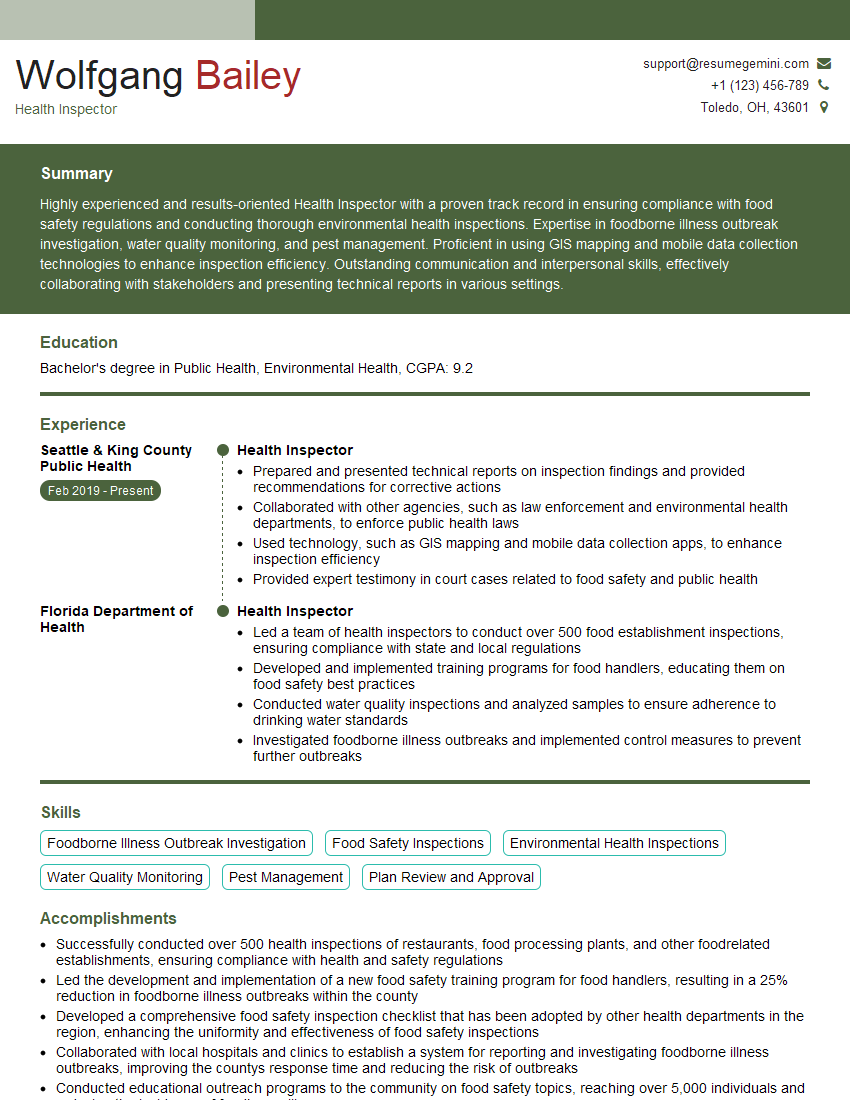
Health Inspector Resume Sample
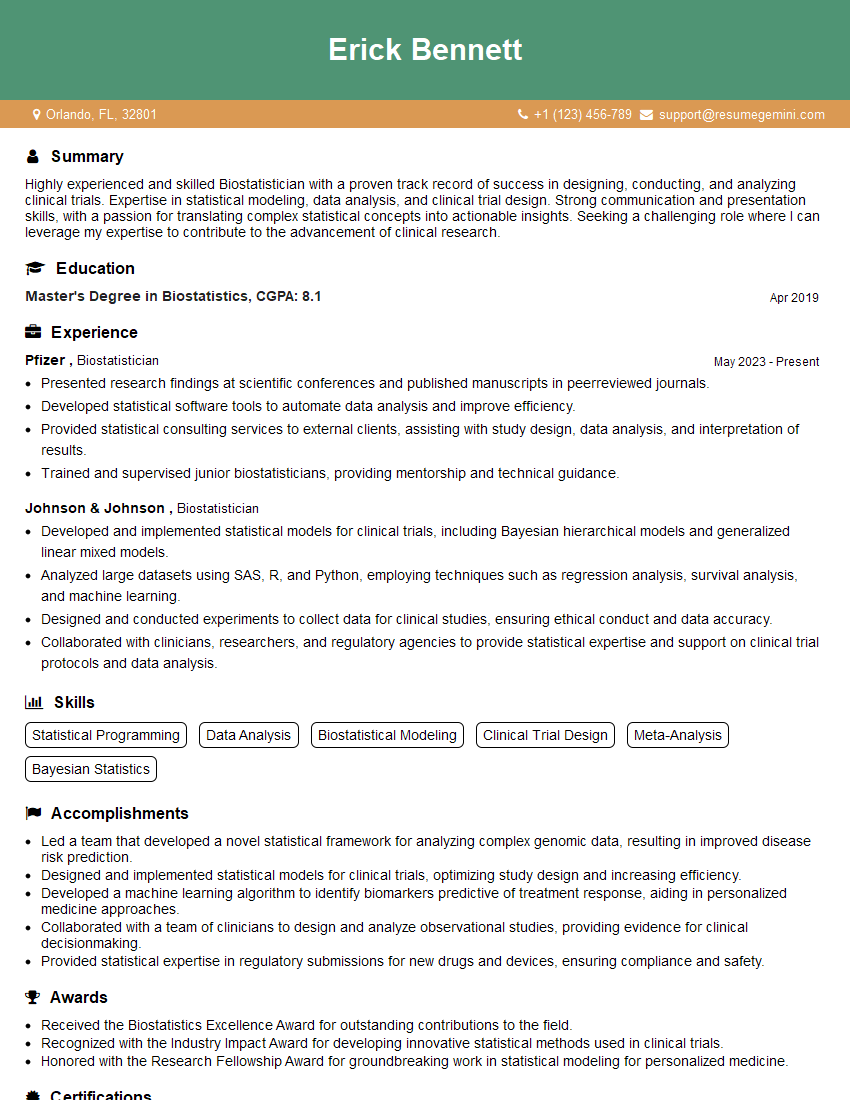
Biostatistician Resume Sample
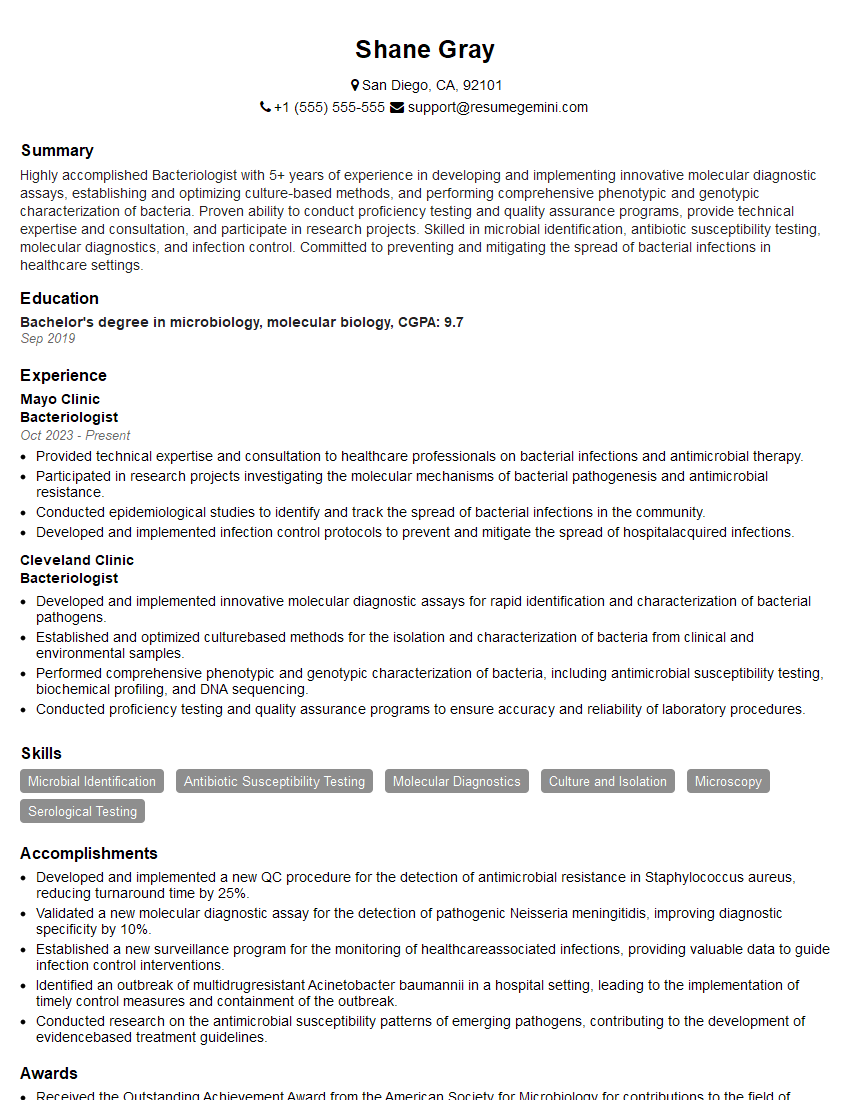
Bacteriologist Resume Sample
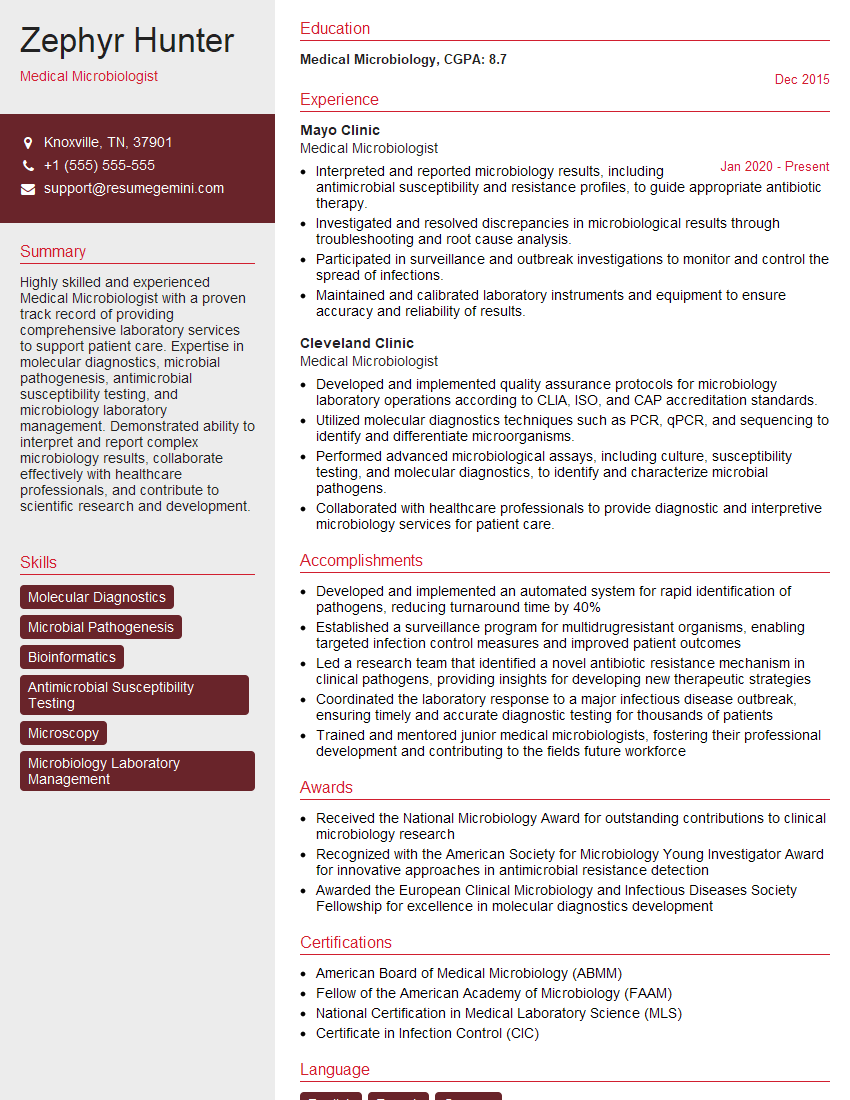
Medical Microbiologist Resume Sample
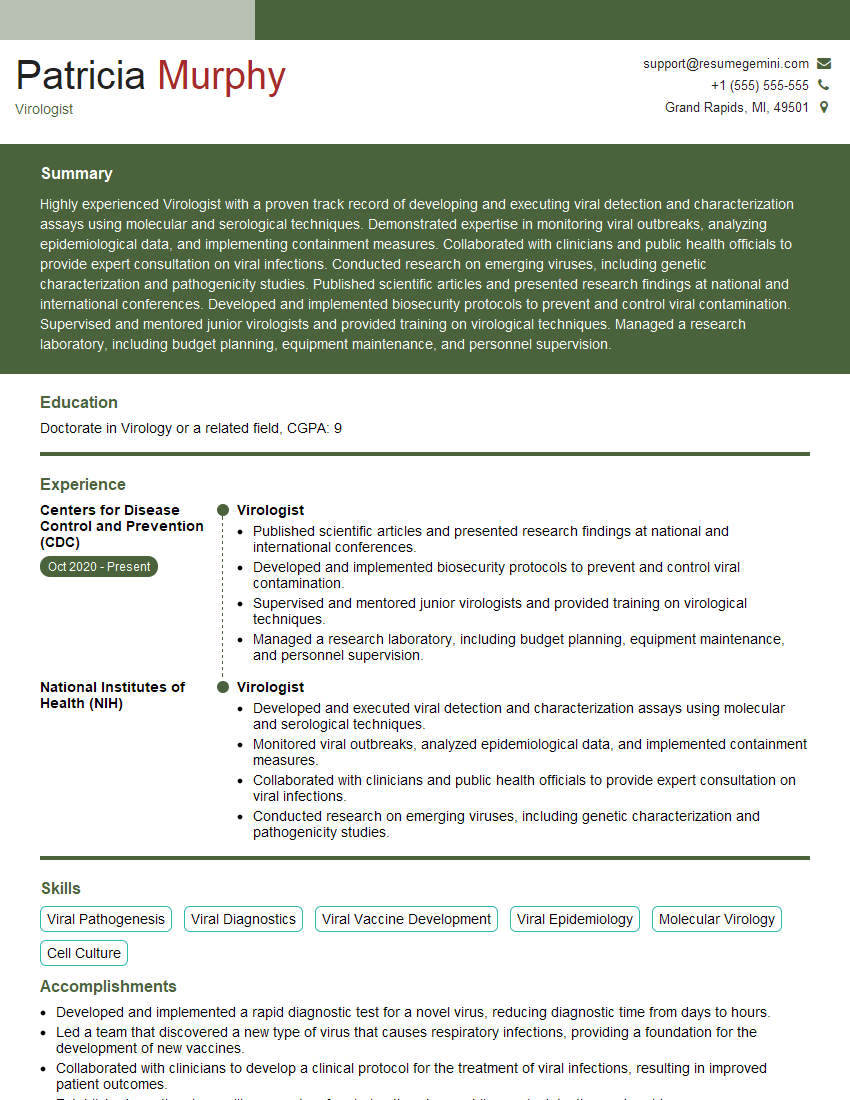
Virologist Resume Sample
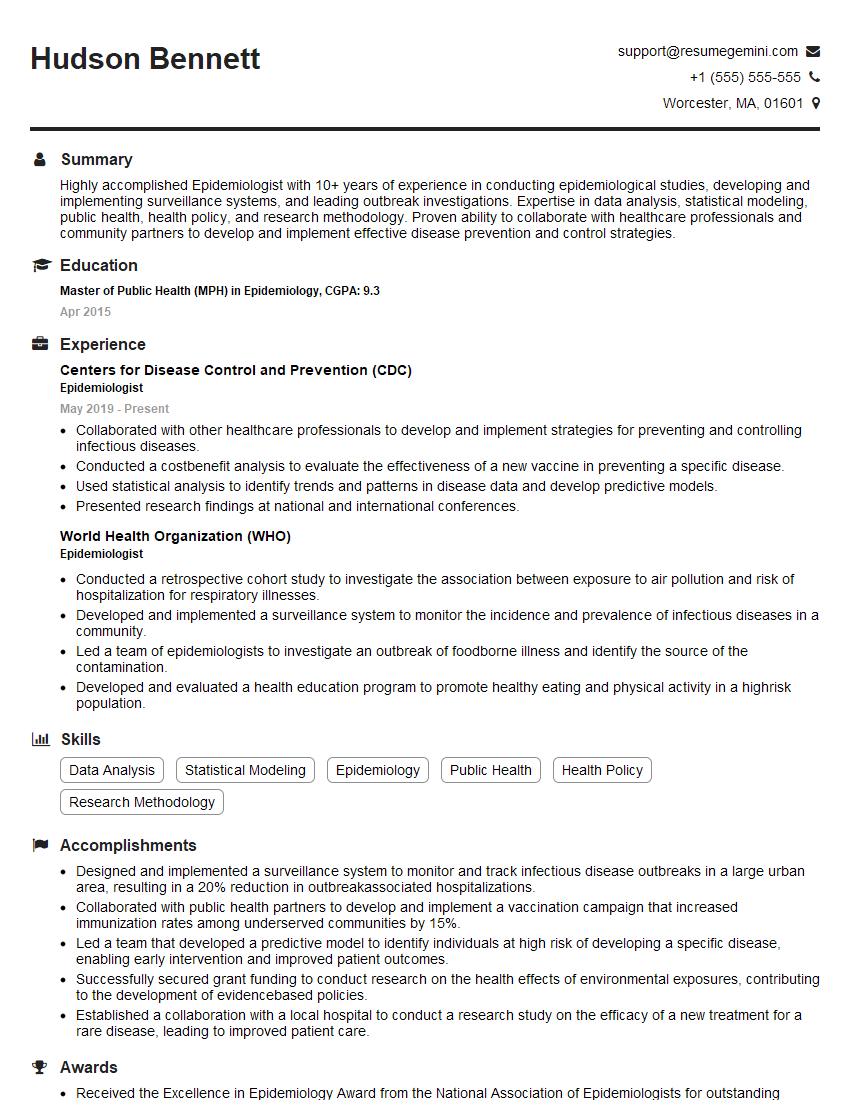
Epidemiologist Resume Sample
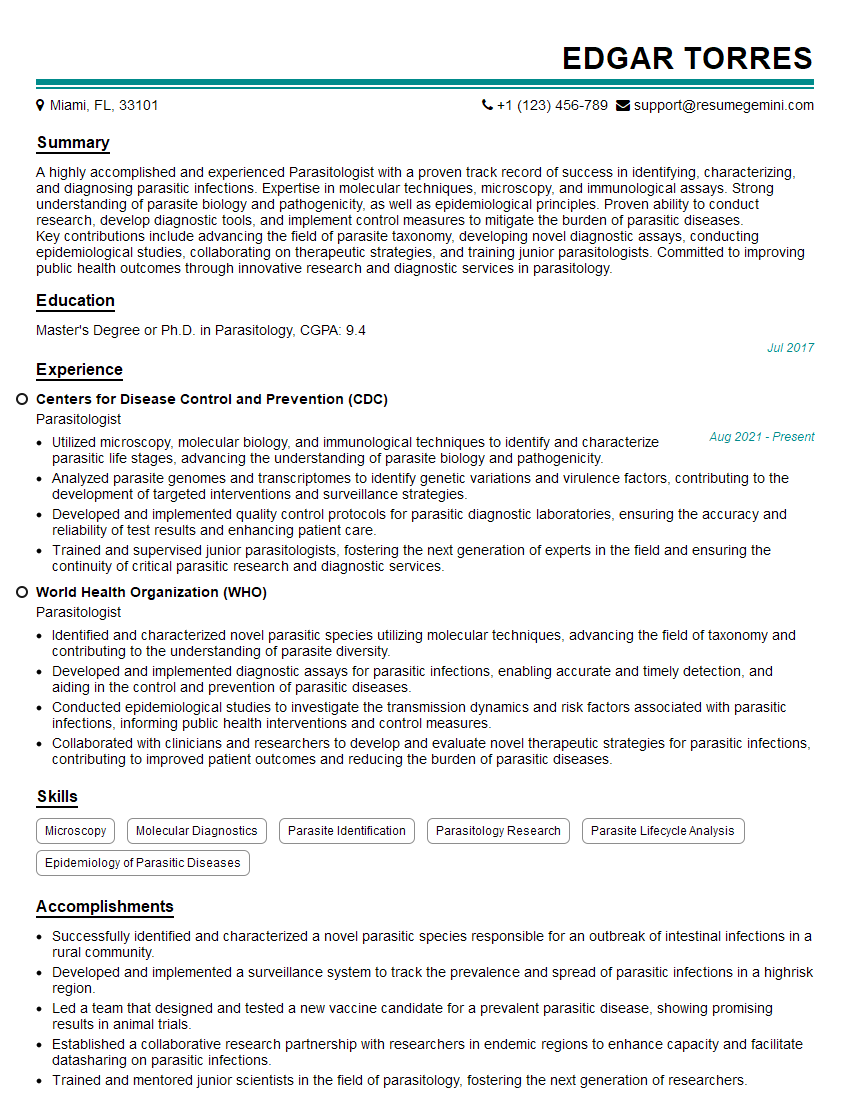
Parasitologist Resume Sample
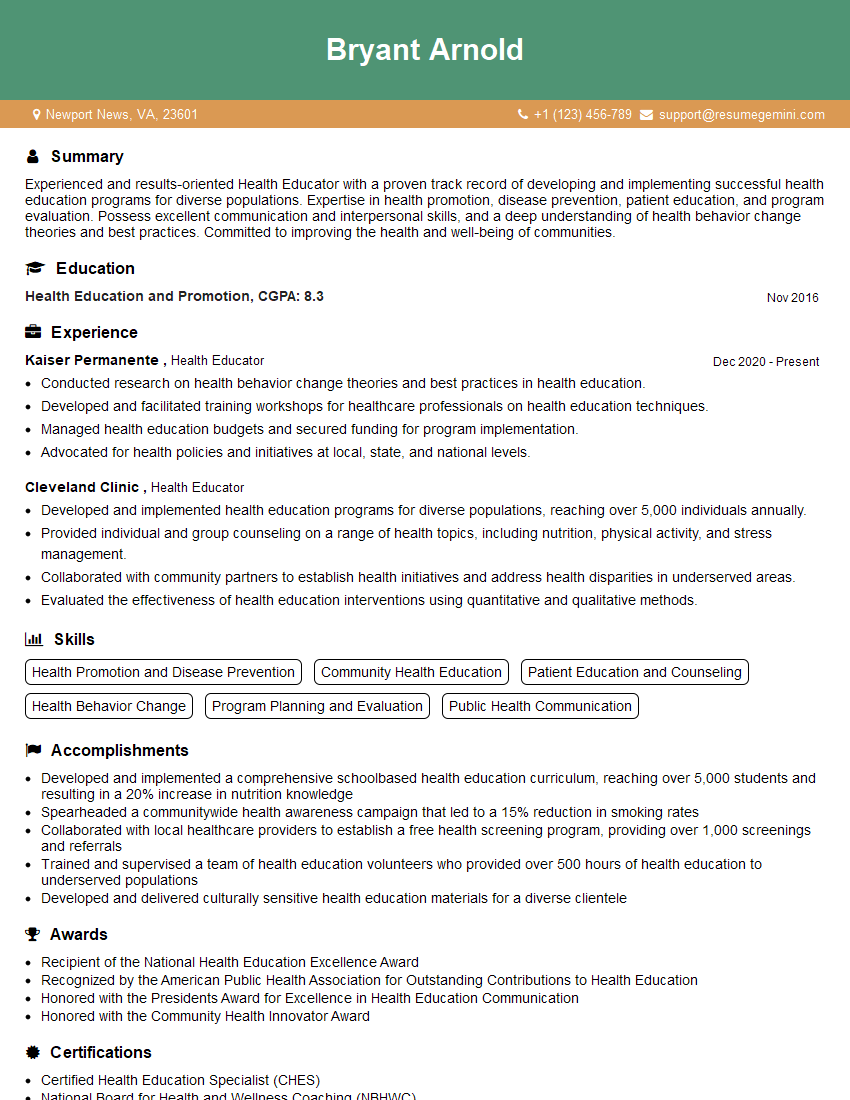
Health Educator Resume Sample
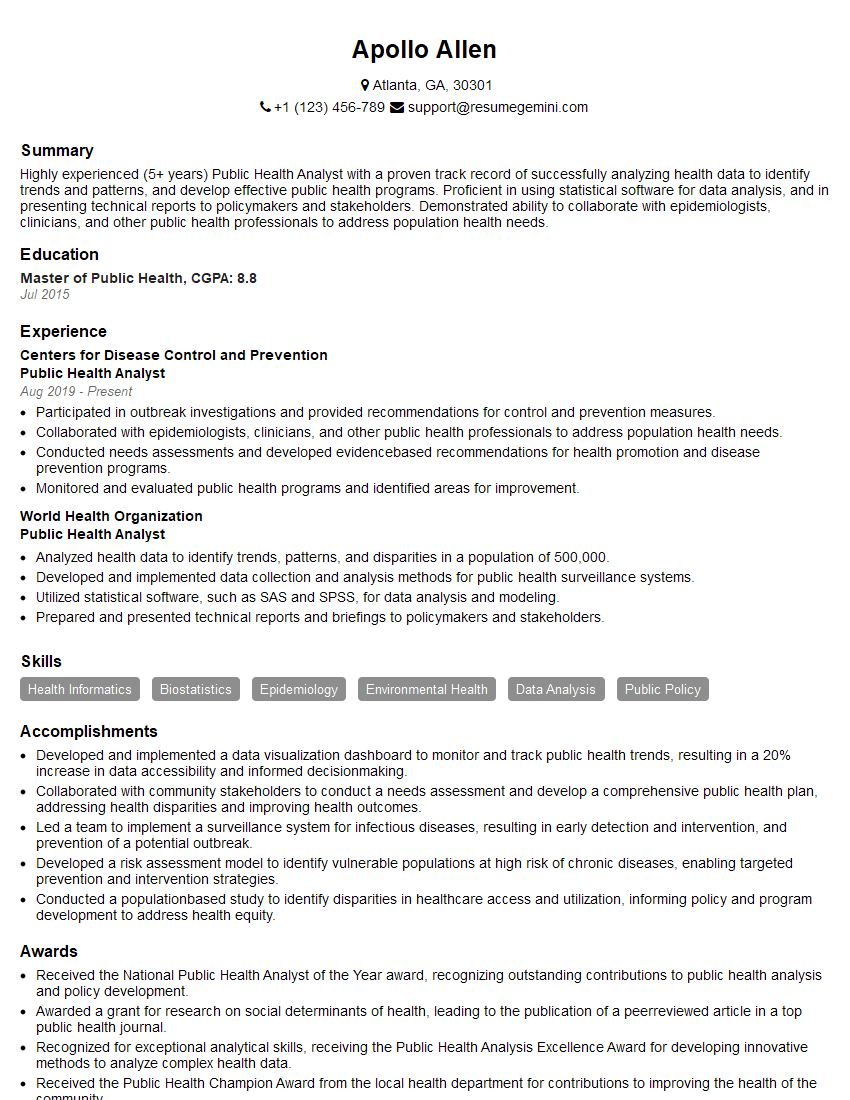
Public Health Analyst Resume Sample
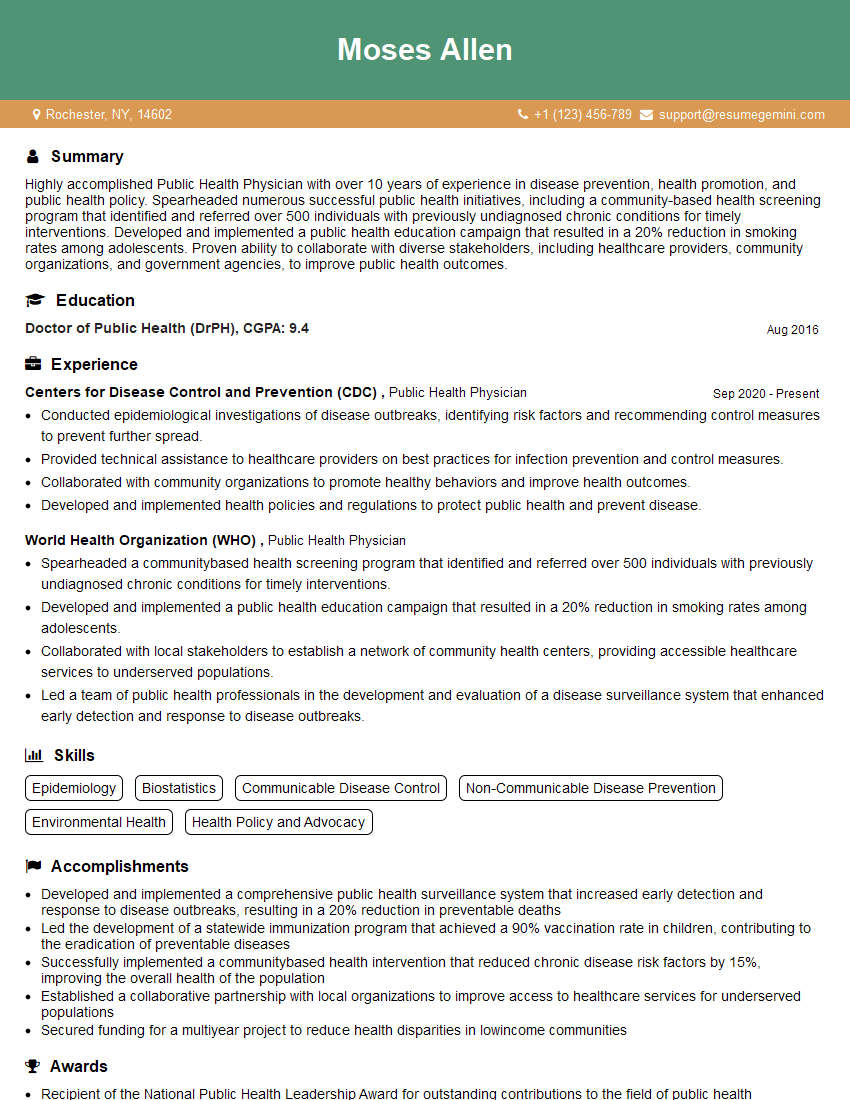
Public Health Physician Resume Sample
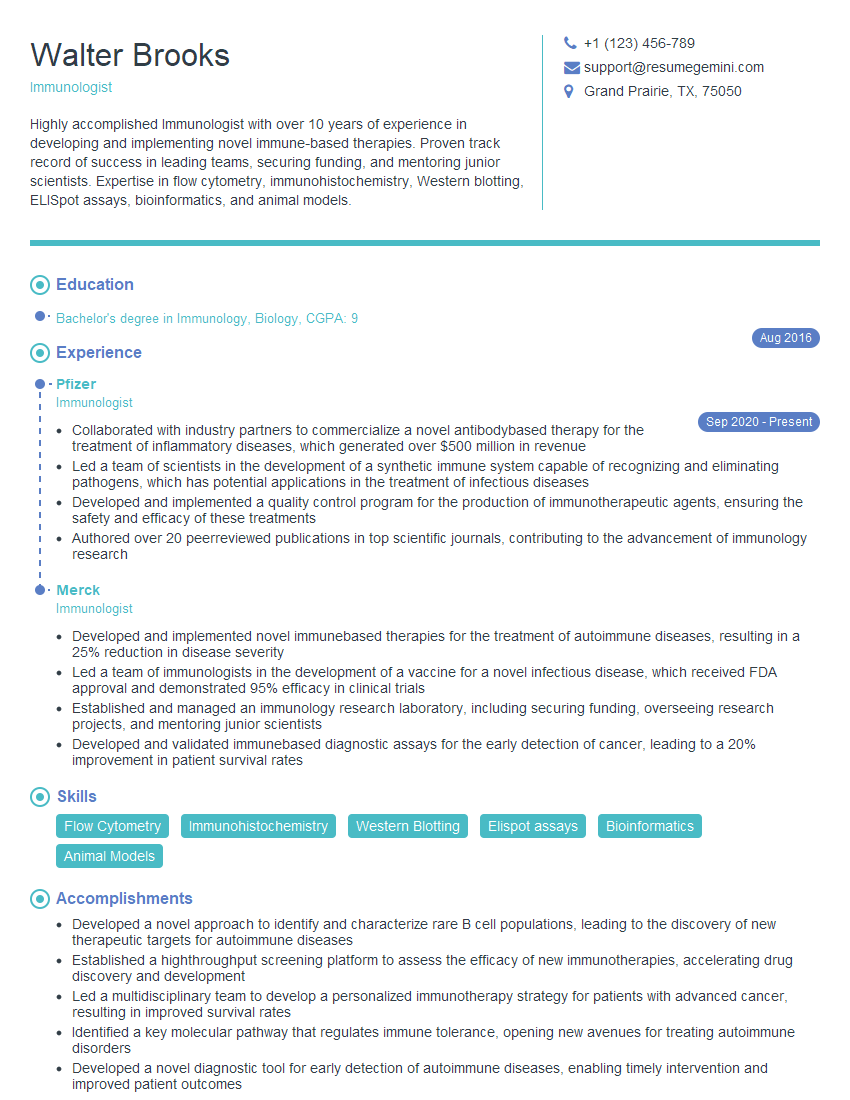
Immunologist Resume Sample
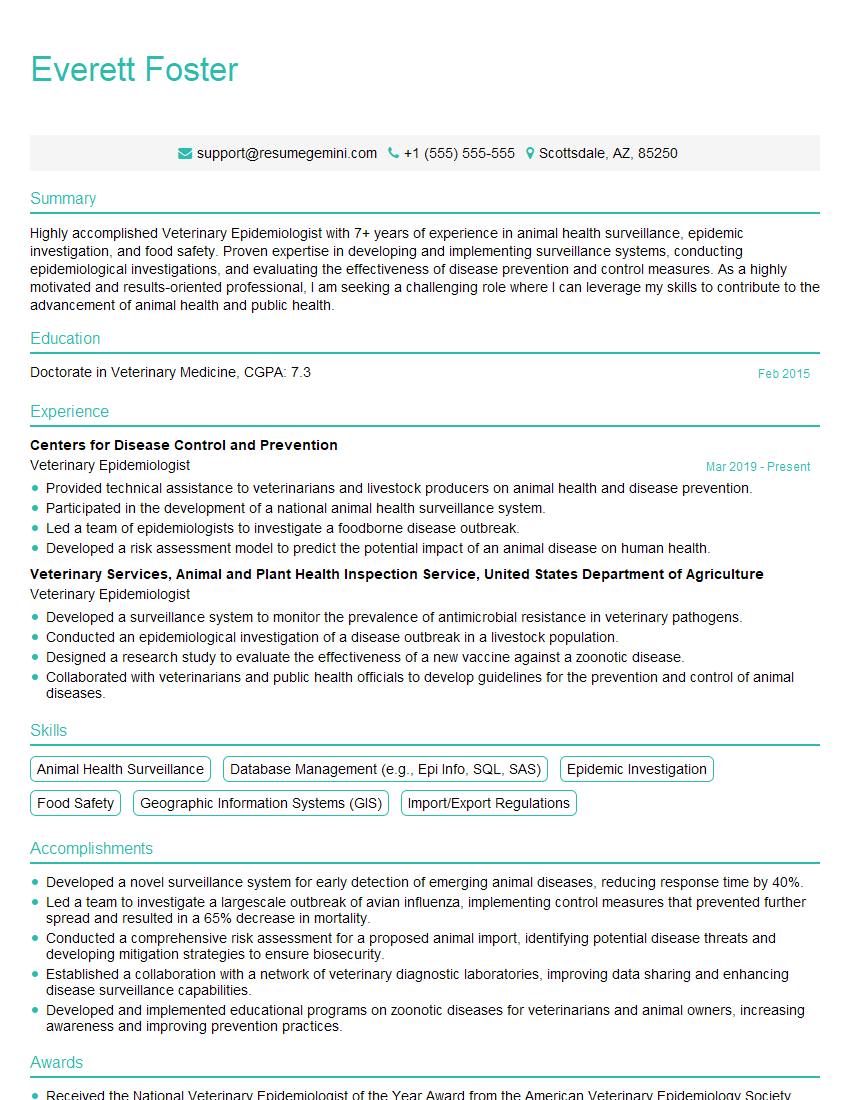
Veterinary Epidemiologist Resume Sample
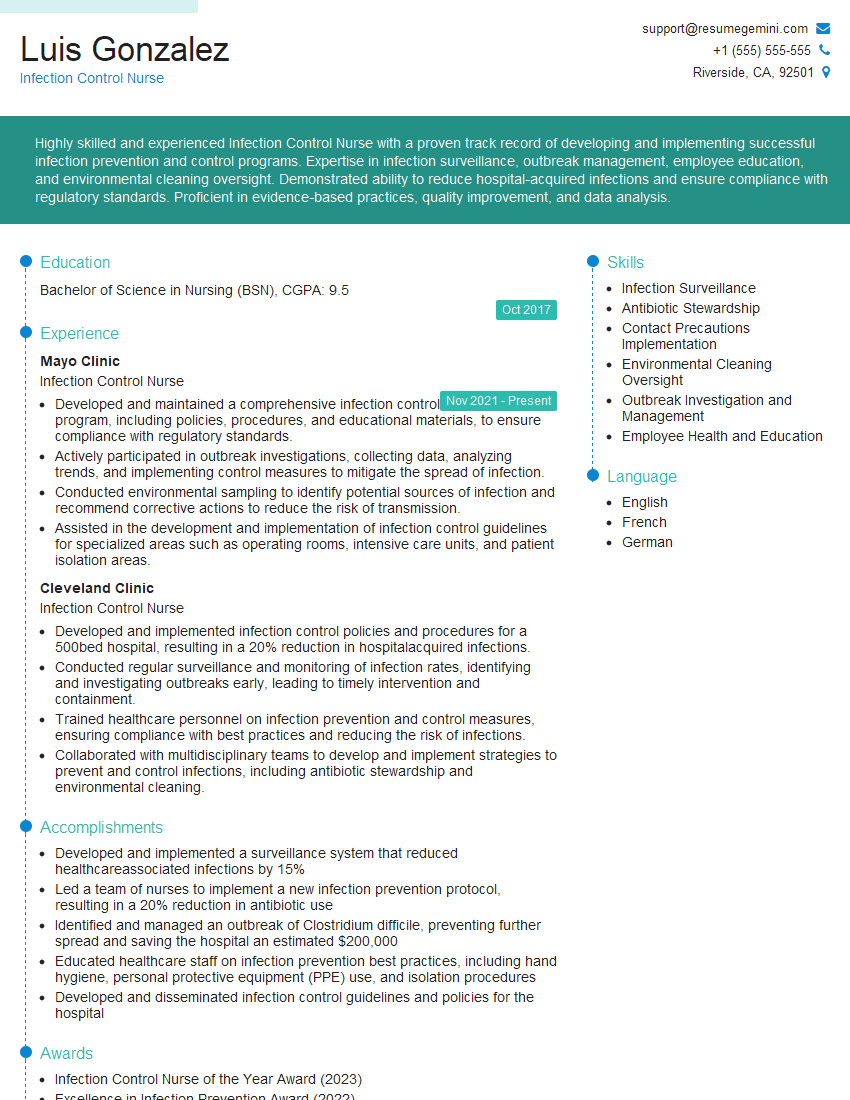
Infection Control Nurse Resume Sample
Explore more articles
Users Rating of Our Blogs
Share Your Experience
We value your feedback! Please rate our content and share your thoughts (optional).
What Readers Say About Our Blog
Really detailed insights and content, thank you for writing this detailed article.
IT gave me an insight and words to use and be able to think of examples