Preparation is the key to success in any interview. In this post, we’ll explore crucial Disinfecting and Sanitizing interview questions and equip you with strategies to craft impactful answers. Whether you’re a beginner or a pro, these tips will elevate your preparation.
Questions Asked in Disinfecting and Sanitizing Interview
Q 1. What are the key differences between disinfection and sanitization?
Disinfection and sanitization are both crucial for reducing the number of germs on surfaces, but they differ significantly in their scope and effectiveness. Sanitization reduces the number of microorganisms to a safe level as judged by public health standards, while disinfection kills or inactivates a wide range of microorganisms, significantly reducing the risk of infection. Think of it like this: sanitization is like cleaning up a messy room, making it presentable, while disinfection is like completely sterilizing a surgical operating room.
- Sanitization: Usually involves cleaning with soap and water, followed by a sanitizing agent, targeting a reduction in the number of microorganisms but not necessarily elimination. Examples include using a diluted bleach solution to wipe down kitchen counters or a commercial sanitizing wipe on a doorknob.
- Disinfection: Employs chemical agents (disinfectants) to kill or inactivate a broader spectrum of microorganisms, including bacteria, viruses, and fungi. Examples include using a hospital-grade disinfectant to clean a contaminated surface, like a spill of bodily fluids, or using a high-level disinfectant to sterilize medical instruments.
The key difference lies in the level of microbial reduction achieved. Sanitization aims for a significant reduction, making a surface safe for general use, while disinfection aims for elimination or significant reduction of harmful microorganisms, making a surface suitable for even sensitive applications.
Q 2. Explain the process of proper hand hygiene.
Proper hand hygiene is paramount in preventing the spread of infectious diseases. It’s a simple yet incredibly effective method to significantly reduce the risk of contamination. The process involves several key steps:
- Wet your hands: Use clean, running water (warm or cold).
- Apply soap: Use enough soap to create a good lather.
- Scrub thoroughly: Rub your hands together vigorously for at least 20 seconds. Make sure to scrub all surfaces, including the backs of your hands, between your fingers, and under your nails.
- Rinse well: Rinse your hands thoroughly under clean, running water.
- Dry your hands: Dry your hands using a clean towel or air dryer.
I always encourage people to visualize the process, singing the ‘Happy Birthday’ song twice to ensure the 20-second scrub is complete. In high-risk settings, like healthcare, the use of alcohol-based hand rubs is often recommended between patient interactions, as it’s both effective and convenient. Remember, consistent and thorough handwashing is the cornerstone of infection prevention.
Q 3. Describe your experience with various disinfectants and their applications.
My experience encompasses a broad range of disinfectants, each suited for specific applications. I’ve worked extensively with:
- Quaternary Ammonium Compounds (Quats): These are widely used low-level disinfectants effective against vegetative bacteria and some fungi and viruses. I’ve used them in various settings, from routine cleaning in food service to disinfecting general surfaces in office environments. They are relatively safe but less effective against certain microorganisms, like Mycobacterium tuberculosis.
- Chlorine-based disinfectants (bleach): These are powerful disinfectants effective against a wide range of microorganisms, including bacteria, viruses, and fungi. I have experience using diluted bleach solutions for disinfecting surfaces contaminated with blood or bodily fluids, following strict safety protocols. Their effectiveness depends heavily on concentration and contact time.
- Alcohol-based disinfectants: These are fast-acting and effective against many bacteria and viruses, making them ideal for hand sanitization and disinfecting small surfaces. However, they are less effective against spores and some viruses.
- Hydrogen Peroxide: A versatile disinfectant used in various concentrations. I’ve used it for both surface disinfection and wound care. Its effectiveness is dependent on concentration and the presence of organic matter.
The choice of disinfectant always depends on the specific microorganisms targeted, the surface being treated, and the level of disinfection required. Each disinfectant has its strengths and limitations, and it’s crucial to understand these aspects before applying them.
Q 4. What are the safety precautions you take when handling disinfectants?
Safety is paramount when handling disinfectants. My safety practices include:
- Always read and follow the manufacturer’s instructions carefully: This includes understanding the concentration, contact time, and any specific safety precautions.
- Wear appropriate personal protective equipment (PPE): This typically includes gloves, eye protection, and sometimes a mask, depending on the disinfectant and the setting.
- Work in a well-ventilated area: Many disinfectants release fumes that can be irritating or even harmful if inhaled.
- Avoid skin contact: Disinfectants can cause skin irritation or allergic reactions. Wash hands thoroughly after use.
- Proper storage: Store disinfectants according to the manufacturer’s instructions, away from children and pets. This often includes using appropriate containers and ensuring adequate ventilation in the storage area.
- Proper disposal: Dispose of disinfectants and their containers according to local regulations.
I never take shortcuts when it comes to safety. Consistent adherence to these procedures is vital to prevent accidents and health issues.
Q 5. How do you determine the appropriate concentration of disinfectant for a given surface?
Determining the appropriate concentration of disinfectant involves careful consideration of several factors. The manufacturer’s instructions are the primary source of information. They specify the recommended concentration for different applications and target microorganisms. However, other factors can influence the decision:
- Type of surface: Porous surfaces may require higher concentrations or longer contact times than non-porous surfaces.
- Level of contamination: Heavily contaminated surfaces might necessitate higher concentrations to achieve effective disinfection.
- Type of microorganisms: Different microorganisms have varying susceptibility to disinfectants. Some require higher concentrations for effective inactivation.
- Presence of organic matter: Organic matter, like blood or body fluids, can interfere with the disinfectant’s action, potentially requiring higher concentrations or pre-cleaning steps.
In my practice, I always consult the manufacturer’s label and consider the above-mentioned factors to determine the optimal concentration. When in doubt, I always err on the side of caution and follow the highest recommended concentration to ensure effectiveness.
Q 6. What are the factors that influence the effectiveness of a disinfectant?
Several factors can impact the effectiveness of a disinfectant. These include:
- Concentration: The concentration of the disinfectant directly influences its effectiveness. Higher concentrations generally kill or inactivate microorganisms more effectively, but excessive concentrations may not be necessary and can pose safety risks.
- Contact time: Sufficient contact time is essential for the disinfectant to work. The minimum contact time is typically specified by the manufacturer and must be observed for effective disinfection. Shorter contact times often reduce effectiveness.
- Temperature: Temperature can influence the activity of some disinfectants. Higher temperatures may enhance the action of some chemicals, while lower temperatures might reduce effectiveness.
- pH: The pH level of the surface can affect the disinfectant’s effectiveness. Some disinfectants work best within a specific pH range.
- Presence of organic matter: Organic matter can interfere with the disinfectant’s action, reducing its effectiveness. Pre-cleaning is often necessary to remove organic matter before applying the disinfectant.
- Type of microorganism: Different microorganisms have varying levels of susceptibility to disinfectants. Spores, for example, are significantly more resistant than vegetative bacteria.
Understanding these factors is crucial for selecting the appropriate disinfectant and ensuring its effectiveness. I always account for these variables when developing and implementing disinfection protocols.
Q 7. How do you ensure the proper contact time for a disinfectant?
Ensuring the proper contact time for a disinfectant is critical for achieving effective disinfection. The contact time is specified by the manufacturer and is the minimum time the disinfectant must remain wet on the surface to effectively kill or inactivate the targeted microorganisms. There are several ways to ensure proper contact time:
- Use a timer: In situations where accuracy is paramount, using a timer to track the contact time is the best practice.
- Follow manufacturer instructions: Carefully follow the manufacturer’s instructions, which will specify the required contact time for their specific disinfectant.
- Visual cues: For some disinfectants, you might be able to see the disinfectant drying, providing a visual cue of when contact time is complete.
- Consistent application techniques: Use a consistent application method to ensure even coverage and adequate wetness.
In high-risk situations, I always utilize a timer and double-check the manufacturer’s recommendation to ensure adequate contact time. I also emphasize training for my team members, highlighting the importance of following this crucial step.
Q 8. Explain the concept of cross-contamination and how to prevent it.
Cross-contamination is the transfer of harmful microorganisms from one surface or substance to another, leading to contamination of food, surfaces, or even people. Think of it like an invisible game of tag where bacteria are tagging everything they touch. Preventing it requires a multi-pronged approach.
- Clean and Sanitize Regularly: Thorough cleaning removes visible dirt and grime, while sanitizing reduces the number of microorganisms to a safe level. This should be done frequently, especially in high-traffic areas.
- Proper Hand Hygiene: Frequent handwashing with soap and water for at least 20 seconds, or using an alcohol-based hand rub, is crucial. Hands are notorious carriers of germs.
- Dedicated Equipment: Use separate cutting boards, utensils, and towels for raw meats and ready-to-eat foods. Imagine using one spoon to stir raw meat and then serving ice cream – that’s the essence of cross-contamination.
- Prevent Contact: Store raw meats below ready-to-eat foods in the refrigerator to prevent dripping. Cover food to prevent airborne contamination.
- Food Safety Temperatures: Keep hot foods hot and cold foods cold to inhibit bacterial growth. This is a major factor in preventing foodborne illnesses often caused by cross-contamination.
Q 9. What are some common sources of contamination in a healthcare setting?
Healthcare settings are rife with potential sources of contamination. It’s crucial to be vigilant. Common sources include:
- Patients: Patients themselves can harbor various microorganisms, especially those with infections.
- Medical Equipment: Stethoscopes, blood pressure cuffs, and other shared equipment can easily transfer pathogens if not properly cleaned and disinfected between uses. I’ve personally seen instances where a quick wipe-down wasn’t enough.
- Environmental Surfaces: Doorknobs, light switches, countertops, and floors can become contaminated through direct contact or airborne particles. Think about how many hands touch a doorknob in a day!
- Healthcare Personnel: While dedicated to hygiene, healthcare workers can unintentionally spread pathogens if hand hygiene protocols are not strictly followed. It’s a constant reminder of the importance of proper training.
- Bodily Fluids: Blood, urine, feces, and other bodily fluids can harbor dangerous pathogens, requiring immediate and proper cleanup.
- Airborne Particles: Droplets containing microorganisms can travel through the air, contaminating surfaces and potentially infecting others. This is why proper ventilation is critical.
Q 10. How do you monitor the effectiveness of your disinfection program?
Monitoring disinfection effectiveness involves a multi-faceted approach:
- Visual Inspections: Regular visual checks for cleanliness and absence of visible soiling are a first step. This provides a basic assessment of cleaning procedures.
- ATP Bio-luminescence Testing: This rapid test measures the amount of adenosine triphosphate (ATP), an indicator of microbial presence. Higher ATP levels suggest inadequate cleaning.
- Microbial Swabbing and Culturing: Swabs collected from surfaces are cultured in a laboratory to identify and quantify specific microorganisms. This offers more detailed information on the types and levels of contamination.
- Environmental Monitoring: This involves tracking infection rates and outbreaks to assess the overall impact of the disinfection program. Trends in infection rates can highlight weaknesses in the program.
- Staff Training and Competency Assessment: Regular training and assessment ensure staff understands and consistently follows proper procedures. A well-trained staff is crucial.
By combining these methods, we get a comprehensive view of our disinfection program’s performance and can make necessary adjustments to optimize efficacy and prevent outbreaks.
Q 11. Describe your experience with cleaning and disinfecting various surfaces (e.g., floors, countertops, equipment).
My experience encompasses cleaning and disinfecting a wide range of surfaces. I’ve worked with different cleaning agents and methods adapted to different materials:
- Floors: I use appropriate cleaning solutions and equipment (mop, auto scrubber) depending on the type of flooring (tile, vinyl, hardwood). The process includes pre-cleaning, applying disinfectant, dwell time, and thorough rinsing or drying.
- Countertops: These require careful attention due to potential microbial buildup. Cleaning involves using appropriate disinfectants, ensuring adequate contact time, and wiping down with clean cloths to avoid recontamination. Different disinfectants are used depending on the material (stainless steel, laminate).
- Equipment: Cleaning medical equipment is crucial. This involves meticulous cleaning with appropriate disinfectants, following manufacturer’s instructions, and paying attention to crevices where microorganisms may hide. Sterilization may be required for certain instruments.
Throughout my experience, I’ve learned the importance of proper technique and the use of appropriate Personal Protective Equipment (PPE) such as gloves and eye protection, safeguarding both my health and the efficacy of the cleaning process.
Q 12. How do you handle spills of bodily fluids or hazardous materials?
Handling spills of bodily fluids or hazardous materials requires immediate and decisive action:
- Safety First: Don appropriate PPE, including gloves, gown, eye protection, and potentially a respirator, depending on the substance. Personal safety is paramount.
- Containment: Absorb the spill using absorbent materials, such as paper towels or spill kits. Contain the spill to prevent its spread.
- Disinfection: Apply an appropriate disinfectant according to the manufacturer’s instructions and the nature of the spill. Allow adequate contact time for the disinfectant to work effectively.
- Disposal: Dispose of all contaminated materials according to regulations in appropriate biohazard containers.
- Documentation: Document the spill, including the time, location, type of substance, cleanup procedures, and any individuals involved.
Proper training and adherence to established protocols are critical in managing these situations safely and effectively.
Q 13. What are the proper procedures for disposing of contaminated waste?
Proper disposal of contaminated waste is essential to prevent the spread of infection and protect public health. Procedures vary depending on the type of waste:
- Sharps: Needles, syringes, and other sharp objects must be disposed of in puncture-resistant containers. These containers are often color-coded for easy identification.
- Biohazardous Waste: Contaminated dressings, laboratory specimens, and other biohazardous materials require disposal in designated biohazard bags or containers. These bags are usually red or labeled with a biohazard symbol.
- Regular Waste: Non-contaminated waste can be disposed of through regular channels, but it is critical to separate it completely from contaminated waste.
All waste disposal procedures must adhere to local, state, and federal regulations to ensure safe and responsible disposal. Improper disposal poses a serious risk to the environment and public health.
Q 14. Explain your understanding of OSHA regulations related to disinfection and sanitation.
My understanding of OSHA regulations regarding disinfection and sanitation is comprehensive. OSHA’s Bloodborne Pathogens Standard (29 CFR 1910.1030) is particularly relevant. It mandates:
- Exposure Control Plan: A written plan outlining procedures to minimize employee exposure to bloodborne pathogens.
- Engineering and Work Practice Controls: Implementing safety measures like sharps containers, hand hygiene facilities, and proper equipment handling.
- PPE: Providing and requiring employees to use appropriate PPE, including gloves, gowns, and eye protection.
- Hepatitis B Vaccination: Offering free Hepatitis B vaccination to employees at risk of exposure.
- Training: Providing comprehensive training on bloodborne pathogens and proper disinfection procedures.
- Post-Exposure Follow-up: Establishing procedures to follow in case of exposure incidents.
Compliance with OSHA regulations is not just a legal obligation but a vital step in ensuring the safety and well-being of healthcare workers. It’s an area where I have significant experience and strive for meticulous adherence.
Q 15. What are the different types of disinfectants and their uses?
Disinfectants are agents that kill or inactivate microorganisms like bacteria, viruses, and fungi. They are categorized based on their chemical composition and target microorganisms. Choosing the right disinfectant depends heavily on the specific application and the types of pathogens to be eliminated.
- Alcohols (e.g., ethanol, isopropanol): Effective against bacteria and some viruses. Commonly used as hand sanitizers and for surface disinfection. They work by denaturing proteins and disrupting cell membranes. The concentration is crucial; typically 60-90% is optimal.
- Chlorine-based disinfectants (e.g., sodium hypochlorite): Broad-spectrum disinfectants effective against bacteria, viruses, and fungi. They are widely used for water purification and surface disinfection in healthcare settings. However, they are corrosive and can be unstable, requiring careful handling and appropriate concentration.
- Quaternary ammonium compounds (quats): These are surface-active agents that disrupt cell membranes. They are less effective than chlorine against viruses but are effective against bacteria and some fungi. They’re often used in household cleaners and disinfectants.
- Hydrogen peroxide: A broad-spectrum disinfectant that releases oxygen radicals, which damage microbial cells. It’s effective against a wide range of microorganisms, including spores, and is often used for sterilization in healthcare and industrial settings. It’s a good choice when low toxicity is desired, but it can be corrosive to some materials.
- Glutaraldehydes: High-level disinfectants effective against a broad range of microorganisms, including spores. Used in medical settings for sterilizing heat-sensitive instruments. However, they are toxic and require careful handling and ventilation.
The selection of a disinfectant must consider factors such as the type of surface being disinfected, the presence of organic matter, the contact time needed for effectiveness, and potential health and environmental impacts.
Career Expert Tips:
- Ace those interviews! Prepare effectively by reviewing the Top 50 Most Common Interview Questions on ResumeGemini.
- Navigate your job search with confidence! Explore a wide range of Career Tips on ResumeGemini. Learn about common challenges and recommendations to overcome them.
- Craft the perfect resume! Master the Art of Resume Writing with ResumeGemini’s guide. Showcase your unique qualifications and achievements effectively.
- Don’t miss out on holiday savings! Build your dream resume with ResumeGemini’s ATS optimized templates.
Q 16. What is the importance of using personal protective equipment (PPE) during disinfection?
Using personal protective equipment (PPE) during disinfection is paramount to protecting oneself from exposure to harmful chemicals and microorganisms. Exposure can lead to skin irritation, respiratory problems, or even more severe health issues. The specific PPE required varies depending on the disinfectant used and the task being performed, but generally includes:
- Gloves: To protect hands from direct contact with disinfectants.
- Goggles or face shield: To protect eyes from splashes or fumes.
- Mask or respirator: To protect the respiratory system from inhaling potentially harmful airborne particles or fumes, especially when working with strong disinfectants.
- Apron or gown: To protect clothing and skin from splashes and spills.
Failure to use appropriate PPE can lead to serious health consequences, emphasizing the importance of following safety protocols diligently. A simple analogy is wearing a seatbelt – you hope you never need it, but it’s crucial for protection.
Q 17. Describe a time you had to troubleshoot a disinfection problem.
During a large-scale disinfection project in a hospital, we experienced unexpectedly high bacterial counts after disinfection. We used a standard chlorine-based disinfectant. Our initial troubleshooting focused on the concentration and contact time, ensuring they met the guidelines. We carefully reviewed our protocols and identified several factors contributing to the problem:
- Inadequate cleaning prior to disinfection: Organic matter like blood and other bodily fluids can interfere with the disinfectant’s effectiveness. We found that the initial cleaning process wasn’t thorough enough, creating a protective barrier around the bacteria.
- Insufficient contact time: We were applying the disinfectant but not allowing sufficient dwell time before wiping. This shortened contact reduced its effectiveness.
- Inconsistent application: The disinfectant wasn’t applied evenly across all surfaces, leading to gaps in coverage.
Our solution involved implementing a more rigorous pre-cleaning protocol, strictly adhering to the recommended contact time, implementing a standardized application method with quality checks, and using validated testing methods to ensure effectiveness. We retrained the staff on proper techniques and introduced a check-and-balance system to ensure adherence. The bacterial counts subsequently reduced to acceptable levels, highlighting the importance of thorough investigation and procedural improvements in tackling disinfection problems.
Q 18. How do you ensure compliance with infection control policies and procedures?
Ensuring compliance with infection control policies and procedures is crucial for maintaining a safe and healthy environment. My approach involves a multi-faceted strategy:
- Thorough understanding of policies: I familiarize myself with all relevant guidelines and regulations, keeping updated on any changes or updates.
- Adherence to protocols: I meticulously follow established procedures for disinfection, ensuring proper concentration, contact time, and application techniques for each disinfectant.
- Documentation and record-keeping: I maintain detailed records of all disinfection activities, including dates, times, areas disinfected, disinfectants used, and personnel involved. This documentation is vital for audits and demonstrating compliance.
- Training and education: I participate in training programs and regularly update my knowledge on best practices in disinfection and infection control. I also contribute to the training of others.
- Regular audits and inspections: I actively participate in regular audits and inspections to identify any gaps in compliance and implement corrective actions.
- Quality control testing: Using appropriate monitoring methods (e.g., ATP bioluminescence testing) to verify the effectiveness of disinfection procedures.
Proactive compliance ensures a safer environment, minimizing risks associated with healthcare-associated infections or other contamination events.
Q 19. What is your experience with different types of cleaning equipment?
My experience encompasses a variety of cleaning and disinfection equipment, including:
- Automatic floor scrubbers: These are highly efficient for large-scale cleaning and disinfection of floors. I’m proficient in operating and maintaining different models, understanding their capabilities and limitations.
- UVC disinfection devices: I have experience using UV-C light devices for surface disinfection, understanding the importance of safety protocols when operating UV lights.
- Sprayers and foggers: I’m skilled in using various types of sprayers and foggers for applying disinfectants, understanding the importance of even application and appropriate PPE usage.
- Manual cleaning tools: Proficiency in using mops, brushes, and other manual cleaning tools for pre-cleaning and disinfection.
- Electrostatic sprayers: Experience using electrostatic sprayers, which use static electricity to evenly coat surfaces with disinfectants, ensuring better coverage compared to manual spraying methods.
Familiarity with these different tools allows me to select the most appropriate equipment for each situation, maximizing efficiency and effectiveness.
Q 20. Explain your knowledge of various disinfection methods (e.g., thermal, chemical, UV).
Disinfection methods aim to eliminate or reduce the number of viable microorganisms on surfaces or in liquids. They can be categorized as:
- Thermal methods: These utilize heat to kill microorganisms. Examples include autoclaving (high-pressure steam sterilization) for medical instruments and pasteurization for liquids, like milk. The effectiveness depends on the temperature, time, and type of microorganisms.
- Chemical methods: This involves using chemical disinfectants, as discussed previously. The choice of disinfectant depends on the target microorganism, the surface being disinfected, and safety considerations.
- UV disinfection: Ultraviolet (UV) radiation, particularly UV-C, damages microbial DNA and RNA, leading to inactivation. UV disinfection is used for air and surface disinfection, particularly in healthcare settings and water purification. The effectiveness depends on the intensity of the UV radiation, the exposure time, and the presence of any shielding materials.
Each method has its advantages and disadvantages. Thermal methods are highly effective but may not be suitable for heat-sensitive materials. Chemical methods are versatile but require careful selection and handling of disinfectants. UV disinfection is effective but may not reach all areas equally.
Q 21. How do you maintain the cleanliness and functionality of disinfection equipment?
Maintaining the cleanliness and functionality of disinfection equipment is crucial for ensuring its effectiveness and longevity. My approach includes:
- Regular cleaning and disinfection: After each use, equipment should be cleaned thoroughly to remove any residual disinfectant or organic matter. This prevents cross-contamination and ensures the equipment remains in optimal working condition.
- Scheduled maintenance: Regular maintenance checks are performed according to the manufacturer’s guidelines. This might include replacing filters, sharpening blades, lubricating moving parts, or calibrating instruments.
- Proper storage: Equipment should be stored in a clean, dry environment to prevent damage and corrosion.
- Functional testing: Regularly test the equipment to ensure its proper functioning. This might involve checking the effectiveness of UV lamps, verifying the dispensing accuracy of sprayers, or measuring the temperature of autoclaves.
- Repair and replacement: Damaged or malfunctioning equipment should be repaired or replaced promptly to ensure consistent disinfection performance. Following appropriate safety protocols is vital.
By adhering to these maintenance practices, we ensure that disinfection equipment consistently provides effective and safe disinfection.
Q 22. What is your experience with validating disinfection processes?
Validating disinfection processes ensures the effectiveness of our methods in eliminating or reducing harmful microorganisms. This involves a multi-step approach. First, we identify the specific microorganisms we’re targeting (e.g., Staphylococcus aureus, Clostridium difficile). Then, we select appropriate disinfectants and establish a protocol, including contact time, concentration, and application method. The next crucial step is the monitoring and testing phase. We utilize various methods such as ATP bioluminescence testing to quickly assess cleanliness, or microbial swabbing and culturing to verify the reduction or elimination of target organisms. We compare the results to established benchmarks or control groups to determine if the process meets the required efficacy. Finally, we document everything meticulously, including the chosen methodology, the results, and any deviations or corrective actions. For instance, in a hospital setting, validating the disinfection of surgical instruments might involve spore testing using Geobacillus stearothermophilus spores to ensure sterilization efficacy. Failure to meet standards triggers a review of our protocols, potentially involving changes to disinfectants, contact times, or cleaning techniques.
Q 23. Describe your understanding of Standard Precautions and Transmission-Based Precautions.
Standard Precautions are fundamental infection control measures designed to reduce the risk of transmission of bloodborne and other pathogens. They’re applied to all patients, regardless of their infection status. These precautions include hand hygiene, using personal protective equipment (PPE) like gloves and gowns, safe injection practices, and proper handling of sharps. Think of them as the baseline for all patient care.
Transmission-Based Precautions are implemented in addition to Standard Precautions when a patient is known or suspected to have a specific infection that can be transmitted via airborne, droplet, or contact routes. For airborne precautions (e.g., tuberculosis), we use negative-pressure rooms and respirators. Droplet precautions (e.g., influenza) necessitate the use of masks and maintaining a distance. Contact precautions (e.g., C. difficile) involve the use of gloves and gowns, and thorough environmental cleaning and disinfection are paramount. Imagine it like building layers of protection on top of the standard base. The right precaution depends on the infection’s transmission mode.
Q 24. What is your experience with auditing disinfection procedures?
Auditing disinfection procedures is about verifying that established protocols are consistently followed and effective. I approach audits systematically, reviewing written protocols, observing staff performing cleaning and disinfection tasks, and checking for compliance with relevant regulations and guidelines. This often includes a thorough visual inspection of surfaces, equipment, and the work environment. I then analyze data from environmental monitoring, such as the results of ATP testing or microbial culturing, to assess the cleanliness levels and identify any potential areas of improvement. A crucial aspect of the audit is documentation review – ensuring accurate and complete records of cleaning and disinfection activities. For example, in a food processing facility, an audit might involve reviewing staff training records, inspecting cleaning logs, and taking environmental samples to verify the absence of pathogens like Salmonella or Listeria. Any discrepancies identified during the audit lead to corrective actions and retraining, if necessary.
Q 25. How do you train others in proper disinfection and sanitation techniques?
Training others effectively involves a blended approach. I start with a clear explanation of the rationale behind proper disinfection and sanitation, emphasizing the importance of infection prevention and control. Then, I provide detailed, step-by-step instructions on specific procedures, including the proper use of disinfectants, appropriate contact times, and personal protective equipment. Hands-on training is crucial, allowing individuals to practice techniques under supervision, followed by competency assessments to ensure they understand and can execute the procedures correctly. Regular refresher training and feedback sessions help maintain consistent high standards. I use a combination of visual aids, such as videos and diagrams, and interactive elements, like quizzes and role-playing exercises, to engage learners and improve knowledge retention. Finally, I emphasize the importance of consistent and thorough documentation of cleaning and disinfection activities.
Q 26. How do you prioritize tasks in a busy disinfection environment?
In a high-pressure environment, prioritization is vital. I use a risk-based approach, focusing on areas and surfaces with the highest potential for contamination and transmission of pathogens. High-touch areas like doorknobs, light switches, and frequently used equipment are always top priorities. Critical care units or areas with immunocompromised patients demand immediate attention. I also factor in time constraints and available resources when scheduling tasks. I might use a color-coded system to visually track the cleaning and disinfection status of different areas, and leverage technology like scheduling software to optimize workflow and ensure timely completion of all tasks. For instance, in a hospital setting, I’d prioritize the disinfection of patient rooms after discharge before attending to less critical areas like hallways.
Q 27. Describe a situation where you had to adapt your disinfection methods due to unforeseen circumstances.
During a large-scale outbreak of Norovirus in a long-term care facility, we experienced a significant shortage of our standard disinfectant. Instead of halting operations, I quickly assessed the situation and, in consultation with our infection control team, identified an EPA-registered alternative disinfectant with a proven efficacy against Norovirus. We then adapted our disinfection protocols, focusing on the proper dilution and application of this alternative disinfectant, while maintaining meticulous documentation of any changes. We also emphasized more frequent hand hygiene and environmental cleaning with soap and water as an interim measure. Regular monitoring of the situation and environmental samples ensured we maintained infection control. The situation highlighted the importance of having backup plans and being adaptable in the face of unexpected challenges.
Q 28. What are some common challenges faced in disinfection and sanitization and how do you overcome them?
Common challenges include ensuring consistent adherence to protocols, dealing with the emergence of antimicrobial resistance, managing staff shortages, and dealing with the limitations of different disinfectants. Addressing these requires a multi-pronged strategy. Improving staff training and providing regular feedback are crucial for maintaining consistent adherence. Staying up-to-date on the latest research on antimicrobial resistance and employing a combination of disinfection methods can help mitigate this growing concern. Effective workload management and efficient scheduling can address staff shortages, while a robust inventory management system helps prevent disruptions caused by disinfectant shortages. Careful selection of disinfectants based on the target organisms and environmental factors is vital for optimal effectiveness. Lastly, continuous monitoring and evaluation are essential for identifying and addressing emerging challenges proactively.
Key Topics to Learn for Your Disinfecting and Sanitizing Interview
- Understanding Disinfectants vs. Sanitizers: Learn the key differences in their mechanisms of action, effectiveness against various pathogens (bacteria, viruses, fungi), and appropriate application scenarios.
- Safety and Handling Procedures: Master safe handling practices for various disinfectants and sanitizers, including personal protective equipment (PPE) requirements, proper dilution techniques, and disposal methods. Be prepared to discuss relevant OSHA regulations and safety protocols.
- Surface Preparation and Cleaning Techniques: Discuss the importance of proper surface preparation before disinfection/sanitization, including pre-cleaning methods and the impact of surface type and porosity on effectiveness.
- Effectiveness Testing and Validation: Understand how to verify the effectiveness of disinfection and sanitization processes, including different testing methods and interpreting results. This includes understanding the concept of contact time.
- Emerging Technologies and Practices: Familiarize yourself with advancements in disinfecting and sanitizing technologies, such as electrostatic sprayers, UV-C light, and antimicrobial coatings. Be prepared to discuss their advantages and limitations.
- Infection Prevention and Control Principles: Demonstrate a solid understanding of infection prevention and control principles, including hand hygiene, proper waste disposal, and the chain of infection.
- Specific Industry Applications: Research the specific applications of disinfecting and sanitizing within the industry you’re targeting (e.g., healthcare, food service, manufacturing). Be ready to discuss relevant regulations and best practices.
- Problem-Solving and Troubleshooting: Prepare examples of how you’ve addressed challenges related to disinfection and sanitization, such as dealing with resistant microorganisms or equipment malfunctions.
Next Steps: Unlock Your Career Potential
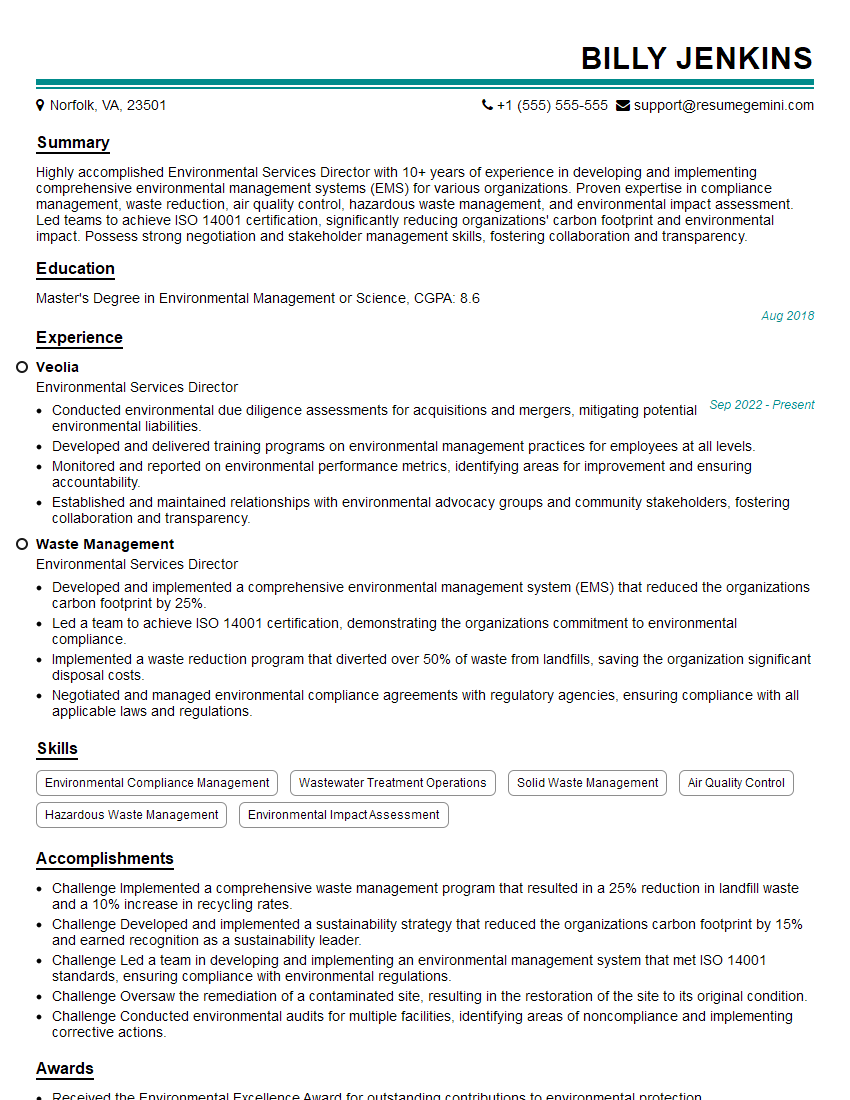
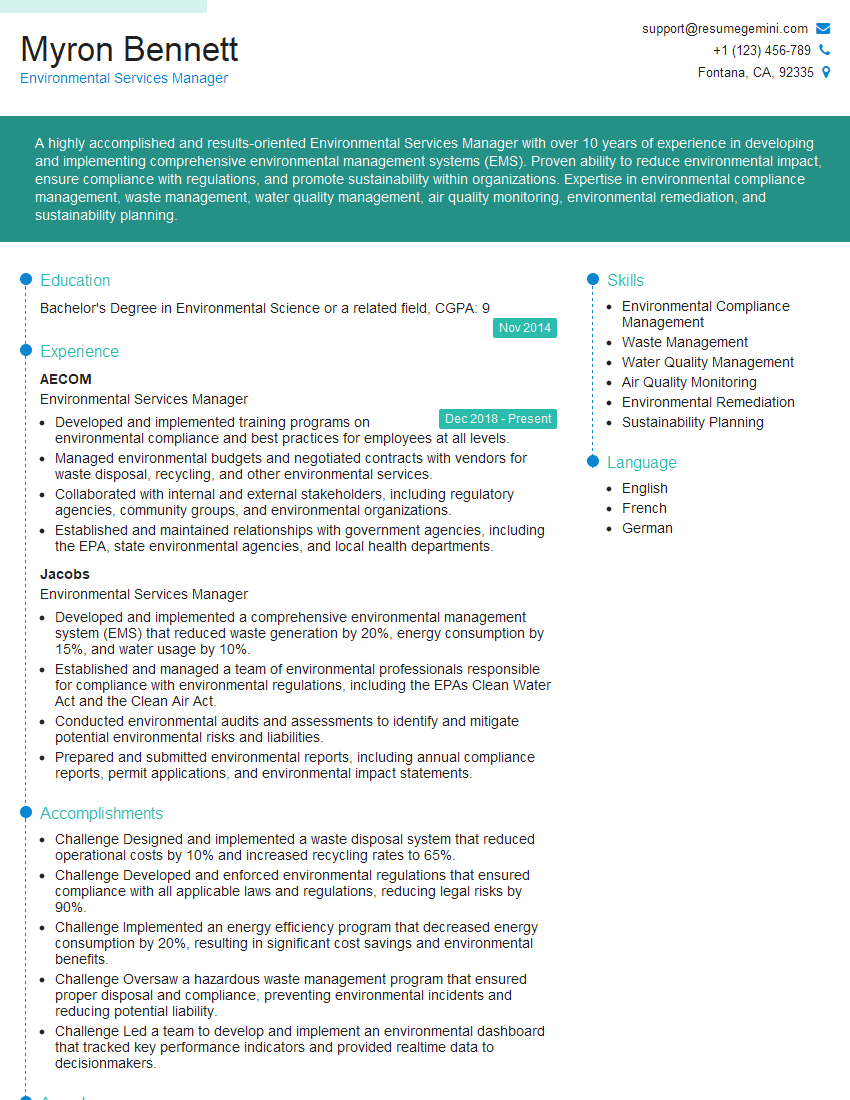
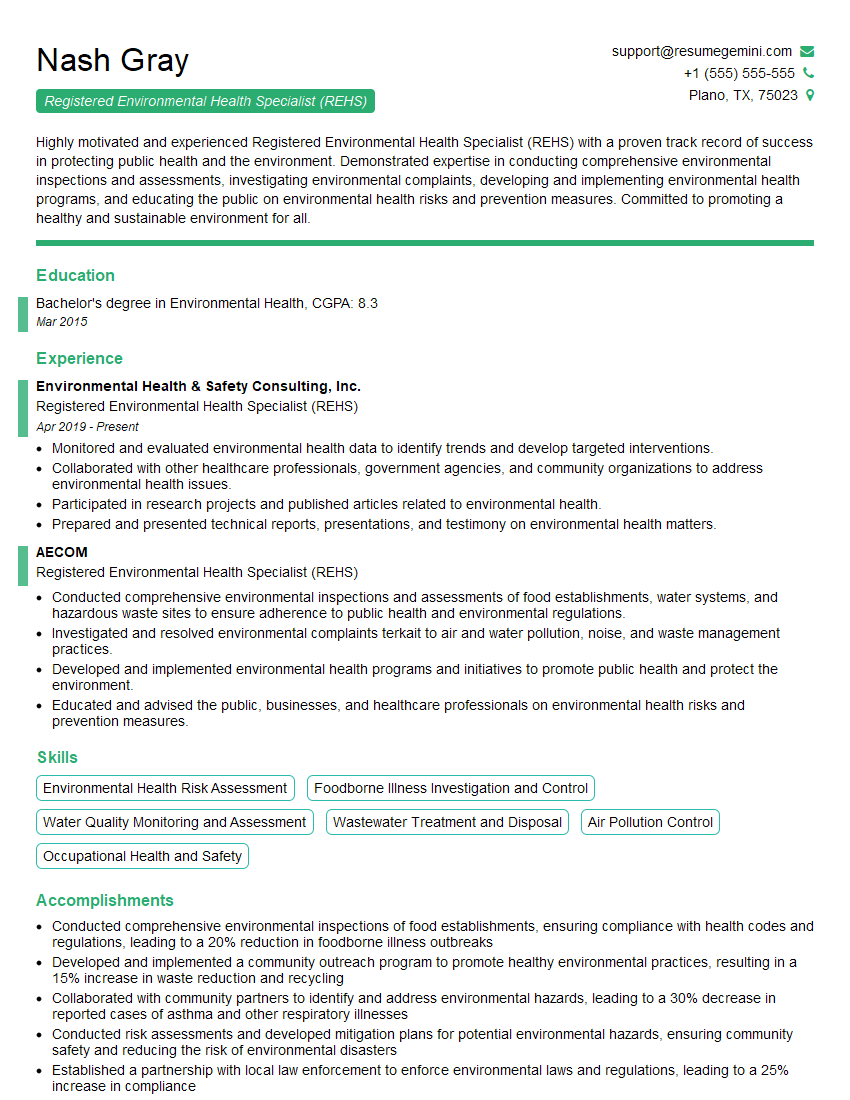
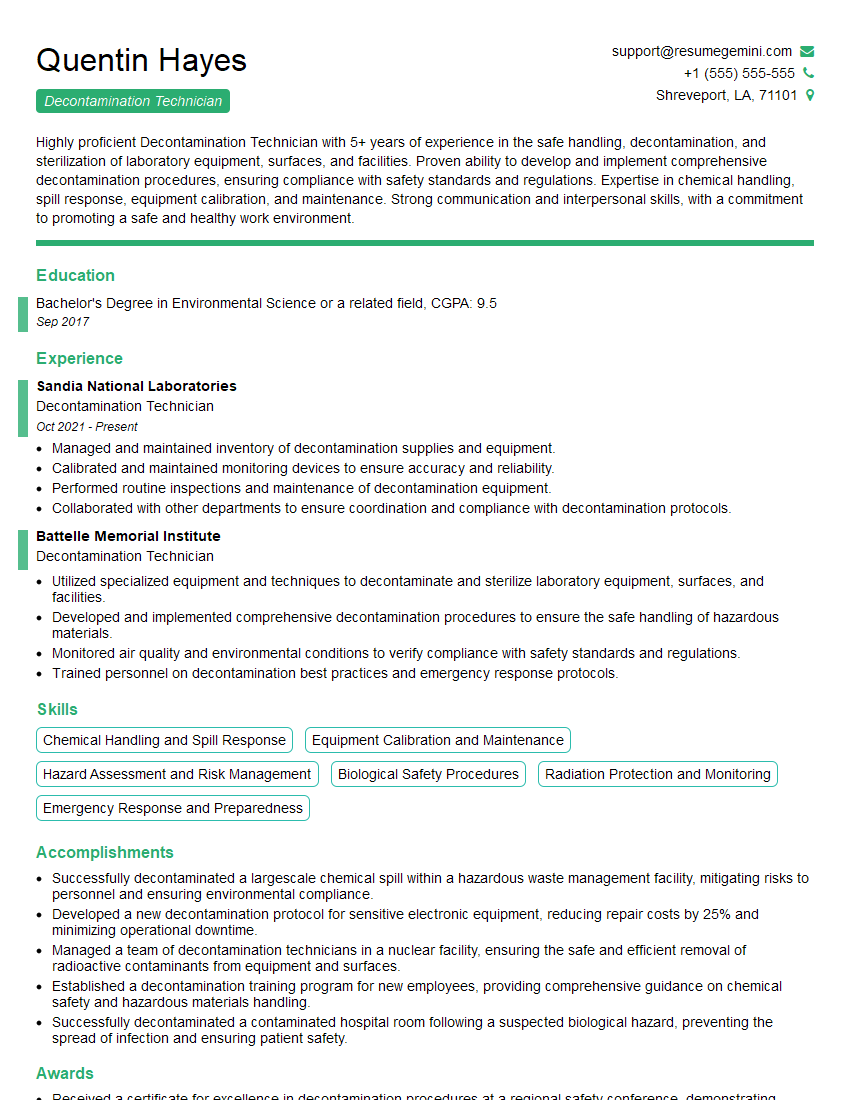
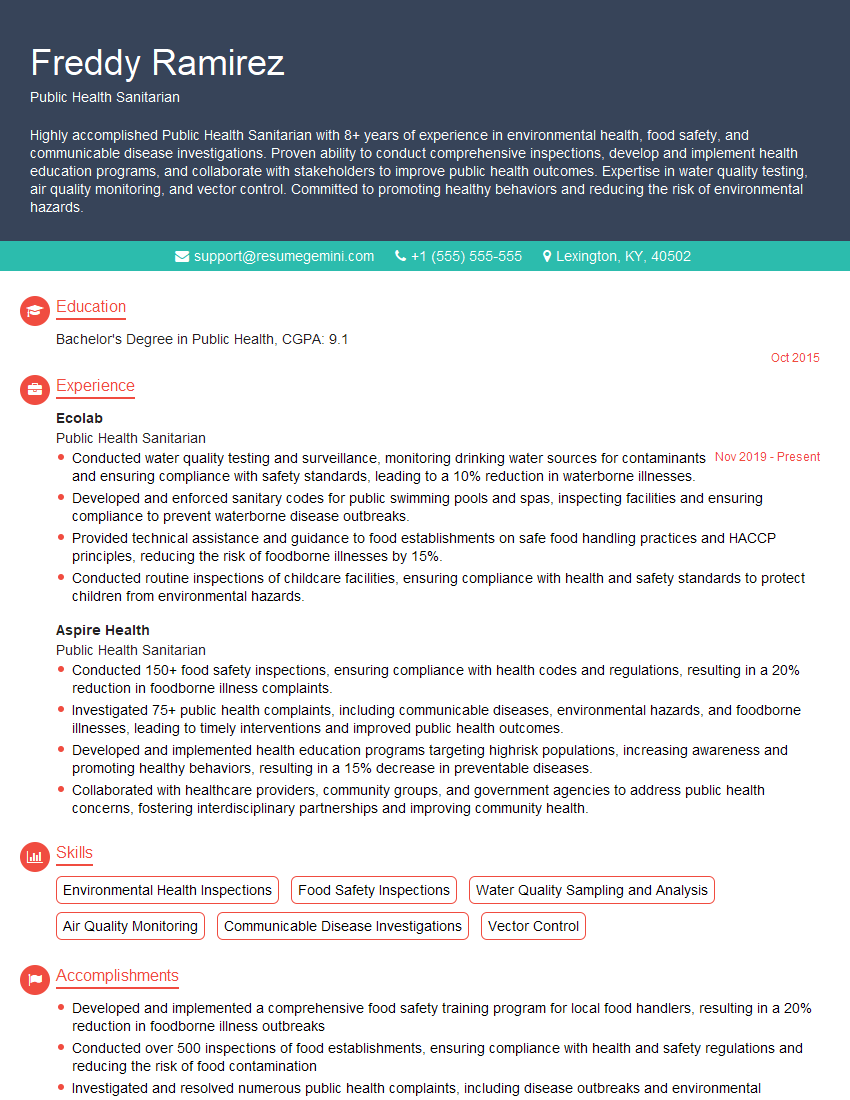
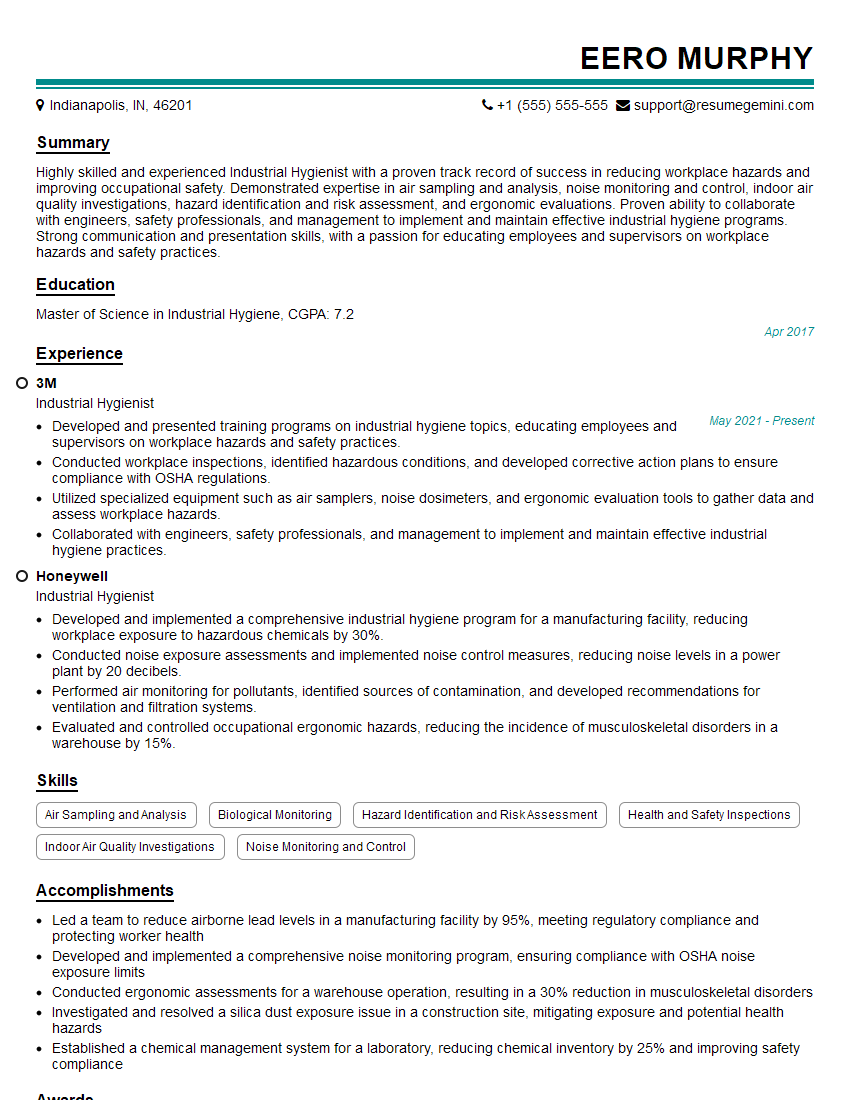
Mastering the art of disinfecting and sanitizing is a highly valuable skill in today’s world, opening doors to diverse and rewarding career opportunities. To maximize your chances of landing your dream job, creating a strong, ATS-friendly resume is crucial. This is where ResumeGemini can help. ResumeGemini provides a powerful platform to craft a professional resume that highlights your skills and experience effectively, increasing your visibility to potential employers. We offer examples of resumes specifically tailored to the Disinfecting and Sanitizing field, providing you with a valuable head start.
Explore more articles
Users Rating of Our Blogs
Share Your Experience
We value your feedback! Please rate our content and share your thoughts (optional).
What Readers Say About Our Blog
Really detailed insights and content, thank you for writing this detailed article.
IT gave me an insight and words to use and be able to think of examples