Unlock your full potential by mastering the most common Docking and Mooring interview questions. This blog offers a deep dive into the critical topics, ensuring you’re not only prepared to answer but to excel. With these insights, you’ll approach your interview with clarity and confidence.
Questions Asked in Docking and Mooring Interview
Q 1. Describe the different types of mooring lines and their applications.
Mooring lines are the ropes or cables used to secure a vessel to a dock or other fixed point. Different lines are suited for various tasks and conditions. The choice depends on factors like the vessel’s size, the expected load, and environmental conditions.
- Nylon: A popular choice due to its elasticity, absorbing shock loads effectively. It’s commonly used for general mooring and fenders. Think of it as a strong, forgiving rubber band for your boat.
- Polypropylene: Strong and relatively lightweight, it floats, making it useful for marking buoys or in situations where the line might go overboard. It’s less stretchy than nylon.
- Polyester: Offers a good balance between strength and stretch, making it suitable for many mooring applications. It’s less prone to rot than some natural fibers.
- Synthetic fiber blends: These combine the properties of different fibers to create lines with specific characteristics, like higher strength or improved UV resistance. Think of this as a tailored solution for specific needs.
- Wire rope: Used for high-strength applications, particularly where significant loads are anticipated, such as mooring large vessels in challenging conditions. It’s like having a steel cable for heavy lifting.
For example, a small sailboat might use nylon lines for its primary mooring, while a large cargo ship would employ heavy-duty wire rope and possibly synthetic blends for additional strength and security.
Q 2. Explain the process of approaching a dock in strong winds.
Approaching a dock in strong winds requires careful planning and precise execution. The key is to maintain control and avoid getting blown off course. Imagine trying to park your car in a strong gust of wind – you’d need extra caution!
- Assess the wind and current: Determine the wind’s direction and strength, as well as the current’s flow. This will dictate your approach angle and speed.
- Plan your approach: Aim to approach the dock at a slight angle, ideally with the wind coming from your stern or slightly to your side. This prevents the wind from pushing you directly into the dock.
- Use fenders and lines strategically: Position fenders to protect the vessel from impacts. Have your mooring lines ready before you get close to minimize the risk of uncontrolled movement.
- Control your speed: Approach slowly and maintain a gentle pace, using reverse gear as needed to adjust your position. Sudden movements will make control more difficult in windy conditions.
- Communicate effectively: If there are others assisting, communicate clearly and concisely regarding your intentions and what needs to be done.
- Secure the vessel: Once alongside the dock, secure the lines promptly and adjust their tension to maintain a stable position. Ensure that lines are correctly secured to cleats and that fenders are correctly placed to avoid chafing and damage to the vessel and dock.
Remember, safety is paramount. If the conditions are too severe, it’s always best to delay docking until the weather improves.
Q 3. How do you calculate the required length of mooring lines?
Calculating mooring line length depends on several factors and isn’t a simple formula; it’s more of a judgment call based on experience.
Consider these factors:
- Vessel length: Longer vessels generally require longer lines.
- Dock configuration: The distance between the vessel’s cleats and the dock’s cleats, and the angles involved, affects the length.
- Expected tidal range: Account for potential changes in water level. You need enough slack to accommodate these fluctuations. A line that’s taut at high tide might become dangerously tight at low tide.
- Environmental conditions: Strong winds and currents might require additional length to prevent lines from becoming taut and potentially snapping.
A common rule of thumb is to have approximately 1.5 to 2 times the distance between the vessel and the dock as the minimum length. However, this is just a starting point, and experienced dockhands adjust this based on the specific conditions and vessel characteristics. It’s better to have too much line than too little, especially with strong wind or currents.
Q 4. What safety precautions should be taken during docking and mooring operations?
Safety is paramount during docking and mooring operations. A moment of inattention can lead to serious injuries or damage. Always adhere to these precautions:
- Wear appropriate safety gear: This includes sturdy footwear with non-slip soles, gloves to protect hands, and possibly a safety harness if working at height.
- Conduct a pre-docking check: Inspect mooring lines and fenders for wear and tear, ensuring they’re in good condition. Check that cleats are secure and working properly.
- Use fenders properly: Place fenders strategically to absorb impact during docking, protecting both the vessel and the dock.
- Communicate effectively: Maintain clear communication with crew members, dockhands, and other vessels in the vicinity.
- Be aware of your surroundings: Keep an eye out for other vessels, obstructions, and changing weather conditions.
- Never work alone: It’s safest to have at least two people handling mooring lines, especially in challenging conditions.
- Follow standard operating procedures: Adhere to established safety protocols and regulations.
Never compromise on safety; even seemingly minor shortcuts can have significant consequences.
Q 5. Explain the concept of spring lines and their role in securing a vessel.
Spring lines are mooring lines that run diagonally from a vessel’s bow or stern to a point on the dock, preventing forward or backward movement. Think of them as strong straps that hold the vessel in place.
They’re crucial for keeping a vessel securely positioned alongside a dock, especially in windy or current conditions. Without spring lines, the vessel might swing away from the dock or drift along its side.
For example, a vessel moored alongside a dock in a strong crosswind would use stern spring lines (running from the stern diagonally to the dock) to prevent the wind from pushing it away from the dock. Similarly, bow spring lines would be used to prevent the opposite drifting. Properly placed spring lines provide stability and help to prevent any unwanted movement. They are typically secured to cleats or bollards on the dock.
Q 6. How do you handle a situation where a mooring line snaps?
A snapping mooring line is a serious event that demands immediate and controlled action. Your response depends on what line snapped and the prevailing conditions.
- Assess the situation: Immediately determine the impact of the break; has the vessel started to drift or swing? Are other lines still secure?
- Call for assistance: If needed, radio for assistance from other vessels or harbor staff.
- Try to retrieve the line: If safe to do so, try to recover the broken line to prevent it from becoming a hazard.
- Use remaining lines effectively: Tighten and adjust the remaining lines to regain control of the vessel.
- Consider using additional lines: If necessary, deploy additional lines to secure the vessel.
- Assess damage and prevent further problems: Inspect the vessel and dock for damage. Check the condition of remaining lines, and assess the need for line replacement.
The key is to maintain calm, act swiftly, and assess the impact of the break to take the necessary actions to safely secure the vessel.
Q 7. Describe your experience with different types of docking systems (e.g., fenders, bollards).
My experience encompasses various docking systems, emphasizing safety and efficiency. I’ve worked with many types of fenders, bollards and mooring systems.
- Fenders: I’ve used a wide range from cylindrical rubber fenders (common for smaller vessels) to large, high-energy absorption fenders for larger ships, including those made of polyurethane or composite materials. Proper fender placement is critical to prevent damage to both vessel and dock.
- Bollards: I’ve experienced various types, including cast iron, steel, and those integrated into docking structures. Their strength and secure attachment to the dock are essential for reliable mooring. The bollards condition is also vital, making regular checks necessary.
- Mooring systems: I’ve encountered various systems from simple cleat arrangements on smaller craft to complex automated docking systems on large vessels, including those that employ mechanical systems and electronic controls to provide assistance in docking.
Through this experience, I’ve developed a strong understanding of the strengths and limitations of different systems, enabling me to select and utilize the most appropriate equipment for various vessel sizes, environmental conditions, and docking scenarios. Understanding the limitations is as important as understanding their capabilities to maintain safety.
Q 8. How do you assess the suitability of a berth for a particular vessel?
Assessing berth suitability involves a meticulous evaluation of several factors to ensure a safe and efficient docking operation. It’s like choosing the right parking spot for a very large and expensive car – you need to make sure it fits and is safe!
- Vessel Dimensions: The berth’s length, width, and depth must comfortably accommodate the vessel’s dimensions, including its draft (the distance between the waterline and the bottom of the hull), and allow for sufficient clearance.
- Berth Structure: The strength and stability of the quay wall, dolphins (structures used for mooring), and other infrastructure need to be assessed to ensure they can withstand the forces exerted by the vessel during docking and mooring.
- Water Depth and Currents: Sufficient water depth is crucial to avoid grounding. Tidal currents and their predicted strength influence the approach and maneuvering of the vessel.
- Wind and Weather Conditions: Wind speed and direction significantly impact the vessel’s maneuverability. Strong winds can make docking challenging and even dangerous.
- Aids to Navigation: Clear and sufficient aids to navigation, such as buoys and lights, are essential for safe navigation into the berth.
- Availability of Mooring Equipment: Adequate and functioning mooring lines, bollards, and fenders are necessary for secure mooring.
For example, a large container ship requires a much deeper and longer berth than a smaller tugboat. A berth exposed to strong prevailing winds might be unsuitable for a vessel with a large superstructure.
Q 9. Explain the role of fenders in protecting a vessel during docking.
Fenders are crucial for protecting both the vessel and the berth structure from damage during docking. Think of them as giant cushions absorbing the impact. They act as shock absorbers, preventing direct contact between the vessel’s hull and the quay wall or other vessels.
Different types of fenders are used depending on the impact force and the environment. Common types include rubber fenders, polyurethane fenders, and pneumatic fenders. Their placement is critical; they are strategically positioned at contact points to distribute the impact force effectively.
During docking, fenders prevent damage from chafing (abrasion) and collisions. Without them, even a slight misjudgment could lead to significant structural damage to both the ship’s hull and the quay wall, potentially leading to costly repairs and operational delays.
Q 10. How do you communicate effectively with the bridge and dockside personnel during docking?
Clear and concise communication is paramount during docking, much like a well-orchestrated dance. It ensures everyone understands the plan and reacts accordingly to changing circumstances. We use a combination of methods:
- VHF Radio: Primary means of communication between the vessel, tugboats, and dockside personnel. Standard phrases and clear instructions are crucial. For example, ‘Stand by to receive mooring lines’ or ‘Ease the stern line’.
- Hand Signals: Used for close-quarters communication, especially when visibility is limited or radio communication is impractical. These signals are standardized and well-understood by all involved.
- Face-to-face Communication: When possible, direct communication allows for immediate clarification and problem-solving.
- Documented Procedures: Pre-defined procedures for docking ensure everyone is on the same page, minimizing miscommunication.
I always maintain a calm and clear voice, confirming instructions and acknowledging responses to ensure a smooth and efficient process. This prevents misunderstandings and helps in managing unexpected events.
Q 11. What are the common causes of accidents during docking and mooring operations?
Accidents during docking and mooring can stem from various factors, often a combination of human error and equipment failure. Some common causes include:
- Inadequate Communication: Misunderstandings between bridge and dockside personnel lead to incorrect actions and potentially collisions.
- Improper Planning: Failure to account for environmental factors like wind and current, or poor assessment of berth suitability, increases the risk of accidents.
- Equipment Malfunction: Failure of mooring lines, winches, or fenders can lead to uncontrolled movements and collisions.
- Human Error: Misjudgment of speed, distance, or timing can result in accidents. Fatigue or lack of experience is a major contributing factor.
- Inadequate Training: Lack of proper training for personnel involved in docking and mooring operations can result in unsafe practices.
- Poor Visibility: Limited visibility due to weather conditions can hinder accurate judgment and communication.
Each incident is investigated thoroughly to identify root causes and implement preventive measures.
Q 12. Describe your experience with emergency procedures during docking and mooring.
Emergency procedures are crucial for mitigating risk during docking and mooring. My experience includes handling several scenarios, such as:
- Line Parting: I’ve dealt with situations where mooring lines have parted due to excessive strain or equipment failure. The response involves immediate communication to the bridge and dockside, securing alternative lines, and employing emergency measures to maintain vessel control.
- Vessel Striking Quay Wall: In such situations, quick thinking to minimize damage using fenders, emergency lines, and engines to alter the vessel’s trajectory is crucial. Damage assessment and reporting follow.
- Loss of Steering Control: Immediate application of emergency procedures such as using tugs and engines to control the vessel, and prioritizing safe evacuation if necessary.
Regular drills and training on emergency procedures are essential in maintaining competency and preparedness. All emergencies are thoroughly documented and lessons learned implemented to prevent recurrence.
Q 13. How do you handle a situation where the vessel loses steerage way during docking?
Losing steerage way during docking is a serious situation requiring immediate and decisive action. It’s like suddenly losing control of your car while parking. Here’s how I would handle it:
- Assess the Situation: Determine the cause of the loss of steerage way (engine failure, strong currents, etc.).
- Communicate Immediately: Inform the bridge, dockside personnel, and any assisting tugs of the situation.
- Employ Emergency Procedures: Use available means to regain control: engines (if functioning), anchors, tugs, and fenders.
- Deploy Additional Mooring Lines: Quickly secure additional mooring lines to prevent further drifting.
- Control Speed and Drift: Use engines and tugs to slow the vessel’s drift and prevent contact with other vessels or structures.
- Coordinate with Tugboats: Direct tugboats to assist in regaining steerage way and maintaining the vessel’s position.
This situation highlights the critical role of quick thinking, effective communication, and coordinated response from all involved parties. Post-incident analysis is always performed to prevent future occurrences.
Q 14. Explain the importance of proper knot tying in mooring operations.
Proper knot tying is fundamental to safe and effective mooring operations. It’s the backbone of holding the vessel securely in place. A poorly tied knot can easily slip, leading to the vessel dragging its anchor or even breaking free completely.
Different knots are used for different purposes and under varying load conditions. Knowing which knot is appropriate for each situation is crucial. For example, a bowline is excellent for forming a loop that won’t slip, while a clove hitch is useful for securing a line around a bollard. A poorly tied or improperly applied knot can lead to damage to equipment, delays, or even serious accidents.
Regular knot-tying practice and proper training are essential for all mooring personnel. I ensure that all the crew members are proficient in various essential knots and understand the strengths and limitations of each knot. This is key to ensuring the security of the vessel and preventing any costly damage.
Q 15. Describe the different types of berthing aids and their functions.
Berthing aids are crucial for safe and efficient docking. They assist in controlling a vessel’s movement and preventing damage to the vessel or the quay. Different types serve various purposes:
- Fenders: These are large, energy-absorbing devices placed between the vessel and the quay to cushion impacts. They come in various materials (rubber, foam, etc.) and designs (cylindrical, pneumatic, etc.), each suited for different impact forces and vessel sizes. For example, a large tanker might require massive cylindrical fenders, while a smaller yacht might use simpler rubber fenders.
- Mooring lines (or ropes): These are strong ropes used to secure the vessel to the quay. Different types exist, including nylon, polyester, and wire ropes, each with varying strengths and elasticity. Proper selection depends on vessel size, environmental conditions, and the type of mooring system.
- Boat hooks: These are simple but vital tools for handling mooring lines from a distance, making it easier to secure and adjust them.
- Spring lines: These lines are run from the vessel to the quay at an angle, preventing fore and aft movement. They’re crucial for maintaining vessel position.
- Breast lines: These lines run perpendicular to the quay, preventing sideways movement. They’re particularly important in strong currents or winds.
- Head lines: These lines run from the bow of the vessel towards the quay, aiding in controlling forward or backward movement.
- Automatic mooring systems: Advanced systems utilize powered winches and sensors to automate the mooring process, enhancing safety and efficiency, especially in large ports.
The selection of berthing aids is a critical part of the risk assessment process, dependent on factors like vessel size, berth design, weather conditions and the experience level of the crew.
Career Expert Tips:
- Ace those interviews! Prepare effectively by reviewing the Top 50 Most Common Interview Questions on ResumeGemini.
- Navigate your job search with confidence! Explore a wide range of Career Tips on ResumeGemini. Learn about common challenges and recommendations to overcome them.
- Craft the perfect resume! Master the Art of Resume Writing with ResumeGemini’s guide. Showcase your unique qualifications and achievements effectively.
- Don’t miss out on holiday savings! Build your dream resume with ResumeGemini’s ATS optimized templates.
Q 16. How do you determine the appropriate speed and maneuverability during docking?
Determining the appropriate speed and maneuverability during docking requires careful consideration of several factors. It’s not just about speed, but also about precise control.
Speed: The approach speed should be slow enough to allow ample time to react to changing conditions but fast enough to maintain steerage way. Too slow and the vessel becomes difficult to control; too fast and there’s an increased risk of collision. A good rule of thumb is to approach at a speed that allows you to stop the vessel within half the remaining distance to the berth. This speed will vary drastically with vessel size, water depth, and current.
Maneuverability: This refers to the vessel’s ability to respond to commands. Factors affecting maneuverability include vessel design, propeller characteristics, water depth, currents, and wind. You must always understand the vessel’s turning circle and response time, adjusting the approach accordingly. For example, a large container ship will have a much larger turning circle than a tugboat.
Practical Application: Before docking, a thorough assessment of wind, currents, and vessel characteristics is essential. Pilots often utilize dynamic positioning systems or specialized software to predict the vessel’s trajectory and optimize the approach. Effective communication between the bridge crew and dockside personnel is critical for a smooth operation.
Q 17. Explain the role of tidal currents in docking operations.
Tidal currents significantly impact docking operations. They can create strong flows of water that affect a vessel’s position and movement, potentially leading to difficult docking situations.
Understanding Tidal Influence: The strength and direction of tidal currents vary with location and time. Before docking, it’s vital to consult tidal charts and predictions to understand the current’s speed and direction during the operation. A strong current could make it challenging to maintain the vessel’s position during berthing, requiring careful maneuvering and more powerful tug assistance.
Practical Considerations: In strong currents, it’s often necessary to adjust the approach speed and use more mooring lines to counteract the current’s force. The timing of the docking operation is also crucial. Attempting to berth against a strong current can be highly challenging, so often berthing is coordinated to coincide with slack water (when the current is weakest).
Example: Imagine docking a large vessel in a narrow channel with a strong ebb tide. The current will push the vessel away from the berth, requiring precise control of speed and the use of strategically placed tugs and mooring lines to maintain position and complete a safe berthing operation.
Q 18. How do you account for wind effects during docking and mooring?
Wind significantly affects docking operations, particularly for larger vessels. Strong winds can push a vessel off course, making it difficult to control its movement during berthing.
Assessing Wind Effects: Before docking, it’s essential to assess the wind’s speed and direction. This can be done using anemometers on the vessel, weather forecasts, and observation. The impact of wind is heavily dependent on the vessel’s size and shape.
Mitigation Strategies: Several strategies can help mitigate the effects of wind. These include: adjusting the approach speed and angle to compensate for wind drift, using tugs to counteract wind pressure, and employing additional mooring lines to secure the vessel to the quay. In extreme wind conditions, delaying the docking operation might be the safest option.
Example: A large container ship docking in a port exposed to strong crosswinds might need several tugs to maintain control and prevent the vessel from being pushed off course. The wind might need to be factored into the calculation of approach speed and angle to compensate for the sideways drift caused by the wind.
Q 19. What are the limitations of different types of mooring systems?
Different mooring systems have inherent limitations. Understanding these limitations is vital for selecting the appropriate system and ensuring safe and effective mooring.
- Single-point mooring (SPM): These systems are efficient but are vulnerable to damage in extreme weather and have limited flexibility in handling changes in vessel draft and environmental conditions.
- Conventional mooring systems: Typically consist of multiple mooring lines to different bollards on the quay, offering more redundancy. However, they can be labor-intensive to manage and may not be suitable for vessels operating in areas with significant tidal ranges.
- Dynamic Positioning (DP) systems: These systems use thrusters and computer control to maintain a vessel’s position without the need for traditional moorings. They offer excellent flexibility but rely heavily on power and sensors; they are also expensive.
- Multi-buoy mooring systems: These are effective in deep water but can be challenging to install and maintain and may not be well-suited for all vessel types.
The limitations of each system must be considered in relation to the vessel’s size, environmental conditions, and operational requirements. For instance, an SPM might be suitable for a tanker in a sheltered bay, but unsuitable for a small vessel in a busy harbor with strong currents.
Q 20. Describe your experience with using navigational aids during docking.
Navigational aids are indispensable during docking. My experience encompasses using a wide range of aids to ensure safe and precise berthing.
Aids Used: This includes radar, GPS, Automatic Identification Systems (AIS), echo sounders, and various onboard sensors, as well as external aids such as lighted buoys, harbor signals, and shore-based VTS (Vessel Traffic Services) communications. I regularly use Electronic Chart Display and Information Systems (ECDIS) to visualize vessel position, depth, and other relevant information.
Practical Applications: Radar helps detect obstacles and other vessels nearby. AIS provides real-time information on the position and movement of other ships. GPS assists in precise positioning, while echo sounders ensure that the vessel maintains sufficient water depth. VTS communications allow coordination with port authorities and tugboats.
Example: During a recent docking operation in a busy port, I used the AIS to track the movements of several other vessels, and adjusted the approach accordingly. Radar and ECDIS helped to navigate through narrow channels and ensure the vessel maintained a safe distance from other vessels. Communication with VTS was essential for coordinating movement with other ships and optimizing the docking operation.
Q 21. How do you manage risk assessment during docking and mooring operations?
Risk assessment is paramount during docking and mooring operations. A structured approach is essential to identify and mitigate potential hazards.
Risk Assessment Process: This involves identifying potential hazards (e.g., strong winds, currents, shallow water, equipment failure, human error), assessing the likelihood and severity of each hazard, and implementing appropriate control measures to mitigate the risks. This often involves using checklists, hazard identification matrices, and risk registers.
Mitigation Strategies: Control measures can include pre-docking vessel checks, using tugs, having sufficient mooring lines, employing skilled personnel, establishing clear communication protocols, regular equipment maintenance, and following established safety procedures. Contingency plans for emergencies (e.g., equipment failure, unexpected weather) should also be part of the process.
Example: Before every docking operation, I review weather forecasts, check the vessel’s condition, and ensure all equipment is functional. I establish clear communication channels with the bridge crew, tug masters, and shoreside personnel. I also identify potential hazards such as strong currents or restricted maneuvering space, and develop mitigation strategies before commencing the operation.
Q 22. Explain the use of tugboats in assisting with docking and undocking.
Tugboats are essential for assisting in docking and undocking, especially for large vessels or in challenging conditions. They provide the extra power and maneuverability needed to control the vessel’s movement precisely. Think of them as the muscles of the docking operation.
Their use varies depending on the situation. In tight harbors or alongside berths, tugs can carefully nudge a large vessel into position, overcoming wind, currents, or the vessel’s own momentum. During undocking, they pull the ship away from the berth, ensuring a smooth and safe departure. For example, a supertanker entering a busy port might require several tugs to manage its sheer size and navigate the complex waterways. The tug masters coordinate their efforts with the vessel’s captain to ensure a safe and efficient docking process.
- Pushing/Pulling: Tugs use their powerful engines and propellers to push or pull the vessel into the desired position.
- Maneuvering: They assist in turning the ship, preventing collisions, and controlling speed and direction.
- Emergency Assistance: In case of engine failure or other emergencies, tugs provide immediate assistance to prevent accidents.
Q 23. What is your experience with using DP (Dynamic Positioning) systems for docking?
My experience with Dynamic Positioning (DP) systems for docking is extensive. DP systems utilize computer-controlled thrusters to maintain a vessel’s position and heading without the use of anchors or mooring lines. It’s like having a sophisticated, automated ‘parking assistant’ for enormous ships. I’ve used DP systems in various scenarios, including offshore platform docking, alongside berthing in challenging currents, and even during complex operations in confined spaces.
One memorable experience involved docking a large FPSO (Floating Production, Storage, and Offloading) vessel in rough seas. Using the DP system, we maintained precise position and heading despite significant wave action, successfully completing the docking without incident. The DP system’s ability to compensate for environmental forces is crucial for safety and efficiency in such situations. It’s especially valuable when dealing with vessels that can’t rely on traditional mooring lines for stability.
Q 24. Describe your experience with different types of mooring equipment (e.g., anchors, chains).
I have extensive experience with various mooring equipment, including anchors, chains, mooring lines, and fenders. The selection of equipment depends greatly on the vessel’s size, the environmental conditions, and the type of berth. Anchors, typically used for offshore mooring, provide a secure connection to the seabed. Different anchor types, such as Danforth or Bruce anchors, are chosen based on the seabed composition (sand, rock, clay).
Chains are crucial for transferring the load from the vessel to the anchor. Their strength and length are carefully calculated to ensure sufficient holding power. Mooring lines, made of various materials like nylon or synthetic fiber, are commonly used for berthing. They’re chosen based on strength, elasticity, and resistance to wear and tear. Fenders, made of rubber or other materials, protect the vessel and the berth from damage during contact. I’ve personally overseen the installation and inspection of numerous mooring systems, ensuring their structural integrity and effectiveness.
Q 25. How do you ensure the safety of personnel during docking and mooring operations?
Safety is paramount during docking and mooring operations. A robust safety plan is implemented before any operation, including pre-operation meetings, risk assessments, and the use of appropriate safety equipment. Personnel are required to wear personal protective equipment (PPE), including life jackets, safety harnesses, and helmets. Strict communication protocols are enforced using both visual and audio signals.
Regular safety drills and training are crucial to maintaining a high standard of competency. We utilize a comprehensive ‘Permit to Work’ system, ensuring that all safety checks are performed before commencing any operation. Clear demarcation zones are established around the vessel and berth to prevent accidents. Furthermore, all personnel are thoroughly briefed on emergency procedures and evacuation plans. A zero-tolerance policy regarding unsafe practices is strictly enforced.
Q 26. What are the environmental considerations related to docking and mooring?
Environmental considerations are increasingly important in docking and mooring. We must minimize the impact on marine ecosystems and adhere to all relevant regulations. This includes preventing pollution from oil spills, chemical discharges, or debris. Careful planning is essential to avoid damage to sensitive habitats like coral reefs or seagrass beds.
The use of environmentally friendly mooring equipment and practices is vital. For example, we may use biodegradable mooring lines or adopt techniques to reduce noise pollution. We also monitor water quality and conduct regular environmental impact assessments to ensure our operations adhere to the strictest standards. Compliance with international and local environmental regulations is non-negotiable.
Q 27. Describe your experience with planning and executing complex docking maneuvers.
I have extensive experience planning and executing complex docking maneuvers. This often involves sophisticated simulations and modeling to predict the vessel’s behavior under various conditions. Factors like wind, currents, tidal flows, and the vessel’s own characteristics are meticulously considered. We use specialized software to optimize the docking plan, minimizing the risk of collisions or damage.
A recent project involved docking a large container ship in a crowded port with limited space and strong crosswinds. Through careful coordination with tugboats, pilots, and the vessel’s crew, we developed a precise maneuver plan that accounted for the challenging conditions. The operation was executed flawlessly, demonstrating the value of meticulous planning and skilled execution. Clear and concise communication is critical in these situations.
Q 28. How do you maintain accurate records of docking and mooring operations?
Maintaining accurate records is vital for accountability, analysis, and continuous improvement. We use a combination of digital and paper-based systems to record all aspects of docking and mooring operations. This includes detailed logs of vessel movements, weather conditions, tugboat deployments, and any significant events. The information is regularly reviewed to identify potential areas for improvement in safety and efficiency.
Digital systems allow for efficient data storage and retrieval. We utilize specialized software to record and analyze data, enabling us to create comprehensive reports. These reports can be used for regulatory compliance, insurance purposes, and internal performance evaluation. Maintaining accurate records ensures transparency and accountability, strengthening overall operational safety and effectiveness.
Key Topics to Learn for Docking and Mooring Interview
- Vessel Handling: Understanding the dynamics of vessel movement in various conditions (wind, current, tide) and the principles of maneuvering large vessels.
- Mooring Equipment: Familiarize yourself with different types of mooring lines, anchors, fenders, and their proper use and maintenance. Be prepared to discuss their limitations and potential failures.
- Docking Procedures: Master the theoretical and practical aspects of approaching a dock, using appropriate speed and maneuvering techniques, securing the vessel, and communicating effectively with the shore team.
- Safety Regulations and Procedures: Demonstrate a thorough understanding of relevant safety regulations, emergency procedures, and risk assessment related to docking and mooring operations.
- Environmental Considerations: Understand the impact of docking and mooring operations on the environment and the best practices for minimizing potential harm (e.g., pollution prevention).
- Communication and Teamwork: Highlight your ability to communicate effectively with bridge officers, deckhands, and shore personnel during docking and mooring operations.
- Problem-Solving Scenarios: Be ready to discuss how you would handle unexpected situations, such as equipment malfunctions, adverse weather conditions, or communication breakdowns during docking and mooring.
- Advanced Techniques: Depending on the seniority of the role, research advanced techniques like using tugs, dynamic positioning systems, or specialized mooring systems.
Next Steps
Mastering Docking and Mooring is crucial for career advancement in the maritime industry, opening doors to more challenging and rewarding roles with increased responsibility and earning potential. To maximize your job prospects, it’s essential to present your skills and experience effectively. Creating an ATS-friendly resume is key to getting your application noticed by recruiters and hiring managers. We strongly recommend using ResumeGemini, a trusted resource for building professional and impactful resumes. ResumeGemini provides examples of resumes tailored to the Docking and Mooring field, helping you craft a document that showcases your unique qualifications and experience.
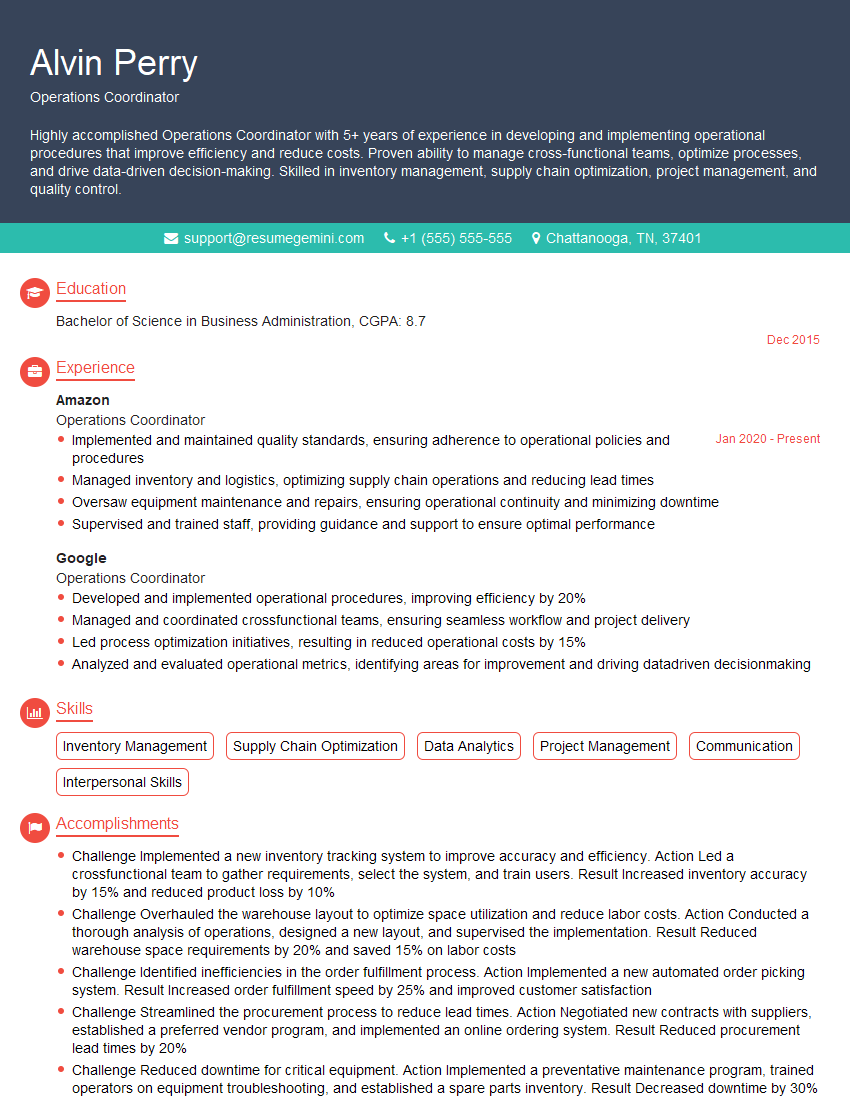
Operations Coordinator Resume Sample
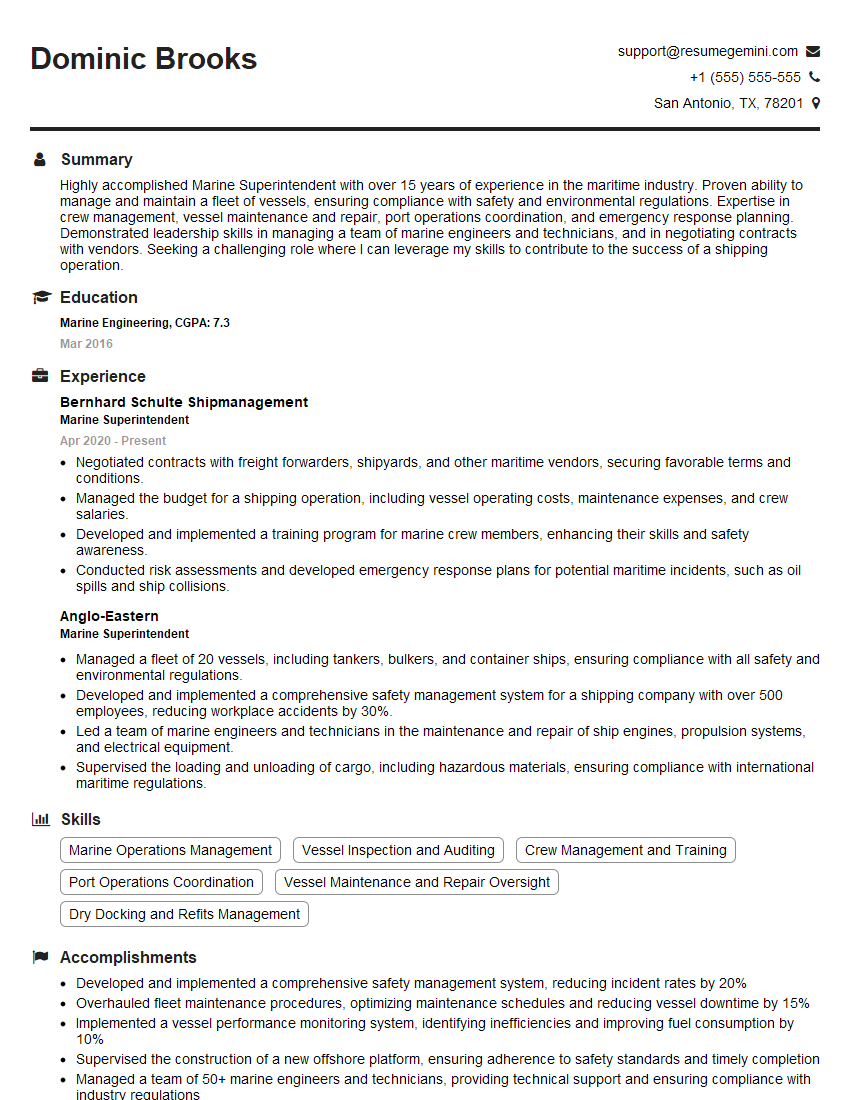
Marine Superintendent Resume Sample
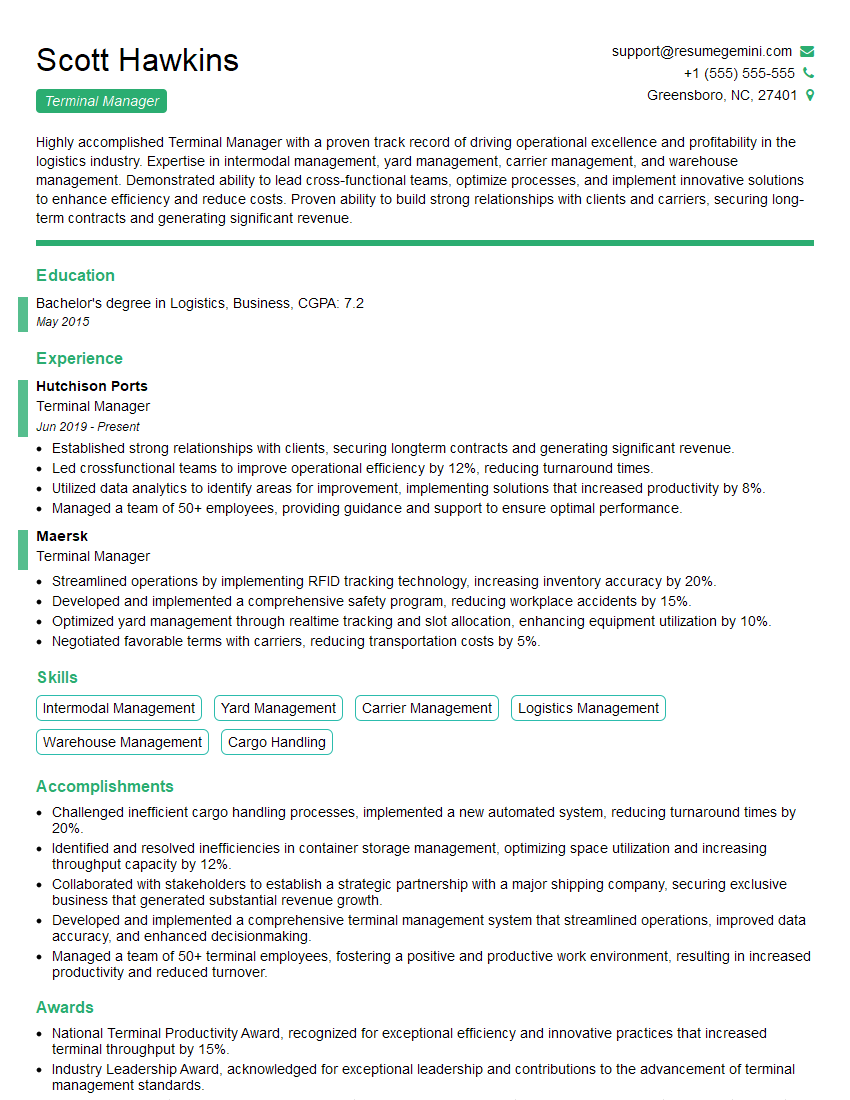
Terminal Manager Resume Sample
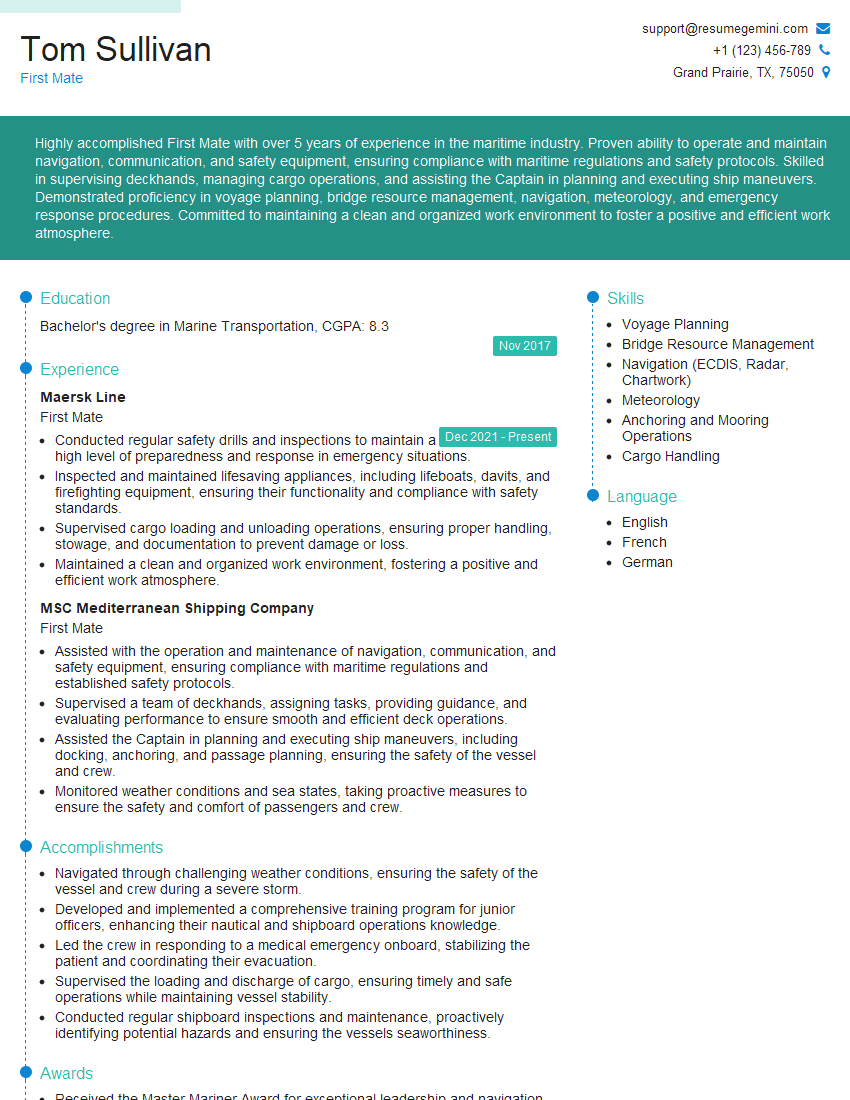
First Mate Resume Sample
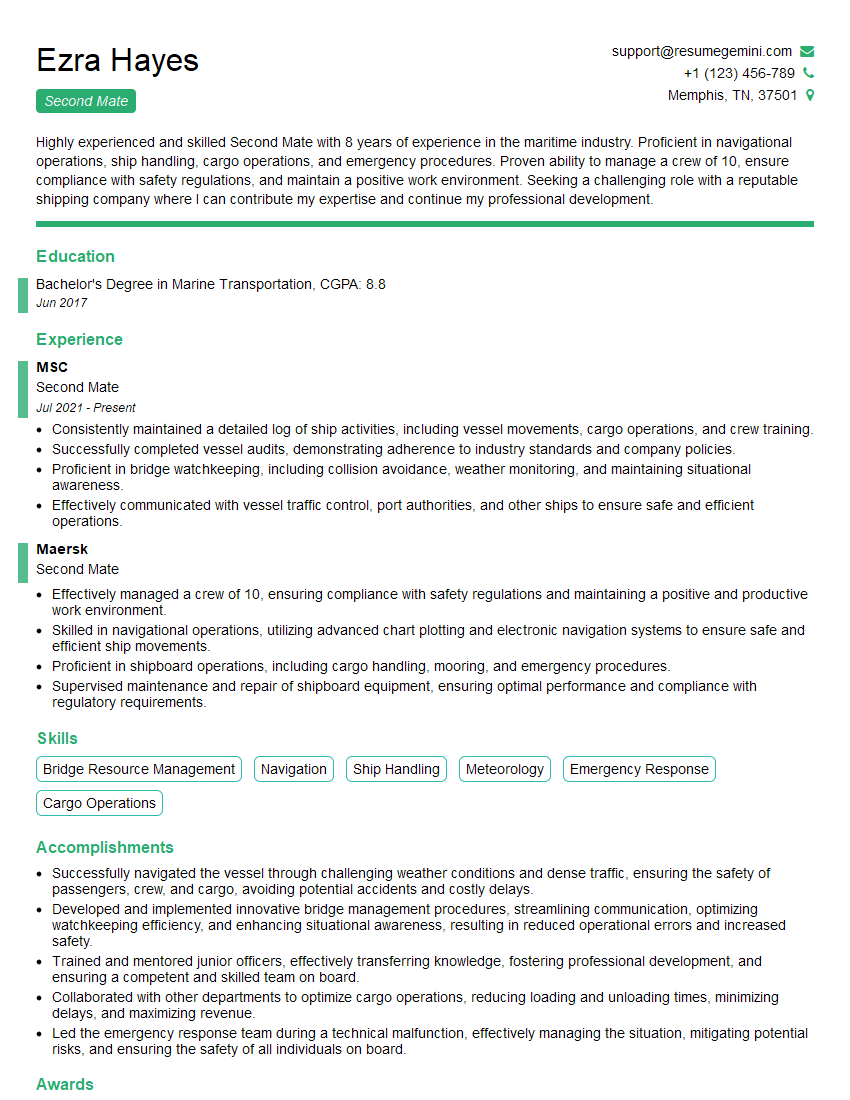
Second Mate Resume Sample
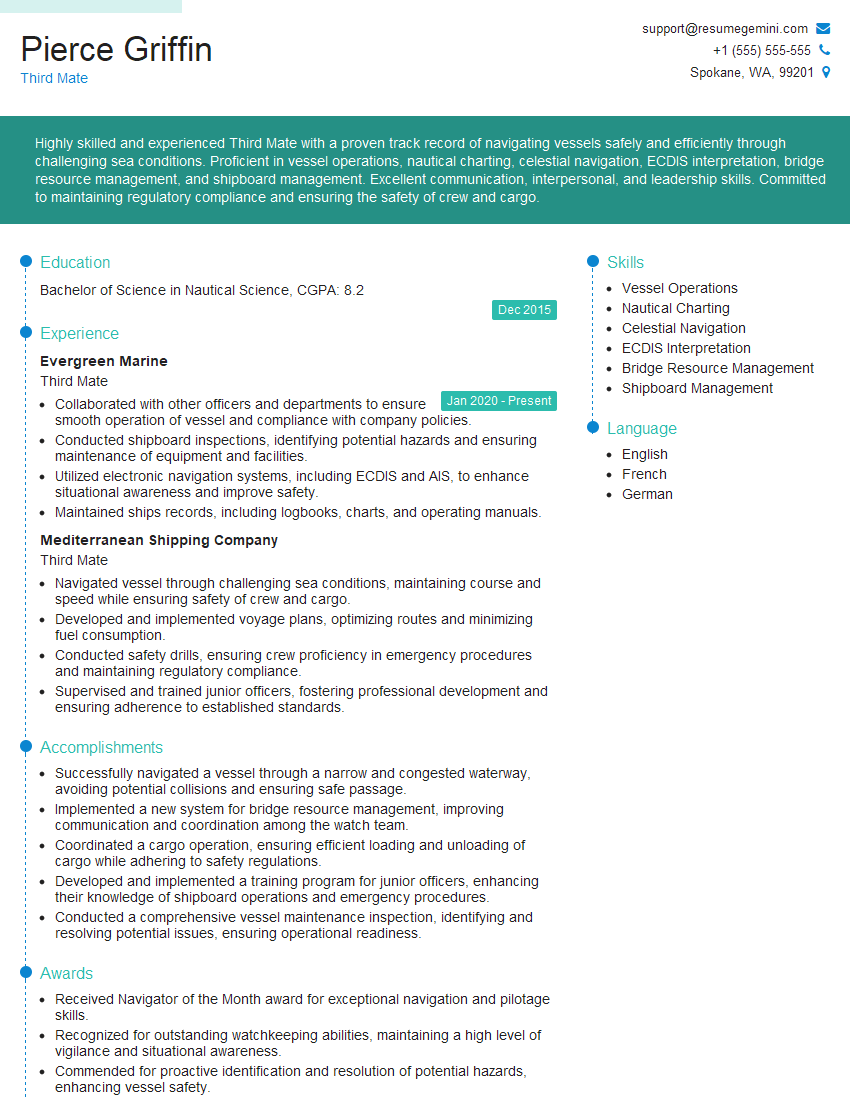
Third Mate Resume Sample
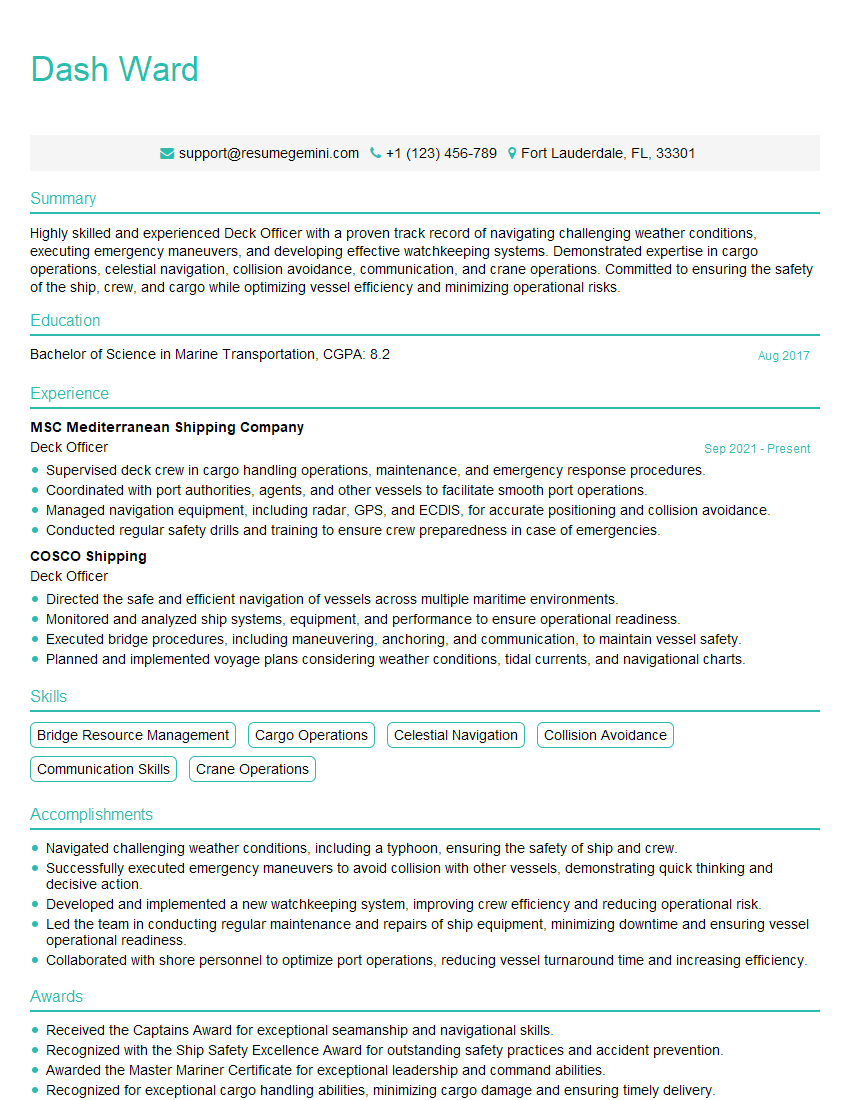
Deck Officer Resume Sample
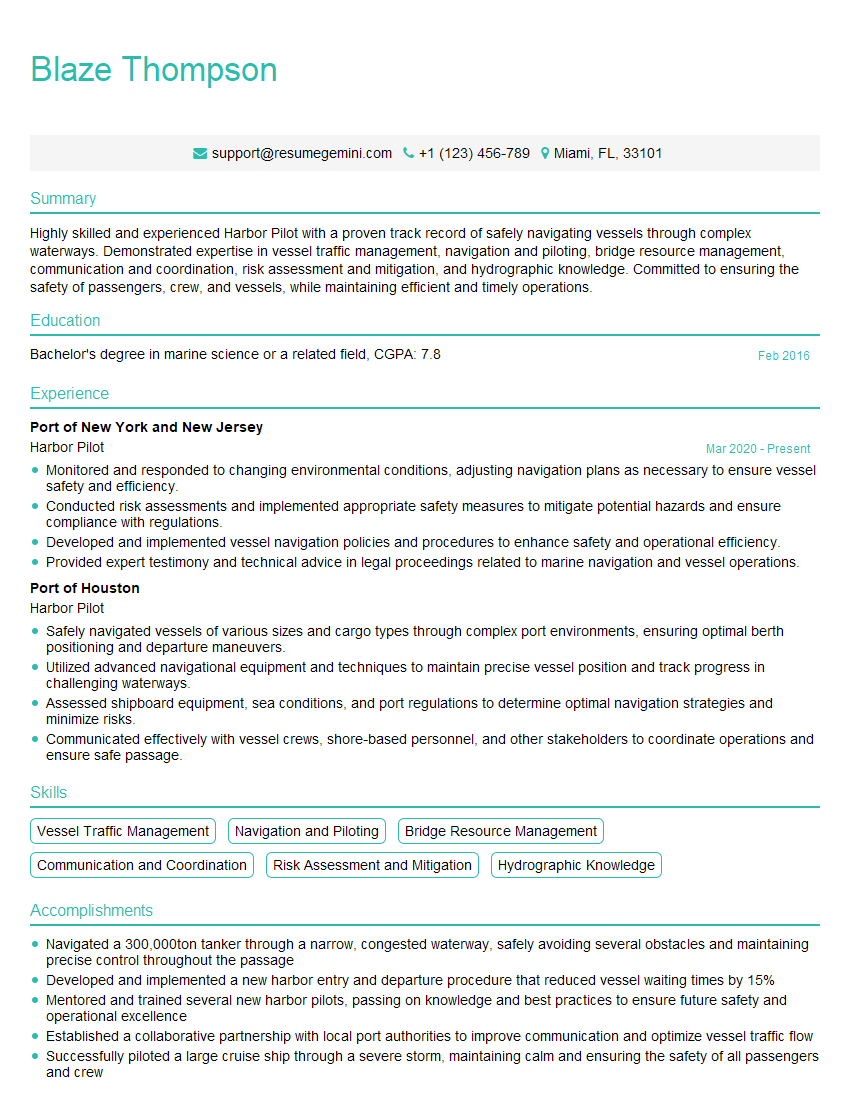
Harbor Pilot Resume Sample
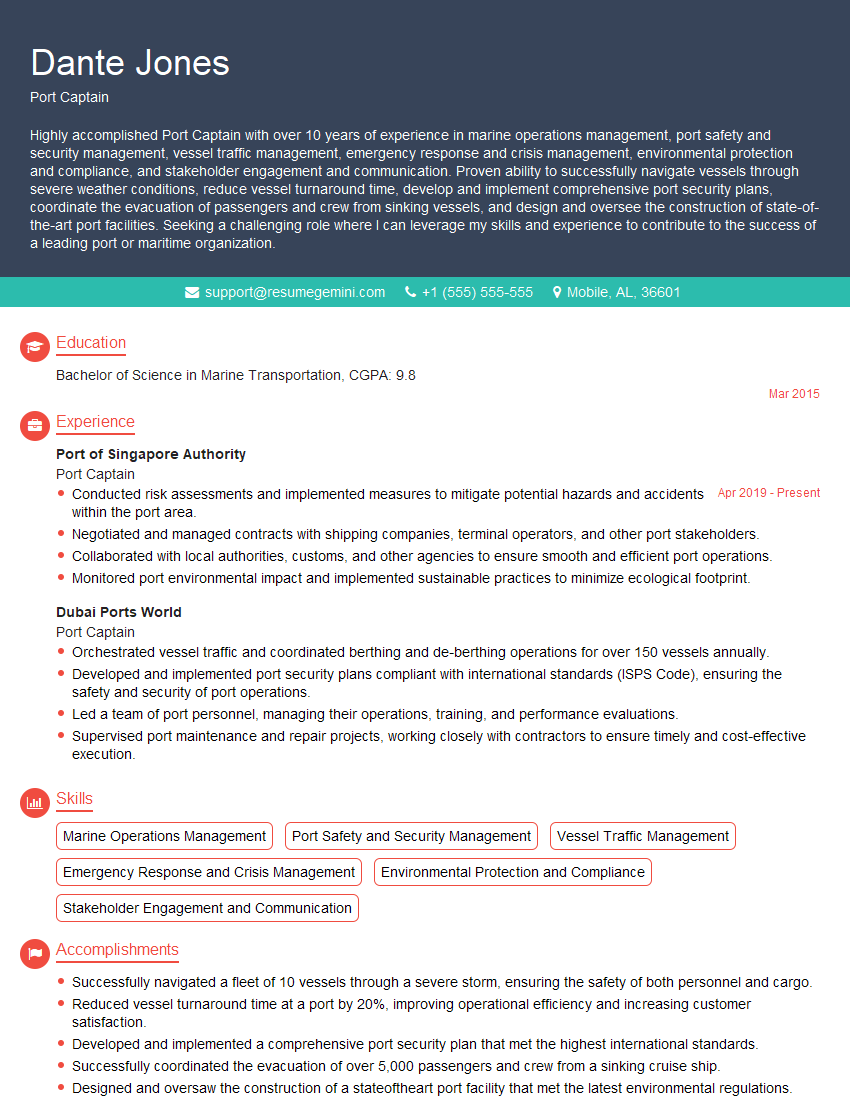
Port Captain Resume Sample
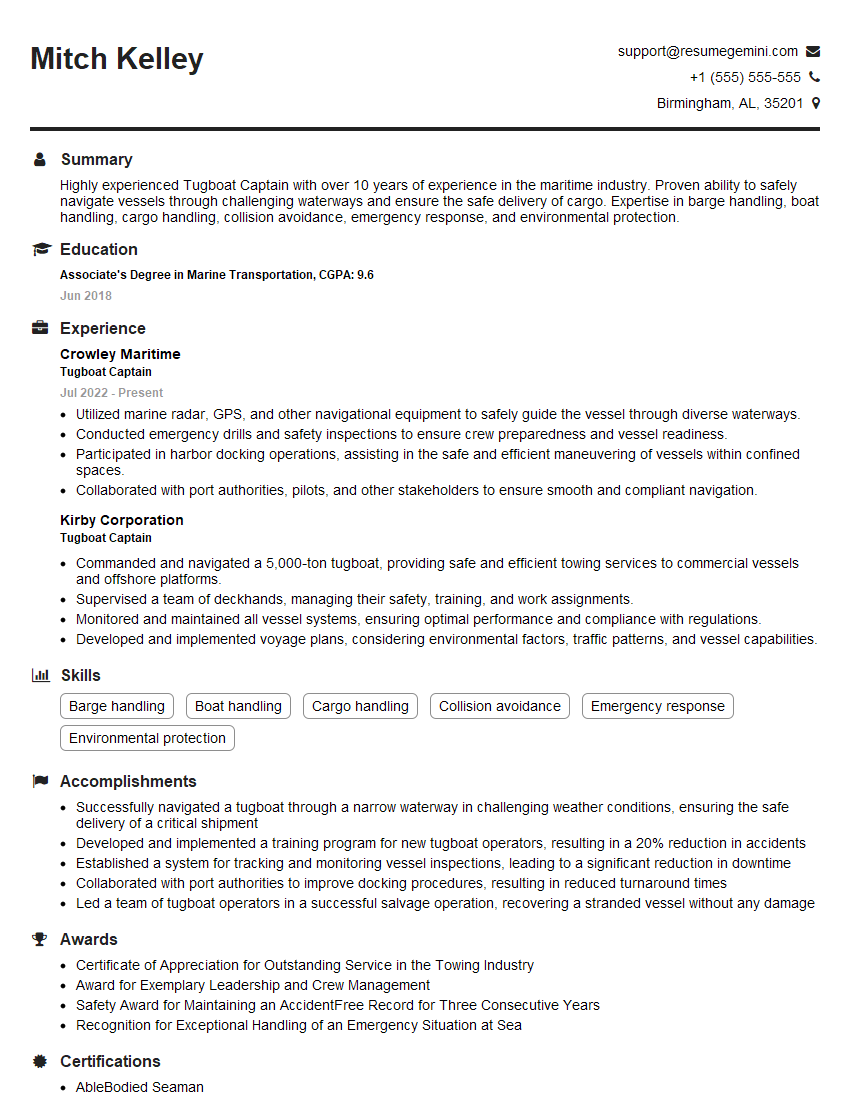
Tugboat Captain Resume Sample
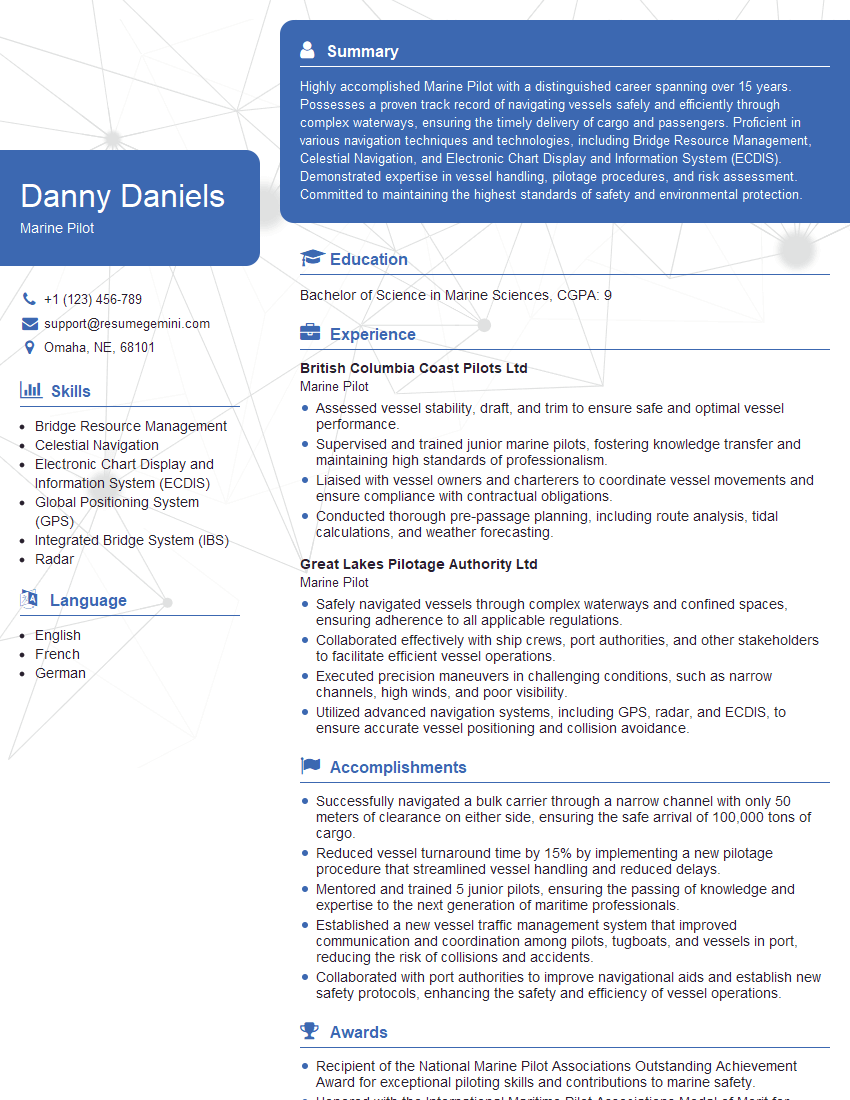
Marine Pilot Resume Sample
Explore more articles
Users Rating of Our Blogs
Share Your Experience
We value your feedback! Please rate our content and share your thoughts (optional).
What Readers Say About Our Blog
Really detailed insights and content, thank you for writing this detailed article.
IT gave me an insight and words to use and be able to think of examples